How did Shakespeare Celebrate Halloween?

Let me begin by admitting that this post was harder to write than my Christmas post because pre Christian traditions are harder to pin down. In addition, to give you my standard disclaimer, I don’t believe it’s really possible to definitively know how or if Shakespeare celebrated Halloween, but since the history of Halloween is long and fascinating, and since Shakespeare’s plays influenced that history, I feel it’s worth exploring.

Part I: Origins of Halloween

Almost every culture on Earth has a middle fall celebration that calls to mind the bounty of the harvest, and the inevitable approach of winter. Most of our Halloween traditions are based on the ancient European festival of Samhuin.

What is Samhuin?

Over 2,000 years ago, the Celts inhabited much of the British Isles. They believed in many gods and spirits that controlled nature and the seasons. To thank the gods for the harvest the Celts gave them offerings like apples, and threw parties to celebrate the gods’ bounty.
When the Romans conquered the Celts, they co-opted some of their religious practices. For instance the tradition of giving apples as offerings to the Roman goddess Pomona. This tradition of course, evolved into our modern Halloween tradition of bobbing for apples. Honoring the harvest also went hand in hand with darker traditions; ones inspired by fear of death, decay, and evil spirits.

With the Sun dying and the Earth growing cold in late October, cultures like the Celts and the Romans feared that evil fairies and ghosts could cross over into our world. In particular the Celts believed that around the night of October 31st, the veil between the living and the dead was the thinnest.

Samhuinn was a liminal time between our world and the Otherworld. It’s a night when the souls of dead loved ones as well as spirits and fairies – the aos sí in Irish mythology and aes sídhe or sìth in Scottish mythology – could come through to visit. Deceased family members were honoured with seats at the evening feast, and offerings of milk and baked goods were left at the front door for the Fairies.

Source: https://theculturetrip.com/europe/united-kingdom/scotland/articles/edinburghs-samhuinn-fire-festival-and-the-origins-of-halloween/

At some point people decided to dress up as the spirits to ward them off, and this evolved into our modern day trick or treating.

These traditions did not die once England became Christian, (after it was conquered by the Romans), they simply translated into a different form. Halloween actually translates as “All Hallows Eve,” a Catholic celebration of of dressing up as pagan spirits and giving offerings of the harvest to honor Catholic saints as well as departed love ones.

Part II: What might Shakespeare have Done on Halloween?

Although Shakespeare never directly mentions Halloween, he lived in a world that kept many of these folk traditions alive. Shakespeare was the grandson of a farmer and his father was a devout Catholic, so he probably was brought up in these ancient Halloween traditions. He probably would have attended some kind of harvest festival to celebrate the bounty of the summer, and might have put food out for his departed family members.

Samhain is still heralded by the baking of kornigou, cakes baked in the shape of antlers to commemorate the god of winter shedding his ‘cuckold’ horns as he returns to his kingdom in the otherworld. On the Isle of Man in the Irish sea, the Manx celebrate Hop-tu-Naa, which is a celebration of the original New Year’s Eve and children dress as scary beings, carry turnips and go from home to home asking for sweets or money.

Source: https://theancientweb.com/2010/10/the-origins-of-halloween-part-1/

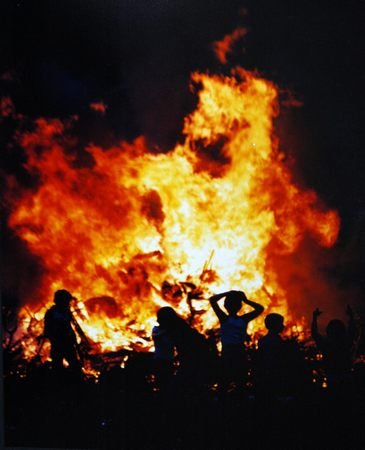
Call me a softie but I really like the idea of Shakespeare baking treats like soul cakes for neighborhood kids or telling scary stories about a bonfire. The kornigou is more commonly known as the Soul Cake, and it’s still popular today. It’s even been immortalized in song:

https://youtu.be/j35dvmdse9k

You can even make it yourself: www.cardamomdaysfood.com/recipe/soul-cakes/

Another tradition was dancing around ancient Celtic burial mounds. According to tradition, these mounds were home to spirits and Fairies, and could be portals to the land of the dead. In Irish folklore, poets and storytellers had the power to pass between these two realms. Maybe Shakespeare himself visited such a mound in his youth and was inspired to write about the fairy queen Titania and the hobgoblin Robin Goodfellow. Archeologists are still learning about these ancient ruins today (source: Smithson.com)

https://youtu.be/gnFv0D

Theater

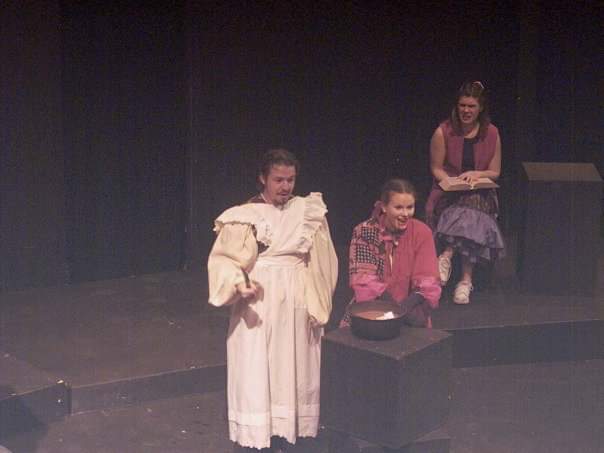
The most tantalizing ancient Halloween tradition is mumming, a kind of amateur theater practiced by the ancient Celts. Like modern Sunday school plays the plays were a religious ritual designed goal to honor the gods and the harvest.

Mumming, a type of folk play, was used to tell traditional Samhuinn stories about battles or the winter goddess Cailleach (meaning “old hag”), who began winter by washing her hair in the whirlpool of Corryvreck.

For a modern example of this of these traditions you can look at the Edinburgh fire festival which preserves the kind of mumming that the Celts might have done on Samhuin and Shakespeare might have seen. It’s highly ritualistic, immersive, and the characters have spooky similarities to some of Shakespeare’s plays.

To give you an idea of how mumming might have influenced Shakespeare, watch this trailer for the 2017 Edinburgh Fire Festival:

https://youtu.be/z8NsvHontQA

What you can see in the trailer:

1. Keening- the wild women screaming as a way to lament, honor, and guide the dead. Characters like Constance in King John have many similar qualities.

2. The fight between the Summer King and the Winter Lord. Many Celtic stories dramatize the change of seasons from summer to winter as a battle. Even the duel between King Arthur and his young son Mordred could be seen in this context. In another interesting interpretation, Jennifer Lee Carroll in her book Haunt Me Still, interprets this mummers play as a pagan retelling of the story of Macbeth.

3. You can see brightly colored figures some designed to honor the changing of the seasons, and wild, animalistic people, presumably playing the roles of the Fairies, goblins, or other creatures that appear on Samhuin. It’s not much of a stretch to see these figures as the Fairies of Midsummer Night’s Dream, or the witches of Macbeth.

Part III: What did Shakespeare mention about Halloween?

Ghosts appear in five of Shakespeare’s plays. We see reference to all kinds of Fairies, goblins, and spirits and even a couple times people dressing up to ward off evil. In Titus Andronicus, the queen of the Goths disguises herself and her sons as spirits of revenge and go to Titus’ house to torment him, and then the old man Titus tricking them into coming to his house, where he takes his revenge.

One Shakespeare play that I think perfectly encapsulates the Halloween traditions of the English countryside is Merry Wives Of Windsor, specifically the scene in which Falstaff is tormented by a ghost story.

In the play, the fat, drunk knight Sir John Falstaff has been trying to seduce two married women, Mistress Page and Mistress Ford. Page devises a plan to scare and humiliate Falstaff, by dressing up her husband as the terrifying ghost of Herne the Hunter:

• 4.4 MISTRESS PAGE

• There is an old tale goes that Herne the hunter,

Sometime a keeper here in Windsor forest,

Doth all the winter-time, at still midnight,

Walk round about an oak, with great ragg’d horns;

And there he blasts the tree and takes the cattle

And makes milch-kine yield blood and shakes a chain

In a most hideous and dreadful manner:

You have heard of such a spirit, and well you know

The superstitious idle-headed eld

Received and did deliver to our age

This tale of Herne the hunter for a truth.

Herne the Hunter is a real medieval legend about a man who was hanged for poaching deer in Windsor park and now haunts the forest with horns on his head. Not only does Master Ford dress as Herne, The witty housewives dress the neighborhood children like Fairies and instruct them to pinch the fat knight and burn him with lit candles. Essentially this scene is a Shakespearean trick or treating moment with a ghost story to boot. Plus as Mistress Page mentioned, the ghost haunts Windsor towards the the oncoming of Winter, so it’s not entirely unlikely that it would be that this scene was originally played around the time of Halloween.

How did Shakespeare contribute?

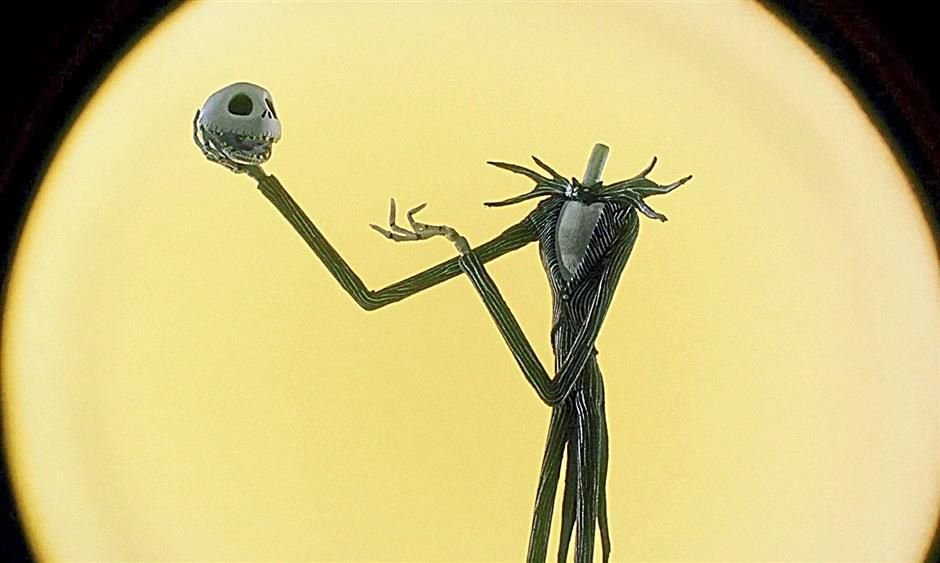
Scholars describe Shakespeare’s mind like a magpie, taking myths, legends, history, and books to come up with his own plays. As you have seen, the ancient traditions of Halloween had a powerful effect on Shakespeare’s plays. But, did he contribute to those traditions himself? I would say yes in a big way. First of all the image of Hamlet holding a skull has inspired many other Halloween images:

David Tennant in Hamlet, RSC 2008

Jack Skellington in The Nightmare Before Christmas, 1993.

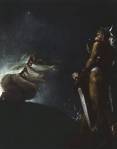
But I think Shakespeare’s greatest contribution to how we celebrate Halloween are centered within the witches of Macbeth.

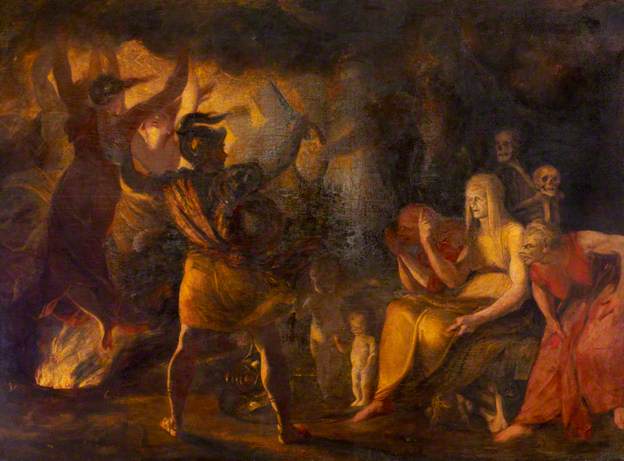
Though Shakespeare by no means invented the concept of witchcraft, he did popularize the idea of the wicked witch, and helped form our modern view of what a witch is. The image he created in Macbeth

As you’ve seen, Shakespeare conjured the witches in Macbeth by infusing Celtic traditions like the wise woman with her chants and her cauldron, and infused her with the 17th century fear of witchcraft. Remember that Shakespeare’s patron King James was terrified of witchcraft and believed that he might be targeted by demonic forces. Shakespeare masterfully created some frightening witches that inspire Macbeth to do some terrible deeds, but adamantly deny that any harm will come to the English king, prophesying his bloodline will “Stretch out to the crack of doom.”

More than that, I would argue that the modern wicked witch would be all but silent without Shakespeare. When you think of what a witch might say, besides a series of high pitched cackling, what do you think of? Probably you think of this:

Or this:

Shakespeare’s bizarre and cryptic language helped inspire countless other interpretations of witches, and thus, a way for audiences to deal with the temptations that lurk in our hearts.

In conclusion, we don’t know how Shakespeare celebrated Halloween or even if he did to begin with; Halloween and Shakespeare’s life are both frought with mystery and legend, but one thing is dead certain; Halloween would not be the same without him. He absorbed the ancient rituals of the Celts and Romans and crafted some modern Halloween ideas and images that endure to this day.

Sources

https://www.historic-uk.com/CultureUK/Halloween/

https://www.bbc.co.uk/newsround/15169373

http://m.ncregister.com/daily-news/ghosts-and-the-catholic-church-pointing-to-the-permanence-of-the-soul


Thanks very much for reading! If you liked this post, please consider signing up for my new “Macbeth” online class via Outschool.com. One really fun part of the class will be an escape room where you use your knowledge of Macbeth to escape a cursed castle:

Teaching Titus through creepy cooking

Titus Andronicus is one of the most bloody, disgusting plays in Shakespeare. As this infographic from the Royal Shakespeare Company shows, there are tons of deaths and some of them are even the result of cannibalism!

One way to capture the macabre nature of this play in the classroom, (which some scholars see as a horror comedy), is to characterize it through cooking, after all, revenge is a dish best served cold.

Me in costume as Titus Androgynous, a crazy cooking show host who butchers two people in the same manner as Titus

So here are some ghoulish gourmet dishes and revolting recipes that you can share with your students to help them get into this tragic tale of violence, revenge, and cooking:

Idea 1: recipe cards

Design a recipe card like the ones in cooking magazines based on Titus speech where he murders Chiron and Demetrius

Idea 2: Create a menu that summarizes the play:

Act I:

Starter: Caesar Salad, toad in the hole

As the play begins, Caesar has died and Saturnine wants to devour his father’s empire. Enjoy this light salad in anticipation of far more bloody feasts to come.https://youtu.be/UxZ5NOkRwj0

Act II Scene 3: Breakfast:

Lamb Benedict

Lamb Benedict recipe I found on Reddit

While on an early morning hunting trip, Bassianus is slaughtered like a lamb by his own nephews. Enjoy this sweet treachery with a golden egg in the hole.

Act II, Scene 4: Main course:

Roast venison with all the trimmings

“As the deer that hath some unrecuring wound.”

“She was washed and cut and trimmed.”

Titus compares his daughter to a deer or welkin, and in the play’s most barbaric scene, the emperor’s sons ravish her and cut out her tongue. They enjoy the cruel rape and mutilation just like two starving lions enjoying their prey.

Act V:

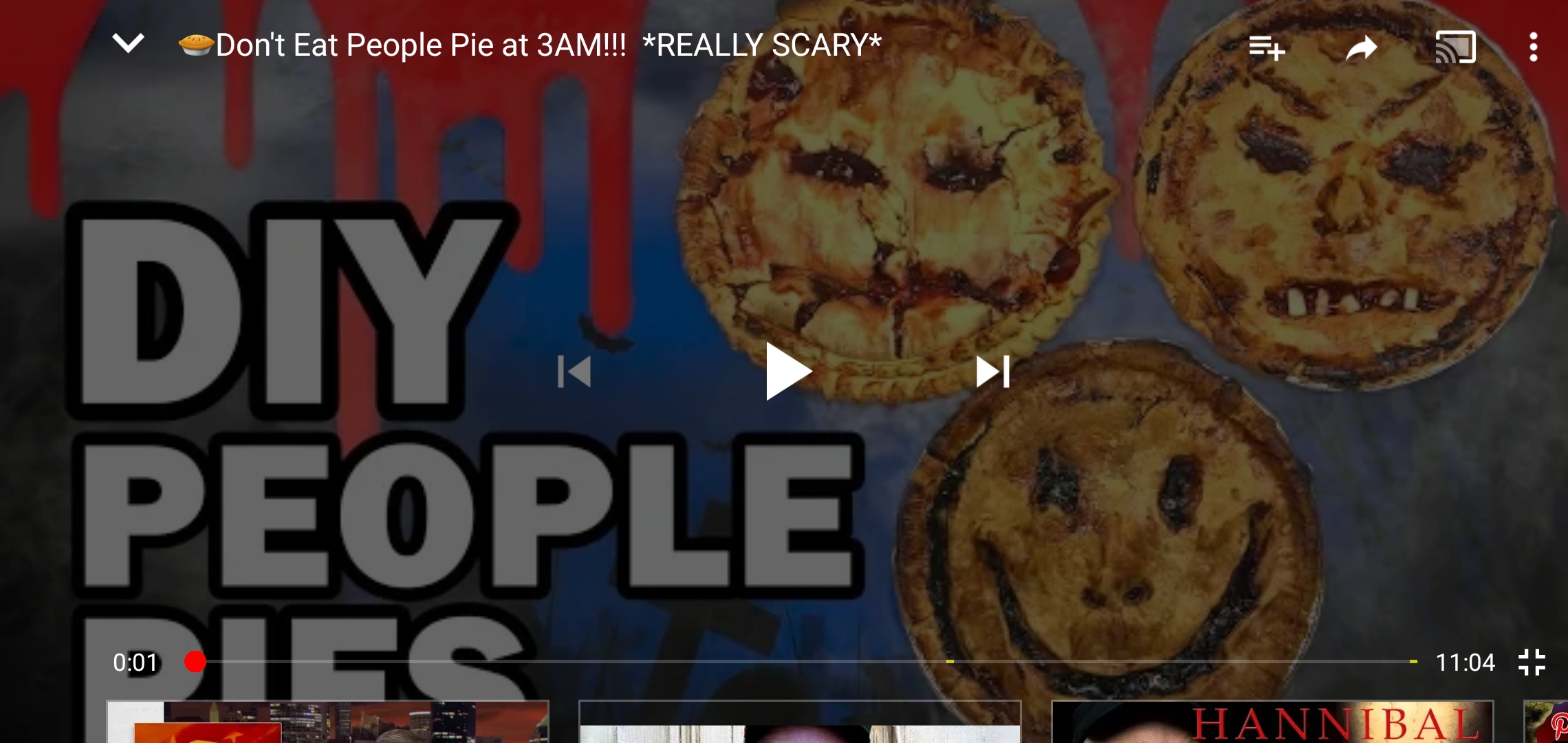
Just desserts: people pot pie.

“More stern and bloody than the centaur’s feast,” A truly unforgettable dessert for this feast of carnage. The cook, Titus, reinvents the term rich food by cooking two emperor’s sons into pies.

Served cold, like revenge!

“Set him breast deep in Earth and famish him.”

Idea 3: Real Titus foods inspired by my favorite Halloween diy recipes

1. Lavinia’s tongue and hands

• horrific Halloween punch with ice cold hand cubes: https://youtu.be/XLYwcX7Ud-E

• Bloody lady fingers https://pin.it/xbnfxcs4bxbhsq

2. Titus hand: Hot dog fingers for Titus’ hand.

https://pin.it/ofn6cotybnvn4n

Or this grisly appetizer: cheese hand in prosciutto

3.

People Pies:

There are many horrific pie recipes on the internet, but for a busy teacher on a budget, I’m adapting this one from the YouTube channel Threadbanger: https://youtu.be/E6U6xUl3A5M. Don’t show this video to your students because there’s far too much cursing. That said this recipe is very cheap and it’s easy. He used only store bought items and no fancy cooking techniques, which means if you choose to bake it as a classroom activity, even your students can help make it. Here are some tips from the video to get the most horrible ppeople pie you can make:

• Use red filling like cherry or strawberry for filling.

• Use excess dough for a nose.

• Cut out little pieces of apple to make teeth

• Cut holes for the eyes and mouth

• The bloodier, the better!

Bone appetit!

What to Get A Shakespeare Nerd For Christmas

If you’re reading this as I post it, there’s a Shakespearean nerd in your life and your wits are about to turn trying to find a gift. I’ve already written about printed editions of Shakespeare and educational apps, so you can consult those if that’s what you are looking for. Now I’m covering the kinds of stuff that die-hard Shakespeare fans will kill a king and marry with his brother for, basically nerdy swag that no Shakespearean fanatics should be without!

img_0615-1


For anyone: Immortal Longings.com- This company is very special to me. If you’ve seen any of my Play Of the Month posts, you’ve seen the gorgeous artwork for Shakespeare’s plays by the artist Elizabeth Schuch. Not only do I love her work, my wife and I put her prints on the decor for our wedding day, and wrapped some of my presents in wrapping paper with her designs on it. If you go to her website, she sells Shakespearean art printed on and inspired by Shakespeare’s plays on everything from tapestries to clothes to iPhone cases. I highly recommend checking her work out, and patronizing it as much as possible: https://society6.com/immortallongings/s?q=popular+framed-prints

img_1488-1

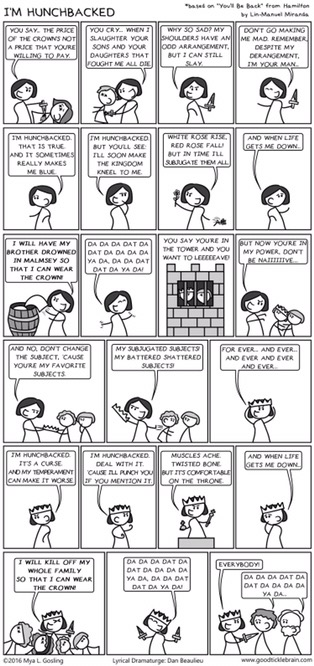
I also want to give a shout-out to the website Good Tickle Brain, a weekly Shakespearean comic that satirizes the Bard’s work with love. I feel the best way to introduce anyone, young or old to Shakespeare is through a healthy dose of satire and parody. Mya Gosling loves Shakespeare and it comes through in her simple, funny retellings of his plays. If you go to their shop (spelled Shoppe to appeal to nerds like me), you can get some of her comic books, funny T-shirts, and a few educational posters for teachers too: https://goodticklebrain.com/shoppe/

Bard Game

Adults

  1. The Bard game This is the Monopoly for Shakespeare Nerds- each player pretends to be a theater manager putting on plays in real locations where Shakespeare’s company toured during his lifetime. You make money by reciting speeches or improvising one in the Shakespearean style, or by answering Shakespearean trivia questions. A must-have for any Twelfth Night Party! Review of the game: https://boardgamegeek.com/boardgame/12372/shakespeare-bard-game https://boardgamegeek.com/boardgame/12372/shakespeare-bard-game
  2. Bards Dispense ProfanityBards against humanityMost people know the raunchy card game where you try to encapsulate a disgusting word or phrase with a description written on your card. Well, there’s a Shakespeare version too! It makes sense that someone made a card game inspired by the king of the Elizabethan put-downs, (and the inventor of one or two modern curse words!)
  3. Wine 🍷 Though I was unable to find actual wine with Shakespeare’s name on it, practically every other part of the wine drinking experience has been branded with Shakespeare- wine bags, glasses, corks and bottle stoppers, and even whole bars! If you spend a few minutes looking online, you can find tons of Shakespearean wine merch. By the way, here’s a convenient list of quotes Shakespeare wrote about alcohol: http://www.shakespeare-online.com/faq/shakespearedrinking.html
  4. T shirts 👕 https://www.redbubble.com/shop/shakespeare+t-shirts

Stocking stuffers

  1. Pen and ink There’s a lot of good versions of pen and ink with Shakespeare’s name on them. Imagine the fun you can have writing sonnets with your own Shakespearean pen and ink!

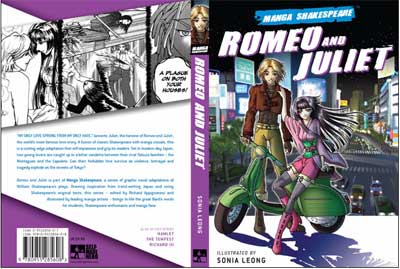
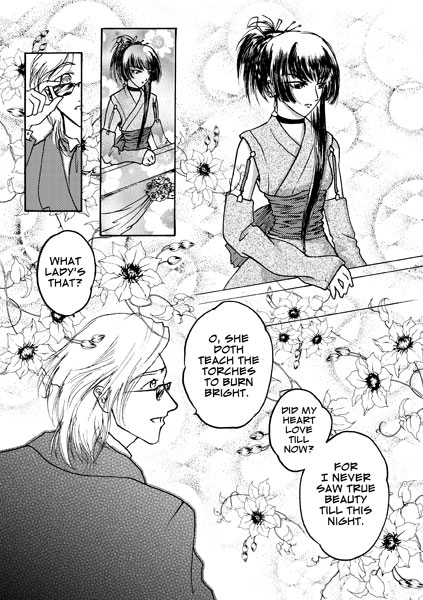
Shakespearean Comic Books. I’ve written reviews about some of these books and I’m very impressed by the artwork and the clever adaptations. Click here to read my review of the Romeo and Juliet Comic.

Kids

  1. Pop-Up Shakespeare by the writers of the Reduced Shakespeare Company. I’m a huge fan of The Reduced Shakespeare Company and they have created an amazing new popup book for kids of the entire Shakespearean cannon!
  1. Barbie and Ken as Romeo and Juliet. Ok, so this is a bit of a stretch, but hey, I’d get it for my daughter. R&J Barbie
  1. MND Board BookBoard books 📖 Yes, even toddlers can get into Shakespeare. I actually read this to my daughter a lot. It’s not the story of the play, but it does introduce some of the characters and famous lines which can help a child to become familiar with Shakespeare.
  1. King Of Shadows
  1. Cover of “King Of Shadows,” an excellent Young adult novel for anyone who loves Shakespeare.
  1. King 👑 Of shadows (Ages 8-12) This is an excellent young adult novel that teaches a lot about Shakespeare’s theater and the time period in which he lived. For a complete review, click here:

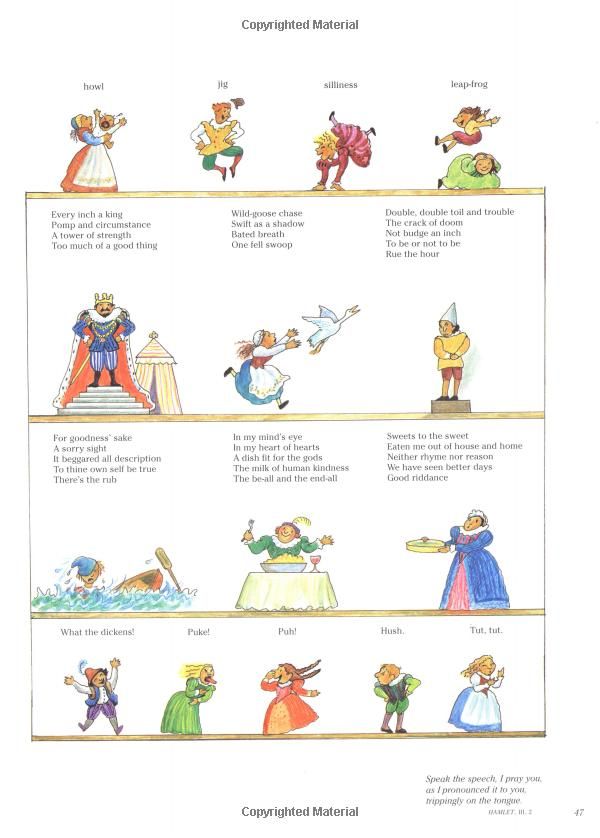
This was one of my favorite books growing up. It tells the story of Shakespeare’s life and work, with special attention to the creation of the Globe Theater in 1599. It’s gorgeously illustrated and a great read for kids!

So there are some gift ideas for the Shakespeare nerd in your life. Merry Christmas!

Here’s one more gift that you could give a Shakespeare nerd ages 13-18: A class from ME!

Go to my Outschool profile and Get $5 off the following classes:

  1. Wizard Science for Kids!
  2. What Was Christmas Like for William Shakespeare?
  3. The Violent Rhetoric of Julius Caesar
  4. Stars and Constellations for Kids
  5. Romeo and Juliet: Why Do We Still Read This Play?
  6. Macbeth: An Immersive Learning Experience
  7. Love Poetry- Shakespeare Style!An Interactive Guide to Shakespeare’s London
  8. An Immersive Guide to “Romeo and Juliet”
  9. A Child Astronomer’s Christmas!

Get started at https://outschool.com/classes/a-child-astronomers-christmas-bhmPRpND and enter the coupon code at checkout. My classes are available for as low as $4 apiece! Get started at https://outschool.com/classes/a-child-astronomers-christmas-bhmPRpND and enter the coupon HTHESNIF6B5 code at checkout.

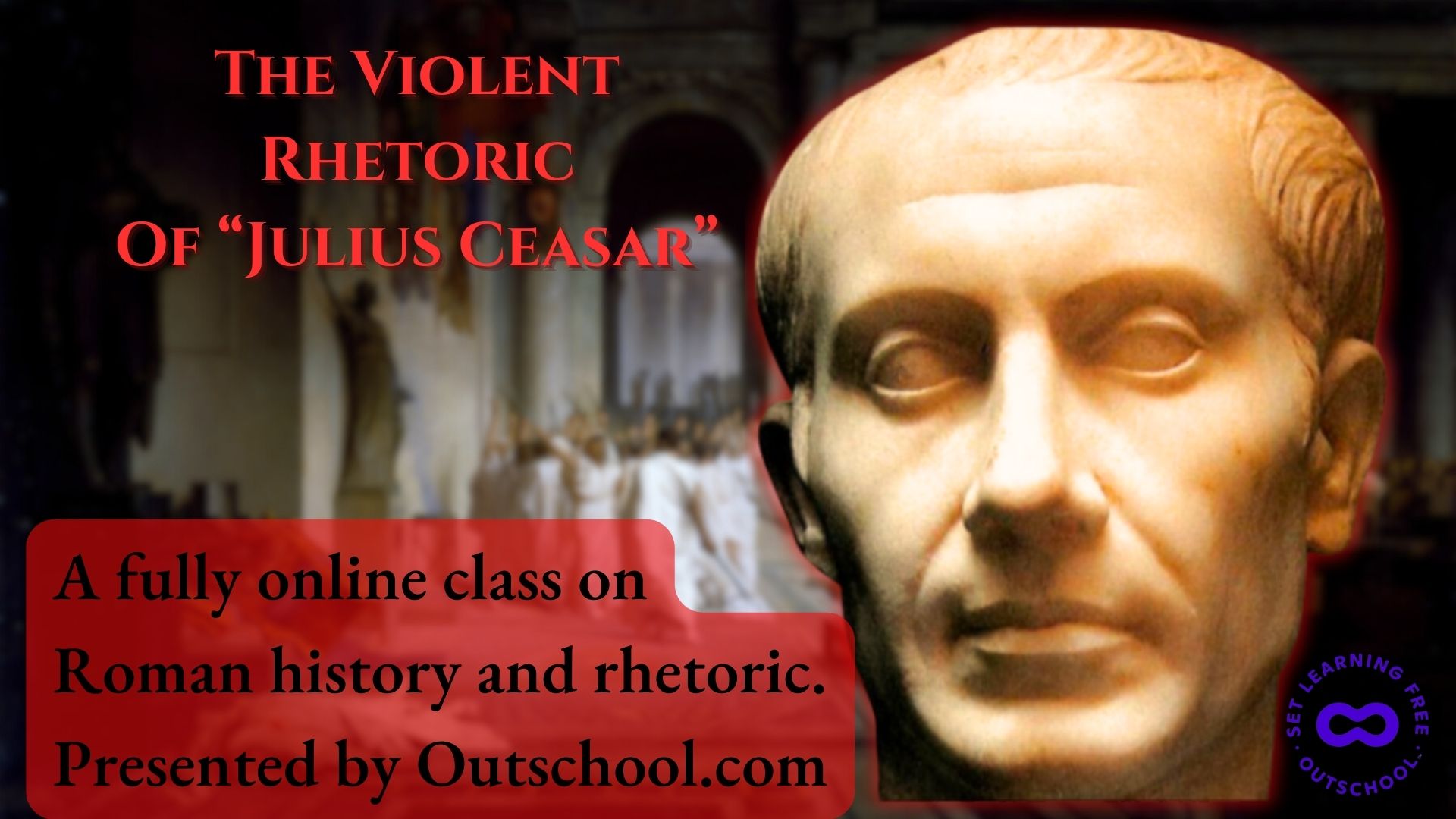
Course image: "The Violent Rhetoric Of Julius Caesar"
Course title image for my Outschool course, 2021

Shakespeare On Soldiers

Happy Veterans Day Everyone,

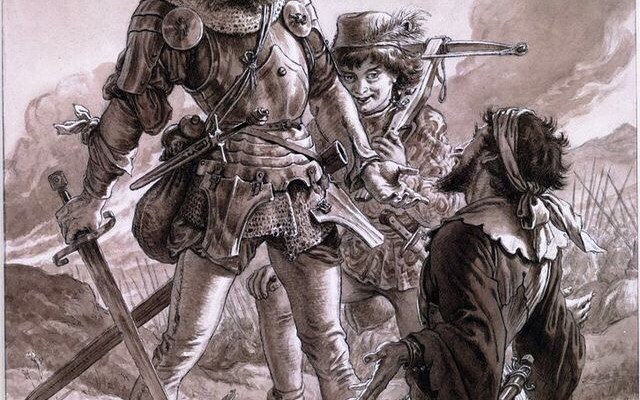
War and soldiers come up a lot in Shakespearean plays. After all, he wrote six plays about the Wars Of The Roses. Though most of his work is about the decisions about war made by powerful monarchs, occasionally he gives us some insight into the lives of common soldiers.

We don’t know if he ever fought, but warfare was very much on his mind at the beginning of his career, with good reason. In 1586 The Spanish armada attacked. Was Shakespeare enlisted? We don’t know.

His early plays are generally positive toward soldiers and it’s easy to see why. The growing nationalism in England resulting from the Tudor control over religion and language —was a direct and defensive reaction to the ex-communication of the Tudor monarchs (particularly Henry VIII and Queen Elizabeth. Shakespeare probably saw himself —

. He no doubt saw his role as building the epic sagas of England to remind his countrymen of England’s past victories, especially during the Spanish Armada and the later Irish Rebellion of 1599.

Shakespeare cashed in with 9 plays on English history that mainly take place on the battlefield. His plays were met with praise by audiences and critics:

“How would it have joyed brave Talbot (the terror of the French),” he wrote, “to think that after he had lain two hundred years in his tomb, he should triumph again on the stage and have his bones new embalmed with the tears of ten thousand spectators at least (at several times).” -Thomas Nashe, c. 1590.

In the first tetralogy, common soldiers don’t have any voice. Probably they were played by apprentices, and fencing masters. They were mainly set dressing. Shakespeare mainly focuses on the pivotal importance of leadership and his portrayal f leadership; he understood the consequences of the choices kings make during the war and its effect on millions of common people: like Talbott and King Henry the Fifth.

I want to analyze a short selection from Henry the Fifth, Act IV, Scene I. In this scene, the king is disguised as a commoner the night before a battle to see what his soldiers really think about him, and the impending fight with the French. An outspoken soldier named Williams tells him that if the fighting is wrong, the king is responsible for his soldiers’ deaths, and has to answer for the atrocities that happen during the war:

KING HENRY V

methinks I could not die any where so
contented as in the king’s company; his cause being
just and his quarrel honourable.

WILLIAMS

That’s more than we know.

BATES

Ay, or more than we should seek after; for we know
enough, if we know we are the kings subjects: if
his cause be wrong, our obedience to the king wipes
the crime of it out of us.

WILLIAMS

But if the cause be not good, the king himself hath a heavy reckoning to make, when all those legs and arms and heads, chopped off in battle, shall join
together at the latter day and cry all ‘We died at such a place;’ some swearing, some crying for a
surgeon, some upon their wives left poor behind them, some upon the debts they owe, some upon their children rawly left. I am afeard there are few die
well that die in a battle; for how can they charitably dispose of any thing, when blood is their argument? Now, if these men do not die well, it will be a black matter for the king that led them to it. King Henry V, Act IV Scene I.

Many productions of Henry the Fifth interpret this speech as Shakespeare’s attitude towards war, (a tempting prospect, since the soldiers’ name is William), but in the very next speech King Henry completely changes Williams’ mind! Here’s the full scene from Kenneth Branaugh’s 1989 movie version of the play, which he directed and starred as King Henry:

https://m.youtube.com/watch?v=rv7NsGCDVDs

Next, here’s a fascinating article by psychotherapist Anthony King that attempts to diagnose one of Shakespeare’s most diabolical soldiers, Macbeth: https://warontherocks.com/2015/10/macbeth-as-a-ptsd-victim/

Evidence that Macbeth has PTSD:

Every generation recreates the Shakespeare it needs.” -Anthony King

Macbeth is a veteran dealing with atrocious behavior, his own, and those he’s privy to.

Found on AdAA.org

• Re-experiencing the trauma through intrusive distressing recollections of the event, flashbacks, and nightmares.

◦ Sees daggers 🗡, ghosts, and obsessed over infants 👶

• Emotional numbness and avoidance of places, people, and activities that are reminders of the trauma.

◦ Ignores people and isolated himself in the castle 🏰

• Increased arousal such as difficulty sleeping and concentrating, feeling jumpy, and being easily irritated and angered.

◦ “Macbeth shall sleep 😴 no more”

◦ the murder- in Macbett by Sartre, the soldier actually questions whether the man whom he swore to protect is really worth defending.

How to Create A Garden Inspired By Shakespeare

Nearly 30 scenes in Shakespeare’s plays take place in a garden, and his characters mention weeds, trees, flowers and herbs and their properties, both medicinal and just beautiful.

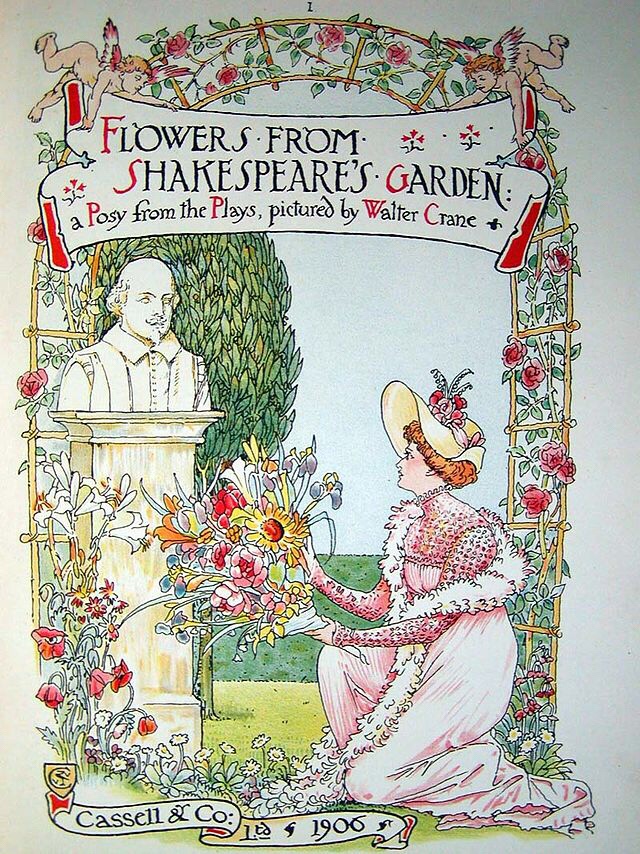
Ever since this 1906 book of the plants mentioned in Shakespeare’s plays, great cities and private garden groups have created gardens that honor the fertile imagination of The Bard Of Avon. There are 33 of these Shakespeare gardens worldwide, in cities like New York, Barcelona, and of course, Shakespeare’s home town of Stratford Upon Avon.

Shakespearean Garden At Shakespeare’s Birthplace

Here is a good guide for how you can create a Shakespeare Garden of your own:

https://www.seattletimes.com/life/lifestyle/6-steps-to-create-a-garden-inspired-by-shakespeare/

Here’s an excellent guide to the plants mentioned in the plays: https://davesgarden.com/guides/articles/view/2601

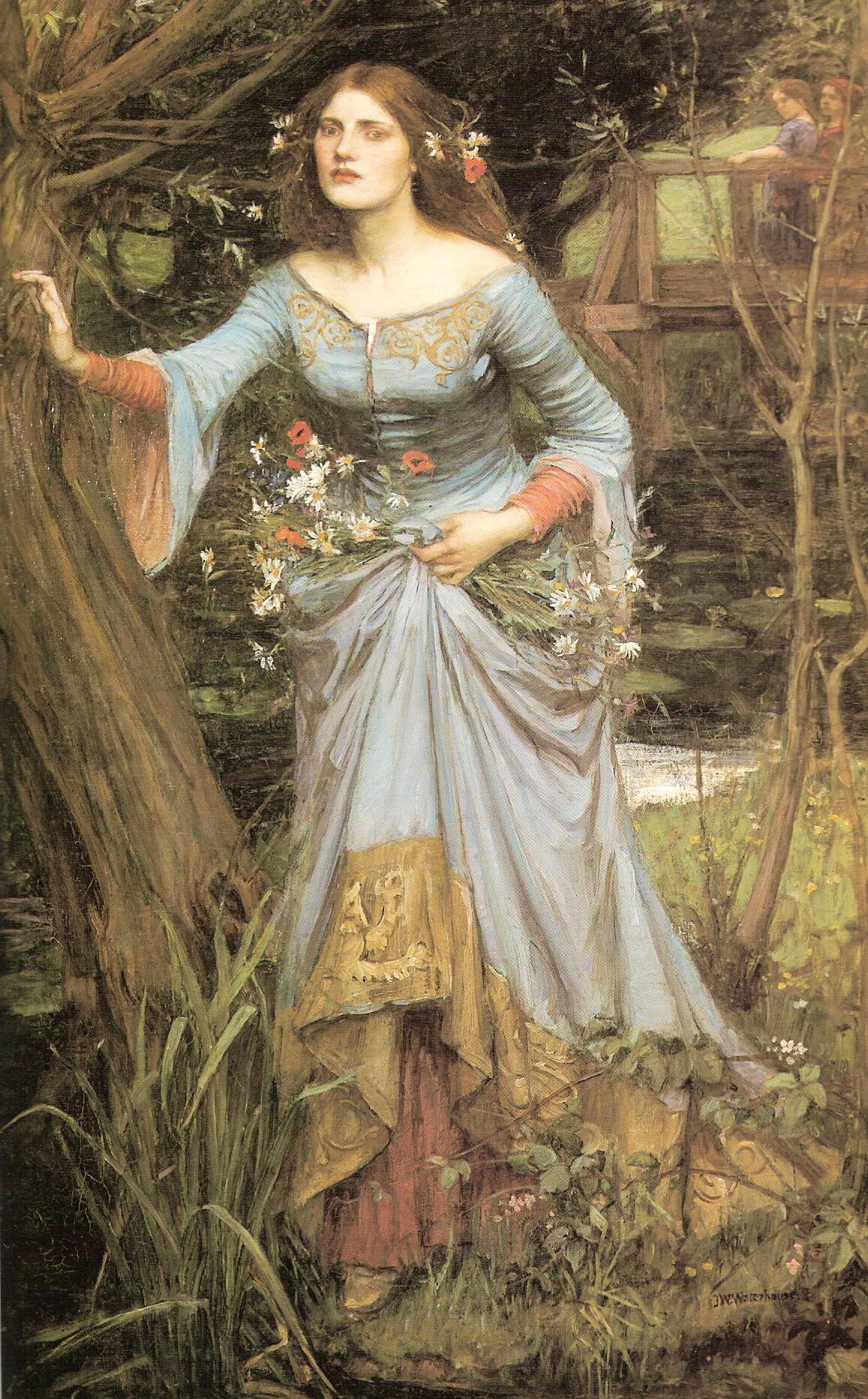
Finally, here are two of Shakespeare’s most famous quotes about plants and flowers- a speech from Ophelia in Hamlet and the Gardeners scene from Richard II:

OPHELIA

There’s rosemary, that’s for remembrance; pray,

love, remember: and there is pansies. that’s for thoughts.

LAERTES

A document in madness, thoughts and remembrance fitted.

OPHELIA

There’s fennel for you, and columbines: there’s rue

for you; and here’s some for me: we may call it

herb-grace o’ Sundays: O you must wear your rue with

a difference. There’s a daisy: I would give you

some violets, but they withered all when my father

died: they say he made a good end,–

Sings

For bonny sweet Robin is all my joy.

LAERTES

Thought and affliction, passion, hell itself,

She turns to favour and to prettiness.

Hamlet Act IV, Scene ii.

Ophelia by W. Waterhouse

https://youtu.be/OapyM4s3Qb

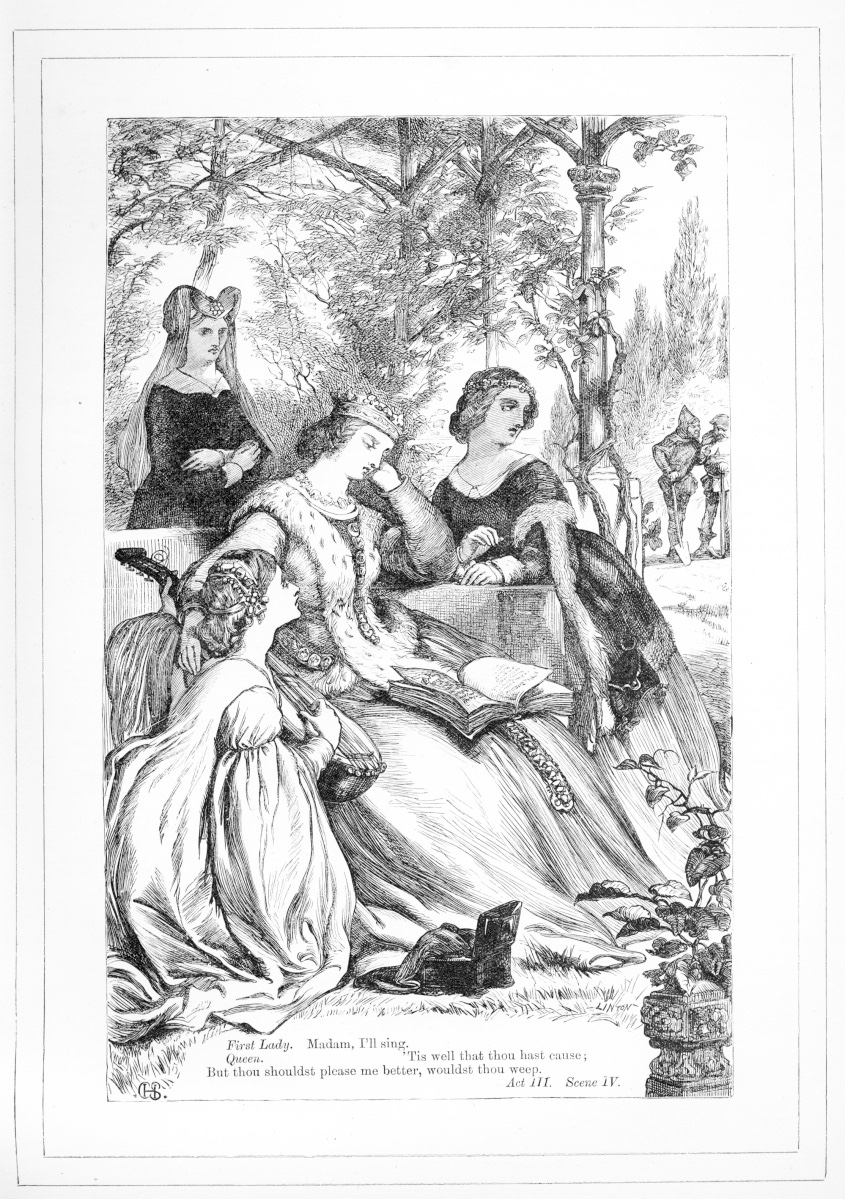
HC Selous Illustration For Richard the Second, circa 1864. Source: https://shakespeareillustration.org/king-richard-ii-3/hcselouskrii11/#main

Gardener. Go, bind thou up yon dangling apricocks,

▪ Which, like unruly children, make their sire

▪ Stoop with oppression of their prodigal weight: 1895

▪ Give some supportance to the bending twigs.

▪ Go thou, and like an executioner,

▪ Cut off the heads of too fast growing sprays,

▪ That look too lofty in our commonwealth:

▪ All must be even in our government. 1900

▪ You thus employ’d, I will go root away

▪ The noisome weeds, which without profit suck

▪ The soil’s fertility from wholesome flowers.

Servant. Why should we in the compass of a pale

▪ Keep law and form and due proportion, 1905

▪ Showing, as in a model, our firm estate,

▪ When our sea-walled garden, the whole land,

▪ Is full of weeds, her fairest flowers choked up,

▪ Her fruit-trees all upturned, her hedges ruin’d,

▪ Her knots disorder’d and her wholesome herbs 1910

▪ Swarming with caterpillars?

Gardener. Hold thy peace:

▪ He that hath suffer’d this disorder’d spring

▪ Hath now himself met with the fall of leaf:

▪ The weeds which his broad-spreading leaves did shelter, 1915

▪ That seem’d in eating him to hold him up,

▪ Are pluck’d up root and all by Bolingbroke,

▪ I mean the Earl of Wiltshire, Bushy, Green.

Servant. What, are they dead?

Gardener. They are; and Bolingbroke 1920

▪ Hath seized the wasteful king. O, what pity is it

▪ That he had not so trimm’d and dress’d his land

▪ As we this garden! We at time of year

▪ Do wound the bark, the skin of our fruit-trees,

▪ Lest, being over-proud in sap and blood, 1925

▪ With too much riches it confound itself:

▪ Had he done so to great and growing men,

▪ They might have lived to bear and he to taste

▪ Their fruits of duty: superfluous branches

▪ We lop away, that bearing boughs may live: 1930

▪ Had he done so, himself had borne the crown,

▪ Which waste of idle hours hath quite thrown down.

Servant. What, think you then the king shall be deposed?

Gardener. Depress’d he is already, and deposed

▪ ‘Tis doubt he will be: letters came last night 1935

▪ To a dear friend of the good Duke of York’s,

▪ That tell black tidings.

Queen. O, I am press’d to death through want of speaking!

▪ [Coming forward]

▪ Thou, old Adam’s likeness, set to dress this garden, 1940

▪ How dares thy harsh rude tongue sound this unpleasing news?

▪ What Eve, what serpent, hath suggested thee

▪ To make a second fall of cursed man?

▪ Why dost thou say King Richard is deposed?

▪ Darest thou, thou little better thing than earth, 1945

▪ Divine his downfall? Say, where, when, and how,

▪ Camest thou by this ill tidings? speak, thou wretch.

Gardener. Pardon me, madam: little joy have I

▪ To breathe this news; yet what I say is true.

▪ King Richard, he is in the mighty hold 1950

▪ Of Bolingbroke: their fortunes both are weigh’d:

▪ In your lord’s scale is nothing but himself,

▪ And some few vanities that make him light;

▪ But in the balance of great Bolingbroke,

▪ Besides himself, are all the English peers, 1955

▪ And with that odds he weighs King Richard down.

▪ Post you to London, and you will find it so;

▪ I speak no more than every one doth know.

Queen. Nimble mischance, that art so light of foot,

▪ Doth not thy embassage belong to me, 1960

▪ And am I last that knows it? O, thou think’st

▪ To serve me last, that I may longest keep

▪ Thy sorrow in my breast. Come, ladies, go,

▪ To meet at London London’s king in woe.

▪ What, was I born to this, that my sad look 1965

▪ Should grace the triumph of great Bolingbroke?

▪ Gardener, for telling me these news of woe,

▪ Pray God the plants thou graft’st may never grow.

[Exeunt QUEEN and Ladies]

Gardener. Poor queen! so that thy state might be no worse, 1970

▪ I would my skill were subject to thy curse.

▪ Here did she fall a tear; here in this place

▪ I’ll set a bank of rue, sour herb of grace:

▪ Rue, even for ruth, here shortly shall be seen,

▪ In the remembrance of a weeping queen. 1975

Richard the Second, Act III, Scene iv.

The mystery of Shakespeare’s Sonnets 

We’ve discussed a little bit about how to create sonnets, now let’s talk about the creator of 154 of the greatest sonnets the world has ever known.

The sonnets are some of the most mysterious pieces of writing Shakespeare ever created. We don’t know when he wrote them, we don’t really know in what order he wrote them, we don’t know for whom he wrote them, and we certainly don’t know whom they are about. That hasn’t stopped many conspiracy theorists and many, many, many, writers from coming up with imaginative stories about these often tantalizing and mysterious pieces of writing.

Genesis:
the only thing we know for sure about Shakespeare sonnets is that they were first published in 1609, as “Shakespeare’s Sonnets, Never Before Imprinted.” A lot of scholars believe that the sonnets were actually published without Shakespeare’s permission. The main evidence for this comes from Shakespeare’s contemporary Francis Meres who referred to them as Shakespeare sonnets “distributed by his among his friends.” Scholars theorize that someone got a hold of these poems that Shakespeare meant to keep private, and published them without his consent or even his knowledge. All we know for a fact is that some of them already existed before 1609.

The Mysterious Young Man.

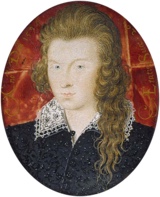
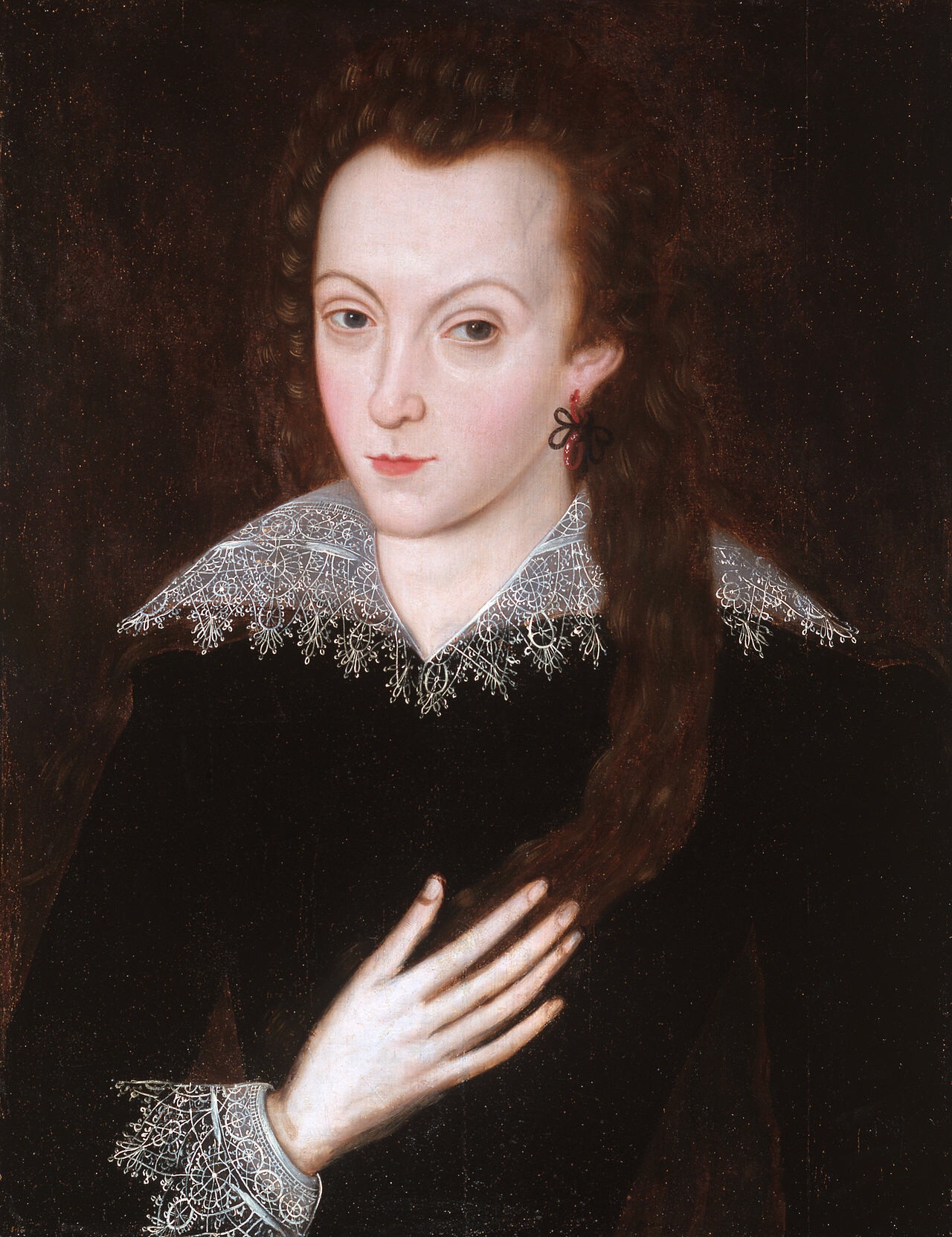
Henry Wriothesley, 3rd Earl of Southampton

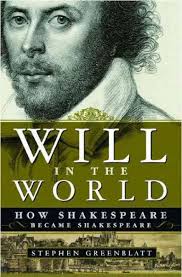
Scholar Steven Greenblatt in his wonderful book Will In the World, presents a more straightforward theory about where the sonnets came from: Shakespeare wrote them for some quick cash. As a writer, Shakespeare couldn’t always rely on the theater to make a living, especially since the theaters were often closed during times of plague, and religious holidays.

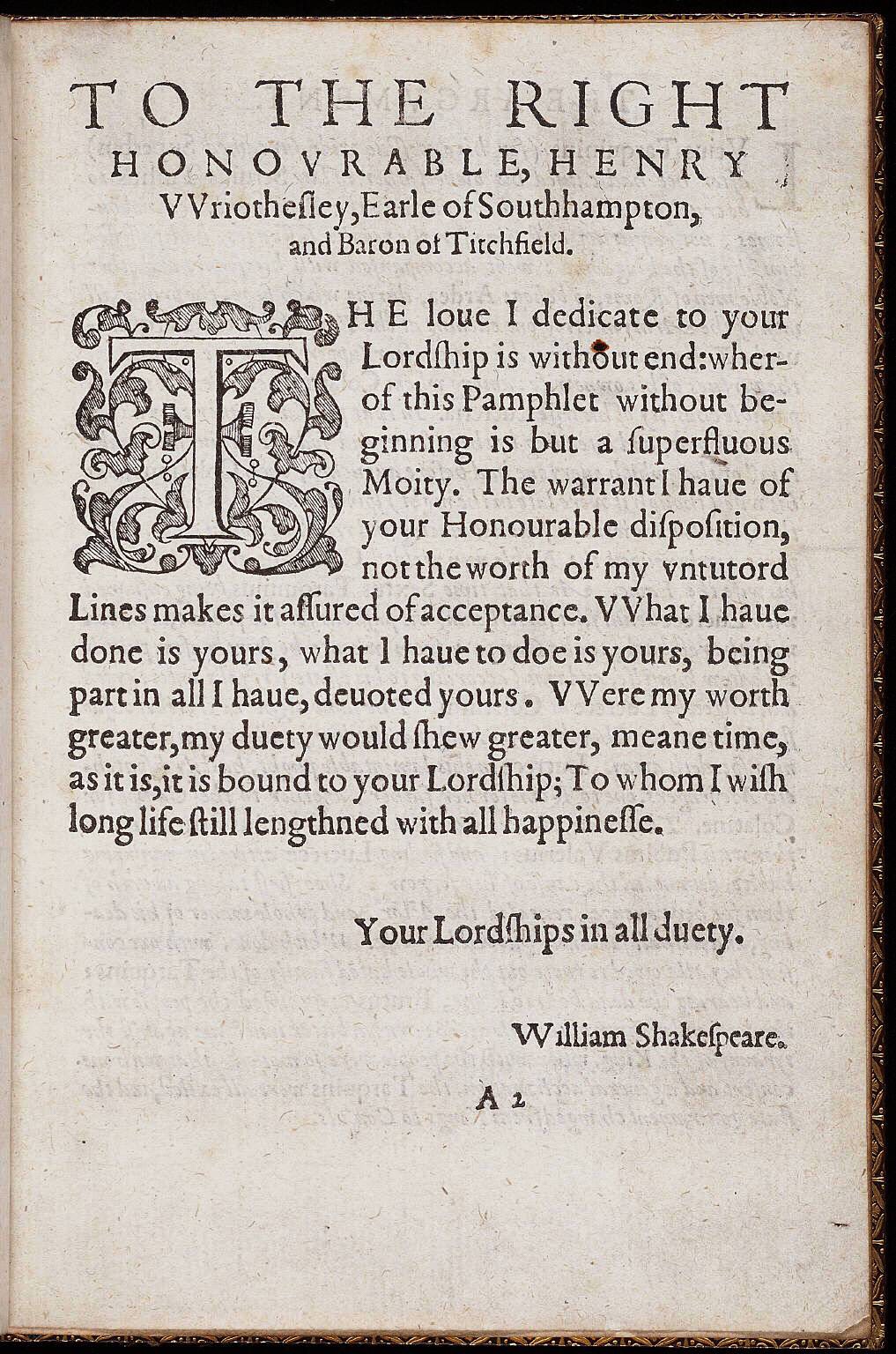
Greenblatt believes that in order to pay his bills in the mid-1590s, Shakespeare wrote poetry for Henry Wriothesley, 3rd Earl of Southampton. We know that The Bard dedicated two long poems to Southampton, Venus and Adonis, and TheRape Of Lucreece and the language Shakespeare uses on the dedication is very personal, even slightly flirty. Greenblatt believes that most if not all of the early sonnets were also written for Southampton. Greenblatt points out that Wriothesley was expected to get married and produce an heir, but he was in his late 20s and had not yet chosen a wife.

Greenblatt believes that Shakespeare was hired by someone in the Southampton family to write a series of love poems that would encourage the Earl to hurry up and get hitched. Indeed, the first 126 sonnets refer to a young, good looking blonde- haired man who has tragically remained single.

This theory works for most, but not all of the early sonnets Sonnet 33 seems to refer to a dead child. Many scholars believe that this sonnet was composed specifically for the death of Shakespeare’s own son Hamnet, who died in 1596 at the age of just eight years old. Obviously since Hamnet is so similar to Hamlet, Shakespeare might have given him a much more fitting tribute a few years later.

My favorite interpretation of the young man of the sonnets comes from the movie Shakespeare In Love. Since the love expressed in the sonnets between the speaker and the Fair Young Man seems to be somewhat sexual in nature, it kind of lends itself to the notion that Shakespeare might’ve been homosexual. What I find amusing is that in the film, since his lady love is his disguised as a boy, ( like so many of Shakespeare’s heroines ), the film answers the question of whether Shakespeare was gay or straight by having the young Shakespeare fall in love with a blonde woman disguised as a male actor, In the scene below, Shakespeare watches his mistress perform in disguise as Romeo, then dedicates a sonnet to her, while still referring to her as male in the sonnet! https://youtu.be/xpyTl3OMWrU

The DarkLady

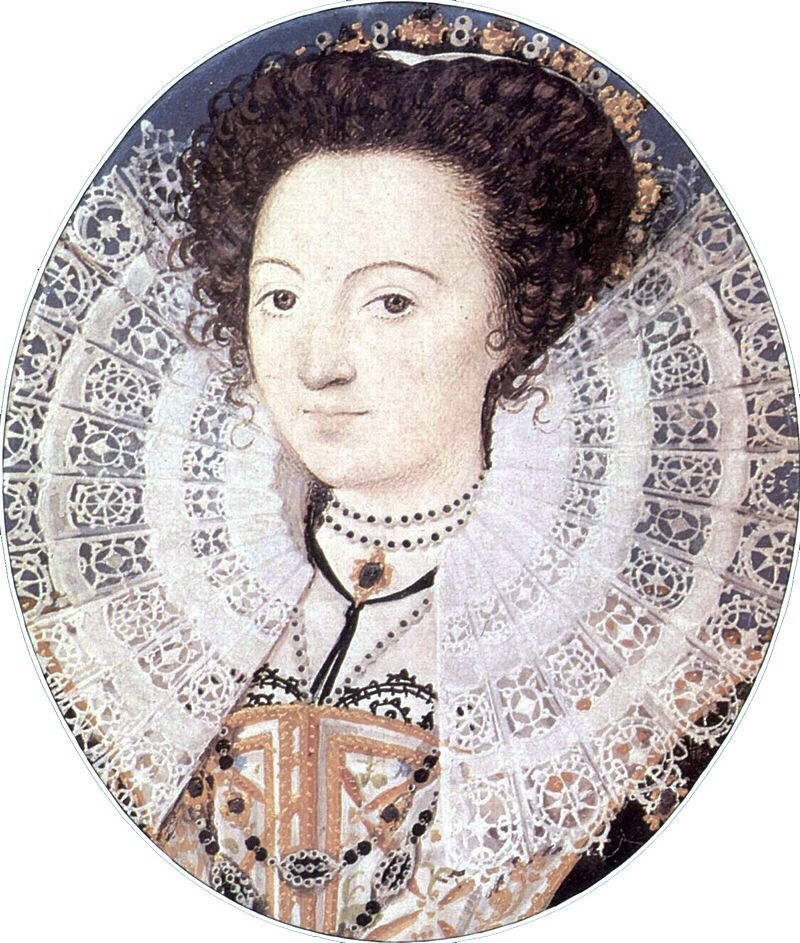
In the next group of sonnets, the speaker refers to a woman that the speaker calls his mistress. We have no clues from the sonnets as to who she might be, except that her skin is dark. Many many people have wondered who this young woman might be. My favorite theory comes from scholar Michael Wood in his documentary In Search Of Shakespeare. Wood theorizes that it might’ve been in Emilia Lanier, who was the wife of Shakespeare’s patron. One of her descendants, Peter Bassano, has put forth the notion that Shakespeare could have been involved with Mrs. Lanier.

Of course, it also seems likely that The Dark Lady just could’ve been a literary exercise for Shakespeare, who was also writing Anthony and Cleopatra at the time. https://youtu.be/u0W9v9jVp04

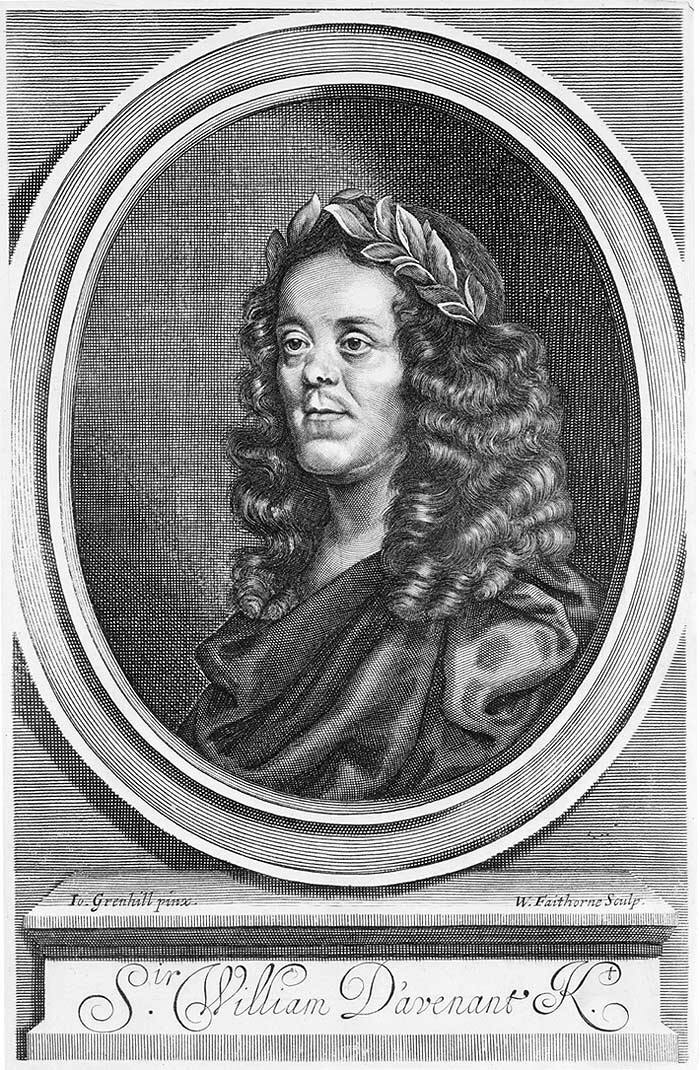
Other candidates for The Dark Lady have included the mother of celebrated 18th century playwright and actor, William Davenant.

Sir William himself claimed to be Shakespeare’s illegitimate son, and his parent’s tavern is midway between Stratford and London, so it’s not entirely impossible that Shakespeare at least knew the boy’s mother. The apocryphal story comes from John Audley’s biography of Shakespeare from 1693. Here is what he says about Shakespeare and Davenant:

Mr. William Shakespeare was wont to go into Warwickshire once a year, and did commonly in his journey lie at this house [the Crown] in Oxon, where he was exceedingly respected… Now Sir William [Davenant] would sometimes, when he was pleasant over a glass of wine with his most intimate friends–e.g. Sam Butler, author of Hudibras, etc., say, that it seemed to him that he writ with the very spirit that did Shakespeare, and seemed contented enough to be thought his Son. He would tell them the story as above, in which way his mother had a very light report, whereby she was called a Whore.[2]

My favorite interpretation of the Dark Lady Myth comes from Doctor Who, in an episode called The Shakespeare Code where The Doctor s companion Martha Jones, (who is black), meet Shakespeare and he immediately is smitten with her.

It is supremely naïve to assume that anybody can pin down a definitive Dark Lady. Adultery was just a serious back then as it is now, and admitting to it, even in a play or poem would have been suicide for Shakespeare, which is why the sonnets are vague enough so that they never conclusively point to any specific party, which helps keep this tantalizing mystery alive to this day.

References:

Books:

Web:

http://www.peterbassano.com/shakespeare

If you enjoyed this post, you might want to sign up for my Outschool class on Shakespeare’s love poems. We’ll discuss the mystery of the Dark Lady, and you’ll learn to create your own sonnets, just in time for Valentines Day!

Shakespeare’s Greatest Mother Characters 

Happy Mothers Day!

This slideshow requires JavaScript.


I thought I would take a little time to showcase some of Shakespeare’s great mother characters. Some of these women are models of selflessness, compassion, and devotion to the children they take care of. Other ones… not so much. Just for fun, I also made some suggestions for Mother’s Day gifts if you had one of these mother’s on the list.
The Good Mothers
Countess of Roussilion from Alls Well That Ends Well

Though she is technically not the heroine Helena’s mother, the Countess is still a fantastic example of selflessness, support, and love. As she says “you never oppressed me with a mothers groans but I expressed to you mothers care.” She also encourages her foster daughter Helena to play doctor and save the King Of France from a deadly illness, giving her a job and a bright future!
Mother’s Day Gift: either some French Wine and cheese, or a Doc McStuffins for her future grandchild.
2. Hermione in The Winters Tale

Her husband arrests her for infidelity with no proof at all, while she’s still pregnant! Then she stands up in front of the entire court, having just given birth in prison, just to prove her child is a legitimate heir to the throne. Hermione is a mighty example of grace and courage under fire, as beautiful and strong as the statue she looks like at the end of the play. What more needs to be said!?

Mother’s Day Gift: Statue polish
3. Queen Elizabeth in Richard the Third

As you can see in my description, Elizabeth started out as a poor widow trying to get a better future for her children. Then she becomes the queen and takes a lot of crap from lords like Richard for her marriage, and her sons.
As Richard schemes to get the throne, Elizabeth is the only one who sees how dangerous he is, and how he will certainly try to kill her two sons to get it. To protect them from Richard, Elizabeth hides her sons in a church and tries her best to keep him away from them. The only problem is her husband made Richard Lord Protector, and responsible for everything connected to crowning the new king, (terrible judgment on his part).
Once her husband the king dies, Richard proclaims Elizabeth’s sons as bastards and makes himself king. He then has them secretly murdered in the Tower Of London. Even though Elizabeth can’t defend her sons for long, she identified the threat, and did her best to stop him. In this clip from the TV Series “The White Queen,” Elizabeth tries to get her sons released from the Tower, while her brother is oblivious to the danger they are in: https://youtu.be/5Y3qYeq0ok4
Though Elizabeth fails to protect her sons, she succeeds in saving her daughter. Richard knows that if his enemy Henry Tudor marries Elizabeth’s daughter (who is also named Elizabeth), he can lay claim to the throne and destroy Richard. The wicked king tries therefore, to marry his niece himself! Elizabeth refuses to pimp her daughter to the king and curses him for all of his heinous murders. Click here to see the epic battle of these two great characters in a scene from Ian McKellen’s movie version of Richard III. Look at the power and wit Elizabeth (Annette Benning), displays as she refuses to wed her daughter to Richard, (Ian McKellen).
https://youtu.be/dHqlTSCe18k
At the end of the scene, Elizabeth says she will persuade her daughter to marry the king, but she secretly marries the young princess to Henry Tudor, who becomes King Henry the Seventh after defeating Richard in battle. So Elizabeth succeeds in protecting her daughter and helped to start a dynasty of monarchs, including her granddaughter, Queen Elizabeth I.
Mothers Day Gift : Sweaters for her sons to wear in the tower.
Alternative Mother’s Day Gift: A baby monitor that works within the Tower Of London, so she won’t have to worry about her kids being slaughtered.
Queen Margaret in King Henry the Sixth Part III.

Though her methods are questionable, and her blood thirstiness legendary, Margaret still fights bravely to defend her son’s rightful claim to the English throne.
Video bio of Queen Margaret: https://youtu.be/hJnspEh99h4
Mother’s Day Gift: A dozen Red roses.
Cleopatra

The quintessential queen of Egypt is similar to Margaret in “the ends justify the means” category of mothers. Cleopatra will hook up with any powerful man to protect her son and heir to the throne. Cleopatra’s son, Cesarean is the love child that she had with Julius Caesar. After Caesar’s assassination, Cleopatra seduced Marc Antony, Caesar’s friend and a consul of Rome. Also, according to some historians, Cleo found a way to hide her son after Octavius Caesar tried to kill Cesarean and his mother. She reportedly sent him into hiding through secret tunnels underneath the city of Alexandria.
http://thevoiceofthezamorin.blogspot.com/2015/06/what-happened-to-son-of-queen-cleopatra.html?m=1
Mother’s Day Gift: A snake- proof brassiere.
Mediocre Moms
1. Thaisa in Pericles. A lot like her husband Pericles on my OK Dads list, Thaisa’s problem is that, though she clearly loves her children, she doesn’t see them for nearly 20 years. Granted, she doesn’t really know that they’re there they’re still alive but nonetheless, you would think that a good mother would at least check.
2. Constance in King John.

I wasn’t sure where to put her on this list, even though she demonstrates great love and affection for her son, (whom King John just murdered), the truth is that Constance doesn’t really do much for her son that we see during the play. https://youtu.be/fpAZju8RbiI
What Constance mainly has going for her is her supremely agonizing expressions of grief over her son’s death. Steven Greenblatt in his book Will in the World, suggests that her speeches might’ve been Shakespeare’s own horror and grief at the loss of his son, who died around the same time King John was supposedly written. https://www.spectator.co.uk/2015/06/is-the-globe-right-to-revive-shakespeares-king-john/
Mother’s Day Gift: barbershop coupon, have you seen that hair, honey?
Also on the ok mom list, Mistress Page in Merry Wives, and Lady Capulet In Romeo and Juliet.
Bad Moms

1. Tamara in Titus Andronicus. She’s called a ravenous tiger in the play, and it’s easy to see why. She encourages her own sons to rape a girl, (Titus’s daughter Lavinia), then murder Lavinia’s husband! As if that wasn’t enough, Tamara tells the boys to cut out Lavinia’s tongue and cut her hands off, so she can’t accuse them of their crimes. Later Tamara tells her lover Aaron to murder their illegitimate baby, so her husband the emperor won’t find out about the affair. Worst of all, Tamara leaves her sons alone with her mortal enemy, Titus which allows Titus to (spoiler alert )…….. kill her sons, chop them up in a pie and serve them to her. She accidentally eats her own sons!
Mothers Day Gift: a parenting book! Or if you’re really sick, a bib with a picture of her kids on it.
2. Dionyza In Pericles- This Queen is a show mom of the worst kind- She’s a Queen from a far off kingdom, tasked with raising her own children and King Pericles’ daughter Mariana. When Dionyza sees that Mariana is a better singer/ dancer/weaver, etc than her own daughter, she tries to kill her! https://youtu.be/z9UW-p7iEk
Mother’s Day Gift:ITonya on DVD,Tanya Harding’s mom and Dionyza should compare notes.
3. Queen in Cymbeline Similar kind of deal. She’s a wicked stepmother who wants to kill the heroine Imogen and make her own son Cloten the heir to the throne. Shakespeare didn’t give her a name, she’s that wicked!

The Queen in Cymbeline, Oregon Shakespeare Festival, 2013 http://www.stageandcinema.com/2013/08/06/cymbeline-oregon-shakespeare/
Mother’s Day Gift: A name.
Gertrude in Hamlet This one is very ambiguous. On the one hand, she loves her son, and tries to protect him from his wicked uncle Claudius. On the other hand, she married Claudius less than two months after her first husband died in mysterious circumstances . It’s never revealed in the play whether Gertrude was complicit in the old king’s murder, but when Hamlet Confronts her about the marriage, she is full of remorse.

Absent
To be honest, this list was easier to put together than my Fathers Day list, because there are fewer choices. In 9 Of Shakespeare’s plays, there are no mother characters at all:
Love’s Labor’s Lost
Midsummer Night’s Dream
The Comedy Of Errors
Two Gentlemen Of Verona
Measure For Measure
Twelfth Night
The Tempest
As You Like It
Merchant Of Venice
It’s hard to know how much Shakespeare knew about motherhood. From what we know about his life, he probably wasn’t around to see his wife Anne raise his two daughters in Stratford, since he spent most of his time in London writing and acting in his plays.
In any case, the thing that comes across in all the mother’s in Shakespeare’s plays is the level of sacrifice and selflessness that so many mothers demonstrate. Being a parent is tough, but the rewards are greater than even the Bard could ever explain.
Happy Mother’s Day Everyone!