Crafting A Character: Humber from Locrine

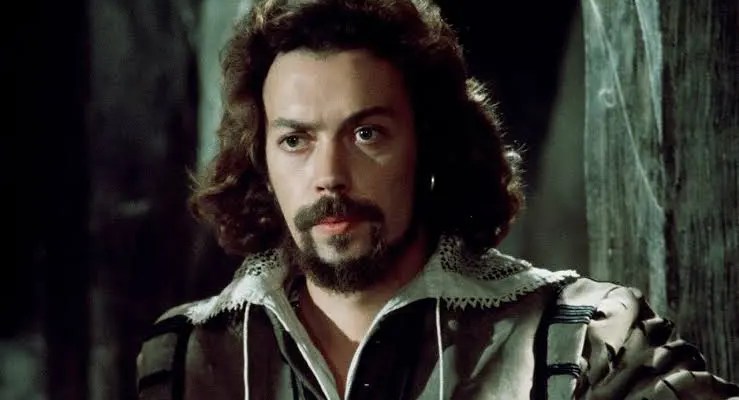
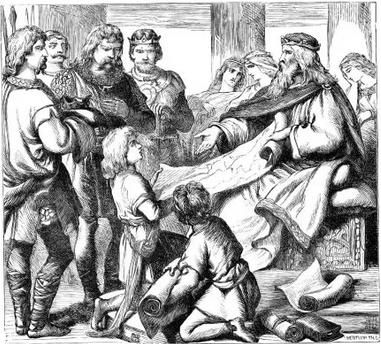
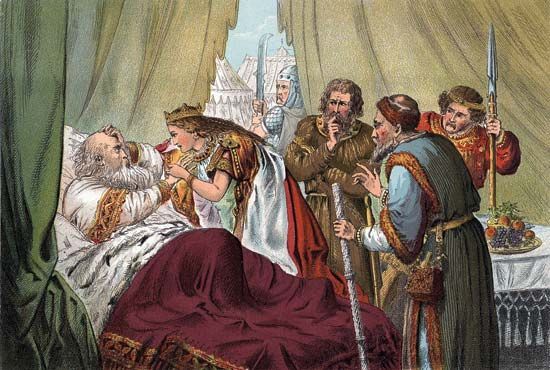
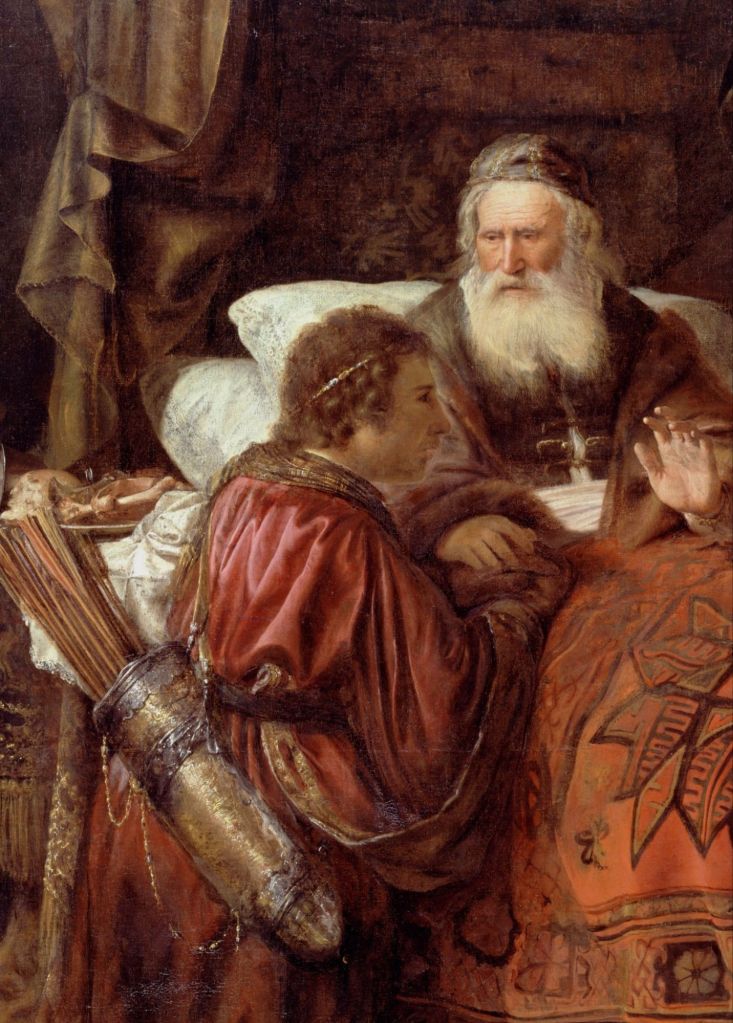
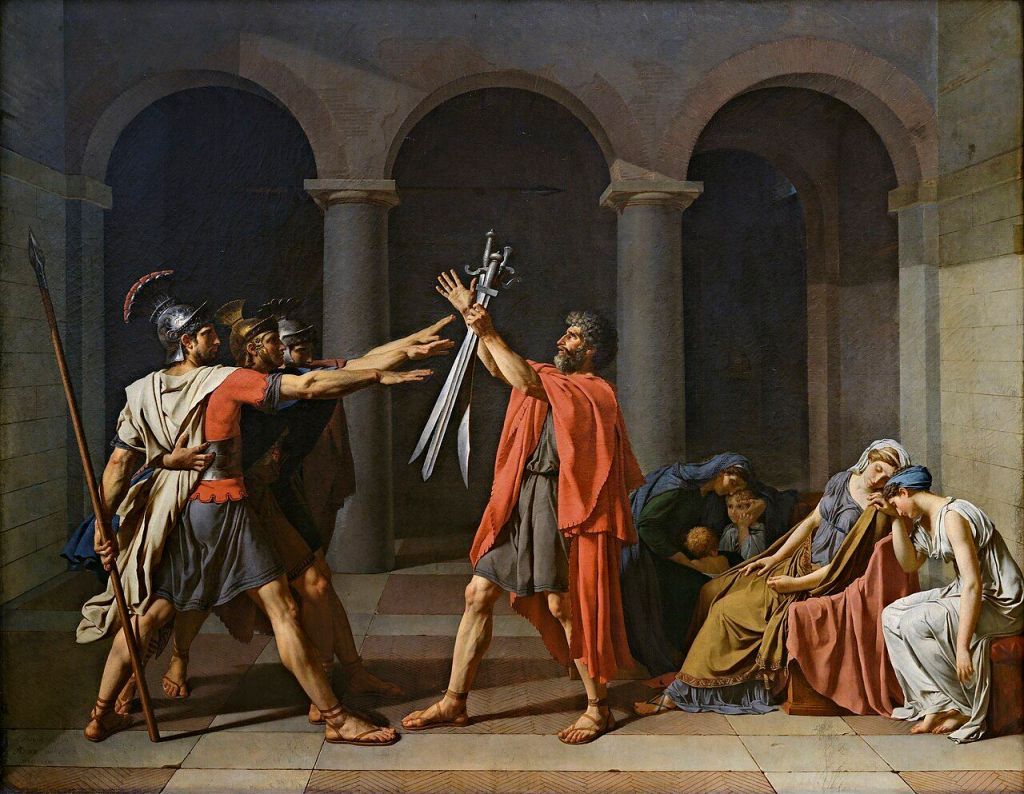
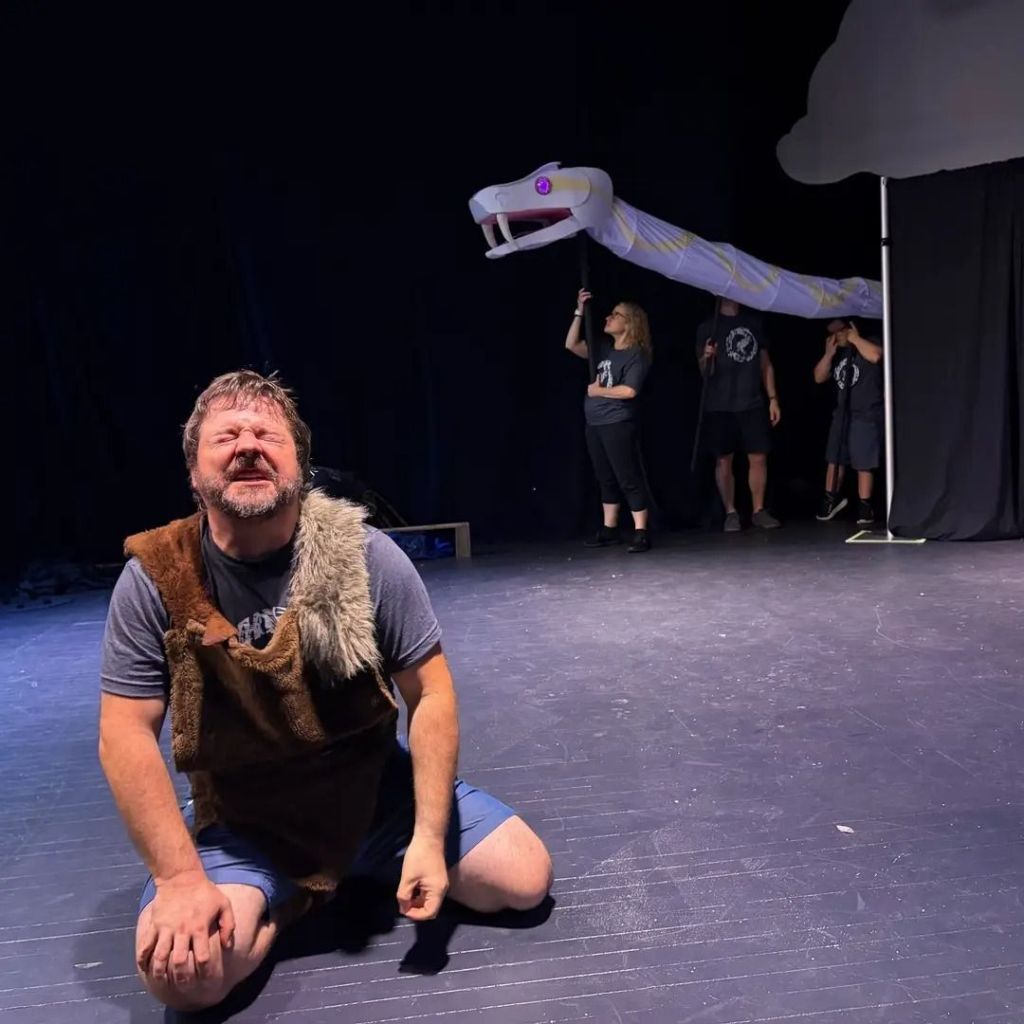
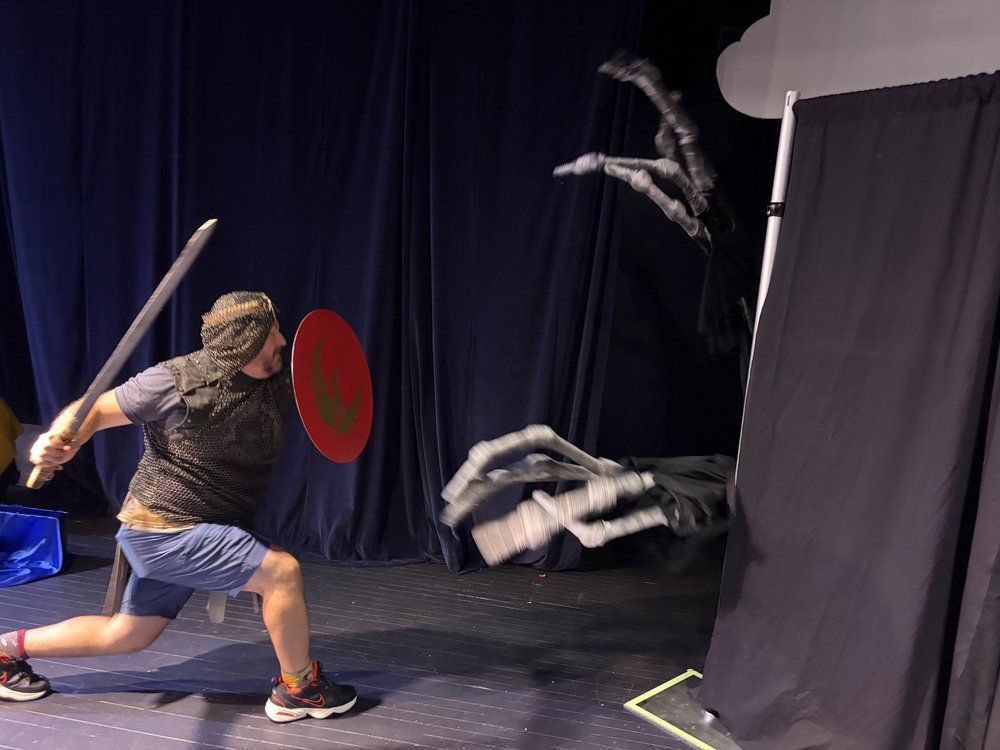
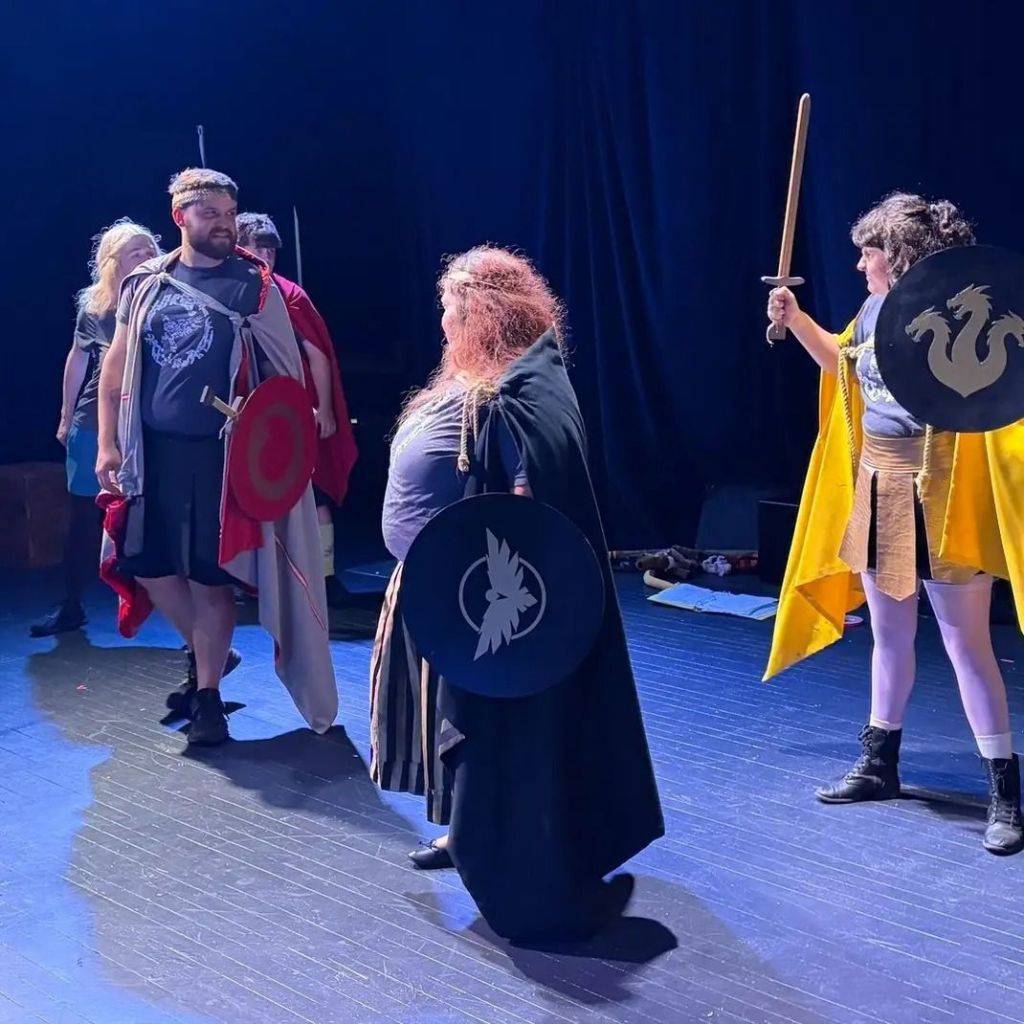
I’m pleased to announce that I will be playing Humber, the Scithian Emperor who tried to conquer England, in a very special adaptation of Locrine in August of 2026.

What is Locrine?

Locrine is an Elizabethan play, first published in 1595, whose author is, sadly, lost to history. The play is a mythologized history of the founding of Britain, which the play calls New Troy.

Our Interpretation

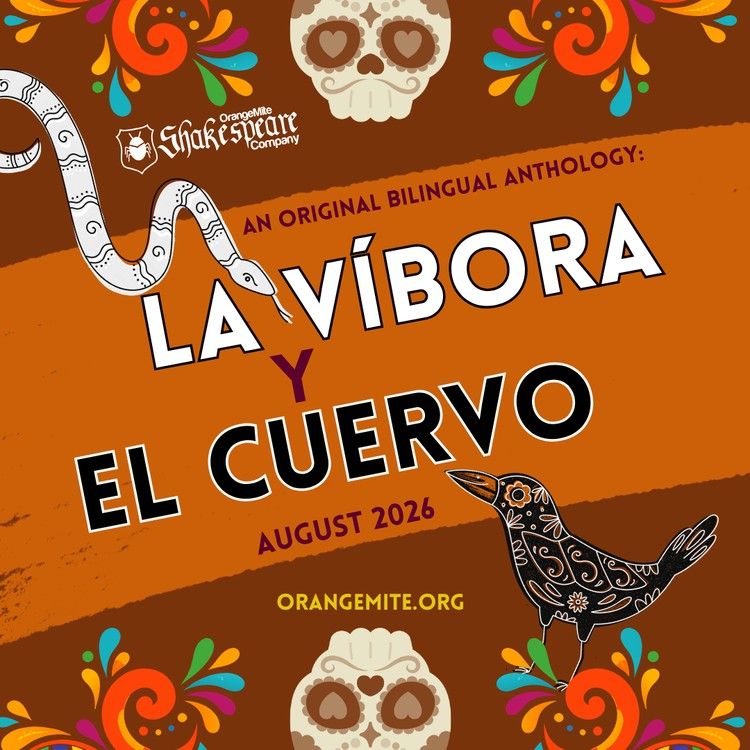
Our version of Locrine is a hybrid between the original play, and stories from the indigenous people of Mexico in the huasteca region. Our director chose to reinterpret Humber as an existential threat to the natural world of Mexico- a threat to the people and the environment, who is defeated not just by Locrine’s army, but by the forces of nature themselves.

Myth vs History

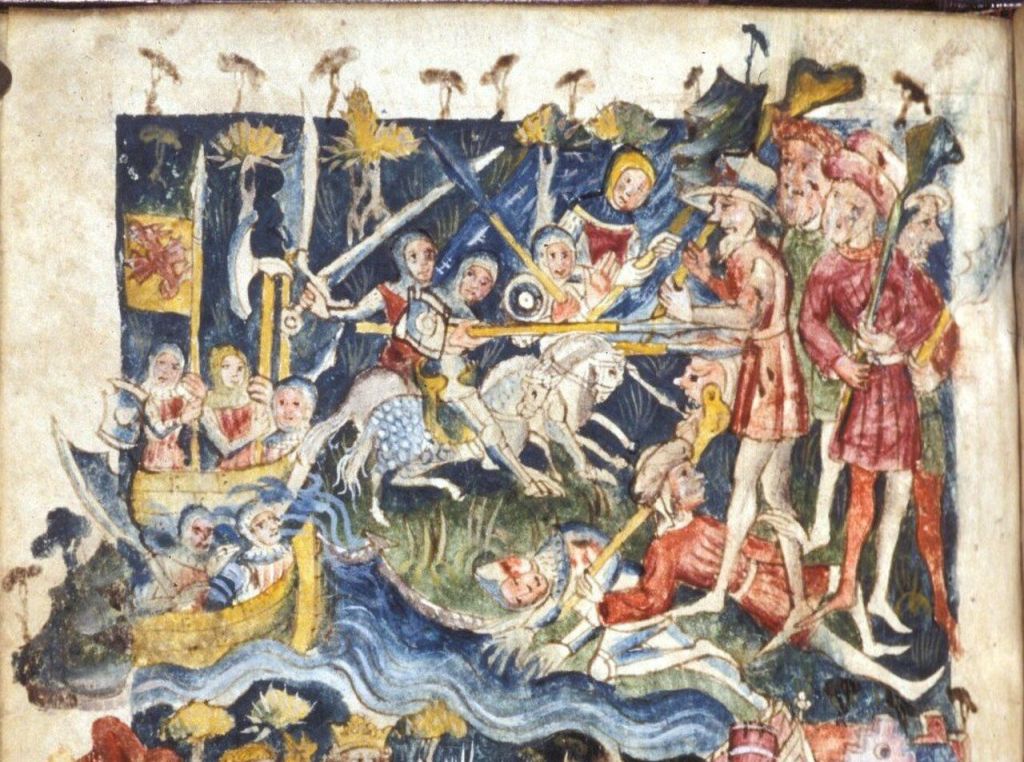
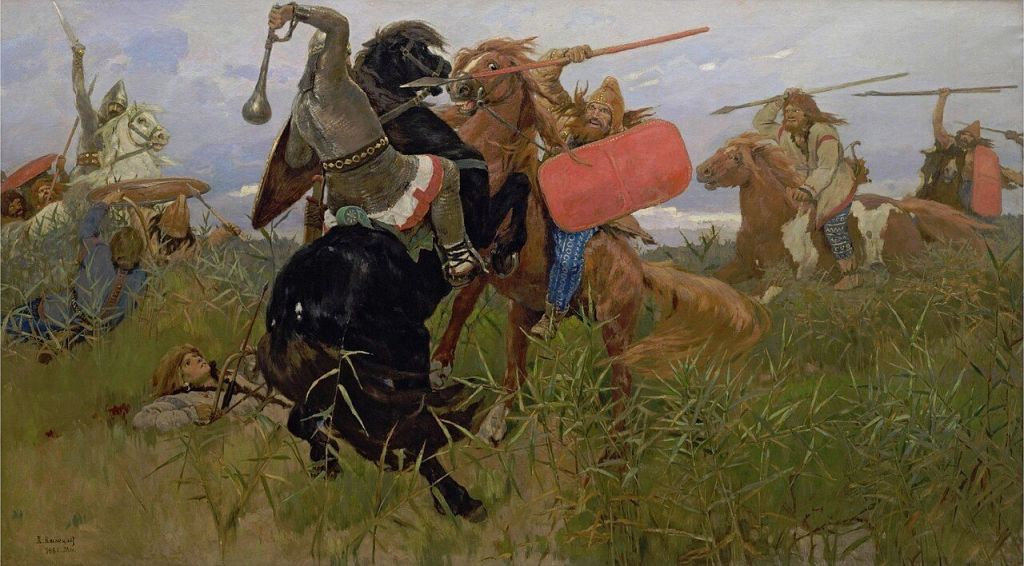
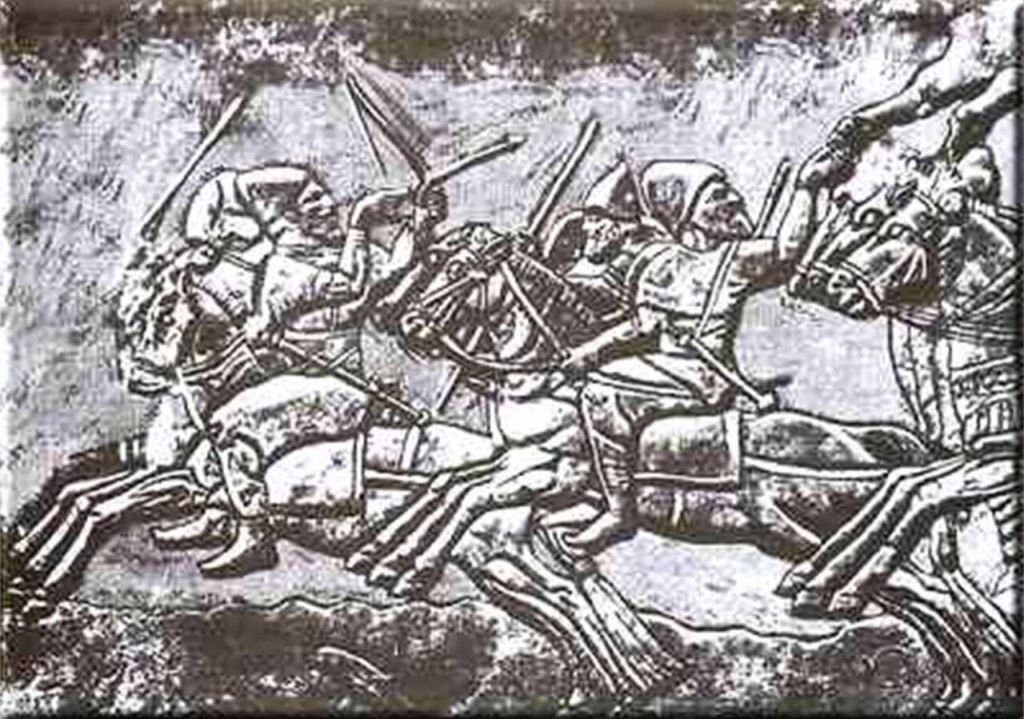
Ancient Scithian horse warriors
  1. The Scythian Emperor- Scythia was originally modern day Iran, but many Scithian tribes also lived in places like Ukraine and Russia. They were nomads who primarily used their skills in mounted warfare to conquer regional fifedoms, organized under a single emperor.

Function Within the Play

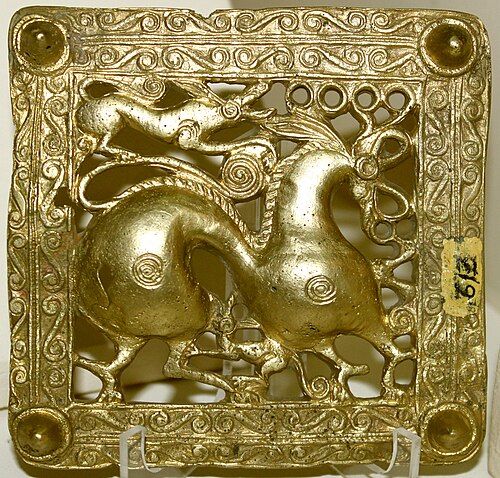
Ancient golden Scithian belt buckle
  1. Ravisher of Nature- as Humber tries to conquer the people of England, he also destroys the natural world.
  2. Usurper/ Conqueror of the Britains- in our version of Locrine, Humber’s war to conquer Britain is analogous to the European colonizers who fought to dominate America such as the French, the Dutch, and of course, the Spanish.

We are retired with joyful victory. The slaughtered trojans squeltering in their blood, infect the air with their carcasses, and are a prey for every ravenous bird.

Locrine, Act 2 Scene 6


Playing Humber

Right now, I am playing Humber as a narcissist, a man who, at his core, is deeply insecure but tries to overcompensate it by acting like an invincible monarch- one who fills the void in his soul with land, slaves, possessions, and gold. He is good at persuading people and inspiring them to fight for him, but he cares for no one but himself.


High on a bank by Nilus’ boistrous streams,
Fearfully sat the Egyptian Crocodile,
Dreadfully grinding in her sharp long teeth
The broken bowels of a silly fish.
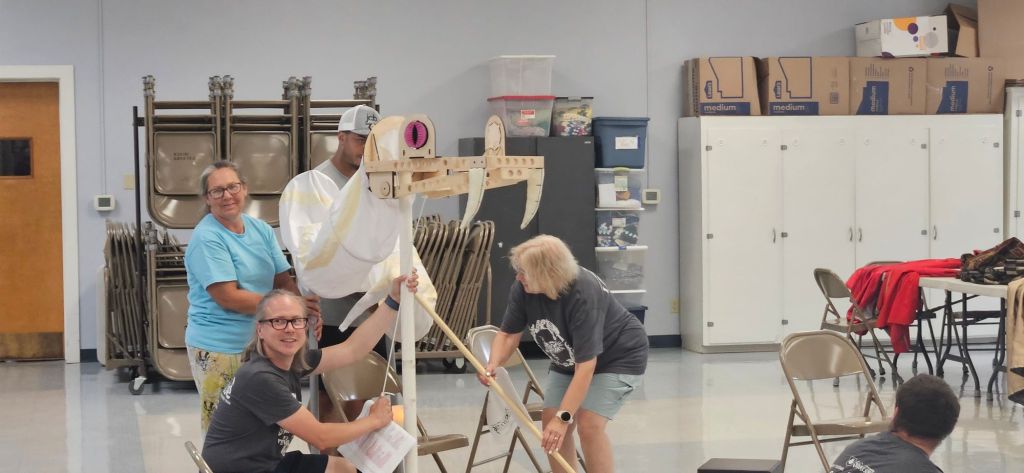
[A crocodile swims across the stage, eating a
fish.]
His back was armed against the dint of spear,
With shields of brass that shined like burnished gold;
And as he stretched forth his cruel paws,
A subtle Adder, creeping closely near,
Thrusting his forked sting into his claws,
Privily shed his poison through his bones.
So Humber, having conquered Albanact,
Doth yield his glory unto Locrine’s sword.
Mark what ensues, and you may easily see,
That all our life is but a Tragedy. –Locrine, Act III prologue.

A snake struggling with an alligator, eventually gets the upper hand, or coil.

In the play, Humber is compared to a fearsome predator- a crocodile, which was actually the sigil  on his shield. I took inspiration from the animal, and used a serpentine physicality when playing him. I also decided to give myself a crocodile smile- I keep my head down, stared my enemies in the eye, and then- struck!

Gloucester’s show
Beguiles him as the mournful crocodile
With sorrow snares relenting passengers- Henry VI, Part II.

Inspirations

From History-

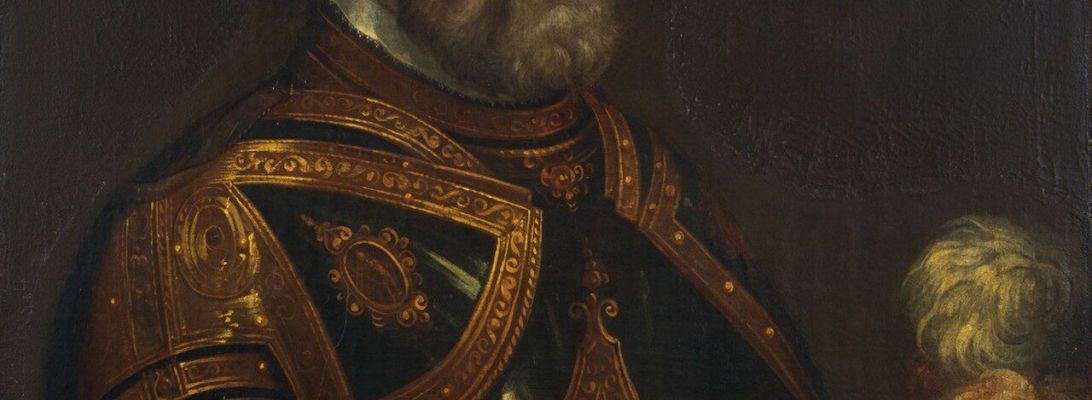
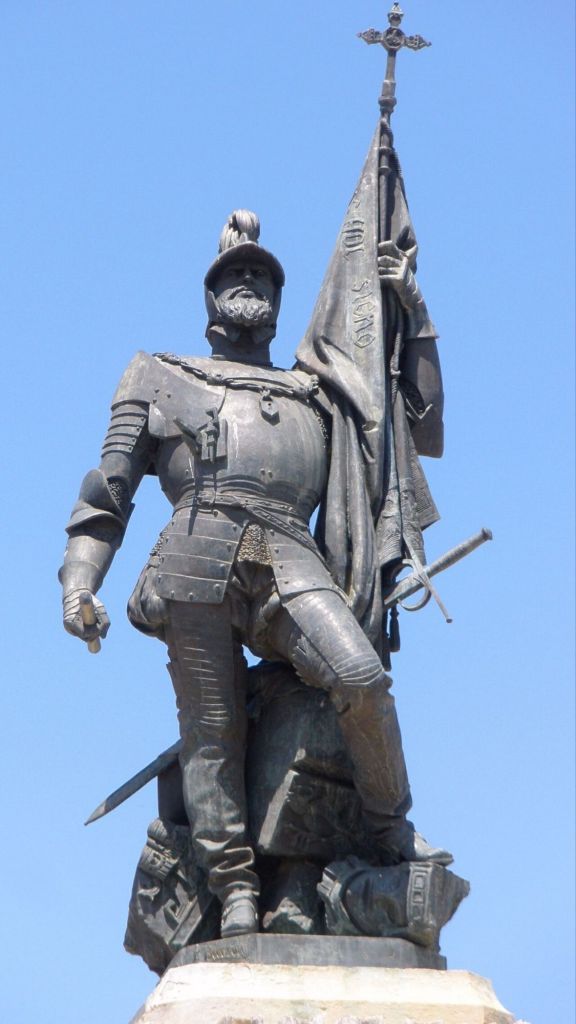
Again, Locrine is not a history play and Humber, as far as we know, was not a real person. Rather than a legitimate chronicle, Locrine is a mythologized history of the founding of Britain. The Scithians never actually invaded Britain, (although some early chronicles claim that the Saxons were descended from them). Our version of Locrine conflates the foundation of Britain with the conquest of America, (specifically the struggle between English colonists and the Spanish conquistadors,) and there is one man who has come to symbolize the ruthless might and lust for gold that the Spanish had in the early conquest of the American continent more than any other Conquistador- Hernan Cortez,  governor of New Spain, and conqueror of the Mexican empire.

Statue of Cortez. Notice the broken Aztec statue under his foot.

We Spaniards know a sickness of the heart that only gold can cure- Hernan Cortez (allegedly)

Cortez was a man of insatiable greed and lust for power. He was born a minor noble with a gift for diplomacy and exceptional courage. He eventually slaughtered thousands of the Mexican people, supplanted their ruler Montezuma, and razed their capital city of Tenochtitlán, rebranding it as Mexico City, capital of the New Spanish empire.

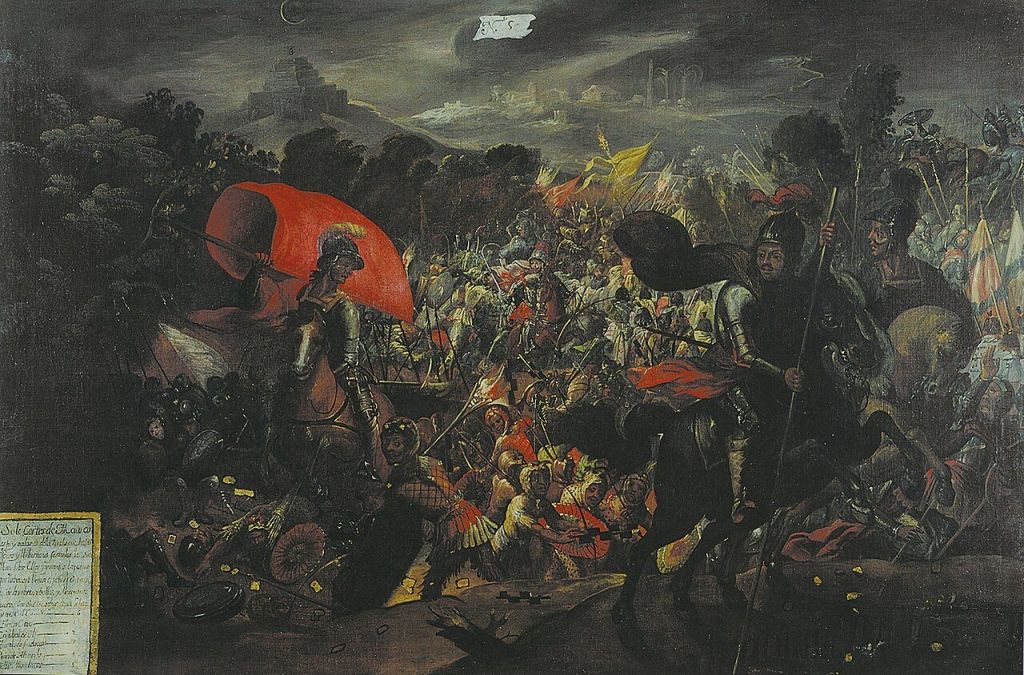
Mural on the Battle of Centla and the conquest of Tabasco, by Homero Magaña Arellano.

Like Humber, Cortez was more of an administrator than a soldier, but nevertheless, he did lead his army successfully against the native people in several key battles, where they used their cavalry and cannons to devastating effect. He also ravished hundreds of Indigenous women who sired his illegitimate children- like our Humber, he lusted for women in addition to gold.

Cortez was careful to appear pious to his soldiers and respectful to the native people he encountered, but this was a calculated act designed to get loyalty and obedience from the people around him. According to his biography, Cortez had a zero-tolerance policy for blasphemy, and told his soldiers to respect the native Mexica. Again, Cortez’s real goal was to keep his men loyal to their “pious” commander and to make the people trust him…while he robbed them blind. Talk about crocodile tears.

Cortez’s victories allowed him to build palaces for himself to rule over the Mexica, as well as a royal charter for himself, and of course, GOLD.

The Spaniards appeared to be much delighted, they seized upon the gold like monkeys, their faces flushed. For clearly their thirst for gold was insatiable; they starved for it; they lusted for it; they wanted to stuff themselves with it as if they were pigs. They went about fingering handling the streamers of gold, passing them back and forth, grabbing them one to the other babbling, talking gibberish among themselves. – Bernardino de Sahagún

In Locrine, Humber is defeated offstage and forced to starve to death in a desert wilderness. To fill in the blanks, I looked at events from Cortez’s life and death. The real Cortez died of dysentary in 1547, but I like to imagine Humber- Cortez being chased away by Locrine’s army, similar to his narrow escape from Tenochtitlán during the famous Noche Triste (30 June – 1 July 1520)

Cortez and his soldiers narrowly escape Tenochtitlán

From Shakespeare-

Shakespeare rarely writes characters who are wholy evil, so for the first three acts, I mainly thought of another Sythian conqueror- Christopher Marlowe’s Tamborlaine. He is not so

much a man as a force of nature, eager to kill, conquer, and take power and riches from the natural world.

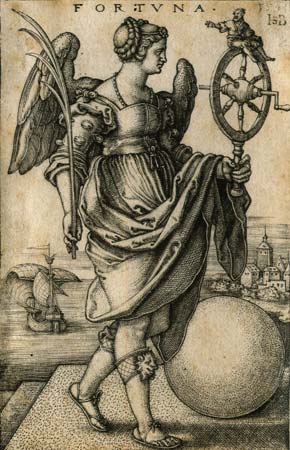
The Roman Goddess Fortuna, with her wheel and orb.

In the later acts of Locrine however, Humber is… well humbled ater losing the war, losing his son, and losing his wife. His laments for his son bear a striking resemblance to Titus Andronicus.

Humber speech III, Scene 5, performed by One Woman Shakespeare

Verse

At the end of his life, Humber reverts to a primitive shadow of his former self- Humber is forced to hide in desert caves, and live on berries and roots. His cruel, bitter laments and desire to cast himself into the sea is almost perfect parallel to Shakespeare’s Timon of Athens.

Timon in the cave

What basilisk was hatched in this place,
Where everything consumed is to nought?
What fearful Fury haunts these cursed groves,
Where not a root is left for me to eat?
Hath fell Alecto, with invenomed blasts,
Breathed forth poison in these tender plains?
What, not a root, no fruit, no beast, no bird,
To nourish Humber in this wilderness?
My very entrails burn for want of drink,
These foul accursed groves afford no meat,
The gods, hard-hearted gods, yield me no meat.
Was ever land so fruitless as this land?
Was ever soil so barren as this soil?
No, even the climate of the torrid zone
Brings forth more fruit than this accursed grove

In Conclusion

Humber is a great deal of fun- he’s a cartoon-like villain at first, but after he loses to Locrine, he seems more human, longing to be reunited with his son. Even though he’s not the main character, he has a tragic character’s arc. In short, he’s great to play, and I hope he’ll be great to watch!

Sources

https://lostplays.folger.edu/Estrild

https://orangemite.org/laviborayelcuervo

https://historum.com/t/cort%C3%A9s-and-the-conquest-of-mexico.184401/?utm_source=google&utm_medium=organic

Review: Kentucky Shakespeare’s “Two Gentlemen Of Verona”

In Case You Haven’t Heard

Two Gentlemen Of Verona is probably Shakespeare’s first comedy, maybe even his first play. A lot of the plot devices and themes Shakespeare explores in later plays were first set down in Two Gentlemen.

The Plot

Two Gentlemen Of Verona is about two best friends, Valentine and Proteus, who start out as young men yearning for adventure and to seek their fortune in Milan. As you might have guessed from his name, Valentine finds love instead of fortune, and so does his friend Proteus. What makes the play unique is that Proteus falls in love with Valentine’s betrothed Silvia, forsaking his faithful sweetheart Julia. The two virtuous girls support each other and fight to stop Proteus from sabotaging their relationships. In the end though, Valentine forgives Proteus and Valentine takes him back, which makes the play a little controversial for modern audiences.

The Concept

What happens in Milan, stays in Milan! Shakespeare’s gleefully silly comedy is set in 1940’s Las Vegas, where love and friendship are put to the test. A charming adventure navigating a love triangle, betrayal, disguises, an escape into the forest, and a dog. -Quoted from the official program.

The play is set in 1940s Las Vegas, which works well with the theme of young, impressionable men trying to make their fortunes in a place where luck can change in an instant. Proteus goes from a lover and loyal friend to a liar and traitor. Meanwhile, Valentine’s luck changes from a favored gentleman at court, to a banished vagabond.

The performances had the air of a 1940s classic comedy, with a lot of stylized slapstick and over-the top characters. It echoes the work of Laurel and Hardy or Abbot and Costello, which I feel was a wise choice- even if the audience couldn’t understand a word of the dialogue, they could still be entertained by the actors’ over-the top comedy.

Free Shakespeare In the Park

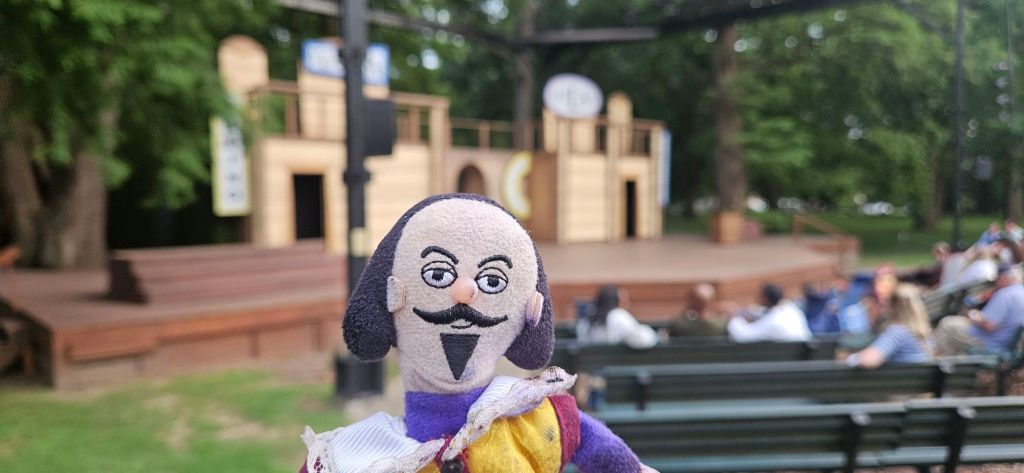
The set of “Two Gentlemen Of Verona”

This was my first KY Shakespeare production, and I enjoyed the overall vibe a lot. According to kyShakespeare.com, the company is enjoying its 66th year of being the longest running, non-ticketed Shakespeare festival in the United States. The company prides itself as being accessible, inclusive, anti-racist, and generally committed to welcoming all people to enjoy their shows. From what I saw from my seat on a balmy day in Olmstead Park, Kentucky Shakespeare is doing a great job accomplishing its goals. I saw people from many different walks of life come by, laugh at the jokes, clap and cheer, and have a good time.

The Cast

The cast has a great grasp of Shakespeare’s language and comic timing. Like I said before, the cast performed as if they were in a 1940s classic comedy, which helps sells some of the absurd moments in the play. That said, across the board, the actors also knew how to deliver the serious moments of the play with grace and pathos.

Crystian Wiltshire (Proteus)

As you read earlier, Proteus’ character commits some very questionable actions- betraying his friend and forsaking his girlfriend for no good reason. In order to make the audience feel even a tiny amount of sympathy for him, would require an actor with charm, and a great sense of humor. Fortunately, Chrystian Wiltshire brings both of these qualities, as well as a great deal of skill. His Proteus is basically a young, naive fool, who never considers the long term consequences of his actions. One gets the impression that by the end of the play, he will learn his lesson and become a better man. Still, I heard a few people booing when Valentine forgave him at the end of the play. It’s a testament to Mr Wiltshire’s performance that he inspired such an emotional response from the audience.

Justin Jackson (Valentine) Obviously, any production of Two Gentlemen depends upon the actors playing the title characters. The play’s central tension is Proteus changing from a lover to a liar and Valentine from a libertine to a lover. Fortunately, Mr Jackson is a great foil for Mr Wiltshire as Proteus. He excellently portrays the change of Valentines heart. At the beginning of the play he is charming and devil-may-care. If you haven’t read the play before, you might expect that Valentine might be the real liar and cheat from the way he teases Proteus about his lovesick behavior. But, once he meets Silvia, Valentine is utterly sincere and his smarmy looks are replaced by a rock solid earnestness. Jackson expertly conveys this startling metamorphosis with his powerful voice, imposing height, and dashing good looks. I wish I could see him in a tragic role like Hamlet or Brutus, but with his masterful portrayal of Valentine, I’m sure he’ll have many more memorable performances in the future.

Kate Drury (Julia) I hope I have established by now that the main idea Shakespeare conveys in this play is that people transform when they fall in love, and neither the exterior nor interior man (or woman), resembles who they were. This is especially true with Julia, who starts out as a simpering, childish girl who tears up Proteus’s love letter to prove that she is not in love, but then agonizes over her cruel destruction of the note. This speech could seem cloyingly sweet or annoying in the wrong hands, but Miss Drury pulls it off to great effect.

Even more impressive is the transformation Julia undergoes in Act 2, where she disguises herself as a man and faces many dangers to find and confront Proteus. She even has the heart to befriend Silvia, the woman Proteus forsakes her for. The childish Julia from Act I might not understand that Proteus is unfaithful, not the virtuous Silvia, but Kate effortlessly shows Julia’s wisdom to see that Silvia never entices Proteus, and scolds his behavior on behalf of Julia herself. It’s rare to see an Elizabethan playwright portray a female friendship that is mature and genuine, but Shakespeare manages to do so, and the actresses mirror this relationship flawlessly.

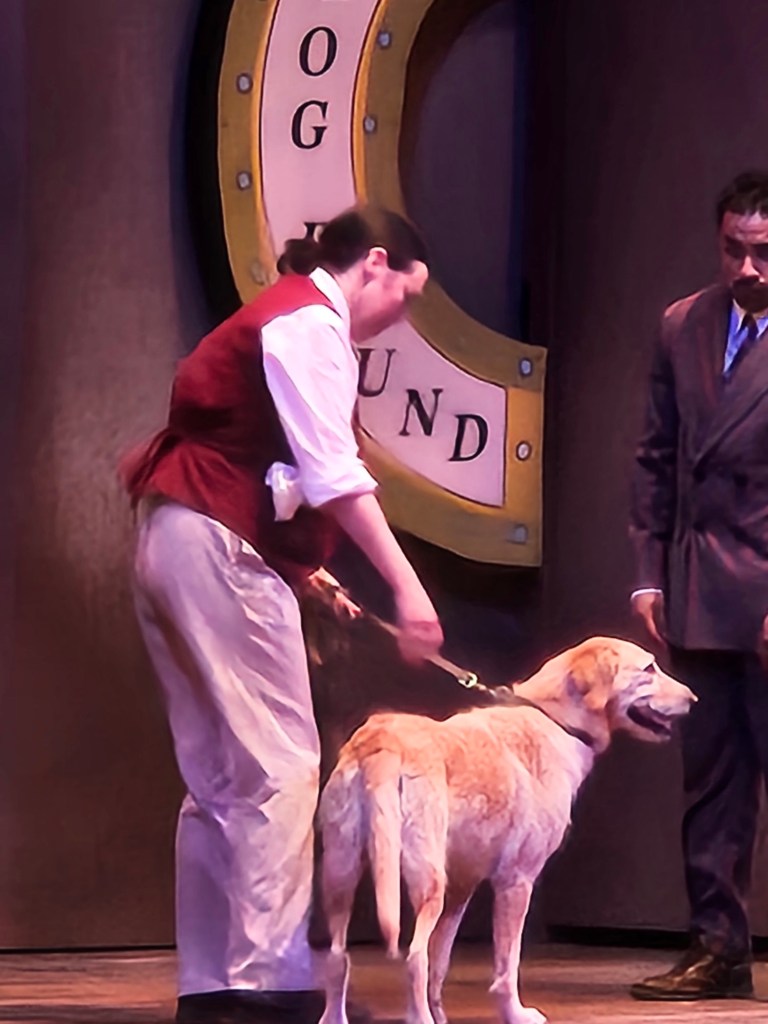
Tilly as Crabbe the Dog

For most people in the audience, the true star of the show was Tilly as Crabbe the dog. When my kids and I took our seats, my son’s immediate question was “When is the dog coming?” To be fair, Tilly is very cute and never once breaks character.

My Reaction

I tried my best to separate my feelings about Two Gentlemen Of Verona from the production. As I mentioned earlier, as Shakespeare’s first comedy, many of his more famous works are actually derived from this one. For instance, we have an Italian hero who visits his beloved by night, whose love is denied and he is banished from Verona, (sound familiar?) We also have a heroine who disguises herself as a boy, (a device which Shakespeare employs at least six times), a comic servant, a maid, pirates, a foppish suitor, and a bit where the heroine secretly obtains her beloved’s ring. As a hardcore Shakespeare fan, seeing these repeated devices and characters was a little tedious after recognizing them from other plays. I also felt that the dialogue should have been edited a little bit more- the play was about 2 1/2 hours which I felt was a little too long. That said, the skill of the actors and the creative use of the setting helped make Two Gentlemen Of Verona an enjoyable experience for all.

In conclusion, I can see why people like this play and I too enjoy it, despite its questionable subtext.

If you like this analysis, you might be interested in signing up for my Outschool Course on Shakespeare’s Comedies. Link down below. Share this class with a friend and you will get $20 USD off!
You’ll also get $20 USD when you sign up with your link and take their first class!

https://outschool.com/classes/shakespeares-comic-plays-868BR5hg?sectionUid=420e2feb-050f-456b-8d06-6510f6b9ad2c&usid=MaRDyJ13&signup=true&utm_campaign=share_activity_link

Is Romeo and Juliet Overrated?

What’s a classic book that you think is overrated?

As a big Shakespeare nerd, I love all of Shakespeare’s plays, but even I have to admit some of them have been overhyped and over sold. In fact, I basically started my Shakespeare Club because I wanted my students to read more than this one Shakespeare Play. While I love the poetry and the characters, even I acknowledge the flaws of Romeo and Juliet

  1. The hype around it- People see this story as the ideal love story, which it definitely is not. Shakespeare isn’t trying to put these lovers on a pedestal, he’s trying to show how hard it is for love to flourish in such a toxic, violent world. The feud between the Capulets and Montegues ruins everything and makes Romeo and Juliet make rash, foolish choices.
&Juliet
  1. The creepy age gap- Juliet is only 13 years old in the play. This was a deliberate choice on Shakespeare’s part to make us all wonder if the romance is actually a good idea
  1. The ridiculously short timeline- the play only takes place over six days! As I mentioned in an earlier post, this was another deliberate choice by Shakespeare to  make the action more intense.
Fake news report for Romeo and Juliet’s deaths.
  1. There are better plays- I would argue that plays like Hamlet do a better job capturing the experience of young people, and Julius Caesar has more cultural and historical value. That said, this play has still resonated with people for 400 years so, overhyped or not, it still has value!

If you enjoyed this post, please consider signing up for my online courses on Romeo and Juliet
Get $10 off my class “Romeo and Juliet: Why Do We Still Read This Play?” with coupon code HTHES4KG1E10 until May 23, 2026. Get started at

https://outschool.com/classes/romeo-and-juliet-why-do-we-still-read-this-play-wAhPqsrx

and enter the coupon code at checkout.

Review – ‘William Shakespeare’s Star Wars: The Mandalorian of Nevarro’

Happy May 4th Everyone!

With the upcoming release of The Mandalorian and Grogo, I knew there would be lots of tie-in Star Wars merchandise capitalizing on it. What I didn’t expect,  was that, after a six year hiatus, playwright Ian Doescher has once again taken up his quills and lightsabers to dramatize the next installment in the Shakespearean Star Wars cannon, The Mandalorian of Nevarro.

What Is William Shakespeare’s Star Wars?

William Shakespeare’s Star Wars is a series of parody plays written by Ian Doescher that takes the prose screenplays of the Star Wars story and transforms them into Elizabethan verse. Last time, I mentioned how much I loved the cheeky references to Shakespeare and Star Wars, and how Doescher adapts the cinematic quality into Elizabethan drama very well. In my podcast, I also emphasized the way Doescher gives each character verbose Shakespearan language that works very well for radio and theater:

I’ve written reviews about Mr Doescher’s versions of the original trilogy, but I never expected him to cover the Disney Plus shows, bit he proved me wrong, and by all accounts, this edition lives up to its predecessors.

https://www.starwarsnewsnet.com/2026/04/review-william-shakespeares-star-wars-the-mandalorian-of-nevarro-reimagines-mando-in-a-worthy-retelling-of-the-series.html

Interview with Ian Doescher about “The Mandalorian of Nevarro”

What We Know

I haven’t gotten a copy yet of the full play, so this will be less of a review and more of a prediction and a fun speculation about how Mr Doescher will handle everyone’s favorite green foster child and Beskar- clad dad.

When your main character is, quite frankly, one of the most non-theatrical Star Wars protagonists in existence, forcing that character to come out of his shell and give him that Shakespearean flair was always going to be a test. – Nate Manning, Star Wars News.net

The Mandalorian of Nevarro is a two part series that, like the other William Shakespeare’s Star Wars books, adapts the prose text of episodes 1-4 into Shakespeare’s verse. According to Wookiepedia, the series was originally titled Mandalorius, which is probably a pun on Shakespeare’s play Coriolanus

Prologue and Dramatis Personae for “The Mandalorian of Nevarro”

What We Can Guess

One thing I am very curious about is how far Doescher adapted Coriolanus for Mandolorian. As you might have read in my review for Coriolanus, one reason why the play isn’t as popular as some of Shakespeare’s other tragedies is simply that its hero is not very compelling. Coriolanus is not as articulate or wise as Hamlet, nor does his journey form a cohesive arc like Macbeth or Othello.  He seems to flit between loving Rome and hating it, between peace and war, with little agency or understanding of what is happening to him, and even less insight. He is mainly a maddeningly inscrutable man, almost as if he was wearing a mask.

With all this in mind, I can honestly understand why Doescher might choose the Roman general Caius Martius Coriolanus as a model for Jinn Jaran, (assuming that the final play does in fact do so). Like Coriolanus, Mando is a lone warrior in a fragile republic, who goes from planet to planet with nothing but his ship, and his rigid code of behavior to guide him. Therefore it makes total sense that Doescher would use Coriolanus as a model to emulate when adapting The Mandalorian.

With all due respect to Shakespeare, what makes Mando a more interesting character from Coriolanus us that he has a compelling Arc. He starts as a solitary bounty hunter to a surrogate father who finds meaning when he adopts a child. It’s like his helmet and armor are metaphors for the uncaring, uncompromising person he was. Over the course of the series, as Mando becomes a better man and a better father, he is forced to remove his armor and form real relationships.

What I Hope

I hope this adaptation uses Shakespeare’s ability to conjure images and feelings when telling Mando’s story, but only time will tell.

May the Forth Be With Thee!

Mando

Crafting A Character: Portia (Wife of Brutus

Portia (Or Porcia), was the wife of Marcus Brutus. Many ancient writers emphasize her courage, beauty, and devotion to her husband and Rome. Many painters and illustrators have chosen to depict her as a model of courage and grace.

Porcia, as has been said, was a daughter of Cato, and when Brutus, who was her cousin, took her to wife, she was not a virgin; she was, however, still very young, and had by her deceased husband⁠17 a little son whose name was Bibulus. A small book containing memoirs of Brutus was written by him, and is still extant. 4 Porcia, being of an affectionate nature, fond of her husband, and full of sensible pride, did not try to question her husband about his secrets until she had put herself to the following test. 5 She took a little knife, such as barbers use to cut the finger nails, and after banishing all her attendants from her chamber, made a deep gash in her thigh, so that there was a copious flow of blood, and after a little while violent pains and chills and fever followed from the wound. 6 Seeing that Brutus was disturbed and greatly distressed, in the height of her anguish she spoke to him thus: 7 “Brutus, I am Cato’s daughter, and I was brought into thy house, not, like a mere concubine, to share thy bed and board merely, but to be a partner in thy joys, and a partner in thy troubles. 8 Thou, indeed, art faultless as a husband; but how can I show thee any grateful service if I am to share neither thy secret suffering nor the anxiety which craves a loyal confidant? 9 I know that woman’s nature is thought too weak to  p155 endure a secret; but good rearing and excellent companion­ship go far towards strengthening the character, 10 and it is my happy lot to be both the daughter of Cato and the wife of Brutus. Before this I put less confidence in these advantages, but now I know that I am superior even to pain.” 11 Thus having spoken, she showed him her wound and explained her test; whereupon Brutus, amazed, and lifting his hands to heaven, prayed that he might succeed in his undertaking and thus show himself a worthy husband of Porcia. Then he sought to restore his wife. -Plutarch, Life of Brutus

https://portiacatonis.weebly.com

She tried to conceal her distress, but a certain painting betrayed her, in spite of her noble spirit hitherto. 3 Its subject was Greek, — Andromache bidding farewell to Hector; she was taking from his arms their little son, while her eyes were fixed upon her husband. 4 When Porcia saw this, the image of her own sorrow presented by it caused her to burst into tears, and she would visit it many times a day and weep before it. 5 And when Acilius, one of the friends of Brutus, recited the verses containing Andromache’s words to Hector,

“But, Hector, thou to me art father and honoured mother

And brother; my tender husband, too, art thou,”

Brutus smiled and said: 6 “But I, certainly, have no mind to address Porcia in the words of Hector,

‘Ply loom and distaff and give orders to thy maids,’⁠23

for though her body is not strong enough to perform such heroic tasks as men do, still, in spirit she is valiant in defence of her country, just as we are.” This story is told by Porcia’s son, Bibulus.

https://artsandculture.google.com/asset/portia-and-brutus/qQH7qtdFwf6xeA?hl=en&ms=%7B%22x%22%3A0.5%2C%22y%22%3A0.2668803418803419%2C%22z%22%3A8%2C%22size%22%3A%7B%22width%22%3A2.1891025641025643%2C%22height%22%3A0.6672008547008548%7D%7D

Portia marks a turning point in Shakespeare’s Roman female characters as we we go from more ‘traditional’ female characters, to ones who exemplify masculine virtues. Instead of women being subordinates to men’s affairs and keeping out of religion, politics, and the affairs of Roman society, Portia is a character who demands respect, and to share her husband’s dangers. Some ancient sources suggested possibly Portia might have been the one who inspired Brutus to kill Caesar, (more on that later), but in any case Portia is not a character who is subordinate to men, but who demands to be treated as a Roman citizen.

Playing Portia

Shakespeare’s Fools

Happy April Fool’s Day! Today I’d like to look at the rich history of Shakespeare’s fools and clowns! Clowns are some of Shakespeare’s classic comic characters, but fools are complex characters that entertain, satirize, and even philosophize. They may dress the part, but they are no fools.

This clip from Mel Brooks’ comic masterpiece History of the World, Part I, has the writer/director perform as Comicus, a ‘stand-up philosopher’ from Ancient Rome- a philosopher who is basically a stand-up comic. As you’ll see, unlike clowns, most of Shakespeare’s fools basically fulfill this role- to satirize and make fun of people and institutions.

What Is A Fool?

Fools and clowns are based on medieval minstrels who, as this video from Monty Python’s Terry Jones shows, were itinerant entertainers who had to do a number of jobs including play music, dance, sing, compose poetry, juggle, and on occasion- START A WAR!

Fools Vs. Clowns

A fool is the renaissance version of a minstrel- an official royal entertainer who worked at royal courts. A clown is a comic part in a play. They often danced, sang, and did improv comedy. To illustrate the difference, here’s a short video about the life of Henry VIII’s favorite fool- Will Sommers

Foolish Founding Fathers

All of Shakespeare’s fools and clowns are based on ancient Italian sources-from the Roman comedies of Plautus and Terrence to the improvised comedy known as Commedia Del ‘ Arte

Short featurette documentary on the artform of “Commedia Del’ Arte” by The National Theater in London

Commedia is based on stock character types that Shakespeare adapted and fleshed out- Arlequinno became the constantly hungry Dromio, (among others), while Capitano became Falstaff and Pistol. Even Shylock has remnants of Brighella in his DNA. According to Dario Fo in his book: Manuale Minimodell’Attore, Shakespeare adapted stock characters from commedia to be his clowns, and sarcastic characters called sots, who commented on the action to become his fools (Fo, 107)

Will Kempe- Shakespeare’s First Great Clown

Despite his strength and skill as a dancer, Kempe specialized in playing oafish buffoons like Dogberry in Much Ado About Nothing, Falstaff in the Henry IV plays, and Peter in Romeo and Juliet. In the Second Quarto edition of Romeo and Juliet, you can see in the stage directions “Enter Will Kempe,” right before Peter speaks:

According to Will In the World by Steven Greenblatt, Kempe and Shakespeare had a falling out in the late 1590s, which many scholars have assumed might have been due to Shakespeare’s distaste for clowns wasting time with jokes that bogged down the play:

Hamlet:
Let those that play your
clowns speak no more than is set down for them. For there
be of them will themselves laugh, to set on some
quantity of barren spectators to laugh too. Though in the
meantime, some necessary question of the play be then
to be considered. That's villainous, and shows a most pitiful
ambition in the fool that uses it. Hamlet, Act III, Scene ii.

Kempe, for his part, seemed a little big for his britches; he and his fellow clowns seemed to think that Shakespeare's scripts were just vehicles for his own jokes and songs (Reynolds, 247). He then sold his share in the Chamberlain's Men, derriding them in print as "My notable Shake-rags," and then staged a publicity stunt where he danced across England!

1600-1613: The Golden Age Of Foolery

Kempe’s replacement was Robert Armin, an accomplished writer and singer, who specialized in playing satirical Fool roles. Armin appeared in several Shakespearean plays after 1599.

Unlike Kempe, Armin’s characters are essential to the plot of the play, and his jokes support the themes and ideas of the plays themselves. As Feste in Twelfth Night, Armin makes jokes that make fun of the overly-serious Orsino and Countess Olivia:

Feste. Good madonna, why mournest thou?
Olivia. Good fool, for my brother's death.
Feste. I think his soul is in hell, madonna.
Olivia. I know his soul is in heaven, fool.
Feste. The more fool, madonna, to mourn for your brother's
soul being in heaven. Take away the fool, gentlemen. Twelfth Night, Act I, Scene v.
Touchstone in “As You Like It”

Sometimes Armin’s characters are satirical mirrors of Elizabethan society; in As You Like It, Touchstone the Fool mocks the culture of dueling; implying that there are hundreds of loopholes that a gentleman may use to challenge a man to a duel, without actually fighting.

  • Touchstone I did dislike the cut of a certain
    courtier’s beard; he sent me word, if I said his beard was not
    cut well, he was in the mind it was. This is call’d the Retort
    Courteous. If I sent him word again it was not well cut, he would
    send me word he cut it to please himself. This is call’d the Quip
    Modest. If again it was not well cut, he disabled my judgment.
    This is call’d the Reply Churlish. If again it was not well cut,
    he would answer I spake not true. This is call’d the Reproof
    Valiant. If again it was not well cut, he would say I lie. This
    is call’d the Countercheck Quarrelsome. And so to the Lie
    Circumstantial and the Lie Direct.
  • Jaques (lord)And how oft did you say his beard was not well cut?
  • TouchstoneI durst go no further than the Lie Circumstantial, nor
    he durst not give me the Lie Direct; and so we measur’d swords
    and parted.

The Fool in “King Lear”

Perhaps Armin’s greatest comic creation was The Fool in King Lear; the ultimate satirist who makes fun of the king’s foolish choices. He tries to talk sense to the increasingly mad king, until he vanishes entirely, and Lear himself starts making fool-like cracks at the audience:

Lear Thou hast seen a
farmer's dog bark at a beggar?
Earl of Gloucester. Ay, sir.
Lear. And the creature run from the cur? There thou mightst behold
the great image of authority: a dog's obeyed in office.
The usurer hangs the cozener.
Through tatter'd clothes small vices do appear;
Robes and furr'd gowns hide all. Plate sin with gold,
And the strong lance of justice hurtless breaks;
Arm it in rags, a pygmy's straw does pierce it.
None does offend, none- I say none! Get thee glass eyes
And, like a scurvy politician, seem
To see the things thou dost not. King Lear, Act IV, Scene vi.

Through realizing his own foolishness, Lear recovers his sanity, and makes peace with his daughter, which beautifully shows the importance of fools, clowns, and satirists; to question ourselves, to sharpen our critical thinking, and to endure hardships with good humor. Therefore on this April Fools Day, I say,

“Here’s to the fools, to folly, to farce. Let them push the wealthy on the ar— APRIL FOOLS!”

References

Best, Michael. “Shakespeare’s Actors: Will Kempe” Internet Shakespeare Editions, University of Victoria, 28 Sept. 2016, ise.uvic.ca/Foyer/citing. Accessed 30 Sept. 2023.

Fo, Dario. Manuale Minimodell’Attore (English: “The Tricks Of the Trade” Translated by Joe Farrell, 1991. Accessed online at Google Books: https://www.google.com/books/edition/The_Tricks_of_the_Trade/akEJ9Ew9GaoC?hl=en&gbpv=1. 29 March. 2023.

For more tomfoolery

I teach a class specifically on Shakespeare’s comedies where I’ll talk a lot about the way Shakespeare writes clowns. I’ll also delve into the history of Commedia Del’Arte and how it influenced Shakespeare’s characters! For more information, visit http://www.outschool.com

Happy St Patrick’s Day

Happy Saint Patrick’s Day Everyone!

Let me begin with a special shout out to Jesse Buckley, the first Irish woman to win an Oscar for her portrayal of Shakespeare’s wife Anne ‘Agnes’ Hathaway in the movie Hamnet.

I promise I will write a full review soon, but for now here’s a behind the scenes look at the film:

In addition, here’s a link to my post on how Shakespeare depicts Irish culture in his plays

And finally, today is the anniversary of Marcus Brutus’ attempt to win over the Roman crowd, attempting to justify his tyrannicide. Here’s a scene from HBO’s Rome, in which Brutus surrenders to Caesar after the Battle of Pharsellus. In this scene, Caesar is played by Irish actor, Ciarán Hinds.