
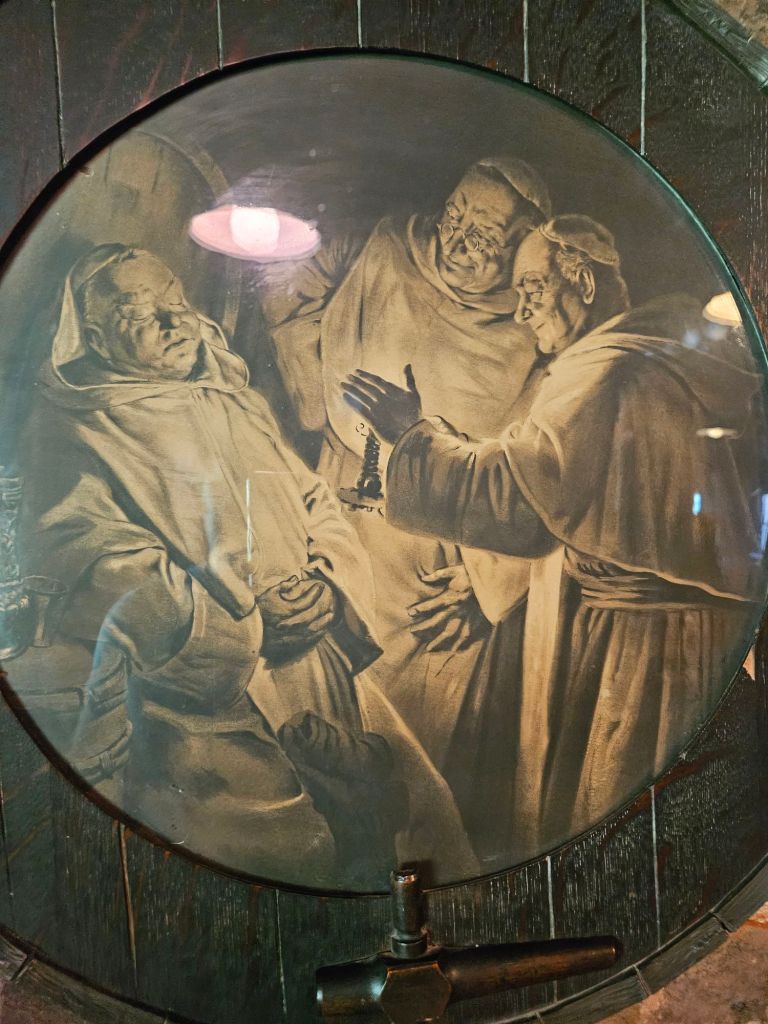
Shakespeare and Bread
October 17th is national bread day. Bread has enormous cultural, political, and poetic significance in western culture, so it makes sense that Shakespeare would talk about it. What follows is by no means a comprehensive analysis, but hopefully enough to what your ‘appetite.’
Analysis of Shakespeare quotes
Bread- the yardstick of humanity
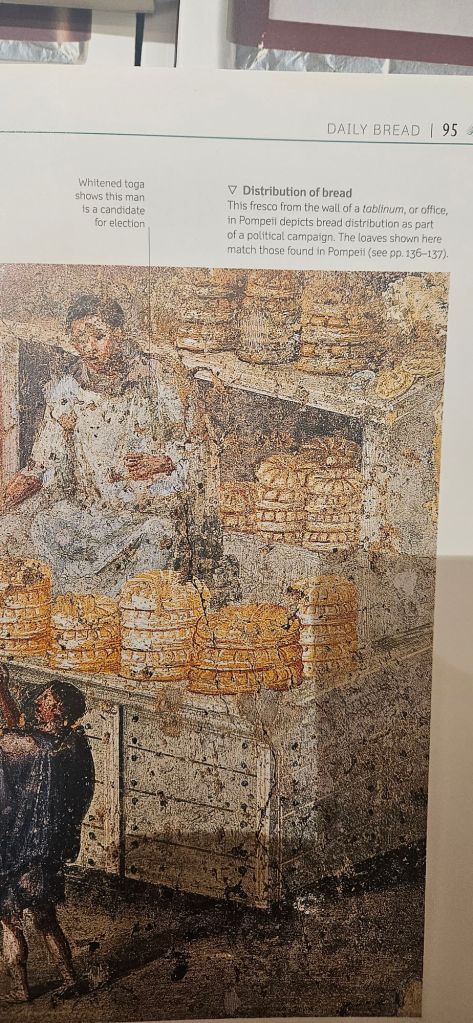
Bread is one of the first foods ever devised by humanity, and it is one of the few foods that is enjoyed by everyone regardless of age, race, culture, creed, or country. Shakespeare knows this, which is why he frequently refers to any kind of generic, regular “honest joe” as being, “one who eats bread,” or “as honest as any who broke bread.” To eat bread in Shakespeare’s mind, is to be quintessentially human.
“I speak this in hunger for bread, not in thirst for revenge.”
Just like today, bread had a commonplace connotation in Shakespeare’s culture as the unassuming food of both rich and poor. In Elizabethan times, meat and spices were the foods that impressed upper-class courtiers. Bread was simple, plain, and eaten by all.
In this passage from Pericles, Governor Cleon uses the desire for bread to poetically show the horror of famine:
Those palates who, not yet two summers younger,
Must have inventions to delight the taste,
Would now be glad of bread, and beg for it:
Cleon muses how, before his citizens were so rich (and by extension, such picky eaters), that they needed to invent new forms of food to suit their sophisticated tastes. Now, humbled by the famine, Cleon’s citizens would see a plain loaf of bread as the pinnacle of meals.
Shakespeare again alludes to the ubiquity of bread in a famous speech from Richard II, where the king finally acknowledges his own humanity by mentioning that he eats bread just like a common man. The fact that he does something so simple and human as eating bread strips the king of all pretense of divine right. Gods live on ambrosia, but Richard lives by bread.
Trenchers-
“ He scraped a trencher,”
‘Tis burnt; and so is all the meat.
What dogs are these? Where is the rascal cook?
How durst you villains bring it from the dresser
And serve it thus to me that love it not?
There, take it to you, trenchers, cups, and all;
[Throws the meat, etc., at them]
Over 11 times, Shakespeare refers to trenchers- a trencher (from the Old French “to cut”) was originally a thick, flat round of stale bread used as a plate during medieval times.
“The place setting also included a trencher, a round slice of bread from the bottom or the top of an old loaf, having a hard crust and serving as a plate. After the meal, the sauce-soaked trenchers were probably distributed to servants or the poor. Food was served on platters, commonly one platter to two diners, from which they transferred it to their trenchers.” -The Middle Ages, Everyday Life in Medieval Europe by Jeffrey L. Singman
You had musty victual, and he hath holp to eat it:
he is a very valiant trencherman; he hath an
excellent stomach.- Much Ado About Nothing
By Shakespeare’s time, upper class people no longer used trenchers, favoring wooden plates. Thus the trencher was the old-fashioned plate of common folk, which is why he frequently uses the term “trencherman” as a derogatory remark for lower-class people. Beatrice here is mocking Benedick by calling the proud nobleman no better than a yokel eating from a trencher.
“God’s Bread”-
Many of Shakespeare’s references refer to communion wafers- the little sliver of bread given at the ceremony of communion (aka the eucharist or the holy supper).
“He took my father grossly, full of bread”- The ghost of Hamlet’s father is murdered while sleeping, which means he was not allowed to receive the last rites, in particular, his final communion. As I mentioned in my “Shakespeare on Ghosts post,” The Ghost might be suffering in Purgatory because (according to Catholic beliefs), he cannot ascend to Heaven if he didn’t receive final communion. Hamlet, (and Shakespeare through him), is musing on how important one little wafer of bread is to Catholics- their souls literally depended on them!
Did Shakespeare make bread?
Well, the short answer is No; most middle class and poor houses didn’t have dedicated ovens for baking bread. In Shakespeare’s home town of Stratford, he would depend on farmers to harvest grain, millers to grind it into flour, and bakers to work the flour into dough and bake it.
The mill
You’ve probably heard fairy tales about millers and miller’s daughters who grind grain for bread.
The Shakespeare home in Stratford Upon Avon is about half a mile away from Lucy’s Mill Weir- a man-made dam used to rise the water level of the River Avon, and divert it to a drain to turn a mill wheel.
Your eyes drop millstones, when fools’ eyes drop tears:
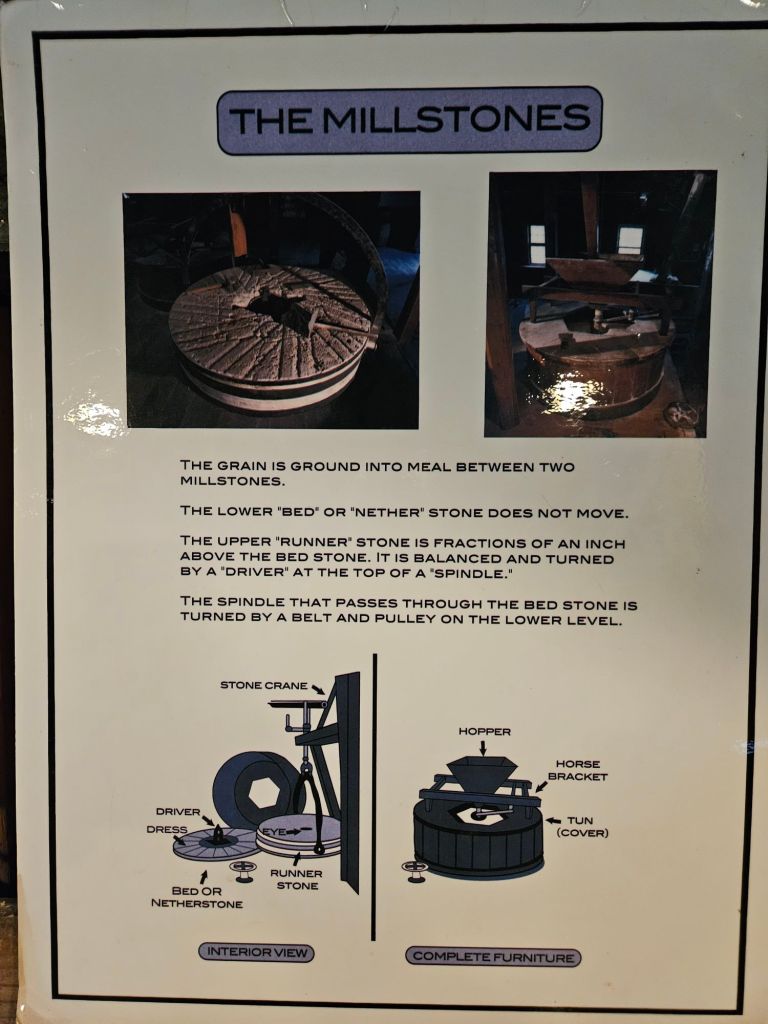
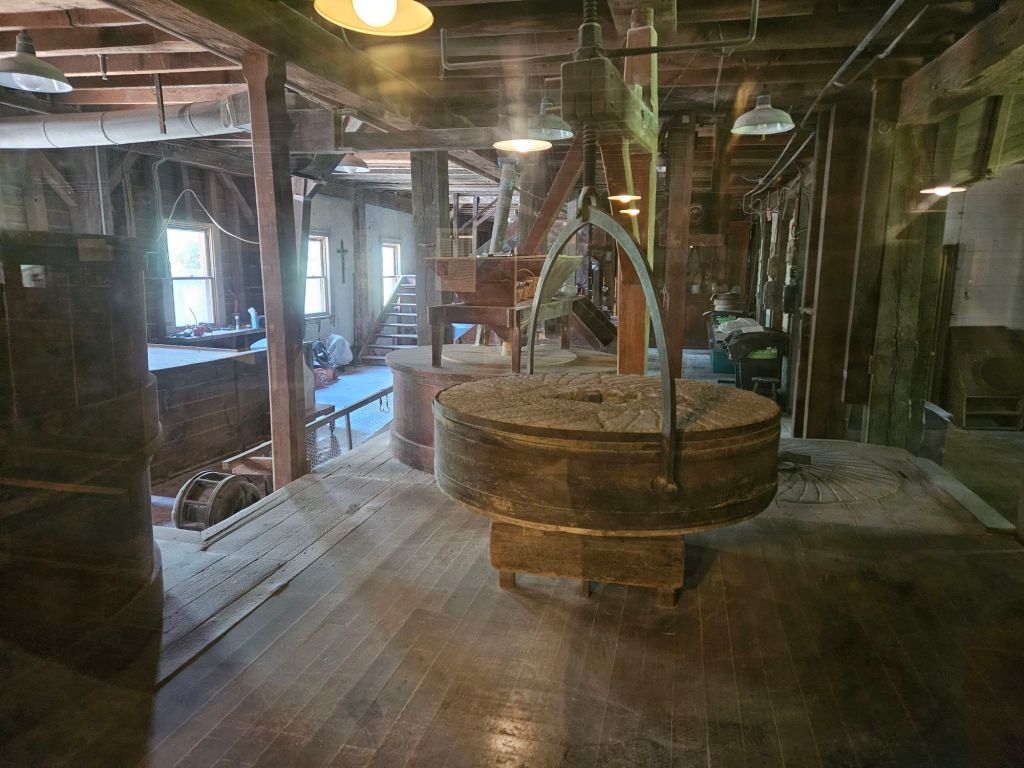
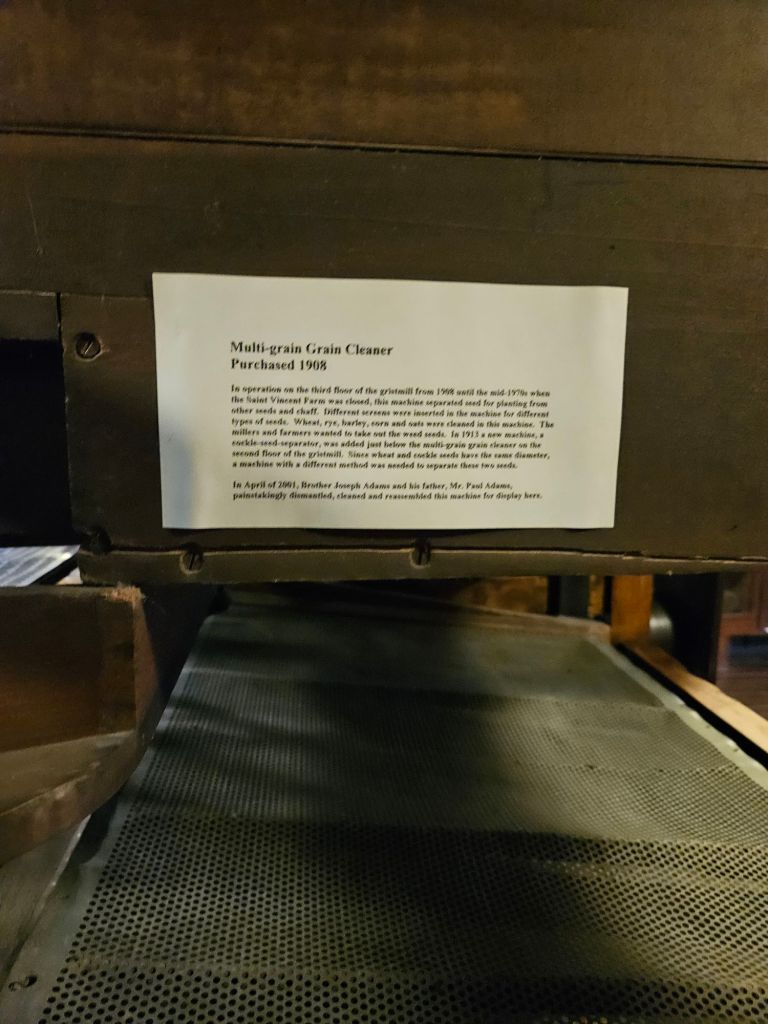
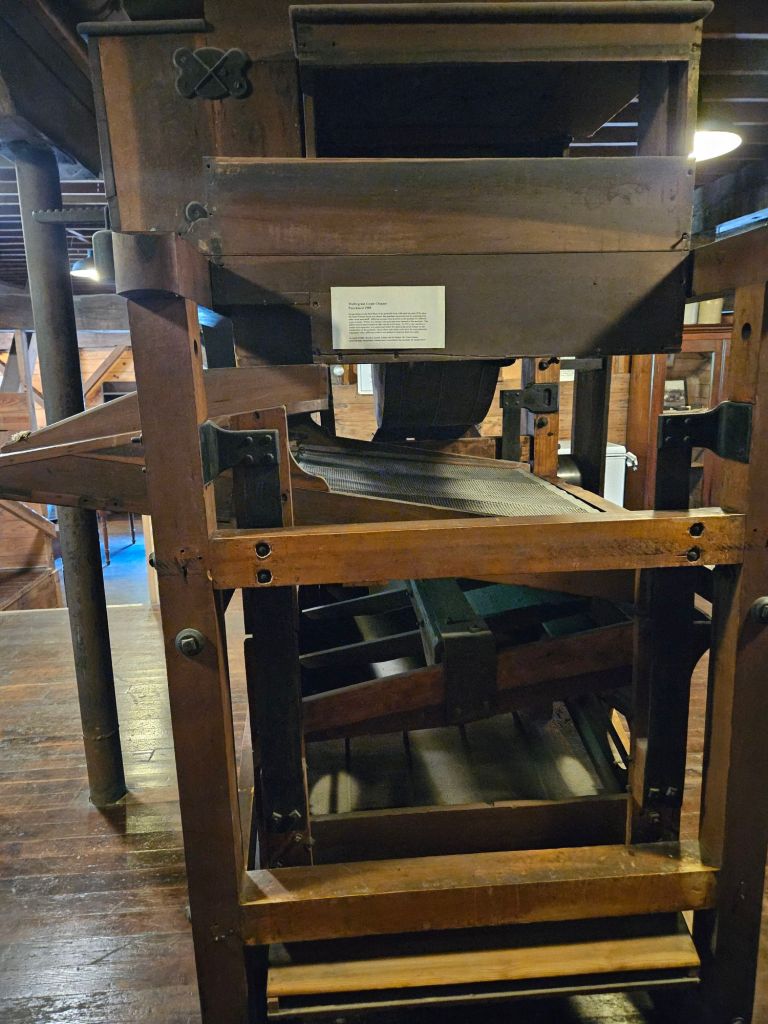
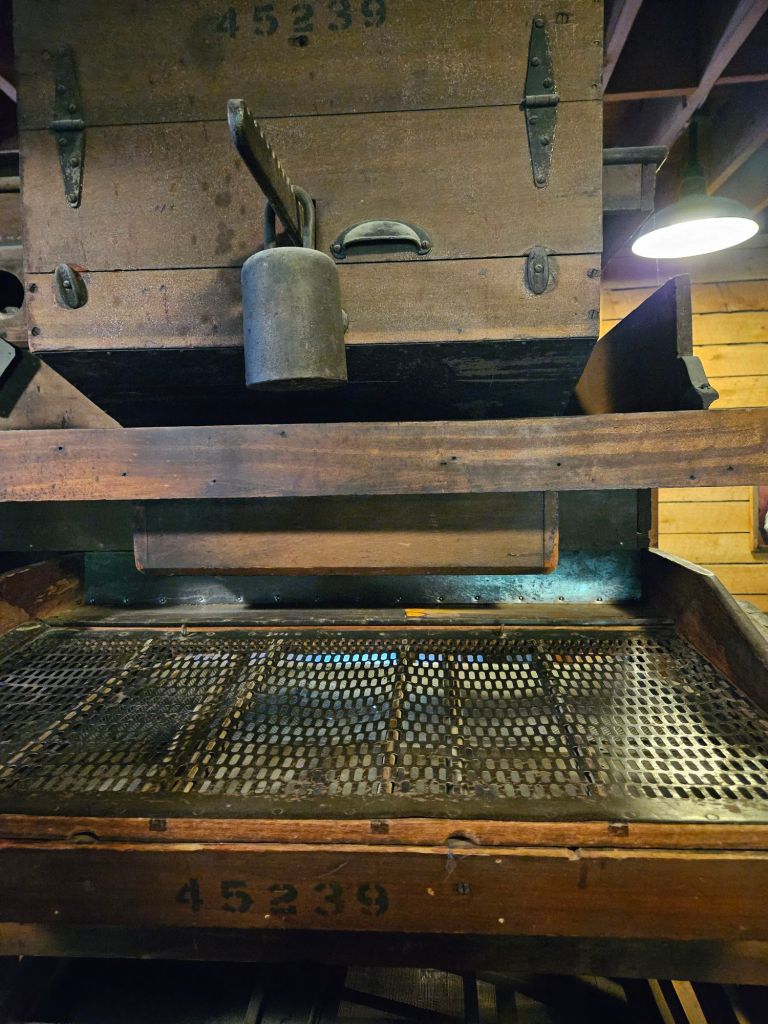
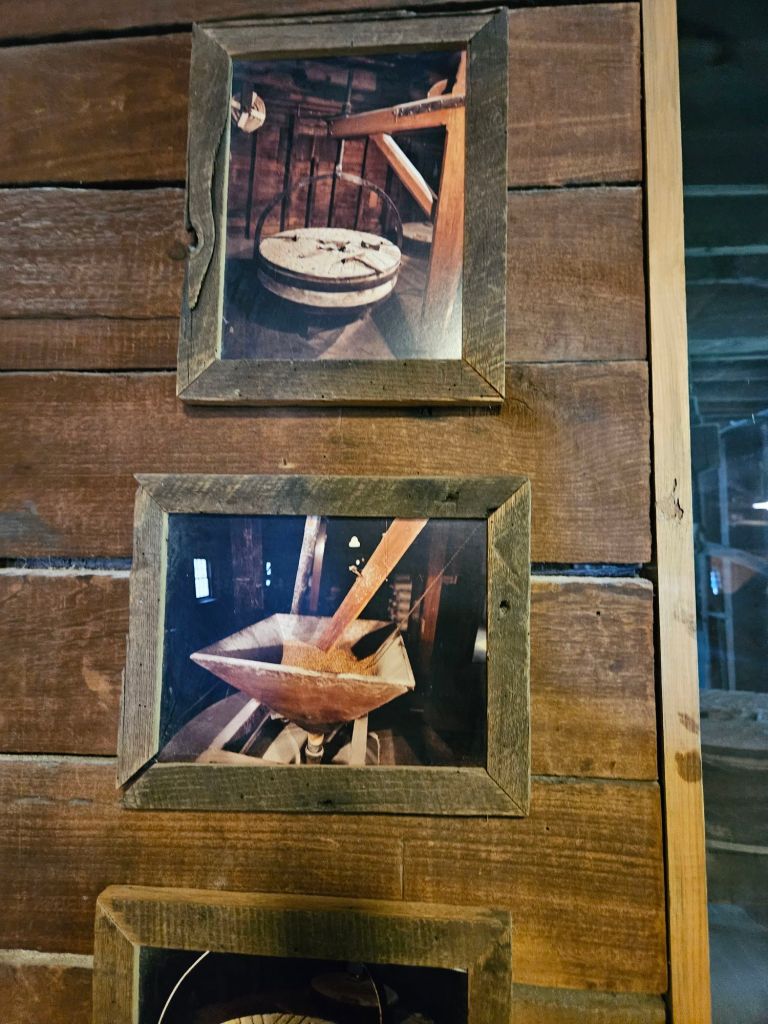
By Shakespeare’s day, every town in England had a mill that harnessed the power of water to turn a wheel that operated a heavy circular rock called a millstone designed to crush corn and wheat into flour to bake bread. It was the baker’s job to take the flour and add yeast (which was usually run off from beer or wine) to make the bread dough rise and then use their ovens to bake it.
Bread
Unleavened bread
Brown Bread
Communion Bread (Eucharist)
For those who don’t know- between the birth of Shakespeare’s father to Shakespeare’s own death, England’s national religion changed several times from Catholic to Protestant, and a tiny way that manifested was the celebration of the Eucharist- what Christians now call “Holy communion.”
As I mentioned before, In Hamlet, (a play obsessed with rituals about death), The Ghost agonizes about how he was denied the rite of Eucharist before death. When Elizabeth I took the throne, she changed the very meaning of bread. Medieval Catholics believed that during the ceremony of communion, the bread literally became the body of Christ, (a moment referred to as transubstantiation), which meant that Catholics believed that every Sunday, they could have a little piece of God himself, (albeit a small one), inside them and carry it with them. Elizabethan protestants changed the ritual into a memorial, a kind of passion play, to remind people of Christ’s sacrifice with no mention of transubstantiation. It must have been very difficult, (perhaps even impossible) for Catholics like Shakespeare’s parents, to completely redefine their relationship to this ritual they’d practiced their whole lives. It makes sense that some Catholics would rather practice their beliefs in secret, (even with the risk of ruinous fines and prison), to keep their faith in their own way. This was the power that a tiny piece of bread had in these people’s minds.
Sources:
Websites:
Life in Elizabethan England 19: Food
Eucharistic Doctrine in the Church of England 1534–1934: An Overview — The Anglican Way
Food & Drink in the Elizabethan Era – World History Encyclopedia
Videos
The Most Important Job In The World – The Baker
How to Make a MEDIEVAL TRENCHER – Torte Bread
Personal visit to the Grist Mill

