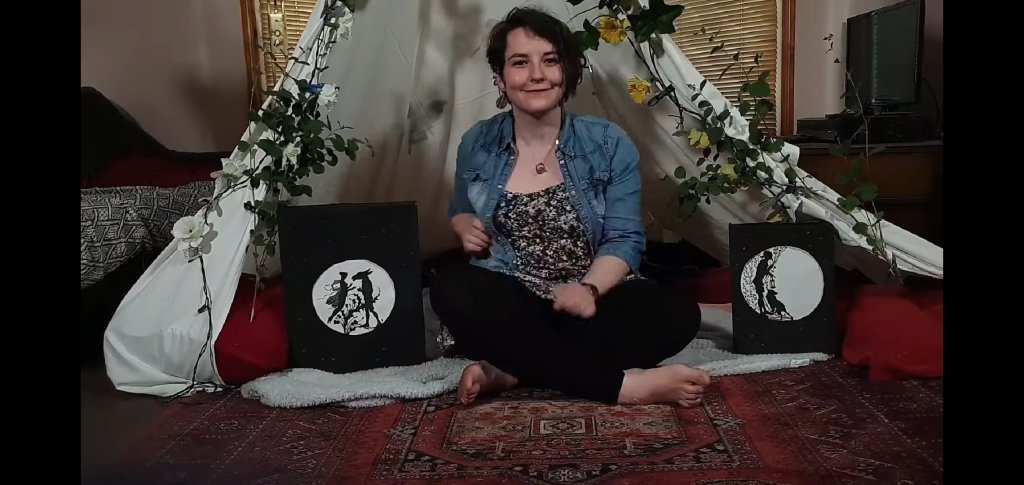
Trailer for my 2021 Acting course via Outschool.com
I’ve been working on a remote learning class for Outschool.com where I take some of the audition advice I wrote in Creating A Character: Macbeth, and some of the other acting posts I’ve published over the years. This will be a weekly virtual acting course for kids ages 13-18, starting September 12th at 10AM EST.
This class will outline the tools and techniques of Shakespearean acting such as projection, articulation, and imagination. Each We’ll also go over Shakespeare’s own advice on acting in his play “Hamlet: Prince of Denmark.” The course will culminate with the students choosing their own Shakespearean monologues and scenes, which they can use going forward in auditions, school plays, and classes.
The best thing about the course is that each week builds on the previous week’s experience, but you don’t need to go to all of them. I’ll be flexible and work with the student’s schedule so everyone gets as much out of the class as possible.
If you’re interested in signing up, go to Outschool.com. If you have any questions, email me by clicking here:
If you’re a teacher and your students are reading Romeoand Juliet, one question that your students might innevitably ask is, who’s to blame? The play ends with The Prince and the Watch trying to ascertain what happened over the past 5 days to Romeo and Juliet. He seems to place blame loosely on everyone, but it does make one wonder- will anyone face consequences for the numerous deaths, damages, anguish, and broken promises that resulted from the double suicides?
In 2021, I decided to create an activity that would allow the students in the English class I worked in to decide who is to blame for the deaths of Romeo and Juliet. I developed the project with the help of an English teacher and a real judge. We designed the project so it would test the kids’ knowledge of the play, and their persuassive speaking abilities (which we worked on in a previous unit).
I would like to share the journey of this project, which I think is a lovely way to get kids to engage with English Literature, as well as touching on other topics in high school English courses like persuassive writing, critical thinking, and research.
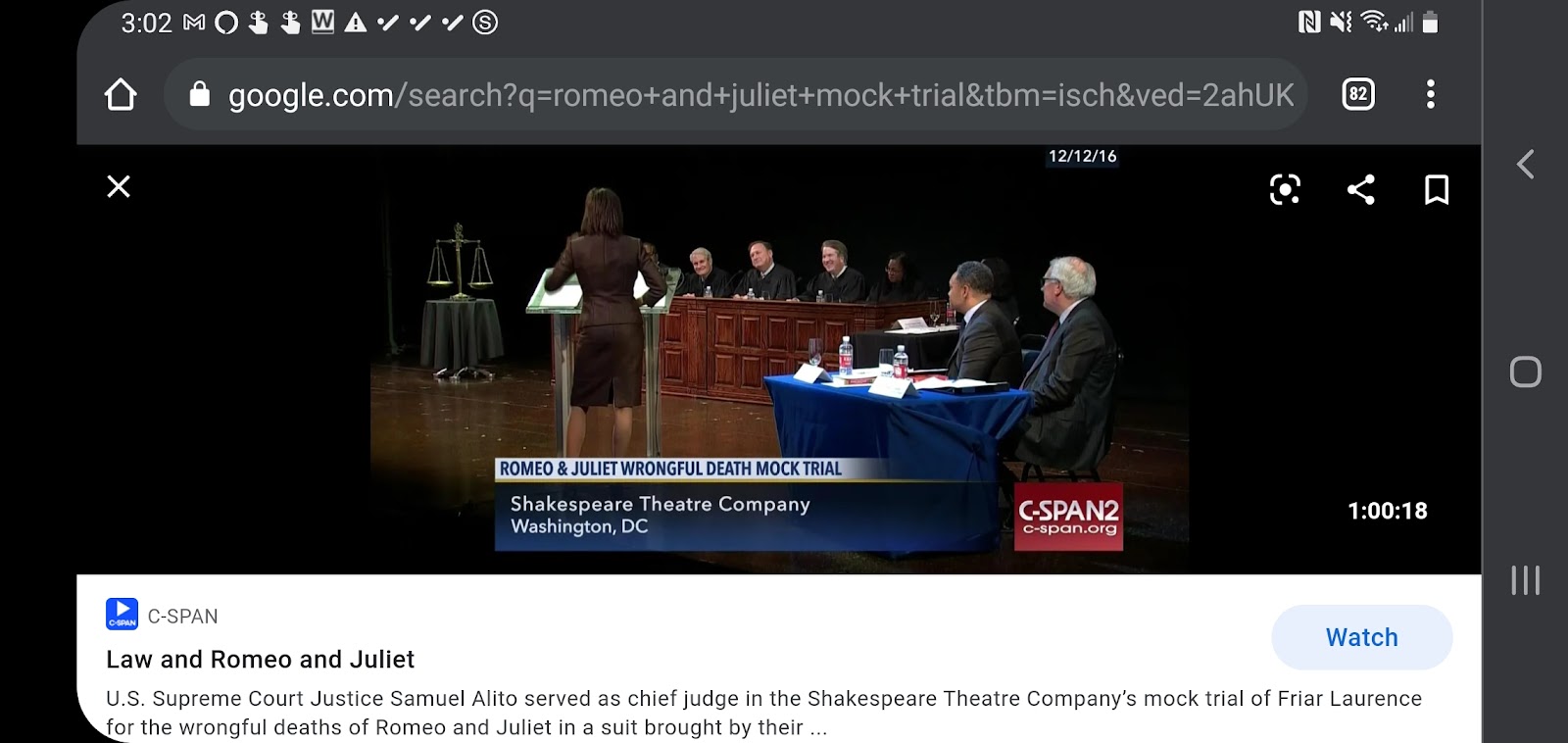
My original idea was to put Friar Laurence on trial for criminal negligence and/ or conspiracy to assist a suicide, There’s been plenty of classrooms, comedy sketches, and even some juries that blame Friar Laurence for the deaths of Romeo and Juliet, including the US Supreme Court, who put him in the dock as part of a mock trial at the Shakespeare Theater in Washington DC bac in 2016. If you go to C-Span’s website, you can watch the full trial itself: https://www.c-span.org/video/?419930-1/federal-judges-discuss-romeo-juliet
Though mock trials have tried Friar Laurence for murder in the past, the teacher I worked with decided we wanted to be sensitive to the issue of suicide and not place the blame for suicide on anyone other than Romeo and Juliet. This is a valid concern- since teenagers do occassionaly encounter suicide, we didn’t want to suggest that anyone could be held responsible for someone else’s suicide. However, if you decide to have a criminal murder or manslaughter trial, you can do so.
Our trial chose to focus on a different sort of negligence: we noted that, although Friar Laurence arguably isn’t guilty of murder, he certainly did perform the wedding of two minors without parental consent, a wedding that their parents absolutely didn’t apprve of, and that arguably caused irreperable financial damages to the houses of Capulet and Montegue. I therefore went about consstructing a criminal trial based on this perceived negligence.
TheCRIMINAL PROHIBITIONS ON THE MARRIAGE OF MINORS ACT
In most states in the United states, parental consent is required to marry a minor, so in reality, Friar Laurence would almost certainly be found guilty of illegal marriage. The judge I worked with wanted to give the case a fighting chance, so she created a fae law that is just for our class called the CRIMINAL PROHIBITIONS ON THE MARRIAGE OF MINORS ACT, which you can read below. This law is designed to provide a loophole for Friar Laurence that allows a clergyman to perform a minor wedding without parental consent if the parents are themselves creating an unsafe and dangerous home. Our teacher liked this aspect of the case, becasue it allows the class to consider the partriarchial values of Lord Capulet, who for most of the play, treats his daugher like a piece of property, and threatens her with dire consequences if she chooses her own husband. This is the central argument of the trial- Was Friar Laurence negligent and irresponsible in marrying Romeo and Juliet, or was he respecting Juliet’s autonomy and trying to free her from an abusive household? Below is a complete description of the project, a presentation I created for the class, and some downloadable materials to get you started. If you have questions or suggestions for other projects, let me know!
Overview
A mock trial is an excellent way to engage a student’s critical thinking skills, persuasive writing skills, and challenge their knowledge of a sequence of events. In Shakespeare’s Romeo and Juliet, several violent deaths occur and at then end of the play it’s ambiguous who will be punished and how. Therefore, to engage students in the play, they can play judge, jury, and lawyers in a trial to answer the question: was Friar Laurence guilty of performing an illegal marriage?
Goals
Test the student’s knowledge of the plot of the play
Get them to make persuasive arguments defending and prosecuting the character of Friar Lawrence.
Come to conclusions
Get the Jury to look at the rhetoric of the prosecution and defense.
Structure
Quiz on the play to help assign roles- The highest scorers get to be lawyers and prosecutor, the next highest get to be witnesses, and the lowest scorers get to be the jury.
Mock trial where the students take on the roles of witnesses, judge, lawyer, prosecutor, and jury
The Jury delivers a verdict
Class discussion.
Before the Trial
Only people who know the plot of the play should be allowed to be the lawyers, so I propose that before the trial starts, each student should be quizzed on the plot of the play. The students who score the highest should be allowed to play the prosecutor and defense lawyer. The third, fourth, and fifth highest scoring students can be The Judge and the two witnesses. Everyone else can be the jury. I would propose that the teacher or teaching assistant play the part of Friar Lawrence, as he/she will have to answer the toughest questions and know the most about the play. Of course, if you have a student with real acting talent, he or she can play Friar Lawrence.
The Trial will take place over at least two days- one day for constructing legal arguments, and one day for the trial itself.
When the trial begins, each person will get a character sheet that details who they are, what their role is, in the trial, and what they know about the deaths of Romeo and Juliet. Unlike other mock trials, this will not be scripted. Think of it more like a D&D character sheet or murder mystery game; the characters are given information but not told what to say. Below is a sample character sheet I made for the Prosecuting Attorney.
The Prosecutor intends to prove that Friar Lawrence performed an illegal marriage because he married two minors without their parent’s consent. The Defense intends to prove that the marriage was legal under the CRIMINAL PROHIBITIONS ON THE MARRIAGE OF MINORS ACT (a fake law made up for our class).
Jury Instructions- The Judge
Opening Statements- Prosecutor and Defense Lawyer
Witness For the Prosecution- Lord Capulet
Cross-Examination- Lord Capulet
Witness For the Defense- Ghost Juliet
Witness For the Prosecution- The Nurse
Cross-Examination- The Nurse
Defendant’s Testimony- Friar Lawrence
Cross-Examination- Friar Lawrence
Witness For the Prosecution- Lady Capulet
Cross-Examination- Lady Capulet
Closing Statements- Prosecutor and Defense Lawyer
Post Trial Instructions- Judge
The Verdict- Jury
Weighing In- Judge
Worksheet content-
All characters will have a packet explaining who they are, their goal for the trial, and what their character knows about the alleged crime. They also have a copy of the structure of the trial, so they know when to speak. During the pre-trial prep day, the lawyers will decide on questions to ask the witnesses and construct arguments based on their knowledge of the law and the play.
-Friar Lawrence
-The Nurse
-Lord Capulet
-Prosecutor
-Defense Lawyer
-Jury
-Judge
Everyone will receive a copy of the CRIMINAL PROHIBITIONS ON THE MARRIAGE OF MINORS so the prosecution and jury can construct their arguments, and the Jury can judge the effectiveness of those arguments.
CRIMINAL PROHIBITIONS ON THE MARRIAGE OF MINORS ACT
Purpose
The purpose of this act is to protect the integrity of the family and the independent rights of minor children.
Prohibitions:
No officiant shall perform the marriage of a minor child without the consent of the child’s parent, unless such minor child has first been determined to be emancipated and such determination was in the minor’s best interest.
Definitions:
Officiant means a person authorized to perform weddings, including but not limited to a priest, minister, friar or pastor.
Minor child means a person 14 years but under the age of 18 years.
The parent of a minor child shall mean the biological father of said child.
The factors used in the determination of emancipation shall include the following;
The demonstrated ability and capacity to manage his/her own affairs,
The demonstrated ability and capacity to live independently,
The wishes of the minor child,
The wishes of the parent,
Any other factors including compensation which could influence the officiant.
7) The factors used in the determination of the best interest of the minor child shall include the following:
The age of the minor child,
The home environment of the minor child, especially if there is a risk of violence or harm to the minor child,
Whether the marriage of the child promotes a union that is beneficial to society,
Whether the minor child can manage his/her own finances.
Whether the minor child has demonstrated other characteristics of maturity
8) An emancipated child shall be entitled to enter into contracts, marry and enjoy the legal rights of an adult without the permission of his/her parent.
9) Whoever violates this law shall be guilty of a misdemeanor of the first degree, which is punishable by up to 6 months in jail and/or a $1,000 fine.
Jury instructions (to be handed out ot the jury)
The jury need not be given a passive role- they can write down reactions on how effective the lawyers wer in presenting their arguments, which witness gave the best testimony, etc. In most jury trials, judges instruct the jury on how to put aside their personal biases when listening to the evidence, which I’ve written into some instructions below, based on instructions that Judge Taylor gave me.
So, that is my version of the Romeo and Juliet mock trial that you can freely use in your classroom. If you want to use it, please just give me credit. If you want to collaborate with me on your version, send me an email. I hope this project can be a widespread activity that will help students hone their persuasion, analysis, research, and of course, their interpretation of literature in a realistic context.
You can download the entire project for free on my TeachersPayTeachers page:
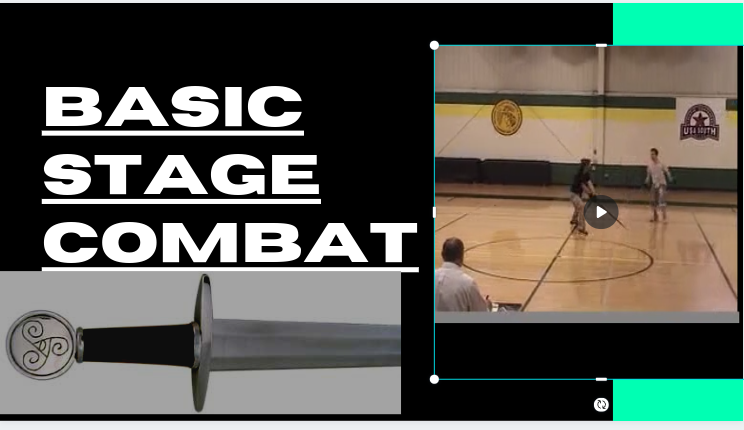
For kids attending my upcoming stage combat course, I thought I’d share this amazing video about how you can make a really impressive cardboard sword. Remember, classes start this weekend. Register at Outschool.com.
I’m working this summer with the good people at Outschool, an online learning platform for kids ages 3-18. I’m designing a series of Shakespeare classes that you can sign up for. We’ll be doing acting exercises, reading Shakespeare’s text, and making Shakespeare props Cost is $3 per child.
The course is ala carte, that is, you can sign up for as many courses as you like. Each course builds on the last one, but you don’t have to have taken the previous ones to enjoy any one particular course Let me know in the comments which class(es) you are interested in, and/or what suggestions you might have. I can’t wait to hear what you think about these summer Shakespeare courses, and I hope to see you online soon!
1. Introduction to Shakespeare- (enrollment here: https://outschool.com/classes/introduction-to-shakespeare-or-how-i-learned-to-love-the-bard-UoHH5fes?sectionUid=973060db-f857-461a-a23a-f1476203a544&showDetails=true) We’ll talk about why Shakespeare is so famous and learn about his life and career. Then we’ll do some fun quizzes that you can earn prizes based on how well you pay attention! 2. How to write ✍ like Shakespeare (Enrollment here: https://outschool.com/classes/how-to-write-like-shakespeare-0HuPq1Cg?sectionUid=4243af25-ba41-4724-82a2-61bd7c7d862e&showDetails=true) – Have you ever wanted to woo your sweetheart or write the next bestselling play? Well, this course will cover the secrets of Shakespeare’s writing. We’ll cover how to write romantic poems, the structure of Shakespeare’s plays, and you’ll get to write your own Shakespearean speeches! 3. Intro to Shakespearean acting Practical tips and tricks for your next Shakespeare audition. 4. Shakespeare’s villains We’ll look at the darkest and creepiest Shakespearean characters and see why they still fascinate us today! 5. The Violent Rhetoric Of Shakespeare’s Julius Caesar (Registration Here: https://outschool.com/classes/the-violent-rhetoric-of-julius-caesar-fkMLbAtA?sectionUid=1f9220cd-8c28-438d-9799-8479494353a4&showDetails=true#usMaRDyJ13) In this one-time course, students will analyze the rhetoric and persuasive power in two speeches from Shakespeare’s “Julius Caesar” 6. Intro to Romeo and Juliet – Get a leg up on your next English class with this fun, frenetic look through the characters, themes, and story of Shakespeare’s most popular, and most-taught play. 7. Basics Of Stage Combat (Registration here: https://outschool.com/classes/1120ada2-047d-4b0f-84f6-5eb4b0f7dc66/schedule#usMaRDyJ13– I’ll teach the kids about Elizabethan street fighting, and the basics of stage combat. 8. The Balcony Scene of Romeo and Juliet– It’s been called the greatest love scene of all time, but why? I’ll explain the imagery, the poetic language, and give you a chance to make your own love poetry! 9. Insults and Shakespeare You’ll craft your own Shakespeare insults and engage in a (respectful), beat down with your classmates! Along the way, we’ll talk about how insults escalate to violence in Shakespeare’s Romeo and Juliet. 10. The Iconic imagery of Romeo and Juliet We’ll look at some beautiful paintings, songs, and other works of art that build on Shakespeare’s poetic imagery. 11. Romeo and Juliet and pedagogy Shakespeare is uniquely challenging to get kids to engage with. I’ll give you some of my resources, games, and activities to help you delve into the play in your next class.
If you like these courses, let me know by leaving a comment below. If you’re interested in signing up, visit my teacher profile page: https://outschool.com/teachers/The-Shakespearean-Student. New classes will be added every week, and I’ll work around your schedule when planning the dates and times. Hopefully this will be a great chance for me to share my expertise with a young group of future Shakespearean students!
Like I said in the review for “Romeo and Juliet: Sealed With A Kiss,” adapting Shakespeare’s play for children seemed to me like an impossible undertaking, until I saw this film. This interpretation had all the romance and danger of Romeo and Juliet, with all the wry humor of Shrek. Before I present my thesis, I want to post a refutation of a review from a man I actually hold in very high esteem:
“You Wanted Me To Review Gnomio and Juliet, So I Did.” Kyle Kalgreen YouTube Video Essay.
I’ve watched all of Mr. Kalgreen’s reviews of Shakespeare on film, from Hamlet, to Ran, to Ralph Fiennes’ Coriolanus, and all but one of his reviews I genuinely loved. This is why I was so dissappointed when I saw this review. As his channel suggests, “Brows Held High” is mostly interested in high concept editions of Shakespeare and in a rare act of snobbery, Mr. Kalgren seems to turn his nose up at this movie, calling it essentially populist trash. He seems to say that the film misses the mark as a legitimate Shakespearean adaptation, and he’s not wrong. What he fails to notice though, is that is not the point of this movie. It’s purpose is not to be a faithful adaptation of Shakespeare, it’s a simplfied way of introducing children to Shakespeare.
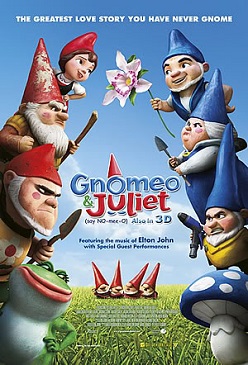
This computer animated film is set in two adjoining houses in England, with two families of garden gnomes duking it out for supremacy. Though this seems like a ridiculous concept, it gives the film a great amount of charm, watching these two gnomes trot across the garden with their plaster feet, riding around on lawnmowers, and of course the fact that they are gnomes makes even Tybalt look cute.
Most importantly, unlike other ‘inanimate object comes to life’ movies, garden gnomes are able to be smashed. Unlike the nearly indestructable Woody or Lightning McQUeen- these characters can be smashed. It’s established in the first 10 minutes that both Gnomio and Juliet have parents that were smashed. This means that the audience is constantly worried for the safety of the characters, especially when they fight. This is a clever, kid-friendly shorthand that allows the audience to worry about the character’s mortality, without the gory realities of human death.
The characters are also handled with care and charm. Gnomeo is a cocky, self-assured gnome who first looks for adventure before finding love. Juliet is even more of a spitfire than her human counterpart, and is able to perform midnight catburgling into a nearby greenhouse. It’s their desire for fun and adventure that makes these two compatible, and makes their love easy for even a child to understand.
The film’s cleverness doesn’t stop there: the filmmakers inserted all kinds of Shakespearean jokes to make the play easier to understand and to entertain the audience. For example, the Capulet and Montegue households on “Verona Avenue” have the addresses 2B and another 2B crossed off, (punning on Hamlet’s most famous line). In addition, when we first meet Juliet, she argues with her father (voiced by Michael Caine) to let her off a small white platform that he forbids her from leaving. Because she’s a gnome, her father literally puts her on a pedestal, which beautifully illustrates the relationship between Juliet and Lord Capulet. In the play, this is hinted at, but not really explored, but in this version, it is front and center, and helps increase the drama.
Perhaps the most clever thing about Gnomeo and Juliet, is that the film makes you very aware that this is an homage, rather than a re-interpretation of the story. At the opening of the film, a tiny gnome with a ridiculously long hat says: “The story you’re about to see has been told before… A LOT.” This immediately reminds the audience that, although this film will give you the general idea of Shakespeare’s play, the real play is full of more violence and sex than a children’s movie will allow. At one point, Gnomeo even converses with an animated statue of Shakespeare himself, as a way of further conceding the homage, recognizing the difference between an adult-themed play, and a children’s movie, and hopefully, encouraging kids to see both versions.
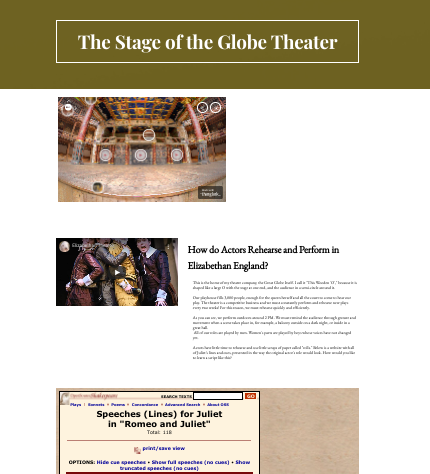
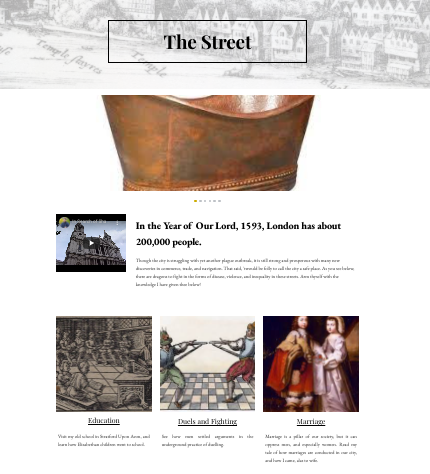
I’m working on several educational projects at the moment and I’m proud to share this one with you. It’s what I call a virtual tour of Shakespeare’s London. The teacher I’m working with said she wanted to teach the kids about the culture of Elizabethan London as he was writing Romeo and Juliet. Naturally with the pandemic a field trip was out of the question, (for multiple reasons), but I wanted to create a visually interesting tour of the places Shakespeare knew and worked and try to imagine his perspective and how that might have informed the characters and themes of Romeo and Juliet.
So I created this: a website written as if Shakespeare himself is taking you on a tour of his London in the year 1593, the year where, as far as we know, he had just completed writing Romeo and Juliet. 1593 was also the middle of another outbreak of Bubonic Plague. It has virtual tours of Shakespeare’s Globe Theater, Hampton Court Palace, Shakespeare’s Grammar School, and a quiz where you can pretend you’re in the Elizabethan doctor’s office.
For the class I’m helping, the students will fill out a worksheet as they navigate the website so they learn from the material at their own pace. If you’re interested, leave a comment and I’ll post the worksheet so you can use it in your classroom.
My hope is that this website can be a resource for anyone trying to connect with Romeo and Juliet and trying to learn from the culture of Elizabethan London. Shakespeare was a product of his time and his experiences must have had an influence on what he wrote. Even if they didn’t, they certainly influenced the people who saw the play and he knew that it would. So I hope it can help you understand a little bit more about the world of this famous play, and the context of the world that created it.
For Shakespeare’s Birthday, I thought I would discuss his most famous speech what is arguably his greatest play. Hamlet, Prince of Denmark was written in 1600, the pinnacle/ middle of Shakespeare’s career, after Julius Caesar but before Macbeth.
David Tennent as Hamlet. Royal Shakespeare Company, 2010.
To Be Or Not To Be has intrigued and mystified people for centuries. It is full of ambiguous imagery, haunting images, and solemn contemplative ideas. I’m going to try and break the speech down first like an intellectual argument, but I will also give you some of my interpretation of Hamlet’s thoughts and feelings. Shakespeare’s genius is creating a speech that gives plenty for the reader to interpret,, but it’s up to the reader to decide what’s happening in the speech.
Just a refresher of the plot:
1. The king has died and been seen as a ghost
2. He tells his son Hamlet that he was murdered by his brother Claudius, who killed him to become king and marry Hamlets mother, Gertrude.
Hamlet is trying to determine if the ghost is telling the truth and if so, how can Hamlet revenge the death of his father?
The speech occurs right in the middle of the play. Hamlet has been acting strange and the king is worried. He hides behind a tapestry right before Hamlet enters. He then delivers this famous and highly cryptic speech:
Ham. To be, or not to be, that is the Question:
Whether 'tis Nobler in the minde to suffer
The Slings and Arrowes of outragious Fortune,
Or to take Armes against a Sea of troubles,
And by opposing end them: to dye, to sleepe
No more; and by a sleepe, to say we end
The Heart-ake, and the thousand Naturall shockes
That Flesh is heyre too? 'Tis a consummation
Deuoutly to be wish'd. To dye to sleepe,
To sleepe, perchance to Dreame; I, there's the rub,
For in that sleepe of death, what dreames may come,
When we haue shufflel'd off this mortall coile,
Must giue vs pawse. There's the respect
That makes Calamity of so long life:
For who would beare the Whips and Scornes of time,
The Oppressors wrong, the poore mans Contumely,
The pangs of dispriz'd Loue, the Lawes delay,
The insolence of Office, and the Spurnes
That patient merit of the vnworthy takes,
When he himselfe might his Quietus make
With a bare Bodkin? Who would these Fardles beare
To grunt and sweat vnder a weary life,
But that the dread of something after death,
The vndiscouered Countrey, from whose Borne
No Traueller returnes, Puzels the will,
And makes vs rather beare those illes we haue,
Then flye to others that we know not of.
Thus Conscience does make Cowards of vs all,
And thus the Natiue hew of Resolution
Is sicklied o're, with the pale cast of Thought,
And enterprizes of great pith and moment,
With this regard their Currants turne away,
And loose the name of Action. Soft you now,
Now before I talk about the context of the speech, I want to deconstruct it as an intellectual argument. Hamlet is grappling with something huge, and he is weighing the consequences of his potential actions. Remember, Hamlet is a prince, but he is also a college student, so he turns his choice into an intellectual argument.
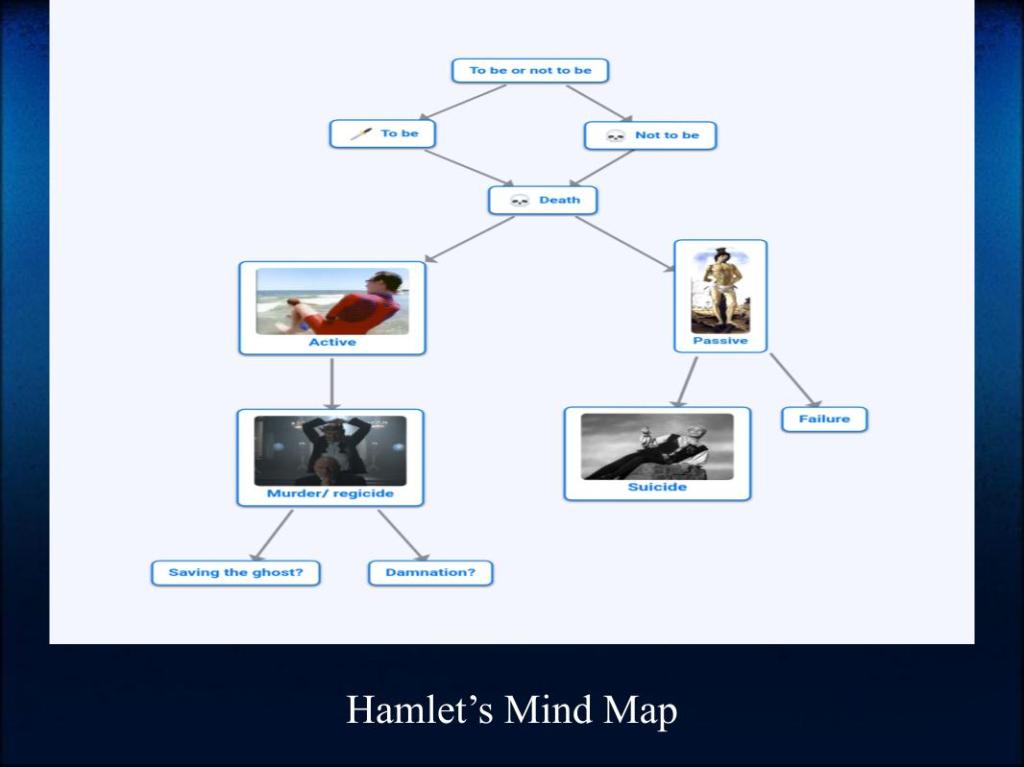
If you look at the speech as an argument, it hinges on two points- to be or not to be.
One is passive and one is active
Both actions are potentially lethal, as evidenced by the two metaphors Hamlet describes later.
Contrary to popular belief, I believe that this speech is not just about suicide. It’s about the choice between suicide and murder, (in this case killing Claudius).
Three Speeches- Macbeth, and Hamlet
Lets discuss the two central images at the start of this speech. One is active- fighting (“taking arms”), and one is passive (“to suffer…”). Both choices have a similar outcome- death. No one can fight the sea, and arrows are just as lethal.
Let’s look at the speech again, and turn it into a series of beats using the conjunctions “and, but, and or,” The speech has 6 beats. What he’s thinking about or feeling is open to interpretation, but the argument definitely changes at these points. First the thesis:
This beat sets up the two options (murder and suicide). Why do I think this? Because it’s similar to two other speeches: https://youtu.be/nq3hcs1yFKw
It’s worth noting that about the same time, Shakespeare wrote three great soliloquis; Hamlet’s “To Be Or Not To Be,” Macbeth’s “If It Were Done,” and Brutus’ “It must be by his death.” All three speeches have some notable commonalities:
All three speeches are in passive voice; the would be murderer wishes he didn’t have to kill someone, but wants the victim dead nonetheless.
Refuse to mention the name of the man who will die.
Refuse to say ‘murder’
Personify death in abstract terms.
When I noticed the commonalities between the speeches, I came to realize that all of them are about murder, not just suicide. I think Hamlet alone contemplates suicide as well as murder, possibly because unlike Brutus and Macbeth, Hamlet is not at all sure he’s doing the right thing.
Beat 1 The Nerve: Hamlet is working himself up for something; either murder or suicide. It’s ambiguous which one he starts with, and largely depends upon the actor’s interpretation.
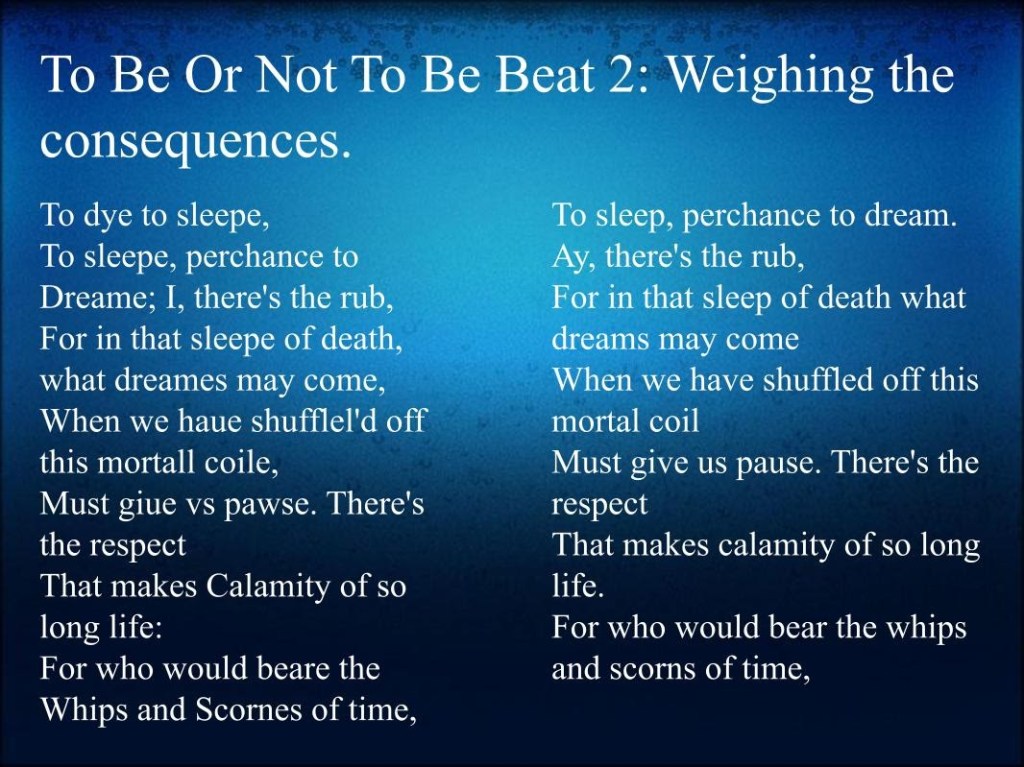
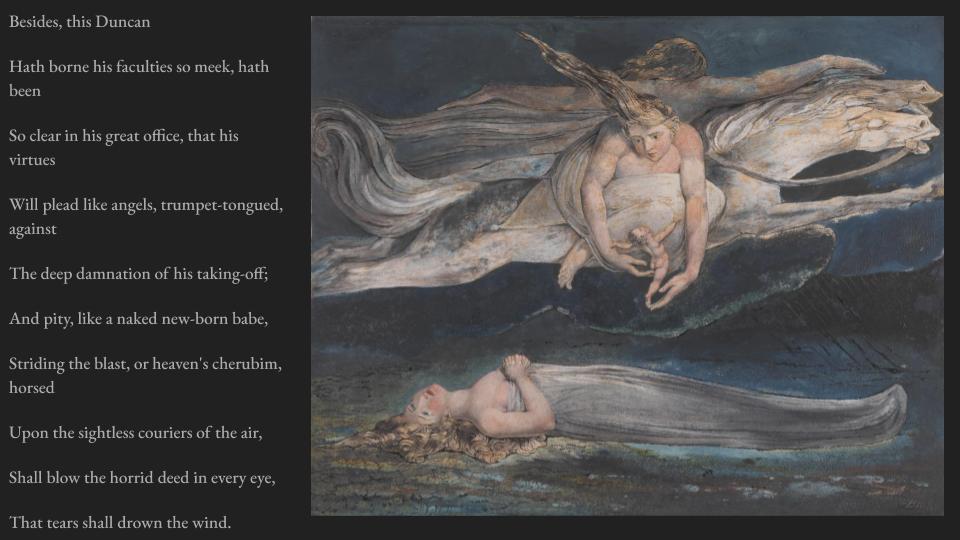
Beat 2The Consequences Whether Hamlet kills the king or himself, either way he could die and when he does, his soul will have to answer for his actions. This is similar to Macbeth, who worries that his foul murder will be exposed and judged by “Heaven’s cherubim, horses upon the sightless couriers of the air.”
“PITY,” by William Blake, alongside the text of Macbeth’s soliloquy from Act I, Scene 7.
“There’s the rub”- there’s the catch.
“Coil” refers to a snake skin. The line characterizes death as shedding an earthly body, something that seems all too easy to do. It’s an uncomfortable image because it makes death look all too easy. It also calls to mind the story of Gilgamesh, who had a flower that would grant him immortality, but a snake stole it, which is why snakes cam shed their skin, seemingly growing young again forever.
This beat is where Hamlet seems smothered in his frustrations with life.. Rather than making a decision, he’s sidetracked with a laundry list of universal problems. His energy seems up, but it’s unclear why.
When I performed this portion of the speech, I realized that everything Hamlet refers to, Claudius has done: he has oppressed and wronged the kingdom, he has delayed the law, and he has hindered Hamlet’s love for Ophelia by letting Polonius deny Hamlet’s access to her. Perhaps the laundry list is designed to psych him up- listing all the reasons Claudius deserves to die, (without tipping him off).
Beat 4: The Downward Spiral
Once again Hamlet is thwarted by the concept of Death and divine judgment. He seems to imply that everyone is scared into compliance with the threat of death.
The Conclusion:
Hamlet’s conclusion is that he has no conclusion. He can’t kill himself because his conscience tells him that God is against it, and he cannot kill Claudius because of fear of death or damnation.
When he says “The native hue of resolution,” he means red, (as in blood), is curtailed, cut off by the very thought of Deaths pale scythe.
Interpretations:
Mel Gibson plays Hamlet as a sort of man in mourning. He is as close to the action movie hero as Hamlet gets with his large, imposing physique and brutal looking medieval sword:
Speaking of action heroes, the whole movie Last Action Hero has a reoccurring motif of nodding to Hamlet. The avenging hero archetype is the prototype for every action movie, every superhero, (and most kung fu), and it began with Shakespeare’s Hamlet. This is why it’s hilarious that Schwarzeneger portrays him in Last Action Hero- the movie is a loving parody of every single action star since the original- Hamlet.
Why Else might Hamlet be so cryptic?
Not all versions are about suicide or murder
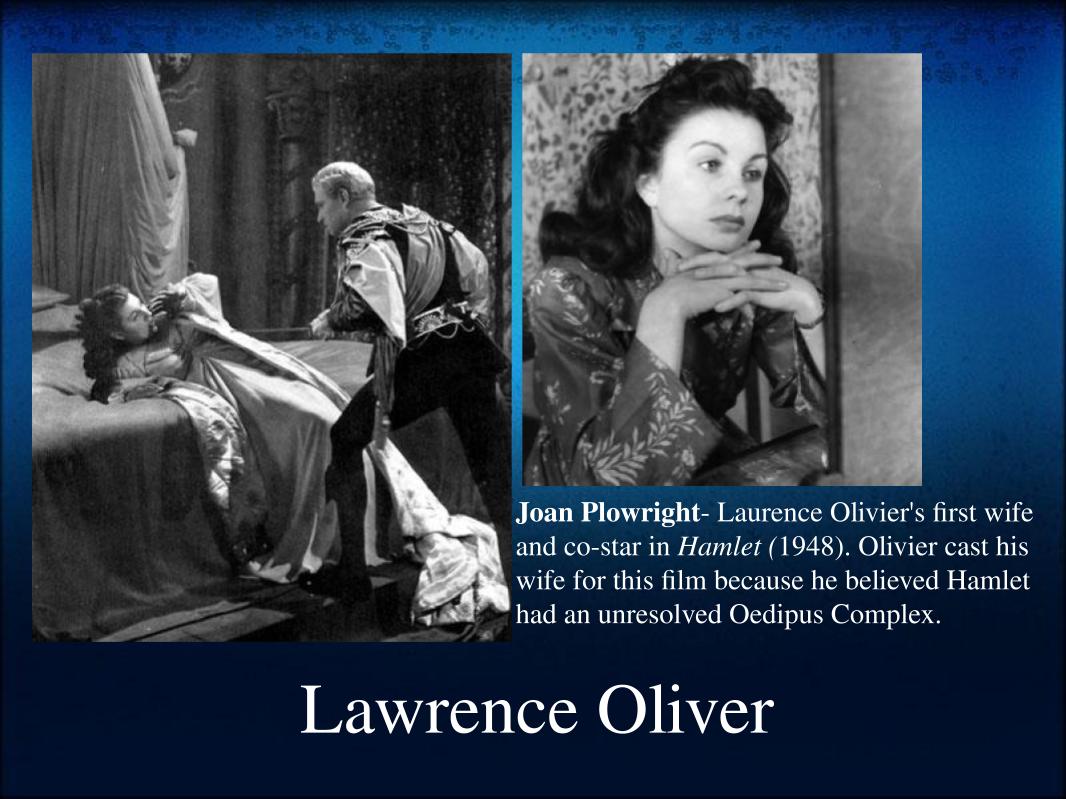
Lawrence Olivier believed that Hamlet has an Oedipus complex, and therefore has an unconscious desire to murder his father and sleep with this mother, which is why he considered himself unworthy to avenge his father’s death. In Olivier’s To Be, you can almost see his Hamlet aroused by his own Oedipal fantasies and then recoiling with disgust right before he says the line: “Perchance to dream.”
Kenneth Branaugh’s Hamlet centers around court intrigue. In contrast with Oliver’s Gothic Elsinore, his is bright and baroque, but it’s full of two way mirrors. Half the film is either large shots with lots of people watching public performances or POV shots of people being watched.
Branaugh’s interpretation of “To Be,” focuses on the possibility that Hamlet knows that Claudius is watching him through the two way mirror- he frightens him, puzzles, him, but in the end, never gives Claudius a clue as to his true intentions.
Murder or suicide?
the speech is not only famous for its universality but its evocative imagery, clear (albeit cryptic) construction, and heightened circumstances.
Shakespeare is able to give us a complete character without giving everything away, which allows anyone to reinterpret the character their own way. That is why Shakespeare’s characters endure.
I just started posting funny videos on Tiktok and I would love to know what you think of them, and what I should do next. Check it out! https://vm.tiktok.com/ZMeHYfSAU/
Happy Midsummer everyone! Wednesday June 24rth is the Midsummer festival, which means as you go to sleep that night, I wish you all Midsummer Night Dreams! Before that though, I welcome you to party like it’s the court of King Oberon, and here are some ideas:
Background: What Are Fairies?
The story of Fairies has many authors that come from multiple folkloric traditions. The Greeks had nymphs, the Romans had cupid, and the English and Germans had…
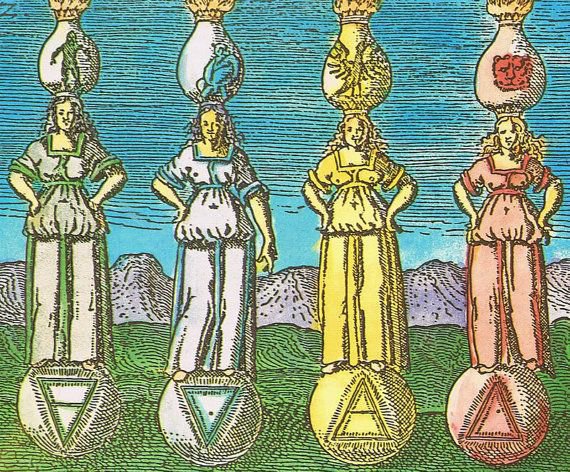
1. According to Paracelsus, fairies are elemental spirits that help control the Earth’s four elements: Silfs (air), gnomes (Earth), Salamanders (fire), and Undines (water). 2. In some versions, they are household creatures that interact with humans 3. Some cultures call them demoted Angels, not good enough for Heaven, but not bad enough for Hell.
So you can see there are lots of traditions that contribute to our modern concept of the fairy, and plenty of ideas to adapt into your party!
Part One: The Invitation:
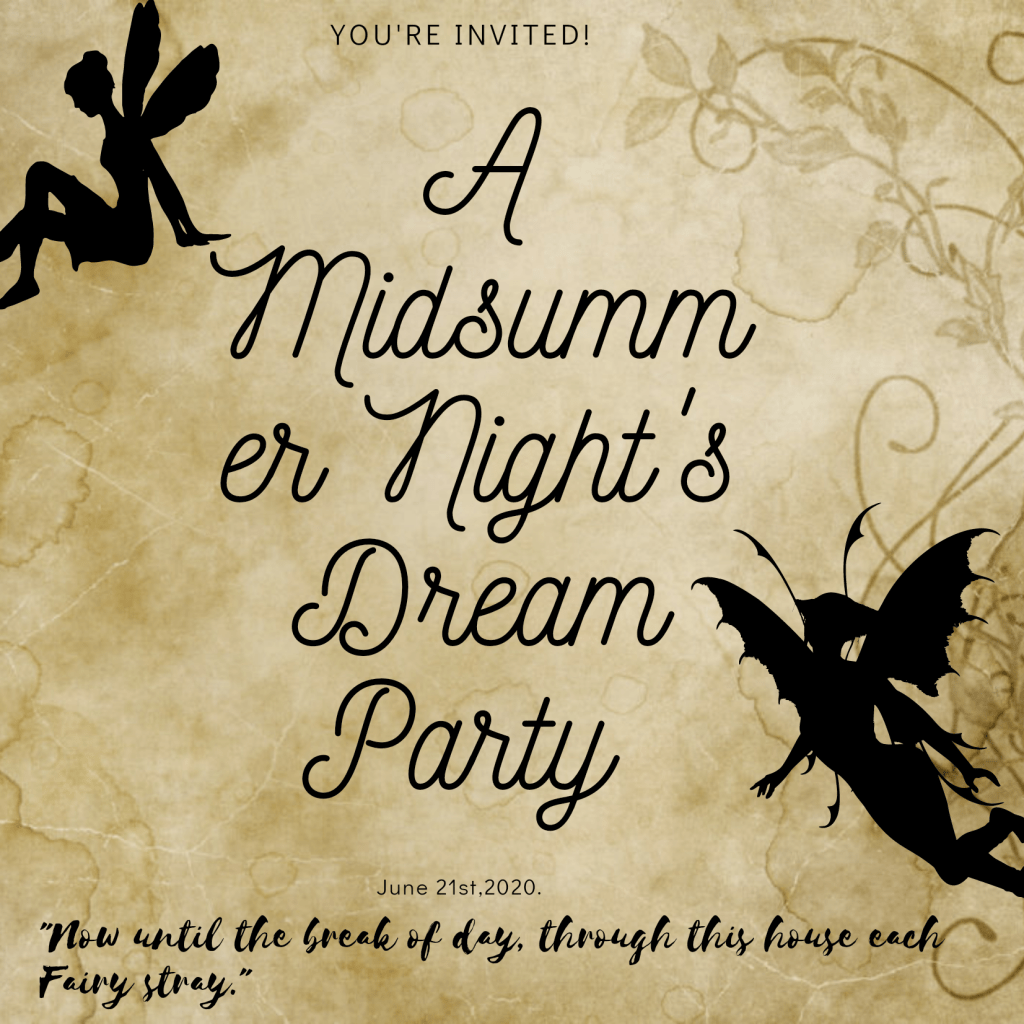
There’s a ton of free fairy clip art and fairy designs online. Below is an invitation I created for free with an app called Canva and a parchment background picture I found online.
1. Pixie invitations 2. Immortal Longings
Second card design I created on Canva.
You probably also know that I am a huge fan of the website Immortal Longings because of their excellent Shakespearean art and they sell cards too. You can buy the cards or download the pictures on their website.
Shakespearean Greeting Cards from Immortal Longings.com
Part Two: Decorations Fairy
Fairy Dens Right now the Royal Shakespeare Company is making DIY Fairy decorations including a Fairy Den that you can share with your family and friends:
What is a Fairy Den? Fairies in folklore are closely tied to the Ancient Celts and Druids, who believed that Fairies live in hollow places underground. A fairy den is a homemade den that imitates the ancient fairy hollows.
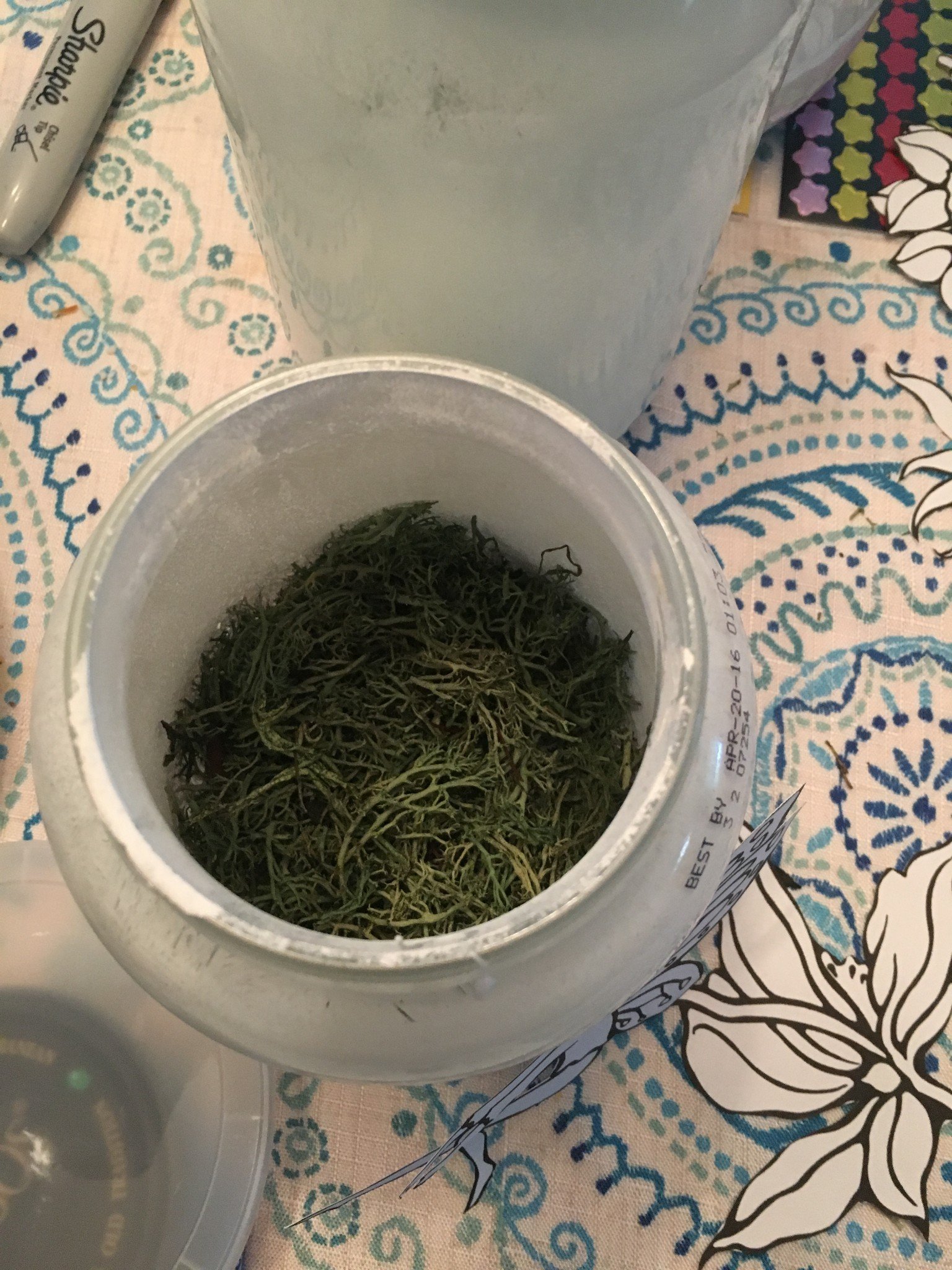
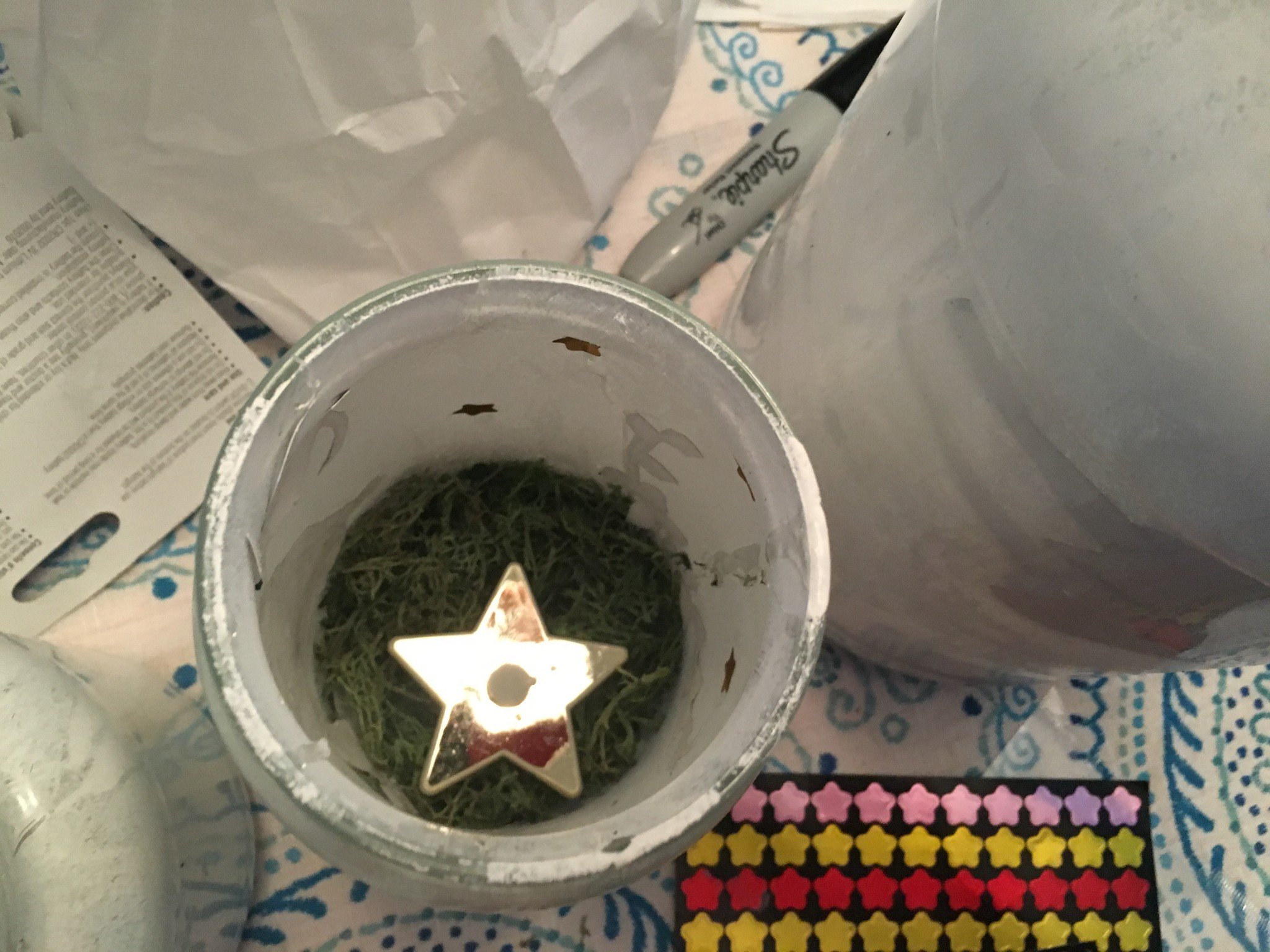
In addition to fairy dens, there are tons of fairy lights, fairy coloring books, and other fairy crafts you can find. Here is a fairy lantern my wife made using pickle jars!
First paint the jars with white paint and cut out paper fairies to paste around the inside of the jar (we used tackey glue). You can also stick star stickers on the inside of the jars.For added realism, you can glue fake moss to the bottom of the jar. We got this from our local dollar store.Put a small battery powered LED light inside.Turn on the LED lights and take the lanterns somewhere dark.Detail of the fairy lights.
Part Three: The Feast
Since the Fairies in Midsummer are woodland spirits, almost any forest or camping themed recipes can be adapted. Here are some ideas that my wife and I made for our own fairy themed party.
2. Love potion: Similar to follow the leader or musical chairs. A group of people lie down and pretend to sleep. Then someone plays Puck by putting a real or pretend flower in one of the player’s hands. The Puck then yells “Awake,” and sets a timer or plays some music. The object of the game is for everyone to chase after the flower and get it before time runs out.
Costumes:
Make some printable donkey masks for Bottom, flower crowns for the fairies, and don’t forget your wings!

























 The Shakespearean Student