With the holidays approaching, why not give your kids the gift of learning Shakespeare in a low-key, no-pressure scenario? I have classes on Shakespeare’s life, Romeo and Juliet, and my celebrated Stage Combat class! Sign up now for all the fun on Outschool.com!
Shakespeare and Star Wars
Class Description: Using self-paced online activities, your child(ren) will compare the plot and characters of Star Wars to Shakespeare’s plays. We will also discuss Shakespeare’s writing by looking at “William Shakespeare’s Star Wars” by Ian Doescher.
Romeo and Juliet Murder Mystery
Course Description: A flexible schedule class that teaches kids the plot and characters of “Romeo and Juliet,” in the context of a detective story where you solve the mystery of the young lovers’ deaths.
Course Descriptions
How to Write Like Shakespeare: Learn the basics of iambic pentameter, sonnet form, and Shakespeare’s dramatic structure, and practice writing Shakespearean speeches.
I’m pleased to announce that I’ve created a fully online, interactive Shakespeare class for kids ages 6-11 to start them on a lifelong journey of Shakespeare! The course will include games, videos, webquest activities, and puppet shows!
Title: Shakespeare for Kids!
Purpose:
Video trailer
The goal of this class is to introduce Shakespeare to young children in a fun and interactive way. For example, each lesson starts with a fun and funny introduction to a Shakespearean topic by our friend Puppet Shakespeare. Each class will also feature interactive games and quizzes that break down the poetry, language, characters, and plots of Shakespeare to help kids lose their “Shakes-fear” and begin engaging with classic literature
Each class builds from learning about Shakespeare to learning about the language and poetry of his plays, to finally an in-depth analysis of one play: “A Midsummer Night’s Dream.” After watching videos, playing games, and filling out handouts about these topics, the student will go on a “webquest,” that is, a series of webpages that feature activities, outside websites, and a short- puppet show retelling of “Midsummer” for the student. The goal is that by the end of the course, the student will be able to understand the dialogue of the play, summarize the story, know the characters, and enjoy the poetry.
Format: Nearpod with video and web links.
Ages 6-10
Description: 2 week course, $10 per week.
Part I: Who Is Shakespeare?
Learn about Shakespeare’s life and career with an interactive timeline, handouts, and an engaging puppet show! This section will include me reading from the excellent children’s book: William Shakespeare and the Globe by Aliki.
Part II: Words, Words, Words
WIlliam Shakespeare (Or Bill as I like to call him), wrote in a very special way. Back then playwrights were called poets, so not only did he have to make plays, he had to write them so they would sound like lines of poetry.
Part III: Shakespeak
Figure out how to translate all the “thees” and “thous” that make reading Shakespeare a challenge nowadays
Part IV The Play’s the Thing!
What kinds of plays did Shakespeare write? This handy lesson will teach you about the basic types of plays Shakespeare wrote, and give you a quick summary of each!
Part V: Disney vs. Shakespeare
Poster for Disney’s Elemental, which bears many similarities to Shakespeare’s Romeo and JulietContinue reading →
As a parent, I know it’s hard to keep kids occupied during the summer. That’s why I have classes on Shakespeare’s life, Romeo and Juliet, and my celebrated Stage Combat class! Sign up now for all the fun on Outschool.com!
Shakespeare and Star Wars
Class Description: Using self-paced online activities, your child(ren) will compare the plot and characters of Star Wars to Shakespeare’s plays. We will also discuss Shakespeare’s writing by looking at “William Shakespeare’s Star Wars” by Ian Doescher.
Romeo and Juliet Murder Mystery
Course Description: A flexible schedule class that teaches kids the plot and characters of “Romeo and Juliet,” in the context of a detective story where you solve the mystery of the young lovers’ deaths.
Course Descriptions
How to Write Like Shakespeare: Learn the basics of iambic pentameter, sonnet form, and Shakespeare’s dramatic structure, and practice writing Shakespearean speeches.
Exciting News!
Our friend Puppet Shakespeare will finally get to host a series of classes for kids!
I’m working on a Harry-Potter inspired course that teaches science with a magical flavor. I’m also working on a Shakespeare for children course. Stay Tuned!
Me singing “Brush Up Your Shakespeare” in honor of the Bard’s birthday, 2025
Today, April 23 is the established birthday of William Shakespeare! Today I’ll share some of my favorite posts, videos, podcasts, and quirky recipes related to Shakespeare!
With awards season in full swing, there has been a lot of controversy over two stories that Shakespeare had a great influence over- Hamnet, based on the novel of the same name, and Guillermo Del Toro’s adaptation of Frankenstein. Despite getting five golden globe nominations, Frankenstein went home with a hand emptier than the monster… Read more: ‘Frankenstein’ and Shakespeare
The global phenomenon “Five Nights At Freddie’s” (FNAF) has spawned 11 major games, spinoff games, 19 books, countless comics, and a big Hollywood movie premiering this week: One other thing this franchise has spawned is ENDLESS FAN THEORIES. I admit, when I first heard of this jump-scare-based game with haunted animatronics, I viewed it as… Read more: Shakespeare and “Five Nights At Freddie’s.”
Concept: To explore the plot, characters, and themes of Shakespeare’s Julius Caesar while also gaining an insight into Ancient Roman history and culture.
Student Description: Delve into the passionate speeches of Brutus and Antony in Shakespeare’s Julius Caesar, which led a whole country to revolution.
Parent Description Using self-paced online activities, and a helpful handout, your child(ren) will analyze the rhetoric and persuasive power in two speeches from Shakespeare’s “Julius Caesar.” The course will also cover the culture of Ancient Rome, and the circumstances that led to Julius Caesar’s assasination, which inadvertently led to the birth of the Roman Empire.
Course Organizaiton (the class is divided into 4 parts that students can complete at their own pace over a week-long period
Each lesson will have:
“That Is the Question” (Essential Question)
Lesson Objectives
Set the Scene (Background and context)- 1-3 slides
The Players (biography) 1-3 slides
Go Deeper (Webquest)
Explore military life and the lives of women in Rome using my blog and other websites as a guide.
Post 3 things you learned to the Outschool page or send a photo of your completed handout.
Words, Words Words (Vocabulary, famous lines)
A Taste of Your Quality (Independant Project)
Show us your mettle (Test)
So each class should be 14-15 slides long.
Outline
Class I- Background on Caesar and Roman Culture
That is the Question:
Why did Brutus feel Julius Caesar had to die?
What was the aftermath?
Can one person’s speech effect an entire nation?
Lesson Objectives
To provide historical and political context to explain why Julius Caesar was assassinated, and how his death inadvertantly created the Roman Empire.
To explain the Rhetorical Triangle, the building blocks of persuasive speech.
To go through the story of Julius Caesar focusing on the effect of the speeches.
To study the famous “Friends, Romans Countrymen” speech.
To contrast this speech with some more recent political speeches and you think critically about:
Brutus- Podcast episode. I posit in this episode that Brutus is
Words, Words, Words-
Traitor
Republic
Dictator
Revolution
Ethos
Pathos
Logos
Rhetoric
Colossus
Aeneus
A Taste Of Your Quality:
(Independent work): We’ll examine a painting of Brutus’ ancestor Lucius and learn why Brutus values Rome more than even family.
Show Us Your Mettle:
Quizzes on Brutus
Class 3- Antony and Brutus’ Dueling Speeches
(c) Hartlepool Museums and Heritage Service; Supplied by The Public Catalogue Foundation
That Is the Question
After Caesar’s Death, his friend Marc Antony held a funeral for him where he gives the famous “Friends, Romans, Countrymen” speech. How did Antony’s speech affect the crowd?
Brutus has a speech where he explains why he killed Caesar. What does he say, and how effectively does he say it?
Antony was secretly plotting to take power for himself, and get Brutus and Cassius killed. How did he do it?
Do speeches have the power to change a nation?
Learning Objectives
To explain the Rhetorical Triangle, the building blocks of persuasive speech.
To study the famous “Friends, Romans Countrymen” speech, as well
To look at these speeches and get you to think critically about:
We’ll talk about the consequences of violent revolutions and how Julius Caesar has inspired some of the greatest speeches in political history.
-Patrick Henry
– Gettysburg Address
– Mean Girls
That Is the Question
How have people interpreted the play “Julius Caesar” in America?
Does this play promote violence?
What kind of violent speech do we deal with in politics today?
Learning Objectives
To show the link between American History and Julius Caesar
To address the controversy and the misconception that the play promotes violent assassination.
To end on a cautionary note people must think critically about what they hear in politics and not make rash decisions based on appeals to fear.
Setting the Scene- US History
America was founded using the principles of republican government that Ancient Rome used- with a senate, and a series of checks and balances to ensure no one has too much power.
America was founded in a violent revolution, and some of our country’s early leaders used Brutus as an inspiration- to overcome a tyrannical king.
In later years, however, some people have forgotten what happened to Brutus
Today, we are often bombarded with speech that encourages fear and anger and we must think critically when we hear such speech in whatever forum- Roman, or Reddit.
The Players (use my JC lecture?)
Patrick Henry
Abraham Lincoln
John Wilkes Booth
Donald Trump
Go Deeper
-Watch the Caesar Video
– How does the play promote nonviolence?
– How did Brutus’ assassination fail to save the Roman Republic?
Book cover for Ian Doescher’s “The Empire Striketh Back,” a Shakespearean parody of Star Wars Episode 5.
Well today is May 4rth, when a lot of people have chosen to celebrate one of the most iconic movies of the 20th century: Star Wars! And why not? The story is full of conflict, introspection, love, change, the conflict between fathers and sons, and occasionally guidance from ghosts. Wait, that sounds familiar- it’s a lot like Shakespeare! Yes, the movie has a lot of parallels with the Shakespearean canon, and I’d like to share some of those similarities here. Below is a post I did for the American Shakespeare Center about how the Star Wars prequels parallel Shakespeare’s history saga of Henry the Sixth:
Happy Black History Month Everyone! Today I’m paying tribute to a great actor and activist, Mr. Ira Aldridge (1807-1867).
Ira Aldridge portrait by James Northcote
Mr Ira Aldridge was not only a great actor but also an influential figure in the abolitionist movement. He rose from the depths of discrimination and dehumanization to become a famous, respected international actor. Furthermore, his life was marked by creating new opportunities for himself and other people of color.
Mr. Aldridge as Othello.
Who Was Ira Aldridge?
Early Life
True feeling and just expression are not confined to any clime or colour.
Ira Adridge
Born in New York in 1807, Mr. Aldridge had dreams to found an all-black theater even as a teenager. His first job was with William Brown’s African Theatre, the first African American theater company. However, discrimination and racism blocked Mr. Aldridge from success in New York, when another theater manager “hired thugs to beat up the actors”. The theatre subsequently burned down and the actors were abused by the New York police. Undaunted, Aldridge decided to take his talents to England, boarding a ship, and arriving in the early 1820s. (Howard, qtd in Thorpe 1). Even though he faced discrimination and violence as a child, Mr. Aldridge would not be deterred. Soon his skill as a Shakespearean actor would soon command respect from all.3.) He refused to be defined by the color of his skin, but by his skill as an actor.
Success In Shakespeare
Ira Aldridge as Aaron in “Titus Andronicus”
In order to become a professional actor, Ira Aldridge boarded a ship to London and became a Shakespearean actor in the early 1820s. He not only became the first black actor to play the role of Othello, he also played other roles such as Shylock in The Merchant of Venice, Gambia in The Slave, and other roles that denounced the evils of slavery:
Aldridge chose to play a lot of anti-slavery roles, including Othello, as well as the standard lead parts in the repertoire,” said Tony Howard, professor of English at Warwick University.
Not only did his performances call attention to the evils of slavery, they also challenged preconceived notions of what black people were capable of. As you can see in this reproduction of Mr. Aldridge’s 1851 tour advertisements, Ira Aldridge chose to bill himself as “The African Roscius,” a reference to an ancient Roman actor. His performances were heralded for his poise and dignity. The Leeds Times highlights “The passions he admirably portrayed in the human breast.”
No sooner did the Moor make his appearance, than I felt myself, I confess it, instantly subjugated, not by the terrible and menacing look of the hero, but by the naturalness, calm dignity, and by the stamp of power and force that he manifested.
Ira Aldridge
From 1820 to his death in 1867, Mr. Aldridge touredmore than 250 theatres across Britain and Ireland, and more than 225 theatres in Europe. Though he had much more success in Europe, Mr. Aldridge still had to confront prejudices. According to ArtUK.org:
One scathing (and racist) review for The Times claimed that: ‘His figure is unlucky for the stage; he is baker-knee’d and narrow-chested; and owing to the shape of his lips it is utterly impossible for him to pronounce English in such a manner as to satisfy even the fastidious ears of the gallery.’
Thus, Aldridge’s performances confronted and challenged racist views of whether or not a real black person could play Othello, subtly changing the hearts and minds of the European public, at a time when the question of slavery threatened to rip Europe, (and later the United States) apart.
Abolitionism
Although Aldridge didn’t arrive in Britain with the sole purpose of promoting the abolitionist movement, his impressive skill, charisma and oratory capabilities inevitably swayed public opinion. He became known for directly addressing the audience about the injustices of slavery on the closing night of his play at a given theatre (Source: https://artuk.org/discover/stories/ira-aldridge-a-brief-visual-history-of-the-black-shakespearean-actor )
As I’ve written before, Shakespeare has a complicated relationship with the American Civil War, and ironically, many people in the Civil War were Shakespearean actors. More importantly, England at this time was deeply divided about whether or not to support the Union or the Confederacy. England was embroiled in the cotton trade with America, and thus had an economic incentive to support the South. At the same time, public opinion was very much against slavery at the time, and Aldridge helped keep England’s public within that mindset.
Ira Aldridge cared about abolitionism and making life better for black people, especially actors. Not only did he speak out against slavery onstage, he also helped change hearts and minds in local communities. According to ArtUK, in 1828, Mr. Aldridge was approached by Sir Skears Rew to become the new manager of the Coventry Theater. He was the first black man to manage an English theater. Aldridge became a beloved member of the community of Coventry and may have helped inspire the community to petition Parliament to abolish slavery. EThus, Mr. Aldridge’s success in Europe helped open doors for European black actors and encouraged the abolitionist movement, while his sympathetic portrayals of former slaves and oppressed peoples helped change hearts and minds.
Aldridge’s Influence Today
“Aldridge has always interested black stars, but the wider influence he had is not well known,” said Howard. “Robeson was a great fan of his, and when he came to London to play Othello in 1930 at the Savoy, he put on an exhibition about Aldridge in respect of his memory.”
For nearly 100 years, actors and devotees of Mr. Aldridge have been inspired by his life. As the quote above indicates, the next great American Shakespearean Paul Robeson helped build his career on Aldridge’s success; being the first black man to play Othello on the American stage, and eventually touring Europe himself as an actor and a distinguished opera singer. Click below to read more about how Aldridge inspired generations of black actors, and his tours helped bring Shakespeare to many previously unknown European countries.
In modern films and plays, Mr. Aldridge is remembered as a hero, and rightfully so. In the play “Red Velvet,” actor Adrian Lester plays Aldridge and highlights his struggles and successful contributions to the theatre. He was not only a great actor but a dignified and courageous champion of the rights of all people. I’m proud to conclude my black history month posts with this review of the life and career of a man who inspires all Shakespeareans and turned his profession into a powerful call for change.
Richard the Second: “Non sans Droit?” by Paul Rycik The motto which I titled this post means “Not Without Right.” I chose it because it’s Shakespeare’s family motto, but also because in my view, Richard the Second is a play about the Divine right of kings; it asks whether kings are appointed by God, and if so, does that mean that they are free to do what they want, and whether or not they can be deposed. Today I want to examine how these questions are addressed in the play. I’ll do this by showing you passages from the text on video with a few notes by me. These recordings are by the Royal Shakespeare Company, England’s premiere acting troupe.
This picture from the National Gallery in London illustrates admirably how Richard, who was the son of the Black Prince, the greatest warrior in English history, truly believed he was appointed by God. It depicts the 10 year-old king in full golden robes, being blessed by the Baby Jesus, the Virgin Mary, John the Baptist, Edward the Confessor, and St. Edmund. As I said before, Richard was only 10 when he was crowned; he believed he was God’s representative his whole life.
Video #1– Act IV, Scene I David Tennent playing Richard the Second
This is a recording of the famous Deposition Scene in which Richard must give his crown up to Henry Bolingbroke. It is clear from the text that Richard considers this not only treason but a form of blasphemy. This is evidenced in such passages where Richard compares himself to Jesus, another king betrayed by his followers.
“So Judas did to Christ, but he in 12 found truth in all but one, I in 12,00 none,”
Richard is in no doubt that he is appointed by God, and anyone who tries to question or depose him is damned.
Other characters take differing views on the divine right- the gardeners don’t believe in divine right- to them, a kingdom is ruled by men, not divine incarnations. They are pragmatic and think Richard’s claims foolish
Video #2 Act II, scene I-Patrick Stewart speaking as John of Gaunt
John of Gaunt believed in divine right, that’s why he killed Woodstock. In this famous speech, Gaunt reveals his passion for England, how he believes it has a special place among nations, and that a king’s duty is to protect it. But, when Richard sells land, Gaunt is forced to question how can a king be divine if his actions are wrong. He even suggests that Richard is no longer worthy of his royal blood: “O, spare me not, my brother Edward’s son; that blood already, like the pelican, hast thou tapped out and drunkenly caroused.”
Picture #2 Henry Bolingbroke from the 1975 production of Richard II
Bolingbroke’s motives are secret throughout the play. We don’t know if he always intended to seize the crown, whether he was forced to by his followers, or if he was forced to because Richard put him in an impossible position- his father’s lands seized by the crown and himself an exile. Equally enigmatic is if Bolingbroke believes in divine right. If he does, Bolingbroke must feel unimaginable guilt, especially in the scene when Richard is deposed. (Act IV, i) In the scene, Richard warns Bolingbroke that God will damn him for betraying his king, “The deposing of a king and cracking the strong warrant of an oath, marked with a blot, damned in the book of heaven.”
Once Richard is dead, Bolingbroke is forever shaken, paranoid, and fearful of assassination. My thinking is that Bolingbroke did believe that what he did was truly terrible and he spends the rest of his life mourning over it. This is why in the next play, Henry IV, Bolingbroke, now the king, says one of the most famous lines Shakespeare ever wrote: “Uneasy is the head that wears the crown.”
As you can see- there are several differing viewpoints on the issue of divine right- some people believe in it, some don’t. Thus the issue is never resolved because no one is proven right. I’ve written before that on controversial issues, Shakespeare never presents one view stronger than the other; he gives voice to every side of an issue and merely shows the conflict that happens when these characters fight with each other. It is up to the audience to choose sides.
Interesting Side note: The Deposition Scene I referred to earlier has a very disreputable history- it was considered anti-government because the censors claimed it favored the deposing of kings. One of the Queen’s favorite lords, the Earl of Essex ordered the scene played on February 7th, 1601 for that purpose. He planned to use it to rally the people and start an armed rebellion against the queen. Shakespeare’s entire company was arrested and interrogated as co-conspirators. Fortunately, they got away with it, as this document shows:
Document: Examination of Augustine Phillips, February 17, 1601
Examination of Augustine Phillips, February 17th, 1601
Shakespeare’s company claimed that the only reason they put on the play was that the lords offered more cash than the usual fee for performing at court. They got the government to buy their story, but, (as scholar Michael Wood claims), maybe the Queen wasn’t fooled- she asked them to perform the same play, right before Essex’s execution. When he died, she was reported as saying: “I am Richard the Second, know ye not that.”
Outschool.com William Shakespeare’s Histories Poster
If you liked this post, you might enjoy signing up for my course on Shakespeare’s History Plays on Outschool.com. Click the link below to sign up:
Happy Father’s Day! I’ve been teaching a number of classes these past few days so I haven’t had much time to post but in honor of Father’s Day- here’s a bunch of my favorite past Father’s Day posts:
Shakespearean Greeting Cards from Immortal Longings.com
2. Bios of William Shakespeare and John Shakespeare Both Shakespeare and his father had children, and both worked hard to make a better life for their offspring, so I thought I’d tell you some of their life stories so you can learn more about these great men.
The house on Henley Street, where Shakespeare was born in 1564. Click here to learn more about Shakespeare’s birthplace.
3. My Picks For Top 5 Best and Worst Dads in Shakespeare I’ve gone through the entire cannon from As You Like It to Alls Well That Ends Well, and picked out the dads whom I think deserve recognition either as great or terrible parents. Who will take the coveted #1 Shakespeare Dad prize? Stay tuned to find out!
Coffee mug with a quote from one of Shakespeare’s most well-known dads Polonius in “Hamlet.”
I’ll also be sharing some great memes and reviews on Instagram and my podcast next week.
In 1978, a “holiday special’ was released under the Star Wars umbrella. Today it is universally panned as the worst Star Wars product ever conceived. It is tonally completely different from Star Wars and it spends most of its time either in a bar on Tatooine or on Kashik with Chewbacca’s family; characters we don’t know, can’t understand, and have no influence on the larger Star Wars Universe!
The only bright spot in this tragic black hole of a time-wasting special, (at least according to most of the internet), was that this special brought back the character of Boba Fett, the cool, anti-heroic bounty hunter who is constantly deceiving our heroes. As you can see, they changed the format into a cartoon, so that’s a little bizarre, but it was nice to see an old friend in this otherwise who’s who of lame new characters.
THIS WAS NOT A NEW IDEA, EVEN FOR 1978,
In around 1598 (allegedly), Queen Elizabeth the first asked William Shakespeare to write a comedy about Sir John Falstaff, the fat cowardly comic center of the Henry IV plays. The Queen wanted to see a comedy about Falstaff in love, which Shakespeare allegedly completed in a few short weeks.
Ant the result, was the Star Wars Holiday Special of the Shakespearean Cannon.
Unlike Henry IV, which is a complex history play about rebels going up against an empire (Henry IV claimed part of France so that counts :), Merry Wives a silly comedy set in the country town of Windsor. Just like the Holiday Special, Shakespeare’s comedy has a totally different tone than the other plays that feature Falstaff.
I think Shakespeare wisely didn’t try to make Falstaff a romantic figure- that would be absolute character assassination. What he does instead is take Falstaff’s ability to sweet-talk women and his penchant for thievery, and make the play about his attempts to seduce two virtuous housewives and steal their money. Just like how Boba Fett was not changed into a good-guy to pander to audiences (yet), but instead, Lucas made him a cunning deceiver who tries to sell out our heroes to Darth Vader.
Though Falstaff himself works within the context of the play, most of the new comic characters are very dated and not very funny. Dr. Caius and the Welshman are written with outrageous accents making them as incomprehensible as alien bit players in Star Wars. Frankly, I’d rather kiss a Wookie than listen to these losers try to woo Mistress Page’s daughter. It’s like Shakespeare cut and pasted the worst scenes from Taming Of The Shrew and added a French accent.
Even more boring are the scenes at the Garter Inn- a place that must’ve had significance for knights in the 1590s, but nowadays is somewhat forgettable, (like the Cantina, deal with it NERDS!)
The one really good part of the play is this scene in Act II, Scene I where Mistress Page and Mistress Ford simultaneously receive letters of “love,” (which really means ‘I want sex and your money), from Falstaff. The ladies are incensed for a couple of really good reasons:
A. It’s Falstaff- a fat, old, penniless knight who is well known as a drunk.
B. They’re already married, and he has the pudding guts to assume they’d betray their husbands.
C. If they were to cheat on their husbands, THEY WOULDN’T DO IT WITH FALSTAFF
D. The love poem he writes them is terrible. If he wanted these virtuous wives to cheat on their husbands for someone as completely undeserving as him, he could’ve at least put some effort into it!
I would also argue that the worst thing about the Holiday Special became the best thing about Merry Wives: the songs!
The most egregious change to the tone of Star Wars that the Holiday Special made was putting in a bunch of terrible musical performances by people like Jefferson Starship (get it?) to make the special more of a variety show with the Star Wars characters slapped on top of it like a sticker on a lunch box. Now we know what it sounds like when Princess Leia sings a song that clearly required a second draft:
Luckily for Shakespeare, instead of Jefferson Starship, he got opera composer Otto Nikoli, who saved this mostly terrible play by turning it into a charming opera! Look at this duet from Act I!
A lot of the more absurd plot points of Merry Wives work extremely well as musical comedy shtick, and Falstaff himself works very well as a big basso profundo
So if you go to see Merry Wives, know that it’s not a very good play by Shakespearean standards. It’s silly, kind of pointless, and not a very good addition to the story of Falstaff, but much like the Star Wars Holiday Special, it’s sure to make you laugh:
This week I’ll be celebrating Hanukkah with a series of posts and podcasts about Shakespeare’s only play to feature Jewish characters The Merchant Of Venice. I’ll have a new post about the play this week, and hopefully a podcast episode, but in the meantime, here are some of the post’s I’ve written in the past about the Merchant Of Venice.
Since it’s now two years into the Trump presidency I thought I would follow up on my post I wrote when he was a candidate, and focus instead on his actions as president. Shakespeare’s Richard changes almost immediately once the crown is set on his head in the middle of the play, and the rest of his short reign is plagued with the exhaustive process of keeping it on his head, (and by extension, keeping his head on his shoulders). My main argument is that Trump’s presidency has steadily skirted more and more towards authoritarianism through his actions and his rhetoric, much the same way Richard became more like a dictator as soon as he became king. Moreover, Trump, Shakespeare’s Richard and even the historical king Richard have been distorted beyond recognition because of fake news, but not the kind you might expect.
Part I Before the Throne
As I have written before, Richard claims the throne by manipulating everyone in the British political machine- stoking hatred among the nobles, while trying to appear as a pious, humble man to the common people. Because of his years on reality television and experience as a businessman, even I must admit Trump has a gift at manipulating people’s perceptions and playing the part of a man of the people:
https://m.youtube.com/watch?v=cpxCl8ylJgE
If you watch Trump in interviews, he often closes his remarks with “believe me,” Richard also understands the power of oaths and pretends to speak like a plain blunt man, claiming that the British nobles hate him because he ‘tells it like it is’:
Cannot a plain man live and think no harm?But his simple truth must be abused by silken, sly, insinuating jacks!-Richard III, Act I, Scene iii
As for Trump, even though he is a privileged billionaire with inherited wealth, he pretends to be an unpretentious, unapologetic common man, abused by the ‘mainstream media’ and his political opponents.
Richard is also a fan of the moral equivalence argument, (also known as whataboutism). He tries to offset his own murders by mentioning other people and their misdeeds during the Wars Of The Roses, making them seem as bad or worse than Richard:
Let me put in your mind if you forget what you have been ere this and what you are, withal what I have been and what I am. RIII Act I, Scene iii.
Many have pointed out that both Trump and Fox News frequently use Whatsboutism to discredit their opponents and to shrug off their own guilt. It is also a tactic frequently used in former Soviet Union propaganda: https://youtu.be/PpVzHpgYuSc
My final comparison of the rhetoric between Trump and Shakespeare’s Richard is that both men are actors, players, or if you like, hypocrites. Trump actually tweeted how he sees each speech he makes as a tailor-made performance, while Richard praises his own ability to dissemble and equivocate to the skies: https://youtu.be/v6ji07tsI2M
Part II: The descent
Richard the third starts out the play as a evil underdog. Yes he kills people to gain the throne, but his deformity makes him seem sympathetic, and the fact that his victims have already killed plenty of people in the Wars of the Roses, gets him on our side. Once he’s crowned however, Richard step by step becomes more and more like an authoritarian dictator
What is an authoritarian? Basically an authoritarian regime concentrates power into the hands of one person, and tries to hold onto power by:
1. Projecting strength.
2. Demonizing opponents, both real and imagined.
3. Destroying institutions.
From the moment the crown is placed on his head, Richard starts to see threats to his power, and uses all his newfound resources to destroy every each and every threat. First he kills his nephews, (the legitimate heirs to the throne), then he kills his wife, so that he can remarry a princess to try and consolidate his power. And finally, when he faces his greatest threat the armies of Henry tutor Earl of Richmond, Richard goes full on dictator, calling himself a tower of strength, demonizing Richmond as a foreigner, and claiming that his soldiers will rape the English wives and daughters.
Still from Ian McKellen’s film version of Richard III, 1995
Trump is guilty of every one of these authoritarian strongman habits. He tries to convince people he is strong both physically and politically by having photo ops with doctors who claim that he is “the healthiest president ever”. He also attempted to project strength by misrepresenting the size of the crowds at his inauguration (which was a flat out lie), Furthermore, Trump demanded a military parade to emulate autocratic governments like North Korea. Then there’s his ultimate misguided show of American strength: the wall, which even Fox News has calculated will cost $25 billion dollars at least, and will do little to nothing to stop the flow of drugs and illegal immigration.
Trump also has from the beginning waged war on the Internet against any and all who oppose him. Let us not forget that Fox News is a 24 hour a day propaganda machine that exists almost entirely to condemn anyone who opposes the president and his agendas. And in terms of destroying institutions, his constant claims of “fake news“ seeks to destabilize the Free Press. America’s finding fathers guaranteed free press with the knowledge that if the government is corrupt, the only way the public can fight back is through the knowledge provided by a free and Independent press. But if the media is the enemy, we have no one to listen to except Trump himself.
Richard is even more comically trigger happy than Trump. Look at this scene where in less than 10 minutes, he sends a murderer to kill his nephews, plots to murder his wife and marry his niece, and completely throws off the Duke of Buckingham, his only supporter on his way to the crown!
Richard’s authoritarian tactics actually spring from one of the best political theorists of the renaissance, unfortunately it was Machiavelli. Niccolo Machiavelli saw how the crown heads of Italy consolidated power through violence and intimidation, and he came to realize that the power behind the throne is much less to do with divine right or royal bloodline, and more with who can play the game and project power and strength. In Shakespeare’s Henry the Sixth Part III, Richard brags that in his quest to the good for the crown he will send Machiavelli to school: https://m.youtube.com/watch?v=v6ji07tsI2M
Portrait of Machiavelli by Sandi DiTito, c. 1650
I unfortunately don’t have enough time to get into the connections between Machiavelli, Richard, and Trump. Suffice it to say that all three advocate rule by fear and have no interest in preserving democracy. Below are some quotes and articles that I have collected about Machiavelli and his connection to Shakespeare and Trump:
Sadly, the ultimate similarity between Shakespeare’s Richard III, the real King Richard, and Trump is that the actual human has been swallowed up by a narrative. Even though most of what Trump says is a lie, to his supporters he is the one person who ‘tells it like it is,’ not because they believe him, but because they want to believe in the narrative he constructs.
These Ohio Voters Made Trump President. They’re Still With Him – TIME
Not only are his lies compelling, Trump himself has become a powerful symbol to the disenfranchised that the system is broken and corrupt, so why not vote for someone like him? He brands himself as a ‘plain blunt man’ who isn’t afraid to offend or criticize people in power, even though he is much worse than they are at running the government. According to the testimony of his former lawyer Michael Cohen, Trump described his own campaign as the ” The greatest infomercial in political history.” His campaign was from the start, a scam, where the ultimate con man told people he was going to fix healthcare, fix the immigrants coming into the country, and fix everything they didn’t like about America.
Trump and Richard exploit what you and I want to believe. A New York Times article from 2016 made an interesting comparison between Trump’s odious political persona and that of one of the “heels” or bad guys in professional wrestling. These characters are unrepentantly evil, and love to stir up anger in the crowd, and everyone knows that their every word and action is fake, but they buy into the story. This kind of suspension of disbelief is of course, the central guiding principle of theater itself, and arguably Shakespeare created a villain who would make a very effective wrestling heel.
The real Richard’s devolution from a historical king into a villainous archetype is more tragic, but just as powerful. The lies that the Tudor chronicles told about him were more compelling and politically convenient than the truth, and Shakespeare’s genius just further distanced us from caring what the real man was like. In essence, Shakespeare was inventing fake news far before Trump was railing about it. Just as we as an audience are complicit in the pretend crimes of a fake king when we watch the play, we are also complicit in perpetuating a comfortable simplistic story of the 15th century War of the Roses king Richard Plantagenet.
Trump and Richard show that history can be distorted when we focus less on what is really happening and more on what we want to see. More people wanted to believe his lies than Hillary Clinton’s facts, the same way people were forced to believe the Tudor lies instead of the real truth of what happened from 1483-1485. Likewise Shakespeare’s Richard exploits people’s fear, greed, and gullibility to gain power for himself, but this is his only talent; eventually his supporters lose faith in him, his enemies mobilize, and he is taken from power.
I thought I would take a little time to showcase some of Shakespeare’s great mother characters. Some of these women are models of selflessness, compassion, and devotion to the children they take care of. Other ones… not so much. Just for fun, I also made some suggestions for Mother’s Day gifts if you had one of these mother’s on the list. The Good Mothers Countess of Roussilion from Alls Well That Ends Well

Though she is technically not the heroine Helena’s mother, the Countess is still a fantastic example of selflessness, support, and love. As she says “you never oppressed me with a mothers groans but I expressed to you mothers care.” She also encourages her foster daughter Helena to play doctor and save the King Of France from a deadly illness, giving her a job and a bright future!
Mother’s Day Gift: either some French Wine and cheese, or a Doc McStuffins for her future grandchild.
2. Hermione in The Winters Tale 
Her husband arrests her for infidelity with no proof at all, while she’s still pregnant! Then she stands up in front of the entire court, having just given birth in prison, just to prove her child is a legitimate heir to the throne. Hermione is a mighty example of grace and courage under fire, as beautiful and strong as the statue she looks like at the end of the play. What more needs to be said!?
 Mother’s Day Gift: Statue polish
3. Queen Elizabeth in Richard the Third 
As you can see in my description, Elizabeth started out as a poor widow trying to get a better future for her children. Then she becomes the queen and takes a lot of crap from lords like Richard for her marriage, and her sons.
As Richard schemes to get the throne, Elizabeth is the only one who sees how dangerous he is, and how he will certainly try to kill her two sons to get it. To protect them from Richard, Elizabeth hides her sons in a church and tries her best to keep him away from them. The only problem is her husband made Richard Lord Protector, and responsible for everything connected to crowning the new king, (terrible judgment on his part).
Once her husband the king dies, Richard proclaims Elizabeth’s sons as bastards and makes himself king. He then has them secretly murdered in the Tower Of London. Even though Elizabeth can’t defend her sons for long, she identified the threat, and did her best to stop him. In this clip from the TV Series “The White Queen,” Elizabeth tries to get her sons released from the Tower, while her brother is oblivious to the danger they are in: https://youtu.be/5Y3qYeq0ok4
Though Elizabeth fails to protect her sons, she succeeds in saving her daughter. Richard knows that if his enemy Henry Tudor marries Elizabeth’s daughter (who is also named Elizabeth), he can lay claim to the throne and destroy Richard. The wicked king tries therefore, to marry his niece himself! Elizabeth refuses to pimp her daughter to the king and curses him for all of his heinous murders. Click here to see the epic battle of these two great characters in a scene from Ian McKellen’s movie version of Richard III. Look at the power and wit Elizabeth (Annette Benning), displays as she refuses to wed her daughter to Richard, (Ian McKellen). https://youtu.be/dHqlTSCe18k
At the end of the scene, Elizabeth says she will persuade her daughter to marry the king, but she secretly marries the young princess to Henry Tudor, who becomes King Henry the Seventh after defeating Richard in battle. So Elizabeth succeeds in protecting her daughter and helped to start a dynasty of monarchs, including her granddaughter, Queen Elizabeth I. Mothers Day Gift : Sweaters for her sons to wear in the tower. Alternative Mother’s Day Gift: A baby monitor that works within the Tower Of London, so she won’t have to worry about her kids being slaughtered. Queen Margaret in King Henry the Sixth Part III.

Though her methods are questionable, and her blood thirstiness legendary, Margaret still fights bravely to defend her son’s rightful claim to the English throne.
Video bio of Queen Margaret: https://youtu.be/hJnspEh99h4 Mother’s Day Gift: A dozen Red roses. Cleopatra

The quintessential queen of Egypt is similar to Margaret in “the ends justify the means” category of mothers. Cleopatra will hook up with any powerful man to protect her son and heir to the throne. Cleopatra’s son, Cesarean is the love child that she had with Julius Caesar. After Caesar’s assassination, Cleopatra seduced Marc Antony, Caesar’s friend and a consul of Rome. Also, according to some historians, Cleo found a way to hide her son after Octavius Caesar tried to kill Cesarean and his mother. She reportedly sent him into hiding through secret tunnels underneath the city of Alexandria. http://thevoiceofthezamorin.blogspot.com/2015/06/what-happened-to-son-of-queen-cleopatra.html?m=1 Mother’s Day Gift: A snake- proof brassiere. Mediocre Moms 1. Thaisa in Pericles. A lot like her husband Pericles on my OK Dads list, Thaisa’s problem is that, though she clearly loves her children, she doesn’t see them for nearly 20 years. Granted, she doesn’t really know that they’re there they’re still alive but nonetheless, you would think that a good mother would at least check. 2. Constance in King John.

I wasn’t sure where to put her on this list, even though she demonstrates great love and affection for her son, (whom King John just murdered), the truth is that Constance doesn’t really do much for her son that we see during the play. https://youtu.be/fpAZju8RbiI
What Constance mainly has going for her is her supremely agonizing expressions of grief over her son’s death. Steven Greenblatt in his book Will in the World, suggests that her speeches might’ve been Shakespeare’s own horror and grief at the loss of his son, who died around the same time King John was supposedly written. https://www.spectator.co.uk/2015/06/is-the-globe-right-to-revive-shakespeares-king-john/ Mother’s Day Gift: barbershop coupon, have you seen that hair, honey? Also on the ok mom list, Mistress Page in Merry Wives, and Lady Capulet In Romeo and Juliet. Bad Moms

1. Tamara in Titus Andronicus. She’s called a ravenous tiger in the play, and it’s easy to see why. She encourages her own sons to rape a girl, (Titus’s daughter Lavinia), then murder Lavinia’s husband! As if that wasn’t enough, Tamara tells the boys to cut out Lavinia’s tongue and cut her hands off, so she can’t accuse them of their crimes. Later Tamara tells her lover Aaron to murder their illegitimate baby, so her husband the emperor won’t find out about the affair. Worst of all, Tamara leaves her sons alone with her mortal enemy, Titus which allows Titus to (spoiler alert )…….. kill her sons, chop them up in a pie and serve them to her. She accidentally eats her own sons! Mothers Day Gift: a parenting book! Or if you’re really sick, a bib with a picture of her kids on it.
2. Dionyza In Pericles- This Queen is a show mom of the worst kind- She’s a Queen from a far off kingdom, tasked with raising her own children and King Pericles’ daughter Mariana. When Dionyza sees that Mariana is a better singer/ dancer/weaver, etc than her own daughter, she tries to kill her! https://youtu.be/z9UW-p7iEk Mother’s Day Gift:ITonya on DVD,Tanya Harding’s mom and Dionyza should compare notes.
3. Queen in Cymbeline Similar kind of deal. She’s a wicked stepmother who wants to kill the heroine Imogen and make her own son Cloten the heir to the throne. Shakespeare didn’t give her a name, she’s that wicked!

The Queen in Cymbeline, Oregon Shakespeare Festival, 2013 http://www.stageandcinema.com/2013/08/06/cymbeline-oregon-shakespeare/ Mother’s Day Gift: A name. Gertrude in Hamlet This one is very ambiguous. On the one hand, she loves her son, and tries to protect him from his wicked uncle Claudius. On the other hand, she married Claudius less than two months after her first husband died in mysterious circumstances . It’s never revealed in the play whether Gertrude was complicit in the old king’s murder, but when Hamlet Confronts her about the marriage, she is full of remorse.
 Absent
To be honest, this list was easier to put together than my Fathers Day list, because there are fewer choices. In 9 Of Shakespeare’s plays, there are no mother characters at all: Love’s Labor’s Lost Midsummer Night’s Dream The Comedy Of Errors Two Gentlemen Of Verona Measure For Measure Twelfth Night The Tempest As You Like It Merchant Of Venice
It’s hard to know how much Shakespeare knew about motherhood. From what we know about his life, he probably wasn’t around to see his wife Anne raise his two daughters in Stratford, since he spent most of his time in London writing and acting in his plays.
In any case, the thing that comes across in all the mother’s in Shakespeare’s plays is the level of sacrifice and selflessness that so many mothers demonstrate. Being a parent is tough, but the rewards are greater than even the Bard could ever explain.
Happy Mother’s Day Everyone!
Was Shakespeare racist? When reading Othello by William Shakespeare, the only play he wrote where the hero is explicitly black, I truly feel like the Shakespearean student as opposed to the Shakespearean teacher. it’s a play that I find very difficult to get into, and very difficult to understand. Above all, the question I have is whether Othello is a positive or negative portrayal of a black man. So I am going to analyze the play, the prevailing views about race from Shakespeare’s time, and try to draw some conclusions about the play and its creator.
Disclaimer: I don’t advocate trying to speculate about how Shakespeare felt about anything. My real point in this post is to determine if the play Othello and its portrayal of people of color, has merit in today’s society, which is important to establish given the culture in which Shakespeare wrote it.
Part I: Black People And Shakespeare
By our standards, Shakespeare was probably racist. If you look at the ways black people are mentioned in documents of the period, the writers frequently describe black people with an air of otherness and superiority that shows little interest in the humanity of other races. In fact, one reason why the word “moor” is so problematic is that it basically referred to anyone not born in Europe. It could refer to people from Northern Africa, the Middle East, and even parts of Spain. Clearly, Europeans at the time weren’t interested in the particulars of their non-Caucasian neighbors’ culture and herritage.
This is not to say that Shakespeare never knew any black people. Michael Wood in his book In Search Of Shakespeare estimates that there might have been several thousand black people in London alone. City registers mentions not only black people employed in the city, but even some of the first inter-racial marriages. Therefore, the notion of Othello marrying Desdemona would not have been unheard of even in 1601.
As an important note, the black people living in Europe at the time weren’t slaves. The transatlantic slave trade didn’t really get started in and America until the 1650s, and slavery was illegal in England at the time. Wood mentions that there were black dancers, black servants, and other free black people living in and around London (Wood 25). Dr. Matthieu Chapman wrote an excellent thesis back in 2010 about the possibility that some black people might even have been actors in Shakespeare’s company. Furthermore, scholars have wondered for centuries if the Dark Lady of the sonnets was Shakespeare’snon-Caucasian mistress.
In any case, it is likely based on what we know about the growing multiculturalism of England in the 17th century, that Shakespeare knew some black people, and might have worked along side them. Though Shakespeare probably knew black people though, it is impossible to know if they influenced his play Othello.
Though black people were allowed to live and work without bondage, their lives were highly precarious, and far from easy. In 1601, Sir Robert Cecil, Queen Elizabeth’s chief counselor, presented a plan to explel all black people from England (Wood 251). The Cecil Papers at Hatfield House details that:
The queen is discontented at the great numbers of ‘n—‘ and ‘blackamoores’ which are crept into the realm since the troubles between her highness and the King Of Spain, and are fostered here to the annoyance of her own people.
Cecil mentions that a great deal of black people living in London were former slaves freed from captured Spanish ships. Spain of course was Catholic and their king Phillip II had sent a vast armada against the English which helps underscore a major reason for the hostility against these formerly Spanish moors; the fear that, even though these people were baptized English Christians, they might secretly be traitors, sympathetic to the Spanish or to the great numbers of Muslims living in Spain. The English weren’t the only ones concerned. In 1609, the Spanish king expelled the Moors from Spain entirely, probably due to the high levels of Muslims in Spain. With this in mind, you can see how topical Othello was for its time, since it touched on many contemporary issues of race and politics.
One important thing to remember about Othello is that he is not only a black man in a predominantly white country, he is in all probability a converted Muslim who helps the Venetian army fight Muslim Turks. With this in mind, you can imagine how hard it must be for the people of Venice to trust him, and how hard it makes it for Othello to feel like a true Venetian.
A very high profile example of the mixture of admiration and anxiety towards Moors comes from 1600. Ambassador Abdul Guahid from Morocco, (himself a Moor), came to visit London to discuss a military plan to take the East and West Indes away from the Spanish. He stayed at the court for several months during which time, Shakespeare’s company performed for him and the court. To commemorate the visit, a writer called Leo the African presented the ambassador with a book called A Geographical History Of Africa, and he himself posed for a portrait, shown below.
Most scholars cite Guahid as one of the likely inspirations for Othello’s character. Some even suggest that Othello’s original costume and appearance might have been taken from Guahid. Although he was honored publicly, according to the documentary Shakespeare Uncovered, in private, courtiers were whispering about Guahid, hoping that he would leave England soon. Whether Guahid was Shakespeare’s inspiration for Othello, it is worth noting the admiration and anxiety that he put into the hearts of the English courtiers he visited, including probably, Shakespeare.
So when Shakespeare wrote Othello, the black population was growing, a noble moor was getting attention at court, and he might have been living and working around black people in his company, so he might have been trying to present a black character in a positive light based on his experiences. So what does the text of Othello say about black people, and what Shakespeare might have thought about them?
The dilemma anyone reading or performing Othello faces is the fact that he is both a noble general who loves his wife, and also a jealous savage murderer. As I have mentioned, Shakespeare might have known black actors and some claim that he had a mistress of color, but that doesn’t guarantee that he was aware of the oppression and degradation of the African people. So why did he choose to make the character black in the first place?
Part II: What does the play say about race?
Shakespeare’s source for Othello was an Italian short story by Giovanni Battista Giraldi. It has some small differences in plot, but Othello’s character is identical to Shakespeare’s, though he is never referred to by name; instead he is only called “The Moor.” Still, Giraldi mentions The Moor’s bravery, skill in battle, and initial reluctance to believe the devilish ensign who deceived him. Therefore Shakespeare emphasized all the positive qualities of his original source.
Othello is not presented as a savage person; we see him as somebody who comes from somewhere else. It is impossible to pin down exactly where he comes from because his descriptions of his past are very vague and sometimes seemingly contradictory. As Germaine Greer mentioned in the TV documentary Shakespeare Uncovered, what we do know is that he definitely assimilated into Venetian culture, presumably converted to Christianity from whatever religion he had, and rose through the ranks by fighting the Ottoman Turks. This means Othello is waging war against Muslims. What I am trying to construct here is to determine based on what we know about black people from Shakespeare’s time and what we know about stereotypes of foreigners and others and the journey of Othello, is his murderous jealous behavior, as a result of nurture, (which is to say Iago‘s devilish manipulation), or by nature. In other words, did Shakespeare write a racist play that condemns interracial marriages due to the barbarous nature of Moors?
Othello is not the only jealous character in the Shakespearean cannon; Claudio in Much Ado, Postumous in Cymbeline, and Leontes in The Winter’s Tale all accuse their wives of infidelity and all of them threatened to kill those unfortunate (and innocent women). This means that Shakespeare is not implying that jealousy is inherently connected to race. Looking at the text of Othello, one interpretation I can offer is that it is less about black people and more about how white people perceive them. Just like in Shakespeare’s source, very few people in the play call Othello by his name, they call him a term that defines him by his race. In addition, though Othello never talks explicitly about his race and is very cryptic about his life, plenty of characters make assumptions about what being a moor means:
One reason Iago is able to manipulate the people close to Othello is because he can manipulate the prejudices that they have about black people. He knows that they will believe anything he says, as long as it falls in line with their preconceptions. In addition, since Othello isn’t a native Venetian, Iago can manipulate Othello’s inexperience with Venetian society:
IAGO
197 Look to your wife; observe her well with Cassio;
201 I know our country disposition well;
202 In Venice they do let heaven see the pranks
203 They dare not show their husbands; their best conscience
204 Is not to leave’t undone, but keep’t unknown.
OTHELLO
205 Dost thou say so?
IAGO
206 She did deceive her father, marrying you;
207 And when she seem’d to shake and fear your looks,
208 She loved them most.
OTHELLO
208 And so she did.
IAGO
208. go to: An expression of impatience.
208 Why, go to then;
209. seeming: false appearance.
209 She that, so young, could give out such a seeming,
210. seal: blind. (A term from falconry). oak: A close-grained wood.
210 To seel her father’s eyes up close as oak,
211 He thought ’twas witchcraft—but I am much to blame;
212 I humbly do beseech you of your pardon
213 For too much loving you.
OTHELLO
213. bound: indebted.
213 I am bound to thee for ever.
IAGO
214 I see this hath a little dash’d your spirits. Othello, Act III, Scene iii.
Plenty of actors, scholars, and directors have made the case that Shakespeare’s plays aren’t racist, but they do have racist elements. In Othello’s case, the racism of other people destroys an otherwise honorable man.
The Murder: As a counter argument, though Othello is not the only jealous hero in Shakespeare, he is the only black one, and he is the only one who kills his wife onstage. Therefore, even if Othello is a positive black figure at first, his behavior at the end of the play does give an impression of a man who has become a savage murderer, and it is important for the audience to question how watching a white woman being murdered in her bed by a black man makes them feel, especially when everyone else in the play has said he is a barbaric, lustful, foreign beast.
Part III Production History
Although there’s a decent argument that Othello isn’t a racist play, it’s production history has been harrowed with racism. For 250 years the role wasn’t even played by black actors. Even on film, the first black man to play Othello was Laurence Fishburne in 1995.
Going further back, the first genuine black actor to play Othello was Ira Adrige, an African American who moved to England in the mid 1800s. Above is a copy of the playbill for his celebrated touring performance of Othello in 1851, which inspired very powerful and polarized reactions: https://youtu.be/92Z-4eJj7Wo
Audiences have had incredibly powerful reactions to seeing real black actors in the role. Some have expressed disgust and racist hatred, (especially in the scenes with Desdemona), some have expressed praise, sometimes they have ignored the race issues entirely. Reportedly Joseph Stalin loved the play and participated enjoyed Othello’s strength and stoicism (Wood 254). Ultimately the context of a production often determines more of the audience reaction than the actors’ performances.
To end where I began, I’m well aware that it’s impossible to truly tell whether Shakespeare was racist, and it’s equally futile trying to pin down what he was saying about race when he wrote the part of Othello, but it is worth considering how the part is connected to changing views of race and racial relations. Ultimately it is up to the actors and director to decide whether Othello is a good man, a racist stereotype, or anything else. That is the beauty of Shakespeare’s complicated and compelling characters, they can translate beyond time, and maybe even race.
Hi folks! Since this site is basically a Shakespeare appreciation site, I wanted to start off this week by showing you how you can enjoy Shakespeare at the first reading, even if you’ve never read him before! What follows is a list of advice based on the way I myself learned to enjoy Shakespeare, backed up with some nuggets of wisdom I’ve picked up from teachers along the way. https://youtu.be/knWg6Mf4MiM?feature=shared I. Learn the Story of the play.
I would argue that the biggest advantage the Elizabethans had over us was they knew the story of the play before they even came into the theater. All of Shakespeare’s plays were adapted from other sources, including myths and fairy tales. A Midsummer Night’s Dream is literally a fairy tale about the Fairy Queen Titania. There was no such thing as “spoiler alert” in Shakespeare’s day, in fact the prologue of “Romeo and Juliet” gives away the ending before the play has begun!
Clearly, Shakespeare wasn’t interested in making his plays a surprise.The thing is that back then audiences didn’t want new stories, they wanted familiar stories told in a new way, the same way we base movies off of comic books and novels. So the first thing you can do to put you on the same level is read the story of the play before hand. Quiz yourself about what happens: who are the characters you should be rooting for? Whom are they fighting against? What is stopping the hero(s) from achieving their goals? This is a rare time when cliff notes and spark notes actually help; learning the story of the play will help you connect with the action on the stage and instead allow you to concentrate on the characters and the language. I also recommend websites like Crash Course that tell the story with a sense of fun. II. Read the play- the whole thing, (preferably out loud).
The first time you read Shakespeare, you probably won’t get every word, but don’t worry, you’re not supposed to. Every single edition of Shakespeare has a glossary on the opposite page that translates the basic idea of what you’re reading. If you’re a first time reader, I highly recommend the Folger Shakespeare edition, (available at amazon.com). These editions not only have a good glossary, but big, friendly pictures of a lot of the terms. They also have a free online version of Shakespeare’s texts which you can look at here: http://www.folgerdigitaltexts.org/
I would also advise you to read the plays out loud. Shakespeare loved playing with the sounds of words- having characters hiss and bellow and whisper and seduce the ear. Some of the most fun I ever had with Shakespeare was having a Shakespeare reading party with my friends, where we discovered a play by reading it together and playing with voices and accents.
Another option is to listen to the play while you read it. There are great websites like Audible.com and Librivox that allow you to listen to the play spoken by voice actors. Hearing the play will open it up in a way that just reading it can’t After all, the plays are meant to be heard, that’s why they call it an audience (audio- to hear).
Finally, if you go to nearly every public library there’s a recording of The Archangel Shakespeare, a series of CD recordings of professional actors performing every one of Shakespeare’s plays. Many of these performers have done Shakespeare professionally, so you know they know what they’re taking about. III. Watch a movie. There are hundreds of Shakespeare movies out there, and each one can show you a little bit about how the play feels and looks when it is placed in the hands of an actor or director. You may be expecting some guy in wrinkled tights bellowing his lines in a fake-Elizabethan set, but lots of Shakespeare movies have chosen inventive settings for Shakespeare in different times and places, like Ian McKellen’s Fascist-era Richard III, Michael Hoffman’s 19th century Midsummer Night’s Dream, or my favorite, Julie Taymor’s epic retelling of Titus Andronicus in a fictionalized blend of ancient Rome and modern Italy. A movie allows you to hear the text read, and allows you to see ideas from the play brought to life on the big screen. IV. Go see it if you can. Almost every major city has a Shakespeare festival, and lots of regional theaters also choose to do Shakespeare. The reason is simple- he’s royalty free, and everyone recognizes his name. As you watch the play, try to answer these questions:
-Which characters did you like?
-Was there a line you really liked or one that seemed to speak to you?
-Did this play remind you of another play or movie? Did it remind you of something from your own life? V. If I can recommend a good play to start with, start with Å Midsummer Night’s Dream. This play is not only very easy to understand, it’s also charming, funny, romantic, magical, and has a lot of colorful characters. I myself have directed and starred in Dream, and seen no less than 15 productions on stage and screen! If I can quell the fear you may have about Shakespeare, my wife and I directed the play with actors who had never read Shakespeare before, never acted before, and most of them were only 8 years old! So if they can learn this play and grow to love it as much as I do, then I firmly believe you can too! Helpful hints-
1. Shakespeare’s company performed outdoors in the middle of the day, so they had no control over their environment. All the actors had was a bare stage, costumes, and a couple of props. This is why Shakespeare devotes lots of passages to just tell you where the characters are, and what time of day it is. His is a theater of the imagination, so read the descriptions and let the world come to life in your head.
2. Shakespeare drew heavily on images from Greek/Roman mythology and the Bible. If you need help looking up some of these resources up, I can recommend the Encyclopedia Mythica for Greco-roman references, and the Catholic Encyclopedia for Christian references.
3. There is a glossary of every single word Shakespeare ever used and plenty of books too. In terms of simplicity and ease of use, I recommend http://www.shakespeareswords.com/Glossary.
4. Shakespeare wrote four types of plays – Comedy, History, Tragedy, and Romances.
In Tragedy, the hero dies by the end, and the overall tone is one of change and struggle. In Comedy, the hero and the heroine usually get married by the end. The History Plays- are all about a struggle for the English crown and are based on historical chronicles. Most of them conclude in a battle or in the peace after a battle. Romances– “Romance” is a term invented by scholars to describe some of the last plays Shakespeare wrote that don’t end in death like tragedies, and don’t end as happily as the comedies. One such play has a man get eaten by a bear, and another has a man forced to marry a prostitute! Some scholars don’t like this title, but i keep it here because it’s the most common term for these weird plays that include Cymbeline, Pericles, The Winter’s Tale, and The Tempest.
4. DO NOT READ THE NO-FEAR SHAKESPEARE EDITIONS. These books and websites advertise to be a clear-cut translation of Shakespeare with his text on the left, and a modern translation on the right. I believe these editions don’t do justice to the cleverness of Shakespeare’s writing. For example, here’s the famous speech of Macbeth when he discovers that his wife is dead: https://youtu.be/pDdhiTvFcFw?si=mMy6zg8gmM9_K9bo
She should have died hereafter. There would have been a time for such a word. Tomorrow, and tomorrow, and tomorrow, Creeps in this petty pace from day to day To the last syllable of recorded time, And all our yesterdays have lighted fools The way to dusty death. Out, out, brief candle! Life’s but a walking shadow, a poor player That struts and frets his hour upon the stage And then is heard no more. It is a tale Told by an idiot, full of sound and fury, Signifying nothing.
I’ve actually played Macbeth, and when I saw this speech, I played it as a struggle to deal with the loss of his wife, (the only person he truly cares about), while at the same time dealing with imminent war. Macbeth wants to put off dealing with the news until tomorrow because he can’t possibly handle it now. What’s really cool about Shakespeare is you don’t have to agree with me; you could just as easily interpret the speech as a manifestation of psychosis, of loneliness, or how bitter and unfair Macbeth’s life is and it would still work! That’s why actors and directors love going on and on about Shakespeare; he gives us the freedom to interpret the speech the way we want, as long as we stay true to the basic text. I don’t think anybody could claim that this is a happy speech! The problem is that No Fear Shakespeare makes it too simple, and doesn’t allow you to really consider the possibilities for interpretation. Read their translation of the speech below:
MACBETH She would have died later anyway. That news was bound to come someday. Tomorrow, and tomorrow, and tomorrow. The days creep slowly along until the end of time. And every day that’s already happened has taken fools that much closer to their deaths. Out, out, brief candle. Life is nothing more than an illusion. It’s like a poor actor who struts and worries for his hour on the stage and then is never heard from again. Life is a story told by an idiot, full of noise and emotional disturbance, but devoid of meaning.
Of course, if you bear in mind the limitations of translating Shakespeare and give yourself the freedom to take it with a grain of salt, that could work too.
So there’s a basic guide for first time readers. Let me know if you agree with my approach, what strategies work for you, and if these techniques were helpful!
For more tips and tricks on analyzing Shakespeare, please sign up for my 30 minute Online Shakespeare class on Outschool.com:
With awards season in full swing, there has been a lot of controversy over two stories that Shakespeare had a great influence over- Hamnet, based on the novel of the same name, and Guillermo Del Toro’s adaptation of Frankenstein. Despite getting five golden globe nominations, Frankenstein went home with a hand emptier than the monster floating off on an iceberg. Meanwhile, Hamnet took the best actress and best picture award, and is poised for an Oscar nomination.
I’ll review Hamnet at a later date. What I want to do now is discuss the influence Shakespeare and other Renaissance writers had on the classic 1818 novel, and how well Del Toro hints at the story’s Renaissance roots.I would argue that, although rooted in the 10th century Romantic world, Frankenstein has many Shakespearean and Early Modern influences, notably Dr Faustus by Christopher Marlowe, and The Tempest by Shakespeare
In 1818, a young woman named Mary Wolstonecraft, heard from her friend, a Swiss doctor, about a prominent experiment called galvanism and was faced with the terrifying prospect that man might someday be able to resurrect the dead, (a feat that had only successfully been done by God). When Mary Shelley wrote the novel Frankenstein she redefined the Faustus story and made it about Man not taking responsibility for the consequences of his actions, and also a warning to progress for its own sake without compassion without reason without wisdom. As we shall see, Shelly was a trailblazer in turning the Faustian wizard into the mad scientist.
The Morality Tale
Faustus is one of the oldest and most quintessential German stories it is a morality tale medieval in its origins it also is loosely based on a real person a real scholar named Doctor John foustis and this story was influential on forming German cultural identity and the story itself has inspired countless authors some German and some merely influenced by German culture and it’s very interesting to trace the way that it’s being used And how the the trope of the Faustian bargain has influenced Germany America and and England other Anglo sects and countries so the story of Faustus is Medieval in origin but he became extremely popular when English playwright Christopher Marlowe Shakespeare’s contemporary and rival wrote it down in his play of Dr. Faustus
What’s interesting about this interpretation is that you could easily see it as Faustus Rejects from the beginning the notion of divine grace he believes that he cannot that he is either unwilling or unable to believe that he is beloved by God and therefore he turns to satanic poworse it’s somewhat ambiguous why he does this one possible interpretation is that Faustus might actually be a that faustis like Marlow might be a possible gay man and is convinced that he is an abomination under the Lord and therefore he might as well indulge in satanic activities.
Whatever the reason the play does a great job of showing the struggle of Faustus as he is presented several times with the chance to repent, and actively refuses it every single time.
“Tutors Not So Careful”
In Marlow’s version, Faustus studies at the University of vittenburg in Germany, whicb also boasts other notable allumni- Prince Hamlet which Shakespeare would later write in his own play Hamlet Prince of Denmark. The prince broods over whether the creature he has seen return from the dead is actually a devil, sent to destroy him.
Shelley admits that a lot of her as a source for that her sources for Shakespeare her sources for Frankenstein included Shakespeare in The Tempest. Though Doctor Frankenstein his book is not a is Swiss not German he is educated at the University of english stat in Germany where he learns organic chemistry and acquires the ambition to do with the alchemists and conjurors of faustis day failed to do namely create the elixir of life.
“Graves, at my command, Hath waked their sleepers”
One big trope in Frankenstein is the danger of man crossing over into God’s domain- that from the beginning of time there has been a knowledge that God deliberately kept from humankind. In Frankenstein, this takes the form of scientific knowledge, but in Shakespeare, it is magic. In Macbeth, the title character is tempted by witches to know his destiny and is punished severely for it. Remember that when Shakespeare wrote the play, King James presided over hundreds of witch hunts and wrote a book on how to identify witches.
In The Tempest, Shakespeare gives us a more ambiguous look at magic where the magician Prospero has the power to create storms, conjure up spirits, and like Frankenstein, raise the dead:
 I have bedimm'd
The noontide sun, call'd forth the mutinous winds,
And 'twixt the green sea and the azured vault
Set roaring war: to the dread rattling thunder2065
Have I given fire and rifted Jove's stout oak
With his own bolt; the strong-based promontory
Have I made shake and by the spurs pluck'd up
The pine and cedar: graves at my command
Have waked their sleepers, oped, and let 'em forth
By my so potent art. The Tempest, Act V, Scene i.
Even though Prospero is the protagonist and he faces no consequences for his magic, for some reason he chooses to abandon it. It’s almost as if Shakespeare was anticipating Frankenstein by having a proto mad scientist character give up his art before it is too late:
 But this rough magic
I here abjure, and, when I have required
Some heavenly music, which even now I do,
To work mine end upon their senses that
This airy charm is for, I'll break my staff,2075
Bury it certain fathoms in the earth,
And deeper than did ever plummet sound
I'll drown my book.
Prospero, Act V, Scene i.
“This thing of Darkness”
“You taught me language, and my profit in’t is I know how to curse!”
“Cursed, cursed creator! Why did I live? Why, in that instant, did I not extinguish the spark of existence which you had so wantonly bestowed? I know not; despair had not yet taken possession of me; my feelings were those of rage and revenge. I could with pleasure have destroyed the cottage and its inhabitants and have glutted myself with their shrieks and misery.
Shelly, Chapter 16
If you’ve never read the book Frankenstein, you might be surprised to learn that unlike Boris Karloff’s grunting silent monster, in the novel the Monster is actually intelligent and well-spoken. One thing I enjoyed about Guillermo Del Toro’s version is that the Monster gets time to tell his tale. As we in the audience get to know him, the notion of who is the true Monster and who is truly human becomes as murky as the subterranean lair the doctor chains his creation within. He engages in intellectual debates with his creator and demands to know why Frankenstein chose to abandon him.
My abhorrence of this fiend cannot be conceived. When I thought of him I gnashed my teeth, my eyes became inflamed, and I ardently wished to extinguish that life which I had so thoughtlessly bestowed. When I reflected on his crimes and malice, my hatred and revenge burst all bounds of moderation.
The global phenomenon “Five Nights At Freddie’s” (FNAF) has spawned 11 major games, spinoff games, 19 books, countless comics, and a big Hollywood movie premiering this week:
My video podcast on FNAF
One other thing this franchise has spawned is ENDLESS FAN THEORIES. I admit, when I first heard of this jump-scare-based game with haunted animatronics, I viewed it as a silly novelty- a clever way to create cheap horror using monsters who jump out at you in a dark room… then I saw this:
2023- The Game Theorist Youtube show tells the entire chronology of the FNAF saga.
The YouTube channel Game Theory, which has been analyzing and dissecting the games for the last 8 years finally created a complete chronology of the games’ lore. Like a lot of the best horror stories like Dracula and “Sleep No More,” the game scatters a lot of its lore throughout the game in the form of mini-games, security guard notebooks, newspaper clippings, and of course, the iconic, nervous late-night phone calls that your character (a nameless night watchman) receives from a mysterious character known only as THE PHONE GUY.
This story is truly the stuff of nightmares- serial killers, murdered children, ghosts, possessed robots, broken families, and unending quests for revenge from beyond the grave. Of course, a few of these tropes Mr. Shakespeare would be very familiar with, so I thought I’d delve into some of the themes, tropes, and ideas that link these two franchises. My goal is to get fans of the video game to understand that, since Shakespeare and Scott Cawthorne (the creator of the game) use a lot of the same horror plots and ideas, that, if you can understand FNAF you can understand Shakespeare!
Part I: The mad scientist- William Afton Vs. William Shakespeare’s Prospero
The story of Five Nights At Freddie’s revolves around its main antagonist- a genius roboticist-turned-serial killer named William Afton, who starts out as a successful businessman and children’s entertainer obsessed with bringing his creations to life. Any horror fan will tell you that this is an automatic sign of a villain because he is trying to master the skill that only God possesses- the ability to create life.
In Shakespeare’s final play, The Tempest, the hero is a brilliant magician who, after his brother exiles him to a desert island, masters many crafts considered unnatural for the 1600s:
I have bedimm'd
The noontide sun, call'd forth the mutinous winds,
And 'twixt the green sea and the azured vault
Set roaring war: to the dread rattling thunder
Have I given fire and rifted Jove's stout oak
With his own bolt; the strong-based promontory
Have I made shake and by the spurs pluck'd up
The pine and cedar: graves at my command
Have waked their sleepers, oped, and let 'em forth
By my so potent art.
The Tempest, Act V, Scene i, Lines 2063-
Like I discussed in my post on Shakespeare and Star Trek, Prospero’s magic is both benevolent and terrifying. He uses it to rescue himself and his daughter Miranda from the island, and he creates beautiful visions of gods and angelic music for Miranda and her young lover Sebastian, but he also creates nightmarish visions to torment his enemies:
Both Afton and Prospero are motivated by revenge against the men who betrayed them. In Afton’s case it’s his rival/ partner Henry Emily who bankrupted his business and later got him fired from his own company. Afton torments Henry by murdering his daughter and ruining his business by luring kids to their death inside the pizzeria, disguised as one of the animatronic characters. Afton also figures out how to torment people using sound alone, like Prospero does to his slave Caliban:
Caliban. All the infections that the sun sucks up
From bogs, fens, flats, on Prosper fall and make him
By inch-meal a disease! His spirits hear me
And yet I needs must curse.
For every trifle are they set upon me;
Sometime like apes that mow and chatter at me
And after bite me, then like hedgehogs which
Lie tumbling in my barefoot way and mount
Their pricks at my footfall; sometime am I
All wound with adders who with cloven tongues
Do hiss me into madness.
Here comes a spirit of his, and to torment me! The Tempest, Act II, Scene ii.
Prospero isn’t a killer, but like Afton, he has learned the secret to life after death, which makes him powerful and dangerous. Even more unsettling, both men are on an endless quest for revenge and torment men whom they saw as brothers. Other Shakespearean characters take their lust for revenge to the same dark place Afton did- the murder of children.
For the first four games, Afton isn’t directly part of the game- he’s merely mentioned in pieces of the lore. Frequently we see 8- bit re-enactments of his crimes in a series of mini-games, where he appears as a faceless, purple killer.
Screenshot of William’s first murder of Henry’s daughter Charlie outside of the pizzeria.
Why purple though? It’s true that purple is associated with royalty, and sometimes associated with villainy, (since it isn’t a color found much in nature). I think though, there might be a deeper, more macabre meaning to this color associated with this killer: It is a scientific fact that human blood, when it is shed and deprived of oxygen, actually turns purple:
The colors of arterial and venous blood are different. Oxygenated (arterial) blood is bright red, while dexoygenated (venous) blood is dark reddish-purple
Shakespeare was very aware of this medical fact. He lived in an age where traitors’ heads were placed on spikes on London Bridge, and people would pay to watch wild dogs attack bears (the FNAF of his time). Shakespeare makes many gory references to murderers watching red blood turn purple:
I make as good use of it as many a man doth of a Death’s-head or a memento mori: I never see thy face but I think upon hell-fire and Dives that lived in purple;
Henry IV, Part I, Act III, Scene iii.
Woe above woe! grief more than common grief! O that my death would stay these ruthful deeds! O pity, pity, gentle heaven, pity! The red rose and the white are on his face, The fatal colours of our striving houses: The one his purple blood right well resembles;
Henry VI, Part III, Act II, Scene v.
Now, whilst your purpled hands do reek and smoke,
Julius Caesar Act III, Scene i.
With purple falchion, painted to the hilt In blood of those that had encounter’d him:
Henry VI, Part III, Act II, Scene v (Richard of Gloucester)
This last quote is spoken by Richard of Gloucester, who, in the play that bears his name, becomes King Richard III, Shakespeare’s most irredeemable villain. Just like William Afton, he kills without remorse and dispatches anyone who gets in his way on the path to the crown. In addition, like many of Shakespeare’s villains, his turn to pure evil occurs right after he does the unthinkable- when he murders children.
Richard (Ian McKellen), orders the secret murder of his nephews in the tower in order to keep his crown.
Throughout the rest of the play, Richard kills a lot of his political and personal enemies and we go along with them because he’s the protagonist. But once he murders the princes, who have done nothing to harm him or anyone else, Richard crosses the line from anti-hero to monstrous villain. It is also at this part of the play when his victims begin to take their revenge… FROM BEYOND THE GRAVE!
Part III: The ghostly revenge story
I’ve written before that in Shakespeare, ghosts are usually murder victims either out for revenge, or trying to convince a living person to avenge their death. Likewise, in the subsequent games, Affton’s victims possess the animatronics, seeking to kill their murderer!
One of the creepiest scenes in Shakespeare comes when Richard III is visited the night before his final battle by the ghosts of all the people he’s killed:
Similarly, when Macbeth murders his friend Banquo (and attempts to murder his young son Fleance), he is visited by Banquo’s ghost, during a party, no less! Even more ironic, look at the language Macbeth uses when he sees the ghost:
Approach thou like the rugged Russian bear, The arm’d rhinoceros, or the Hyrcan tiger; Take any shape but that, and my firm nerves Shall never tremble: or be alive again.
It’s truly ironic that, while in FNAF, the ghosts of Afton’s slaughtered children appear in the forms of angry animatronics, shaped like fearsome animals, Macbeth would rather see the fearsome animal, than the ghost of the man he murdered! Though Macbeth himself doesn’t fear bears, in both FNAF and Shakespeare, bears and other animals have long had a symbolism associated with wrath, anger, and taking bitter vengeance on the wicked.
Part IV: The Forrest of Beasts
1930s-style ad for the original Fredbear’s Singin’ Show, where a real dancing bear entertained travelers.
Bear Baiting
Even the animals in FNAF have some significance that Shakespeare has touched on in some of his plays, especially bears. In many renaissance and medieval sources, bears are symbols of wrath, revenge, and fierce protectors of children. Both Shakespeare and FNAF exploit this symbolism, and both the game and Shakespearean plays create horrifying beastly images in stories of revenge.
Just like the Fredbear singin’ show, Elizabethans liked to watch real bears perform onstage, sometimes as dancers, but also IN BLOODY FIGHTS TO THE DEATH. In the 1590s, there was a popular sport called “Bear baiting,” where bears would be chained, sometimes to a pole, and set on by vicious dogs. The ‘sport’ was watching to see who would prevail- the fierce and free dogs, or the powerful, bound bear.
As you can see from this close-up of Wenceslaus Hollar’s famous Panorama Of London (1647), we know that Shakespeare had to pass bear beating pits on his way to the Globe all the time, (you can see ‘Beer bayting’ or bear beating, written on the playhouse on the left, and Shakespeare’s Globe Theater on the right). Not only that, Shakespeare writes about the bloody sport frequently in his plays. When Macbeth knows he’s losing the battle with Malcolm, he compares himself to a bear, tied to a stake, forced to fight until his last breath. It calls to mind the moment in the game when the ghosts shed their animatronic skins and attack William directly, while he’s trapped in the Springtrap suit.
The ghosts of Afton’s original five victims gang up on him, possibly causing his golden Bonnie suit to malfunction, and kill him… for now.
It’s worth noting that when the ghosts kill Afton, he’s wearing his Golden Bonnie suit. As Mat Pat mentioned, yes it is the disguise he wore to commit his crimes, but it is also symbolic of who Afton has become- a beastly, inhuman creature who looks friendly on the outside, but inside is cold and robotic. This also calls to mind the beast symbolism in the aforementioned ghost scene from Richard III. The real King Richard III used a boar as his royal sigil, and Shakespeare exploits that beast imagery by comparing Richard to a bloody, rooting hog, grown fat on the blood of his victims. Richard doesn’t wear a pig suit, but he literally wears his cruelty and bloodlust as a badge of honor!
In both the games and the plays, the ghosts become a manifestation of the murderer’s guilty conscience, and beast-like imagery is used to convey how cruel and beast-like the murderer has become. Macbeth and Richard don’t dress like beasts, but they do kill like them.
A bear fighting a lion, while both are ridden by naked men viciously fighting each other. Marginal illustration from a psalter.A very shaggy bear.The bear’s cub is born as a lump of flesh; the bear has to lick it into its proper shape.Two bears fight with a unicorn, a scene not described in any bestiary. Marginal illustration.
The beast imagery also extends to the concept of revenge. One big theme in Five Nights At Freddie’s is the concept that revenge, (whether justified or not), is blind and indiscriminately destructive. Even though the five ghosts that possess the animatronics are justifiably angry for being murdered, they don’t just try to kill Afton- they attack any poor soul who sticks around the pizzeria at night. Like Hamlet, who wants to avenge his father’s murder, but kills the wrong people, the five souls trapped in their metal cages have a noble goal- protect the children in the pizzeria, and destroy Afton, but they are full of beastlike rage and are unable to see friends from foes. This kind of blind rage reminds me of how real bears will fight off anyone whom they perceive as a threat. In medieval manuscripts, bears are tender to their cubs and literally form them out of little hairy lumps by licking them into shape. At the same time, they are powerful, deadly, and violent to anyone that threatens the cubs.
This kind of blind violence is something Shakespeare explores a lot in his history plays and his tragedies. Every time he talks about a society going wrong, he describes it as if it were populated with beasts, not humans. In Timon of Athens, the titular character, having left Athens to go live in the woods, laments to his frenemy, the cynical philosopher Apemantus, how his city has become like a collection of beasts:
Timon. What wouldst thou do with the world, Apemantus, if it lay in thy power?
Apemantus. Give it the beasts, to be rid of the men.
Timon. Wouldst thou have thyself fall in the confusion of2025 men, and remain a beast with the beasts?
Timon. A beastly ambition, which the gods grant thee t’ attain to! If thou wert the lion, the fox would beguile thee; if thou wert the lamb, the fox would eat three: if thou wert the fox, the lion would suspect thee, when peradventure thou wert accused by the ass: if thou wert the wolf, thy greediness would afflict thee, and oft thou shouldst hazard thy life for thy dinner: wert thou a bear, thou wouldst be killed by the horse: What beast couldst thou be, that2045 were not subject to a beast? and what a beast art thou already, that seest not thy loss in transformation!
Apemantus. If thou couldst please me with speaking to me, thou mightst have hit upon it here: the commonwealth of2050 Athens is become a forest of beasts.
Timon. How has the ass broke the wall, that thou art out of the city? Timon Of Athens, Act IV, Scene iii.
In short, the history of horror, which Shakespeare helped shape in plays like Macbeth, Richard III, Hamlet, and others, has a lot of classic tropes and the Five Nights At Freddie’s games exploit them quite well; tropes like supernatural vengeance, the death of innocents, beast-like killers, and unquiet ghosts. What works the best about this franchise is that it tells its lore like a mystery, slowly revealing Afton’s gruesome crimes over multiple installments. I wonder if someone has ever applied this to Shakespeare…
Shameless plug: Romeo and Juliet Murder Mystery
I’m proud to announce that I’ve just been approved to present a fully online, fully immersive murder mystery-style game, where you play as a detective trying to solve the mysterious death of Juliet Capulet! This is a really cool mixture of Shakespeare and forensics science as you examine crime scenes, look for clues, interrogate suspects, and untangle the story of Romeo and Juliet, and it even takes place over the course of five nights! Classes start March 17th. Register now at www.outschool.com!
Would Shakespeare enjoy playing FNAF well, who knows, but I do like to think he would appreciate the lore, if not the jump scares……
If you’re reading this as I post it, there’s a Shakespearean nerd in your life and your wits are about to turn trying to find a gift. I’ve already written about printed editions of Shakespeare and educational apps, so you can consult those if that’s what you are looking for. Now I’m covering the kinds of stuff that die-hard Shakespeare fans will kill a king and marry with his brother for, basically nerdy swag that no Shakespearean fanatics should be without!
Slings and Arrows
For anyone: Immortal Longings.com- This company is very special to me. If you’ve seen any of my Play Of the Month posts, you’ve seen the gorgeous artwork for Shakespeare’s plays by the artist Elizabeth Schuch. Not only do I love her work, my wife and I put her prints on the decor for our wedding day, and wrapped some of my presents in wrapping paper with her designs on it. If you go to her website, she sells Shakespearean art printed on and inspired by Shakespeare’s plays on everything from tapestries to clothes to iPhone cases. I highly recommend checking her work out, and patronizing it as much as possible: https://society6.com/immortallongings/s?q=popular+framed-prints
I also want to give a shout-out to the website Good Tickle Brain, a weekly Shakespearean comic that satirizes the Bard’s work with love. I feel the best way to introduce anyone, young or old to Shakespeare is through a healthy dose of satire and parody. Mya Gosling loves Shakespeare and it comes through in her simple, funny retellings of his plays. If you go to their shop (spelled Shoppe to appeal to nerds like me), you can get some of her comic books, funny T-shirts, and a few educational posters for teachers too: https://goodticklebrain.com/shoppe/
Adults
The Bard game This is the Monopoly for Shakespeare Nerds- each player pretends to be a theater manager putting on plays in real locations where Shakespeare’s company toured during his lifetime. You make money by reciting speeches or improvising one in the Shakespearean style, or by answering Shakespearean trivia questions. A must-have for any Twelfth Night Party! Review of the game: https://boardgamegeek.com/boardgame/12372/shakespeare-bard-game https://boardgamegeek.com/boardgame/12372/shakespeare-bard-game
Puzzles- The world of Shakespeare or Build it yourself Globe Theater- I love the idea of learning about history by building it yourself.
Wine🍷 Though I was unable to find actual wine with Shakespeare’s name on it, practically every other part of the wine drinking experience has been branded with Shakespeare- wine bags, glasses, corks and bottle stoppers, and even whole bars! If you spend a few minutes looking online, you can find tons of Shakespearean wine merch. By the way, here’s a convenient list of quotes Shakespeare wrote about alcohol: http://www.shakespeare-online.com/faq/shakespearedrinking.html
The title page of the clever comic book, “The Manga Shakespeare”
Shakespearean Comic Books. I’ve written reviews about some of these books and I’m very impressed by the artwork and the clever adaptations. Click here to read my review of the Romeo and Juliet Comic.
Kids
Pop-Up Shakespeare by the writers of the Reduced Shakespeare Company. I’m a huge fan of The Reduced Shakespeare Company and they have created an amazing new popup book for kids of the entire Shakespearean cannon!
Board books 📖 Yes, even toddlers can get into Shakespeare. I actually read this to my daughter a lot. It’s not the story of the play, but it does introduce some of the characters and famous lines which can help a child to become familiar with Shakespeare.
Let’s hit each other with Foam Swords (Game)- Most kids get into Shakespeare for the swordplay, and here’s a fun, safe way to do so.
So there are some gift ideas for the Shakespeare nerd in your life. Merry Christmas!
Here’s one more gift that you could give a Shakespeare nerd ages 13-18: A class from ME!
Go to my Outschool profile and Get $5 off the following classes:



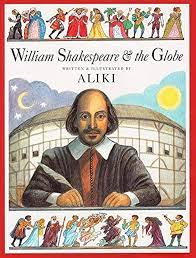


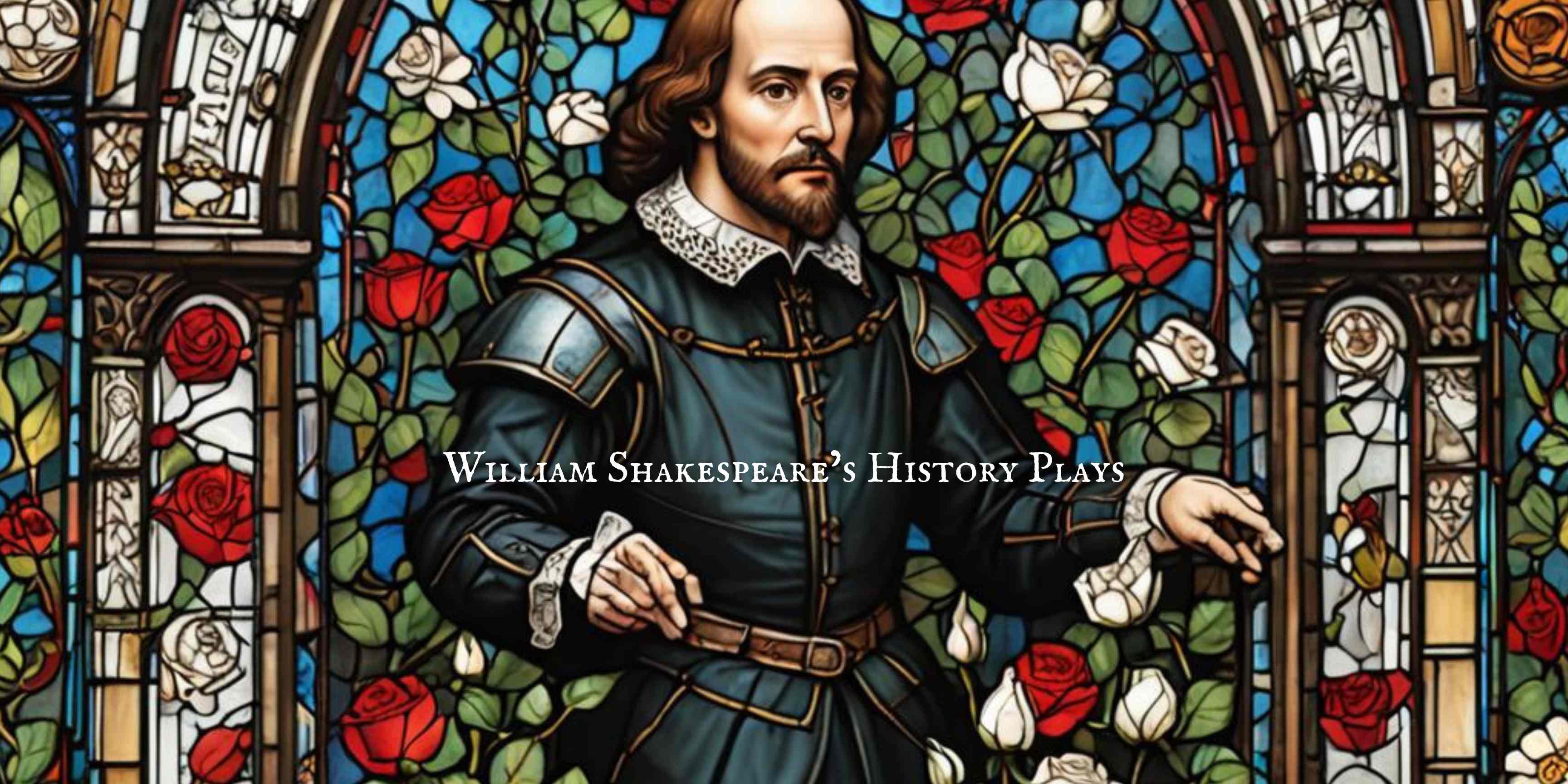




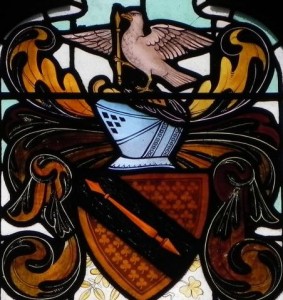


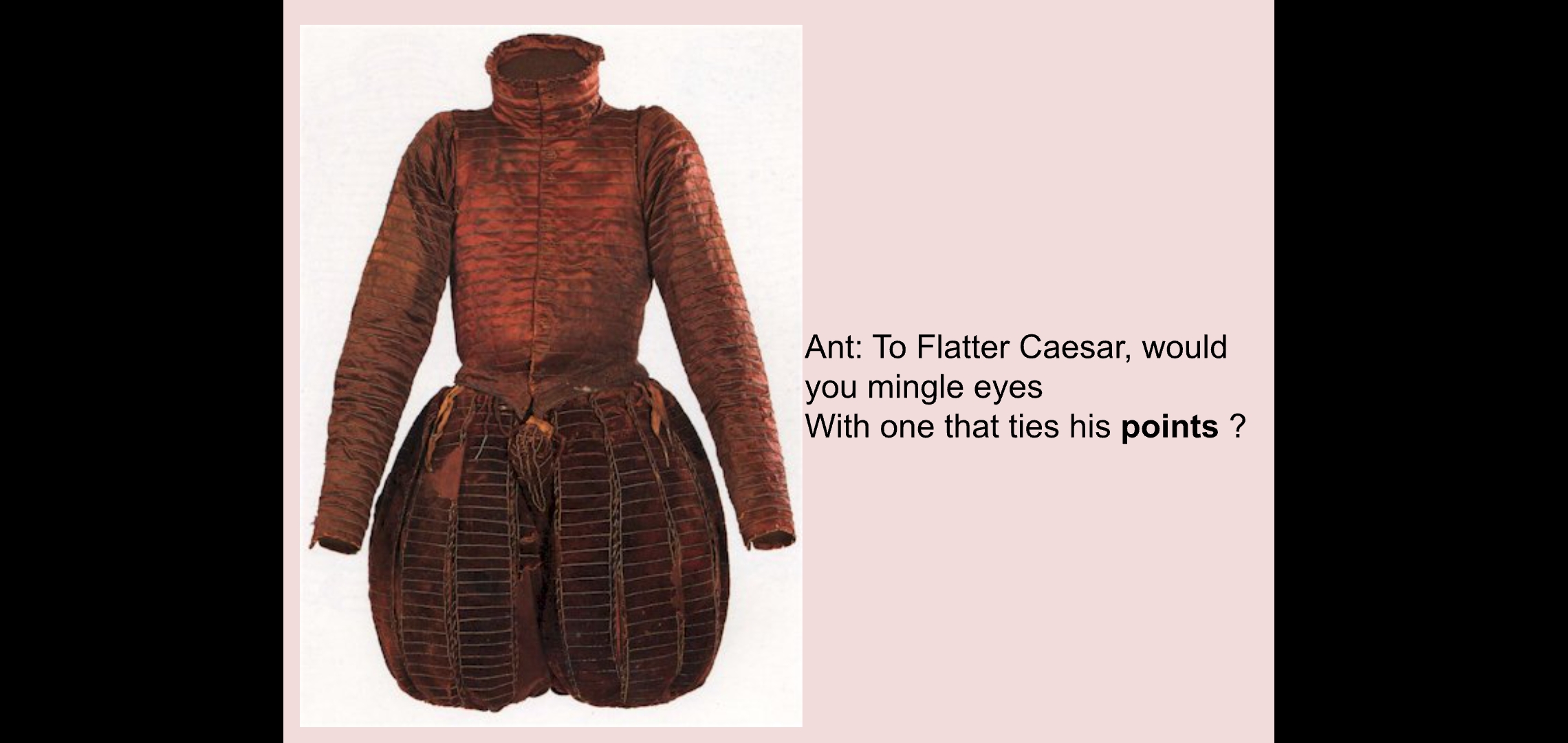

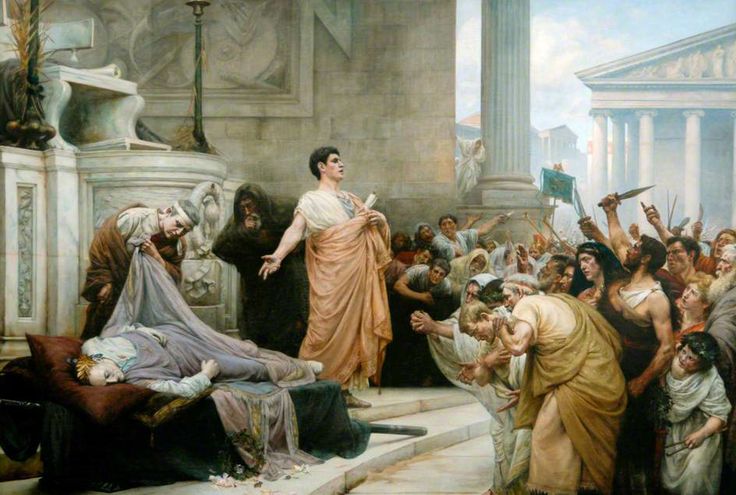
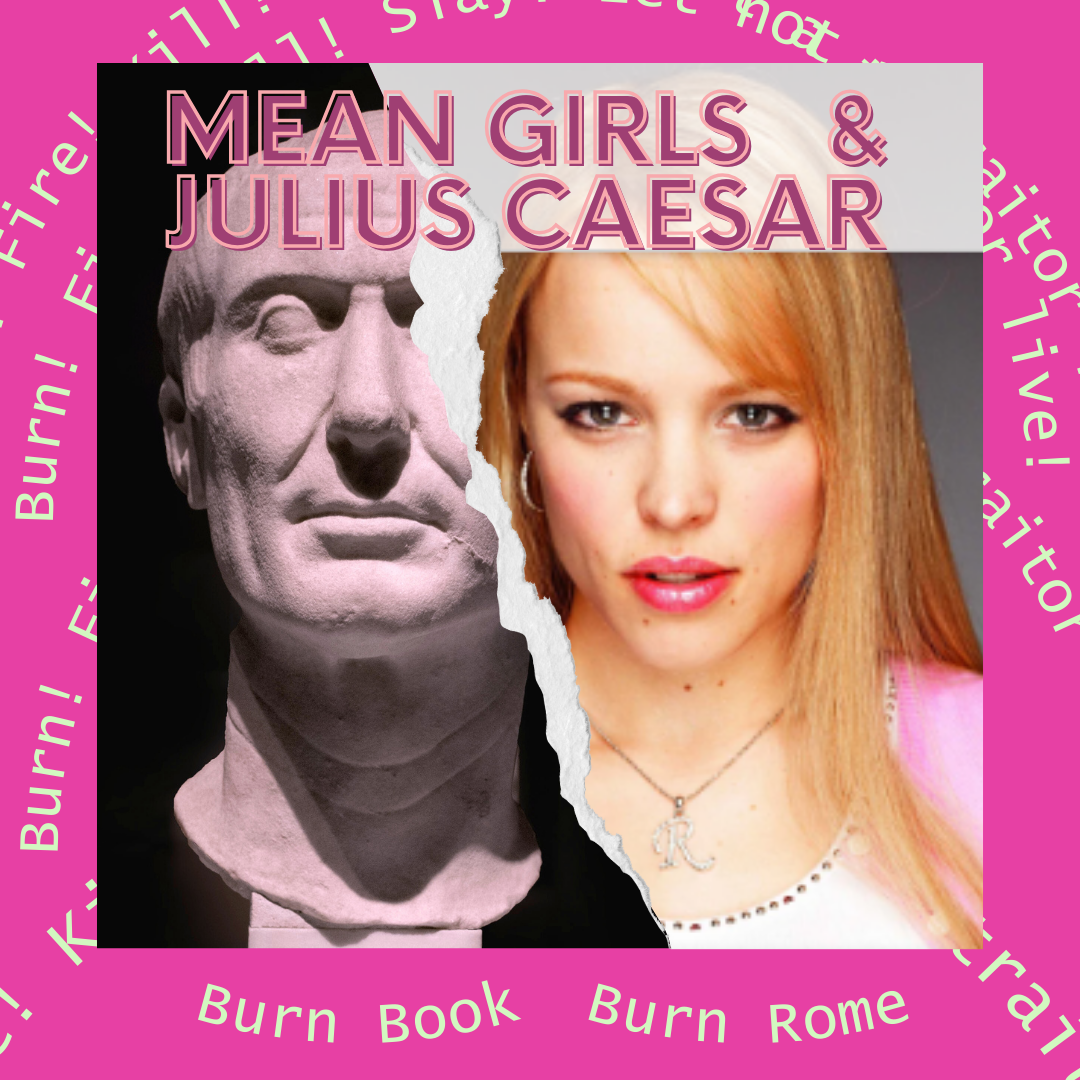
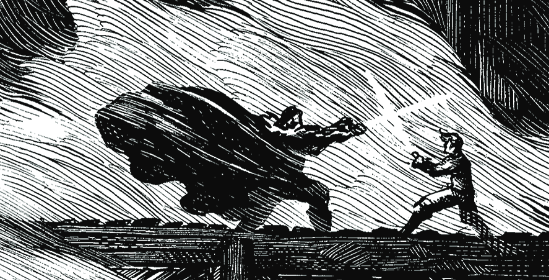
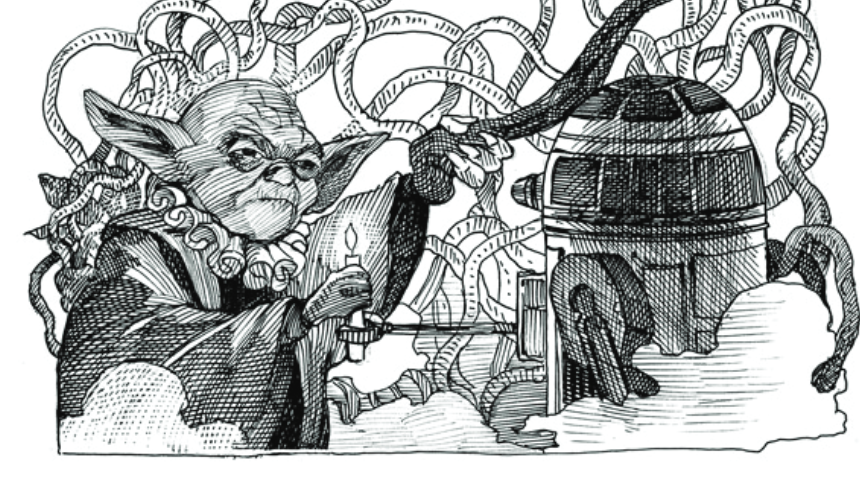
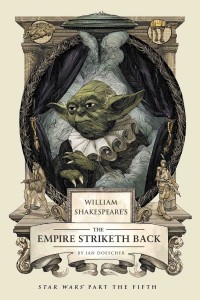


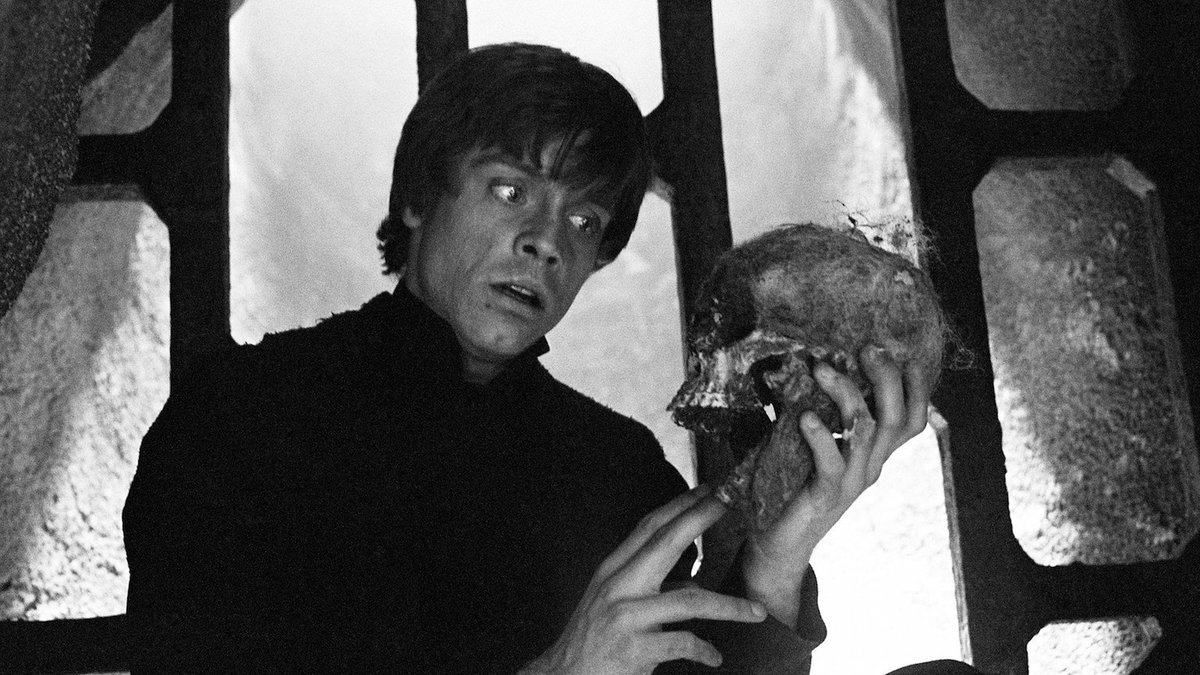
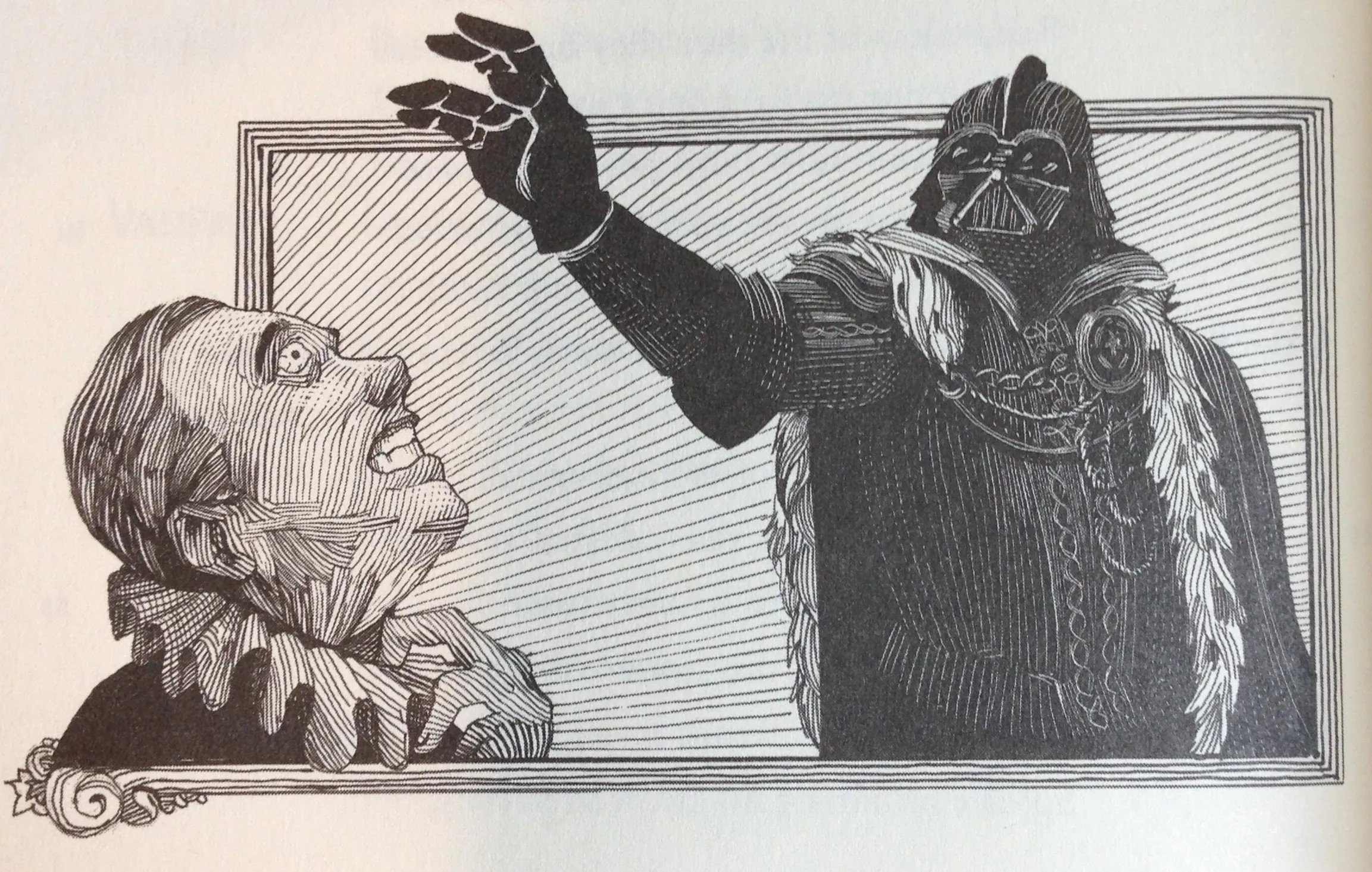

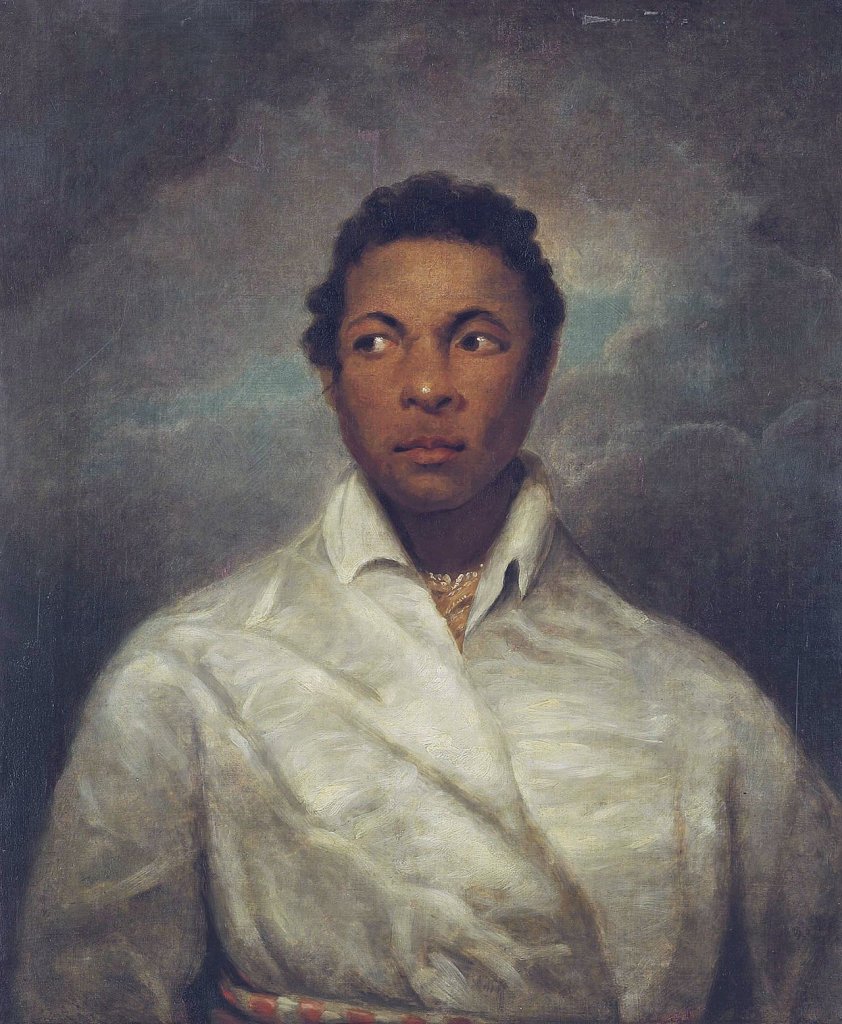


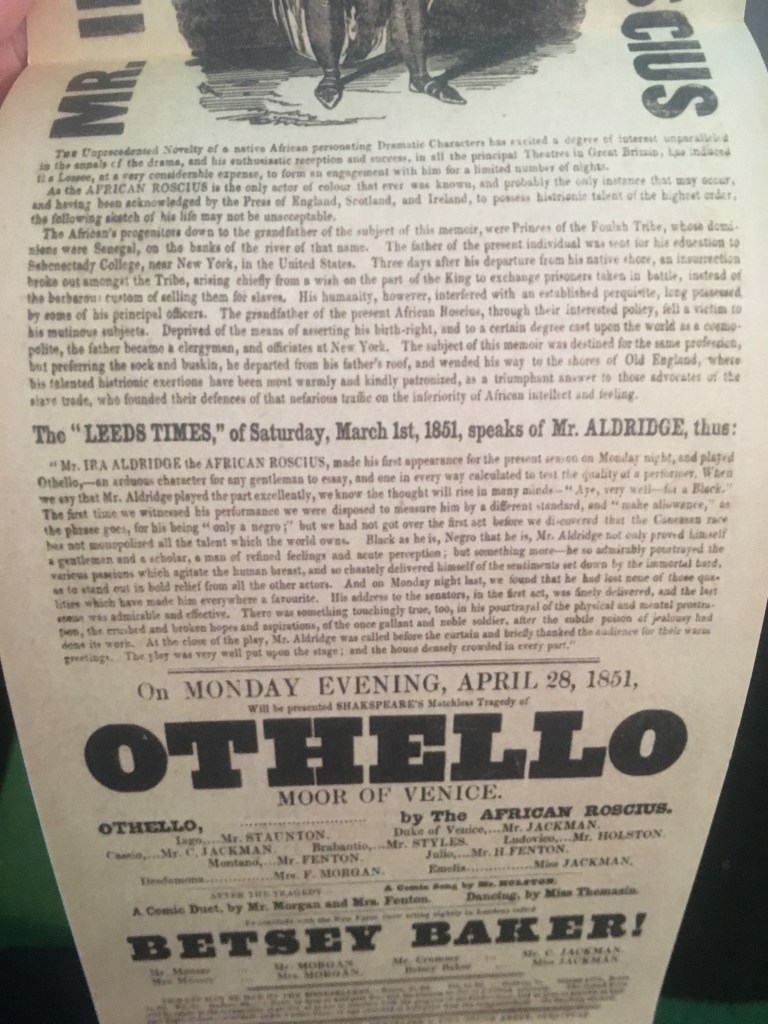


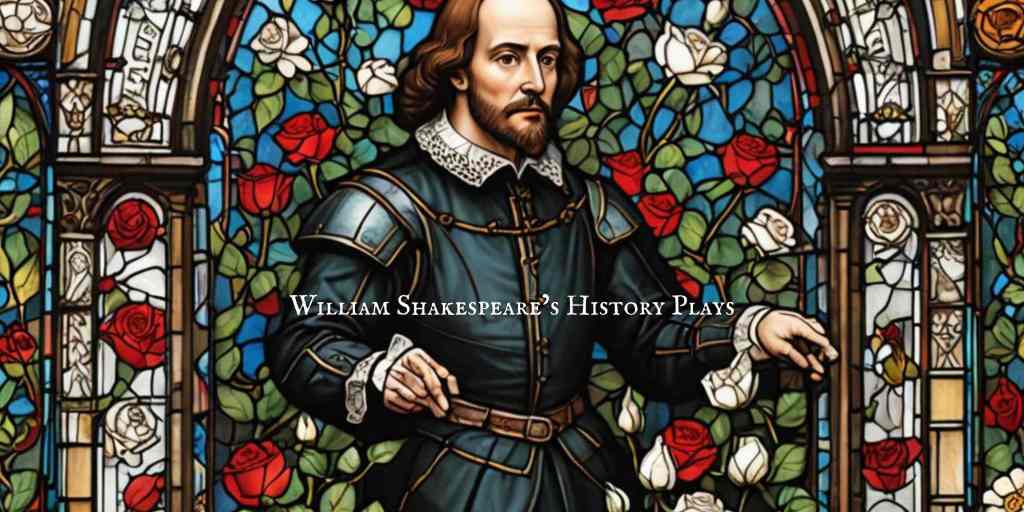


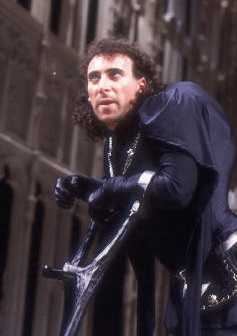 As I have written before, Richard claims the throne by manipulating everyone in the British political machine- stoking hatred among the nobles, while trying to appear as a pious, humble man to the common people. Because of his years on reality television and experience as a businessman, even I must admit Trump has a gift at manipulating people’s perceptions and playing the part of a man of the people:
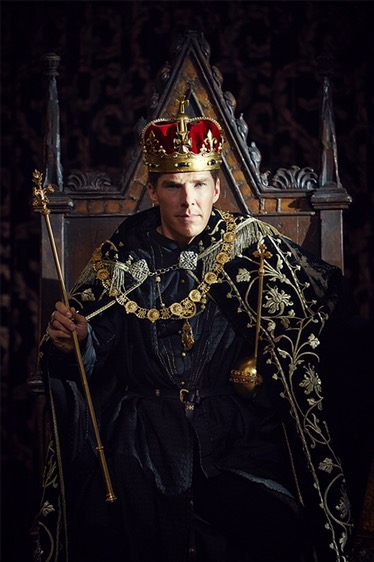
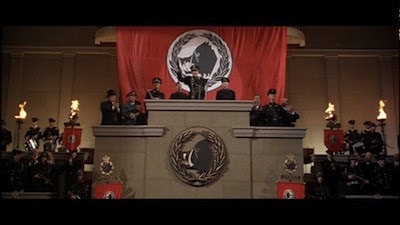

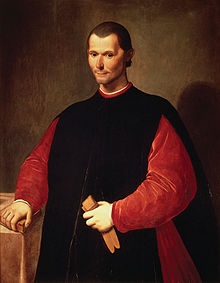


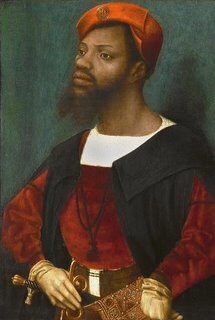



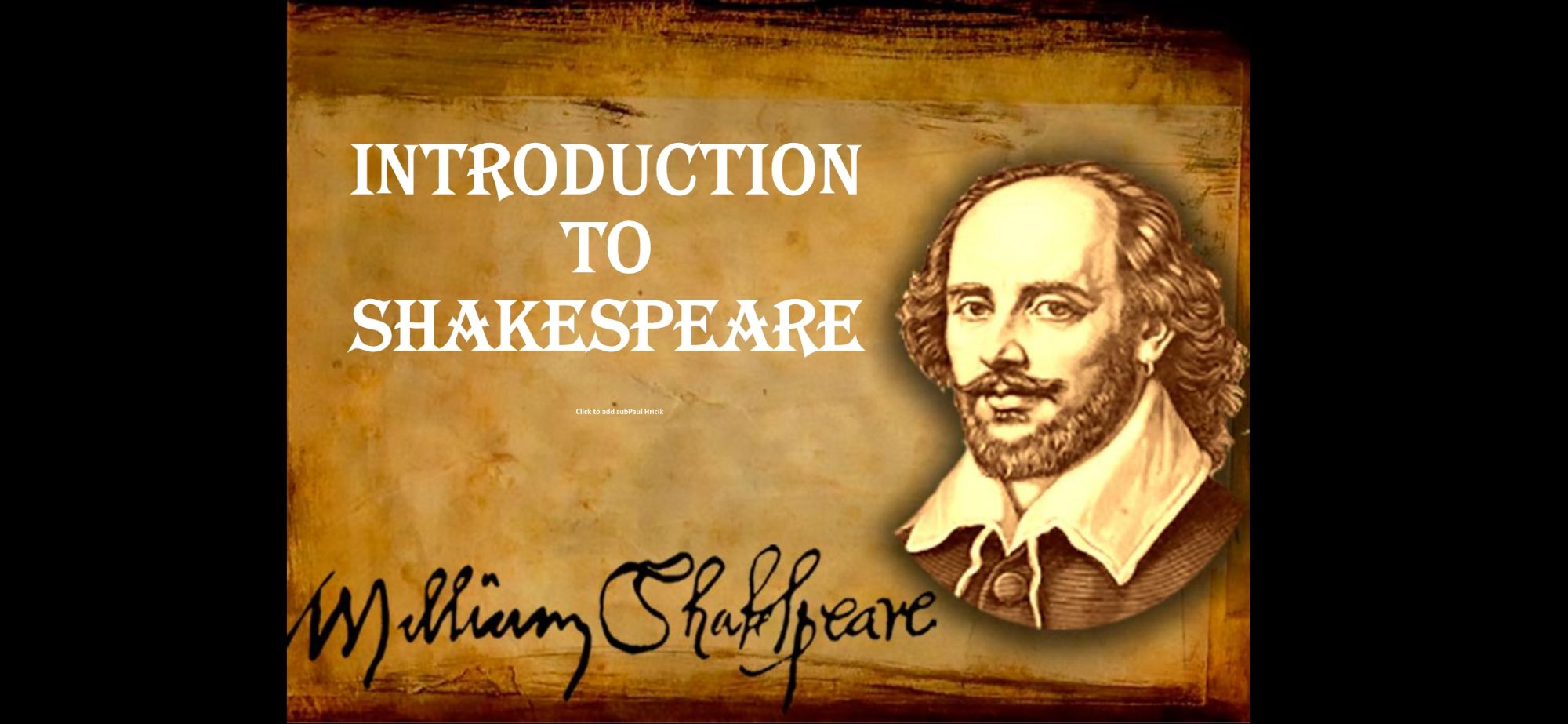

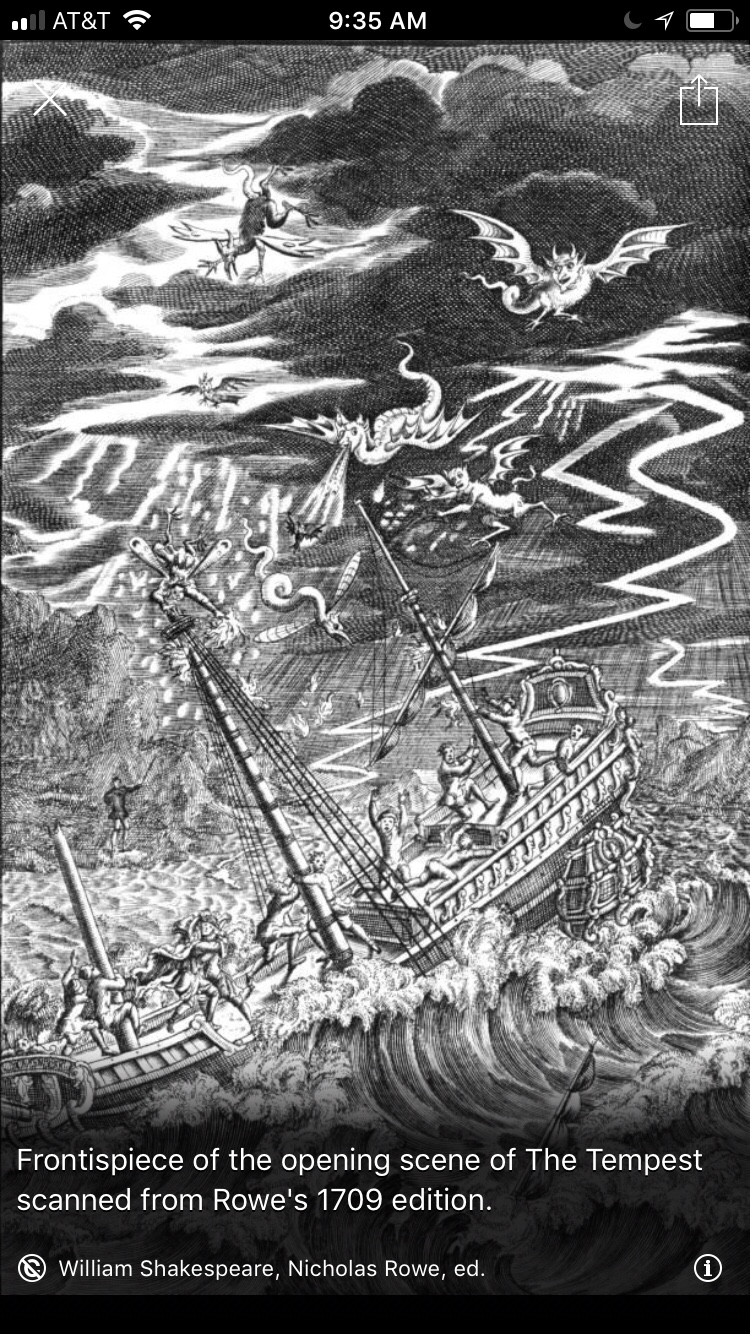





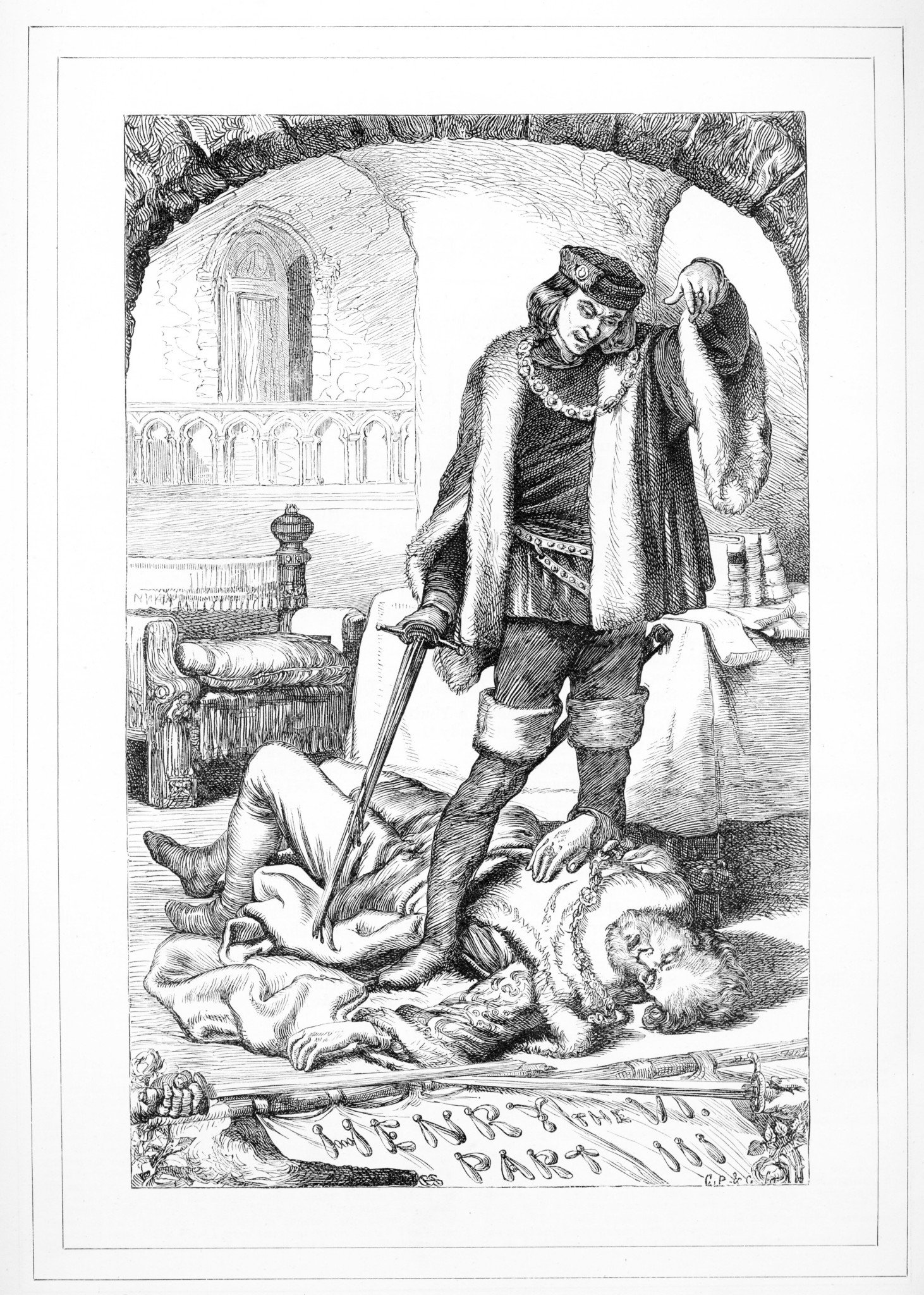
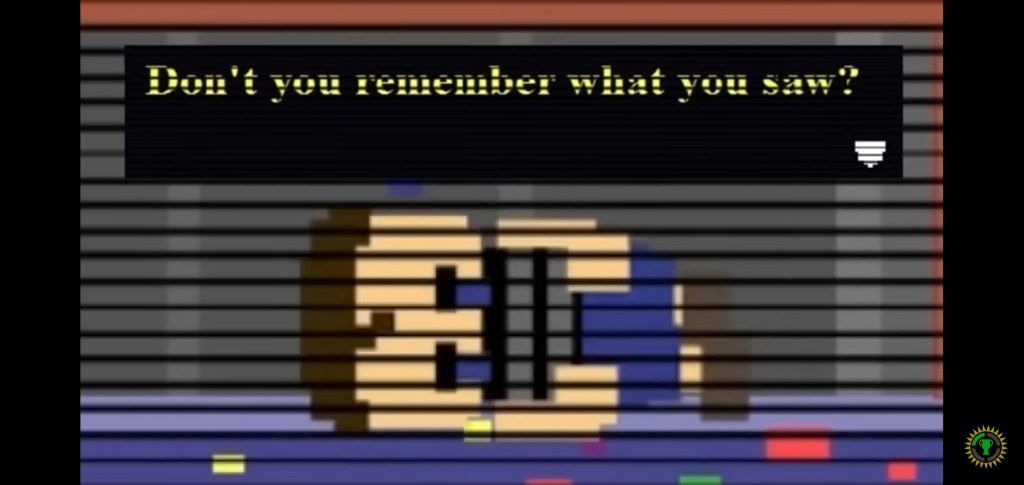


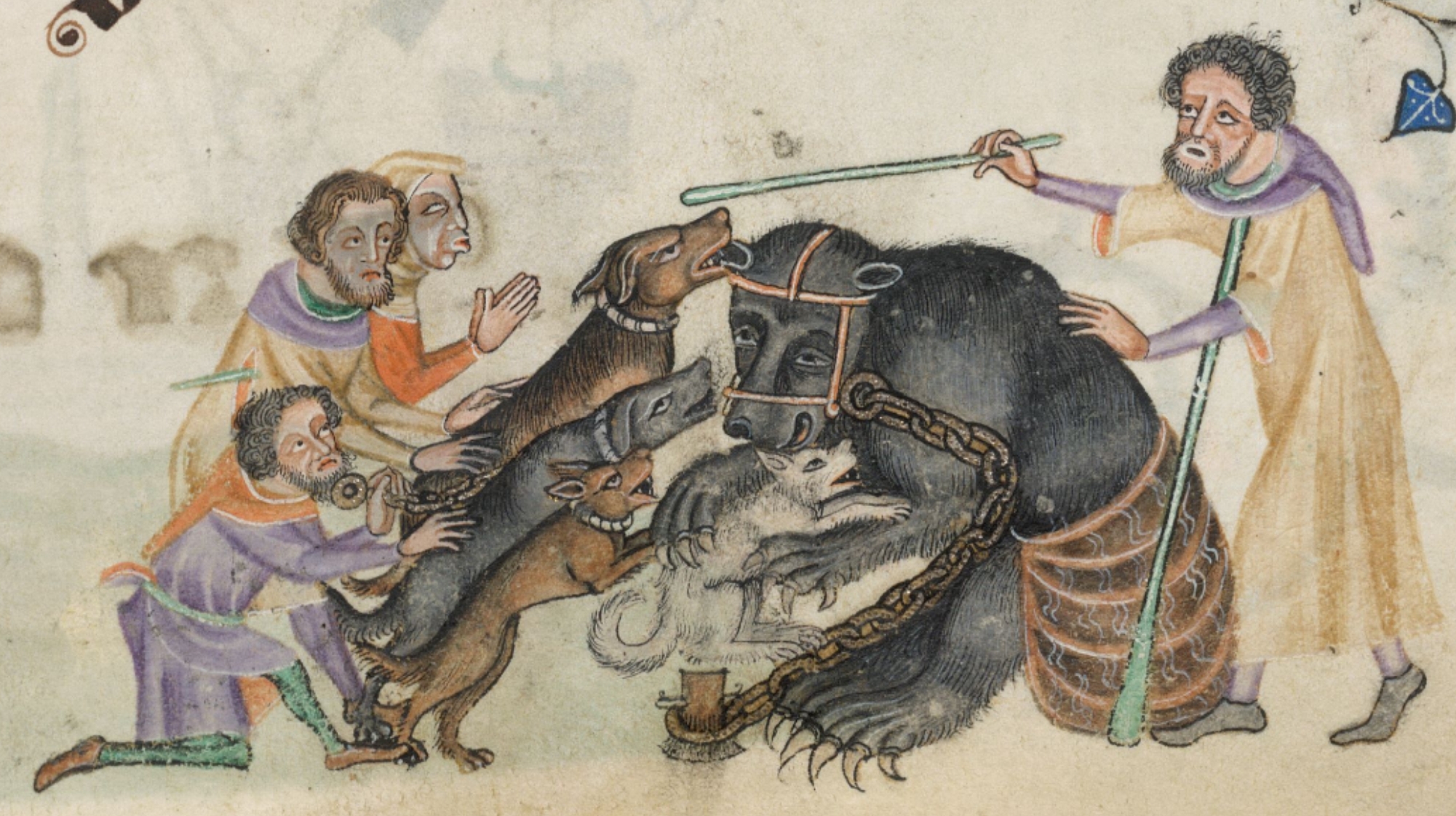


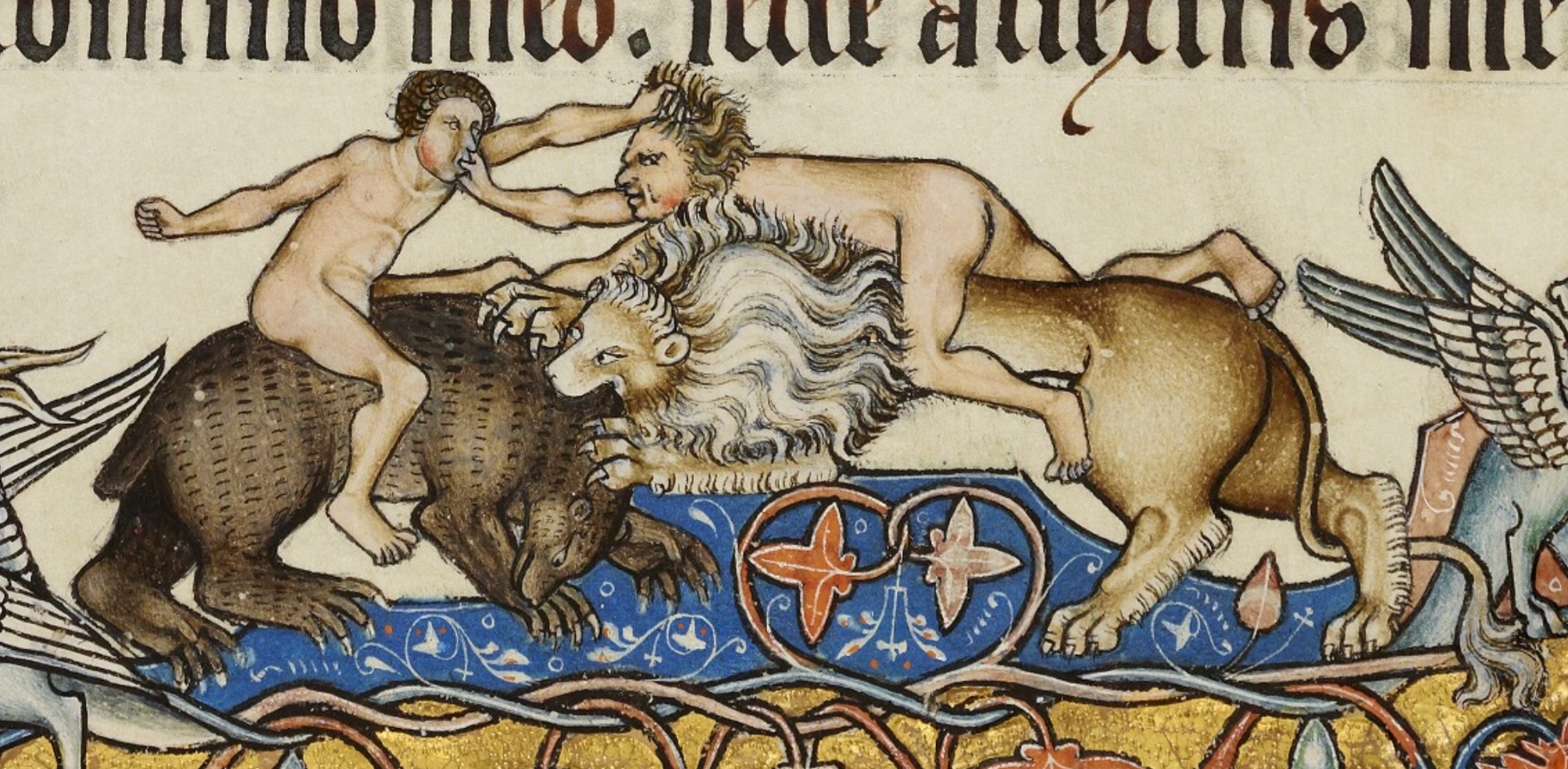
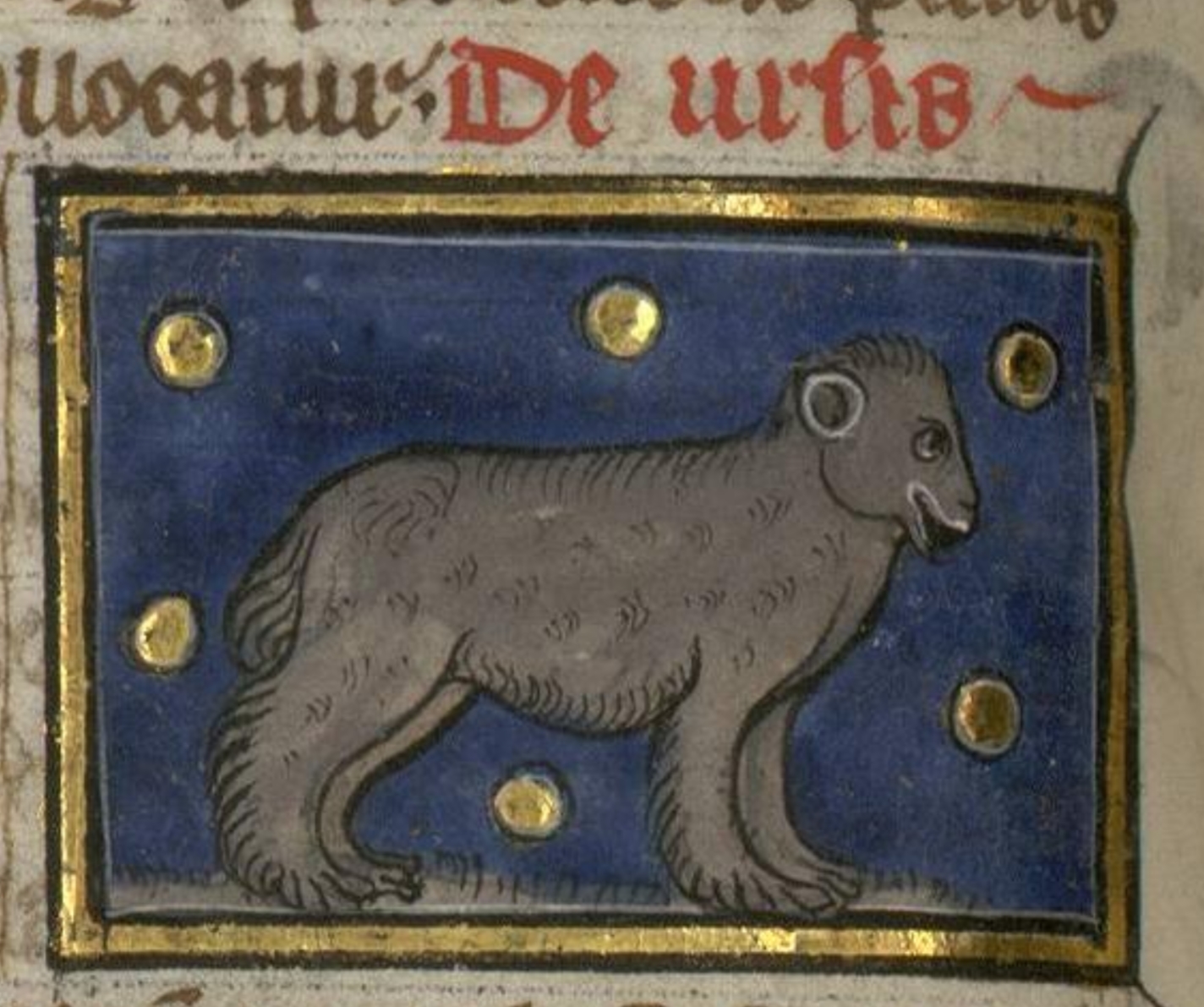
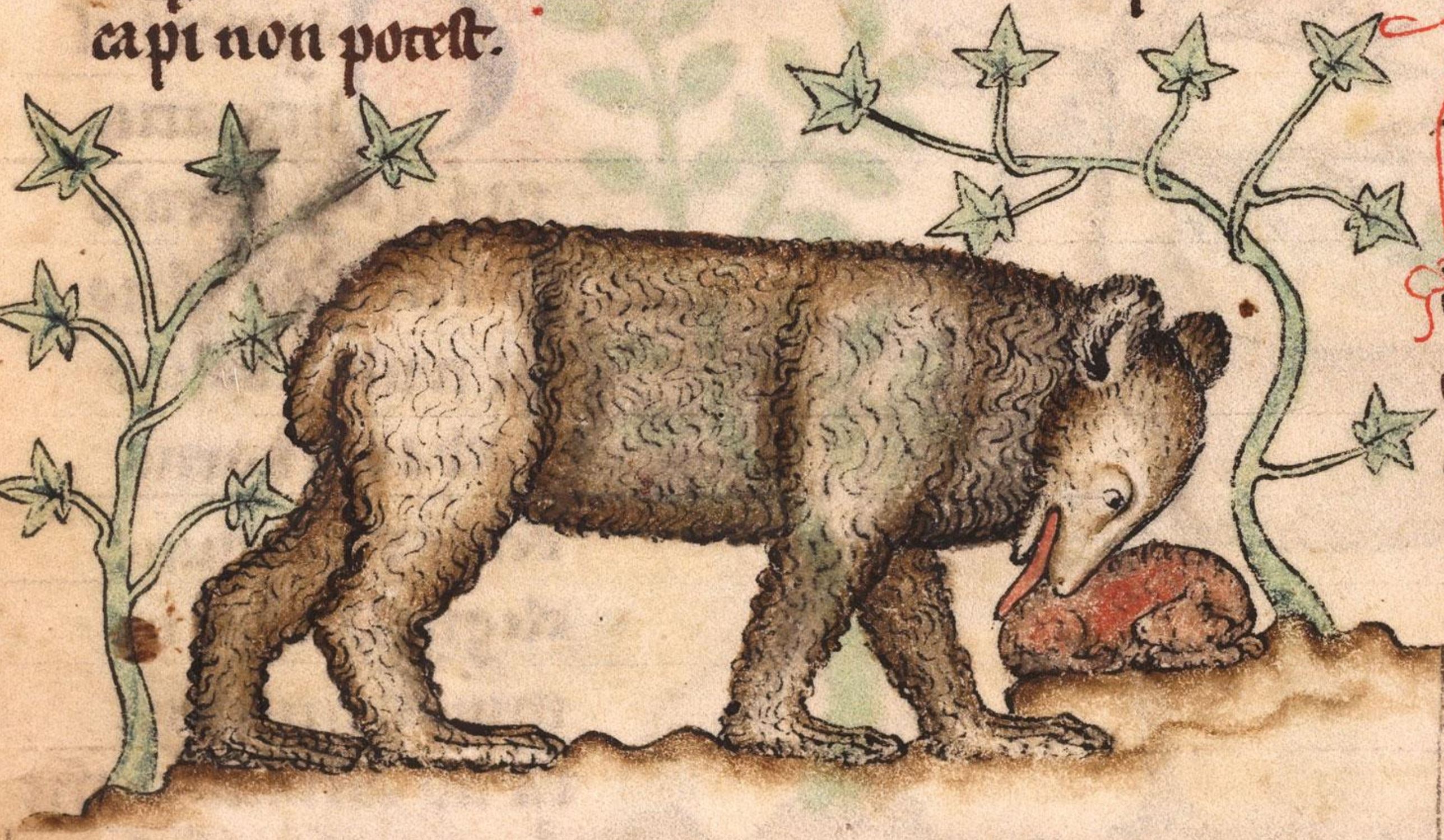



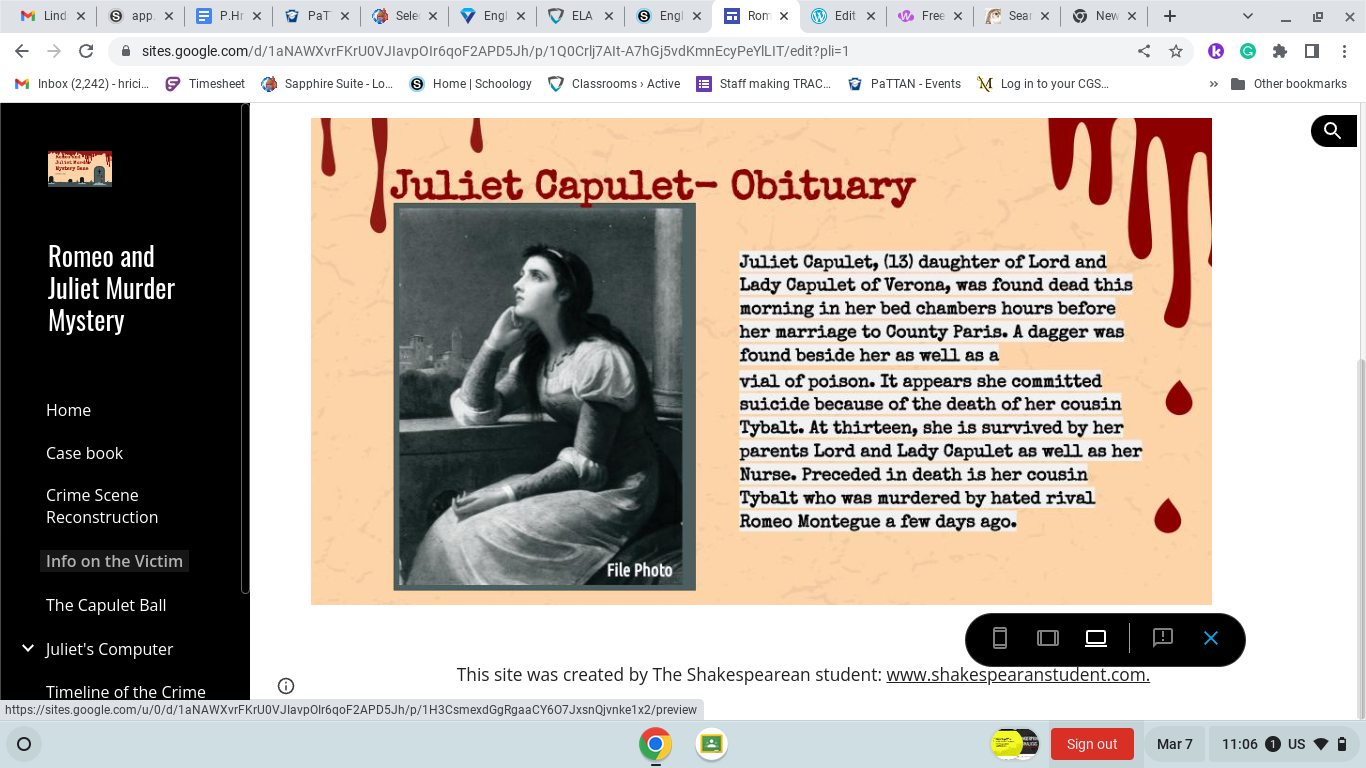


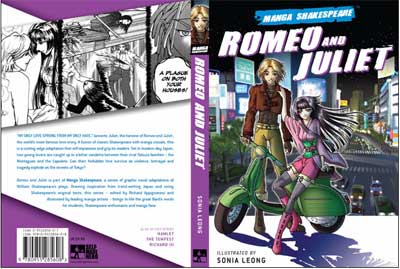
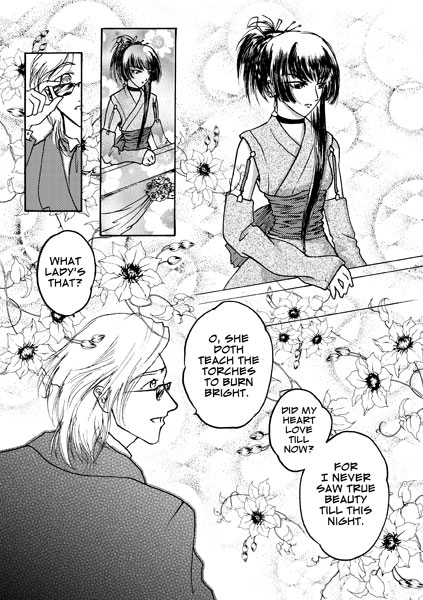
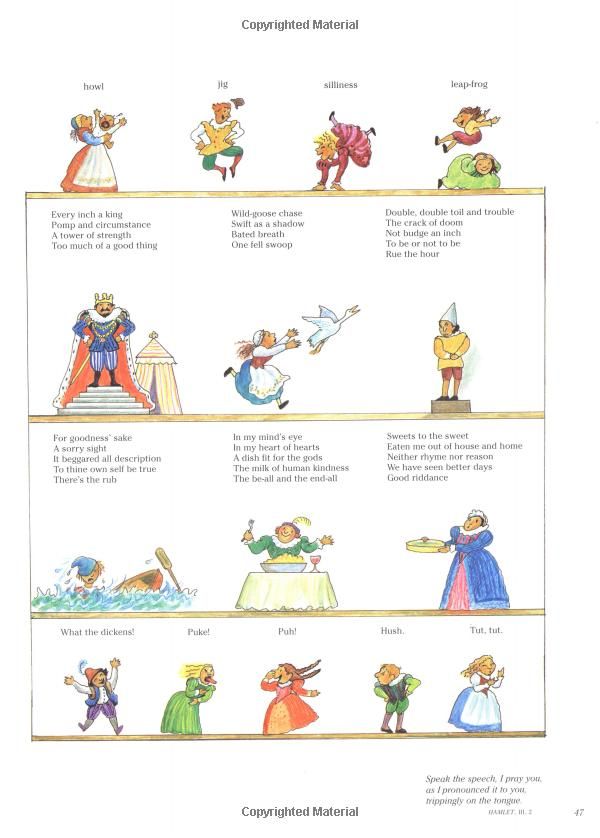


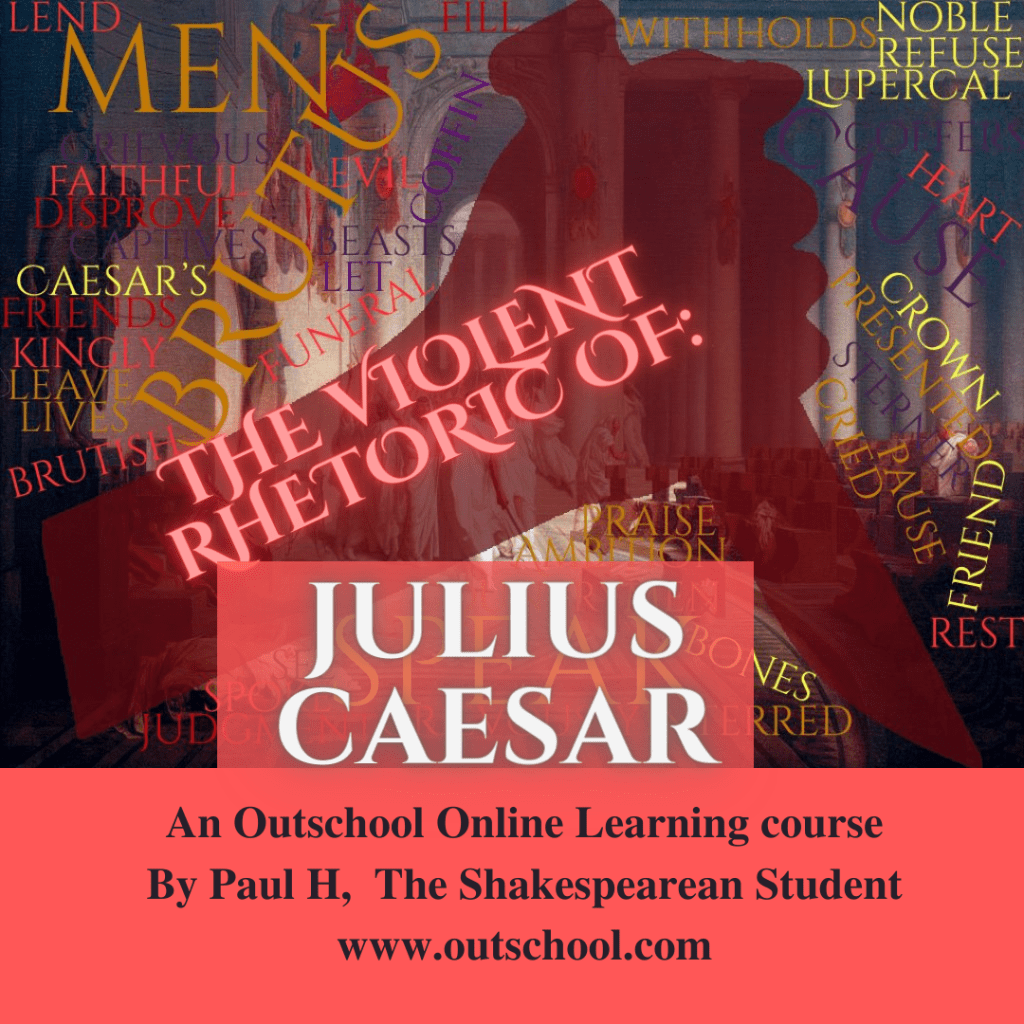


 The Shakespearean Student