Enjoy this video trailer and a podcast episode to see some of the ways I’ve traveled to a Galaxy Far Far Away, with Shakespeare’s ghost as my Jedi Master:
With summer break approaching, why not give your kids the gift of learning Shakespeare in a low-key, no-pressure scenario? I have classes on Shakespeare’s life, Romeo and Juliet, and my celebrated Stage Combat class! Sign up now for all the fun on Outschool.com!
Shakespeare and Star Wars
Class Description: Using self-paced online activities, your child(ren) will compare the plot and characters of Star Wars to Shakespeare’s plays. We will also discuss Shakespeare’s writing by looking at “William Shakespeare’s Star Wars” by Ian Doescher.
Romeo and Juliet Murder Mystery
Course Description: A flexible schedule class that teaches kids the plot and characters of “Romeo and Juliet,” in the context of a detective story where you solve the mystery of the young lovers’ deaths.
Course Descriptions
How to Write Like Shakespeare: Learn the basics of iambic pentameter, sonnet form, and Shakespeare’s dramatic structure, and practice writing Shakespearean speeches.
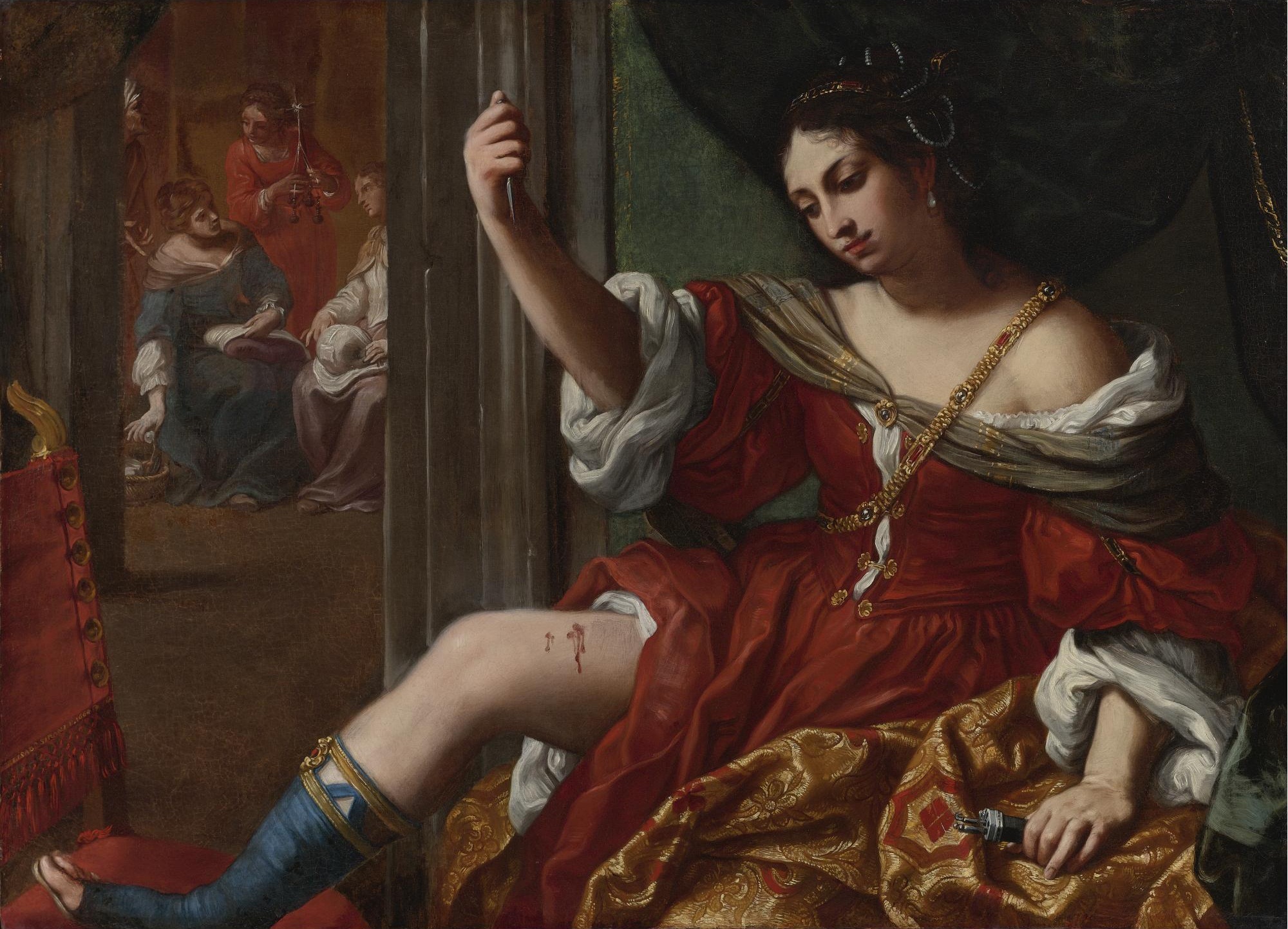
Elisabetta Sirani, Portia Wounding her Thigh, 1664, oil on canvas, 101 x 138 cm (Collezioni d’Arte e di Storia della Fondazione della Cassa di Risparmio, Bologna)The suicide of Porcia, Pierre Mignard. Museum of Fine Arts of Rennes, 1650.
Portia (Or Porcia), was the wife of Marcus Brutus. Many ancient writers emphasize her courage, beauty, and devotion to her husband and Rome. Many painters and illustrators have chosen to depict her as a model of courage and grace.
Porcia, as has been said, was a daughter of Cato, and when Brutus, who was her cousin, took her to wife, she was not a virgin; she was, however, still very young, and had by her deceased husband17 a little son whose name was Bibulus. A small book containing memoirs of Brutus was written by him, and is still extant. 4 Porcia, being of an affectionate nature, fond of her husband, and full of sensible pride, did not try to question her husband about his secrets until she had put herself to the following test. 5 She took a little knife, such as barbers use to cut the finger nails, and after banishing all her attendants from her chamber, made a deep gash in her thigh, so that there was a copious flow of blood, and after a little while violent pains and chills and fever followed from the wound. 6 Seeing that Brutus was disturbed and greatly distressed, in the height of her anguish she spoke to him thus: 7 “Brutus, I am Cato’s daughter, and I was brought into thy house, not, like a mere concubine, to share thy bed and board merely, but to be a partner in thy joys, and a partner in thy troubles. 8 Thou, indeed, art faultless as a husband; but how can I show thee any grateful service if I am to share neither thy secret suffering nor the anxiety which craves a loyal confidant? 9 I know that woman’s nature is thought too weak to p155 endure a secret; but good rearing and excellent companionship go far towards strengthening the character, 10 and it is my happy lot to be both the daughter of Cato and the wife of Brutus. Before this I put less confidence in these advantages, but now I know that I am superior even to pain.” 11 Thus having spoken, she showed him her wound and explained her test; whereupon Brutus, amazed, and lifting his hands to heaven, prayed that he might succeed in his undertaking and thus show himself a worthy husband of Porcia. Then he sought to restore his wife. -Plutarch, Life of Brutus
She tried to conceal her distress, but a certain painting betrayed her, in spite of her noble spirit hitherto. 3 Its subject was Greek, — Andromache bidding farewell to Hector; she was taking from his arms their little son, while her eyes were fixed upon her husband. 4 When Porcia saw this, the image of her own sorrow presented by it caused her to burst into tears, and she would visit it many times a day and weep before it. 5 And when Acilius, one of the friends of Brutus, recited the verses containing Andromache’s words to Hector,
“But, Hector, thou to me art father and honoured mother
And brother; my tender husband, too, art thou,”
Brutus smiled and said: 6 “But I, certainly, have no mind to address Porcia in the words of Hector,
‘Ply loom and distaff and give orders to thy maids,’23
for though her body is not strong enough to perform such heroic tasks as men do, still, in spirit she is valiant in defence of her country, just as we are.” This story is told by Porcia’s son, Bibulus.
Portia marks a turning point in Shakespeare’s Roman female characters as we we go from more ‘traditional’ female characters, to ones who exemplify masculine virtues. Instead of women being subordinates to men’s affairs and keeping out of religion, politics, and the affairs of Roman society, Portia is a character who demands respect, and to share her husband’s dangers. Some ancient sources suggested possibly Portia might have been the one who inspired Brutus to kill Caesar, (more on that later), but in any case Portia is not a character who is subordinate to men, but who demands to be treated as a Roman citizen.
Happy April Fool’s Day! Today I’d like to look at the rich history of Shakespeare’s fools and clowns! Clowns are some of Shakespeare’s classic comic characters, but fools are complex characters that entertain, satirize, and even philosophize. They may dress the part, but they are no fools.
This clip from Mel Brooks’ comic masterpiece History of the World, Part I, has the writer/director perform as Comicus, a ‘stand-up philosopher’ from Ancient Rome- a philosopher who is basically a stand-up comic. As you’ll see, unlike clowns, most of Shakespeare’s fools basically fulfill this role- to satirize and make fun of people and institutions.
What Is A Fool?
Fools and clowns are based on medieval minstrels who, as this video from Monty Python’s Terry Jones shows, were itinerant entertainers who had to do a number of jobs including play music, dance, sing, compose poetry, juggle, and on occasion- START A WAR!
Fools Vs. Clowns
A fool is the renaissance version of a minstrel- an official royal entertainer who worked at royal courts. A clown is a comic part in a play. They often danced, sang, and did improv comedy. To illustrate the difference, here’s a short video about the life of Henry VIII’s favorite fool- Will Sommers
Foolish Founding Fathers
All of Shakespeare’s fools and clowns are based on ancient Italian sources-from the Roman comedies of Plautus and Terrence to the improvised comedy known as Commedia Del ‘ Arte
Short featurette documentary on the artform of “Commedia Del’ Arte” by The National Theater in London
Commedia is based on stock character types that Shakespeare adapted and fleshed out- Arlequinno became the constantly hungry Dromio, (among others), while Capitano became Falstaff and Pistol. Even Shylock has remnants of Brighella in his DNA. According to Dario Fo in his book: Manuale Minimodell’Attore, Shakespeare adapted stock characters from commedia to be his clowns, and sarcastic characters called sots, who commented on the action to become his fools (Fo, 107)
Will Kempe- Shakespeare’s First Great Clown
Despite his strength and skill as a dancer, Kempe specialized in playing oafish buffoons like Dogberry in Much Ado About Nothing, Falstaff in the Henry IV plays, and Peter in Romeo and Juliet. In the Second Quarto edition of Romeo and Juliet, you can see in the stage directions “Enter Will Kempe,” right before Peter speaks:
According to Will In the World by Steven Greenblatt, Kempe and Shakespeare had a falling out in the late 1590s, which many scholars have assumed might have been due to Shakespeare’s distaste for clowns wasting time with jokes that bogged down the play:
Hamlet:
 Let those that play your
clowns speak no more than is set down for them. For there
be of them will themselves laugh, to set on some
quantity of barren spectators to laugh too. Though in the
meantime, some necessary question of the play be then
to be considered. That's villainous, and shows a most pitiful
ambition in the fool that uses it. Hamlet, Act III, Scene ii.

Kempe, for his part, seemed a little big for his britches; he and his fellow clowns seemed to think that Shakespeare's scripts were just vehicles for his own jokes and songs (Reynolds, 247). He then sold his share in the Chamberlain's Men, derriding them in print as "My notable Shake-rags," and then staged a publicity stunt where he danced across England!
1600-1613: The Golden Age Of Foolery
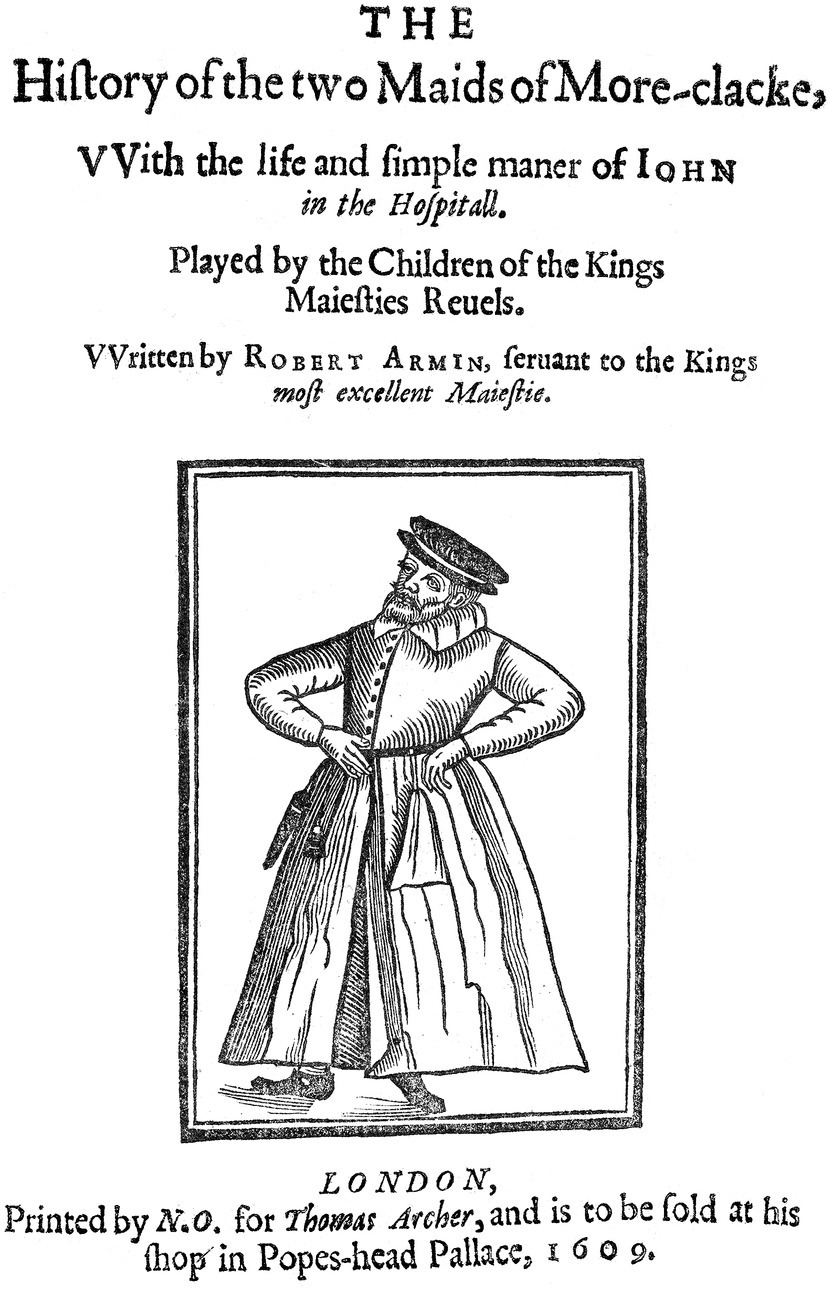
Kempe’s replacement was Robert Armin, an accomplished writer and singer, who specialized in playing satirical Fool roles. Armin appeared in several Shakespearean plays after 1599.
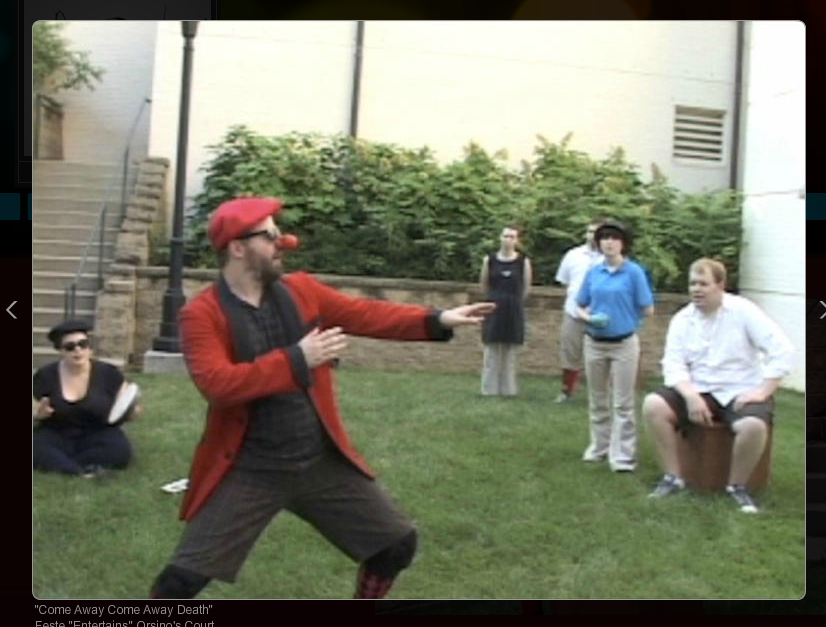
Unlike Kempe, Armin’s characters are essential to the plot of the play, and his jokes support the themes and ideas of the plays themselves. As Feste in Twelfth Night, Armin makes jokes that make fun of the overly-serious Orsino and Countess Olivia:
Feste. Good madonna, why mournest thou?
Olivia. Good fool, for my brother's death.
Feste. I think his soul is in hell, madonna.
Olivia. I know his soul is in heaven, fool.
Feste. The more fool, madonna, to mourn for your brother's
soul being in heaven. Take away the fool, gentlemen. Twelfth Night, Act I, Scene v.
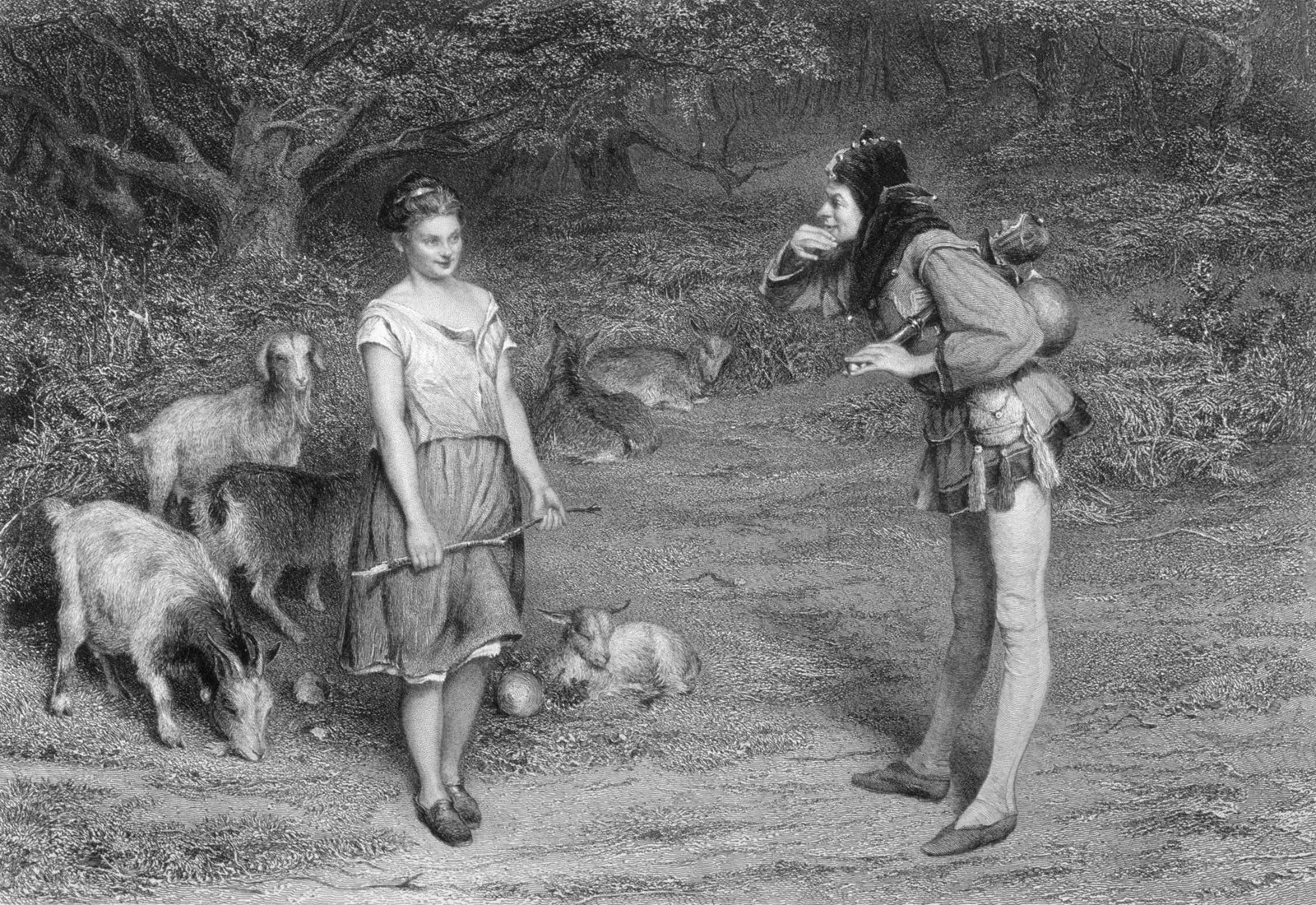
Touchstone in “As You Like It”
Sometimes Armin’s characters are satirical mirrors of Elizabethan society; in As You Like It, Touchstone the Fool mocks the culture of dueling; implying that there are hundreds of loopholes that a gentleman may use to challenge a man to a duel, without actually fighting.
Touchstone. I did dislike the cut of a certain courtier’s beard; he sent me word, if I said his beard was not cut well, he was in the mind it was. This is call’d the Retort Courteous. If I sent him word again it was not well cut, he would send me word he cut it to please himself. This is call’d the Quip Modest. If again it was not well cut, he disabled my judgment. This is call’d the Reply Churlish. If again it was not well cut, he would answer I spake not true. This is call’d the Reproof Valiant. If again it was not well cut, he would say I lie. This is call’d the Countercheck Quarrelsome. And so to the Lie Circumstantial and the Lie Direct.
Jaques (lord). And how oft did you say his beard was not well cut?
Touchstone. I durst go no further than the Lie Circumstantial, nor he durst not give me the Lie Direct; and so we measur’d swords and parted.
The Fool in “King Lear”
Perhaps Armin’s greatest comic creation was The Fool in King Lear; the ultimate satirist who makes fun of the king’s foolish choices. He tries to talk sense to the increasingly mad king, until he vanishes entirely, and Lear himself starts making fool-like cracks at the audience:
Lear Thou hast seen a
farmer's dog bark at a beggar?
Earl of Gloucester. Ay, sir.
Lear. And the creature run from the cur? There thou mightst behold
the great image of authority: a dog's obeyed in office.
The usurer hangs the cozener.
Through tatter'd clothes small vices do appear;
Robes and furr'd gowns hide all. Plate sin with gold,
And the strong lance of justice hurtless breaks;
Arm it in rags, a pygmy's straw does pierce it.
None does offend, none- I say none! Get thee glass eyes
And, like a scurvy politician, seem
To see the things thou dost not. King Lear, Act IV, Scene vi.
Through realizing his own foolishness, Lear recovers his sanity, and makes peace with his daughter, which beautifully shows the importance of fools, clowns, and satirists; to question ourselves, to sharpen our critical thinking, and to endure hardships with good humor. Therefore on this April Fools Day, I say,
“Here’s to the fools, to folly, to farce. Let them push the wealthy on the ar— APRIL FOOLS!”
References
Best, Michael. “Shakespeare’s Actors: Will Kempe” Internet Shakespeare Editions, University of Victoria, 28 Sept. 2016, ise.uvic.ca/Foyer/citing. Accessed 30 Sept. 2023.
I teach a class specifically on Shakespeare’s comedies where I’ll talk a lot about the way Shakespeare writes clowns. I’ll also delve into the history of Commedia Del’Arte and how it influenced Shakespeare’s characters! For more information, visit http://www.outschool.com
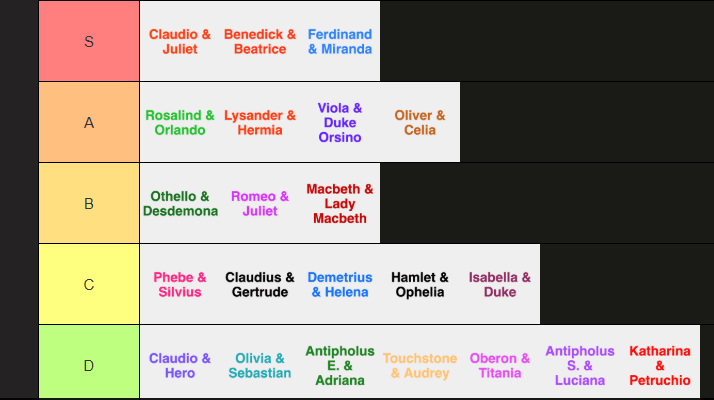
Since it’s still the month of love, I thought I’d rank Shakespearean couples and see if the allegation is true that Shakespeare has no good married couples. Naturally, this is my opinion, but I will try to back my opinions up with quotations and moments from the plots. Let me know what you think!
S Tier- the Super Couples
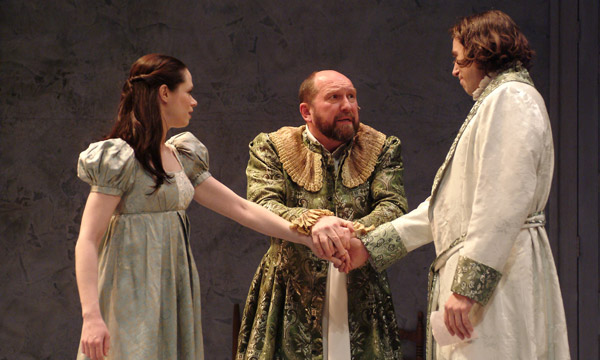
Simonides grants permission for Pericles to wed his daughter. Production shot from Mary Zimmerman’s 2006 production of “Pericles.”
My criteria for the best couples in Shakespeare are this:
Trust
Mutual respect and affection
Devotion, or as Shakespeare puts it “Love is not love, which alters when it alteration finds.”
A Tier- the ones who Passed the Test
Couples in this tier all tried and failed at first- Orsino spent years mooning over Olivia not able to see how wonderful Viola is. Lysander drops Hermia for Helena, (but to be fair, that was Puck’s fault, not his). At the end though, all these lovers reconcile and are better people for their trials and tribulations.
B Tier- Affection, but no devotion
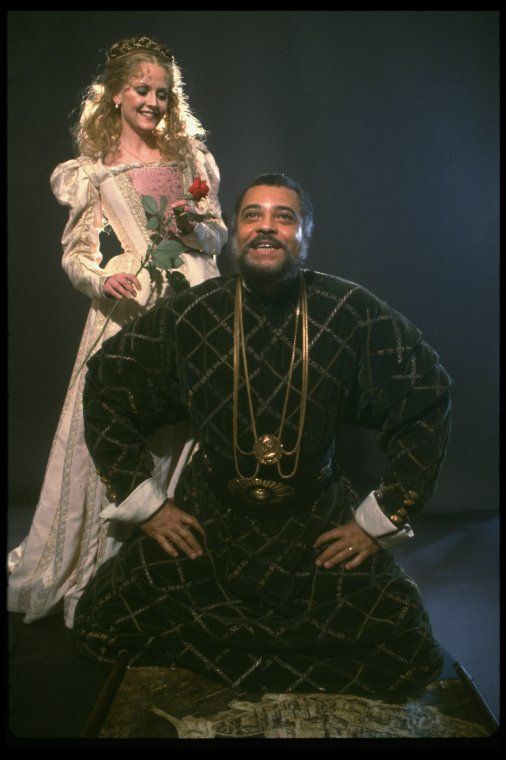
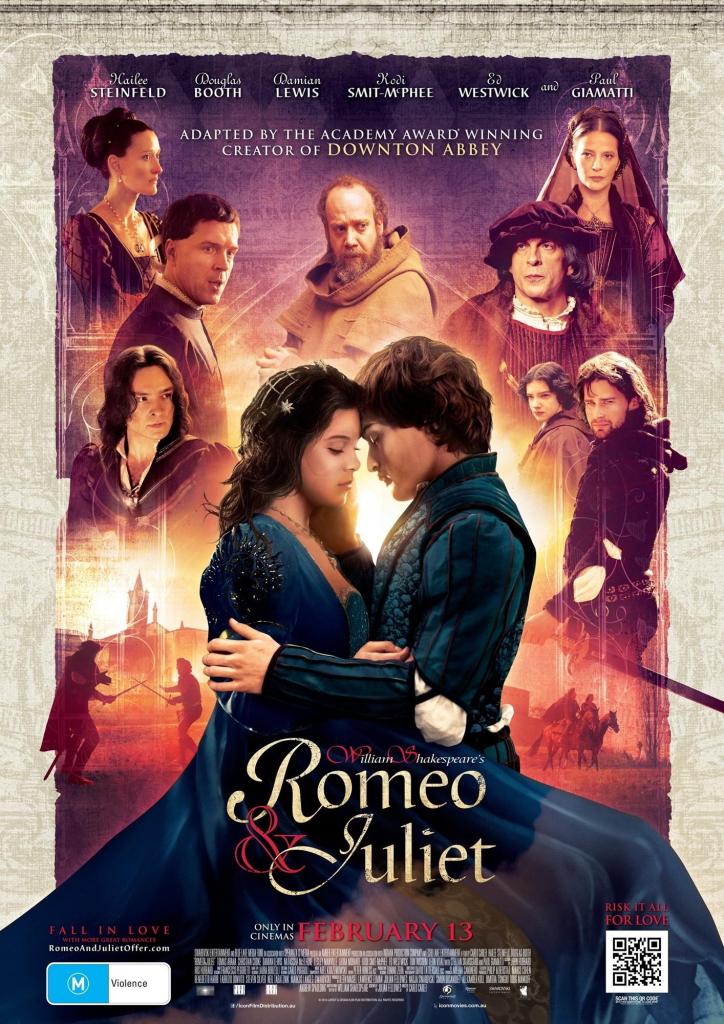
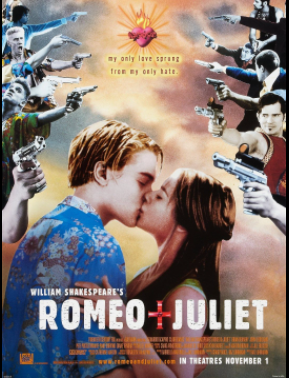
James Earl Jones as Othello and Cecilia Hart as Desdemona in a scene from the Broadway revival of the play “Othello.”Movie poster with Hailee Steinfeld and Douglas BMe and my Lady Macbeth, Katie Crandol.1996 movie poster for Romeo and Juliet starring Leonardo DiCaprio and Claire Danes.
Couples in B-tier are passionate and willing to break rules, laws, and sometimes necks for their loves. However, as Friar Laurence says “These violent delights have violent ends.” Every couple in B-tier ultimately fails to create a lasting relationship.
C Tier- The ones hanging by a thread
Taylor Swift poses as Ophelia in her 2025 music video
All the C-couples have some very toxic traits. Claudius hates Gertrude’s son and murdered his own brother, so his relationship with his wife/ sister-in-law is ultimately doomed. Hamlet has little to no respect for Ophelia and flies into mysygenistic rage at the slightest provocation. Even Demetrius, who is magically compelled to love Helena forever, has a history of loving women, and then abandoning them. Who’s to say he won’t get hit by the arrow again, and throw Helena off?
D Tier- Actively ABusive/ A Relationship Based on lies
Richard III (Laurence Oliver), seduces Lady Anne (Claire Bloom) in the 1955 movie.
I’ll have her, but I will not keep her long.
The men in D-tier (and Phoebe in the case of As You Like It) are controlling, abusive, cruel, and pathological liars. They don’t want a partner, so much as a toy to beat around when they feel like it.
I truly despise Taming Of the Shrew, or as I like to call it, Stockholm Syndrome: The Play. The whole story implies that abuse is good for women. It’s impossible to play the central conceit of the play seriously, except as a case study in cultural sexism.
Special Mention- Cordelia and the King of France from “King Lear”
Cordelia finds comfort in the King of France, after being disinherited by her father.
These guys might be low key the best couple in Shakespeare. The King of France marries Cordelia and comes to her defense after her father disowns her and humiliates him. Based on this, you can tell he doesn’t care about her title or her dowry (“Thy truth then be thy dower. Thou hast her France, let her be thine, for we have no such daughter.”
Not only that, France goes with Cordelia and lends her an army to recapture England for Lear! Clearly this guy loves Cordelia and is ride or die on making her happy.
Special Mention- Antony and Cleopatra
Antony and Cleopatra
I know they are an iconic couple, but I think Antony and Cleopatra are a very toxic pair. When I first read the play, I hated Cleopatra for leading Antony on and mocking and teasing him every chance she got. Now I hate Antony for his selfishness. Cleopatra is trying to save her sons, her kingdom, and her family’s legacy and he is throwing away everything just to appease his own ego. He also shames Cleopatra for her promiscuity, which is extremely hypocritical coming from him. This couple is clearly in need of MASSIVE counseling, and I pity poor Enobarbus and Charmian for getting caught in their drama.
I hope you enjoyed this tier list. One pattern I noticed in all these plays is that every couple in Shakespeare is tested, whether through magic, deceit, long journeys, or just jealousy. Shakespeare does a good job of showing how young love is beautiful and exciting, but real love is based on respect and the will to choose your partner in spite of obstacles.
With awards season in full swing, there has been a lot of controversy over two stories that Shakespeare had a great influence over- Hamnet, based on the novel of the same name, and Guillermo Del Toro’s adaptation of Frankenstein. Despite getting five golden globe nominations, Frankenstein went home with a hand emptier than the monster floating off on an iceberg. Meanwhile, Hamnet took the best actress and best picture award, and is poised for an Oscar nomination.
I’ll review Hamnet at a later date. What I want to do now is discuss the influence Shakespeare and other Renaissance writers had on the classic 1818 novel, and how well Del Toro hints at the story’s Renaissance roots.I would argue that, although rooted in the 10th century Romantic world, Frankenstein has many Shakespearean and Early Modern influences, notably Dr Faustus by Christopher Marlowe, and The Tempest by Shakespeare
In 1818, a young woman named Mary Wolstonecraft, heard from her friend, a Swiss doctor, about a prominent experiment called galvanism and was faced with the terrifying prospect that man might someday be able to resurrect the dead, (a feat that had only successfully been done by God). When Mary Shelley wrote the novel Frankenstein she redefined the Faustus story and made it about Man not taking responsibility for the consequences of his actions, and also a warning to progress for its own sake without compassion without reason without wisdom. As we shall see, Shelly was a trailblazer in turning the Faustian wizard into the mad scientist.
The Morality Tale
Faustus is one of the oldest and most quintessential German stories. A morality tale medieval in its origins, it also is loosely based on a real person- a real scholar named Doctor John foustis and this story was influential on forming German cultural identity. The story itself has inspired countless authors, some German and some merely influenced by German culture and it’s very interesting to trace the way that it’s being used And how the the trope of the Faustian bargain has influenced Germany America and and England other Anglo sects and countries so the story of Faustus is Medieval in origin but he became extremely popular when English playwright Christopher Marlowe Shakespeare’s contemporary and rival wrote it down in his play of Dr. Faustus
What’s interesting about this interpretation is that you could easily see it as Faustus Rejects from the beginning the notion of divine grace he believes that he cannot that he is either unwilling or unable to believe that he is beloved by God and therefore he turns to satanic poworse it’s somewhat ambiguous why he does this one possible interpretation is that Faustus might actually be a that faustis like Marlow might be a possible gay man and is convinced that he is an abomination under the Lord and therefore he might as well indulge in satanic activities.
Whatever the reason the play does a great job of showing the struggle of Faustus as he is presented several times with the chance to repent, and actively refuses it every single time.
“Tutors Not So Careful”
In Marlowe’s version, Faustus studies at the University of vittenburg in Germany, whicb also boasts other notable allumni- Prince Hamlet which Shakespeare would later write in his own play Hamlet Prince of Denmark. The prince broods over whether the creature he has seen return from the dead is actually a devil, sent to destroy him.
Shelley admits that a lot of her as a source for that her sources for Shakespeare her sources for Frankenstein included Shakespeare in The Tempest. Though Doctor Frankenstein his book is not a is Swiss not German he is educated at the University of english stat in Germany where he learns organic chemistry and acquires the ambition to do with the alchemists and conjurors of faustis day failed to do namely create the elixir of life.
“Graves, at my command, Hath waked their sleepers”
One big trope in Frankenstein is the danger of man crossing over into God’s domain- that from the beginning of time there has been a knowledge that God deliberately kept from humankind. In Frankenstein, this takes the form of scientific knowledge, but in Shakespeare, it is magic. In Macbeth, the title character is tempted by witches to know his destiny and is punished severely for it. Remember that when Shakespeare wrote the play, King James presided over hundreds of witch hunts and wrote a book on how to identify witches.
In The Tempest, Shakespeare gives us a more ambiguous look at magic where the magician Prospero has the power to create storms, conjure up spirits, and like Frankenstein, raise the dead:
 I have bedimm'd
The noontide sun, call'd forth the mutinous winds,
And 'twixt the green sea and the azured vault
Set roaring war: to the dread rattling thunder2065
Have I given fire and rifted Jove's stout oak
With his own bolt; the strong-based promontory
Have I made shake and by the spurs pluck'd up
The pine and cedar: graves at my command
Have waked their sleepers, oped, and let 'em forth
By my so potent art. The Tempest, Act V, Scene i.
Even though Prospero is the protagonist and he faces no consequences for his magic, for some reason he chooses to abandon it. It’s almost as if Shakespeare was anticipating Frankenstein by having a proto mad scientist character give up his art before it is too late:
 But this rough magic
I here abjure, and, when I have required
Some heavenly music, which even now I do,
To work mine end upon their senses that
This airy charm is for, I'll break my staff,2075
Bury it certain fathoms in the earth,
And deeper than did ever plummet sound
I'll drown my book.
Prospero, Act V, Scene i.
“This thing of Darkness”
“You taught me language, and my profit in’t is I know how to curse!”
“Cursed, cursed creator! Why did I live? Why, in that instant, did I not extinguish the spark of existence which you had so wantonly bestowed? I know not; despair had not yet taken possession of me; my feelings were those of rage and revenge. I could with pleasure have destroyed the cottage and its inhabitants and have glutted myself with their shrieks and misery.
Shelly, Chapter 16
If you’ve never read the book Frankenstein, you might be surprised to learn that unlike Boris Karloff’s grunting silent monster, in the novel the Monster is actually intelligent and well-spoken. One thing I enjoyed about Guillermo Del Toro’s version is that the Monster gets time to tell his tale. As we in the audience get to know him, the notion of who is the true Monster and who is truly human becomes as murky as the subterranean lair the doctor chains his creation within. He engages in intellectual debates with his creator and demands to know why Frankenstein chose to abandon him.
My abhorrence of this fiend cannot be conceived. When I thought of him I gnashed my teeth, my eyes became inflamed, and I ardently wished to extinguish that life which I had so thoughtlessly bestowed. When I reflected on his crimes and malice, my hatred and revenge burst all bounds of moderation.
If you’re reading this as I post it, there’s a Shakespearean nerd in your life and your wits are about to turn trying to find a gift. I’ve already written about printed editions of Shakespeare and educational apps, so you can consult those if that’s what you are looking for. Now I’m covering the kinds of stuff that die-hard Shakespeare fans will kill a king and marry with his brother for, basically nerdy swag that no Shakespearean fanatics should be without!
Slings and Arrows
For anyone: Immortal Longings.com- This company is very special to me. If you’ve seen any of my Play Of the Month posts, you’ve seen the gorgeous artwork for Shakespeare’s plays by the artist Elizabeth Schuch. Not only do I love her work, my wife and I put her prints on the decor for our wedding day, and wrapped some of my presents in wrapping paper with her designs on it. If you go to her website, she sells Shakespearean art printed on and inspired by Shakespeare’s plays on everything from tapestries to clothes to iPhone cases. I highly recommend checking her work out, and patronizing it as much as possible: https://society6.com/immortallongings/s?q=popular+framed-prints
I also want to give a shout-out to the website Good Tickle Brain, a weekly Shakespearean comic that satirizes the Bard’s work with love. I feel the best way to introduce anyone, young or old to Shakespeare is through a healthy dose of satire and parody. Mya Gosling loves Shakespeare and it comes through in her simple, funny retellings of his plays. If you go to their shop (spelled Shoppe to appeal to nerds like me), you can get some of her comic books, funny T-shirts, and a few educational posters for teachers too: https://goodticklebrain.com/shoppe/
Adults
The Bard game This is the Monopoly for Shakespeare Nerds- each player pretends to be a theater manager putting on plays in real locations where Shakespeare’s company toured during his lifetime. You make money by reciting speeches or improvising one in the Shakespearean style, or by answering Shakespearean trivia questions. A must-have for any Twelfth Night Party! Review of the game: https://boardgamegeek.com/boardgame/12372/shakespeare-bard-game https://boardgamegeek.com/boardgame/12372/shakespeare-bard-game
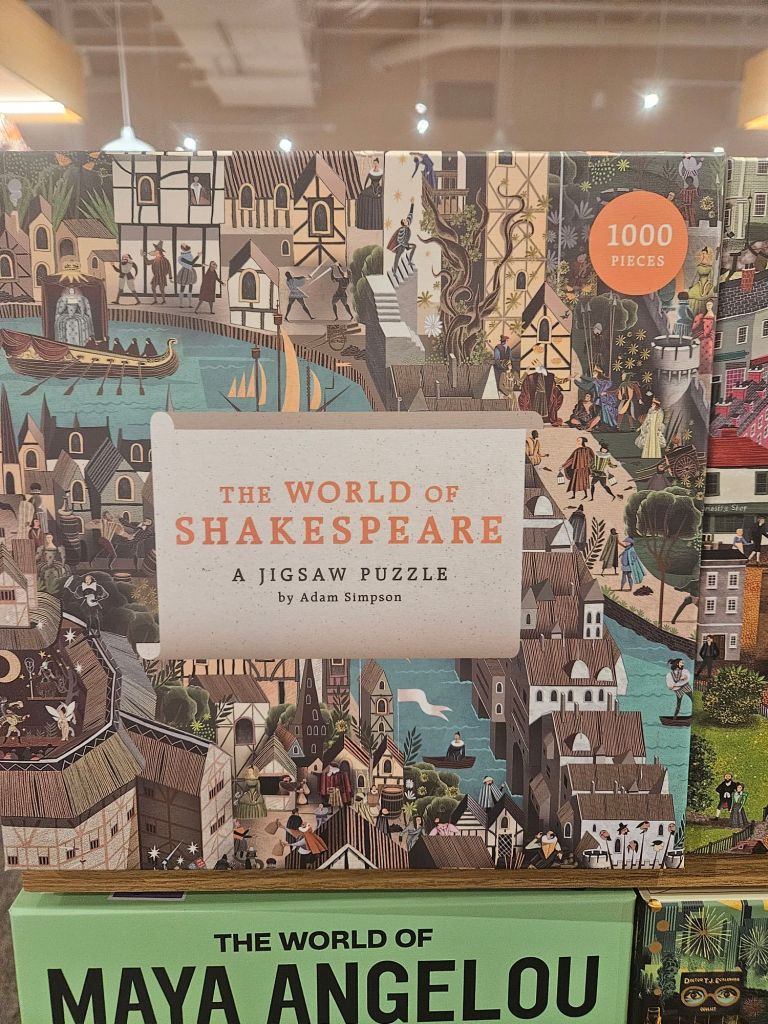
Puzzles- The world of Shakespeare or Build it yourself Globe Theater- I love the idea of learning about history by building it yourself.
Wine🍷 Though I was unable to find actual wine with Shakespeare’s name on it, practically every other part of the wine drinking experience has been branded with Shakespeare- wine bags, glasses, corks and bottle stoppers, and even whole bars! If you spend a few minutes looking online, you can find tons of Shakespearean wine merch. By the way, here’s a convenient list of quotes Shakespeare wrote about alcohol: http://www.shakespeare-online.com/faq/shakespearedrinking.html
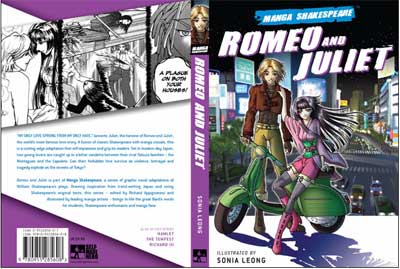
The title page of the clever comic book, “The Manga Shakespeare”
Shakespearean Comic Books. I’ve written reviews about some of these books and I’m very impressed by the artwork and the clever adaptations. Click here to read my review of the Romeo and Juliet Comic.
Kids
Pop-Up Shakespeare by the writers of the Reduced Shakespeare Company. I’m a huge fan of The Reduced Shakespeare Company and they have created an amazing new popup book for kids of the entire Shakespearean cannon!
Board books 📖 Yes, even toddlers can get into Shakespeare. I actually read this to my daughter a lot. It’s not the story of the play, but it does introduce some of the characters and famous lines which can help a child to become familiar with Shakespeare.
Let’s hit each other with Foam Swords (Game)- Most kids get into Shakespeare for the swordplay, and here’s a fun, safe way to do so.
So there are some gift ideas for the Shakespeare nerd in your life. Merry Christmas!
Here’s one more gift that you could give a Shakespeare nerd ages 13-18: A class from ME!
Go to my Outschool profile and Get $5 off the following classes:
With the holidays approaching, why not give your kids the gift of learning Shakespeare in a low-key, no-pressure scenario? I have classes on Shakespeare’s life, Romeo and Juliet, and my celebrated Stage Combat class! Sign up now for all the fun on Outschool.com!
Shakespeare and Star Wars
Class Description: Using self-paced online activities, your child(ren) will compare the plot and characters of Star Wars to Shakespeare’s plays. We will also discuss Shakespeare’s writing by looking at “William Shakespeare’s Star Wars” by Ian Doescher.
Romeo and Juliet Murder Mystery
Course Description: A flexible schedule class that teaches kids the plot and characters of “Romeo and Juliet,” in the context of a detective story where you solve the mystery of the young lovers’ deaths.
Course Descriptions
How to Write Like Shakespeare: Learn the basics of iambic pentameter, sonnet form, and Shakespeare’s dramatic structure, and practice writing Shakespearean speeches.
So, why Ghostbusters? Well, as William Shakespeare’s Star Wars has shown, it’s not only fun to adapt popular stories into Shakespearean parodies, it can also be educational. I knew I wanted to do a short play for my school’s fall festival, but I didn’t think to do “Ghostbusters” until I saw the final joke in the Simpson’s parody of Hamlet, where Homer says: “Son, [Hamlet] is not only a great play, but also became a great movie, called Ghostbusters!”
This joke got me thinking- Hamlet has a comic scene where the prince and his two friends are running around the stage away from a ghost, one that refuses to speak to them and then terrifies them. This reminds me of the moment where the ghost of the librarian shushes the heroes, and becomes a hideous creature:
The librarian in Ghostbusters is similar to the Ghost of Hamlet’s Father.
From this realization. I took it as a personal challenge to adapt Ghostbusters into a one-act stage play with as much Shakespearean dialogue as possible.
My Process
Re-writing the script of a movie into a Shakespeare text required me to overhaul the story of Ghostbusters, as well as retrofitting Shakespearean lines and speeches from Hamlet, Macbeth, Henry IV & Henry V. I knew I wanted to freely cut-and-paste from Shakespeare, as if he’d written the original Ghostbusters. The result is a sort of stitched together blanket of Shakespeare lines, lines adapted from Ghostbusters, and some lines I created myself.
The Outline
Like I said, I kept the story limited to how the four Ghostbusters learn that ghosts are real, become professional ghost catchers, and then receive a call from a damsel in distress (Ms. Dana Barrett), who allows them to become heroes by defeating the ghost that has possessed her. I also decided to use the commercial in the movie as a framing device:
In my version, the Ghostbusters start by doing a commercial that then becomes a flashback where the heroes recap everything that has happened to them over the past week. I then ended the play by joking referring to the play as “A very long commercial.”
Scenes I Included/ Scenes I Cut
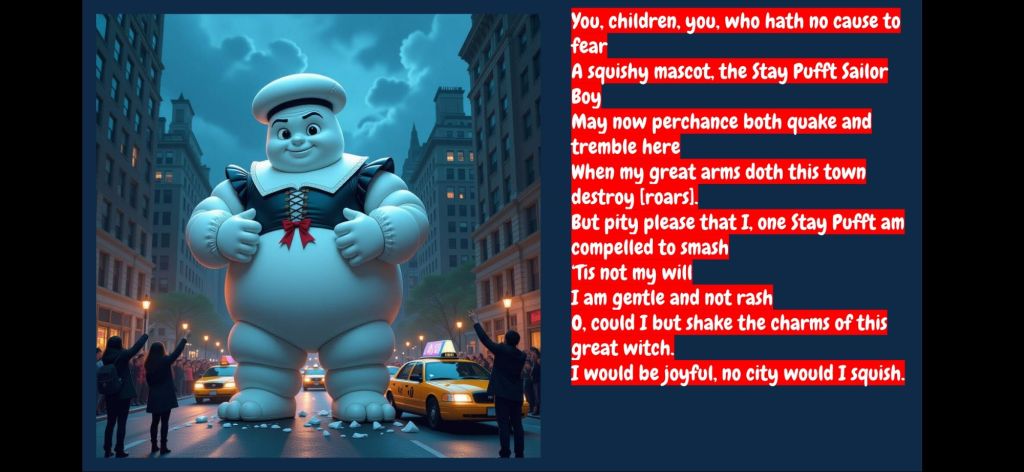
I only had 30 minutes allocated for my show, so I knew I’d have to pare down the story to its bare bones. This meant I had to eliminate a lot of subplots and characters and condense several scenes. As much as I love Walter Peck, Dean Jaeger, Louis Tully, Janine Melnitz, and the guy who gets electrocuted, they are not absolutely essential to the plot, so I cut them from my version. I also combined the characters of Dana and Gozer, eliminating the two terror dogs and limiting the antagonists to Gozer and the Stay Pufft Marshmallow Man. So I watched the film a few times, and created an outline of just 7 scenes.
Character Models
One thing I’ve said again and again is that Shakespeare’s characters are all based on archetypes that we see everywhere throughout literature, theater, and yes, movies. While I was watching Ghostbusters, I tried to find the Shakespearean archetypes that match the best with the characters in the movie:
Ray Stantz- Hamlet from Hamlet– Ray is a bookish man who is obsessed with death and with the occult, which makes him very much like the scholarly Prince Hamlet. He’s also a man on a mission to try and understand the supernatural and help keep it from destroying our world. Dr. Venkman describes him as “The heart of the Ghostbusters”, and that humorous heart gets him into trouble sometimes.
Egon Spangler- Horatio from Hamlet If Ray is the heart of the team, Egon is the brain. He is the no-nonsense scientist who provides the team with data and equipment to help them fight ghosts effectively, much like how Horatio reports to Hamlet that his father’s ghost has returned from the grave.
Dr. Venkman– Sir John Falstaff/ King Henry V
Dana Barret- Ophelia from Hamlet
Gozer– Hecate from Macbeth
The Stay Pufft Marshmallow Man- Snug the Joiner from A Midsummer Night’s Dream
Sneak Peak
Here’s one of the scenes I wrote, with the original scene for context
[The ghostbusters climb the stairway to the penthouse, where Gozer is sitting in a cloud. They have been going for a while and are clearly tired]. Venkman: Though I have not known fair Dana long, I know she must be a virtuous maid. Ascend this penthouse tower and let’s rescue she! Like to the Knights of ancient chivalry! Egon: These apparitions whizzing in the air Give so much light that I may read by them. [They reach the top and behold Gozer] Ray: I am resolved to speak to Gozer. This is the latest parle we will admit. Gozer: Art thou a god? Ray: Nay. Gozer: Then perish, half-man! Winston: Enough Ray of thy diplomacy! Speak, thou proton pack for me! [He fires, then the rest join in] Gozer disappears Venkman: The sky hath bubbles as the water hath, and she be one of them! Gozer [in Voice Over]: Sub creatures! Hark! Tis time! Pick the Destructor’s form Be it a Goblin damned or angel bright! Tornado or a earthy bright Or greatest Monkey with an appetite! Winson: Our thoughts contain the form that seals our doom? Then make them blank as a new-made room! [They all gesture to their heads as if pushing thoughts out] Gozer: Thy choice is made. Prepare to meet thy doom! Venkman: Nay! I chose nothing Winston: Nor I! Egon: Nor I [Pause] All: Ray? Ray: Twas not my fault! It popped into my mind Venkman: What? What hast popped in? Egon: LOOOK!!!