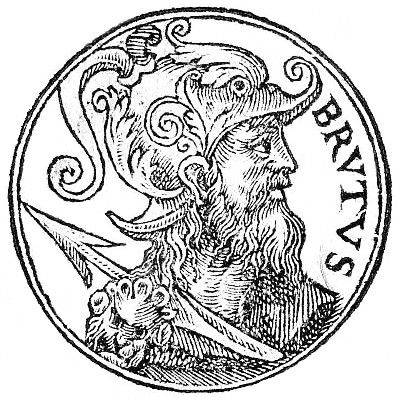
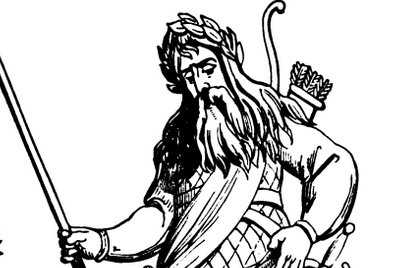
You might have read my previous post about Locrine and Humber from that play. Well, today I will continue this series by discussing the other character I play, the mythical founder of Britain, King Brutus.
Brutus of Troy
Now before you ask- NO, THIS IS NOT Marcus Brutus, the man who stabbed Julius Caesar. This Brutus actually lived before said conspirator, around the year 11000 BC. Writers like Geoffrey of Monmouth, writing after the Norman Conquest of England, recorded the story of Brutus as a way of getting the British people on board with a single king uniting all of the kingdoms of England.
According to Monmouth (who clearly had an influence on the writer of Locrine), Brutus was the grandson of Aeneas, the sole survivor of the infamous Trojan War. Like the ancient Greek legends of Perseus or Hercules, Brutus is exiled from Italy for accidentally killing his father, and must then create a new empire in Britain.
Brutus! there lies beyond the Gallic bounds An island which the western sea surrounds, By giants once possessed; now few remain To bar thy entrance, or obstruct thy reign. To reach that happy shore thy sails employ; There fate decrees to raise a second Troy, And found an empire in thy royal line, Which time shall ne’er destroy, nor bounds confines – Diana’s speech to Brutus
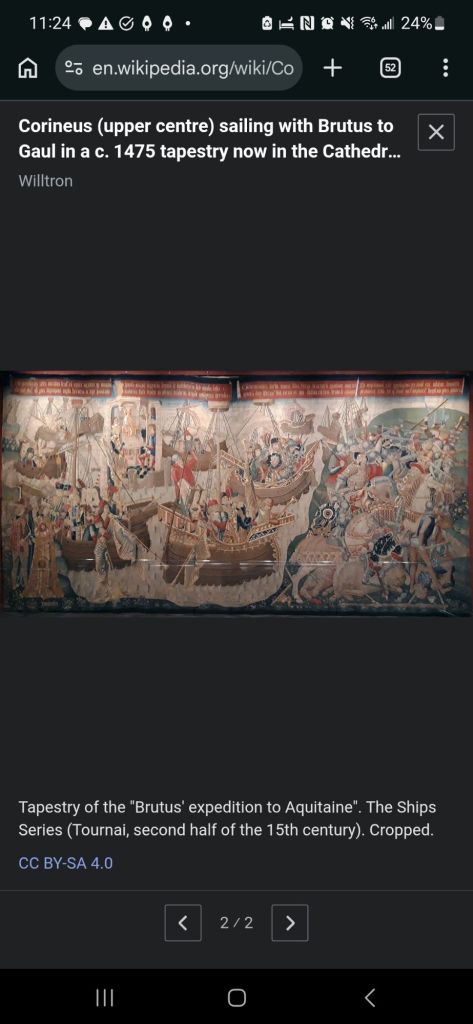
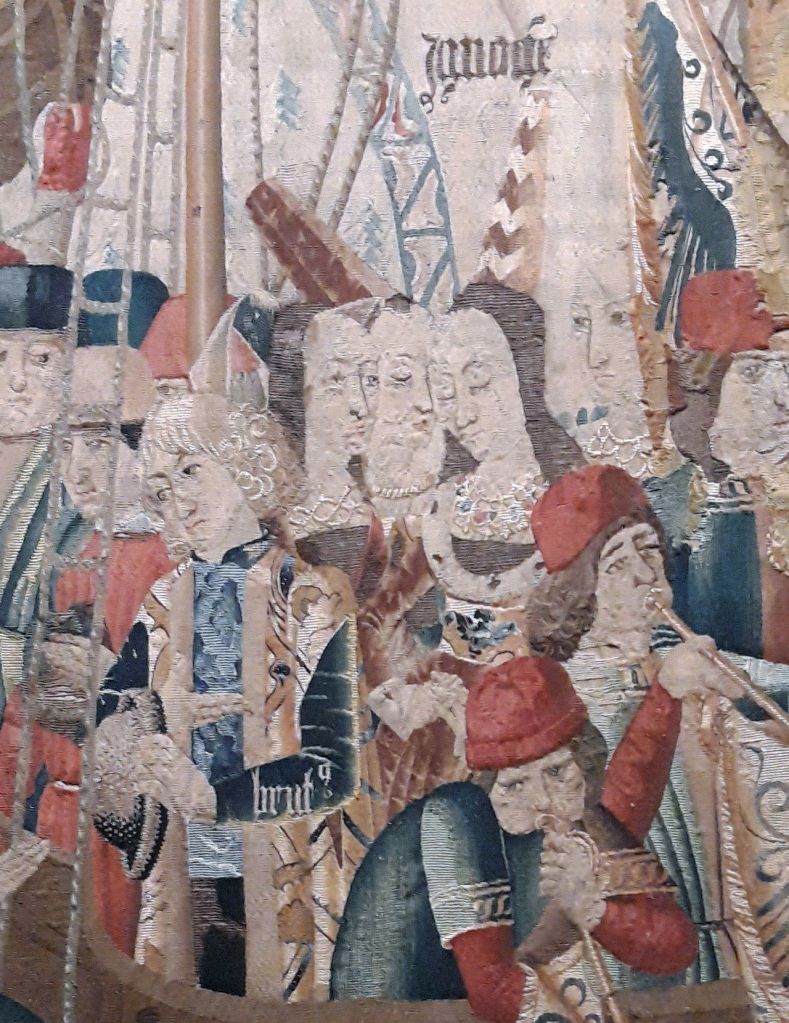
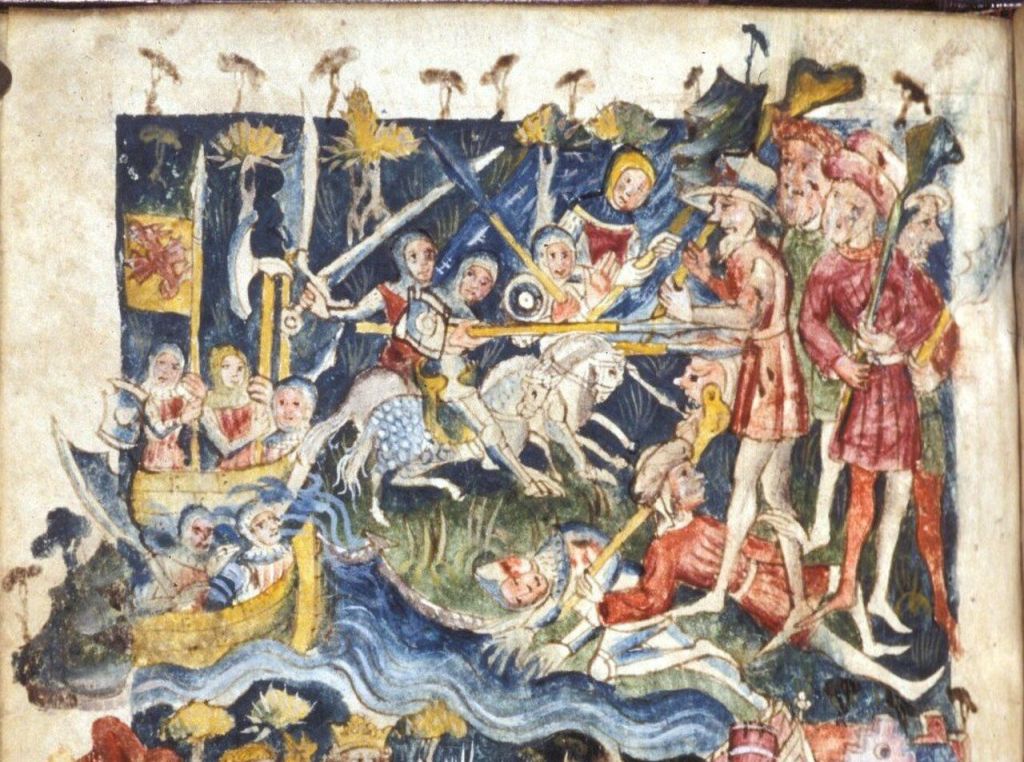
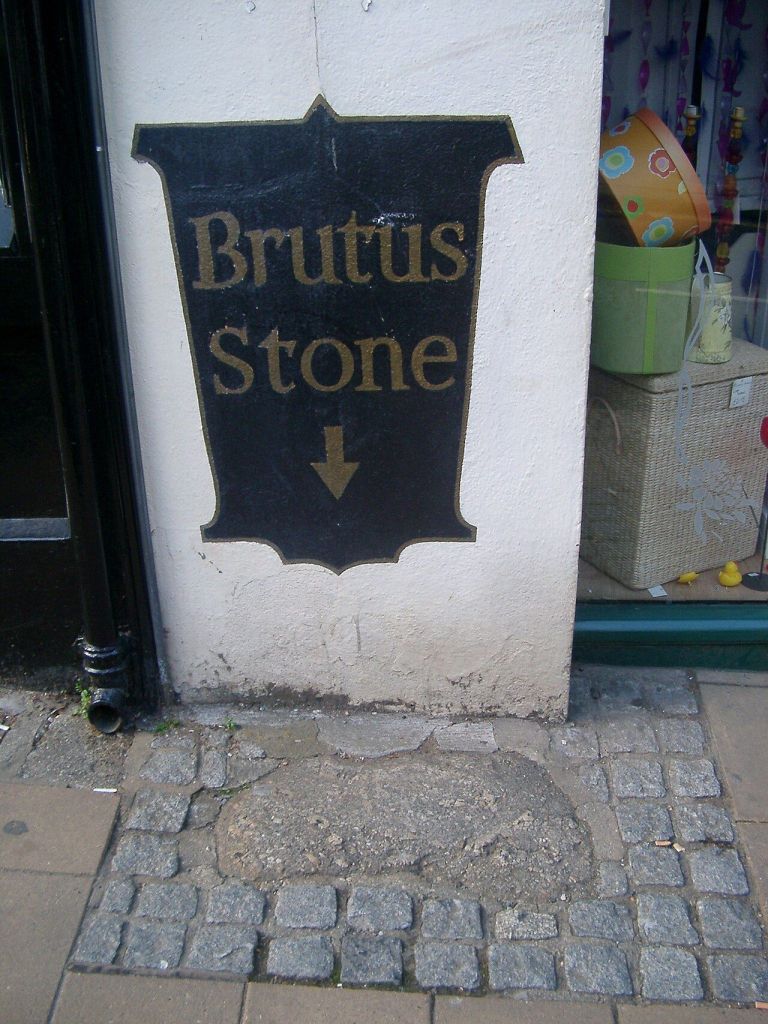
Detail of Brutus and his wife Imogen, sailing from Greece to England.Brutus battles the giants The so-called Brutus stone in Totnes
To secure his empire, Brutus must tame the savage giants that rule the untamed wilderness of Britain, in a mythical battle that is still celebrated to this day.
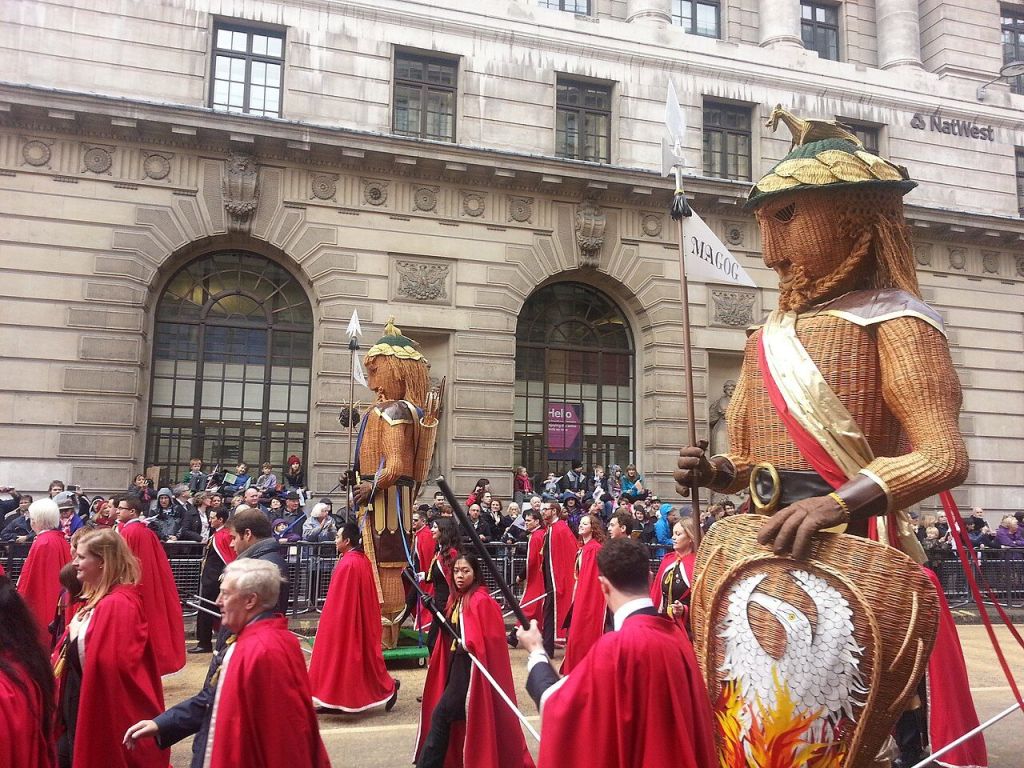
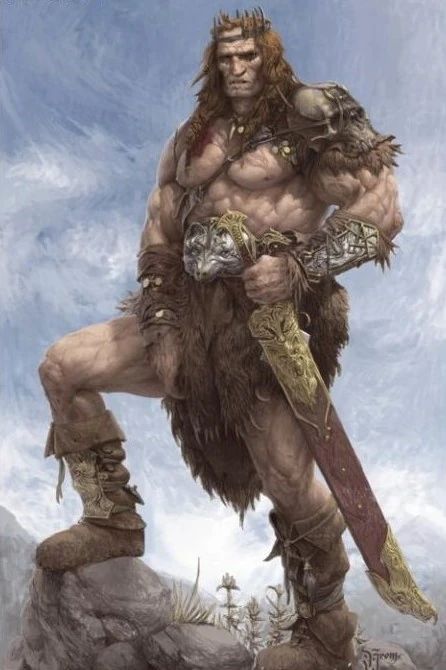
Illustration of Gogmagog Montage of the giant Gogmagog, whom Brutus’ general Corineus slew
At the beginning of the encounter, Corineus and the giant, standing, front to front, held each other strongly in their arms, and panted aloud for breath, but Goëmagot presently grasping Corineus with all his might, broke three of his ribs, two on his right side and one on his left. At which Corineus, highly enraged, roused up his whole strength, and snatching him upon his shoulders, ran with him, as fast as the weight would allow him, to the next shore, and there getting upon the top of a high rock, hurled down the savage monster into the sea; where falling on the sides of craggy rocks, he was torn to pieces, and coloured the waves with his blood- Monmouth
Function in the Play
Legacy of Troy- As I mentioned before, Brutus establishes the link between ancient Troy, and the founding of Britain.
The island was then called Albion,[9] and inhabited by none but a few giants. Notwithstanding this, the pleasant situation of the places, the plenty of rivers abounding with fish, and the engaging prospect of its woods, made Brutus and his company very desirous to fix their habitation in it. They therefore passed through all the provinces, forced the giants to fly into the caves of the mountains, and divided the country among them according to the directions of their commander. After this they began to till the ground and build houses, so that in a little time the country looked like a place that had been long inhabited. At last Brutus called the island after his own name Britain, and his companions Britons; for by these means he desired to perpetuate the memory of his name.
2. Corineus’ Brother In Arms
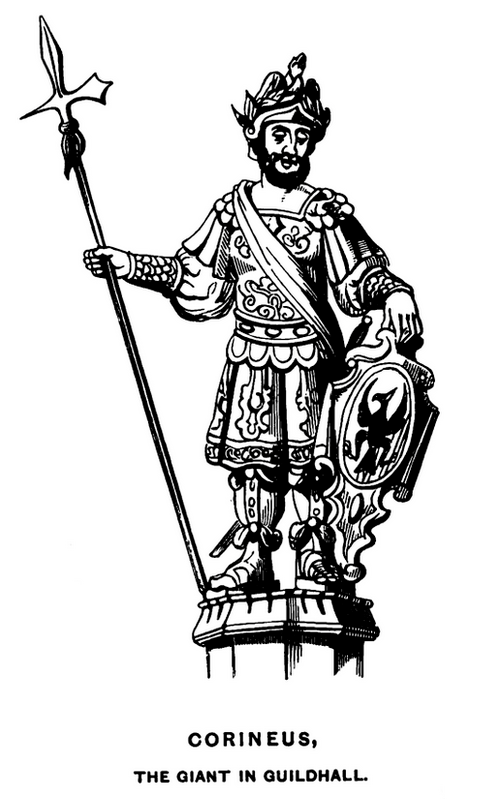
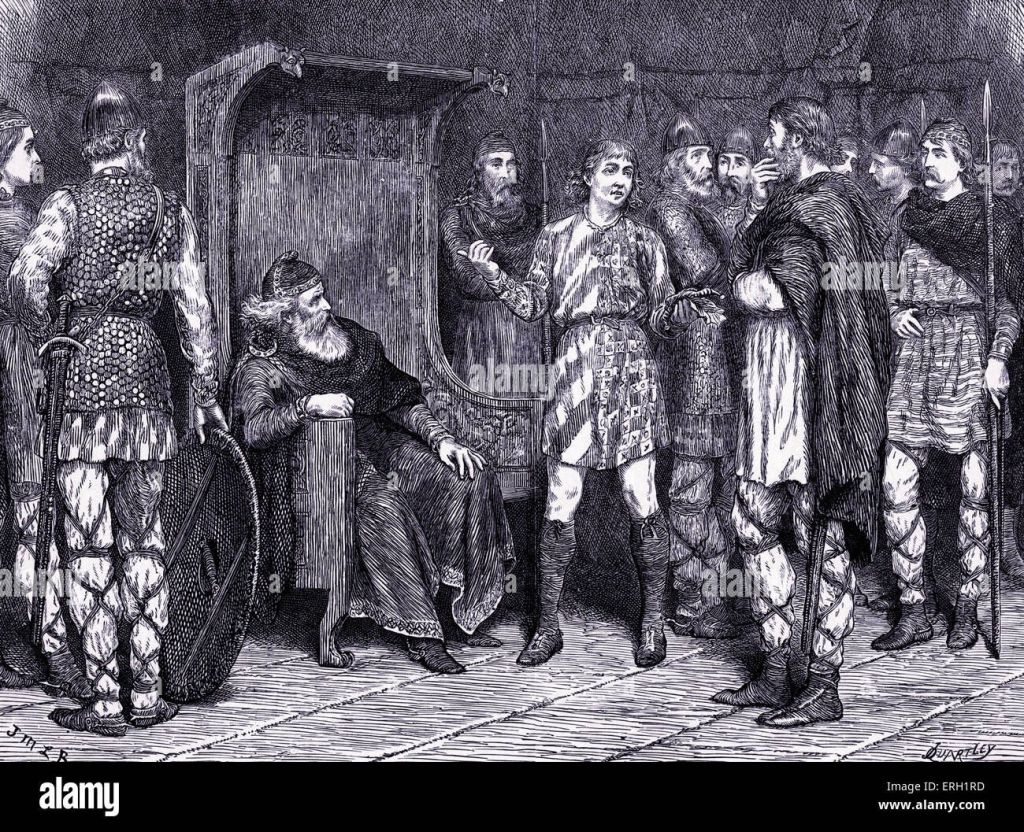
Like a lot of characters in Shakespeare’s history plays, Brutus has a loyal second in command, Corineus, the mythical founder of the kingdom of Cornwall. After Brutus dies, Corineus is a sort of Lord Protector, lending his council and military experience to Locrine and his brothers:
The name of their commander was Corineus, a modest man in matters of council, and of great courage and boldness, who, in an encounter with any person, even of gigantic stature, would immediately overthrow him, as if he were a child. When they understood from whom he was descended, they joined company with him and those under his government, who from the name of their leader were afterwards called the Cornish people, and indeed were more serviceable to Brutus than the rest in all his engagements. – Historia Regum Britanniae by Geoffrey of Monmouth, c1136
Patriarch– Brutus’ sons become the first kings of England, (Locrine), Scotland (Albanact), and Wales (Camber).
During these transactions, Brutus had by his wife Ignoge three famous sons, whose names were Locrin, Albanact, and Kamber. These, after their father’s death, which happened in the twenty-fourth year after his arrival, buried him in the city which he had built, and then having divided the kingdom of Britain among them, retired each to his government.
Illustration of King Locrine from the Genealogical Chronicle of the Kings of England to Edward IV (c. 1461)Camber- Brutus’ middle sonAlbanact, son of Brutus of TroyGwendoline, legendary Queen regent of Britain.
King Lear Right after Brutus’ story in Monmouth’s chronicle comes the ancient story of King Lear, the same story Shakespeare would later adapt into his own play. Like Lear, Brutus has to divide his kingdom, but unlike Lear, he does not try to test his children’s loyalty.
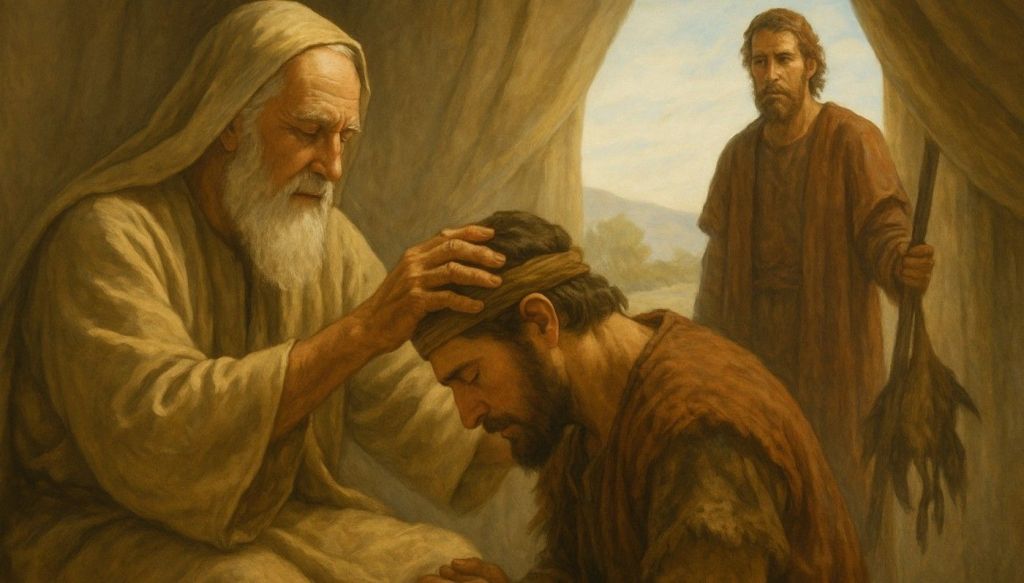
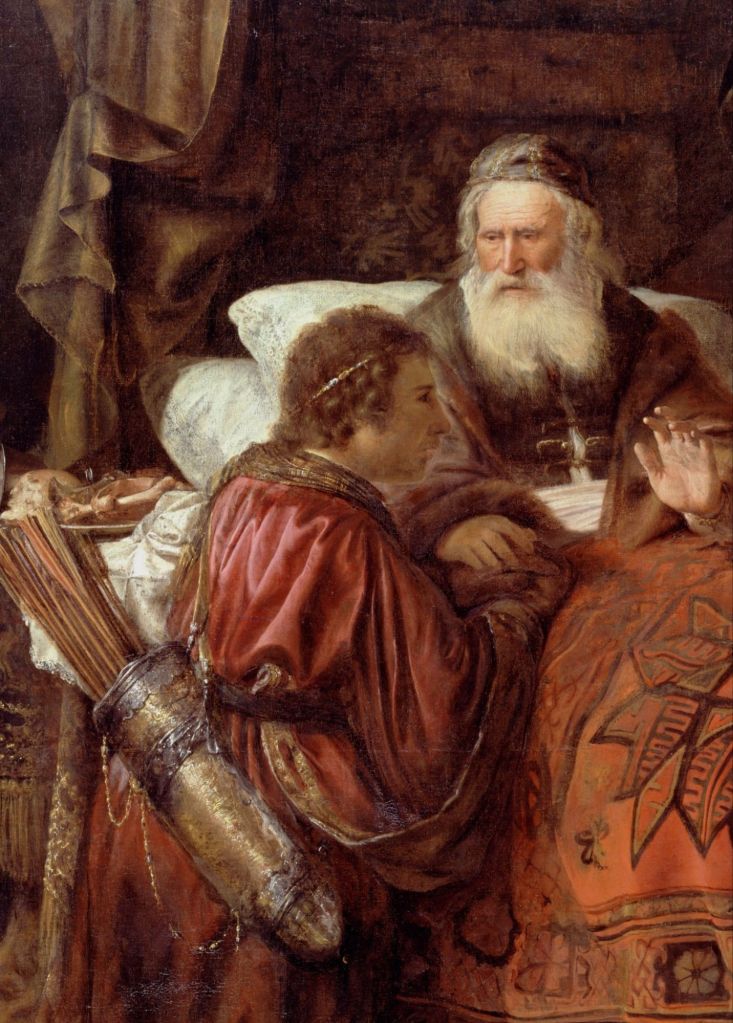
Isaac gives Jacob his blessing
Locrin, the eldest, possessed the middle part of the island, called afterwards from his name, Loegria. Kamber had that part which lies beyond the river Severn, now called Wales, but which was for a long time named Kambria; and hence that people still call themselved in their British tongue Kambri. Albanact, the younger brother, possessed the country he called Albania, now Scotland. After they had a long time reigned in peace together, Humber, king of the Huns, arrived in Albania, and having killed Albanact in battle, forced his people to fly to Locrin for protection.
Our Interpretation
Isaac blesses Jacob
Those who sought to deface our memory, wipe the name of Trojans from the earth Those did I captivate with this mine arm. And in this Isle at length I placed you. – Locrine, Act I.i
I see Brutus as an intimidating king like Hamlet’s Father (before he became a ghost). I also see him as similar to an Old Testament patriarch like Moses or Isaac- he was led by a god to the promised land, and gave it to his children, who must now protect and defend it.
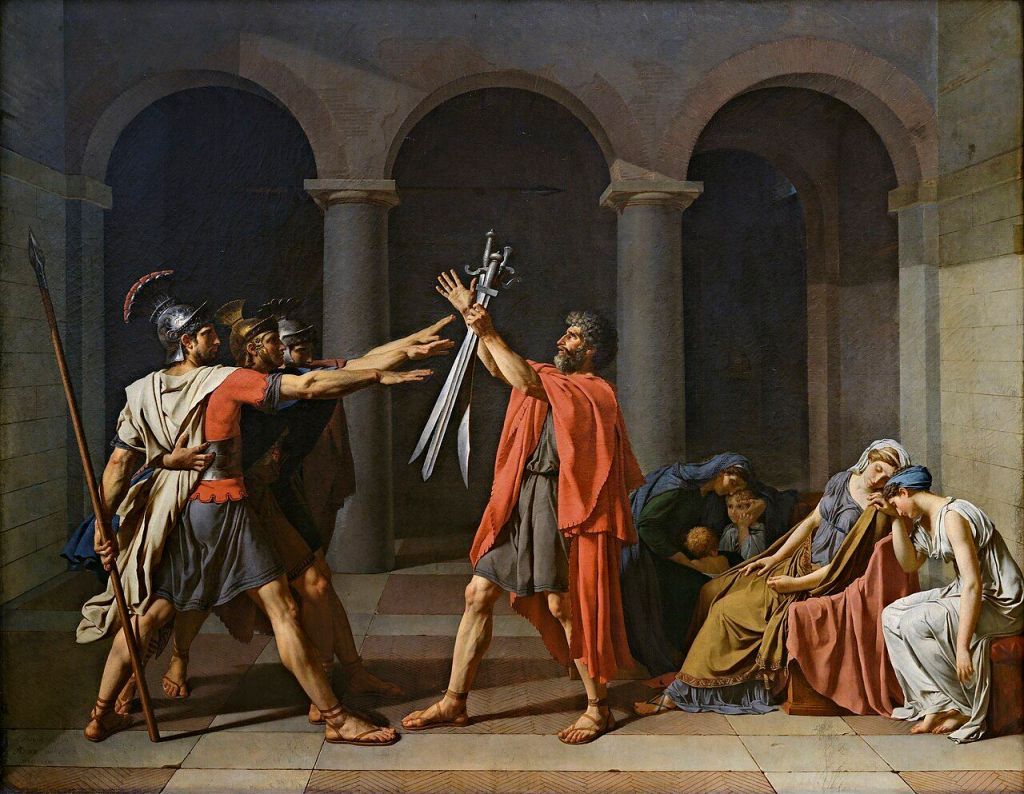
Oath of the Horatii by Jaques Louis David
Colonizer
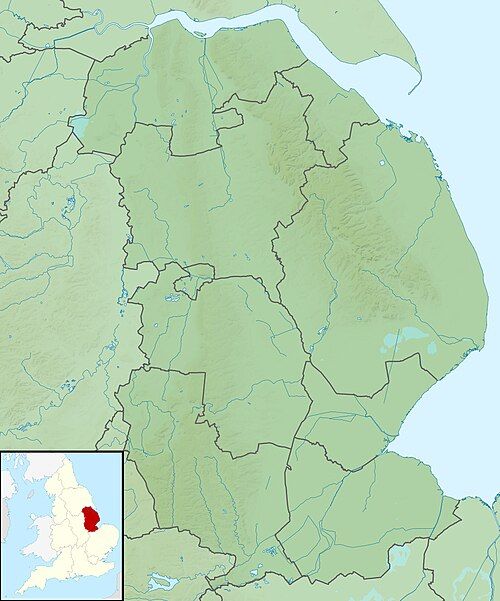
Map of Cornwall
On the other hand, one could also see Brutus as a colonizer- he takes land that wasn’t his and overthrows the natural order. This is a dimension that is not explored in the original story, but our version highlights it.
Playing Brutus
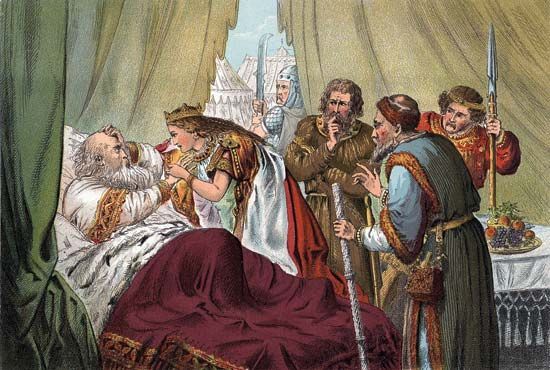
Look and physicality– For such a mythic figure, I tried to play Brutus with as much strength and gravity as possible, at least at first. While he is being introduced and fighting giants, I tried to make him a soldier and King in his prime. After a while though, we see Brutus on his death bed, and I play him as frail and shaky; struggling to keep his kingdom together, as he also struggles to stay alive.
As Brutus ages, I had him divest himself of his armor as he divests his kingdom- to CAMBER, he gives his shield. To Albanact, he gives his sword, and to Locrine, he gives his crown.
Verse
It’s interesting that most of Brutus’ lines are in Trochaic, rather than iambic verse, which could be a way to emulate older forms of verse, but I also suspect that it is designed to emphasize Brutus’ commands.
Then now, my son, thy part is on the stage, For thou must bear the person of a King. [Puts the Crown on his head.] Locrine, stand up, and wear the regal Crown, Cherish and love thy new betrothed wife. Locrine, Act I.i
Well, there you go, Hope you enjoyed this overview of the play Locrine. If you like this review, you might like to see the show itself. Click here to purchase tickets:
“There is a tendency for us to view Shakespeare as this unquestionable monolithic genius. But there is also in us all that iconoclast that wants to tear him off his pillar or plinth.”
–Dr. Katrina Marchant
There are few things that will drive a Shaespeaeran scholar more skull-shatteringly livid than when someone asks them if Shakespeare wrote the plays attributed to him. There are dozens of YouTube rants, bile-dripping academic papers, tinfoil-hat Tweets, and of course, centuries of anti-academic book bashing and counter-bashing research on the subject. So I won’t try to settle this debate, but I think the debate itself is worth looking at.
The authorship controversy is essentially a conspiracy theory- Was some unknown writer sending scripts to Shakespeare’s company and using the actor from Stratford as a patsy, or a pen name? Is there a massive cover-up to disguise the author of the most celebrated works in the English language? If so, why? How? and what else are they hiding?
The Malleus Malefecarum, “The Witch’s Hammer,” a 15th century book that posits that there is a vast conspiracy of witches living among us.
Now if there’s one thing I’ve learned over the past four years is that it’s extremely rare to change anyone’s mind about any kind of conspiracy theory, and there are hundreds! Ancient Aliens, Bill Gates, Covid vaccine microchips, Elvis isn’t dead, The Illuminati, Kennedy Assassination, Pizzagate, Q-Anon, Trump’s Russia connections, the list goes on. Several recent studies show that the majority of Americans have heard at least one conspiracy theory, and many of us believe these theories to varying degrees. Sadly, the internet, which was designed to share information, is extremely good at sending misinformation as well.
So as an en educator and a father, I want to focus on the Shakespeare conspiracy not just because it gets my dander up, but also because, compared to these other theories, it is actually one of the least harmful. Conspiracies like the Plandemic hoax are extremely dangerous because they dissuade people from getting a life-saving treatment, and allow this pandemic to continue. By contrast, ultimately it doesn’t really matter who wrote Shakespeare’s plays, so I think this kind of exercise is useful for educators to challenge students to think critically about this low-stakes theory, and then applying the same skill to others to become better-informed thinkers.
How to break down the Shakespeare conspiracy theory
First, let’s summarize the most compelling points of the theory that Shakespeare didn’t write his plays. This is a video by director Roland Emmerich, which he made to help promote his film “Anonymous.” Emmerich dramatizes the controversy by portraying the Earl of Oxford writing the plays of Shakespeare anonymously, and sending them to Shakespeare’s company, giving the man from Stratford credit for writing them.
There’s an old saying in science that “Extraordinary claims require extraordinary proof,” and, aside from the fact that the Earl of Oxford wrote poems, there is no evidence that Oxford ever even spoke to Shakespeare’s company. In fact, almost none of this video is supported by any historical evidence. Now it would be a lot of work to refute each argument of this video point by point right? And surely I have better things to do than do a point-by-point refutation, but…
A Point-by Point refutation of the Roland Emmerich video:
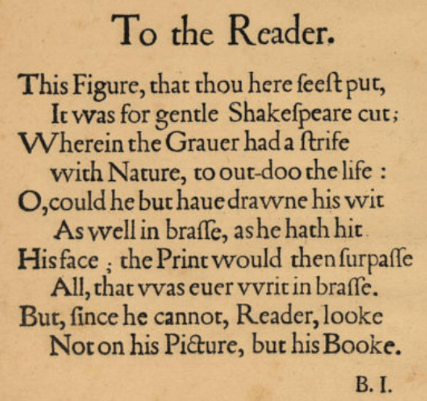
– Shakespeare did leave evidence of his handwriting, just not evidence of his dramatic writing. The fact that his correspondence didn’t survive doesn’t mean there wasn’t any. The kind of cheap parchment that writers of the period used dissolved very easily, especially when they used ink with high iron content. The examples we have of Shakespeare’s writing are mainly legal records and books that were designed to last. In short, there’s no conspiracy to hide Shakespeare’s manuscripts, they simply didn’t survive.
The dedication page of the 1623 First Folio.
– We don’t know for sure that his parents were illiterate, or that his daughters were. That is based on an urban legend, not actual proof. Also, plays were not written to be read, that’s why TV viewers are viewers and the grounding are called an audience.
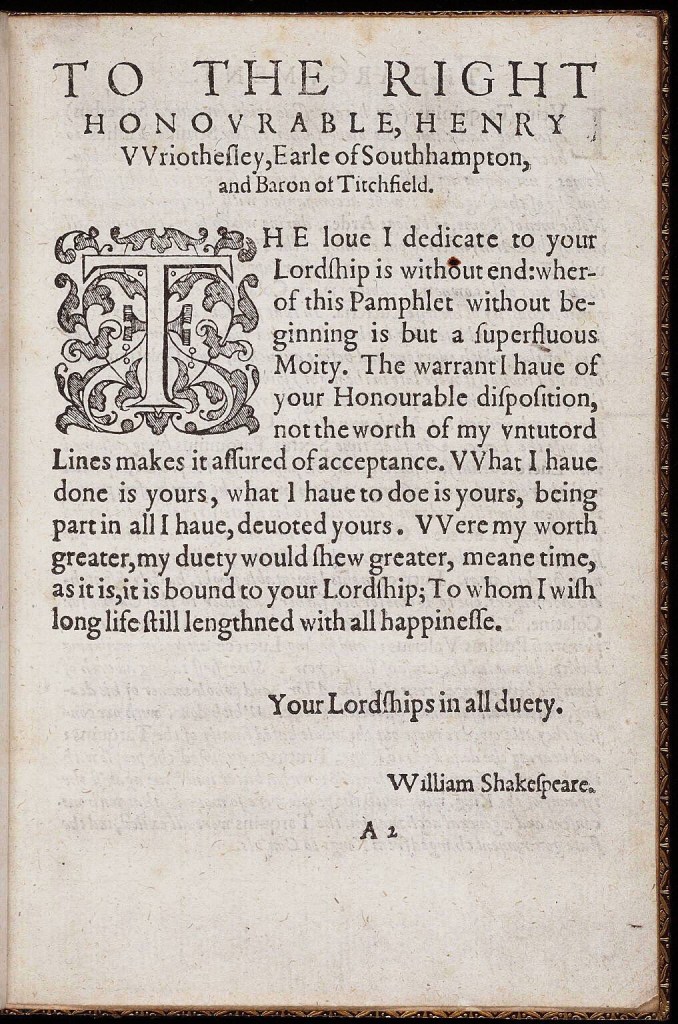
A. Shakespeare wrote about aristocratic people because they were paying his rent. His company was literally named “The Lord Chamberlain’s Men.” One reason why Shakespeare was more successful than Ben Johnson was that he was deferential and obsequious to the English aristocracy; he had to sing their praises to stay in business.
Dedication page of Venus and Adonis, which Shakespeare wrote to the Earl Of Southampton.
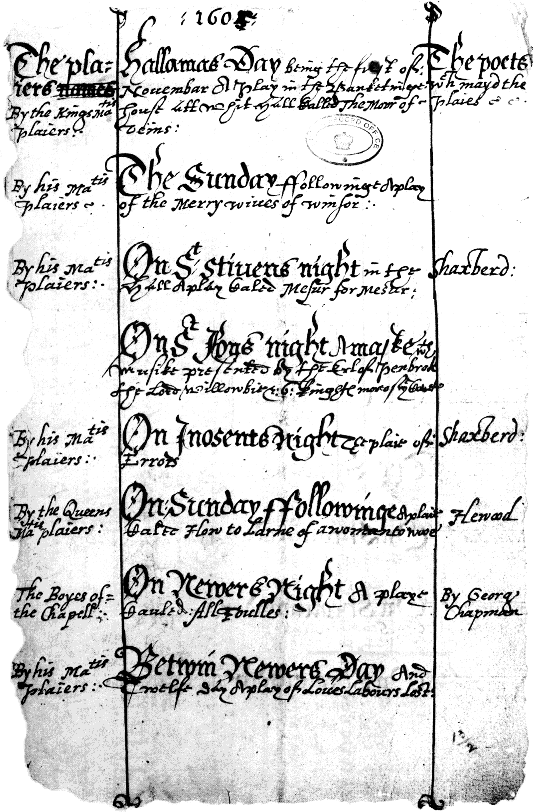
B. Every character that Emmerich mentions is not an aristocrat- Bottom is a lower-class weaver, Mistress Overdon is an inn-keeper. The only aristocrats Shakespeare ever insults are Polonius (who isn’t real), and Sir John Oldcastle in the early draft of King Henry IV, which he immediately changed to Sir John Falstaff once Oldcastle’s family members complained about it to Shakespeare’s company. Emmerich is flat-out lying when he says Shakespeare mocks the English upper class like an equal.
C. There’s a very simple explanation of how Shakespeare was able to write about the manners and lives of the English aristocratic class: he didn’t. All of Shakespeare’s comedies (except for Merry Wives which has the aforementioned Falstaff as a character), and tragedies take place in other countries like Italy, France, Sicily, or Greece. His History plays are set in England, but they dramatize events that happened 100-200 years before Shakespeare was born, meaning that he didn’t need to know too much about contemporary court politics. Furthermore, the majority of the plots he used were recycled from history books, poems, and prose romances.
It’s useful to think of Shakespeare not as a novelist like Dickens or Tolstoy and more like a TV or film screenwriter like George Lucas or Aaron Sorkin. He didn’t write based on real-life experiences or conjure new ideas out of thin air. He was a popular dramatist who adapted existing works of literature to be dramatized onstage. This is why I created my YouTube comedy series “If Shakespeare worked for Disney.” Emmerich, like many Anti-Stratfordians, is assuming that Shakespeare couldn’t have written plays about the nobility without being one himself, but that’s not what Elizabethan dramatists did- they adapted pre-existing work to fit on the public stage, which means anyone with a good education and knowledge of the theater could have written them, regardless of his or her upbringing.
If you are wondering how I could possibly know Shakespeare’s writing process,, the answer is simple: All of Shakespeare’s sources have survived, which means that I can prove that his plays are adaptations. This is a common problem with most conspiracy theories- they never take the straightforward way to explain something. Instead, they take a theory and twist facts to suit that theory. In this case, they twisted the facts about the Earl of Oxford’s life to make him look like Hamlet and based on that, they made him look like the true author of Shakespeare.
D. Honestly the handwriting is the weakest point- yes Shakespeare spelled his name differently in documents but this was before standard English spelling. The first English dictionary was at least 100 years after Shakespeare’s death. This point is clearly designed to discredit Shakespeare and make him seem uneducated. But again, this point is irrelevant when you consider that Shakespeare wrote for theater, where standard spelling is completely unnecessary.
By the way, Ben Johnson spelled his name differently in his manuscripts.
The Debate- Feelings vs. Facts. Modern vs. early modern
When I was in high school, taking my first class on Shakespeare, I watched this documentary which almost convinced me that Oxford was the true author of Shakespeare. The researcher they interviewed seemed so passionate and I wanted to believe what he said was true. But that was before I started reading about Shakespeare’s life for myself, and looked at the evidence myself.
The common traits of Conspiracy Theories from the Conspiracy Theory Handbook
If you look at many different conspiracy theories, they often exist in a form outside of normal reality, to the point where the believers have no interest in any kind of contrary evidence, logic, or any person who even questions it. Essentially the conspiracy becomes their identity, and they will virulently defend this conspiracy from anyone and anything that opposes it. Below is an explanation of the basic parts of a Conspiracy theory, with some points on how they all apply to the Shakespeare Authorship Controversy
Contradictory Beliefs:
Believers in conspiracies are motivated by feelings, not facts, and they don’t care how inconsistent those theories are. For example, the same people who believe Joe Biden lost the presidential election, also believe that the president (Joe Biden) is also being played by an actor. This might explain why many people believe that people like Christopher Marlowe wrote the works of Shakespeare, despite the fact that he died 9 years before Shakespeare started writing.
Overriding suspicion:
Again, since the believer is motivated by feelings, they are naturally suspicious of any contrary evidence and just assume anyone who contradicts them is in on the conspiracy. This is called self-sealing the conspiracy.
Nefarious intent:
One question that inevitably comes up with the Shakespeare Authorship debate is: “Who cares?” Usually, this means “Does it really matter who wrote the plays?” However, I want to use this question in this context: “Why go through the trouble to conceal who wrote these plays?” As I mentioned earlier, though Shakespeare is very famous and culturally important now, he certainly wasn’t back in his lifetime. Playwriting was not a venerated profession, and socioeconomically, Shakespeare was little better than a tailor. Why would it be worth it to conceal who wrote a few, fairly popular plays in 1616?
It would take an enormous amount of effort to conceal who wrote these plays for 400 years- you’d have to pay off publishers, fake court records (like the one I showed you above), keep an entire court quiet, and make sure nobody ever wrote down the truth for 400 years. Why would it be worth it? This kind of logic is why the Moon Landing and the Flat Earth conspiracies don’t hold up to rational thought- there’s simply no reason to go through the effort of concealing the alleged truth. The truth itself is just easier to defend.
Something Must be wrong:
As the name implies, Anti-Stratfordians don’t so much believe in Bacon, Pembroke, Oxford, etc, so much as they actively choose not to believe in William Shakespeare of Stratford. This means they will use every bit of their energy trying to prove that theory, and won’t stop until they find something, no matter how nonsensical, to prove their Shakespeare is the real Shakespeare.
Persecuted victim:
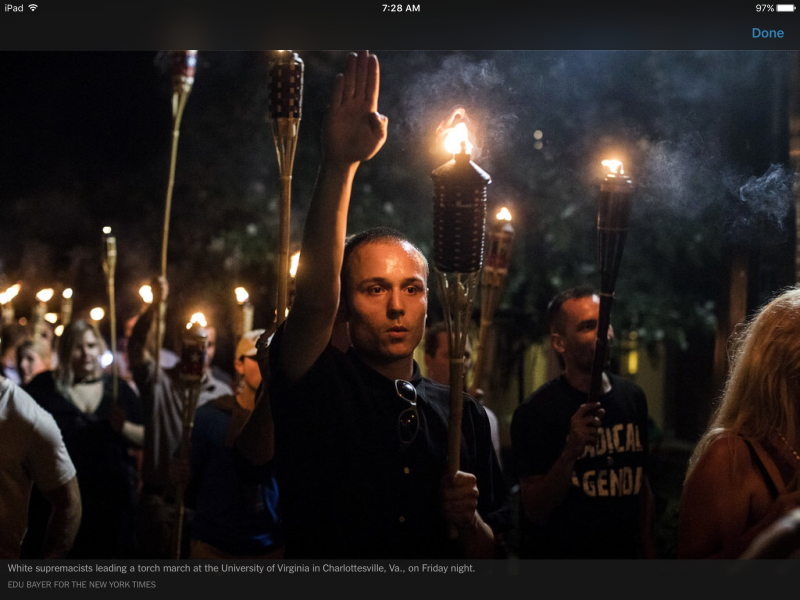
Let me be blunt- a conspiracy is very simmilar to a delusion, and any attempt to shatter that delusion is a form of persecution for the conspiracist. The most infamous example of how conspiracy theorists can feel persecuted and empowered at the same time is the way it permeated Nazi Germany and neo-Nazi units. Hitler came to power by spreading the theory that the Jews were secretly controlling the world and Germany was persecuted, while at the same time, Germany was destined to control the world in the eyes of the Nazis. I mention this not because I think Anti-Stratfordians are Nazis (how could I watch I Claudius otherwise?), but that conspiracy theories are potentially very dangerous because they foster a self-serving victim mentality where people are constantly looking for someone to blame for their problems and they will sometimes become violent against anyone who challenges them.
Immune to Evidence
One of the most important concepts in law is the notion that someone is ixznnocent until proven guilty. Along those lines, the prima facie, the accepted truth is accepted as truth, until new evidence contradicts it. If you look at the Supreme Court mock trial for the Authorship question back in 1987, that was the conclusion they came to in the end. Though little historical evidence for Shakespeare has survived, there is NO PHYSICAL evidence that contradicts it, so in the interest of prima facie evidence, they ruled for Shakespeare.
Now real conspiracy believers never believe in the merits of contrary evidence. They will just assume it is manufactured or faulty; part of the attempts of those nefarious truth concealers to pull the wool over their eyes.
Re-Interpreting Randomness
I’ve seen many people claim that the evidence for conspiracies is not found in documents or in scientific explanation, it’s in some kind of code or cipher or series of clues that only the believers understand. As you’ll see below, some of the most famous Anti-Stratfordians claimed to find hidden codes and ciphers in Shakespeare’s plays that prove that he was concealing his true identity. They will also cite coincidental details like the fact that the crest of Edward DeVere was an eagle shaking a spear, and claim this proves his identity as the true author of the plays. When you see a theory like like this, remember, correlation is not causation. Just because a few bad things happened when a few people said “Macbeth,” does not mean Macbeth is cursed. Some things actually are coincidences and not everything has a dramatic or sinister cause. This brings me to my next point:
The real enemy of conspiracies: Disappointing facts (Spoilers ahead for the movie “Coco”)
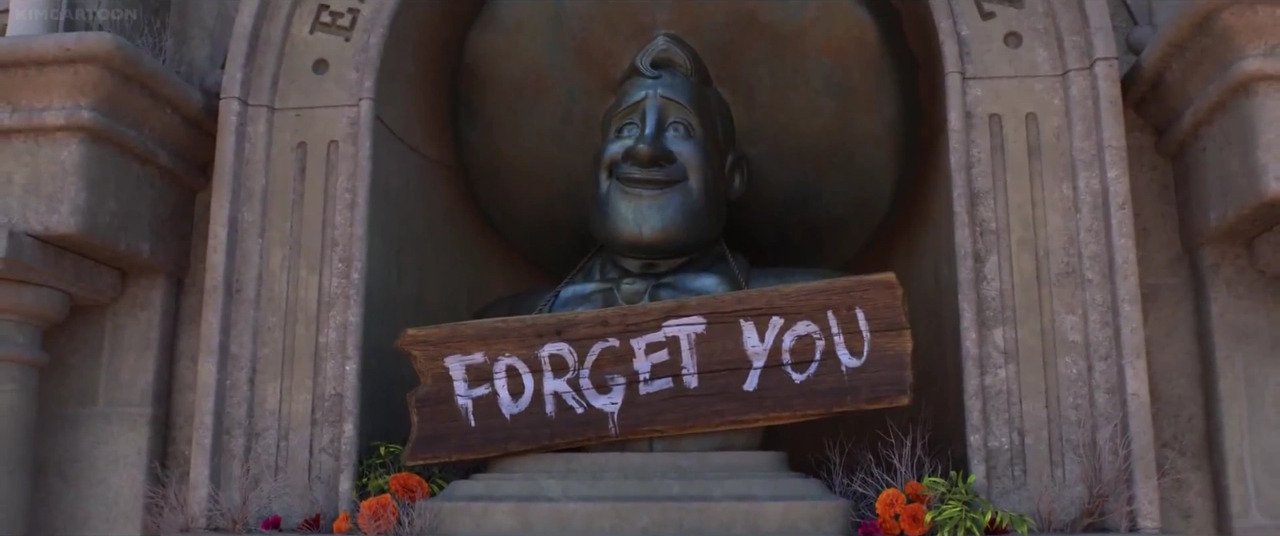
Let’s do a little thought experiment: Let’s imagine that you were Miguel from Disney’s Coco, and you discovered that your hero Ernesto Dela Cruz murdered your grandfather Hector, but (unlike in the movie), he actually DID write the songs he said he did. How would you feel about Hector? Would you hope and pray that Ernesto lied and your virtuous grandfather was the real author? Might you even concoct a conspiracy theory to rewrite Ernesto’s history and get Hector celebrated as the real author of “Remember Me?”
I’m not suggesting that Shakespeare is guilty of murder, or any other crime (apart from usury, hoarding grain, and a few minor tax violations). What I’m trying to do is to draw parallels between two men who are icons that are beloved by their hometowns, who created work that resonates with a lot of people.
We all have a tendency to take people we admire and put them on pedestals, (like the quote at the beginning mentions), and many people try to identify with their heroes. This is really easy with Shakespeare because most of the personal details of his life have vanished, so we can imbue him with our own sensibilities. Case in point- when Mya Angelou read Shakespeare’s sonnets as a little girl, she initially thought that he was a black girl. Likewise, Eugene O’Neill and other Irish and Irish American writers have thought he might be been Irish.
Some of the most outrageous anti-Stratfordians clearly have an axe to grind because they have a family connection (real or imagined) to the man they believe to be Shakespeare. In the 19th century, Delia Bacon wanted to prove that the real author of Shakespeare’s plays was the 17th-century poet, philosopher, and essayist, SIR FRANCIS BACON. Ms. Bacon hated Shakespeare because she thought he was an illiterate sheep-poaching commoner. She, therefore, used her theory to hoist Shakespeare off his literary pedestal, and therefore elevate herself because she believed she was descended from Sir Francis (though in reality, she wasn’t).
Rather than using any kind of historical evidence to prove her theory, Ms. Bacon claimed there was an elaborate code hidden in the iambic pentameter. Subsequent literary pseudo-scholars have attempted to hack the code and prove that they can prove that Sir Francis was the real author of the plays. In the late 1800s, American politician and author Ignatius Donnelly appropriated Ms. Bacon’s theory and claimed he had found the code, which rested on the pagination of the First Folio.
Donnelly had a knack for spreading conspiracy theories; as the title page of his book shows, he also authored a book where he claimed he correctly identified the location of the lost city of Atlantis. He also hated Shakespeare because Donnelly believed he was nothing more than a businessman, exploiting the talent of others, so like Bacon, he cooked up these ‘facts’ to suit his theory in order to take Shakespeare down.
Like many conspiracy theories, Anti-Stratfordians don’t have any factual basis for the ideas they hold, they are responding to an emotional need or desire. Donnelly and Bacon wanted fame, recognition, and revenge against a man they hated. J. Thomas Looney, who proposed that the Earl of Oxford wrote Shakespeare, wanted a ‘fairy prince’ that is, a semi-mythical Bard who would lead England into a golden age. All these people were dissatisfied with the man from Stratford, so they created a Shakespeare of their own, and tried to justify his existence.
Title page of the 1623 Folio, the first complete edition of Shakespeare’s plays.
To briefly sum up why the Bacon/ Donnelly theory is false, it hinges on the page numbers of the Folio, but Shakespeare didn’t print the first Folio. If you look at the title page, it was assembled by two actors from Shakespeare’s company- Henry Condell and John Hemmings, and it was printed by Isaac Jaggard, the same man who printed Shakespeare’s Sonnets in 1609. Writers had no say in how their work was printed and in fact Jaggard actually printed the sonnets without Shakespeare’s permission! The notion that Jaggard had any interest in properly printing a secret code in the pages of his posthumous book seems to me, incredibly unlikely at best.
I’ve adapted a lesson plan about conspiracy theories to include a discussion of the Shakespeare authorship question. I’ll also include a worksheet that you can use in your classroom to distribute among your students if you choose to use it as well. I think it’s a good way to foster critical thinking, scientific reasoning, and historical curiosity, and if it prevents more people from joining Q-Anon, so much the better!
This lesson plan makes use of the Conspiracy Theory Handbook, and it has great, easy to read activities about how to spot a conspiracy theory, how to talk to a conspiracy theorist, and how to avoid being taken in by a conspiracy.