Shakespearean Tropes In Meow Wolf’s “Omega Mart” (Spoiler alert)

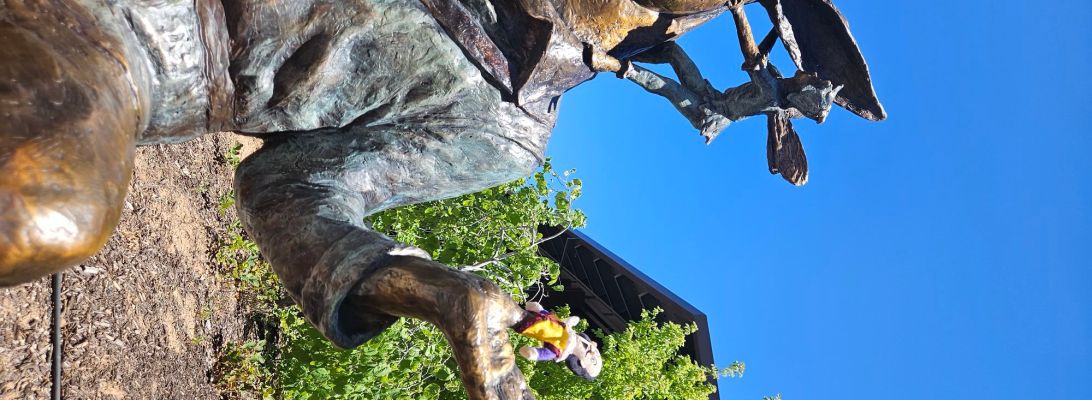
Giant Skull art as part of Area 15. Hamlet would be dazzled.

I just got back from Las Vegas where I had a simulating, terrifying, and extremely engaging trip to the Meow Wolf Area 15! If you haven’t heard of them, Meow Wolf is an arts and entertainment group which specializes in creating multimedia experiences, and their most popular and mysterious installation is their apocalyptic grocery store, Omega Mart.

Even if you’ve never been to Omega Mart, you might have seen their website, their ’employee training videos’, or the music videos that have been floating around the Internet. My journey began when I saw this video by the YouTube channel Food Theory. After seeing this video, I, like Matt Pat was compelled to go there myself and discover what Omega Mart was like.

My handwritten notes about the mysteries of Omega Mart that I wanted to explore once I got there.

“We take a lot from open world games [where] you can play the story lines or you can just mess around.  We like giving people that optionality (sic). If you’re a 5 year old kid and you aren’t into reading a bunch of material, you just want to run around and treat it like a playground, and that’s totally fine.”

Vince Cadleback, CEO of Meow Wolf
Video artwork that was projected on the wall of the Forked Earth room

A Note about the experience

Meow Wolf’s CEO has stated that the experience of Omega Mart is ultimately up to you. Similar to Sleep No More, this art installation (and it is an art installation) is much like an experiential theater experience in that there is no proscenium, and you do not sit down; it is not a passive watching experience but an active mystery. In Sleep No More, you followed various actors and watched them act out scenes in front of you. In Omega Mart, the story is more epistulary, meaning that there are no live performances, but you can unlock the story at your own pace through reading journal entries, corporate memos and websites, mini-games, and of course, actors performing in corporate videos, commercials, and even security footage. Like a modern video game, you can just walk around the open world and enjoy it, or you can unlock all the lore and piece together the mystery of Omega Mart yourself. This is story a story that is rife with greed, personal tragedy, family drama and maybe even murder. So of course my Shakespeare brain activated, and I wanted to see if I could find some Shakespearian tropes in the story of Omega Mart. I should mention that this kind of experience is often best when you let it become a surprise, so if you truly want to experience Omega Mart without spoilers, stop reading….

STOP RIGHT
NOWSTOP RIGHT
NOWSTOP RIGHT
NOWSTOP RIGHT
NOWSTOP RIGHT
NOWSTOP RIGHT
NOWSTOP RIGHT
NOW RIGHT RiGHT St0p R$GHT N00000W!

 OK well if you’ve continued reading grab your tattoo chicken, apply your whale song deodorant and let’s get going!

The Characters

The drama of Omega Mart focuses on a single family, the Dram family: Walter, Charlie, Cecilia and Marin Dram. As you go through the various exibits in the Meow Wolf installation (not just the OmegaMart store), you begin to piece together what happened to them, how this family broke apart, and what Shakespearian tropes can we see within this story.
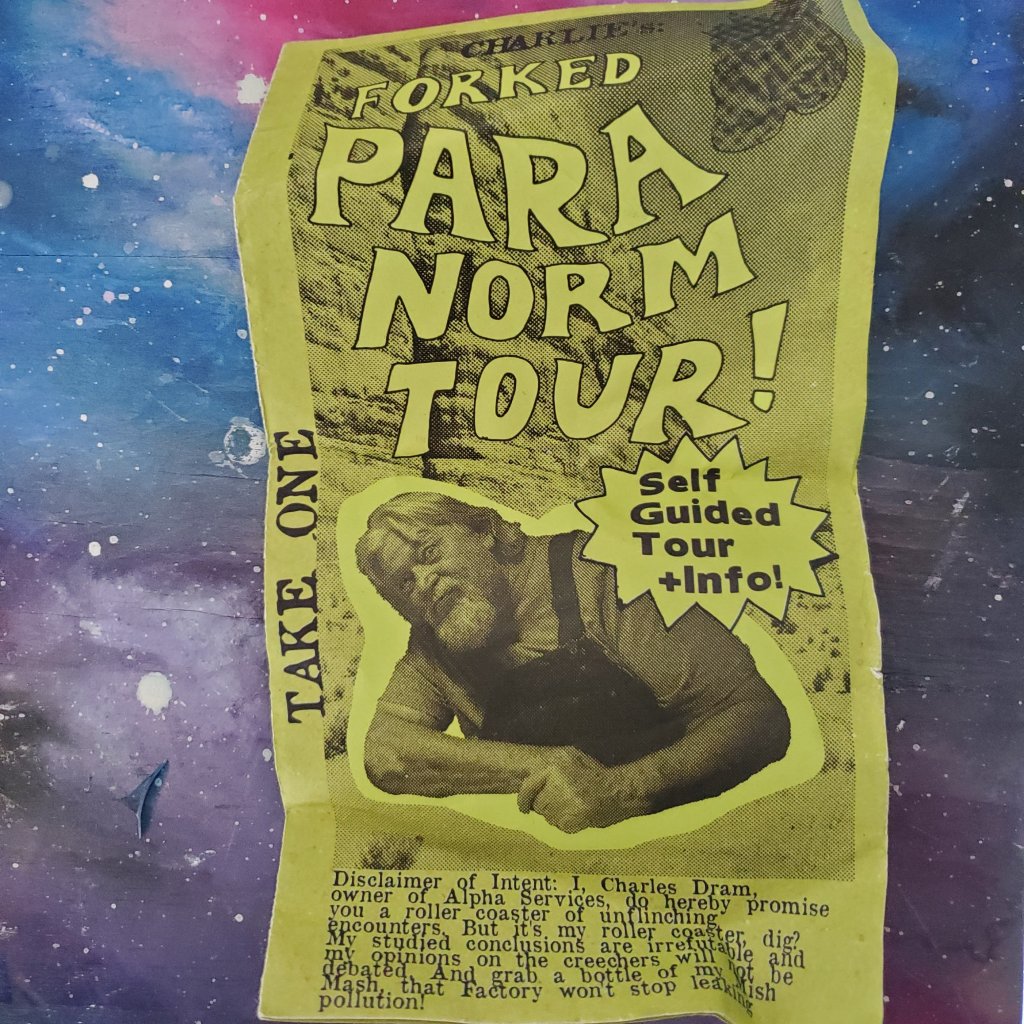
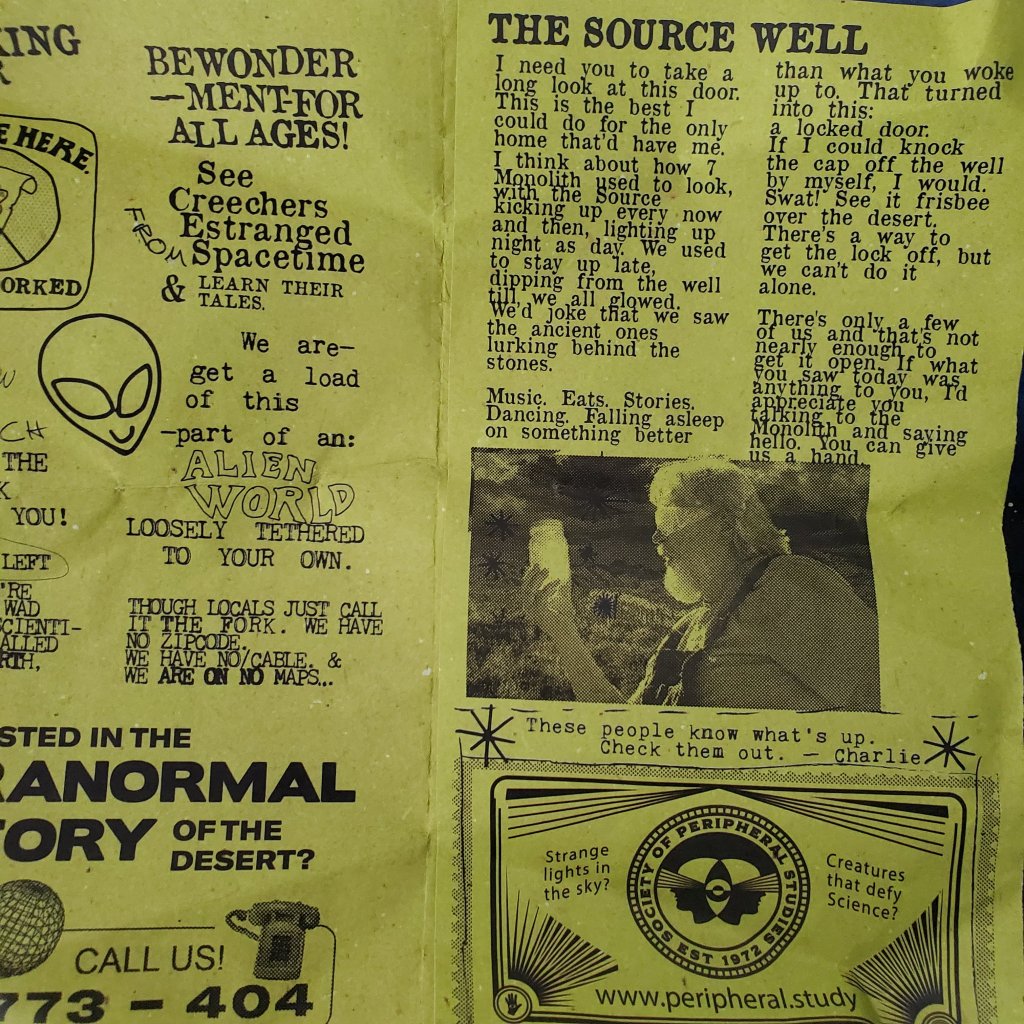
  1. Charlie Dram: Sir John Falstaff The whole story begins with Charlie Dram; an old garage attendant who lives in the fictional town of Seven Monolith Villiage in Nevada. As you can see in the brochure I photographed above, Charlie runs a small tourist attraction where he guides tours allowing people to see The Forked Earth- a dimensional rift between our world and an alien planet, that is also the fount of a powerful and dangerous place called The Source Well. At some point, Charlie goes into business with his family, who eventually cut him out of their lives.

Henry VI know thee not, old man. Fall to thy prayers.
How ill white hairs become a fool and jester!
For God doth know, so shall the world perceive,
That I have turn’d away my former self;
So will I those that kept me company.

  • King Henry IV, Part II, Act V, Scene 5.

Walter Dram, CEO of Dramcorp
2. Walter Dram: King Lear. This being America of course it was inevitable that somebody would try to capitalize on the Source Well, specifically Walter dram Charlie's brother Walter. Mr. Dram, the CEO of Dramcorp found a way to harness the source and use it. It's not explicitly stated but it's highly implied that he took the Source to a place called Plenty Valley and started using it to revitalize crops out in the Las Vegas desert.
After harnessing The Source, Walter found that he was able to create produce that had unusual properties and from there he opened his grocery store, Omega Mart. If you go to the store, the products seem just a little off- they all have peculiar names, seem to have peculiar properties and in some extreme cases they seem to have inhuman properties like like lemons that are alive!

Charlie calls these creatures  "mascots;" creatures that have that seem to be living cereal boxes. The source seems to have unpredictable and uncontrollable effects on natural products but because every Omegamart produce is doused with Additive S (which is Walter's addictive additive made from The Source), customers don't seem to care if they become addicted to any products that are laced with The Source.

Walter finds himself extremely rich and successful and opens up his corporation Dram Corp in 1977. Decades later in 2020, Walter promises to make his daughter Cecilia Dram his sucessor when he retires, but at some point, he must have reneged on that promise, proclaiming Kaz Matzumora the future CEO. What happened to accelerate the fallout between Walter and Cecilia, we're not sure, but it's quite possible that it has something to do with Cecilia's daughter Marin.

Better that thou hast not been born, then not to have pleased me better.

King Lear

So we have a rich and successful man, who, now that he’s getting old, desires to pass his empire on to younger people, including his daughter. At the same time, he refuses to let go of power, and is willing to throw family under the bus to get his way, as he did with Charlie, and would have done with Marin, (more on that later). Let’s just say, it is very easy to spot the parallels between Walter Dram, and King Lear. Look at this video below where Walter seems to repent for his greed and abandoning his family, though it takes place in an ethereal prison.

  • LearPray, do not mock me.
    I am a very foolish fond old man,
    Fourscore and upward, not an hour more nor less;
    And, to deal plainly,
    I fear I am not in my perfect mind.
    Methinks I should know you, and know this man;
    Yet I am doubtful; for I am mainly ignorant
    What place this is; and all the skill I have
    Remembers not these garments; nor I know not
    Where I did lodge last night. Do not laugh at me;
    For (as I am a man) I think this lady
    To be my child Cordelia.
King Lear Act IV, Scene vii.

When I watched the Film Theory about Omega Mart, I thought Walter was like King Duncan in Macbeth, and his daughter Cecelia was Lady Macbeth, killing Walter to gain his power. The truth though, is much more complicated, and it centers around Walter’s granddaughter, Marin.

2. Marin Dram: Cordelia from King Lear, Miranda from The Tempest

if you look at the videos in Charlie’s office you can see Cecilia Dram (Walter’s daughter), drinking the Source. Within a minute she starts having cramps, and convulsions; she has been literally impregnated by the Source! Her daughter Marin was conceived by Cecilia Dram and the Source. But, there’s a catch; Marin, because she was created from the Source, cannot be too far from the Source Well. So, rather than living with her her mother and grandfather at Dramcorp, she’s forced to live in a yurt in Seven Monolith Village, very close to the Source Well.

Tarot cards found in Marin’s desk.

Marin’s diary expresses a deep sense of loneliness and a desire to explore the world, not unlike Prospero’s daughter Miranda in The Tempest. She also expresses romantic feelings for Rose, a girl who lives in Seven Monolith, (who according to Charlie, is the granddaughter of a woman who successfully translated the language of the aliens who created the Source Well). The wonderful music video “Marin’s dream” playing below, shows cogent references to Marin having bisexual feelings for Rose and fear towards her mother. This is partly because, since Marin is connected to the Source and her family has been exploiting The Source for profit, she is fearful that her mother will exploit her for her Source-given powers .

We are such suff as dreams are made on, and our little life is rounded with a sleep

Prospero- The Tempest

It is further revealed that Marin is capable of creating living creatures with her own mind because of her connection to the Source. Below is a drawing by Marin of a hamster which then came to life in 7 Monolith! These powers make Marin highly desirable to both Celia and Walter. As Charlie mentions in the brochure, there are living product creatures called mascots and it seems likely that Marin is literally creating these creatures in her sleep!

At the end of the music video you can see Marin going through a portal in the wall. In Seven Monolith you can access numerous posters, emails, and phone calls that discuss and speculate about Marin’s disappearance. Some say she ran away from home, some say she was violently sucked into the portal, but the music video makes it very clear that Marin Dram chose to leave Seven Monolith Villiage, and to leave our universe as we know it. Why? It probably has to do with her mother, Cecilia Dram.

Cecilia’s letter to Charlie, May 2017

Cecelia Dram: Goneril and prosperO

Like I said before, I was expecting Cecelia to be the villain in the story- a power-hungry “thankless child,” (as King Lear puts it), who murdered her own father to take control of his empire. Now it’s possible that she did want to take the company at some point, but what also seems clear is that Cecelia is also seeking redemption for herself, and a reunion for her family.

Cecelia and Walter’s Disappearance

In a highly classified video that you can only access in the Dram Corp offices, Walter and Cecilia confront each other about Marin, and Walter seems to be intent on exploiting her gifts for profit. At this point, the video cuts out, but the audio tells us that Walter has fallen into the Source Well. It’s unclear whether he fell or if Cecilia or Marin pushed him, but what we do know is that Walter in every subsequent and email and communication with the board is referred to as “traveling.” When I first saw this, I thought that it meant that Cecilia had murdered Walter simply to gain control of the company, but it seems to be wilder than that; it seems that Cecilia might have thrown Walter into the source well to protect her daughter, but now wishes to get him back.

Once Walter falls into the Source Well, he actually absorbed so much Source that he no longer has a physical form; he seems to have ascended to a higher plane of existence and as you can see in this whiteboard, there’s a rumor that he is actually hiding somewhere in the Omega Mart facility. I won’t give away where he actually is though; you’ll have to discover it yourself.

Cecilia’s motives are the most interesting and ambiguous in the course of the Omegamart storyline. Her demeanor changes drastically after the disappearance of her father and daughter; it seems that she is trying to harness the power of the source not for profit but for but to cause her employees to “Ascend to a higher plan of existence.” Other members of the board in teleconferences seem frustrated with her, accusing her of no longer taking an interest in selling products anymore and that she seems to be coming down with strange cult-like behavior. Look at this highly confusing LED talk she gave one month after Walter’s disappearance:

So it’s ambiguous what Cecilia’s motives are- it could be that she’s attempting to create an army of Source-addicted zombies to do her bidding. It’s also possible that she is trying to figure out how to replicate the same experience as Walter and Marin. Maybe she wants to try and replicate what happened to them, so she can see them again.

Further evidence also supports that Cecelia is desperate to contact Marin and Walter by the fact that in addition to working on LAT, (her employee advancement program), Cecilia is also pushing her research team to create inter-dimensional portals. The clip above in which Cecilia talks to her DART scientists strongly implies what Cecilia really wants to do is to find her daughter in whatever dimension that she’s actually in. Notice that when the test subject mentions a teenage girl he sees in his dreams, Cecelia immediately drops everything to talk to him. Soon after that, DART starts working on DRAMNILATE, a technology that allows researchers to look inside people’s dreams, and test them on the exact same employee as before. Clearly Cecelia is hellbent on finding Marin anywhere, even in dreams!

Through the entire Omegamart storyline, it is ambiguous as to whether Cecilia is the hero or the villain. Her quest to find her family is noble, but she is hiding behind a mask of unbridled capitalism and exploiting a company that creates an addictive substance to do it. It seems almost Faustian that Cecelia has made a deal with the Devil to try and get her family back.

 Tell your piteous heart there’s no harm done. No harm.

I have done nothing but in care of thee,

Of thee, my dear one, thee, my daughter, who

Art ignorant of what thou art…

The Tempest , Act I, Scene ii.

So what does this have to do with Shakespeare? When I saw how Cecelia was protecting Marin I saw a king Lear trope; a greedy cruel old man who places his kingdom ahead of even his own family. Lear’s daughter Goneril lies to him and rejects him, but she does so to protect herself. Cecelia is alike a Goneril who protects Cordelia, the youngest and most innocent of Lear’s daughters, while Marin is like Cordelia herself.

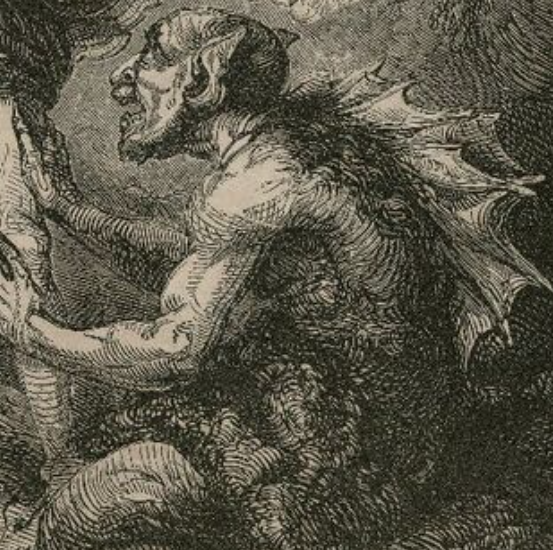
Zenion creature (left), and illustration of Caliban (right).

This island’s mine, by Sycorax my mother,
Which thou takest from me! When thou camest first,
I loved thee And show’d thee all the qualities o’ the isle,
Cursed be I that did so! All the charms
Of Sycorax, toads, beetles, bats, light on you!
For I am all the subjects that you have,
Which first was mine own king!

Caliban, Act I Scene ii.

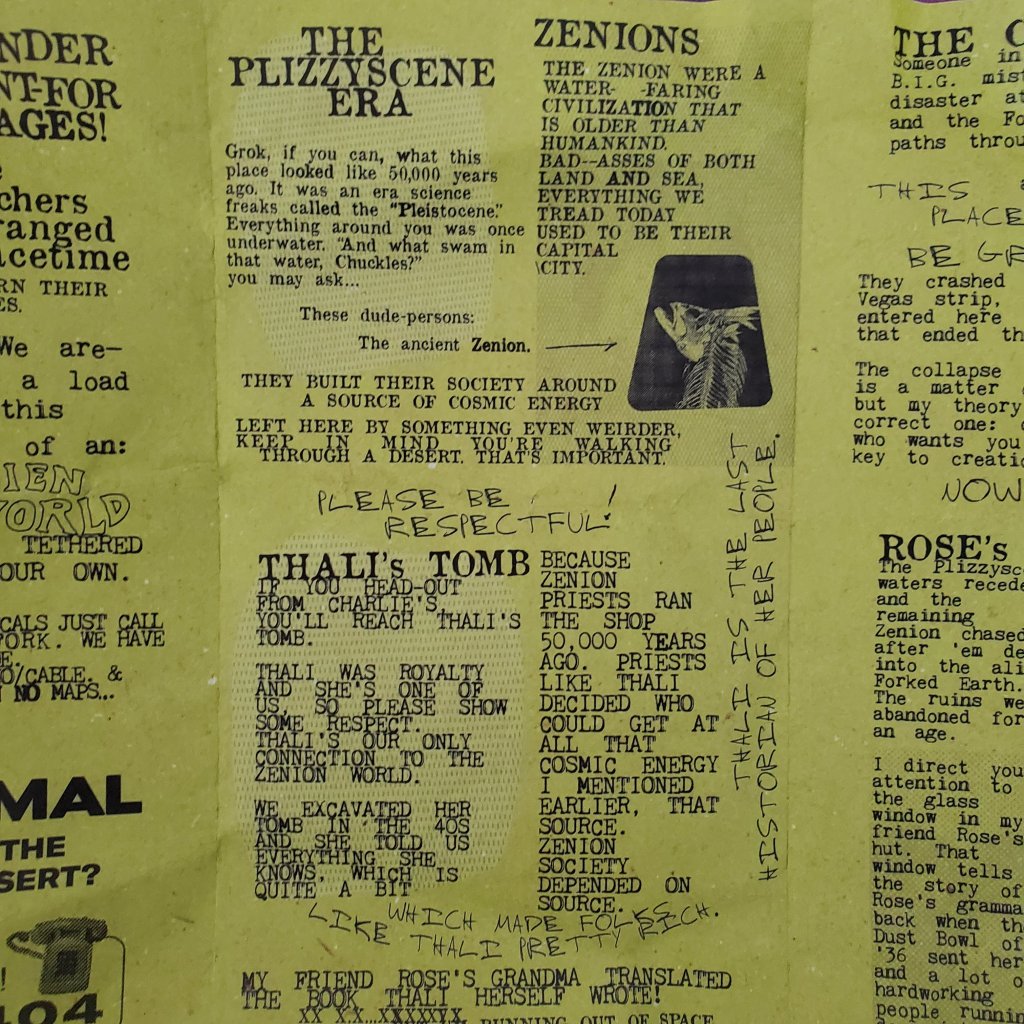
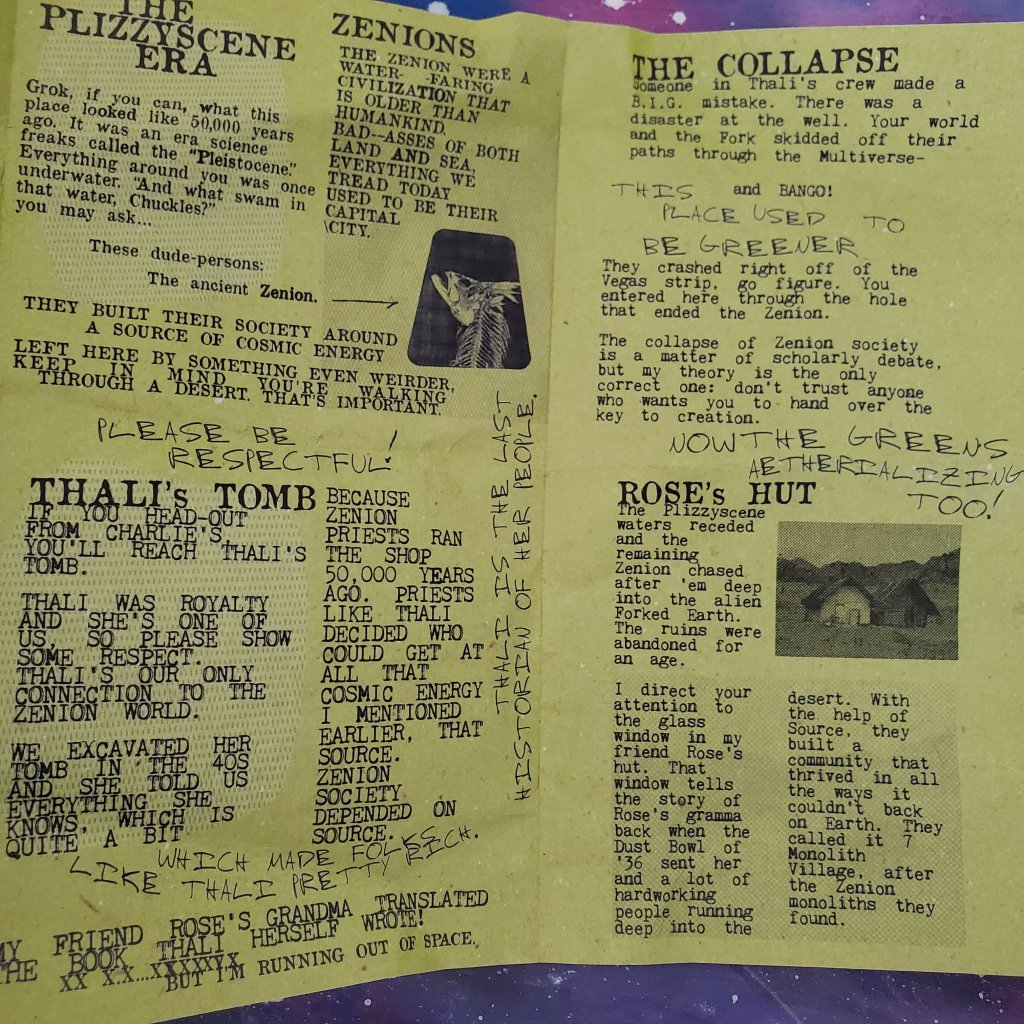
Looking at the totality of the Omegamart story, there are several connections to the Tempest Calliban the creature that lives on Prospero’s island bears striking similarities to the Zenions. He is described as being man and fish, much like the Zenions. Further, Caliban is not a native inhabitant of the island; he was brought over by the witch Sycorax and Prospero exploited him after Sycorax died, much like how the Dram family, especially Walter, exploited The Zenion’s magical Source.

In both cases, the Prospero character has both noble and ingnoble goals- Prospero wants to get himself and his daughter home, but also to revenge his exile to the island. Walter and Cecilia seem like Prospero split in two: there is a light side that wishes to defend Marin and see her safely home,and the dark side that wishes to exploit The Source and addict unwitting consumers.
I won’t give away how the story of omegamart ends but let’s just say that Walter gets across the notion that he has repented for his greed, and wishes to free the Source from the factory, much like how Prospero frees Ariel at the end of The Tempest. In both cases, YOU are the necessary person to help free Walter. Both Walter and the Meow Wolf team have hinted that there are new areas of Omega Mart that guests haven’t unlocked yet. Perhaps you will be the one to unlock the secret to free Walter, and the Source!

  • ProsperoNow my charms are all o’erthrown,
    And what strength I have’s mine own,
    Which is most faint: Let me not,
    Since I have my dukedom got
    And pardon’d the deceiver, dwell
    In this bare island by your spell;
    But release me from my bands
    With the help of your good hands:
    And my ending is despair,
    Unless I be relieved by prayer,
    Which pierces so that it assaults
    Mercy itself and frees all faults.
    As you from crimes would pardon’d be,
    Let your indulgence set me free.
Prospero. Act V, Scene i

Thanks for reading this post. If you enjoyed reading it, leave a comment below. Please also relate any Omega Mart stories you had at Area 15!
Summer Shakespeare courses!

Trailer for my summer Shakespeare Courses!

I’m beyond excited that I am able to offer three multiple week courses through Outschool for kids aged 6-12. If you scan the QR code below, you can see class descriptions and individual trailers. You can also check out the “My classes,” Page on this blog. I hope you and your family will join me this summer!

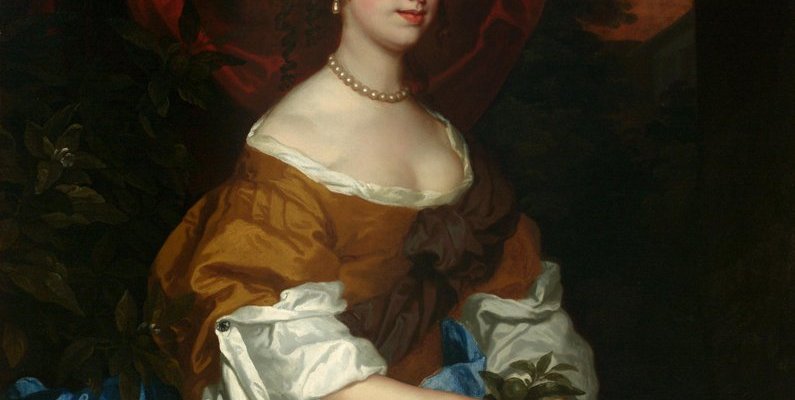
Women’s History Month: Margaret Hughes: Stage Beauty

Since today is the last day of women’s history month I thought I’d talk about the historical first ever Shakespearean actress and first-ever English actress. Margaret Hughes (1630-1719), is credited as the first-ever English actress. She led a fascinating life and books, plays, and movies have immortalized her, including the 2004 film, Stage Beauty.

Although there is some debate among scholars as to whether the 1st actress in question was Margaret Hughe, she is the one who has been credited because of her performance as Desdemona in Othello during the reign of King Charles II.

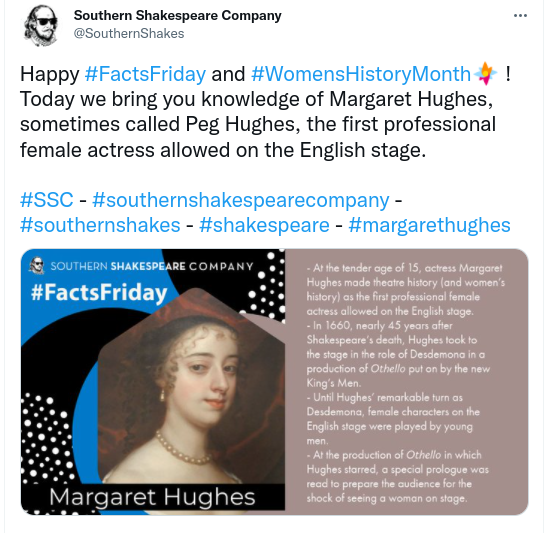
Some facts about Mrs. Hughes from Southern Shakespeaer Company
King Charles discusses how his reign and the first actresses in England are linked.

Around 1660s Charles II formally allowed for public performances of women on English stages. Restoration audiences, craving entertainment after the enforced closure of theatres during the Puritan Interregnum, rejoiced. Others, particularly the successful male impersonators of women, were shocked and annoyed as they suddenly lost their celebrity status and were seen as freaks. The stage war that the appearance of actresses initiated resulted in an almost immediate reiteration of almost medieval misogyny and vituperative ostracism directed at any woman who dared to challenge the masculine reign on the English stage. The actresses themselves had to learn both how to act out femininity as seen through male playwrights’ eyes and how to maintain their celebrity status and the audiences’ adoration. This, however, meant more than ‘just’ displaying perfect acting skills and appearing in the best plays available. A successful actress needed to woo the audience, particularly its male members, with her body, or her sexuality in general. She likewise needed to accept, or even engender, vitriolic attacks on her reputation in public discourse and, if possible, utilise such bad publicity to her own advantage. As such, this chapter aims to present a link between medieval anxiety concerning public displays of femininity and the seemingly privileging introduction of the actress in the late seventeenth-century England. It will also present a synthetic image of celebrated actresses’ lives as seen through theatrical records as well as seventeenth-century pamphlets and poetry, proving true the contemporary saying that only lack of press is bad press.

Bronk, 23

What I’m going to do is give a few historical notes on Margaret Hughes and her portrayal of Desdemona in the production of Othello and then I’m going to simultaneously do a review of the movie that celebrates her life: Stage Beauty (which was also made into a play).

Review Of Stage Beauty

What Shakespeare In Love did for the 16th century, this movie does for the late 17th century: it is awash with beautiful costumes elegant sets and dazzling music. it is a visual feast and everybody in it is fantastic in their roles, especially Billy Crudup as Ned Kyneston, Richard Griffith as Sir Charles, Tom Wilkinson as Thomas Betterton, and of course, Claire Danes as Margaret Hughes.

Hughes is a  costumes mender and dresser for Thomas Betterton’s theater company in London as she watches Ned Kyneston every night as he portrays Desdemona in Othello. Mrs. Hughes develops an admiration not only for his performance and skills but also forms romantic feelings for him. However, Mrs. Hughes isn’t content to keep watching Kyneston from the wings, and sneaks off after work to perform as Desdemona illegally at the Cockpit Tavern to packed houses. When Kyneston finds out, he is livid.

“[He was] the most beautiful woman I’ve ever seen

— Samuel Peypes

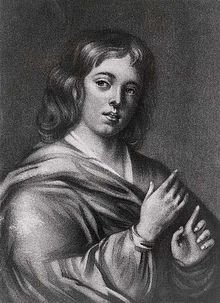
Edward Kyneston, (1640-1712)
1889 mezzotint engraving of Edward Kynaston.

Kyneston constantly belittles, ignores, and underestimates Hughes through this film and is supremely arrogant to everyone, enjoying the notoriety he’s achieved as the premier female impersonator in London. However, after he offends King Charles (played by Rupert Everett), and his mistress, Nell Gwynn, (herself an aspiring actress), the King in retaliation, bans men from playing women, thereby making Kyneston seem like a degenerate, incapable of getting work. He sinks into alcoholism and depression, but finds comfort when Hughes finds him and nurses him back to health. The two then form a romantic bond.

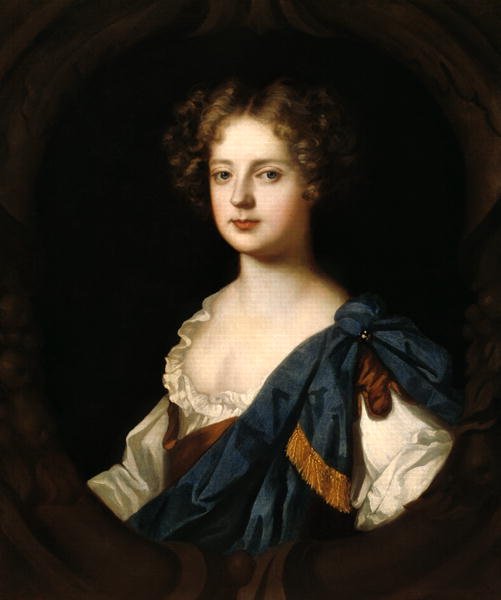
Nell Guinn, King Charles’ mistress and one of the first English actresses

In the third act twist of the movie, the actress playing Desdemona in Mr. Betterton’s theater is pregnant,  so  Margaret must take over her role.  Kyneston sees an opportunity to regain respectability as an actor,  so he demands to be given the role of Othello. In my favorite scene of the film, Kyneston rehearses the death scene of Othello, changing the acting style from over-the-top stylistic 17th century to very modern naturalistic portrayal:

The rehearsal scene from Stage Beauty (warning, R-rated language)

The two actors perform a fantastic modern naturalistic portrayal of Othello before the king, and they both become respected actors who learn to respect each other.

Danes performs with wonderful real pathos as Hughes and Desdemona. In fact, all the performances are great, the the writing is top notch, and as I said the costumes and cinematography are phenomenal. It’s a very fun, slightly naughty romp through Restoration England, not unlike the flirtatious comedies of Behn and Wycherly.

Special merit goes to Billy Crudup, who had to completely transform his voice, gestures, and dialect for the film. He worked closely with a dialect coach, a physical acting coach, and the director Richard Eyre, who has worked in theater for over 20 years, and has a lot of experience with Shakespeare:

The film is not without flaws; there are some plot elements that are a bit dated and a bit unsettling. While it is true that the real Ned Kyneston was rumored to have relationships with both men and women, including famously, George Villiers, the Duke of Buckingham, who appears in the movie. Kyneston’s sexual identity is constantly shifting through the course of the movie, and it’s not handled very delicately. In the beginning of the film, Ned seems very firmly homosexual;  his relationship with the Duke of Buckingham is played fairly respectfully, though Ned himself is hardly a positive portrayal of a gay or bisexualim man.

Even worse, when Buckingham rejects him, Crudup’s Kyneston seems to be coaxed by Hughes to become heterosexual, which he remains through the course of the movie. Now these actors have fantastic chemistry together, but it seems bizarre that Kyneston is all of a sudden changing his sexual identity at the same time he’s changing his style of performance. That doesn’t seem genuine, (at least in my experience),  and it might be offensive to members of the LGBTQ community to assume that a man might think he’s one identity and then choose to be a heterosexual.

Historical Details that the movie gets right:

Crash Course Theater History: The Restoration and first Actresses

1 it is true that for hundreds of years it was considered socially unacceptable for women to play parts on the London stage although it was common practice in Italy and France and other countries

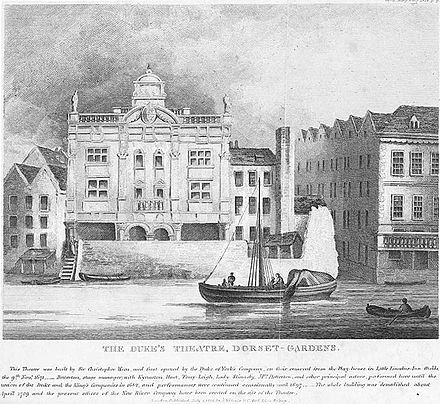
2. Ned Kynaston, Thomas Betterton, and of course Mrs. Hughes are real people who performed during the Restoration. However, they actually rarely worked together. Much like the Admiral’s Men and Chamberlain’s men in Shakespeare In Love, The Duke’s Company which is where Betterton worked, while Mrs. Hughed mainly performed in the rival King’s Company.

Edward Kyneston, (1640-1712)

Sources:

1. Katarzyna Bronk- No Press is Bad Press-Being an Actress in English Restoration. Stardom: Discussions on Fame and Celebrity Culture, 23-34, 2012. Retrieved online from: =related:YvjGsAEzxIoJ:scholar.google.com/&hl=en&as_sdt=0,39#d=gs_qabs&u=%23p%3DYvjGsAEzxIoJ

Crafting A Character: Malvolio

The venerated Shakespearean actor, Sir Antony Sher, once said with frustration while he was acting at the RSC that, “even the best Feste is less funny than the worst Malvolio.” I actually have a rare insight into these two roles since I’ve played them both! So allow me if you will to present you with some insights I’ve gained into these two characters that are very much polar opposites. Although they are as different as night and day, they form the central comic premise of the whole play, and have some truly hilarious moments!

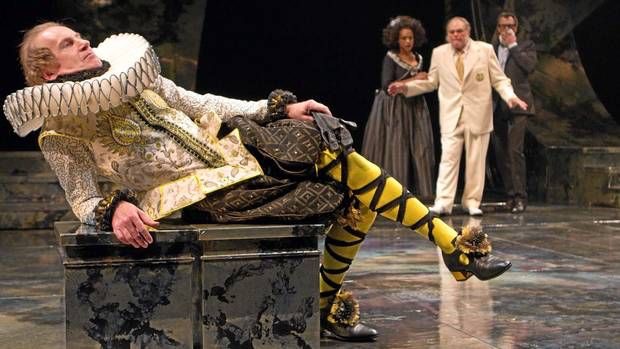
Me. as Malvolio, Wooster. High School 2002

I played Malvolio when I was a senior in high school; he was my first principal Shakespearean role. My director chose to set the play in the 1940s and he re-purposed the kingdom of Illyria as the Hotel Illyria, with Malvolio as the concierge or lead butler in charge of all the hotel maids and other housekeepers. This not only made the play more accessible to a 2002 audience, it also really helped me understand Malvolio’s role: he is first and foremost a snob who is obsessed with efficiency and pleasing his mistress Olivia (in this version the owner of the hotel). I would soon also discover that, although Malvolio is certainly snobby and can be a bit of a killjoy, he also has qualities that make him appealing to everyone who has ever felt put down or bullied, and that’s what makes him a complex and endearing character today.

Richard Briars as Malvolio

Some notes on the character: Malvolio’s name means “unsatisfied desire”- somebody who aspires to be what he is not. I find the relationship between Feste and Malvolio interesting because the two are partially defined by how each one is unlike the other. Feste is a clown, hired by the nobles to help them have a good time. He is described as “a merry fellow who cares for nothing.” In other words, Feste never takes anything seriously, except making a living with his jokes and songs. Malvolio is the exact opposite- he is also a servant, but he is a steward, in charge of running the Countess Olivia’s household. As such, he is obsessed with efficiency, commanding respect, and pleasing his mistress through his obsequious manner.

Like the Joker and Batman, both characters live according to an opposing viewpoint; Feste is a chaotic, happy-go-lucky sort, while Malvolio has a strict code of behavior which he expects everyone to follow. Their opposing world views bring them into conflict every time they meet. Plus, in most productions Feste is wearing brightly colored clown apparel or “motley wear,” while Malvolio is dressed in black. I’m not saying Malvolio is anywhere near as cool as Batman, but Malvolio can be just as sanctimonious. His journey is how he goes from being the trusted household servant, to a raving madman, to at last the Spectre at the feast at Olivia’s wedding.

I think the appeal of the character, which balances out the aforementioned snobbery, is that Malvolio is also a nerd: he dreams of becoming a count, he tries to make friends, but he does so by working far too hard at his job and not knowing how to fit in. This is why we inevitably feel sorry for him at the end of the play when he begs to know why his tormentors have locked him in a dark room, treated him like a lunatic, and made him think his lady was in love with him only to utterly destroy his hopes. The balance between the Nerd and the Snob that makes Malvolio a universal and complex part, and that’s why some of history’s greatest actors have played it!

Prepping for the Role: Alec Guinness, Laurence Olivier, Patrick Stewart, Donald Sinden, Nigel Hawthorne, Richard Briars, Steven Fry- these are just some of the names of actors who have played this part over the years. The first actor to play the role was Shakespeare’s leading actor, Richard Burbage, who also played Richard III, Hamlet, and Macbeth. Here’s a sample from Burbage’s famous eulogy, which mentions some of his most famous parts:

A Funeral Elegy
On the Death of the Famous Actor, Richard Burbage,

He’s gone, and with him what a world are dead,
Friends, every one, and what a blank instead!

Tyrant Macbeth, with unwash’d, bloody hand,
We vainly now may hope to understand.
Brutus and Marcius henceforth must be dumb,
For ne’er thy like upon the stage shall come,
Vindex is gone, and what a loss was he!
Frankford, Brachiano, and Malevole.

One big decision that every Shakespearean actor needs to make is how to approach their role in a different way. To be honest, I was kind of a thief with my Malvolio- one of the first things I did was read a book by actor Sir Donald Sinden where he talks about how he delivered Malvolio’s first line, which occurs in Act I, Scene iii:

Olivia. What think you of this fool, Malvolio? doth he not mend?

Malvolio. Yes, and shall do till the pangs of death shake him:
infirmity, that decays the wise, doth ever make the 365
better fool (Act I, Scene v).

Donald Sinden and Judy Dench in Twelfth Night, RSC 1969

Sinden described his first line as a snobby “nyess,” as if he were simultaneously bored and embarrassed by Feste’s jokes. The director told me to act around Feste as if I were the villain in a Charlie Chaplin movie- basically to bully Feste and make him feel very small with my lines, in order to justify the revenge Feste innevitably takes on him. Like any character in Shakespeare, this is only one way to play the role, so you don’t have to agree with me.

The Gulling Scene

Malvolio’s most famous scene is called “The Gulling Scene,” the scene in which he’s tricked into thinking Olivia is in love with him. This is the moment where Malvolio goes from being a respectable prudish servant, into a raving madman. He enters full of dreams and plans to become “Count Malvolio” and creates an elaborate fantasy of what his life would be like if he married the Countess.

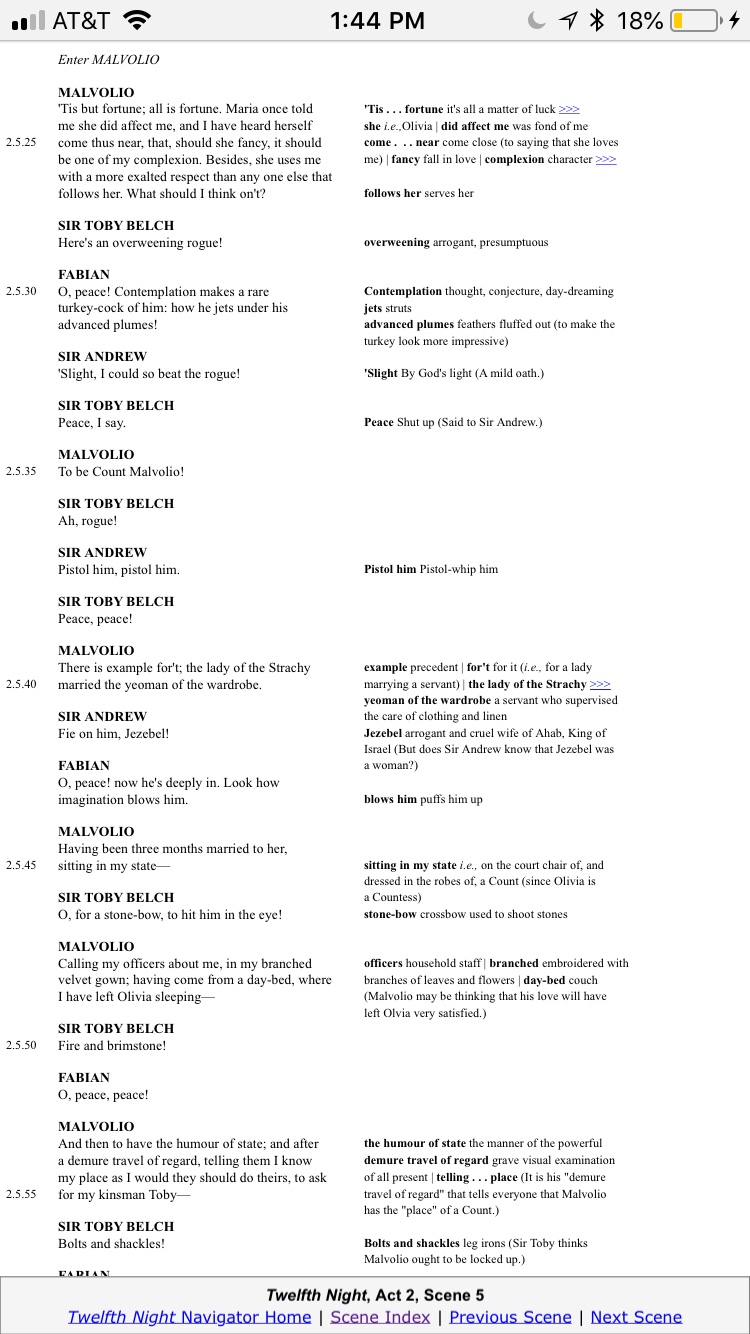
Annotated text of Twelfth Night from Shakespeare Navigators.com

Act II Scene v. From Shakespeare Navigators.com

No sooner does Malvolio compete his fantasy of marrying Olivia, when lo and behold, a letter from her suddenly appears! Of course, the audience knows it’s all a trap and even worse, Sir Toby, Sir Andrew, and a boy named Fabian are watching him! It’s a moment of exquisite comedy that’s nearly impossible to get wrong.

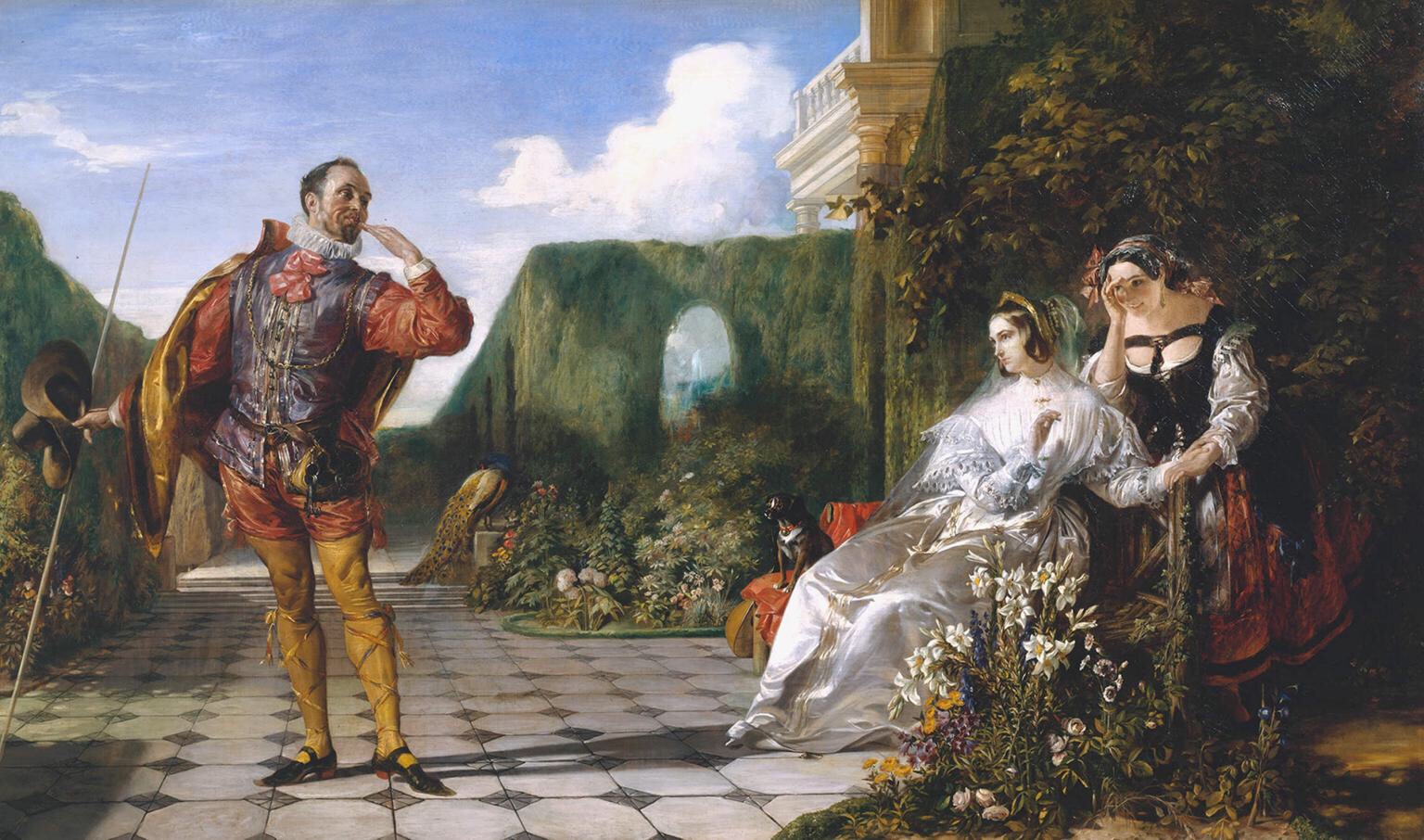
Malvolio and the Countess, 1840 by Daniel Maclise

One question I had when I did the scene was whether Malvolio really loves Olivia, or just loves her riches and her title. As a high schooler, I chose to believe that he really does have a crush on Olivia, but is too socially awkward to tell her. Having the letter is a chance to make his feelings known, which Malvolio can get very genuinely excited about! On the other hand, as you can see above, Malvolio might just be greedy to make himself even more respected and admired, and to have the power to throw out the likes of Sir Toby, Sir Andrew, and Maria. Malvolio’s revenge fantasy is also fun to watch, since we know he’ll be punished for it later.

Part of the fun involved in the scene is that it’s basically a “play within a play,” a device that Shakespeare used to great effect in Hamlet, A Midsummer Night’s Dream, Love’s Labor’s Lost, and both parts of Henry the Fourth. I think it’s the charm of seeing a character as he really is, Malvolio shows you his fantasies and creates a whole world in the middle of the orchard. Meanwhile, you feel complicit as you watch the people watching him, who could just as easily be part of your audience.Workshop on Twelfth Night and Bullying

On the other hand, the scene has also been called an example of bullying, since Sir Toby and Maria are using the letter to manipulate then humiliate Malvolio. Remember, Malvolio dresses like a fool and act like a fool in front of Olivia in Act III because he believes it will please the Coubtess. Basically Toby and Maria are Catfishing Malvolio, which can seriously hurt psychologically, as anyone who has been deceived over the internet knows. Plus, it ruins Malvolio’s reputation as you can see in this clip:

Again, as a teenager, I could certainly relate to a man making a fool of himself in a vain attempt to impress a girl. Seeing a man lose his head over a girl and then have her break his heart over a prank, is in some ways truly terrible to watch; even Olivia agrees by the end of the play that the joke has gone too far.

Malvolio. Madam, you have done me wrong,
Notorious wrong.

Olivia. Have I, Malvolio? no.

Malvolio. Lady, you have. Pray you, peruse that letter.
You must not now deny it is your hand:
Write from it, if you can, in hand or phrase;
Or say ’tis not your seal, nor your invention:
You can say none of this: well, grant it then
And tell me, in the modesty of honour,
Why you have given me such clear lights of favour,
Bade me come smiling and cross-garter’d to you,
To put on yellow stockings and to frown 2550
Upon Sir Toby and the lighter people;
And, acting this in an obedient hope,
Why have you suffer’d me to be imprison’d,
Kept in a dark house, visited by the priest,
And made the most notorious geck and gull
That e’er invention play’d on? tell me why!

Olivia. Alas, Malvolio, this is not my writing,
Though, I confess, much like the character
But out of question ’tis Maria’s hand.
And now I do bethink me, it was she 2560
First told me thou wast mad; then camest in smiling,
And in such forms which here were presupposed
Upon thee in the letter. Prithee, be content:
This practise hath most shrewdly pass’d upon thee;
But when we know the grounds and authors of it, 2565
Thou shalt be both the plaintiff and the judge
Of thine own cause.

That’s the tragic part of Malvolio’s journey. We’ve all known a Malvolio, and we’ve all been him from time to time. That’s what makes him such an enduring character.

Continue reading