
I just got a copy of the Shakespeare Game in honor of Shakespeare’s birthday! Here are a few reviews and videos!
https://boardgamegeek.com/boardgame/365920/shakespeare-game

I just got a copy of the Shakespeare Game in honor of Shakespeare’s birthday! Here are a few reviews and videos!
https://boardgamegeek.com/boardgame/365920/shakespeare-game

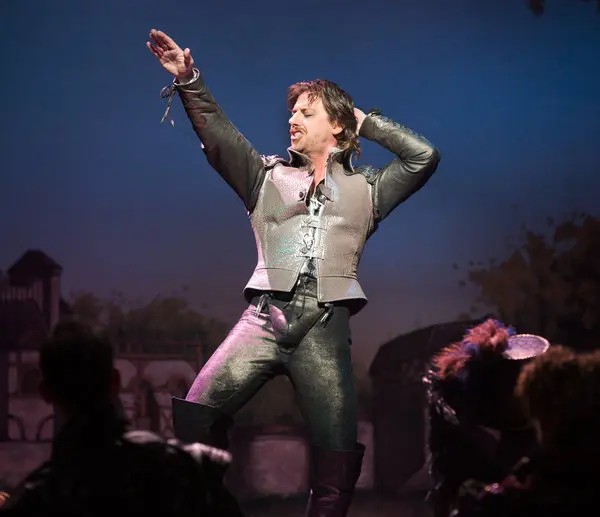

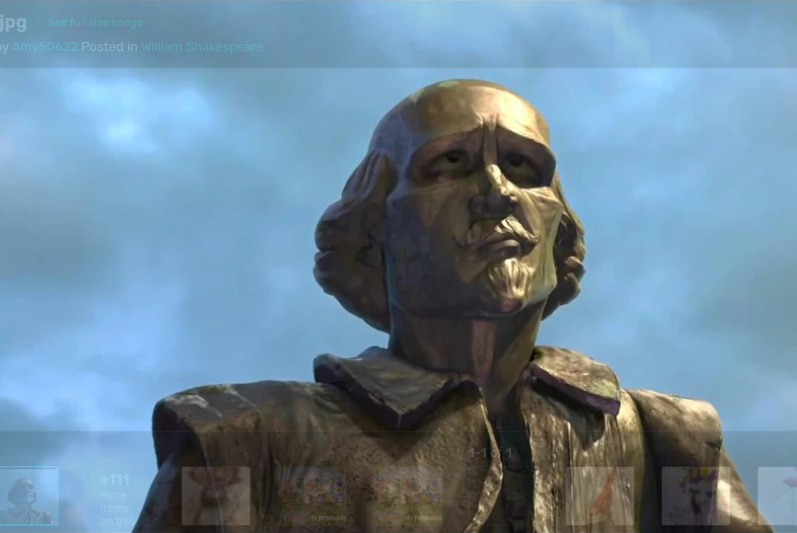
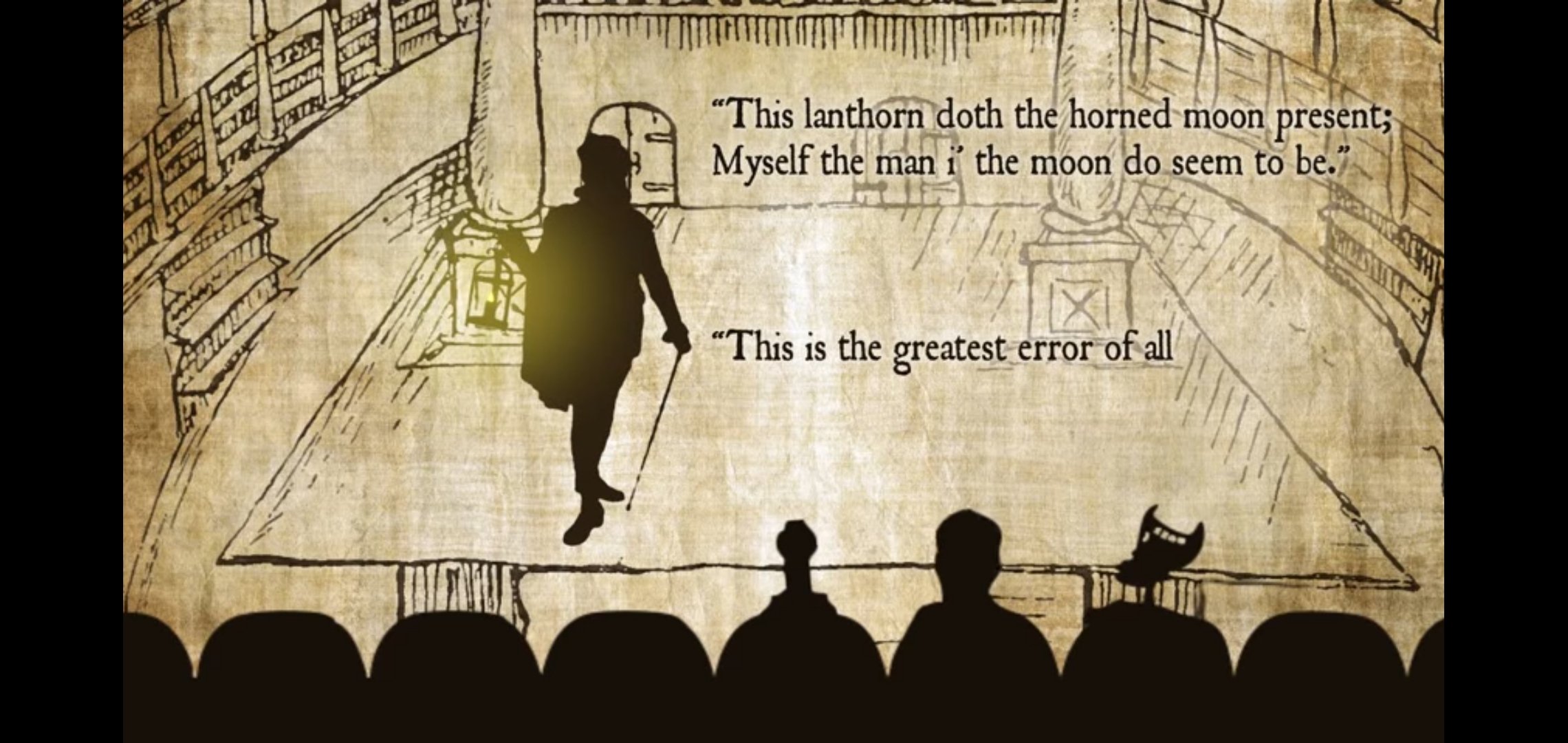
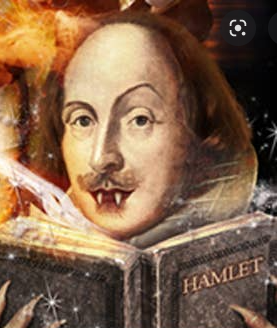


Shakespeare’s birthday is coming up! This is the week where I usually stop talking about individual plays, and talk about the man himself. Today I’d like to cover how he’s been portrayed in fiction. As you’ll see, with such a famous and at the same time mysterious figure like Shakespeare, there is a lot of leeway in terms of how you portray him. This list shows multiple interpretations of Shakespeare and at different stages (ages) of his life. Some are comic, some are tragic, but all are fascinating to discuss:

Like I said in my podcast, I don’t believe Oxford was the real Shakespeare, and I have some issues with the character and his lack of humanity. That said, I do like the character they were going for- a tortured genius who has to create, in spite of himself, and it destroys him and his family.
I love what they do here- Shakespeare’s a temperamental artist who hates editors, but ultimately accepts that he has to put butts in seats. It’s very true-to-life and Rowan Atkinson and Hugh Laurie do a great job in this sketch!
Like I said in my full review, I really like the idea of an aging Shakespeare buckling under the pressures of being an icon. Bardolatry, the worship of Shakespeare as a literary god, has been a real thing in academic circles for at least the last 200 years and I think it really hampers first-time readers from even attempting to read Shakespeare. Since this comic is very much attempting to get people to do just that, it makes sense that they portray Shakespeare as a deeply flawed human who is trying his best, but not able to live up to his god-like persona.
Even though this history show for kids is also trying to make Shakespeare accessible for British schoolchildren, it actually takes the opposite approach for Shakespeare- make him cocky, self-assured, silly, and a bit of a schlamaazel, who like his own creation of Mercutio, talks too much and invariably gets himself into trouble.

“Nat, say hello to William Shakespeare”. They might as well have said, “Nat, say hello to GOD!”
-King Of Shadows
Again, most interpretations of Shakespeare are aware of and try to subvert the god-like status he has in our culture, which is why this YA novel attempts to humanize him, by having him interact with the hero, Nathan, a 20th-century child actor, go back in time and finds himself switching places with another Nathan Field, a real boy actor in Shakespeare’s company. Nathan then meets and befriends Shakespeare and the two form a father-son bond.
This book takes place just a few years after the death of Shakespeare’s own son, Hamnet, so this William Shakespeare has a son-shaped hole in his heart. It’s really heartwarming to see the two broken people form a family bond.
As I said before, Shakespeare is not the main character of this novel; he pops in and out of the life of the real main character; his wife Anne, as he visits her at his parents’ home, and later when he sees her on periodic trips home from London. His characterization is entirely indirect. That said, we learn a ton about him through her perceptive eyes. We see his hatred of his abusive father, his frustration with being a glover’s son with no time to make a living in the theater. We see his ambition take hold as he travels to London, and at last, his contrite return to finally become a good husband after the death of his son. This Shakespeare is sort of a prodigal son, who searches for fame and fortune as a young man in the big city, but eventually comes to value his life at home. This solves the mystery of why Shakespeare never moved his family to London, why he retired in the early 1610s, and why his writings have nothing about his relationship with his family, his wife, or especially his son. This Shakespeare is scarred; trying to redeem himself from the sins of his past.
This Shakespeare is at the end of the journey he took in “Hamnet.” He’s retired from theater, trying to pick up the pieces of his life in Stratford, and trying to reconcile his feelings for the fair-young-man (played by Ian McKellen), and his wife, (played by Judy Dench). It’s melancholic, but still funny in a dour way.
Like I said in the review of the Broadway musical, Borle is the best part of this show. Like Matthew Baynton, he plays Shakespeare as a cocky young self-assured genius on the outside, but unlike Baynton, we see he has a deeper side underneath. As he sings in the incredibly catchy “Hard To Be the Bard,” Shakespeare is once again dealing with the problem of maintaining his success and is under a tremendous amount of pressure to crank out new and successful plays all the time. Even though he’s the antagonist, he’s more sympathetic than the heroes.
I realize this movie has lost a lot of prestige over the years, thanks to the controversy over its loathsome producer, Harvey Weinstein. I realize that the film Shakespeare In Love might not have deserved best picture over films like Saving Private Ryan. That said, I still think it’s a fantastic movie and every single element from the sets to the costumes to the near-perfect casting, is top-notch, especially the casting of Jacob Fiennes as Shakespeare. This young, heartthrob Shakespeare hasn’t yet become the self-assured genius we see elsewhere on this list. He’s constantly out-classed by Christopher Marlowe, which is a very good choice because it helps us sympathize and root for this man, whom we all know will become a rich, successful genius, but hasn’t yet.
Fiennes also gives Shakespeare a very good arc- he’s a selfish dreamer like Bottom at the beginning and a sweet, sensitive man at the end. In the end, he writes for all the right reasons- supporting his family, immortalizing his love Lady Viola, and helping his friends and partners in the Chamberlain’s Men. Most of these Shakespeare are fairly static, but this movie gives him a great hero’s arc which allows us to like him and hope that his play is a success. As you can see in this alternate version of the final scene, Shakespeare makes a tearful goodbye to Viola, and sets about paying tribute to her in a play that will eventually become Twelfth Night. He also begins his lifelong partnership with Richard Burbage, who will go on to play Malvolio in that play, as well as Hamlet, Othello, and many others. It’s a satisfying conclusion to his arch, which like Viola, shows that Shakespeare is ready to take on a “brave new world” with a new sense of purpose.
Though this episode has an inauspicious start, Dean Lennox Kelly from this 2007 episode of Dr. Who finds a way to incorporate every aspect of every other Shakespeare on this list! He’s a cocky, self-assured showman on the outside who knows he’s a genius but is also a middle-class man of the people, playing to the groundlings. On the inside though, he is mourning the loss of his son and yearning for love, which is why he falls in love with Martha and (spoiler alert) makes her the Dark Lady of the sonnets. He also is clever enough to figure out what’s going on as three aliens try to manipulate him into using his gift of words to conjure the end of the world for them. Finally, he is still a hard-working writer and does occasionally doubt his own work:
Shakespeare: “To be or not to be”. Oh, that’s quite good.
10th Doctor: You should write that down
Shakespeare: I dunno… bit pretentious?
-The Shakespeare Code.
Again, the best thing about this Shakespeare is his arc- he drops his mask of genius and opens up to Martha and the Doctor, just like how the Doctor confides in Shakespeare how he is mourning the loss of his previous companion, Rose. In the end though, he draws strength in the memory of his son, and actually uses it to save the world!
Is this a historically accurate biopic? No. Is it a silly cartoon? Also no. The reason I ranked this episode the highest is because they managed to encompass the myth and the man of Shakespeare in a very compressed time, with tons of Shakespeare easter eggs, and historical references, and it was filmed in the real re-creation of Shakespeare’s own theater! Someday I’ll write a full review of this episode, but for now, I hope you’ve enjoyed this list, and are hungry for more Shakespeare’s Birthday Week content!
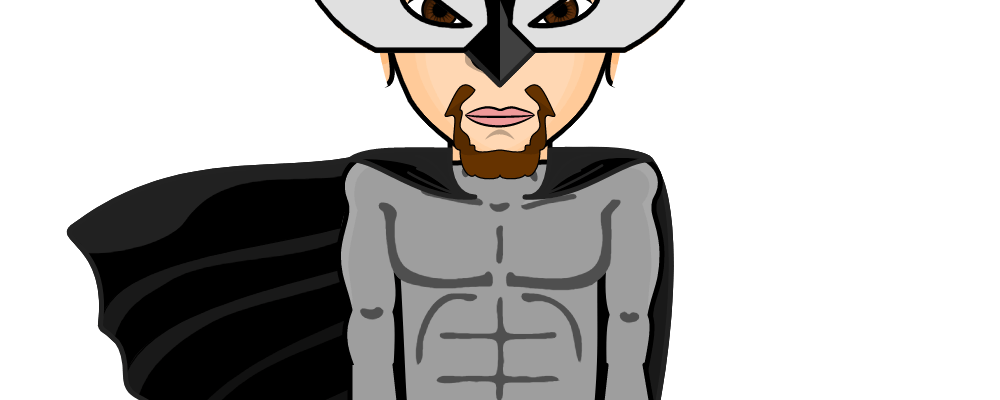

Just for fun, I found this superhero creator website, and decided to create a Shakespeare character from it:
What do you think? Should I make a full comic of Shakespeare Man? Who should his nemesis be? And would this be something that you would enjoy seeing on this blog on a regular basis?

Click here to listen to the podcast version of my post “Shakespeare and Five Nights At Freddies.”
Spotify: Shakespeare and Five Nights at Freddie’s
This is my new trailer for my fully online, fully immersive murder mystery game based on Shakespeare’s “Romeo and Juliet.” You play as a detective hired to solve the mystery of Juliet’s murder. You will piece together the plot and characters of Romeo and Juliet, but also use forensic science to identify clues, interrogate suspects, and examine the crime scene just like a real detective! Register now at Outschool.com SPECIAL OFFER: Get $5 off the murder mystery class with coupon code HTHESSQ76F5 until Apr 22, 2023. Get started at https://outschool.com/classes/romeo-a… and enter the coupon code at checkout.



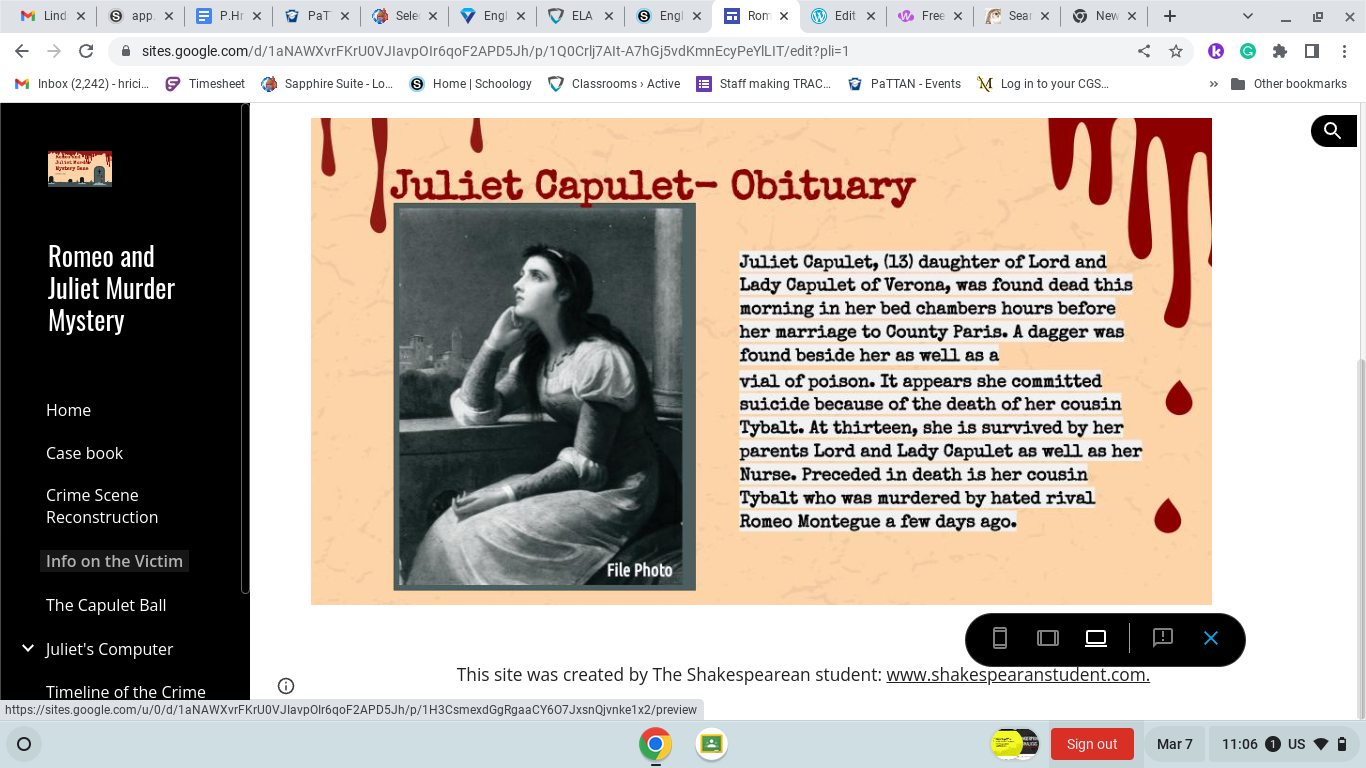
I’m pleased to announce my brand-new, fully immersive, fully online murder mystery game! Similar to my “Macbeth” and “Interactive Guide To London,” course, the course is a series of slides, videos, digital activities, and websites that you explore and complete based on your knowledge of a Shakespeare play. Unlike that course, this one also includes real-life science experiments and handy guides to both the play “Romeo and Juliet” and forensic science!
Through a series of slides, you’ll learn that you are playing the part of a detective, hired by Juliet’s parents to investigate her sudden death. You’ll read her obituary, look at a crime scene photo, and the story so far.
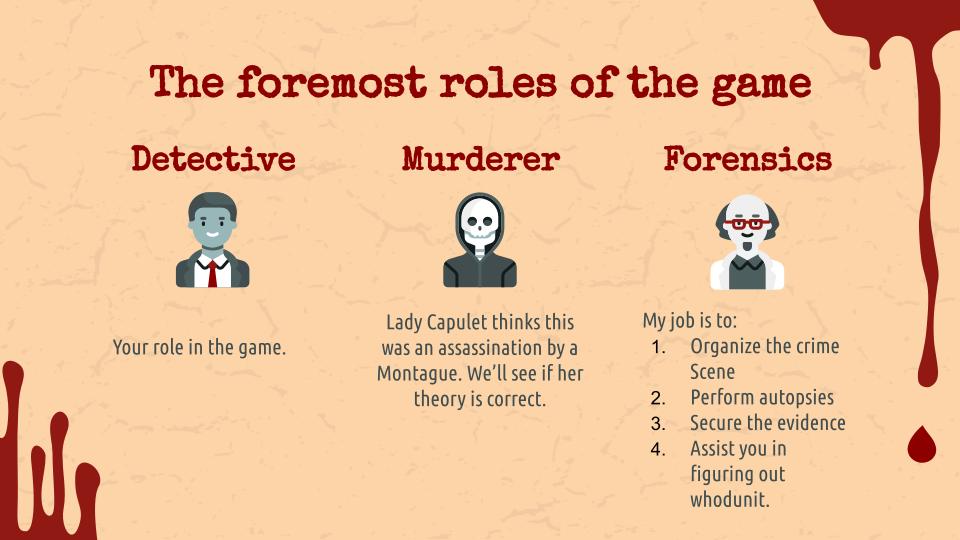
The class is divided into 8 parts that students can complete at their own pace over a 4-week period. Once you are signed up for the class, you will receive a link to a Nearpod Presentation that has links to all the online activities. You will also receive a detective case file, that will serve as your notes as you record your discoveries through the mystery. Finally, I will provide you with a course cheat sheet and a list of resources in case you need help through the various activities.
The student will learn, not only about the plot of “Romeo and Juliet,” but also the way real detectives and forensic scientists follow clues and try to solve crimes, in this case, an apparent death by poisoning.

In a pre-recorded video, The Investigator introduces himself. He is in the middle of doing a toxicology test on the vial found near Juliet’s bed. He explains that most poisons are either highly acidic or highly alkali (aka, bases). Testing the liquid’s PH will help you determine if the substance is poisonous or not.
In a short simulation via Nearpod, you will test multiple liquids for acidity or alkalinity. You’ll even learn how to test substances in your own home for acidity and for alkaline properties!
Using the Nearpod slides and a linked website, you’ll figure out what happened to Juliet’s cousin Tybalt the day before her own mysterious death.

Using Shakespeare’s text, you will decode a secret password to unlock Juliet’s website (Google Sites). Using Juliet’s (fake) Twitter account, you will read her account of the events of the play thus far. Each tweet is paraphrased from a line of Shakespearean
dialogue. Once you’ve read the fake tweets, you can play a game where you match them with the real Shakespearean dialogue.
You will ‘scan’ a fingerprint found on the vial found in Juliet’s bed. The website will tell you who it’s from and you will record it in your case file. You’ll also learn how to take your own fingerprints, and the characteristics real detectives look for when analyzing them.
Using your case file, you will write the sequence of events thus far in your case file and write down information about the suspects (the characters in the play), in the format of a police dossier.
The activities will enrich the student(s)’ understanding of the plot and characters of “Romeo and Juliet” using the format of a murder mystery In addition, the students will learn the methods practiced by detectives, investigators, and forensic scientists when they solve real crimes including toxicology, fingerprint analysis, CSI, and interrogation techniques.
Please sign up now at www.outschool.com!

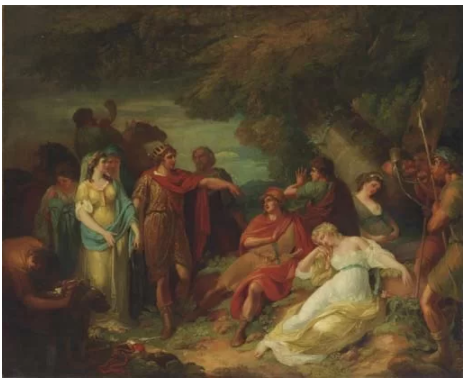
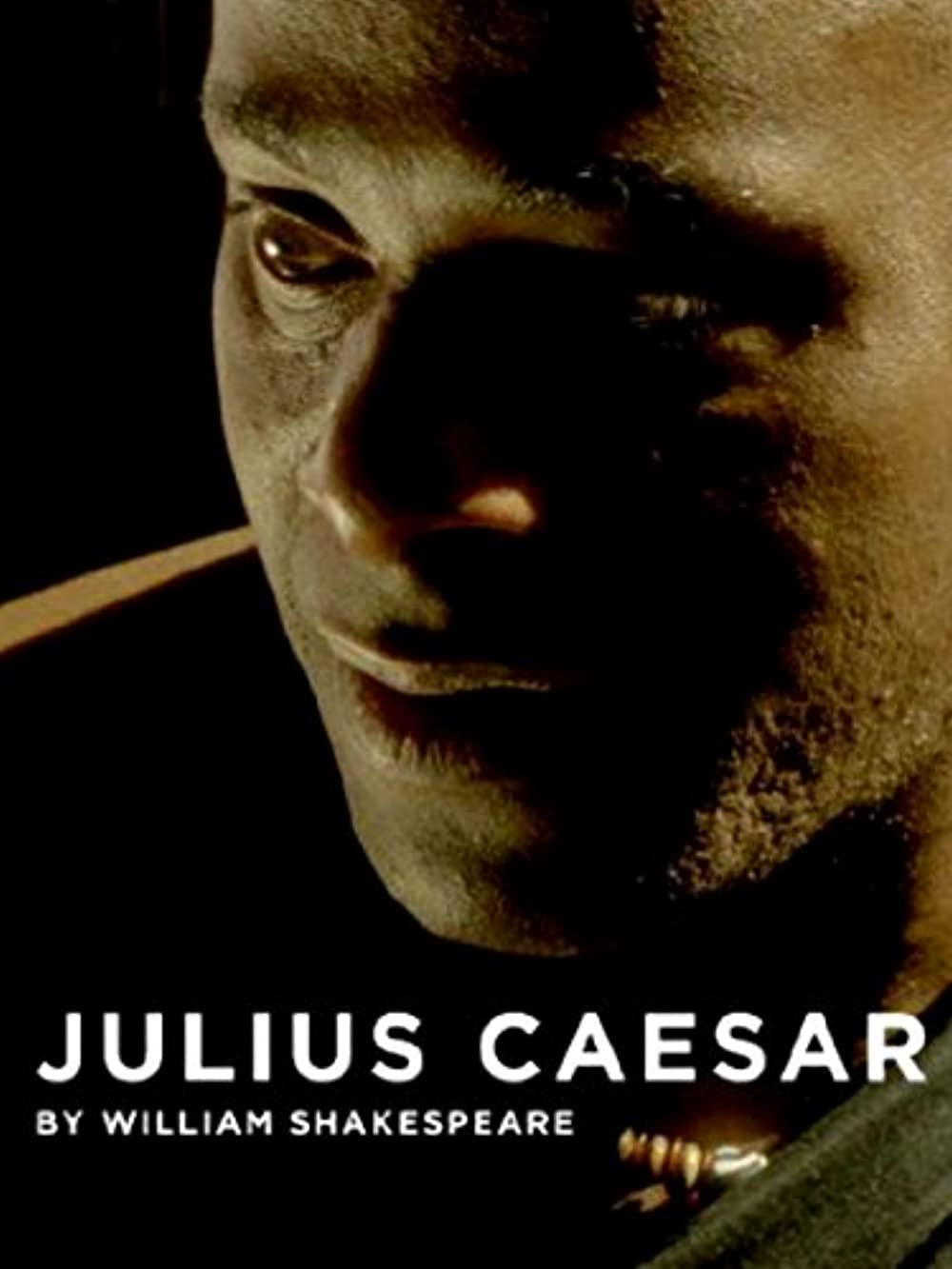


In honor of “The Ides Of March” and Women’s History Month, I’ve planned a series of posts, podcasts, activities, and videos all related to “Julius Caesar” and Shakespeare’s female characters. Here’s a preview:
Play of the Month: Julius Caesar
Why “Mean Girls” is like Julius Caesar
Close Reading: Friends, Romans, Countrymen
The Fashion is the Fashion- Julius Caesar- Togas, helmets, etc.
Mock Trial- Julius Caesar
Shakespeare Recipes- Roman Pies
Crafting A Character: Brutus
The turbulent history of “Julius Caesar” in America
Get $5 off when you sign up for my online class “The Violent Rhetoric of Julius Caesar” with coupon code HTHESIIAW75 until Mar 28th.

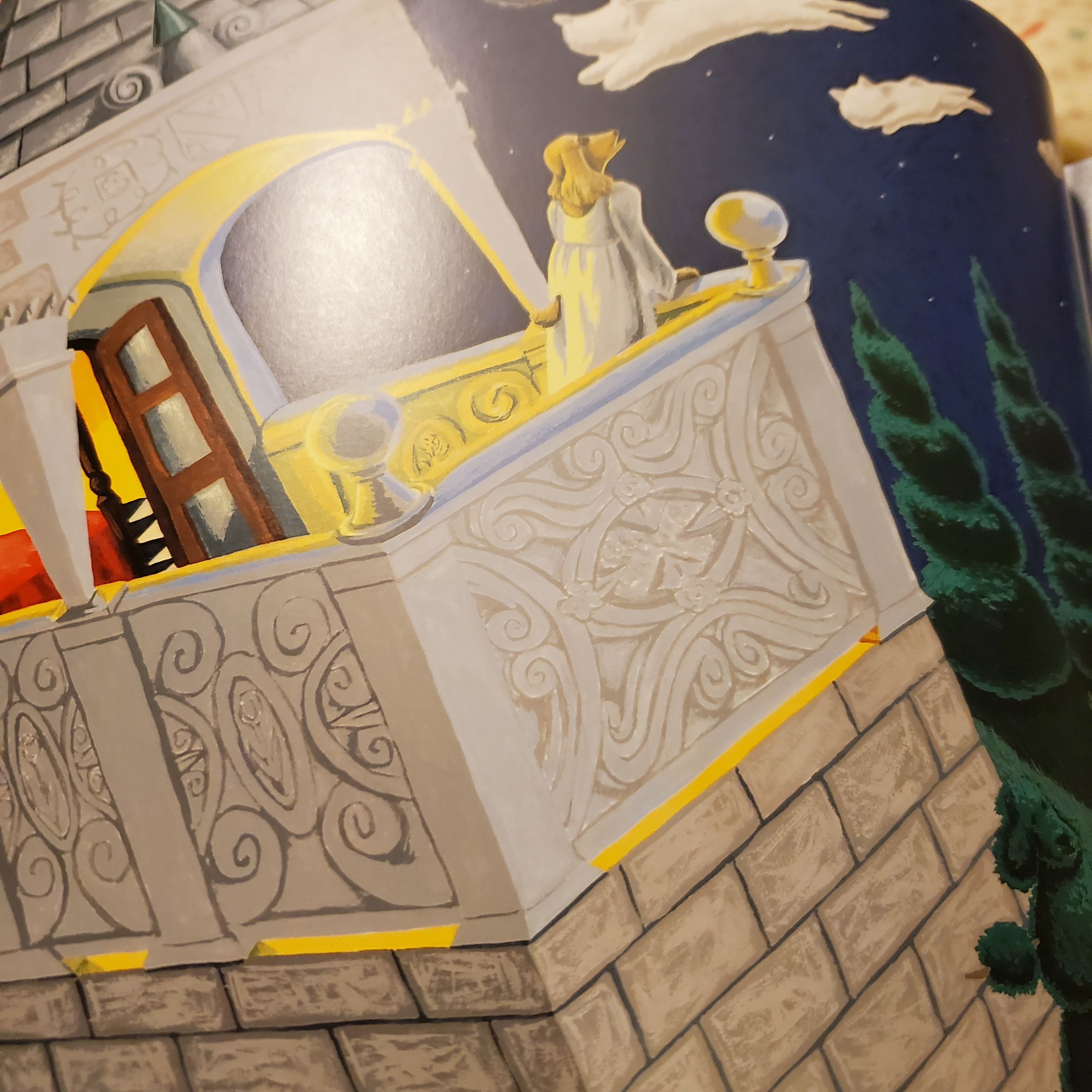
The book keeps the feud between the two families, has the young lovers meet in disguise at a ball, fall in love on a balcony, get married, and amazingly, DIE! Laden still manages to tell the story in a kid-friendly way, though giving it tragic weight.

The book opens with a rhyming prologue, which, although it isn’t in sonnet form, has the same function as Shakespeare’s prologue- to explain the plot before we see it played out in the book, thus giving the whole story a sense of dramatic irony. Plus, as you can see, Laden also imitates Shakespeare’s love of wordplay with metaphors and puns, (a tale of tails), and alliteration to give the dialogue some wit and effervescence. Reading it gave me giggles like I’d just popped open some champagne.
All throughout, Laden makes small changes to simplify the plot and remove characters that don’t directly impact the main plot. The characters of Lord/Lady Capulet and Lord/Lady Montegue, The Nurse, Paris, Peter, the servants, and the friars are completely absent, turning an already brief play into an even more compressed story.
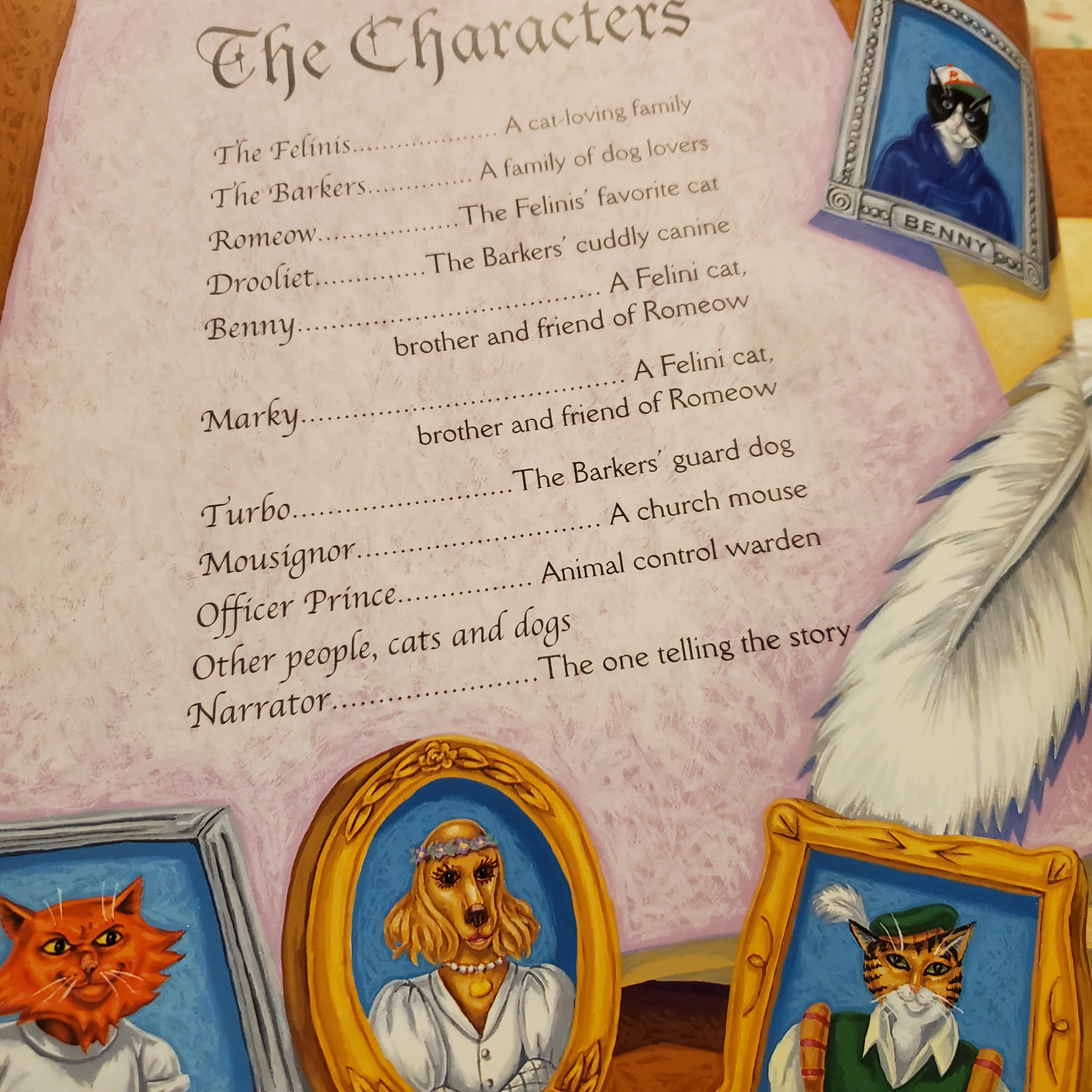
Like a lot of animal retellings I’ve seen of this story, the author recasts the human leads as animals that are natural enemies- in this case, cats and dogs. This makes the story easier for kids to understand- as I’ve said before, it’s often difficult to keep track of who belongs to which house in Shakespeare’s version. All you need to know is that Romeo and his brothers are cats and Juliet’s family are dogs.
Funnily enough, my daughter actually complained that the story would’ve been better if Juliet were a cat instead of Romeo, which I agree with for very specific reasons. The character of Tybalt is named after a character from a prose story called “Reynard the Fox,” who had the epithet, Prince of CATS. Mercutio annoys Tybalt by taunting him with this title before challenging him to a duel:
Tybalt: What would you with me?
Mercutio: Good Prince of Cats, nothing but one of your nine lives! Romeo and Juliet, Act III, Scene i.

It would’ve been a funny Shakespeare easter egg to have Juliet and Tybalt be portrayed as cats, but I understand why they went with dogs- Drooliet is a hilarious pun, and having Tybalt be a vicious, rabid dog helps set him up as a fearsome antagonist.
I suppose you’re wondering, how can the author keep Shakespeare’s tragic ending in a children’s book? Well, like Shroedinger’s cat, she manages to make Romeow die and not die at the same time. He gives Drooliet one of his 9 lives, allowing them both to ‘die’ and then come back for a happy ending. It’s a brilliant way to nod at the original, while also keeping the kid-friendly tone.
This book is really fun and very enjoyable for kids, parents, and teachers who want to introduce kids to Shakespeare at an early age!
Just below you can watch the book being read by actress Hayle Duff:



In this section, I review a Shakespeare book, movie, or TV show that I feel has some kind of value, either as an interpretation of Shakespeare, or a means to learn more about the man and his writing.
My reaction: Volumes 1&2 were framed as a civil war between the heroes and villains of the Shakespeare canon- basically an Infinity War for Shakespeare nerds. This volume is in the context of a high-seas pirate adventure. It has a lot of cool fights and the drama between Cesario and Viola is great, but honestly, I thought it was poorly paced. Maybe it’s my personal taste, but it’s hard to keep myself invested in the story when everyone is stuck on a boat.
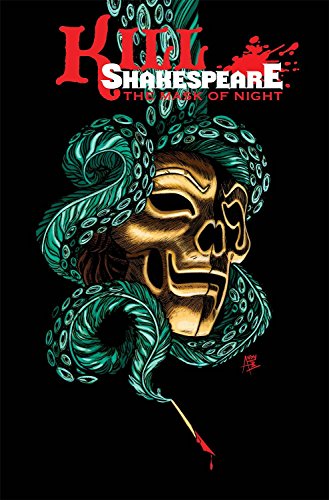
Basic Details:
As I said in my review of Volume 2, what I like the most about this graphic novel is that the characters are consistent with how the real Shakespeare wrote him, yet they make different choices in the graphic novel. They also grow and play off each other in many interesting ways. Here are some examples:
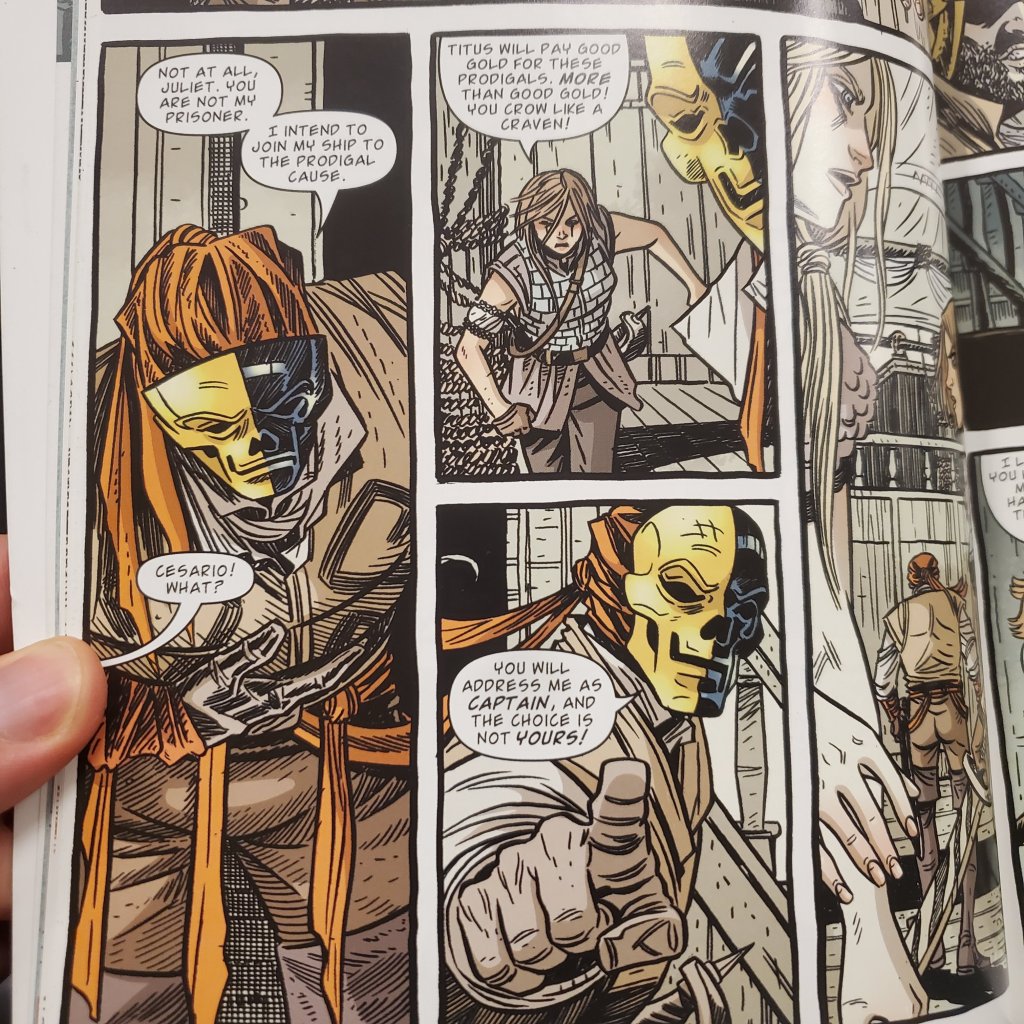
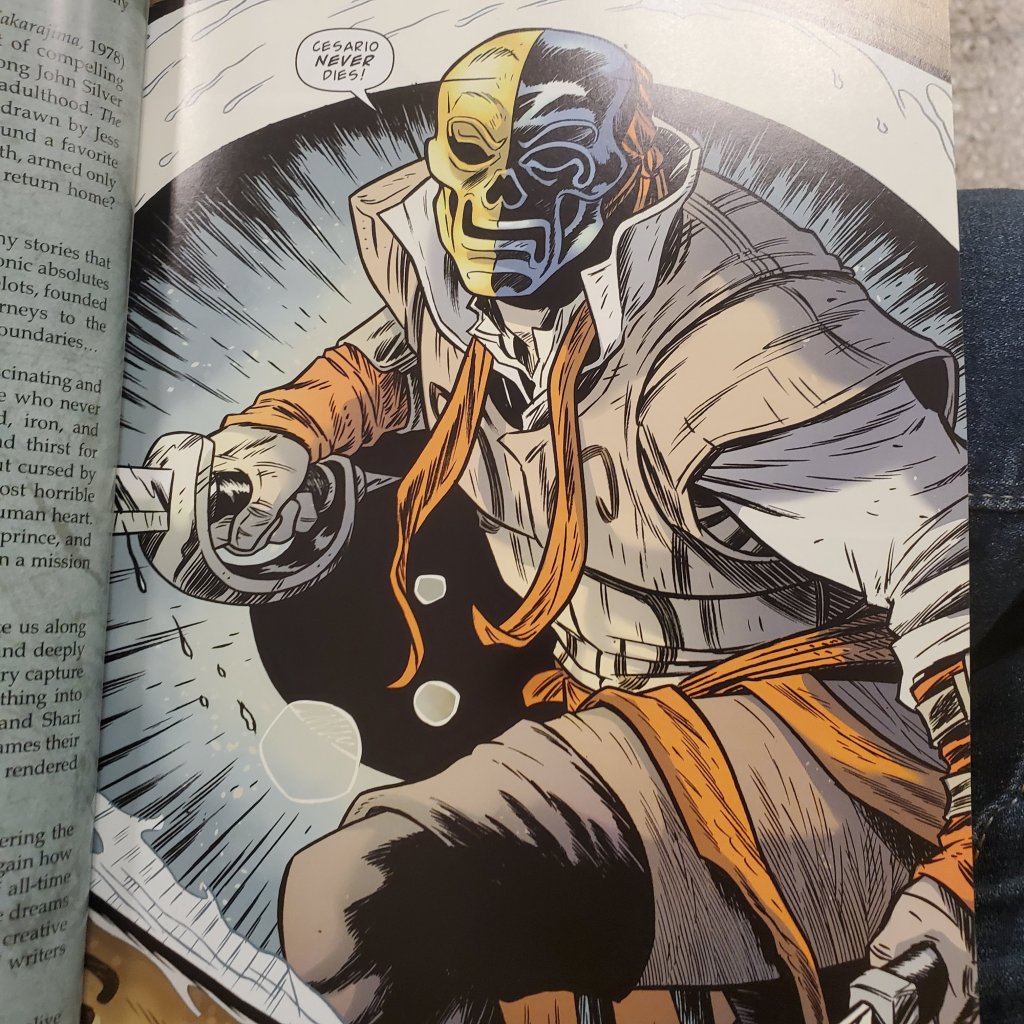
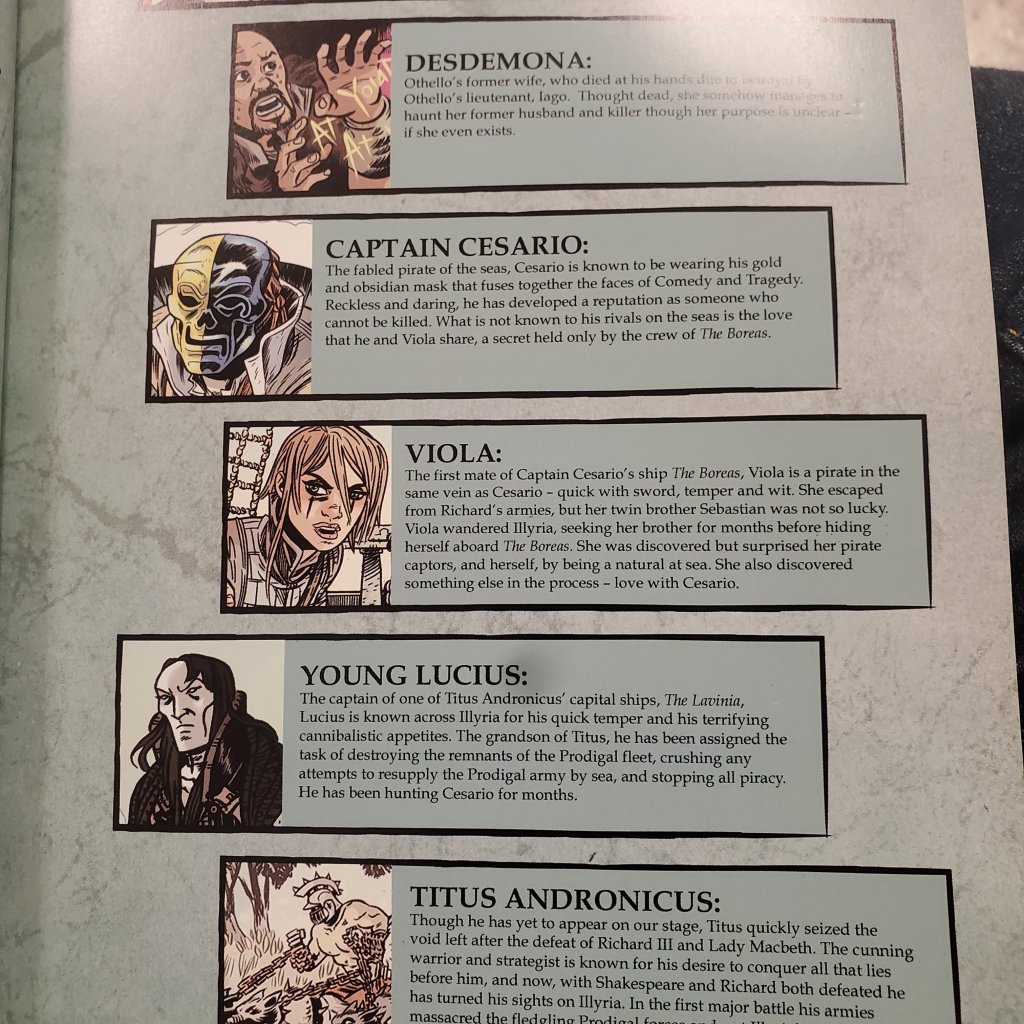
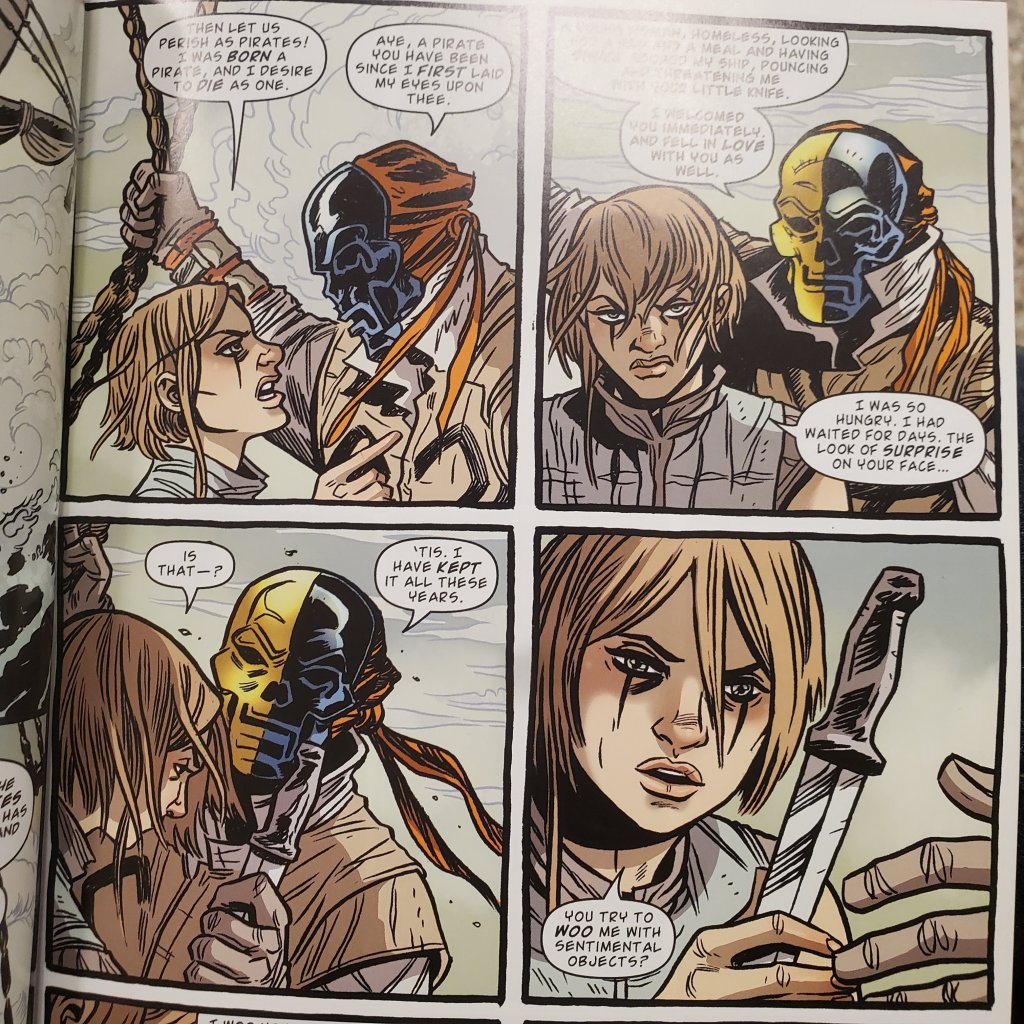
Most of the drama of the graphic novel centers around Captain Cesario, a dashing rogue pirate, and his first mate/ girlfriend Viola. The main characters from Volume 2, (Shakespeare, Hamlet, Juliet, and Othello), have escaped the effects of the island run by the mad wizard Prospero, but are still shell-shocked at feeling the terrifying psychic effects of that island. This is a clever plot device that basically makes it makes all the characters unnecessary except for Hamlet and Juliet. You could look at this installment as the story of 2 couples, (dare I say twin couples) where Viola and Cesario are fighting over whether or not to join Shakespeare and the other Prodigals, to remain on the high sea as pirates, or to betray them and become ingratiated with the fearsome cannibal-pirate Lucius Andronicus.
I won’t give too much away (there are some spoilers), but let’s just say that the relationships in Volume 2 have been tested to the breaking point; Hamlet and Juliet are having extreme problems, (almost as bad as Hamlet and Ophelia). Viola and Cesario are also fighting constantly. In addition, the ship is constantly under threat from the feared pirate Lucius Andronicus. Will the characters solve their internal conflicts before a mutiny breaks out? Or will they all be cut to pieces by the cannibal Lucius? On this boat, tempests are not kind, and salt waves are fresh with DEATH!
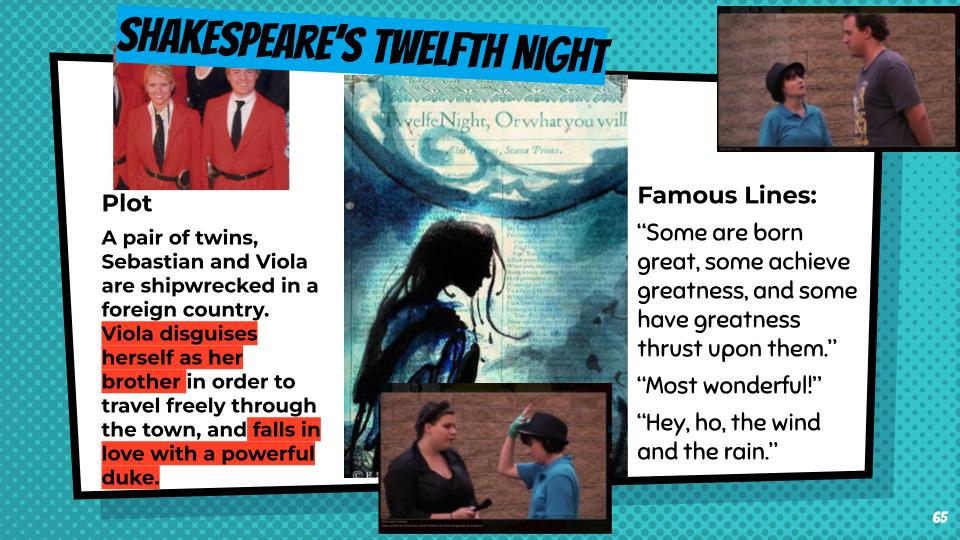
Kill Shakespeare, Volume 4 is largely based on Shakespeare’s Twelfth Night, which, although it mainly focuses on the courts of Duke Orsino and Countess Olivia, does have aspects of pirates, deception, and lovers quarreling. It is interesting (and I give the writers credit) for taking a light-hearted comedy with songs and dances and turning it into a swashbuckling pirate adventure; that takes real imagination, yet it works with the text; the first time we see Viola she is shipwrecked and the captain that saves her life is arrested offstage. This prompts Viola to disguise herself by wearing her twin brothers’ clothes and donning the non-de-plume Cesario, to freely behave like a man in a man’s world. Shakespeare already made Viola’s fate intertwined with the sea, so it makes sense that she might want to be a pirate. Kill Shakespeare takes Viola’s two identities and makes them two separate people, both intertwined with a love of the sea.
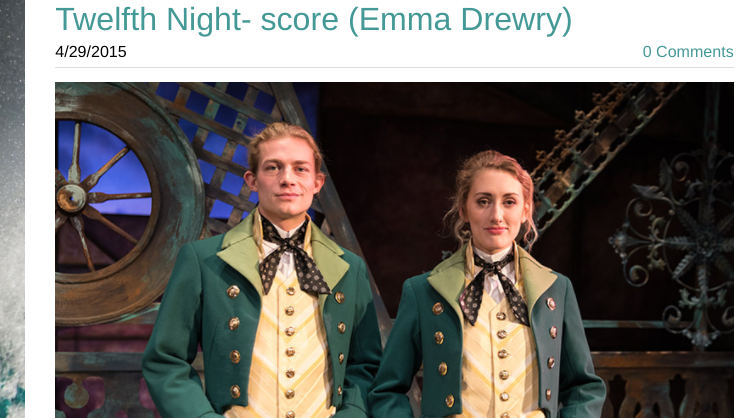
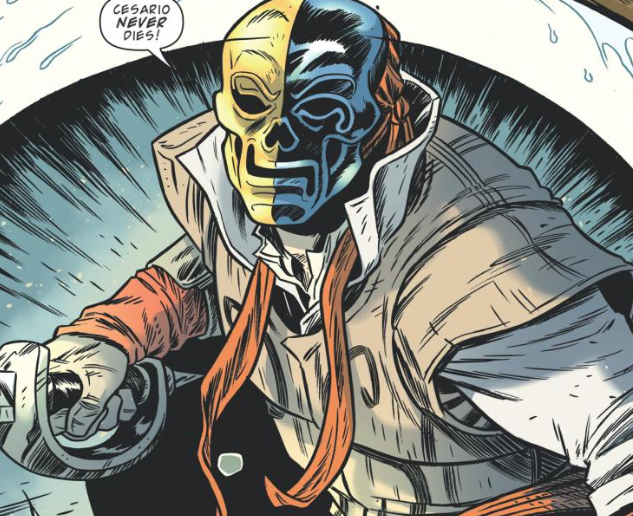
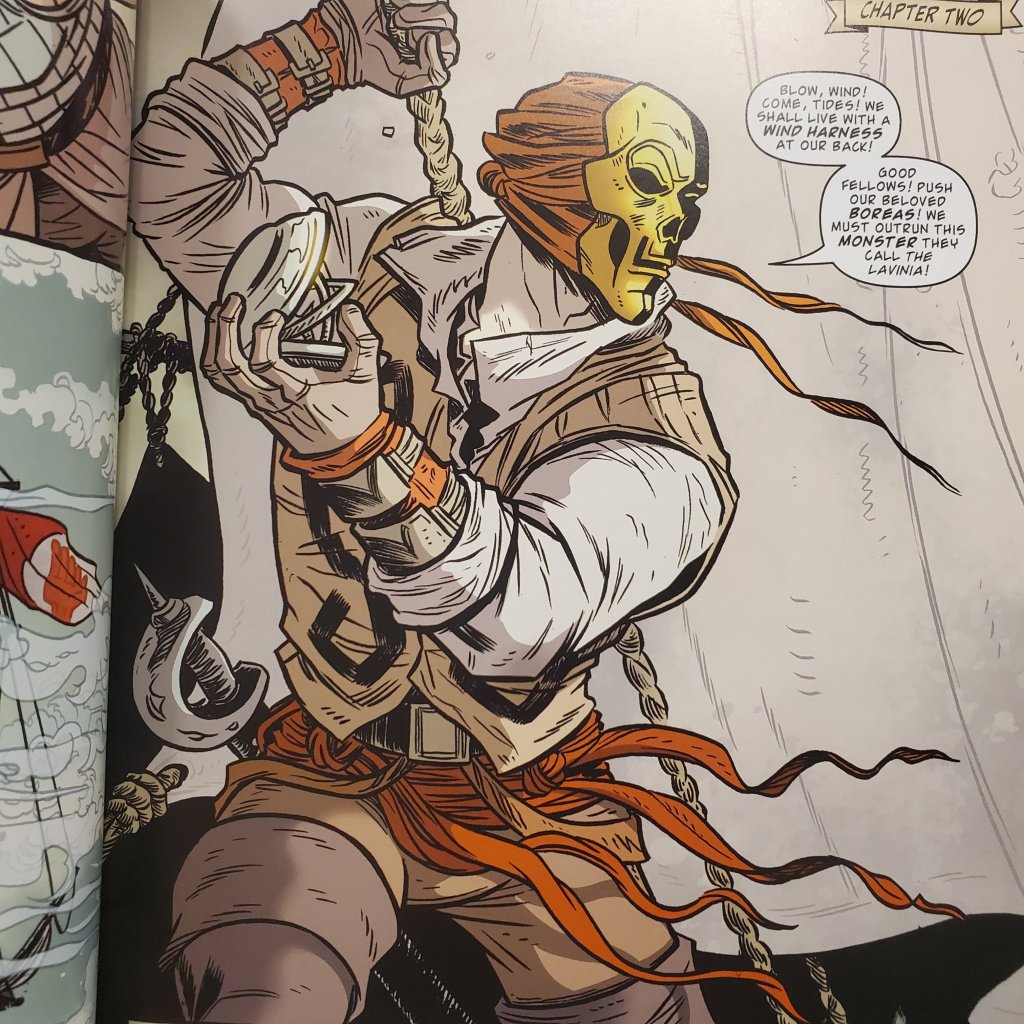
The graphic novel also conflates and expands other pirate characters from the play; there’s another captain in the play named Antonio who saves Viola’s brother Sebastian and is accused of being a pirate, While Viola in Twelfth Night is a noblewoman who out of necessity disguises herself as a man and becomes a servant to a Duke, Viola in this version is trying to escape being a noblewoman and becomes a pirate by choice. Meanwhile, Antonio, who denies being a pirate, is changed into the roguish Cesario, who loves Viola as much as Antonio loves her brother Sebastian in the play. Like Antonio, Cesario cares about Viola’s well-being and is willing to sacrifice everything to keep her safe, even being a pirate. This causes friction between the two since again, Viola wants to continue to be a pirate and would rather die than give it up. Their conflicting roles as shipmates and soulmates keep them at odds during the play, sort of like how Cesario’s mask is split down the middle; half tragic, and half comic.
Critique

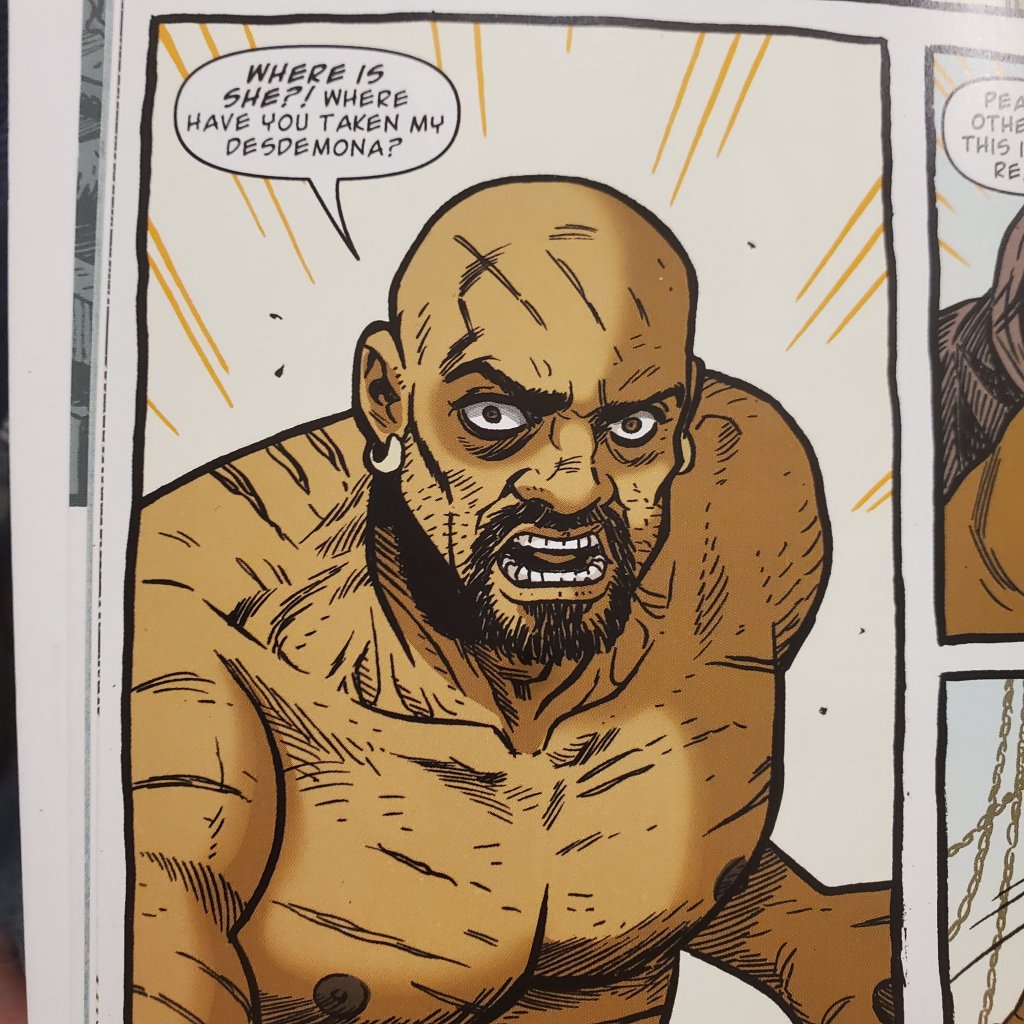
I think this graphic novel is poorly paced. Most of the first half consists of Cesario and Viola arguing about what to do with Shakespeare and the rest of the Prodigals. Their drama is good, but it supersedes everybody else, and I found myself wondering what was going to happen to Shakespeare and the rest, and wishing that they’d got more focus. Othello is reduced to a plot device because he is madly searching for Desdemona, whom he killed during the events of Shakespeare’s play. Othello is no longer the honest, loyal friend to Juliet that he was in the previous editions; now he’s more like The Incredible Hulk, filled with animalistic rage and unable to be controlled except by the love of his friend Juliet. In some ways, Othello was the most likable character in the previous volumes so I hated to see him like this.
In addition, the constant couples’ bickering gets a little bit tedious; I suppose that’s inevitable when you take all the comic elements out of Twelfth Night, (Sir Toby and Feste are back in Volume One, and Malvolio, Fabian, and Olivia are nowhere to be seen). I did enjoy the ending where Viola resolves her conflict with Cesario much the same way Viola solves the problem of her being Cesario in the play. I also like the way that they built up the antagonist Lucius from Titus Andronicus. Lucius is a good choice for a villain in this world because he’s seen some truly horrible things in his own play like his father mutilating people, his brothers and sister murdered, and the worst pie recipe of all time. Making Lucius a bloodthirsty, cannibalistic pirate is a great choice. Still, I wish they spent more time fighting with him instead of sailing away from him. In short, the characters are as compelling as ever but the action is lagging and the drama is reduced to mostly petty couple squabbling. I would like to see this series pick up in a more action-packed version more in keeping with a graphic novel.
Recommendation: I’d recommend this book to all mature fans of Shakespeare, anime, Manga, D&D, or any kind of nerd stuff!

Grade: 2 Shakespeare globes.

 The Shakespearean Student