LupercalPatterson Joseph in “Julius Caesar”CoriolanusAntony and Cleopatra
In honor of “The Ides Of March” and Women’s History Month, I’ve planned a series of posts, podcasts, activities, and videos all related to “Julius Caesar” and Shakespeare’s female characters. Here’s a preview:
Happy Black History Month Everyone! Today I’m paying tribute to a great actor and activist, Mr. Ira Aldridge (1807-1867).
Ira Aldridge portrait by James Northcote
Mr Ira Aldridge was not only a great actor but also an influential figure in the abolitionist movement. He rose from the depths of discrimination and dehumanization to become a famous, respected international actor. Furthermore, his life was marked by creating new opportunities for himself and other people of color.
Mr. Aldridge as Othello.
Who Was Ira Aldridge?
Early Life
True feeling and just expression are not confined to any clime or colour.
Ira Adridge
Born in New York in 1807, Mr. Aldridge had dreams to found an all-black theater even as a teenager. His first job was with William Brown’s African Theatre, the first African American theater company. However, discrimination and racism blocked Mr. Aldridge from success in New York, when another theater manager “hired thugs to beat up the actors”. The theatre subsequently burned down and the actors were abused by the New York police. Undaunted, Aldridge decided to take his talents to England, boarding a ship, and arriving in the early 1820s. (Howard, qtd in Thorpe 1). Even though he faced discrimination and violence as a child, Mr. Aldridge would not be deterred. Soon his skill as a Shakespearean actor would soon command respect from all.3.) He refused to be defined by the color of his skin, but by his skill as an actor.
Success In Shakespeare
Ira Aldridge as Aaron in “Titus Andronicus”
In order to become a professional actor, Ira Aldridge boarded a ship to London and became a Shakespearean actor in the early 1820s. He not only became the first black actor to play the role of Othello, he also played other roles such as Shylock in The Merchant of Venice, Gambia in The Slave, and other roles that denounced the evils of slavery:
Aldridge chose to play a lot of anti-slavery roles, including Othello, as well as the standard lead parts in the repertoire,” said Tony Howard, professor of English at Warwick University.
Not only did his performances call attention to the evils of slavery, they also challenged preconceived notions of what black people were capable of. As you can see in this reproduction of Mr. Aldridge’s 1851 tour advertisements, Ira Aldridge chose to bill himself as “The African Roscius,” a reference to an ancient Roman actor. His performances were heralded for his poise and dignity. The Leeds Times highlights “The passions he admirably portrayed in the human breast.”
No sooner did the Moor make his appearance, than I felt myself, I confess it, instantly subjugated, not by the terrible and menacing look of the hero, but by the naturalness, calm dignity, and by the stamp of power and force that he manifested.
Ira Aldridge
From 1820 to his death in 1867, Mr. Aldridge touredmore than 250 theatres across Britain and Ireland, and more than 225 theatres in Europe. Though he had much more success in Europe, Mr. Aldridge still had to confront prejudices. According to ArtUK.org:
One scathing (and racist) review for The Times claimed that: ‘His figure is unlucky for the stage; he is baker-knee’d and narrow-chested; and owing to the shape of his lips it is utterly impossible for him to pronounce English in such a manner as to satisfy even the fastidious ears of the gallery.’
Thus, Aldridge’s performances confronted and challenged racist views of whether or not a real black person could play Othello, subtly changing the hearts and minds of the European public, at a time when the question of slavery threatened to rip Europe, (and later the United States) apart.
Abolitionism
Although Aldridge didn’t arrive in Britain with the sole purpose of promoting the abolitionist movement, his impressive skill, charisma and oratory capabilities inevitably swayed public opinion. He became known for directly addressing the audience about the injustices of slavery on the closing night of his play at a given theatre (Source: https://artuk.org/discover/stories/ira-aldridge-a-brief-visual-history-of-the-black-shakespearean-actor )
As I’ve written before, Shakespeare has a complicated relationship with the American Civil War, and ironically, many people in the Civil War were Shakespearean actors. More importantly, England at this time was deeply divided about whether or not to support the Union or the Confederacy. England was embroiled in the cotton trade with America, and thus had an economic incentive to support the South. At the same time, public opinion was very much against slavery at the time, and Aldridge helped keep England’s public within that mindset.
Ira Aldridge cared about abolitionism and making life better for black people, especially actors. Not only did he speak out against slavery onstage, he also helped change hearts and minds in local communities. According to ArtUK, in 1828, Mr. Aldridge was approached by Sir Skears Rew to become the new manager of the Coventry Theater. He was the first black man to manage an English theater. Aldridge became a beloved member of the community of Coventry and may have helped inspire the community to petition Parliament to abolish slavery. EThus, Mr. Aldridge’s success in Europe helped open doors for European black actors and encouraged the abolitionist movement, while his sympathetic portrayals of former slaves and oppressed peoples helped change hearts and minds.
Aldridge’s Influence Today
“Aldridge has always interested black stars, but the wider influence he had is not well known,” said Howard. “Robeson was a great fan of his, and when he came to London to play Othello in 1930 at the Savoy, he put on an exhibition about Aldridge in respect of his memory.”
For nearly 100 years, actors and devotees of Mr. Aldridge have been inspired by his life. As the quote above indicates, the next great American Shakespearean Paul Robeson helped build his career on Aldridge’s success; being the first black man to play Othello on the American stage, and eventually touring Europe himself as an actor and a distinguished opera singer. Click below to read more about how Aldridge inspired generations of black actors, and his tours helped bring Shakespeare to many previously unknown European countries.
In modern films and plays, Mr. Aldridge is remembered as a hero, and rightfully so. In the play “Red Velvet,” actor Adrian Lester plays Aldridge and highlights his struggles and successful contributions to the theatre. He was not only a great actor but a dignified and courageous champion of the rights of all people. I’m proud to conclude my black history month posts with this review of the life and career of a man who inspires all Shakespeareans and turned his profession into a powerful call for change.
As you probably know, I love to review children’s adaptations of Shakespeare (whether direct or indirect). “The Lion King,” (Hamlet), “Encanto” (King Lear), and of course, the many adaptations of “Romeo and Juliet,” are mainstays on this website: Gnomio and Juliet, Romeo and Juliet: Sealed With A Kiss, even Pocahontas have their basic plot and characters firmly rooted in Verona Italy.
Then one day by chance, I found this book in a local park, and I knew I had to review it!
THe Premise
This is a simple re-telling of the story of Shakespeare’s play that focuses on just the young lovers. You feel for these cute little animals and in a way, making them a kitty and a dog smitten with puppy love, makes them more understandable and sympathetic than Shakespeare’s youthful teenagers, who indulge in violent delights without using their human reason.
What It Keeps
The Story
The book keeps the feud between the two families, has the young lovers meet in disguise at a ball, fall in love on a balcony, get married, and amazingly, DIE! Laden still manages to tell the story in a kid-friendly way, though giving it tragic weight.
THe Language
The book opens with a rhyming prologue, which, although it isn’t in sonnet form, has the same function as Shakespeare’s prologue- to explain the plot before we see it played out in the book, thus giving the whole story a sense of dramatic irony. Plus, as you can see, Laden also imitates Shakespeare’s love of wordplay with metaphors and puns, (a tale of tails), and alliteration to give the dialogue some wit and effervescence. Reading it gave me giggles like I’d just popped open some champagne.
What it changes: Spoiler alert
All throughout, Laden makes small changes to simplify the plot and remove characters that don’t directly impact the main plot. The characters of Lord/Lady Capulet and Lord/Lady Montegue, The Nurse, Paris, Peter, the servants, and the friars are completely absent, turning an already brief play into an even more compressed story.
Like a lot of animal retellings I’ve seen of this story, the author recasts the human leads as animals that are natural enemies- in this case, cats and dogs. This makes the story easier for kids to understand- as I’ve said before, it’s often difficult to keep track of who belongs to which house in Shakespeare’s version. All you need to know is that Romeo and his brothers are cats and Juliet’s family are dogs.
Funnily enough, my daughter actually complained that the story would’ve been better if Juliet were a cat instead of Romeo, which I agree with for very specific reasons. The character of Tybalt is named after a character from a prose story called “Reynard the Fox,” who had the epithet, Prince of CATS. Mercutio annoys Tybalt by taunting him with this title before challenging him to a duel:
Tybalt: What would you with me? Mercutio: Good Prince of Cats, nothing but one of your nine lives! Romeo and Juliet, Act III, Scene i.
It would’ve been a funny Shakespeare easter egg to have Juliet and Tybalt be portrayed as cats, but I understand why they went with dogs- Drooliet is a hilarious pun, and having Tybalt be a vicious, rabid dog helps set him up as a fearsome antagonist.
I suppose you’re wondering, how can the author keep Shakespeare’s tragic ending in a children’s book? Well, like Shroedinger’s cat, she manages to make Romeow die and not die at the same time. He gives Drooliet one of his 9 lives, allowing them both to ‘die’ and then come back for a happy ending. It’s a brilliant way to nod at the original, while also keeping the kid-friendly tone.
My Reaction
This book is really fun and very enjoyable for kids, parents, and teachers who want to introduce kids to Shakespeare at an early age!
Just below you can watch the book being read by actress Hayle Duff:
For Throwback Thursday, I’m talking about my first-ever experience going to the Globe Theater. Back in 2007, I saw a production of “Othello” starring Eamon Walker as Othello, and Tim McInerney as Iago. Below are some images from the excellent souvenir program I purchased:
The experience was very special to me I went to London for the second time with my classmates in a college theater class, many of whom I’d also performed with earlier that year in Romeo and Juliet. I got to see over 15 shows in London’s west end , but going to the Globe was definitely a highlight. It felt like a pilgrimage and the icing on the cake after studying Shakespeare’s plays all year long. It was also very serendipitous that the play we saw was Othello, since, as you can see in the video below, I noticed that Sam Wannamaker, the founder of the Globe, performed in the play himself as Iago:
THe concept
Again, since this was my first time seeing a play at the Globe, I appreciated that they played it straight- Elizabethan costumes, no bizarre staging. This felt very much like stepping back in time. Some critics in recent years say that all Globe Productions should be staged like this, and decry more experimental productions. I see an argument for both camps. The Globe is both a temple to Shakespeare’s life and work, and a modern theater that tries to push the boundaries of live performances, and I think this kind of variety is good. That said, I’m glad that every once in a while, they just let a Shakespeare play be classic.
Yes, this is one of the first ever Othellos I saw, and the first one I ever saw live, but Mr. Walker will always be one of my favorites. He really nails the complexities of Othello’s emotions- from powerful and stoic, to sweet and romantic, to rage-filled and abusive. I really felt for him and truly hated Iago for taking such a worthy person and turning him into a monster.
What Mr. Walker does incredibly well is show Othello’s journey to fight the simmering hatred and jealousy he feels towards Desdemona. You can see it in his face when Desdamona casually mentions that Cassio (the man Othello suspects is sleeping with his wife), has just been in the room with her.
I’ve heard critics claim that Mr. Walker’s voice is hard to hear, and I have to admit, his voice is a little hard to hear in an outdoor amphitheater like the Globe, but his physicality and his sublime characterizations of the role of Othello more than makeup for it. In addition, his great portrayal of Othello was also immortalized in a great TV (which I’ll talk about another time), which makes the aforementioned critique of his voice irrelevant.
In 2000, Mr. Walker starred in a made-for-TV movie modern-day Othello which has this heartbreaking scene at a restaurant (1:12:00- 1:15:00) where John Othello, (the first black police chief in England), talks about how his people left Africa, came to England and were given “Other men’s leavings.” He also makes it clear that for years he wanted to be white. This Othello is very clearly not healed from his generational trauma, and it comes out in violent ways:
I honestly liked Tim McInerney less as Iago than in other roles, such as his film role in Ian McKellen’s Richard III. I thought his character voice was too gruff to be understood, and though his physicality is good, I didn’t get much of a sense of his concept for the character. As I’ve written before, Iago is a compelling part, but the actor has to have a clear objective to help us in the audience understand why he feels the need to destroy Othello.
These minor nitpicks aside, this was an excellent production, and I’m really pleased to retell my experience to you. Below are links to reviews and photo slideshows.
In this virtual version of my popular “Macbeth” course, you will engage with William Shakespeare himself and learn about his play in a fun, spooky, and interactive way!
Unlike my previous “Macbeth” course, all teacher interactions will be done through the use of pre-recorded video. Through a combination of multimedia lectures, online games, and a digital escape room, students will delve into the plot, characters, and themes of “Macbeth.” The class is designed to be interactive, fun, smart, and spooky.
Class organization
The class is organized into five parts using a combination of Nearpod, online games, videos, and a digital escape room.
Part I: The Plot of “Macbeth”
You will play a video where William Shakespeare (played by me), will introduce the plot, characters, and literary terms in the play, “Macbeth,” The video will feature graphics, video, and recordings that will explain the plot and who the characters are, and their significance to the plot. Shakespeare will also take time to define a series of vocabulary terms like “soliloquy” and “tragic flaw,” terms that explain his unique writing style and how he constructed his tragedies. After the video, students will participate in a group quiz via Nearpod. The quiz will cover the vocabulary words the students just learned, as well as the characters. and see their scores that will show how well they applied their knowledge from Part I.
Part Two: Jacobean England
Students will learn via Nearpod and Youtube about the English King James I, the monarch for whom Shakespeare wrote “Macbeth.” First, the students will read 1-3 slides with some historical details about the king. Then the students will watch a funny parody song about the life of the Stuart monarchs and answer questions about King James’ life. The section will conclude with slides and a virtual tour of Parliament about the infamous Gunpowder Plot, where an assassin tried to blow up the English government!
Part THree: The Curse Of Macbeth
Using Nearpod, students will delve into the tragic history of the persecution of witches, which Shakespeare incorporated into “Macbeth.” The students will then read an article about the characters of the witches and answer open-ended questions on Nearpod. Next, the students will read an article about the alleged ‘Curse of Macbeth,’ and learn about the long-standing theater superstition. The class will conclude with an online game via Scratch, where you play as Macbeth and deliver the famous Dagger Speech before going to kill the king.
Part Four: Acting Shakespeare
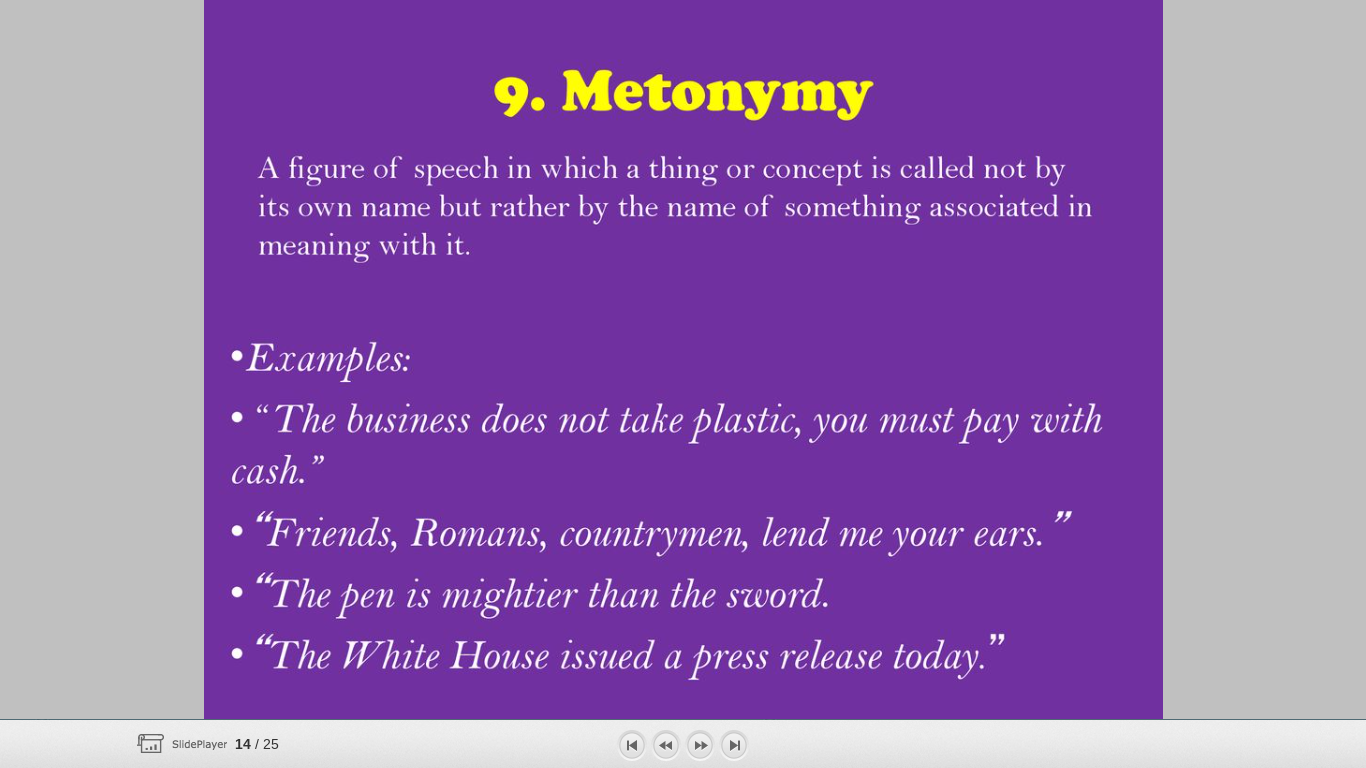
I contemplate murder in Act I, scene vii.
As you know, I’ve played Macbeth professionally and have written articles about the experience. Using Nearpod slides, online articles, and a Youtube video of Sir Ian McKellen, students will deconstruct the process of creating a Shakespearean character, and how actors make famous speeches fresh and alive.
Part Five: Digital Escape Room
Part V: The Digital Escape Room (Spoiler Free Version)
In a combination video/ website, Shakespeare will direct the students to a digital Escape Room, a game where students pretend that the witches from Macbeth have trapped them and Shakespeare in a cursed castle, and the only way to get out is to finish a series of puzzles that cover the characters and vocabulary they learned. The Escape Room will include word searches, decoding ciphers, a sinister forest, and a clever interpretation of the famous dagger speech. The video is designed so Shakespeare allows you to solve the problems independently, or with him guiding you through them. Each puzzle you solve, you enter in a Google Form, getting you one step closer to escaping the cursed castle.
For the final class of my course on Shakespeare’s Tragedies, I’m coaching two young actors on a pair of tragic speeches I’ve selected, and I thought I’d share some of that work with you. The first is a speech by Lady Macbeth that comes from Act I, Scene v, which I discussed in another post. But today, I’m going to talk about the second one, Iago’s soliloquy in Act II, Scene iii.
The Text
Iago. And what’s he then that says I play the villain? When this advice is free I give and honest, Probal to thinking and indeed the course1490 To win the Moor again? For ’tis most easy The inclining Desdemona to subdue In any honest suit: she’s framed as fruitful As the free elements. And then for her To win the Moor—were’t to renounce his baptism,1495 All seals and symbols of redeemed sin, His soul is so enfetter’d to her love, That she may make, unmake, do what she list, Even as her appetite shall play the god With his weak function. How am I then a villain1500 To counsel Cassio to this parallel course, Directly to his good? Divinity of hell! When devils will the blackest sins put on, They do suggest at first with heavenly shows, As I do now: for whiles this honest fool1505 Plies Desdemona to repair his fortunes And she for him pleads strongly to the Moor, I’ll pour this pestilence into his ear, That she repeals him for her body’s lust; And by how much she strives to do him good,1510 She shall undo her credit with the Moor. So will I turn her virtue into pitch, And out of her own goodness make the net That shall enmesh them all. Othello, Act II, Scene iii Lines 1488- 1513.
The Given Circumstances
Iago has begun his plan to humiliate Cassio and destroy Othello and Desdemona by getting Cassio drunk and sending Roderigo to fight with him. Alone in soliloquy, Iago explains how his advice to Cassio, to ask Desdemona to plead Othello on his behalf, is in reality the pin that will set off an explosion of distrust and pain for all of them:
Traditional Interpretations
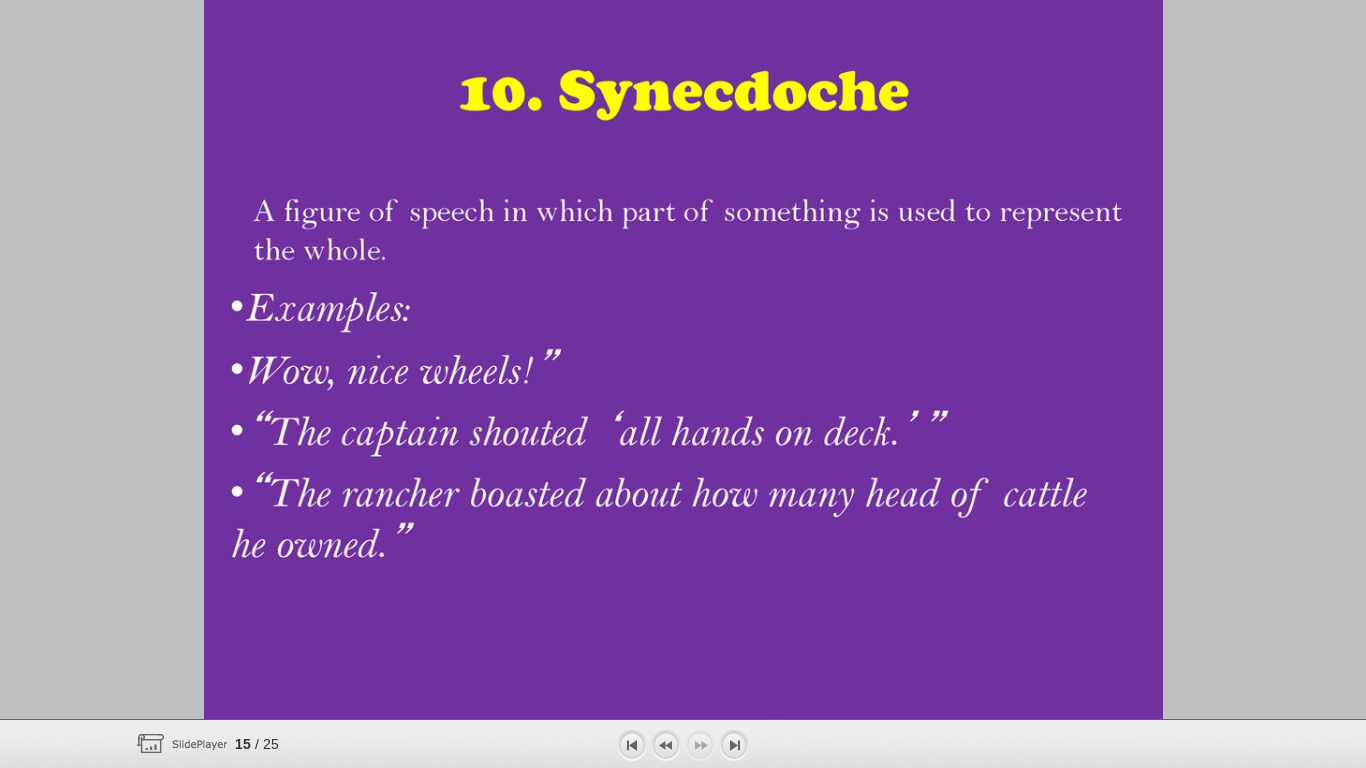
Slide from my course on Shakespeare’s tragedies. Outschool, 2022
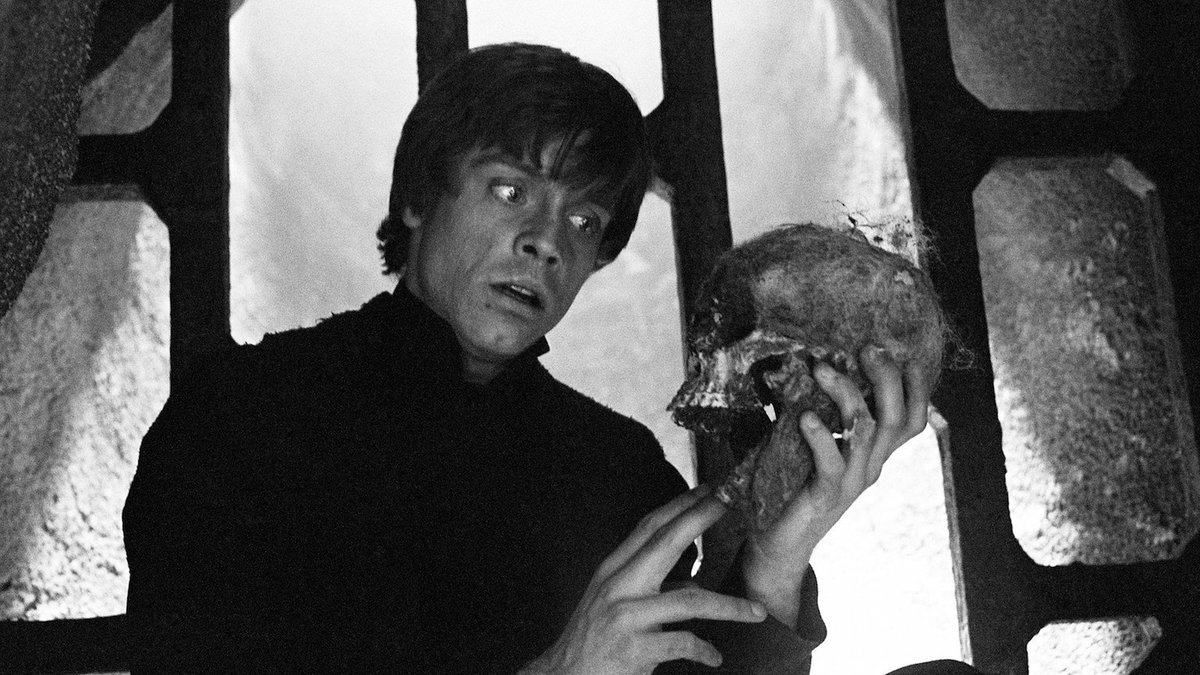
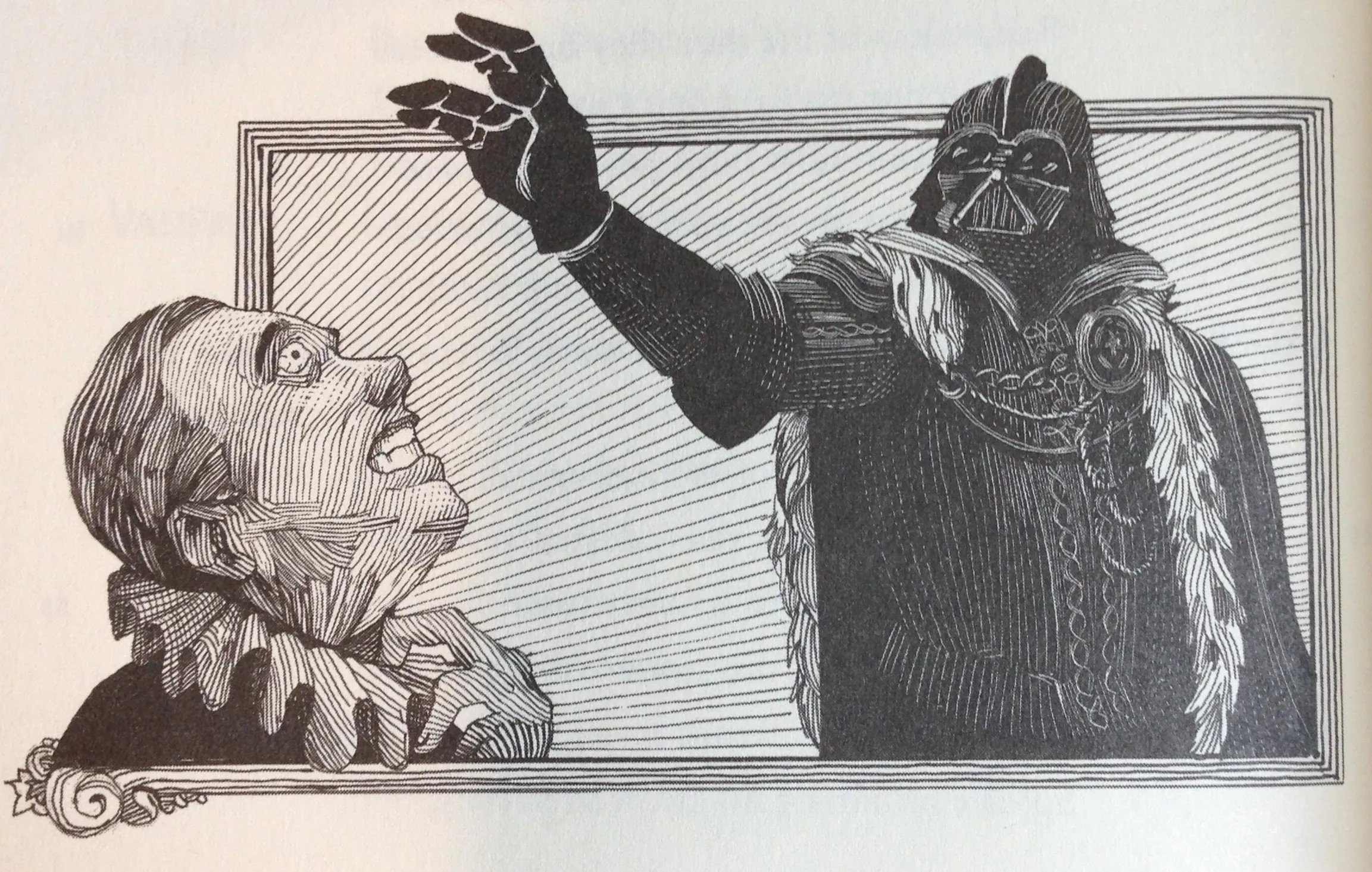
Iago poisons Othello’s mind by deceiving him into thinking his wife is unfaithful. He also manipulates the lusts and prejudices of those around him. These actions, coupled with a number of passages where he brings up Satanic or hellish imagery, are why many productions portray Iago as if he were The Devil himself, and explain his hatred for Othello as nothing more than desire to do evil for its own sakee; what the poet Colridge called: “Motiveless malignity.”
It is true that Iago speaks and acts like The Devil through the course of the play, but that doesn’t mean he thinks like a devil. Any actor will tell you that ‘motive-less malignity,’ is impossible to play. An actor has to construct a reason for why his character behaves this way. Below are some interviews and quotes from great Iagos who explain how they justified Iago’s evil and tried their best to find the man within the monster.
Iago is an easy part to bring off and rarely fails to impress. I am not the first to realise that there is no need to act the underlying falsity of the man rather to play “honest Iago” on all occasions. “Do not smile or sneer or glower — try to impress even the audience with your sincerity”: Edwin Booth. As Iago confides the truth to the audience (as always in Shakespeare), they are privy to his deceit and the gulling of Roderigo, Cassio, Desdemona and Othello himself. It is an unfair advantage and early on Willard accused me of trying to get the audience on my side against him. I explained that I didn’t need to try — Shakespeare had organised it that the villain’s part should be the audience’s portal into the action. The history of the play records many more serious misunderstandings between the Moor and his Ancient.
Iago loves to turn holy things on their head, and he revels in it with phrases like: “Divninity of Hell,”
“Do and Undo” and the notion of turning virtue into pitch, a substance that defiles what it touches.
Puns, Assonence, and Alliteration
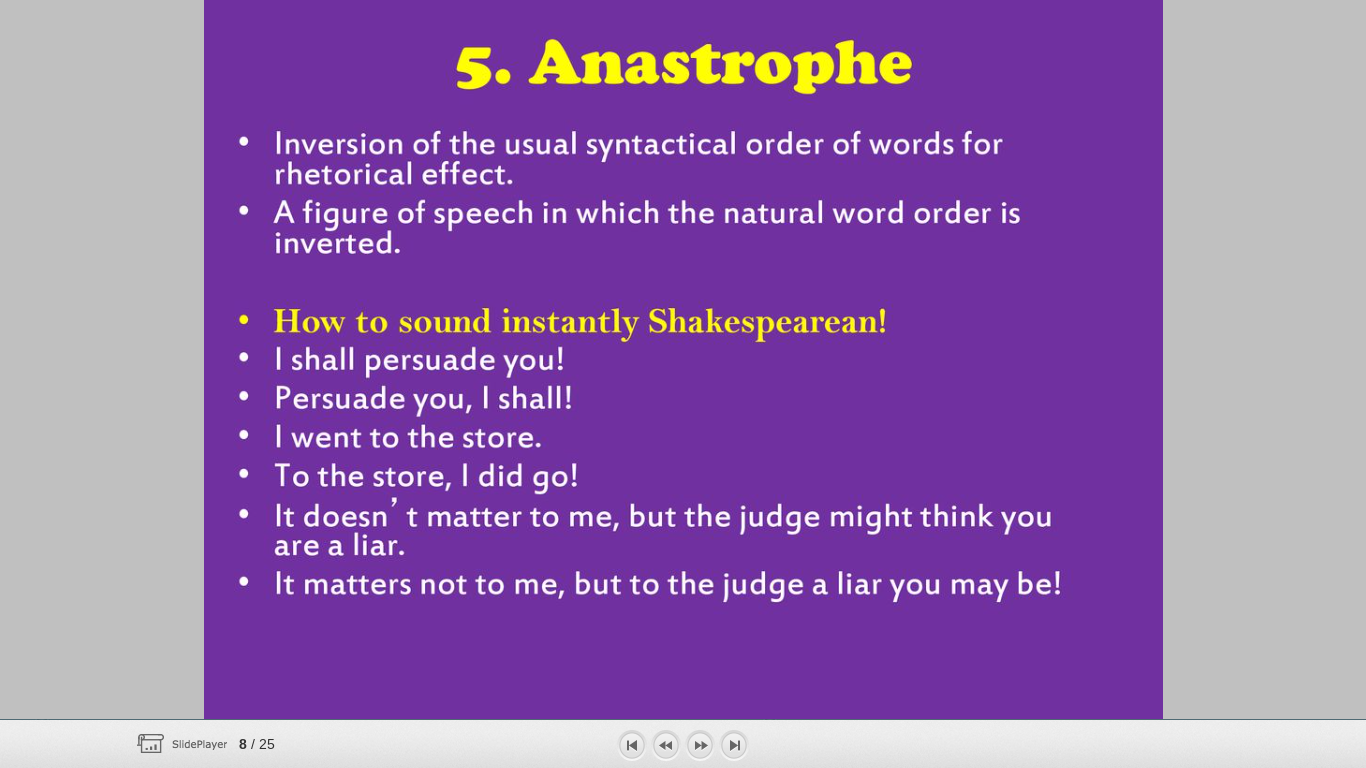
In this speech especially, Iago likes to play with similar-sounding words “Fool” and “Fortune,” as well as sounds within those words like “Plied/Plead” and “Pour/Moor.” Iago’s soliloquy shows off that his ability to manipulate language as well as his ability to manipulate people.
Iago. And what's he then, That saies I play the Villaine? When this aduise is free I giue, and honest, Proball to thinking, and indeed the course To win the Moore againe. For 'tis most easie Th'inclyning Desdemona to subdue In any honest Suite. She's fram'd as fruitefull As the free Elements. And then for her To win the Moore, were to renownce his Baptisme, All Seales, and Simbols of redeemed sin: His Soule is so enfetter'd to her Loue, That she may make, vnmake, do what she list, Euen as her Appetite shall play the God, With his weake Function. How am I then a Villaine, To Counsell Cassio to this paralell course, Directly to his good? Diuinitie of hell, When diuels will the blackest sinnes put on, They do suggest at first with heauenly shewes, As I do now. For whiles this honest Foole Plies Desdemona, to repaire his Fortune, And she for him, pleades strongly to the Moore, Ile powre this pestilence into his eare: That she repeales him, for her bodies Lust' And by how much she striues to do him good, She shall vndo her Credite with the Moore. So will I turne her vertue into pitch, And out of her owne goodnesse make the Net, That shall en-mash them all. First Folio Transcription from Internet Shakespeare Editions
For the first 13 lines, Iago’s verse is uneven and has a lot of run on lines. It almost seems like he’s speaking in prose, which is to say, that he is speaking from his mind, but not his heart. Then, right at the line: “Divinity of Hell,” the tone changes, the verse is slower and more deliberate. Now Iago is letting his real feelings out- his narcisism, his sadistic glee, his mysogyny and his utter hatred of everyone in the play.
Questions to consider
Again, what is the real reason Iago hates Othello? Jealousy? Lust? Envy?
How does Iago feel about this plot? Does it give him pleasure? Pain? What will destroying Othello accomplish for him?
Our Interpretation
The Moor, howbeit that I endure him not, Is of a constant, loving, noble nature,1090 And I dare think he’ll prove to Desdemona A most dear husband. Now, I do love her too; Not out of absolute lust, though peradventure I stand accountant for as great a sin,
In this interpretation, I believe Iago really actually loves Desdemona and hates Othello for taking her away from him. His unrequited love also manifests itself as a bitter hatred toward her. In our culture, men who love women but are unable to possess them are demeaned and mocked with terms like ‘simp,’ ‘incel,’ ‘loser,’ or even ‘cuck.’ With this in mind, I think Iago’s devilish imagery is based on being denied love. Like Lucifer, I feel Iago lost paradise when he lost Desdemona, and now hates everyone who takes her away from him, including himself.
For the final class of my course on Shakespeare’s Tragedies, I’m coaching two young actors on a pair of tragic speeches I’ve selected, and I thought I’d share some of that work with you. The first is a speech by Lady Macbeth that comes from Act I, Scene v. In this speech, Lady Macbeth prays to dark spirits to make her cold and remorseless, so that she can convince her husband to kill the king, and take the throne.
The Text
Lady Macbeth. The raven himself is hoarse That croaks the fatal entrance of Duncan Under my battlements. Come, you spirits390 That tend on mortal thoughts, unsex me here, And fill me from the crown to the toe top-full Of direst cruelty! make thick my blood; Stop up the access and passage to remorse, That no compunctious visitings of nature395 Shake my fell purpose, nor keep peace between The effect and it! Come to my woman’s breasts, And take my milk for gall, you murdering ministers, Wherever in your sightless substances You wait on nature’s mischief! Come, thick night,400 And pall thee in the dunnest smoke of hell, That my keen knife see not the wound it makes, Nor heaven peep through the blanket of the dark, To cry ‘Hold, hold!’ Macbeth, Act I, Scene v, Lines 388-403.
The Given Circumstances
Lady Macbeth has just received a letter from her husband. That letter informs her the witches prophesied he would be king. Soon after she’s finished reading it, another messenger, (hoarse and out of breath), tells her that King Duncan will be staying at her castle tonight! Lady Macbeth immediately sees this as the perfect opportunity to make her husband king, by plotting to murder Duncan as he sleeps under her roof.
Traditional Interpretations
I’ve seen at least six productions of “Macbeth” and when it comes to this scene I think the main interpretations I see are either that Lady Macbeth is gleefully evil, or highly sexual. While it is true that she is praying to dark spirits, and her language when she speaks to Macbeth is sexually charged, I feel that these are not the only options when playing this character.
Francis McDormad
I love the regal poise of Francis in this 2021 movie. She is utterly in control and has absolutely no qualms about murder. I get the sense that she’s more praying to Mercury to get her to speak daggers to her husband, instead of to Lucifer to help her use one. She even has knives coming out of her ears (look at those earings!) This Lady Macbeth doesn’t seem evil in the sense of a cartoon villain. She’s just a woman in a violent society who believes that regicide is an acceptable way to sieze power. I think in this world, might makes right.
By contrast, Judy Dench in the 1979 RSC production is also very human. Her spirits are like… well spirits. You get the sense that she’s taking a swig of liquid courage to get her to go through with these actions which SHE KNOWS ARE WRONG.
Literary Devices
Imagery
“The Triple Hecate,” by William Blake, 1794.
Ravens in Greek and Norse myths were birds of prophecy and associated with the goddess of magic, Hecate (who appears in the play in Act IV). Ravens often appeared to announce deaths or execution. The speech is also full of imagery that rejects traditionally ‘feminine’ virtues. Lady Macbeth seems to associate womanhood with kindness, mercy, pity, and remorse and thus attempts to shed her femininity to accomplish her cruel objective of killing Duncan.
Verse
The Rauen himselfe is hoarse, That croakes the fatall entrance of Duncan Vnder my Battlements. Come you Spirits, That tend on mortall thoughts, vnsex me here, And fill me from the Crowne to the Toe, top-full Of direst Crueltie: make thick my blood, Stop vp th'accesse, and passage to Remorse, That no compunctious visitings of Nature Shake my fell purpose, nor keepe peace betweene Th'effect, and hit. Come to my Womans Brests, And take my Milke for Gall, you murth'ring Ministers, Where-euer, in your sightlesse substances, You wait on Natures Mischiefe. Come thick Night, And pall thee in the dunnest smoake of Hell, That my keene Knife see not the Wound it makes, Nor Heauen peepe through the Blanket of the darke, To cry, hold, hold. Macbeth, Act I, Scene v, First Folio Reprint from Internet Shakespeare Editions.
It’s interesting to note that (in the First Folio text) this speech is only three sentences long. It is a constant build up of energy with only three stops. In addition, Shakespeare puts the most important words, at the end of each line. Almost every line ends with something Lady M wants to kill, such as Duncan, or wants to kill within herself (peace, remorse, nature, Woman(hood). The verse also has commands strewn about in the beginnings and ends of lines. The question is, how confident does Lady Macbeth feel while giving them?
Questions to consider
One of the biggest questions I have with this play is why Lady Macbeth and her husband want to be king and queen anyway? After all, Shakespeare has written plenty of plays that detail how hard and stressful (uneasy) it is to be king. Plus, Macbeth is already a trusted lord and friend of the king, why would he want to damn himself to get a job he knows isn’t his to take? I think that, especially now in the 21st century, it’s very important to have a coherent motive for why the Macbeths are willing to kill for the crown.
Our Interpretation
Looking over the text, my actress sensed a deep loneliness in Lady Macbeth and a haunted feeling that makes her seem desperate to change her life. I thought about how insomnia and paranoid fears are repeated motifs in the play, as well as character traits found in both Macbeth and later Lady Macbeth. Then I thought- Macbeth is a soldier; his wife has probably had to spend years wondering if he is going to come home and imagining what kind of terrible death he might suffer on the battlefield While the king sits safely at home. Perhaps she sees killing the king as a form of revenge for all the fear and sleepless nights she’s experienced, and an attempt to protect her husband from war, by safely placing him on the throne. Maybe she sees this as the only way to make sure her beloved husband never dies in battle. Therefore, instead of watching an evil woman become more evil, you’re watching a good woman, (with good intentions), damn herself for love, which I would argue is a much more active and dynamic choice.