

Special Occasion
Book Review: Year Of the King

Today I pay tribute to a remarkable book written by a great actor, who has inspired me and countless others.


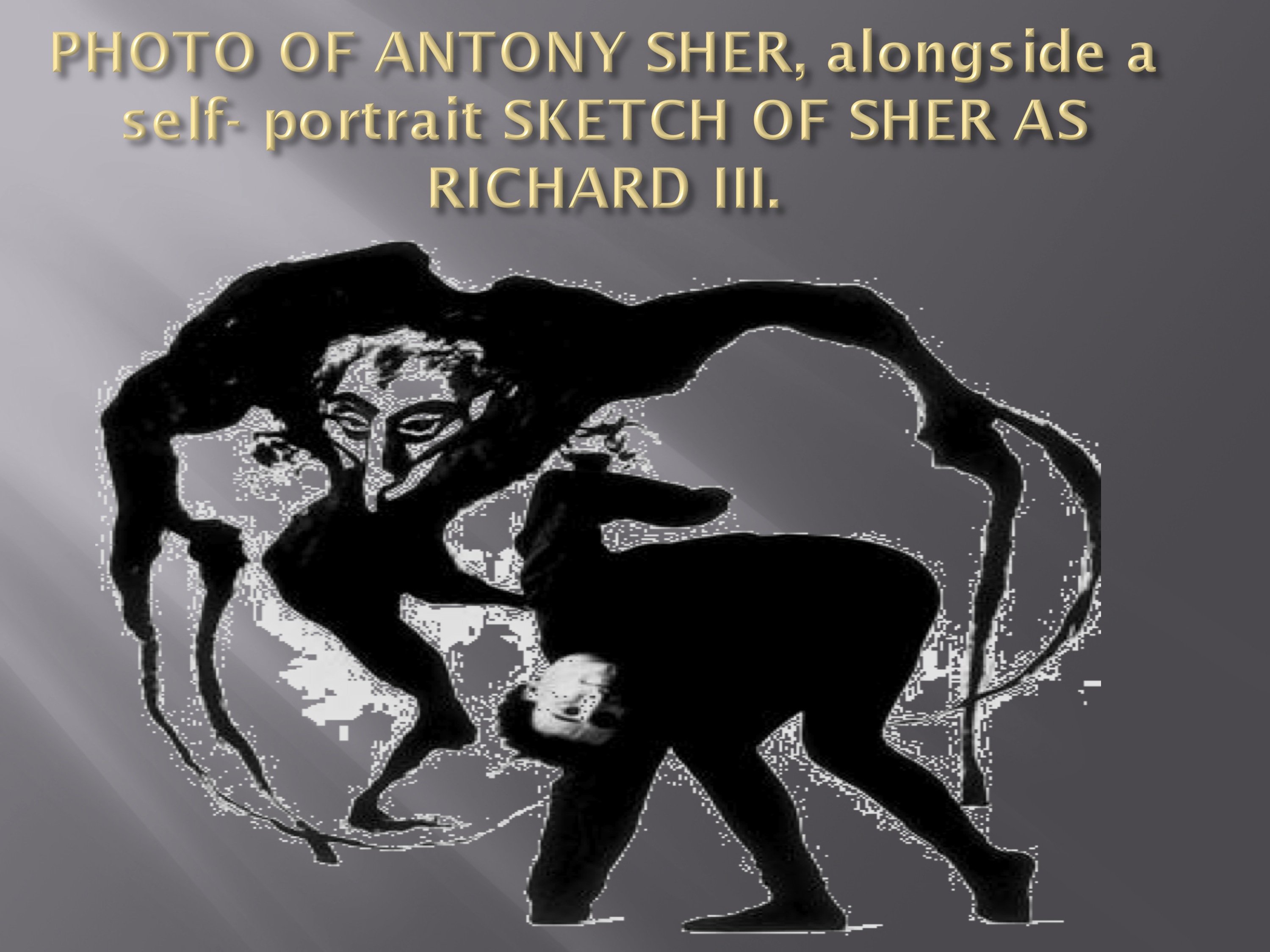


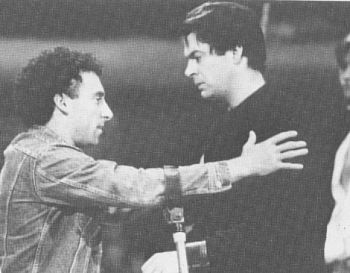
I was privileged back in 2011 to see Anthony Sher on stage playing is playing Edmund Kean in John Paul Sartre’s pastiche of Shakespeare entitled “Kean.” It was a very good casting because this actor very clearly had a lot of raw energy and at the same time charisma and wit. But at the same time, he also seemed to have tenderness, sadness, and insecurity behind his eyes. I didn’t realize it but this actor, Sir Antony Sher, who sadly passed away just last year, would change my life.
When I was still in college I knew that I was going to go to grad school, and I wanted to write a graduate thesis on Richard III. Through my research, I came to realize that this same actor produced what is still regarded it as one most acclaimed and influential productions of the play ever. In 1984, Sir Antony played an iconic Richard III at the Royal Shakespeare Company which was revolutionary for its raw energy, tragic emotions, and creative physicality. Mr. Sher played the role on crutches and was able to scuttle around the stage like a spider.

I feel very therefore very privileged that I was able to see him perform live and to research his performance for my thesis.
One of my greatest aids for this was Sir Antony’s own book about the process of writing Richard that he wrote while in the process of doing Richard, “A Year Of the King. It’s organized in the form of a diary and a lot of the pages are available for free on Google Books. I strongly recommend it. In this review, I’m going to praise his massive preparations for the role and talk about the effects of the production going forward in future productions of Richard III.
In 1982, Sir Antony was playing the Fool in a production of King Lear with Michael Gambon, (the future Dumbledore from Harry Potter). During the performance, Sher suffered a leg injury that required him to be on crutches for several months. In his diary, Sher records how angry being perceived as disabled made him feel. His physical therapy took place at the Remedial Dance Clinic, Harley St.
Six months later in August of 1983 Sher was cast in Tartuffe with Bill Alexander as director, (who would later direct him again in Richard III). A chance meeting with Trevor Nunn, (who was the Artistic director at the time), put the idea of Sher playing Richard into Alexander’s head. After another meeting with Terry Hands, Sher was offered the role.
“The truth of the matter was I was terrified of the verse, ashamed of my inexperience with it and nursing a fear that I was trespassing anyway. Wasn’t classical theatre the territory of handsome, rich-voiced Brittish giants like Gielgud and Oliver, and out of bounds for little Cape Town newbies like me?”
Sher, Year Of the King, page 9
Fighting with Olivier
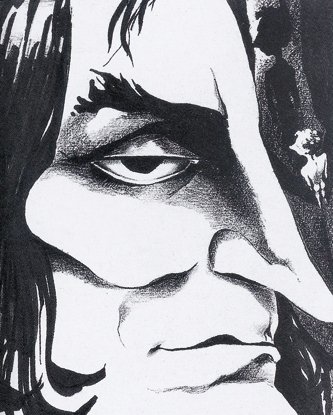
When Antony Sher approached the role of Richard in his 1984 RSC production, his first intention was to make his portrayal of Richard’s deformity and disability different from Laurence Olivier’s. Sher and Olivier believed Richard is both physically and mentally deformed, therefore, Sher’s massive preparation for the role included thorough research into the physical effects of real disability and a deep examination of its psychological effects.
Unlike Olivier, Mr. Sher believed that Richard’s deformity was the key to understanding his character and that every aspect of Sher’s characterization stemmed from his interpretation of that deformity. This work produced a captivating physical characterization and a startlingly human re-conception of Richard’s mind.
The Physicality
Sher’s characterization of Richard’s body resulted in an image, which he referred to as “The Bottled Spider.” Richard had a massive hump in the center of his back, massive arms, and two crutches that fitted onto Sher’s forearms, allowing him to scuttle across the stage, giving the impression of a poisonous spider. Sher created this iconic physical characterization through a combination of textual research, sketches, medical research into real deformities, image research, and real-life experience. The guiding principles that Sher used in creating Richard’s deformity were creating a severely deformed character that the audience would identify with. At the same time, Sher attempted to create a physicality that he could sustain through the run of the show without major injuries (21 &30). According to Sher, the role of Richard III is notorious for crippling actors who sustain severe damage to their backs and shoulders (39). Thus Antony Sher’s Richard was physically designed to be both functional for the actor, as well as realistic and remarkable for the audience.
The first step towards Sher’s physical characterization of Richard was going through the text for clues. Sher found several references to what Richard’s deformity looks like in the speeches of Queen Margaret. Margaret refers to Richard repeatedly as various beasts, alternating between boars, hounds, and the bottled spider that would become so important to the final characterization. Before Sher settled on a spider as the animal Richard most resembles, he experimented with several others, including boars, apes and bulls. Sher did several sketches of bulls, which he saw in a BBC TV program. Sher was attracted to bulls and their raw power and massive shoulders. Sher wanted an animal that was threatening and powerful to give his portrayal a ‘tragic dimension’ (64).
Having to say ‘I was born in South Africa’ stuck in my throat like a confession of guilt.’
Sher, p. 25
Another image from the text that Sher thought about repeatedly was the image of Richard’s hump as a mountain. When Richard refers to his hump as “an envious mountain on my back,” Sher thought back to the Lion’s Head mountain in Kingstown South Africa. Sher grew up in South Africa and visited there during apartheid. The mountain spoke to Sher’s notion of Richard’s raw, tragic power. Sher sketched the mountain several times, and combined it with other images of bulls and spiders and this became the overall concept for Richard’s hump- an image of thick power that simultaneously weighs down the figure of Richard, and gives him his strength.
I feel he should be severely deformed, not just politely crippled as he’s often played. Bill says one should identify with him: a man looking in from the outside and thinking, ‘I’ll have some of that.’
November 7, 1983
The most memorable part of Sher’s physical performance as Richard was the way he manipulated the two arm crutches that he wore for the first half of the performance. Sher’s Bottled Spider image mainly depended on his ability to manipulate the crutches. The crutches became part of Richard’s body (Cerasano 621) and, far from making Sher’s movements clumsy or stiff, they gave him the ability to transform himself into a strange four-legged creature that would move around the stage incredibly fast.
Director Bill Alexander told Sher during rehearsals that he intended to use the crutches in as many ways as possible. For example, the crutches also served as a weapon because of Sher’s ability to swing them around like clubs. One chilling moment of the performance occurred when Sher’s Richard entraps lord Hastings (Brian Blessed) by folding his crutch-arm across Hasting’s neck; foreshadowing Richard’s later decision to chop off Hastings’ head (Cerasano 621).
The problem in playing him extremely deformed is to devise a position that would be 100 per-cent safe to sustain over three hours, and for a run that could last for two years. Play him on crutches perhaps? They would take a lot of the strain off the danger areas: lower back, pelvis and legs. And my arms are quite strong after months at the gym. Also I was on crutches for months after the operation so they have a personal association for me of being disabled. They could be permanently part of Richard tied to his arms. The line, ‘Behold mine arm is like a blasted sapling wither’d up,’ could refer to one of them literally. The crutches idea is attractive, too attractive at this early stage. Must keep an open mind on the subject.
Sunday Nov, 19, 1983
Physical therapist Charlette Arnold, helped Sher get into clinics for people with real disabilities. She also provided Sher with books on back disorders, which led Sher to choose the disorder Kyphosis as the model for Richard’s hump. Kyphosis causes a large central hump in the back, which Sher immediately adopted because it resembled the mountain image of his sketches. Also, the central hump was different from Olivier’s side hump.
Sher’s research on back disorders was of great use in the coronation scene in which he and Lady Anne appear with bare backs. Bill Alexander hired makeup artist Christopher Tucker to create a lifelike prosthetic for Richard’s back. The audience was thus forced to see Richard as a naked, deformed man, contrasted next to the beautiful bare back of his wife, creating a powerful moment that re-enforced Richard’s humanity. Sher would also use a humanistic approach to his portrayal of Richard’s mind, which, like Richard’s body, he developed through extensive research.

Psychology- Richard III on the couch
“In several copies I’ve looked at it’s called The Tragedy of King Richard the Third. Yet a tradition has evolved of playing it as black comedy. I’ve never seen anyone play Richard’s pain, his anger, his bitterness, all of which is abundant in the text. It seems to me that Richard’s personality has been deeply and dangerously affected by his deformity, and that one has to show this connection.
November 19, 1983 p. 30
In his research, Sher made the link between deformity and psychopathology. Unlike Oliver, who played Richard as a paranoic, Sher played Richard as a psychopath. In his research into psychopaths, Sher uncovered the idea that psychopaths often suffer childhood traumas. The text of Richard suggests that Richard’s mother hated him, and such a lack of affection could realistically change a boy into a psychopath. Through this probing of the text and research into psychology, Sher concluded that Richard’s deformity is a realistic source of desire for revenge.
Sher talked to his own psychiatrist, Monty Berman who provided him with insight into Richard’s mind. Monty helped Sher dispel the idea that Richard is a superhuman fiend. On the contrary, Richard’s persona is very similar to real live psychopaths. Berman theorized that the pain at being deformed, coupled with the violent upbringing Richard living through in the Wars of the Roses, could transform him into a remorseless killer.
Sher: “How do you explain Richard the Third then?”
Monty: “Well, how did you feel when you were on crutches last year?”
Sher: “I hated people staring at me.”
Monty: “What did you want to say to them?”
Sher: “F#$% off! What are you staring at?”
Monty: “Precisely. Anger. Richard is revenging himself on the whole world, destroying a world he sees as hating him.”
Monty: “We treat the disabled appallingly. They come up against dreadful prejudice. The disabled person experiences frustration and if given the chance, will lash out.”
Sher: “So are you saying Richard’s behavior is normal?”
Monty: “Under the circumstances, absolutely normal.”
Sher and Berman also believe Richard has the humor of a psychopath- a sardonic wit that has no regard for the feelings of his audience. Sher looked at the parallels between Richard III, and serial killer David Nilsen, who would invite people over for tea and strangle them, and boil their heads on his stove. Nilsen once told police with Richard-like humor that; “Having corpses was better than going back to an empty house.” One could easily hear the same sort of gruesome wit in the phrase: “I do love thee so, that I shall shortly send thy soul to heaven,” (R3 I,i).
A psychopath like Richard kills in order to try and feel emotion; “Each murder is an attempt to release anger, an attempt at catharsis, and each time it is unrelieved. It’s like promiscuous sex without love. Each climax is less and less fulfilling so the appetite grows until it is insatiable.” Thus Berman allowed Sher to break with the tradition of playing Richard as an inhuman monster, and play him as a very real, very tortured, human soul.
Although Antony Sher attempted to play Richard as a psychopath, his portrayal of Richard’s pain could become sympathetic. His observation of people in clinics and his own personal experience of being on crutches taught him about the cruelty that the disabled suffer. However, although he did great work to try and understand the condition of being deformed and disabled, his portrayal was still an affected disability; an act. In the book “Framed: Interpreting Disability in Today’s Media,” the author speaks about how watching an able bodied actor play disability can actually alienate the audience from the character he is portraying. The performance is seen as an act, a novelty, not an honest representation of real people. One way to eliminate this barrier between character and actor is to cast a Richard who really does suffer from a disability or deformity. I’ve talked in previous posts about how last month’s Public Theater performance was a deliberate attempt to move away from theatrical illusion and re-contextualize Richard’s deformity in the form of race, and contextualize disability by letting actors with disabilities play the heroic parts, while only Richard was able-bodied.
In a way, like Olivier, Sher’s performance is a new monolith that actors must work hard to distinguish themselves from. He spent an entire year building his Richard from the ground up, experimenting with new ways to portray his deformities, his disability, his psychology, and of course, how he looks and moves onstage. Reading this book, an actor gets a great appreciation for all the work Sir Antony Sher included in this wonderful performance, and hopefully, the book will inspire new and creative ways to portray this character in the future.
Thank you for reading. If you want to see some of Sher’s physical and psychological techniques in practice, please watch the thesis presentation that I did at the Blackfriars playhouse below. If you are interested in signing up for one of my acting courses, click here. Thank you!
Shakespearean Tropes In Meow Wolf’s “Omega Mart” (Spoiler alert)


I just got back from Las Vegas where I had a simulating, terrifying, and extremely engaging trip to the Meow Wolf Area 15! If you haven’t heard of them, Meow Wolf is an arts and entertainment group which specializes in creating multimedia experiences, and their most popular and mysterious installation is their apocalyptic grocery store, Omega Mart.
Even if you’ve never been to Omega Mart, you might have seen their website, their ’employee training videos’, or the music videos that have been floating around the Internet. My journey began when I saw this video by the YouTube channel Food Theory. After seeing this video, I, like Matt Pat was compelled to go there myself and discover what Omega Mart was like.

“We take a lot from open world games [where] you can play the story lines or you can just mess around. We like giving people that optionality (sic). If you’re a 5 year old kid and you aren’t into reading a bunch of material, you just want to run around and treat it like a playground, and that’s totally fine.”
Vince Cadleback, CEO of Meow Wolf
A Note about the experience
Meow Wolf’s CEO has stated that the experience of Omega Mart is ultimately up to you. Similar to Sleep No More, this art installation (and it is an art installation) is much like an experiential theater experience in that there is no proscenium, and you do not sit down; it is not a passive watching experience but an active mystery. In Sleep No More, you followed various actors and watched them act out scenes in front of you. In Omega Mart, the story is more epistulary, meaning that there are no live performances, but you can unlock the story at your own pace through reading journal entries, corporate memos and websites, mini-games, and of course, actors performing in corporate videos, commercials, and even security footage. Like a modern video game, you can just walk around the open world and enjoy it, or you can unlock all the lore and piece together the mystery of Omega Mart yourself. This is story a story that is rife with greed, personal tragedy, family drama and maybe even murder. So of course my Shakespeare brain activated, and I wanted to see if I could find some Shakespearian tropes in the story of Omega Mart. I should mention that this kind of experience is often best when you let it become a surprise, so if you truly want to experience Omega Mart without spoilers, stop reading….

STOP RIGHT
NOWSTOP RIGHT
NOWSTOP RIGHT
NOWSTOP RIGHT
NOWSTOP RIGHT
NOWSTOP RIGHT
NOWSTOP RIGHT
NOW RIGHT RiGHT St0p R$GHT N00000W!
OK well if you’ve continued reading grab your tattoo chicken, apply your whale song deodorant and let’s get going!


The Characters
The drama of Omega Mart focuses on a single family, the Dram family: Walter, Charlie, Cecilia and Marin Dram. As you go through the various exibits in the Meow Wolf installation (not just the OmegaMart store), you begin to piece together what happened to them, how this family broke apart, and what Shakespearian tropes can we see within this story.
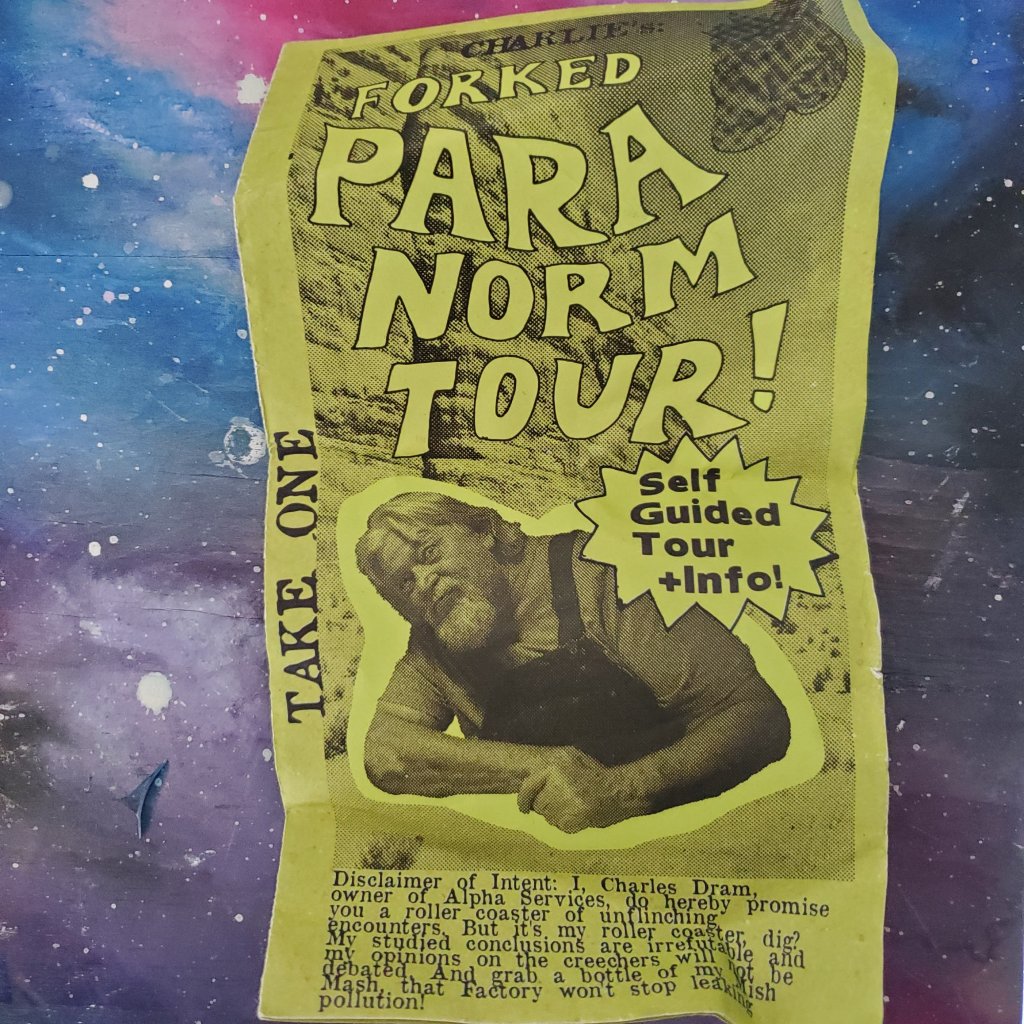


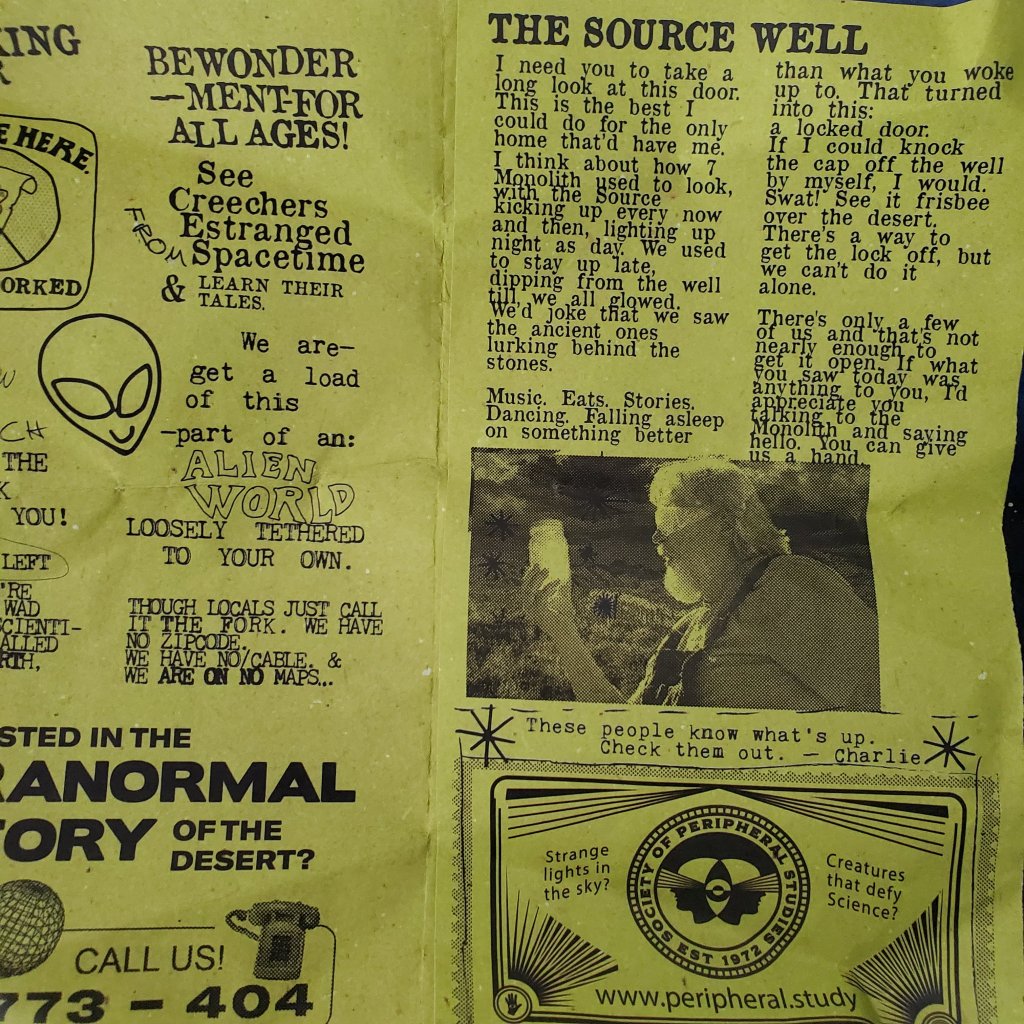
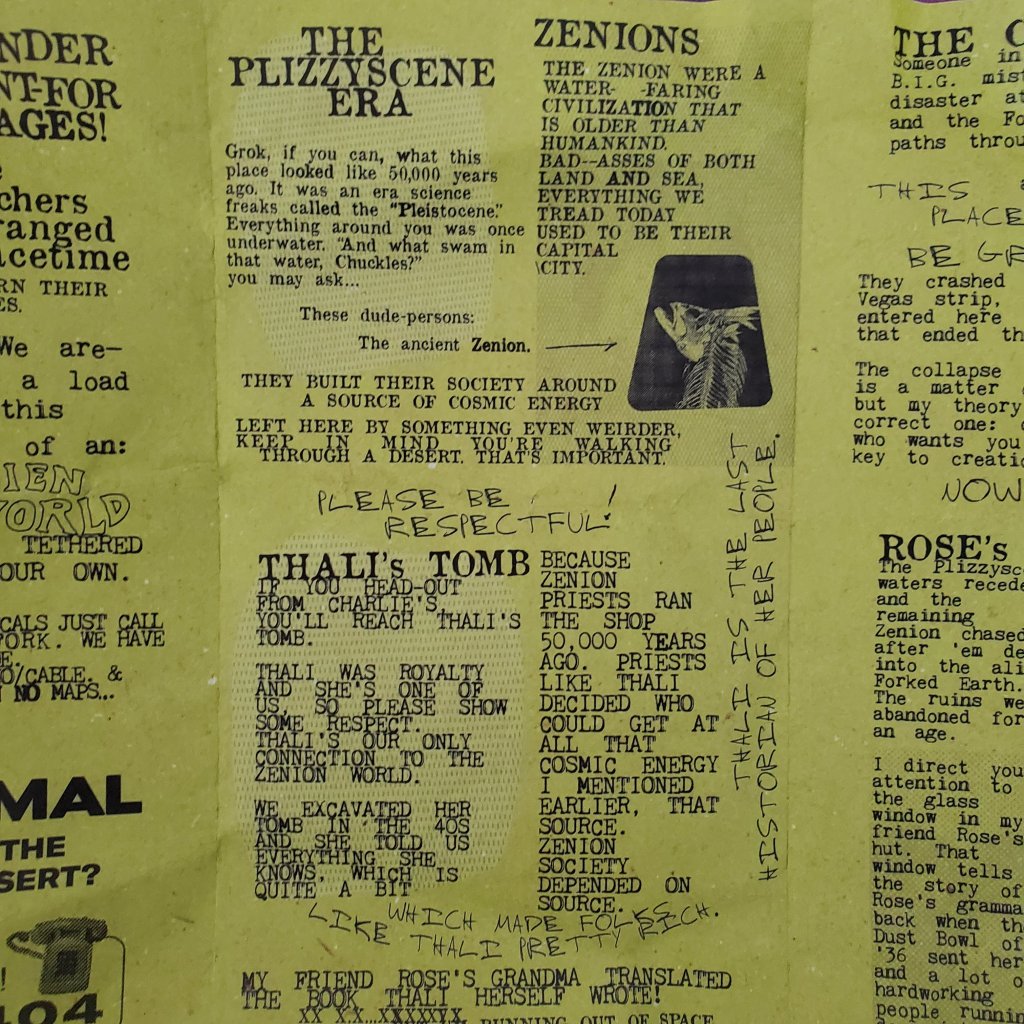
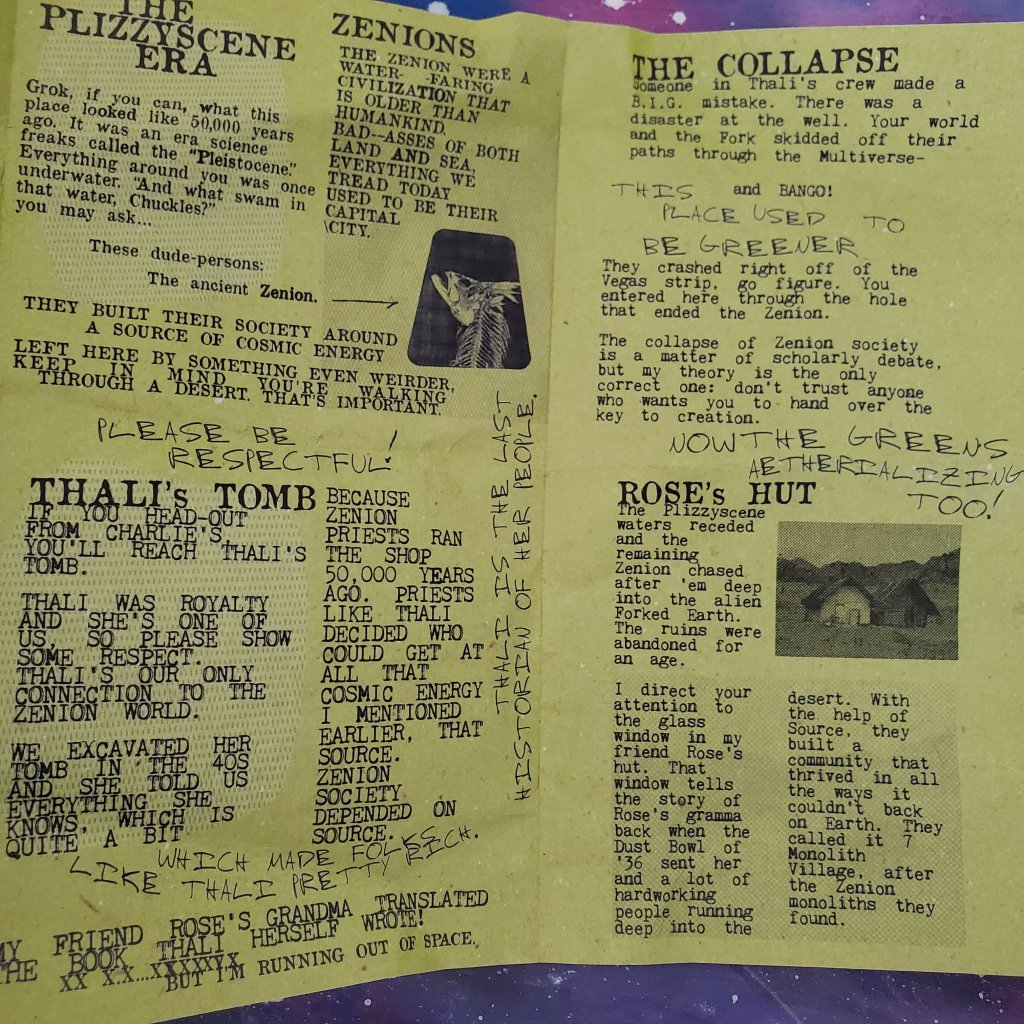

- Charlie Dram: Sir John Falstaff The whole story begins with Charlie Dram; an old garage attendant who lives in the fictional town of Seven Monolith Villiage in Nevada. As you can see in the brochure I photographed above, Charlie runs a small tourist attraction where he guides tours allowing people to see The Forked Earth- a dimensional rift between our world and an alien planet, that is also the fount of a powerful and dangerous place called The Source Well. At some point, Charlie goes into business with his family, who eventually cut him out of their lives.
Henry V. I know thee not, old man. Fall to thy prayers.
How ill white hairs become a fool and jester!
For God doth know, so shall the world perceive,
That I have turn’d away my former self;
So will I those that kept me company.
- King Henry IV, Part II, Act V, Scene 5.



2. Walter Dram: King Lear. This being America of course it was inevitable that somebody would try to capitalize on the Source Well, specifically Walter dram Charlie's brother Walter. Mr. Dram, the CEO of Dramcorp found a way to harness the source and use it. It's not explicitly stated but it's highly implied that he took the Source to a place called Plenty Valley and started using it to revitalize crops out in the Las Vegas desert.
After harnessing The Source, Walter found that he was able to create produce that had unusual properties and from there he opened his grocery store, Omega Mart. If you go to the store, the products seem just a little off- they all have peculiar names, seem to have peculiar properties and in some extreme cases they seem to have inhuman properties like like lemons that are alive!

Charlie calls these creatures  "mascots;" creatures that have that seem to be living cereal boxes. The source seems to have unpredictable and uncontrollable effects on natural products but because every Omegamart produce is doused with Additive S (which is Walter's addictive additive made from The Source), customers don't seem to care if they become addicted to any products that are laced with The Source.

Walter finds himself extremely rich and successful and opens up his corporation Dram Corp in 1977. Decades later in 2020, Walter promises to make his daughter Cecilia Dram his sucessor when he retires, but at some point, he must have reneged on that promise, proclaiming Kaz Matzumora the future CEO. What happened to accelerate the fallout between Walter and Cecilia, we're not sure, but it's quite possible that it has something to do with Cecilia's daughter Marin.
Better that thou hast not been born, then not to have pleased me better.
King Lear
So we have a rich and successful man, who, now that he’s getting old, desires to pass his empire on to younger people, including his daughter. At the same time, he refuses to let go of power, and is willing to throw family under the bus to get his way, as he did with Charlie, and would have done with Marin, (more on that later). Let’s just say, it is very easy to spot the parallels between Walter Dram, and King Lear. Look at this video below where Walter seems to repent for his greed and abandoning his family, though it takes place in an ethereal prison.
King Lear Act IV, Scene vii.
- Lear. Pray, do not mock me.
I am a very foolish fond old man,
Fourscore and upward, not an hour more nor less;
And, to deal plainly,
I fear I am not in my perfect mind.
Methinks I should know you, and know this man;
Yet I am doubtful; for I am mainly ignorant
What place this is; and all the skill I have
Remembers not these garments; nor I know not
Where I did lodge last night. Do not laugh at me;
For (as I am a man) I think this lady
To be my child Cordelia.
When I watched the Film Theory about Omega Mart, I thought Walter was like King Duncan in Macbeth, and his daughter Cecelia was Lady Macbeth, killing Walter to gain his power. The truth though, is much more complicated, and it centers around Walter’s granddaughter, Marin.
2. Marin Dram: Cordelia from King Lear, Miranda from The Tempest

if you look at the videos in Charlie’s office you can see Cecilia Dram (Walter’s daughter), drinking the Source. Within a minute she starts having cramps, and convulsions; she has been literally impregnated by the Source! Her daughter Marin was conceived by Cecilia Dram and the Source. But, there’s a catch; Marin, because she was created from the Source, cannot be too far from the Source Well. So, rather than living with her her mother and grandfather at Dramcorp, she’s forced to live in a yurt in Seven Monolith Village, very close to the Source Well.

Marin’s diary expresses a deep sense of loneliness and a desire to explore the world, not unlike Prospero’s daughter Miranda in The Tempest. She also expresses romantic feelings for Rose, a girl who lives in Seven Monolith, (who according to Charlie, is the granddaughter of a woman who successfully translated the language of the aliens who created the Source Well). The wonderful music video “Marin’s dream” playing below, shows cogent references to Marin having bisexual feelings for Rose and fear towards her mother. This is partly because, since Marin is connected to the Source and her family has been exploiting The Source for profit, she is fearful that her mother will exploit her for her Source-given powers .
We are such suff as dreams are made on, and our little life is rounded with a sleep
Prospero- The Tempest
It is further revealed that Marin is capable of creating living creatures with her own mind because of her connection to the Source. Below is a drawing by Marin of a hamster which then came to life in 7 Monolith! These powers make Marin highly desirable to both Celia and Walter. As Charlie mentions in the brochure, there are living product creatures called mascots and it seems likely that Marin is literally creating these creatures in her sleep!

At the end of the music video you can see Marin going through a portal in the wall. In Seven Monolith you can access numerous posters, emails, and phone calls that discuss and speculate about Marin’s disappearance. Some say she ran away from home, some say she was violently sucked into the portal, but the music video makes it very clear that Marin Dram chose to leave Seven Monolith Villiage, and to leave our universe as we know it. Why? It probably has to do with her mother, Cecilia Dram.

Cecelia Dram: Goneril and prosperO
Like I said before, I was expecting Cecelia to be the villain in the story- a power-hungry “thankless child,” (as King Lear puts it), who murdered her own father to take control of his empire. Now it’s possible that she did want to take the company at some point, but what also seems clear is that Cecelia is also seeking redemption for herself, and a reunion for her family.
Cecelia and Walter’s Disappearance
In a highly classified video that you can only access in the Dram Corp offices, Walter and Cecilia confront each other about Marin, and Walter seems to be intent on exploiting her gifts for profit. At this point, the video cuts out, but the audio tells us that Walter has fallen into the Source Well. It’s unclear whether he fell or if Cecilia or Marin pushed him, but what we do know is that Walter in every subsequent and email and communication with the board is referred to as “traveling.” When I first saw this, I thought that it meant that Cecilia had murdered Walter simply to gain control of the company, but it seems to be wilder than that; it seems that Cecilia might have thrown Walter into the source well to protect her daughter, but now wishes to get him back.
Once Walter falls into the Source Well, he actually absorbed so much Source that he no longer has a physical form; he seems to have ascended to a higher plane of existence and as you can see in this whiteboard, there’s a rumor that he is actually hiding somewhere in the Omega Mart facility. I won’t give away where he actually is though; you’ll have to discover it yourself.

Cecilia’s motives are the most interesting and ambiguous in the course of the Omegamart storyline. Her demeanor changes drastically after the disappearance of her father and daughter; it seems that she is trying to harness the power of the source not for profit but for but to cause her employees to “Ascend to a higher plan of existence.” Other members of the board in teleconferences seem frustrated with her, accusing her of no longer taking an interest in selling products anymore and that she seems to be coming down with strange cult-like behavior. Look at this highly confusing LED talk she gave one month after Walter’s disappearance:
So it’s ambiguous what Cecilia’s motives are- it could be that she’s attempting to create an army of Source-addicted zombies to do her bidding. It’s also possible that she is trying to figure out how to replicate the same experience as Walter and Marin. Maybe she wants to try and replicate what happened to them, so she can see them again.
Further evidence also supports that Cecelia is desperate to contact Marin and Walter by the fact that in addition to working on LAT, (her employee advancement program), Cecilia is also pushing her research team to create inter-dimensional portals. The clip above in which Cecilia talks to her DART scientists strongly implies what Cecilia really wants to do is to find her daughter in whatever dimension that she’s actually in. Notice that when the test subject mentions a teenage girl he sees in his dreams, Cecelia immediately drops everything to talk to him. Soon after that, DART starts working on DRAMNILATE, a technology that allows researchers to look inside people’s dreams, and test them on the exact same employee as before. Clearly Cecelia is hellbent on finding Marin anywhere, even in dreams!
Through the entire Omegamart storyline, it is ambiguous as to whether Cecilia is the hero or the villain. Her quest to find her family is noble, but she is hiding behind a mask of unbridled capitalism and exploiting a company that creates an addictive substance to do it. It seems almost Faustian that Cecelia has made a deal with the Devil to try and get her family back.
Tell your piteous heart there’s no harm done. No harm.
I have done nothing but in care of thee,
Of thee, my dear one, thee, my daughter, who
Art ignorant of what thou art…
The Tempest , Act I, Scene ii.
So what does this have to do with Shakespeare? When I saw how Cecelia was protecting Marin I saw a king Lear trope; a greedy cruel old man who places his kingdom ahead of even his own family. Lear’s daughter Goneril lies to him and rejects him, but she does so to protect herself. Cecelia is alike a Goneril who protects Cordelia, the youngest and most innocent of Lear’s daughters, while Marin is like Cordelia herself.

This island’s mine, by Sycorax my mother,
Caliban, Act I Scene ii.
Which thou takest from me! When thou camest first,
I loved thee And show’d thee all the qualities o’ the isle,
Cursed be I that did so! All the charms
Of Sycorax, toads, beetles, bats, light on you!
For I am all the subjects that you have,
Which first was mine own king!
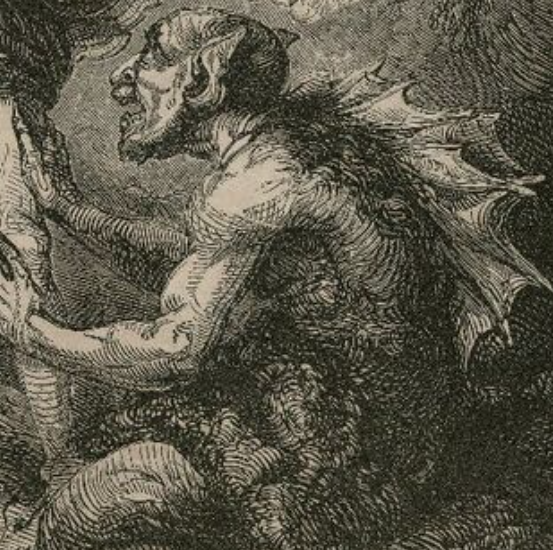
Looking at the totality of the Omegamart story, there are several connections to the Tempest Calliban the creature that lives on Prospero’s island bears striking similarities to the Zenions. He is described as being man and fish, much like the Zenions. Further, Caliban is not a native inhabitant of the island; he was brought over by the witch Sycorax and Prospero exploited him after Sycorax died, much like how the Dram family, especially Walter, exploited The Zenion’s magical Source.
In both cases, the Prospero character has both noble and ingnoble goals- Prospero wants to get himself and his daughter home, but also to revenge his exile to the island. Walter and Cecilia seem like Prospero split in two: there is a light side that wishes to defend Marin and see her safely home,and the dark side that wishes to exploit The Source and addict unwitting consumers.
I won’t give away how the story of omegamart ends but let’s just say that Walter gets across the notion that he has repented for his greed, and wishes to free the Source from the factory, much like how Prospero frees Ariel at the end of The Tempest. In both cases, YOU are the necessary person to help free Walter. Both Walter and the Meow Wolf team have hinted that there are new areas of Omega Mart that guests haven’t unlocked yet. Perhaps you will be the one to unlock the secret to free Walter, and the Source!

Prospero. Act V, Scene i
- Prospero. Now my charms are all o’erthrown,
And what strength I have’s mine own,
Which is most faint: Let me not,
Since I have my dukedom got
And pardon’d the deceiver, dwell
In this bare island by your spell;
But release me from my bands
With the help of your good hands:
And my ending is despair,
Unless I be relieved by prayer,
Which pierces so that it assaults
Mercy itself and frees all faults.
As you from crimes would pardon’d be,
Let your indulgence set me free.
Thanks for reading this post. If you enjoyed reading it, leave a comment below. Please also relate any Omega Mart stories you had at Area 15!
Remembering David Warner
https://www.rsc.org.uk/news/david-warner
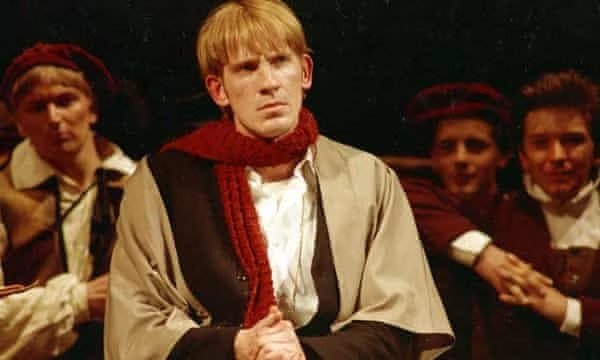
I’m saddened to report the death of a great British thespian and a versitile character actor. David Warner rose to priminance at the Royal Shakespeare Company, whre he played a celebrated Hamlet, a saintly King H enry VI, and many many others.
https://www.thehamletpodcast.com/hall
Warner’s stage career falls into two distinct halves: a youthful decade of riotous acclaim and a late-life flowering separated by a period from 1972 to 2001 when he forsook the stage to carve out a career in cinema. Yet in both youth and age he showed similar gifts: an innate gentleness of spirit, a sense of latent melancholy, an inquisitive intellect
Floyd County High Presents “Henry the Fifth”
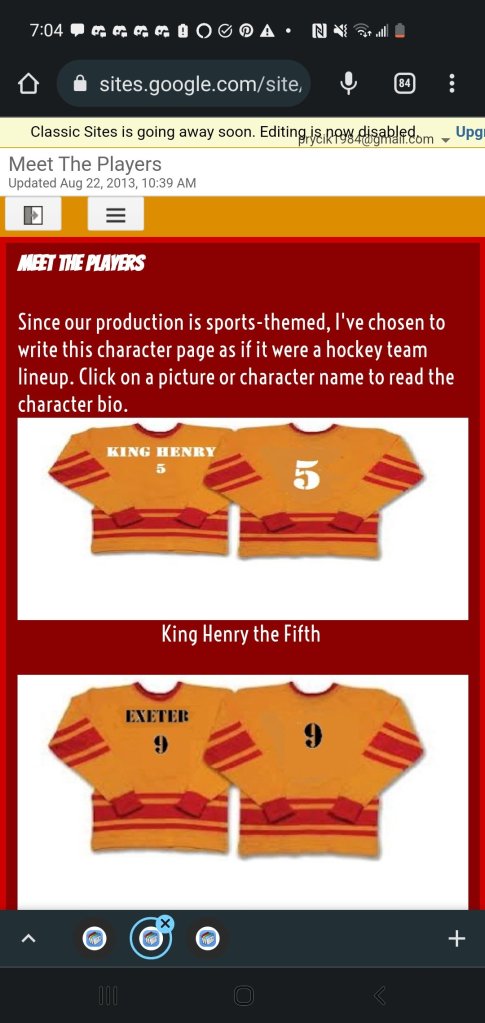
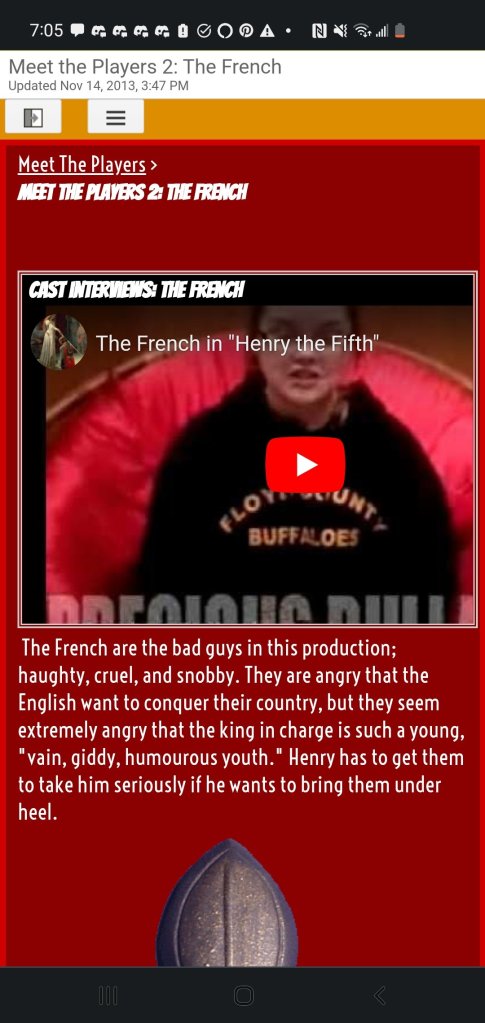
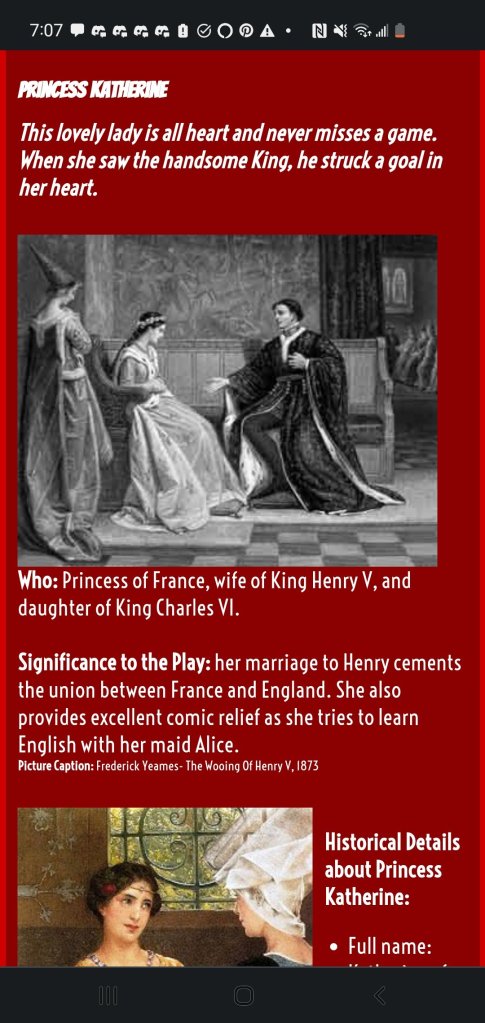
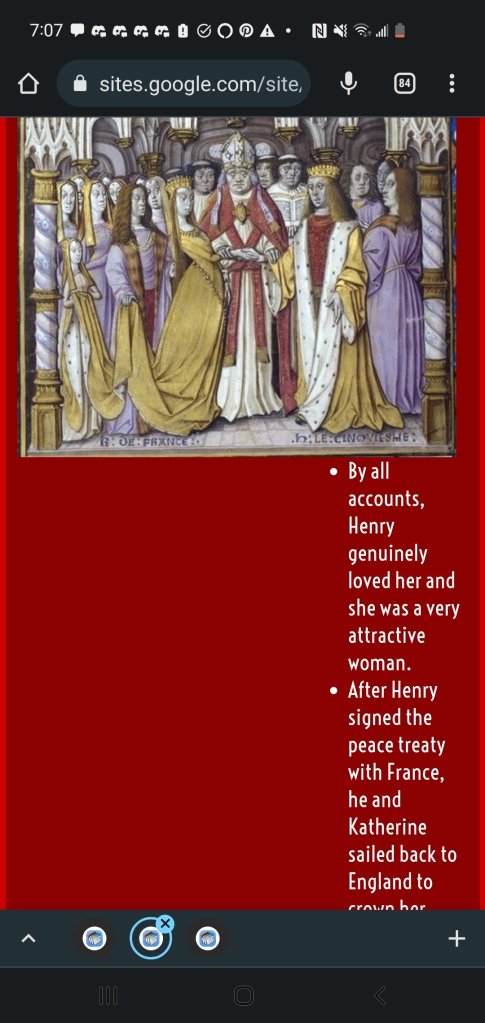
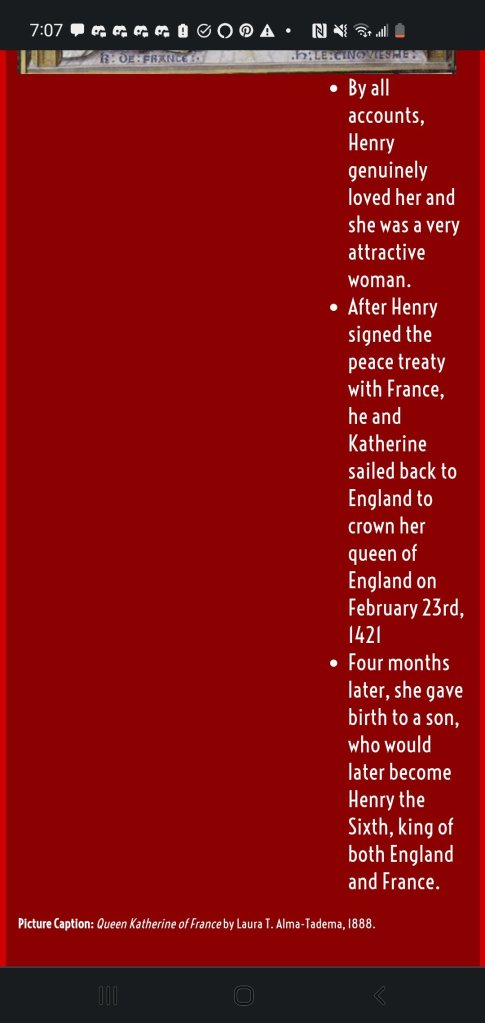
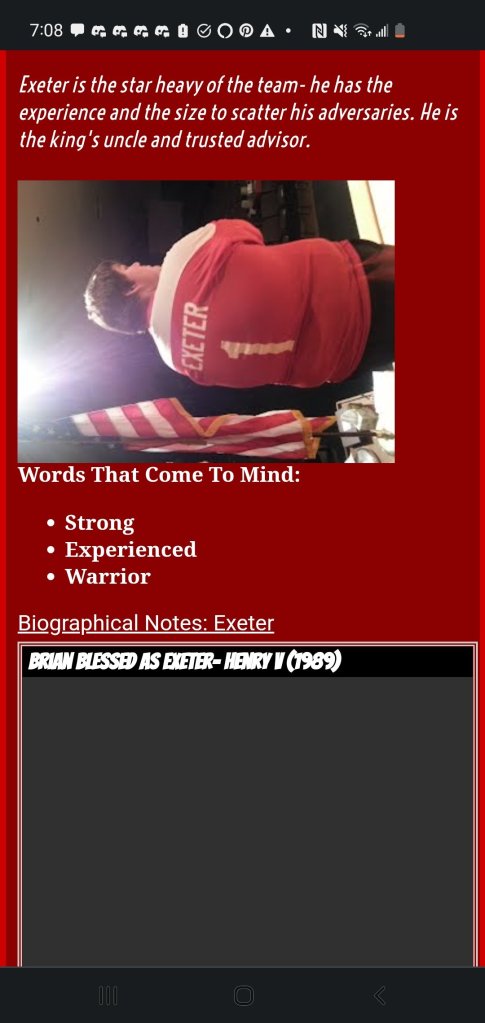
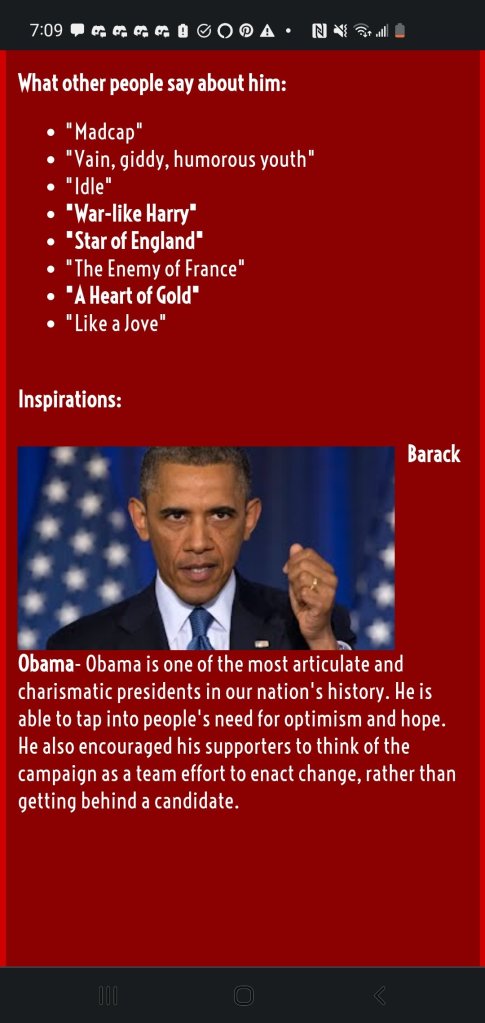
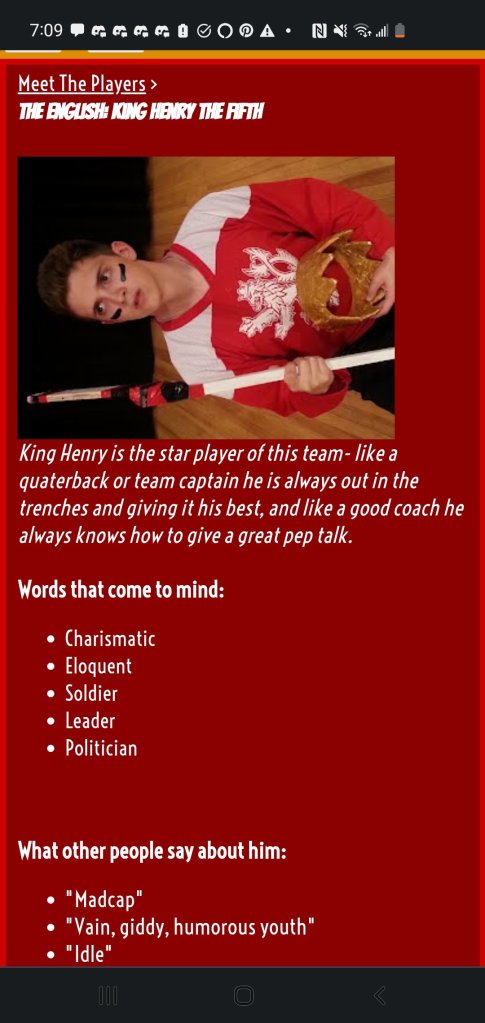
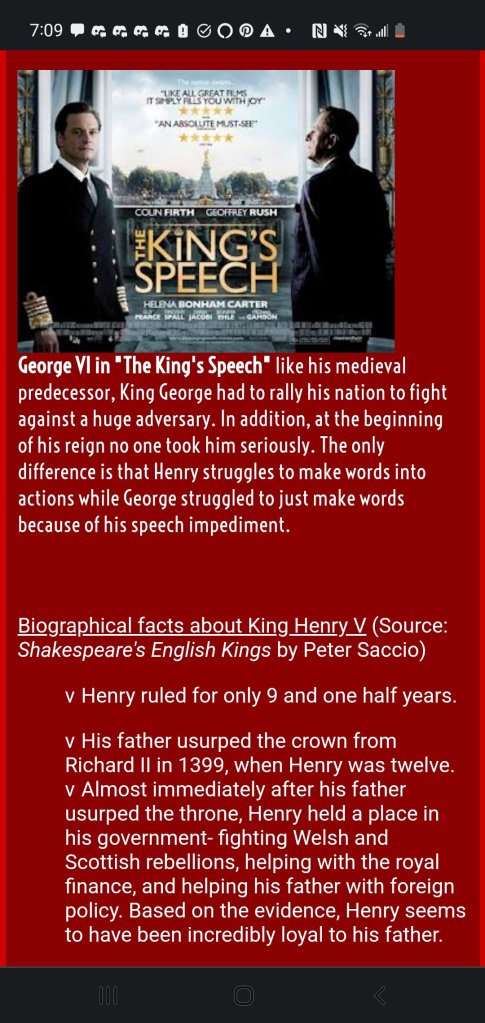
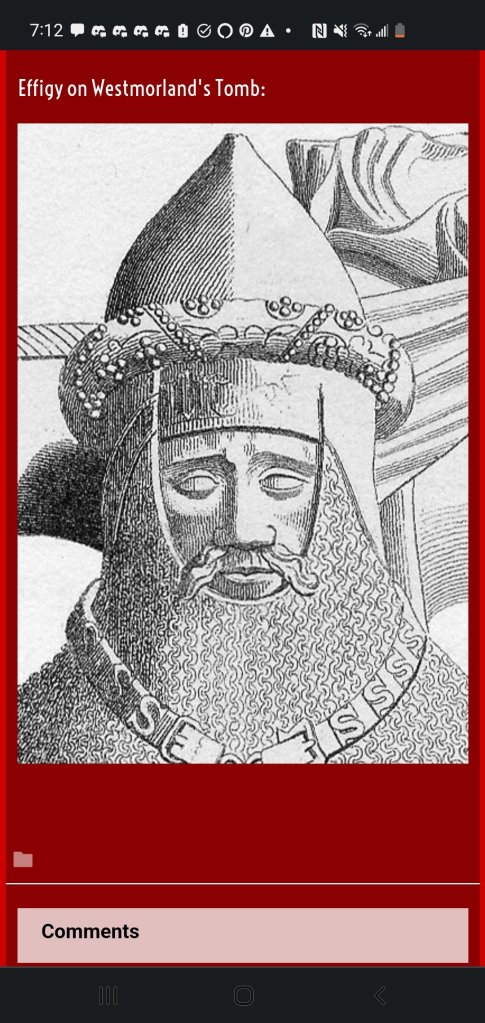
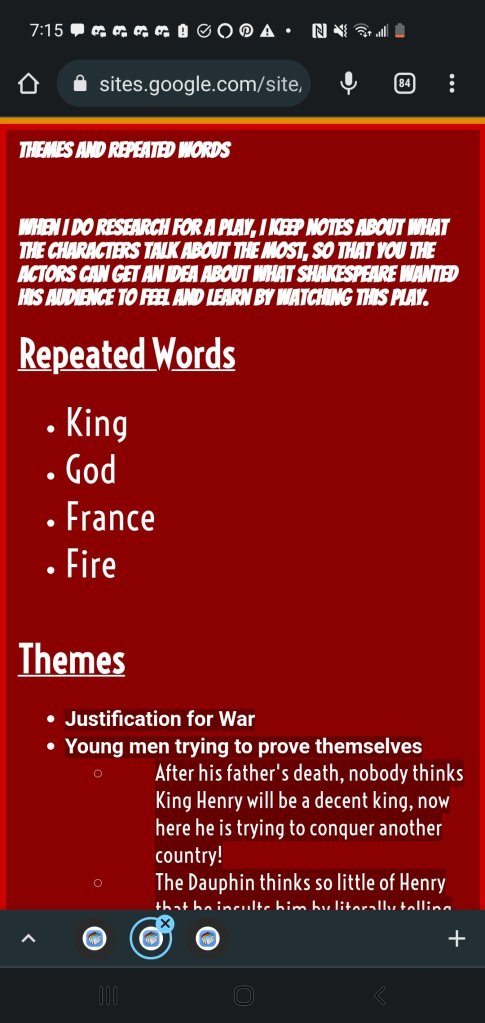
In 2012, I was text coach for a high school production of “Henry the Fifth,” directed by Sara Landis. Below is a series of photos, videos, and character information about the production, and the play itself.
https://sites.google.com/site/fchshenryv/














New Podcast: I review the movie “Anonymous” by Roland Emmerich
Hqppy Father’s Day From Shakespearean Student!

Hello everyone!
Happy Father’s Day! I’ve been teaching a number of classes these past few days so I haven’t had much time to post but in honor of Father’s Day- here’s a bunch of my favorite past Father’s Day posts:
- Shakespearean Father’s Day Cards: Find some nice Shakespearean sentiment to show your Shakespearean dad how much you care.

- 2. Bios of William Shakespeare and John Shakespeare Both Shakespeare and his father had children, and both worked hard to make a better life for their offspring, so I thought I’d tell you some of their life stories so you can learn more about these great men.

- 3. My Picks For Top 5 Best and Worst Dads in Shakespeare I’ve gone through the entire cannon from As You Like It to Alls Well That Ends Well, and picked out the dads whom I think deserve recognition either as great or terrible parents. Who will take the coveted #1 Shakespeare Dad prize? Stay tuned to find out!

I’ll also be sharing some great memes and reviews on Instagram and my podcast next week.
Happy Pride Month From “The Shakespearean Student!”

Happy Pride Month everyone! This month I’m going to concentrate on “A Midsummer Night’s Dream,” more info on Shakespeare’s comedies, and a few little nerdy analyses, but first I wanted to extend a friendly hand to members of the LGBTQ+ community, whom arguably Shakespeare has celebrated in some of his writing, especially in Midsummer and the other comedies.
The quote on the featured photo comes from “Twelfth Night.” The character Antonio repeatedly mentions how much he loves Sebastian (Viola’s twin brother). He shows a great amount of courage and devotion. Sadly, Sebastian doesn’t reciprocate his feelings, but he is grateful to Antonio, and tries to help him when he gets in trouble.
If you’re interested in queer readings and queer coding in Shakespeare, enjoy this video analysis from Kyle Kalgren and Rantasmo- a scholar who delves into queer representation in popular media:
Let me know if you’d like me to cover more of this topic. I admittedly, haven’t read many Queer Theory papers on Shakespeare, but it’s a fascinating and wide-ranging topic. It also helps develop the case that, as Rantasmo puts it: “If we truly believe (and I do) that Shakespeare is a universal writer, then his plays should be able to speak to all races, cultures, and all forms of love.”
Happy Pride Month!
Watch “Shakespeare’s Mother The Secret Life of a Tudor Woman BBC Documentary 2015” on YouTube

HAPPY MOTHER’S DAY!
Ever wonder what it was like to be a woman and a mother in Tudor Times? Watch this excellent documentary by Michael Wood
 The Shakespearean Student