

🤓🤪😁😄😀
drama
Watch “Mastering Basic Sword Fighting in 10 Hours | Vanity Fair” on YouTube
If you enjoyed this video, please consider signing up for my online class, “Basics Of Stage Combat,” on Outschool.com: https://outschool.com/classes/basics-of-stage-combat-pUrfWBtA?usid=MaRDyJ13&signup=true&utm_campaign=share_activity_link
Happy Twelfth Day Of Christmas!
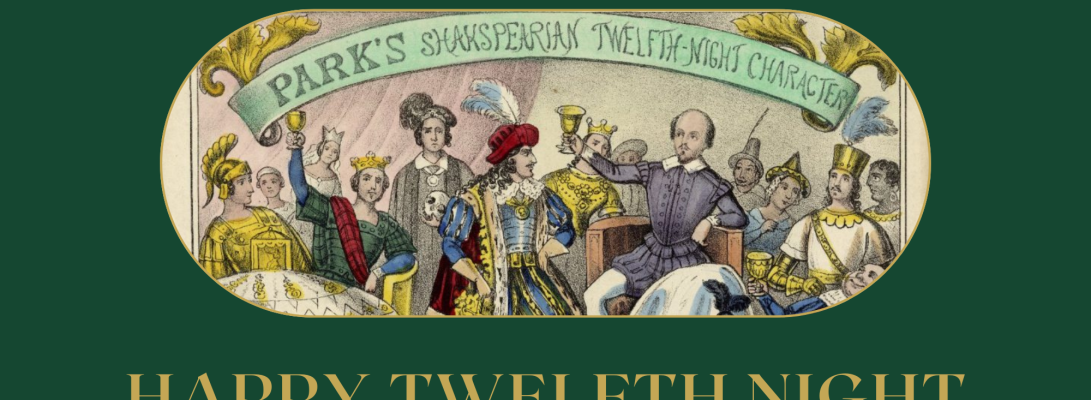
Happy Twelfth Night and farewell to the Christmas season!

This weekend I am offering a special discount on my class on Shakespeare’s Twelfth Night! You can take the course at a $5 discount with coupon code HTHESNIF6B5 until Jan 13, 2022. Go to https://outschool.com/classes/what-was-christmas-like-for-william-shakespeare-BwVLyBPp?usid=MaRDyJ13&signup=true&utm_campaign=share_activity_link and enter the coupon code at checkout.
Finally, here’s a short musical interlude from the movie version of Twelfth Night: Ben Kingsley singing “O Mistress Mine,” from Twelfth Night:
Happy Twelfth Night, and enjoy your cakes and ale responsibly!
More Twelfth Night Posts:
1. Play of the Month: Twelfth Night
2. Creating a Character: Malvolio
New OUtschool Class: Love Poetry, Shakespeare Style
Your child will learn how to write poetry like Shakespeare himself, through a mix of presentations, a printable guideline, and some fun quizzes to test your knowledge of Shakespeare’s sonnets! Designed for ages 13-18.
Class Description:
We will cover what a sonnet is, namely a type of poetry Shakespeare wrote in iambic pentameter with a particular rhyme scheme. Using a combination of Prezi video presentation and Google Slides, I will go in-depth to explain how he organized his poetic ideas into a very compact form.
Using primarily Google slides, we will then analyze Shakespeare's sonnets for their themes, literary devices, and the way he uses the poetry to enhance and heighten emotion and ideas. I will focus mainly on Sonnet 18, "Shall I compare thee to a summer's day?" I will cover Shakespeare's use of such literary devices as:
- Metaphor
- Simile
- Personification
- Rhetorical Question
- Irony
- Paranomasia
Analyzing this sonnet will allow the class to grasp the basics of how a sonnet is constructed, and begin to prepare to write their own. While the presentation is in play, students will be given an access code to an optional Nearpod presentation, that will allow them to construct an iambic pentameter line, quiz themselves on the vocabulary I cover, and provide visual aides to better understand Shakespeare's sonnets.

In the next part of the course, We will engage in a group brainstorming session. I will provide the students with potential topics (assuming they don't have one of their own), and then we will construct a short story using madlibs around that topic that will later be condensed into a sonnet. I will demonstrate to the students how to use imagery and poetic language to enhance the ideas and feelings in the poem. After this, I will use the nearpod and Google slide presentations to guide the students how to tell their own story using such devices as metaphor, personification, allusion, and sensory details. They can jot their ideas down on the provided handout to help organize their thoughts. In addition, the optional handout will have useful brainstorming activities such as a web link to websites like Rhymezone.com, (which helps poets find rhymes to words), and imagery boards that will allow the students to think of sensory details to include in the sonnet . The class will draw attention to the handout activities, and pause briefly to allow the students to do them.


In the last part of the class, I will give the students step-by-step instructions on how to transform their brainstorming ideas into a sonnet. I will begin by showing them how to construct an iambic pentameter line. I will engage the students by clapping out the beats for this line and allow them time to do the same, so they may internalize the rhythm. This will be accomplished via a Google Slides screen.
The final page of the handout has a page to write a draft of their final sonnet, with the line numbers conveniently provided. I will go over every section of the worksheet so the students know how to utilize it effectively.

After all this practice and training, the students will be able to create a basic 14 line sonnet which will give them practice not only writing poetry but also using and recognizing literary devices. It is my hope that this course will not only help the student(s) gain an appreciation for Shakespeare's poetry but also develop their own ability to speak and write eloquently and persuasively.
Link to the OUtschool Class:
New Podcast: What “Merchant Of Venice” says about the Holidays

New Podcast
I know Halloween is over, but since I am doing a research project on the Salem Witch Trials, I thought I would trace the history of Witch Hunts from Shakespeare’s day to Salem:

Posts 📫 for the first night of Hanukkah 🕎

This week I’ll be celebrating Hanukkah with a series of posts and podcasts about Shakespeare’s only play to feature Jewish characters The Merchant Of Venice. I’ll have a new post about the play this week, and hopefully a podcast episode, but in the meantime, here are some of the post’s I’ve written in the past about the Merchant Of Venice.
1. Play of the Month: Merchant Of Venice
Outschool classes for Cyber Monday!


New Outschool Course: Christmas For William Shakespeare
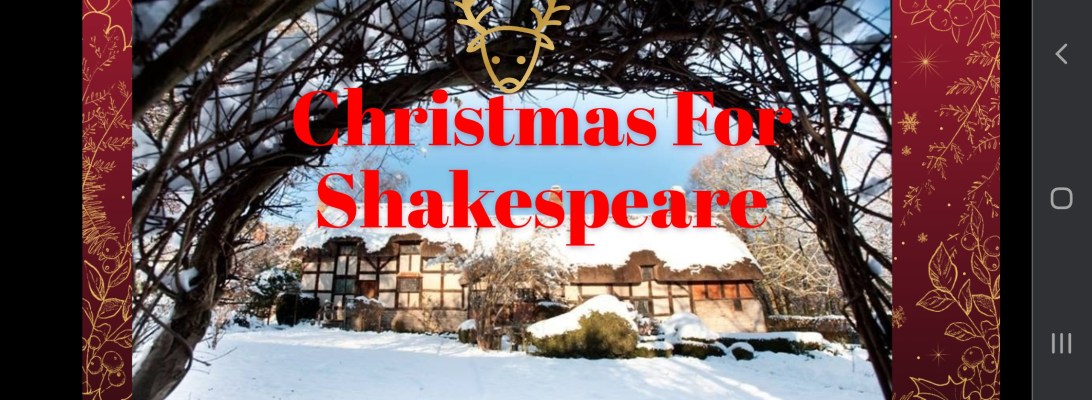
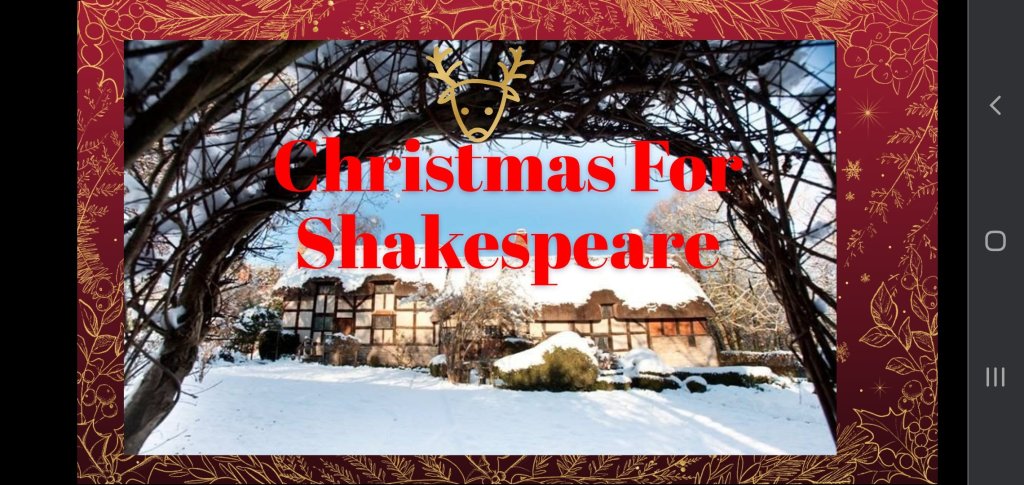
The goal of this class is to learn about both Shakespeare and the Elizabethan period through the lens of Christmas. I will begin by asking the class "What traditions do you think of when you think of Christmas? We will then contrast the traditions of Christmas from the 17th century and now, including a brief period when Christmas itself was illegal.
Once I have contextualized this period, we will then go through the plot, characters, and themes of Shakespeare’s most famous Christmas play- “Twelfth Night.”
The class will include videos, multimedia presentations, virtual tours, interactive quizzes, and online activities. The students will play games inspired by real Elizabethan Christmas traditions, get some festive recipes, and learn what it was like to be an actor in Shakespeare's company, when they performed "Twelfth Night" and other plays before Queen Elizabeth and King James.

