As you probably know, I love to review children’s adaptations of Shakespeare (whether direct or indirect). “The Lion King,” (Hamlet), “Encanto” (King Lear), and of course, the many adaptations of “Romeo and Juliet,” are mainstays on this website: Gnomio and Juliet, Romeo and Juliet: Sealed With A Kiss, even Disney’s Pocahontas have their basic plot and characters firmly rooted in Verona Italy.
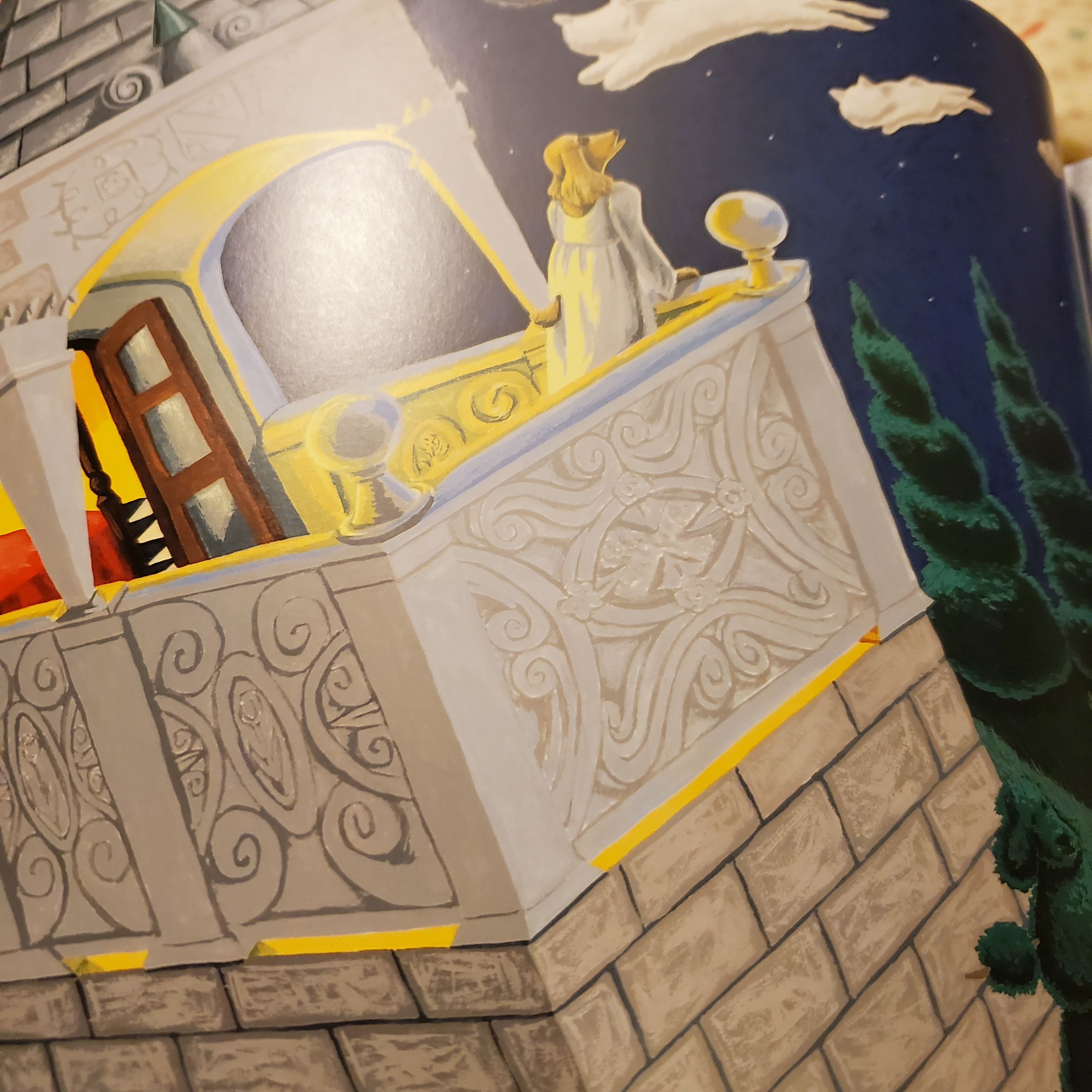
Then one day by chance, I found this book in a local park, and I knew I had to review it!
The Premise
This is a simple re-telling of the story of Shakespeare’s play that focuses on just the young lovers. You feel for these cute little animals and in a way, making them a kitty and a dog smitten with puppy love, makes them more understandable and sympathetic than Shakespeare’s youthful teenagers, who indulge in violent delights without using their human reason.
What It Keeps
The Story
The book keeps the feud between the two families, has the young lovers meet in disguise at a ball, fall in love on a balcony, get married, and amazingly, DIE! Laden still manages to tell the story in a kid-friendly way, though giving it tragic weight.
The Language
The book opens with a rhyming prologue, which, although it isn’t in sonnet form, has the same function as Shakespeare’s prologue- to explain the plot before we see it played out in the book, thus giving the whole story a sense of dramatic irony. Plus, as you can see, Laden also imitates Shakespeare’s love of wordplay with metaphors and puns, (a tale of tails), and alliteration to give the dialogue some wit and effervescence. Reading it gave me giggles like I’d just popped open some champagne.
What it changes: Spoiler alert
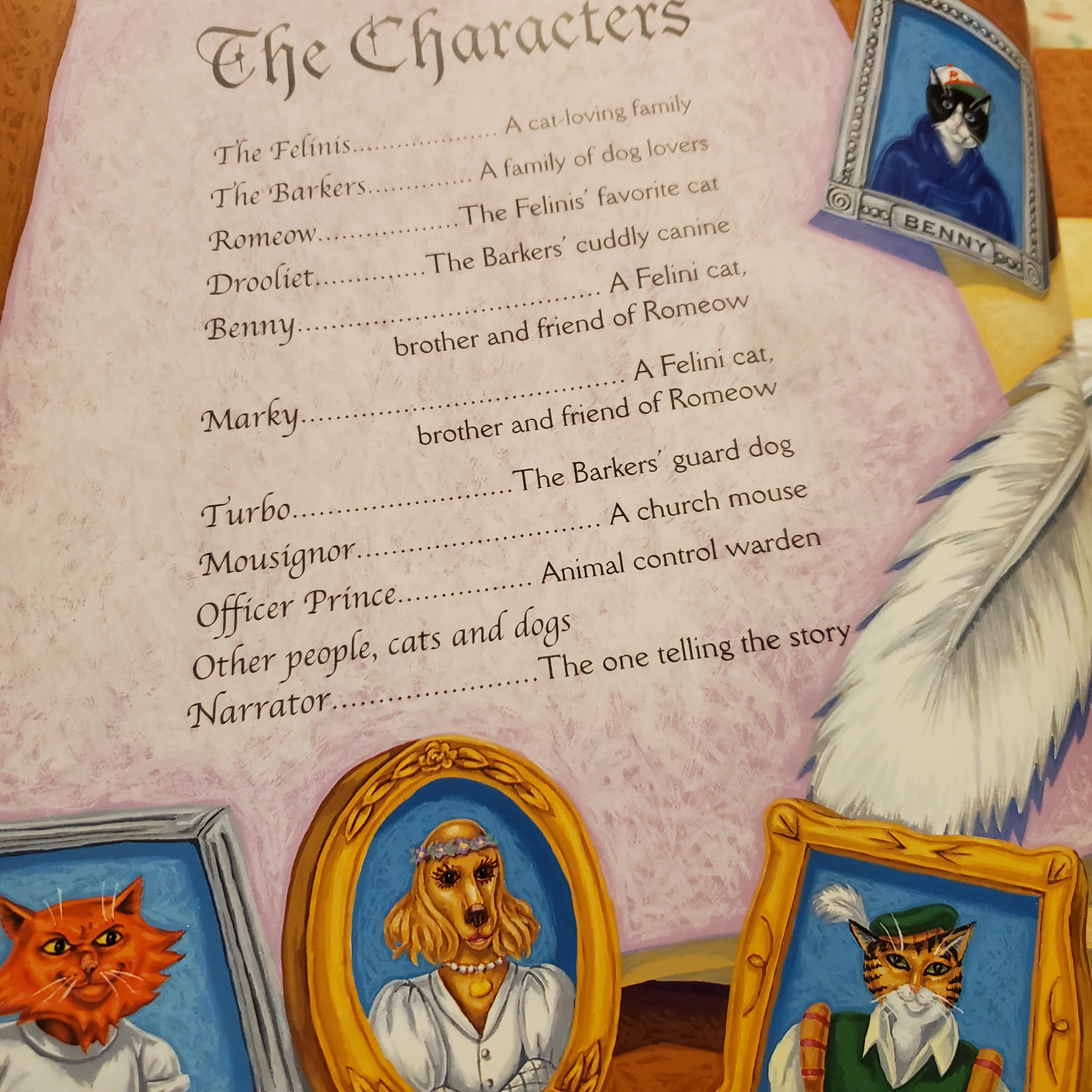
All throughout, Laden makes small changes to simplify the plot and remove characters that don’t directly impact the main plot. The characters of Lord/Lady Capulet and Lord/Lady Montegue, The Nurse, Paris, Peter, the servants, and the friars are completely absent, turning an already brief play into an even more compressed story.
Like a lot of animal retellings I’ve seen of this story, the author recasts the human leads as animals that are natural enemies- in this case, cats and dogs. This makes the story easier for kids to understand. As I’ve said before, it’s often difficult to keep track of who belongs to which house in Shakespeare’s version. All you need to know is that Romeo and his brothers are cats and Juliet’s family are dogs.
Funnily enough, my daughter actually complained that the story would’ve been better if Juliet were a cat instead of Romeo, which I agree with for very specific reasons. The character of Tybalt is named after a character from a prose story called “Reynard the Fox,” who had the epithet, Prince of CATS. Mercutio annoys Tybalt by taunting him with this title before challenging him to a duel:
Tybalt: What would you with me?
Mercutio: Good Prince of Cats, nothing but one of your nine lives! Romeo and Juliet, Act III, Scene i.
It would’ve been a funny Shakespeare easter egg to have Juliet and Tybalt be portrayed as cats, but I understand why they went with dogs- Drooliet is a hilarious pun, and having Tybalt be a vicious, rabid dog helps set him up as a fearsome antagonist.
I suppose you’re wondering, how the author keeps Shakespeare’s tragic ending in a children’s book? Well, like Shroedinger’s cat, she manages to make Romeow die and not die at the same time. He gives Drooliet one of his 9 lives, allowing them both to ‘die’ and then come back for a happy ending. It’s a brilliant way to nod at the original, while also keeping the kid-friendly tone.
My Reaction
This book is really fun and very enjoyable for kids, parents, and teachers who want to introduce kids to Shakespeare at an early age!
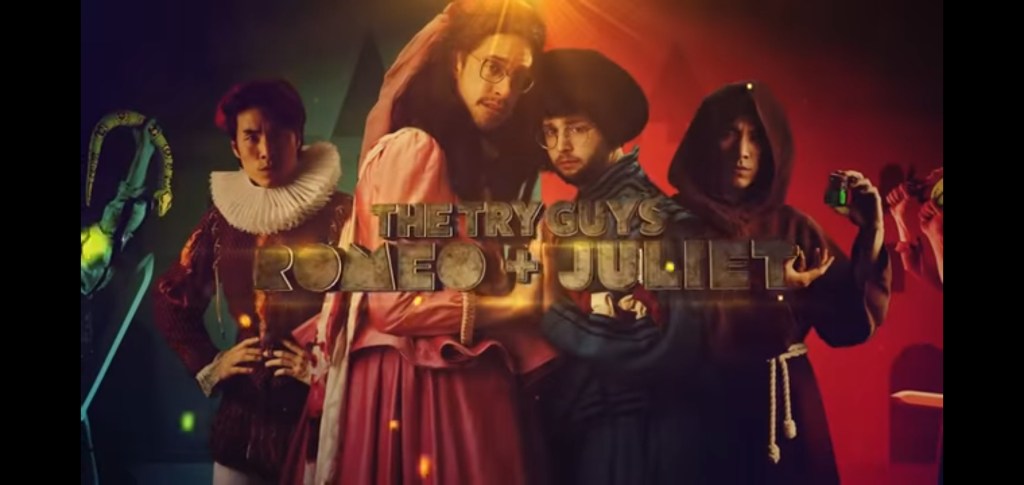
I was excited from the beginning to hear that the Try guys were going to bring Shakespeare to YouTube in a way that was fun and accessible. My expectations were that they would make fun of the play with care; I was hoping that they wouldn’t mock Shakespeare, (or mock people who like Shakespeare). I was also hoping that they would critique the characters without outright mocking them and find ways to make the play connect to modern audiences. I think they achieved all those things and more!
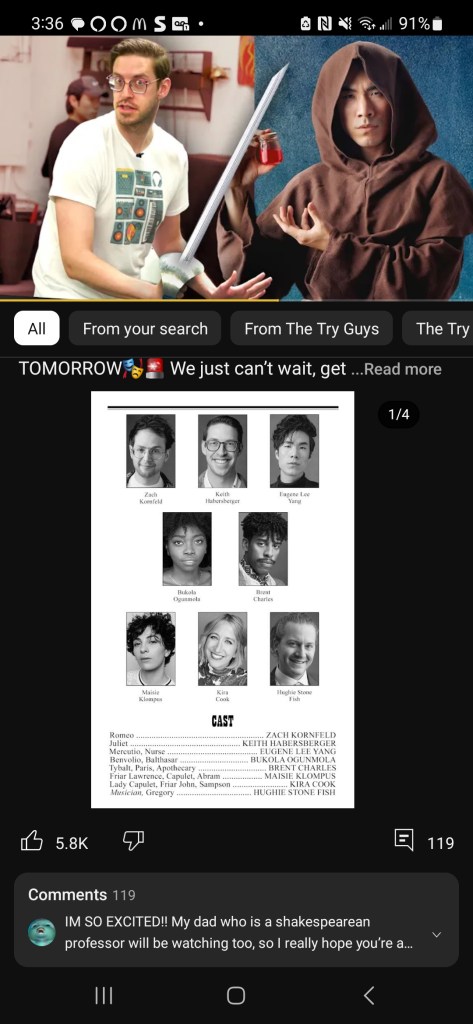
Zach Kornfield, Eugene Yang, and Keith Habersberger known collectively as “The Try Guys” are a group of friends who seek out new experiences and share them with the world. They thrive on taking themselves out of their comfort zone and learning about the world through experiencing it firsthand in a funny, lighthearted way. As I said before, what could be more adventurous, daring, informative, and out of YouTube’s comfort zone than doing Shakespeare?
In a series of videos they explored Elizabethan clothing, stage combat, learning how to speak Shakespearean verse, and finally on August 10th, 2023, they performed “Romeo and Juliet” live on Youtube, with suggestions from the audience! With this post, I will discuss the evolution from these three videos, to the final show, which I got to see live on YouTube. I will discuss what I think worked, what didn’t, and how this production might influence future Shakespeare productions going forward!
Podcast About the SHow:
My Top Ten Moments:
Background on the Show
The original pitch for the play made it sound like a live YouTube event, but they made it even better by including a voting option where viewers could change some of the action and chose for instance, if they fought with swords or some other object, thus engaging the audience the whole time. This is what made this experience unique, (perhaps more than any other production), and I think in many ways this production could be an inspiration to educators and theater practitioners! My main critcism of the show is that, though it can be enjoyed by almost anybody, it is definitely not suitable for children, and nobody could get away with showing it in a classroom environment.
Costumes and Sets
The set for “Romeo and Juliet,” seems like an ordinary YouTube TV studio, in that it’s fairly small and it does not suggest any particular period. It kind of suggests somewhat of a dream-like environment; there are cardboard cut outs with some clouds, the lighting is warm with a few pink colors . Most of all it reminds me of a fractured fairytale more than classic tragedy, (which I suppose is clever in itself because it sets up that the Try Guys are going to fracture Shakespeare the same way people like the Muppets fractured fairy tales.
The costumes don’t seem as elaborate or historically accurate as the ones in the previous video, which is a shame because it would’ve been really nice to see the Try Guys walk, fight, and dance in the same costumes that they experimented with in the previous video. That said, the costumes certainly are functional within the story. Eugene as Mercutio has a stylish striking black outfit that certainly suggests somebody you don’t want to mess with. Zach as Romeo has an amusing long wig (romantically disheveled of course) and a blue doublet (though I miss the pumpkin pants in the previous video). As in other productions, the Montegues wear blue and the Capulets mostly wear red. I would be surprised if the director had seen the famous Franco Zephirelli film (or at least Gnomio and Juliet).
The director Keith Habersberger also keeps the best costumes for himself both as the Prince and Juliet; he’s wearing a beautiful ordinate gold costume as the Prince and Juliet herself has lovely rose-colored gowns. Even her shift in Act Four is it’s tasteful. I’ll talk more about Keith’s portrayal of Juliet later, but let’s just say that the clothes do not make him look like a man in women’s garb, they make him look like Juliet.
Stage Combat
The stage combat episode is great, and as a Stage Combat junkie myself, I watch a lot of channels like Skalgrim, Forged In Fire, HEMA videos, and of course my own stage combat videos. Consuming this combat content, I know that there are lots of avenues for education and for entertainment watching these 3 guys who have never done sage combat before, try out swords. I was very delighted to see them putter around with swords and then learn a short stage combat scene in which they then put on put their own spin on by improvising a scene where Romeo & Juliet sword fight with a guy who cut the cut in front of them while they were trying to get ice Cream. The video is fun, ludicrous, but also it’s just as informative as videos from the Folger Shakespeare Library.
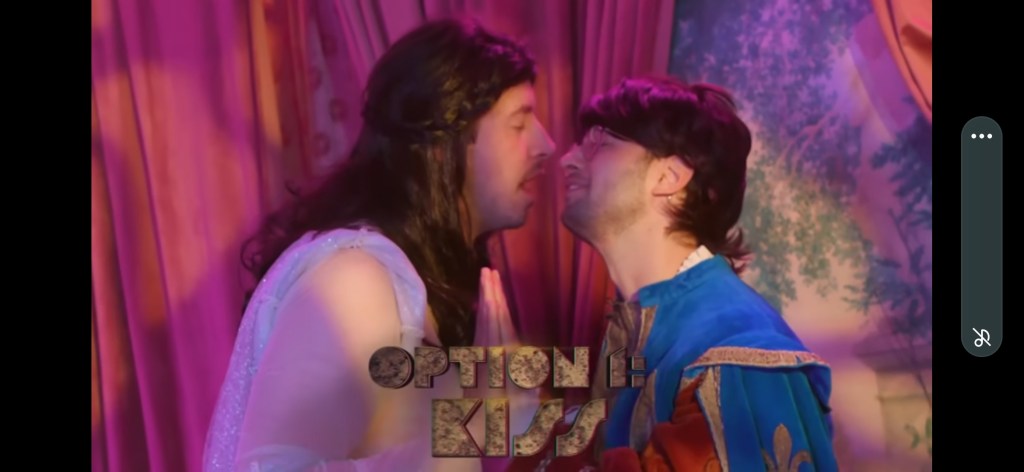
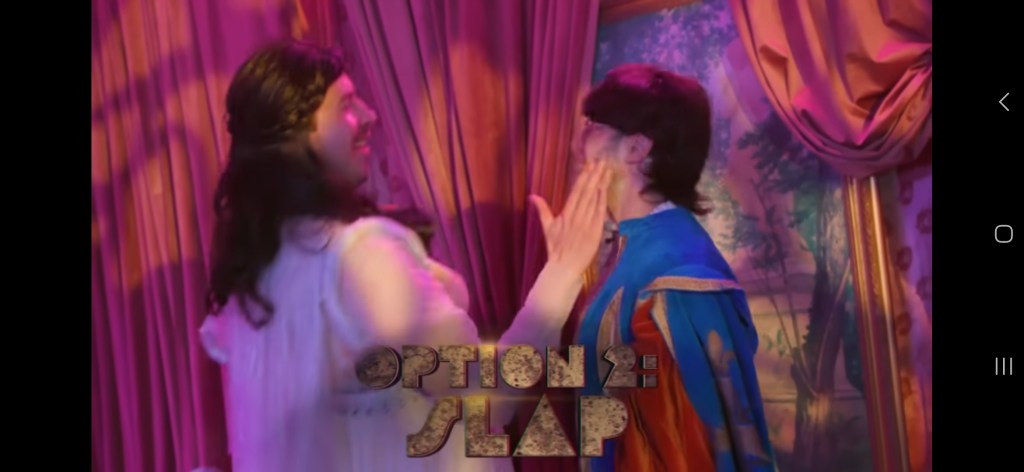
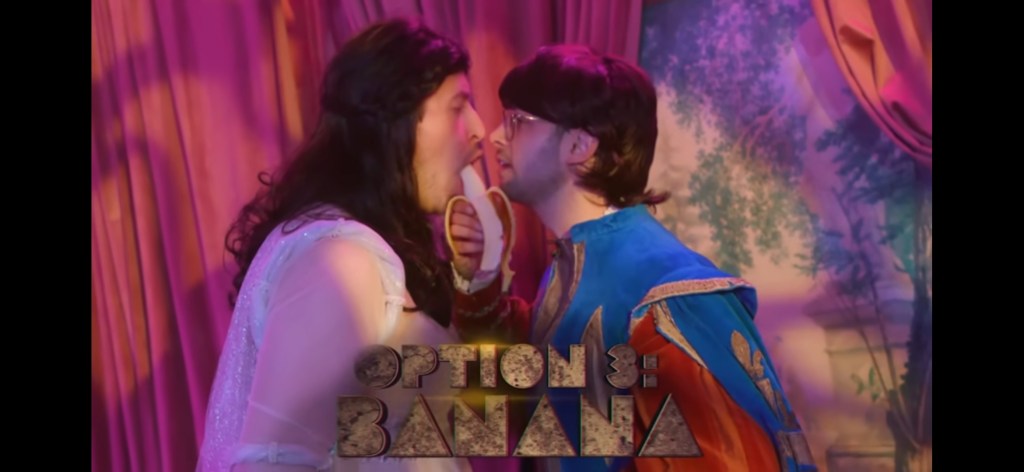
Unfortunately, The Try Guys didn’t make much use of the swordplay they learned in this video during the final performance. Imagine my disappointment when, during the climactic duel between Tybalt and Mercutio, the audience voted to replace the swords with…something that was definitely NSFW. I’ll discuss this choice in depth later on my podcast but let’s just say it made the training they did in the previous episode seem like a waste of time.
The Cameos
Did you hear about this guy Romeo? He’s the talk of the town
Link Neal from Good Mythical Morning
One aspect of the production that I deeply loved was that instead of doing the whole play, The Try Guys did a 90-minute abridged version using multiple narrators to fill in with bits of exposition and commentary. The Reduced Shakespeare Company did this before in their show, but since The Try Guys are very popular in the YouTube Community, they got a bunch of their fellow Youtubers to be their narrators like Rhett and Link, Smosh Games, Rosario Pansino from Nerdy Nummies, and Mat Pat from Game Theory. It was absolutely delightful to hear more of my favorite YouTubers talk about my favorite writer, each one telling the story with their own brand of humor!
Romeo runs to Friar Laurence, mascara all smeared!
Manny Mua
The Performances:
Finally, let’s talk about the acting in the final performance and how the Try Guys succeded in bringing Shakespeare to You Tube.
Keith Habensburger as Juliet
Keith carries the show as Juliet. As he mentions in the video above, he has performed in Shakespeare before, and his passion for performing shines. It’s actually a bit shocking to see him drop his usual persona as an easy-going funny guy and become a tragic heroine! In addition, he has a clear vision for the character- I suspected that he would probably exploit the comedy of him being a man playing a woman and being taller than Zach and he does in the earlier scenes, but once Tybalt dies, Keith plays Juliet absolutely straight- he is absolutely committed to playing Juliet’s anguish and desperation and it’s really moving to watch!
Eugene As The Nurse/ Mercutio
Eugene was a natural choice for Mercutio- his Try Guys persona is very much the wild card, sometimes friendly and sometimes fierce and he clearly loves Shakespearean language as you can see in the earlier video where he plays Edmund from “King Lear.” Honestly, though, I think his performances in the final play are a bit under-dramatized- I don’t quite know what he was going for as either The Nurse or Mercutio, which might be a result of limited time or lack of direction. That said, he does a good job for having never done Shakespeare professionally before.
Zach as Romeo or “A Bro wearing Hose”
Zach admits in the Shakespeare Acadamy video that he doesn’t “get Shakespeare,” and I get the sense that he doesn’t really like Romeo, so his performance seems like an intentional parody of romantic leading men. Honestly, this is fine. Romeo isn’t my favorite Shakespearean character either, and yes, The Try Guys are treating this as a real show, but at the same time it is still an experiment; they are trying something they wouldn’t normally do, so Zach is dealing with the awkwardness of playing Romeo with the same self-deprecating sense of humor that he uses when baking without a recipe or trying ballet. He knows that he would never get cast as Romeo in real life, so he’s having a laugh while he does it onstage, all the while being the best Romeo he can be.
The Format
One of the biggest challenges any Shakespeare practitioner has to face with a modern audience is the problem of engagement. The age of social media has changed how we consume content- we don’t passively watch anymore, we engage with it, comment on it, share it, and sometimes even manipulate it for ourselves. In Shakespeare’s day, there was no division between actors and audiences so in a way, his plays work well for this kind of live choose-the-outcome YouTube Event and I’m interested to see if it influences future performances going forward. In any case, I’m grateful that I was able to see this fun-frenetic, once-in-a-lifetime evening of live theater!
If you would like to learn Shakespeare like the Try Guys, I have a series of online clases in acting, stage combat, Shakespearean comedies, tragedies, and of course, “Romeo and Juliet.” You can enroll in one of these classes now or schedule one with me by visiting my Outschool.com page:
I’m so excited! One of my favorite Youtube channels is doing a series of videos where they try Shakespeare for the first time! Zach Kornfield, Eugene Yang, and Keith Habersberger known collectively as “The Try Guys” are a group of friends who seek out new experiences and share them with the world. They thrive on taking themselves out of their comfort zone and learning about the world through experiencing it firsthand in a funny, lighthearted way.
So, what could be more adventurous, daring, informative, and out of YouTube’s comfort zone than doing Shakespeare? So in a series of videos they are going to explore Elizabethan clothing, stage combat, learning how to speak Shakespearean verse, and finally on August 10th, 2023, they will perform “Romeo and Juliet” live on Youtube, with suggestions from the audience!
This post will be a reaction to the humor and information on Elizabethan clothing from part one of the series with my notes on Elizabethan fashion, and the costumes worn by Shakespeare’s company
Background on Elizabethan Clothing
I’ve written a series of posts about Elizabethan fashions. If you’re unfamiliar with the period, Queen Elizabeth reigned from 1558 to 1603. This was one of the most prosperous and cosmopolitan times in English history and the fashions of the time reflected this.
Report of fashions in proud Italy, Whose manners still our tardy apish nation Limps after in base imitation.
Richard II, Act II, Scene i
Clothing of this period was very hierarchical- if you were lower class, the garments had drab colors, were functional rather than fashionable, and were not tailored for individual people. On the other hand, upper-class people literally wore their wealth and status on their sleeves- clothes were tailor-made, colors were bright and hard to produce, and fashion styles represented the far reach and sophistication of the English court. One way the court proclaimed this was by importing fashions from Italy, as the quote above indicates. This might be one reason why so many of Shakespeare’s plays are set in Italy; the public wanted to see the exotic upper-class fashions in this play set in romantic, sophisticated Italy. In a way, Shakespearean plays were sort of a fashion show in the 16th century.
If they [Elizabethans] saw a onesie, their heads would explode!
Keith
Keith’s remark is referencing the fact that nowadays our clothes are stitched together on the spot by machines. If you buy pants or a shirt, it comes as one complete garment, but this is a luxury the Elizabethans did not have. Costumes came in pieces like ruffled collars, sleeves, skirts, kirtles, foreskirts, etc. All these pieces would need to be assembled by a patient lady or gentleman in waiting, which is why Elizabethan nobles couldn’t get dressed by themselves, as you can see in this graduate thesis video by my friend Anna Gonzales:
Keith Habensburger as Juliet
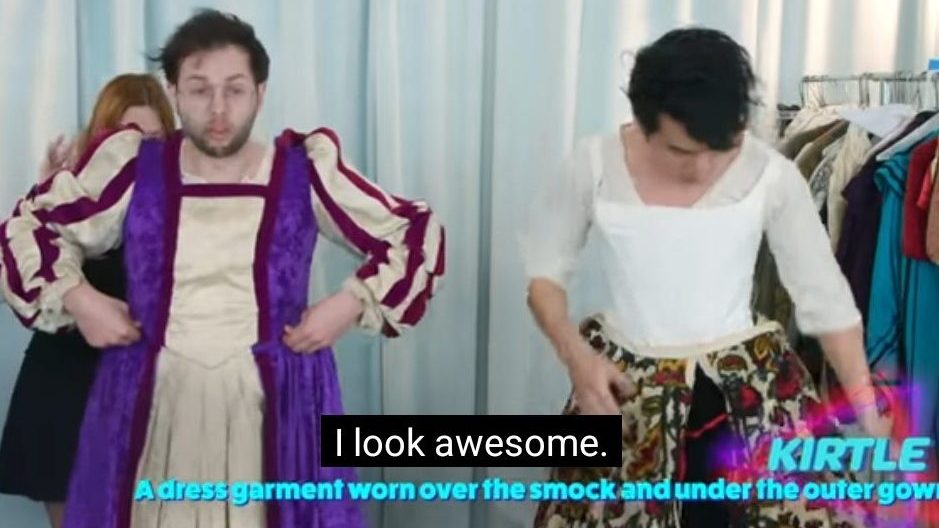
One of the best parts of the video is Keith trying on various upper-class Elizabethan ladies’ garments from dresses to skirts. The Try Guys have a long history of trying on female garments so in a way, they’re perfectly suited to try Shakespearean costumes.
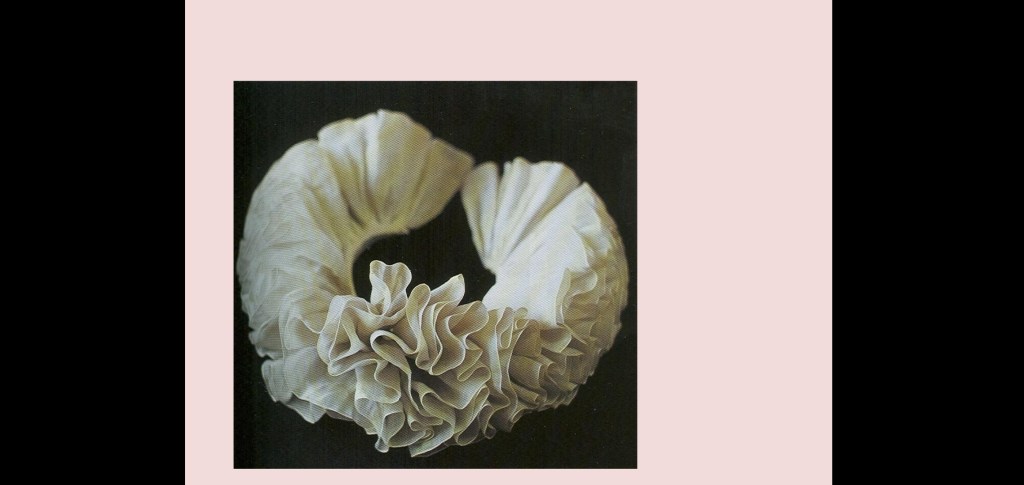
Keith’s favorite Elizabethan costume piece is the famous neck ruff- a piece of rolled linen that goes around the neck worn by men and women. Ruffs were very popular in the Tudor court, so it became a symbol of Elizabethan fashion.
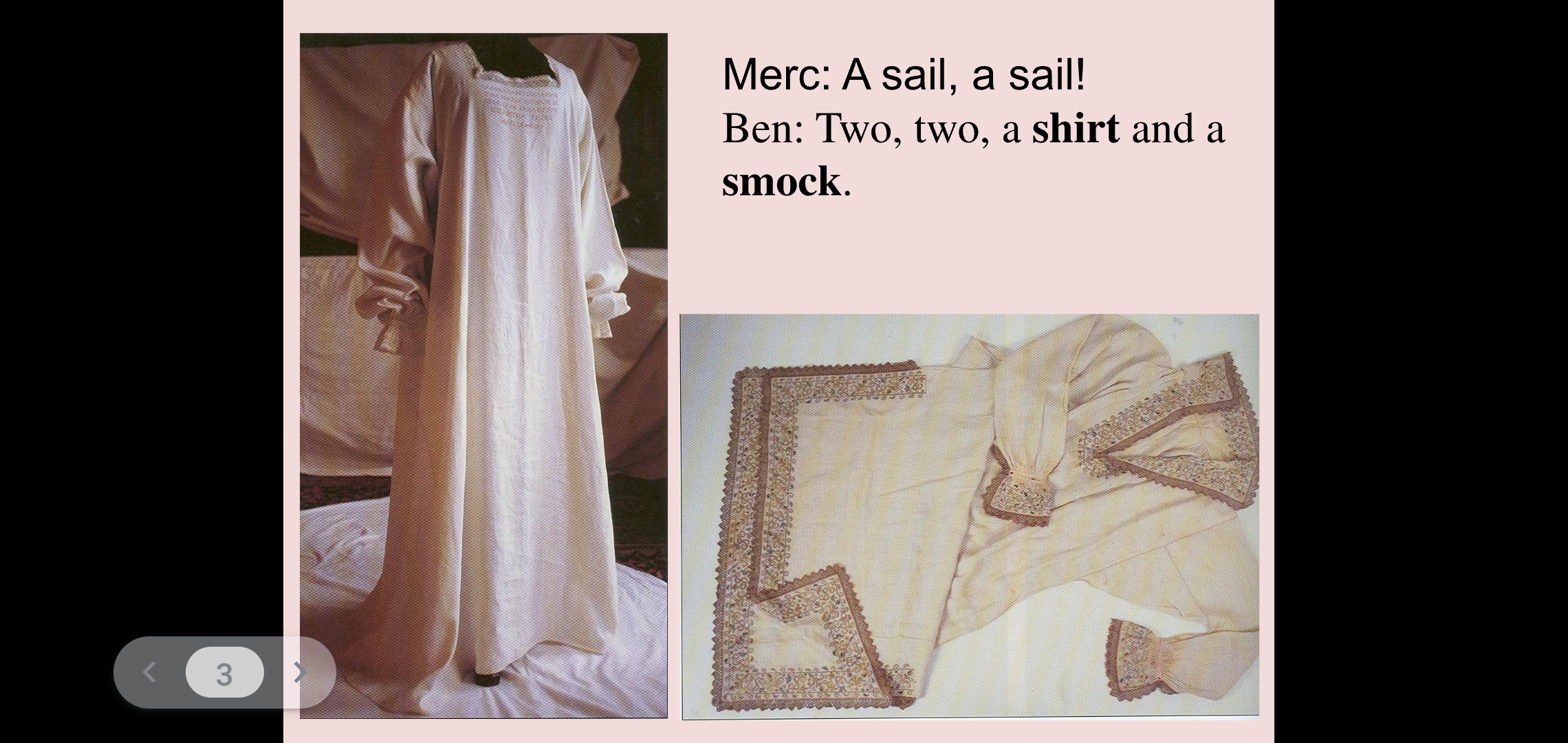
“A Shirt and a Smock”
In Anna’s thesis, she points out how Elizabethan undergarments came in the form of long shirts for men and a long linen one called a smock for women. In the video, Keith is puzzled by the garments and wonders if it would be at all erotic to see an Elizabethan in their not-at-all revealing shirts or smocks. As Anna points out in her thesis, these garments were worn close to the body, coming into contact with all the sweat and grime of daily life. So NO Keith, it wasn’t sexy to see an Elizabethan in his or her shirt or smock.
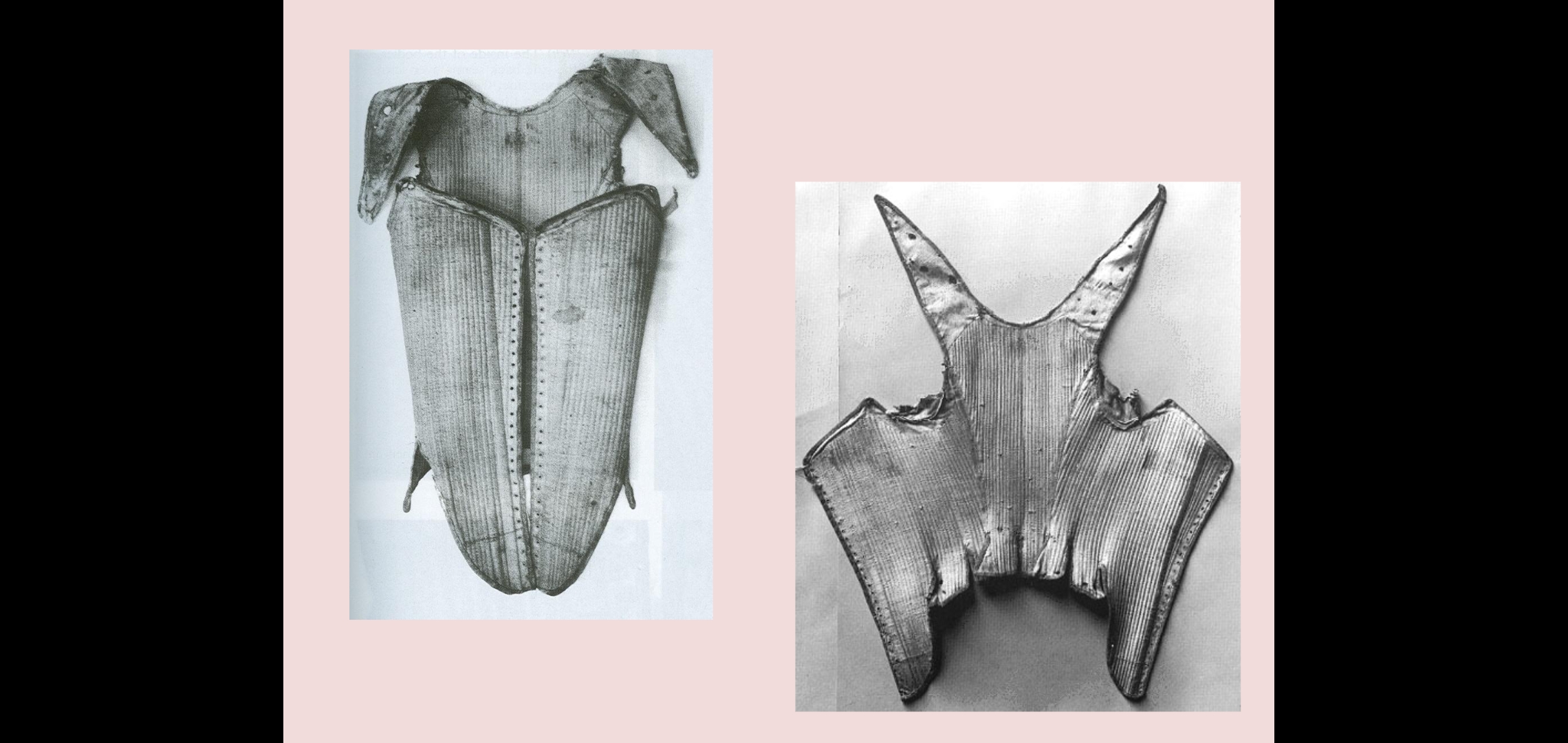
“THe Devil Himself Could Invent such stuff”- Elizabethan Corsets.
Every age has a new definition of the ‘ideal silhouette,’ that is, the figure that is most appealing in women that the clothes either create or accentuate. Elizabethan women were expected to have slim waists, small chests and wide hips. This look was accomplished through the use of a corset, which tightened the waist and compressed the chest.
Under the Hood- Farthingale, bum rolls, and petticoats
To create the wider hip look of Elizabethan women, bum rolls tied around the waist, and wooden farthingales created a bell shape for the hips and skirt. On top of that went the petticoat, kirtle, and skirt.
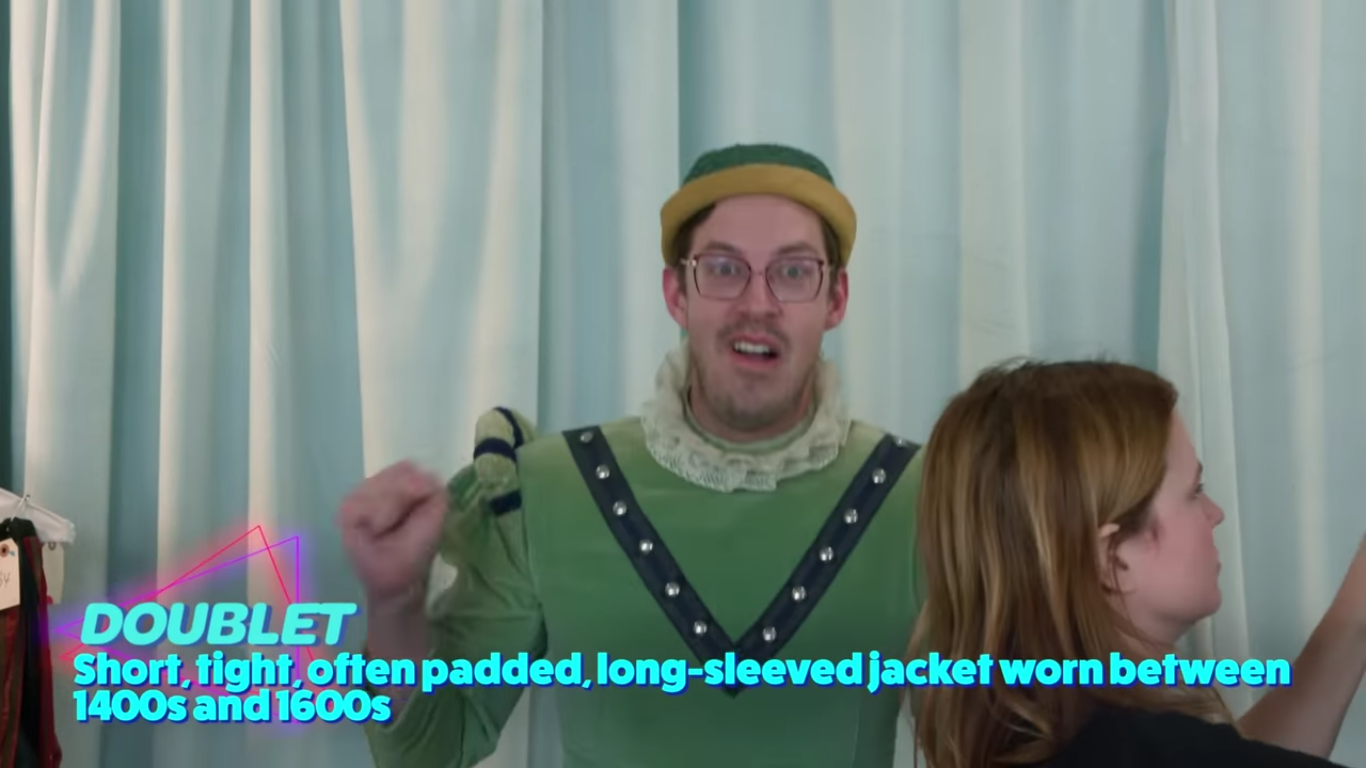
Eugene wears a petticoat on top of his corset and bum roll that is done up with red bows. Zach wears a lace collar that partly covers his head. Eugene’s sleeves were added separately.
Eugene As THe Nurse
Eugene’s clothing as The Nurse, reflects the fact that lower-class people had fewer and fewer fancy options in terms of fabrics, styles, and colors. The costume is a simple linen shirt, a basic corset, and grey clothes. I suspect that The Nurse was also helping Juliet get dressed, like the ladies in this video:
Men’s fashion- Zach as Romeo or “Bros wearing Hose”
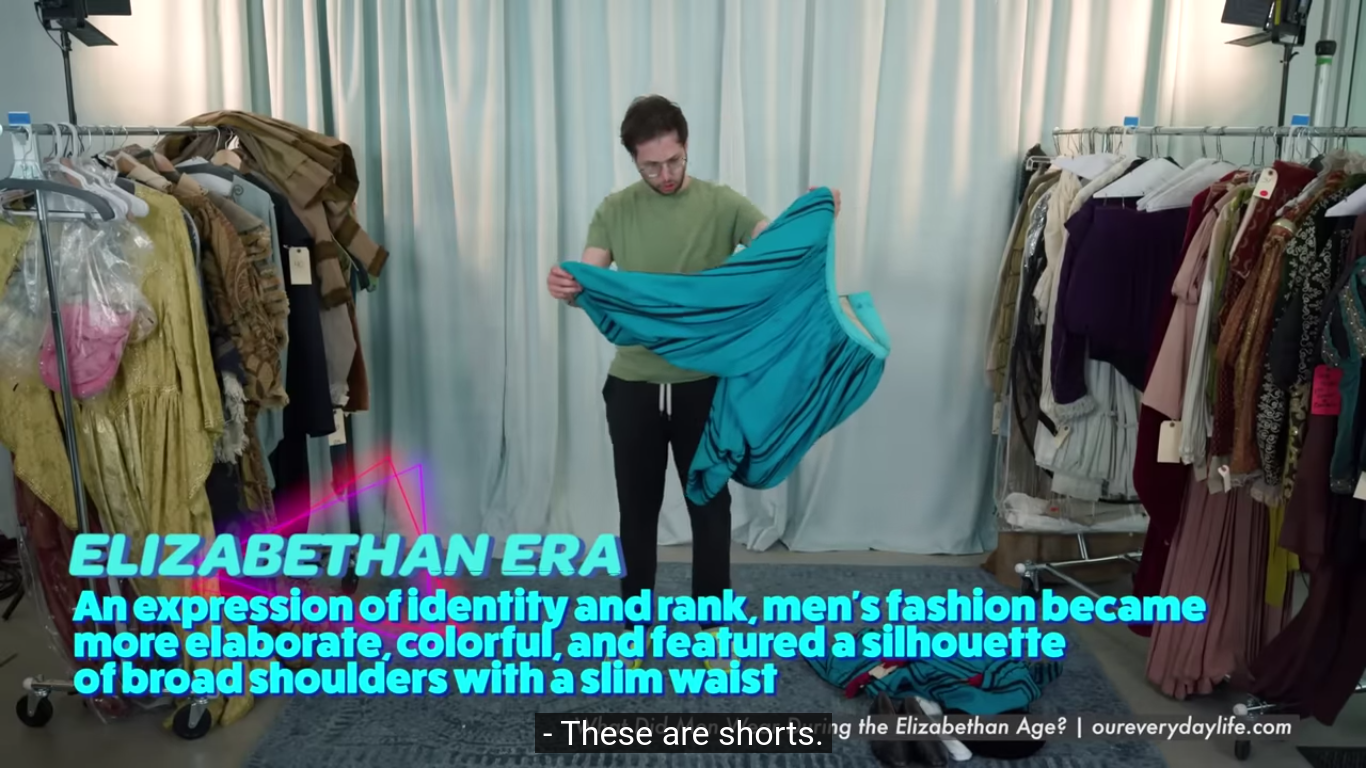
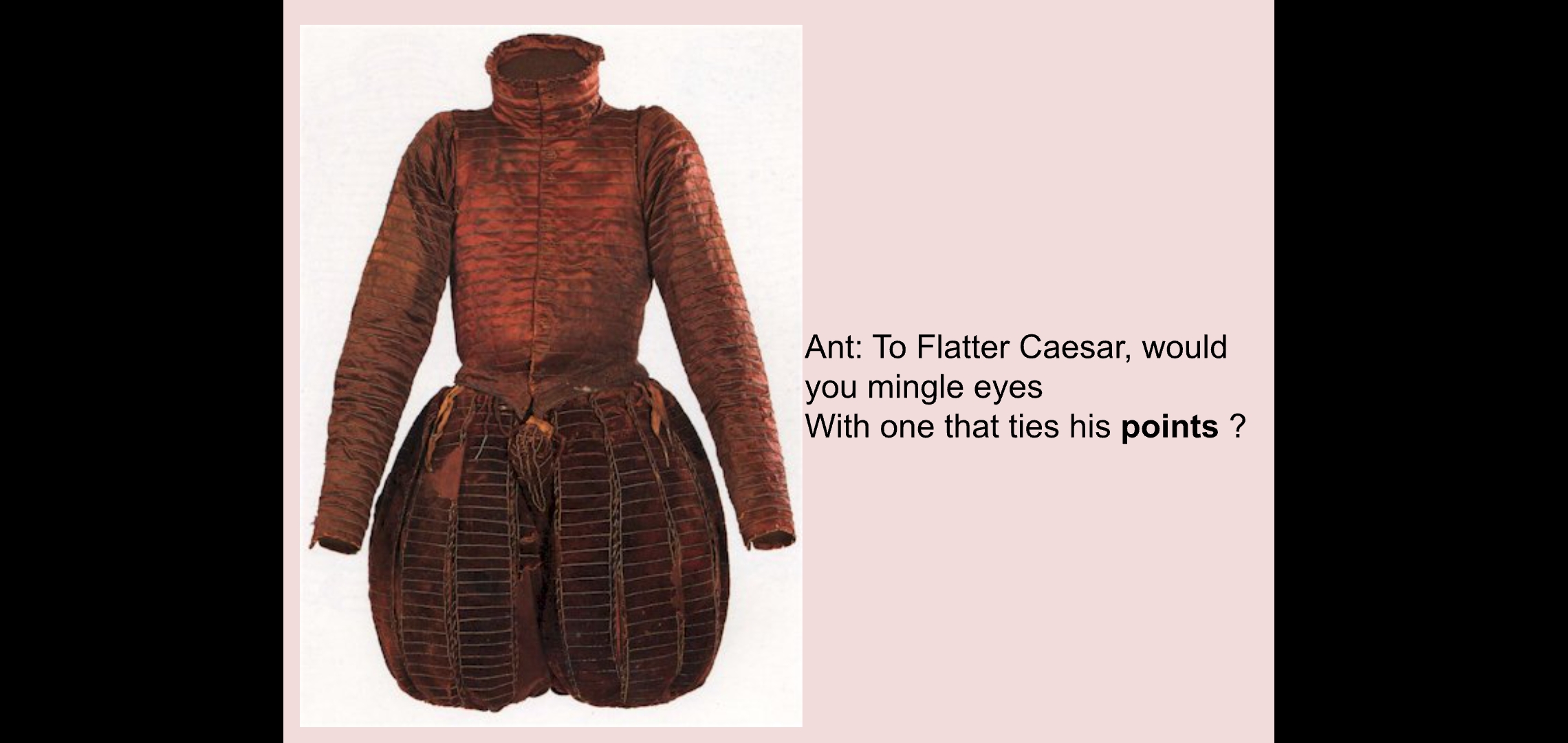
Men in this period also wore custom garments- the sleeves were added separately and the pants had to be attached at the points. Unlike women, young men didn’t cover their stockings (hose) and enjoyed showing off the shape of their legs. Stockings were often brightly colored and sometimes padded to make the man wearing it look more muscular.
For Shakespeare’s birthday, I thought I’d re-visit one of my most popular posts, especially since the Royal Shakespeare Company is celebrating by putting on an adaptation of Maggie O’Farrell’s novel Hamnet:
RSC video of the first day of rehearsals for Hamnet
Biography of Hamnet
Just like his famous father, we know very little about the life of Hamnet Shakespeare. Since infant mortality rates were high, we don’t know his exact birthday, only that he was baptized on February 2nd, 1582. Like most 11-year old boys, he probably had started going to school at the King Edward Grammer School, the same as his father. This means he spent long hours away from his parents learning to read and write in Latin and Greek. When he was home, he lived with his mother, his two sisters, and his grandparents in the house of Henley Street.
O’Farrel portrays the boy Hamnet as sensitive and somewhat lonely, which makes sense, since he probably didn’t see his father for long periods of the year; Will Shakespeare spent much of the year writing, going on tour, and performing at the Globe- he commuted from London to Stratford for most of the year. He probably only came around during Lent, Christmas, and times of plague when the theaters were closed.
1589-1596
Never mind what I know. You must go.” She pushes at his chest, putting air and space between them, feeling his arms slide off her, disentangling them. His face is crumpled, tense, uncertain. She smiles at him, drawing in breath. “I won’t say goodbye,” she says, keeping her voice steady. “Neither will I.” “I won’t watch you walk away.” “I’ll walk backwards,” he says, backing away, “so I can keep you in my sights.” “All the way to London?” “If I have to.” She laughs. “You’ll fall into a ditch. You’ll crash into a cart.” “So be it.
O’Farrell
Hollar’s panorama of London, 1647
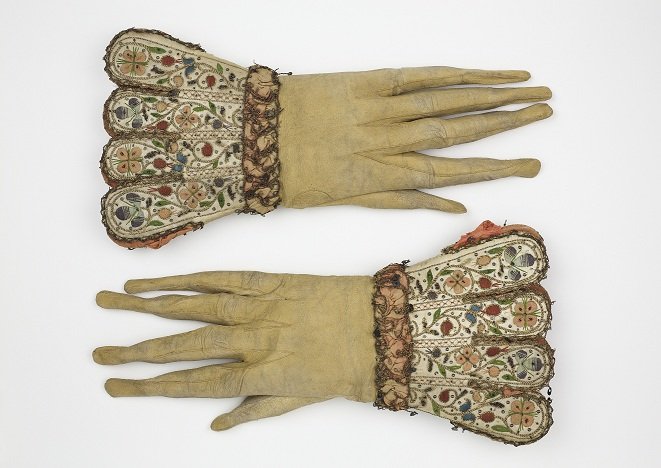
The novel portrays Anne Shakespeare realizing that her husband is stifled and unhappy living with his parents in Stratford, and so she suggests to his father that he go to London to ‘expand the family business,’ though in reality, she wants him to go to make his fortune and find more fulfilling work. Scholars have wondered for years how Shakespeare got his start in theater- as a man with children he was legally unable to become an apprentice, and as a glover’s son from Stratford, he didn’t know anyone in London. O’Farrell solves the mystery by making him start out as a costume maker and mender for a theater company, who later became a writer and actor.
This idea of Shakespeare starting out as the company’s glove mender actually has some historical merit- records from the time confirm that many playwrights and actors were also local artisans. Men like John Webster, Richard Tarlton, Edward Kyneston, and even Richard Burbage were skilled drapers, textile merchants, haberdashers (men’s tailors) and ( like the Bottom in “A Midsummer Night’s Dream,”) some of these men were weavers-turned actors (Source: Anna Gonzales) So it’s entirely possible that Shakespeare started in London by selling gloves to theaters, before selling his plays.
When Will moved to London, he lived in a number of locations throughout the city, probably because it wasn’t a safe place. Theaters were located in the same districts as bear baiting and brothels, so Will probably had to move to get away from bad neighborhoods, as this video from The History Squad illustrates:
A glover will only ever want the skin, the surface, the outer layer. Everything else is useless, an inconvenience, an unnecessary mess. She thinks of the private cruelty behind something as beautiful and perfect as a glove.
Almost immediately after Will leaves, Anne is full of remorse. She knows his work in London will consume him and his success will make the distance between him and her even greater.
She walks back, more slowly, the way she came. How odd it feels, to move along the same streets, the route in reverse, like inking over old words, her feet the quill, going back over work, rewriting, erasing. Partings are strange. It seems so simple: one minute ago, four, five, he was here, at her side; now, he is gone. She was with him; she is alone. She feels exposed, chill, peeled like an onion.
The Plague
He wants to tear down the sky, he wants to rip every blossom from that tree, he wishes to take a burning branch and drive that pink-clad girl and her nag over a cliff, just to be rid of them, to clear them all out of his way. So many miles, so much road stands between him and his child, and so few hours left.
Hamnet
As I’ve said in previous posts, Shakespeare survived three epidemics of Plague; one in 1563, (before he was born), one in 1593, and one in 1603. In O’Farell’s novel, the germs that kill Hamnet came not from a massive outbreak, but a few germs that were transported in a box that his sister had the misfortune of opening. This frightful passage shows the grim tenacity and eve-present fear that, while England expanded and became more interconnected with the world, it also brought death and disease to and from the rest of Europe.
In the book, the plague germs that infect Judith and later Hamnet, lie inside a box with some glass beads that the Shakespeare’s ordered from Italy to decorate a pair of fancy gloves. As this video from National Geographic shows, trade routs then as now are prime spreaders of disease and even one ship that slips by can turn any box of goods into a Pandora’s Box, waiting for a poor unsuspecting girl like Judith to release it unto the world.
Hamnet’s Death
He can feel Death in the room, hovering in the shadows, over there beside the door, head averted, but watching all the same, always watching. It is waiting, biding its time. It will slide forward on skinless feet, with breath of damp ashes, to take her, to clasp her in its cold embrace, and he, Hamnet, will not be able to wrest her free.
Hamnet
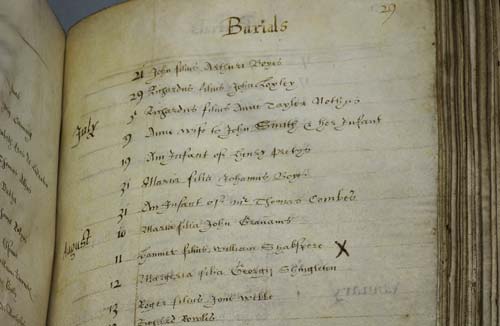
Burial Registry of Hamnet Shakespeare
In the novel, Hamnet somehow takes the plague away from his sister and dies in her place. Though it is hardly conclusive, I do find it interesting that Shakespeare stopped writing comedies about twins for another four years after Hamnet’s death, until he wrote Twelfth Night, which unlike earlier comedies like The Comedy of Errors, has a pair of twins mourning each other’s apparent death. They seem to share one soul, and one tries to resurrect the other, like Viola mourning her brother by, (in a sense), becoming her brother.
What should I do in Ilyria? My brother is in Elysium
Viola- “Twelfth Night”, Act I, Scene ii.
ELIZABETHAN FUNERAL CUSTOMS
In the book, Anne makes a winding sheet for her son. This was a cloth of linen or wool that was wrapped around dead bodies, since at the time, coffins were re-used. This must have been a somber and deeply upsetting activity for Anne.
J4W9B7 Woodcut Woman Spinning
As this quote from “The Evolution of the English Shroud” illustrates, the act of making a winding sheet was a sort of sad family responsibility, a way of ensuring that your loved ones die with dignity, and Anne clearly takes the task of making one very seriously.
The 16th-century shroud for the poor and lower middle classes was a large sheet that was gathered at the head and feet, and tied in knots at both ends, covering every part of the body. It resembled earlier Medieval practices and was a functional, yet modest way of preserving the deceased’s dignity. It was also economical, with very little cost involved, as the burial sheet was usually taken from the family home. At this point, linens dominated as the material of choice; after all, it was a biblical tradition as Jesus was wrapped in a linen cloth. Linen was also considered more fashionable than wool.
Coffin Works Archive
The Aftermath Of Hamnet’s Death (Spoilers)
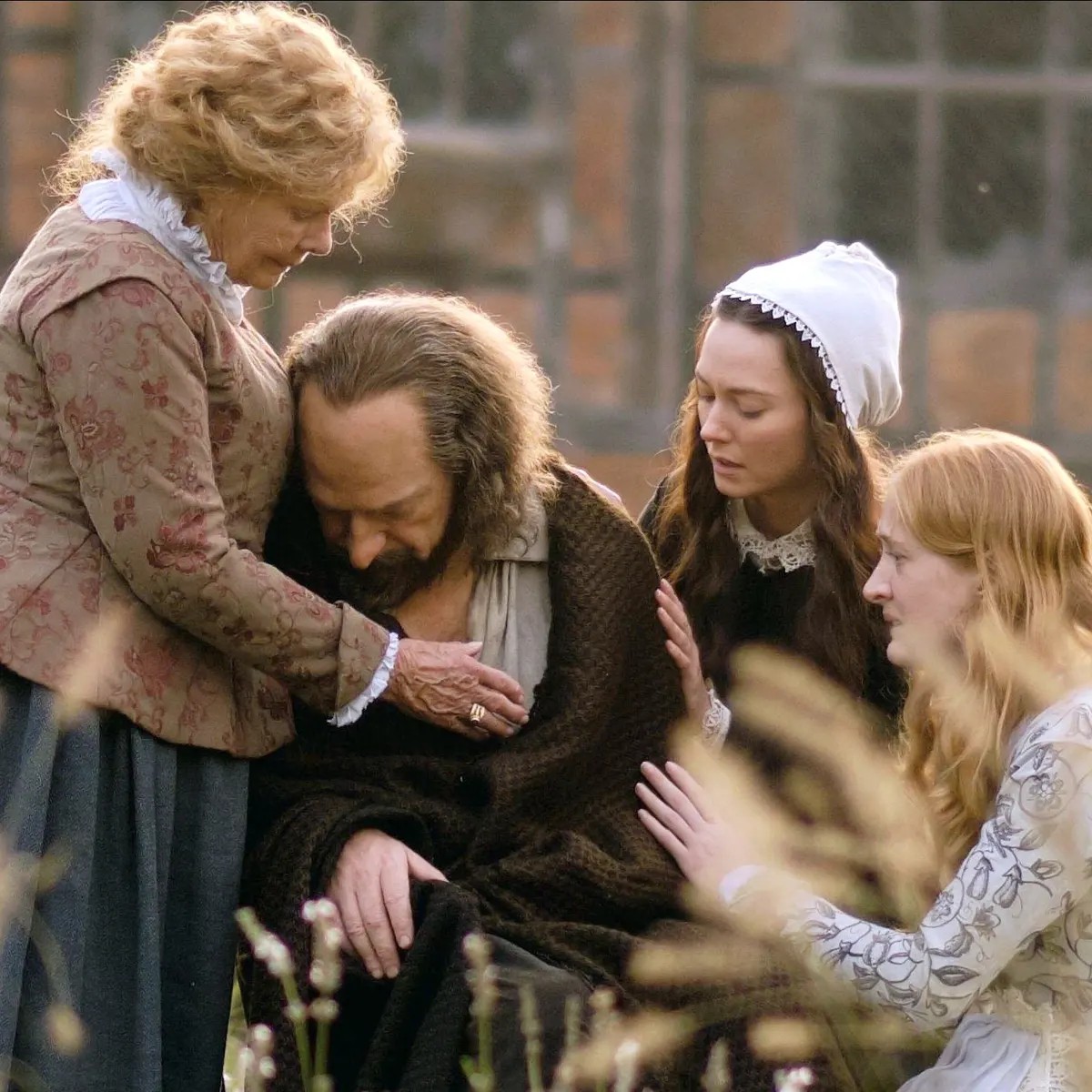
The Shakespeares in the 2011 film “All Is True,” starring Kenneth Branaugh as Will and Judy Dench as Anne Hathaway.
She discovers that it is possible to cry all day and all night. That there are many different ways to cry: the sudden outpouring of tears, the deep, racking sobs, the soundless and endless leaking of water from the eyes. That sore skin around the eyes may be treated with oil infused with a tincture of eyebright and chamomile. That it is possible to comfort your daughters with assurances about places in Heaven and eternal joy and how they may all be reunited after death and how he will be waiting for them, while not believing any of it. That people don’t always know what to say to a woman whose child has died. That some will cross the street to avoid her merely because of this. That people not considered to be good friends will come, without warning, to the fore, will leave bread and cakes on your sill, will say a kind and apt word to you after church, will ruffle Judith’s hair and pinch her wan cheek.
The Women of Hamnet
The most unique thing about this novel is how it shows the interdependence of women in Elizabethan society. Since Shakespeare spends most of the novel away from Anne, her support system mostly comes from Will’s mother Mary, as well as Anne’s daughters, her sister, and all the other women of the town. Nowadays we do most of our socialization online and barely know our own neighbors, but in the 1590s, especially for women, community was a way of building strength where women got through things like childbirth, loss, the managing of households, and many other difficulties through their relationships with other women. This video below shows the kinds of home remedies that women would share and later write down during the Tudor period:
Other Mysteries Solved
Once Hamnet dies, Will buys her a new house, New Place so she isn’t forced to live with his parents and no longer has to live in the house where her son died. But Will’s success comes with a price- he still has to leave for London. he offers to move them there but Agnes won’t hear of it. This solves the riddle of why Shakespeare commuted between town and country for his entire career- she knows the plague that took her son literally came from London, and she won’t risk losing her daughteras well. She probably also sees London like another woman that took her husband away as well, and therefore refuses to look it in the face.
It is no matter,” she pants, as they struggle there, beside the guzzling swine. “I know. You are caught by that place, like a hooked fish.” “What place? You mean London?” “No, the place in your head. I saw it once, a long time ago, a whole country in there, a landscape. You have gone to that place and it is now more real to you than anywhere else. Nothing can keep you from it. Not even the death of your own child. I see this,” she says to him, as he binds her wrists together with one of his hands, reaching down for the bag at his feet with the other. “Don’t think I don’t.”
O’Farrell, Hamnet.
The Shakespeares’ Marriage after Hamnet
I mean’, he says, ‘that I don´t think you have any idea what it is like to be married to someone like you.’ ‘Like me?’ ‘Someone who knows everything about you, before you even know it yourself. Someone who can just loo at you and divine your deepest secrets, just with a glance. Someone who can tell what you are about to say- and what you might not- before you say it. It is’ he says, ‘both a joy and a curse.
Hamnet
The ugly truth that O’Farrell highlights in Hamnet is that it must have been very hard for the Shakespeares to endure Hamnet’s death, especially since Will was probably not there when it happened, and probably didn’t stay around long after burying his son. It must have been catastrophic on his marriage, sort of like this tragic moment in the musical Hamilton, where the couple mourns the loss of their son, who died in a duel trying to defend his father’s honor.
Agnes is a woman broken into pieces, crumbled and scattered around. She would not be surprised to look down, one of these days, and see a foot over in the corner, an arm left on the ground, a hand dropped to the floor. Her daughters are the same. Susanna’s face is set, her brows lowered in something like anger. Judith just cries, on and on, silently; the tears leak from her and will, it seems, never stop. — How were they to know that Hamnet was the pin holding them together? That without him they would all fragment and fall apart, like a cup shattered on the floor?
Maggie O’Farrell, Hamnet
The Second Best Bed mystery
Though Anne is angry at Will for a while, she does eventually forgive him, as evidenced by another solved historical mystery. In Shakespeare’s will he gives his wife “My second-best bed, with the furniture,” which O’Farell explains, is their marriage bed. The best bed was the one they gave to guests and was therefore newer. In the book, Will offers to replace it after Hamnet dies, but Anne won’t hear of it; although she partially blames Will for Hamnet’s death, she still loves him and her love is stronger than her grief, as is her love for her surviving daughters.
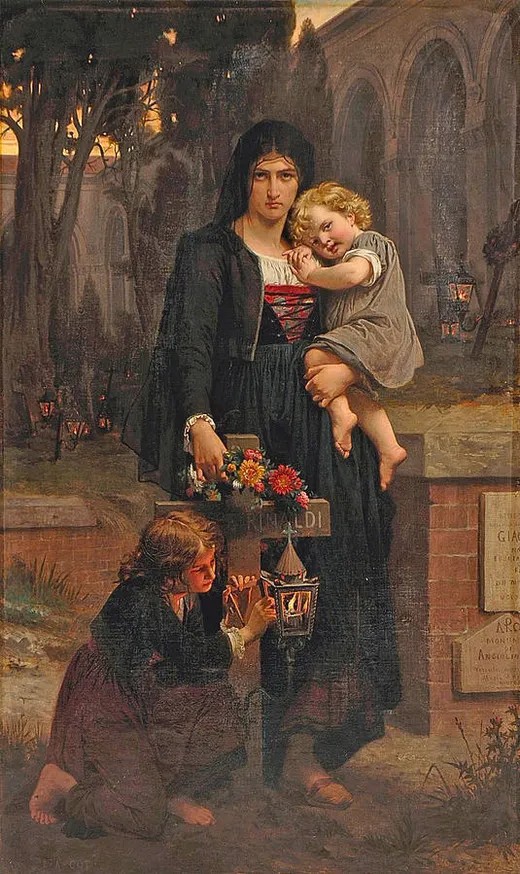
Sa Mere Avec Ses Deux Enfants A La Tombe Du Pere. / The Mother With Her Two Children at the Tomb of Her Father by Pierre Auguste Cot, 1870.
What is the word, Judith asks her mother, for someone who was a twin but is no longer a twin? Her mother, dipping a folded, doubled wick into heated tallow, pauses, but doesn’t turn around. If you were a wife, Judith continues, and your husband dies, then you are a widow. And if its parents die, a child becomes an orphan. But what is the word for what I am? I don’t know, her mother says. Judith watches the liquid slide off the ends of the wicks, into the bowl below. Maybe there isn’t one, she suggests. Maybe not, says her mother
Raising the Dead
Aran Murphy in the Abbey Theater’s production of Hamnet, a play not based on O’Farell’s novel.
At the end of the book, Shakespeare plays the Ghost of Hamlet’s father, and writes Hamlet as a tribute to his late son. We don’t know for a fact that the real William Shakespeare did this but Stratford legend says that Shakespeare played the Ghost of Hamlet’s father onstage, and this has captivated the imagination of authors and scholars alike. In any case, as Stephen Greenblatt says in his book Will In The World, Shakespeare’s father’s health faded around the same time that he wrote Hamlet. it must have been hard for Shakespeare to write a name that was one letter away from his son’s over and over again. Hamlet is Shakespeare’s longest play, and the titular character has over 40% of the dialogue, so it must have been haunting at the very least for Shakespeare to have to write his son’s name nearly 4,000 times.
Whatever he determined at the time, Shakespeare must have still
   been brooding in late 1600 and early 1601, when he sat down to
   write a tragedy whose doomed hero bore the name of his dead son.
   His thoughts may have been intensified by news that his elderly
   father was seriously ill back in Stratford, for the thought of his
   father's death is deeply woven into the play. And the death of his
   son and the impending death of his father--a crisis of mourning
   and memory--could have caused a psychic disturbance that helps to
   explain the explosive power and inwardness of Hamlet.
Greenblatt, 2004, p. 8)
In the book, Anne secretly goes to London to see Hamlet onstage and is overcome with emotion. Not only does Will play a ghost as tribute to his dying father, not only does he put his son’s name onstage, he directs the actor playing Hamlet to affect his own son’s mannerisms and gestures, to use theater to bring his son back from the dead. Anne is both appalled and moved by this act- Hamnet is dead, but his story is now immortal.
O’ Farrell has done a fantastic job of taking what little we know about the Shakespeare’s lives, infusing them with some clever inferences from the plays of Will Shakespeare, and finally fleshing them out with her own Shakespearean knowledge of the human heart- how it feels to bury someone, how it feels to go through trauma and what it’s like to be part of a family and to truly love someone, even though they often fail to properly love you back. As the end of the book implies, maybe Will didn’t intend to immortalize his son and share his powers of theatrical resurrection with the world, maybe this was just his way of apologizing to the love of his life. To try to make amends for the time he lost and to express a wish that he could give her son back to her, which in a way, he does:
Hamlet, here, on this stage, is two people, the young man, alive, and the father, dead. He is both alive and dead. Her husband has brought him back to life, in the only way he can. As the ghost talks, she sees that her husband, in writing this, in taking the role of the ghost, has changed places with his son. He has taken his son’s death and made it his own; he has put himself in death’s clutches, resurrecting the boy in his place. “O horrible! O horrible! Most horrible!” murmurs her husband’s ghoulish voice, recalling the agony of his death.
O’Farrell, “Hamnet”
References
Journals
Bray, Peter. “Men, loss and spiritual emergency: Shakespeare, the death of Hamnet and the making of Hamlet.” Journal of Men, Masculinities and Spirituality, vol. 2, no. 2, June 2008, pp. 95+. Gale Literature Resource Center, link.gale.com/apps/doc/A189052376/LitRC?u=pl9286&sid=bookmark-LitRC&xid=ea79f235. Accessed 20 Apr. 2023.
Period Documents
Document-specific information Creator: Holy Trinity Church, Stratford-upon-Avon Title: Parish Register of Holy Trinity Church, Stratford-upon-Avon Date: 1558-1776 Repository: The Shakespeare Birthplace Trust, Stratford-upon-Avon, UK Call number and opening: DR243/1: Baptismal register, fol. 22v View online bibliographic record
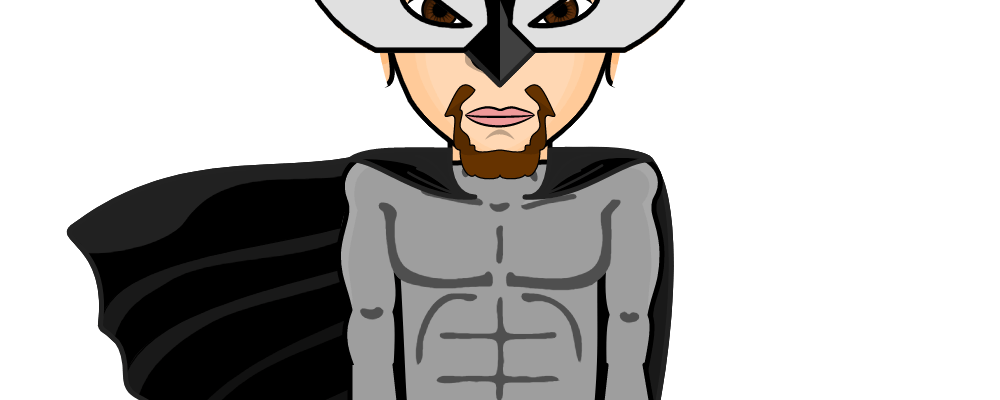
Just for fun, I found this superhero creator website, and decided to create a Shakespeare character from it:
I put the real Shakespeare’s coat of arms on his chest, and decided to use the same color scheme. Hence, the black cape, the black mask that looks like an eagle, (since in Shakespeare’s Cymbeline, the god Jupiter appears on an eagle. I also gave him yellow tights as a nod to Malvolio from Twelfth Night. I also kept colors that hint at Batman, since of course, Batman is partly inspired by Shakespeare’s Hamlet.
If I were to make a full comic book of this character, I’d probably make Shakespeare’s quill magic and either cover people with ink, or temporarily control their actions. He can also throw a wooden Globe at criminals and cram them inside it (an homage to the Prologue of Henry V.
I’d make Shakespeare a detective who can solve crimes because of his great storytelling abilities.
What do you think? Should I make a full comic of Shakespeare Man? Who should his nemesis be? And would this be something that you would enjoy seeing on this blog on a regular basis?
As you probably know, I love to review children’s adaptations of Shakespeare (whether direct or indirect). “The Lion King,” (Hamlet), “Encanto” (King Lear), and of course, the many adaptations of “Romeo and Juliet,” are mainstays on this website: Gnomio and Juliet, Romeo and Juliet: Sealed With A Kiss, even Pocahontas have their basic plot and characters firmly rooted in Verona Italy.
Then one day by chance, I found this book in a local park, and I knew I had to review it!
THe Premise
This is a simple re-telling of the story of Shakespeare’s play that focuses on just the young lovers. You feel for these cute little animals and in a way, making them a kitty and a dog smitten with puppy love, makes them more understandable and sympathetic than Shakespeare’s youthful teenagers, who indulge in violent delights without using their human reason.
What It Keeps
The Story
The book keeps the feud between the two families, has the young lovers meet in disguise at a ball, fall in love on a balcony, get married, and amazingly, DIE! Laden still manages to tell the story in a kid-friendly way, though giving it tragic weight.
THe Language
The book opens with a rhyming prologue, which, although it isn’t in sonnet form, has the same function as Shakespeare’s prologue- to explain the plot before we see it played out in the book, thus giving the whole story a sense of dramatic irony. Plus, as you can see, Laden also imitates Shakespeare’s love of wordplay with metaphors and puns, (a tale of tails), and alliteration to give the dialogue some wit and effervescence. Reading it gave me giggles like I’d just popped open some champagne.
What it changes: Spoiler alert
All throughout, Laden makes small changes to simplify the plot and remove characters that don’t directly impact the main plot. The characters of Lord/Lady Capulet and Lord/Lady Montegue, The Nurse, Paris, Peter, the servants, and the friars are completely absent, turning an already brief play into an even more compressed story.
Like a lot of animal retellings I’ve seen of this story, the author recasts the human leads as animals that are natural enemies- in this case, cats and dogs. This makes the story easier for kids to understand- as I’ve said before, it’s often difficult to keep track of who belongs to which house in Shakespeare’s version. All you need to know is that Romeo and his brothers are cats and Juliet’s family are dogs.
Funnily enough, my daughter actually complained that the story would’ve been better if Juliet were a cat instead of Romeo, which I agree with for very specific reasons. The character of Tybalt is named after a character from a prose story called “Reynard the Fox,” who had the epithet, Prince of CATS. Mercutio annoys Tybalt by taunting him with this title before challenging him to a duel:
Tybalt: What would you with me?
Mercutio: Good Prince of Cats, nothing but one of your nine lives! Romeo and Juliet, Act III, Scene i.
It would’ve been a funny Shakespeare easter egg to have Juliet and Tybalt be portrayed as cats, but I understand why they went with dogs- Drooliet is a hilarious pun, and having Tybalt be a vicious, rabid dog helps set him up as a fearsome antagonist.
I suppose you’re wondering, how can the author keep Shakespeare’s tragic ending in a children’s book? Well, like Shroedinger’s cat, she manages to make Romeow die and not die at the same time. He gives Drooliet one of his 9 lives, allowing them both to ‘die’ and then come back for a happy ending. It’s a brilliant way to nod at the original, while also keeping the kid-friendly tone.
My Reaction
This book is really fun and very enjoyable for kids, parents, and teachers who want to introduce kids to Shakespeare at an early age!
Just below you can watch the book being read by actress Hayle Duff:
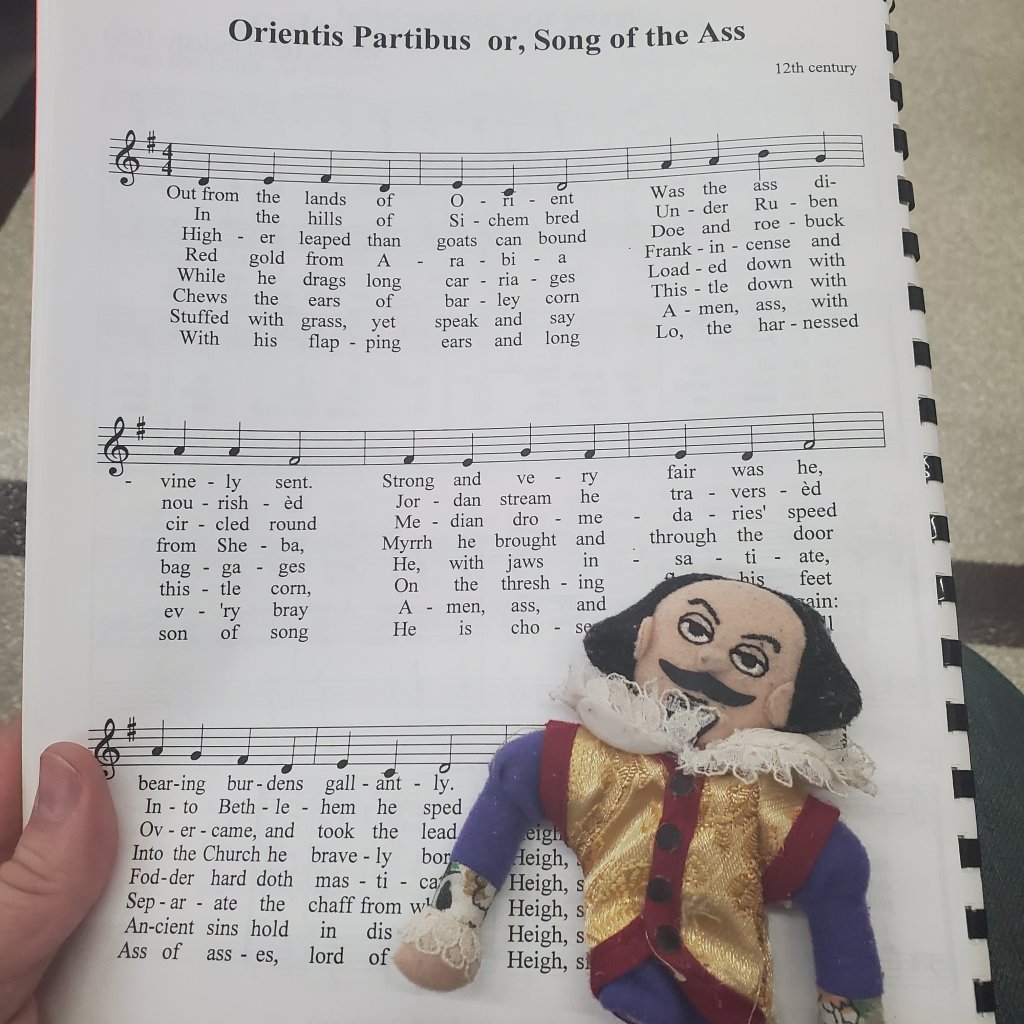
I can think of no better wrapup to my play of the month “Twelfth Night,” than by reporting on my visit to an actual Twelfth night Party, presented by the Society For Creative Anachronism.
What’s a Twelfth Night Party?
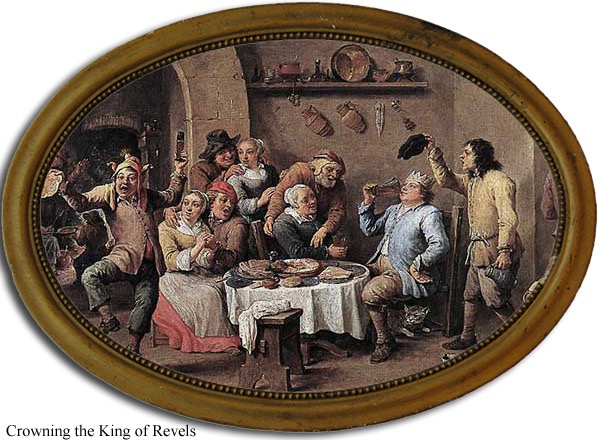
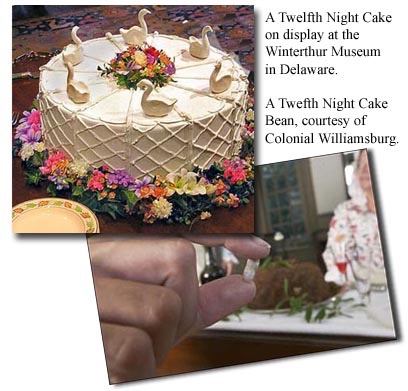
If you took my class on Shakespearean Christmas traditions or read my blog posts, you know that, back in Shakespeare’s day, Twelfth Night was a party to end the Christmas season. It was presided over by a Lord of Misrule, who would lead people in games and songs. The party would also have a Twelfth Night Cake with a bean in the center. If you found the bean, you’d have good luck for the year! So I was pleased to come to a real-life Twelfth Night party and see these traditions come to life!
What is the society for Creative anachronism?
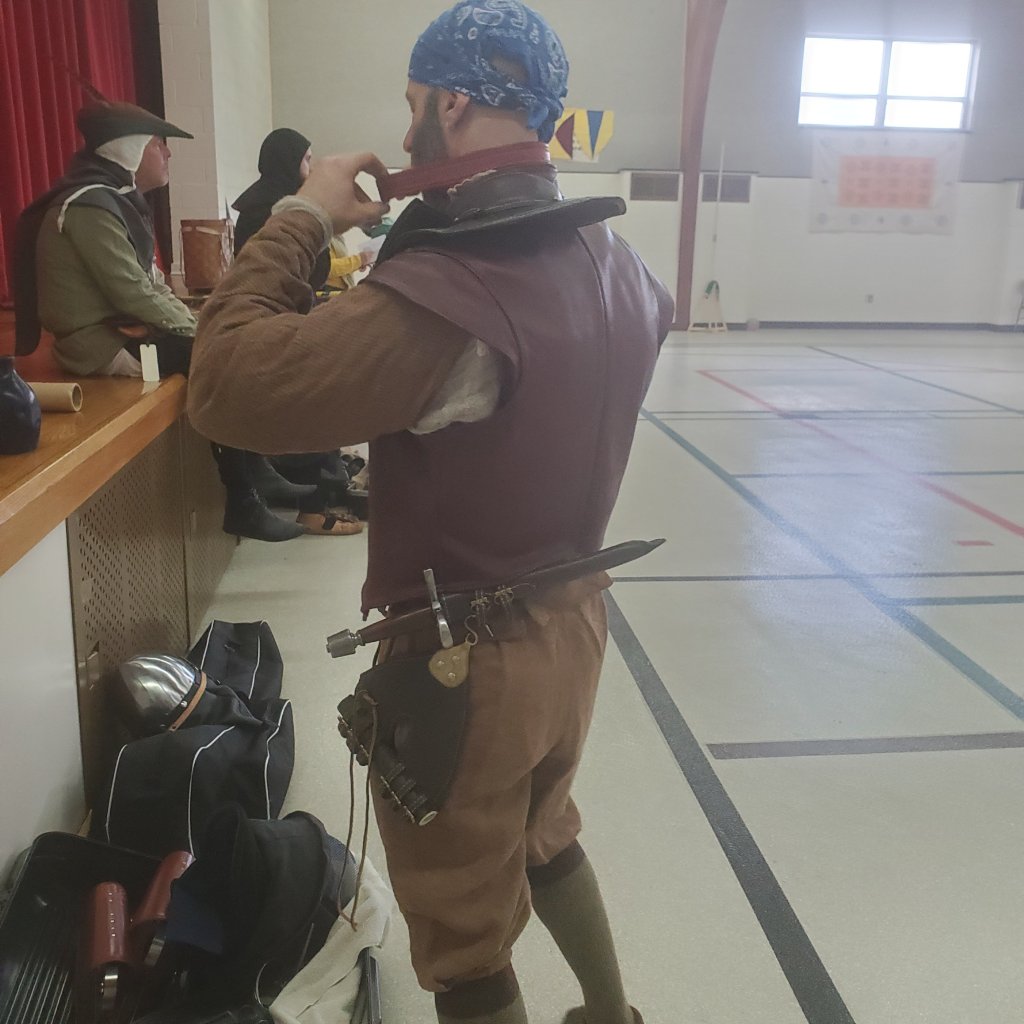
The short answer is- it’s LARPING for history nerds. Rather than creating a D&D persona and then getting arms and armor to play-fight in the backyard, SCA members create personas based on real medieval history, make or buy real historical arms and armor, (or arts and crafts as the case may be) and spend years of their lives studying and perfecting their immersion in that character’s life. SCA-ers learn how to fight with swords, daggers, spears, etc, how to sing medieval songs, medieval dances, and many other medieval ‘mysteries,’ which in this case means arts, crafts, and professions.
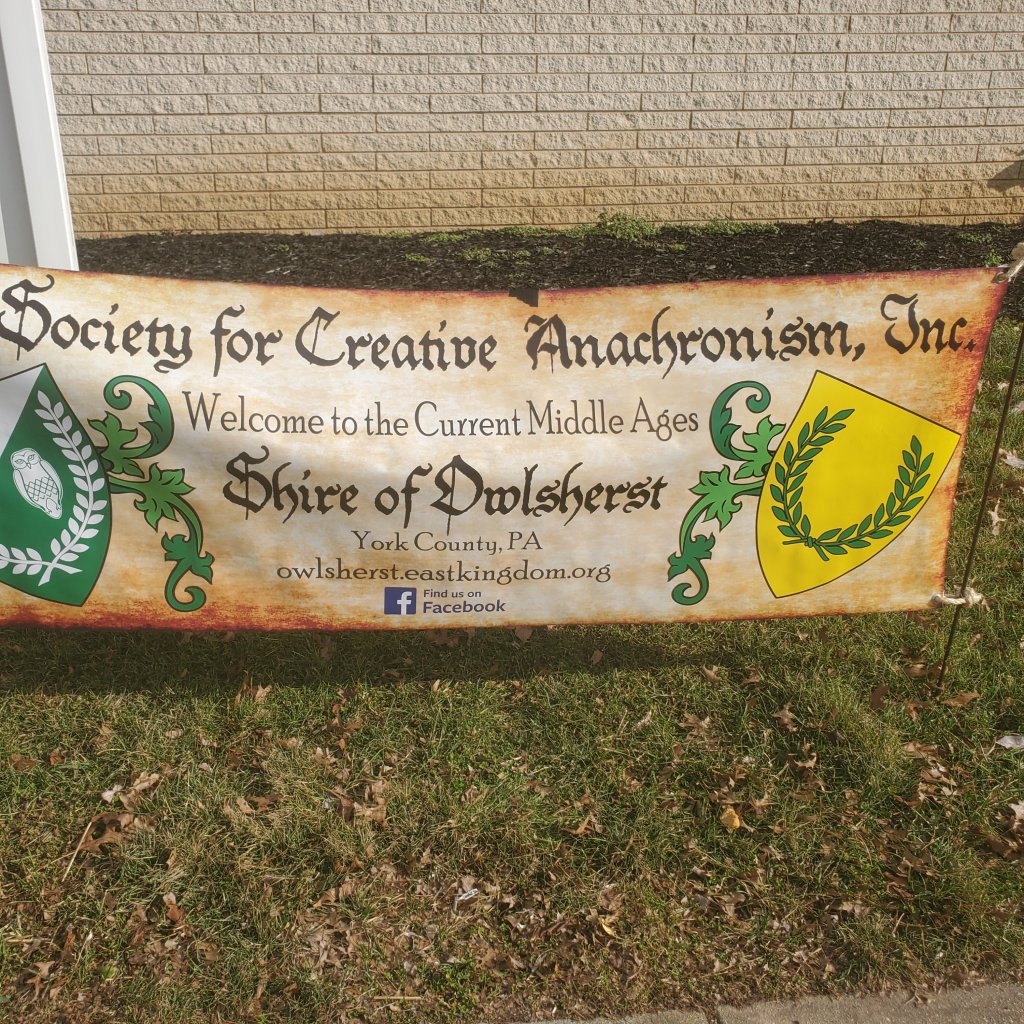
The Shire of Owlsherst
Owlsherst is the SCA’s local chapter in York PA. They have a number of dedicated members who specialize in textiles to rapier-dagger fighting. I’ve posted some videos of their fighting demonstrations on Youtube and Tiktok and their archery master has his own Tiktok channel. They hosted this year’s Twelfth Nigh party and have many other events throughout the year. For more information on this chapter, go to https://owlsherst.eastkingdom.org/
My reaction
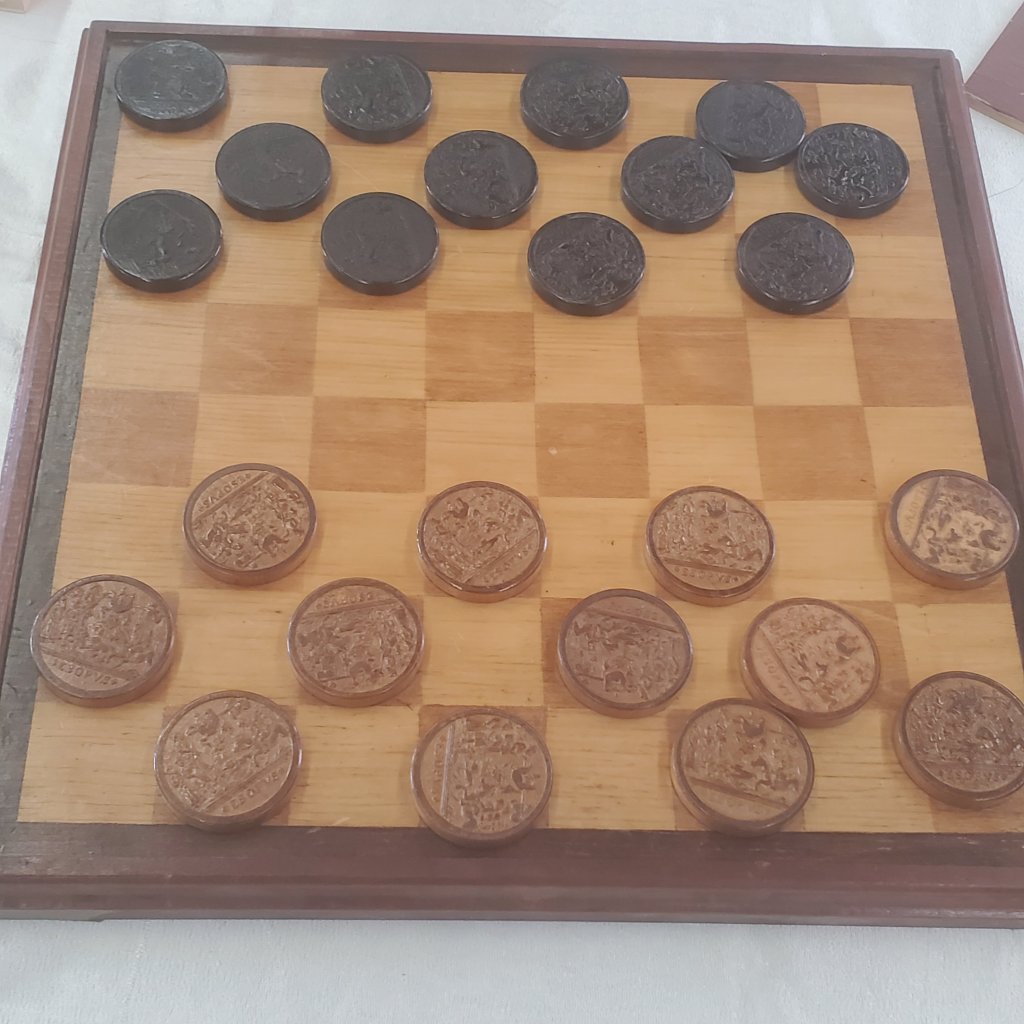
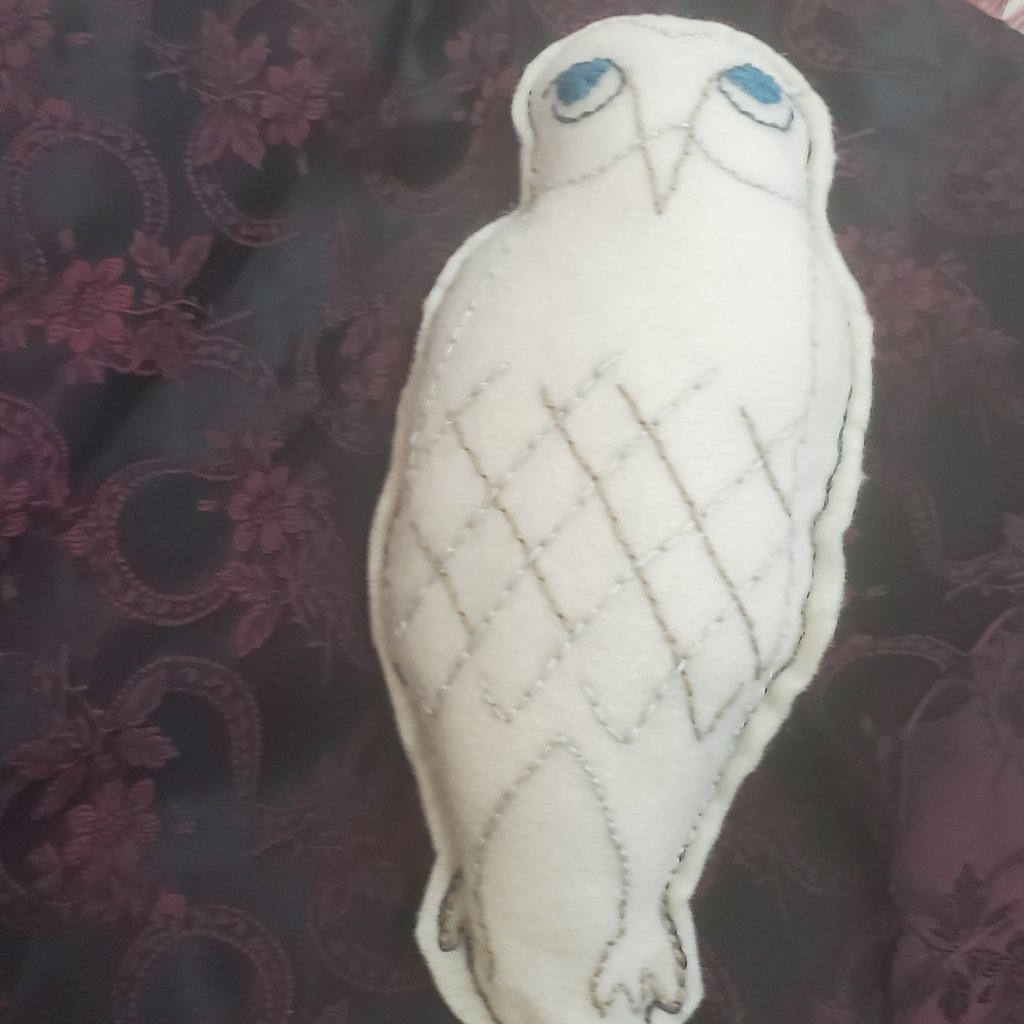
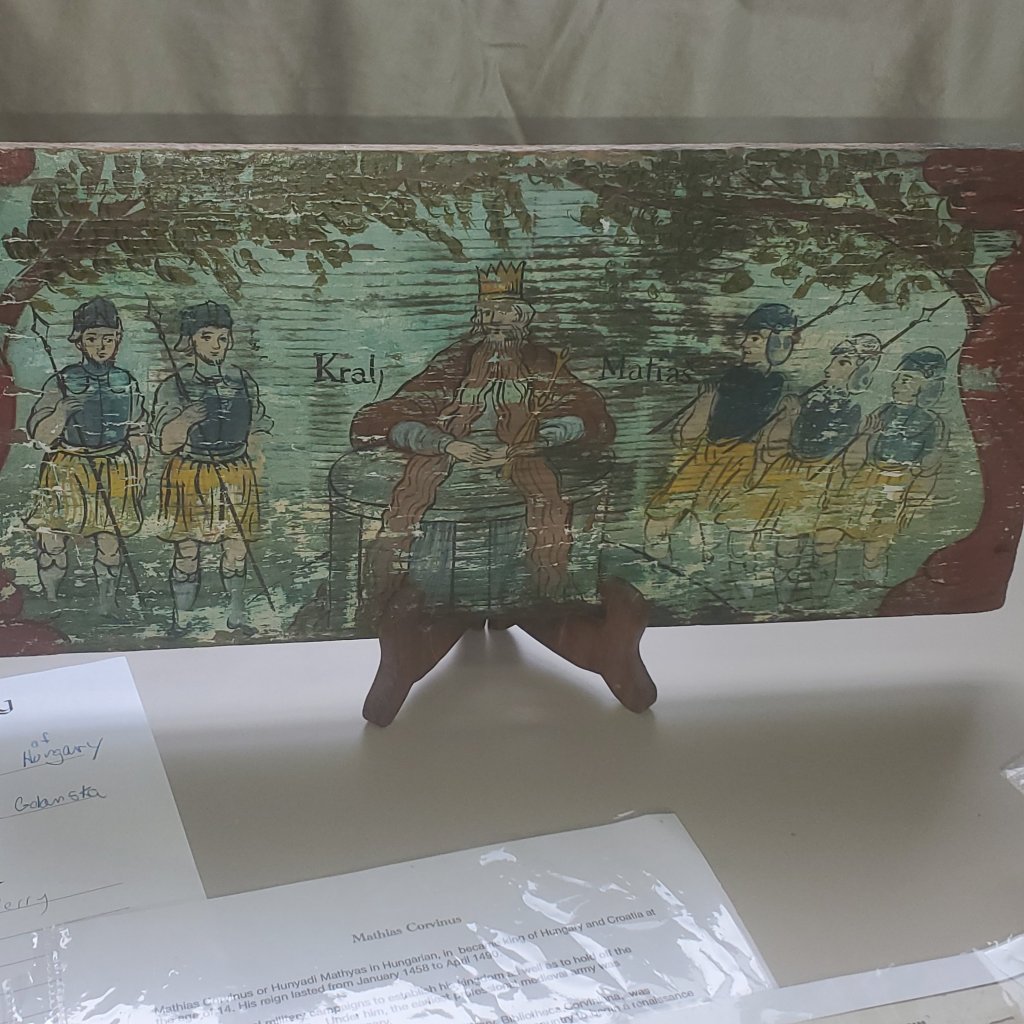
Every SCA event is a great way to celebrate people who are passionate about history and have talents for arts and crafts. Everything from the tapestries to the to the food, to the adorable owl toys, was made by hand by these dedicated people (most of whom brought their own medieval costumes). More members were doing live demonstrations of rapier/ dagger fights, binding books in cow leather, and singing medieval Christmas songs. I was inspired by everyone’s dedication and hard work to put this together. I also wonder if this is how Shakespeare himself felt when, as a child, he went to sheep shearing fairs and saw his friends and fellow artisans put on amateur bible plays on medieval pageant wagons.
That said…
I should warn you that, like a lot of historical reenacting societies like Civil War reenactors, etc, this society is more aimed at hardcore history nerds, than anyone else. This isn’t Medieval Times or a big-budget renaissance fair which is aimed at children and casual fun seekers. As such, it wasn’t really family-friendly. There aren’t many activities for kids and many of the arts and crafts are too delicate for toddlers and young kids. Also, this event isn’t particularly immersive or organized. People mostly just mingled, ate, and watched the various demonstrations. Keep in mind, this is just one chapter and just one event, which means your experience may vary. Nevertheless, because of the organization’s amateur historical nature, I would caution you to manage your expectations. Like I said before, this isn’t some big-budget Disney theme-park ride, but it is a chance for hardcore history nerds to get together, share their knowledge, and celebrate the traditions of a bygone era. If that’s your thing, I highly recommend it!
Hello everyone! I’m back from break and happy to celebrate one of my favorite holidays with you- the one that gave its name to one of Shakespeare’s greatest comedies- Twelfth Night
I’ve been in this play three times and I’m continually struck by how fun, romantic, and progressive it is. It raises questions about gender roles, social norms, bullying, and even catfishing and heteronormativity! It’s a fascinating and thought-provoking play and it’s my favorite of Shakespeare’s comedies!
Shakespeare’s early comedies are about young love, infatuation, and being ‘madly in love’ (sometimes literally). His middle plays are about mature relationships between men and women and the need for commitment. I would argue that Twelfth Night, (and possibly Much Ado About Nothing), are the best examples of Shakespeare telling meaningful stories about romantic relationships.
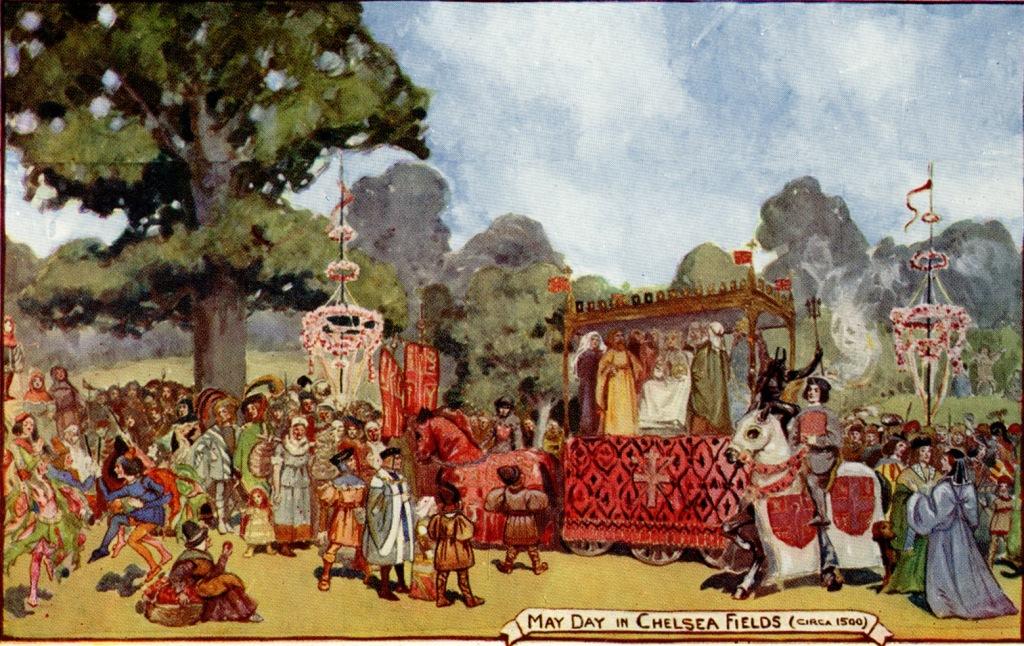
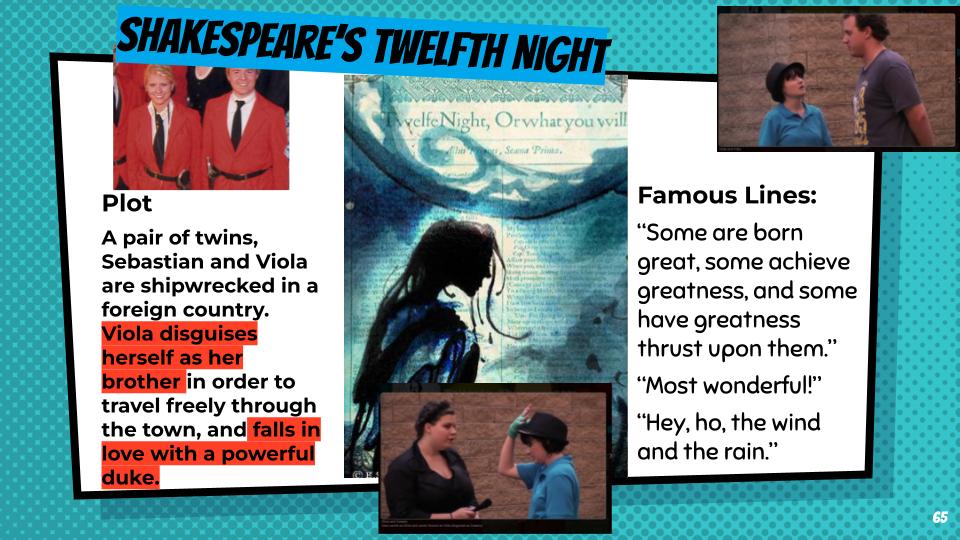
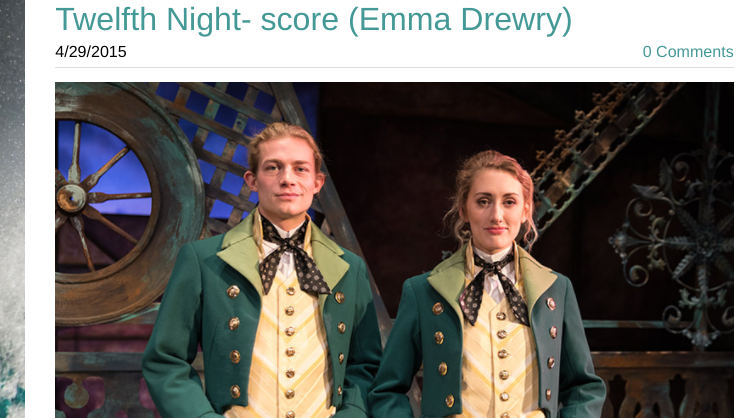
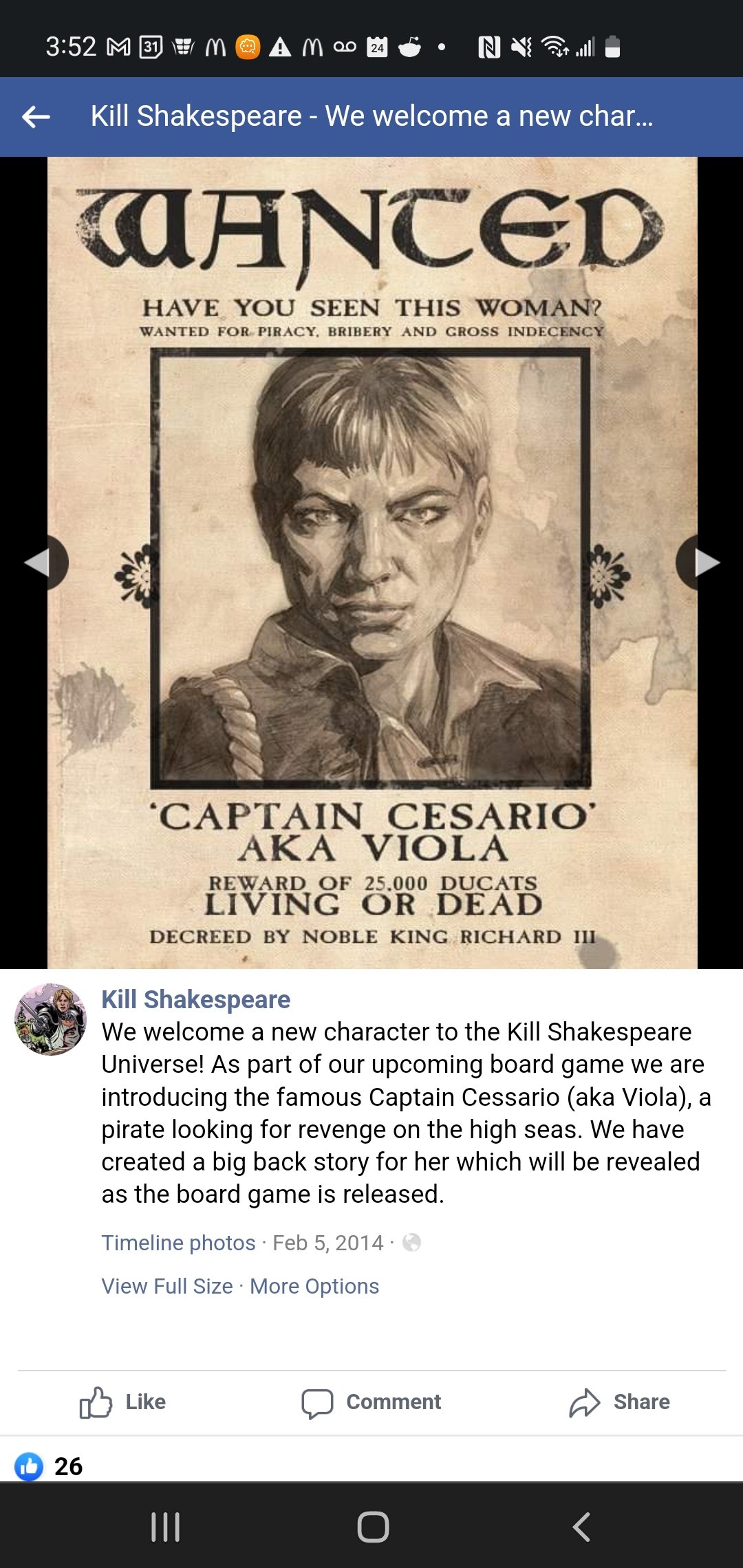
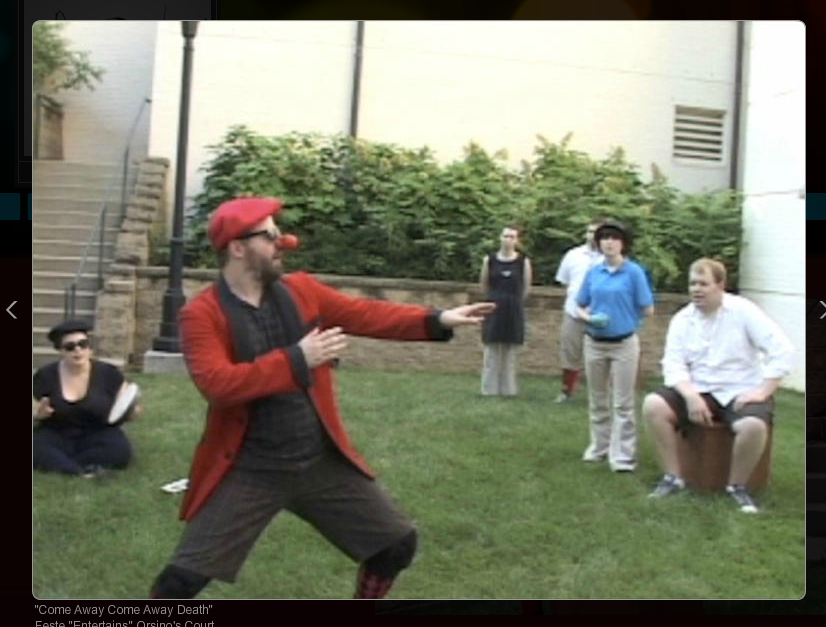
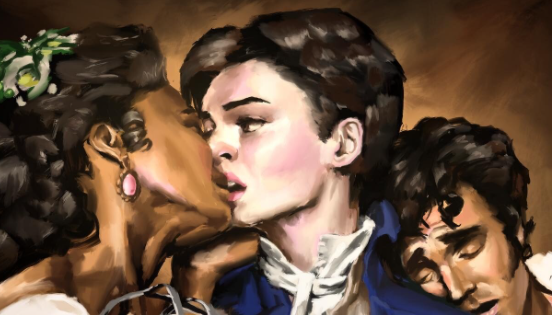
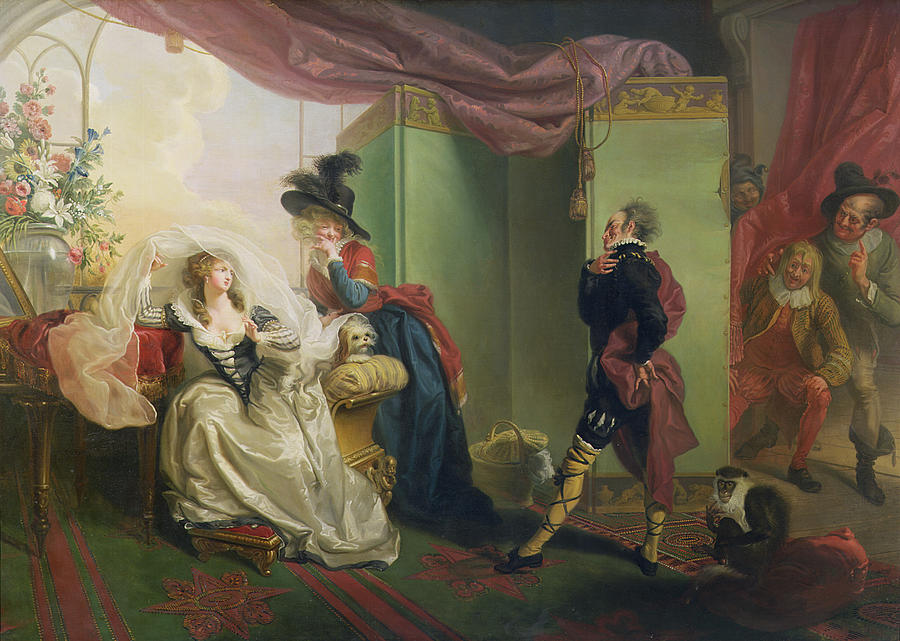
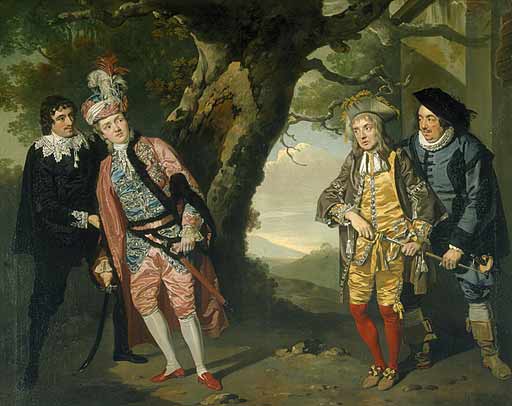
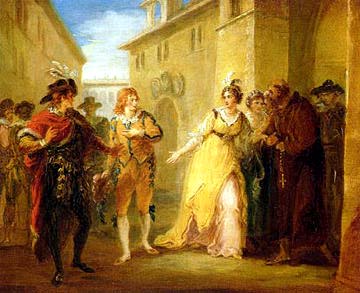
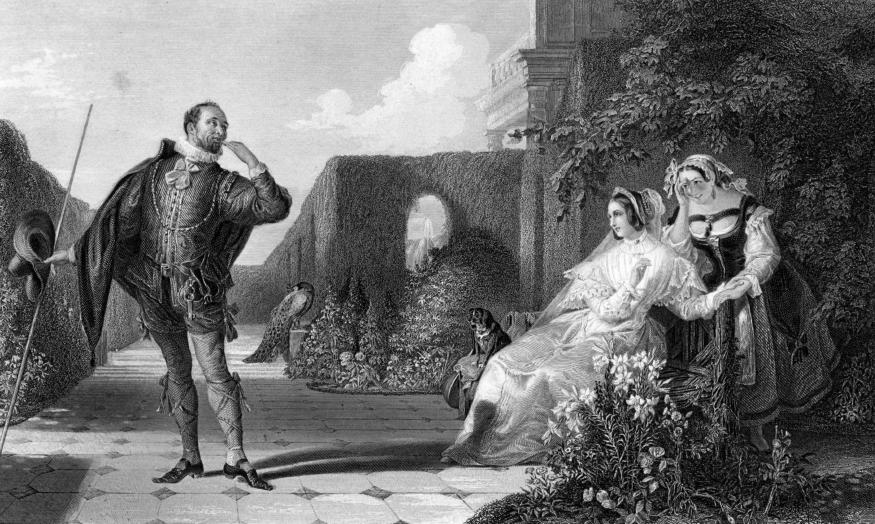
Images from various productions and paintings of “Twelfth Night.”
In honor of “Twelfth Night,” I’ve created a coupon for my course on Shakespeare’s comedies from now till January 31st: Get $10 off my class “Shakespeare’s Comic Plays” with coupon code HTHESYTIT110 until Jan 31, 2023. Get started at https://outschool.com/classes/shakespeares-comic-plays-868BR5hg and enter the coupon code at checkout.
To finish I wanted to give you a complete production of Twelfth Night for your viewing pleasure, but I can’t decide which one, so I will post a bunch today!
1. 1996 TV movie starring Geoffrey Rush (Pirates of the Caribbean)






































 The Shakespearean Student