I’m beyond excited that The Deleclrte Theater is continuing their tradition of producing high-quality, free Shakespeare in the Park, and then giving everyone the chance to see it via streaming over PBS.
This summer’s show is Twelfth Night, my favorite Shakespearean comedy, with an all-star cast
I’m so excited to see Peter Dinklage as Malvolio, one of my favorite characters in Shakespeare, and one that I have played myself. I’m also very interested in Sandra Oh’s interpretation of Olivia. She has proven herself in both dramatic and comic roles, which works well for Olivia, a character who starts out in mourning and ends up madly in love.
The performance I am the most excited about, though, is Lupita N’ongo as Viola. I’ve said before that Viola is one of the greatest characters in all of Shakespeare, so I can’t wait to see her portrayed by Lupita N’ongo, an actress I greatly admire. I loved her performances in Avengers Endgame, Us, and my whole family adored her excellent voice work in The Wild Robot. She has simultaneously a childlike enthusiasm, and a calm and stoicism that I’m sure will translate excellently for Viola, who survives a shipwreck and losing her brother (she thinks) through courage and humor.
Hopefully, I can stream this program soon, and give you a full review. In the meantime, enjoy my past posts and videos about Twelfth Night
I’m pleased to announce that I’ve created a fully online, interactive Shakespeare class for kids ages 6-11 to start them on a lifelong journey of Shakespeare! The course will include games, videos, webquest activities, and puppet shows!
Title: Shakespeare for Kids!
Purpose:
Video trailer
The goal of this class is to introduce Shakespeare to young children in a fun and interactive way. For example, each lesson starts with a fun and funny introduction to a Shakespearean topic by our friend Puppet Shakespeare. Each class will also feature interactive games and quizzes that break down the poetry, language, characters, and plots of Shakespeare to help kids lose their “Shakes-fear” and begin engaging with classic literature
Each class builds from learning about Shakespeare to learning about the language and poetry of his plays, to finally an in-depth analysis of one play: “A Midsummer Night’s Dream.” After watching videos, playing games, and filling out handouts about these topics, the student will go on a “webquest,” that is, a series of webpages that feature activities, outside websites, and a short- puppet show retelling of “Midsummer” for the student. The goal is that by the end of the course, the student will be able to understand the dialogue of the play, summarize the story, know the characters, and enjoy the poetry.
Format: Nearpod with video and web links.
Ages 6-10
Description: 2 week course, $10 per week.
Part I: Who Is Shakespeare?
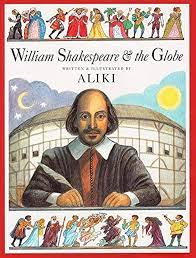
Learn about Shakespeare’s life and career with an interactive timeline, handouts, and an engaging puppet show! This section will include me reading from the excellent children’s book: William Shakespeare and the Globe by Aliki.
Part II: Words, Words, Words
WIlliam Shakespeare (Or Bill as I like to call him), wrote in a very special way. Back then playwrights were called poets, so not only did he have to make plays, he had to write them so they would sound like lines of poetry.
Part III: Shakespeak
Figure out how to translate all the “thees” and “thous” that make reading Shakespeare a challenge nowadays
Part IV The Play’s the Thing!
What kinds of plays did Shakespeare write? This handy lesson will teach you about the basic types of plays Shakespeare wrote, and give you a quick summary of each!
Part V: Disney vs. Shakespeare
Poster for Disney’s Elemental, which bears many similarities to Shakespeare’s Romeo and JulietContinue reading →
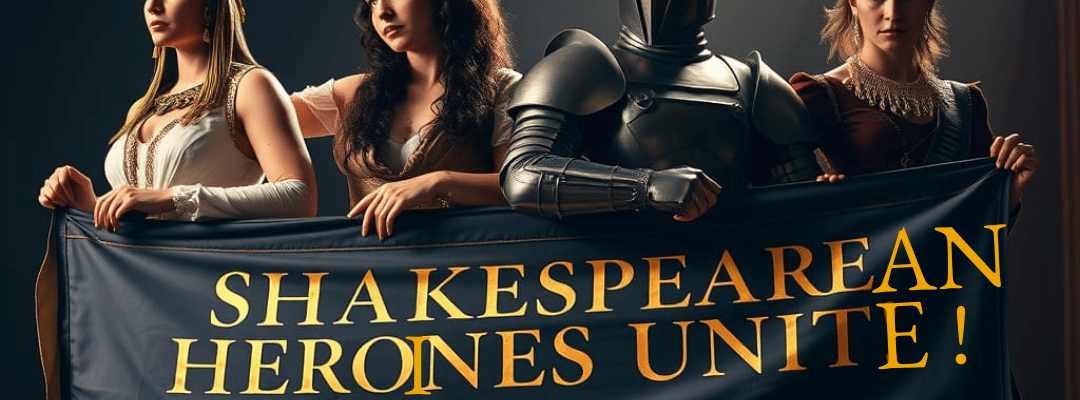
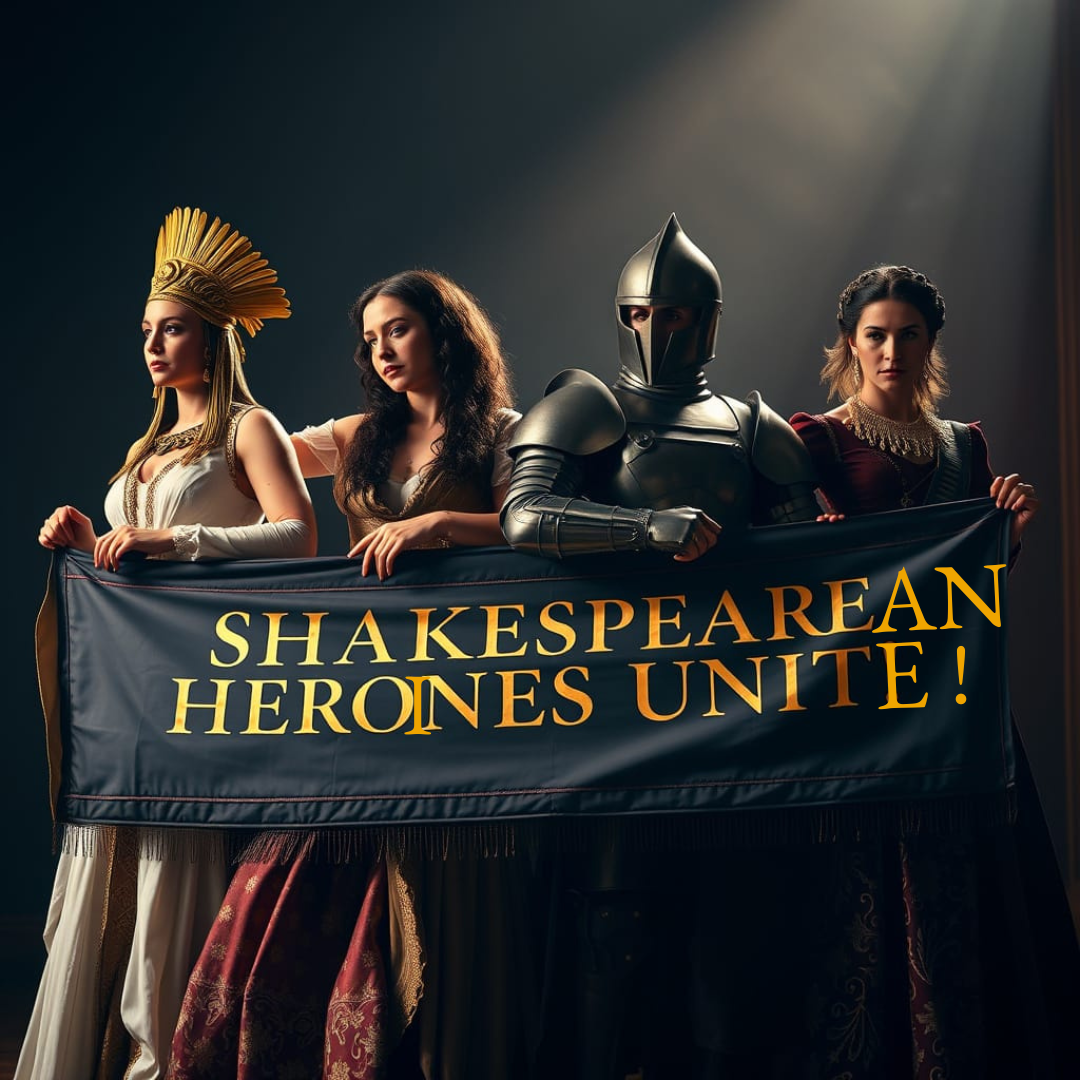
Every Year around this time, I like to draw attention to Shakespeare’s greatest heroines. You might have read my top 10 Shakespearean mother characters, or my post from last year, where I talked about some of Shakespeare’s best childless characters.This year, I’m putting together a squad of women you don’t want to mess with. So please enjoy (in no particular order because I refuse to rank women), – the best female fighters in all of Shakespeare:
Queen Margaret of Anjou
She defeats the York Army multiple times in the Wars Of The Roses, even killing the Duke of York himself. She was a powerful force on the battlefield and in the court.
Joan of Arc
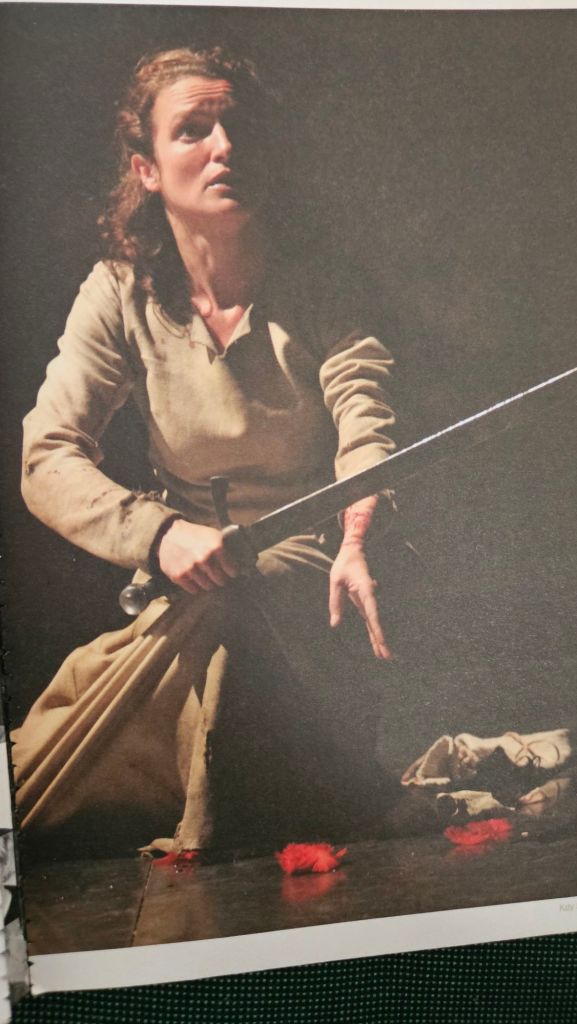
Joan la Pucelle from Henry VI, Part 1: (RSC, 2006)
I am prepared: here is my keen-edged sword, Deck’d with five flower-de-luces on each side; The which at Touraine, in Saint Katharine’s churchyard, Out of a great deal of old iron I chose forth.
And while I live, I’ll ne’er fly from a man.
The iconic female warrior who helped end English occupation of France. In Shakespeare’s play, she fights the French prince to prove her prowess in battle, then she retakes the towns of Orleans and Rouen from the English, and keeps fighting until the
Portia Catonis
Portia preparing to “Swallow fire”
True, she doesn’t have much fighting experience, but clearly she can tolerate pain, has accute powers of perception, and is related to a long line of political and military patriarchs.
Volunnia
Valumnia comforts Coriolanus’ wife (AI art)
Dr Peter Saccio of Dartmouth College once said that this Roman matron talks to her son Caius Martias as if she’s his general, not his mother. She is totally devoted to Rome and she has trained her son since birth to fight for it.
Cordelia
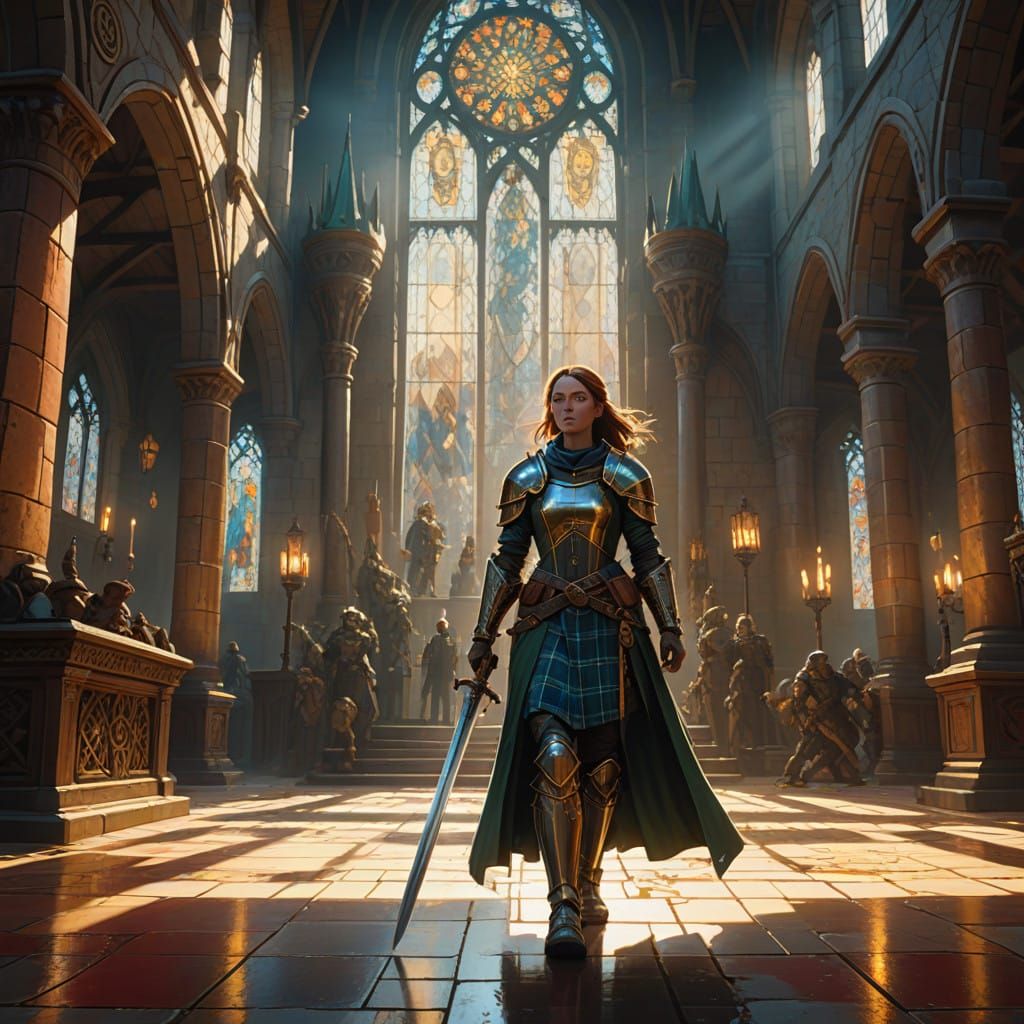
AI artwork I created of Cordelia storming Goneril’s castle
Our preparation stands
In expectation of them. O dear father,
It is thy business that I go about.
Therefore great France
My mourning and important tears hath pitied.
No blown ambition doth our arms incite,
But love, dear love, and our ag'd father's right!
Cordelia shows her strength not through words, but through deeds- massing an army and invading England to put her father back on the throne, as the passage above shows. It’s true she didn’t succeed in saving the kingdom, but she did save her father through her love and bravery.
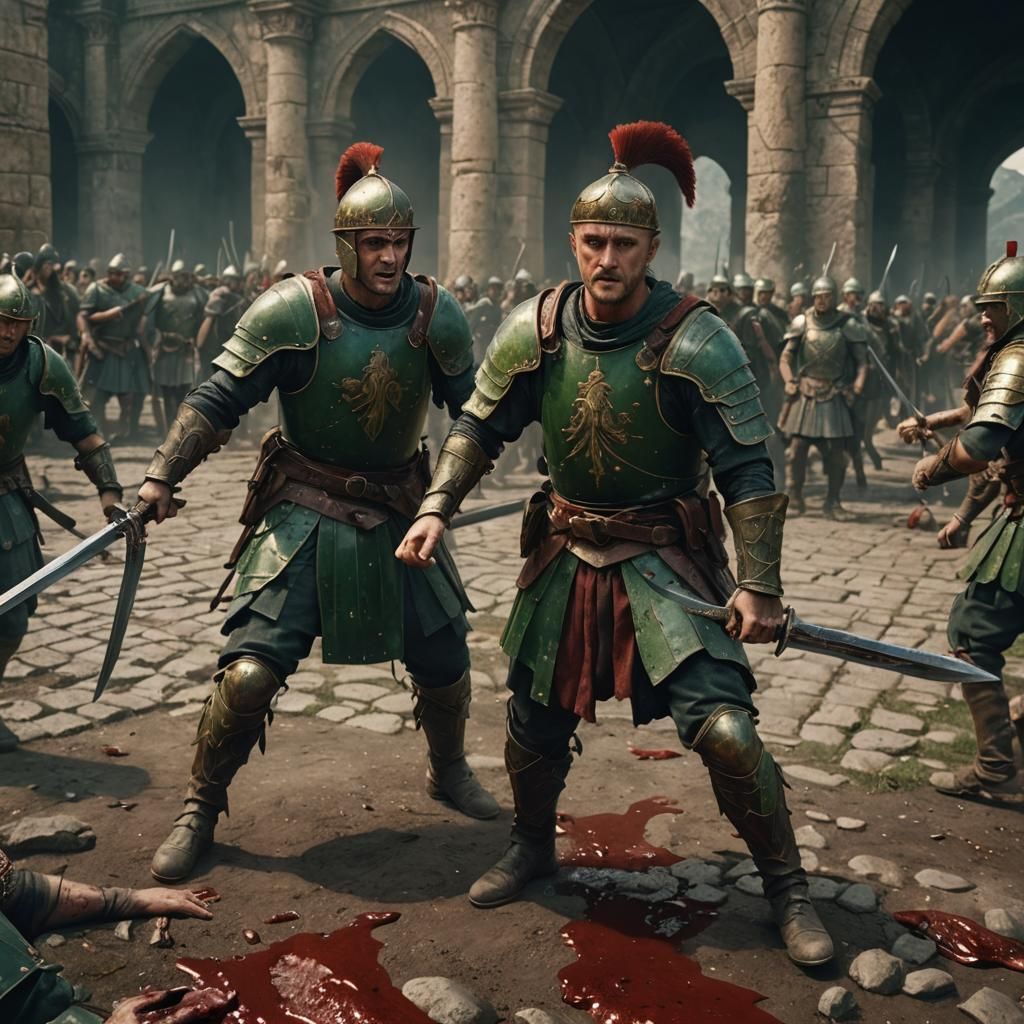
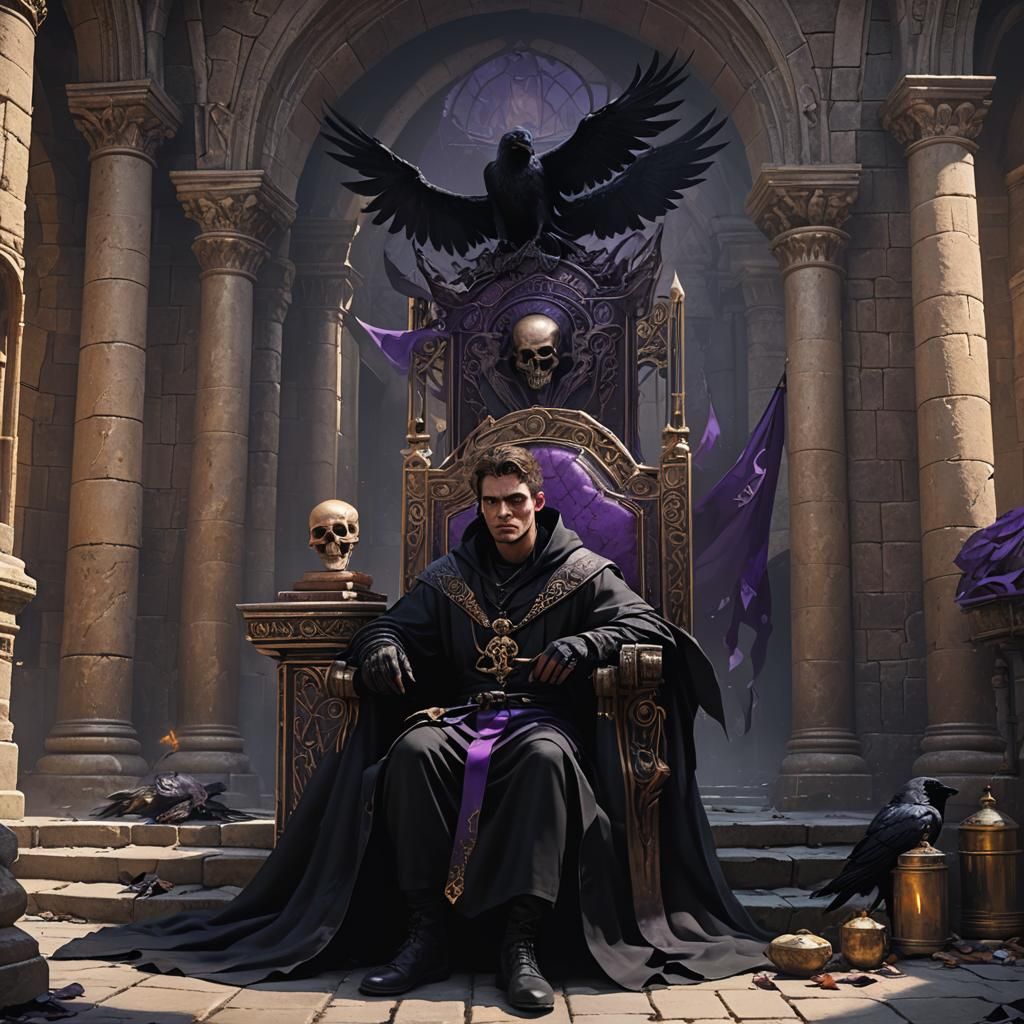
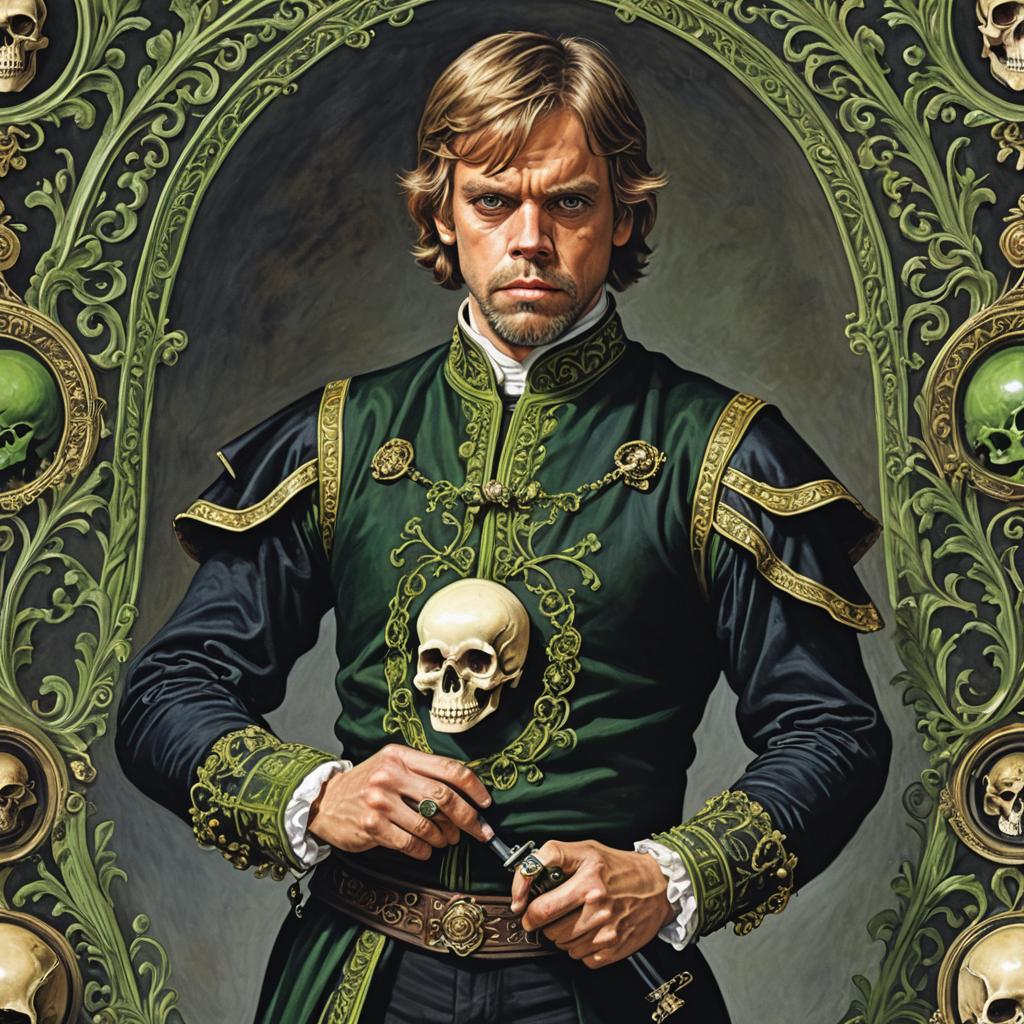
Cordelia and Lear re-united (AI art)Draco Malfoy as Coriolanus (AI art)Harry Potter As Henry V (AI Art)Hamlet as a Ravenclaw student at HogwartsArtwork of Cleopatra and her son Cesarian (Made with Night Cafe)Luke Skywalker as Hamlet (AI)
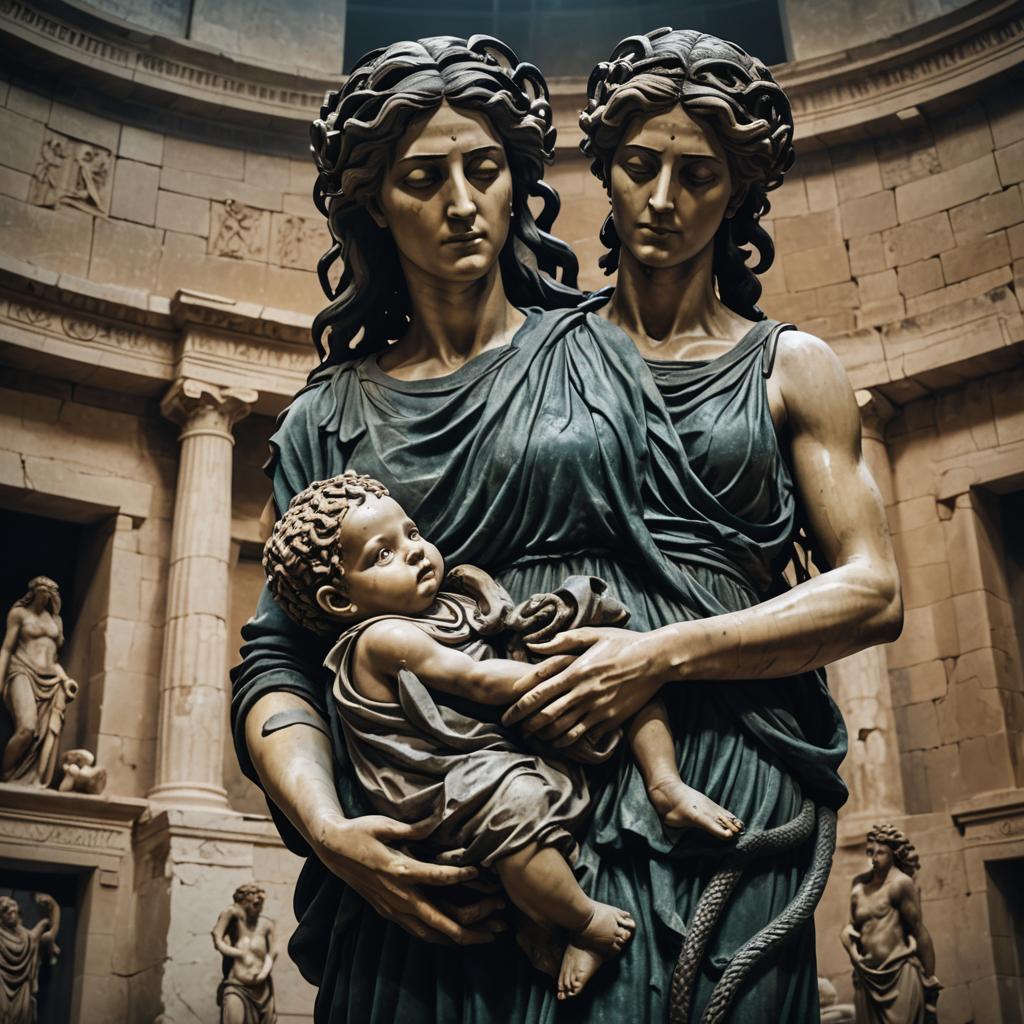
As a creative person who can’t draw, I can’t always depict the gorgeous imagery that Shakespeare uses in his poems and plays, so I often resort to AI artwork to do it for me. If you’ve been here a while, you know I’ve used NightCafe to imagine Shakespeare characters as, Harry Potter, Disney Princesses, Star Wars, and others.
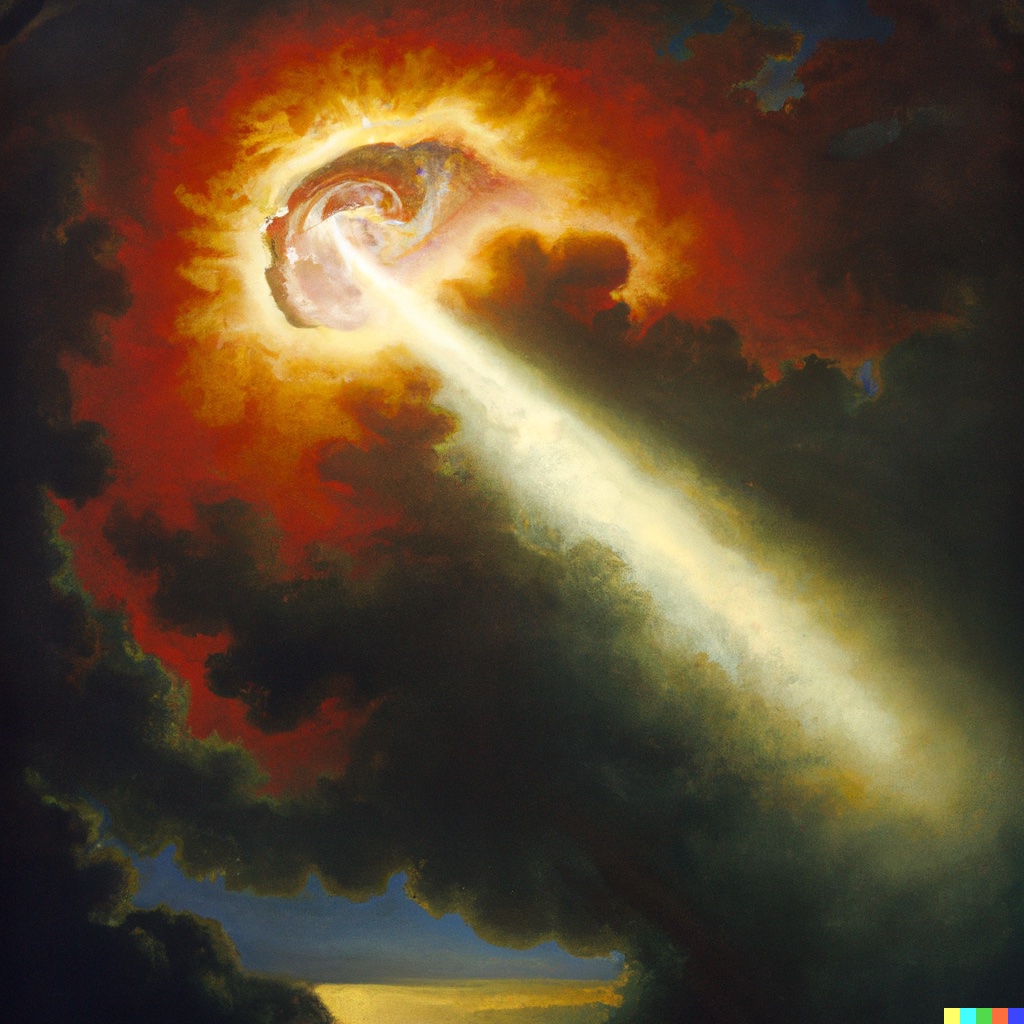
I love to use AI to put pop cultural characters in a Shakespearean context, but until today, I never thought of using AI to interpret Shakespeare directly, until I read this article from Medium.com. The author, Douwe Osinga, has used the AI website DALL-E to create text-to-image artwork in order to show the viewer the imagery that various poets use in their poems. Here’s what he did for Shakespeare’s famous sonnet 118.
Here’s some art that I created through AI based on Sonnet 55:
Not marble nor the gilded monuments
Of princes shall outlive this powerful rhyme,
But you shall shine more bright in these contents
Than unswept stone besmeared with sluttish time.
When wasteful war shall statues overturn,
And broils root out the work of masonry,
Nor Mars his sword nor war’s quick fire shall burn
The living record of your memory.
’Gainst death and all-oblivious enmity
Shall you pace forth; your praise shall still find room
Even in the eyes of all posterity
That wear this world out to the ending doom.
    So, till the Judgement that yourself arise,

    You live in this, and dwell in lovers’ eyes.
I didn’t tell the NightCafe software what to draw; I just put the text of the sonnet. What I find interesting is that the AI assumed I was writing a poem to a beautiful woman, and chose to represent the first line of the poem by placing her in a graveyard. I also love the withered branch, prominently placed over the moon. It reminds me of a scythe- the symbol of decay and death.
I wish the AI had chosen to represent Mars or the flaming sword mentioned in the poem, but it does get some of the central images right.
Using AI to visualize poetry is a useful exercise when you’re teaching Shakespeare because it demonstrates how poets can use multiple allusions, personifications, and many other literary devices.
As a parent, I know it’s hard to keep kids occupied during the summer. That’s why I have classes on Shakespeare’s life, Romeo and Juliet, and my celebrated Stage Combat class! Sign up now for all the fun on Outschool.com!
Shakespeare and Star Wars
Class Description: Using self-paced online activities, your child(ren) will compare the plot and characters of Star Wars to Shakespeare’s plays. We will also discuss Shakespeare’s writing by looking at “William Shakespeare’s Star Wars” by Ian Doescher.
Romeo and Juliet Murder Mystery
Course Description: A flexible schedule class that teaches kids the plot and characters of “Romeo and Juliet,” in the context of a detective story where you solve the mystery of the young lovers’ deaths.
Course Descriptions
How to Write Like Shakespeare: Learn the basics of iambic pentameter, sonnet form, and Shakespeare’s dramatic structure, and practice writing Shakespearean speeches.
Exciting News!
Our friend Puppet Shakespeare will finally get to host a series of classes for kids!
I’m working on a Harry-Potter inspired course that teaches science with a magical flavor. I’m also working on a Shakespeare for children course. Stay Tuned!
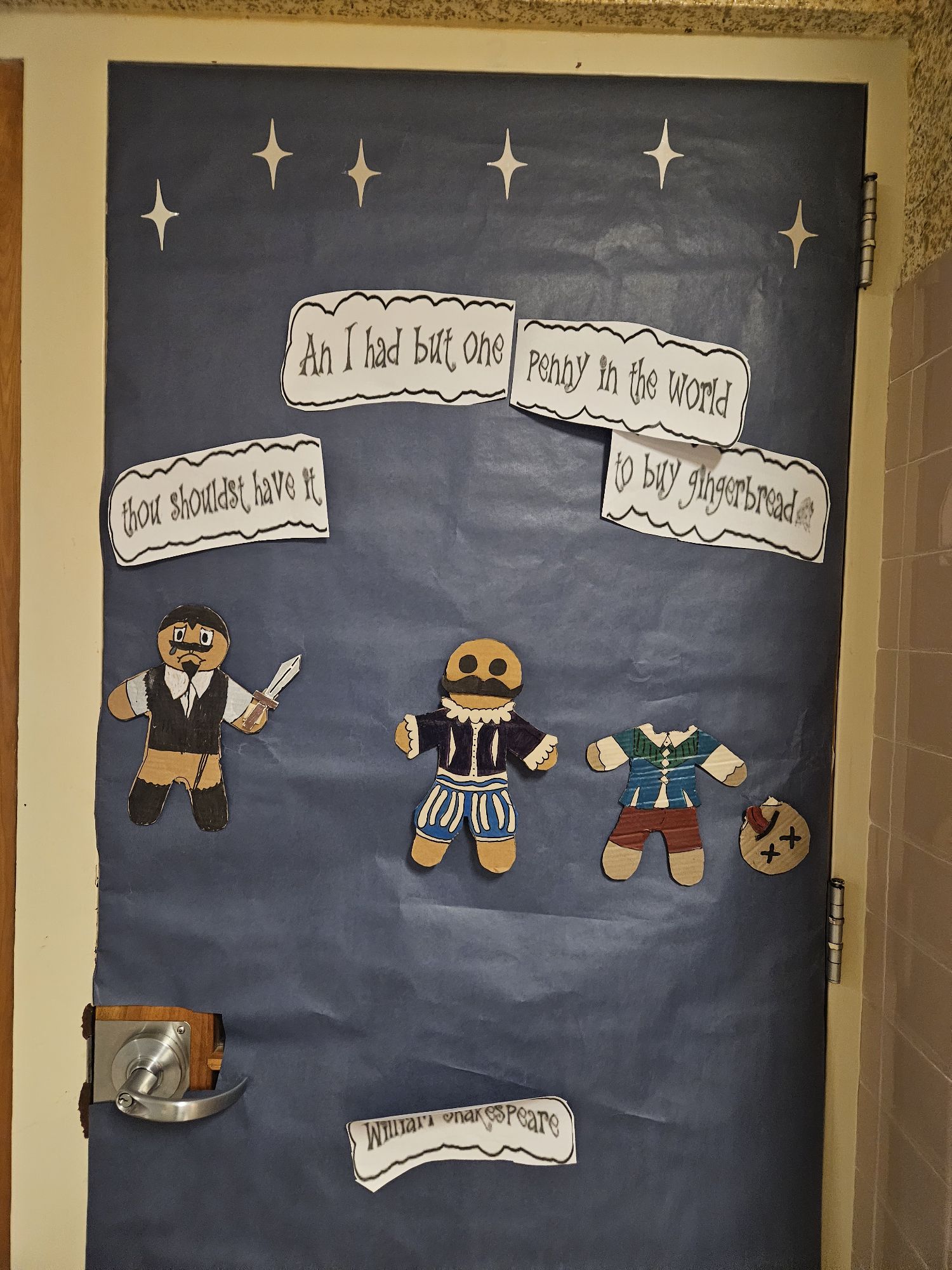
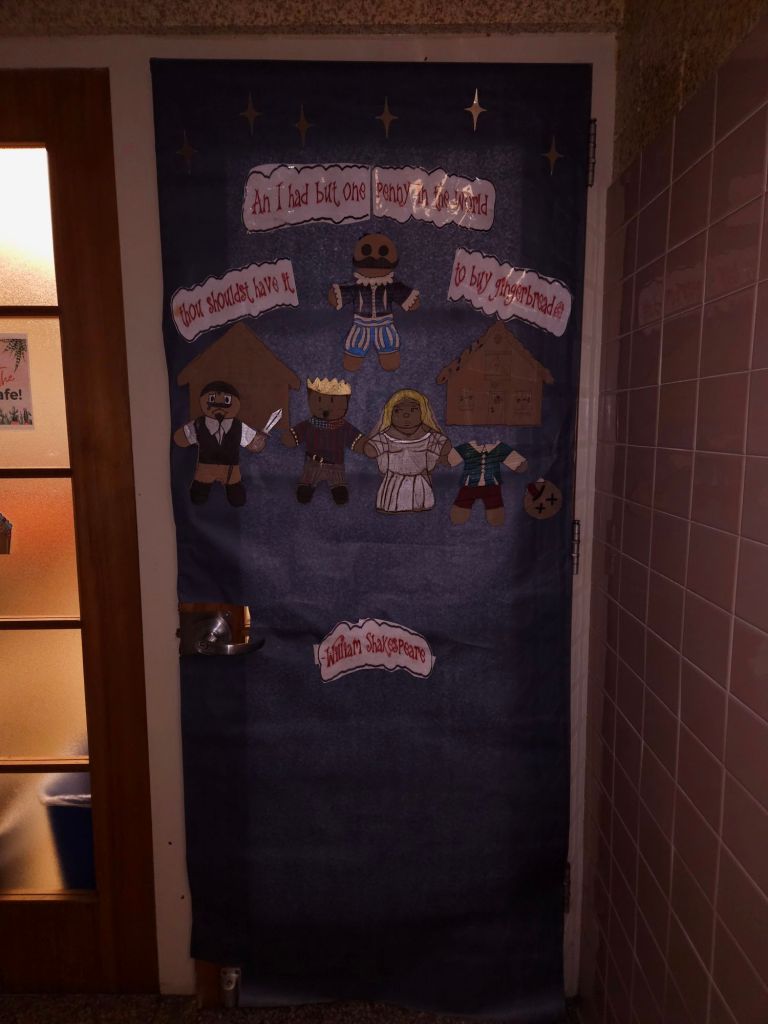
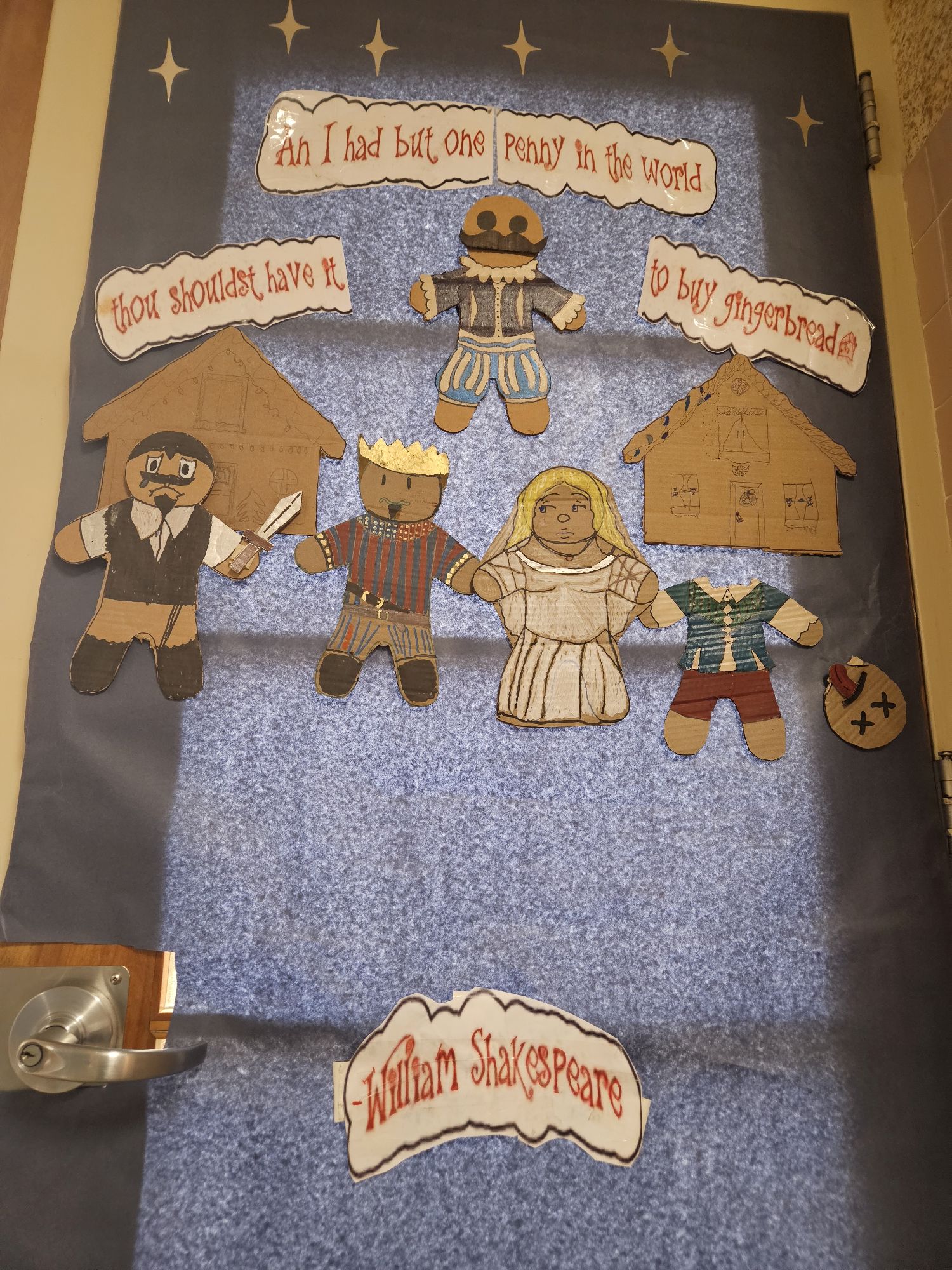
Every holiday season, my school likes to decorate the classroom doors in a festive way. I wanted to celebrate my Shakespeare Club and also teach the club members about Shakespearean fashion, Shakespearean characters, and maybe a little bit about engineering too. I’m very proud of the results, and I wanted to share this idea with you to maybe inspire you next holiday season!
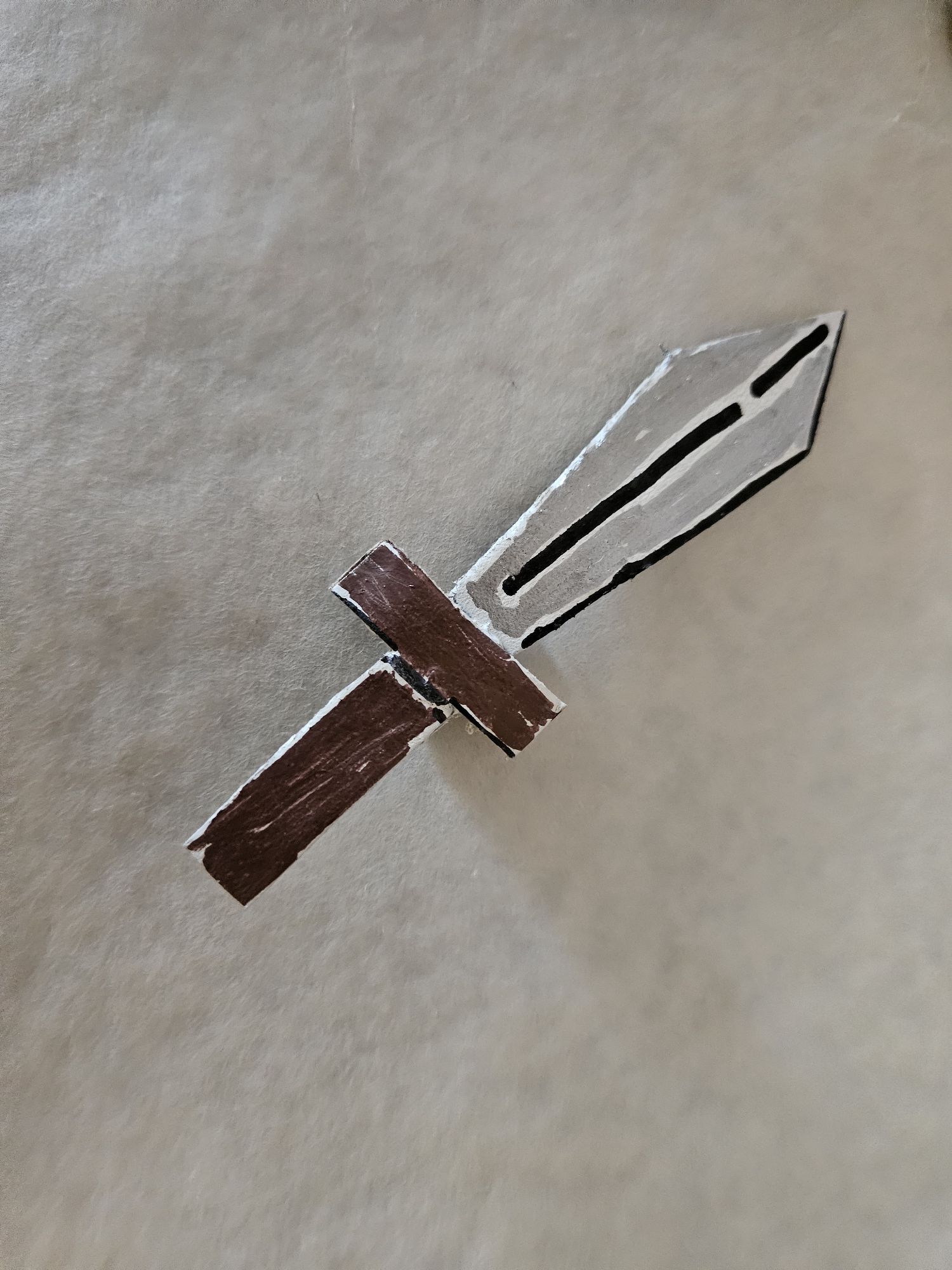
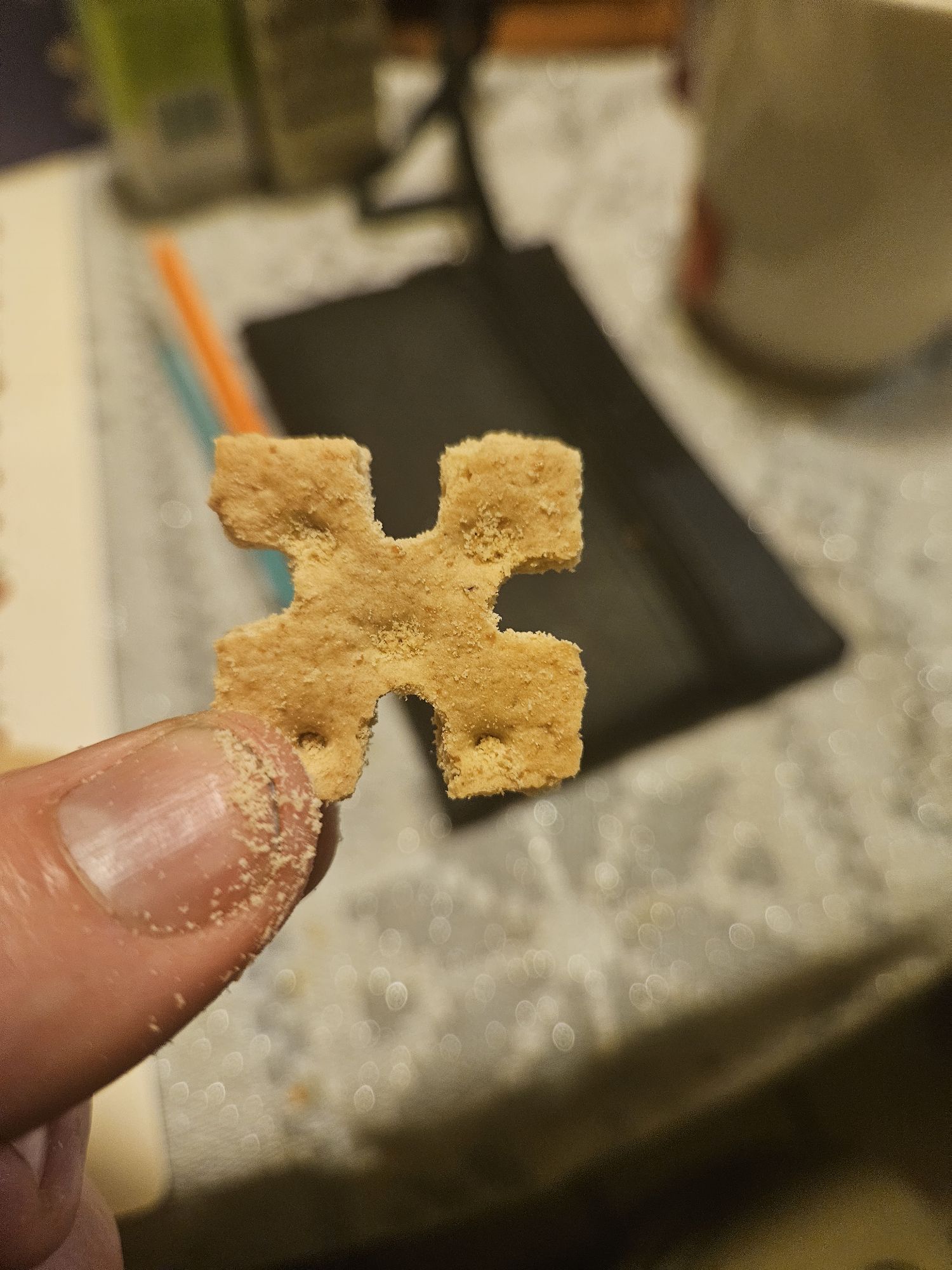
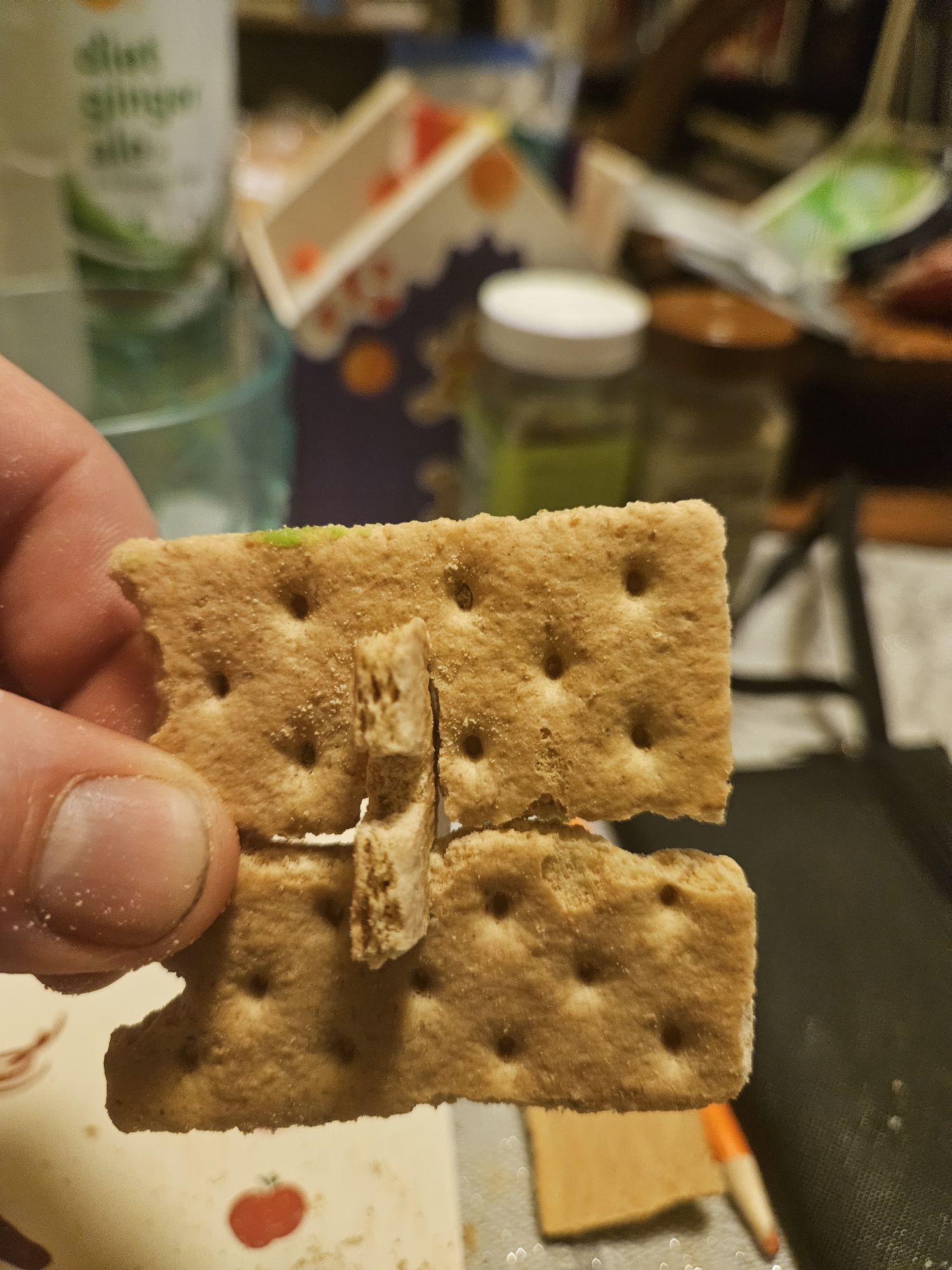
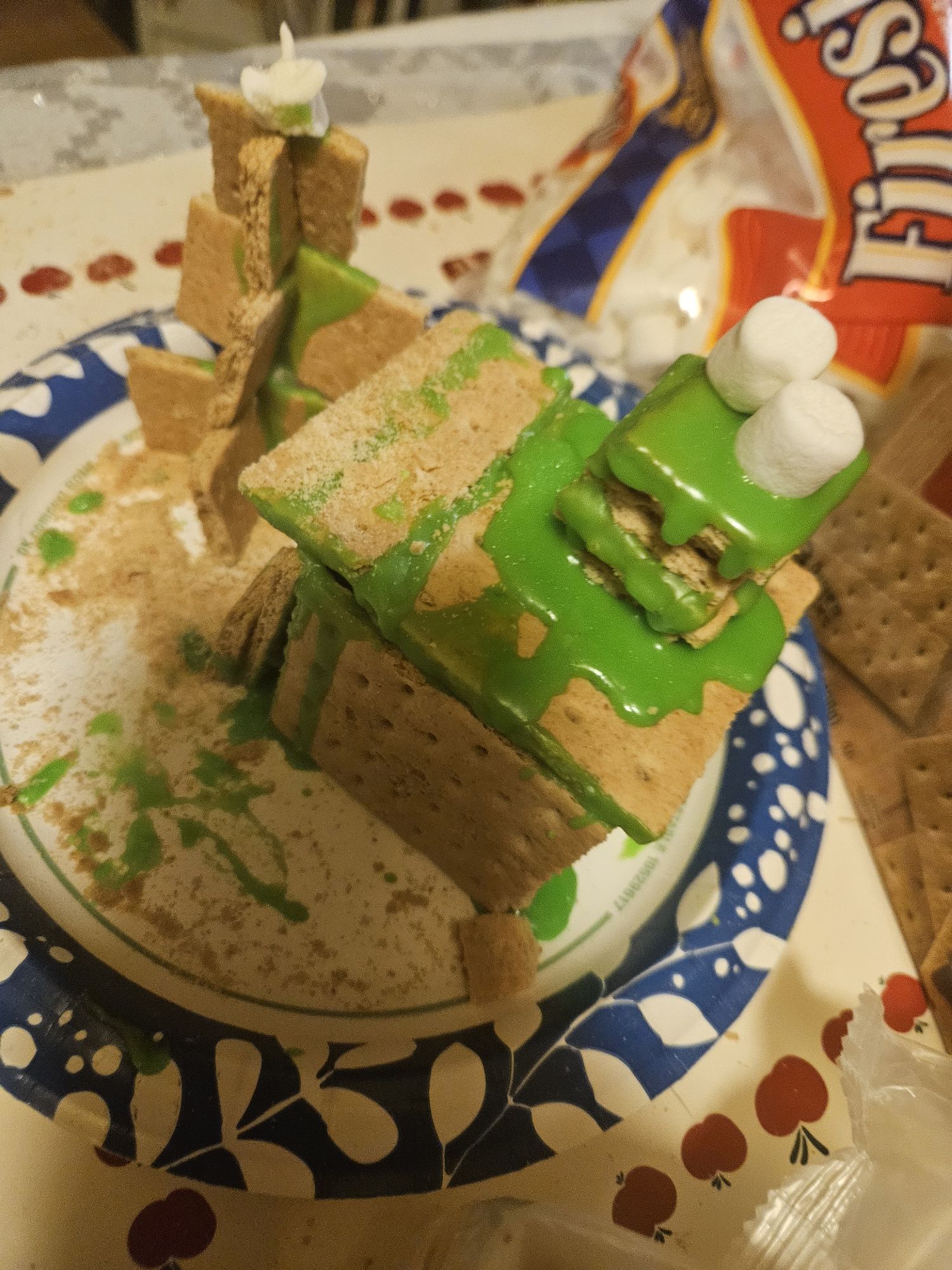
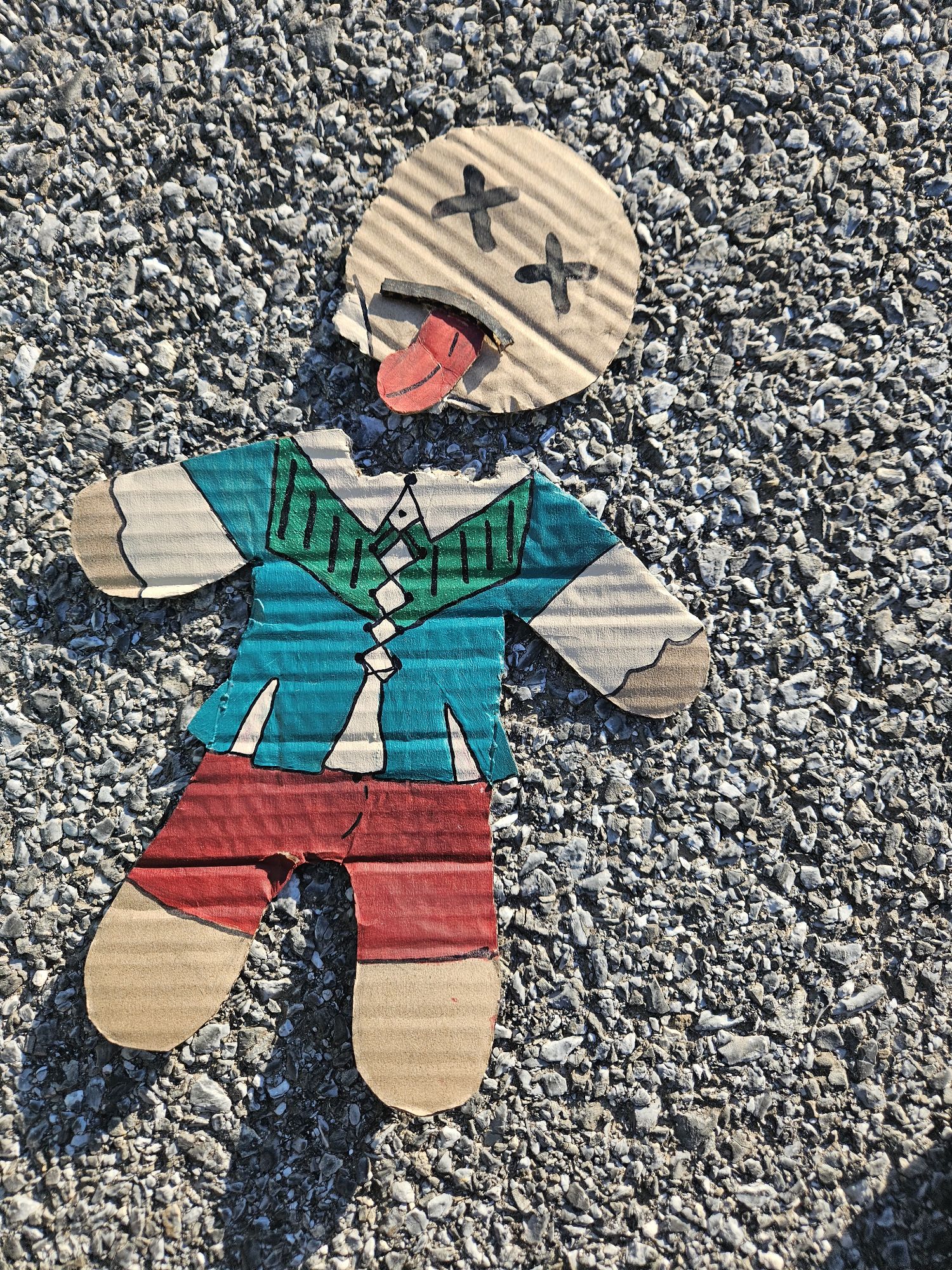
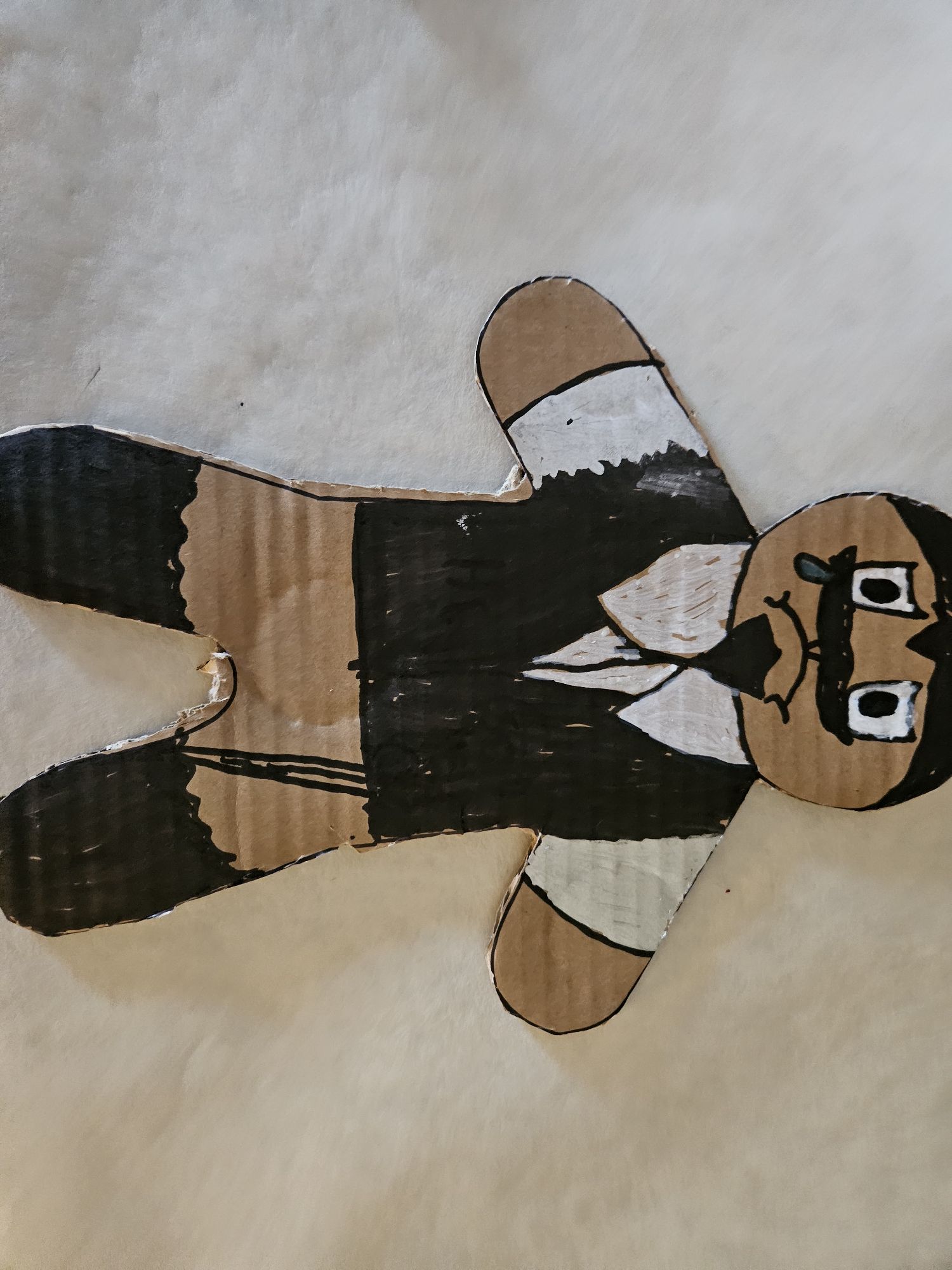
Gingerbread Hamlet Close up of Hamlet’s sword Gingerbread Shakespeare Off with his head!Gallery of my Gingerbread Madness
The Concept
Hath I but one penny in the world, thou should’st have it to buy gingerbread. – Love’s Labors Lost
Since the theme had to be holiday-related, I looked at the above quote and decided to make Shakespearean gingerbread men! I knew I wanted to make the kids design a bunch of gingerbread men that would look like Shakespearean characters. While we were at it, I wanted gingerbread houses and maybe even a 3D element to go along with it. I knew it wouldn’t be easy, but I also knew my group was up to the task!
The plan
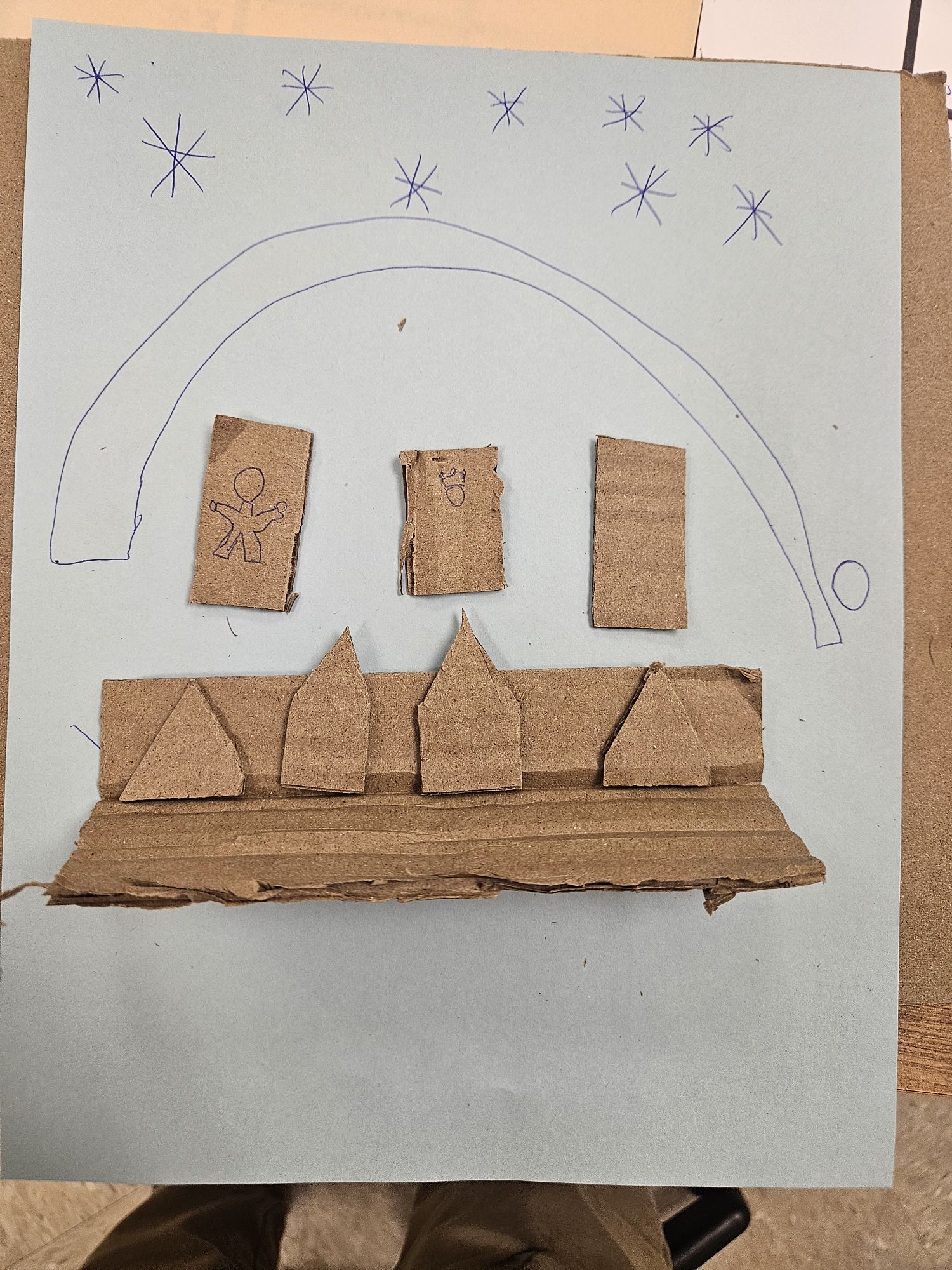
My concept drawing of how the door should look
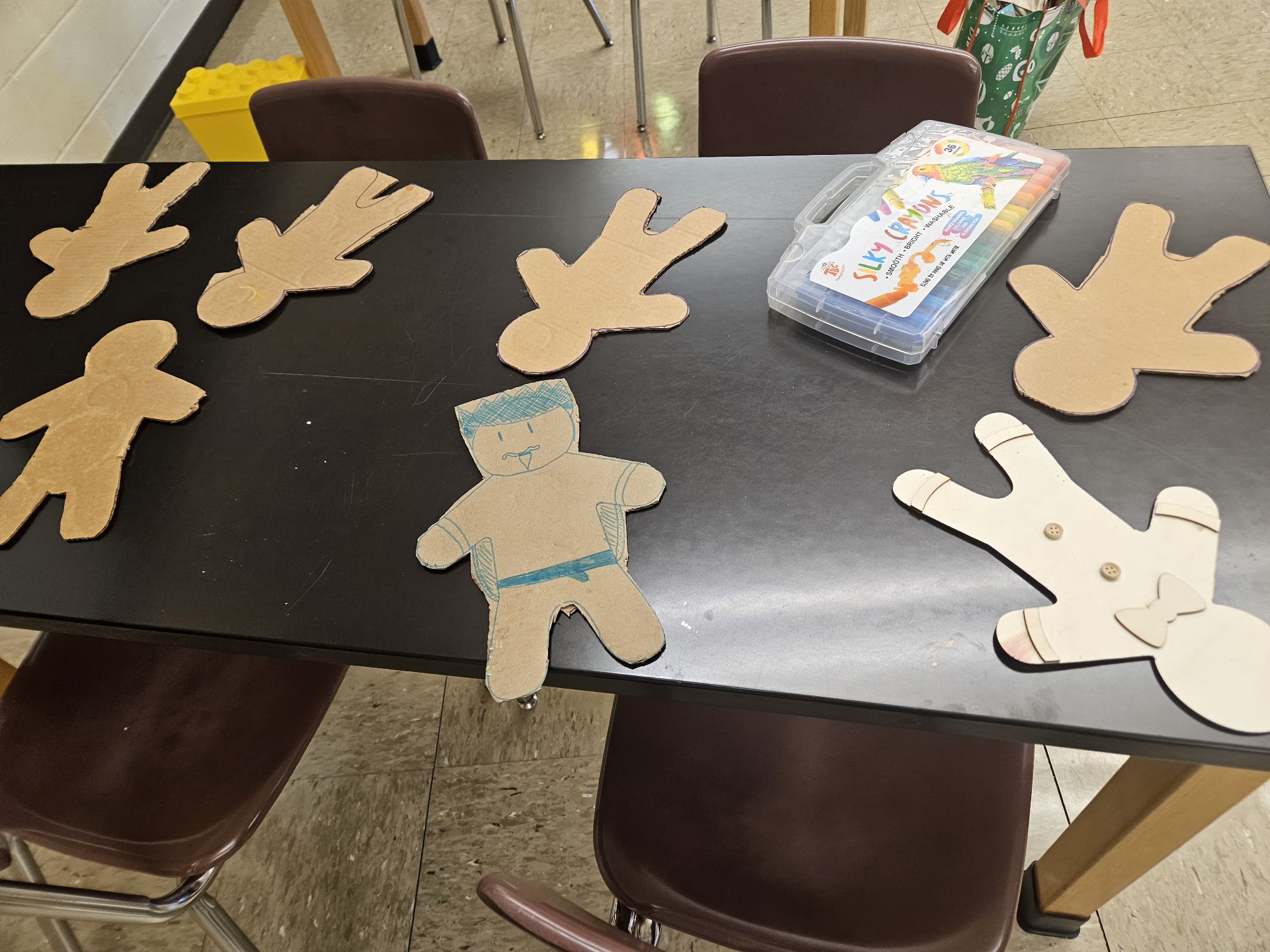
I knew I couldn’t use real gingerbread, so I chose the next best thing- cardboard! I made a cardboard plan of the door to show to my group. I then found a wooden gingerbread man at the local dollar store and used that as a template for the cardboard characters. Finally, I explained the concept to the group, and divided my group up into teams- one group would draw and color the gingerbread houses, one group would color the gingerbread men based on pictures of Shakespearean characters:
Gingerbread HamletGingerbread Henry V Gingerbread Juliet
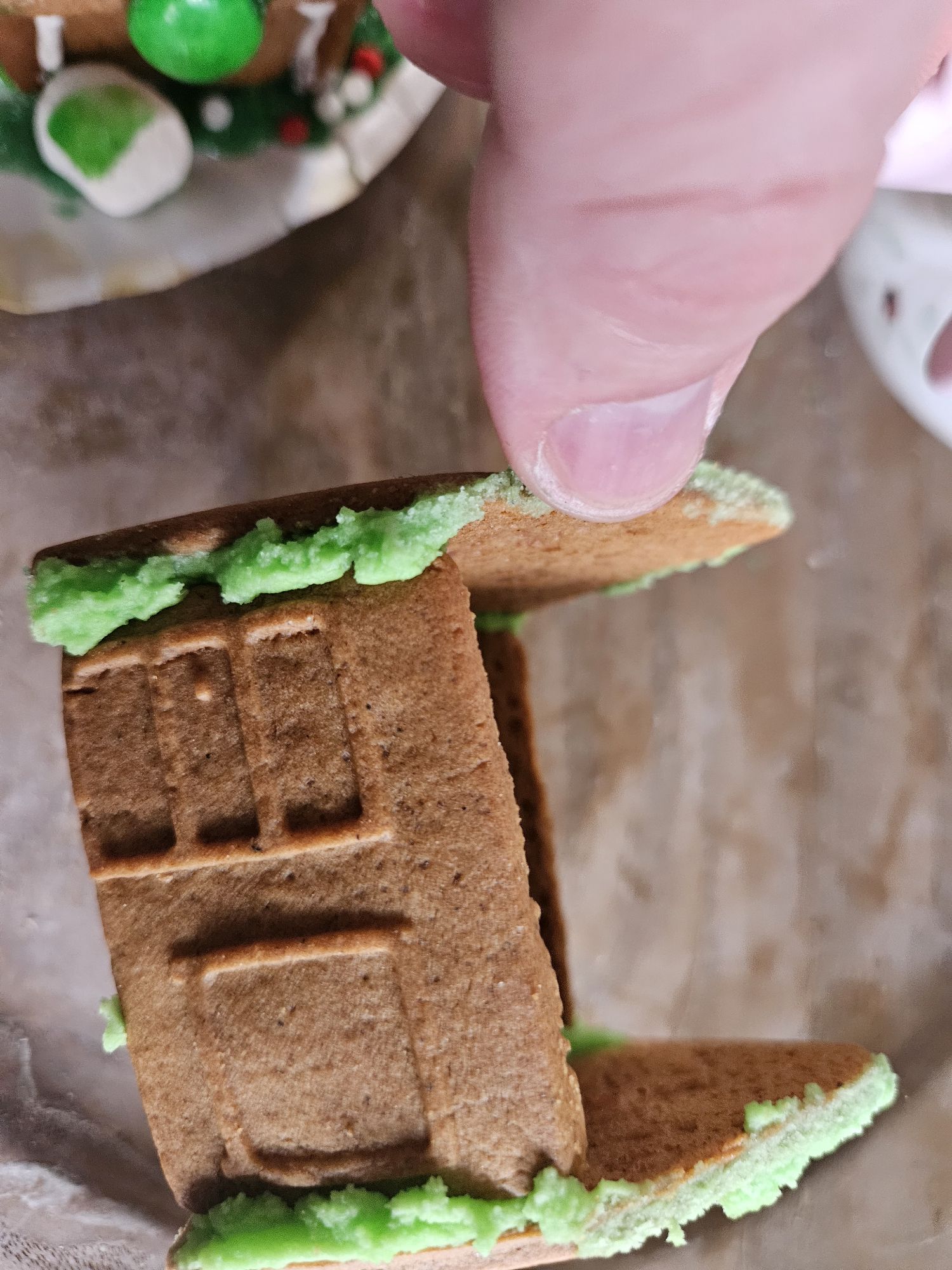
My final group created a 3D gingerbread house with a light in it to make the gingerbread village come to life. They even put my little puppet Shakespeare pal in there (I guess it’s his winter home).
To me, this one’s obvious. Hamlet is a grim, bookish young man who loves complicated plans more than conflict. Also, like Professor Flitwick the head of Ravenclaw, Hamlet loves songs and plays like this one, which incidentally quotes lines from Macbeth:
Coriolanus- Slitherin
Tom Felton as Coriolanus
I go into greater detail in my most recent post, but Coriolanus is a warrior who tries to turn his wealth and military success into political power. He’s also compared to a dragon or serpent, the symbol of Slytherin House. And, as if that weren’t enough, Ralph Fiennes, who starred and directed a movie about Coriolanus, also played the heir of Salazar Slytherin himself, Lord Voldemort.
Ralph Fiennes as Coriolanus
Helena- Hufflepuff
Hermione- Griffindor
No, I am not talking about Harry Potter’s bookish best friend- I’m talking about the brave and virtuous queen Hermione from The Winters Tale. In the trial scene, she has to go against her husband and her Kung and defend herself and her children in court:
Hermione defends herself in court
Henry V- Griffindor or Slytherin?
Good my lords, I am not prone to weeping, as our sex Commonly are; the want of which vain dew Perchance shall dry your pities: but I have That honourable grief lodged here which burns Worse than tears drown: beseech you all, my lords, With thoughts so qualified as your charities Shall best instruct you, measure me; and so The king’s will be perform’d!
Like Harry Potter himself, you could make two equal cases for Harry the King; that he is a great brave warrior worthy of the Griffindor lion, or a Machiavellian, sly, ambitious snake.