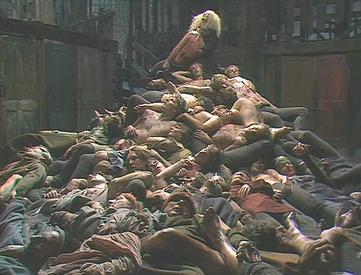
Titus Andronicus is one of the most bloody, disgusting plays in Shakespeare. As this infographic from the Royal Shakespeare Company shows, there are tons of deaths and some of them are even the result of cannibalism!
One way to capture the macabre nature of this play in the classroom, (which some scholars see as a horror comedy), is to characterize it through cooking, after all, revenge is a dish best served cold.
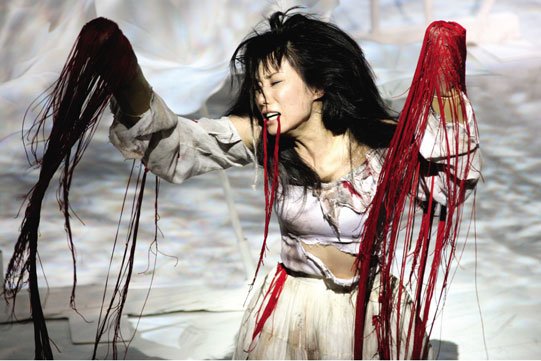
Me in costume as Titus Androgynous, a crazy cooking show host who butchers two people in the same manner as Titus
So here are some ghoulish gourmet dishes and revolting recipes that you can share with your students to help them get into this tragic tale of violence, revenge, and cooking:
Idea 1: recipe cards
Design a recipe card like the ones in cooking magazines based on Titus speech where he murders Chiron and Demetrius
Idea 2: Create a menu that summarizes the play:
Act I:
Starter: Caesar Salad, toad in the hole
As the play begins, Caesar has died and Saturnine wants to devour his father’s empire. Enjoy this light salad in anticipation of far more bloody feasts to come.https://youtu.be/UxZ5NOkRwj0
Act II Scene 3: Breakfast:
Lamb Benedict
Lamb Benedict recipe I found on Reddit
While on an early morning hunting trip, Bassianus is slaughtered like a lamb by his own nephews. Enjoy this sweet treachery with a golden egg in the hole.
Act II, Scene 4: Main course:
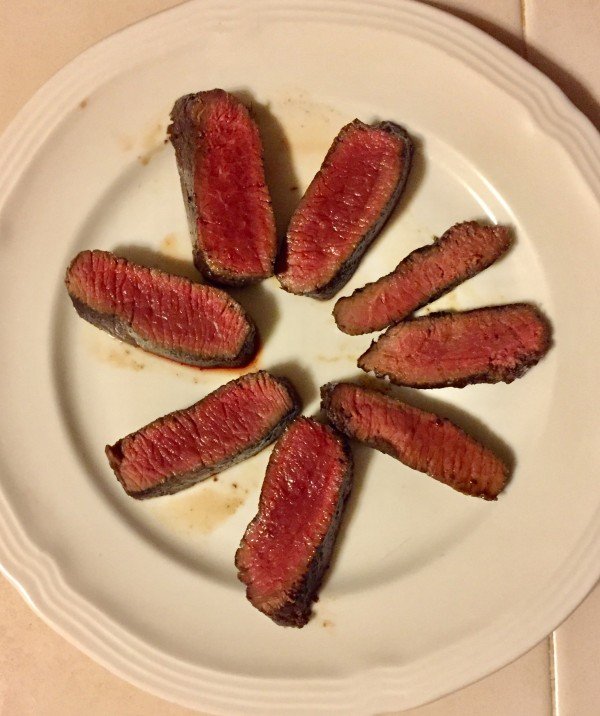
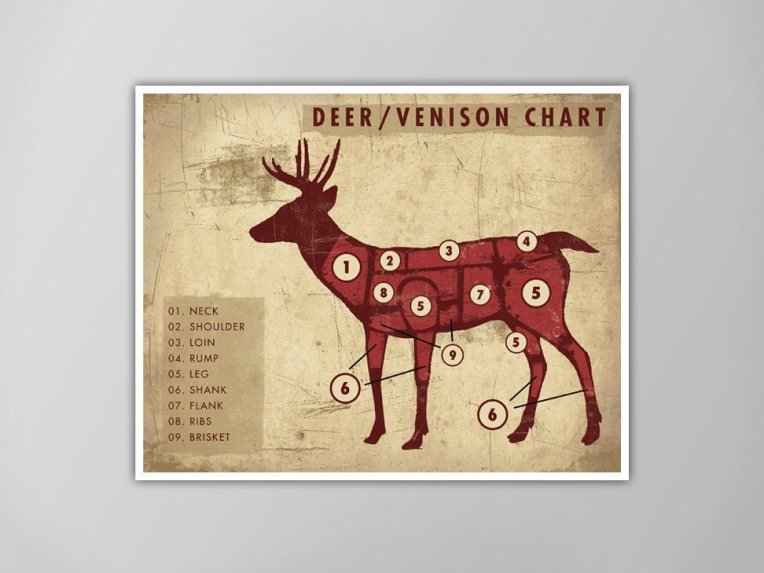
Roast venison with all the trimmings
“As the deer that hath some unrecuring wound.”
“She was washed and cut and trimmed.”
Titus compares his daughter to a deer or welkin, and in the play’s most barbaric scene, the emperor’s sons ravish her and cut out her tongue. They enjoy the cruel rape and mutilation just like two starving lions enjoying their prey.
Act V:
Just desserts: people pot pie.
“More stern and bloody than the centaur’s feast,” A truly unforgettable dessert for this feast of carnage. The cook, Titus, reinvents the term rich food by cooking two emperor’s sons into pies.
Served cold, like revenge!
“Set him breast deep in Earth and famish him.”
Idea 3: Real Titus foods inspired by my favorite Halloween diy recipes
Or this grisly appetizer: cheese hand in prosciutto
3.
People Pies:
There are many horrific pie recipes on the internet, but for a busy teacher on a budget, I’m adapting this one from the YouTube channel Threadbanger: https://youtu.be/E6U6xUl3A5M. Don’t show this video to your students because there’s far too much cursing. That said this recipe is very cheap and it’s easy. He used only store bought items and no fancy cooking techniques, which means if you choose to bake it as a classroom activity, even your students can help make it. Here are some tips from the video to get the most horrible ppeople pie you can make:
• Use red filling like cherry or strawberry for filling.
Since it’s now two years into the Trump presidency I thought I would follow up on my post I wrote when he was a candidate, and focus instead on his actions as president. Shakespeare’s Richard changes almost immediately once the crown is set on his head in the middle of the play, and the rest of his short reign is plagued with the exhaustive process of keeping it on his head, (and by extension, keeping his head on his shoulders). My main argument is that Trump’s presidency has steadily skirted more and more towards authoritarianism through his actions and his rhetoric, much the same way Richard became more like a dictator as soon as he became king. Moreover, Trump, Shakespeare’s Richard and even the historical king Richard have been distorted beyond recognition because of fake news, but not the kind you might expect.
Part I Before the Throne
As I have written before, Richard claims the throne by manipulating everyone in the British political machine- stoking hatred among the nobles, while trying to appear as a pious, humble man to the common people. Because of his years on reality television and experience as a businessman, even I must admit Trump has a gift at manipulating people’s perceptions and playing the part of a man of the people:
https://m.youtube.com/watch?v=cpxCl8ylJgE
If you watch Trump in interviews, he often closes his remarks with “believe me,” Richard also understands the power of oaths and pretends to speak like a plain blunt man, claiming that the British nobles hate him because he ‘tells it like it is’:
Cannot a plain man live and think no harm?But his simple truth must be abused by silken, sly, insinuating jacks!-Richard III, Act I, Scene iii
As for Trump, even though he is a privileged billionaire with inherited wealth, he pretends to be an unpretentious, unapologetic common man, abused by the ‘mainstream media’ and his political opponents.
Richard is also a fan of the moral equivalence argument, (also known as whataboutism). He tries to offset his own murders by mentioning other people and their misdeeds during the Wars Of The Roses, making them seem as bad or worse than Richard:
Let me put in your mind if you forget what you have been ere this and what you are, withal what I have been and what I am. RIII Act I, Scene iii.
Many have pointed out that both Trump and Fox News frequently use Whatsboutism to discredit their opponents and to shrug off their own guilt. It is also a tactic frequently used in former Soviet Union propaganda: https://youtu.be/PpVzHpgYuSc
My final comparison of the rhetoric between Trump and Shakespeare’s Richard is that both men are actors, players, or if you like, hypocrites. Trump actually tweeted how he sees each speech he makes as a tailor-made performance, while Richard praises his own ability to dissemble and equivocate to the skies: https://youtu.be/v6ji07tsI2M
Part II: The descent
Richard the third starts out the play as a evil underdog. Yes he kills people to gain the throne, but his deformity makes him seem sympathetic, and the fact that his victims have already killed plenty of people in the Wars of the Roses, gets him on our side. Once he’s crowned however, Richard step by step becomes more and more like an authoritarian dictator
What is an authoritarian? Basically an authoritarian regime concentrates power into the hands of one person, and tries to hold onto power by:
1. Projecting strength.
2. Demonizing opponents, both real and imagined.
3. Destroying institutions.
From the moment the crown is placed on his head, Richard starts to see threats to his power, and uses all his newfound resources to destroy every each and every threat. First he kills his nephews, (the legitimate heirs to the throne), then he kills his wife, so that he can remarry a princess to try and consolidate his power. And finally, when he faces his greatest threat the armies of Henry tutor Earl of Richmond, Richard goes full on dictator, calling himself a tower of strength, demonizing Richmond as a foreigner, and claiming that his soldiers will rape the English wives and daughters.
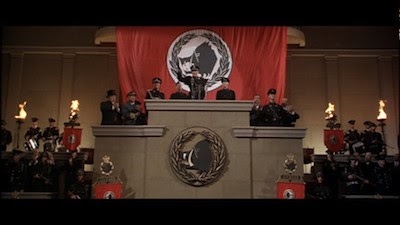
Still from Ian McKellen’s film version of Richard III, 1995
Trump is guilty of every one of these authoritarian strongman habits. He tries to convince people he is strong both physically and politically by having photo ops with doctors who claim that he is “the healthiest president ever”. He also attempted to project strength by misrepresenting the size of the crowds at his inauguration (which was a flat out lie), Furthermore, Trump demanded a military parade to emulate autocratic governments like North Korea. Then there’s his ultimate misguided show of American strength: the wall, which even Fox News has calculated will cost $25 billion dollars at least, and will do little to nothing to stop the flow of drugs and illegal immigration.
Trump also has from the beginning waged war on the Internet against any and all who oppose him. Let us not forget that Fox News is a 24 hour a day propaganda machine that exists almost entirely to condemn anyone who opposes the president and his agendas. And in terms of destroying institutions, his constant claims of “fake news“ seeks to destabilize the Free Press. America’s finding fathers guaranteed free press with the knowledge that if the government is corrupt, the only way the public can fight back is through the knowledge provided by a free and Independent press. But if the media is the enemy, we have no one to listen to except Trump himself.
Richard is even more comically trigger happy than Trump. Look at this scene where in less than 10 minutes, he sends a murderer to kill his nephews, plots to murder his wife and marry his niece, and completely throws off the Duke of Buckingham, his only supporter on his way to the crown!
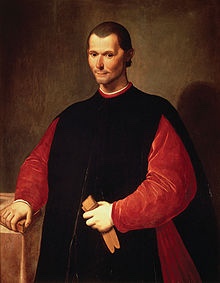
Richard’s authoritarian tactics actually spring from one of the best political theorists of the renaissance, unfortunately it was Machiavelli. Niccolo Machiavelli saw how the crown heads of Italy consolidated power through violence and intimidation, and he came to realize that the power behind the throne is much less to do with divine right or royal bloodline, and more with who can play the game and project power and strength. In Shakespeare’s Henry the Sixth Part III, Richard brags that in his quest to the good for the crown he will send Machiavelli to school: https://m.youtube.com/watch?v=v6ji07tsI2M
Portrait of Machiavelli by Sandi DiTito, c. 1650
I unfortunately don’t have enough time to get into the connections between Machiavelli, Richard, and Trump. Suffice it to say that all three advocate rule by fear and have no interest in preserving democracy. Below are some quotes and articles that I have collected about Machiavelli and his connection to Shakespeare and Trump:
Sadly, the ultimate similarity between Shakespeare’s Richard III, the real King Richard, and Trump is that the actual human has been swallowed up by a narrative. Even though most of what Trump says is a lie, to his supporters he is the one person who ‘tells it like it is,’ not because they believe him, but because they want to believe in the narrative he constructs.
These Ohio Voters Made Trump President. They’re Still With Him – TIME
Not only are his lies compelling, Trump himself has become a powerful symbol to the disenfranchised that the system is broken and corrupt, so why not vote for someone like him? He brands himself as a ‘plain blunt man’ who isn’t afraid to offend or criticize people in power, even though he is much worse than they are at running the government. According to the testimony of his former lawyer Michael Cohen, Trump described his own campaign as the ” The greatest infomercial in political history.” His campaign was from the start, a scam, where the ultimate con man told people he was going to fix healthcare, fix the immigrants coming into the country, and fix everything they didn’t like about America.
Trump and Richard exploit what you and I want to believe. A New York Times article from 2016 made an interesting comparison between Trump’s odious political persona and that of one of the “heels” or bad guys in professional wrestling. These characters are unrepentantly evil, and love to stir up anger in the crowd, and everyone knows that their every word and action is fake, but they buy into the story. This kind of suspension of disbelief is of course, the central guiding principle of theater itself, and arguably Shakespeare created a villain who would make a very effective wrestling heel.
The real Richard’s devolution from a historical king into a villainous archetype is more tragic, but just as powerful. The lies that the Tudor chronicles told about him were more compelling and politically convenient than the truth, and Shakespeare’s genius just further distanced us from caring what the real man was like. In essence, Shakespeare was inventing fake news far before Trump was railing about it. Just as we as an audience are complicit in the pretend crimes of a fake king when we watch the play, we are also complicit in perpetuating a comfortable simplistic story of the 15th century War of the Roses king Richard Plantagenet.
Trump and Richard show that history can be distorted when we focus less on what is really happening and more on what we want to see. More people wanted to believe his lies than Hillary Clinton’s facts, the same way people were forced to believe the Tudor lies instead of the real truth of what happened from 1483-1485. Likewise Shakespeare’s Richard exploits people’s fear, greed, and gullibility to gain power for himself, but this is his only talent; eventually his supporters lose faith in him, his enemies mobilize, and he is taken from power.
In doing my research for Twelfth Night, I came across a fantastic production from Shakespeare’s Globe in 2002. It used what is known as “original practices,” meaning that the actors tried to replicate everything we know about the way Shakespeare’s actors performed.
The play was performed in the great Globe Theater, which is itself a replica of Shakespeare’s original playhouse, which means that it was outdoors, using mostly natural lighting, and minimal sets. https://youtu.be/qtoUeVjP_rs
In addition, all the women’s roles were played by men, and the actors played multiple parts, which were all accurate stage practices from Shakespeare’s era. Most exciting of all, the actors all wore authentic 17th century costumes designed by veteran costume designer, Jenny Tiramani:
Few things determine how an actor moves or looks more than the clothes he or she wears, and watching these actors wear doublet and hose and real Jacobean dresses really fires up my imagine and makes me feel that I’ve truly been transported through time. The production is available on DVD, as well as several clips on YouTube, and I urge you to take a look at it. In the meantime, I’d like to comment a little on how the costumes from this production inform the audience about the characters that wear them.
Some Info On 17th century fashion
* Men
Tight pants or hose, and stockings designed to show off the legs
Tight jackets made of wool or leather called doublets
By the 17th century, starched ruffs were being replaced with lace collars.
Starched collars called ruffs around the neck.
* Women
Longer skirts, often embroidered with elaborate patterns
* Servants- Servants like Cesario (who is actually the Duke’s daughter Viola in disguise), would typically wear matching uniforms called liveries, a sign of who they worked for and their master’s trust in their abilities. People judged the aristocracy by how well they trained and controlled their servants, so wearing your master’s livery meant he trusted you to represent his house.
In her first scene as Cesario, a servant named Curio remarks to her that Orsino has shown favor to “him” from the very beginning. This might explain the rich garments that Viola wears in this production, which resemble a noble gentleman more than a servant.
A higher ranking servant like Malvolio would be able to wear a higher status garment, which is why you see Steven Fry as Malvolio dressed in a handsome doublet.
3. Character notes:
* What are they wearing?
* Why are they wearing it?
* How do the clothes inform the movement?
1. Viola (Eddie Redmane) Viola, the star of the show, begins the show as the daughter of a duke, who has just been shipwrecked in a foreign country, so her clothes must look bedraggled and worn, yet appropriate to her status. As I said before though, for the majority of the play, Viola is disguised as the servant Cesario
2. Malvolio (Steven Fry)
Malvolio wears dark colors since he’s a Puritanical servant.
He mentions that he has a watch. The first ever wristwatches ever came into being around this time.
Most productions give Malvolio a Gold chain and/ or a staff of office to show his status, and his prideful nature.
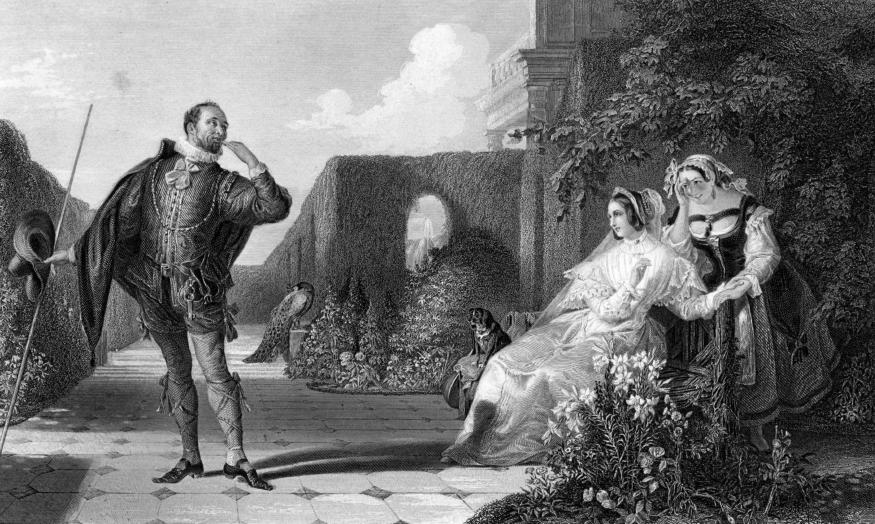
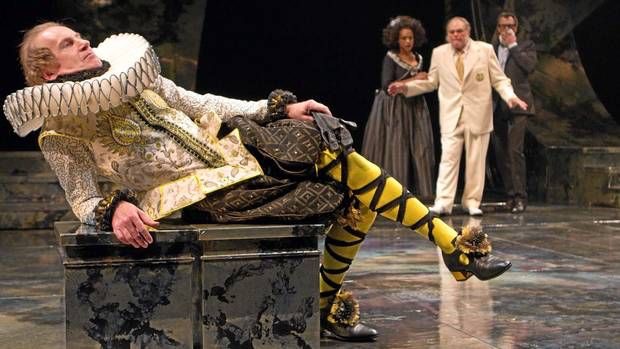
In Act III, Malvolio is tricked into wearing yellow stockings with cross garters.
3. Maria the Countess Olivia’s maid, (who has an appetite for tricks and pranks), Maria’s job is to dress and help Olivia with her daily routine. This might include tying up her corset, putting on her makeup, and helping her with the elaborate gowns that nobles wore during this period. In the video below, you can watch a dresser help get an actress into an elaborate costume for another Globe theatre production. Just think of the amount of time and hard work it would take for a servant like Maria to dress Olivia every day!
In the play, Viola momentarily mistakes Maria for her mistress because she wears a veil. This also suggests that, rather than wearing a livery like Cesario, maybe Olivia let Maria wear some of her older clothes, which was a common practice for high level servants. A lot of the costumes Shakespeare’s company wore were probably hand me downs from their aristocratic patrons.
4. Olivia (Mark Rylance)
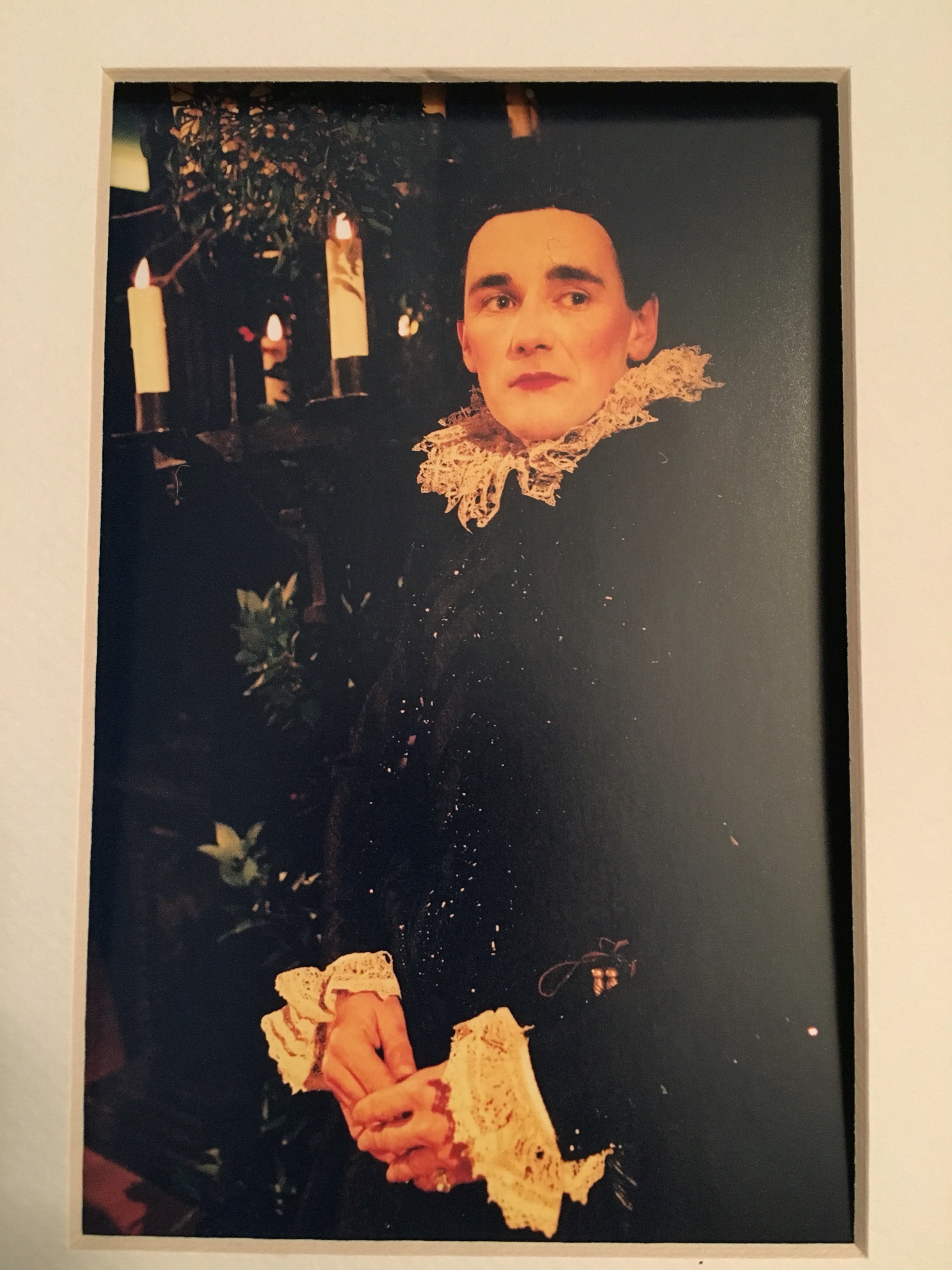
In this production, the countess and all the female roles were performed by men, just as they were in Shakespeare’s Day. Mark Rylance, who played Olivia, was also the Artistic Director of the Globe Theatre.
Olivia is mourning her lost brother, which is why she’s traditionally dressed in a black dress and veil
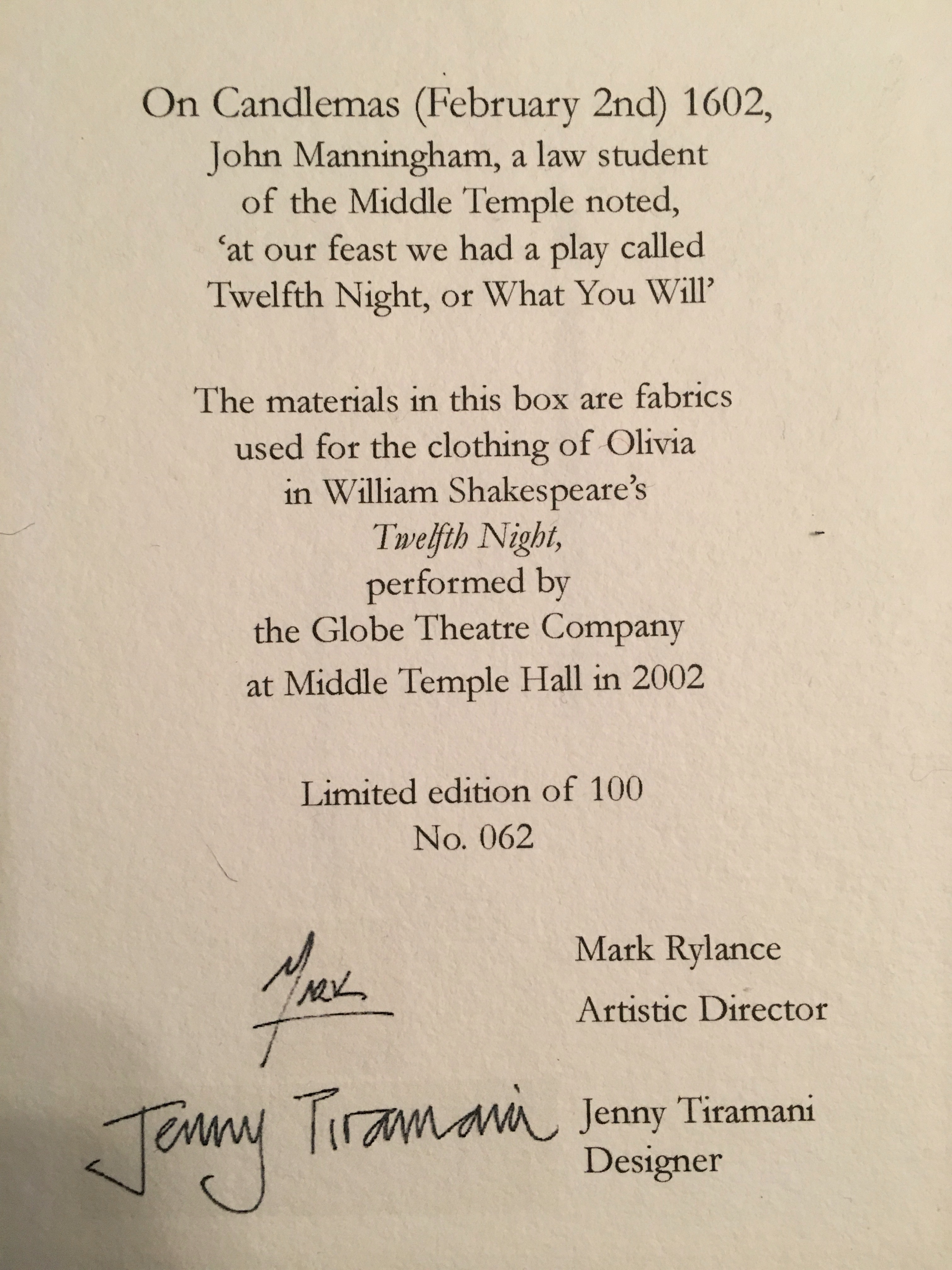
The dress is black silk with elaborate embroidery, as you can see from this actual sampler of the real fabric used in the show. You will also notice the threads holding the fabric together with metal points at the end. Olivia’s gown was hand sewn into many different pieces and tied together with these points. One nickname Shakespeare gave servants like Maria was “One who ties [her] points.”
Costumes like these offer a tantalizing glimpse into history. Just as Shakespeare’s words help an actor bring to life the thoughts and feelings of his age, The type of clothes his company wore helps the actor embody the moiré’s and desires of Shakespeare’s society, whether a mournful countess, a dazzling gentleman, or a reserved Puritan.
References
Feldman, Adam
“Q&A: Mark Rylance on Shakespeare, Twelfth Night and Richard III” Time Out Magazine. Posted: Tuesday November 12 2013
The Merchant Of Venice is unquestionably Shakespeare’s most controversial play- it covers such topics as anti-semitism, religious hypocrisy, racism, slavery, and the meaning of justice and mercy. As I have written before, few people read this play in school, but I believe that it has many lessons to teach our children. I also believe its lessons are also very much a part of the Christmas/ Hanukkah/ Kwanza holiday season, and here’s why:
Short summary
Famous quotes
All that glitters is not gold.
Hath not a Jew Eyes
The quality of mercy is not strained
You may very well wonder why this play about greed and prejudice reflects the warm holiday spirit. I would argue that, like cold winter snow, this play emphasizes the importance and the need for compassion, humanity, and generosity because without it society becomes truly frigid.
Merchant Of Venice takes an unflinching look at greed, prejudice, and religious hypocrisy, while at the same time retaining a hope for peace on Earth and goodwill towards men.
One of the best ways I can justify the connection between Merchant and the holidays is by comparing it to the quintessential Christmas story, Charles Dickens’ A Christmas Carol. In terms of tone, themes and especially characters, these two classics are very close indeed. Shylock is an ancestor of Scrooge- in addition to both being money lenders, both men are miserly, cold, and willing to destroy lives for wealth. Shylock even has a ghost that comes back to haunt him. Shylock mentions a ring that he got from his late wife Leah, similar to how Scrooge lost his only love, Belle. Just as Scrooge is a counterexample of everything that Christmas stands for, Shylock’s greediness, cruelty, and hatred of the people around him make him a figure to avoid, no matter what holiday you celebrate.
Merchant also raises questions about materialism, which we should all consider around the holidays. Shylock especially mentions this in quotes like: “You take my life when you take the means whereby I live.”
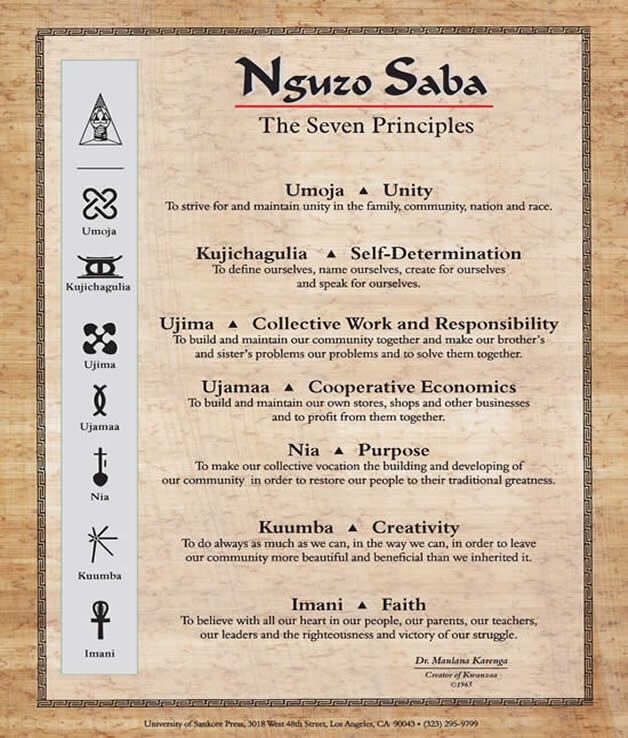
The themes of Merchant also reflect a modern multicultural holiday season. In one example which I wrote about before, The Prince Of Morocco has a great speech that calls to mind the concept of kuchijagulia, or self determination, one of the 7 principles of Kwanzaa.
According to the official Kwanza website, kuchijagulia means, “To speak up for oneself,” and Morocco definitely does that:
Mislike me not for my complexion,
The shadow’d livery of the burnish’d sun,
To whom I am a neighbour and near bred.
Bring me the fairest creature northward born,
Where Phoebus’ fire scarce thaws the icicles,
And let us make incision for your love,
To prove whose blood is reddest, his or mine.
I tell thee, lady, this aspect of mine
Hath fear’d the valiant: by my love I swear
The best-regarded virgins of our clime
Have loved it too: I would not change this hue,
Except to steal your thoughts, my gentle queen. Merchant Of Venice, Act II, Scene I.
Moracco’s unwillingness to change who he is makes him a model of the kind of pride African Americans celebrate during Kwanza. In addition Shylock, the Jewish moneylender, is also very proud of his heritage. His famous quip: “Sufferance is the badge of all our tribe,” expresses perfectly the resilience of the Jewish people, which of course is the central point of Hanukkah.
When it comes to Christmas, Antonio demonstrates a Christ- like self sacrifice, when he lets himself be arrested and nearly killed by Shylock.
▪Bassanio. Good cheer, Antonio! What, man, courage yet!
▪ The Jew shall have my flesh, blood, bones and all, 2045
While Antonio’s actions mirror Christ’s sacrifice. Portia’s famous “The Quality Of Mercy Is Not Strained,” speech, goes to the heart of the reason why Christ came to earth; to grant mercy to the sinners who would be damned otherwise
▪Shylock. On what compulsion must I? tell me that.
▪Portia. The quality of mercy is not strain’d, 2125
▪ It droppeth as the gentle rain from heaven
▪ Upon the place beneath: it is twice blest;
▪ It blesseth him that gives and him that takes:
▪ ‘Tis mightiest in the mightiest: it becomes
▪ The throned monarch better than his crown; 2130
▪ His sceptre shows the force of temporal power,
▪ The attribute to awe and majesty,
▪ Wherein doth sit the dread and fear of kings;
▪ But mercy is above this sceptred sway;
▪ It is enthroned in the hearts of kings, 2135
▪ It is an attribute to God himself;
▪ And earthly power doth then show likest God’s
▪ When mercy seasons justice. Therefore, Jew,
▪ Though justice be thy plea, consider this,
▪ That, in the course of justice, none of us 2140
▪ Should see salvation: we do pray for mercy;
▪ And that same prayer doth teach us all to render
▪ The deeds of mercy. Merchant Of Venice, Act IV Scene I.
Shakespeare no doubt wrote these characters to reflect the Christian values many people celebrate at Christmas. Meanwhile the play’s comic subplot with Bassanio and Portia teaches Christians about generosity and mercy. As I have written before, the character Bassanio is the moral center of the play, and his journey mirrors many characters in classic Christmas stories who learn about giving and receiving, the true meaning of Christmas.
In Act III, Scene ii, Bassanio participates in the highest stakes Secret Santa gift exchange ever: three boxes of gold, silver, and lead are set before him.
If Bassanio picks the right gift, he will be rich, powerful, and married to a beautiful woman, but the winning box is inscribed with a warning: “Who chooses me must give and hazard all he has.” Bassanio wins the gift auction, which means he may marry the beautiful Portia, but he gives her the choice to marry him or not: https://youtu.be/6IFSMgggS8k
[Music, whilst BASSANIO comments on the caskets to himself]
▪Bassanio. So may the outward shows be least themselves: 1440
The world is still deceived with ornament.
▪ In law, what plea so tainted and corrupt,
▪ But, being seasoned with a gracious voice,
▪ Obscures the show of evil? In religion,
▪ What damned error, but some sober brow 1445
▪ Will bless it and approve it with a text,
▪ Hiding the grossness with fair ornament?
▪ There is no vice so simple but assumes
▪ Some mark of virtue on his outward parts:
▪ How many cowards, whose hearts are all as false 1450
Look on beauty, 1455
▪ And you shall see ’tis purchased by the weight;
▪ Which therein works a miracle in nature,
▪ Therefore, thou gaudy gold,
▪ Hard food for Midas, I will none of thee;
▪ Nor none of thee, thou pale and common drudge 1470
▪ ‘Tween man and man: but thou, thou meagre lead,
▪ Which rather threatenest than dost promise aught,
▪ Thy paleness moves me more than eloquence;
▪ And here choose I; joy be the conseque
[Reads] 1500
▪ You that choose not by the view,
▪ Chance as fair and choose as true!
▪ Since this fortune falls to you,
▪ Be content and seek no new,
▪ If you be well pleased with this 1505
▪ And hold your fortune for your bliss,
▪ Turn you where your lady is
▪ And claim her with a loving kiss.
▪ A gentle scroll. Fair lady, by your leave;
▪ I come by note, to give and to receive. 1510
▪ Like one of two contending in a prize,
▪ That thinks he hath done well in people’s eyes,
▪ Hearing applause and universal shout,
▪ Giddy in spirit, still gazing in a doubt
▪ Whether these pearls of praise be his or no; 1515
▪ So, thrice fair lady, stand I, even so;
▪ As doubtful whether what I see be true,
▪ Until confirm’d, sign’d, ratified by you. Merchant of Venice Act III, Scene ii.
Like the story The Gift Of the Magi, Bassanio prizes Portia’s love, and is willing to give her all he has in return, which is what separates him from the other suitors. Bassanio also understands it’s not the physical gift that is really the gift, it’s the love that it represents that really matters, which allows him to look past the outward appearance of the lead chest. Having gratitude for the gifts we receive and pledging our love to others is something that everyone should remember at Christmas and all festive occasions.
In Conclusion, it isn’t cheery, and it is not as hopeful as most holiday stories, but in the season when people of all faiths celebrate together, Merchant Of Venice is a great reminder of our shared humanity and how we can show love and mercy to our fellow people.
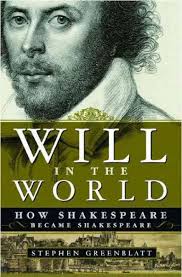
Book– Will in the world by Steven Greenblatt- An amazing analysis of Shakespeare’s life and career. The chapter “Laughter At the Scaffold,” traces the link between Merchant Of Venice and the real life treatment of Jews in the 16th century
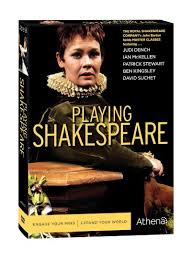
Book/ TV- Playing Shakespeare by John Barton.
Movie– Merchant Of Venice 2004 Movie starring Al Pacino. I like the way the director films the drama documentary style, using a single handheld camera in most of the shots. Pacino is very good at playing Shylock as a bitter, cynical old man who is trying to survive in a powerful Christian country.
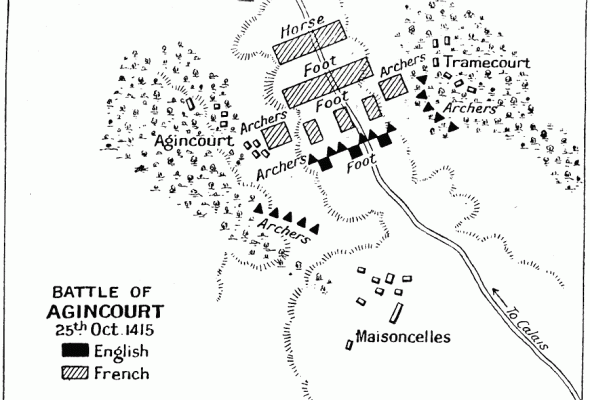
Today is the 600th anniversary of the Battle of Agincourt, one of the greatest victories in English history, where King Henry the Fifth and his 5,000 troops, fought and won against the French, who outnumbered them 5 to 1! Why is this important? Well, in Shakespeare’s history play Henry the Fifth, he gives the king the greatest pep-talk speech of ALL TIME!
This speech is so awesome, it’s cool even when a 5-year old does it!
So you may be wondering, what is Agincourt, and what is St. Crsipin’s Day?
Well Agincourt is a castle in France where on October 25th, 1415, King Henry fought a decisive battle that helped him conquer all of France. For more info on the battle, click here to read this article from the Telegraph.
Contemporary drawing of the Battle of Agincourt.
As for St. Crispin, I wrote about him before when I was working on a high-school production of “Henry the Fifth,” which you can read about here. Long story short- he was the patron saint of SHOEMAKERS!
And finally, a funny take on the battle from my favorite kid’s show, “Horrible Histories.”










 As I have written before, Richard claims the throne by manipulating everyone in the British political machine- stoking hatred among the nobles, while trying to appear as a pious, humble man to the common people. Because of his years on reality television and experience as a businessman, even I must admit Trump has a gift at manipulating people’s perceptions and playing the part of a man of the people:




 In her first scene as Cesario, a servant named Curio remarks to her that Orsino has shown favor to “him” from the very beginning. This might explain the rich garments that Viola wears in this production, which resemble a noble gentleman more than a servant.
 Viola, the star of the show, begins the show as the daughter of a duke, who has just been shipwrecked in a foreign country, so her clothes must look bedraggled and worn, yet appropriate to her status. As I said before though, for the majority of the play, Viola is disguised as the servant Cesario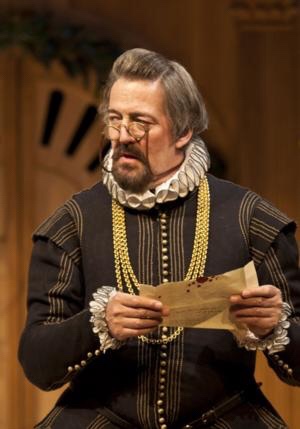







 The Shakespearean Student