

Untitled


Happy Twelfth Day of Christmas Everyone!
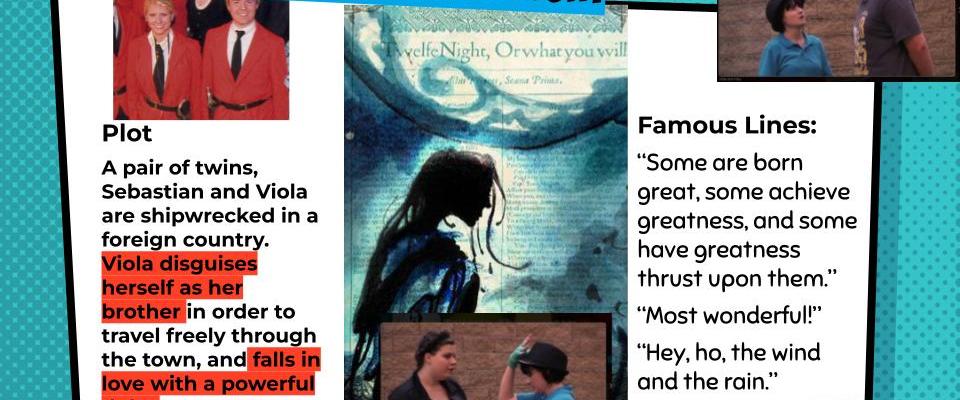
Hello everyone! I’m back from break and happy to celebrate one of my favorite holidays with you- the one that gave its name to one of Shakespeare’s greatest comedies- Twelfth Night
How to throw a Twelfth Night Party
How To Throw A Twelfth Night Party
How to Make a Twelfth Night Cake
Intro to Twelfth Night (THe play)
I’ve been in this play three times and I’m continually struck by how fun, romantic, and progressive it is. It raises questions about gender roles, social norms, bullying, and even catfishing and heteronormativity! It’s a fascinating and thought-provoking play and it’s my favorite of Shakespeare’s comedies!
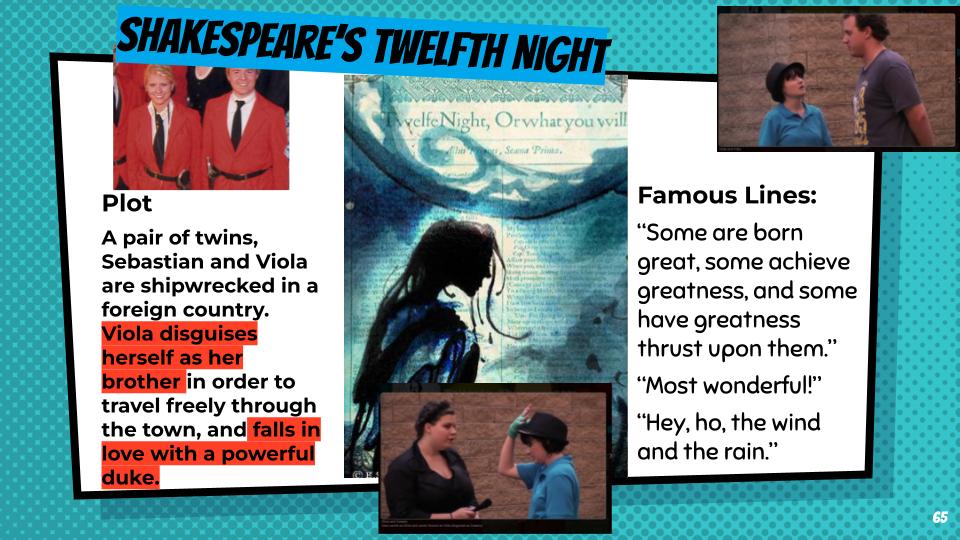
Shakespeare’s early comedies are about young love, infatuation, and being ‘madly in love’ (sometimes literally). His middle plays are about mature relationships between men and women and the need for commitment. I would argue that Twelfth Night, (and possibly Much Ado About Nothing), are the best examples of Shakespeare telling meaningful stories about romantic relationships.
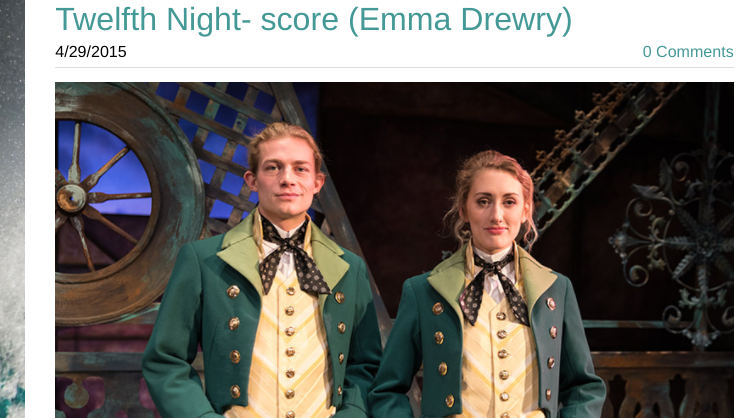
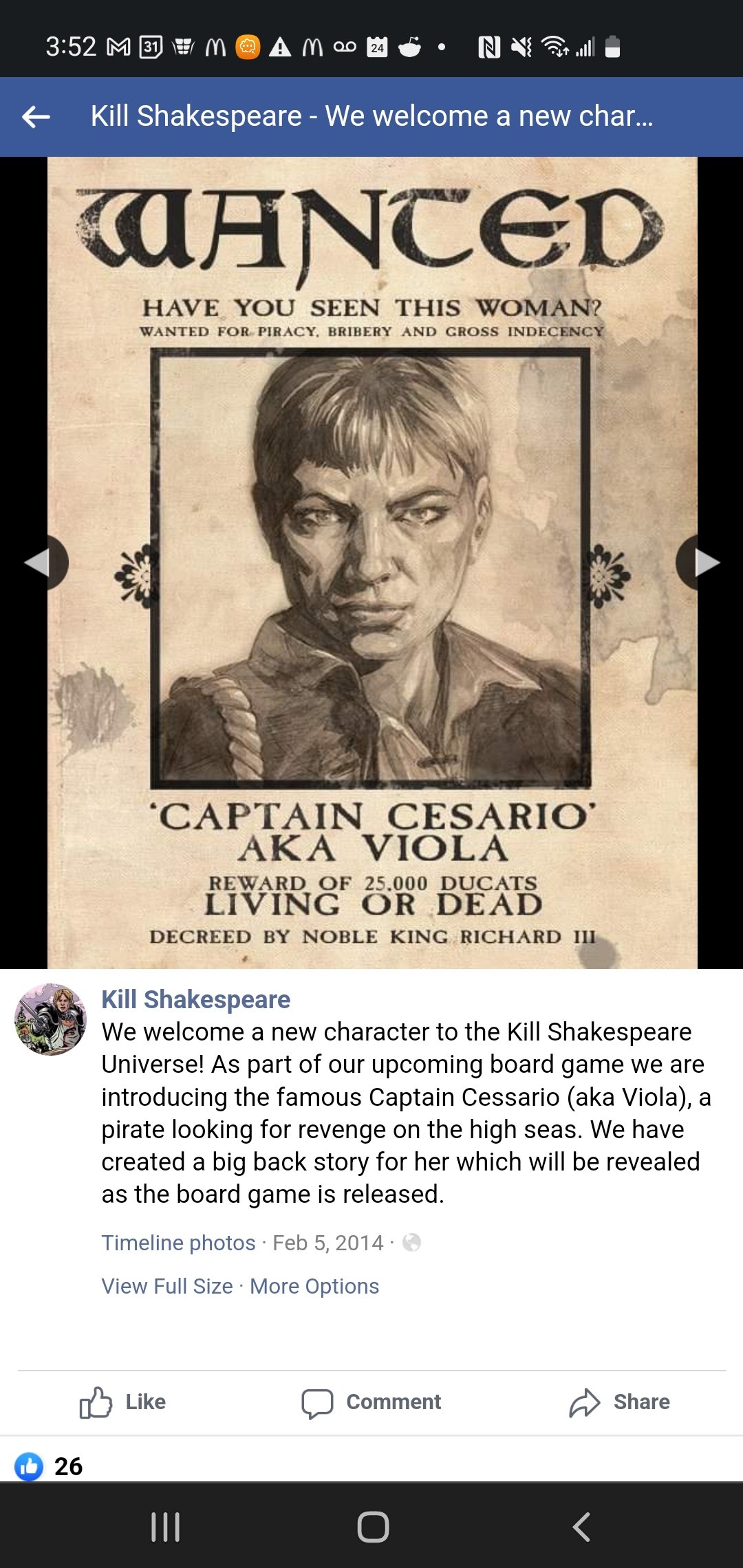
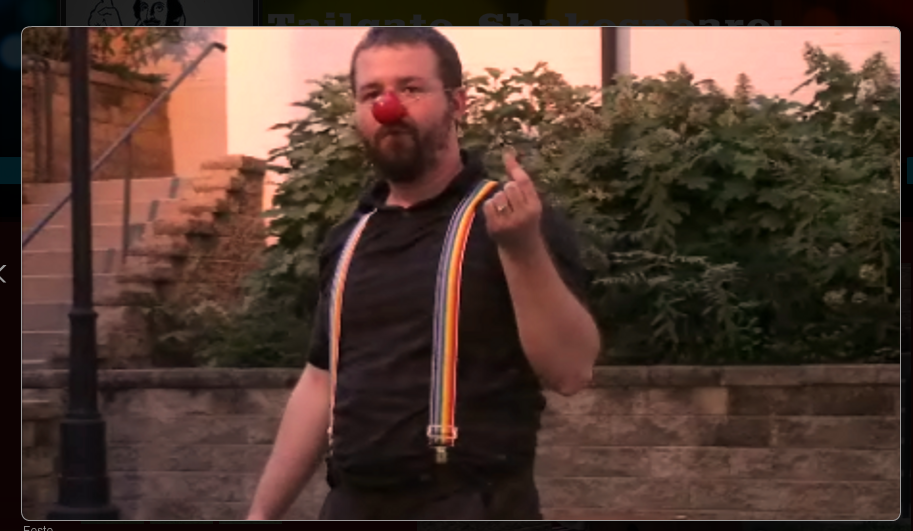
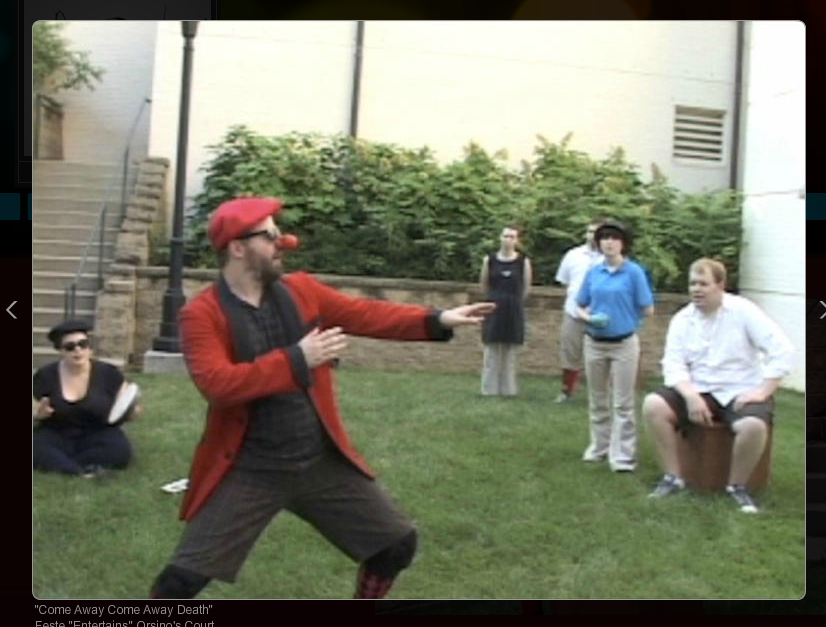
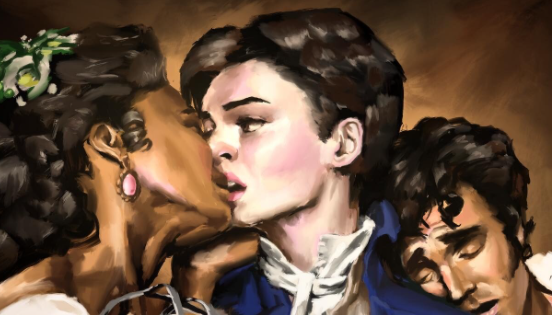

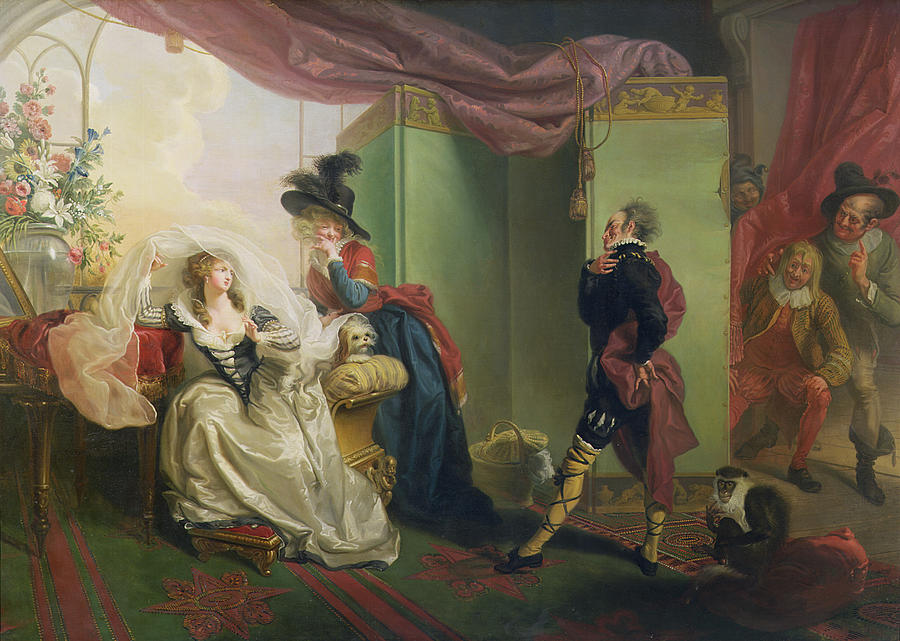
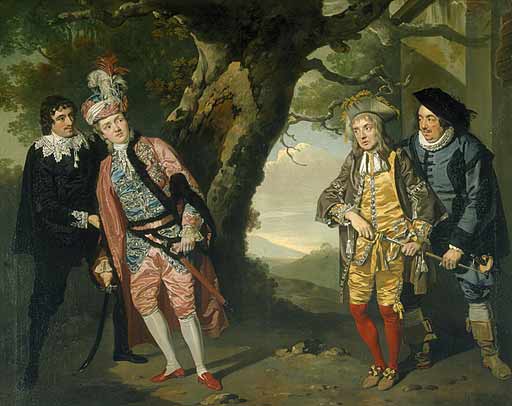
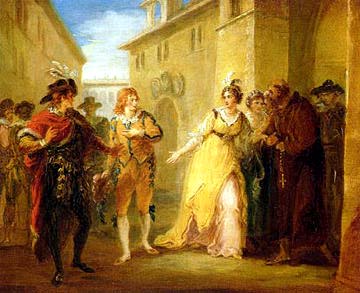
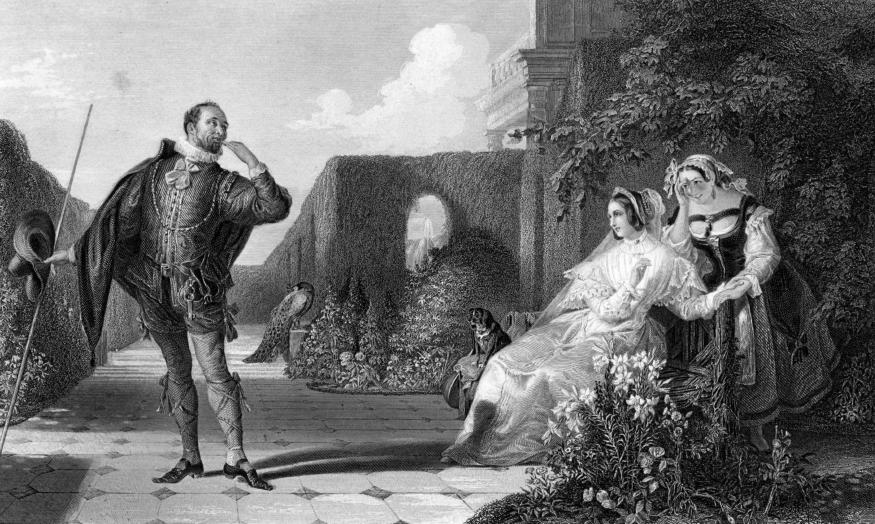
Past Posts on “Twelfth Night”
- Play of the Month: Twelfth Night
- The Fashion Is the Fashion: Twelfth Night
- Crafting a Character: Malvolio
- Exquisite Artwork from Twelfth Night
Would you like to know more? Take a class!

In honor of “Twelfth Night,” I’ve created a coupon for my course on Shakespeare’s comedies from now till January 31st: Get $10 off my class “Shakespeare’s Comic Plays” with coupon code HTHESYTIT110 until Jan 31, 2023. Get started at https://outschool.com/classes/shakespeares-comic-plays-868BR5hg and enter the coupon code at checkout.
To finish I wanted to give you a complete production of Twelfth Night for your viewing pleasure, but I can’t decide which one, so I will post a bunch today!
1. 1996 TV movie starring Geoffrey Rush (Pirates of the Caribbean)
2.1996 Thames TV directed by Kenneth Branaugh
Happy New Year From The Shakespearean Student


Thanks to all my longtime readers, this website has had its best year ever! Here’s to more fun, information, and insight in 2023.

As a New Years gift, from now until January 31st, you can get $10 off my class “An Interactive Guide to Shakespeare’s London” with coupon code HTHESYTIT110 until Jan 31, 2023. Get started at https://outschool.com/classes/an-interactive-guide-to-shakespeares-london-E6KqeBQQ and enter the coupon code at checkout.
Keep calm and Podcast on: my 2022 wrapup

Thanks to everyone who’s been listening to my podcast over the last two years. I hope to make much more content and continue to write, talk, and teach about Shakespeare for a long time to come. Thanks for a good 2022, and here’s hoping for an even better 2023!
Happy Birthday Catharine of Aragon!


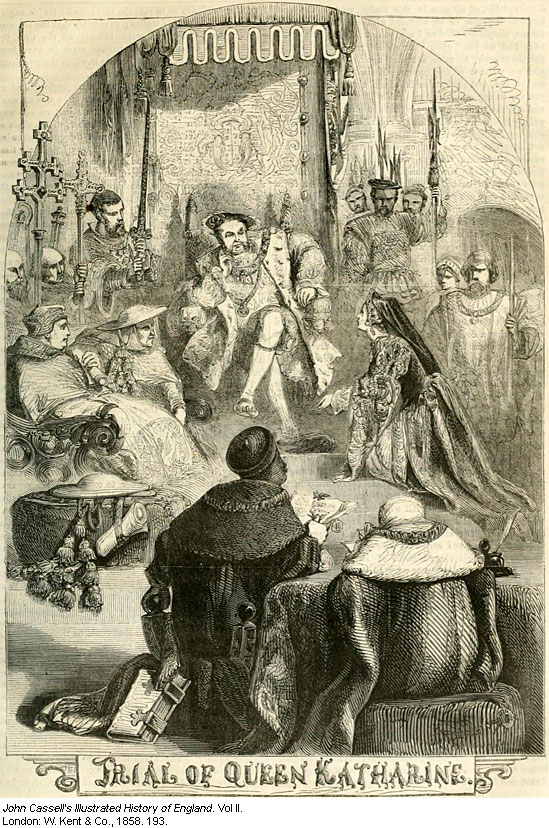


The Life Of Catherine Of Aragon


Shakespeare’s Katherine


Queen Katharine. Sir, I desire you do me right and justice;
Henry VIII, Act II, Scene iv.
And to bestow your pity on me: for1370
I am a most poor woman, and a stranger,
Born out of your dominions; having here
No judge indifferent, nor no more assurance
Of equal friendship and proceeding. Alas, sir,
In what have I offended you? what cause1375
Hath my behavior given to your displeasure,
That thus you should proceed to put me off,
And take your good grace from me?
Shakespeare treats Katherine as a living saint- kind, pious, and devoted to her husband, yet accutely aware of the manipulations of Cardinal Woolsey, and the lack of justice in her divorce trial. Just like in real life, Catherine leaves the trial and appeals to the Pope himself!
In her final scene, Katherine is dying on the island of Ely, having lost her crown, her husband, and her home. She is nonetheless still beloved by all in this world and the next. Shakespeare writes a dream sequence for Katherine, where she is visited by angels holding palm branches, signifying that Catherine will be welcomed into Heaven.
[The vision. Enter, solemnly tripping one after]
another, six personages, clad in white robes,
wearing on their heads garlands of bays, and golden
vizards on their faces; branches of bays or palm in
their hands. They first congee unto her, then
dance; and, at certain changes, the first two hold
a spare garland over her head; at which the other
four make reverent curtsies; then the two that held
the garland deliver the same to the other next two,
who observe the same order in their changes, and
holding the garland over her head: which done,
they deliver the same garland to the last two, who
likewise observe the same order: at which, as it
were by inspiration, Katherine makes in her sleep signs
of rejoicing, and holdeth up her hands to heaven:
and so in their dancing vanish, carrying the
garland with them. The music continues]- Stage Direction, Act IV, Scene ii.
References:
https://royalarmouries.org/stories/queen-katherine-of-aragon/
https://www.hrp.org.uk/hampton-court-palace/history-and-stories/katherine-of-aragon/#gs.l0hcd8
Sonnets and Tarot
The Weirdest History Show on YouTube

No, you aren’t hallucinating. This is a clip from the short-lived Warner Brothers kids cartoon show “Histeria,” an educational variety show, sort of like Horrible Histories or “Who Was.” This clip is a song about the life of Henry VIII.
The show was produced by Worner Brothers for the WB back in 1996. It starred many successful voice actors from other WB projects like Billy West (Renn and Stimpy), Tess McNeill (Tiny Toon Adventures), and Frank Welker (The current voice of Curious George). In addition, the show was created by Tom Ruegger, Executive Producer of Warner Animation, who also created Tiny Toons, Animaniacs, and Pinky and the Brain. Those of you who grew up in the 90s know that the WB occasionally sprinkled their shows with educational sketches especially with Animaniacs:
So the idea of using these creative people to create a show about history was not a bad one in and of itself. It could have been a modern-day Schoolhouse Rock. The problem is that the characters are TERRIBLE.While Tiny Toons had likeable characters who were the modern-day successors to classic Warner characters like Buster Bunny, Plucky Duck, and Hampton pig, Histeria has lame characters nobody knows or has any interest in like Froggo, World’s Oldest Woman, and Big Fat Baby. In addition, there is no through line to any of these sketches so it seems like a bunch of random skits. While the Animaniacs was about crazy weird characters trying to escape from the Warner Bros. lot, it seems unclear as to why these characters are talking to me about history.
In short, Histeria feels like a bunch of talented people were forced to make it, and they gave little thought to how to make it a popular series. Still, the animation is good, the voice acting is top-notch, and occasionally, the jokes land very well, and the songs are very catchy. Not surprisingly, my favorite song is this one, where the cast summarizes in song, all 37 plays of William Shakespeare:
https://tvtropes.org/pmwiki/pmwiki.php/WesternAnimation/Histeria
This video, of course, is about the life of Henry VIII.
What’s the deal with “Greensleeves?

I think I speak for most people when I say that when we first think of Shakespeare, aside from a few famous lines, and an image of a balding middle-aged man in a ruff, what usually comes into our heads are the haunting chords of this song:
This song has become the quintessential Elizabethan song, and the one we most readily associate with Shakespeare himself, but why? Even odder, why has this song, which as you will soon discover, is not exactly children-appropriate, has lent its tune to a popular Christmas carol?
Part 1: Birth of a ballad:
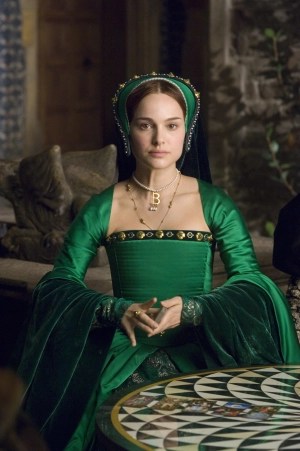
The popular myth is that this song was composed by King Henry the Eight himself, in his attempts to woo Anne Boleyn, his future second wife, future ex-wife, and mother to his daughter Queen Elizabeth I. As you can see in the photo of Natalie Portman in The Other Boleyn Girl, this myth has even extended to how we see Anne Boleyn in popular culture. The character Anne Boleyn even a reference to it in the musical “Six” in the video below. However, there’s no record that Henry wrote the song; the first published version was registered in 1580 and the text was likely written in 1566, which was 20 years after King Henry’s death.
Alas, my love, you do me wrong,
To cast me off discourteously.
For I have loved you well and long,
Delighting in your company.

Chorus:
Greensleeves was all my joy
Greensleeves was my delight,
Greensleeves was my heart of gold,
And who but my lady greensleeves.

Your vows you've broken, like my heart,
Oh, why did you so enrapture me?
Now I remain in a world apart
But my heart remains in captivity.

chorus

I have been ready at your hand,
To grant whatever you would crave,
I have both wagered life and land,
Your love and good-will for to have.

chorus

If you intend thus to disdain,
It does the more enrapture me,
And even so, I still remain
A lover in captivity.

chorus

My men were clothed all in green,
And they did ever wait on thee;
All this was gallant to be seen,
And yet thou wouldst not love me.

chorus

Thou couldst desire no earthly thing,
but still thou hadst it readily.
Thy music still to play and sing;
And yet thou wouldst not love me.

chorus

Well, I will pray to God on high,
that thou my constancy mayst see,
And that yet once before I die,
Thou wilt vouchsafe to love me.

chorus

Ah, Greensleeves, now farewell, adieu,
To God I pray to prosper thee,
For I am still thy lover true,
Come once again and love me.
Greensleeves is a ballad- a kind of traditional poetry that usually tells a sad story and follows a specific rhyme scheme. You’ll notice that not every line ends in a rhyme, which is part of the structure of the ballad. Ballads were published in collections and distributed among the countryside. Shakespeare actually dramatizes peddlers who sold ballads like Autolychus in The Winter’s Tale, who sold ballads for country folk to sing- a sort of 16th century Spotify:
Clown. What hast here? ballads?

Mopsa. Pray now, buy some: I love a ballad in print o'2145
life, for then we are sure they are true.

Autolycus. Here's one to a very doleful tune, how a usurer's
wife was brought to bed of twenty money-bags at a
burthen and how she longed to eat adders' heads and
toads carbonadoed.2150

Mopsa. Is it true, think you?

Autolycus. Very true, and but a month old.

Dorcas. Bless me from marrying a usurer!

Autolycus. Here's the midwife's name to't, one Mistress
Tale-porter, and five or six honest wives that were2155
present. Why should I carry lies abroad?

Mopsa. Pray you now, buy it.

Clown. Come on, lay it by: and let's first see moe
ballads; we'll buy the other things anon.
Autolycus. Here's another ballad of a fish, that appeared upon2160
the coast on Wednesday the four-score of April,
forty thousand fathom above water, and sung this
ballad against the hard hearts of maids: it was
thought she was a woman and was turned into a cold
fish for she would not exchange flesh with one that2165
loved her: the ballad is very pitiful and as true.

Dorcas. Is it true too, think you?

Autolycus. Five justices' hands at it, and witnesses more than
my pack will hold.

Clown. Lay it by too: another.2170

Autolycus. This is a merry ballad, but a very pretty one.
Mopsa. Let's have some merry ones.

Autolycus. Why, this is a passing merry one and goes to
the tune of 'Two maids wooing a man:' there's
scarce a maid westward but she sings it; 'tis in2175
request, I can tell you.

Mopsa. We can both sing it: if thou'lt bear a part, thou
shalt hear; 'tis in three parts.
Dorcas. We had the tune on't a month ago.
The maid and her green gown


During the period that the song was composed and the lyrics written, the sleeves of a ladies gown were detachable, fastened to the gown with laces. This meant that one pair of sleeves could be worn with a number of different gowns. The Lady Greensleeves in the song is inspired from the last line of the chorus “And who but my Lady Greensleeves”.
As the quote and the images above indicate, sleaves were detachable and interchangeable in this period, which means men could give them as gifts. One reason why I think the myth that this song is about Anne Boleyn endures is the fact that the lyrics mention several rich gifts that the male speaker of the song gives his indifferent beloved. It’s tempting to imagine Henry showering Anne with gifts as he attempts to make her his mistress and later his queen. This is also why the musical Six designed the costume of Anne Boleyn to have green cuffs.

The colour green stands here as a verbal and visual symbol of fecundity, so to think of a literal gown of green is a misunderstanding: ‘wearing the gown of green’ is a euphemism for the amorous act performed lying down on grass; and ‘winning the gown of green’ is a euphemism for becoming pregnant. This is the late 18th century and mid 19th century, and the cultural currency of words and phrases changes over time.
https://earlymusicmuse.com/greensleeves1of3mythology/
Part 2: Greensleeves in Shakespeare

1878 reprint of A Handful of Pleasant Delights, 1584.
but [his words] do no more adhere
“Merry Wives of Windsor,” Act II, Scene i.
and keep place together than the Hundredth Psalm to
the tune of ‘Green Sleeves.
Why do we associate this song with Shakespeare? Partially it has to do with the construction of the poem. Greensleeves is written in iambic pentameter– Shakespeare’s most frequently used form of poetry. In addition, as you can see from the reprint of the title page, Greensleeves is referred to as a sonnet, and Shakespeare was famous for his sonnets. For the record, the song is not a sonnet- a sonnet is 14 lines long and Greensleeves is 18 lines.
Crafting the carol
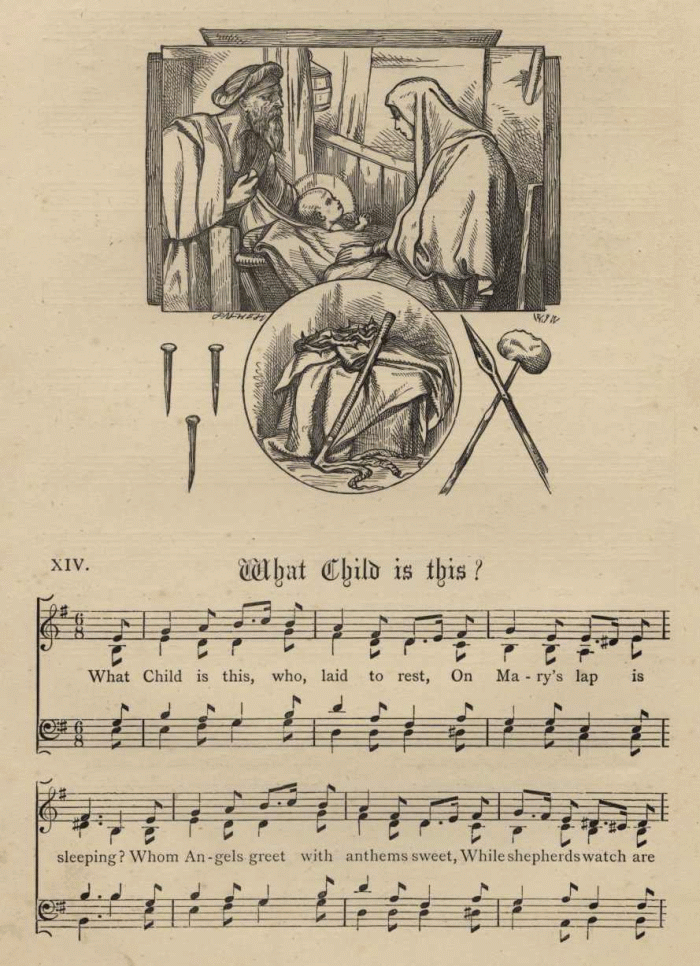

The words of “What Child Is This?” came from poet/ author William Chatterton Dix in 1865. According to
Stories of the Great Christmas Carols by June C. Montgomery and Kenon D. Renfrow, Dix wrote the lyrics as a poem called “The Manger Throne.” It’s unknown who chose to set the poem to “Greensleeves” but according to Montgomery and Renfrow, it was probably composer John Stainer, who is listed as the arranger of the carol in the first published edition of 1871.
1. What Child is this who, laid to rest
On Mary's lap is sleeping?
Whom Angels greet with anthems sweet,
While shepherds watch are keeping?

This, this is Christ the King,
Whom shepherds guard and Angels sing;
Haste, haste, to bring Him laud,
The Babe, the Son of Mary.

2. Why lies He in such mean estate,
Where ox and ass are feeding?
Good Christians, fear, for sinners here
The silent Word is pleading.

Nails, spear shall pierce Him through,
The cross be borne for me, for you.
Hail, hail the Word made flesh,
The Babe, the Son of Mary.

3. So bring Him incense, gold and myrrh,
Come peasant, king to own Him;
The King of kings salvation brings,
Let loving hearts enthrone Him.

Raise, raise a song on high,
The Virgin sings her lullaby.
Joy, joy for Christ is born,
The Babe, the Son of Mary.

It's likely that the popularity of the Christmas carol helped keep the tune alive, and then with the interest of folk songs in the 20th century helped generate interest in the tune itself. Since Greensleeves became the most popular 16th century song, it makes sense that it became associated with the most famous 16th century poet, and the most famously disasterous 16th century royal couple.
Sources
https://onthetudortrail.com/Blog/2011/08/23/dressing-anne-boleyn/
 The Shakespearean Student