What Does Shakespeare Say About Ireland 🇮🇪?

Happy St. Patrick’s Day! The Emerald Isle has long been a source of illumination for poet’s pens and Shakespeare was no exception. The Bard of Avon is indebted to Mother Ireland not only for the inspiration he took, but sadly for the pain he gave her back.

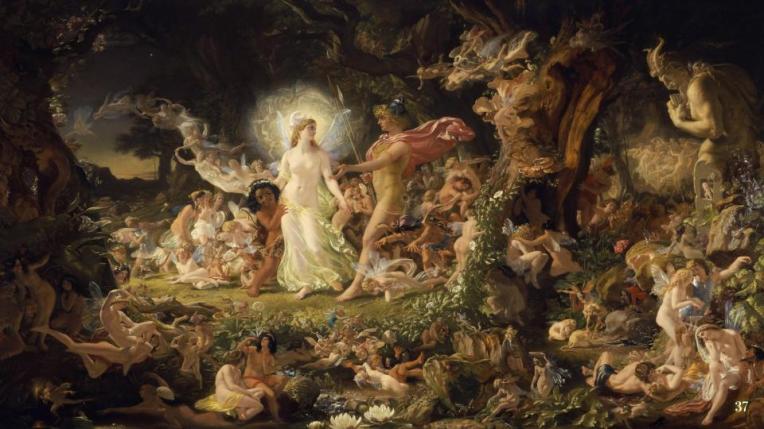
None of Shakespeare’s plays are set in Ireland, but he freely adapted elements from Irish folklore. English poet Edmund Spencer visited Ireland in the 1590s and adapted the folklore he picked up into his opera The Fairy Queen, which Shakespeare adapted into A Midsummer Night’s Dream

The Irish created and continue to tell many of the fairy legends and stories that we retell and adapt today. If you go to Lullymore park in Ireland, you can see a place that is essentially a “Fairy preserve.”
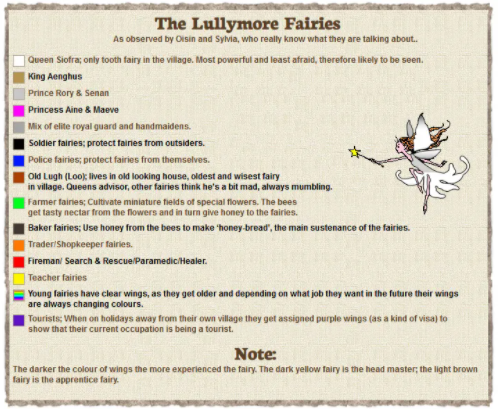
Types of fairies you can “spot” at the Lullymore Park in Ireland:

The old stories tell that Fairies are magical creatures who live in hollow places in the earth. Some are benevolent and help give rain and pleasant weather to the Earth, Like the king and Queen of the fairies, Oberon and Titania:

And the mazed world,
By their [the tides] increase, now knows not which is which:
And this same progeny of evils comes
From our debate, from our dissension;
We are their parents and original.

— Titania, (Queen of the Faries), A Midsummer Night’s Dream Act II, Scene i.
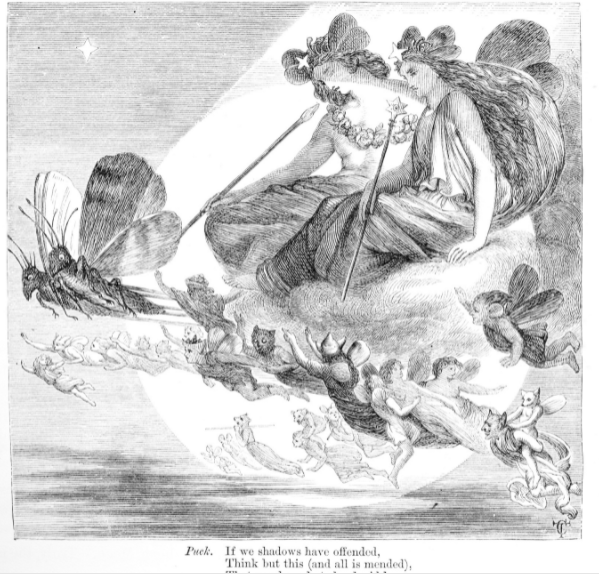
Titania in this speech shows great concern for nature, humanity, and the planet. She believes it is the responsibility of fairies, particularly herself and her husband Oberon, to control the elements and keep humans and fairies safe. Some fairies, however, are cruel and enjoy playing tricks on mortals, just like Puck in A Midsummer Night’s Dream, or Queen Mab in Romeo and Juliet.
.

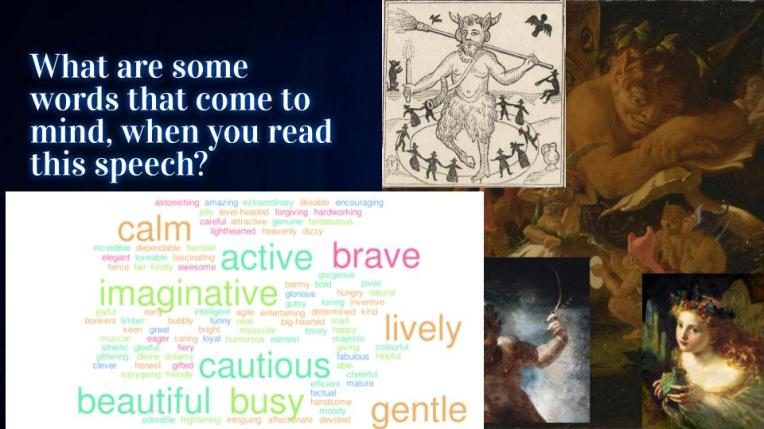
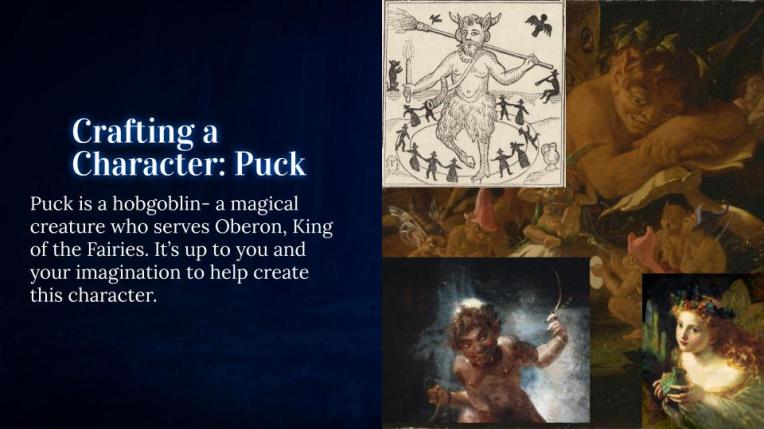
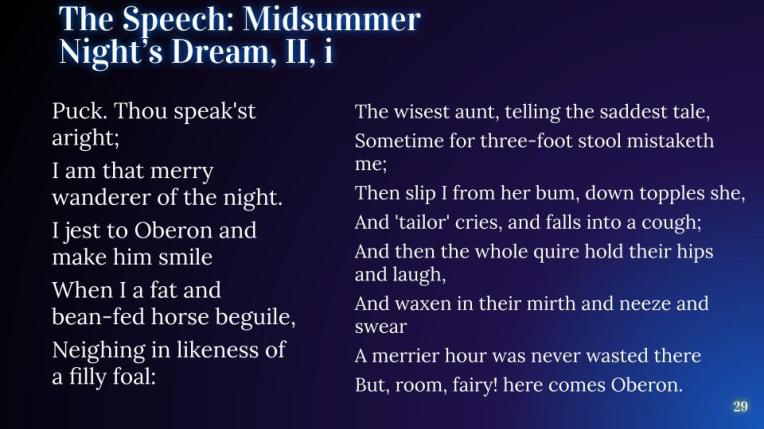
This is a short analysis I created of the tricks Puck plays on people in A Midsummer Night’s Dream, as part of my acting course on Ouschool.com. Note the different ways Puck is portrayed in photos as a satyr, a rotund elf, and sometimes as an almost- demon like figure.

Cringe-worthy Shakespeare: Shakespeare’s only Irish character, captain mcmorris in “Henry V”

When Shakespeare is racially insensitive towards people of color, the cringe-worthy writing is mercifully few and far between. With the exception of Aaron the Moor and Don Armada, there are only a few sporadic derogatory references to non-White Anglo-Saxon Protestants. Sadly though, Shakespeare might have permanently harmed the Irish through his character the Irish captain Macmorris in Henry the Fifth, his only Irish character.

According to The Irish Times, there is a longstanding stereotype that still exists in the British Isles that Irish people are violent, short-tempered, and essentially savages and Shakespeare might have invented this stereotype (or at least popularized it) when he wrote this scene from Henry the Fifth, Act III, Scene ii:

FLUELLEN
To the mines! tell you the duke, it is not so good
to come to the mines; for, look you, the mines is
not according to the disciplines of the war: the
concavities of it is not sufficient; for, look you,
the athversary, you may discuss unto the duke, look
you, is digt himself four yard under the
countermines: by Cheshu, I think a' will plough up
all, if there is not better directions.
GOWER
The Duke of Gloucester, to whom the order of the
siege is given, is altogether directed by an
Irishman, a very valiant gentleman, i' faith.
FLUELLEN
It is Captain Macmorris, is it not?
GOWER
I think it be.
FLUELLEN
By Cheshu, he is an ass, as in the world: I will
verify as much in his beard: be has no more
directions in the true disciplines of the wars, look
you, of the Roman disciplines, than is a puppy-dog.
Enter MACMORRIS and Captain JAMY
GOWER
Here a' comes; and the Scots captain, Captain Jamy, with him.
FLUELLEN
Captain Jamy is a marvellous falourous gentleman,
that is certain; and of great expedition and
knowledge in th' aunchient wars, upon my particular
knowledge of his directions: by Cheshu, he will
maintain his argument as well as any military man in
the world, in the disciplines of the pristine wars
of the Romans.
JAMY
I say gud-day, Captain Fluellen.
FLUELLEN
God-den to your worship, good Captain James.
GOWER
How now, Captain Macmorris! have you quit the
mines? have the pioneers given o'er?
MACMORRIS
By Chrish, la! tish ill done: the work ish give
over, the trompet sound the retreat. By my hand, I
swear, and my father's soul, the work ish ill done;
it ish give over: I would have blowed up the town, so
Chrish save me, la! in an hour: O, tish ill done,
tish ill done; by my hand, tish ill done!
FLUELLEN
Captain Macmorris, I beseech you now, will you
voutsafe me, look you, a few disputations with you,
as partly touching or concerning the disciplines of
the war, the Roman wars, in the way of argument,
look you, and friendly communication; partly to
satisfy my opinion, and partly for the satisfaction,
look you, of my mind, as touching the direction of
the military discipline; that is the point.
JAMY
It sall be vary gud, gud feith, gud captains bath:
and I sall quit you with gud leve, as I may pick
occasion; that sall I, marry.
MACMORRIS
It is no time to discourse, so Chrish save me: the
day is hot, and the weather, and the wars, and the
king, and the dukes: it is no time to discourse. The
town is beseeched, and the trumpet call us to the
breach; and we talk, and, be Chrish, do nothing:
'tis shame for us all: so God sa' me, 'tis shame to
stand still; it is shame, by my hand: and there is
throats to be cut, and works to be done; and there
ish nothing done, so Chrish sa' me, la!
JAMY
By the mess, ere theise eyes of mine take themselves
to slomber, ay'll de gud service, or ay'll lig i'
the grund for it; ay, or go to death; and ay'll pay
't as valourously as I may, that sall I suerly do,
that is the breff and the long. Marry, I wad full
fain hear some question 'tween you tway.
FLUELLEN
Captain Macmorris, I think, look you, under your
correction, there is not many of your nation--
MACMORRIS
Of my nation! What ish my nation? Ish a villain,
and a bastard, and a knave, and a rascal. What ish
my nation? Who talks of my nation?
FLUELLEN
Look you, if you take the matter otherwise than is
meant, Captain Macmorris, peradventure I shall think
you do not use me with that affability as in
discretion you ought to use me, look you: being as
good a man as yourself, both in the disciplines of
war, and in the derivation of my birth, and in
other particularities.
MACMORRIS
I do not know you so good a man as myself: so
Chrish save me, I will cut off your head.
GOWER
Gentlemen both, you will mistake each other.
JAMY
A! that's a foul fault.
A parley sounded
GOWER
The town sounds a parley.
FLUELLEN
Captain Macmorris, when there is more better
opportunity to be required, look you, I will be so
bold as to tell you I know the disciplines of war;
and there is an end.
Exeunt

Irish History and Shakespeare: The tempestous relationship between england and Ireland

The mayor and all his brethren in best sort,
Like to the senators of the antique Rome,
With the plebeians swarming at their heels,
Go forth and fetch their conquering Caesar in:
As, by a lower but loving likelihood,
Were now the general of our gracious empress,
As in good time he may, from Ireland coming,
Bringing rebellion broached on his sword,

Henry V, Act V Chorus

National Portrait Gallery painting of Robert Deveraux, 2nd Earl of Essex. Wikimedia Commons.
Robert Devereax, 2nd Earl of Essex (National Portrait Gallery)
Hugh, O’Neill, Earl of Tyronne

James Shapiro in his excellent book, A Year In The Life Of William Shakespeare, 1599, posits that contemporary affairs in Ireland might have inspired some of Shakespeare’s greatest plays in including Richard II, Henry V, and Julius Caesar. In 1594 the Earl of Tyrone began a rebellion in Ireland against the English, and in 1599, Queen Elizabeth dispatched the ambitious and chivalrous Earl of Essex to quell it. As you can see in the quote above, Shakespeare mentions Essex’s fight in his play of Henry V, which probably premiered at around the same time Essex was in Ireland.

The audience may have been watching Henry conquer France, but many would have been thinking about Elizabeth’s struggle to conquer Ireland.

BBC Radio 4 Extra – Shakespeare’s Restless World, Ireland: Failures in the Present – Transcript – Shakespeare’s Restless World – Programme 7

Though King Henry successfully conquered and united England and France, Essex failed spectacularly, and Elizabeth was deeply embarrassed by the whole scenario. She was also deeply alarmed by the popularity of Shakespeare’s tragedy Richard II, which shows onstage the deposing and killing of a king who had no children and failed to quell a rebellion in Ireland.

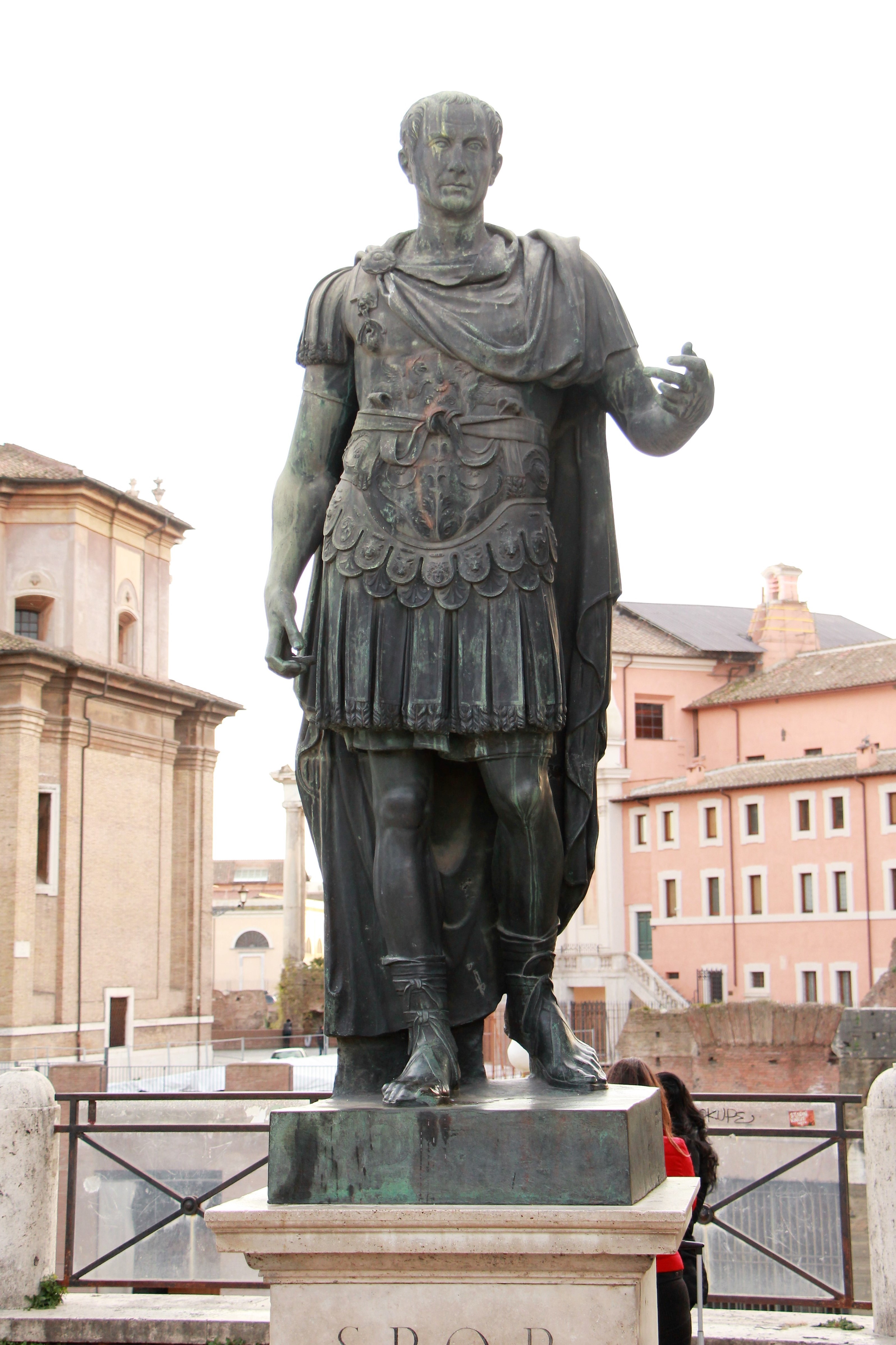
Elizabeth was worried about her subjects but she was also very worried about Essex overseas. Everyone, (including Shakespeare), remembered that 2,000 years ago, Julius Caesar went from him the Senate’s Consul General to dictator by amassing an army, then threatening to invade Rome under the pretense of helping to quell a foreign invasion. Caesar made his name by subjugating tribes in Gaul (modern-day France), and the Senate was worried that he would come home and use his army for a military coup. Look at the expressions on the faces of Cicero and Brutus when they see Caesar coming home in triumph in this scene from the HBO series Rome.

Elizabeth repeatedly attempted to curb Essex’s power while he was fighting in Ireland; she refused to give the Earl more troops for fear that he might be staging a potential coup. Her fears would later be proven right when in 1602, Essex attempted to head a rebellion and take the Crown for himself, but not before one of Essex’s friends commissioned Shakespeare’s company to portray the deposing and killing of King Richard II. Essex was trying to turn himself from a failed Henry V to a victorious Henry IV, and his queen into Richard II.

Left- deposition form the interrogation of Augustine Phillips, one of the actors in Shakespeare’s company about his company’s potential involvement with the Essex rebellion. Right- the hanging of Cinna the poet from Julius Caesar.

Shakespeare might have been inspired to write Julius Caesar after being an unwitting pawn in the political drama between Essex and the queen, and might have even created the character of Cinna the Poet as an analog for Shakespeare himself. In the play, Cinna the poet is mistaken for one of the conspirators by an angry mob and is murdered in the street. Perhaps Shakespeare created Cinna the Poet as a way of coping with the fear he must have had that people might mistake him for a radical, after his play Richard II briefly made him a walking target for those opposed to Essex’s rebellion. In any case, Julius Caesar eloquently documents the kind of anxiety of not knowing who could be trusted when it comes to politics, whether it be a populist warrior like Julius Caesar or Essex, or the Queen, privy council, or indeed Roman senate, and the whole thing started from a failed attempt to quell a rebellion in Ireland.

In summation, even though Shakespeare sets no plays in Ireland, Irish history and Irish culture are everywhere in his plays. England and Ireland are I are indeed separate islands but the cultural exchange between England and Ireland has inspired Shakespeare and many other great writers for centuries. After all Shakespeare’s most famous honorific, ‘the Bard of Avon’ comes from an ancient Irish tradition of semi-mystical poets, who in Irish folklore, were able to see the future and glimpse worlds that are unseen to ordinary mortals. What Shakespeare really felt about Ireland we don’t know but we do him but he does owe the Irish people a lot of thanks, and on this  Saint Patrick’s day, I honor their contribution to him and to him all the world

References:

Shapiro, James. A Year In the Life Of William Shakespeare, 1599. Chapter 6: Things Dying and Things Reborn.

https://www.bbc.co.uk/programmes/articles/3fLDRSY7r9rJhrVFWy99Mly/transcript-shakespeares-restless-world-programme-7

https://www.independent.ie/entertainment/theatre-arts/is-shakespeare-responsible-for-the-stage-irishman-34638347.html

https://www.irishtimes.com/culture/stage/what-ish-my-nation-shakespeare-s-irish-connections-1.2619173

Shakespeare on Riots

Today is March 15th, a day that history still bewares, because of the infamous day when armed, violent conspirators went to the Senate and attempted to overthrow elected rulers. For obvious reasons, this put me in mind of the heinous actions of another group of conspirators stormed another Senate and tried, unsuccessfully, to overthrow democracy.

January 6th, 2021 (which, coincidently, was Twelfth Night, one of my favorite Shakespeare-themed holidays), was a tragedy for multiple reasons. The protestors broke windows, destroyed furniture, defaced statues, broke into both chambers of Congress, and probably would have harmed lawmakers, in a violent protest of both the US presidential election and the Senate vote in Georgia that week.


Let me be clear, this was sedition and treason and everyone involved should be prosecuted to the full extent of the law. Anyone who says otherwise is blatantly attacking our cherished democracy, and spitting in the face of the rule of law. Unfortunately, Republicans in both chambers have been unwilling to condemn their actions for fear of alienating their base. If this is what the Republican party has come to, the party doesn’t deserve the name. A republic protects the right of the people to elect its representatives and dedicates itself to the peaceful transition of power. Left unchallenged, groups like this will bring anarchy and tyranny to our country.

How do I know this? Because it happened before. Shakespeare has long dramatized real historic events where people rise up against their governments (for better or worse). In all cases, whether protesting a famine, a war, or a cruel tyrannical usurper, the riots never accomplish anything except bringing chaos and bloodshed. Sometimes these ignorant rioters are goaded by charismatic powerful figures, but these upper-class characters are only exploiting the rioters, using their violence as a way to get power for themselves. So, let’s examine the language, tactics, and effects of rioters in three of Shakespeare’s plays: Julius Caesar, Henry VI Part III, and Sir Thomas More:

Example 1: Julius Caesar

George Ed Robertson Antony
(c) Hartlepool Museums and Heritage Service; Supplied by The Public Catalogue Foundation

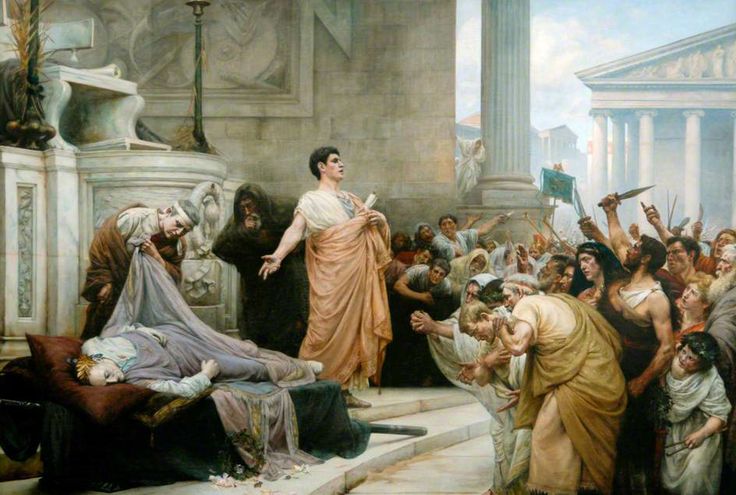
As I covered before in my “Friends, Romans, Countrymen,” post, during Antony’s famous funeral speech, he galvanizes the Roman crowd, first to mourn Caesar, then to revenge his death. How do they do this? By burning the houses of the conspirators and rioting in the street. They even kill a man just because he has the same name as one of the conspirators:

https://www.rsc.org.uk/shakespeare-learning-zone/julius-caesar/story/timeline

What does this violence accomplish? Nothing. Caesar is still dead. Brutus is still alive (though on the run). Antony merely wished to punish Brutus, and get the mob to hate him while he secretly cheats them out of their money. In Act Four, Antony becomes the de facto ruler of Rome because he leveraged his performance at the funeral, and uses his newfound powers to take money away from the citizens that Caesar promised to give them in his will. He manipulated them for his own purposes and duped them for political power.

Example 2: Jack Cade in Henry VI, Part ii.

Henry VI is the only king in English history to be crowned twice, deposed twice, and buried twice (Saccio 91). As the play begins, King Henry has already lost France, lost his mind, and lost the respect of his people. Around 1455, John Hardyng wrote a contrast between Henry’s father and himself. He laments that Henry the Fifth died so soon and then exhorts Henry to keep the quarrelsome lords in his government from warring among themselves.

Withstand, good lord, the outbreak of debates.
And chastise well also the rioters
Who in each shire are now confederates
Against your peace, and all their maintainers
For truly else will fall the fairest flowers
Of your great crown and noble monarchy
Which God defend and keep through his mercy.

(Excerpt from Harding’s Chronicle, English Historical Documents, 274).

Henry’s political ineptness was why Richard of York challenged his claim to the throne. Though Richard had little legal claim as king, he believed himself to be better than Henry.

In Shakespeare’s play Henry VI, Part ii, York tries to get the people’s support by engineering a crisis that he can easily solve. York dupes a man named Jack Cade to start a riot in London and demand that the magistrates crown Cade as the true king.

Biography of Richard, Duke of York, who challenged King Henry VI for his right to be king.

York and Cade start a conspiracy theory that Cade is the true heir to the throne and the royal family suppressed his claim and lied about his identity. Cade starts calling himself John Mortimer, a distant uncle of the king whom York himself admits is long dead:

The Royal National Theater’s production of Henry VI, Parts II, and 7. Jack Cade appears at about the 7-minute mark.
And this fell tempest shall not cease to rage
Until the golden circuit on my head,
Like to the glorious sun's transparent beams,
Do calm the fury of this mad-bred flaw.
And, for a minister of my intent,
I have seduced a headstrong Kentishman,
John Cade of Ashford,
To make commotion, as full well he can,
Under the title of John Mortimer.

Just like Cade and his rebels, the January 6th rioters were motivated by lies and conspiracies designed to crush their faith in their legitimate ruler. Even more disturbing, these rioters are pawns in the master plan of a corrupt political group. York doesn’t care that Cade isn’t the real king; he just wants to use Cade’s violence as an excuse to raise an army, one that he can eventually use against King Henry himself.

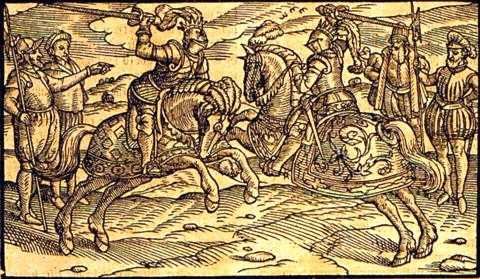
15th century woodcut from the War Of the Roses.

Similar to York’s lies and conspiracy-mongering, many Republicans have refused to accept the legitimacy of Joe Biden’s election, and some are actual proponents of Q Anon conspiracies!

A lot of Republicans deserve blame for fanning the flames of rebellion on January 6th, but arguably former President Trump deserves most of the blame. Even Rush Limbaugh admitted that Trump spread a huge amount of conspiracy theories without believing in any of them. He does this because he wants Americans to be afraid of imaginary threats that he claims he can solve. What’s easier to solve than a problem that doesn’t exist? Much like York, Trump tried to hold onto power by pressuring his supporters to pressure the Capital, feeding them lies about election fraud, and a secret democratic Satanic cult. Thus radicalized, they resolved to do what Cade’s mob did: “Kill all the lawyers.” Unfortunately, there are a lot of lawyers in the Senate.

As Dick the Butcher points out, most people don’t actually believe Cade is truly John Mortimer, they are just so angry at the king and the oppressive English government, that they are willing to follow him in a violent mob to take their vengeance upon the monarchy. This is why they try Lord Saye and execute him just for the crime of reading and writing! Similarly, the mob attacking the capital was made up of die-hard conspiracy adherents, and people just angry at the Democratic Party.

https://www.washingtonpost.com/technology/2021/01/20/qanon-trump-era-ends/

Like I said before, Cade and his mob is just a pawn in the machinations of York. Eventually the king’s enforcer, Lord Clifford convinces most of them to abandon Cade, and Cade himself dies a humiliating death- on the run from the law and starving, Cade is murdered by a farmer after trying to steal some food. After Joe Biden became the 46th President, many of the conspiracy group Q-Anon, who had many prominent members in the January 6th riot, began to disbelieve and abandon the conspiracies of the group. However, as this news story shows, some Q-Anon supporters are die-hard adherents and will never abandon their conspiracy theories, and some, like York’s supporters, are being recruited by other extreme groups. Sadly, as York shows, sometimes a riot is a rehearsal for another riot. In Shakespeare’s Henry VI, Part III, York finally amasses an army and challenges the Lancastrians in all-out war. Hopefully, the US government will hunt down and arrest these violent insurrectionists before they have the chance to do the same.

Example 3: Sir Thomas More

In the unfinished play “Sir Thomas More, a racist mob again attempts to attack London. This time they have no political pretenses; they want to lynch immigrants who they believe are taking English jobs. As I said in my “Who Would Shakespeare Vote For?” post, More’s speech is a perfect explanation of why this behavior cheapens and denigrated a country’s image, and weakens its ability to command respect from the rest of the world. Last time I posted a video of Sir Ian McKellen speaking this speech, but this time.. well just watch:

Why Among US Is Like “Macbeth,”

Intro game play video from “Among Us”

My family is quickly falling in love with the hugely popular online gaming sensation “Among Us,” which if you don’t know, is a strategy game similar to the game “Werewolf,” where a lone player, (known as The Impostor), tries to ‘kill’ a group of people without arousing suspicion. Just like the kids game in “Among Us,” whenever someone gets murdered, the others try to figure out the identity of the murderer.

The fun and drama of the game definitely comes from the paranoia that the players inevitably experience, not knowing whom to trust. Is the murderer over there? Was she the murderer? Is she lying about where she was just now? And most importantly, who is next?

Shakespeare’s Macbeth taps into the paranoia not just of people afraid of being murdered, but even the paranoia of the murderer himself!

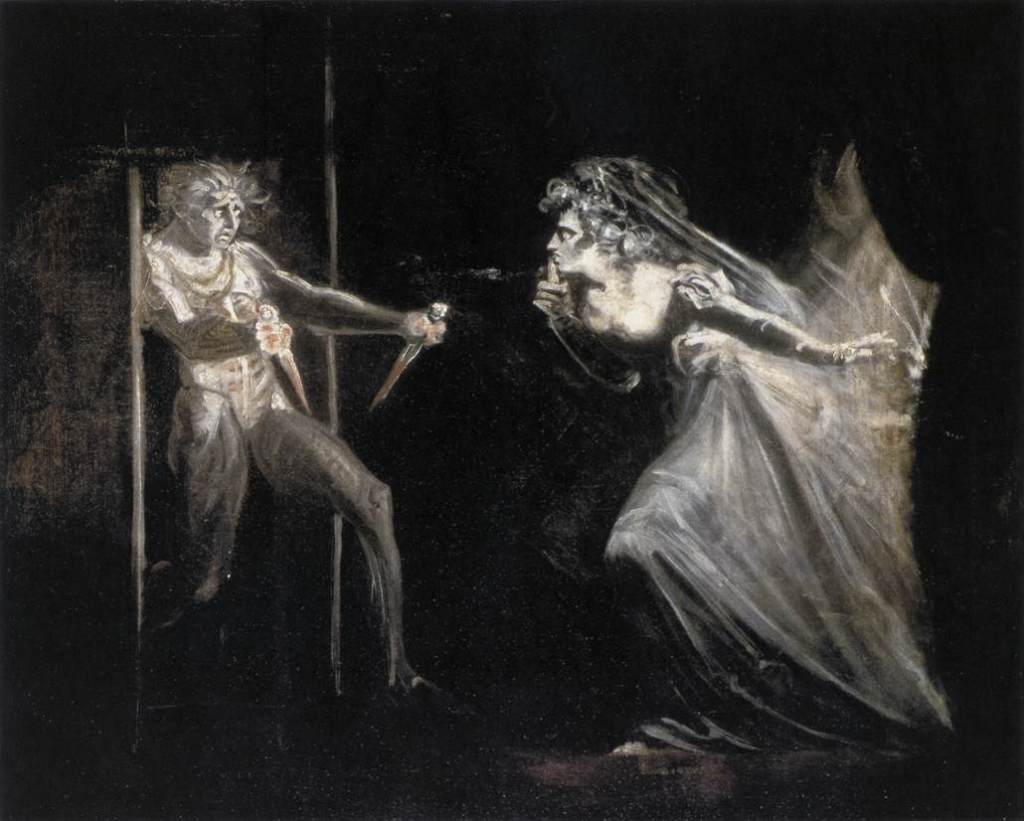
“Lady Macbeth and the Daggers” by Henry Fuseli, 1812.

Analysis of the scene: Act II, Scene iii:https://youtu.be/Pr4KmK9eXO0

Reddit thread comparing Among Us to Macbeth

After Macbeth kills the king and he and his wife cover up the blood, there is a council meeting where Ross, Macduff, Malcom, and Donaldbane try to figure out what happened. Macbeth and Lennox accuse the sleeping guards, but not everyone is sure. Watch this “interview” with the character Malcom, the crown prince, who suspects foul play: https://youtu.be/LIWjh59oBS4

While Malcom is nervous and suspicious, Lady Macbeth is the picture of composure, and grief (at least, while in public): https://youtu.be/yFJ5HYWdeMo

Macbeth’s strategy is pretty clever: blame someone else, then get them killed before anyone can question them. Very similar to the strategy I’ve seen impostors try in the game. In fact, there’s even a player who goes by the username: “King Macbeth.” He then justifies killing the guards by claiming that seeing them there threw him into a murderous rage, and he killed them to avenge Duncan’s death:


Macbeth
O, yet I do repent me of my fury,
That I did kill them.
Macduff
Wherefore did you so?
Macbeth
Who can be wise, amazed, temperate and furious,
Loyal and neutral, in a moment? No man.
The expedition of my violent love

Outran the pauser, reason. Here lay Duncan,
His silver skin laced with his golden blood;
And his gashed stabs looked like a breach in nature
For ruin’s wasteful entrance — there, the murderers,
Steeped in the colors of their trade, their daggers
Unmannerly breeched with gore. Who could refrain
That had a heart to love, and in that heart
Courage to make’s love known?

As a final bonus, here’s the entire play summarized through Among Us gameplay: https://youtu.be/HIp9MI5jpeI

Thanks very much for reading! If you liked this post, please consider signing up for my new “Macbeth” online class via Outschool.com. One really fun part of the class will be a quiz on “Macbeth,” inspired by Among Us!

Records of English witches

I’m giving a lecture Sunday about “Macbeth” and its relation to real magical traditions. Accordingly, I’ve looked up records of real witchcraft trials. Below is a database of cases from 1602-1635. “Macbeth” was supposedly written around 1605, so these cases are pretty close to the time period. It’s a fascinating, and sometimes gruesome look at the methods used to try people (mostly women) for an “invisible crime,” around the same time Shakespeare was dramatizing that crime onstage: http://witching.org/production/brimstone/detail.php?mode=city&city=London%20(Newgate%20Prison).

How to Throw a Fairies Themed Midsummer Night Dream Party (Quarantine Safe Edition)

Happy Midsummer everyone! Wednesday June 24rth is the Midsummer festival, which means as you go to sleep that night, I wish you all Midsummer Night Dreams! Before that though, I welcome you to party like it’s the court of King Oberon, and here are some ideas:

Background: What Are Fairies?

The story of Fairies has many authors that come from multiple folkloric traditions. The Greeks had nymphs, the Romans had cupid, and the English and Germans had…


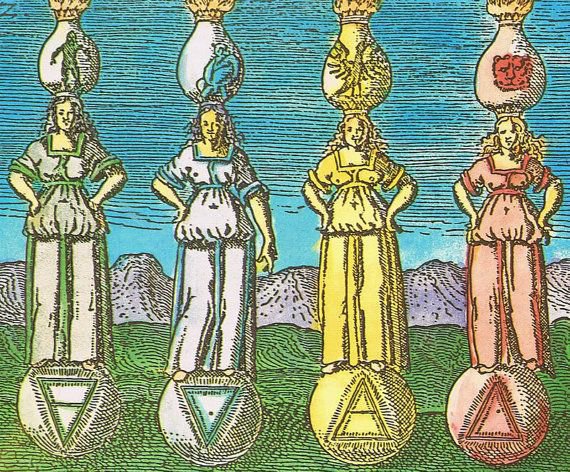
1.  According to Paracelsus, fairies are elemental spirits that help control the Earth’s four elements: Silfs (air), gnomes (Earth), Salamanders (fire), and  Undines (water).
2. In some versions, they are household creatures that interact with humans
3. Some cultures call them demoted Angels, not good enough for Heaven, but not bad enough for Hell.

So you can see there are lots of traditions that contribute to our modern concept of the fairy, and plenty of ideas to adapt into your party!

Part One: The Invitation:

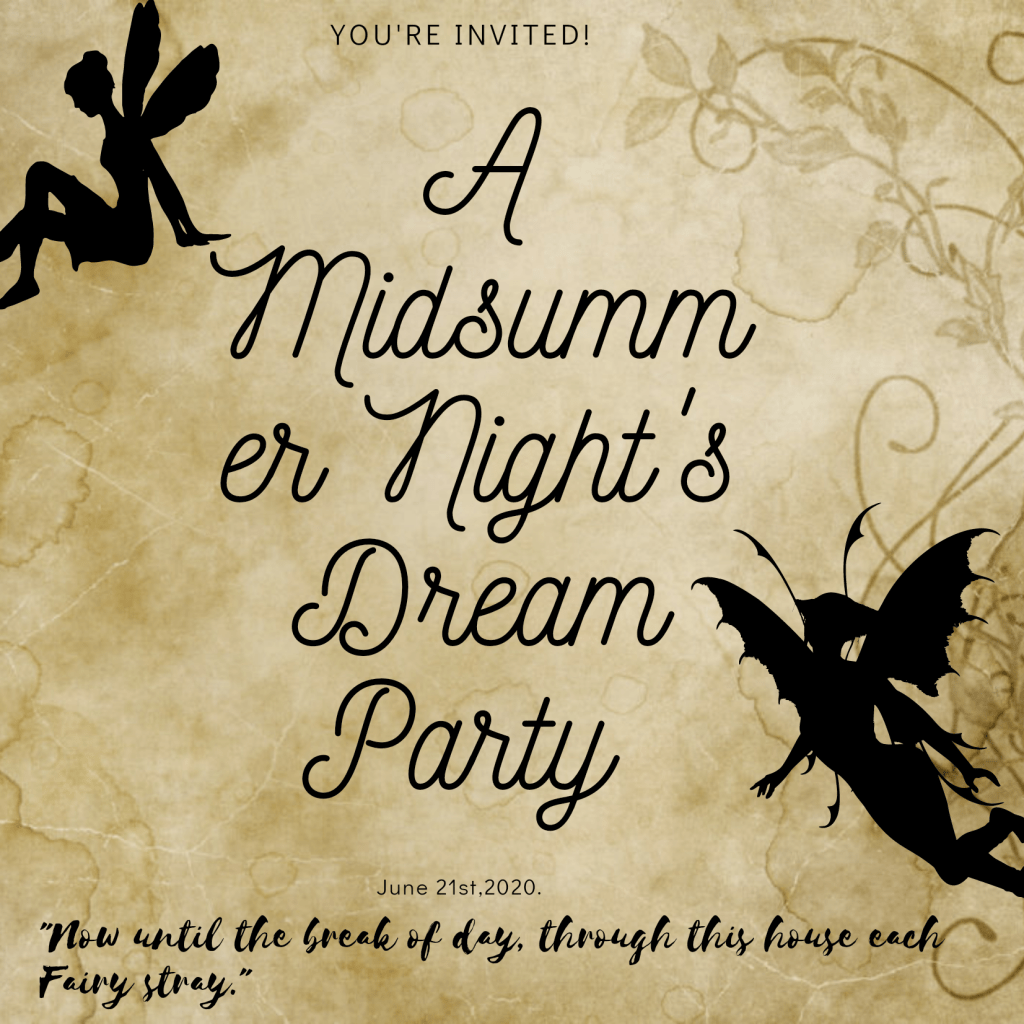
There’s a ton of free fairy clip art and fairy designs online. Below is an invitation I created for free with an app called Canva and a parchment background picture I found online.

1. Pixie invitations
2. Immortal Longings

Second card design I created on Canva.

You probably also know that I am a huge fan of the website Immortal Longings because of their excellent Shakespearean art and they sell cards too. You can buy the cards or download the pictures on their website.

Shakespearean Greeting Cards from Immortal Longings.com


Part Two: Decorations
Fairy

Fairy Dens Right now the Royal Shakespeare Company is making DIY Fairy decorations including a Fairy Den that you can share with your family and friends:

What is a Fairy Den? Fairies in folklore are closely tied to the Ancient Celts and Druids, who believed that Fairies live in hollow places underground. A fairy den is a homemade den that imitates the ancient fairy hollows.

Workshop on Fairy Dens and Fairy Lanterns: https://youtu.be/KC7CbPPIrjs

Fairy lights from IKEA

In addition to fairy dens, there are tons of fairy lights, fairy coloring books, and other fairy crafts you can find. Here is a fairy lantern my wife made using pickle jars!

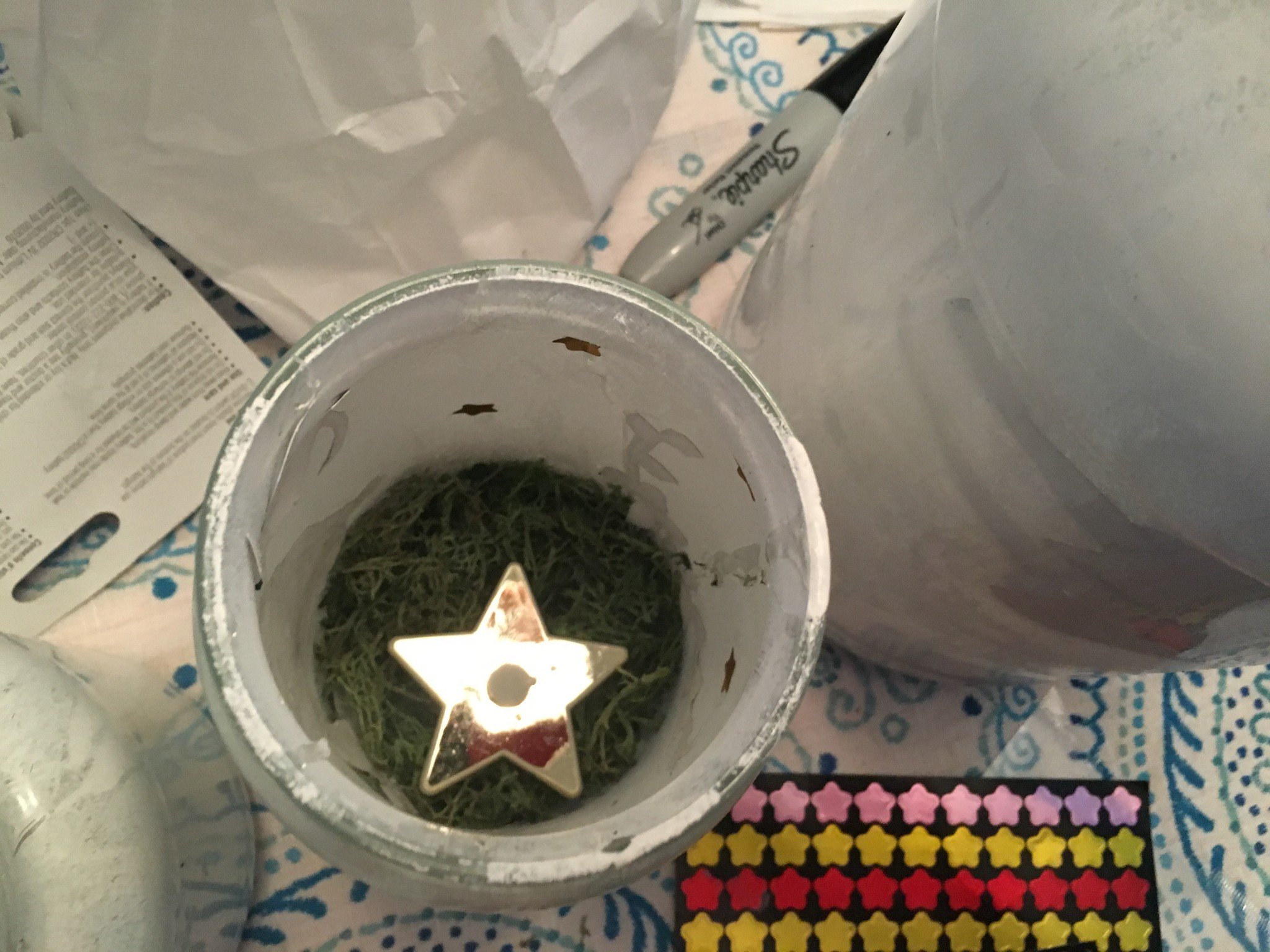
First paint the jars with white paint and cut out paper fairies to paste around the inside of the jar (we used tackey glue). You can also stick star stickers on the inside of the jars.
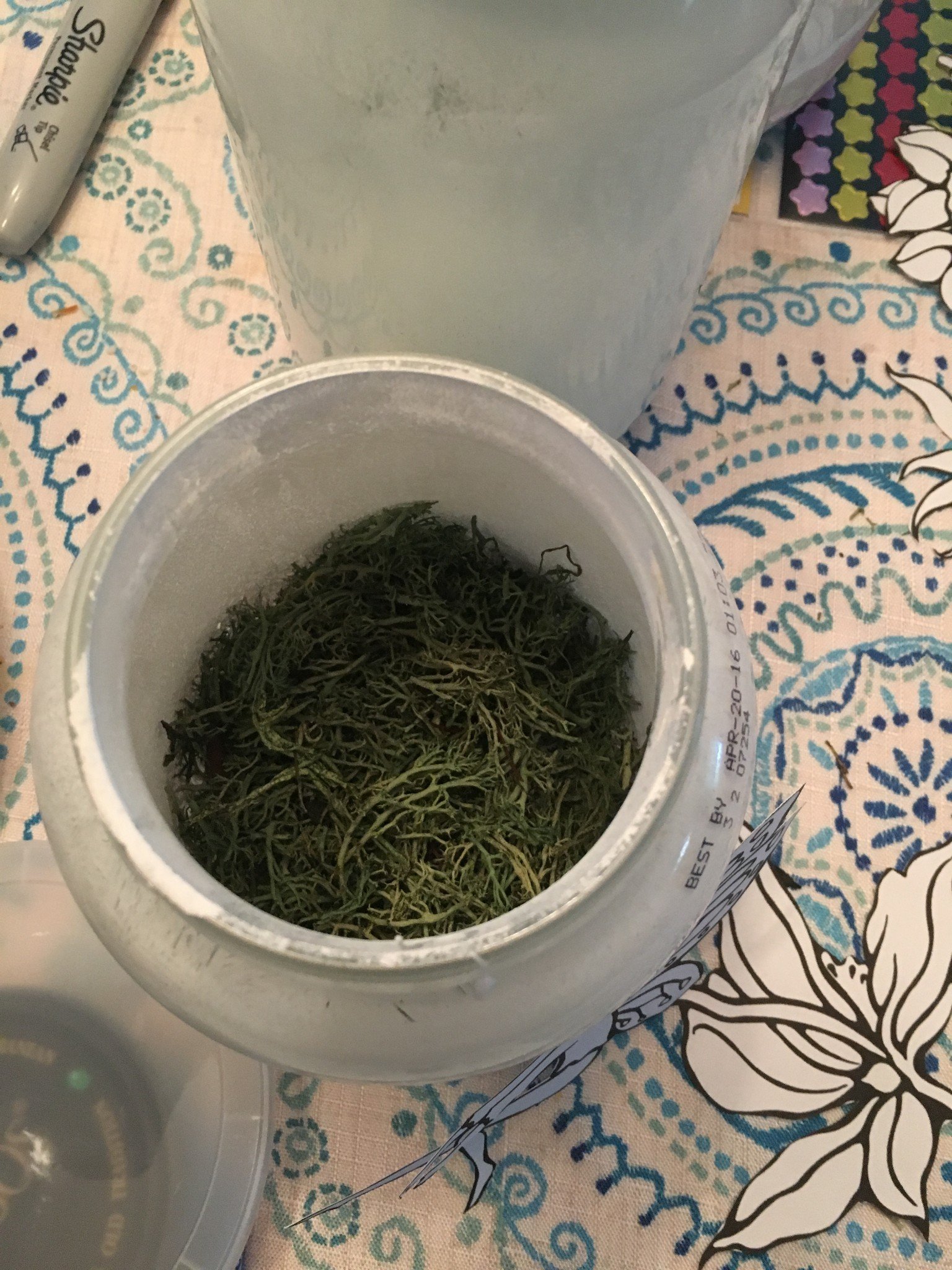
For added realism, you can glue fake moss to the bottom of the jar. We got this from our local dollar store.
Put a small battery powered LED light inside.
Turn on the LED lights and take the lanterns somewhere dark.
Detail of the fairy lights.


Part ThreeThe Feast

Since the Fairies in Midsummer are woodland spirits, almost any forest or camping themed recipes can be adapted. Here are some ideas that my wife and I made for our own fairy themed party.

Snail sandwiches

Hedgehog cheese ball.


Hedgehog cheese ball:

Fruit wands with yogurt dip


Dessert

Chocolate GardenCake from How to Cook That: https://youtu.be/JidhdxiSsnQ

Fairy bread: For those of you who don’t live in Australia or New Zealand, Fairy bread is white bread covered in

https://www.allrecipes.com/recipe/80934/fairy-bread/

Homemade Fairy bread


Music

  • Dance of the Sugarplum Fairies

Games

1.  Pin the tail on the Bottom.

2. Love potion: Similar to follow the leader or musical chairs. A group of people lie down and pretend to sleep. Then someone plays Puck by putting a real or pretend flower in one of the player’s hands. The Puck then yells “Awake,” and sets a timer or plays some music. The object of the game is for everyone to chase after the flower and get it before time runs out.

Costumes:

Make some printable donkey masks for Bottom, flower crowns for the fairies, and don’t forget your wings!

Well, that’s my advice, happy  Midsummer everyone!

Sources:
Tolkein, JRR. On Fairy Stories

I want to hear from you

Hello everybody.

Since most schools are still closed due to Covid 19, many parents, teachers, and students are learning online. In this time of crisis, I want to try and help, so I’m asking for advice from you on what Shakespearean resources you want me to make/ review on this blog:

  • What plays do you need resources for but can’t find?
  • Want to know if a site or app is any good? Let me know and I’ll review it!
  • Need lesson plans or study help? I’ll post some links.

For now, you can check out my activities teachers and student pages which includes lesson plans and ideas for specific plays, as well as reviews of educational apps and websites. You can also check out my plays of the month pages, which helps analyze plays for students and teachers.

Just today I found an activity for finding figurative language on the seesaw app:

https://app.seesaw.me/pages/shared_activity?share_token=Je7-nxHvQHK5Go_LcZ2qnA&prompt_id=prompt.9733ba76-b354-430c-981

7-0c97ab9ab217

This is just a start, I know, but I want this blog to help people enjoy and understand Shakespeare and if I can ease the burden of teachers and parents who are already struggling during this difficult time, I can think of nothing more worthwhile.

-Shakespearean student:

Email: shakespeareanstudent@gmail.com

Shakespeare On Epidemics

My purpose with this post is to provide some hope and comfort by showing how Shakespeare and other Elizabethans dealt with epidemics and survived. The thing to remember is, although we are dealing with a pandemic, we are still far better prepared for it than any time in history. Furthermore, I want to draw on lessons from the past to offer hope and wisdom for people going through an epidemic.

Side note: Shakespeare refers to several diseases in his plays including “The plague,” (Bubonic Plague), “The Pox,” (syphilis), “Dropsy,” (edema), and “Falling sickness,” (epilepsy). I will mainly focus on the plague because of its strong connection to both Shakespeare’s life and career, as well as the continuing anxiety it causes to this day. I am also focusing on the plague to try and make parallels with Covid 19, a disease that, while less lethal and harder to detect, is still a pandemic that like the plague has transformed much of daily life since its inception, and could continue to grow, abate, and revive if we as a society aren’t careful.


Shakespeare’s plays also frequently allude to plagues and plague imagery, especially his most famous play, Romeo and Juliet.

First of all plague is an important plot element; an outbreak of plague prevents Romeo from getting the message that Juliet is alive, so plague inadvertently kills them both.

Plague also serves as a motif for the destructive forces that lead to the play’s tragic conclusion. After Mercutio curses “A plague on both your houses,” his death sets the events in motion that kills most of the principal the characters, as if his curse somehow infected all of them with a deadly virus.

Immortal Longings Artwork for “Romeo and Juliet” by Elizabeth Schuh, used with permission.

https://www.slideshare.net/mobile/PaulHricik/the-universe-of-romeo-and-juliet-by-paul-hricik


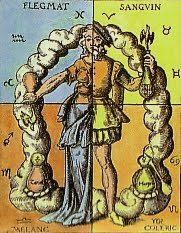
Shakespeare exploited a unique cultural knowledge of plagues to help his audience engage with Romeo and Juliet. If you click on the link to my presentation above, you’ll see that Elizabethans believed that four liquids called humors controlled health and behavior. A humorous man was someone who was out of ballance with the humours and thus was ridiculous for failing to control his emotions. The humor choler was associated with anger and in dangerous imbalances was thought to cause terrible fevers and even plague. Hence, when characters like Romeo and Tybalt get angry, his audience knew that one way or another, that anger will kill them.

Medieval illustration of the four humours. Top left to bottom right; Phlegm, Blood (Sanguine), Melancholy, (black bile), and choler (yellow bile).


Shakespeare also uses plague as a metaphor for the hate of the two families that infects and kills the young lovers, as well as Tybalt, Paris, and Mercutio.

The play was first published in 1595, two years after a plague outbreak so bad that the theaters were all closed, so Shakespeare’s audience had a visceral reaction to this plague imagery when they saw it in the theater, especially after a year of being quarantined away from the theaters because of that exact same disease!

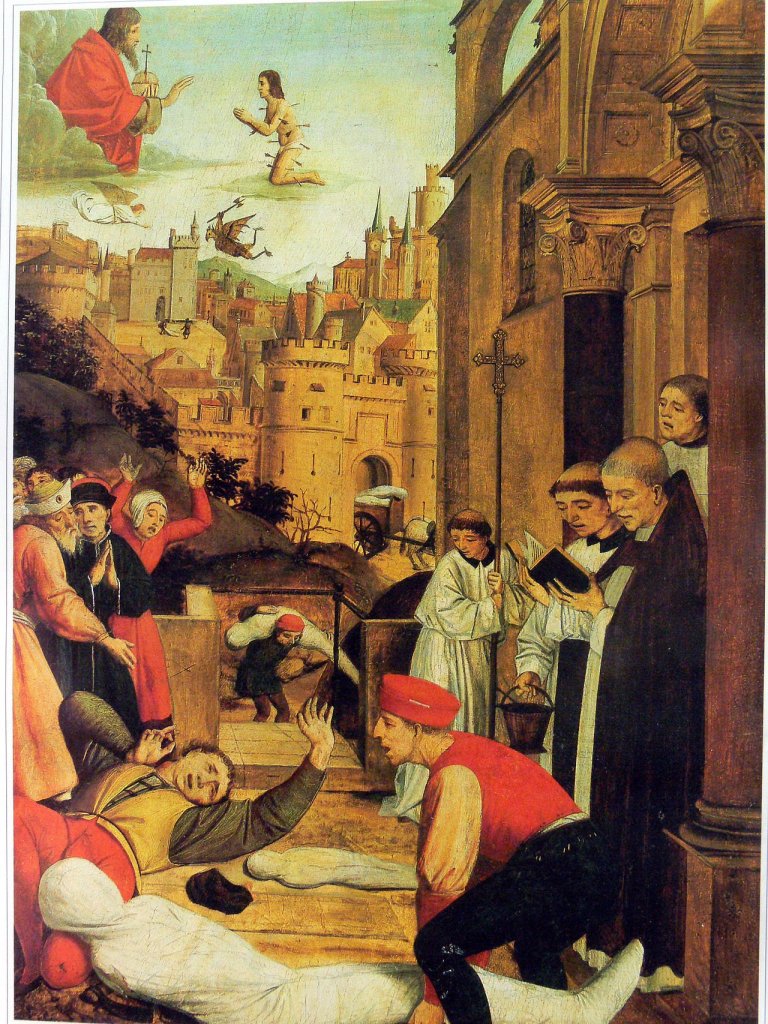
Saint Sebastian pleads with Jesus for the life of a gravedigger afflicted by plague during the Plague of Justinian. (Josse Lieferinxe, c. 1497–1499)

“Scourge and Minister”

Some of Shakespeare’s plays mention plague indirectly in relation to its perceived nature as a divine punishment. Since the very beginning of the plague,, writers, clergy, and many others perceived the plague as a divine punishment, designed to destroy the wicked, like the 10th plague in the Bible that decimated the enslaving Egyptians.

To “scourge oneself” is also a verb for whipping. In the 14th century, a group a people called the flaggelants, who voluntarily scourged themselves in the hope that God would end the disease as a result of their suffering.

Woodcut of flagellants (Nuremberg Chronicle, 1493).


Shakespeare uses both meanings of scourge in many of his plays. In Henry IV, the king is filled with remorse for usurping the throne from King Richard, and worries that his future progeny will become a scourge upon him:

I know not whether God will have it so,

For some displeasing service I have done,

That, in his secret doom, out of my blood

He’ll breed revengement and a scourge for me;

King Henry IV, Part I, Act III, Scene ii.

Sometimes a scourge is a person sent to destroy a sinful person or group of people. Shakespeare refers to the character of Richard III several times as a scourge upon the families who fought in the Wars Of The Roses.

In Shakespeare’s first cycle of four history plays, we see the families of York and Lancaster take turns usurping the throne, and committing numerous acts of murder, treason, and blasphemy. In the play that bears his name, Richard III kills the Yorkist royal family and then is murdered himself by Henry Tudor, systematically destroying the families of York and Lancaster. Thus, in Shakespeare’s propaganda version of history, he depicts Richard as a scourge who purges the throne of usurper and traitors, paving the way for the “virtuous,” Henry Tudor and his dynasty.

The ending shot of the BBC’s 1978 TV version of “Richard III.”

The Real Plague
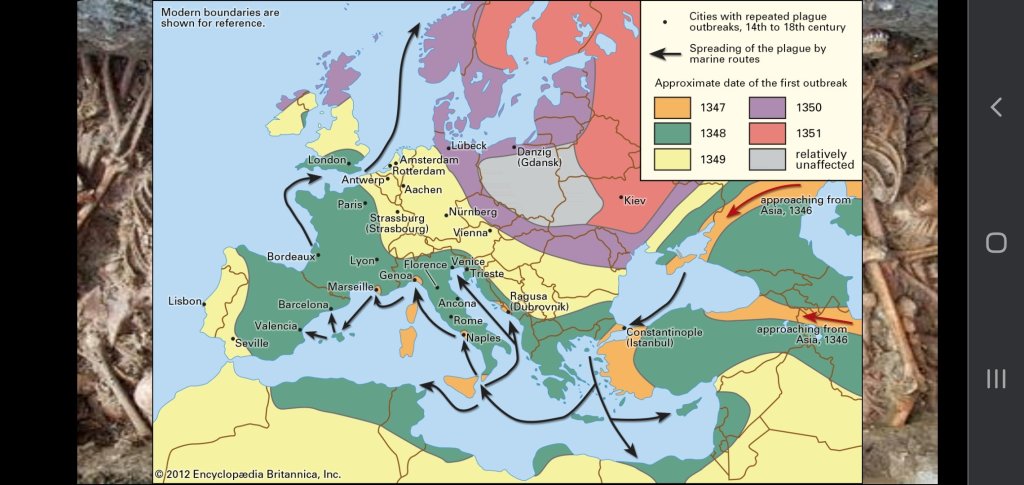
The black death, also known as Bubonic Plague, was first documented in 1347. Like Covid 19 it was first discovered in China, though it might not have originated there. Some historians argue that the Huns might have carried the plague into China and trade routes from the East carried it into Europe. By 1349 it reached England.


Everyone knew what to look for from those infected with the plague: first came fevers and chills. The next stage was the appearance of small red boils on the neck, in the armpit or groin. These lumps, were called buboes, (hence the term Bubonic Plague)

The buboes grew larger and darker in colour as the disease grew worse. From there the victim would begin to spit blood, which also contaminated with plague germs, making anyone able to spread the disease by coughing. The final stage of the illness was small, red spots on the stomach and other parts of the body caused by internal bleeding, and finally death.

We see death coming into our midst like black smoke, a plague which cuts off the young, a rootless phantom which has no mercy or fair countenance. Woe is me for the shilling in the armpit. . . It is an ugly eruption that comes with unseemly haste. It is a grievous ornament that breaks out in a rash. The early ornaments of black death.-Jevan Gethin, poet who died from plague in 1349.

Detail from The Temptation of St Anthony, 1512. Note the swollen buboes on the stomach, arms, and legs.

John Flynn, an Irish Friar described the plague in apocalyptic terms, writing a journal for posterity, but expressed doubt that ” Any of the race of Adam would even survive.” With the horrifying spread of the epidemic, it is not hard to understand why Flynn felt that way: In 1348, there were 100,000 people living in London, but after the plague spread, the city lost 300 people every day!

https://www.google.com/amp/s/www.history.com/.amp/news/quarantine-black-death-medievalContainment/ “treatments”Plague carts like in Monty Python (Dreary) carried plague bodies out of the city and burned them.
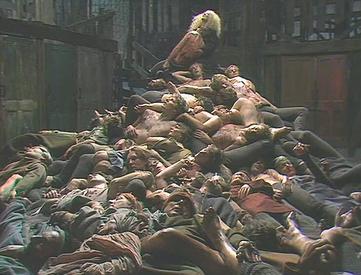
• In France, bodies were thrown in rivers (Deary)

  • Quarentines: The word quarantine is Italian for 40 days. It refers to the Venetian practice of taking suspected plague victims to an island for 40 days before allowing them to enter Venice or other populated areas. The rationale was that in the Bible, the number 40 occurs many times when a person or group of people require some form of purification; the 40 days of flooding in Genesis, the 40 years that the Jews journey to the promised land, and the 40 days of fasting Christ endured before he began his ministry to name a few examples. Bubonic plague has an incubation period of less than 40 days so the quarantine actually worked- people would go to the island, then the disease would run its course and not spread out as long as it was contained. The problem was that these quarantines were also essentially leper colonies and without treatment, the infected were basically sent to die.

Social distancing in Elizabethan England

By 1564, the year Shakespeare was born, there had been several outbreaks, but also a system designated to contain the disease. The rich went to the country. Plague bodies were burned. Theaters were closed to keep the disease from spreading. There were also body inspectors, (similar to coroner’s or death investigators today,) who inspected the bodies to look for the cause, then burned them and the clothes. Funerals for plague victims were held at night, to discourage crowds from attending, similar to our own practice of encouraging people to shop and go outside during non-peak hours.

Treating” it: The biggest comfort I can give here is to remind people that although like the plague, we are dealing with a disease with no known cure, we still have a much better understanding of how to treat viruses than our Elizabethan forebears. Some of the “cures,” from Shakespeare’s day are downright silly, when they aren’t expensive, dangerous, and above all, ineffective.

Real plague “cures”
• Kill cats and dogs
• A poultice made of Marigold flowers and eggs
• Arsenic powder (which is highly toxic)
• Crushed emerald powder.
• Pluck a chicken and place its rear end on the patient’s buboes, known as the Vicary Method.

To bring the aftermath of the plague into a modern context, I’d like to allude to some comments from the news. Recently a few Republicans have alluded that the cost of people staying home from work would cause irreparable harm to the American economy, and alluded to the notion that a few deaths might actually benefit the economy as a whole, including Texas Lieutenant Governor Dan Patrick and Republican pundit Glenn Beck.
Now at first glance these comments are gruesome and heartless, but they have a veneer of historical precedent: some people did prosper because of the black death. Laborers could charge more from their landlords simply because most of them had died, and some younger men managed to skirt the laws of primogeniture and inherit their families’ wealth because of the death of their oldest siblings. Shakespeare himself was the third child of Mary and John Shakespeare, but his elder siblings both perished due to plague. Again, to be fair to these Republicans, there is a historical facet to their arguments, however this is a very narrow and very incomplete version of history.


https://youtu.be/QNo-r20wqqg
Looking forward from the first century after the Black Death, the loss of life and resources was devastating for the workforce and caused a series of catastrophes for centuries to come. Though some peasants benefited from the lack of serfs, the depleted workforce meant work became harder and more expensive, and the coming centuries were plagued again by revolts, wars, and famine.

Wat Tyler, leader of the Peasants Revolt, rides out to negotiate with King Richard’s army.

Just 30 years after the first outbreak of plague in England, the peasants rose in revolt against their lords for the first time in 300 years, in no small part, due to the hardships caused by the plague.

Portrait of King Richard the Second

The king who punished the peasants was Richard Richard the Second, whom Shakespeare famously dramatized as an arrogant, egomaniacal, incompetent man-child who was eventually deposed and executed in the Tower of London. I think certain people who are tempted to “make sacrifices,” to protect the American economy would do well to look at this historical tragedy and avoid the political consequences of this kind of thinking.

In conclusion, though we are dealing with a frightening pandemic that we currently don’t know how to treat, we can take comfort from the fact that our forebears faced far worse diseases and survived. History has shown that social distancing works and that basic sanitation and the tireless work of healers and scientists can slow a disease, cause it to ebb, and eventually irradicate it. But until science discovers a treatment for Covid-19, it is up to all of us to flatten the curve for the sake of our country, world, and our future.

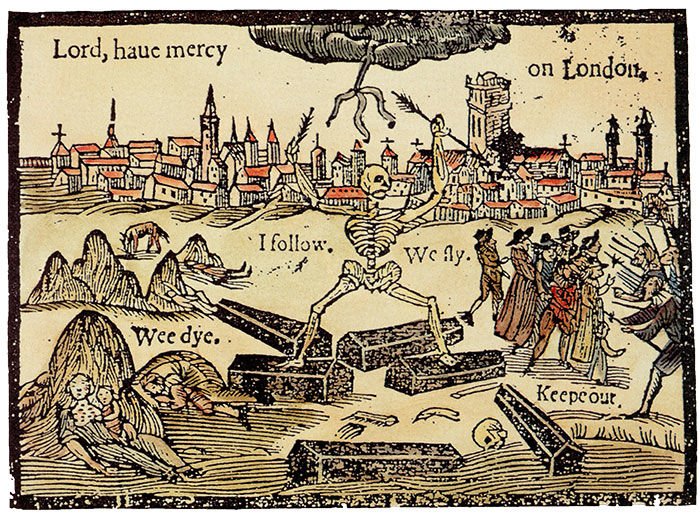
Plague woodcut. Note the wealthy people on the right who fled the plague, and the poor families dying on the left.

Like I have said, the working poor as a whole, suffered greatly because of the plague, especially since they were denied the means to avoid it. They lived in tightly packed, unsanitary environments and were unable to leave them without their lord’s permission, whereas we have a choice. This why it is crucial that we all do our part by staying away from crowds, observing proper hygiene, and offering support to our healthcare workers who are on the front lines of this war against coronavirus, and for whom we all pray for to stay healthy in turn.
Continue reading

Why Mean Girls Is Based On Julius Caesar

As you probably know if you subscribe to this blog, I love to review adaptations of Shakespeare, so imagine my delight when I realized that the classic teen comedy Mean Girls from 2004, (and the current Broadway show of the same name), is based on Julius Caesar! This movie doesn’t have Shakespearean dialogue or the names or locations, but the essence of the play is the same, albeit with a more modern ending.

https://www.broadway.com/videos/159888/backstage-at-mean-girls-with-erika-henningsen-episode-13-the-final-goodbye/#play

In Shakespeare’s play and Tina Fey’s script, the main antagonist is popular, and dangerous, and inspires fear and envy from everyone. Regina George and Caesar both rule their empires through their armies, intimidation, their wealth, and their supreme self-confidence. In addition, both names are associated with royalty- Regina in Latin means queen.
I didn’t realize that the movie has its roots in Julius Caesar until I saw this video from the YouTube channel The Take: https://youtu.be/FRfoEzZbK_Y. It was when I watched this video, that I realized Mean Girls character Janis was an analog for Shakespeare’s character Cassius, the man who sets the plot in motion to assassinate Caesar.

In the movie, Janis meets a well meaning girl and manipulates her into betraying Regina. Look at this clip where after Cady feels betrayed by Regina, Janis outlines her conspiracy, with a Roman sword in her hand! https://youtu.be/D0JMoa4QfA0

Like Cassius, Janis claims that once Regina is destroyed, the social order of the high school will change from a dictatorship to a democracy, but what she really wants is to supplant and replace Regina and make herself the new queen Bee. Even her name is a clue to her malevolent nature, she is named after the Roman god with two faces!

Sir Patrick Stewart as Cassius in the 1972 RSC production of Caesar

Similarly in Julius Caesar, Cassius convinces Brutus that once Caesar dies, Rome will be a republic again. In real life, Brutus was Caesar’s close friend, so Brutus agonizes over whether he is doing the right thing and whether he owes more loyalty to Rome, or his friend Caesar: https://youtu.be/IoDwXjKIenI

If Janis is Cassius, what about Brutus?

Cady Heron (played in the movie by Lindsay Lohan), is naive but intelligent. Like Brutus, she is manipulated and carefully chosen to betray the king. Janis chooses Cady because she’s pretty enough to get close to Regina, her looks are like social currency. Brutus’ social currency was his family: he was descended from the founder of the republic so he lent credibility to the conspiracy. He was also close in family to Caesar and Cassius.

In both stories once the monarch is destroyed, the power vacuum immediately starts to close; rather than change the social order, a new monarch arises. In Caesar, the second triumvirate takes over for the first, and Caesar’s nephew Augustus eventually becomes the supreme ruler of the Roman empire.

In Mean Girls, once Regina loses her social cache, Cady takes her place.

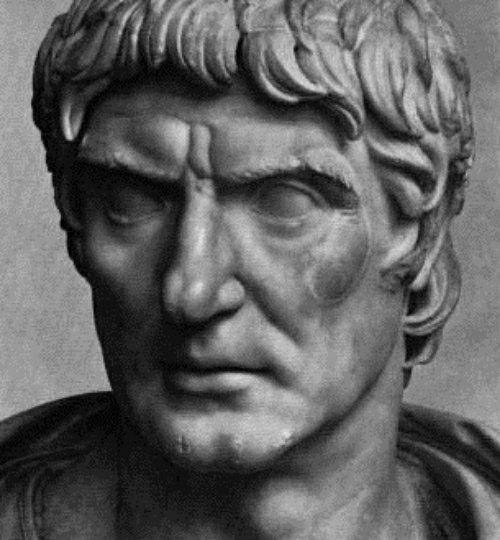
Then when Janis exposes Cady and Regina, she briefly basks in becoming a new Queen Bee- her revolution to overthrow a tyrant has paid off, bit now she is the tyrant herself. This actually mirrors the real Julius Caesar, who took power from the feared dictator Lucius Cornelius Sulla.

Bust of Sulla

Like Regina and her Burn Book, Sulla kept a list of people he saw as threats called the Proscriptions, only Sulla used it to execute the people on the list and seize their property. Caesar started his career as a populist soldier working for the Senate against Sulla and for the people, but became a dictator himself, the very thing he was sworn to oppose!

The movie does end on an encouraging note when the adults finally step up and address the terrible things that their students are doing, which has important lessons about bullying that every young person should see.

Tina Fey actually admitted that she herself was a Mean Girl in high school, so there’s a great deal of honesty when her character confronts the kids about the consequences of bullying each other.

Though the movie ends happily, the Cesarian parallels are not over; even though this high school has been democratized, the problems that created this Mean Girls autocracy remains. As you can see in the final minutes of the movie, a new crop of Plastics arrive just as the old group disbanded.https://youtu.be/LshX2God-wkIn four years when the regime changes again, will there be a new Caesar?

After rewatching clips from the movie, I realized that Tina Fey actually made a Caesar reference right there in the movie!

Mean Girls Clip- Gretchen quotes Cassius

In this clip, Gretchen is in English class, perfectly paraphrasing Cassius’ speech in Act I, Scene ii, even the part about Caesar being a colossus:

Cassius. Why, man, he doth bestride the narrow world

Like a Colossus, and we petty men

Walk under his huge legs and peep about

To find ourselves dishonourable graves.

Brutus and Caesar: what should be in that ‘Caesar’?

Why should that name be sounded more than yours?

Write them together, yours is as fair a name;

Sound them, it doth become the mouth as well;

Weigh them, it is as heavy; conjure with ’em,

Brutus will start a spirit as soon as Caesar.

Now, in the names of all the gods at once,

Upon what meat doth this our Caesar feed,

That he is grown so great? Age, thou art shamed!

Rome, thou hast lost the breed of noble bloods!

When went there by an age, since the great flood,

But it was famed with more than with one man?

When could they say till now, that talk’d of Rome,

That her wide walls encompass’d but one man?

Now is it Rome indeed and room enough,

When there is in it but one only man.

O, you and I have heard our fathers say,

There was a Brutus once that would have brook’d

The eternal devil to keep his state in Rome

As easily as a king. I.ii. 226-252.

Now I know Mean Girls is based more on a book and by Tina Fey’s own experiences than Shakespeare, but the point is that the next time you are bored and angry about having to read a play based on a guy who’s been dead for over 2,000 years, take a look at the lunch table next to you and you’ll see that things haven’t changed that much.

If you liked this post, please consider signing up for my online class, “The Violent Rhetoric Of Julius Caesar,”

The class breaks down some of the most famous speeches in Julius Caesar and gives you some tips and tricks on how to write persuasive speeches like Antony’s “Friends, Romans, Countrymen,” speech. Use these powers for good though, not to turn your school into a Mean Girls dictatorship! https://outschool.com/classes/84ee847d-19f3-45f8-9f25-81e688b8497d

There’s also a fully asynchronous version that you can do on your own time whenever you want:

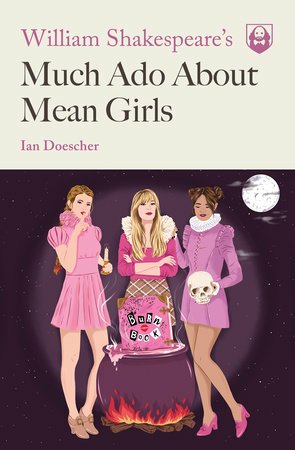
Finally, if you love Mean Girls and Shakespeare, check out Much Ado About Mean Girls by Ian Doescher, author of the William Shakespeare’s Star Wars trilogy.