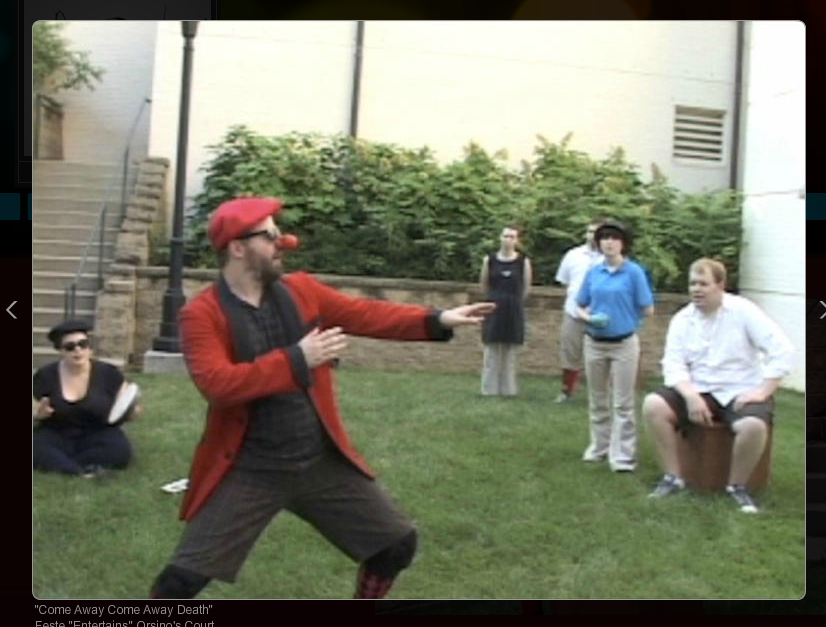
Shakespeare’s Fools

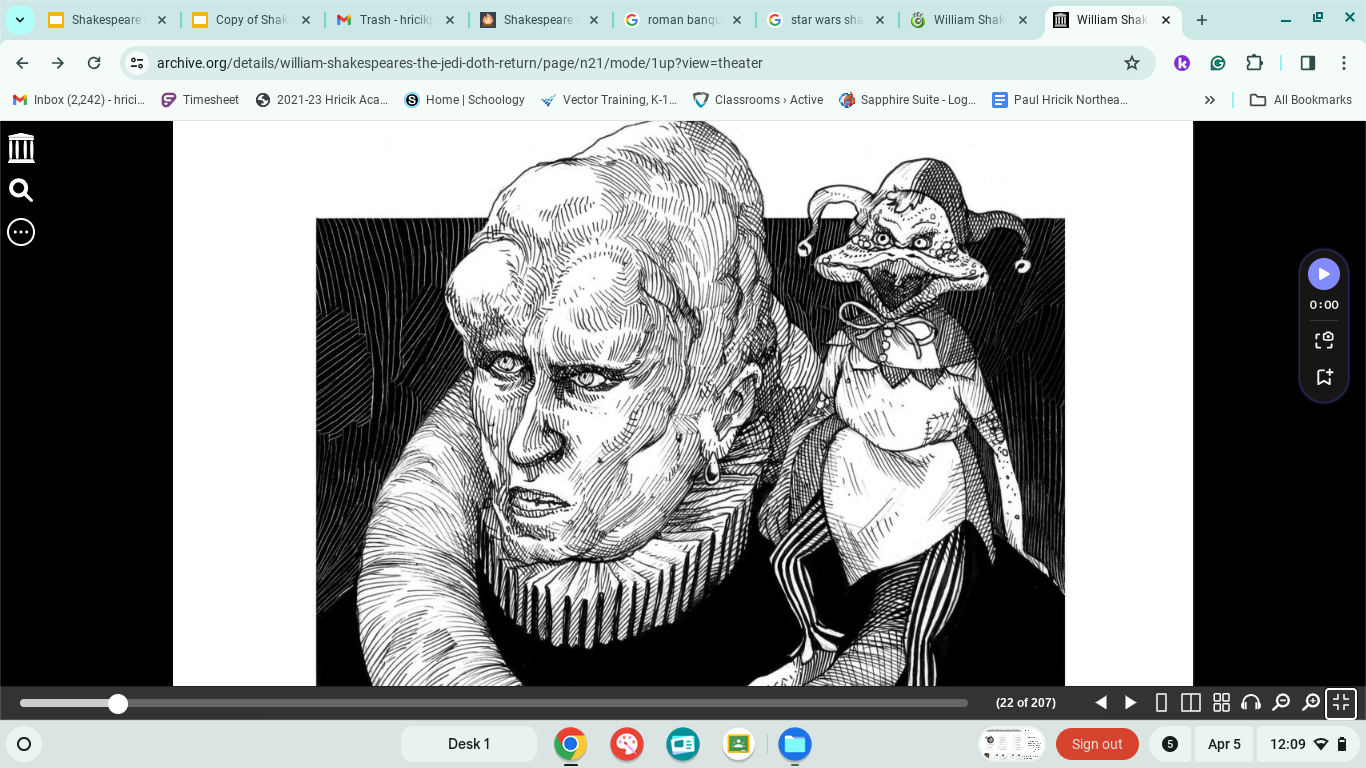
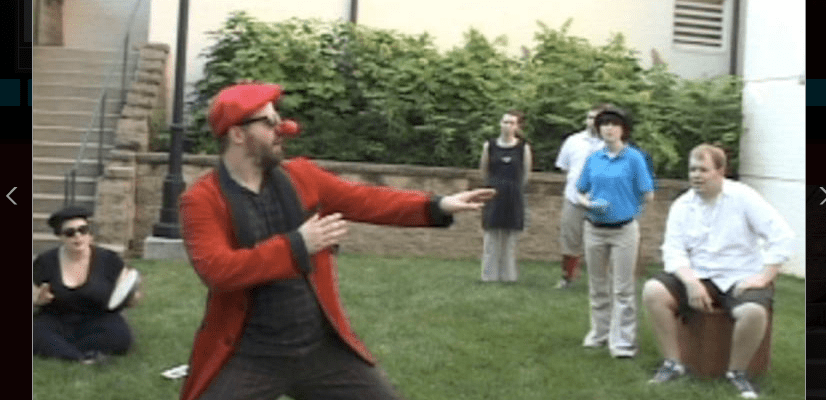
Happy April Fool’s Day! Today I’d like to look at the rich history of Shakespeare’s fools and clowns! Clowns are some of Shakespeare’s classic comic characters, but fools are complex characters that entertain, satirize, and even philosophize. They may dress the part, but they are no fools.

This clip from Mel Brooks’ comic masterpiece History of the World, Part I, has the writer/director perform as Comicus, a ‘stand-up philosopher’ from Ancient Rome- a philosopher who is basically a stand-up comic. As you’ll see, unlike clowns, most of Shakespeare’s fools basically fulfill this role- to satirize and make fun of people and institutions.

What Is A Fool?

Fools and clowns are based on medieval minstrels who, as this video from Monty Python’s Terry Jones shows, were itinerant entertainers who had to do a number of jobs including play music, dance, sing, compose poetry, juggle, and on occasion- START A WAR!

Fools Vs. Clowns

A fool is the renaissance version of a minstrel- an official royal entertainer who worked at royal courts. A clown is a comic part in a play. They often danced, sang, and did improv comedy. To illustrate the difference, here’s a short video about the life of Henry VIII’s favorite fool- Will Sommers

Foolish Founding Fathers

All of Shakespeare’s fools and clowns are based on ancient Italian sources-from the Roman comedies of Plautus and Terrence to the improvised comedy known as Commedia Del ‘ Arte

Short featurette documentary on the artform of “Commedia Del’ Arte” by The National Theater in London

Commedia is based on stock character types that Shakespeare adapted and fleshed out- Arlequinno became the constantly hungry Dromio, (among others), while Capitano became Falstaff and Pistol. Even Shylock has remnants of Brighella in his DNA. According to Dario Fo in his book: Manuale Minimodell’Attore, Shakespeare adapted stock characters from commedia to be his clowns, and sarcastic characters called sots, who commented on the action to become his fools (Fo, 107)

Will Kempe- Shakespeare’s First Great Clown

Despite his strength and skill as a dancer, Kempe specialized in playing oafish buffoons like Dogberry in Much Ado About Nothing, Falstaff in the Henry IV plays, and Peter in Romeo and Juliet. In the Second Quarto edition of Romeo and Juliet, you can see in the stage directions “Enter Will Kempe,” right before Peter speaks:

According to Will In the World by Steven Greenblatt, Kempe and Shakespeare had a falling out in the late 1590s, which many scholars have assumed might have been due to Shakespeare’s distaste for clowns wasting time with jokes that bogged down the play:

Hamlet:
Let those that play your
clowns speak no more than is set down for them. For there
be of them will themselves laugh, to set on some
quantity of barren spectators to laugh too. Though in the
meantime, some necessary question of the play be then
to be considered. That's villainous, and shows a most pitiful
ambition in the fool that uses it. Hamlet, Act III, Scene ii.

Kempe, for his part, seemed a little big for his britches; he and his fellow clowns seemed to think that Shakespeare's scripts were just vehicles for his own jokes and songs (Reynolds, 247). He then sold his share in the Chamberlain's Men, derriding them in print as "My notable Shake-rags," and then staged a publicity stunt where he danced across England!

1600-1613: The Golden Age Of Foolery
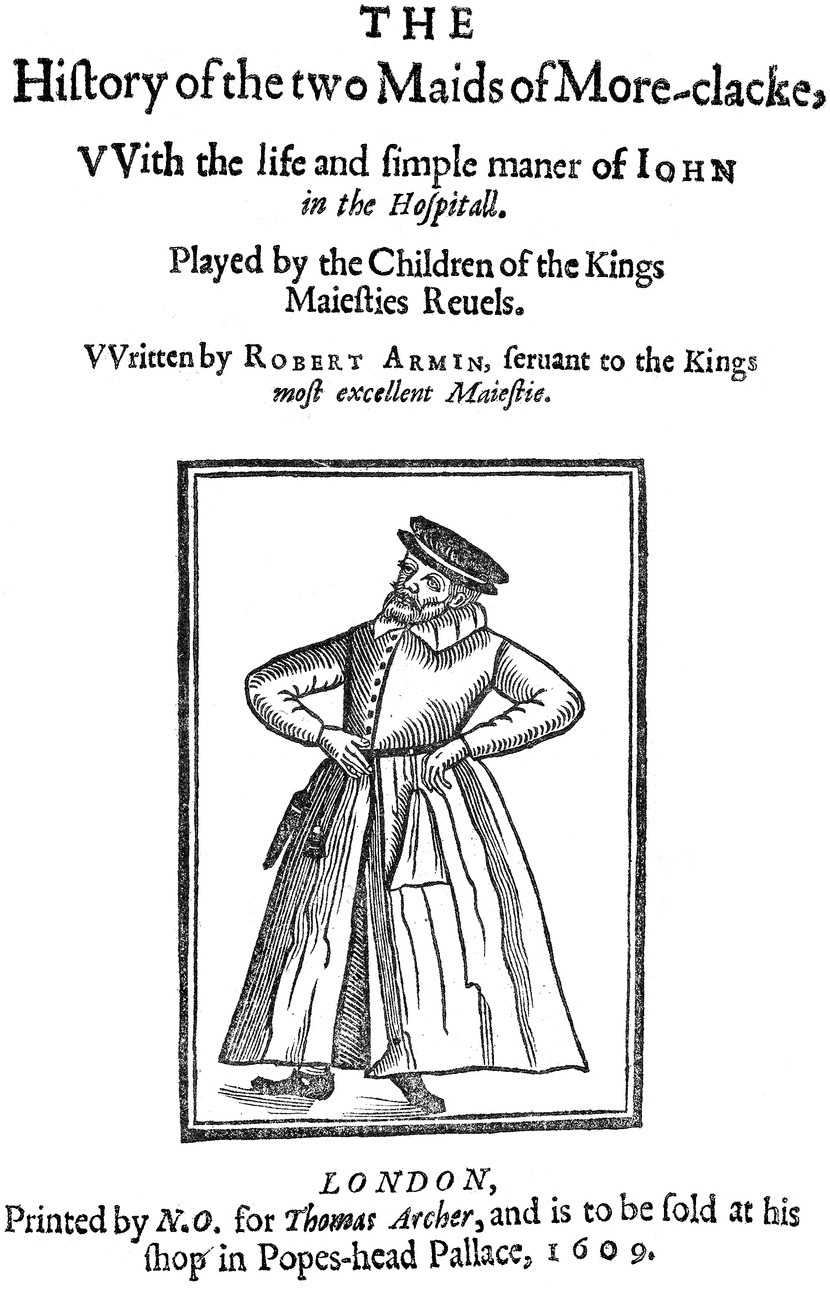
Kempe’s replacement was Robert Armin, an accomplished writer and singer, who specialized in playing satirical Fool roles. Armin appeared in several Shakespearean plays after 1599.

Unlike Kempe, Armin’s characters are essential to the plot of the play, and his jokes support the themes and ideas of the plays themselves. As Feste in Twelfth Night, Armin makes jokes that make fun of the overly-serious Orsino and Countess Olivia:

Feste. Good madonna, why mournest thou?
Olivia. Good fool, for my brother's death.
Feste. I think his soul is in hell, madonna.
Olivia. I know his soul is in heaven, fool.
Feste. The more fool, madonna, to mourn for your brother's
soul being in heaven. Take away the fool, gentlemen. Twelfth Night, Act I, Scene v.
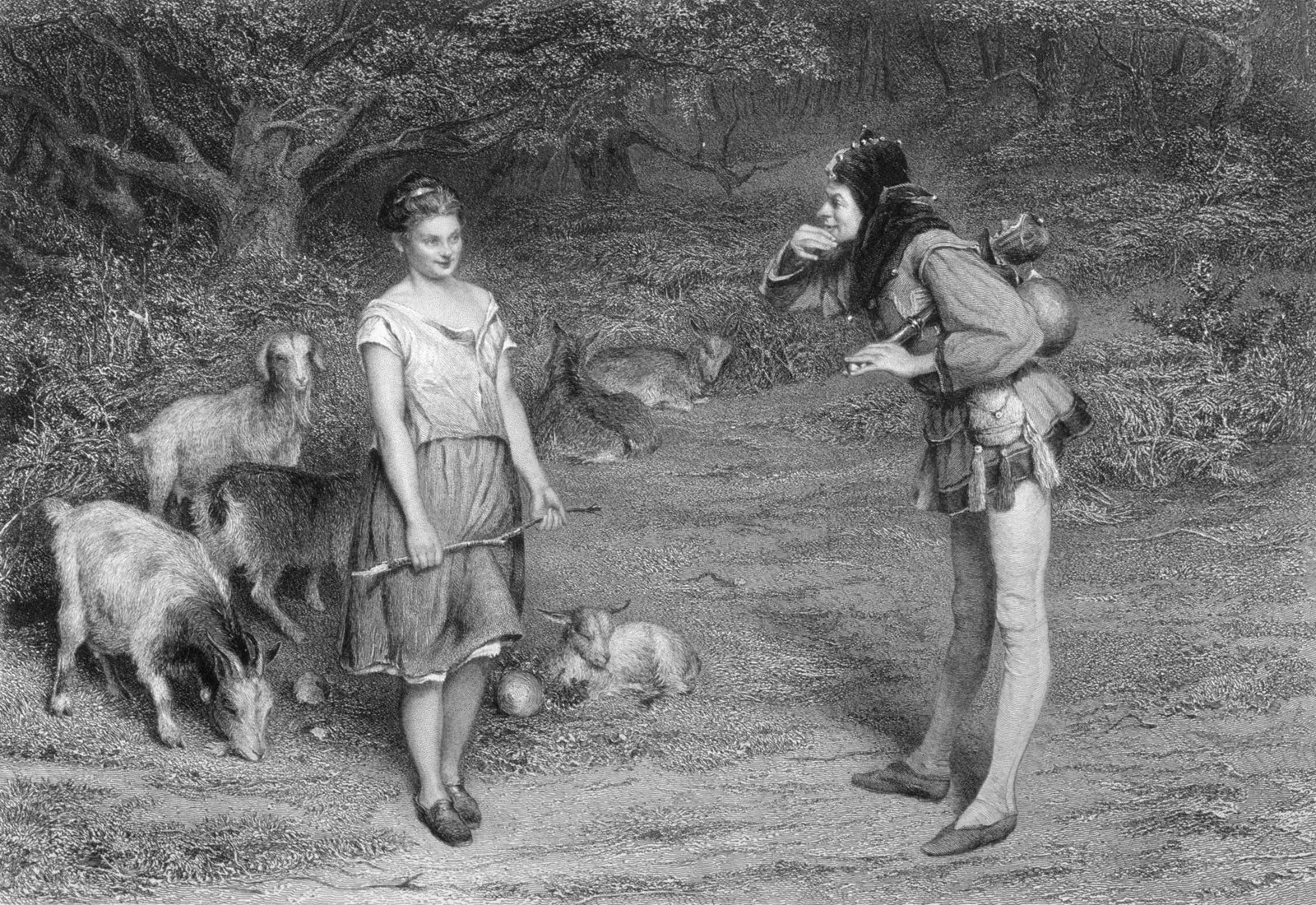
Touchstone in “As You Like It”

Sometimes Armin’s characters are satirical mirrors of Elizabethan society; in As You Like It, Touchstone the Fool mocks the culture of dueling; implying that there are hundreds of loopholes that a gentleman may use to challenge a man to a duel, without actually fighting.

  • Touchstone I did dislike the cut of a certain
    courtier’s beard; he sent me word, if I said his beard was not
    cut well, he was in the mind it was. This is call’d the Retort
    Courteous. If I sent him word again it was not well cut, he would
    send me word he cut it to please himself. This is call’d the Quip
    Modest. If again it was not well cut, he disabled my judgment.
    This is call’d the Reply Churlish. If again it was not well cut,
    he would answer I spake not true. This is call’d the Reproof
    Valiant. If again it was not well cut, he would say I lie. This
    is call’d the Countercheck Quarrelsome. And so to the Lie
    Circumstantial and the Lie Direct.
  • Jaques (lord)And how oft did you say his beard was not well cut?
  • TouchstoneI durst go no further than the Lie Circumstantial, nor
    he durst not give me the Lie Direct; and so we measur’d swords
    and parted.

The Fool in “King Lear”

Perhaps Armin’s greatest comic creation was The Fool in King Lear; the ultimate satirist who makes fun of the king’s foolish choices. He tries to talk sense to the increasingly mad king, until he vanishes entirely, and Lear himself starts making fool-like cracks at the audience:

Lear Thou hast seen a
farmer's dog bark at a beggar?
Earl of Gloucester. Ay, sir.
Lear. And the creature run from the cur? There thou mightst behold
the great image of authority: a dog's obeyed in office.
The usurer hangs the cozener.
Through tatter'd clothes small vices do appear;
Robes and furr'd gowns hide all. Plate sin with gold,
And the strong lance of justice hurtless breaks;
Arm it in rags, a pygmy's straw does pierce it.
None does offend, none- I say none! Get thee glass eyes
And, like a scurvy politician, seem
To see the things thou dost not. King Lear, Act IV, Scene vi.

Through realizing his own foolishness, Lear recovers his sanity, and makes peace with his daughter, which beautifully shows the importance of fools, clowns, and satirists; to question ourselves, to sharpen our critical thinking, and to endure hardships with good humor. Therefore on this April Fools Day, I say,

“Here’s to the fools, to folly, to farce. Let them push the wealthy on the ar— APRIL FOOLS!”

References

Best, Michael. “Shakespeare’s Actors: Will Kempe” Internet Shakespeare Editions, University of Victoria, 28 Sept. 2016, ise.uvic.ca/Foyer/citing. Accessed 30 Sept. 2023.

Fo, Dario. Manuale Minimodell’Attore (English: “The Tricks Of the Trade” Translated by Joe Farrell, 1991. Accessed online at Google Books: https://www.google.com/books/edition/The_Tricks_of_the_Trade/akEJ9Ew9GaoC?hl=en&gbpv=1. 29 March. 2023.

For more tomfoolery

I teach a class specifically on Shakespeare’s comedies where I’ll talk a lot about the way Shakespeare writes clowns. I’ll also delve into the history of Commedia Del’Arte and how it influenced Shakespeare’s characters! For more information, visit http://www.outschool.com

Summer Shakespeare Courses!

As a parent, I know it’s hard to keep kids occupied during the summer. That’s why I have classes on Shakespeare’s life, Romeo and Juliet, and my celebrated Stage Combat class! Sign up now for all the fun on Outschool.com!

Shakespeare and Star Wars

Class Description: Using self-paced online activities, your child(ren) will compare the plot and characters of Star Wars to Shakespeare’s plays. We will also discuss Shakespeare’s writing by looking at “William Shakespeare’s Star Wars” by Ian Doescher.

Romeo and Juliet Murder Mystery

Course Description: A flexible schedule class that teaches kids the plot and characters of “Romeo and Juliet,” in the context of a detective story where you solve the mystery of the young lovers’ deaths.

Course Descriptions

How to Write Like Shakespeare: Learn the basics of iambic pentameter, sonnet form, and Shakespeare’s dramatic structure, and practice writing Shakespearean speeches.

Exciting News!

Our friend Puppet Shakespeare will finally get to host a series of classes for kids!

I’m working on a Harry-Potter inspired course that teaches science with a magical flavor. I’m also working on a Shakespeare for children course. Stay Tuned!

Special Summer Discount:

Get $10 off 9 of my self-Paced classes with coupon code HTHES9NN3T10 until Jul 31, 2025. Get started at https://outschool.com/classes/wizard-astronomy-101-self-pace-edition-UXdoTEzQ and enter the coupon code at checkout.

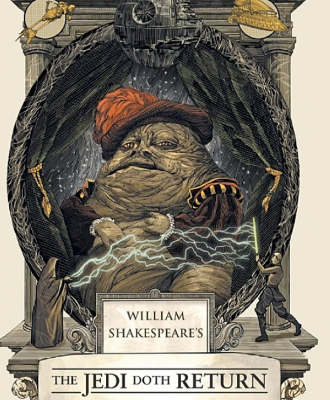
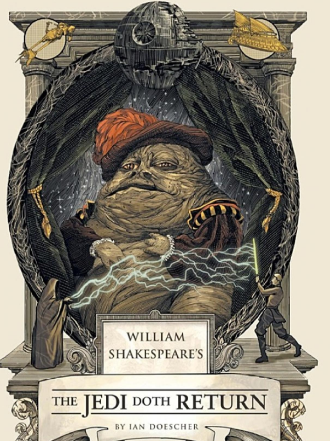
Review: “Star Wars-  the Jedi Doth Return .” by Ian Doescher

Introduction

What Is William Shakespeare’s Star Wars?

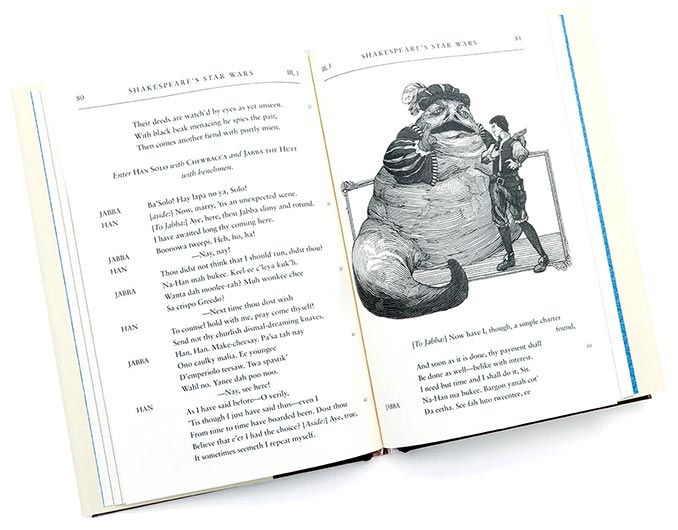
William Shakespeare’s Star Wars is a series of parody plays written by Ian Doescher that takes the prose screenplays of the Star Wars story and transforms them into Elizabethan verse. Last time I mentioned how much I loved the cheeky references to Shakespeare and Star Wars, and how Doescher adapts the cinematic quality into Elizabethan drama very well. In my podcast, I also emphasized the way Doescher gives each character verbose Shakespearean language that works very well for radio and theater:

My podcast episode where I do dramatic readings of “Verily A New Hope.”

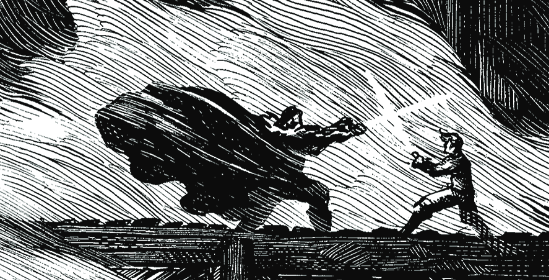
I must confess, Return of the Jedi is my favorite Star Wars movie. I’ve seen all 9 films and it’s still my favorite. I adore the effects, the tight storytelling, the emotional farewells, and the dramatic victories. What I want to do with this post, (and the accompanying podcast), is to see whether this edition captures what I love about Jedi. The short answer is- no. It doesn’t capture it, IT EXPANDS IT! In many ways this play is Doescher’s triumph- he manages to capture the tone and characters of Star Wars perfectly, and makes the Shakespearean style his own!

Notes about the play

  1. The first play in the series, Verily, A New Hope,” took plot and structure inspiration from Henry V; it tells the story as an epic heroic story of Luke’s heroic deeds, much like how Henry V is about a king who grows from boy to man.
  2. The second play “The Empire Striketh Back,” takes inspiration from Hamlet and Macbeth to explore Luke’s temptation by the Dark Side of the Force. It also uses Much Ado About Nothing as an inspiration for the burgeoning relationship between Han and Leia
  3. I would argue that “Jedi Doth Return” is a mixture of all the other plays Doescher took inspiration from. Unlike the previous plays, this feels less like a parody, and more like an adaptation. I feel that Doescher has finally become so comfortable writing in the Shakespearean style, that he rarely needs to flat out parody lines and speeches, and simply uses Shakespearean dialogue to tell the story.

Moments to Watch for:

The Language

I’ll discuss the language of Jedi in greater detail in my podcast, but I’d like to highlight one or two here.

Extended metaphors:


Vader: It is the role I play, my destiny—
The grand performance for which I am made.
Come, author of the dark side of the Force,
Make me the servant of thy quill and write
The tale wherein my son and I are seal’d As one.
Come, take mine ev’ry doubt from me,
And fashion from my heart of flesh and wires
A perfect actor: callous, cold, and harsh.
Let this, the second Death Star, be the stage,
And all the galaxy be setting to
The greatest moment of my narrative:

The scene in which the Empire’s fight is won
Whilst I decide the Fate of mine own son
- The Jedi Doth Return Act I, Scene i

3. Parody Lines

The biggest appeal of William Shakespeare’s Star Wars is the fact that it is a parody, and I’ve said for many years that parody and gentle riffing on Shakespeare is a great way to get students to overcome their fear of Shakespeare and engage with him. Students who know Star Wars but don’t know Shakespeare will recognize the familiar characters and plots of the movies and then see how Shakespeare’s language tells the story anew. Similarly, people who know Shakespeare will recognize the way Doescher re-tools famous Shakespeare quotes to give to characters in the Star Wars Universe, like here, where he spoofs the famous “All the World’s A Stage” speech:

In the Educator’s guide, which I’ve attached below, Doescher tells you exactly which lines he has parodied and the plots of the original plays so the students can learn about Shakespeare through these famous speeches. Orson Wells once said: “We sit through Shakespeare to recognize the quotations,” and this edition gives us thrilling space battle, wonderful characters, and witty dialogue to keep us entertained while we wait.

Characterizations

What I love the most about the movie and the play is that it’s a very character-driven story. Instead of long trench runs with pilots we’ve never met, we get duels to the death between characters we’ve known for years. At its heart, Jedi is the story of the Skywalker family reuniting after Darth Vader ripped it apart. It’s also the culmination of Luke growing from a boy to a man. Doescher does an incredible job voicing these characters through the verse, and his use of the language helps highlight each character’s struggle and journey.

Luke/ Vader

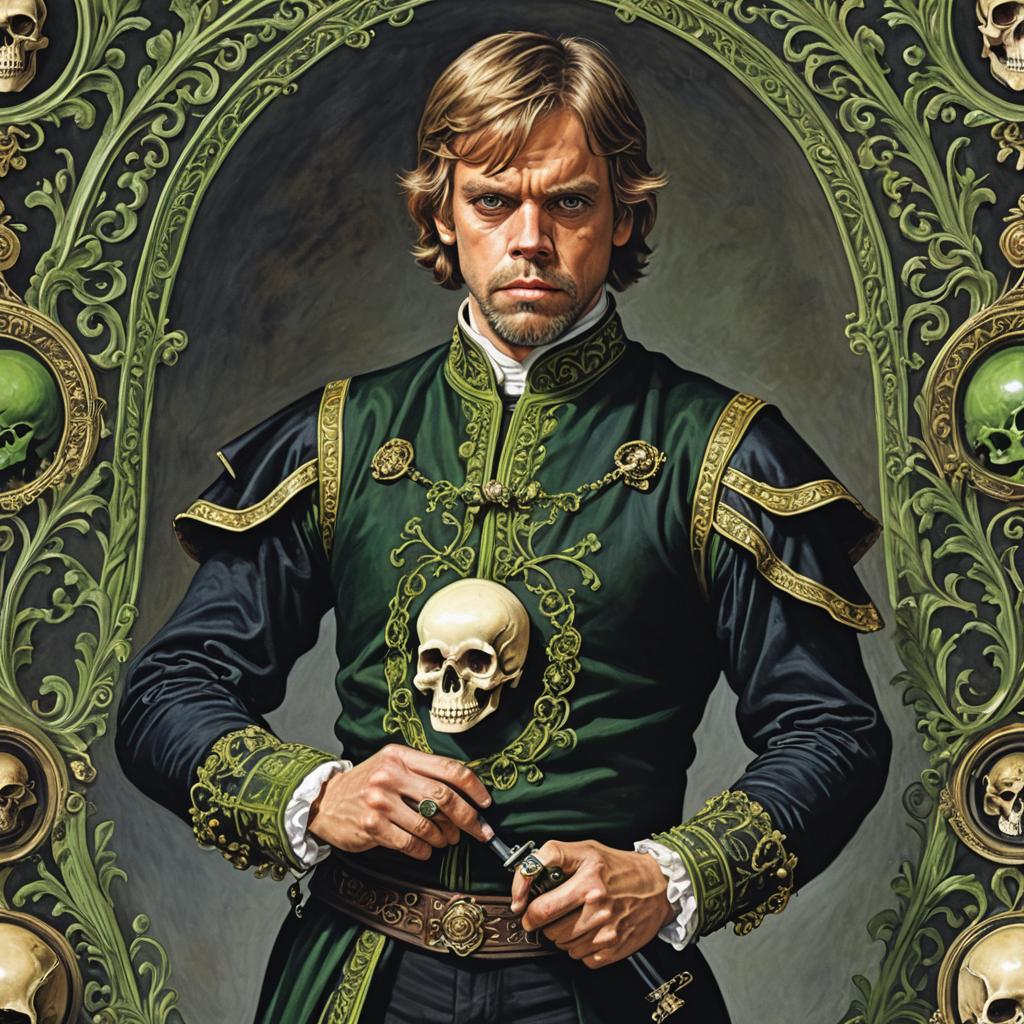
Left- production photo of Mark Hamil holding a skull Yorrick-style. Right- AI art I created of Luke as Hamlet.

Luke has more of a duality in this story- sometimes his speeches are hopeful, positive, and full of decisive language, while other times he is bitter, angry, and mournful. This is a perfect characterization for a young man whom the Emperor hopes to turn to the Dark Side, and these speeches excellently bring out his character. Sometimes Luke even repeats lines spoken by Vader and the Emperor just to drive this point home.

Emperor

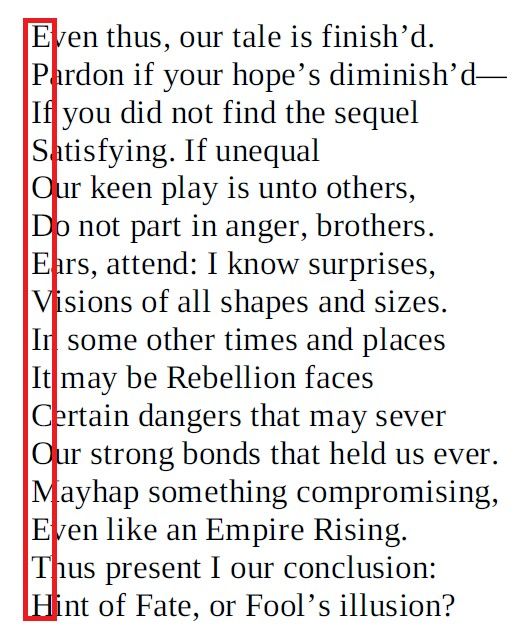
A speech from “Jedi Doth Return.” Notice how the ideas run on past the ends of lines and how long each sentence is

As for Emperor Palpatine, his speech is similar to Claudius in Hamlet in the sense that he has many run-on lines that only get to the point at the very end. This man knows he has the ea of the entire galaxy, so he can afford to make people wait for him to finish talking. As Luke himself says: “Your overconfidence is your weakness,” and Doescher does a great job conveying that weakness through the language.

Leia/ Han

My favorite part of The Empire Striketh Back was how Doescher conveys the love between Han and Leia. In that play/ movie, it was done through irritating each other in public, and soliloquizing in private. In Jedi, Han and Leia are more of a couple, supporting each other in their fights and the language has more of a romantic tone.

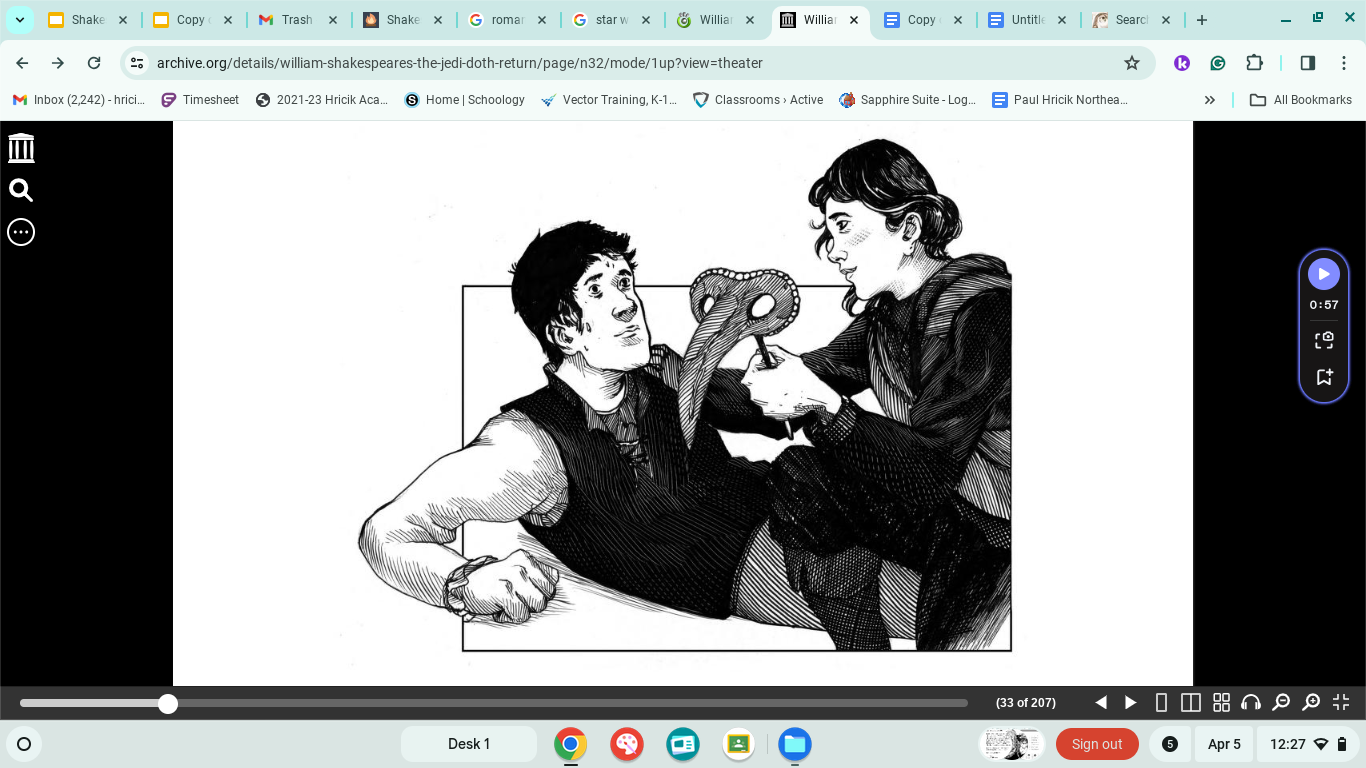
Han (Hal Jourdan) and Leia (Janine Ashley) finally confess their love in this scene.

My Criticism

To sum up, Jedi is a milestone in the William Shakespeare’s Star Wars Series where Ian Doescher learned how to make the language his own, rather than borrowing lines and phrases from Shakespeare. It’s a pity there aren’t more books in this series…. right?

Doescher’s official website.

The Education Guide

Support My podcast

If you enjoyed the accompanying podcast episode to this post, please consider subscribing and donating to help me continue making fun and educational content like this!

Shakespearean Wisdom for the Sixth Night Of Hanukkah

I found this wonderful short clip from Dr. James Allen Jones, a Shakespearean scholar and actor who draws parallels between the miracle of Hanukkah and this passage from Othello:

Duke of Venice: Let me speak like yourself, and lay a sentence,
Which, as a grise or step, may help these lovers
Into your favour.
When remedies are past, the griefs are ended
By seeing the worst, which late on hopes depended.
To mourn a mischief that is past and gone
Is the next way to draw new mischief on.
What cannot be preserved when fortune takes
Patience her injury a mockery makes.
The robb'd that smiles steals something from the thief;
He robs himself that spends a bootless grief.
Othello, Act I, Scene iii, lines 547-558

The Context

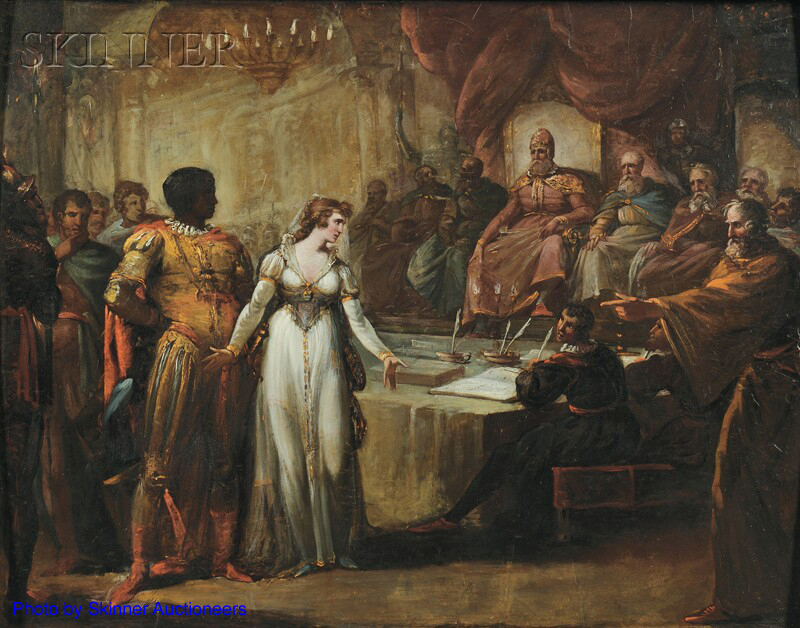
Desdemona has married Othello, but her father Brabantio cannot comprehend why a woman like her would disobey him, much less marry a black man. He is actually convinced that Othello must have used drugs or witchcraft to seduce Desdemona, and calls both of them to court before the Duke. The Duke hears the argument patiently and concludes that Desdemona’s love for Othello is genuine. In the lines above he speaks to Brabantio giving him friendly advice as if he were Brabantio’s conscience, (or the sense of judgment that he so clearly lacks). The Duke urges this father to let go of his “grief” over losing his daughter because it will only invite further suffering.

Sadly Brabantio doesn’t take this advice at all, and ‘warns’ Othello that she could just as easily betray him as she betrayed her father. Arguably, this plants the first seeds of doubt and jealousy in Othello’s mind, the seeds with Iago so carefully cultivates.

The miracle of Hanukkah is that the Israelites were able to see clearly who they were and preserve their culture in the face of annihilation. Sadly, the characters in Othello are all blinded- blinded by racism (Brabantio, Iago), lust, (Rodrigo), love (Desdemona), and jealousy (Othello). I thought Dr. Jones drew some very interesting parallels between Shakespeare and Hanukkah, and I’m happy to share them with you:

The original post: https://rebooting.com/article/the-miracle-of-shakespeare/

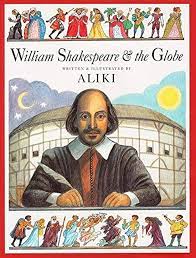
Book Review: William Shakespeare and the Globe

Video Book Review:

Content: 

This is a story of two boys, centuries apart, but united by their love of theater in general, and the Globe Theater in particular. The first is William Shakespeare, whose story Aliki tells from his birth, to his boyhood days, to his rise to prominence in the theater. The second is Sam Wannamaker, the man who spearheaded the project of re-building the Globe Theater from 1949 to the first performance of the Globe in June of 1997. 

Aliki tells this story in the format of an Elizabethan play, dividing it into five acts. Acts I-4 tell the story of Shakespeare’s life while Act V focuses on Sam Wannamaker pursuing his dream. The book concludes with a chronology of Shakespeare’s plays, and a table of his most famous words and expressions, illustrated with adorable characters.

Illustrations: Medium and Style of Illustration

Like many of her books, Aliki’s illustrations are layered and detailed. She uses ink pen outlines to draw her characters, but then fills them in with bright, vibrant colors. She then painstakingly shades them using the crosshatching technique, to create textures that are complex but have a hand-drawn almost impressionistic feel. The characters aren’t ultra-realistic, and the color palette is limited mainly to bright primaries and warm browns, making it look like a child’s box of crayons or colored pencils. This book is designed to appeal to children with its hand-drawn quality. 

Format:

Cover- The cover makes the subject of the book clear to the audience. We see Shakespeare and Globe Theater, but also illustrated moments from his plays. This helps establish that this is not only a biography, it is an introduction to Shakespeare’s plays and poems as well.

Front Matter: The book opens with four pages of quotes from Shakespeare’s plays illustrated with fairies, pipers, and Elizabethan men and women. There is no half-title, no frontispiece and no Half title verso.

Title page verso (copyright page) In the center of the copyright page is an Illustration of Shakespeare standing atop a globe, over the famous lines: “All the world’s a stage, and all the men and women merely players.”  Below the quote in very small letters is the copyright date, a short summary, the ISBN data, card catalog information, and the typography information.

Title Page The title is laid out on a white background with a thin black border. Below the title is an image of a boy (presumably Sam Wanamaker), assembling a paper model of Shakespeare’s globe, with a portrait of Shakespeare in the background. This helps establish that this biography focuses on both Shakespeare and Wanamaker, and makes the reader excited to see the real Globe brought to life in full illustration.

Table of Contents As stated before, the book is organized like an Elizabethan play, so rather than Chapter 1, etc. the book has five Acts with 1-4 scenes in them. Each chapter in the table of contents is labeled with a description that sets the scene; either a location (like London, Stratford, The Globe), or what will happen in the scene (such as “Building” or “Uncovering”). The table then details four appendices that are part of the back matter. 

Preface:  The Preface is referred in the book as an aside, (an Elizabethan theater term meaning something spoken between a character and the audience). This preface acknowledges that, because of the lack of surviving historical information on William Shakespeare, Aliki, like many Shakespearean biographers, has to use some guesswork to fill out the narrative of his life. A second preface (referred to as a Prologue), introduces the story of the book, (namely the lives of Will Shakespeare and Sam Wanamaker). This preface mimics how in Shakespeare’s plays, a prologue would tell the audience what would happen before the narrative started.

Back Matter/ Appendices: There are four appendices in the back matter- A table of Shakespeare’s collected works, a timeline of the book’s events from 1564-1999,  an illustrated list of Shakespearean words and expressions, and finally a list of Shakespearean sites to visit in London and Shakespeare’s home town of Stratford Upon Avon. These appendices show the reader that Shakespeare has an important role in history and in the English language, and encourage the reader to learn more about him. 

Value As an Educational Tool

This story not only tells Shakespeare’s life, it also introduces the reader to his plays and his influence on the English language through the illustrations and frequent Shakespearean quotations. The reader also gains an insight into Elizabethan life and culture by following Will’s journey from Stratford to London. Finally, by juxtaposing Shakespeare’s life with Sam Wannamaker’s, the reader sees Shakespeare through Sam’s eyes as he works his whole life to restore Shakespeare’s Globe to its former glory. The reader develops a love of Shakespeare, (or at least an empathetic respect), and may feel empowered to read more about Shakespeare, see his plays or maybe even become a Shakespearean artist in the future. In short, Aliki’s book brings the world of Shakespeare to young readers in a way that is beautiful to look at, full of insight, and with enough supplemental materials to encourage them to learn more.

Overall Impression:

Like Prospero’s magic in The Tempest, this story is magically told- it is not intended to create a totally realistic representation of Elizabethan life, but to give an exciting, colorful impression of Will’s life and work to the reader. Due to the scant historical details of Will’s life, Aliki chose not to do a standard biography, but, like Shakespeare’s own history plays, to tell a historically authentic story, rooted in truth that brings a time and a place to life, while portraying it an exciting and visually appealing way.

Citation:

Aliki. (2000). William Shakespeare & the Globe. HarperCollins Publishers. 

Shakespeare and the Color Blue

I’ve been reading this wonderful picture book about the history of the color blue- a color that evokes deep emotions and has a rich and sometimes tragic history. Here’s a video of the book being read:

Blue: A History of the Color As Deep As the Sea and Wide As the Sky by Nana Ekua Brew-Hammond

The book won the 2023 Orbis Pictus Award for Best Nonfiction For Children:

In identifying an “outstanding” book for children, the committee members will consider the following:

• Accuracy of presentation in both text and illustrative material, as well as appropriate documentation, avoidance of anthropomorphism and teleology, distinction between fact and theory, and balanced treatment.
• Organization of material (e.g., general to specific; specific to general) that contributes to clarity and accessibility.
• Style of writing that is engaging and distinctive in its use of language.
• Style of illustration that is engaging, informative, and complementary to the text.
• Appropriateness of book design based on the topic or subject and with respect to the different age groups for which the topic or subject may be appropriate.
• Potential contribution to the K-8 curriculum.

National Council of Teachers of English Website: Orbis Pictus Website.

As I mentioned in my Coronation post, the colors blue and purple have been associated with power (earthly or heavenly) because for centuries they have been hard to produce, and the book tells that history extremely well while highlighting the people and cultures that created those dyes by harvesting shellfish and collecting indigo plants:

A few good reasons to appreciate the color blue. Throughout history, humans have captured, cultivated, and coaxed the color blue out of everything from mollusks to rocks to plants. In this fascinating exploration of our relationship to this once-precious color, Brew-Hammond begins by discussing its elusive nature: Seawater is blue, but the color disappears when water is cupped in ones hand; similarly, crushing iris petals yields blue, but the hue quickly dissipates when soaked in water. Readers learn that the earliest known use of blue dates back to about 4500 B.C.E. in Afghanistans Sar-e-Sang Valley and that ancient Egyptians used it, too. But blue has been found worldwide. It was extracted from the bellies of particular shellfish in coastal Japan, Central America, the Mediterranean, and Mexico and harvested from plants in Africa, Asia, the Caribbean, and the Americas. Because of its rarity, blue has been considered a royal color reserved for use by the wealthy and privileged. Laced with insights, Brew-Hammonds meditative verse covers a wide range of cultures, time periods, and geographical locations, while Minters mesmerizing images highlight the significance of blue to diverse groups of people through culturally specific visuals such as hairstyles and clothing design. The highly textured backgrounds add life and movement to the focal images in the foreground. (This book was reviewed digitally.)Stunning and informativeand as profoundly rich as the color blue. (authors note, facts about blue, selected sources)

Kirkus Reviws

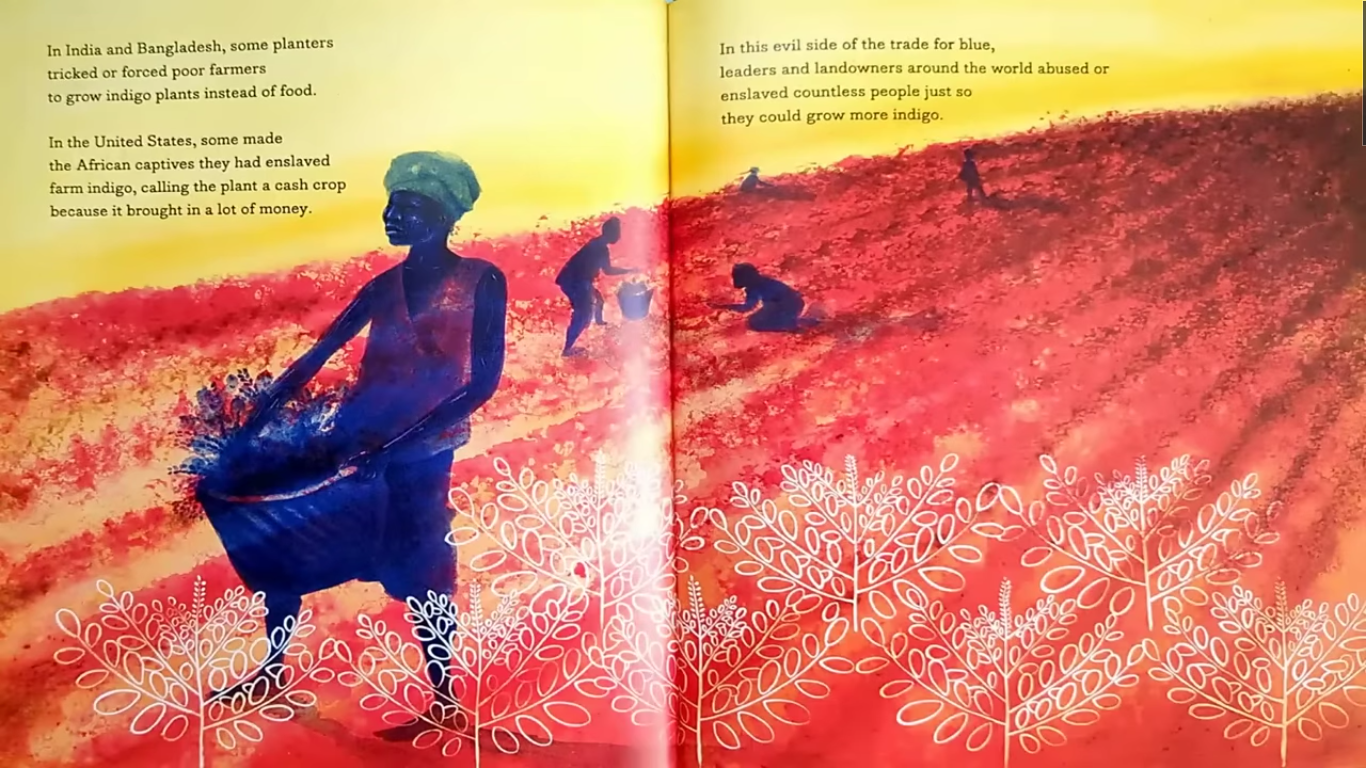
As the review above shows, the book doesn’t focus on European royals or colonialist countries that bought and wore blue clothing, it focuses on the countries that make blue in places like Africa, Asia, and Central or South America. It also doesn’t disguise the fact that the slave trade in America was partially used to gather indigo plants, which the illustrator poignantly represents on the page where slaves are painted with blue dye- they lived and died for the color of their skin, and for the color they were forced to cultivate.

Fortunately, the book doesn’t end on the exploitation of people for the sake of a color, it also celebrates the triumph of science as chemist Adolph Von Baeyer labors to develop an artificial dye- one that would make such backbreaking labor unnecessary. Von Baeyer began working in 1865, the same year the American Civil War ended.

So what does this have to do with Shakespeare?

Brew-Hammond explores the history and culture surrounding blue powders and dyes, a rare and prized commodity until recently. She details how the ancient Egyptians ground lapis lazuli rocks from Afghanistan to make blue pigment for royals; later, sea snails were used by dyers until the indigo plant became a more practical solution for large quantities; and finally, Adolf von Baeyer created chemical blue, which led to widespread availability of this color. She also touches on some concepts and emotions associated with this hue: feeling blue (sad), blues music, out of the blue (unexpected), royal blue, and blue ribbons (extraordinary). Minter’s acrylic-wash illustrations depict predominantly Black figures, a nod to the key role played by West African dyers in developing these tinctures, and the importance of enslaved Africans whose toil made possible the North American indigo industry. Blue tints appear in every spread, but often as a spotlight color; reds, yellows, and greens do the heavy lifting, allowing the blue tones to stand out. A fascinating look at an underreported topic.

Kay Weisman (Booklist)

What’s really wonderful about this book is that it doesn’t just detail the history of the color blue, it also delves into its poetic history- the way we use blue as an adjective, in expressions, and many other daily occurrences. Terms like ‘feeling blue,’ or ‘blue blood,’ and the connotations of the sky and ocean make blue a color that is grand and vast, but hard to catch. This quality of tantalizing beauty has inspired many poets, including Shakespeare:

 CLEOPATRA: Here
My bluest veins to kiss; a hand that kings
Have lipp’d, and trembled kissing.

Antony and Cleopatra
  • RosalindThere is none of my uncle’s marks upon you; he taught me
    how to know a man in love; in which cage of rushes I am sure you
    are not prisoner.1455
  • OrlandoWhat were his marks?
  • RosalindA lean cheek, which you have not; a blue eye and sunken,
    which you have not; 
As You Like It

Under these windows, white and azure laced
With blue of heaven’s own tinct. 

Cymbeline

Now pile your dust upon the quick and dead
Till of this flat a mountain you have made
T’ o’ertop old Pelion or the skyish head
Of blue Olympus.

Hamlet

Also, apparently, there is a shade of blue CALLED “SHAKESPEARE!”

So, I hope you enjoyed this look into the complex history and mystery of the color blue. Like Shakespeare, blue is mysterious but pervasive- hard to pin down in history books, but admired and celebrated to this very day.

Spirit Halloween and Shakespeare

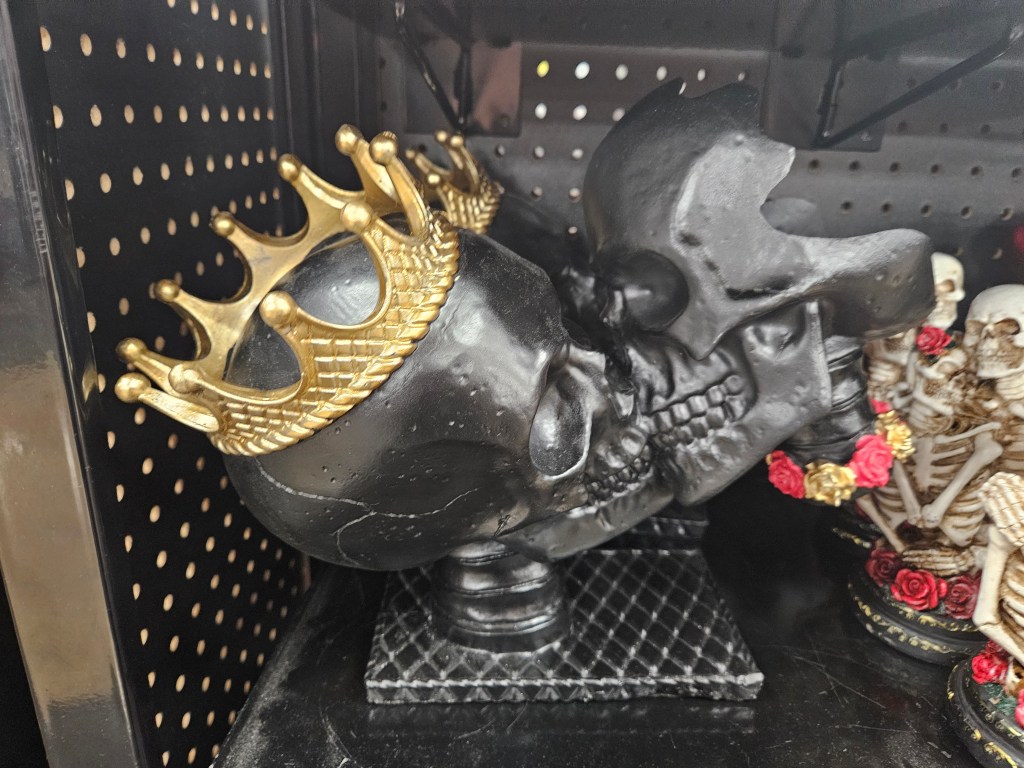
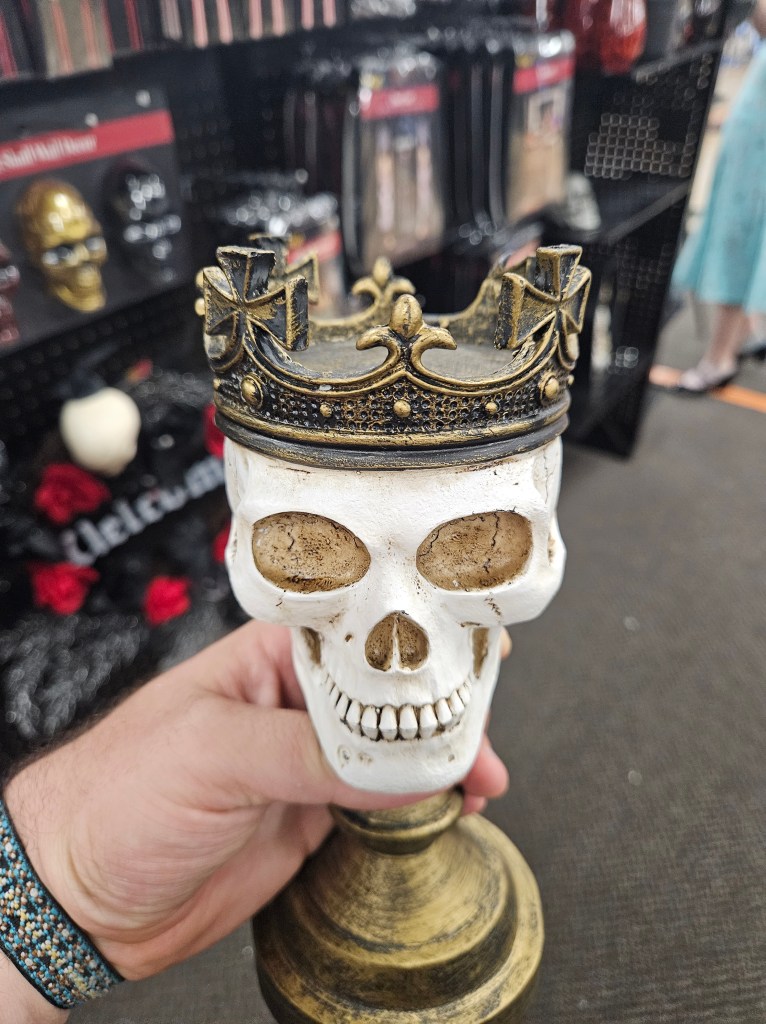
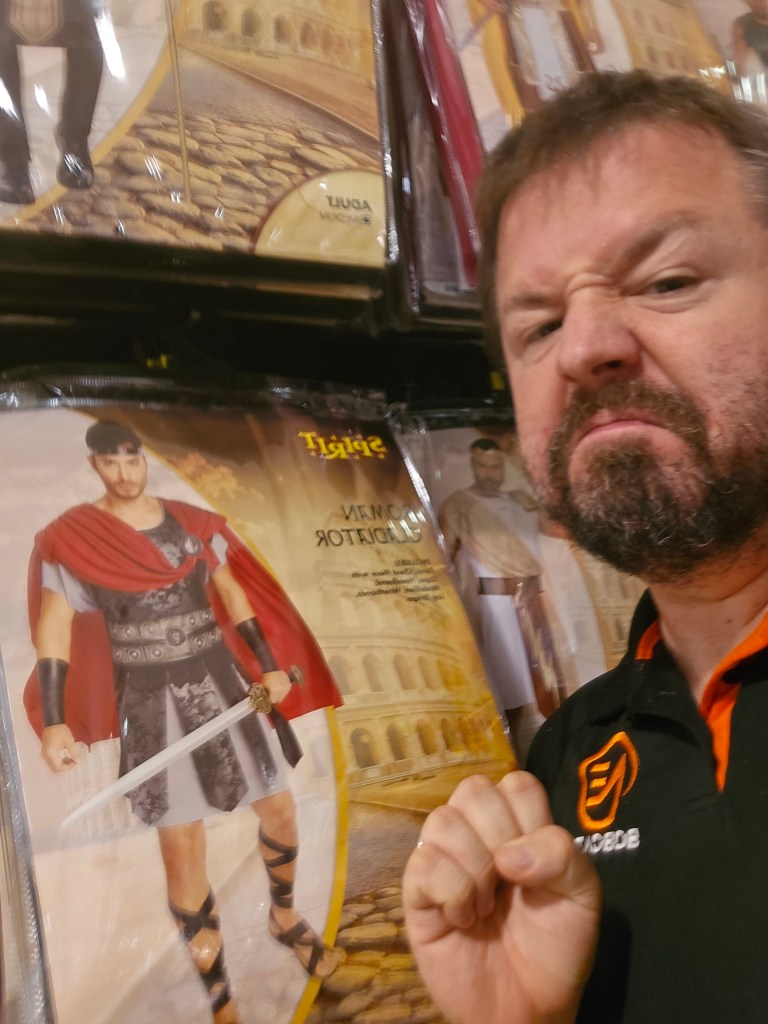
I’ve written before that Shakespeare helped influence Halloween as we know it- the images of holding skulls, witches chanting over a cauldron, and even ghosts coming back to plague their murderers all have Shakespearean roots. Exhibit A is how these images and tropes can even be found in beloved Halloween costume stores like Spirit Halloween!

If you like creepy Halloween activities and Shakespeare, please sign up for my fully online, fully asynchronous class: “An Immersive Guide To Shakespeare’s Macbeth!” The class features a digital escape room, an interactive quiz, and a special, undead guest!

Get $10 off my class “An Interactive Guide to Shakespeare’s “Macbeth” ” with coupon code HTHES4NHCN10 until Nov 3, 2023. Get started at https://outschool.com/classes/an-interactive-guide-to-shakespeares-macbeth-jp7TIh9B and enter the coupon code at checkout.

Remembering Michael Gambon

It’s a moment of tragic irony, worthy of King Lear himself that the actor who played Snape died before the actor who played Dumbledore, but here we are. I’m saddened to say that we’ve lost another beloved Shakespeare and Harry Potter actors.

Michael Gambon (

Gambon was born in Ireland in 1940. His first Shakespeare role was in a production of “Othello” at the Gates Theater in Dublin Ireland. He went on to win an Olivier Award, a BAFTA, several SAG awards, and was knighted in 1988.

Sir Michael became accomplished both on TV, in movies, and on stage. He played many of Shakespeare’s greatest roles, including a famous performance as King Lear with Antony Sher at the Royal Shakespeare Company. Here are some highlights of his stage work:

https://www.theguardian.com/stage/gallery/2015/feb/09/michael-gambon-on-stage-from-king-lear-to-krapp-in-pictures

Now before I go on, I’d like to address the elephant in the room, or rather the MEME in the room:

I’ve never understood the animosity that Gambon got for changing the interpretation of this line, and no one seems to have a real explanation for why he changed it from the book. So this is all speculative, but as a Shakespeare actor myself, I want to provide some rational explanations that while you might not like his choice, you hopefully won’t come to the conclusion that it was the “Worst mistake ever.”

1. If You Don’t Change Something, You’re Not Doing Your JOb

Sources:

https://pagesix.com/2023/09/28/sir-michael-gambon-dumbledore-in-harry-potter-dead-at-82/

https://www.mtv.com/news/3m9lil/harry-potter-and-the-gobleddafiyah