PBS is going to show (and hopefully stream), the National Theater’s production of Romeo and Juliet Friday, to help celebrate William Shakespeare’s birthday.
The production stars Jessie Buckley as Juliet, and Josh O’Connor as Romeo, who recently won a Golden Globe for his portrayal of the young Prince Charles
After playing another doomed lover whose family won’t allow him to be with the woman he wants, I look forward to seeing him bring his passion and skill to Shakespeare.
Jessie Buckley as Juliet, and Josh O’Connor as Romeo. National Theater, 2021
We’ve discussed a little bit about how to create sonnets, now let’s talk about the creator of 154 of the greatest sonnets the world has ever known.
The sonnets are some of the most mysterious pieces of writing Shakespeare ever created. We don’t know when he wrote them, we don’t really know in what order he wrote them, we don’t know for whom he wrote them, and we certainly don’t know whom they are about. That hasn’t stopped many conspiracy theorists and many, many, many, writers from coming up with imaginative stories about these often tantalizing and mysterious pieces of writing.
Genesis:
the only thing we know for sure about Shakespeare sonnets is that they were first published in 1609, as “Shakespeare’s Sonnets, Never Before Imprinted.” A lot of scholars believe that the sonnets were actually published without Shakespeare’s permission. The main evidence for this comes from Shakespeare’s contemporary Francis Meres who referred to them as Shakespeare sonnets “distributed by his among his friends.” Scholars theorize that someone got a hold of these poems that Shakespeare meant to keep private, and published them without his consent or even his knowledge. All we know for a fact is that some of them already existed before 1609.
The Mysterious Young Man.
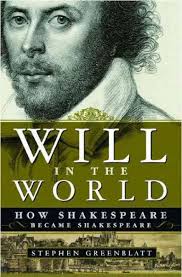
Scholar Steven Greenblatt in his wonderful book Will In the World, presents a more straightforward theory about where the sonnets came from: Shakespeare wrote them for some quick cash. As a writer, Shakespeare couldn’t always rely on the theater to make a living, especially since the theaters were often closed during times of plague, and religious holidays.
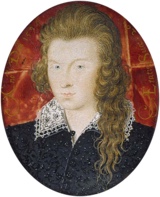
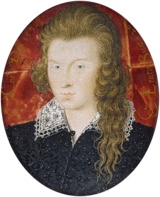
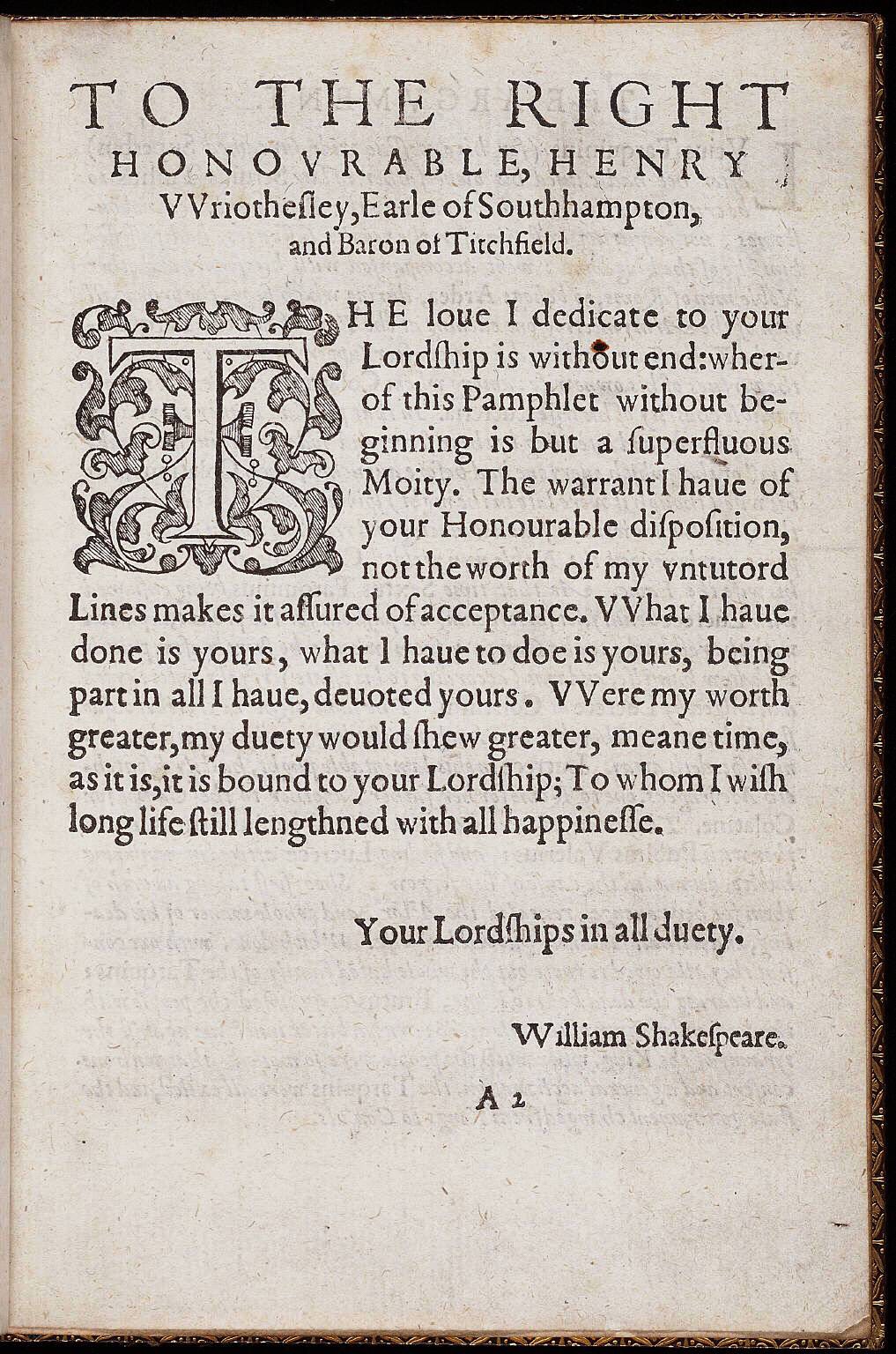
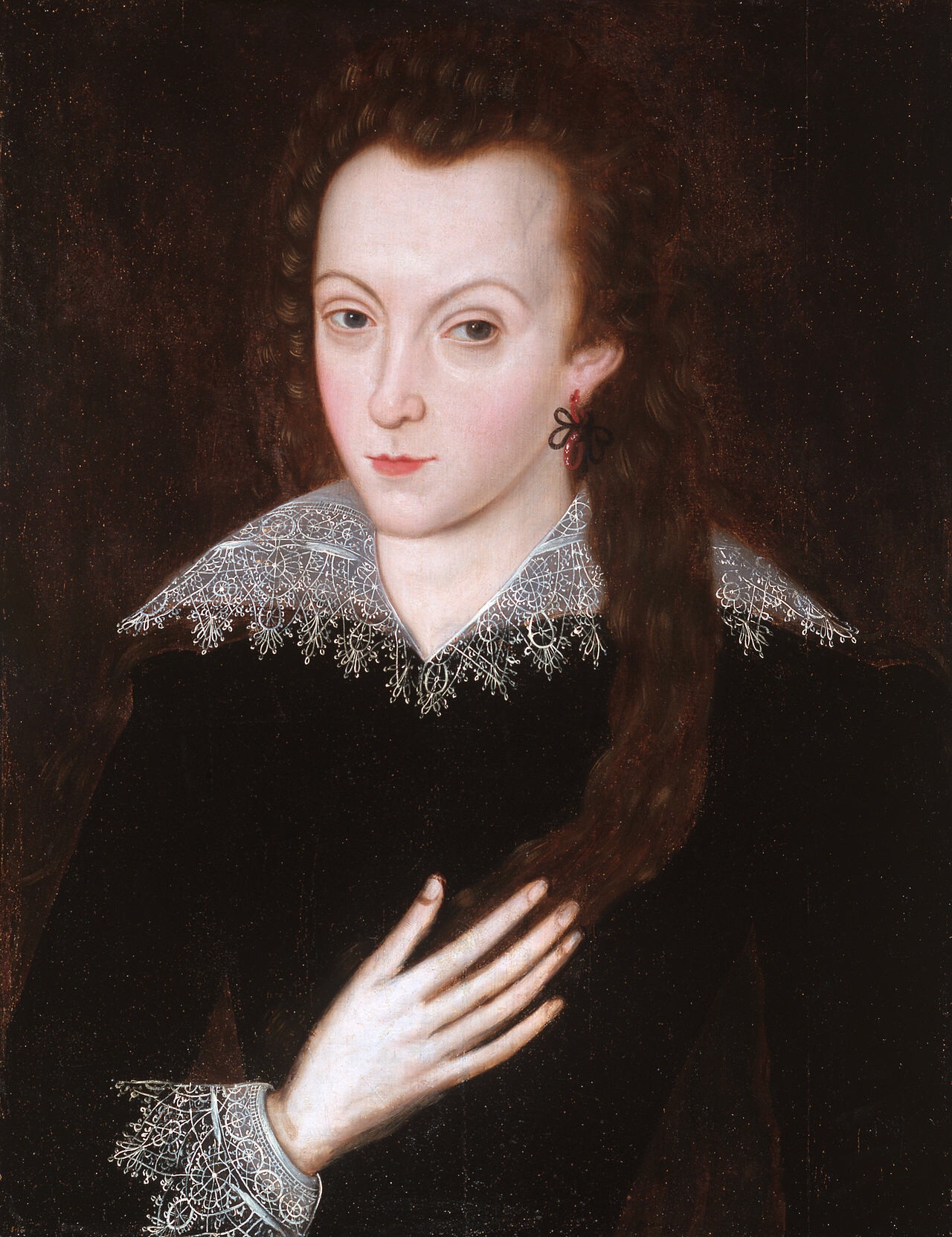
Greenblatt believes that in order to pay his bills in the mid-1590s, Shakespeare wrote poetry for Henry Wriothesley, 3rd Earl of Southampton. We know that The Bard dedicated two long poems to Southampton, Venus and Adonis, and TheRape Of Lucreece and the language Shakespeare uses on the dedication is very personal, even slightly flirty. Greenblatt believes that most if not all of the early sonnets were also written for Southampton. Greenblatt points out that Wriothesley was expected to get married and produce an heir, but he was in his late 20s and had not yet chosen a wife.
Greenblatt believes that Shakespeare was hired by someone in the Southampton family to write a series of love poems that would encourage the Earl to hurry up and get hitched. Indeed, the first 126 sonnets refer to a young, good looking blonde- haired man who has tragically remained single.
This theory works for most, but not all of the early sonnets Sonnet 33 seems to refer to a dead child. Many scholars believe that this sonnet was composed specifically for the death of Shakespeare’s own son Hamnet, who died in 1596 at the age of just eight years old. Obviously since Hamnet is so similar to Hamlet, Shakespeare might have given him a much more fitting tribute a few years later.
My favorite interpretation of the young man of the sonnets comes from the movie Shakespeare In Love. Since the love expressed in the sonnets between the speaker and the Fair Young Man seems to be somewhat sexual in nature, it kind of lends itself to the notion that Shakespeare might’ve been homosexual. What I find amusing is that in the film, since his lady love is his disguised as a boy, ( like so many of Shakespeare’s heroines ), the film answers the question of whether Shakespeare was gay or straight by having the young Shakespeare fall in love with a blonde woman disguised as a male actor, In the scene below, Shakespeare watches his mistress perform in disguise as Romeo, then dedicates a sonnet to her, while still referring to her as male in the sonnet! https://youtu.be/xpyTl3OMWrU
The DarkLady
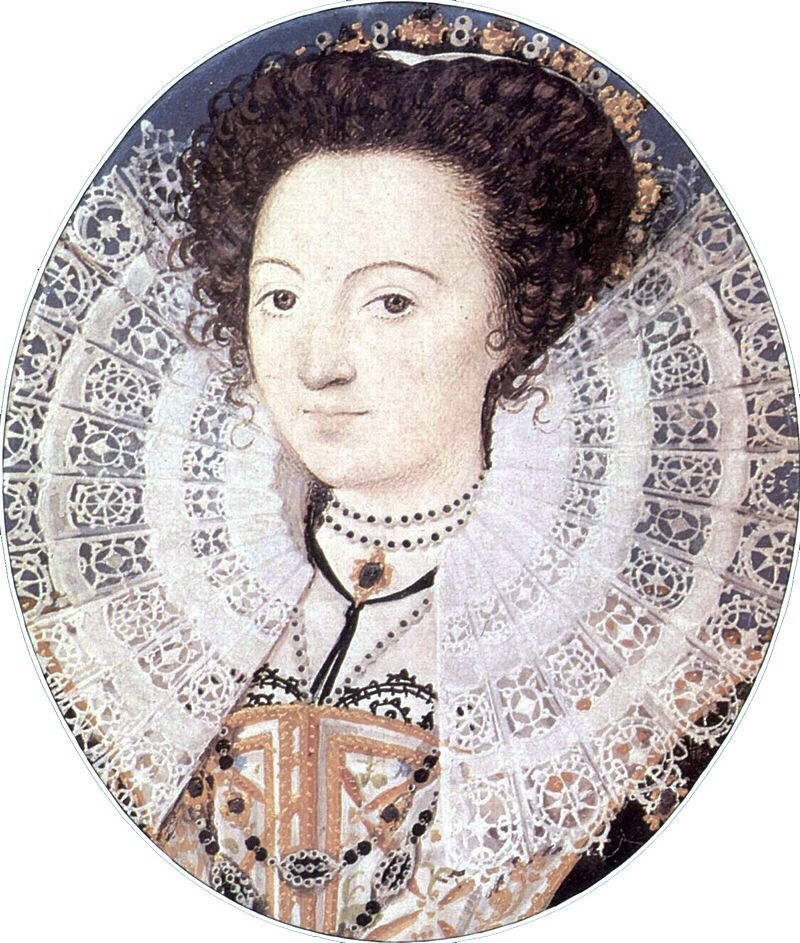
In the next group of sonnets, the speaker refers to a woman that the speaker calls his mistress. We have no clues from the sonnets as to who she might be, except that her skin is dark. Many many people have wondered who this young woman might be. My favorite theory comes from scholar Michael Wood in his documentary In Search Of Shakespeare. Wood theorizes that it might’ve been in Emilia Lanier, who was the wife of Shakespeare’s patron. One of her descendants, Peter Bassano, has put forth the notion that Shakespeare could have been involved with Mrs. Lanier.
Of course, it also seems likely that The Dark Lady just could’ve been a literary exercise for Shakespeare, who was also writing Anthony and Cleopatra at the time. https://youtu.be/u0W9v9jVp04
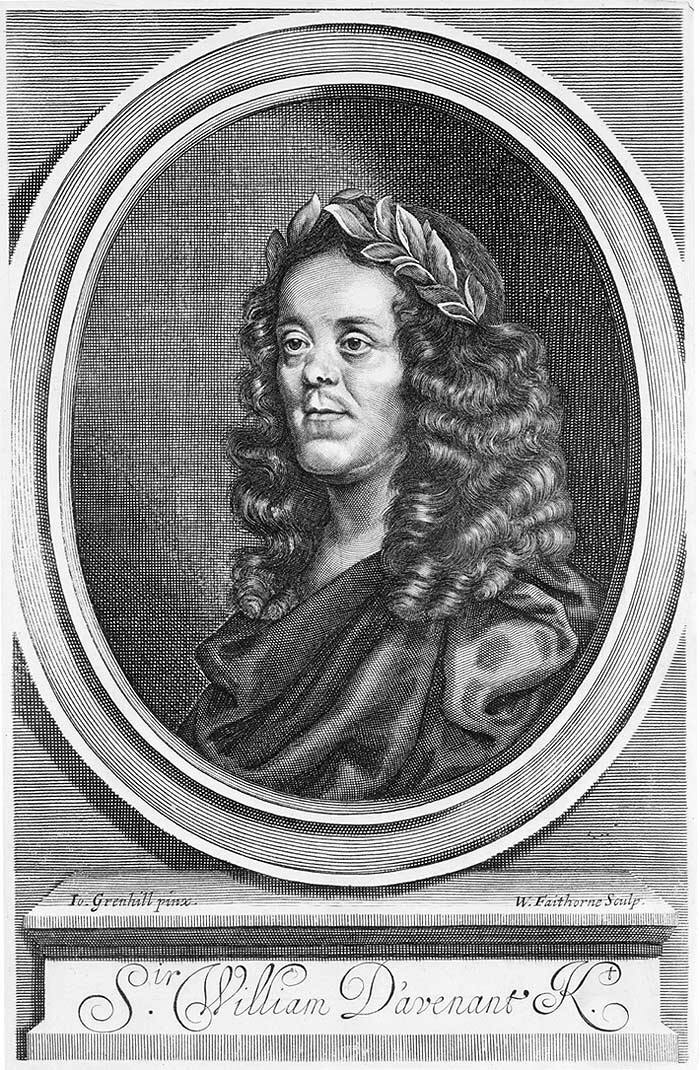
Other candidates for The Dark Lady have included the mother of celebrated 18th century playwright and actor, William Davenant.
Sir William himself claimed to be Shakespeare’s illegitimate son, and his parent’s tavern is midway between Stratford and London, so it’s not entirely impossible that Shakespeare at least knew the boy’s mother. The apocryphal story comes from John Audley’s biography of Shakespeare from 1693. Here is what he says about Shakespeare and Davenant:
Mr. William Shakespeare was wont to go into Warwickshire once a year, and did commonly in his journey lie at this house [the Crown] in Oxon, where he was exceedingly respected… Now Sir William [Davenant] would sometimes, when he was pleasant over a glass of wine with his most intimate friends–e.g. Sam Butler, author of Hudibras, etc., say, that it seemed to him that he writ with the very spirit that did Shakespeare, and seemed contented enough to be thought his Son. He would tell them the story as above, in which way his mother had a very light report, whereby she was called a Whore.[2]
My favorite interpretation of the Dark Lady Myth comes from Doctor Who, in an episode called The Shakespeare Code where The Doctor s companion Martha Jones, (who is black), meet Shakespeare and he immediately is smitten with her.
It is supremely naïve to assume that anybody can pin down a definitive Dark Lady. Adultery was just a serious back then as it is now, and admitting to it, even in a play or poem would have been suicide for Shakespeare, which is why the sonnets are vague enough so that they never conclusively point to any specific party, which helps keep this tantalizing mystery alive to this day.
If you enjoyed this post, you might want to sign up for my Outschool class on Shakespeare’s love poems. We’ll discuss the mystery of the Dark Lady, and you’ll learn to create your own sonnets, just in time for Valentines Day!
Since this is national poetry month, I thought I’d talk a little bit about Shakespeare’s poetry. Shakespeare wrote 154 short love poems called sonnets. What follows is kind of a do-it-yourself poetry manual that would be great if you want to write a poem for a spouse or a loved one for Valentine’s Day, Christmas, Mother’s Day or any other time, to show that you care. Sonnet writing has been a time honored tradition for showing the people we care about just how much they mean to us.
If you’ve never written a sonnet , don’t worry, the kind of sonnet Shakespeare wrote is pretty easy to write, and it follows just a few simple rules. I don’t want to lie; it takes a lot of patience and thought to craft a sonnet, but the rules are easy to follow. So let’s get to it!
What Is A Sonnet? A sonnet is a short poem that’s only 14 lines long, written in what is called Iambic Pentameter, Shakespeare’s preferred form of poetry. I’ve written before about Iambic Pentameter, but just to be clear it’s a 10 syllable line that goes da-Dum- daDum-da-Dum-daDum-daDum. So all you need is 14 lines that follow a particular rhyme scheme. You’ll notice that in the sonnet above, every other line rhymes except the end. This is called an ABAB rhyme pattern, and it is the trickiest thing about writing a sonnet. One reason Shakespeare has this rhyme pattern is to draw your attention to the last two lines, then draw the sonnet to a close with the simpler rhyme of the couplet.
Sonnet Form A sonnet’s 14 lines are arranged into three short groups or quatrains which are four lines long. Usually around line 9, there is a kind of “turn” or change in the direction of the argument, like at line 9 in Sonnet 8 above, where Shakespeare stops talking about summer, and starts talking about the person to whom he’s writing. If it helps, you can think of this as the “But…” part of the sonnet, because it’s the part where he changes the argument using the word “but,” (and what a but it is). The sonnet then concludes with two rhymed lines of Iambic called a rhymed couplet. These last two lines are a way of wrapping up the main idea of the poem in a short, catchy way.
Step by step Tips and Tricks:
Start by planning out your sonnet.
It’s often useful to consider your sonnet like a speech or a short argument. The three quatrains give you a chance to come up with an idea, then develop the idea, and then come to a conclusion, much like any other form of persuasive writing that you might’ve had to do for English class. For example, Sonnet 8 pictured above, (one of Shakespeare’s most famous sonnets), begins with the question: “Shall I compare the to a summers day?” He then goes to flatter the person he’s writing about by talking about how much better they are than a summers day, saying that actual summers are too windy and too hot, and the flowers of the summer are all too brief. By contrast, Shakespeare argues that the subject of the sonnet has beauty that will last forever, particularly if that person goes on to have children. This is the form that Shakespeare sonnets often take and I would advise you to try and make your sonnet into a clear argument.
Example Of Sonnet Writing: Since Mother’s Day is coming up, if you wanted to write about the mother of your child, and thank her for her for being there for your child, you might want to structure your sonnet by using the three stanzas to express three simple ideas like:
1. Thank you for being the mother of our child(ren)
2. A specific time she did something awesome for your child (give examples!)
3. Thank you from you, me, and our child(ren).
Tip 2: Plan Out The Rhyming Couplet: As I mentioned before, the last two lines of every sonnet are called a rhyming couplet; two lines of iambic pentameter that rhyme together and help conclude the sonnet. Just like a English paper, a good conclusion is very important, which is why it’s it’s often useful to work on this these two lines first before you get into writing the meat of your sonnet. For example, here’s a couplet I wrote about preparing breakfast in bed and doing chores for one’s wife on Mother’s Day.
All chores this day will I do in thy stead
Commence I shall with breakfast in thy bed!
Tip 3: Writing Poetry Now that you have the ideas you want to express now comes the hard part: putting them into poetry. I often find it helps to just get a piece of paper, write as much as possible to express the three ideas in your sonnet in prose, then get down to translating your ideas into iambic pentameter.
Quick Tips to help you along:
Make sure the important words are on the right beats. Remember, in a normal Iambic line, every other beat (2, 4, 6, 8, and 10) are emphasized. This means the important words/ sylables need to be on those beats. You might have to invert the order of a word or two to keep those beats clear. like I did in my couplet when I wrote “will I do” instead of “I will do”
You don’t have to use iambic in every line. Shakespeare was never a slave to a particular verse form, and a whole poem in iambic pentameter can sound a little dull sometimes. This is why, if you really want to, you can change a line or two to emphasize different beats
Trochees A clever way to wake up your audience is to start off with a few regular iambic pentameter lines, and then change it to a line where the first beat is the one that’s important. Like a dance or song that suddenly changes tempo, this creates a sense of excitement in the reader.
Spondees Sometimes you can emphasize two syllables at the same time, as Shakespeare does in lines 1 and 3 of Sonnet 8. You wouldn’t pronounce “Shall I” as “SHALL I or shall I,” and the phrase “rough winds” demands that both words are important, so Shakespeare is clearly changing the verse a little just to make the poetry more interesting.
Tip 4: Use Literary Devices: I find Shakespeare very often tried to express an idea by using metaphor and allusion to create images in the listeners mind. Sonnet 8 which we’ve been discussing, is structured around creating a contrast between the speaker and a pretty day in summer. You can do this kind of flattering comparison yourself, but, as we’ve seen, it’s often useful to put a “but” in the argument around line 9, to make it clear that you love the person more than for example a warm summer day. Imagine getting a sonnet that claims that someone loves you more than ice cream!
Sometimes Shakespeare uses contradictory images in his poetry for dramatic effect. Romeo often and talks about “Oh brawling love, O loving hate”. He uses this to express the wildness of his passion. This is called antithesis, and it’s very useful when you want to add a little spice to your poetry. Try comparing your beloved to both ice and fire! Alliteration and assonance: Remember, Shakespeare wrote for the theater not for people reading in the book this is why he often plays with words that sound a particular way and worked very hard to come up with sounds that would grab a listeners attention rather than readers. When a word when several words start the same letter it creates a sense of order and gets the readers attention. Assonance is when consonants are repeated within the middle of a line.
Useful Websites when you’re working
Rhymezone.com– a convenient online rhyming dictionary
Thesaurus.com– useful if you need another word that fits into iambic better.
Kotsheet.com- a website for teachers with lots of useful worksheets to help you organize your sonnet. Useful for writing or teaching sonnets!
I hope this post was helpful. If you have any questions, please comment, or email me in the “Ask the Shakespeare Guru” page. If you write any sonnets yourself and wish to share them on this site, let me know and I’ll gladly re-post them!
Till Next Time,
-The Shakespearean Student.
References
The Sonnets Edited by Rex Gibson. Cambridge University Press, 1997.







 What Is A Sonnet? A sonnet is a short poem that’s only 14 lines long, written in what is called Iambic Pentameter, Shakespeare’s preferred form of poetry. I’ve
  The Shakespearean Student