
In 2012, I was text coach for a high school production of “Henry the Fifth,” directed by Sara Landis. Below is a series of photos, videos, and character information about the production, and the play itself.
https://sites.google.com/site/fchshenryv/


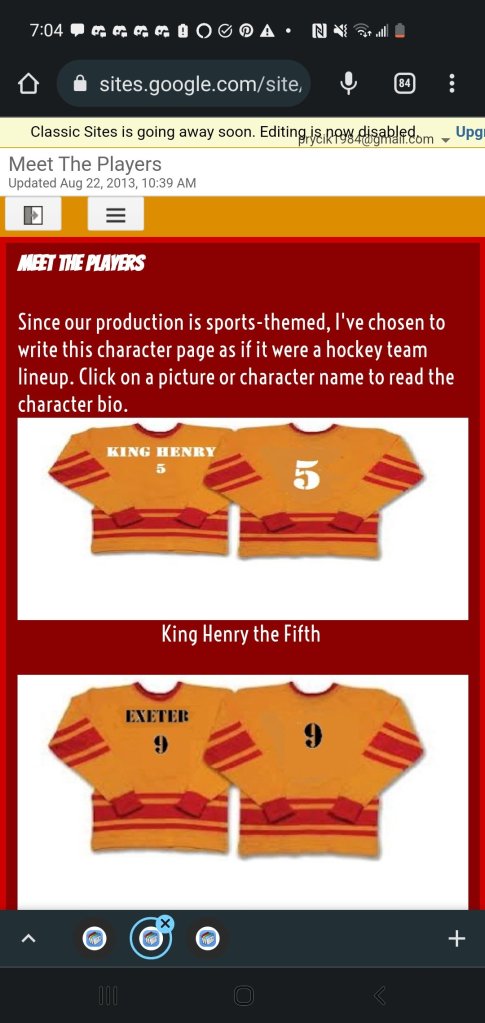

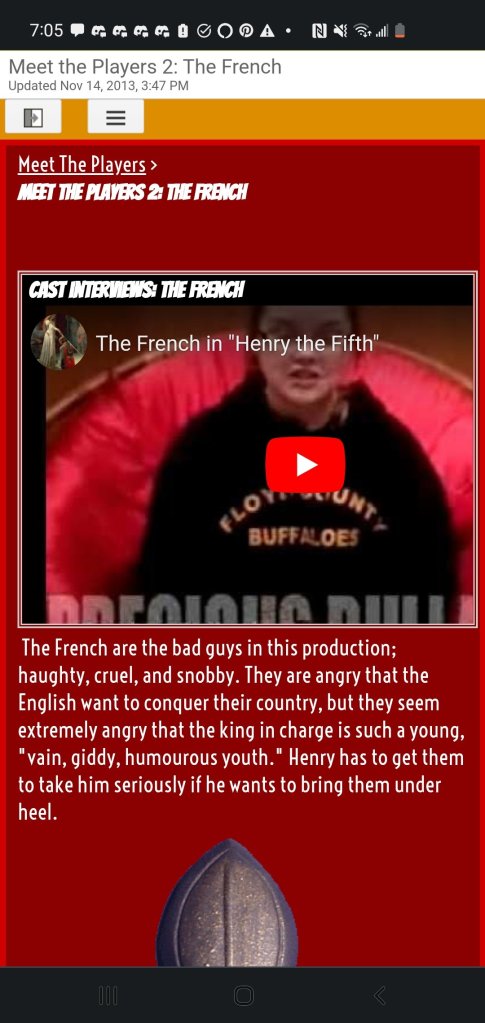


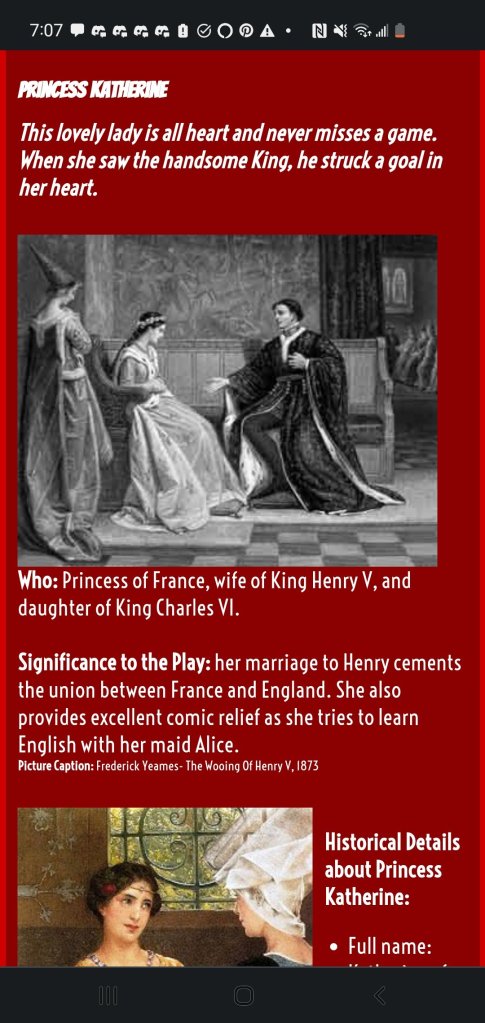

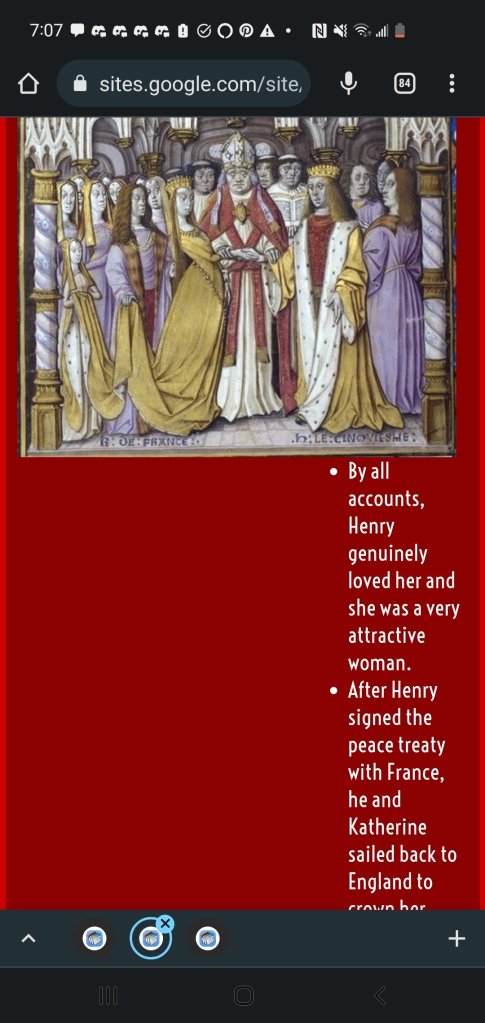



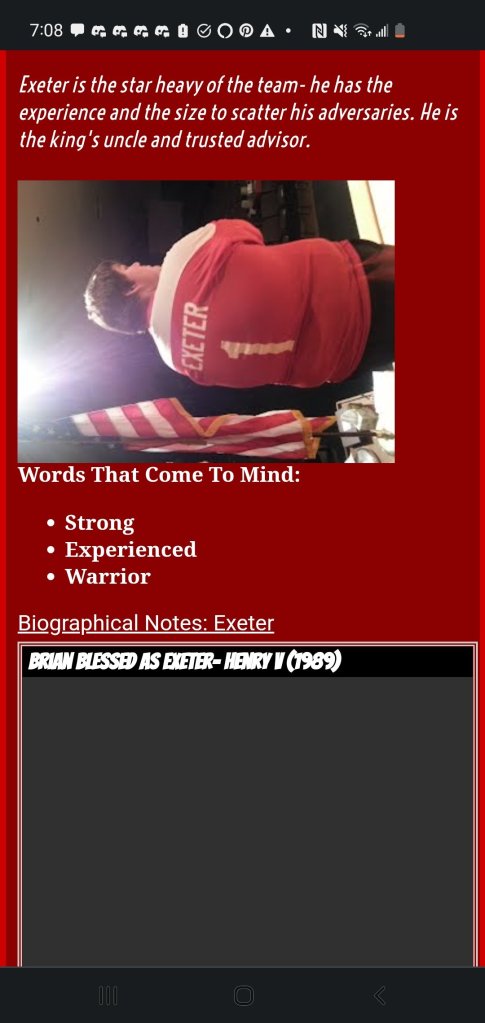

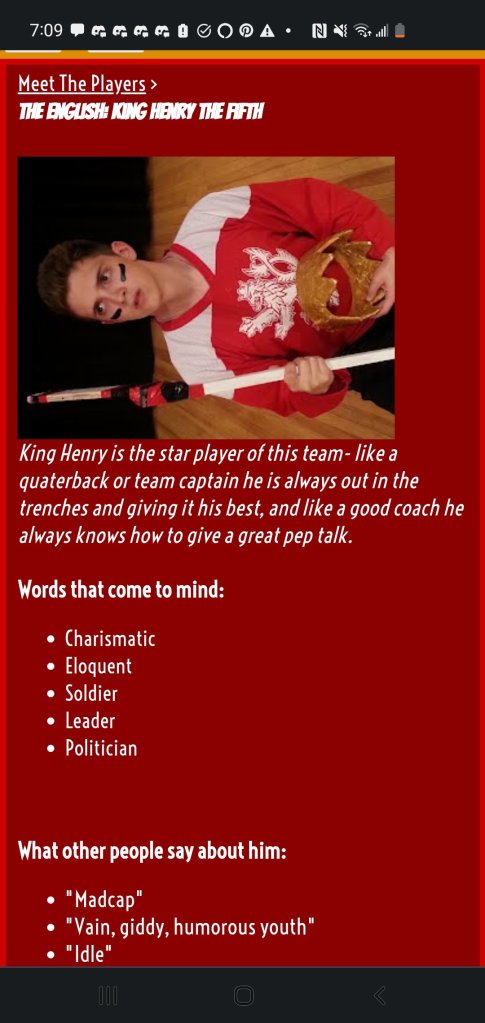





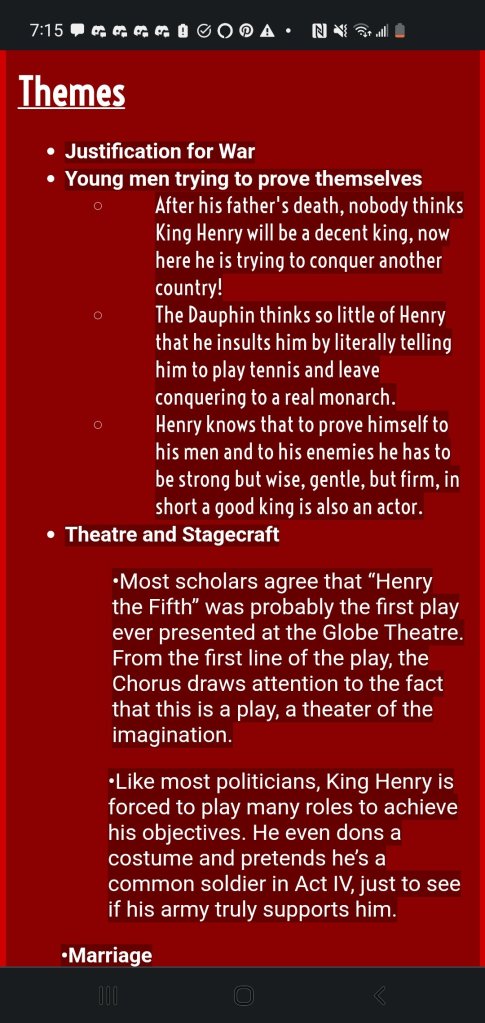
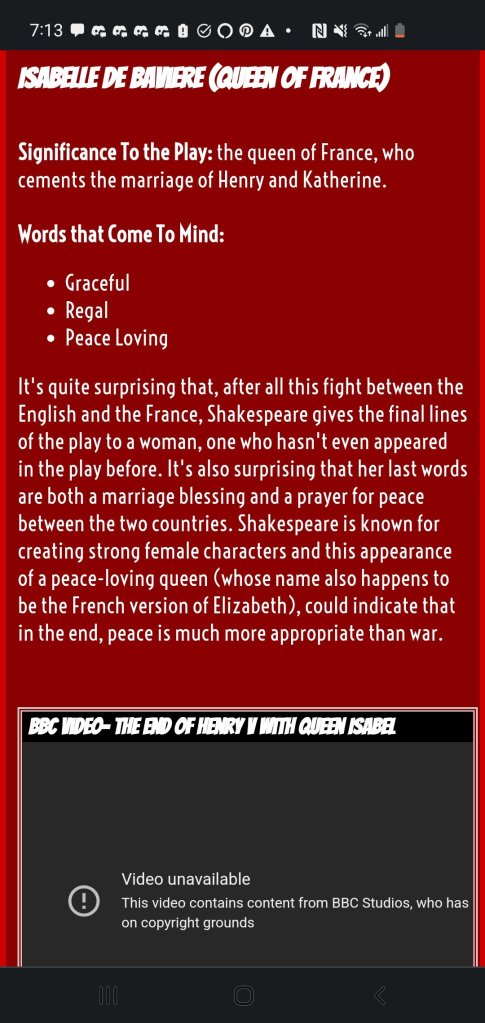
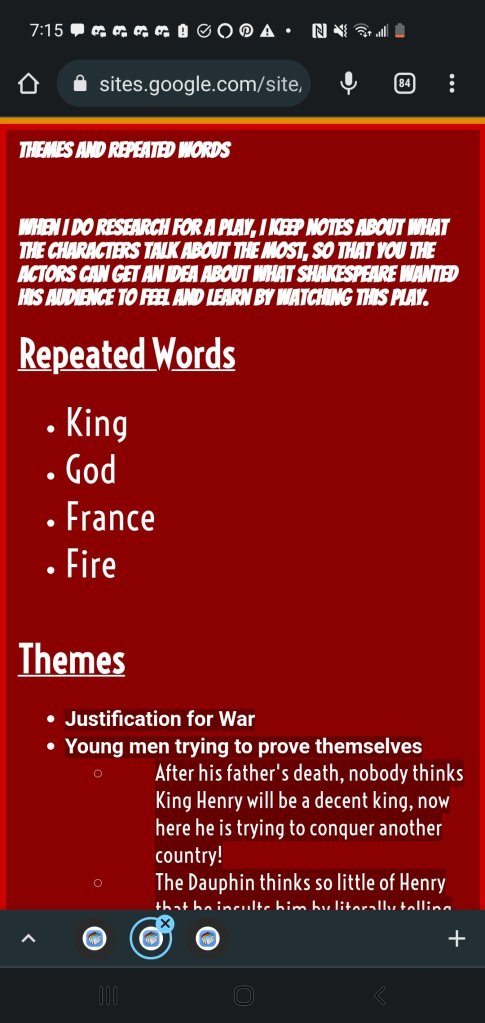


In 2012, I was text coach for a high school production of “Henry the Fifth,” directed by Sara Landis. Below is a series of photos, videos, and character information about the production, and the play itself.
https://sites.google.com/site/fchshenryv/

I’ve begun listing my work on Teachers Pay Teachers including my Romeo and Juliet Mock Trial Project. If you could follow and like my content, it would really help me out!
https://www.teacherspayteachers.com/Sellers-Im-Following/Add/Paul-Hricik
I’ve chosen Shakespeare’s Henry V as my play of the Month for July because it’s easily Shakespeare’s most patriotic play; as July 4rth is the seminal event in American history, the Battle of Agincourt is one of the most famous battles in English history. So this month, we’re examining the so-called “star of England,” and the story that every Englishman teaches his son, and in the process, discuss the nature of war, patriotism, and the stories we tell ourselves that become our history.
To see my take on a modern American history play, click here to read my review of “Hamilton:”


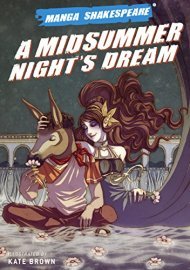




Since we’re approaching the end of June, I thought I’d give a quick recap of all my best “Midsummer Night’s Dream” content, in case you’d like to take a look. After this post, I’ll be doing a series of posts comparing Shakespeare with Star Trek!
If you’re interested in one of my online courses on “A Midsummer Nights’ Dream,” Click on the link below:
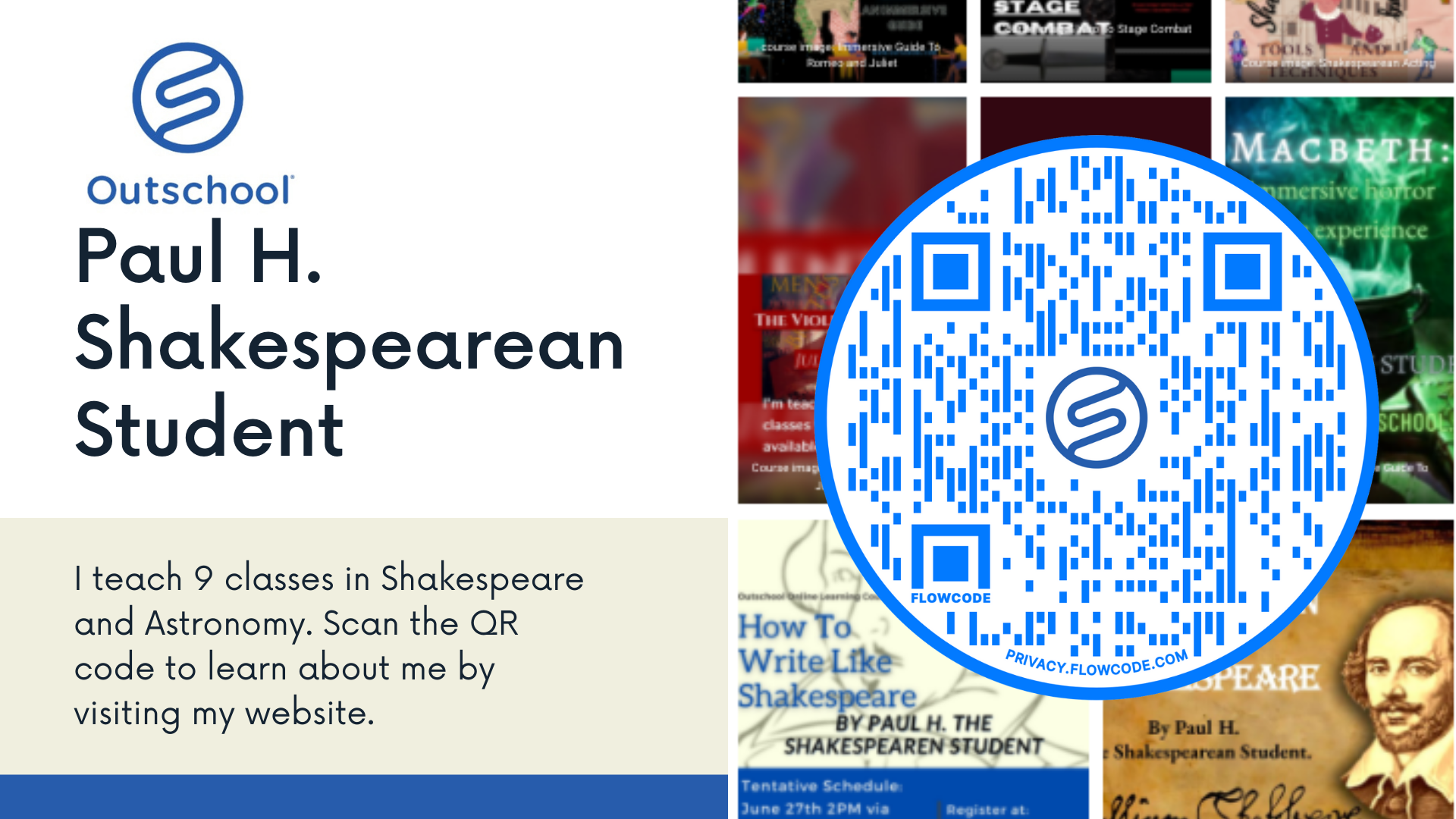
And finally, to bridge between Midsummer and Star Trek, here’s a short clip of an episode of “Star Trek: The Next Generation,” where the crew pretends to be a group of actors, performing, “A Midsummer Night’s Dream.”

Hello everyone!
Happy Father’s Day! I’ve been teaching a number of classes these past few days so I haven’t had much time to post but in honor of Father’s Day- here’s a bunch of my favorite past Father’s Day posts:


I’ll also be sharing some great memes and reviews on Instagram and my podcast next week.
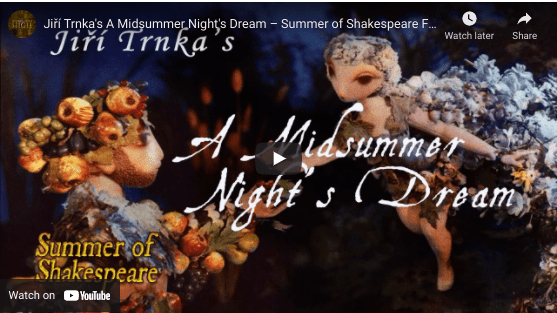
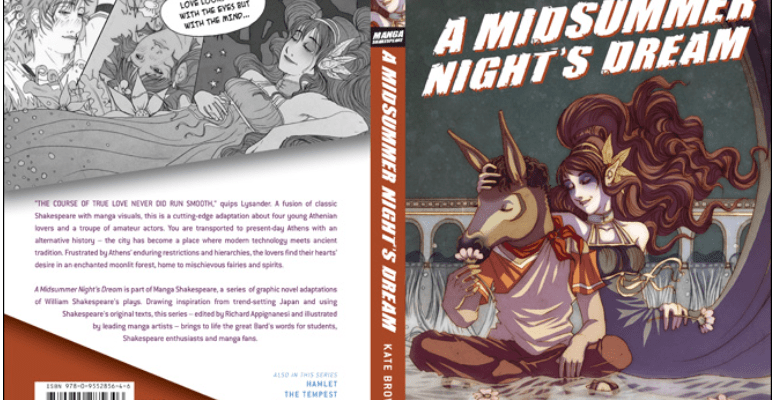
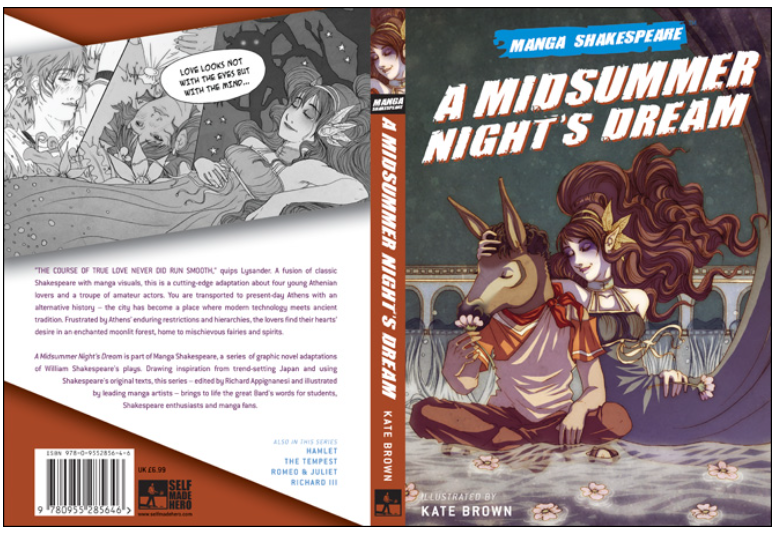
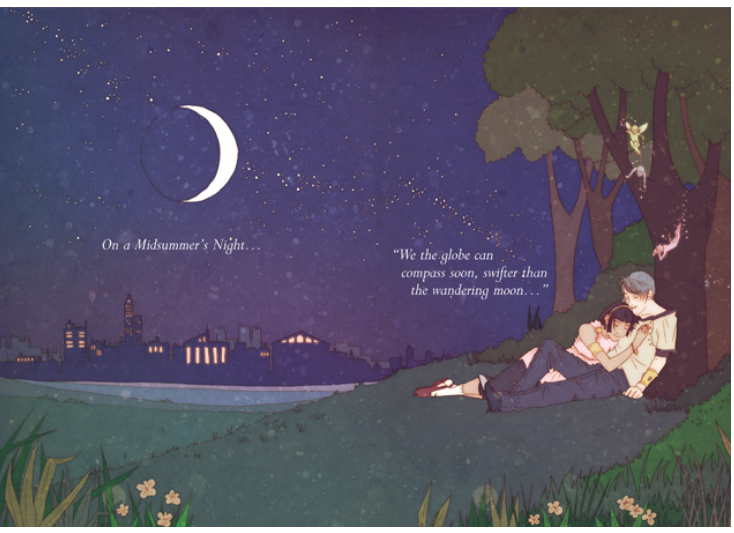

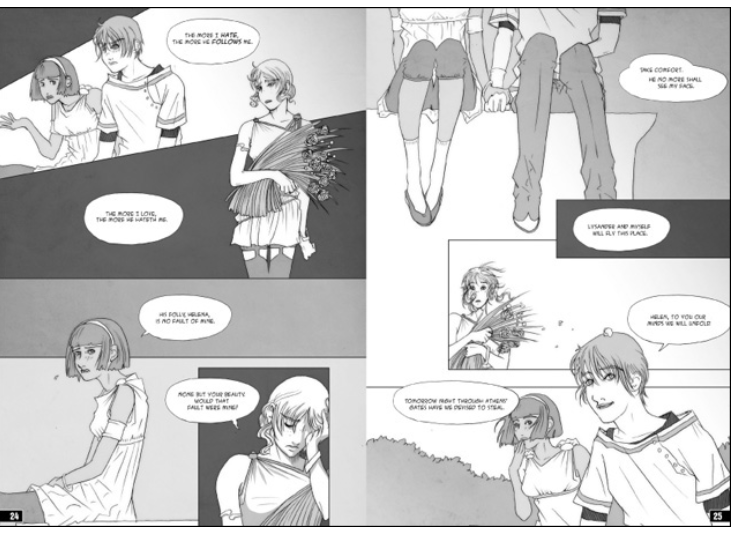

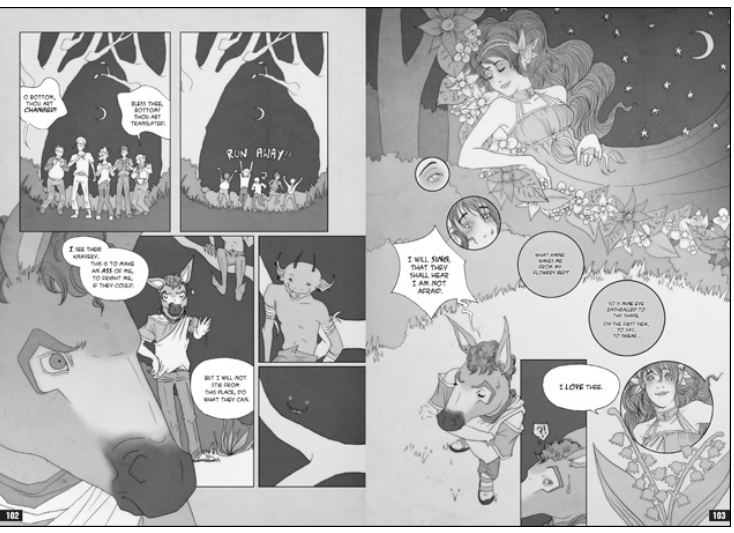
In this section, I review a Shakespeare book, movie, or TV show that I feel has some kind of value, either as an interpretation of Shakespeare, or a means to learn more about the man and his writing.
My reaction:
This series is very creative and in general, has a distinct and exciting style that works well for Shakespeare, though I would argue that “Midsummer” is one of the weaker ones in the series. The character designs are somewhat generic, and although the emotions are clearly conveyed, I feel that the style doesn’t clearly show who these people are or the different environments in the play- Athens, the Woods, and the Court.
Basic Details:
Sometimes the over-the top nature of manga drawings works well with this play. When Helena is mooning over Demetrius, we can see highlights in her eyes that work very well within the big-eyed, expressive style of Manga. By contrast, some other characters like Oberon are drawn very sharply, making him appear stern and even grim.
Another thing the style of pictures does is to literally illustrate the poetic passages of the For example, when Titania delivers her “These are the forgeries of jealousy,” speech, the images of the text compliment her concerns that the king and queen of the fairies are effecting the natural world.
Critique
I enjoy how well the characters convey emotions in this version because they help convey the meaning of the text. However, I think this visual style is too austere and sharp for such a vibrant, silly, colorful play. I wish the style of Manga didn’t dictate that most of the pages are black and white, because some color in the fairy scenes would add some much-needed magic.
Recommendation: This book is a good resource for classrooms exploring the text of “A Midsummer Night’s Dream,” but honestly I wouldn’t read it for pleasure.

Grade: 2 1/2 Shakespeare globes.
 The Shakespearean Student