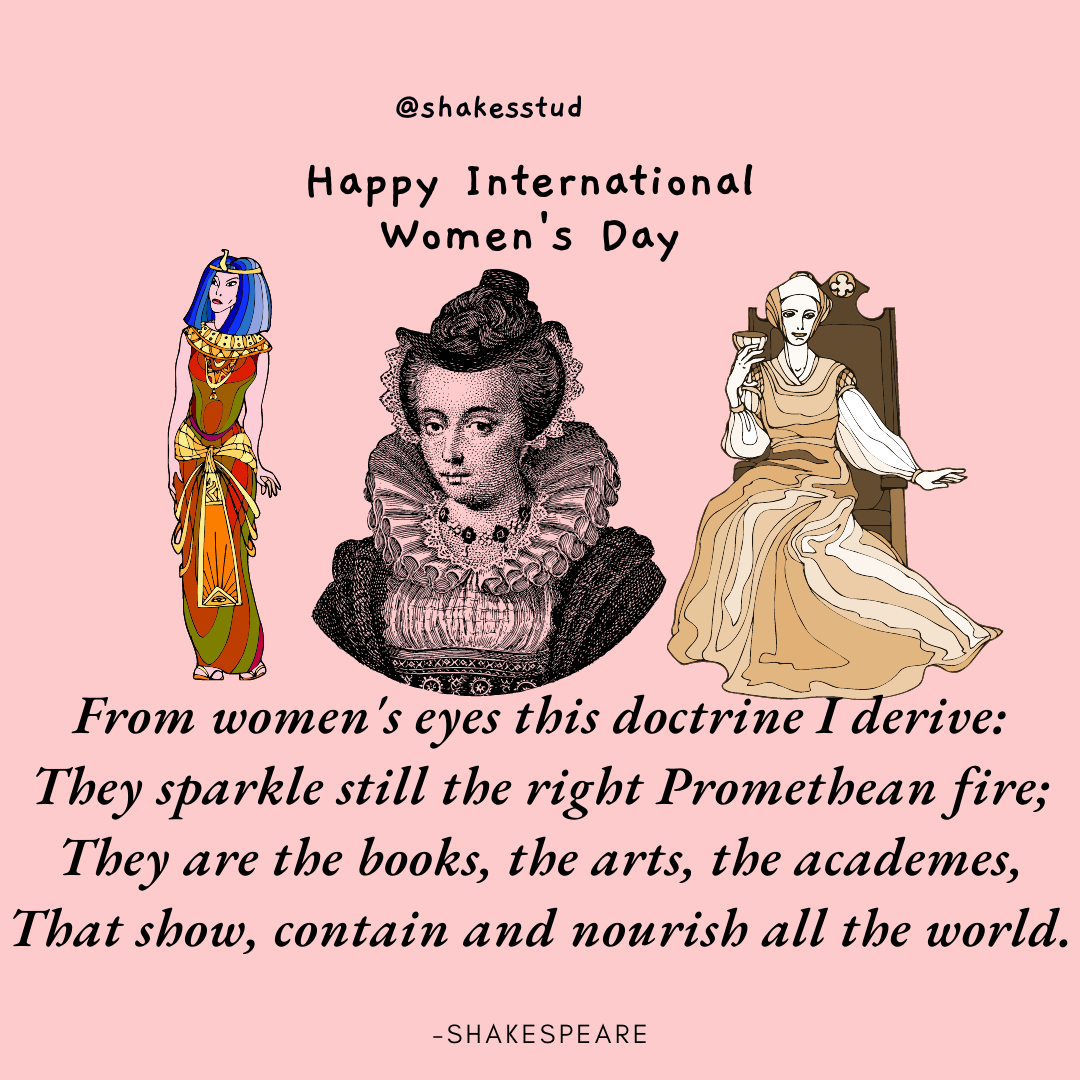
Happy International Women’s Day! I would like to dedicate my posts today to my daughter, a wonderful strong girl, a Shakespeare fan, and a lifelong lover of the musical “Six”.
Some of Shakespeare’s Best Female Characters
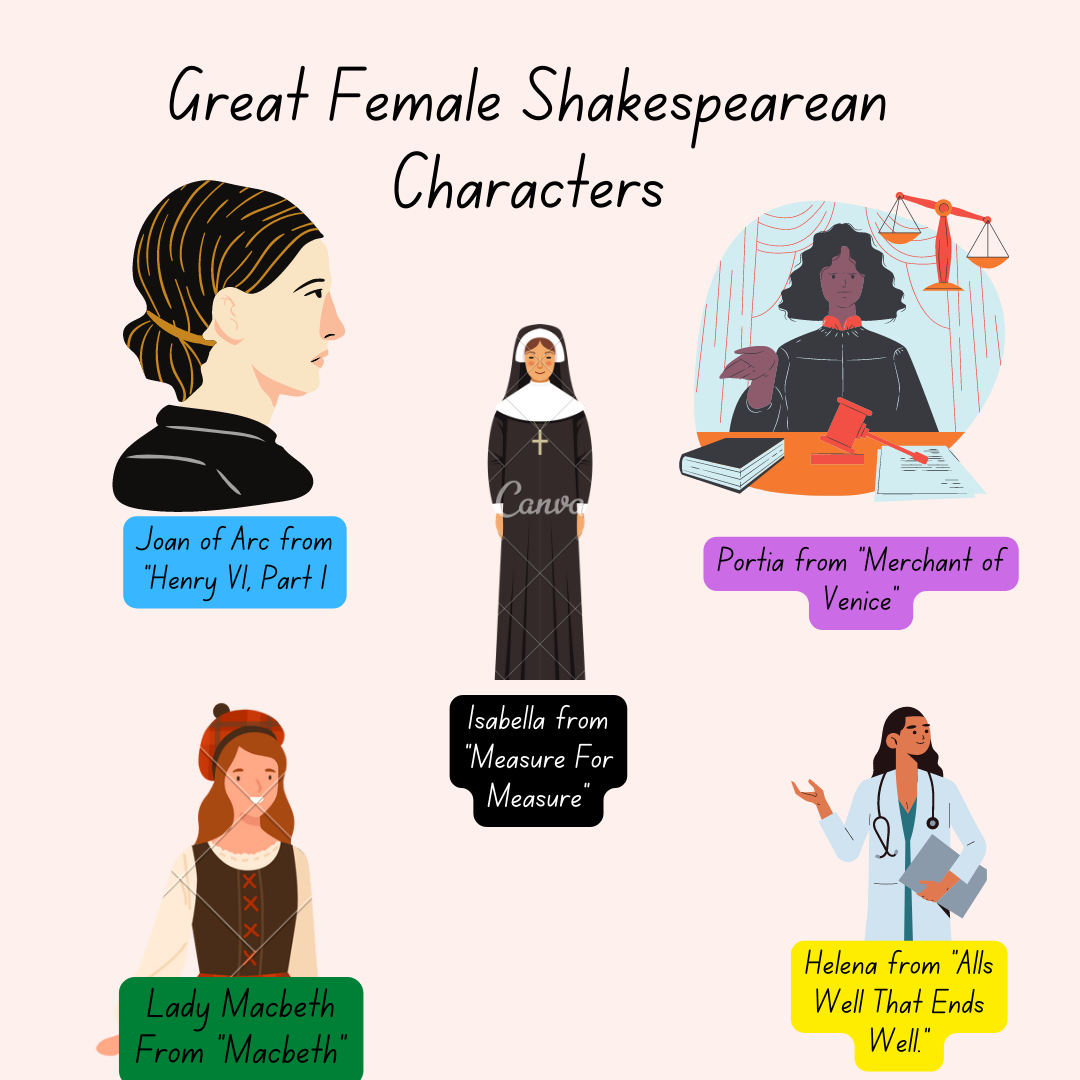
I’ve discussed Shakespeare’s best Mother characters before, and his Roman characters as well, but I thought I should include some of the ones who are not mothers and/or unmarried (at least for most of the play). I don’t want to rank these characters since I detest ranking women in general, so here are some of Shakespeare’s best characters, and some of their immortal speeches:
CleoPatra
Katherine Of Aragon
Even though “Henry the Eighth” is my least favorite Shakespeare play, I love how strong Katherine is and how well she fights against the machinations of Cardinal Woosey and her husband. She is a courageous, virtuous, and strong-minded woman, who when Henry demands that she consent to a divorce, Katherine simply says: “No Way!”
A fascinating and electrifying character. She seduces her husband and makes him fully commit to murdering the king. If you look at the post above, you can see the multiple potential readings for why she courts evil spirits to convince her husband to murder the king. Her strength and energy is highly attractive and it was easy for me to see how a man might do anything to make her happy.
Isabella From “Measure For Measure”
I think Elizabethans would have seen the connection between the Virgin Queen who fought off assassination from the Pope, and Isabella, a virgin who fights off the advances of Angello, who seems pious, but who secretly is degenerate and cruel. Isabella even becomes a princess at the end of the play, (assuming she marries the Duke), which means she could literally become a Queen Elizabeth to English eyes.
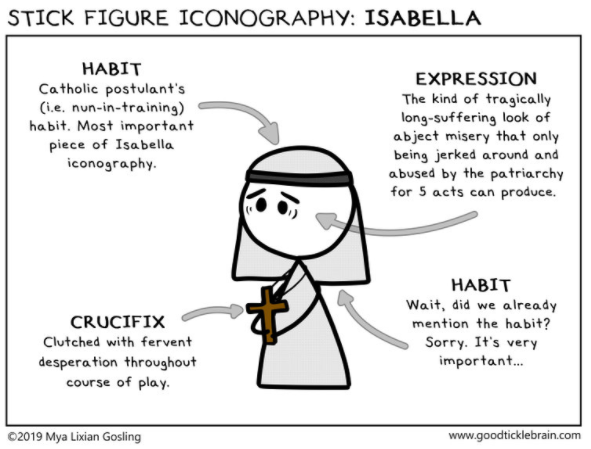
Stick figure version of Isabella from “Peace Good Tickle Brain.”
Portia Catonis (Wife of Brutus)
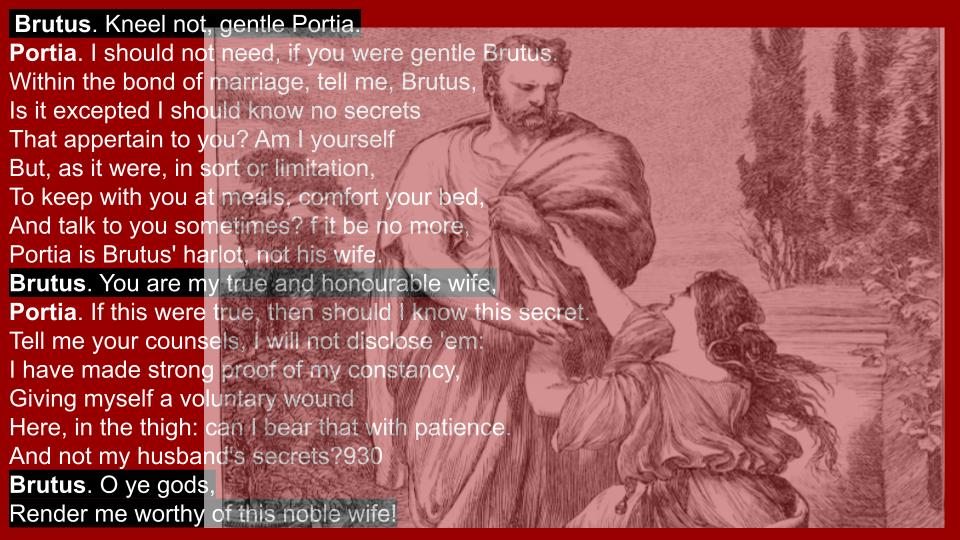
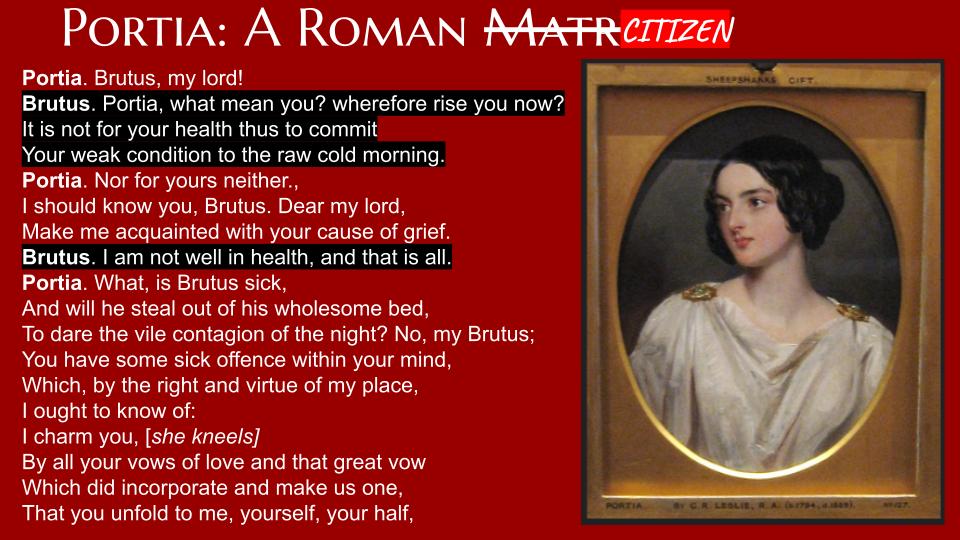
One of the best female characters in the Roman plays, Portia demands to be taken seriously as a wife and as a Roman citizen. In her one great scene we see her demand that Brutus tell her why he has been so distant and cold:
Some have speculated that in real life Portia helped Brutus with the conspiracy to assassinate Caesar, after all, she was the daughter of Caesar's great rival senator Cato, who was willing to die when he realized the Roman republic was finished.
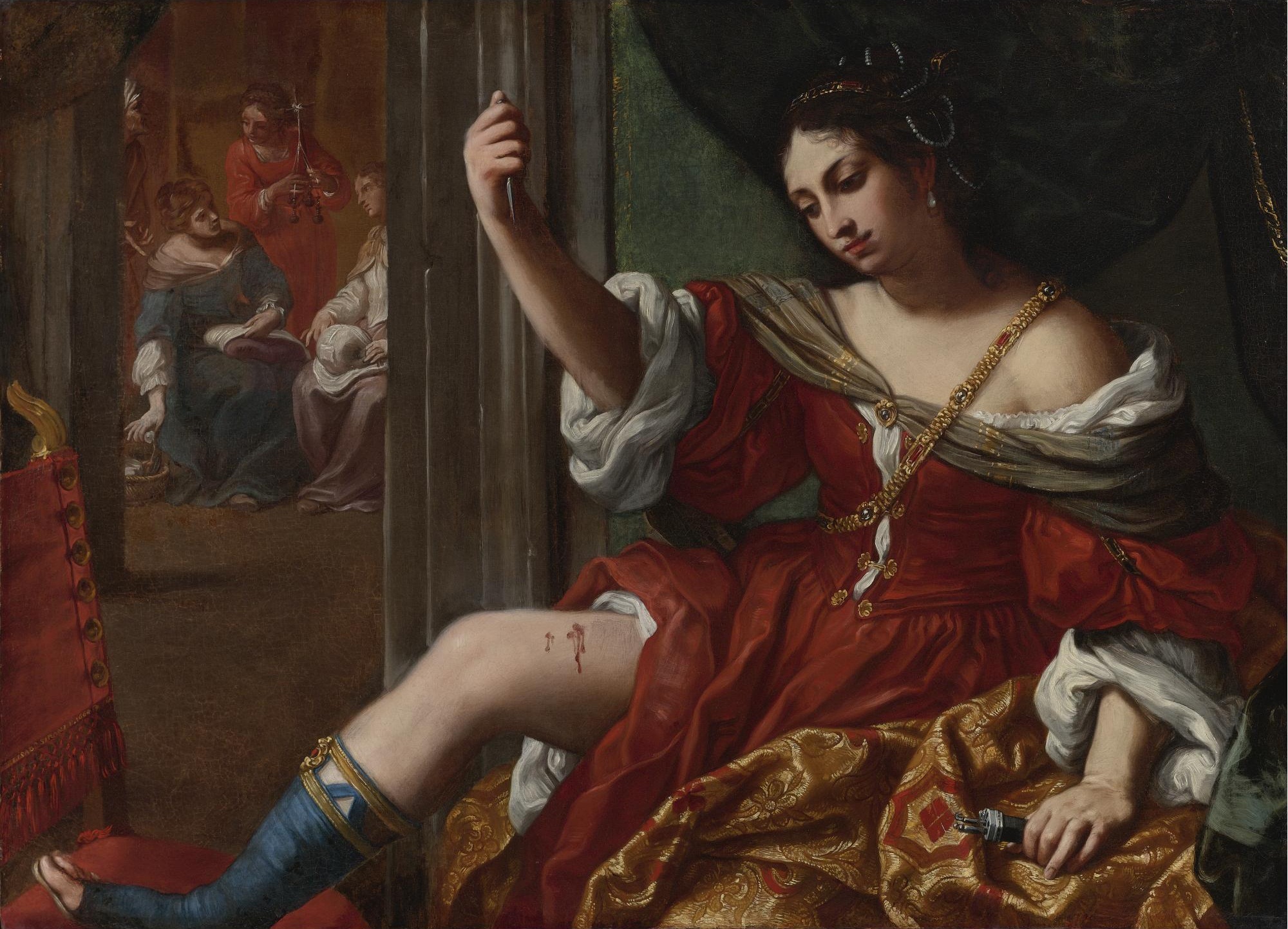
Not only was the real Portia a great woman, she also inspired some great art. Below is the great masterpiece:  Portia Wounding her Thigh, by Elisabetta Sirani (1664). According to Dr. DR. MAURA GLEESON, the painting was commissioned by a fabric merchant, which explains Portia's sumptuous outfit. Portia remains totally calm, yet focused and determined as the other women in the background idly spin clothes in the background. For more information on this masterpiece, click the link below:
Since International Women’s Day is Friday, I’m devoting the following week to talking about the awesome female characters in Shakespeare’s Roman plays: Titus, Andronicus, Julius Caesar, Antony and Cleopatra, and Coriolanus
First, here’s my post and an accompanying podcast on Roman women, which includes an analysis of Lavinia, Portia, Valumnia, and Cleopatra:
Here’s a fascinating video about the lives of Roman girls:
And here’s a special section about Cleopatra:
Comedy sketches about Cleopatra from “Horrible Histories” BBC, 2015.
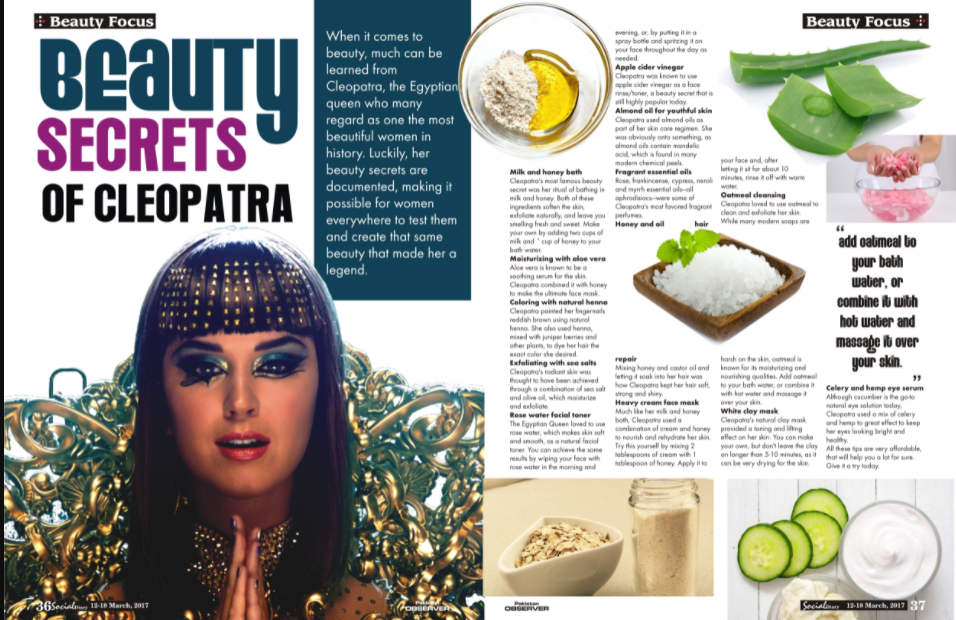
A Lady-Gaga-esque song about Cleopatra from “Horrible Histories,” 2014Infographic from an article about Cleopatra’s beauty regimen. Source: http://socialdiary.pk/
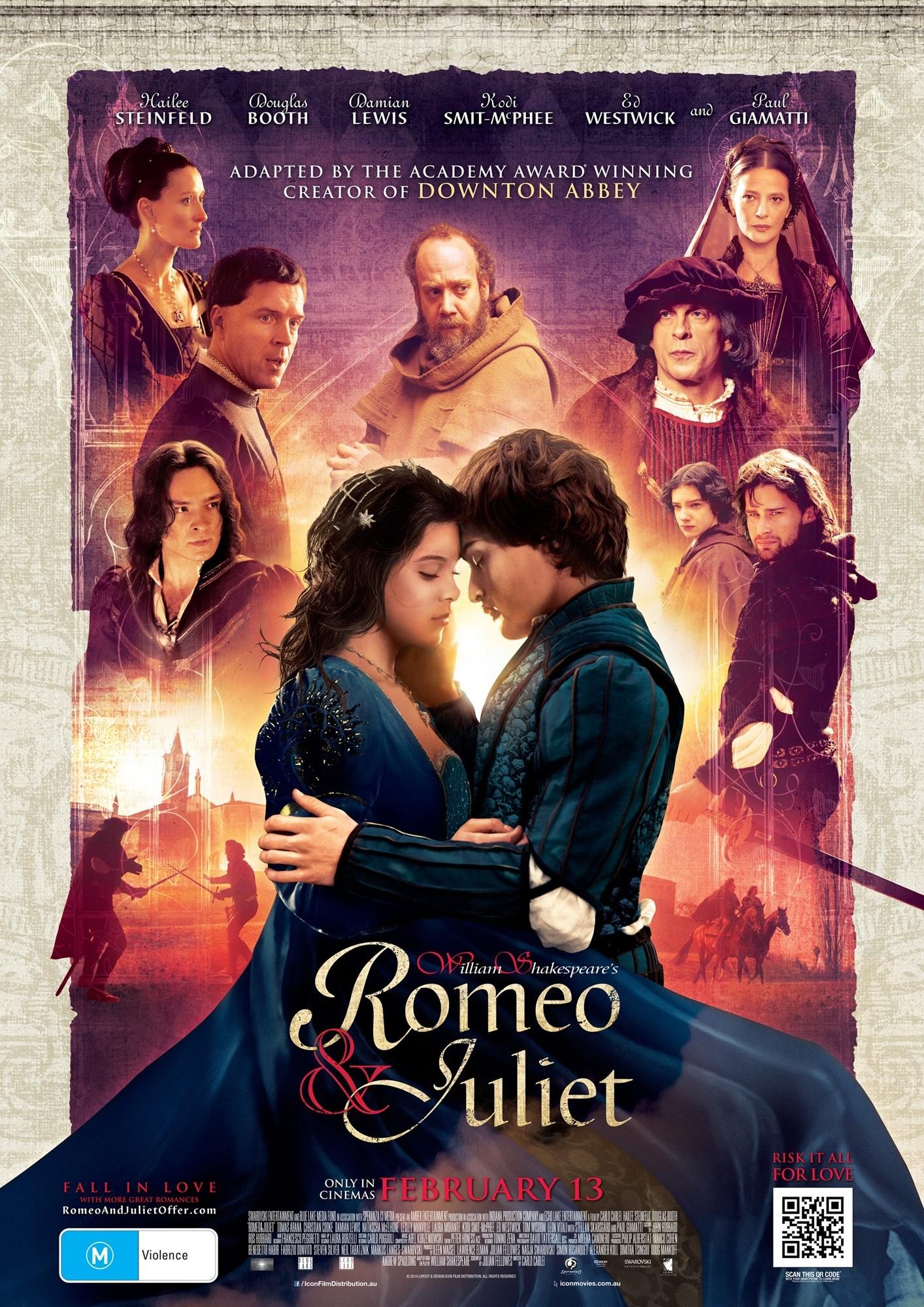
Every couple of years or so, there’s a new retelling of the tale of star-crossed lovers. I’ve written before that Shakespeare didn’t invent this story, but his version is definitely the template for every subsequent retelling.
The big challenge in telling the story for children is how to get around the sexual and violent elements of the story. Some versions like “Gnomio and Juliet,” make the violence comic and kid-friendly, while others like the WIshbone version call attention to the fact that it’s only a play, by presenting it as a story-within-a story.
What I find unique about Disney’s Elemental is that it ignores the violence and explores a side of the story that is often downplayed: family loyalty vs. personal choice. Is this version a complete adaptation- no. But it’s interesting to compare to “Romeo and Juliet” to see how it modernizes and diversifies elements of Shakespeare’s story.
Part I- The World of “Elemental”
One trope that both Elemental and Romeo and Juliet emphasize is the ancient notion of comparing human temperaments to the four elements.
In this world, all people are made of one basic element and it corresponds to their personality- dull, cold earth, flighty air, emotional water, and driven and temperamental fire. Our heroine Ember not only has a fiery temper, but a burning desire to repay her family for all that they’ve given her. She is also full of family anger for the prejudice she suffered at being an immigrant and a fire person. In the world of Elemental, fire people are looked upon with distrust because.. well fire burns!
This concept of elemental temperaments is explored in very creative ways in the film, but it is by no means a new idea. The idea that humans are made of four elements goes back to ancient Greece and China. The Greek philosopher Aristotle helped popularize the theory that not only is everything made of four elements but there are four liquids called humours that control human health and human behavior.
This is a presentation I created back in 2006 that explores the imagery and worldview of Romeo and Juliet. I explore what it means to be “Star Crossed Lovers,” and the relation that this play has to Astrology, religion, and even the Black Death. I hope you find it interesting!
Aristotle believed that to be physically and emotionally healthy, a person’s humours needed to be balanced which would prevent sickness and also control their temperament. A “humorous” person was someone who was either too angry or too melancholy and therefore worthy of scorn. This eventually twisted into our notion that humorous means to be funny.
In Romeo and Juliet, all of the characters are dominated by a particular humor and sometimes they even say how they are dominated by Choler (fire), Melancholy (Earth), Blood (Air), and Phlegm (Water)
Patience perforce with wilful choler meeting Makes my flesh tremble in their different greeting. I will withdraw: but this intrusion shall Now seeming sweet convert to bitter gall.
Tybalt, Act I, Scene v
All things that we ordained festival, Turn from their office to black funeral; Our instruments to melancholy bells, Our wedding cheer to a sad burial feast,
Lord Capulet, Act IV, Scene v
Then hie you hence to Friar Laurence’ cell; There stays a husband to make you a wife: Now comes the wanton blood up in your cheeks, They’ll be in scarlet straight at any news.
What’s unique about Elemental is that, while characters in Renaissance dramas have all four elements within them, in this movie, they are literally embodying one. Therefore to be in balance as Aristotle says they should be, they need a partner with an opposite humor to form a harmonious union. This is a nice way of visually showing the age-old adage that opposites attract in a very literal and easy-to-grasp way.
Wade- A more Temperate Romeo
As much as I love “Romeo and Juliet,” I’m well aware that Romeo is not an ideal lover. His attraction to Juliet is very much based on sight alone and though he is courageous and persistent to win her love, he does little to support or help her. Many people have pointed out that, had Romeo lived, it seems unlikely that his relationship with Juliet would last, especially considering that he just got over another girl five minutes before meeting her:
So as a character, Romeo is iconic, but as a lover, he’s not exactly ideal. What Elemental does is keep his love of romance and his persistence, and give him the ability to empathize, a desire to help, and above all, the ability to LISTEN to Ember, (the Juliet analog). Enter… Wade:
Wade is a great addition to the Romeo trope and though he doesn’t kill anyone for Ember’s honor, he does fight many figurative battles for her- he helps her fight her guilt and find her purpose in life, he tries to help her family multiple times, and he fights her father’s prejudice against water people by being kind and respectful to her family.
I think it’s telling that Wade is dominated by water. First of all, it makes it clear to audiences that he has significant challenges in dating Ember (since he might literally extinguish her), but also because of what it says about his character.
Romeo is dominated by the humor of blood, which according to Hippocrates and Galen:
A person who is sanguine is generally optimistic, cheerful, even-tempered, confident, rational, popular, and fun-loving. He or she can be daydreamy to the point of not accomplishing anything and impulsive, acting on whims in an unpredictable fashion. Sanguines usually have a lot of energy, but have a problem finding a way to direct the energy. This also describes the manic phase of a bipolar disorder.
While Wade is literally made of water, which according to Galen:
A phlegmatic person is calm and unemotional. Phlegmatic means “Pertaining to phlegm” and corresponds to the season of winter (wet and cold), and connotes the element of water. While phlegmatics are generally self-content and kind, their shy personality can often inhibit enthusiasm in others and make themselves lazy and resistant to change. They are very consistent, relaxed, and observant, making them good administrators and diplomats. Like the sanguine personality, the phlegmatic has many friends. But the phlegmatic is more reliable and compassionate; these characteristics typically make the phlegmatic a more dependable friend.
So by his very nature, Wade is more active and a better friend than Romeo, which makes his relationship with Ember a more equal partnership. Wade is thus a more modern take on the age-old sanguine lover like Romeo.
Many have argued that Romeo and Juliet’s relationship was never designed to last; it was designed to be much like fire or even like a poison that tastes good at first, but kills at last:
Much like Shakespeare’s version, the Juliet character in Elemental is more interesting than the Romeo character, and the writers know it. In Shakespeare’s version, Romeo is absent for most of Act IV, and in Elemental, Wade is not there for most of Act I and parts of Act II in the movie. The focus of both stories and the best feature is how the heroine handles the conflict between her family and her romance.
In Shakespeare’s version, Juliet doesn’t immediately fall head-over-heels in love with Romeo and uses an elemental image to describe how it would be foolish to try and rush into love too fast:
Although I joy in thee, I have no joy of this contract to-night: It is too rash, too unadvised, too sudden; Too like the lightning, which doth cease to be Ere one can say ‘It lightens.’ Sweet, good night!
Juliet, Act II, Scene ii
But, once the two of them are married, she is very passionate and will do anything to avoid getting married to Lord Paris, even though her parents are pressuring her:
It’s also interesting that Lord Capulet is described in this scene as “Too hot.” I’ve mentioned before that in many productions, the Capulets are dressed in fiery colors like reds, yellows, and orange.
Collage of images of Tybalt. Notice the reds and yellows.
Juliet herself can also be very fiery and willful. At one point, Friar Laurence even compares Romeo’s infatuation with Juliet to fire and gunpowder!
Visual Accompaniment for Romeo and Juliet
These violent delights have violent ends And in their triumph die, like fireandpowder, Which as they kiss consume: the sweetest honey Is loathsome in his own deliciousness And in the taste confounds the appetite: Therefore love moderately; long love doth so; Too swift arrives as tardy as too slow. [Enter JULIET]
So there is precedent for portraying Juliet as a fiery character. What Elemental adds, is a sympathetic portrayal of race and culture wrapped up in her fiery nature. As I said before, Ember is the child of immigrants who are grateful to Element City for taking them in, but tired of the prejudices they face from the other elements. This echoes the real word struggle of Chinese immigrants under the Chinese Exclusion Act, and Japanese Americans during World War II. One way Ember’s fiery temper manifests itself is with her anger at prejudice and injustice:
The other struggle that keeps Ember intemperate is her conflicting desire to honor her family by taking over the family business, although this isn’t what she wants to do with her life. Wade sees this and realizes that Ember is fighting a war within herself and that is why she is lashing out at people in the store. She is also dealing with her family’s relative poverty and is constantly worried that her family won’t survive if she doesn’t take over the store.
In this scene, Ember becomes jealous of Wade, who was born into wealth and acceptance unlike her family who has struggled for years. This jealousy drives a wedge between her and Wade. It’s interesting that, rather than a family feud, the real forces that keep Wade and Ember in Elemental apart are not an arbitrary feud, but big societal forces like racism, nativism, and cultural differences.
In essence, Elemental takes the star-crossed aspect of the story and makes them more like the modern world. Most of us in first-world countries don’t get into blood feuds but plenty of people face prejudice and hardships based on where and how they were born. Elemental “boils” down the core of the Romeo and Juliet story and tells it differently, while keeping the central lesson that love can overcome and unite family differences and problems when two people are willing to risk everything for each other… even life.
“Welcome Spirit, How Camest Thou hither?” The sources for Puck
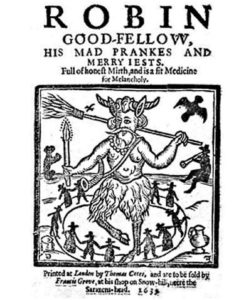
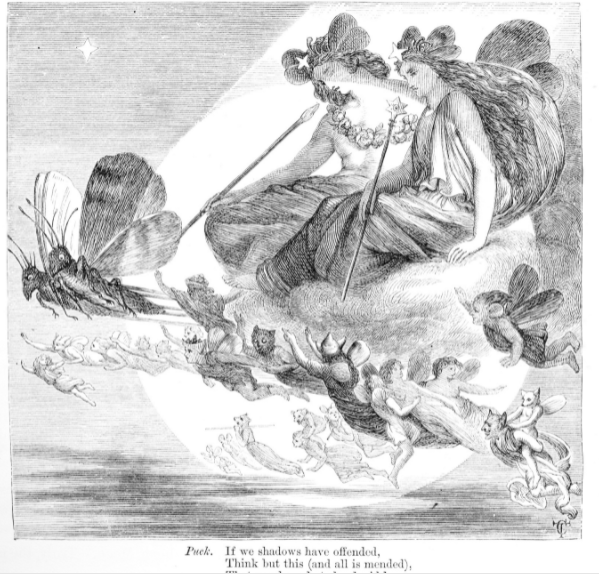
Puck, in medieval English folklore, a malicious fairy or demon. In Old and Middle English the word meant simply “demon.” In Elizabethan lore he was a mischievous, brownielike fairy also called Robin Goodfellow, or Hobgoblin. As one of the leading characters in William Shakespeare’s Midsummer Night’s Dream, Puck boasts of his pranks of changing shapes, misleading travelers at night, spoiling milk, frightening young girls, and tripping venerable old dames. The Irish pooka, or púca, and the Welsh pwcca are similar household spirits.
Shakespeare also took inspiration from English poet Edmund Spencer, who visited Ireland in the 1590s and adapted the folklore he picked up into his opera The Fairy Queen, which Shakespeare adapted into A Midsummer Night’s Dream
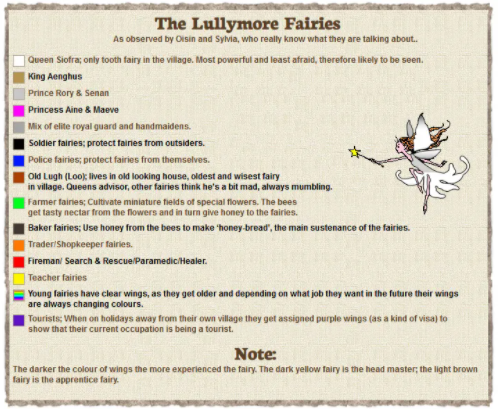
Types of fairies you can “spot” at the Lullymore Park in Ireland:
Puck/Robin’s Dual Nature
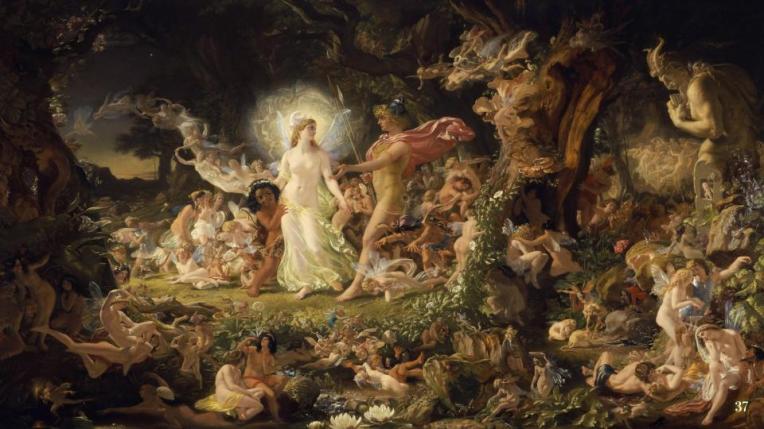
The old stories tell that Fairies are magical creatures who live in hollow places in the earth. Some are benevolent and help give rain and pleasant weather to the Earth, Like the king and Queen of the fairies, Oberon and Titania:
And the mazed world, By their [the tides] increase, now knows not which is which: And this same progeny of evils comes From our debate, from our dissension; We are their parents and original.
— Titania, (Queen of the Faries), A Midsummer Night’s Dream Act II, Scene i.
Titania in this speech shows great concern for nature, humanity, and the planet. She believes it is the responsibility of fairies, particularly herself and her husband Oberon, to control the elements and keep humans and fairies safe. Some fairies, however, are cruel and enjoy playing tricks on mortals, just like Puck in A Midsummer Night’s Dream, or Queen Mab in Romeo and Juliet.
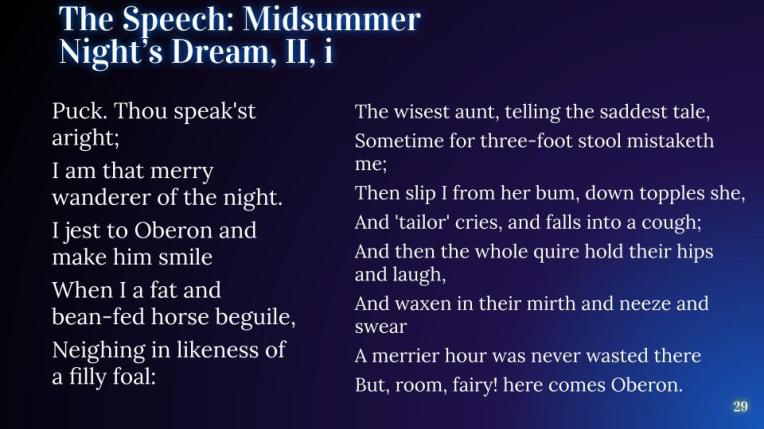
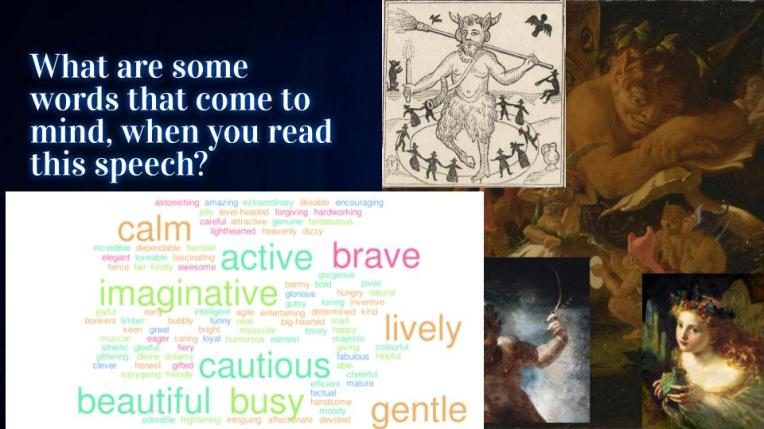
Close reading of Puck’s speech (MND II, i)
Close reading of Puck’s speech (MND II, i)
Close reading of Puck’s speech (MND II, i)
Close reading of Puck’s speech (MND II, i)
Close reading of Puck’s speech (MND II, i)
.
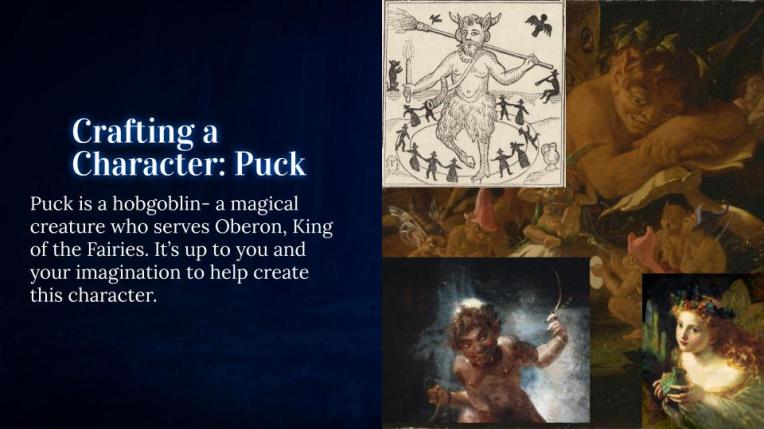
This is a short analysis I created of the tricks Puck plays on people in A Midsummer Night’s Dream, as part of my acting course on Ouschool.com. Note the different ways Puck is portrayed in photos as a satyr, a rotund elf, and sometimes as an almost- demon like figure.
Punishments or contracts with fairies formed a significant part of Goodfellow’s purpose on earth. While he could issue good fortune and support, this was always at the cost of those involved. As Reginald Scot commented, Goodfellow had a ‘standing fee’ of a ‘mess of white bread and milk’, which he expected after supporting housewives with their chores. If his payment was forgotten, Goodfellow was believed to steal from the home that owed him, often stealing grain and milk from the dairy.
Abigail Sparkes, Historic UK.com
Performing Puck
Because Puck is not human, and somewhat ambiguous in the text, an actor can play Puck in many different ways. Generally speaking, actors tend to explore Puck’s attitude toward humans, their love of mischief, and how to translate that physically and vocally
Puck. My mistress with a monster is in love. Near to her close and consecrated bower, While she was in her dull and sleeping hour, A crew of patches, rude mechanicals, Were met together to rehearse a play The shallowest thick-skin of that barren sort, Who Pyramus presented, in their sport Forsook his scene and enter’d in a brake When I did him at this advantage take, An ass’s nole I fixed on his head:
Anon his Thisbe must be answered, And forth my mimic comes. So, at his sight, away his fellows fly; And, at our stamp, here o’er and o’er one falls; He murder cries and help from Athens calls. I led them on in this distracted fear, And left sweet Pyramus translated there: When in that moment, so it came to pass, Titania waked and straightway loved an ass!
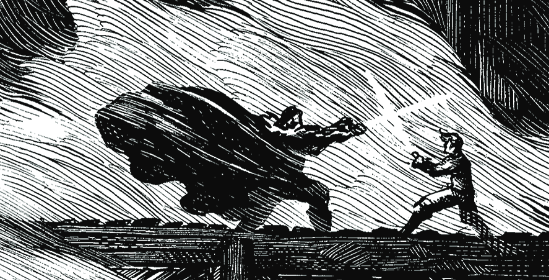
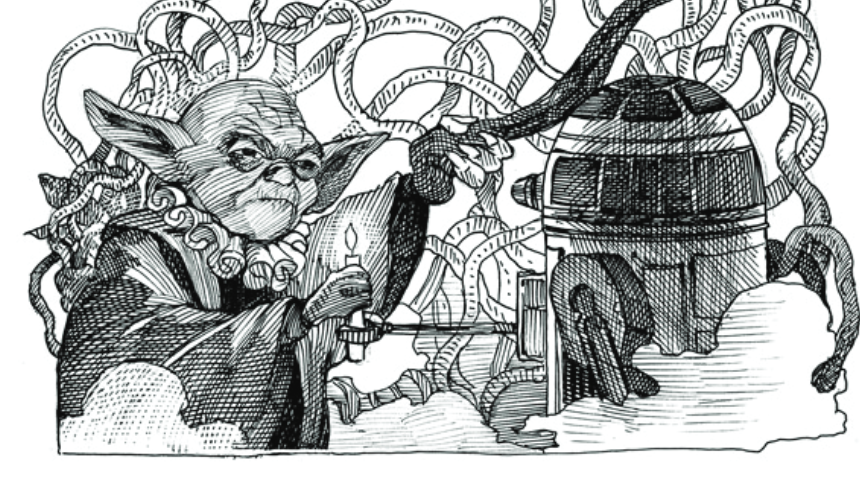
Greetings and welcome to part 2 of my podcast on The Empire Striketh back, the 5th installment in the William Shakespeare’s Star Wars Series.
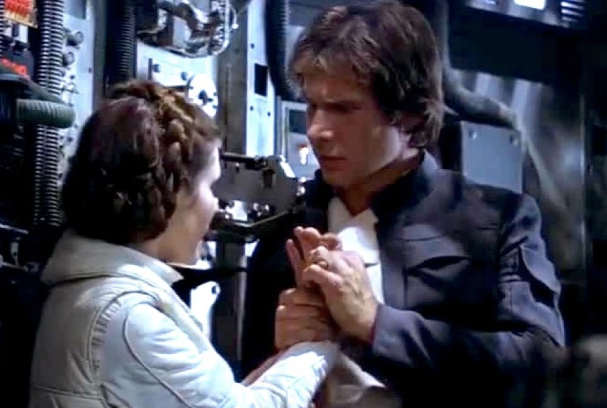
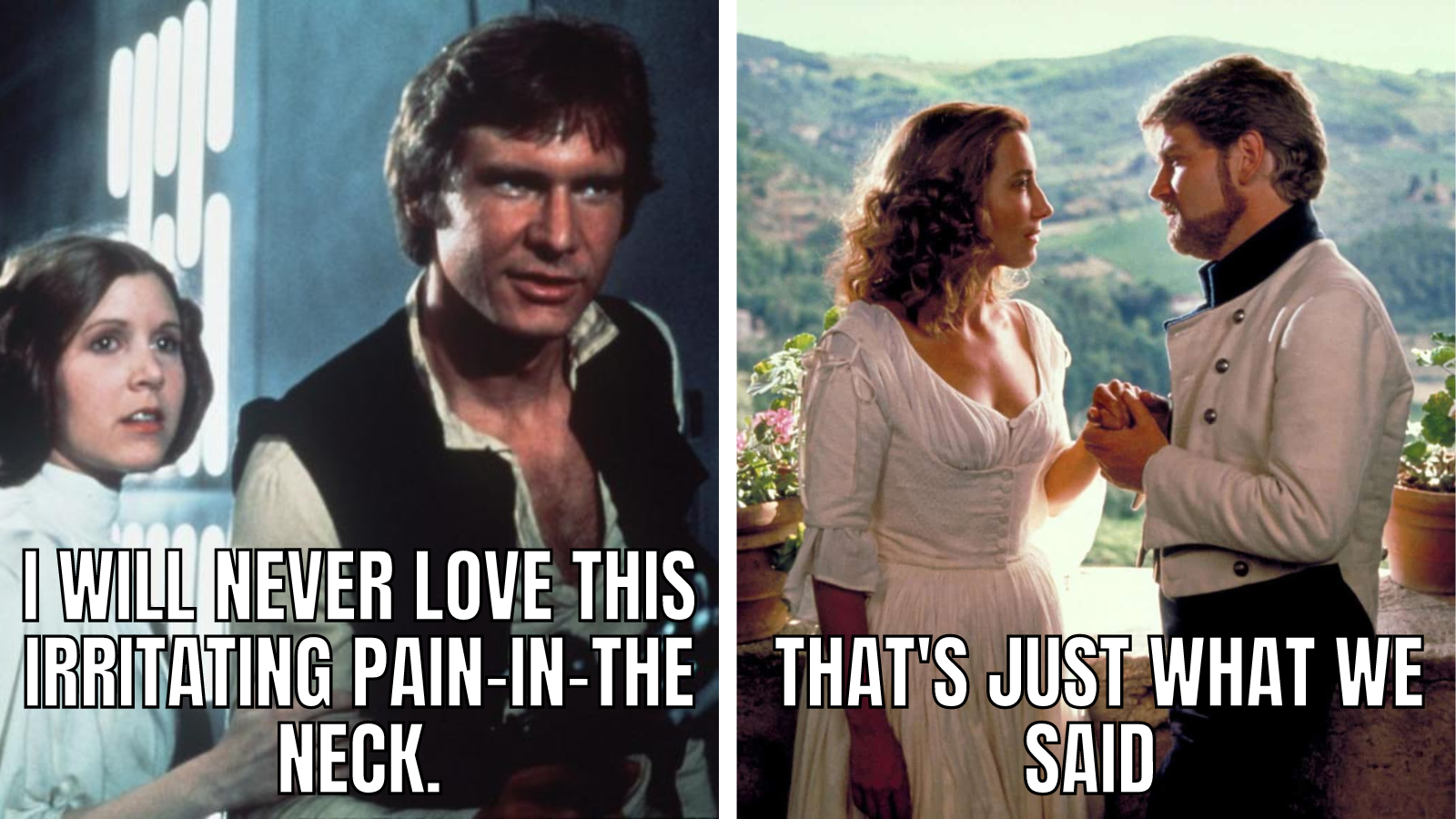
Last time I mentioned Luke’s journey and how Droesher adapts the cinematic quality into Elizabethan drama through soliloquies.This time, I’m going to talk about the other main characters, Han and Leia. In my opinion, Doescher writes their journey much better and gives them lots of good romantic and comedic dialogue. I am also privileged that this time I will have some help with the voices- two professional actors, Hal Jourdan and Janine Ashley have graciously agreed to be part of this podcast, lending their voices to Han, Leia, the Wampa, and Luke. I’m grateful for their involvement and would love for you to check out their other work onstage. Below are some Youtube clips I made using their voices. Enjoy!
For Pride Month, I’d like to draw some focus to a celebrated LGBTQ film, based on a play that, while not Shakespearean, it was by one of Shakespeare’s contemporaries and one who influenced Shakespeare a lot. This film, Edward II, directed by Derek Jarman, was based on the play of the same name by Christopher Marlowe (1564-1593). The film came out in 1991, during the AIDS crisis, when gay and lesbian people were not only fighting for their lives against a devastating epidemic but also for acceptance from the heterosexual community. This film is not only a striking, well-acted, well-directed adaptation of Marlowe’s play; it is also an encapsulation of the fears, struggles, and anxieties of the LGBTQ+ community at the time.
Plot Summary/ Great Quotes
Biography Of King Edward II
Edward II was the son of the infamous King Edward I, aka, Edward the Longshanks, the Scottish Hammer. He lived from 1307-1327 – until he was assassinated.
Fact Vs. Fiction
Peter Hanley as Prince Edward in “Braveheart” (1995) directed by Mel Gibson.
Aside from a few historical footnotes, I’m betting that when we think of Edward II, we mostly think of this portrayal in the 1995 film Braveheart. Frankly, most contemporary accounts of Edward II’s reign are similar to this portrayal- vain, spoiled, weak, deluded, and an utter disgrace to his warrior father. One of his greatest embarrassments was his army’s catastrophic defeat at the Battle of Bannockburn in 1314. Edward’s sources mainly portray him as weak and feeble compared to his father, but we have to remember that this was a cruel, warlike society with very little place for anyone who didn’t conform to stereotypical masculine virtues. Probably in the minds of the English court, Edward’s homosexuality was linked with his failures as a king. It was up to Jarman’s production to make Edward feel more like a real man, and not just a gay stereotype.
Play Vs. Movie
In the play, it’s ambiguous whether Galveston really loves Edward, or if he’s using him for the king’s power and protection. In the movie, Galveston is definitely using Edward, making the king’s fawning all the more pathetic and tragic. As his son asks: “Why do you love him when all the world hates him?” This makes our sympathies teter between Edward and his court- we wish Edward would open his eyes and get rid of Galveston, but at the same time, who hasn’t been blinded by love? At the same time, Galveston has been hurting the country, and taking Edward away from his court and his queen. Like many other stories of monarchs in love, including the real-life story of our current king, there is a constant tension in the court between the monarch’s personal desires, and his or her responsibilities to the country.
Biography of Marlowe
Edward II and Richard II
Many scholars believe that Marlowe’s play helped influence Shakespeare’s Richard II, as they both center around weak, sometimes effeminate kings that fall prey to the machinations of other lords. In Shakespeare’s play, it is possible to play Richard as being in love with some of his favorite courtiers, but nothing is explicit. Obviously, Marlowe was much more overt in Edward’s love for Gaveston. To demonstrate how these plays are similar, here’s Ian McKellen playing Richard II:
Is this play Homophobic?
On the one hand, the story shows Edward as effeminate, weak-willed, and poor in judgment which does align with offensive homosexual stereotypes. On the other hand, the other lords of the court are portrayed as cruel and intolerant, and Jarman definitely makes Mortimer a cruel and homophobic individual. In addition, when Edward’s son Edward III, who famously conquered England and France, he is shown in the movie wearing drag, which clearly shows that a member of the LGBTQ community need not be weak or ineffective. It also shows that Edward III has inherited his mother’s strength, not his father’s weakness.
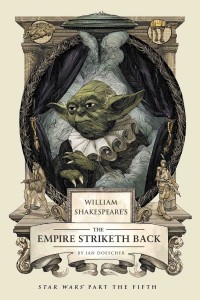
Book cover for Ian Doescher’s “The Empire Striketh Back,” a Shakespearean parody of Star Wars Episode 5.
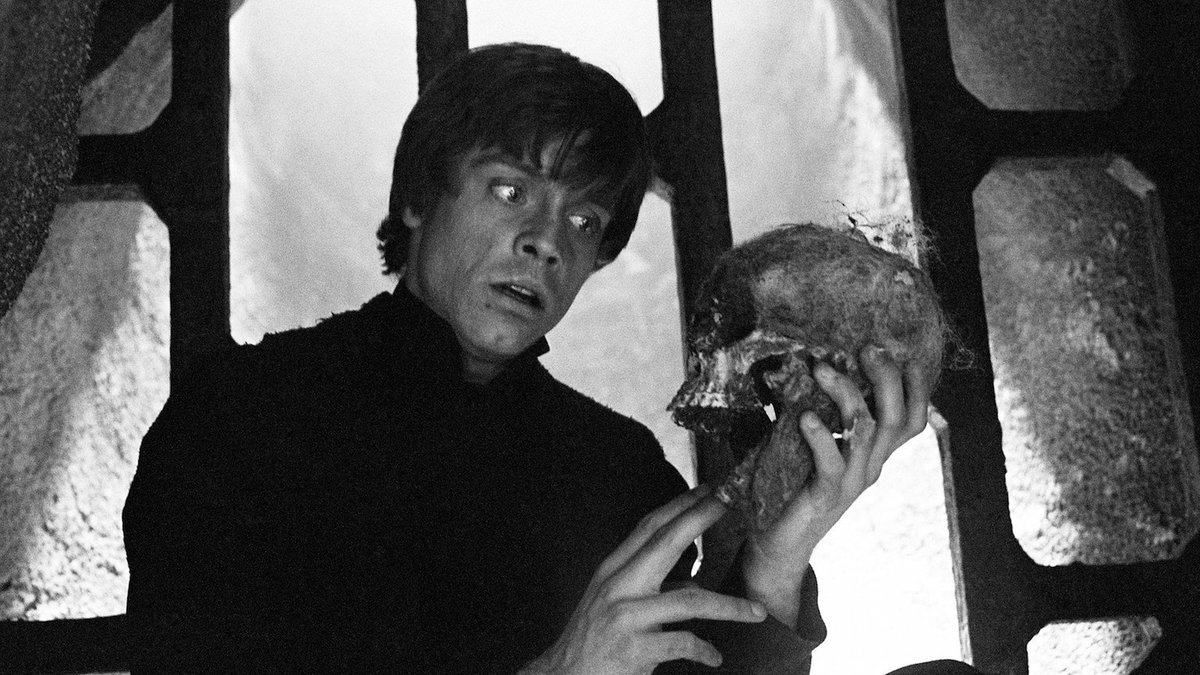
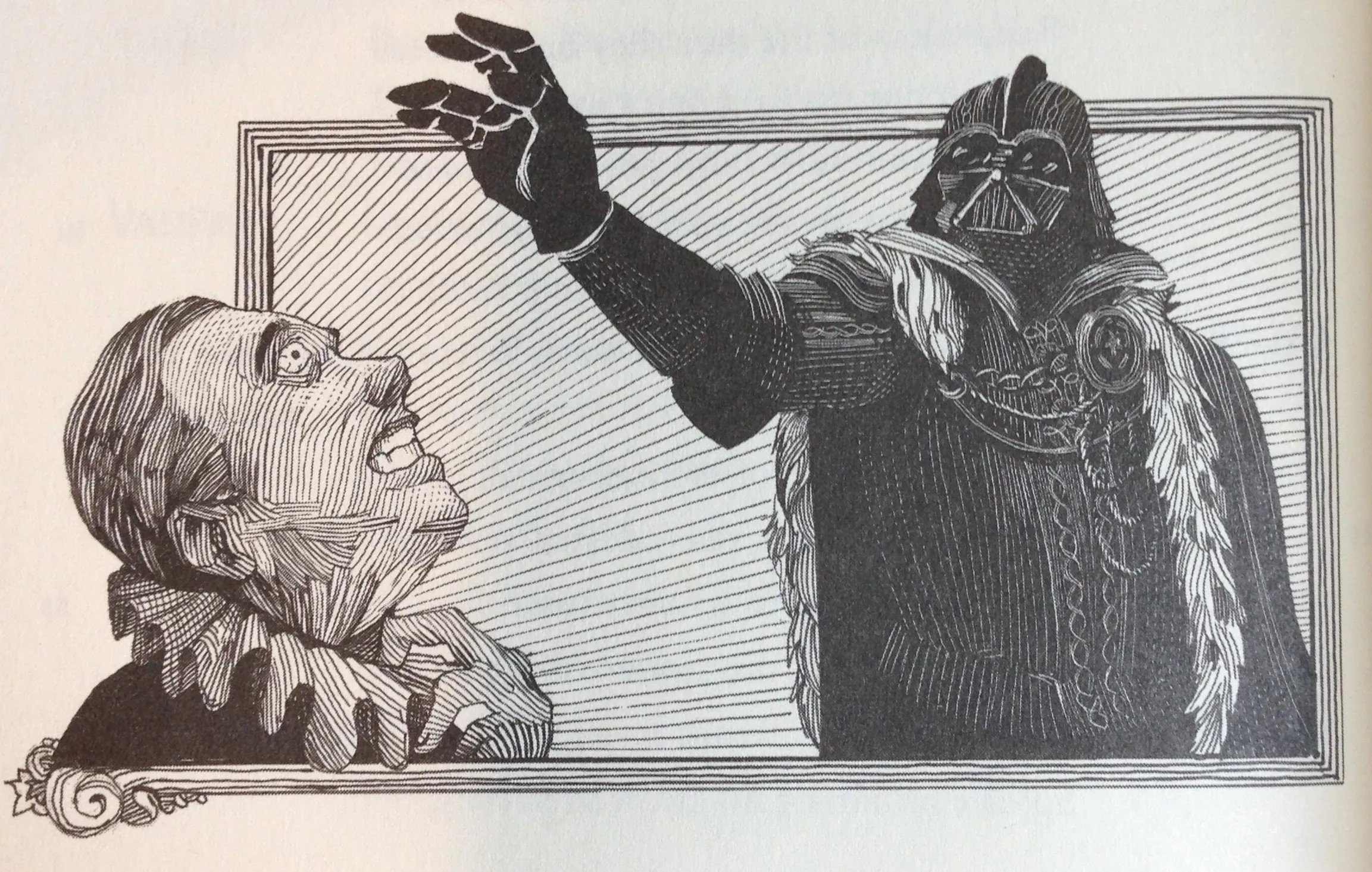
Well today is May 4rth, when a lot of people have chosen to celebrate one of the most iconic movies of the 20th century: Star Wars! And why not? The story is full of conflict, introspection, love, change, the conflict between fathers and sons, and occasionally guidance from ghosts. Wait, that sounds familiar- it’s a lot like Shakespeare! Yes, the movie has a lot of parallels with the Shakespearean canon, and I’d like to share some of those similarities here. Below is a post I did for the American Shakespeare Center about how the Star Wars prequels parallel Shakespeare’s history saga of Henry the Sixth:
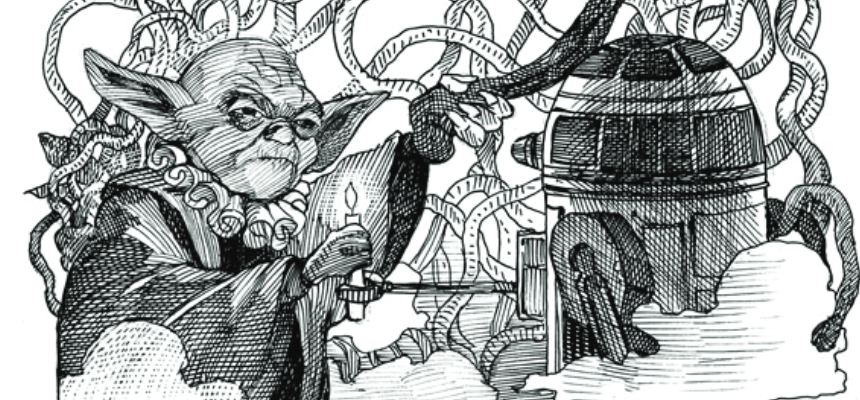
This is part of my upcoming podcast where I demonstrate how similar Yoda’s speech is to some Shakespearean dialogue. Actor and puppeteer Frank Oz, who puppeteered the character and supplied the voice explained that the idea behind the character’s iconic speech pattern was a discovery he made reading through the script:
“It’s funny you ask about [Yoda] because I was just looking at the original script of The Empire Strikes Back the other day and there was a bit of that odd syntax in it, but also it had Yoda speaking very colloquially. So I said to George [Lucas]: ‘Can I do the whole thing like this?’ And he said: ‘Sure!’ It just felt so right.”
There are a lot of in-universe theories as to why Yoda speaks like this. David Adger, from Queen Mary University of London has a theory that, much like many Latin languages have a different syntax than English, perhaps Yoda is speaking in the syntax of his language while speaking English:
He’s speaking English but changed the structure of it to be like his native language,” Adger points out. “We can find out something about Yoda’s native language by looking at how he speaks English, in the same way as I can find out about a French person’s native language by looking at how that French person speaks English. Yoda says things like ‘the greatest teacher failure is’… If you were to say that in a language like Hawaiian … it would be almost exactly the same … putting the predicate before the subject,” the professor used as an example.
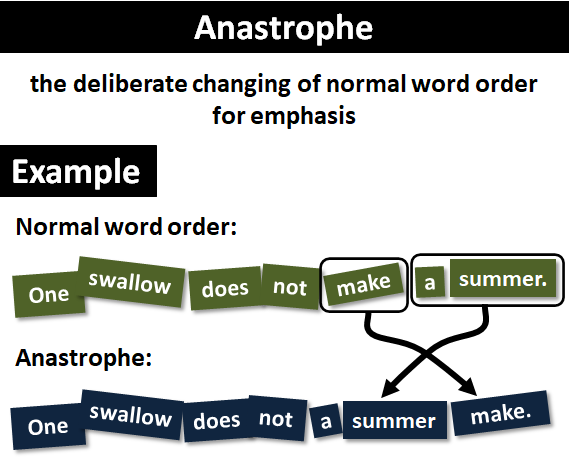
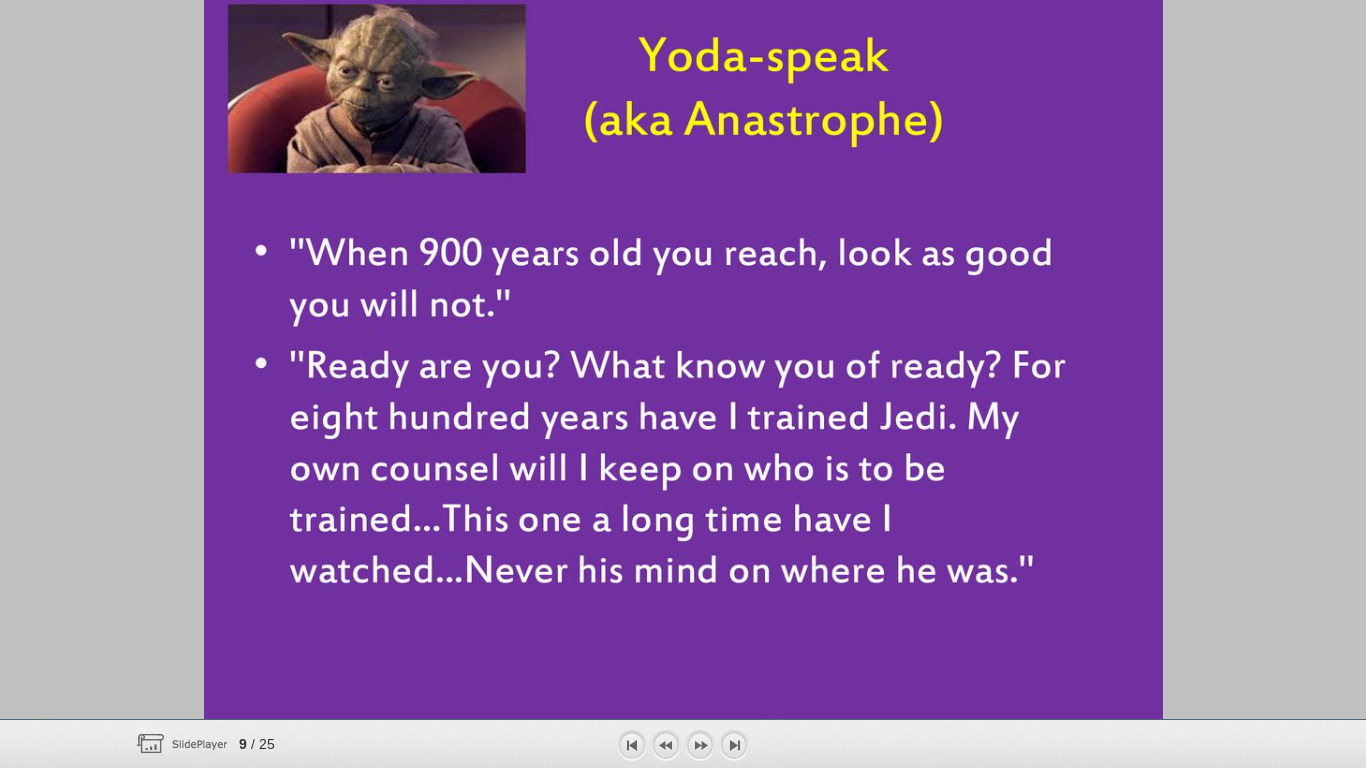
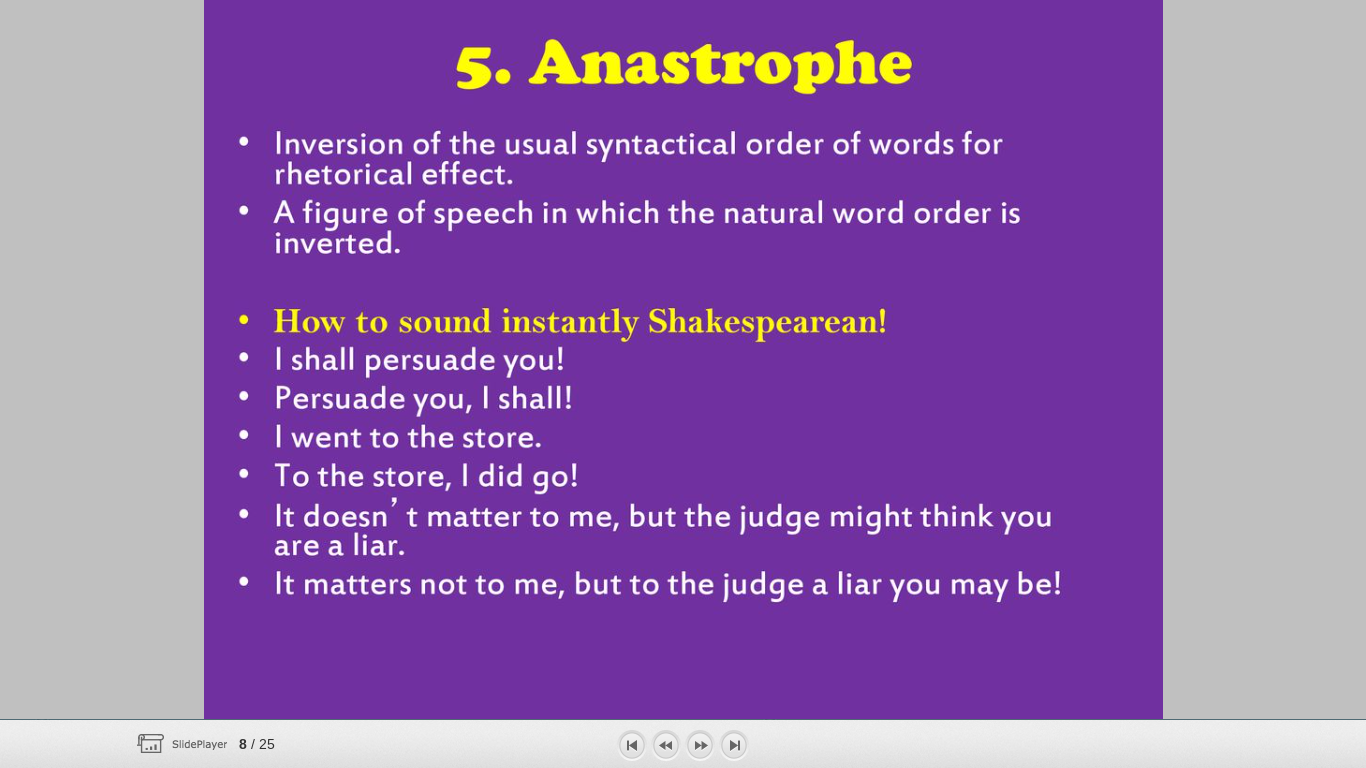
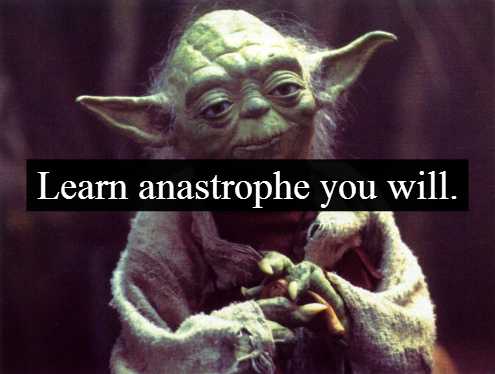
From a Shakespearean perspective, what Yoda is doing is called anastrophe, a rhetorical technique that is used for emphasis. Instead of the familiar- Subject-Verb-Object syntax of English, the order is flipped to grab the reader/ listener’s attention:
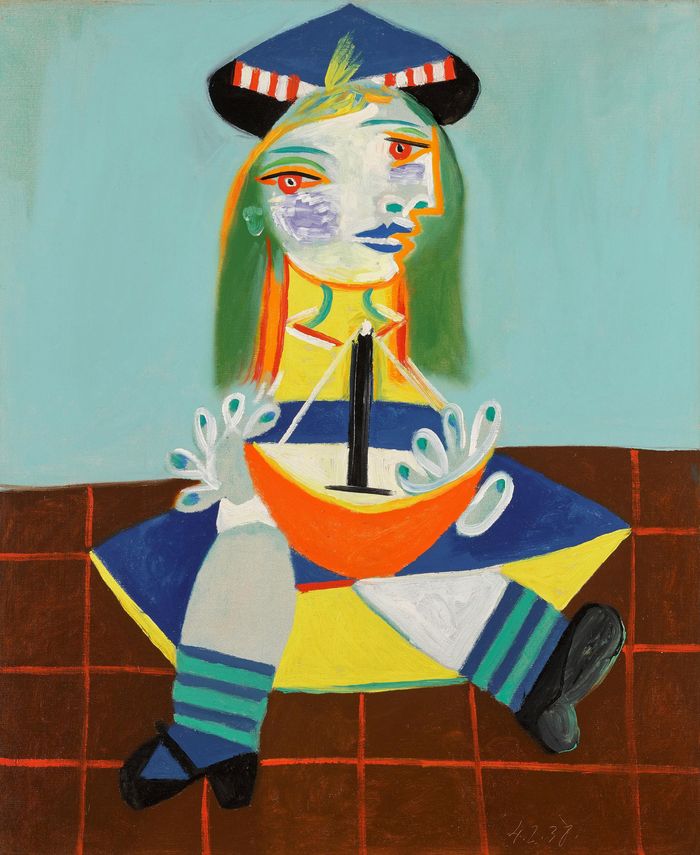
According to Silvae Rhetorica (The Forest of Rhetoric), the word Anastrophe is Greek for “backward turning,” where the writer twist the word order around. As I said before, this creates a surprising effect, much like this painting by Picasso:
“People take the eye for granted. If I paint an eye in an eye socket, they take it for granted. If I take it out of the eye socket and stick it somewhere else, it comes as a shock, and they see the eye anew.”
— Pablo Picasso
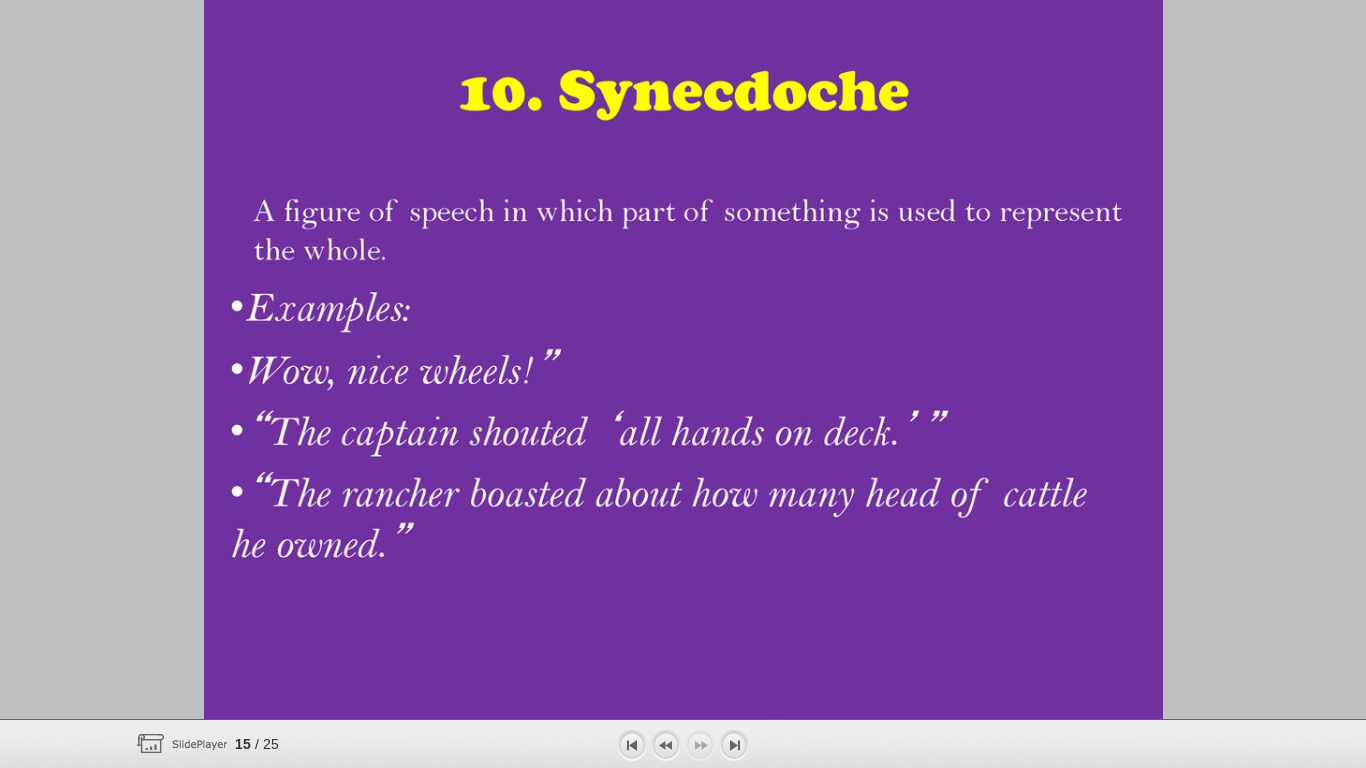
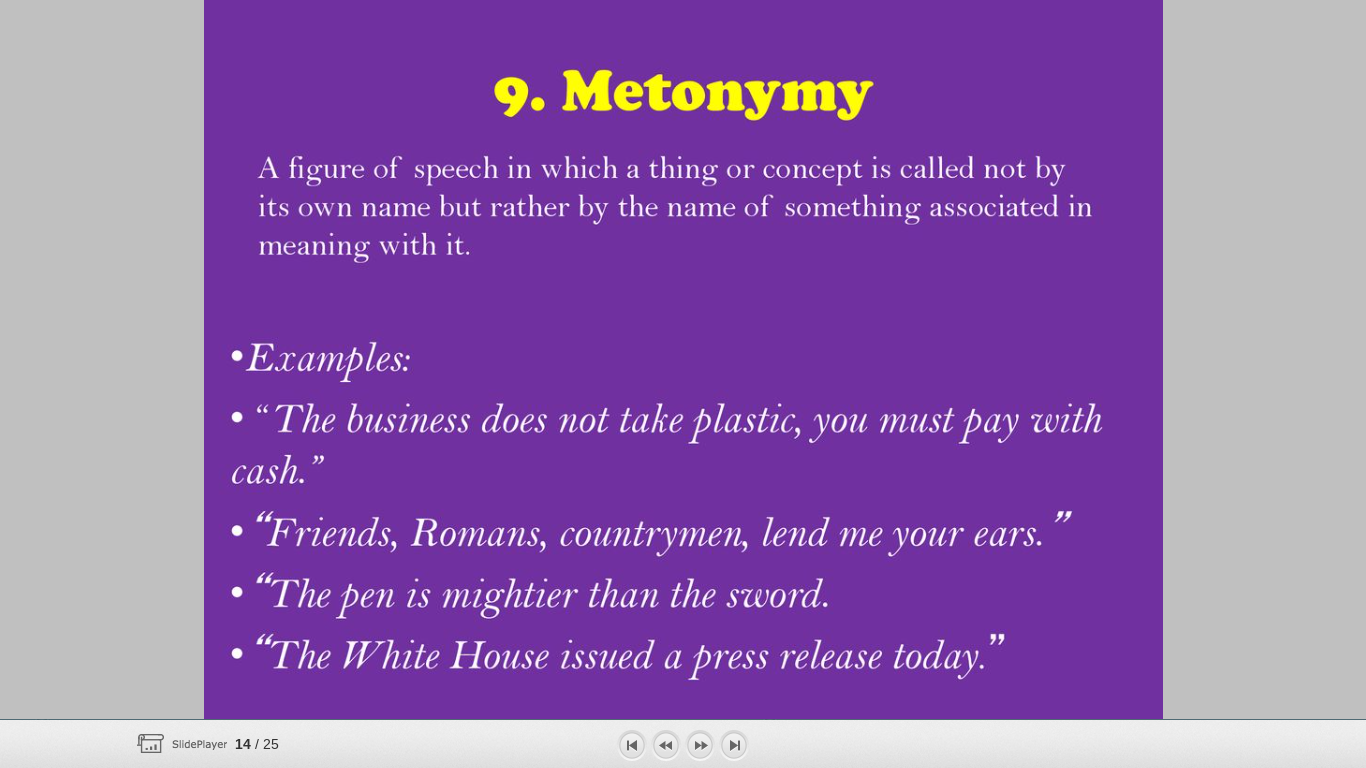
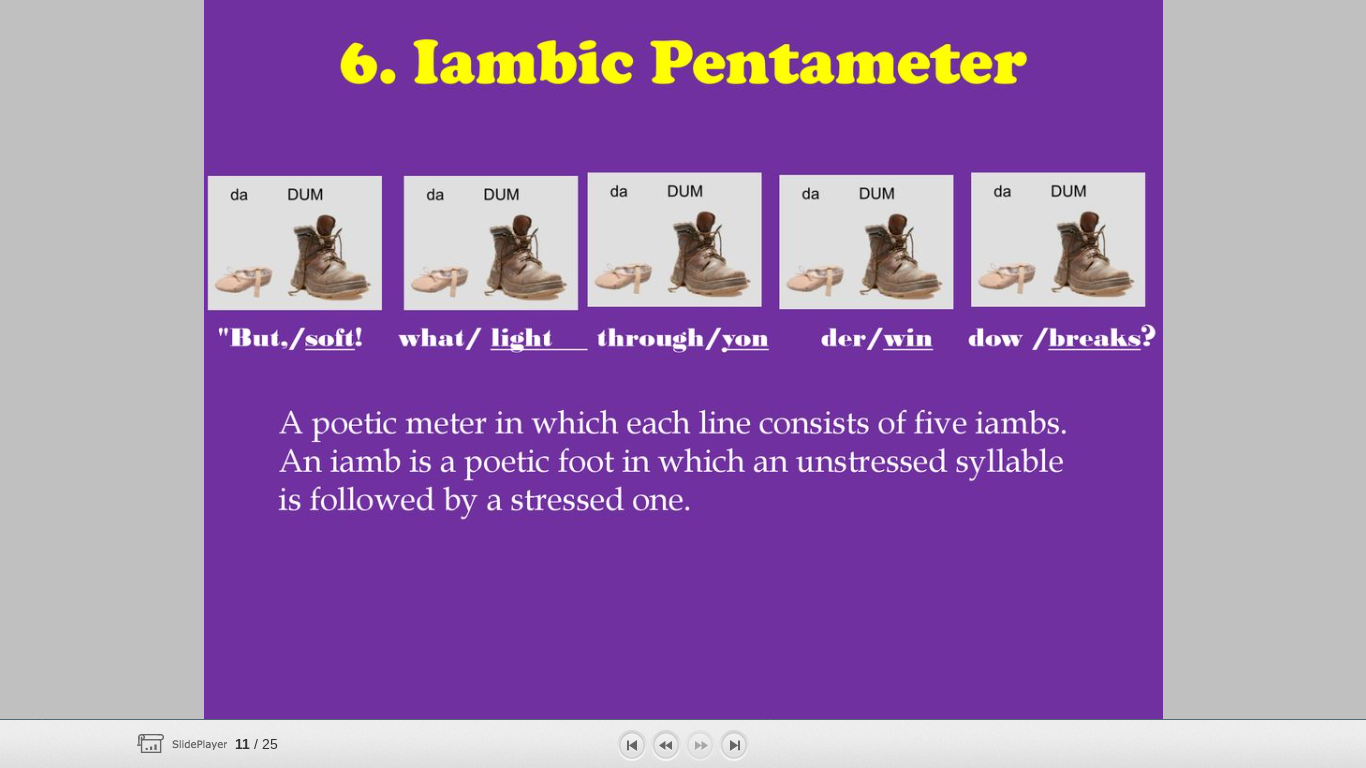
In the following slides, (which I found from Slideplayer.com), you can see examples of how Shakespeare and Yoda use anastrophe.
So I hope this post has helped you understand the force of Yoda’s unique style of speaking that was first used by The Bard!
If you liked this post, please listen to my new podcast about Ian Doescher’s Shakespearean parody of Star Wars: The Empire Strikes Back, which I’ll publish on May 4rth (hopefully)
While researching for my upcoming podcast on Shakespeare’s Star Wars, I found this great article by fellow Shakespeare blogger William Shakespeare In Media. They have a great analysis of Ian Doescher’s parody “William Shakespeare’s Star Wars,” with some details I didn’t know the first time around! So please show them your support, and tell them Shakespearean Student sent you!













 The Shakespearean Student