While I am just as sad as everyone else that the theaters are closed due to coronavirus, I’m happy to report that a number of Shakespearean theaters are putting up recordings of their shows online for free! Give them a watch if you can:
As the thumbnail shows, this is a staged reading of the play by actors over Zoom. I enjoy staged readings because you can hear Shakespeare’s words and use your imagination to create the show in your head.
In doing my research for Twelfth Night, I came across a fantastic production from Shakespeare’s Globe in 2002. It used what is known as “original practices,” meaning that the actors tried to replicate everything we know about the way Shakespeare’s actors performed.
The play was performed in the great Globe Theater, which is itself a replica of Shakespeare’s original playhouse, which means that it was outdoors, using mostly natural lighting, and minimal sets. https://youtu.be/qtoUeVjP_rs
In addition, all the women’s roles were played by men, and the actors played multiple parts, which were all accurate stage practices from Shakespeare’s era. Most exciting of all, the actors all wore authentic 17th century costumes designed by veteran costume designer, Jenny Tiramani:
Few things determine how an actor moves or looks more than the clothes he or she wears, and watching these actors wear doublet and hose and real Jacobean dresses really fires up my imagine and makes me feel that I’ve truly been transported through time. The production is available on DVD, as well as several clips on YouTube, and I urge you to take a look at it. In the meantime, I’d like to comment a little on how the costumes from this production inform the audience about the characters that wear them.
Some Info On 17th century fashion
* Men
Tight pants or hose, and stockings designed to show off the legs
Tight jackets made of wool or leather called doublets
By the 17th century, starched ruffs were being replaced with lace collars.
Starched collars called ruffs around the neck.
* Women
Longer skirts, often embroidered with elaborate patterns
* Servants- Servants like Cesario (who is actually the Duke’s daughter Viola in disguise), would typically wear matching uniforms called liveries, a sign of who they worked for and their master’s trust in their abilities. People judged the aristocracy by how well they trained and controlled their servants, so wearing your master’s livery meant he trusted you to represent his house.
In her first scene as Cesario, a servant named Curio remarks to her that Orsino has shown favor to “him” from the very beginning. This might explain the rich garments that Viola wears in this production, which resemble a noble gentleman more than a servant.
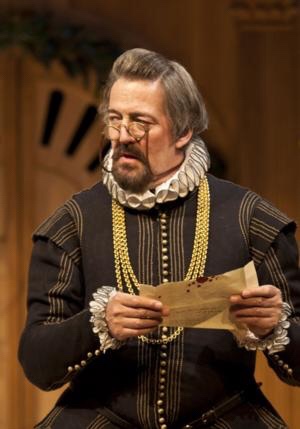
A higher ranking servant like Malvolio would be able to wear a higher status garment, which is why you see Steven Fry as Malvolio dressed in a handsome doublet.
3. Character notes:
* What are they wearing?
* Why are they wearing it?
* How do the clothes inform the movement?
1. Viola (Eddie Redmane) Viola, the star of the show, begins the show as the daughter of a duke, who has just been shipwrecked in a foreign country, so her clothes must look bedraggled and worn, yet appropriate to her status. As I said before though, for the majority of the play, Viola is disguised as the servant Cesario
2. Malvolio (Steven Fry)
Malvolio wears dark colors since he’s a Puritanical servant.
He mentions that he has a watch. The first ever wristwatches ever came into being around this time.
Most productions give Malvolio a Gold chain and/ or a staff of office to show his status, and his prideful nature.
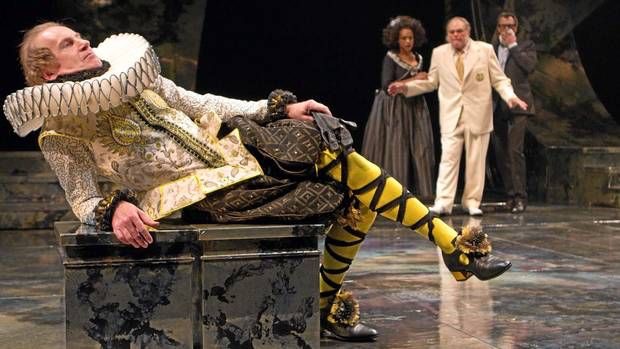
In Act III, Malvolio is tricked into wearing yellow stockings with cross garters.
3. Maria the Countess Olivia’s maid, (who has an appetite for tricks and pranks), Maria’s job is to dress and help Olivia with her daily routine. This might include tying up her corset, putting on her makeup, and helping her with the elaborate gowns that nobles wore during this period. In the video below, you can watch a dresser help get an actress into an elaborate costume for another Globe theatre production. Just think of the amount of time and hard work it would take for a servant like Maria to dress Olivia every day!
In the play, Viola momentarily mistakes Maria for her mistress because she wears a veil. This also suggests that, rather than wearing a livery like Cesario, maybe Olivia let Maria wear some of her older clothes, which was a common practice for high level servants. A lot of the costumes Shakespeare’s company wore were probably hand me downs from their aristocratic patrons.
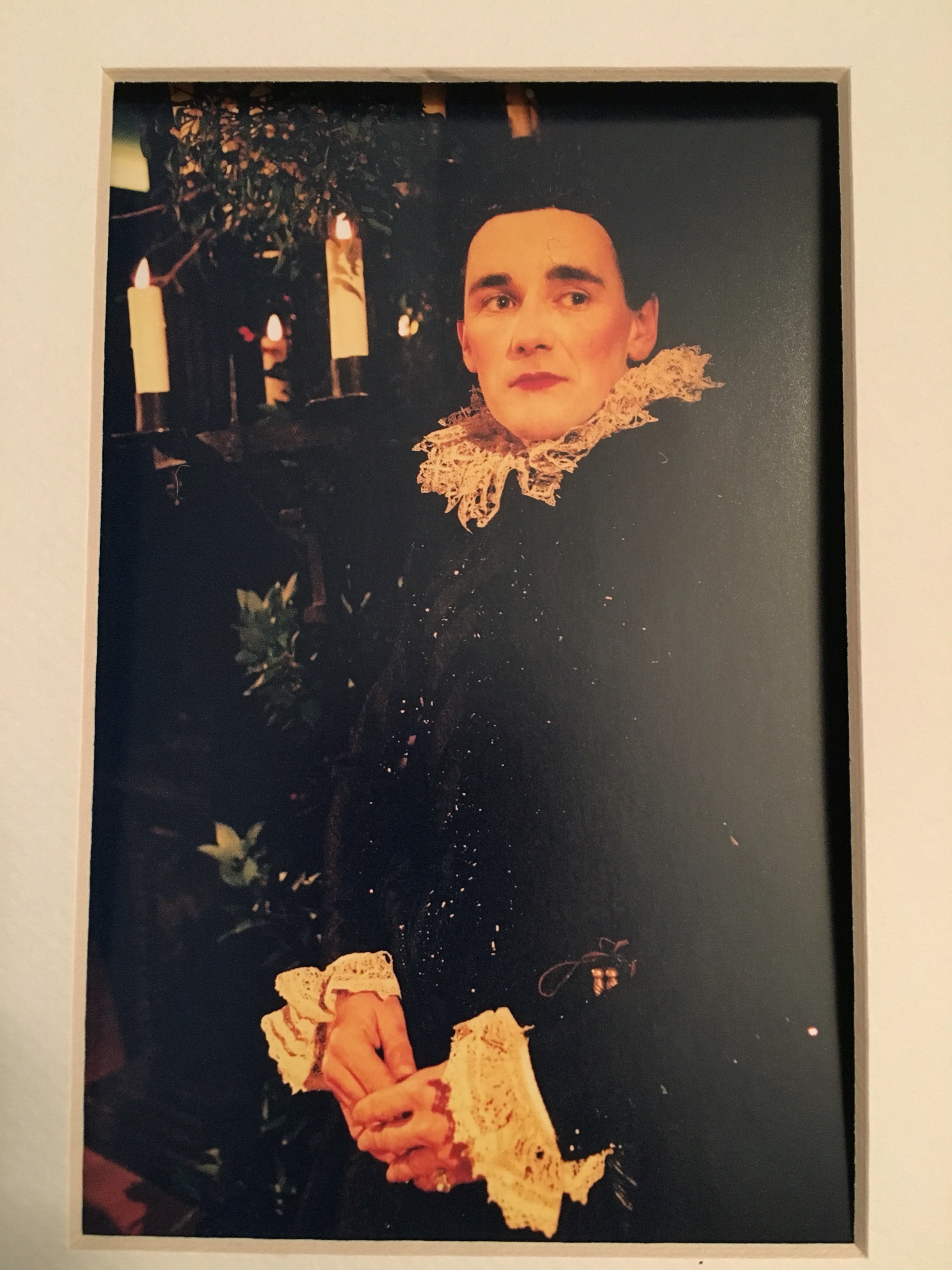
4. Olivia (Mark Rylance)
In this production, the countess and all the female roles were performed by men, just as they were in Shakespeare’s Day. Mark Rylance, who played Olivia, was also the Artistic Director of the Globe Theatre.
Olivia is mourning her lost brother, which is why she’s traditionally dressed in a black dress and veil
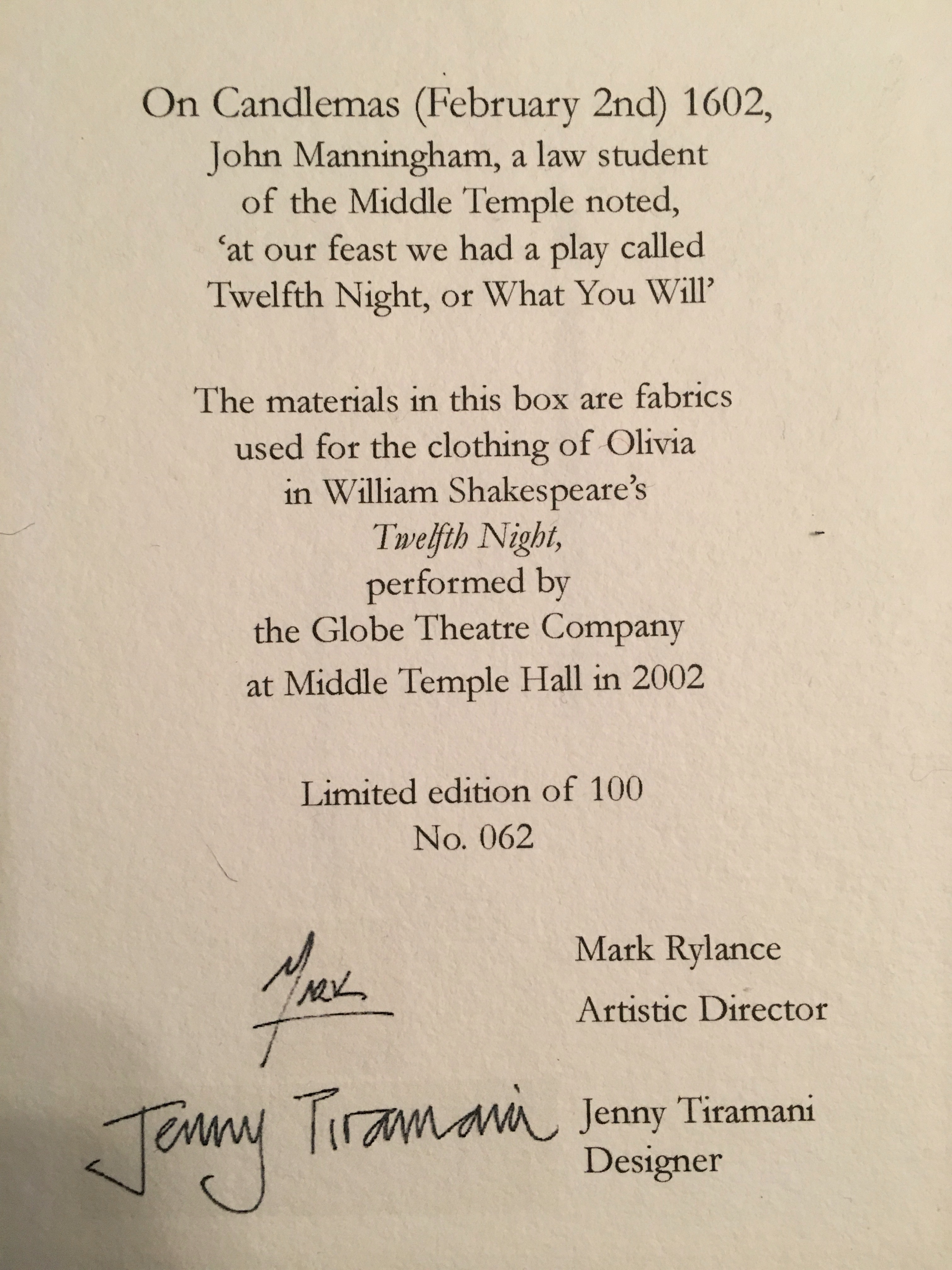
The dress is black silk with elaborate embroidery, as you can see from this actual sampler of the real fabric used in the show. You will also notice the threads holding the fabric together with metal points at the end. Olivia’s gown was hand sewn into many different pieces and tied together with these points. One nickname Shakespeare gave servants like Maria was “One who ties [her] points.”
Costumes like these offer a tantalizing glimpse into history. Just as Shakespeare’s words help an actor bring to life the thoughts and feelings of his age, The type of clothes his company wore helps the actor embody the moiré’s and desires of Shakespeare’s society, whether a mournful countess, a dazzling gentleman, or a reserved Puritan.
References
Feldman, Adam
“Q&A: Mark Rylance on Shakespeare, Twelfth Night and Richard III” Time Out Magazine. Posted: Tuesday November 12 2013
What’s the best Shakespeare edition to read? You may not know it, but all of Shakespeare’s plays are contained in just one little book that has been printed and re-printed for 400 years. Today you can find thousands of different versions of Shakespeare for your needs as a student, scholar, or just regular Shakespeare fan, and today I’m here to guide you through some of the most popular! Let’s take a look!
A Little Background:
The original printed edition of Shakespeare’s First Folio, 1623
During Shakespeare’s lifetime, he wrote his plays just for his company to perform. The scripts were distributed among the cast as little rolls of paper that had each actor’s part written on it (this is why an actor’s part is sometimes called his “role”). Sometimes the plays were published when the company wanted to make a little extra money, but they weren’t exactly best-sellers. After Shakespeare died, two actors from his company, John Hemmings and Henry Condell, decided to preserve Shakespeare’s work for all time, printing his plays in a beautiful book called Shakespeare’s First Folio in the year 1623. This book helped preserve 36 of Shakespeare’s plays, 17 of which were never printed before, and would have been lost forever if Hemmings and Condell hadn’t preserved them.
Today some purists say that the only way to read Shakespeare is by reading a facsimile of the First Folio, because it preserves Shakespeare’s original spelling, his stage directions, and the natural integrity of the verse form because of the way it’s printed on the page. To be honest, I see the merit in this, but only for actors and scholars who often need every clue in the text to inspire them to construct creative and inventive interpretations of Shakespeare’s work. However, for first time readers I recommend a modern edition, since the Folio has very few stage directions, and no standard spelling or punctuation, making it very hard to understand. Shakespeare is hard enough to read without love being spelled “loove” all the time.
Shakespeare in modern type by Neil Freeman. These editions are the kind i mentioned earlier, the ones for Shakespeare Fundamentalists. These are the people who believe Shakespeare left clues for performance in every line, every punctuation mark, and every change in verse. I don’t dispute this view, but I also can’t fully support it because it encourages actors and directors to become slaves to iambic and to never deviate from the rigid construction of Shakespeare’s verse, even if they have a creative reason not to. Even classical musicians must be allowed some form of improvisation. Actors should have the same liberty to interpret the text as they see fit. You can rent or purchase individual versions of the Freeman Folio texts, or purchase the full version of the First Folio in modern type. For sample pages, click here: https://books.google.com/books?.
Editions of The Arden Shakespreare
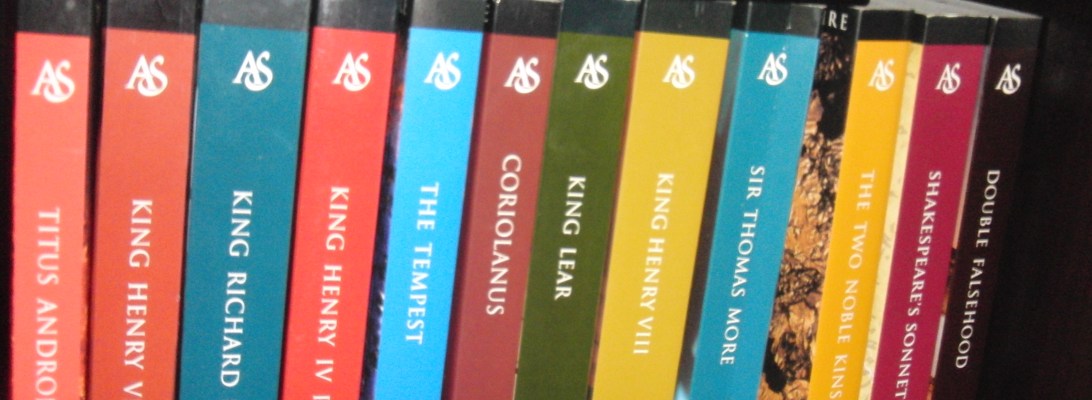
The Arden Shakespeare– For over 100 years, this edition has been a favorite of scholars and actors alike. It focuses on the world of Shakespeare to help you understand the characters by detailing the interpretations directors have favored for the last 400 years. The Arden edition has excellent notes and is great for college students and honors high schoolers. http://www.bloomsbury.com/us/academic/academic-subjects/drama-and-performance-studies/the-arden-shakespeare/
The Norton Shakespeare- This version is a more academic version with great notes by the venerated Steven Greenblatt of Harvard University. It focuses on the world of Shakespeare with notes about Elizabethan society, history, poetry, and mythology. I would recommend it for college students and adult readers.
The Folger Shakespeare- Edited by the premiere Shakespeare scholarship institution in America: The Folger Shakespeare Libary, this version has very clear and simple explanations for what the characters are saying and has lots of pictures and notes. This version is excellent for high schoolers and is one of the standards in most school districts. Click here to sample some of their work. Be sure to also check out the Folger’s website! http://www.folger.edu/
No-Fear Shakespeare- As I’ve said before, this edition is fundamentally flawed, and I don’t recommend it to anyone. It purports itself to be a “translation” of Shakespeare, when in fact it’s just a loose paraphrase. I don’t agree with most of the choices that the editors put in these editions, and I think it dumbs down Shakespeare too much. In addition, I reject the concept that the plays need a translation- they were written in English, and purporting that a student needs a translation of Shakespeare just makes him or her dependent on this edition and still assume that they cannot understand Shakespeare’s text. So once again, I don’t recommend this version, but if you’d like to check it out, here’s a link below: https://books.google.com/books?
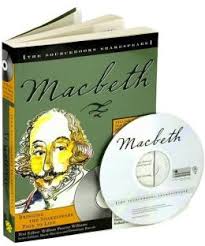
Sourcebook Shakespeare: Macbeth
The Sourcebook Shakespeare– This is my favorite version of Shakespeare to study. They are probably too expensive to use in a classroom, but they really are worth it for a Shakespeare appreciation class. Not only do they have tons of notes and a really reader-friendly layout, each edition also contains a CD with up to 30 scenes and speeches from Shakespearean productions dating back 100 years! These editions focus specifically on how directors and actors have taken the same plays and interpreted them in new and interesting ways. In my view, this combination of reading and listening is one of the purest ways to demonstrate Shakespeare’s versatility, and why we keep reading him today. The same company is also developing versions for iPad to make the experience even more interactive: http://www.sourcebooks.com/blog/
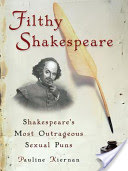
Filthy Shakespeare- To be honest, this version is really more of a dictionary of naughty topics Shakespeare explored about in his plays, and is really just for entertainment purposes, but I thought I’d mention it anyway. I should of course mention that this version is not for children since it has lots of adult language. Click here for a sample: https://books.google.com/books?id=E523EogqB84C
Thanks for reading this post. If you’d like to learn more about the issues of editing and adapting Shakespeare, check out The Struggle For Shakespeare’s Textby Gabriel Egan. Let me know how you liked this post! I’m also planning on creating a series of audio interpretations of Shakespeare. Stay tuned!


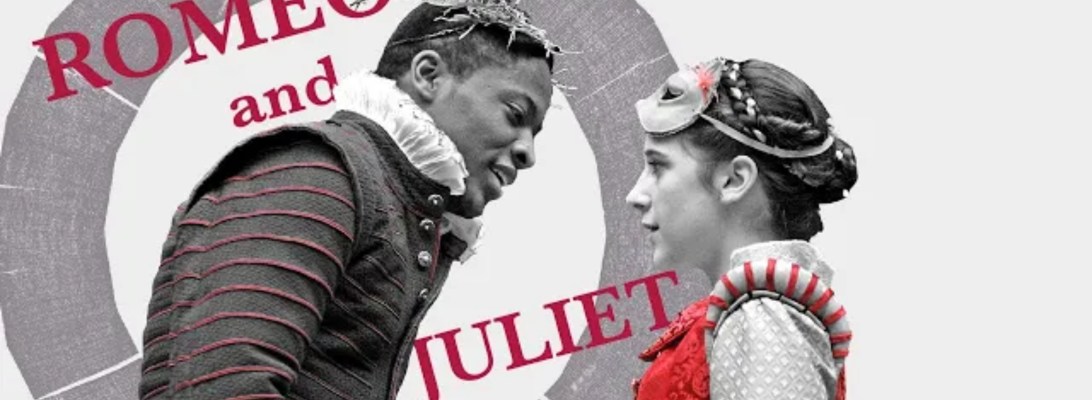
 https://youtu.be/eSAlPJ0FG_0
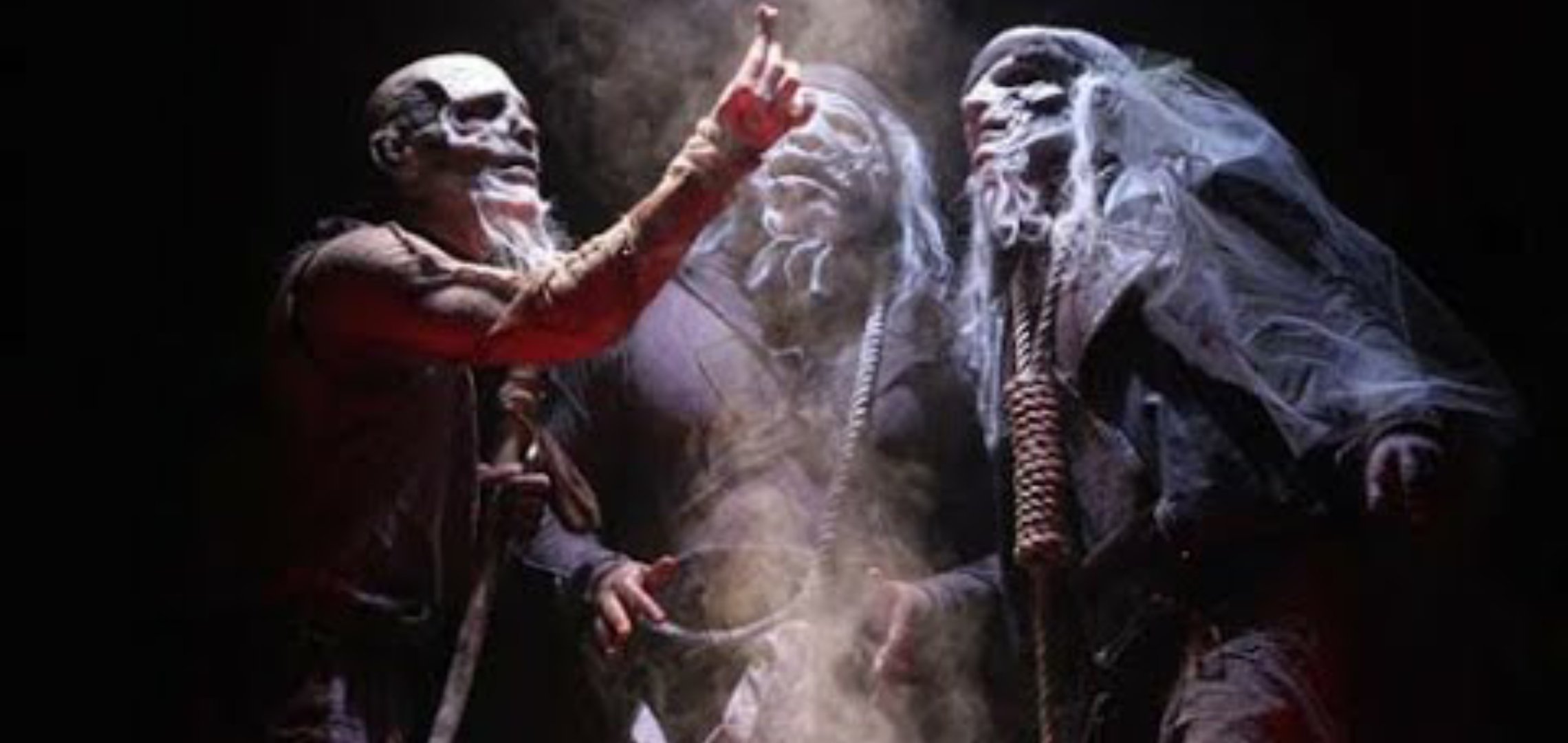 https://youtu.be/1OU0cuGuPSk
 https://youtu.be/EAMtHmeHzio
 https://youtu.be/slvIfbCWcS0

 In her first scene as Cesario, a servant named Curio remarks to her that Orsino has shown favor to “him” from the very beginning. This might explain the rich garments that Viola wears in this production, which resemble a noble gentleman more than a servant.
 Viola, the star of the show, begins the show as the daughter of a duke, who has just been shipwrecked in a foreign country, so her clothes must look bedraggled and worn, yet appropriate to her status. As I said before though, for the majority of the play, Viola is disguised as the servant Cesario