Review: A Midsummer Night’s Dream, (2021)

Trailer for Globe Theater’s 2021 production of A Midsummer Night’s Dream

What do you think of when you think of “Shakespeare?” What do you think of when you think of “A Midsummer Night’s Dream?” 

    Ruffs and Tights?

    Mostly white dudes?

    Elizabethan music?

    Dark night and moon?

This production, directed by Michelle Terry, is gleefully throwing out every preconceived notion of what A Midsummer Night’s Dream can or should be. In terms of design, casting, music, and interpretation, it breaks all the rules, while still remaining true to the text. This allows the production to appeal to not only hard-core Shakespeare fans, but first time audiences and children too!

I got to see this production thanks to the Globe’s online streaming library. My mother kindly shared me a link to this recording from the summer of 2021. You can watch it yourself on: https://www.shakespearesglobe.com/watch/#full-length-productions

I would describe the concept behind the show as “Suggestive,” that is, it doesn’t belong to a literal time and place. Even though the play is set in Ancient Greece, the play refuses to be constrained by historical accuracy, which arguably, fits nicely with Shakespeare in particular, and the Globe itself; a modern building in a modern city, based on a 400-year-old building.

The music and costumes evoke a New Orleans Mardis Gras, a Pride parade, or a Spanish pinata with its bright colors, heavy use of fringes, and bright, energetic jazz music. The only people who don’t wear bright colors are the four lovers, which reflects their continuous frustration with being unable to marry the person they really want.

The show is also Color blind and gender blind, with women playing men’s parts and a cast with black, white, and mixed race actors. Terry’s direction also calls attention to the patriarchial, racist, and sexist elements of Athens which are often overlooked in other interpretations of Dream that I’ve seen or read about. Rather than being a hero, Theseus is a horny old man in a ludicrous pink uniform, looking like a cross between M. Bison and a Christmas nutcracker. To reinforce this point, the actor chose to perform one of Theseus’ most patriarchial speeches as a joke:

Theseus. What say you, Hermia? be advised fair maid:50
To you your father should be as a god;
One that composed your beauties, yea, and one
To whom you are but as a form in wax
By him imprinted and within his power
To leave the figure or disfigure it. -Midsummer Night's Dream, Act I, Scene i.

I’ve seen this speech heavily cut and played seriously, but never till now did I see it played to ridicule the ludicrous notion that women are in any way bound to worship their fathers.

In another nod to contemporary gender politics, the actress who plays Hippolyta and Titania chose to perform her role on crutches. As far as I can tell, this was a deliberate choice and not a result of real injury. There is a precedent for this: In 1984, Sir Antony Sher performed Richard iii on crutches because it highlighted the cruelty people with disabilities often suffer.
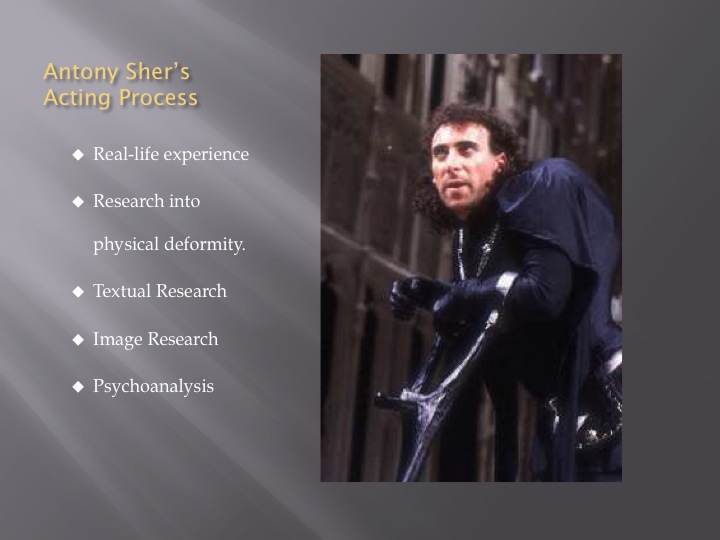
I could be wrong, but I think that the reason the actress was on crutches was a symbolic way of confronting the way gender politics can cripple women.

Many scholars have pointed out how Hippolyta rarely speaks despite the fact that she is supposed to be the powerful Queen of the Amazons, and Theseus’ fiance besides. Shakespeare makes it clear that their marriage was arranged as a political alliance after the Amazons lost to Athens in a war:

Hippolyta, I woo'd thee with my sword,
And won thy love, doing thee injuries;20
But I will wed thee in another key,
With pomp, with triumph and with revelling.

With this in mind, it makes sense to have Hippolyta on crutches as a result of her injuries. Those injuries might also explain her silence; she has lost her agency now that she is essentially Theseus’ prisoner. One might think of any number of war atrocious where women have been sold to powerful men over the centuries. In short, by putting Hippolyta on crutches, we see a glimpse into her tragic story that most productions just gloss over- that she has lost a war, been separated from her people, and is now her enemies’ prisoner through marriage.

I’ve come to expect high quality acting from The Globe Theater Company and this cast did not disappoint. As we watched it together, my family concluded that this was one of the best acted productions of Dream that we’ve ever seen, which between us has to be over 30 plus productions.

The delivery is crisp and fast paced. Every actor has taken these words and made them their own. They speak them as if they were written yesterday. One thing I love about the Globe is that the directors encourage this kind of fast paced delivery; with no distracting special effects or sets, the actors have to captivate the audience with their delivery of Shakespeare’s text, without being melodramatic or self-indulgent. I’m pleased to say that this cast does a fantastic job of telling this magical story in a compelling and very modern way.

I’ve shown my recording to kids, teens, adults, and my family, and everyone has a different reaction to the show. Maybe this isn’t quite your cup of tea, but the concept is sound, the acting is high caliber, and it utilizes the Globe’s unique qualities extremely well. 
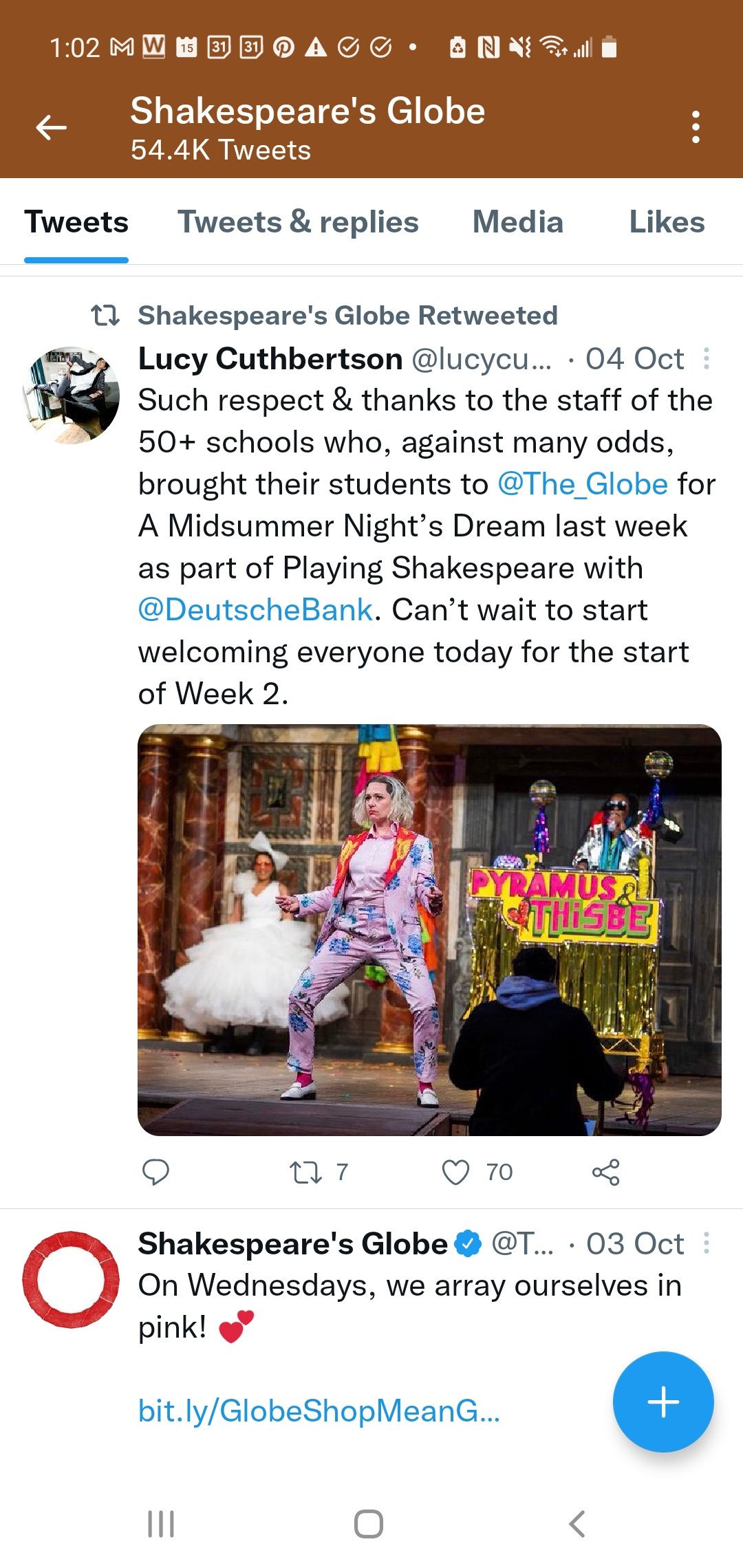


I personally didn’t care for Bottom just because I felt the actress was playing a very energetic part with too much sarcasm and tongue in cheek, but that’s mostly personal preference. I did however love Peter Quince, Snout, Snug, and the rest of the Mechanicals. Peter Quince is a rather thankless part but it’s great to see someone balance being a straight man trying to reign in Bottom’s antics. and an idiot who has no idea how to direct a company of actors, which the actress playing Quince did very well.

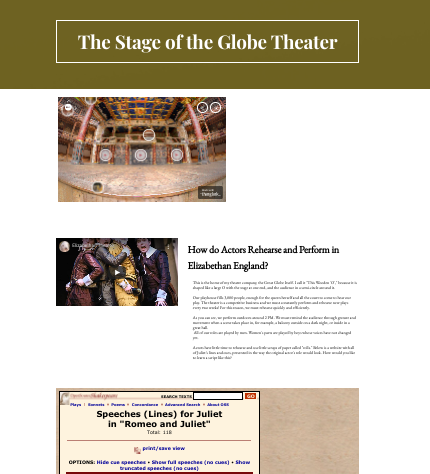
Resources for Teachers and Students: A Visit To Elizabethan London

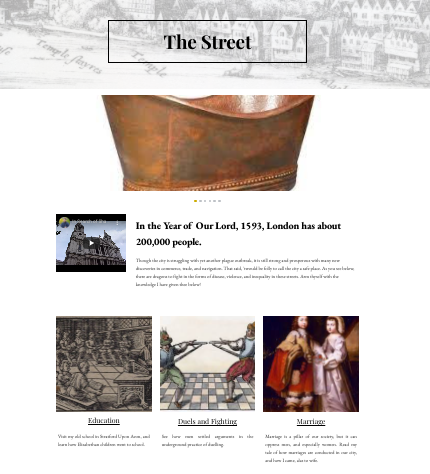
I’m working on several educational projects at the moment and I’m proud to share this one with you. It’s what I call a virtual tour of Shakespeare’s London. The teacher I’m working with said she wanted to teach the kids about the culture of Elizabethan London as he was writing Romeo and Juliet. Naturally with the pandemic a field trip was out of the question, (for multiple reasons), but I wanted to create a visually interesting tour of the places Shakespeare knew and worked and try to imagine his perspective and how that might have informed the characters and themes of Romeo and Juliet.

So I created this: a website written as if Shakespeare himself is taking you on a tour of his London in the year 1593, the year where, as far as we know, he had just completed writing Romeo and Juliet. 1593 was also the middle of another outbreak of Bubonic Plague. It has virtual tours of Shakespeare’s Globe Theater, Hampton Court Palace, Shakespeare’s Grammar School, and a quiz where you can pretend you’re in the Elizabethan doctor’s office.

For the class I’m helping, the students will fill out a worksheet as they navigate the website so they learn from the material at their own pace. If you’re interested, leave a comment and I’ll post the worksheet so you can use it in your classroom.

My hope is that this website can be a resource for anyone trying to connect with Romeo and Juliet and trying to learn from the culture of Elizabethan London. Shakespeare was a product of his time and his experiences must have had an influence on what he wrote. Even if they didn’t, they certainly influenced the people who saw the play and he knew that it would. So I hope it can help you understand a little bit more about the world of this famous play, and the context of the world that created it.

How to Throw a Fairies Themed Midsummer Night Dream Party (Quarantine Safe Edition)

Happy Midsummer everyone! Wednesday June 24rth is the Midsummer festival, which means as you go to sleep that night, I wish you all Midsummer Night Dreams! Before that though, I welcome you to party like it’s the court of King Oberon, and here are some ideas:

Background: What Are Fairies?

The story of Fairies has many authors that come from multiple folkloric traditions. The Greeks had nymphs, the Romans had cupid, and the English and Germans had…


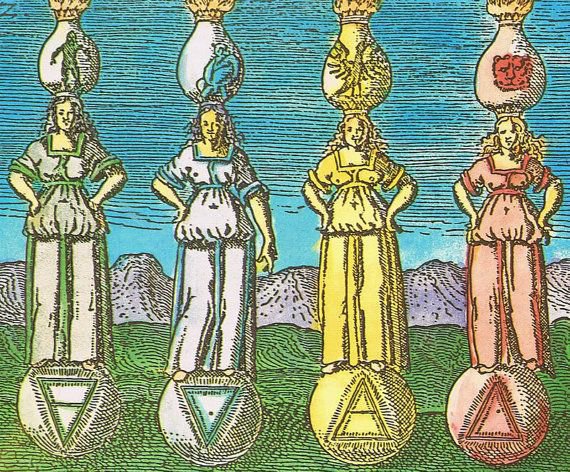
1.  According to Paracelsus, fairies are elemental spirits that help control the Earth’s four elements: Silfs (air), gnomes (Earth), Salamanders (fire), and  Undines (water).
2. In some versions, they are household creatures that interact with humans
3. Some cultures call them demoted Angels, not good enough for Heaven, but not bad enough for Hell.

So you can see there are lots of traditions that contribute to our modern concept of the fairy, and plenty of ideas to adapt into your party!

Part One: The Invitation:

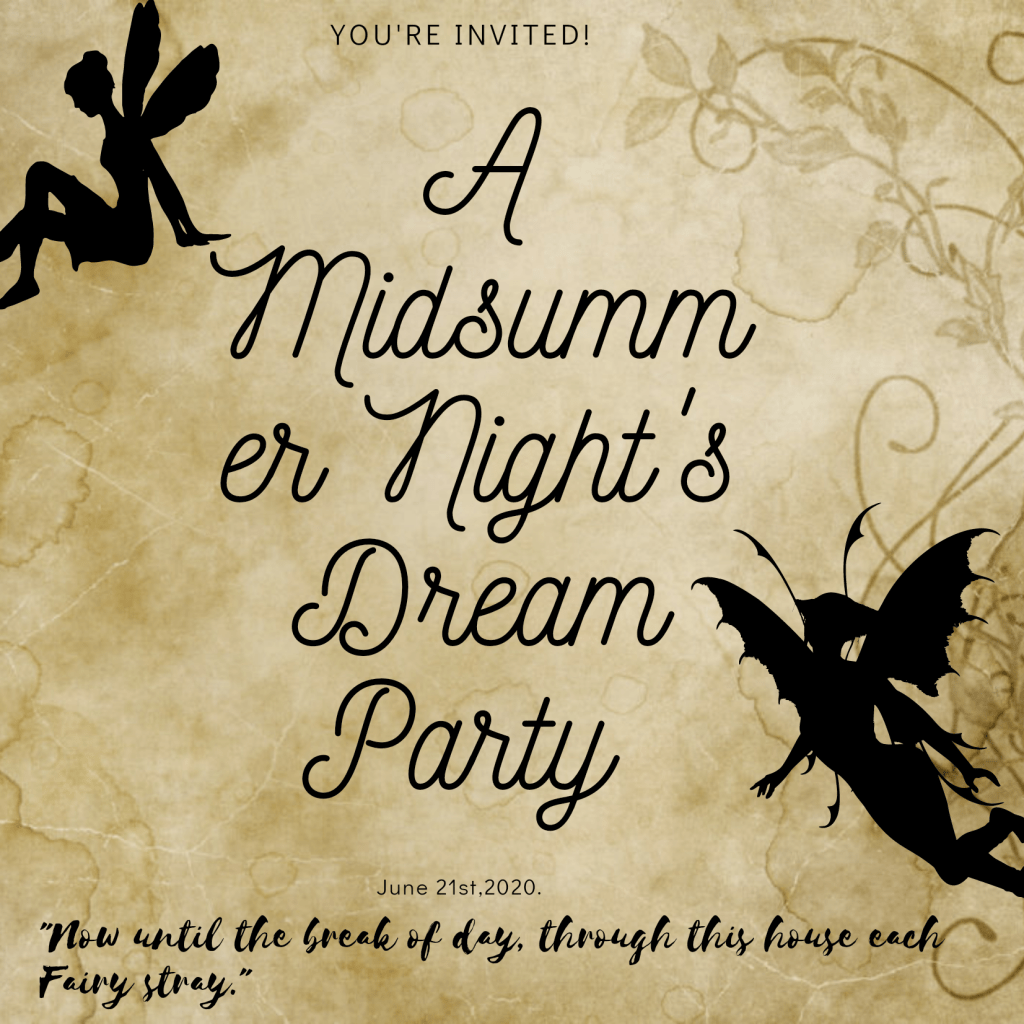
There’s a ton of free fairy clip art and fairy designs online. Below is an invitation I created for free with an app called Canva and a parchment background picture I found online.

1. Pixie invitations
2. Immortal Longings

Second card design I created on Canva.

You probably also know that I am a huge fan of the website Immortal Longings because of their excellent Shakespearean art and they sell cards too. You can buy the cards or download the pictures on their website.

Shakespearean Greeting Cards from Immortal Longings.com


Part Two: Decorations
Fairy

Fairy Dens Right now the Royal Shakespeare Company is making DIY Fairy decorations including a Fairy Den that you can share with your family and friends:

What is a Fairy Den? Fairies in folklore are closely tied to the Ancient Celts and Druids, who believed that Fairies live in hollow places underground. A fairy den is a homemade den that imitates the ancient fairy hollows.

Workshop on Fairy Dens and Fairy Lanterns: https://youtu.be/KC7CbPPIrjs

Fairy lights from IKEA

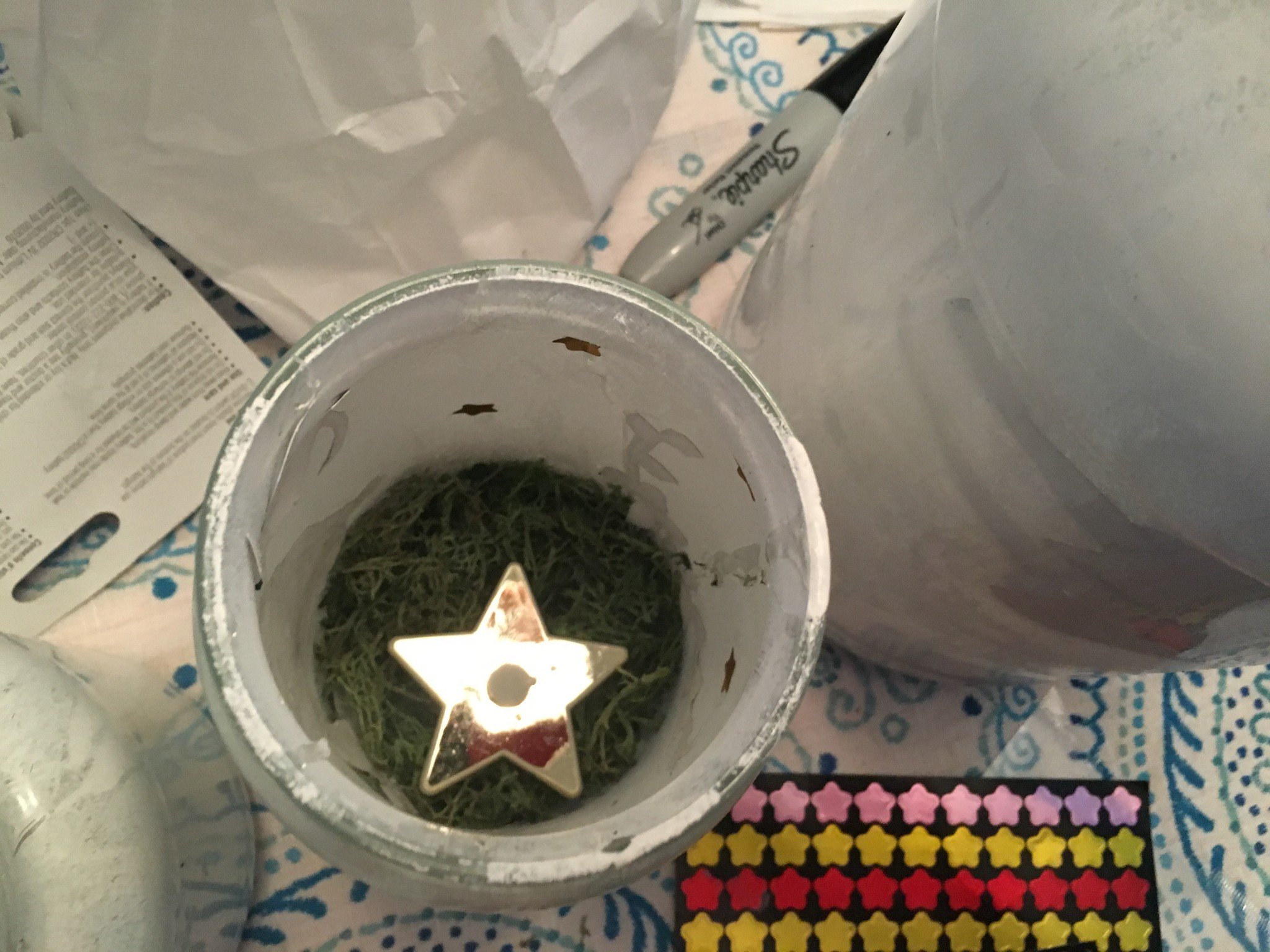
In addition to fairy dens, there are tons of fairy lights, fairy coloring books, and other fairy crafts you can find. Here is a fairy lantern my wife made using pickle jars!

First paint the jars with white paint and cut out paper fairies to paste around the inside of the jar (we used tackey glue). You can also stick star stickers on the inside of the jars.
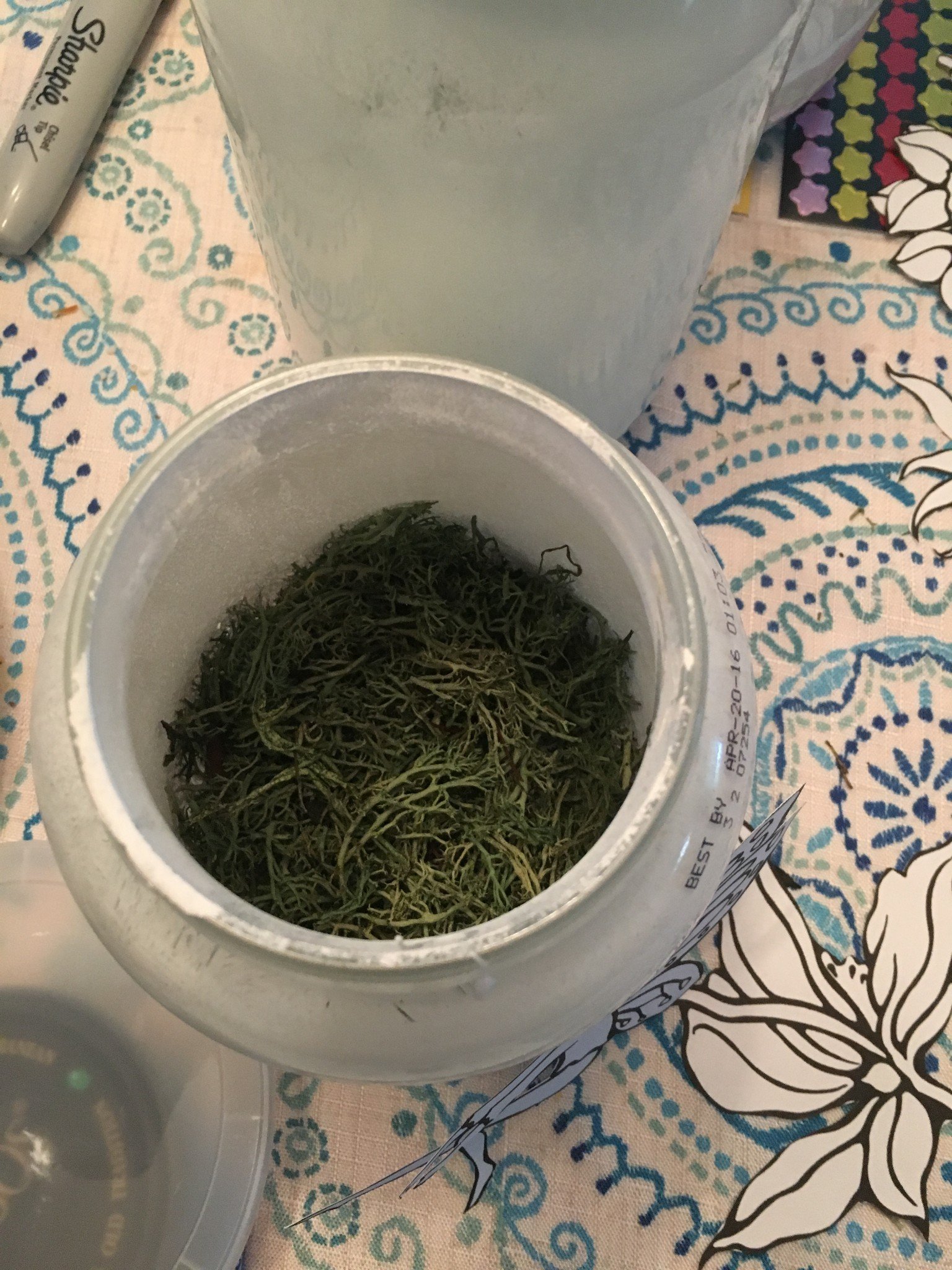
For added realism, you can glue fake moss to the bottom of the jar. We got this from our local dollar store.
Put a small battery powered LED light inside.
Turn on the LED lights and take the lanterns somewhere dark.
Detail of the fairy lights.


Part ThreeThe Feast

Since the Fairies in Midsummer are woodland spirits, almost any forest or camping themed recipes can be adapted. Here are some ideas that my wife and I made for our own fairy themed party.

Snail sandwiches

Hedgehog cheese ball.


Hedgehog cheese ball:

Fruit wands with yogurt dip


Dessert

Chocolate GardenCake from How to Cook That: https://youtu.be/JidhdxiSsnQ

Fairy bread: For those of you who don’t live in Australia or New Zealand, Fairy bread is white bread covered in

https://www.allrecipes.com/recipe/80934/fairy-bread/

Homemade Fairy bread


Music

  • Dance of the Sugarplum Fairies

Games

1.  Pin the tail on the Bottom.

2. Love potion: Similar to follow the leader or musical chairs. A group of people lie down and pretend to sleep. Then someone plays Puck by putting a real or pretend flower in one of the player’s hands. The Puck then yells “Awake,” and sets a timer or plays some music. The object of the game is for everyone to chase after the flower and get it before time runs out.

Costumes:

Make some printable donkey masks for Bottom, flower crowns for the fairies, and don’t forget your wings!

Well, that’s my advice, happy  Midsummer everyone!

Sources:
Tolkein, JRR. On Fairy Stories

The Fashion Is The Fashion 2: Clothing and Twelfth Night 

In doing my research for Twelfth Night, I came across a fantastic production from Shakespeare’s Globe in 2002. It used what is known as “original practices,” meaning that the actors tried to replicate everything we know about the way Shakespeare’s actors performed.

The play was performed in the great Globe Theater, which is itself a replica of Shakespeare’s original playhouse, which means that it was outdoors, using mostly natural lighting, and minimal sets. https://youtu.be/qtoUeVjP_rs

In addition, all the women’s roles were played by men, and the actors played multiple parts, which were all accurate stage practices from Shakespeare’s era. Most exciting of all, the actors all wore authentic 17th century costumes designed by veteran costume designer, Jenny Tiramani:

/https://prezi.com/m/zef_cpurcfsl/jenny-tiramani/


Few things determine how an actor moves or looks more than the clothes he or she wears, and watching these actors wear doublet and hose and real Jacobean dresses really fires up my imagine and makes me feel that I’ve truly been transported through time. The production is available on DVD, as well as several clips on YouTube, and I urge you to take a look at it. In the meantime, I’d like to comment a little on how the costumes from this production inform the audience about the characters that wear them.

Some Info On 17th century fashion

* Men

  • Tight pants or hose, and stockings designed to show off the legs
  • Tight jackets made of wool or leather called doublets
  • By the 17th century, starched ruffs were being replaced with lace collars.
  • Starched collars called ruffs around the neck.

  * Women

Longer skirts, often embroidered with elaborate patterns

  * Servants- Servants like Cesario (who is actually the Duke’s daughter Viola in disguise), would typically wear matching uniforms called liveries, a sign of who they worked for and their master’s trust in their abilities. People judged the aristocracy by how well they trained and controlled their servants, so wearing your master’s livery meant he trusted you to represent his house.

In her first scene as Cesario, a servant named Curio remarks to her that Orsino has shown favor to “him” from the very beginning. This might explain the rich garments that Viola wears in this production, which resemble a noble gentleman more than a servant.

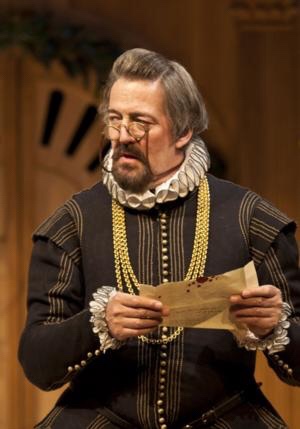
A higher ranking servant like Malvolio would be able to wear a higher status garment, which is why you see Steven Fry as Malvolio dressed in a handsome doublet.

3. Character notes:

* What are they wearing?

* Why are they wearing it?

* How do the clothes inform the movement?

1. Viola (Eddie Redmane) Viola, the star of the show, begins the show as the daughter of a duke, who has just been shipwrecked in a foreign country, so her clothes must look bedraggled and worn, yet appropriate to her status. As I said before though, for the majority of the play, Viola is disguised as the servant Cesario
2. Malvolio (Steven Fry)

  • Malvolio wears dark colors since he’s a Puritanical servant.
  • He mentions that he has a watch. The first ever wristwatches ever came into being around this time.
  • Most productions give Malvolio a Gold chain and/ or a staff of office to show his status, and his prideful nature.
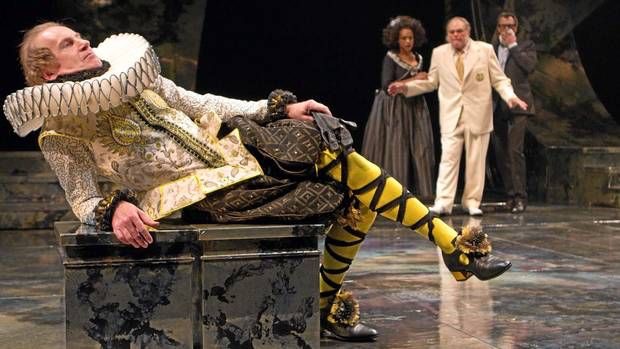
  • In Act III, Malvolio is tricked into wearing yellow stockings with cross garters.
  •  

3. Maria the Countess Olivia’s maid, (who has an appetite for tricks and pranks), Maria’s job is to dress and help Olivia with her daily routine. This might include tying up her corset, putting on her makeup, and helping her with the elaborate gowns that nobles wore during this period. In the video below, you can watch a dresser help get an actress into an elaborate costume for another Globe theatre production. Just think of the amount of time and hard work it would take for a servant like Maria to dress Olivia every day!

In the play, Viola momentarily mistakes Maria for her mistress because she wears a veil. This also suggests that, rather than wearing a livery like Cesario, maybe Olivia let Maria wear some of her older clothes, which was a common practice for high level servants. A lot of the costumes Shakespeare’s company wore were probably hand me downs from their aristocratic patrons.

4. Olivia (Mark Rylance)

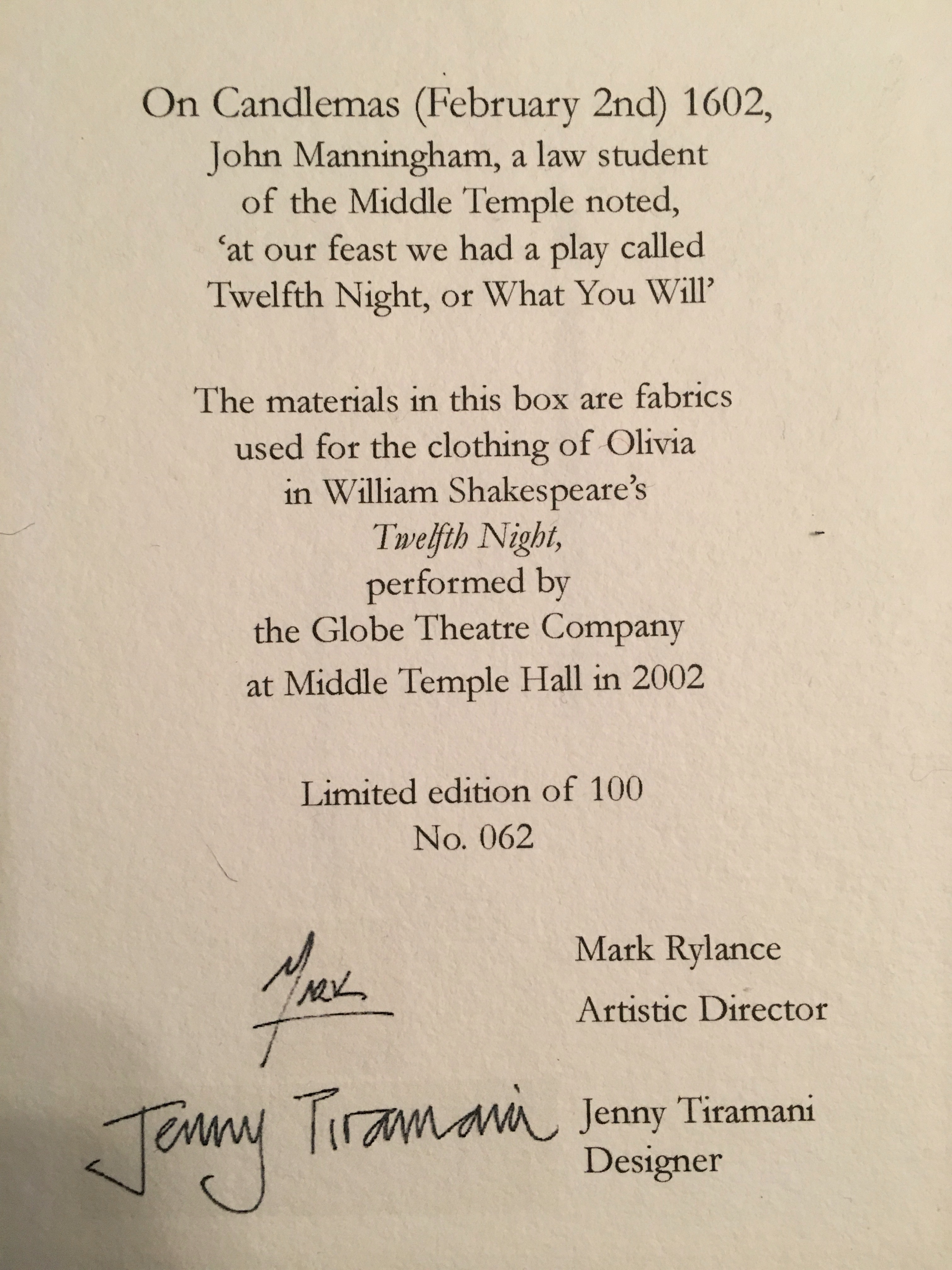
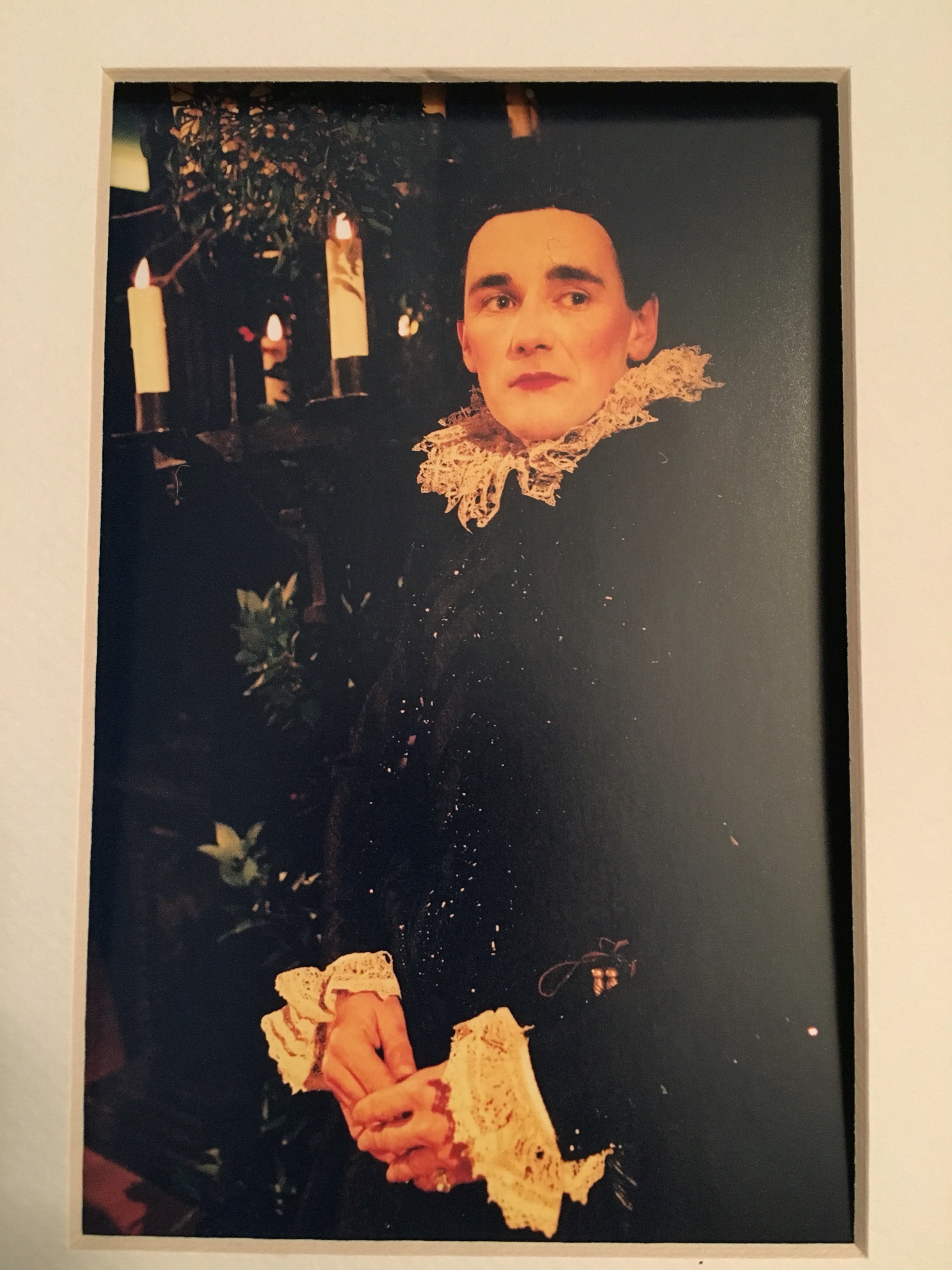
In this production, the countess and all the female roles were performed by men, just as they were in Shakespeare’s Day. Mark Rylance, who played Olivia, was also the Artistic Director of the Globe Theatre.

  • Olivia is mourning her lost brother, which is why she’s traditionally dressed in a black dress and veil
  • The dress is black silk with elaborate embroidery, as you can see from this actual sampler of the real fabric used in the show. You will also notice the threads holding the fabric together with metal points at the end. Olivia’s gown was hand sewn into many different pieces and tied together with these points. One nickname Shakespeare gave servants like Maria was “One who ties [her] points.”
  • The dress is large and has a long train, making it hard for the actor to move: https://youtu.be/dcSNTspXGYk
  •  

Costumes like these offer a tantalizing glimpse into history. Just as Shakespeare’s words help an actor bring to life the thoughts and feelings of his age, The type of clothes his company wore helps the actor embody the moiré’s and desires of Shakespeare’s society, whether a mournful countess, a dazzling gentleman, or a reserved Puritan.


References

Feldman, Adam

“Q&A: Mark Rylance on Shakespeare, Twelfth Night and Richard III” Time Out Magazine. Posted: Tuesday November 12 2013

Retrieved online from https://www.timeout.com/newyork/theater/q-a-mark-rylance-on-shakespeare-twelfth-night-and-richard-iii

Minton, Eric. Twelfth Night: What Achieved Greatness was Born Great.

Posted May 22, 2014 to http://shakespeareances.com/willpower/onscreen/12th_Night-Globe13.html.


https://thepragmaticcostumer.wordpress.com/2012/07/25/through-the-keyhole-a-peek-into-a-17th-century-ladys-wardrobe/


If you liked this post, please consider signing up for my online course “Christmas For Shakespeare,” which will talk about the costumes, characters, and themes of Shakespeare’s play Twelfth Night, as well as Christmas traditions from Shakespeare’s day: https://outschool.com/classes/what-was-christmas-like-for-william-shakespeare-BwVLyBPp?sectionUid=75ee7895-c8ac-437c-9ef7-05cf8e3bf114&usid=MaRDyJ13&signup=true&utm_campaign=share_activity_link 

Title image for my Outschool online class “Christmas For Shakespeare.”

“The Fashion Is the Fashion:” An exploration of Costumes in “Much Ado About Nothing”

Much Ado About Nothing is about upper class people preparing for a wedding, which means fashion is a frequent topic of their conversation. Below I’ve provided a few costume references from the play with definitions from Shakespeare’s Lexicon by Alexander Schmidt.

Elizabethan Cap
Elizabethan Cap

  • Cap- A loose-fitting headdress, or soft brimless head-dress.
    1. “Hath not the world one man but he will wear his cap with suspicion?” (BENEDICK, I,I,)
    2. “Doth not my wit become me rarely? “It is not seen enough, you should wear it in your cap” (MARGARET/ BEATRICE, Act III, Scene iv).

A Fool or Jester's cap or Coxcomb
A Fool or Jester’s cap or Coxcomb

  • Coxcomb- The iconic fool or jester’s cap.
          1. DOGBERRY Let him write the prince’s officer coxcomb” (DOGBERRY, Act IV, Scene ii).

Drawing of a doublet, an Elizabethan leather jacket

  • Doublet– A leather jacket worn outside one’s regular shirt.
        • And now will he lie ten nights awake, carving the fashion of a new doublet” (BENEDICK, Act II, Scene iii).

457px-Doubletvanda

Authentic reproduction of of real doublet.

jerkins

        • Jerkin– Long close-fitting jacket worn over or in the place of a doublet.
        • Codpiece (below)- cloth case or pocket worn by men at the front of breeches or hose. codpiece11
  • Seest thou not, I say, what a deformed thief this fashion is? how giddily a’ turns about all the hot bloods between fourteen and five-and-thirty? Sometimes fashioning them like Pharaoh’s soldiers in the reeky painting, sometime like god Bel’s priests in the old church-window, sometime like the shaven Hercules in the smirched worm-eaten tapestry, where his codpiece seems as massy as his club? (MARGARET, Act III, Scene iii).

Sometimes entire passages in Much Ado About Nothing refer to fashion, as in this example from Act III, Scene iii:

BORACCIO: Thou knowest that the fashion of a doublet, or a hat, or a cloak, is nothing to a man.

CONRAD: Yes, it is apparel.

BORACHIO: I mean, the fashion.

CONRAD: Yes, the fashion is the fashion (Act III, Scene iii).

This passage tells a lot about Boraccio’s motivations, and also shows a lot about the role of fashion in the Elizabethan period. “Fashion” in this case refers not only to the clothing, (its fine craftsmanship and contemporary style), but also to its wealth. Back in the Elizabethan era, people showed off their wealth and status with the clothes they wear; they literally wore their money on their backs. When Boracchio refers to fashion being nothing to a man, he means that a man of wealth and property has no reason to worry about buying fancy clothes. This betrays the reason Boraccio wants to work for Don John- money, and aspirations of becoming a wealthy gentleman. Act III, Scene iii.

Close Reading- Act III, Scene ii

DON PEDRO: There is no appearance of fancy in him, unless it be a fancy that he hath to strange disguises; as, to be a Dutchman today, a Frenchman to-morrow, or in the shape of two countries at once, as, a German from the waist downward, all slops, and a Spaniard from the hip upward, no doublet. Unless he have a fancy to this foolery, as it appears he hath, he is no fool for fancy, as you would have it appear he is (Act III, Scene ii).

In this passage, Don Pedro observes Benedick and mockingly tries to get Benedick to confess that he is in love. Benedick has fallen in love with Beatrice and it has changed his behavior completely- including his manner of dress, which Pedro singles out as a sign of love. This is not unlike a similar passage in As You Like It, where Rosaline tells Orlando that disorder in dress is one of the signs of love. To understand Don Pedro’s remarks, one must first look at some of the European fashions of the time.

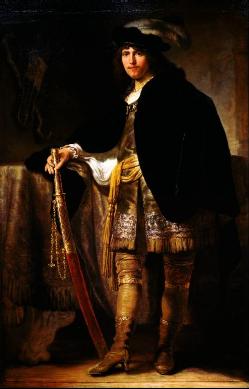
Ferdinand Bol, c. 1640, "Portrait of Youth With A Sword."
Ferdinand Bol, c. 1640, “Portrait of Youth With A Sword.”

Image 1: The Dutch

Consider this picture of a Dutch courtier by Ferdinand Bol, c. 1640. Notice that though he looks rich, his outfit is fairly austere, no exaggerated codpiece, pants that cover and do not emphasize the shape of the man’s thigh or legs. This is the demure image of the Dutch aristocrat, which is why the liberal prince makes fun of him.

This is an image of a French courtier from the Valois Tapestry (1576). This man’s outfit is practically the opposite of the smart, modest Dutchman. His hose are tight-fitting, decorated with fine embroidery to draw the eye, and his hose show off the shape of his leg. This would be like wearing leather pants today- this outfit is all about flash and sex appeal.  Here is a sketch of German aristocrats from the late 16th century. The English liked to make fun of the baggy clothing of the Germans with their padded slops and their peascod belly doublets. These men look like their clothing is only designed to ward off Germany’s cold winters, rather than looking strong, sexy, or powerful.

Image #3: The Germans

German aristocrats from the late 16th century.

To the right is a picture of German  slops, which, as the century wore on, got bigger,

flying canoe slops
flying canoe slops

and baggier. Going back to the passage quoted earlier, you’ll notice how the people that Pedro makes fun of are all foreigners, none of them are English or Italian. The English liked to make fun of the fashions in other countries, especially the Spanish and the French, (their political enemies). They made fun of the German and French for their slops in particular, probably because slops were so baggy; a man wearing them looked like he was concealing an erection. Pedro is implying Benedick has ‘something to hide,’ since he is thinking about Beatrice all day. Mercutio makes the same joke, when he makes fun of Romeo’s “French slop.”

Don Pedro’s comment about a doublet suggests that Benedick has been walking around with no jacket. This was considered a sign of madness and Ophelia uses it as evidence of Hamlet’s madness in Hamlet, Act II, Scene i: Notice how both passages shockingly refer to the unusual fashion of not keeping ones doublet in proper order. Once again, Pedro is subtly hinting to how Benedick must be in love based on his erratic behavior, which fits in with the stereotype of Spaniards as sex-crazed hot bloods. Spaniards did not Remember, Elizabethans had no heating systems to spare them from cold, so not wearing one’s doublet was very dangerous. Only a madman (and by extension, an unrequited lover), would engage in such self-destructive behavior. Thus, through Don Pedro’s subtle pokes at Benedick, the prince lets him know that he cannot hide his love for Beatrice; it has already manifest itself in his clothes.

As mentioned before, wealthy Elizabethans spent their money on clothes the way modern rich people spend money on yachts and home entertainment systems. Dukes and counts would buy tailor-made, beautifully embroidered clothes, and their outfits sometimes were as famous as the people who wore them.

This final quote from Act III, Scene IV illustrates this principle. The day of Hero’s wedding, her gentlewoman Margaret is comparing her gown to the famous dress of the Duchess of Milan:

By my troth, ‘s but a night-gown in respect of yours: cloth o’ gold, and cuts, and laced with silver, set with pearls, down sleeves, side sleeves, and skirts, round underborne with a bluish tinsel: but for a fine, quaint, graceful and excellent fashion, yours is worth ten on ‘t ( MARGARET, Much Ado, Act III, Scene iv).

Portrait of Christtine of Denmark, 1568

Margaret refers to a famous gown worn by Christine of Denmark, a real noblewoman who was immortalized in this portrait: This is a portrait of Christtine of Denmark, Dutchess of Milan from 1521-1590. Notice that, just like Margaret’s description, the cloth is cut with gold, the sleeves and gown are adorned with gold, silver, and pearls, and the dress itself is mostly black (the most expensive color to produce back in the 1590s). These were all common fashions for the upper class in the 16th century. Notice also that the cloth on the sleeves is slashed, (cut open) to reveal the much more expensive silk embroidered with silver and gold. Pearls were a symbol of virginity to the Elizabethans, and at this point, Chistine had been widowed twice over, which is why she is clutching the tassel with the pearl around it, as a symbolic assertion of her chastity. The image was scanned from the Weiss Gallery catalogue: A Noble Visage, Early Portraiture, 1545 – 1660, London, 2001.

I hope you’ve enjoyed this look at the material culture of Elizabethan England. If you would like more info on Elizabethan fashion, please leave a comment below