
8 lessons from ‘King Lear’ as we head back to work or nights out after COVID-19


Stagecraft has a fascinating and interesting history. The way we portray spectacle on stage has changed a lot since the advent of television and movies, which utilize computers and animatronics, etc. to create impossible things that could never be is shown live. In a way, the pre-recorded nature of film and TV gives theater practitioners an advantage because the more clever they are with their stagecraft, the more impressive it is for the simple fact that it is live- happening right now in front of an audience.
What I want to do with this post is to speculate whether, with the technology of the time, if Shakespeare could have used some kind of visual spectacle to portray otherworldly creatures, such as the ghosts in Hamlet and Macbeth
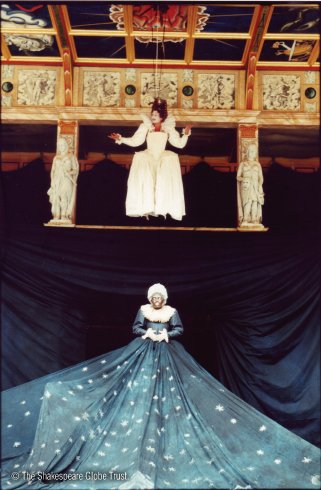

Most books I’ve read on Elizabethan stagecraft say that the theaters of this era were very minimalistic in design. They had trap doors, they had galleries, they had a primitive flying rig, and they had music and some simple sound effects, but most of the experience was watching the actors, their costumes, their bodies, and hearing their voices hence ‘audience’- audio, “To hear.”
We are told there wasn’t much visual representation of spectacle and fantasy on Shakespeare’s stage, which which is is odd because there are some pretty fantastical elements in his plays, especially Hamlet and Macbeth, where the former calls for a ghost and the latter calls for a ghost, witches, and a literal goddess to appear on stage. How may one ask, was this achieved back in Shakespeare’s day, the late 1590s and the early 1600s? The conventional wisdom is that the ghosts in Hamlet and the ghost in Macbeth came through a trap door in the stage known as Hell.
If you’re you go to the Globe now you can see this actual trap door being used. It used a primitive pully system to open up in the middle of the floor. The ghost would ascend to the stage through a small step ladder. Hamlet’s father’s ghost is described as wearing a suit of armor and being very pale. Banquo’s ghost is described as having long hair dappled with blood.
Banquo’s ghost appears during a banquet in Macbeth’s honor. Based on this hypothesis it’s likely that a banqueting table was brought out into the middle of a stage to conceal the ghost, to make it more of a surprise when it ascends onstage through the trap door, but the effect to modern taste would be rather dull. However impressive the performance, this cannot stand up to the stunning nature of visual effects using computer technology, motion capture, et cetera. I wanted to see if there are any Elizabethan theatrical illusions that would still have been accessible to Shakespeare back in the 1590s.
My research began with this video from the YouTube History Channel Atun-Shei Films, where the author traces the history of film, (both as photography and film as a projection). He cites at the start, an incident in 1536 where a supposed necromancer appeared to conjure a ghost for an unsuspecting rube. According to The Lives Of the Necromancers, the solution was achieved by creating huge clouds of smoke within the theater space, (which was the Colosseum) and then using a primitive camera obscure to project a frightening image Into this space.
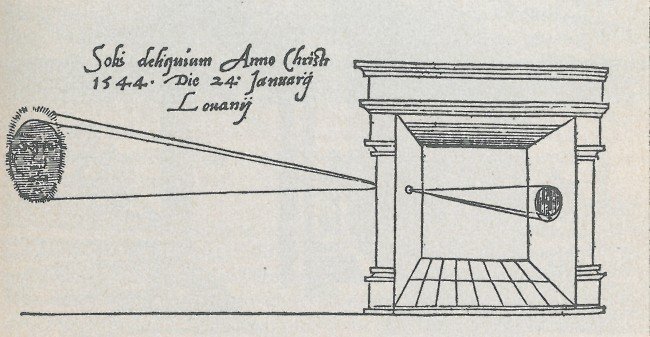
Camera Obscura is a term is it Latin for dark chamber the principal had been discovered for century had existed for centuries bit is for centuries but only in the 1530s this was the 1st recorded example of it being used to create a theatrical illusion.
The question is, could Shakespeare’s company have performed the same illusion with the technology of the day? Honestly, I find it rather unlikely that Shakespeare’s audience would’ve put up with huge clouds of smoke in a wooden amphitheater. Still, the fact remains that primitive projection technology existed back in Shakespeare’s day, which means a director could reasonably implement it in a production of Hamlet or Macbeth, even under the constraints of Original Practices.

So the question remains, is there a visually striking way to represent the ghosts that could actually work in Shakespeare’s theater. My first idea is…

Glow-in-the-dark paint wasn’t invented until 1908, but there are some rocks that naturally glow such as hackmanite and phosphorus.
Theoretically, Shakespeare’s company could have crushed this rock into a powder and made it into a paint that glowed onstage. There is precedent for this- in The Hound Of the Baskervilles, Sherlock Holmes discovers that the terrifying ghost-hound is merely a large dog painted with phosphorescent paint:
In mere size and strength it was a terrible creature which was
lying stretched before us. It was not a pure bloodhound and it
was not a pure mastiff; but it appeared to be a combination of
the two–gaunt, savage, and as large as a small lioness. Even
now in the stillness of death, the huge jaws seemed to be dripping
with a bluish flame and the small, deep-set, cruel eyes were ringed
with fire. I placed my hand upon the glowing muzzle, and as I
held them up my own fingers smouldered and gleamed in the darkness.“Phosphorus,” I said.
“A cunning preparation of it,” said Holmes, sniffing at the dead
Doyle, Part IV.
animal.
Though this paint would potentially make a terrifying effect, this would be impossible at an outdoor theater during the day. This makes it unlikely that Shakespeare used glow-in-the-dark paint at the Globe, as most of the performances took place in the afternoon. That said, both Hamlet and were written just at the point in which Shakespeare’s company was in the process of acquiring an indoor theater, the Blackfriars.
Almost all of these ideas would depend on Shakespeare having access to a theatre in which he could control the lighting. As you can see, the Blackfriars was lit with candles and its indoor nature meant that performances weren’t dependent on sunlight. Greg Doran, former director of the Royal Shakespeare Company has theorized in the past that maybe while his company was preparing to move into the Blackfriars, Shakespeare was changing his material to make it both literally and figuratively darker.
In the reconstructed Blackfriars, (where I studied and interned for three years), there is a trap-door and flying rig like the Globe, so the conventional trap-door ghost can and has been utilized there. I would also argue that in the Blackfriars unlike the Globe, there was a chance for more variety of theatrical illusions- perhaps a smoke projection, magic lantern, or even…
A Peppers Ghost is a stage illusion that dates back to the 19th century. It uses the principle of refracted light to project the image of a ghost on top of a piece of glass. This image will appear translucent and could be very impressive to an audience at the Blackfriars! As you can see in the diagram below, the actor could be under the stage in the trap door standing in front of a mirror, and the glass sheet could be used to project his image to the audience. The only concern would be that this could limit the blocking of the other actors, and it might not make the ghost visible to the audience members in the upper galleries, but it would still be an impressive visual effect that uses scientific principles known in the 17th century.

Pepper’s Ghost illusions are still used frequently in theme parks, trade shows, and concerts where singers interact with “holograms.” As a special Halloween treat, (or trick as the case may be), I’ve included a video that will allow you to make your own Pepper’s ghost at home. If you choose to make one, leave me a comment!
So, in conclusion, though we are taught that Shakespeare’s theater often reveled in simplistic theatrical designs, I personally think that there is more room to explore low-tech theatrical illusions like these, especially at companies like the Globe Theater and the American Shakespeare Company, which pride themselves on using Shakespeare’s original staging practices. Live theater has dodged giving up its ghost for 2,000 years by exploring the limits of live theater through movement, voice, story, music, and yes spectacle. I think theater practitioners, even Original Practitioners should keep innovating new kinds of spectacular means to keep creating fresh interpretations of Shakespeare, that still keep within the spirit of the play’s original time and place.
Bonus: If you want to learn more about the stage illusions of Shakespeare’s company, click here to listen to That Shakespeare Life Podcast with Cassidy Cash. In this episode, she interviews theater professor Frank Mohler, who describes how thunder and flying effects were done in the 17th century, using records of the period, and his own experimentation.
This book Demonology influenced Shakespeare’s Macbeth and Hamlet in ways I’ll get into later. It was written by King James himself, and it takes the form of a dialogue, that is, an intellectual conversation where the concept of witchcraft, sorcery, necromancy, etc is explained, debated, and questioned between two imaginary people.
In the video, Youtuber Andrew Rakich, known for his history series, Checkmate Linconites, (where he plays two characters who argue about the Civil War from a Union and Confederate perspective) has done a dramatic reading of the whole book in the accent of 1600s England. It’s part audio book, part history lesson, part linguistics lesson, and all great!
Here are some of my favorite quotes from the book:

Just like in Dr. Faustus, James theorizes that the Devil lets all so-called sorcerers and necromancers believe they have power over him, to deceive them later.
For as the humor of Melancholie in the selfe is blacke, heauie and terrene, so are the symptomes thereof, in any persones that are subject therevnto, leannes, palenes, desire of solitude: and if they come to the highest degree therof, mere folie and Manie:
Demonology, Chapter 1, p. 30,. Reprinted from Project Gutenberg
This passage echoes Hamlet’s description of his own meloncholy, and his fear that The Devil might be trying to use his melocholy to conjure up his father in order to damn him:
The spirit that I have seen
600May be the devil, and the devil hath power601To assume a pleasing shape; yea, and perhaps602Out of my weakness and my melancholy,603As he is very potent with such spirits,603. As . . . spirits: i.e., because he has great influence on those who have a temperament such as mine.
604Abuses me to damn me. I’ll have grounds604. Abuses: deludes. If the Ghost is deceiving Hamlet about King Claudius’ guilt, and Hamlet kills him, Hamlet would be a murderer, and therefore damned.
Hamlet, Act II, Scene ii, reprinted from Shakespeare Navigators.com.605More relative than this: the play’s the thing606Wherein I’ll catch the conscience of the king.
For that is the difference betuixt Gods myracles and the Deuils, God is a creator, what he makes appeare in miracle, it is so in effect. As Moyses rod being casten downe, was no doubt turned in a natural Serpent: [pg 023]where as the Deuill (as Gods Ape) counterfetting that by his Magicians, maid their wandes to appeare so, onelie to mennes outward senses: as kythed in effect by their being deuoured by the other. For it is no wonder, that the Deuill may delude our senses, since we see by common proofe, that simple juglars will make an hundreth thinges seeme both to our eies and eares otherwaies then they are. Now as to the Magicians parte of the contract, it is in a word that thing, which I said before, the Deuill hunts for in all men.
Demonology, Chapter 6, p. 23
It’s very useful to conceptualize what the early Jacobeans thought the difference was between God and the Devil, and thus the difference between divine miracles and hellish charms. In James’ eyes, all magic and demonic arts were mere illusions, designed to play upon men’s senses and draw the intended victim into the Devil’s power. Obviously, since all of theater rests upon such illusion, it’s no wonder Shakespeare portrays magic onstage in his most popular works. In particular, this passage calls to mind the magic of Prospero, who is able to conjure spirits fo a while, but they all eventually dissolve:
PROSPERO
146You do look, my son, in a mov’d sort,146. mov’d sort: troubled state.
147As if you were dismay’d: be cheerful, sir.148Our revels now are ended. These our actors,148. revels: festivity, entertainment.
149As I foretold you, were all spirits and150Are melted into air, into thin air:151And, like the baseless fabric of this vision,151. baseless fabric: structure without a physical foundation.
152The cloud-capp’d towers, the gorgeous palaces,153The solemn temples, the great globe itself,153. the great globe itself: all the world, [and the theater] >>>
154Yea, all which it inherit, shall dissolve154. all which it inherit: all who live on it.
155And, like this insubstantial pageant faded,155. insubstantial: without material substance.
156Leave not a rack behind. We are such stuff156. rack: wisp of cloud driven before the wind.
The Tempest, Act IV, Scene i.157As dreams are made on, and our little life158Is rounded with a sleep.

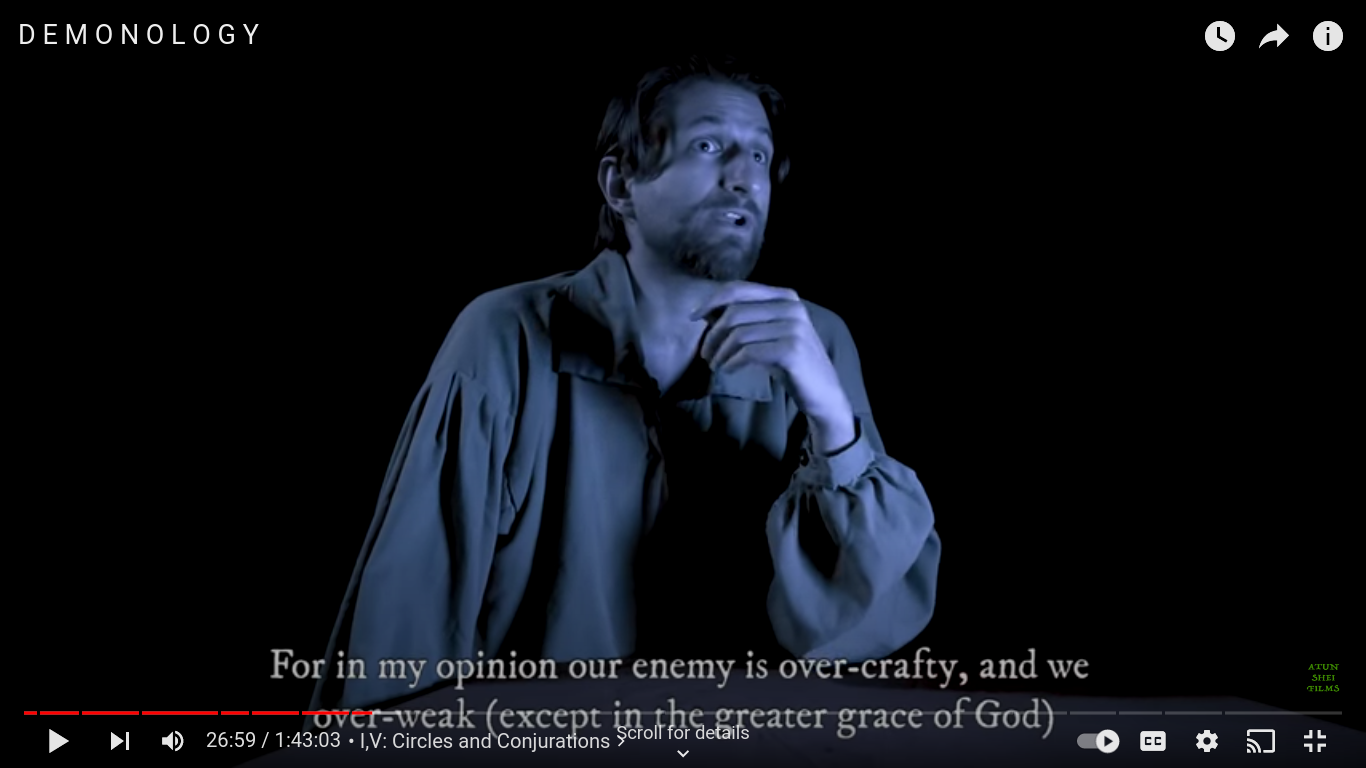
For although, as none can be schollers in a schole, & not be subject to the master thereof: so none can studie and put in practize (for studie the alone, and knowledge, is more perilous nor offensiue; and it is the practise only that makes the greatnes of the offence.) the cirkles and art of Magie, without committing an horrible defection from God: And yet as they that reades and learnes their rudiments, are not the more subject to anie schoole-master, if it please not their parentes to put them to the schoole thereafter; So they who ignorantly proues these practicques, which I cal the deuilles rudiments, vnknowing them to be baites, casten out by him, for trapping such as God will permit to fall in his hands: This kinde of folkes I saie, no doubt, ar to be judged the best of, in respect they vse no invocation nor help of him (by their knowledge at least) in these turnes, and so haue neuer entred themselues in Sathans seruice; Yet to speake truely for my owne part (I speake but for my selfe) I desire not to make so neere riding: For in my opinion our enemie is ouer craftie, and we ouer weake (except the greater grace of God) to assay such hazards, wherein he preases to trap vs.
Demonology Chapter 5, page 15.
It almost seems in this passage that James is covering his tracks against any detractors who might be wondering if he himself might be damned for knowing so much about witchcraft. Accordingly, he asserts that the knowledge of witchcraft is perfectly lawful, it’s the practice that damns the scholar.
Playing a Disney princess is akin to playing a character in a William Shakespeare play. You’re not going to be the only one inhabiting the role, and chances are, you’re not even the first one to take on the part. These are characters that are bigger than one human being and that includes the people who wrote them in the first place. Figures like Ariel, Snow White, or Elsa endure for so long that they could never be tied down to just one performer.
Quote from DOUGLAS LAMAN ” The Untold Truth Of Brave.” Looper 2022
Read More: https://www.looper.com/901268/the-untold-truth-of-brave/?utm_campaign=clip
As I have done several times before on this site, I’m going to compare a Disney princess to a Shakespearean character, and if you’ve been paying attention, you can probably guess to whom I’m going to compare Merida, a Scottish woman who seeks counsel from a witch. That’s right, Lady Macbeth! But I’m not just going to write about how Macbeth is similar to Brave. In fact, I’m going to primarily focus on how they are not similar. I would argue that the film’s greatest strengths occur when it parallels and subverts a lot of the elements of Macbeth. I would further argue that the film’s greatest weakness is that it didn’t go far enough with these themes and ideas, and due to the film’s troubled (dare I say… CURSED) production history, it is frankly a bit unfocused and doesn’t have a successful conclusion because it didn’t commit to the ideas it set up at the beginning of the film.


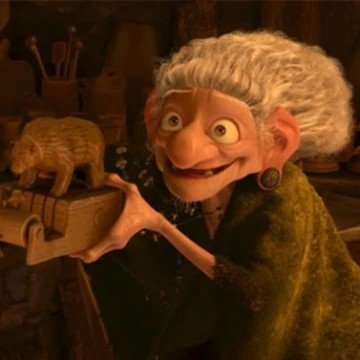
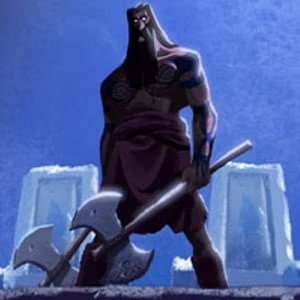


In medieval Scotland, a young princess named Merida (Kelly MacDonald), is strong, a skilled fighter, and a superlative archer. Yet, these skills are irrelevant and invisible to her mother Queen Elinor (Emma Thompson), who believes that a princess should strive to be beautiful, poised, diplomatic, and willing to sacrifice her own freedom for the good of the realm. This is why she has positioned her daughter, the heir to the throne, to marry one of her father’s allies, which she has no interest in doing.
Merida chafes at her mother’s controlling nature and wishes to change her fate. First, she defies her mother openly by challenging her suitors to an archery contest, and (in a glorious mash-up of Robin Hood and Odysseus), she defeats them all with three excellent bullseyes!
Faced with her child’s rebellion and the diplomatic disaster that her behavior caused, Ellinor is of course furious. Earlier in the film, Ellinor mentions that a selfish prince brought his whole kingdom into bloodshed and war because of an act of defiance like this. Mother and daughter have a bitter argument that causes Merida to leave home and try to change her fate a different way.
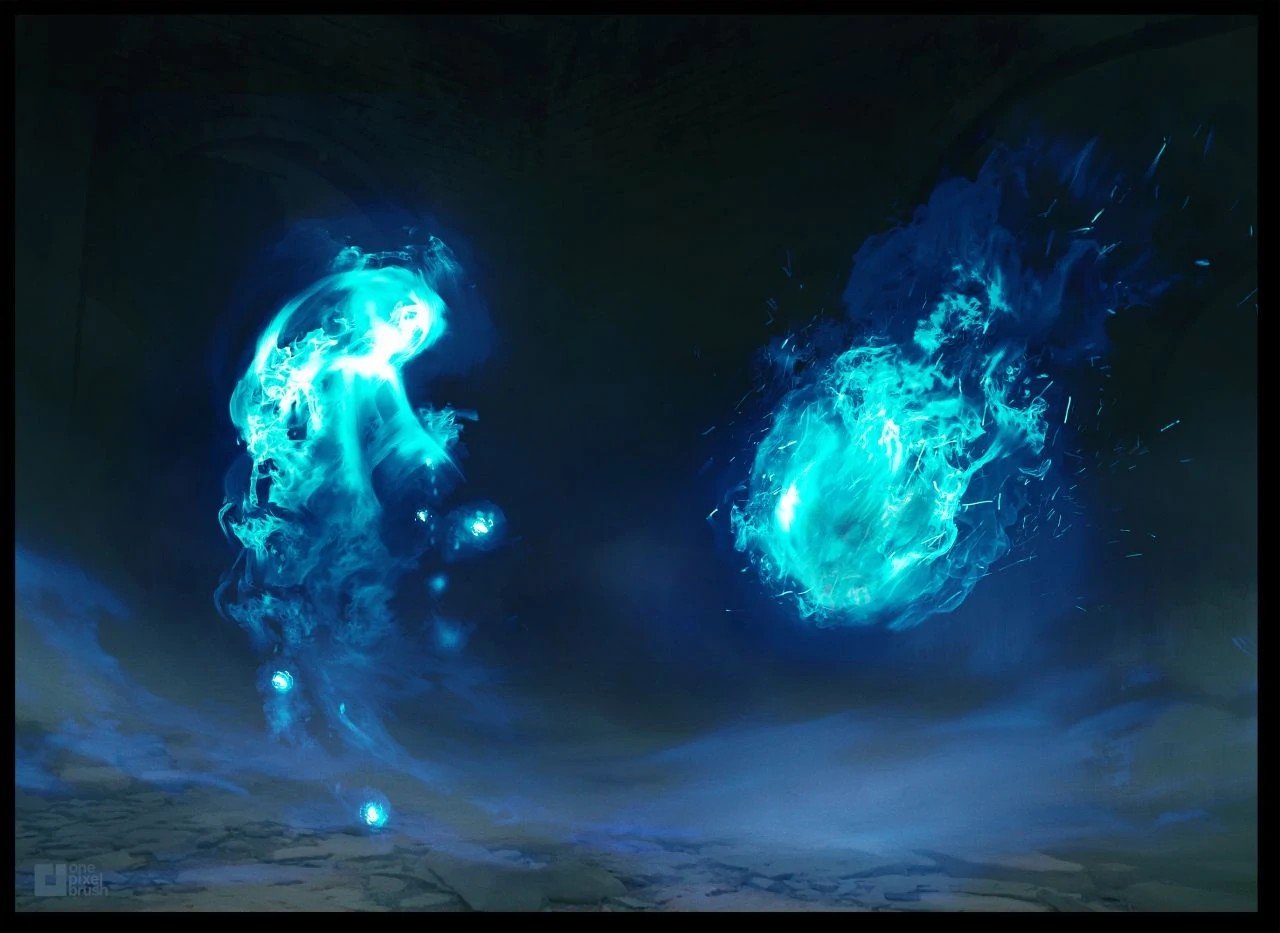
Merida follows the legendary Will O’the Wisp into the forest and meets a witch, who promises to brew her a potion to change her fate and….
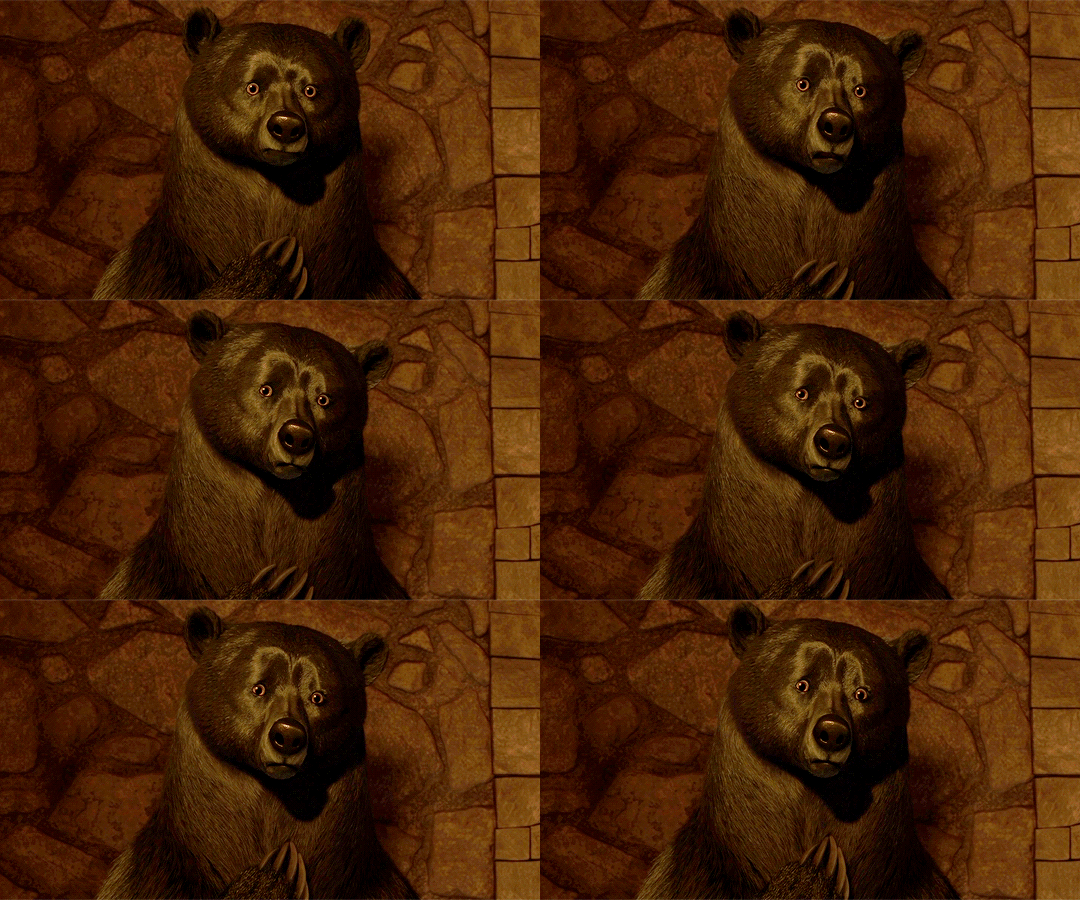

[Spoiler alert] This is where the story gets ridiculous. It turns out that the potion changes Merida’s mother into a bear. The second half of the movie is basically a Brother Bear ripoff where a character turned into a bear has to learn the error of their ways, and deal with being an animal. Yes, there’s conveniently a monster bear called M’ordu who Elinor has to fight as a bear to protect Merida, and with her mother unable to speak, Merida finally has to speak to the lords like a princess, which is all well and good, but the drama and character arcs set up in the first half are completely muddled once Elinor consumes that potion.
I was completely baffled by the choice to make Ellinor turn into a bear, especially given how grounded the first half of the movie was, but I want to make it clear- I do not blame the creator. Brenda Chapman, the original writer/ director had a very personal and clear vision for the story, as you can see in the quote below.
[I was inspired by] My love of Scotland, the old Grimms and Hans Christian Andersen fairy tales, but mostly my relationship with my daughter. She has been quite a challenge to my “authority” since she was five years old. I love that she is so strong, but it sure doesn’t make my job easy! She is my Merida … and I adore her.
Brenda Chapman, Ms. Magazine 2012
Chapman, who also directed The Prince Of Egypt, is clearly a very talented writer and director. It’s hard to know what the original story Chapman envisioned was, but as the quote above indicates, it was always intended to be a fantasy story that explores the relationship between a mother and daughter. Maybe the bear transformation was part of Chapman’s original idea, but I have to believe it would have been handled better than this.
In any case, the production suffered because Chapman found herself at odds with John Lasseter, Pixar’s CEO. Their clashes no doubt made it harder to develop the story in a productive way. Chapman points out that her being a female director, trying to tell the story of the first-ever female Pixar protagonist was in itself a ‘hard sell’ to the higher-ups at Pixar.
“I hit a lot of the issues with being a woman and also trying to put forward a female-led story.” She also claimed that her conflicts with former Pixar chief creative officer John Lasseter related to her being let go as the director of “Brave.” Chapman further remarked that plans to shift “Brave” to a father-daughter narrative didn’t work out and the film circled closer back to her original mother-daughter vision.
Brenda Chapman, writer and original director of “Brave”
Read More: https://www.looper.com/901268/the-untold-truth-of-brave/?utm_campaign=clip
By contrast, look at how the second director Mark Andrews describes the experience:
So it’s kind of like we are all pals and there’s a really good camaraderie and support system here, so if I’m sitting there going “I’m drowning! I’m drowning! I’m failing and I don’t know what’s going on, I need help!” they are there to help.
Mark Andrews, Slashfilm.com
Read More: https://www.slashfilm.com/520673/film-interview-mark-andrews-director-pixars-brave/?utm_campaign=clip
So you can see that the decision to sack both Chapman and her original idea for the script probably cost Pixar precious time that they couldn’t use to develop the film; they must have grudgingly realized that throwing the mother-daughter relationship story aspect away wouldn’t work, and had to rescue that idea instead of developing it through the rest of the script.
So when I came on, I looked at it and I go “Okay, I just need to strip this down to who’s story is it? It’s Merida’s. Let’s go back to the basics with Merida and clean everything out. What does she need to learn? What is her arc? How is she going to go through this story? Who are the characters around her? Who is her biggest foil? Well that’s her mom, right? Why?” I had to just take all of these elements that they already had, but focus them down and clear a lot of the clutter away. There was a lot more magic involved and the magic was affecting the environment. “Do I actually need that to tell the story?” So there were those things.
Mark Andrews, second director of Brave
Read More: https://www.slashfilm.com/520673/film-interview-mark-andrews-director-pixars-brave/?utm_campaign=clip
In addition, the new director probably didn’t have a personal connection to the story, nor the support of the studio. I think it’s fair to say that based on Andrew’s description, Pixar was a bit of a boy’s club (at least in 2012), and I get the feeling based on the results of the film, that they weren’t putting as much effort into this story that features a female protagonist. If I were making this film, I’d probably connect the two halves of the story and borrow liberally from tropes in the story of Macbeth.
First of all, I’d like to mention that there are veteran Shakespeareans in the cast and creative team- Elinor is voiced by Emma Thompson, one of the greatest Shakespeareans of our time. Further, the movie is scored by Patrick Doyle, who did the music for every one of Kenneth Branaugh’s Shakespeare films. You can read about both of them in my review of Branaugh’s Henry V.
As in my review of Encanto, the title character of Macbeth is not the protagonist of Brave. In fact, he’s barely seen in the film at all, but he is mentioned many times; the wicked prince who eventually becomes the fearsome bear Mor’du.
Obviously, there are also parallels with King Lear, where the patriarch splits his kingdom between his children, and their cruelty and selfishness lead to civil war. However, I feel the Macbeth parallel is even more pronounced. Not only is the story set in Scotland, but the wicked prince feels entitled to the throne, and uses witchcraft to try and obtain it.
Both Banquo and Macbeth encounter the witches, but only Mabeth takes their prophecies to mean he must kill the king. He and his wife choose a dark fate and show themselves to be lacking in morals. Macbeth becomes an internal monster, while Mor’du becomes monstrous in every way.
What makes Mor’du work is that he is literally a cautionary tale for what Merida may become- her mother tells his story to warn her that if she continues to selfishly value herself above her kingdom, she may cause chaos and bloodshed, which she nearly does when she humiliates the lords at the archery contest.
The film centers around the ancient Scottish myth of the will-o-‘the-wisp, which guides characters to their destinies. Like The Force, there is a dark and light aspect to the wisp. Sometimes they help people improve their fates, while sometimes they tempt people to their doom.
Both Merida and the wicked prince follow the wisp to a witch’s cottage and they both ask for the same thing- to change their fate. The prince asks for strength so he can win the civil war and become king, while Merida asks for the ability to change her mother’s mind.

It’s also interesting that everything in the witch’s shop is bear themed. This could be a weird quirk of hers, or it might be another subtle way to thematically bind these two characters together. Maybe the old witch can sense these characters have similar spirits. It’s also interesting that the witch keeps carving bears when she gives up witchcraft, perhaps out of guilt for creating the monster Mor’du. As I mentioned in my post on the witches, they might not necessarily be evil, they merely facilitate the fate of the characters.
Witchcraft has long been a shorthand in theater and film for female power. Sadly, in Macbeth, it is framed as monstrous, that is, both attractive and morally wrong. When Lady Macbeth prays to dark spirits, it is because she seems unable to find any kind of power for herself, and resorts to witchcraft.
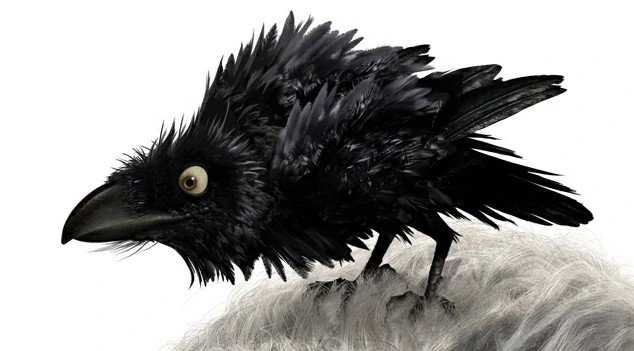
The raven himself is hoarse
Lady Macbeth, Act I, Scene 5.
That croaks the fatal entrance of Duncan
Under my battlements. Come, you spirits
That tend on mortal thoughts, unsex me here,
And fill me from the crown to the toe top-full
Of direst cruelty!
As this funny sketch from Second City indicates, in a modern context, Lady Macbeth’s problem isn’t that she wants power or wants to make herself queen, it’s that she goes about it the wrong way. I absolutely love the way the actress says: “I really need a job.” It’s hilariously tragic the way the sketch sums up how useless and isolated this character feels.
Sorry about the ad, but again, this sketch is useful to contextualize Lady Macbeth’s frustrations with a patriarchial society- if female power is considered abhorrent, she feels she has no choice but to use abhorrent means, which begs the question- which is more evil- dark magic, or the patriarchy?
Merida and Lady Macbeth have the same problem; society has pre-determined their fate as nothing more than wives and mothers which is why they both seek out magic to change that fate. Likewise, Macbeth and Mor’du are driven by toxic masculinity to change their fates by violently seizing power.
What’s great about this film is that it has buried within all its silly bear comic subplot, a clever spin on a classic tale that touches on patriarchy, ambition, and greed. Like Encanto and Lear, what I like about Brave is that it takes Shakespearean tragedy as an example of what almost happened to the main character. I wish that some of the fluff and fur was trimmed off this story and that Brenda Chapman’s vision for the film was truly realized, to make the film a true masterpiece.

I just finished uploading my trailer for my new course on Shakespeare’s tragedies for your viewing pleasure:
The first session is on November 5th (Remember the day)! Hope to see you then.

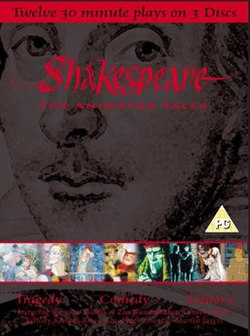
This is a 30 minute cartoon version of Macbeth originally produced for the BBC in 1992. It features Brian Cox as the voice of Macbeth (before he was the voice of McDonald’s), and Zoë Wanamaker as Lady Macbeth (before she was a witch who teaches at Hogwarts).
I like the way it portrays the horror imagery of the play in sort of a European-manga animation hybrid. Admittedly, there are better ones in the series, but this one is still pretty neat.
To check out other episodes in the series, view this playlist:


In this 9 week course, students will discover Shakespeare’s greatest characters- Hamlet, Othello, Macbeth and others through games, dramatic readings, and interactive projects! -The class is designed to be ala carte- you can learn about all these plays, choose a specific play to focus on, or do the entire course. Each class will have a game of some kind, an engaging quiz, and a short explanation of the setting, characters, and motifs of one or more plays. Each class will also include a close reading of a famous speech.
I will explain the basic structure of Elizabethan tragedies and the concept of Fortune, which is a motif Shakespeare uses in all of his tragedies. I will also debate the concept of “The Tragic Flaw:” the notion that otherwise good people are brought down by single character flaw. Finally, we will quickly summarize the premise behind all 11 of Shakespeare’s tragedies.
I will summarize Shakespeare’s two tragedies that are set in ancient Greece and provide commentary on their themes and ideas. I will also draw parallels between the Ancient Greek tragedies of Aeschylus and Euripides and Shakespeare, with a particular emphasis on the Greek philosopher Aristotle’s beliefs on the function of tragedy, which influenced every major drama for the last 2,000 years.

We will take a bloody, backstabbing journey to ancient Rome, and discuss how Shakespeare shows through these four plays the dissolution of a republic into an empire. We will discuss the themes of democracy, dictatorship, mob rule, and savagery. Plays covered: Coriolanus, Julius Caesar, Antony and Cleopatra, and Titus Andronicus.
We will explore the universality of this timeless tragedy, and do close readings of his famous soliloquies.
In addition to the character and his speeches, I’ll draw parallels to the history behind the play, including witchcraft in the Jacobean era, and the Gunpowder plot against the king!
I will talk about how Shakespeare dramatizes race and prejudice in the context of Othello’s struggle with prejudice and his own jealousy.
I will discuss the complex plot of Shakespeare’s tragedy about old age, blindness, betrayal, and families ripped apart by greed.
I will teach the students to think like a director and develop a concept for the characters, set, lights, etc. I’ll also briefly take you through famous productions of these great tragedies by the Royal Shakespeare Company and others.
Get $10 off my class “Shakespeare’s Tragedies: The Fates of Men and Nations” with coupon code HTHESG5B2Q10 until Dec 31, 2022. Get started at https://outschool.com/classes/shakespeares-tragedies-the-fates-of-men-and-nations-xKCYUkC9 and enter the coupon code at checkout.


Basics Of Stage Combat: Students will learn the basics of safely enacting a fight onstage, in preparation for a Shakespeare play. We will also learn about the history of sword fighting in the military and the duel.
My daughter really enjoyed taking this class. She was actually able to use her sabre and try out her routine on her father. Paul is quite knowledgeable about Shakespeare and made the class really fun by teaching a fight scene from Romeo and Juliet. It is amazing watching her practice with Paul over Zoom. I hope Paul will have. more combat classes, it is a different way to learn Shakespeare.
IB, Parent
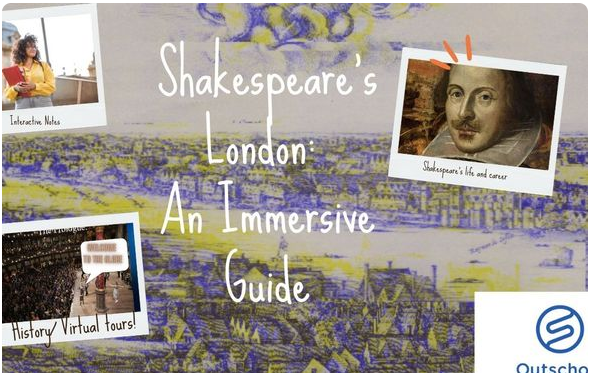
A virtual tour of Shakespeare’s London will get kids to interact with the culture of Elizabethan England.
To teach kids about the Elizabethan era and the background of Romeo and Juliet, The Instructor will interact with the class (via pre-recorded videos), pretending to be Shakespeare. The class, pretending to be actors in Romeo and Juliet, will get a virtual tour of The Globe Theater, Hampton Court Palace, and a virtual visit to an Elizabethan doctor's office. This activity is an immersive way for them to learn about the period, how it relates to the world of the play, and how Shakespeare changed theater.

The class will take the form of a guided WebQuest activity.  First, the students will get a worksheet that has a series of fill-in-the-blanks about Elizabethan society (below). The students will fill out this worksheet based on a Nearpod and in conjunction with a website I’ve made, https://sites.google.com/nebobcats.org/visit-to-elizabethan-london/home?authuser=0
Both the Nearpod and each webpage will have a virtual tour, a video, and text explaining some aspects of Elizabethan life. Before they go to each location, I will give a short introduction via prerecorded video:

In this one-hour course, your child will discover the enchanting world of science through a series of magical experiments. Learn about such topics as Astronomy, Static Electricity, chemistry, and optical illusions.
In this one-hour course, students will learn and play games that will explore the history behind Christmas traditions. We will also discuss the themes, characters, and famous quotes from Shakespeare’s play “Twelfth Night.”

Since “Macbeth” is my Play of the Month, I’m offering a discount for my online class on the play. You can get $5 off my class “Macbeth: An Immersive Learning Experience” with coupon code HTHES6G3YH5 until Nov 4, 2022. Get started at https://outschool.com/classes/macbeth-an-immersive-learning-experience-xGKHeHgH and enter the coupon code at checkout.
To learn more about the class, watch the trailer above, and read my description of the escape room:
 The Shakespearean Student