Hello everyone! I’m back from break and happy to celebrate one of my favorite holidays with you- the one that gave its name to one of Shakespeare’s greatest comedies- Twelfth Night
I’ve been in this play three times and I’m continually struck by how fun, romantic, and progressive it is. It raises questions about gender roles, social norms, bullying, and even catfishing and heteronormativity! It’s a fascinating and thought-provoking play and it’s my favorite of Shakespeare’s comedies!
Shakespeare’s early comedies are about young love, infatuation, and being ‘madly in love’ (sometimes literally). His middle plays are about mature relationships between men and women and the need for commitment. I would argue that Twelfth Night, (and possibly Much Ado About Nothing), are the best examples of Shakespeare telling meaningful stories about romantic relationships.
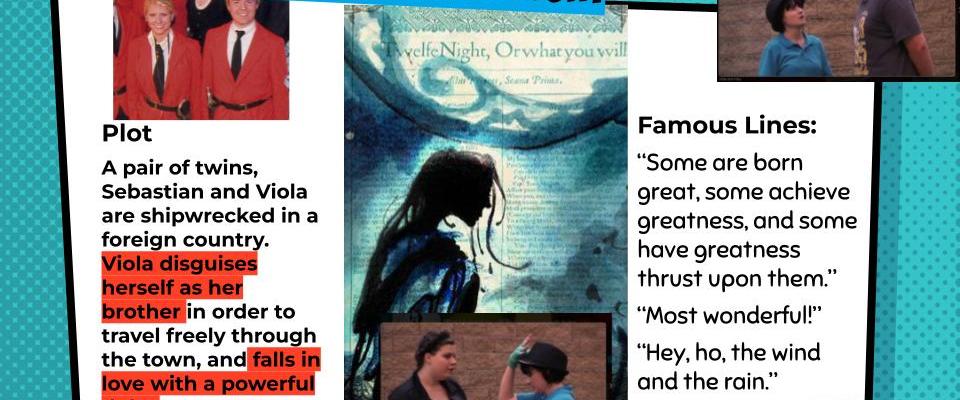
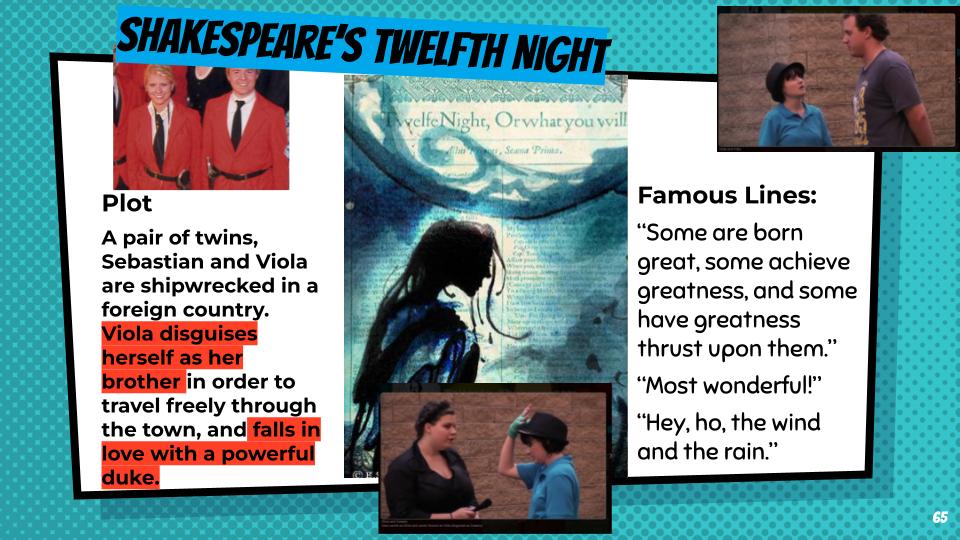
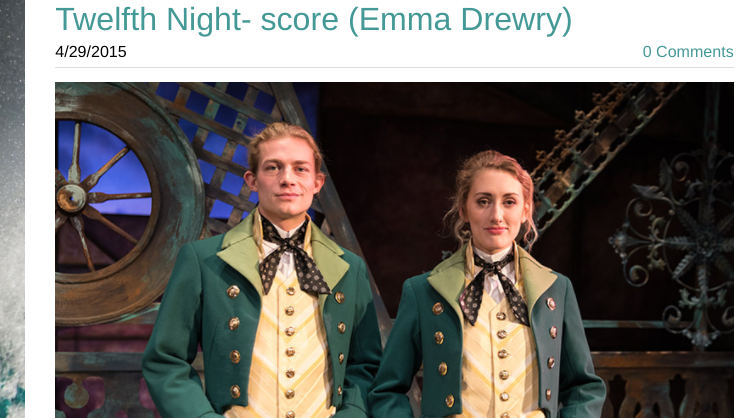
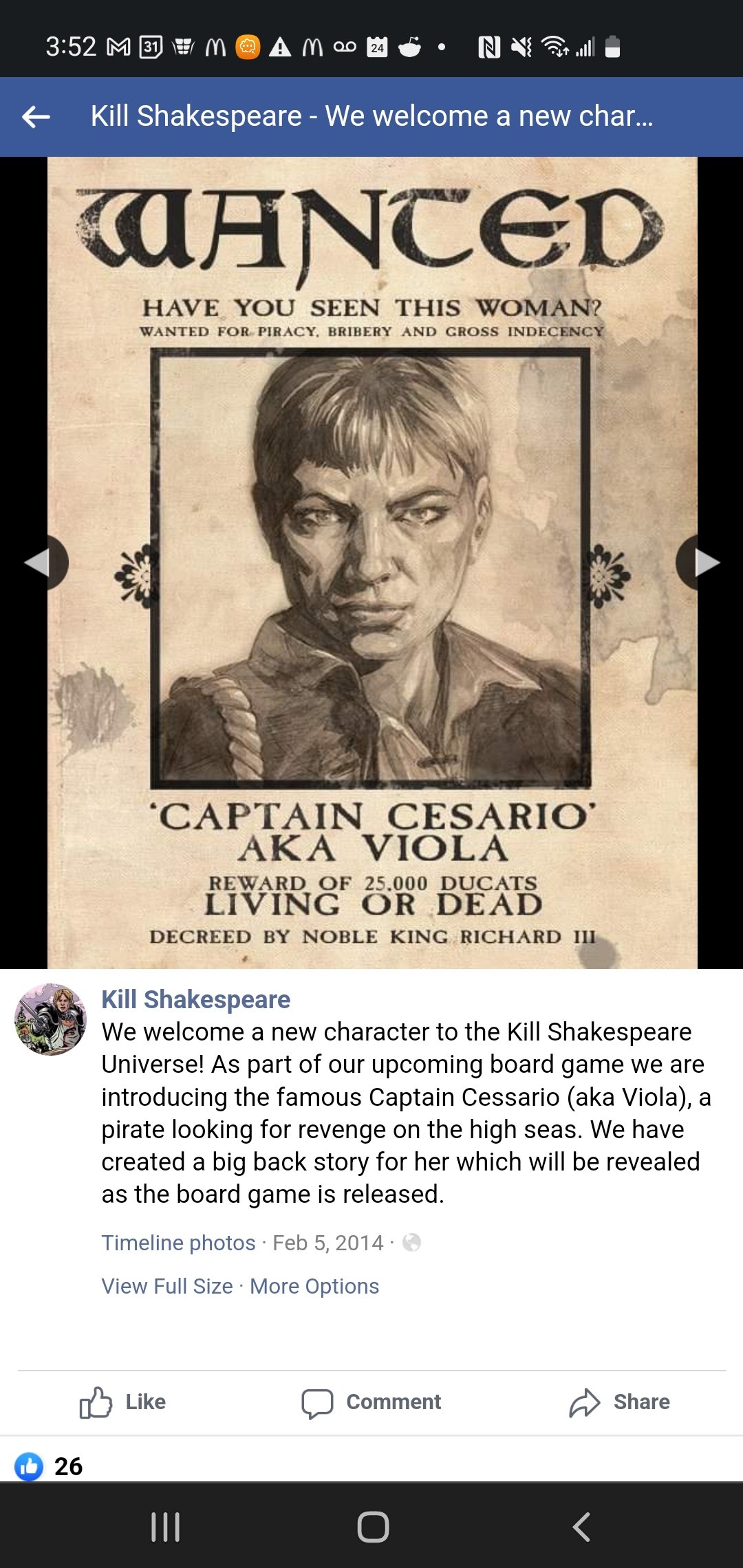
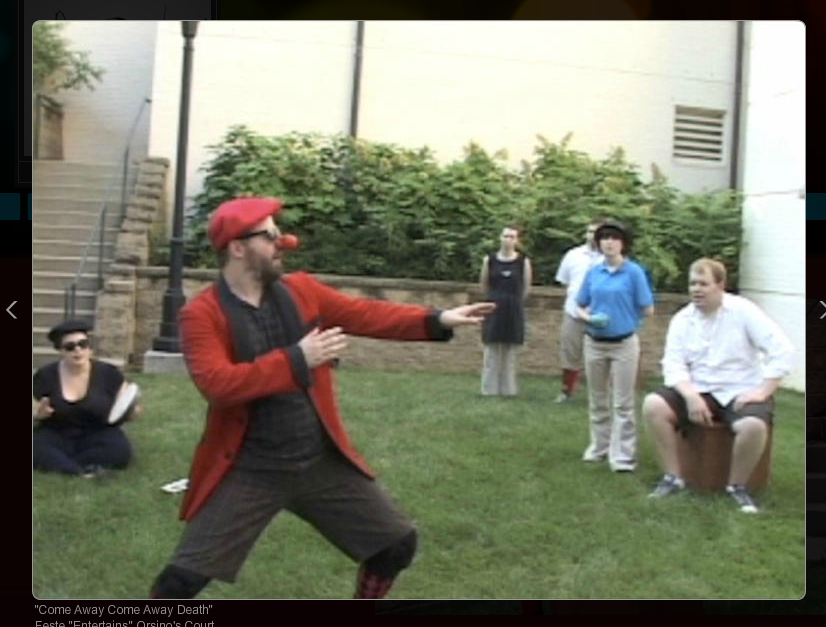
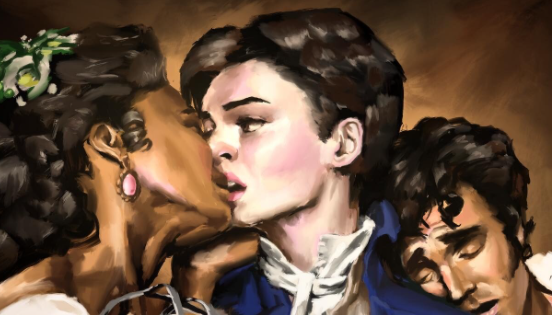
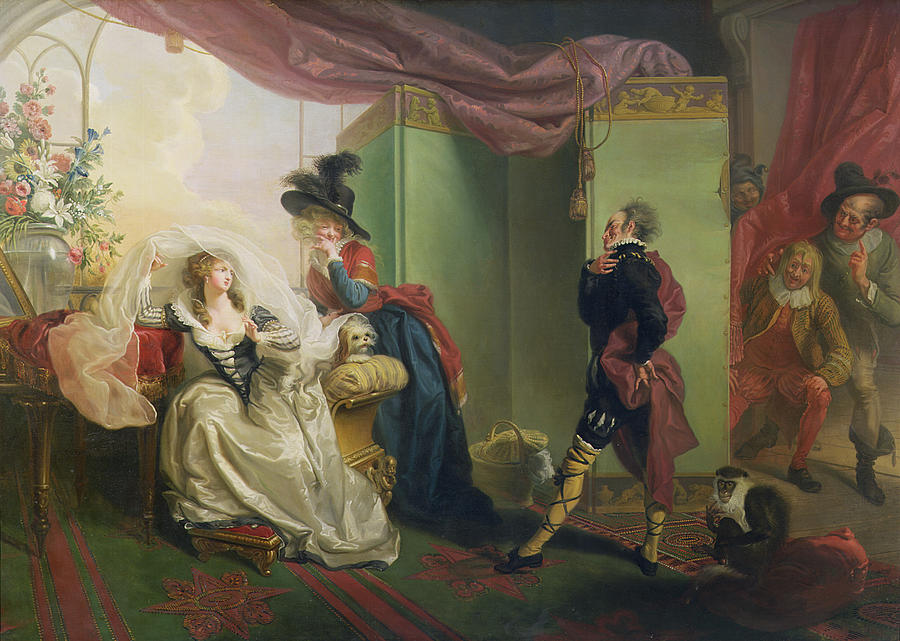
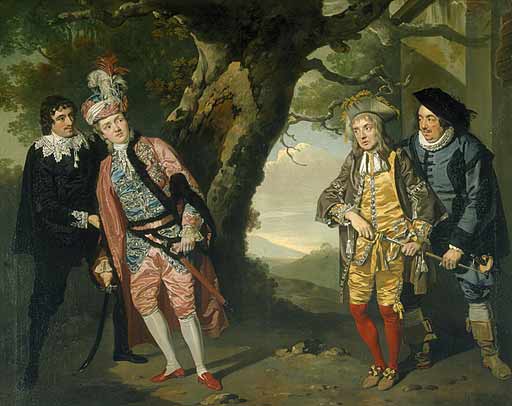
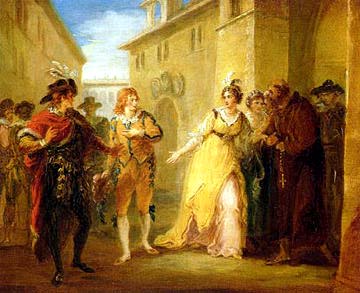
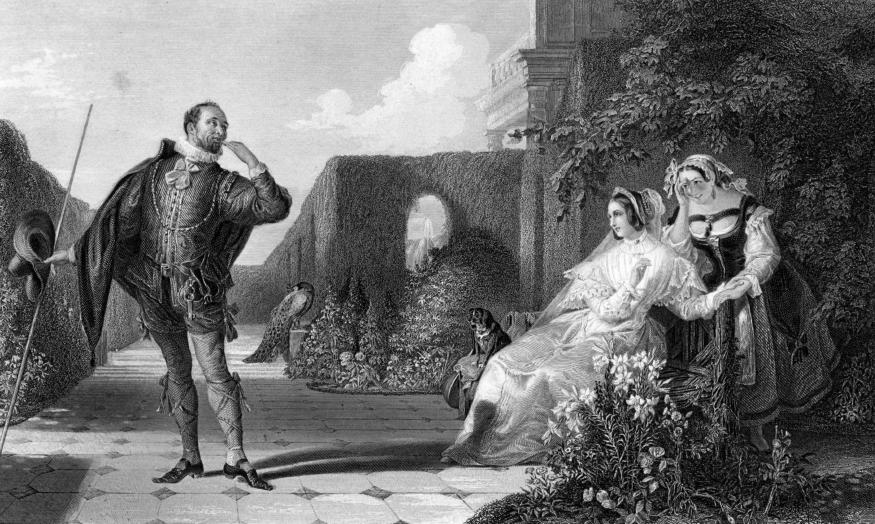
Images from various productions and paintings of “Twelfth Night.”
In honor of “Twelfth Night,” I’ve created a coupon for my course on Shakespeare’s comedies from now till January 31st: Get $10 off my class “Shakespeare’s Comic Plays” with coupon code HTHESYTIT110 until Jan 31, 2023. Get started at https://outschool.com/classes/shakespeares-comic-plays-868BR5hg and enter the coupon code at checkout.
To finish I wanted to give you a complete production of Twelfth Night for your viewing pleasure, but I can’t decide which one, so I will post a bunch today!
1. 1996 TV movie starring Geoffrey Rush (Pirates of the Caribbean)
Thanks to everyone who’s been listening to my podcast over the last two years. I hope to make much more content and continue to write, talk, and teach about Shakespeare for a long time to come. Thanks for a good 2022, and here’s hoping for an even better 2023!
I love the BBC Kids show “Horrible Histories,” based on the books by Terry Deary (who also appears in the show). The show is a Monty-Python like variety show that jumps from various periods in English history, (primarily), while highlighting the “gory, ghastly, mean and cruel,” elements of history that our teachers tend to gloss over.
One period of history in which the show excels at satirizing is the Tudor period; devoting several songs, sketches, and animations to the reigns of Mary I, Good Queen Bess, and of course, Henry VIII. Here are some of my favorite clips from the series, with Ben Willbond as Henry VIII:
Please join me and the Shakespeare Online Repertory Company on Discord.com at 1PM. We’ll be reading “The Lion In Winter” by James Goldman, which, you may remember was made into an Oscar-winning film in 1968:
Original 1968 trailer for the film, “The Lion In Winter,” starring Timothy Dalton, Anthony Hopkins, Katharine Hepburn, and Peter O’Toole.
As many of you know, I’ve been in two plays with the Shakespeare Online Rep before, and like the production of “Lear” I did last month, this play is about a king, (the historical King Henry II played by Peter O’Toole), and his three children, who ruins his kingdom through his selfishness and inability to connect with his children. In addition, his wife Elenor De’Aquitaine (Hepburn) is powerful, cunning, and ruthless and will stop at nothing to get power away from Henry. She even manipulates her own children against Henry; John (the infamous king of the Robin Hood Legend), Richard (known later as Richard the Lionheart), and Jeffrey.
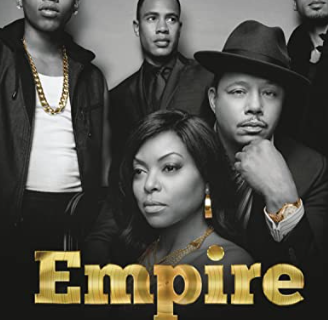
The acclaimed TV show “Empire” owes a lot to “King Lear,” but as you can see, it owes a lot more to “The Lion In Winter.” The character Lucius Lyon is much more based on King Henry, with his violent past, his mistresses, and his powerful wife Cookie, who is clearly an African American Elenor De’Aquitaine. Furthermore, the children are even more clearly derived from the three Plantagenet children: Hakeem, the spoiled, foolish philanderer played by Bryshere Gray, definitely has echoes of Kanye West, but Prince John is definitely in his DNA. Similarly, the talented Jamal, who is loved by his mother and hated by his homophobic father could definitely swap stories over dinner with Richard the Lionhearted, (though I doubt Jamal ever went on crusades). And lastly, the emotionally damaged Andre does have some Macbeth-like traits with his vaulting ambition and his brilliant, cunning wife Rhonda. But unlike Macbeth, Andre uses his business-savvy mind and his ability to manipulate his brothers to take power away from his father, which is exactly what Jeffrey does in “The Lion In Winter.”
Will our production be as cool as Empire, or as star-studded as the movie? Honestly, no. But I will say that after working with these actors before on multiple projects, this production should be fun, exciting, and moving, and definitely worth the hearing.
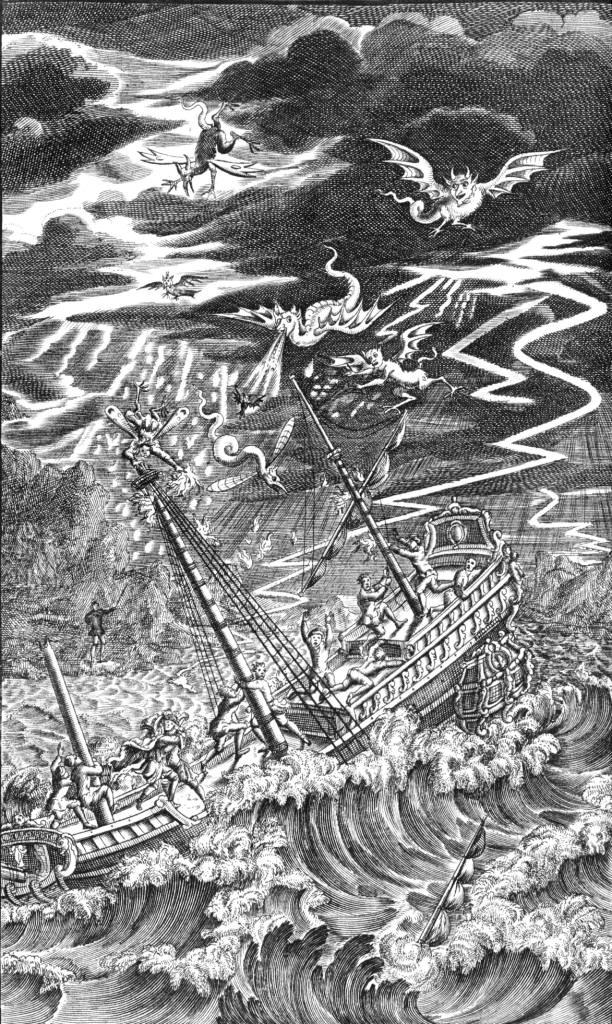
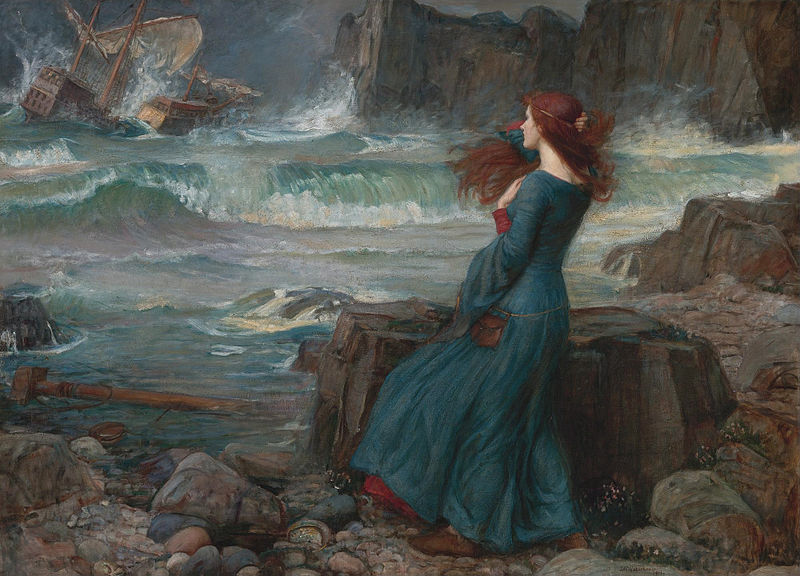
It’s November, the month when we Americans ponder perilous journeys to new worlds and give thanks to the people who settled our country. As this clip from “Shakespeare In Love” illustrates, Shakespeare clearly had these kinds of journeys on his mind. They influenced plays like “Twelfth Night,” “The Comedy Of Errors,” and especially “The Tempest.” It’s not surprising that long journeys to America were on Shakespeare’s mind; he lived right at the time of the first settlements in America, and the Pilgrims celebrated the first Thanksgiving only four years after Shakespeare died:
However, as I said in my “Is Shakespeare Being Cancelled?” post, the people who colonized America were hardly saints and they did impose their own culture on the indigenous people that lived there. This tension between the romantic ideal of taming the unspoiled wilderness of America and the reality of colonization is deep within Shakespeare’s last solo play. Its hero is a magician with the power to control spirits and who enslaves the only creature living on the island before he came- Caliban.
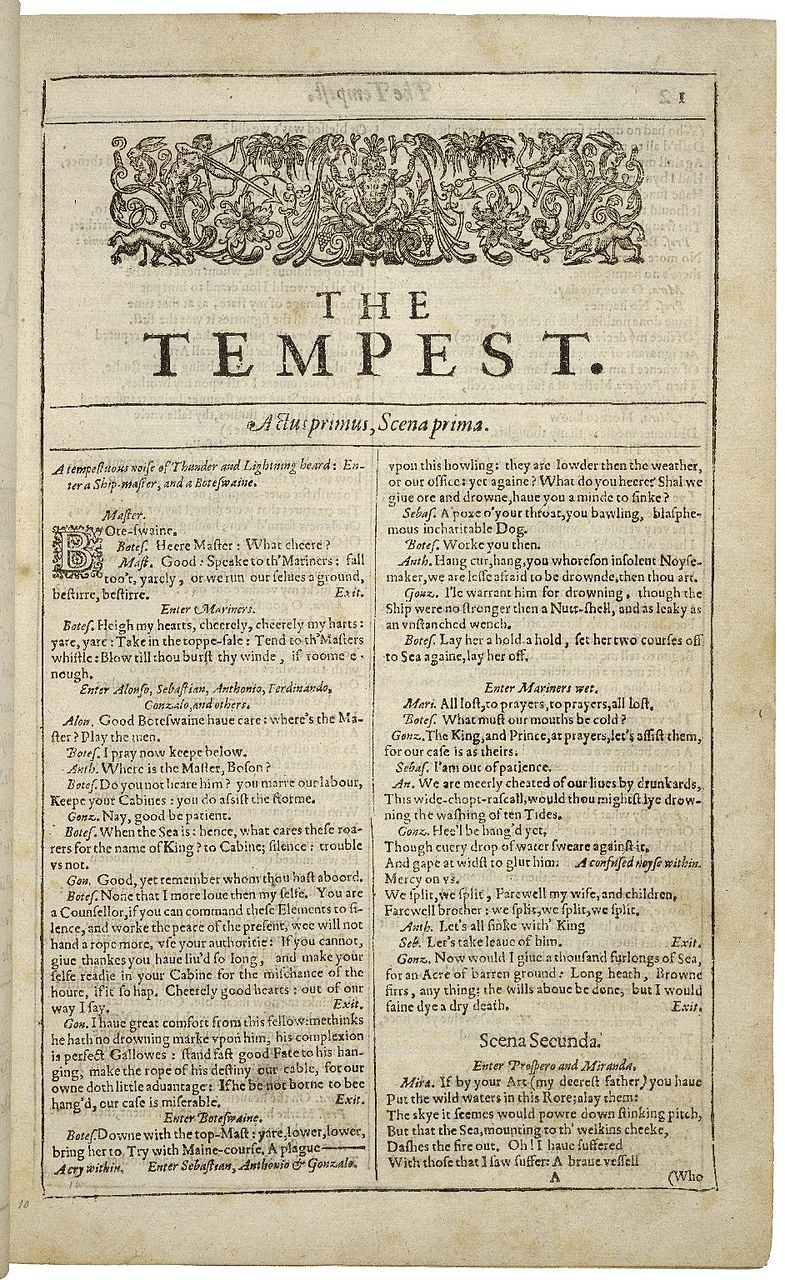
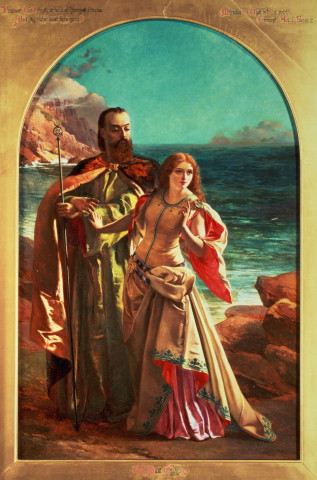
Though Prospero did not come to the island by choice, he certainly imposes his will on the creatures and spirits of the island and even calls himself the lord of it. On the other hand, he eventually leaves, pardons Caliban, sets Ariel free and resumes his former life as the Duke of Milan, so the story isn’t entirely about colonization. At its core, The Tempest is a story about revenge, savagery, and redemption. Audiences back in 1611 would probably see Caliban as a savage with his rough manner, bizarre appearance, and peculiar religious beliefs. But the real savage is Prospero, who like Dr. Frankenstein, gives in to his baser desires for control and revenge; enslaving Caliban, and conjuring the Tempest to take his revenge on his brother Antonio. But Prospero eventually repents and abandons his quest for revenge and this decision improves everyone’s lives, especially his own. He can now move on and become a better duke and a better man.
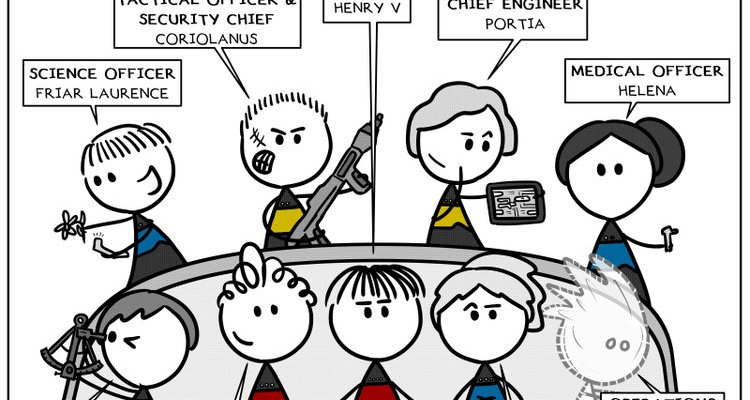
This play is fascinating to ponder and it has spawned countless re-interpretations. As I said before, this journey to a strange new world has influenced both the Horror and Science Fiction genres. The themes and characters of The Tempest can be found in works such as Frankenstein, to Brave New World, to Star Trek, which is why this month, I will be not only analyzing The Tempest, but also the Shakespearean roots of one of my favorite TV shows- Star Trek: The Next Generation!
If you are your child are interested in learning more about this fascinating play, I actually teach a class about it as part of my course on Shakespeare’s Comedies which starts November 5th at 4PM, EST. Below is a trailer and link:
Today I’ll be tracing the recurring themes and motifs that evolved from Shakespeare’s last solo play, “The Tempest,” and chart a course that explains the evolution of this play into the beloved Star Trek franchise.
Shakespeare’s The Tempest is based on a real story. As I said before, the story might have come from a traveler’s story about visiting the island of Bermuda in the early 1600s. The idea of Europeans going to an uncharted island, meeting the strange inhabitants, and ‘civilizing’ them, might have inspired Shakespeare to write the story of Prospero.
In addition to the Bermuda story, the age of English colonization had firmly begun at this time. The first English colony in America, Jamestown was settled in 1607, and The Tempest came out 1611.
At the same time, The King was worried about magic and trying to marry his daughter off to a prince.
Shakespeare wasn’t allowed to comment on contemporary issues, so instead of setting the play in England or even contemporary Europe, he set it on a fantastical island with spirits Prospero can control. His control becomes a metaphor for colonization. At the same time, we see a fantasy version of James’ daughter’s marriage in the romance between Ferdinand and Miranda. The motifs of discovering strange new worlds and encountering new races of people form the core of Star Trek and space-based science fiction in general, and an adaptation of The Tempest in the 1950s would set the template that the Enterprise and her crew would be built on.
“Forbidden planet”- The Tempest goes Sci-Fi
Forbidden Planet is a story about a dashing, adventurous captain, a curmudgeonly doctor, and a science officer who are from a United group of planets that peacefully searches for “brave new worlds,” and the people in them. Obviously, these characters are very similar to Captain Kirk, Dr. McCoy, and Mr. Spok, so clearly Star Trek owes its initial creation to the success of Forbidden Planet, which was a Sci-fi adaptation of the Tempest. The question then is if there is there more that we can say about the connection between Shakespeare and Star Trek.
Star Trek’s relationship with Shakespeare
The main connective tissue of Star Trek and The Tempest is the use of exotic locations and alien cultures to explore issues that were close to home. When people in 1600 went to see Hamlet Prince of Denmark they didn’t see an ancient legend of a Viking Prince as the original Amleth, written by Saxo Grammaticus; what they saw was a thoroughly modern story of a Renaissance Prince tackling theological issues that had only just been dreamt of by the English protestants; issues of predestination, issues of Calvinism, issues of the questions about the issue the existence of purgatory, etc. That would have been unheard of to the original audience of Prince Hamlet. The appeal was seeing a different place and time to retell an ancient legend that at the same time spoke to the present time of the 17th century. Star Trek does the same thing only looking to the future instead of the past.
Like Star Trek, Shakespeare used exotic locations to examine issues that were universal, (no pun intended), issues that were very much for the consumption of his audience. Look at Star Trek; every alien race the Enterprise encounters is an allegory for some culture or idea on Earth, like the two-toned alien Lokai and Bele that represent segregation and racism, or the Klingons who represented the Soviet Union, or the Borg, who represent imperialism and authoritarianism, cults, and to a certain extent fascism,
In Star Trek, space-age technology was always secondary to character; it was always about fragmenting the human condition into different recognizable alien species. Through the characters of Dr. McCoy, Captain Kir, and Mr. Spok, Star Trek examines humanity through 3 distinct points of view; that of Kirk the wide-eyed Explorer, McCoy, the cynical doctor with a heart of gold, and the cold and logical Mr. Spock. As the series went on, the allegories to contemporary affairs grew more nuanced, like how in Star Trek 6, the conflict between the Federation and the Klingons represents the final days of the Soviet Union, and the fear on both sides of what a post-Cold War world would be like.
Star Trek The Next Generation: The Tempest, Reformed.
Why did the creators of Star Trek cast Patrick Stewart, the foremost Shakespearean actor of his time, to play the captain of the Enterprise? I would say it is because Shakespeare is a writer who follows some of the same tropes that Star Trek would later use, so the creators needed a Shakespearean actor to communicate these ideas to the audience.
When Star Trek: The Next Generation first came out in the mid-1980s; the lens through which we saw alien cultures changed significantly: Picard sees humanity and the universe through a sentimental lens; viewing all cultures with no concept of superiority or paternalism. Like Shakespeare, Picard sees these cultures as his own and all worthy of respect. That’s why these cultures are often drawn to him and embrace him as one of their own, such as in the episode where he literally lives the life of a man named Kamin on the now-dead planet of Katan, and becomes the only living man to pass on their stories:
Picard’s greatest antagonist Q is a warped mirror of Picard; somebody who sees humanity as a plaything but nonetheless is intrigued and fascinated by human nature:
Taken together, Picard and Q are like the two sides of Shakespeare’s Prospero in The Tempest. Simmilar to how Dr. Morbius represents Prospero’s ego in Forbidden Planet, Picard represents the superego- the part devoted to improving the lives of his crew and the aliens he helps, and who looks at each “brave new world,” he encounters with awe and respect.
Q however, is Prospero’s Id- a malevolent, cynical, vengeful man, (who like Prospero in the episode Deja Q, is actually banished from his rightful place in the Q Continuum). He torments and enslaves creatures for his own amusement and his curiosity about humanity is more morbid and sadistic than scientific or philosophical. With this in mind, it makes sense that Q has been such an enduring part of the Star Trek series since he is an essential component of the series’ psychological makeup.
Science fiction in general is about possibilities- looking at where we came from and where we are and asking questions about where we are going. Generally speaking, Shakespeare looked more to the past than the future, but his conclusions were pretty much the same- he saw “What a piece of work man is,” but also feared greatly for his survival. Star Trek takes these concepts and projects them out to the far future. Even though in the 24rth century humans have mastered space travel, eliminated poverty, and put aside petty prejudice, people are still people and the conflicts they have don’t change. What’s great about Star Trek is how well both choose to tell the eternal story of the human condition, looking before and after and making some truly profound discourse on what it means to be human. Perhaps the real final frontier is the same as the first- the human heart.
“Upon Such Sacrifices: King Lear and the Binding of Isaac”
I’ve compared King Learto a fairy tale in the past, but i haven’t compared it to a story from the King James Bible, even though Shakespeare, in all likelihood wrote and performed it for James himself. This article form the Jewish Review of Books is a comparison between Lear and the Old Testament Bible. First, the author has a tantalizing historical tidbit that might explain why Shakespeare chose to write Lear for King James:
Before ascending to the English throne, James VI of Scotland wrote a political guide, Basilikon Doron, for his eldest son advising him never to divide his kingdom (as Lear does) but “make your eldest son Isaac, leaving him all your kingdoms.”
Noah Millman.
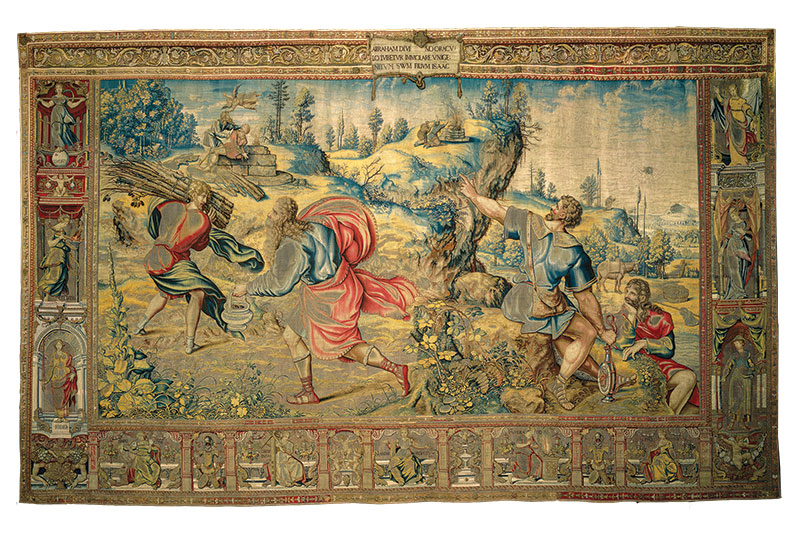
The article also draws some fascinating parallels between Lear and other Biblical patriarchs especially the sacrifice of Isaac, which takes place in Genesis 22, or as it’s known in Jewish tradition, the akeda.
The akedah prompts different questions than King Lear does, not of how so much tragedy could have sprung from a foolish love test, but how the God of all creation could have put his faithful servant to such an unconscionable test in the first place. And so there is a long interpretive tradition that labors to elide that fact in increasingly creative ways. Surely God never intended Isaac to be a sacrifice—the boy was merely to be present at the sacrifice! How could Abraham have thought otherwise, when God had already sworn that it was through Isaac that his promise to Abraham would be fulfilled? Or, alternatively, surely Abraham never doubted that God was merely testing him—after all, Abraham tells Isaac himself that God would provide a lamb to substitute!
It’s interesting to see the parallels between Lear and an Old Testament patriarch. He constantly asks his gods for help and swears by them when he pronounces his doom, yet arguably he has no real faith in his gods or his daughters, which is why his foolish love test in Act I, serves as the catalyst that corrodes and destroys his kingdom and his life. However, maybe Lear sees himself this way, as a king appointed by God, with the authority to test his daughters’ love as God tested Abraham. Ian McKellen seems to share this view and sees Lear as a priest who is unwilling to give up his “special relationship with his gods.”
The actor playing Lear can benefit from studying the sort of old-fashioned patriarchs presented in the Bible because they help shape his worldview. In addition, the concept of faith and how it is tested is another big theme in Lear and contrasting how men in the Bible keep their faith while Lear loses it is an illuminating way to contextualize both works. Was Shakespeare trying to write a parable for kings? Perhaps, but he certainly encapsulates very well the struggles and anxieties of keeping power, and the desire for divine intervention when a kingdom bleeds.
James Earl Jones as King Lear at the Public Theater (1974)
This is my absolute favorite of all the King Lears I’ve seen. Jones nails the blind rage and puffed-up pride of Lear, while also being absolutely clear in his delivery. Unlike a lot of other Lears I’ve seen, you get the sense that, although this man is a bad dad and probably a bad king, he wasn’t always like this, that he was very respected and magnanimous.
In addition, the supporting cast is incredible- Raul Julia (famous for playing M. Bison and Gomez Adams), brings a delicious slimy charm as Edmund and Rene Aberjounois as Edgar brings every bit of his chameleon-like acting to Edgar, Poor Tom, the guy on the cliff, and the guy who fights Oswald. It’s simply astonishing to see Rene play so many different characters and do so many different voices in one performance.
The cast’s excellence doesn’t stop there- Rosalind Cash, Ellen Holly and Lee Chamberlain are all excellent as Lear’s daughters. Cash in particular has the bearing of a queen, and she isn’t afraid to go toe-to-toe with her father, even though he’s played with such might by Jones. Holly plays Regan as sort of a sniveling middle child, which I didn’t enjoy as much, but I think it’s a legitimate interpretation. And of course, Lee Chamberlain does a great job capturing the gentleness and grace of Cordelia, truly a “Kind and dear princess.”
Douglas Watson 1921-1989
Jones will always be my favorite performer in this version, but I have to give a special shout-out to Douglas Watson as The Earl of Kent. I’ll be honest, he really helped me understand the character, and I put elements of his portrayal into my own. First off, even with the elaborate verse that Kent has to deliver, Watson makes it sound like it was written yesterday. In addition, he does a great job of playing the ‘plain knave’ aspect of Kent. He’s gruff and loud, especially with Oswald, whom Kent can’t stand because of his simpering sycophantic ways. I hope I remain true to the spirit of the character, while, also giving it my own spin.
Hopefully watching all these great performances will get you interested to watch the humble little radio play, (though please don’t measure our performance against these masterpieces). Hope to see you tomorrow to watch the show!


















 The Shakespearean Student