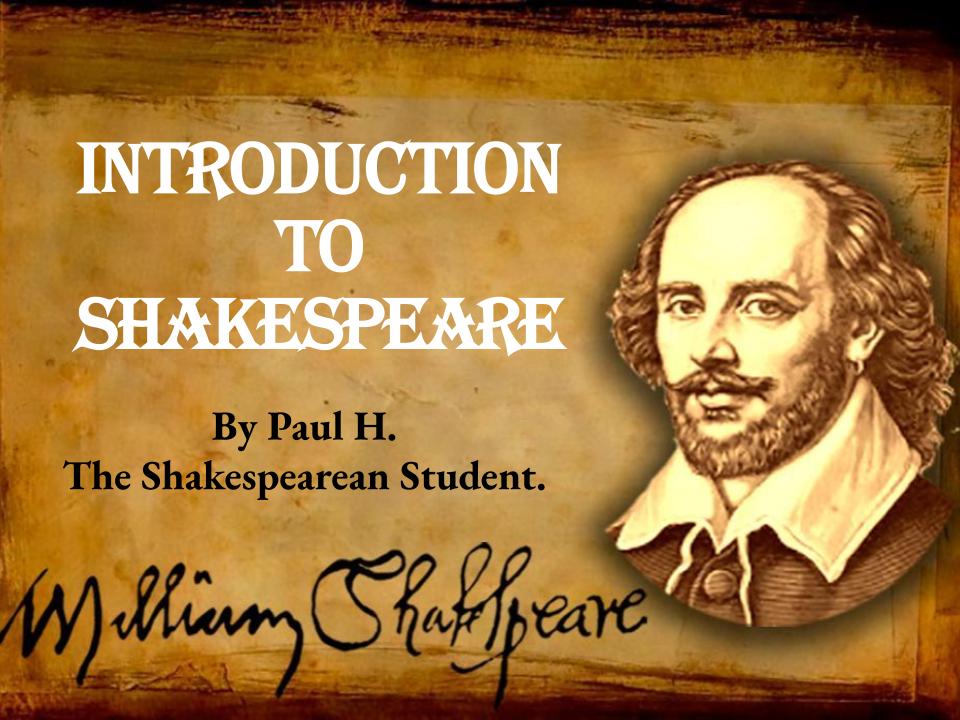
With the holidays approaching, why not give your kids the gift of learning Shakespeare in a low-key, no-pressure scenario? I have classes on Shakespeare’s life, Romeo and Juliet, and my celebrated Stage Combat class! Sign up now for all the fun on Outschool.com!
Shakespeare and Star Wars
Class Description: Using self-paced online activities, your child(ren) will compare the plot and characters of Star Wars to Shakespeare’s plays. We will also discuss Shakespeare’s writing by looking at “William Shakespeare’s Star Wars” by Ian Doescher.
Romeo and Juliet Murder Mystery
Course Description: A flexible schedule class that teaches kids the plot and characters of “Romeo and Juliet,” in the context of a detective story where you solve the mystery of the young lovers’ deaths.
Course Descriptions
How to Write Like Shakespeare: Learn the basics of iambic pentameter, sonnet form, and Shakespeare’s dramatic structure, and practice writing Shakespearean speeches.
I’m coaching a young actress who is performing a monologue from one of Shakespeare’s histories, his play Henry VI, Part I. It’s likely you know the character, even if you don’t know the play- Joan LaPucelle, aka Joan of Arc. In this post, I will compare and contrast the historical Joan from Shakespeare’s version, and further attempt to separate the real woman from her legendary status as the patron Saint of France.
Shakespeare’s Joan
Shakespeare’s younger sister was also named Joan, and it’s possible she might have inspired Shakespeare’s decision to write about Joan the Maid. Recently, a document called A Spiritual Testimony, (long attributed to Shakespeare’s father), is now believed to be proof that Shakespeare’s little sister was a devout Catholic, at a time when doing so could incur ruinous fines and the risk of arrest for sedition and heresy. Given the courage of Joan’s convictions, perhaps her elder brother infused some of her zeal when writing the character of Joan in Henry VI, part I.
The Life of Joan
One life is all we have, and we live it as we believe in living it. But to sacrifice what you are and to live without belief, that is a fate more terrible than dying. -Joan of Arc
Excerpt from Joan of Arc by Josephine Poole
Joan LaPucelle, (Joan the Maid) was a controversial figure even in the 15th century. To the English, (and even some of the French), she was a witch, and a cruel warrior who took away rightful English territory. To others, she was a hero and a saint.
Joan was born January 6th, 1412 to Isabelle and Jacques D’Arc in Domr’emy France. At the time, Domremy was right on the border between the Armeniacs (who supported Charles the Dauphin) and the Burgundians, who supported King Henry V of England as rightful king of all Frence. Because of this, Joan’s home was subject to English raids and she might have been raised to support Charles as her lawful king. In any case, the accounts we have describe her as very pious, intelligent, generous, and a lover of justice.
What I hope to do in this post is provide you with details about the life of Joan of Arc. Next I will compare and contrast the most iconic portrayals. I would argue that the success of each interpretation depends on how the writer, director, and of course, the actress playing Joan, answer these questions.
Shakespeare’s Version of Joan La Pucelle
Charles, King of France. Go, call her in. [Exit BASTARD OF ORLEANS]255 But first, to try her skill, Reignier, stand thou as Dauphin in my place: Question her proudly; let thy looks be stern: By this means shall we sound what skill she hath. [Re-enter the BASTARD OF ORLEANS, with JOAN LA PUCELLE]
Reignier. Fair maid, is't thou wilt do these wondrous feats? Joan la Pucelle. Reignier, is't thou that thinkest to beguile me? Where is the Dauphin? Come, come from behind; I know thee well, though never seen before. Be not amazed, there's nothing hid from me:265 In private will I talk with thee apart. Stand back, you lords, and give us leave awhile. Reignier. She takes upon her bravely at first dash.
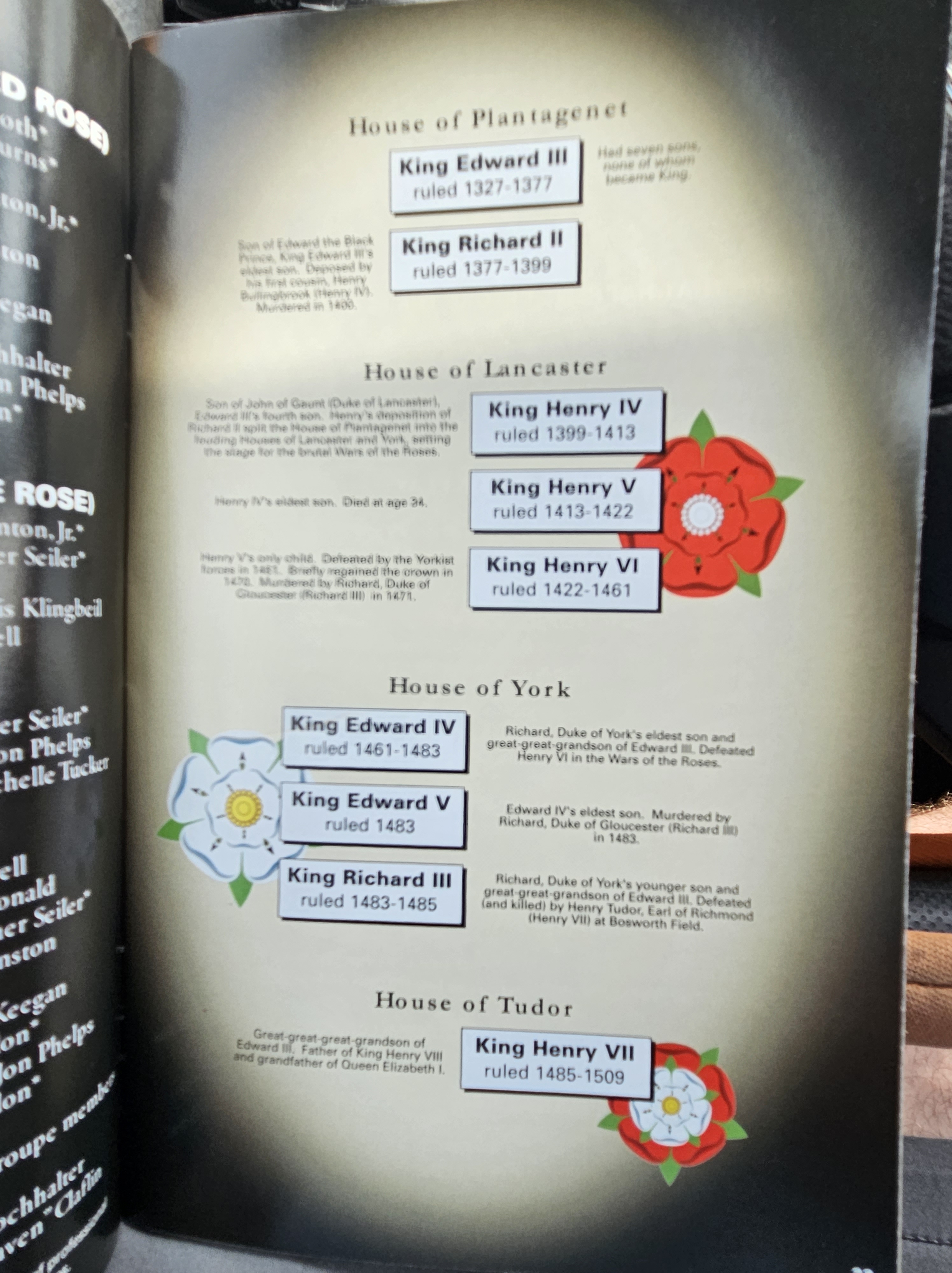
Joan appears in the first part of Shakespeare’s epic saga of four plays about the Wars of the Roses. It is King Henry’s inability to defend his lands in France against Joan’s valiant attacks that helped trigger the Civil War, where the House of York fight to take the crown away from the incompetent King Henry VI.
Joan la Pucelle. Dauphin, I am by birth a shepherd's daughter, My wit untrain'd in any kind of art.270 Heaven and our Lady gracious hath it pleased To shine on my contemptible estate: Lo, whilst I waited on my tender lambs, And to sun's parching heat display'd my cheeks, God's mother deigned to appear to me275 And in a vision full of majesty Will'd me to leave my base vocation And free my country from calamity: Her aid she promised and assured success: In complete glory she reveal'd herself;280 And, whereas I was black and swart before, With those clear rays which she infused on me That beauty am I bless'd with which you see. Ask me what question thou canst possible, And I will answer unpremeditated:285 My courage try by combat, if thou darest, And thou shalt find that I exceed my sex. Resolve on this, thou shalt be fortunate, If thou receive me for thy warlike mate. Act 1, Scene ii
In the play, Joan is a strong warrior, a clever tactician, and a gifted orator, yet her main function in the play is as the antagonist who goes toe to toe against the English warrior, Lord Talbott.
Naturally, since Shakespeare was trying to write for an English audience, Joan is portrayed as the antagonist, not the hero. The English make many snide comments that suggest Joan might not be as virtuous or as righteous as she appears. However, Shakespeare never outright calls Joan a witch or portrays her doing anything other than trying to fight for her country, by any means necessary.
Once Charles is crowned and Joan gets back Orléans for the French, the tide of battle turns against her. In Shakespeare’s version, this is because the English are united around John of Bedford, (King Henry’s uncle and Regent of France), as well as Lord Talbot, the great knight and “Terror of the French”. In Act V, scene iii, Joan calls upon spirits to fight the English:
The regent conquers, and the Frenchmen fly. Now help, ye charming spells and periapts; And ye choice spirits that admonish me And give me signs of future accidents. [Thunder] You speedy helpers, that are substitutes Under the lordly monarch of the north, Appear and aid me in this enterprise. [Enter Fiends] This speedy and quick appearance argues proof Of your accustom'd diligence to me. Now, ye familiar spirits, that are cull'd Out of the powerful regions under earth, Help me this once, that France may get the field. [They walk, and speak not] O, hold me not with silence over-long! Where I was wont to feed you with my blood, I'll lop a member off and give it you In earnest of further benefit, So you do condescend to help me now. [They hang their heads] No hope to have redress? My body shall Pay recompense, if you will grant my suit. [They shake their heads] Cannot my body nor blood-sacrifice Entreat you to your wonted furtherance? Then take my soul, my body, soul and all, Before that England give the French the foil. [They depart] See, they forsake me! Now the time is come That France must vail her lofty-plumed crest And let her head fall into England's lap. My ancient incantations are too weak, And hell too strong for me to buckle with: Now, France, thy glory droopeth to the dust. [Exit]
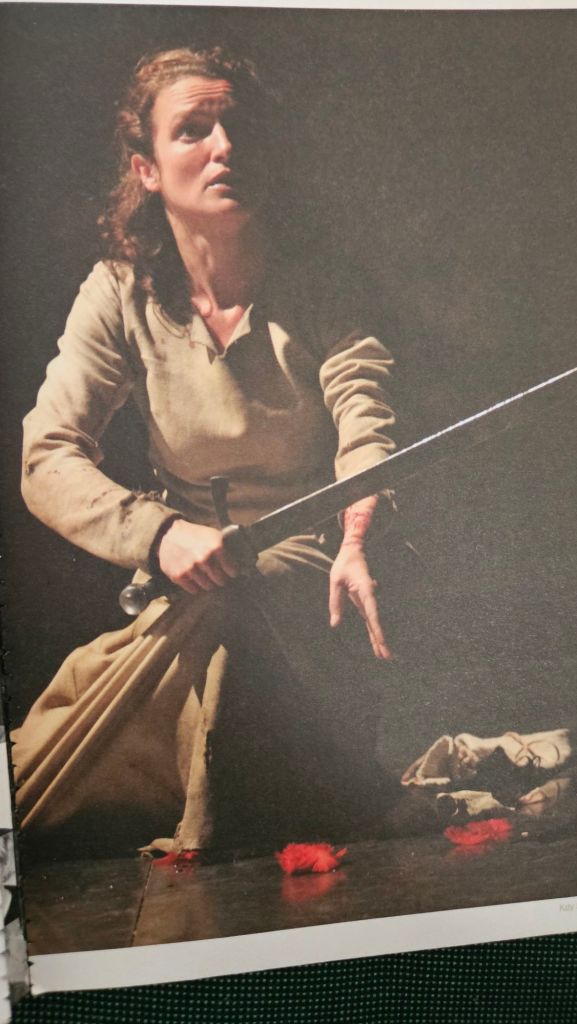
Joan LaPucelle in the 2010 RSC production of “Henry VI, Part 1
At first glance this passage seems shocking- Shakespeare appears to be accusing the patron saint of France of witchcraft. Even more bizarre, later when Joan is arrested by the English lords, she claims to be pregnant with King Charles’ child! And to confound the audience even further, Joan contradicts her own confession by denying any witchcraft or any relationship with any man:
Joan la Pucelle: First, let me tell you whom you have condemn'd: Not me begotten of a shepherd swain, But issued from the progeny of kings; Virtuous and holy; chosen from above, By inspiration of celestial grace, To work exceeding miracles on earth. I never had to do with wicked spirits: But you, that are polluted with your lusts, Stain'd with the guiltless blood of innocents, Corrupt and tainted with a thousand vices, Because you want the grace that others have, You judge it straight a thing impossible To compass wonders but by help of devils. No, misconceived! Joan of Arc hath been A virgin from her tender infancy, Chaste and immaculate in very thought; Whose maiden blood, thus rigorously effused, Will cry for vengeance at the gates of heaven. Henry VI, Part I, Act V, Scene iv
I get the sense that Shakespeare is trying to make Joan’s character ambiguous- if you are an English patriot, you can see her as a witch, a liar, and a manipulative harlot. If you are French, you see these accusations as filthy lies, and Joan’s “confession,” as merely a desperate attempt to spare her own life, one that tragically backfires.
The Real Joan of Arc
Born: circa 1412 in Domrémy, France
Died: May 30 1431 (executed by burning)
Birth/ Childhood
Joan was the daughter of the mayor of Domr’emy during the Hundred Years War between England and France. She had no formal education nor any experience on the Battlefield. Yet, by all accounts, Joan was an extremely devout youth, devoted to God, and her lawful king.
Call to Arms
Joan claimed that God called her to drive the English garrison away from Northern France. The French Prince, the Dauphin agreed to let her take weapons and supplies to the troops who were already laying siege to the French town of Orléans. However, Joan insisted on leading the troops into battle, and quickly became a symbol of French resistance.
The Siege of Orléans
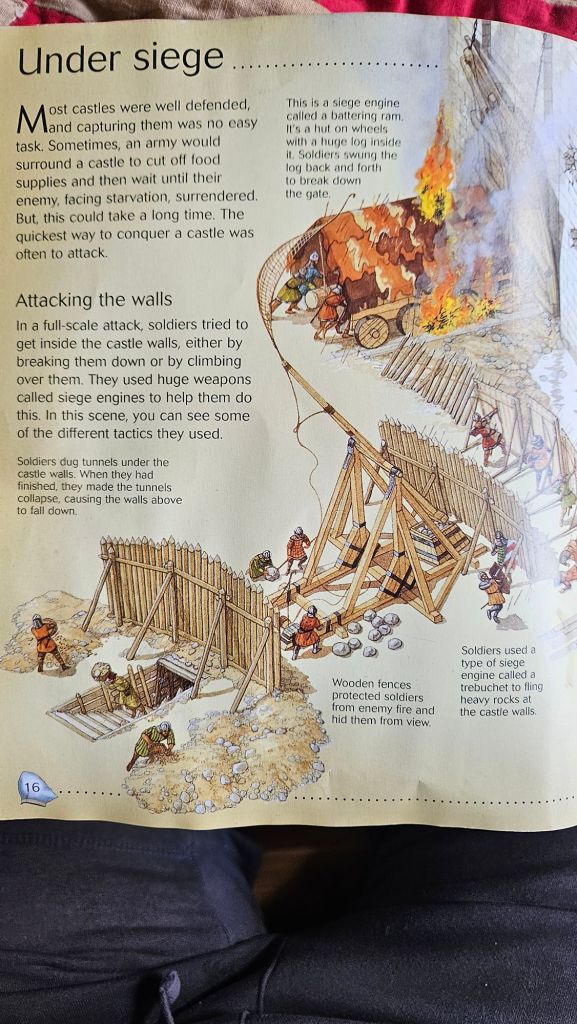
The city of Orléans was a vital town that the English had garrison. For six months, the French had attempted to starve out the English, destroy their defenses, and retake the city.
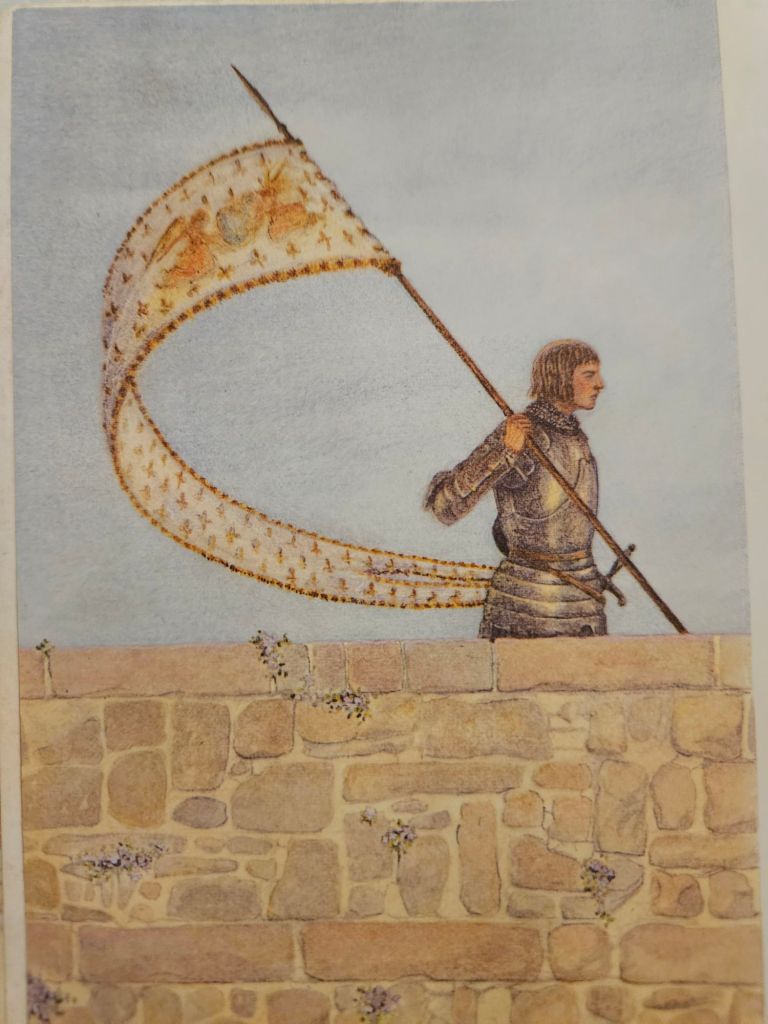
Joan la Pucelle. Advance our waving colours on the walls; Rescued is Orleans from the English Thus Joan la Pucelle hath perform’d her word.- Henry the Sixth, Part I
Diagram of a castle Diagram of siege equipment
Joan’s Fall From Grace
Henry, by the grace of God, king of France and England, greeting. It is well known how for some time a woman calling herself Jeanne the Maid, putting off the habit and dress of the female sex (which is contrary to divine law, abominable to God, condemned and prohibited by every law), has dressed and armed herself in the state and habit of man, has wrought and occasioned cruel murders, and it is said, to seduce and deceive the simple people, has given them to understand that she was sent from God and that she had knowledge of His divine secrets, with many other dangerous dogmatizations most prejudicial and scandalous to our holy faith. Whilst pursuing these abuses and exercising hostilities against us and our people, she was captured in arms before Compiègne by certain of our loyal subjects and has subsequently been led prisoner towards us. And because she has been reputed, charged and defamed by many people on the subject of superstitions, false dogmas and other crimes of divine treason, we have been most urgently required by our well beloved and loyal counselor the bishop of Beauvais, the ecclesiastical and ordinary judge of the said Jeanne, who was taken and apprehended in the boundaries and limits of his diocese
Letter from King Henry VI to the Bishop of Beauvais (Joan’s captor), January 3rd, 1431
Joan was captured in 1430, when King Henry of England was only 10 years old. Even though now France is united with pride for Joan and her defense of her country, back then there were plenty of factions that actually supported the English, and those French factions captured, and arrested her for heresy during the siege of Compiègne.
The Trial- January 9th, 1431
It has pleased divine Providence that a woman of the name of Jeanne, commonly called The Maid, should be taken and apprehended by famous warriors within the boundaries and limits of our diocese and jurisdiction. The reputation of this woman had already gone forth into many parts: how, wholly forgetful of womanly honesty, and having thrown off the bonds of shame, careless of all the modesty of womankind, she wore with an astonishing and monstrous brazenness, immodest garments belonging to the male sex.
As this excerpt from the trial transcripts demonstrates, Joan’s trial focused much more on her alleged heresy and witchcraft, rather than her defying British rule. In reality, Joan’s arrest and martyrdom was a political sacrifice for the French- they wanted to show political support for their English overlords, without alienating Joan’s supporters. Discrediting Joan by calling her a heretic was a calculated political move, and Joan probably knew it.
Execution
Joan is burned at the stake
Joan was executed by burning on May 30th, 1431, six months before King Henry was formally crowned King of England. After her death, Henry was unable to maintain control of France and his incomplete, combined with a congenital mental illness, is why he later lost
Iconic portrayals:
Trailer for Carl Dryer’s Passion of Joan of Arc (1928)
Mila Jovavich in Luc Besson’s “The Messanger”, 1999
Sources:
Books
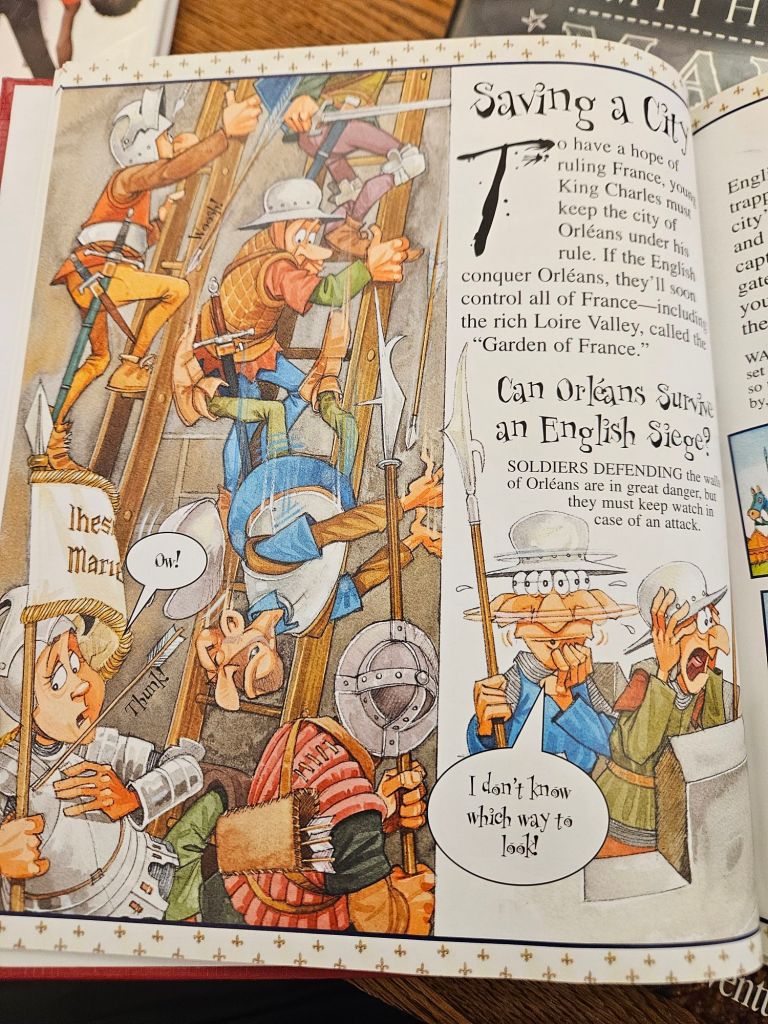
You Wouldn’t Want To Be Joan of Arc
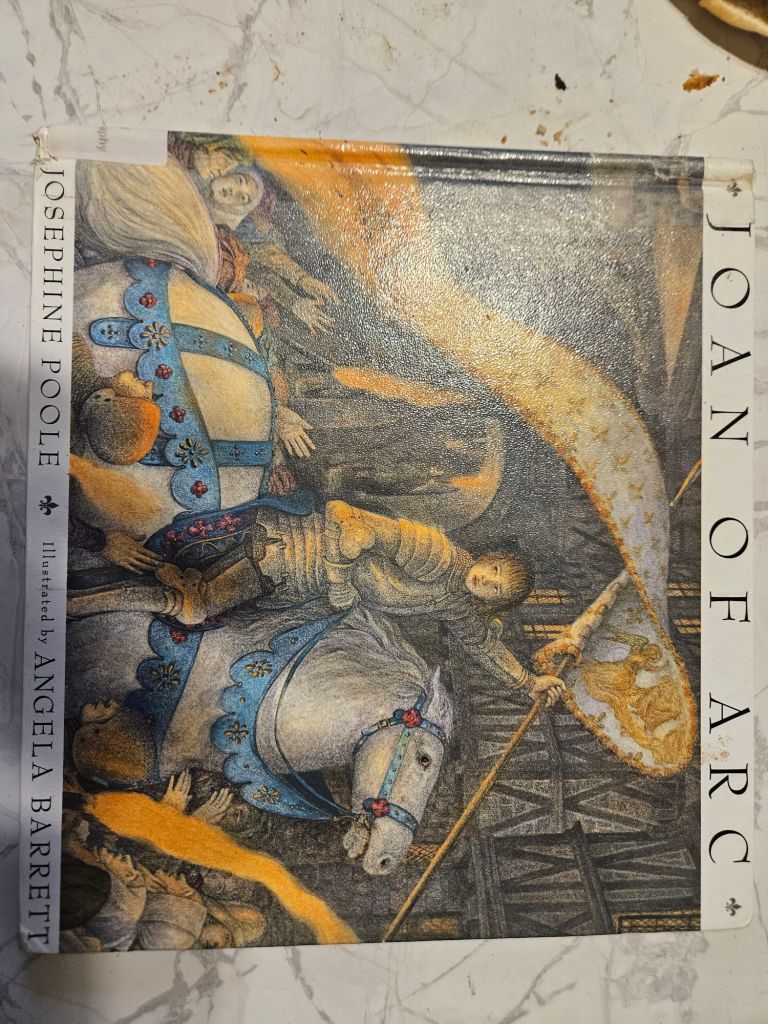
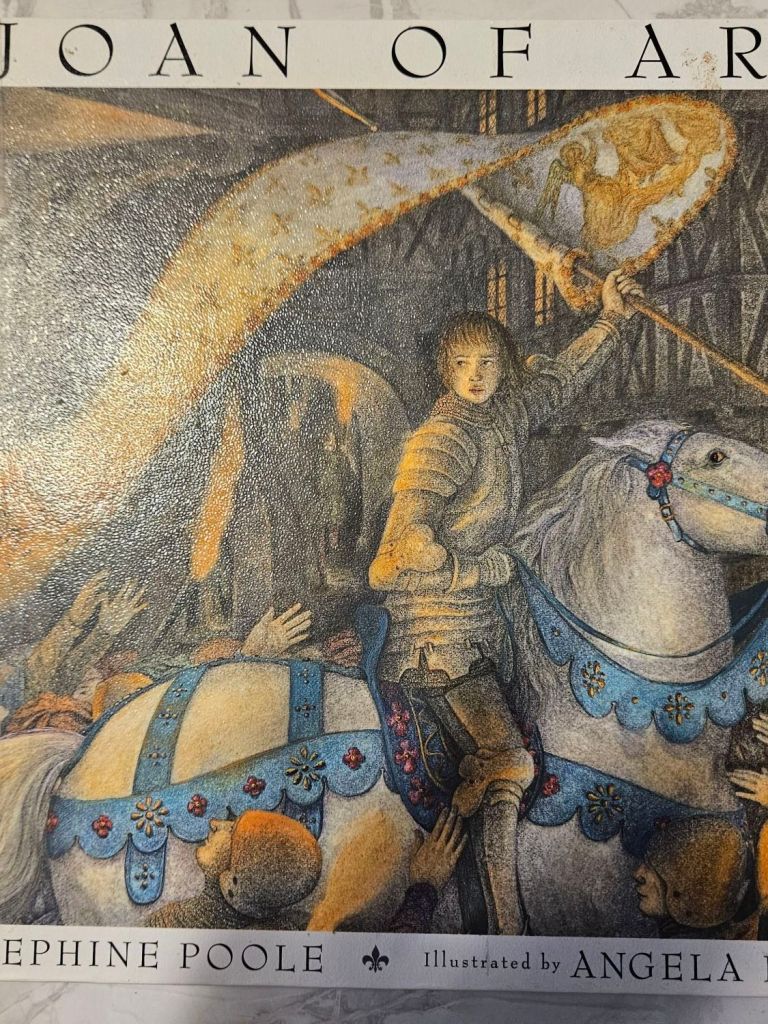
Joan of Arc by Josephine Poole
Title Page of Joan of Arc by Josephine Poole, illustrated by Angela Barrett
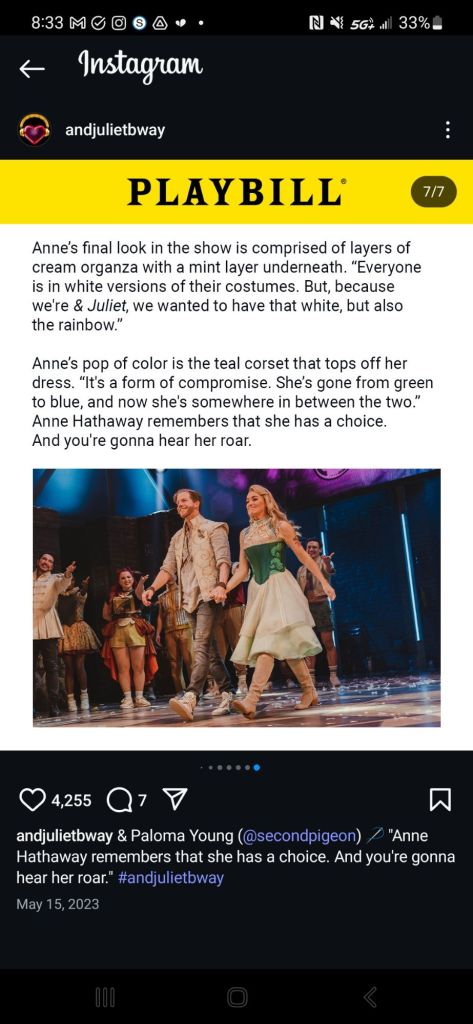
It’s around 1597 and Shakespeare is putting the finishing touches on his new play, Romeo and Juliet, when his wife Anne Hathaway arrives. Anne frankly, hates the double-suicide ending and takes Will’s quill. She then proceeds to write a new story where, after Romeo dies, Juliet packs up and flees with her Nurse and her two best friends to have a holiday in Paris (the city, not her ex-fiance).
To find a jukebox musical that is so self-aware in its writing, so humorous in the way it includes its songs through the narrative, and so blatantly charming, is a pure joy…and really, if you asked me to summarise this review into just a sentence it would be that: & Juliet is pure joy. –Carly Fisher
Stuff you Might have Missed
1609 collection of Shakespeare’s Sonnets, which were published without his permission.
Anne Hathaway Shakespeare- the sonnet Anne complains that Shakespeare never mentions her in his work, except once in sonnet 145, where he writes: “I hate, from hate away she threw, and saved my life saying, ‘not you’.”
Anne and the Second Best Bed– After breaking the fourth wall, Anne also complains that her husband left nothing to her in his will but “My second best bed with the furniture.” This is true, and some scholars have attempted to defend this choice, but it certainly doesn’t look good. In the myth of Shakespeare, this story has helped to construct the Shakespeare who cares more about his work than his wife. What’s interesting is that “&Juliet” helps address this myth and examines it. For more information about the myth of Anne and Will, click here to see my review of “Hamnet”
Yes, Juliet might be based on a historical character. One reason Will objects to his wife changing the play is that it violates the historical accuracy of the story. Like I said in my “Genesis of Romeo and Juliet,” the Capulets and Montegues might have been based on real political factions in Verona.
The Characters
The Music
All the songs in “& Juliet” came from one man- Max Martin, a Sweedish songwriter who has composed songs for Brittney Spears, Celene Dion, and The Backstreet Boys. These mega pop-hits were a huge part of my childhood, so seeing them combined with my favorite writer definitely tickled me and set off my nostalgia goggles. More importantly, it’s very interesting to see how the playwright David West Read turned these songs into a musical.
Setting “Romeo and Juliet” to pop music is by no means a new idea- “Gnomio and Juliet” underscored the whole movie with music by Elton John (who also produced the film). Making Shakespeare into a kind of rock or pop star is also not a new idea- Something Rotten and the musical version of “Shakespeare In Love” also did that. What is new is the concept of turning the story of Romeo and Juliet into a jukebox musical- a story where all the songs are pre-existing pop songs.
Normally I hate jukebox musicals- I find it irritating when producers take an artists’ songs and try to stitch them together into a coherent musical play. In normal musicals, the songs are designed to further the plot and help explain the characters’ internal and external conflicts. In my experience with most jukebox musicals, the songs feel like a waste of time, because the songs were never designed to tell an overarching story, so when they are integrated into a play, the story grinds to a halt. When it’s done badly, either you’re bored with the songs, or bored with the play.
With this in mind, I was prepared to dislike “&Juliet”. I was expecting either to hate the songs for slowing down the plot, or to hate the plot because I wanted to get back to the songs. But… miraculously, both the songs and the story WORKS! David West Read did a great job seeing the overarching themes of loss, love, and conflict within relationships within the music of Max Martin, and translate them into Romeo and Juliet- the iconic lovesick teenagers.
I’d like to highlight the incredible effect of one of these songs in the context of the play- “Hit Me Baby One More Time,” by Miller, made popular by Brittney Spears:
Oh, baby, baby The reason I breathe is you Boy, you got me blinded Oh, pretty baby There’s nothing that I wouldn’t do It’s not the way I planned it
It’s very clever that the writer gave this song to Juliet when she us at her most down and most self-destructive. She feels like her life is over without Romeo (her loneliness is killing her). What’s nice about this musical is that this moment is the beginning of Juliet’s arch, not the end.
Costumes
I could write a whole post about how clever the costumes are, and I will at a later date. Suffice it to say that they compliment the story and music by blending Elizabethan costumes with the sort of late 90s-early 2000s pop-star fashion favored by The Backstreet Boys, Katy Perry, and of course, Brittney Spears.
My Final Word
This show might not please everyone- hardcore Shakespeare nerds might find the concept hard to swallow, and honestly since the songs are mostly from the 90s and early 2000s, the music might be a little dated for a modern audience. Also, with the positive portrayal of homosexual relationships this show is DEFINATELY NOT FOR CONSERVATIVES. That said, it might do exactly what I’d hoped it would do- make fun of Shakespeare with care and in the process, get audiences to enjoy it anew.
In a world and in an age where everything is taken so seriously, it’s a complete delight to return to the idea of going to the theatre simply for fun and entertainment. Yes, the storyline is light and the line up of songs is a laundry list of bops, but in my opinion, there’s no problem in any of that! Quite the opposite! Packed to the brim with exceptional talent and some of Australia’s top dancers filling the ensemble…this is entertainment for entertainment’s sake and that is a lost art form in and of itself. – Carly Fisher
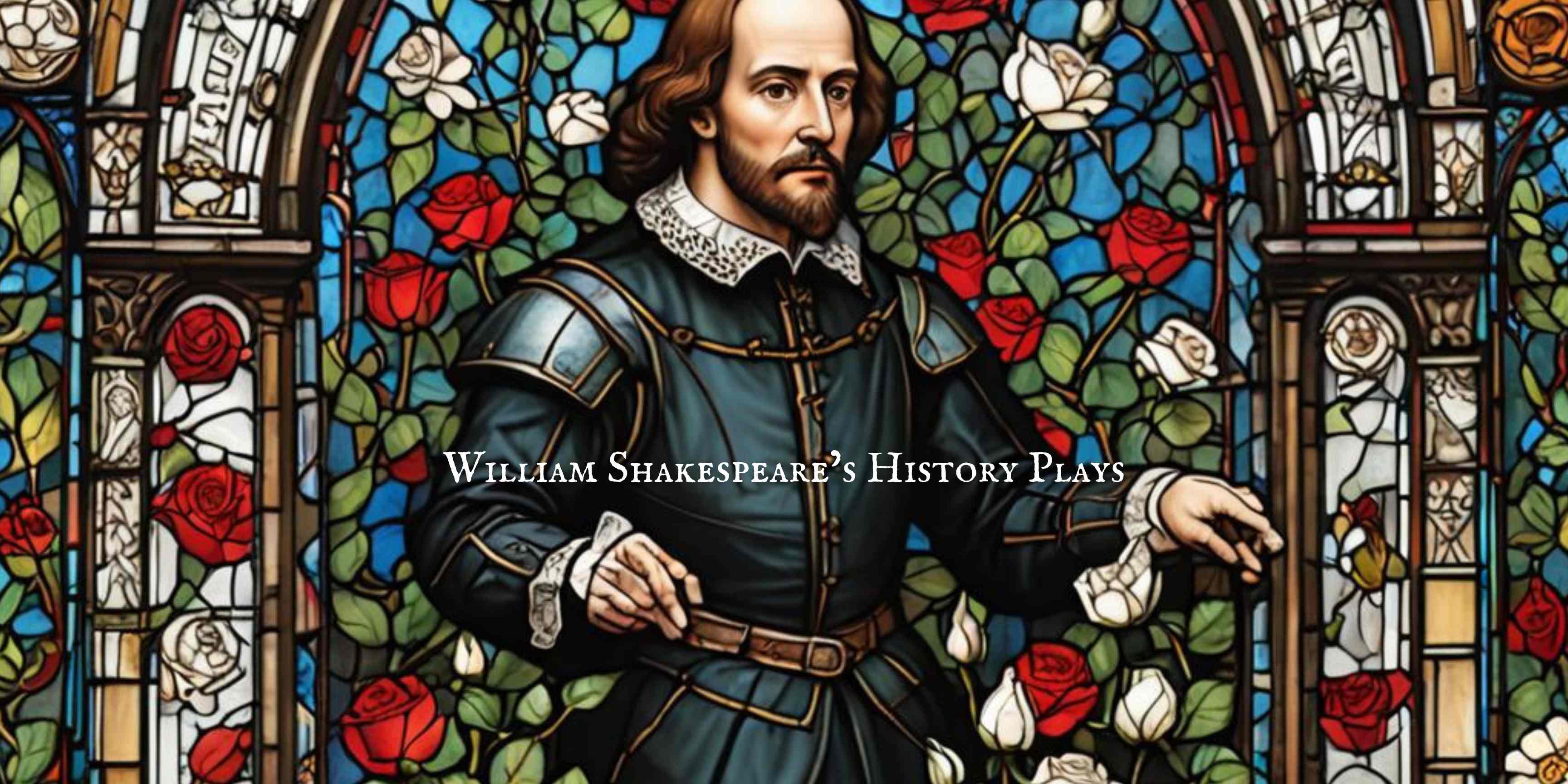
Parent Description- A fully online, fully interactive course into Shakespeare’s histories taught by a professional text coach and actor.
Students- Uncover the scandalous and gory history behind Shakespeare’s most action-packed plays! Shakespeare’s histories have inspired such works as “Empire,” “Game of Thrones,” “Hamilton” and even the “Star Wars” trilogy. This class will unlock for you why these stories of power and betrayal have been so popular for 400 years.
Format:
0. The class will have a Nearpod with slides, activities, and links to my other resources. The class will be a combination of slides, activities, and videos. Each class will have
Weekly Discussion questions via Google Forms such as: “What do you know about Shakespeare the man?” or, “Are Shakespeare plays still relevant today?”
Video Analysis- Every week I’ll discuss a different play with a short video.
I’ll provide some context, explaining what is happening in the play durin the speech, and any relevant historical context.
We’ll watch a recording and the students can write their impressions on what they like and don’t like.
Immersive activities such as:
– Shakespeare arts and crafts and recipes such as making costumes and props.
– My online Shakespeare board game.
Virtual tours of the Tower Of London,
Weekly Web Quests like “find a Shakespeare quote that you use in normal speech,” “find a movie or character that’s based on Shakespeare,” or “Draw a picture of a Shakespearean character (stick figures are acceptable).
6 Week Course
Week 1 – Why Hamilton is Like A Shakespeare History Play Hamilton and Shakespearean History We’ll discuss what makes a history play a history play, why they were so popular in Shakespeare’s day, and draw parallels between Shakespeare and the Broadway Musical “Hamilton.”
What is a history play?
Song quest: Watch the Horrible histories king song
Worksheet- which Shakespearean character reminds you most of Hamilton?
What would you call the tone of this speech? Patriotic? Mournful? Excited? Bitter?
The deposition Scene (video- 3 minutes)
The danger of this scene:
Though Queen Elizabeth I is now almost universally beloved, she wasn’t always in Shakespeare’s time. By 1601, she was 68 years old and had no male heir. Her government had also failed to put down a rebellion in Ireland. Some people in her government were getting restless.
Robert Devereaux, Earl of Essex was one of those restless nobles. He’d been one of the Queen’s favorites, but after failing to crush the rebellion in Ireland, his relationship with her sourered. He then plotted to rebel against the Queen, and take the throne for himself.
To do that though, Essex would need to get people on his side, so he recruited Shakespeare! One of Essex’s servants paid Shakespeare’s companies to perform a scene from Shakespeare’s Richard II; the scene where a handsome and charismatic nobleman convinces the king to willingly give up his power.
This scene was so dangerous that when the play was published, it was taken out by Elizabeth’s censors.
Playing Richard video: Fiona Shaw Questions What does making Richard female emphasize for an audience? What point does Shaw’s performance say about women in power?
Week 3 Henry V week
Tom Hiddleston as Henry V
Basic plot- Young king fights a war and conquers France proving himself to the world.
Olivier vs. Branaugh
-Concept- what if the play was a Hockey movie?
Henry is like the coach or team captain who gives inspirational speeches
The underdogs win
The snooty bad guys lose
How this translates to staging fights/ directing the characters (website/ youtube interviews)
Activity= write a trailer or design a poster for Henry with a cool tag line.
Week 4- The Wars of the Roses-
Summary of the three Henry VI plays
Wars of the Roses Horrible Histories
Web quest- research one major character from the 3H6 ASC website:
Richard of Gloucester
Henry VI
Margaret of Anjou
Richard of York
Medieval warfare
Watch one of the Weapons that Made Brittain videos and answer 5 questions.
The battles of the Wars of the roses
Costumes
Week 5- Richard III- The rise of the corrupt king
Close reading- “Now Is the Winter of Our Discontent”
Slides on Richard’s plot.
Richard and Machiavelli
Richard and Emperor Palpatine
Richard and Modern Leaders
Richard vs. the Amir of Gloucester
Propaganda activity- make a campaign slogan/ poster for Richard.
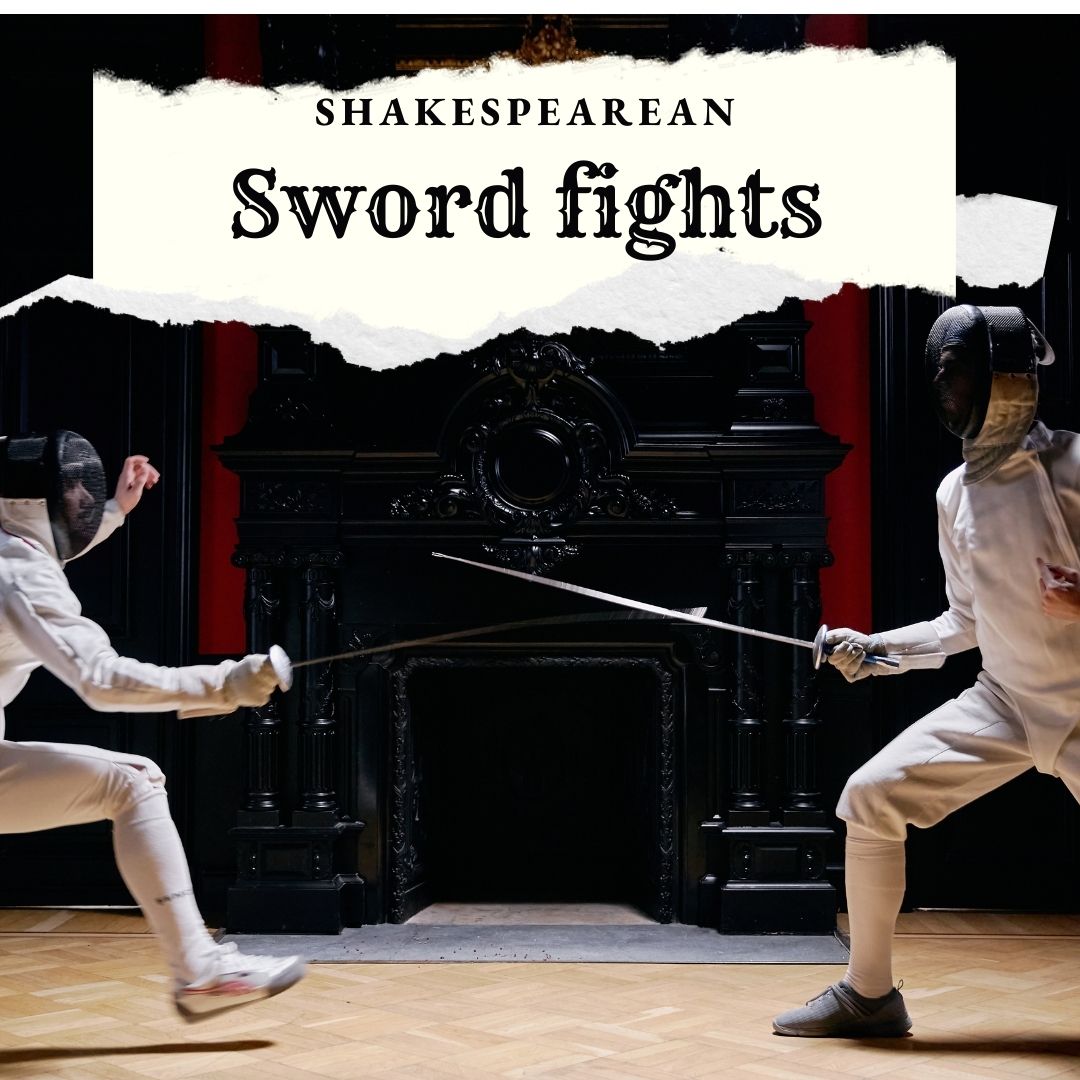
Title Card- “The Violent Rhetoric Of Julius Caesar”Title for my Outschool class on Codes and Ciphers, inspired by the Disney show “Gravity Falls.”Digital business card for my online classes with a QR code if you want to know moreTitle art for my Outschool course on Shakespeare’s comediesCover art for my Outschool class: “Shakespeare- the Lost Play”Title of my Outschool murder mystery gameTitle image for my online course on “Romeo and Juliet.”Title card for my Outchool Intro To Shakespeare cs.Title art for my Outschool course on Shakespeare’s comediesTitle for my Outschool class in swords and Stage Combat.
Great online classes in Shakespeare and science are available for students all this month at Outschool.com.
From now until June 1st, you can get a $20 discount with referral code PAULHT20. Share the joy with other curious minds in the family too! Spread the word and let’s ignite the passion for learning together!
Class Descriptions
Live Classes
For these classes you meet with me live over Zoom:
Introduction to Shakespeare- Tuesdays 9-9:30AM (EST)
This is my 30 minute short and sweet intro to Shakespeare’s life, his plays, and why his work still matters to us today!
Intro To STage Combat (With SwordS)- Tuesdays 9:30-10AM (EST)-
Like the Intro to Shakespeare class above, this is an intro to the basic footwork, attacks, and defensive parries of swordplays for someone just begeinning to learn about swords.
Title image for my online course on “Romeo and Juliet.”
An Immersive Guide To “Romeo and Juliet- Tuesdays from 10-11AM (EST)
This multi-week course delves into the plot, characters and themes of “Romeo and Juliet,” while also providing interactive activities, virtual tours, and webquests.
Shakespeare’s History Plays- SaturdAYs 8:30 AM IST
This is a new course I’m working on to cover all of Shakespeare’s History plays including Henry V, Richard II, and Richard III. More info as it becomes available.
Asynchronous Classes
These classes are Flex Schedule, which means the teacher prepares the activities in advance and allows you to do them at your own pace without direct consultation.
A flexible schedule class that teaches kids the plot and characters of “Romeo and Juliet,” in the context of a detective story where you solve the mystery of the young lovers’ deaths.
Did you know that Star Wars is based on the ideas and writings of William Shakespeare? This class will teach you about writing and characters though games, interactive activities and dramatic readings of both Star Wars and Shakespeare!
Using self-paced online activities, your child(ren) will compare the plot and characters of Star Wars to Shakespeare’s plays. We will also discuss Shakespeare writing by looking at “William Shakespeare’s Star Wars” by Ian Doescher.
Course Description
Concept: To compare and contrast the plot, characters, themes, and language of Shakespeare’s plays with Star Wars
Student Description:
Epic battles, quests for revenge, pirates, funny characters, powerful warriors swinging swords. Star Wars has something for everyone. But did you know that in many ways, Star Wars is based on the ideas and writings of William Shakespeare? In this course we’ll peer beneath the veil of Shakespeare and Star Wars to find the universal stories of love, revenge, power, and growing up, using games, artwork, and dramatic readings by professional actors!
Did you know that Star Wars is based on the ideas and writings of William Shakespeare? This class will teach you about writing and characters though games, interactive activities and dramatic readings of both Star Wars and Shakespeare!
Course organization (the class is divided into 6 parts that students can complete at their own pace over a week-long period.
What parts of the Star Wars story are like Shakespeare’s plays?
Are Shakespeare and the Star Wars movies saying anything similar about war? Families? Growing up?
Lesson Objectives
To teach about the characters and plot of Star Wars by comparing them to Star Wars
To introduce the concept of archetypes, tropes,
Set the Scene
Star Wars is about an evil empire trying to take over the galaxy. They have more ships, more soldiers, and a fearsome weapon that can blow up planets. The rebels on the other hand, though fewer in number, are faster, smarter, and have the advantage of fighting for a good cause.
In addition, the story is about growing up- Luke becomes a Jedi Knight. He takes revenge on the man who destroyed his father.
The Players (slides)
Luke
Obi Wan/ Yoda
Vader
Leia
Han
R2D2 and C3PO
The Emperor
Words Words Words
Epic
Parody
Theme
Plot
Archetype
Character
Trope
Theme
Class 2: The Journey of Han and Leia
Han and Leia vs. Beatrice and Benedick
Show videos of Han before Leia
Plot summary of Much Ado
Clips of the bickering of Benedick and Beatrice
Read blog and look at the writing.
Activity- how would you write a love letter to Han or Leia?
Play the scene from Jedi
Unit 2- The Prequels and Shakespeare’s Histories
A Crash Course in Shakespeare’s Histories
The Rise of Palpatine/ Richard III
Emperor Palpatine in Star Wars rises to power through a combination of manipulation, intimidation, and by killing his opponents.
Bio of Richard III
Slide- Richard’s rise to power
Slide- Palpatine’s rise to power
Quizlet
Unit 3- The Verse of William Shakespeare’s Star Wars by Ian Doescher
What is William Shakespeare’s Star Wars
Introduce the plays
Explain how Shakespeare’s verse works
Look at the common verse elements
Sonnets
Show the chorus of “Verily a New Hope”
It is a period of civil war. The spaceships of the rebels, striking swift From base unseen, have gain’d a vict’ry o’er The cruel Galactic Empire, now adrift. Amidst the battle, rebel spies prevail’d And stole the plans to a space station vast,Whose pow’rful beams will later be unveil’d And crush a planet: ’tis the DEATH STAR blast. Pursu’d by agents sinister and cold,Now Princess Leia to her home doth flee, Deliv’ring plans and a new hope they hold:Of bringing freedom to the galaxy .In time so long ago begins our play,In star-crossed galaxy far, far away
Stychomichia
Half lines
Enjambment
Title Crawl (make a gif via Canva)
Side By Side Comparisons
Read/ watch segments of the play
To Be Or Not To Be
All the World’s a Stage
St. Crispin’s Day Speech
Try to turn a Star Wars line into verse, and then look at the reveal.
Unit 4- Literary Devices of William Shakespeare’s Star Wars
Using the educational guide, we’ll learn about the following literary devices:
Extended Metaphors (Luke’s green lightsaber)
Anaphora (Luke’s call to action in Jedi)
Premonatory Dreams (Calpurnia)
Stichomythia Richard III vs. Han and Leia
Unit5- The Hero’s Journey of Luke Skywalker
Class 1: What is a Hero’s Journey (Slides)
Learn a little about Joseph Campbell’s monomyth. using the Percy Jackson post, Crash course video about monomyth
Chart Luke’s monomyth journey
Activity- Mad libs- write a star wars movie!
Quiz on plot elements from the monomyth (Quizzes or Quizlet)
Class 2 : Hamlet and Luke Skywalker
Plot comparison
(use infographic)
Quote from Doescher:
Hamlet The Tragedy of Hamlet, Prince of Denmark is Shakespeare’s most famous play. It’s also the play I make the most references to in William Shakespeare’s Star Wars.
To Be Or Not to Be
Use my video about the speech to explain the structure
Note how Doescher repurpuses every line in the Star Wars Trilogy:
Sometimes it expresses fear:
Sometimes concern:
Frustration: “The whips and scorns of time”
Hope: “The undiscovered galaxy” “Tis a consummation devoutly to be wished.”
Activity: write your own paraphrase of Hamlet’s speech, using the 6 beats I provided.
William Shakespeare’s Star Wars is a series of parody plays written by Ian Doescher that takes the prose screenplays of the Star Wars story and transforms them into Elizabethan verse. Last time I mentioned how much I loved the cheeky references to Shakespeare and Star Wars, and how Doescher adapts the cinematic quality into Elizabethan drama very well. In my podcast, I also emphasized the way Doescher gives each character verbose Shakespearean language that works very well for radio and theater:
My podcast episode where I do dramatic readings of “Verily A New Hope.”
I must confess, Return of the Jedi is my favorite Star Wars movie. I’ve seen all 9 films and it’s still my favorite. I adore the effects, the tight storytelling, the emotional farewells, and the dramatic victories. What I want to do with this post, (and the accompanying podcast), is to see whether this edition captures what I love about Jedi. The short answer is- no. It doesn’t capture it, IT EXPANDS IT! In many ways this play is Doescher’s triumph- he manages to capture the tone and characters of Star Wars perfectly, and makes the Shakespearean style his own!
Notes about the play
The first play in the series, “Verily, A New Hope,” took plot and structure inspiration from Henry V; it tells the story as an epic heroic story of Luke’s heroic deeds, much like how Henry V is about a king who grows from boy to man.
The second play “The Empire Striketh Back,” takes inspiration from Hamlet and Macbeth to explore Luke’s temptation by the Dark Side of the Force. It also uses Much Ado About Nothing as an inspiration for the burgeoning relationship between Han and Leia
I would argue that “Jedi Doth Return” is a mixture of all the other plays Doescher took inspiration from. Unlike the previous plays, this feels less like a parody, and more like an adaptation. I feel that Doescher has finally become so comfortable writing in the Shakespearean style, that he rarely needs to flat out parody lines and speeches, and simply uses Shakespearean dialogue to tell the story.
Moments to Watch for:
The Language
I’ll discuss the language of Jedi in greater detail in my podcast, but I’d like to highlight one or two here.
Extended metaphors:
Vader: It is the role I play, my destiny— The grand performance for which I am made. Come, author of the dark side of the Force, Make me the servant of thy quill and write The tale wherein my son and I are seal’d As one. Come, take mine ev’ry doubt from me, And fashion from my heart of flesh and wires A perfect actor: callous, cold, and harsh. Let this, the second Death Star, be the stage, And all the galaxy be setting to The greatest moment of my narrative:
The scene in which the Empire’s fight is won Whilst I decide the Fate of mine own son - The Jedi Doth Return Act I, Scene i
3. Parody Lines
The biggest appeal of William Shakespeare’s Star Wars is the fact that it is a parody, and I’ve said for many years that parody and gentle riffing on Shakespeare is a great way to get students to overcome their fear of Shakespeare and engage with him. Students who know Star Wars but don’t know Shakespeare will recognize the familiar characters and plots of the movies and then see how Shakespeare’s language tells the story anew. Similarly, people who know Shakespeare will recognize the way Doescher re-tools famous Shakespeare quotes to give to characters in the Star Wars Universe, like here, where he spoofs the famous “All the World’s A Stage” speech:
In the Educator’s guide, which I’ve attached below, Doescher tells you exactly which lines he has parodied and the plots of the original plays so the students can learn about Shakespeare through these famous speeches. Orson Wells once said: “We sit through Shakespeare to recognize the quotations,” and this edition gives us thrilling space battle, wonderful characters, and witty dialogue to keep us entertained while we wait.
Characterizations
What I love the most about the movie and the play is that it’s a very character-driven story. Instead of long trench runs with pilots we’ve never met, we get duels to the death between characters we’ve known for years. At its heart, Jedi is the story of the Skywalker family reuniting after Darth Vader ripped it apart. It’s also the culmination of Luke growing from a boy to a man. Doescher does an incredible job voicing these characters through the verse, and his use of the language helps highlight each character’s struggle and journey.
Luke/ Vader
Left- production photo of Mark Hamil holding a skull Yorrick-style. Right- AI art I created of Luke as Hamlet.
Luke has more of a duality in this story- sometimes his speeches are hopeful, positive, and full of decisive language, while other times he is bitter, angry, and mournful. This is a perfect characterization for a young man whom the Emperor hopes to turn to the Dark Side, and these speeches excellently bring out his character. Sometimes Luke even repeats lines spoken by Vader and the Emperor just to drive this point home.
Emperor
A speech from “Jedi Doth Return.” Notice how the ideas run on past the ends of lines and how long each sentence is
As for Emperor Palpatine, his speech is similar to Claudius in Hamlet in the sense that he has many run-on lines that only get to the point at the very end. This man knows he has the ea of the entire galaxy, so he can afford to make people wait for him to finish talking. As Luke himself says: “Your overconfidence is your weakness,” and Doescher does a great job conveying that weakness through the language.
Leia/ Han
My favorite part of The Empire Striketh Back was how Doescher conveys the love between Han and Leia. In that play/ movie, it was done through irritating each other in public, and soliloquizing in private. In Jedi, Han and Leia are more of a couple, supporting each other in their fights and the language has more of a romantic tone.
Han (Hal Jourdan) and Leia (Janine Ashley) finally confess their love in this scene.
My Criticism
To sum up, Jedi is a milestone in the William Shakespeare’s Star Wars Series where Ian Doescher learned how to make the language his own, rather than borrowing lines and phrases from Shakespeare. It’s a pity there aren’t more books in this series…. right?
If you enjoyed the accompanying podcast episode to this post, please consider subscribing and donating to help me continue making fun and educational content like this!
Concept: To explore the plot, characters, and themes of Shakespeare’s Julius Caesar while also gaining an insight into Ancient Roman history and culture.
Student Description: Delve into the passionate speeches of Brutus and Antony in Shakespeare’s Julius Caesar, which led a whole country to revolution.
Parent Description Using self-paced online activities, and a helpful handout, your child(ren) will analyze the rhetoric and persuasive power in two speeches from Shakespeare’s “Julius Caesar.” The course will also cover the culture of Ancient Rome, and the circumstances that led to Julius Caesar’s assasination, which inadvertently led to the birth of the Roman Empire.
Course Organizaiton (the class is divided into 4 parts that students can complete at their own pace over a week-long period
Each lesson will have:
“That Is the Question” (Essential Question)
Lesson Objectives
Set the Scene (Background and context)- 1-3 slides
The Players (biography) 1-3 slides
Go Deeper (Webquest)
Explore military life and the lives of women in Rome using my blog and other websites as a guide.
Post 3 things you learned to the Outschool page or send a photo of your completed handout.
Words, Words Words (Vocabulary, famous lines)
A Taste of Your Quality (Independant Project)
Show us your mettle (Test)
So each class should be 14-15 slides long.
Outline
Class I- Background on Caesar and Roman Culture
That is the Question:
Why did Brutus feel Julius Caesar had to die?
What was the aftermath?
Can one person’s speech effect an entire nation?
Lesson Objectives
To provide historical and political context to explain why Julius Caesar was assassinated, and how his death inadvertantly created the Roman Empire.
To explain the Rhetorical Triangle, the building blocks of persuasive speech.
To go through the story of Julius Caesar focusing on the effect of the speeches.
To study the famous “Friends, Romans Countrymen” speech.
To contrast this speech with some more recent political speeches and you think critically about:
Brutus- Podcast episode. I posit in this episode that Brutus is
Words, Words, Words-
Traitor
Republic
Dictator
Revolution
Ethos
Pathos
Logos
Rhetoric
Colossus
Aeneus
A Taste Of Your Quality:
(Independent work): We’ll examine a painting of Brutus’ ancestor Lucius and learn why Brutus values Rome more than even family.
Show Us Your Mettle:
Quizzes on Brutus
Class 3- Antony and Brutus’ Dueling Speeches
(c) Hartlepool Museums and Heritage Service; Supplied by The Public Catalogue Foundation
That Is the Question
After Caesar’s Death, his friend Marc Antony held a funeral for him where he gives the famous “Friends, Romans, Countrymen” speech. How did Antony’s speech affect the crowd?
Brutus has a speech where he explains why he killed Caesar. What does he say, and how effectively does he say it?
Antony was secretly plotting to take power for himself, and get Brutus and Cassius killed. How did he do it?
Do speeches have the power to change a nation?
Learning Objectives
To explain the Rhetorical Triangle, the building blocks of persuasive speech.
To study the famous “Friends, Romans Countrymen” speech, as well
To look at these speeches and get you to think critically about:
We’ll talk about the consequences of violent revolutions and how Julius Caesar has inspired some of the greatest speeches in political history.
-Patrick Henry
– Gettysburg Address
– Mean Girls
That Is the Question
How have people interpreted the play “Julius Caesar” in America?
Does this play promote violence?
What kind of violent speech do we deal with in politics today?
Learning Objectives
To show the link between American History and Julius Caesar
To address the controversy and the misconception that the play promotes violent assassination.
To end on a cautionary note people must think critically about what they hear in politics and not make rash decisions based on appeals to fear.
Setting the Scene- US History
America was founded using the principles of republican government that Ancient Rome used- with a senate, and a series of checks and balances to ensure no one has too much power.
America was founded in a violent revolution, and some of our country’s early leaders used Brutus as an inspiration- to overcome a tyrannical king.
In later years, however, some people have forgotten what happened to Brutus
Today, we are often bombarded with speech that encourages fear and anger and we must think critically when we hear such speech in whatever forum- Roman, or Reddit.
The Players (use my JC lecture?)
Patrick Henry
Abraham Lincoln
John Wilkes Booth
Donald Trump
Go Deeper
-Watch the Caesar Video
– How does the play promote nonviolence?
– How did Brutus’ assassination fail to save the Roman Republic?