
Richard II’s favorite Dessert: So Good it’s to Die For!


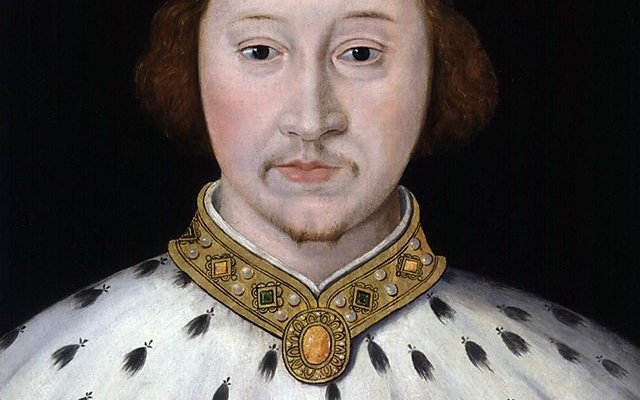
With the current political climate with leaders voluntarily giving up power and factions rising up within factions, I thought I might give you some historical perspective with Shakespeare’s play about a monarch who stole from his people, caused an insurrection, and whose supporters gave up their own power- Richard II.
Richard is a classic story of hubris. Richard literally believed he was appointed by god, and thus he could act with impunity. He, therefore, stole lands, taxed his people, and even gave land away to pay for his wars in Ireland. His actions offended his nobles, especially the house of Lancaster, who rose up and eventually deposed him. This play, therefore, has many lessons on how leaders cannot survive without their supporters, and nobles need to put the good of the people first.
Shakespeare’s version is not a dry chronicle with painstaking historical accuracy. For starters, every single line is in verse, and I don’t think even the real Richard spoke in iambic pentameter all the time. For a history play, this Richard has Shakespeare’s most poetic language:
Shakespeare’s Richard is full of self-pity, bewilderment, and a narcissistic desire for attention with a borderline God-complex. He even art-directs his own deposition with all the tragic solemnity of a passion play, casting himself as Christ, and everyone else as Pontius Pilate:
Shakespeare is very cogent about whether or not it was a good idea to depose Richard, especially since Queen Elizabeth was also an aging monarch who failed to produce an heir or quell a rebellion in Ireland (Shapiro: 1599). Nonetheless, the Queen was aware of the connection and famously declared: “I am Richard the Second, know ye not that?” Some productions have blatantly connected the two monarchs, and even dressed Richard as the Queen.
This play’s strength depends on the casting. Not much happens onstage except for lots of talking, planning, speechifying, and cursing. It depends on actors who can deliver these great lines with beauty but also sincerity:
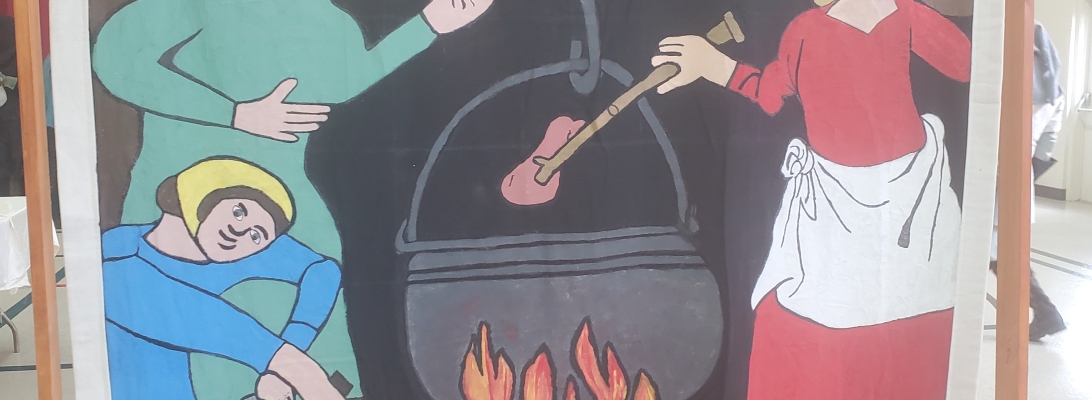
I can think of no better wrapup to my play of the month “Twelfth Night,” than by reporting on my visit to an actual Twelfth night Party, presented by the Society For Creative Anachronism.

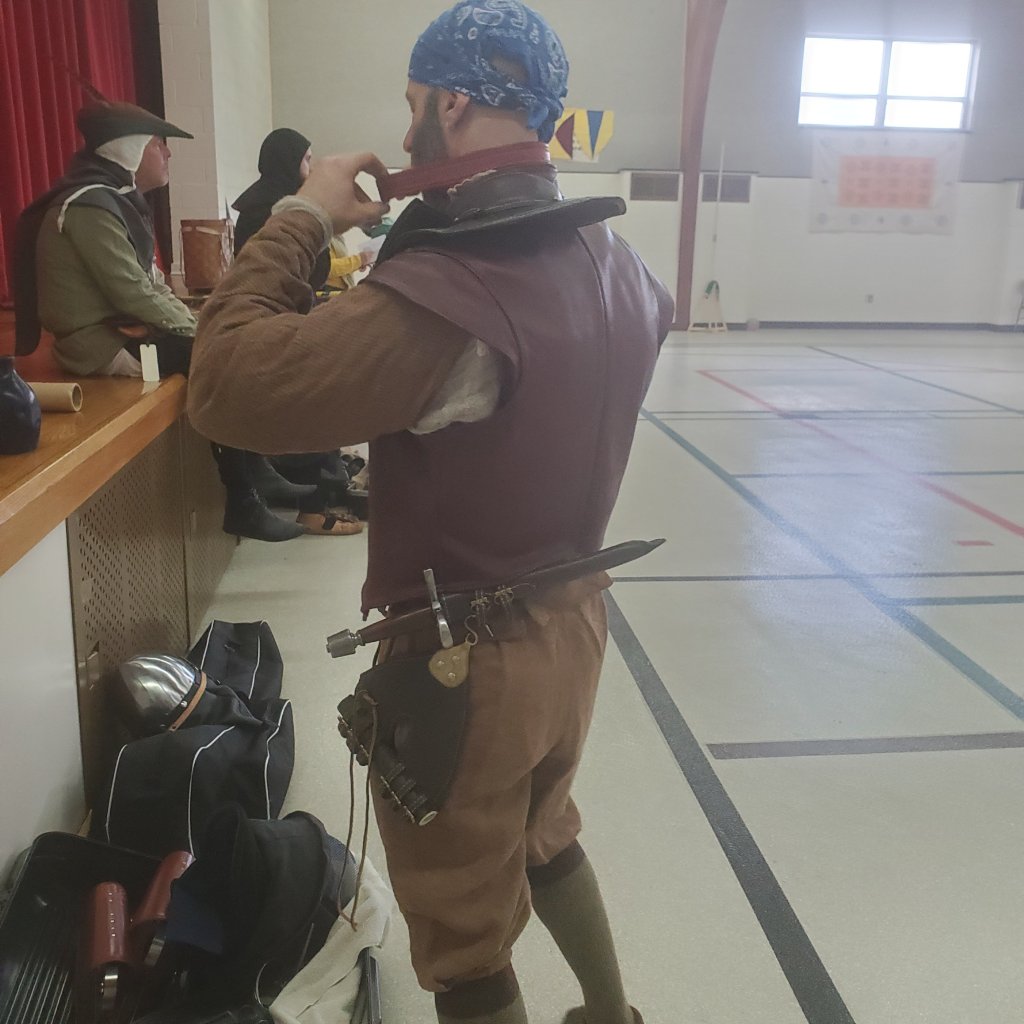

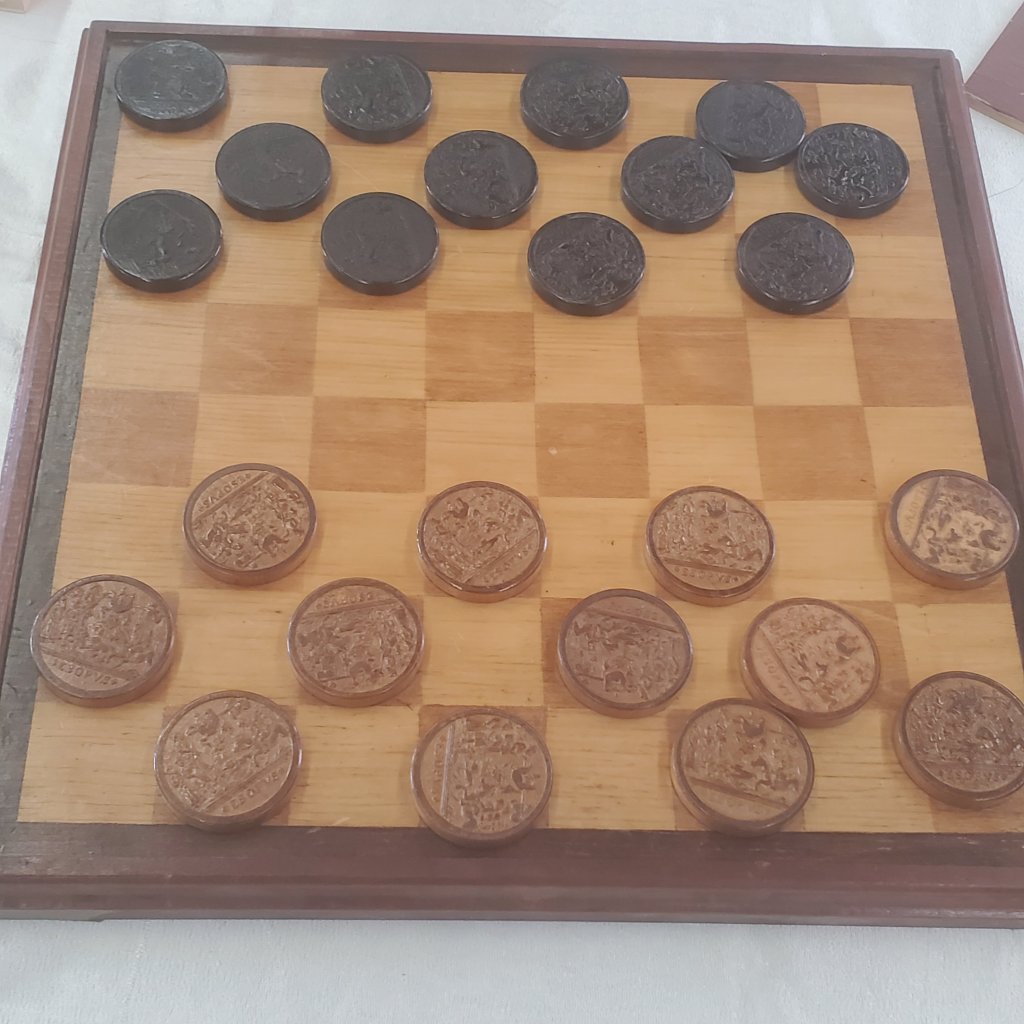
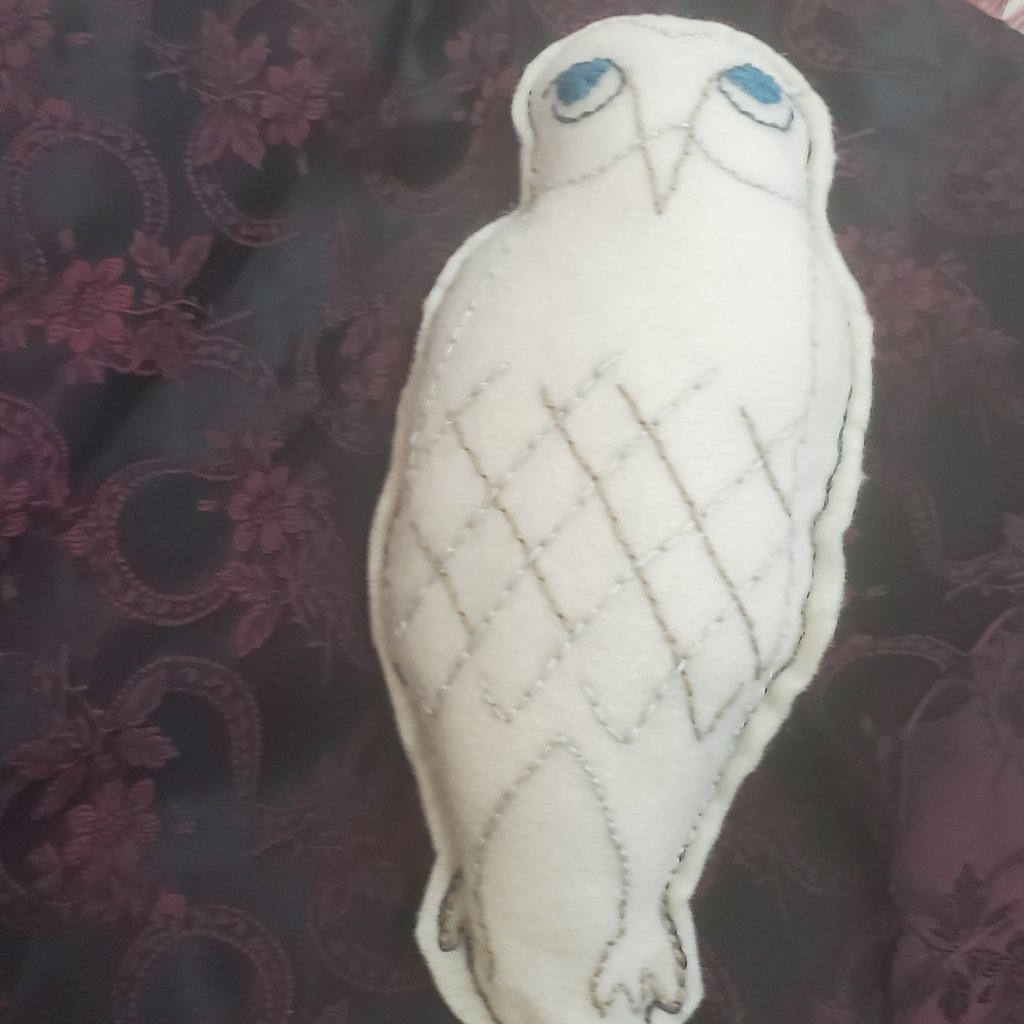
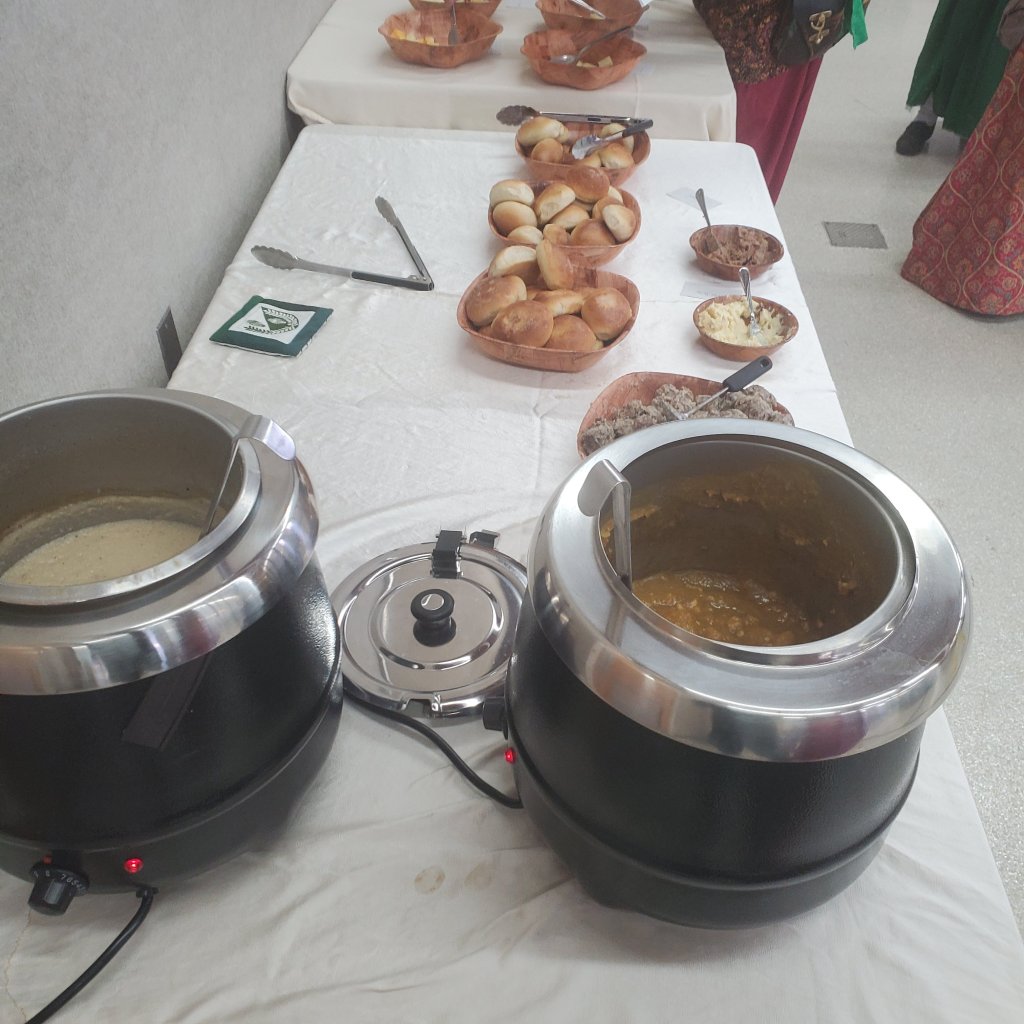
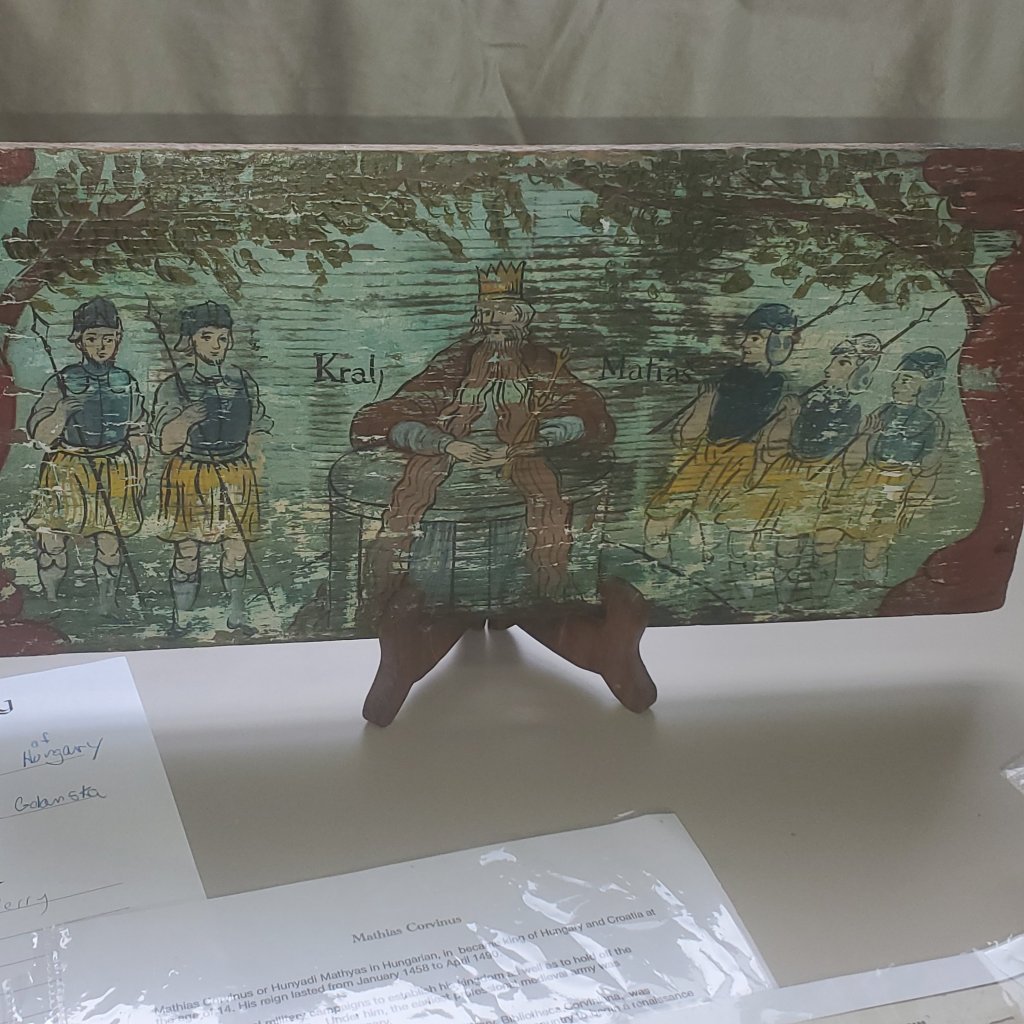
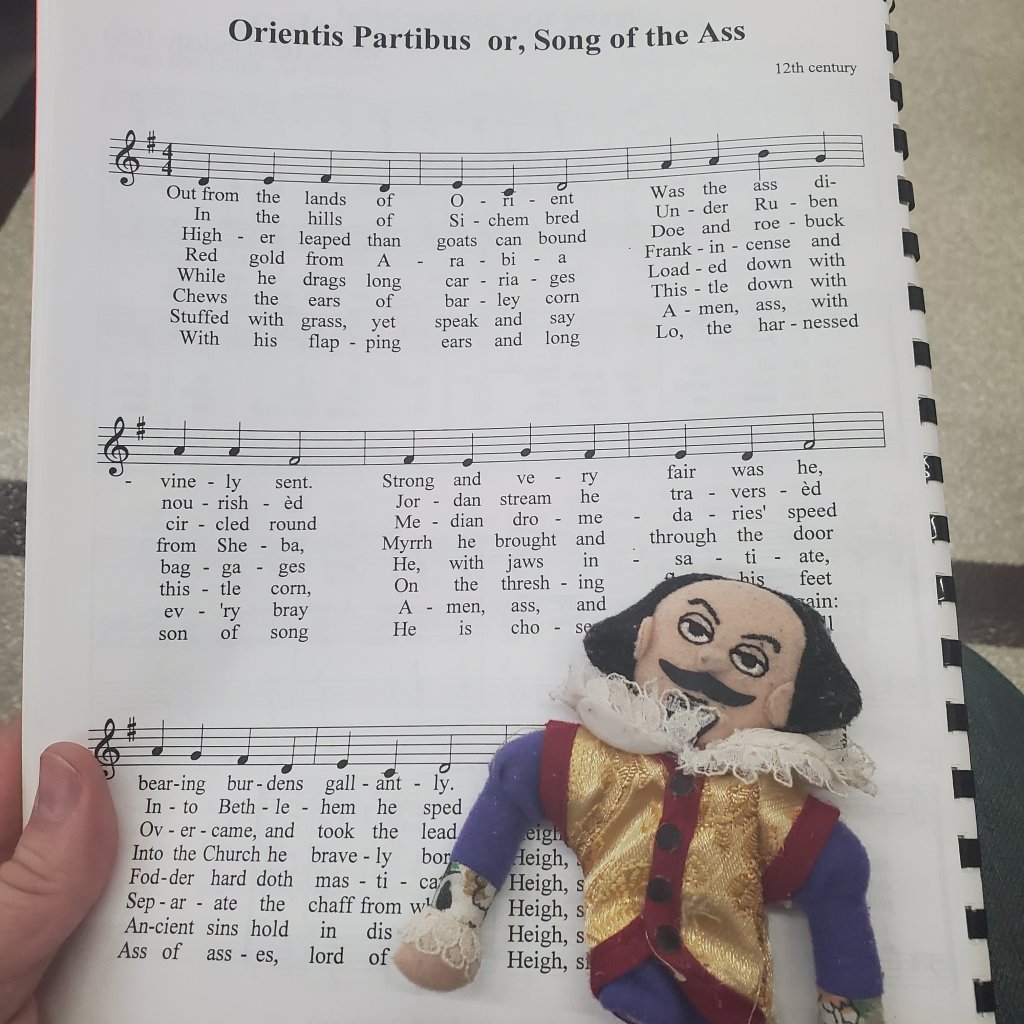
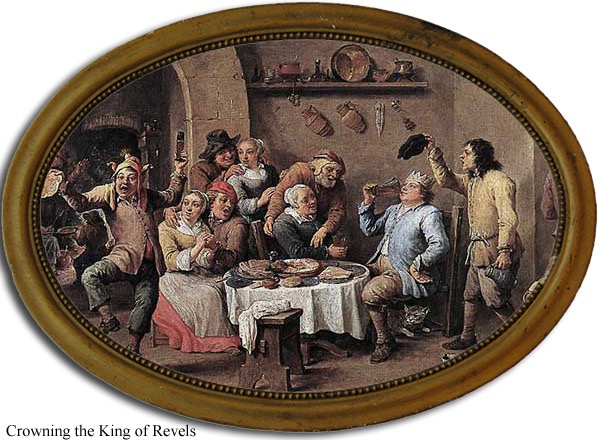
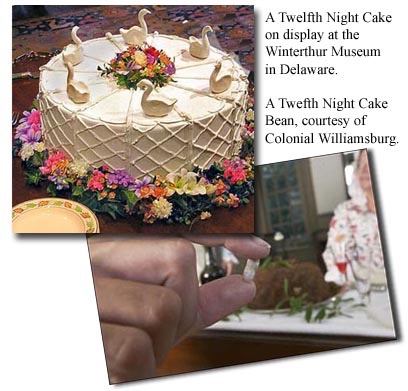
If you took my class on Shakespearean Christmas traditions or read my blog posts, you know that, back in Shakespeare’s day, Twelfth Night was a party to end the Christmas season. It was presided over by a Lord of Misrule, who would lead people in games and songs. The party would also have a Twelfth Night Cake with a bean in the center. If you found the bean, you’d have good luck for the year! So I was pleased to come to a real-life Twelfth Night party and see these traditions come to life!
The short answer is- it’s LARPING for history nerds. Rather than creating a D&D persona and then getting arms and armor to play-fight in the backyard, SCA members create personas based on real medieval history, make or buy real historical arms and armor, (or arts and crafts as the case may be) and spend years of their lives studying and perfecting their immersion in that character’s life. SCA-ers learn how to fight with swords, daggers, spears, etc, how to sing medieval songs, medieval dances, and many other medieval ‘mysteries,’ which in this case means arts, crafts, and professions.
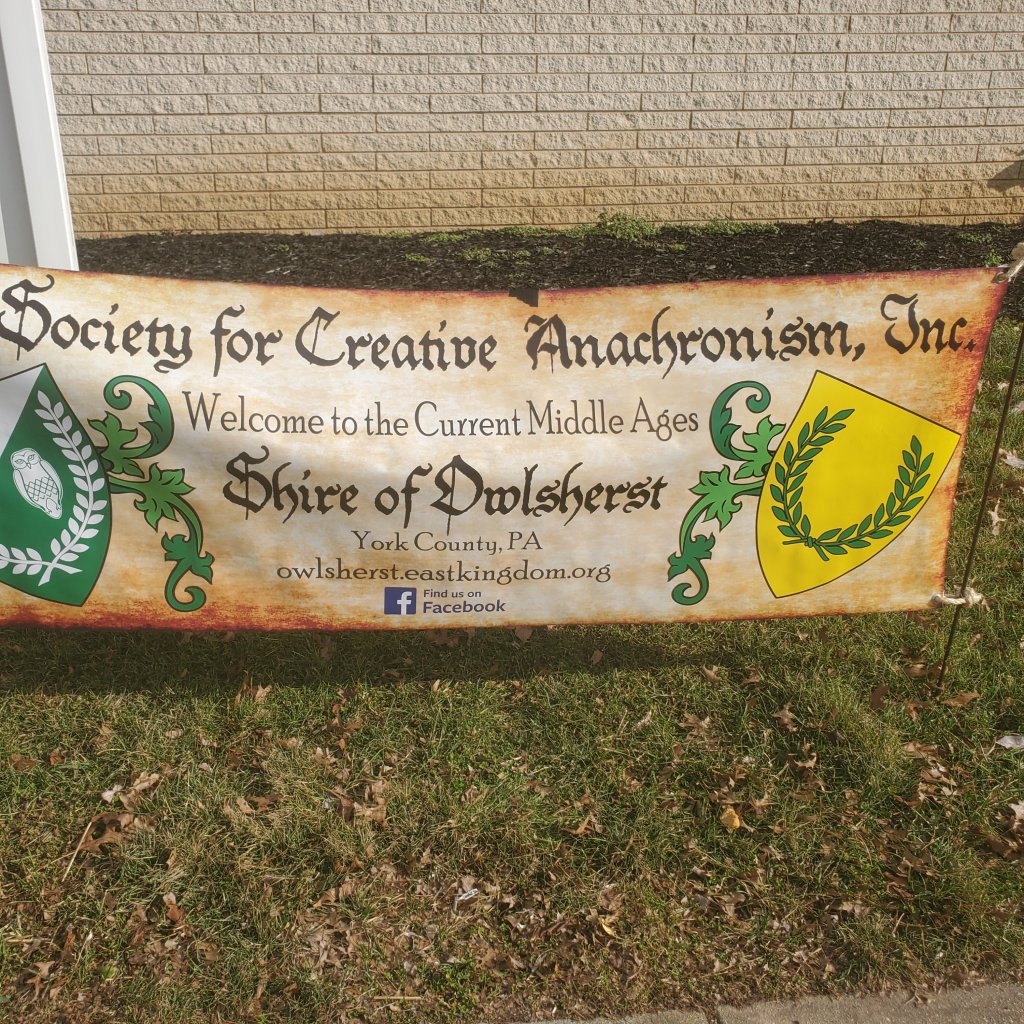
Owlsherst is the SCA’s local chapter in York PA. They have a number of dedicated members who specialize in textiles to rapier-dagger fighting. I’ve posted some videos of their fighting demonstrations on Youtube and Tiktok and their archery master has his own Tiktok channel. They hosted this year’s Twelfth Nigh party and have many other events throughout the year. For more information on this chapter, go to https://owlsherst.eastkingdom.org/
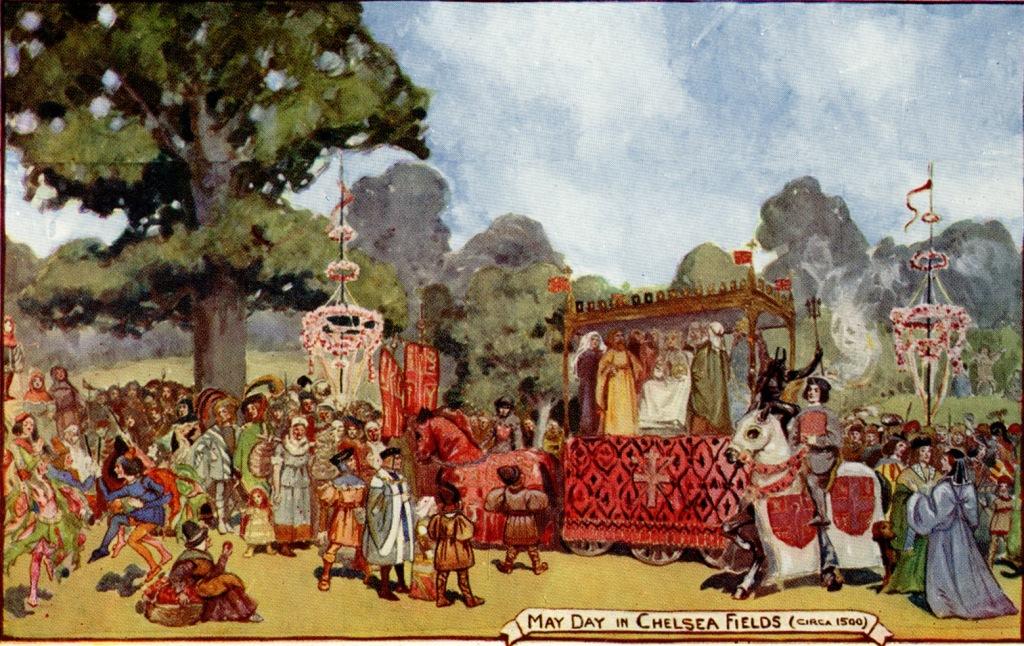
Every SCA event is a great way to celebrate people who are passionate about history and have talents for arts and crafts. Everything from the tapestries to the to the food, to the adorable owl toys, was made by hand by these dedicated people (most of whom brought their own medieval costumes). More members were doing live demonstrations of rapier/ dagger fights, binding books in cow leather, and singing medieval Christmas songs. I was inspired by everyone’s dedication and hard work to put this together. I also wonder if this is how Shakespeare himself felt when, as a child, he went to sheep shearing fairs and saw his friends and fellow artisans put on amateur bible plays on medieval pageant wagons.
That said…
I should warn you that, like a lot of historical reenacting societies like Civil War reenactors, etc, this society is more aimed at hardcore history nerds, than anyone else. This isn’t Medieval Times or a big-budget renaissance fair which is aimed at children and casual fun seekers. As such, it wasn’t really family-friendly. There aren’t many activities for kids and many of the arts and crafts are too delicate for toddlers and young kids. Also, this event isn’t particularly immersive or organized. People mostly just mingled, ate, and watched the various demonstrations. Keep in mind, this is just one chapter and just one event, which means your experience may vary. Nevertheless, because of the organization’s amateur historical nature, I would caution you to manage your expectations. Like I said before, this isn’t some big-budget Disney theme-park ride, but it is a chance for hardcore history nerds to get together, share their knowledge, and celebrate the traditions of a bygone era. If that’s your thing, I highly recommend it!
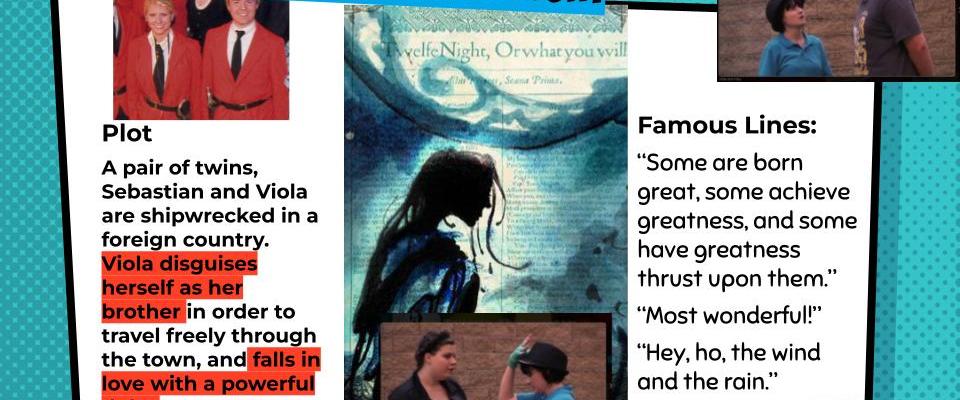
Hello everyone! I’m back from break and happy to celebrate one of my favorite holidays with you- the one that gave its name to one of Shakespeare’s greatest comedies- Twelfth Night
How To Throw A Twelfth Night Party
How to Make a Twelfth Night Cake
I’ve been in this play three times and I’m continually struck by how fun, romantic, and progressive it is. It raises questions about gender roles, social norms, bullying, and even catfishing and heteronormativity! It’s a fascinating and thought-provoking play and it’s my favorite of Shakespeare’s comedies!
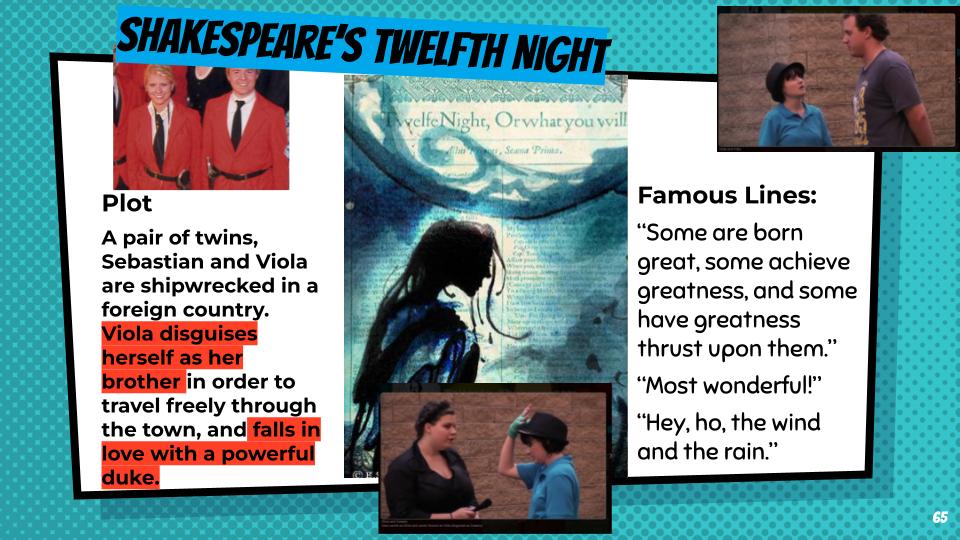
Shakespeare’s early comedies are about young love, infatuation, and being ‘madly in love’ (sometimes literally). His middle plays are about mature relationships between men and women and the need for commitment. I would argue that Twelfth Night, (and possibly Much Ado About Nothing), are the best examples of Shakespeare telling meaningful stories about romantic relationships.
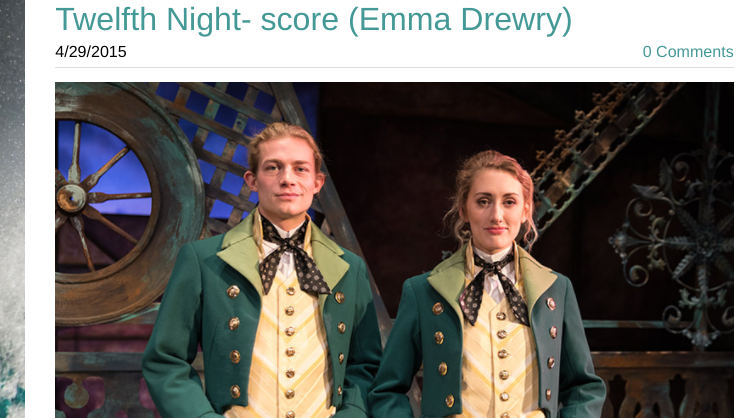
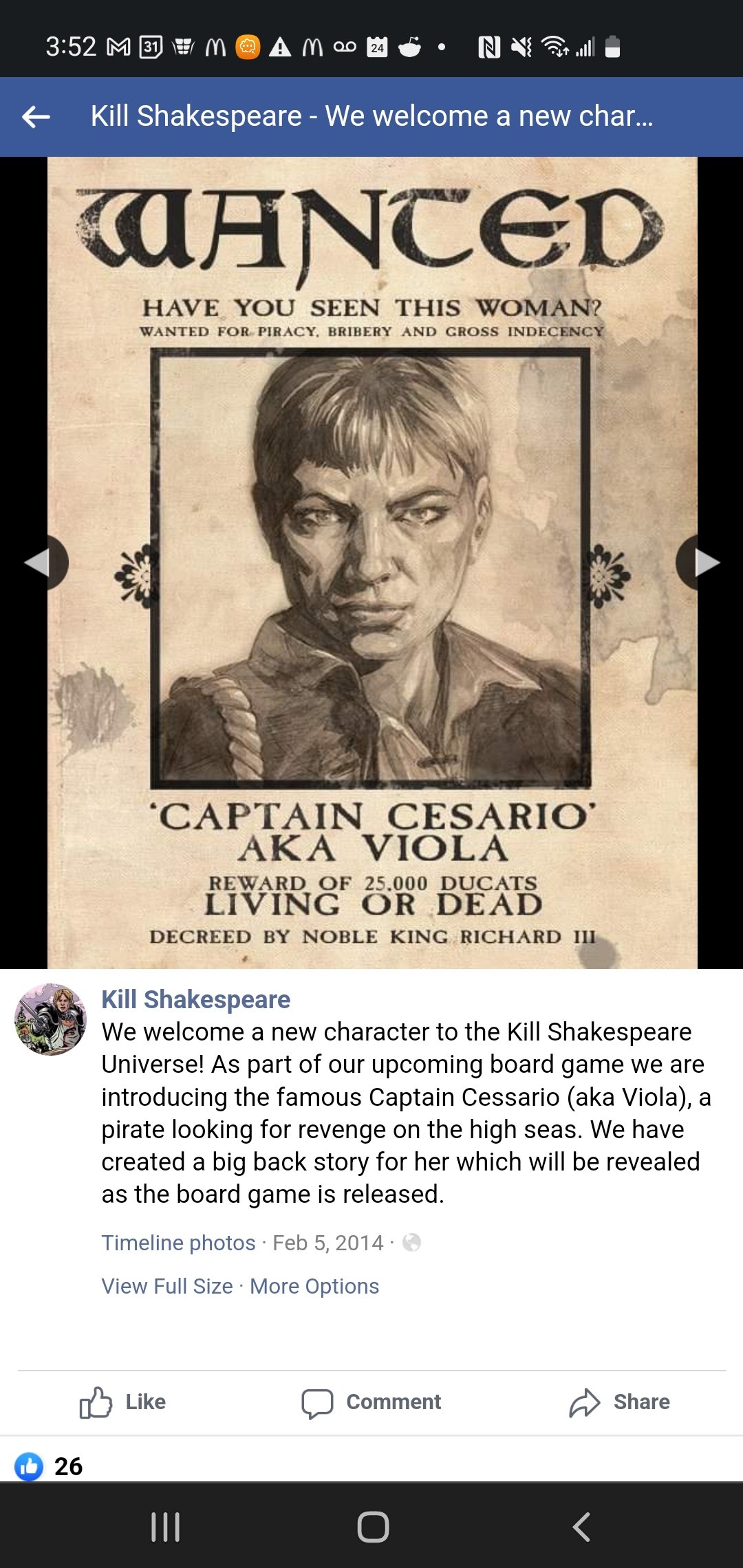
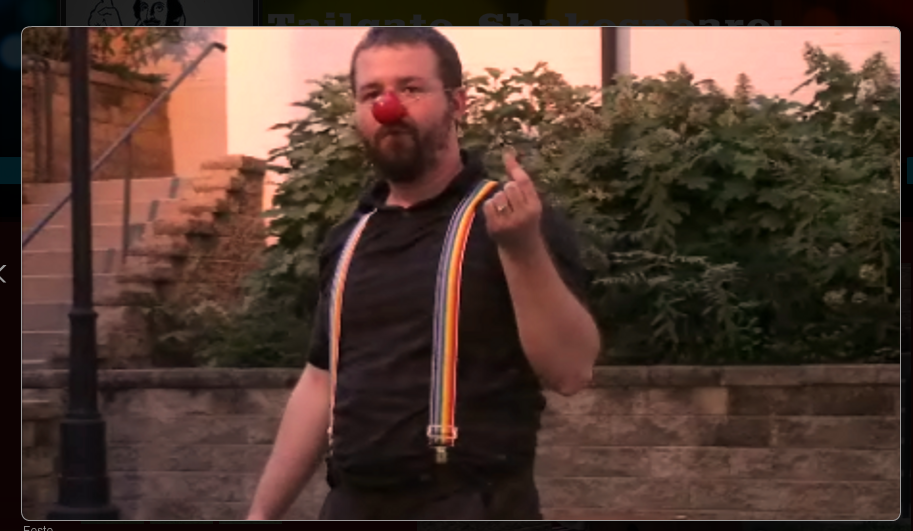
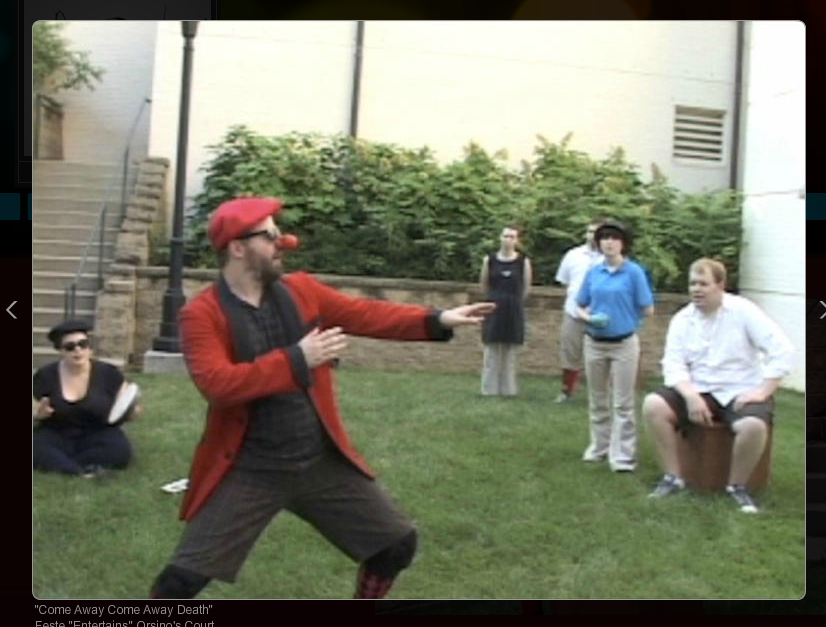
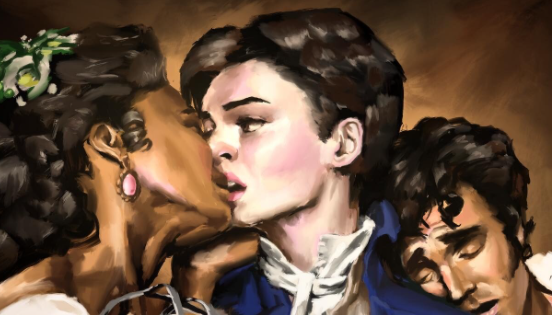

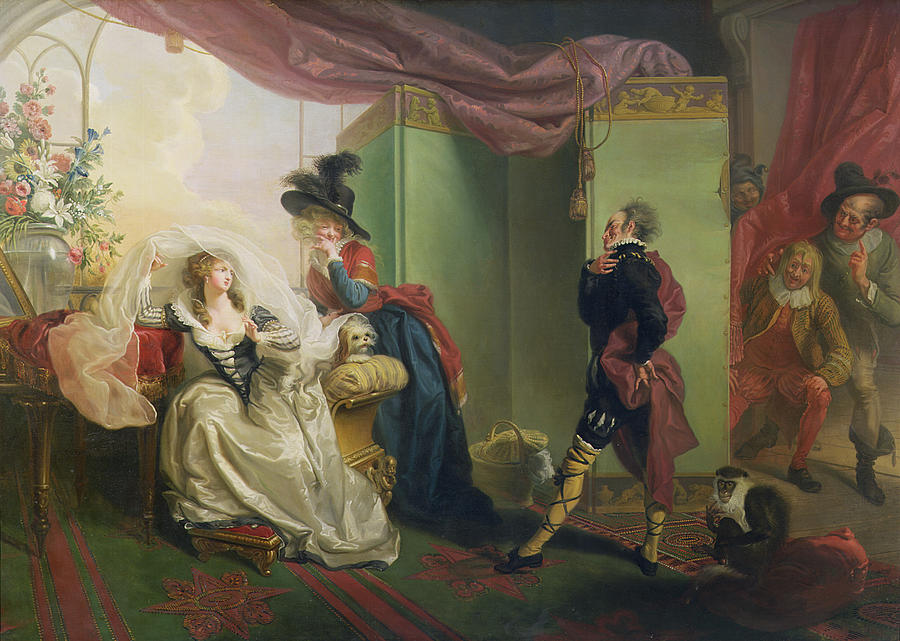
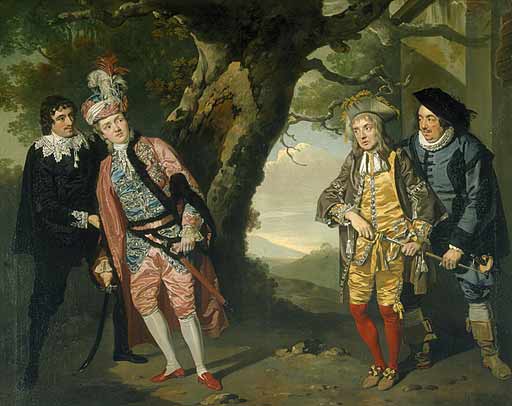
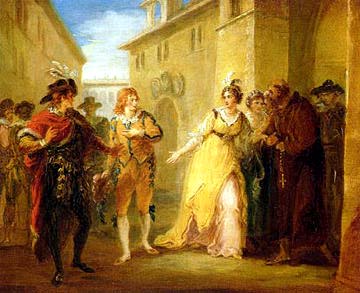
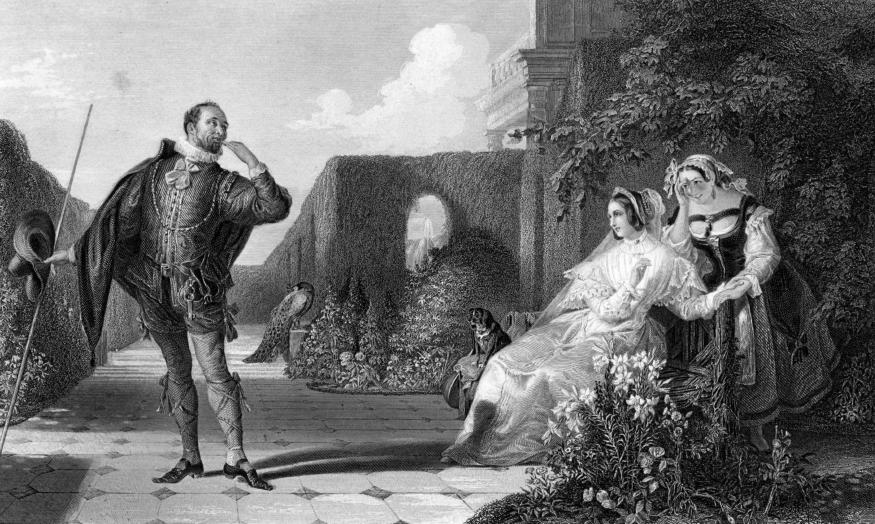

In honor of “Twelfth Night,” I’ve created a coupon for my course on Shakespeare’s comedies from now till January 31st: Get $10 off my class “Shakespeare’s Comic Plays” with coupon code HTHESYTIT110 until Jan 31, 2023. Get started at https://outschool.com/classes/shakespeares-comic-plays-868BR5hg and enter the coupon code at checkout.
To finish I wanted to give you a complete production of Twelfth Night for your viewing pleasure, but I can’t decide which one, so I will post a bunch today!
1. 1996 TV movie starring Geoffrey Rush (Pirates of the Caribbean)
2.1996 Thames TV directed by Kenneth Branaugh

No, you aren’t hallucinating. This is a clip from the short-lived Warner Brothers kids cartoon show “Histeria,” an educational variety show, sort of like Horrible Histories or “Who Was.” This clip is a song about the life of Henry VIII.
The show was produced by Worner Brothers for the WB back in 1996. It starred many successful voice actors from other WB projects like Billy West (Renn and Stimpy), Tess McNeill (Tiny Toon Adventures), and Frank Welker (The current voice of Curious George). In addition, the show was created by Tom Ruegger, Executive Producer of Warner Animation, who also created Tiny Toons, Animaniacs, and Pinky and the Brain. Those of you who grew up in the 90s know that the WB occasionally sprinkled their shows with educational sketches especially with Animaniacs:
So the idea of using these creative people to create a show about history was not a bad one in and of itself. It could have been a modern-day Schoolhouse Rock. The problem is that the characters are TERRIBLE.While Tiny Toons had likeable characters who were the modern-day successors to classic Warner characters like Buster Bunny, Plucky Duck, and Hampton pig, Histeria has lame characters nobody knows or has any interest in like Froggo, World’s Oldest Woman, and Big Fat Baby. In addition, there is no through line to any of these sketches so it seems like a bunch of random skits. While the Animaniacs was about crazy weird characters trying to escape from the Warner Bros. lot, it seems unclear as to why these characters are talking to me about history.
In short, Histeria feels like a bunch of talented people were forced to make it, and they gave little thought to how to make it a popular series. Still, the animation is good, the voice acting is top-notch, and occasionally, the jokes land very well, and the songs are very catchy. Not surprisingly, my favorite song is this one, where the cast summarizes in song, all 37 plays of William Shakespeare:
https://tvtropes.org/pmwiki/pmwiki.php/WesternAnimation/Histeria
This video, of course, is about the life of Henry VIII.

I love the BBC Kids show “Horrible Histories,” based on the books by Terry Deary (who also appears in the show). The show is a Monty-Python like variety show that jumps from various periods in English history, (primarily), while highlighting the “gory, ghastly, mean and cruel,” elements of history that our teachers tend to gloss over.
One period of history in which the show excels at satirizing is the Tudor period; devoting several songs, sketches, and animations to the reigns of Mary I, Good Queen Bess, and of course, Henry VIII. Here are some of my favorite clips from the series, with Ben Willbond as Henry VIII:
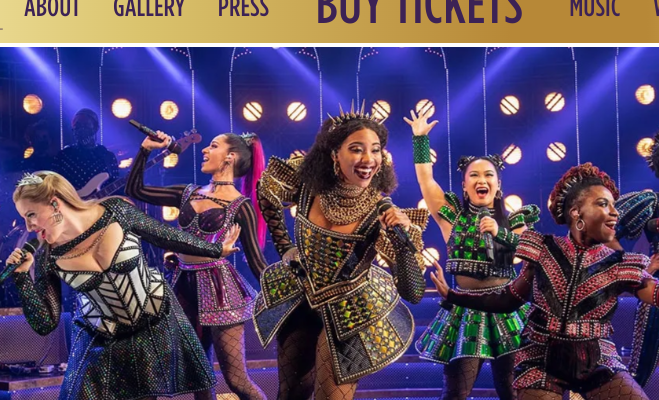
During Shakespeare’s life time, the wives of Henry VIII were bit players at best. With the exception of Katherine of Aragon and Anne Boleyn (who in most narratives have often been cast as either virgins or whores), the lives of Jane Seymore, Anne of Cleaves, Catherine Howard and Catherine Parr were barely told until the 20th century, where new feminist scholarship sparked renewed interest in these women and how they lived.
TV series like The Tudors, movies like The Other Boleyn Girl, and of course books and documentaries by
Let husbands know
Their wives have sense like them: they see and smell
And have their palates both for sweet and sour,
As husbands have. Emilia, “Othello,” Act IV, Scene iii.
Well, I can’t yet give an objective view of the plot and characters of “Six,” because I haven’t seen it…(yet). But until then, let’s just say that like “Hamilton,” it is great to see history be recontextualized and shared in such an accessible way. We all know that European history is dominated by the names of white guys- king whoever, duke what’s-his name. To see important women in history be given a voice by a multi-ethnic cast is a great way to make it acessible.
Bravo.
Educational links related to the six wives of Henry VIII:
Books
TV:
Web:
https://www.history.com/news/henry-viii-wives
https://sixonbroadway.com/about.php
Resources on Shakespeare’s History Plays:
Books
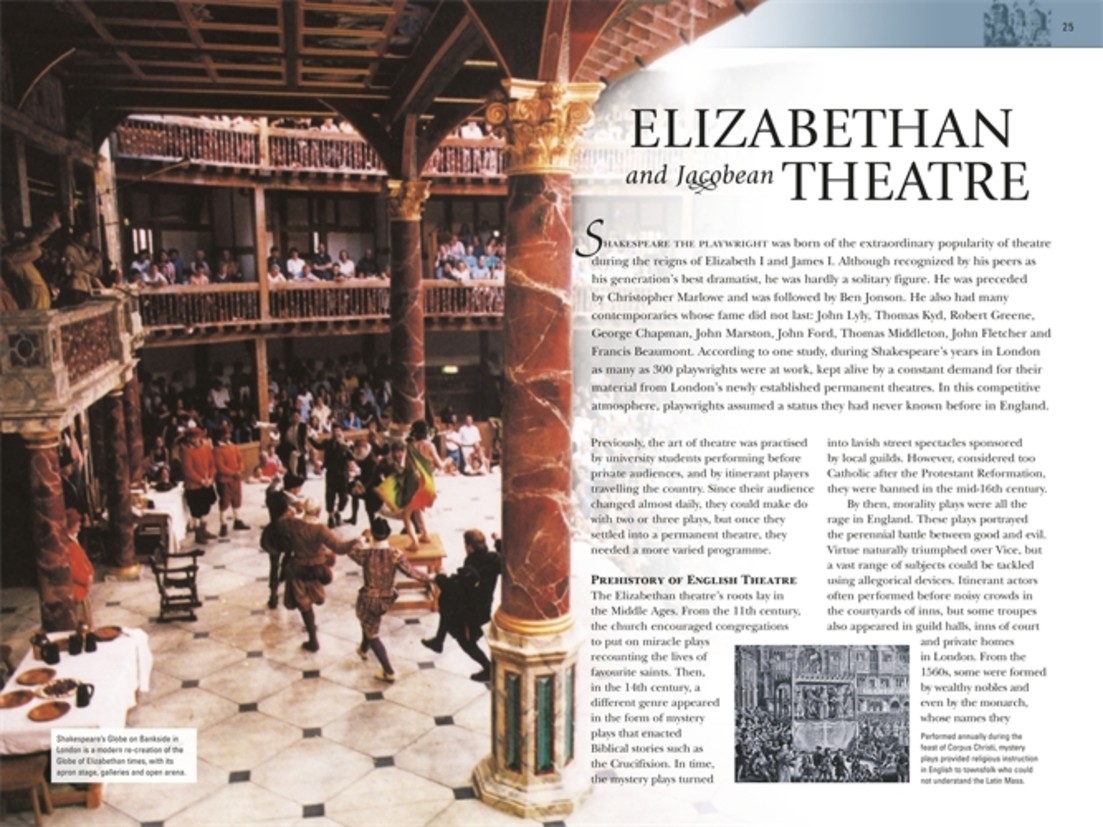
TV:
The Tudors (TV Show- HBO 2007)
“The Six Wives of Henry VIII” (BBC, 1970)
Websites


 The Shakespearean Student