Happy Twelfth Day of Christmas Everyone!

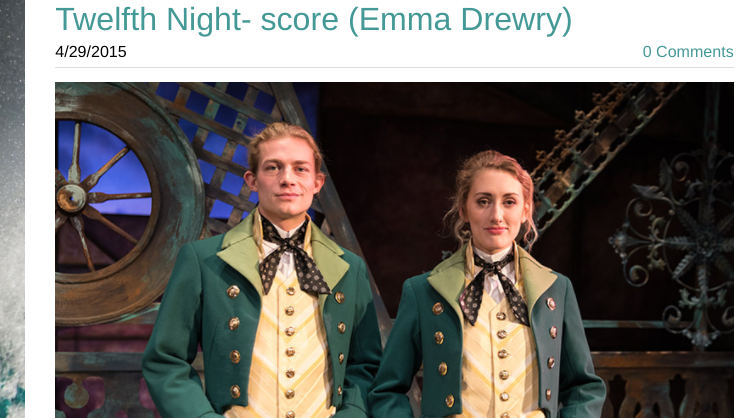
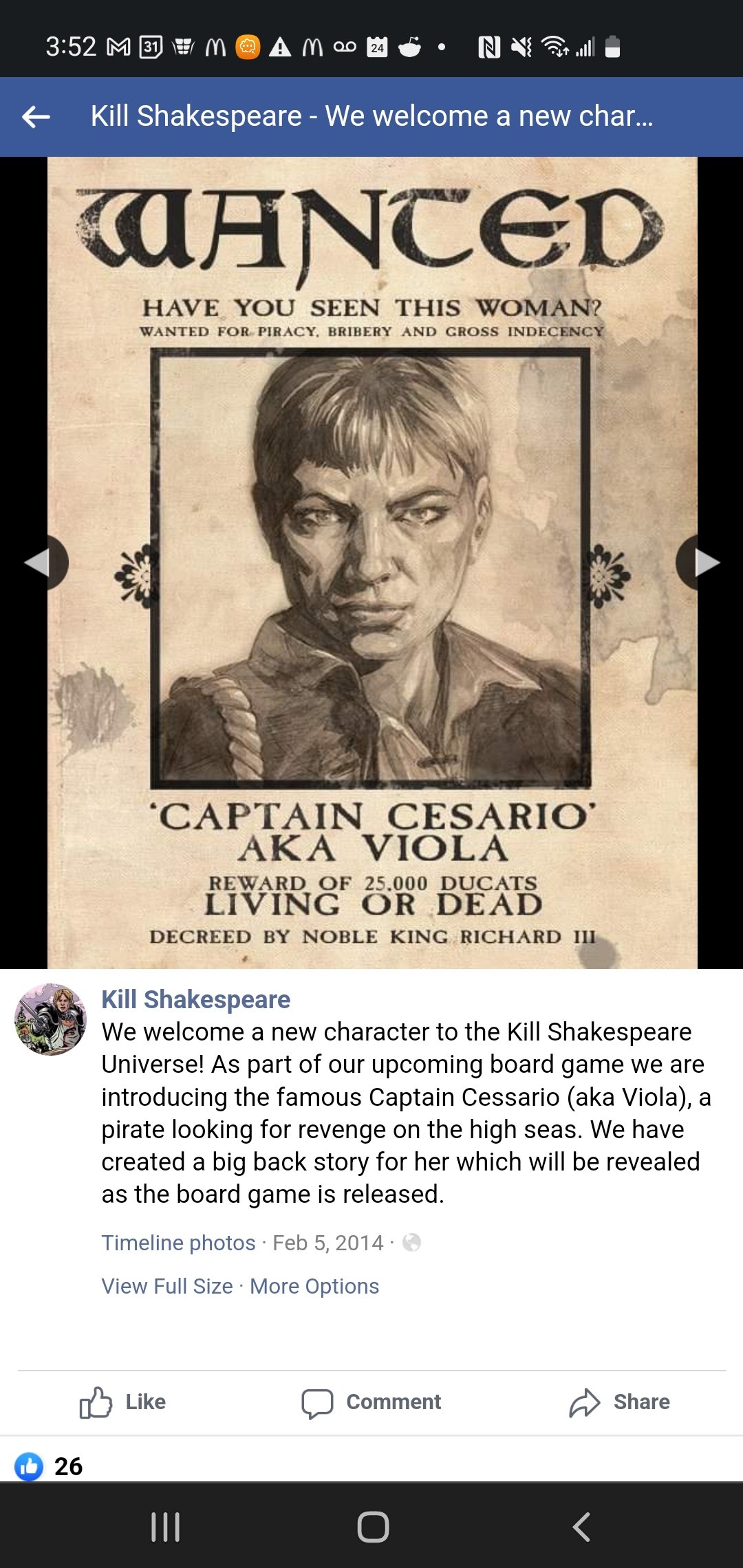
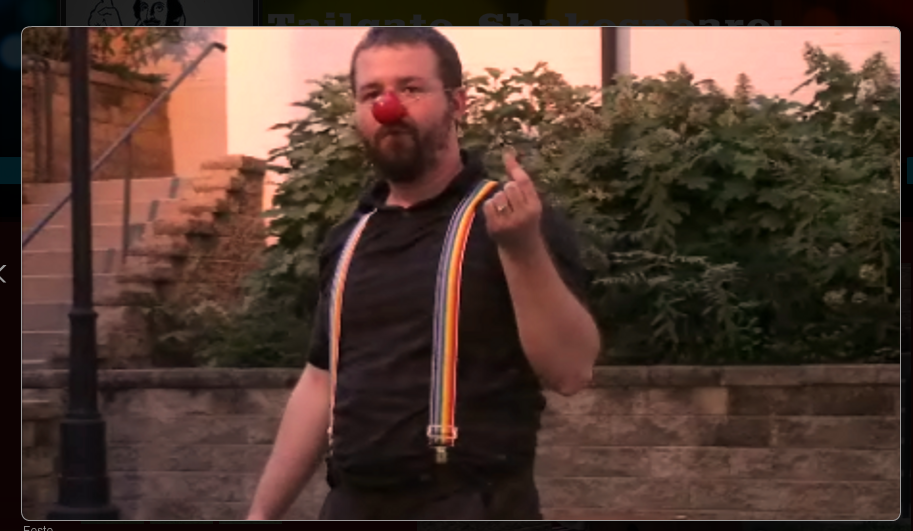
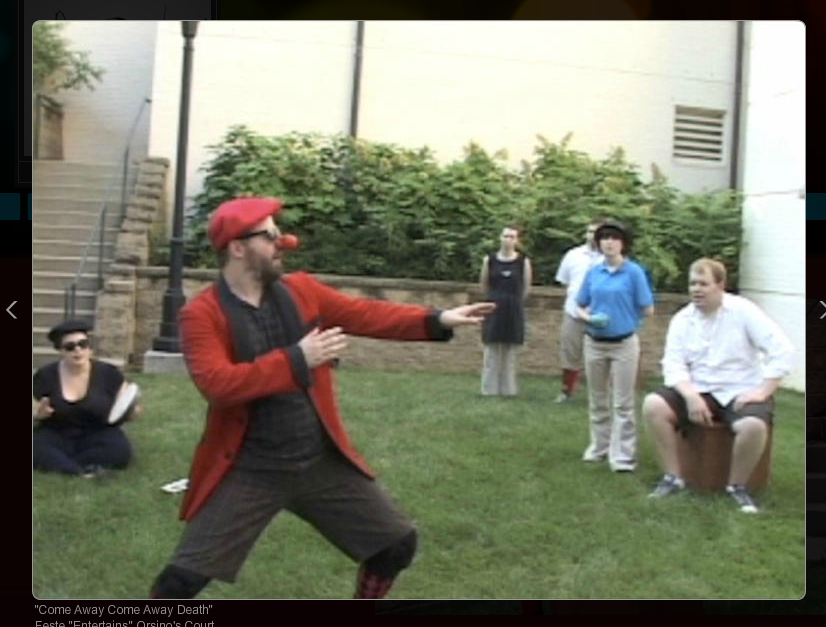
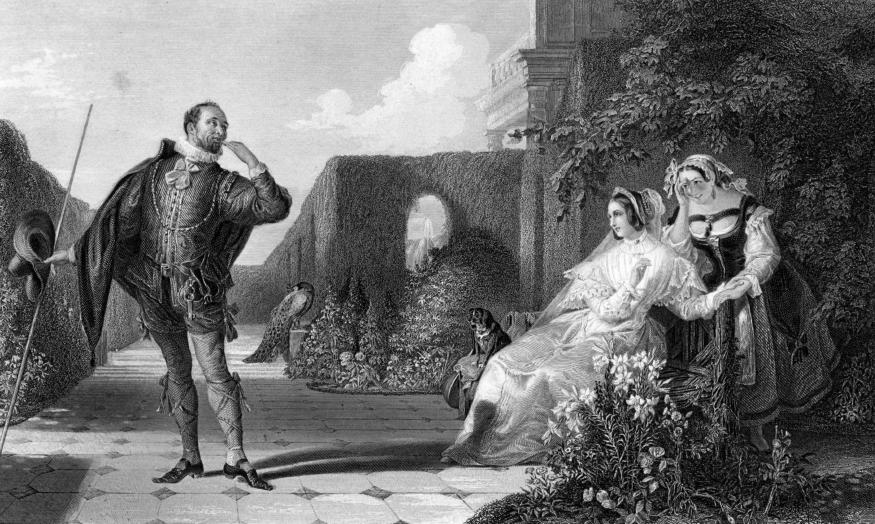
Hello everyone! I’m back from break and happy to celebrate one of my favorite holidays with you- the one that gave its name to one of Shakespeare’s greatest comedies- Twelfth Night

How to throw a Twelfth Night Party

How To Throw A Twelfth Night Party

How to Make a Twelfth Night Cake

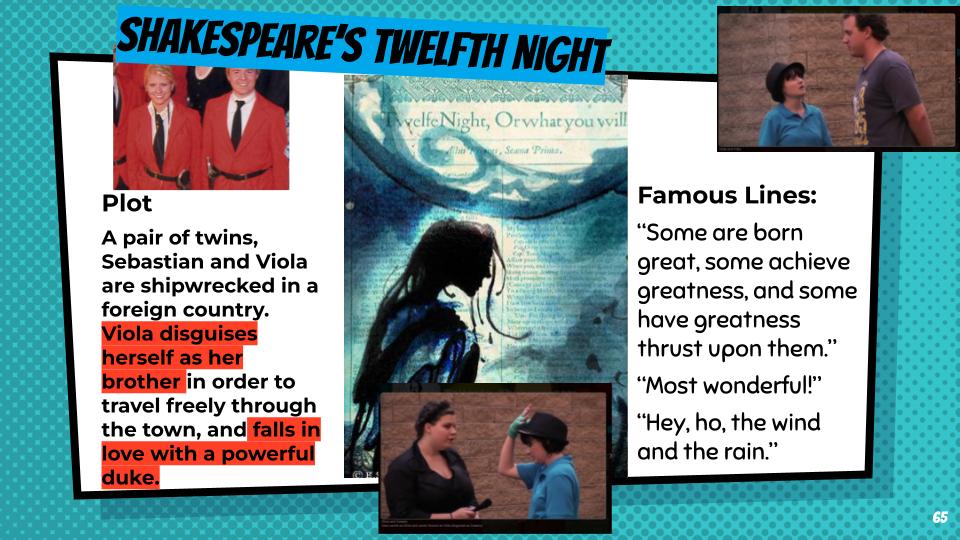
Intro to Twelfth Night (THe play)

I’ve been in this play three times and I’m continually struck by how fun, romantic, and progressive it is. It raises questions about gender roles, social norms, bullying, and even catfishing and heteronormativity! It’s a fascinating and thought-provoking play and it’s my favorite of Shakespeare’s comedies!

Shakespeare’s early comedies are about young love, infatuation, and being ‘madly in love’ (sometimes literally). His middle plays are about mature relationships between men and women and the need for commitment. I would argue that Twelfth Night, (and possibly Much Ado About Nothing), are the best examples of Shakespeare telling meaningful stories about romantic relationships.

Past Posts on “Twelfth Night”

  1. Play of the Month: Twelfth Night
  2. The Fashion Is the Fashion: Twelfth Night
  3. Crafting a Character: Malvolio
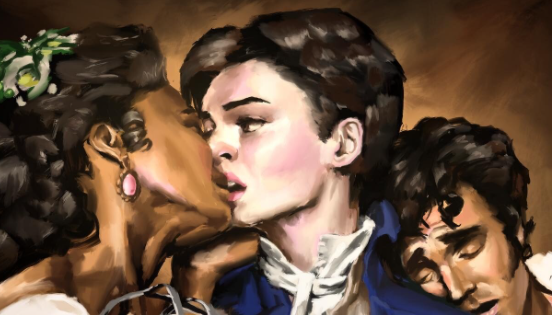
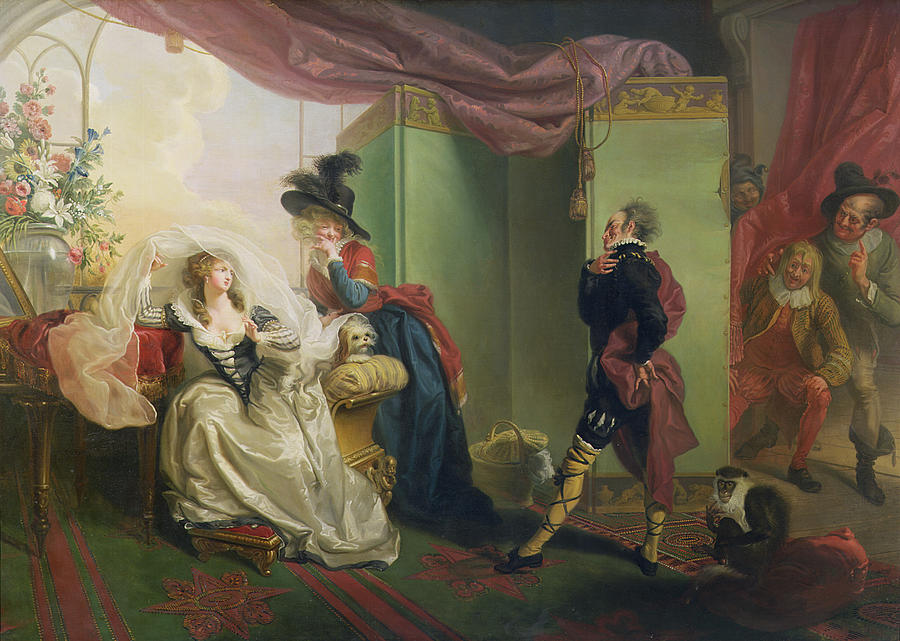
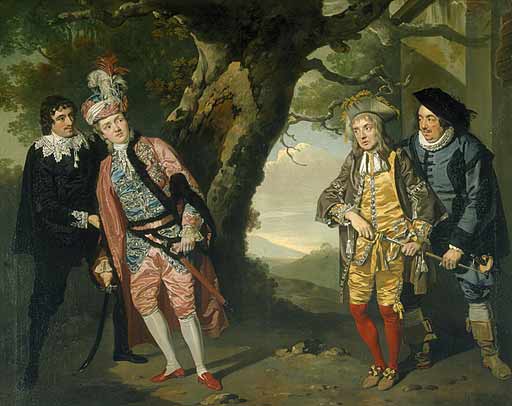
  4. Exquisite Artwork from Twelfth Night

Would you like to know more? Take a class!

In honor of “Twelfth Night,” I’ve created a coupon for my course on Shakespeare’s comedies from now till January 31st: Get $10 off my class “Shakespeare’s Comic Plays” with coupon code HTHESYTIT110 until Jan 31, 2023. Get started at https://outschool.com/classes/shakespeares-comic-plays-868BR5hg and enter the coupon code at checkout.

To finish I wanted to give you a complete production of Twelfth Night for your viewing pleasure, but I can’t decide which one, so I will post a bunch today! 

1. 1996 TV movie starring Geoffrey Rush (Pirates of the Caribbean)

2.1996 Thames TV directed by Kenneth Branaugh 

Happy New Year From The Shakespearean Student

Thanks to all my longtime readers, this website has had its best year ever! Here’s to more fun, information, and insight in 2023.

Stats for the 2022 year on Shakespearean Student.

As a New Years gift, from now until January 31st, you can get $10 off my class “An Interactive Guide to Shakespeare’s London” with coupon code HTHESYTIT110 until Jan 31, 2023. Get started at https://outschool.com/classes/an-interactive-guide-to-shakespeares-london-E6KqeBQQ and enter the coupon code at checkout.

Watch “Shakespeare Made You Die (Dumb Ways to Die Parody)” on YouTube

Tomorrow is the first session of my course on Shakespeaere’s tragedies! I’m so excited to teach this great group whom I’ve worked with before. To mark this occasion, I present this silly, catchy, and informative song about the tragic fates of Cleopatra, Juliet, Hamlet, and others.

Title page for my course on Shakespeare’s Tragedies

If you want to sign up for this course or request a private session, you can do so at http://www.outschool.com, or by scanning the QR code below:

The trailer for my course.

Thanks for reading and have a good weekend!

The Origins of King Lear

Shakespeare’s King Lear is an age old tale. Like Cinderella it has been reinterpreted throughout time and in many different cultures. Here are a few interesting highlights in the old legend and how it got to Shakespeare in the 1600s.

The Princess Who Loved Her Father More Than Salt

This is an old folktale from my favorite podcast, Journey With Story, which starts with the Cordelia/ Lear plot of a foolish king who banishes his honest daughter. Then through extraordinary circumstances it becomes a Cinderella story. I think at some point these two stories were one and the same until they diverged and one became a story about an absent father and a wicked stepmother, while the other became about a wicked father and a dead mother.

https://www.sacred-texts.com/neu/eng/boeb/boeb05.htm

The ancient ballad of King Leir

The ancient ballad of King Leir, which helped inspire Shakespeare. It serves as a cautionary tale against flattery, and it places equal blame on Lear and his daughters:

And calling to remembrance then
His youngest daughters words,
That said the duty of a child
Was all that love affords:
But doubting to repair to her,
Whom he had banish'd so,
Grew frantick mad; for in his mind
He bore the wounds of woe:

Which made him rend his milk-white locks,
And tresses from his head,
And all with blood bestain his cheeks,
With age and honour spread.
To hills and woods and watry founts
He made his hourly moan,
Till hills and woods and sensless things,
Did seem to sigh and groan.

Even thus possest with discontents,
He passed o're to France,
In hopes from fair Cordelia there,
To find some gentler chance;
Most virtuous dame! which when she heard,
Of this her father's grief,
As duty bound, she quickly sent
Him comfort and relief

The characters of Gloucester and his children, Kent, and the Fool are absent in this ballad, but unlike the fairy tale above, both Lear and Cordelia die in each other’s arms.

The Annonymous History of King Leir, (first published c. 1594)

The anonymous history of King Lear, written shortly before Shakespeare

This play was written for Shakespeare’s rival acting company The Queen’s Men around 1590). Since the Queen was patronizing the company, most of their plays were government-funded propeganda. For instance, it was the Queen’s men who first did a tragedy of the wicked King Richard III.

Michael Wood. In Search Of Shakespeare, 2002.

If you watch the first 20 minutes of the documentary above, you will see that Wood and many other scholars believe Shakespeare must have worked for the Queen’s men, or at least performed their scripts, since they did their own versions of King Lear, Richard III, King John, and Henry V.

Screenshot from Internet Shakespeare Editions’ reprint of King Lear https://internetshakespeare.uvic.ca/doc/Leir_M/index.html

However Shakespeare got a hold of The Queen’s Men’s scripts, he didn’t adhere to them rigidly. Their King Lear follows the fairy-tale / history format of having Cordelia be banished, disguise herself as a peasant (like Cap ‘O Rushes in the earlier version), and eventually she is restored to her rightful place. Shakespeare’s version must have been a MASSIVE shock to anyone who read these old tales and ballads. In Shakespeare’s version, everyone dies and there is no guarantee that the kingdom will survive. Every other tragedy ends with a new king or emperor to take over the kingdom but Lear leaves the audience with a sense of apocolypse; that Lear’s madness and Edmund’s machinations have doomed England and all these characters’ lives will be erased by Time.

As pessimistic as Shakespeare’s Lear is, it does seem more true to life than the previous versions. Perhaps this is because of a legal case from 1603 that might have inspired Shakespear to adapt the story: In 1603, two daughters tried to have their father declared insane. By an astonishing coincidence, the third daughter, who protested, happened to be named Cordelia! Perhaps Shakespeare, (who had three children and was preparing to retire), might have been inspired by this case and worried he might suffer the same fate.

Intro to King Lear

Lear at its core is a play about growing older, and not just for its title character. Goneril and Regan learn their father is a lousy dad and learn to stand up to him. Edgar learns about the cruelty of the world and how to deceive his enemies.


Plot Summary

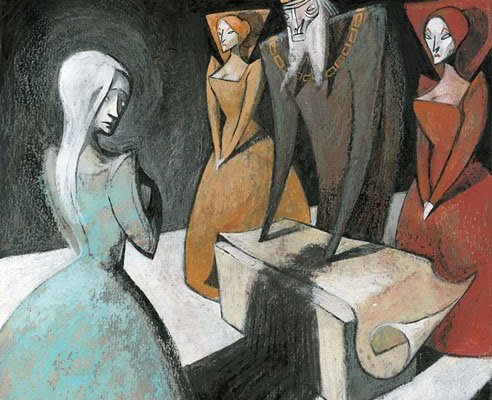
Lear, a king in pre-Christian England, is too old to rule, so he decides to divide his kingdom among his three daughters. He then tells them he will give the the kingdom to the one who loves him most.

Lear’ youngest daughter Cordelia, refuses to flatter her father, so she banishes her. He also banishes the Earl of Kent, who warns the king that his actions are foolish and rash. Finally, Lear demands that, although he resigns his kingdom, his daughters call him king and agree to house him and his knights in their castle.

Lear is not the only rash old man who is blind to his true danger. His friend the Duke of Gloucester has a bastard son named Edmund, who schemes to usurp his father’s lands and marry into Lear’s family. Edmund frames his legitamite brother Edgar which forces him to disguise himself as the mad beggar Poor Tom

After his daughters refuse to house him and his knights, Lear goes stark-raving mad. He runs out into a storm on the heath, wishing the Earth were struck flat and all mankind was destroyed. He is soon cared for by his Fool, and Kent, disguised as a commoner named Caius.

Duels, wars, tears, and oblivion follow.

Dramaturgy Website: American Shakespeare Center

Contemporary Parallels:

“Empire” (TV Series 2015-2020)

Empire Cast - Original Soundtrack from Season 1 of Empire - Amazon.com Music
Poster for Empire with Lucius and Cookie, and their three sons Jamal

Succession (HBO- 2018- present)

https://www.telegraph.co.uk/tv/2018/08/02/succession-hbos-new-dramais-king-lear-modern-media-age/

This scene from “Brave”

“Slings and Arrows,” Season three

Slings and Arrows, Season 3

“Ran” by Akira Kurasawa-

Encanto (2021): Click here to read my post about Encanto and Lear

Videos

More Posts

Shameless Plug

I’ll be playing Kent in King Lear October 22nd, 1PM EST. It’ll be streamed on Discord and live on YouTube here:

Shakespeare: The Animated Tales- “Macbeth”

This is a 30 minute cartoon version of Macbeth originally produced for the BBC in 1992. It features Brian Cox  as the voice of Macbeth (before he was the voice of McDonald’s), and Zoë Wanamaker as Lady Macbeth (before she was a witch who teaches at Hogwarts).

I like the way it portrays the horror imagery of the play in sort of a European-manga animation hybrid. Admittedly, there are better ones in the series, but this one is still pretty neat.

DVD box art for “Shakespeare the Animated Tales.”

To check out other episodes in the series, view this playlist: