I’m pleased to announce that I’ve created a fully online, interactive Shakespeare class for kids ages 6-11 to start them on a lifelong journey of Shakespeare! The course will include games, videos, webquest activities, and puppet shows!
Title: Shakespeare for Kids!
Purpose:
Video trailer
The goal of this class is to introduce Shakespeare to young children in a fun and interactive way. For example, each lesson starts with a fun and funny introduction to a Shakespearean topic by our friend Puppet Shakespeare. Each class will also feature interactive games and quizzes that break down the poetry, language, characters, and plots of Shakespeare to help kids lose their “Shakes-fear” and begin engaging with classic literature
Each class builds from learning about Shakespeare to learning about the language and poetry of his plays, to finally an in-depth analysis of one play: “A Midsummer Night’s Dream.” After watching videos, playing games, and filling out handouts about these topics, the student will go on a “webquest,” that is, a series of webpages that feature activities, outside websites, and a short- puppet show retelling of “Midsummer” for the student. The goal is that by the end of the course, the student will be able to understand the dialogue of the play, summarize the story, know the characters, and enjoy the poetry.
Format: Nearpod with video and web links.
Ages 6-10
Description: 2 week course, $10 per week.
Part I: Who Is Shakespeare?
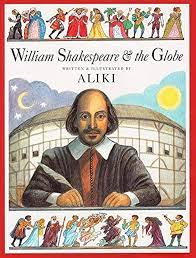
Learn about Shakespeare’s life and career with an interactive timeline, handouts, and an engaging puppet show! This section will include me reading from the excellent children’s book: William Shakespeare and the Globe by Aliki.
Part II: Words, Words, Words
WIlliam Shakespeare (Or Bill as I like to call him), wrote in a very special way. Back then playwrights were called poets, so not only did he have to make plays, he had to write them so they would sound like lines of poetry.
Part III: Shakespeak
Figure out how to translate all the “thees” and “thous” that make reading Shakespeare a challenge nowadays
Part IV The Play’s the Thing!
What kinds of plays did Shakespeare write? This handy lesson will teach you about the basic types of plays Shakespeare wrote, and give you a quick summary of each!
Part V: Disney vs. Shakespeare
Poster for Disney’s Elemental, which bears many similarities to Shakespeare’s Romeo and JulietContinue reading →
As a parent, I know it’s hard to keep kids occupied during the summer. That’s why I have classes on Shakespeare’s life, Romeo and Juliet, and my celebrated Stage Combat class! Sign up now for all the fun on Outschool.com!
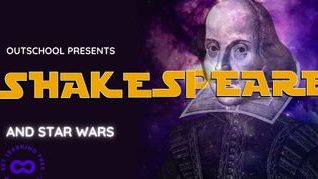
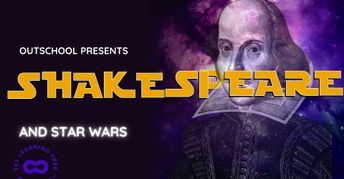
Shakespeare and Star Wars
Class Description: Using self-paced online activities, your child(ren) will compare the plot and characters of Star Wars to Shakespeare’s plays. We will also discuss Shakespeare’s writing by looking at “William Shakespeare’s Star Wars” by Ian Doescher.
Romeo and Juliet Murder Mystery
Course Description: A flexible schedule class that teaches kids the plot and characters of “Romeo and Juliet,” in the context of a detective story where you solve the mystery of the young lovers’ deaths.
Course Descriptions
How to Write Like Shakespeare: Learn the basics of iambic pentameter, sonnet form, and Shakespeare’s dramatic structure, and practice writing Shakespearean speeches.
Exciting News!
Our friend Puppet Shakespeare will finally get to host a series of classes for kids!
I’m working on a Harry-Potter inspired course that teaches science with a magical flavor. I’m also working on a Shakespeare for children course. Stay Tuned!
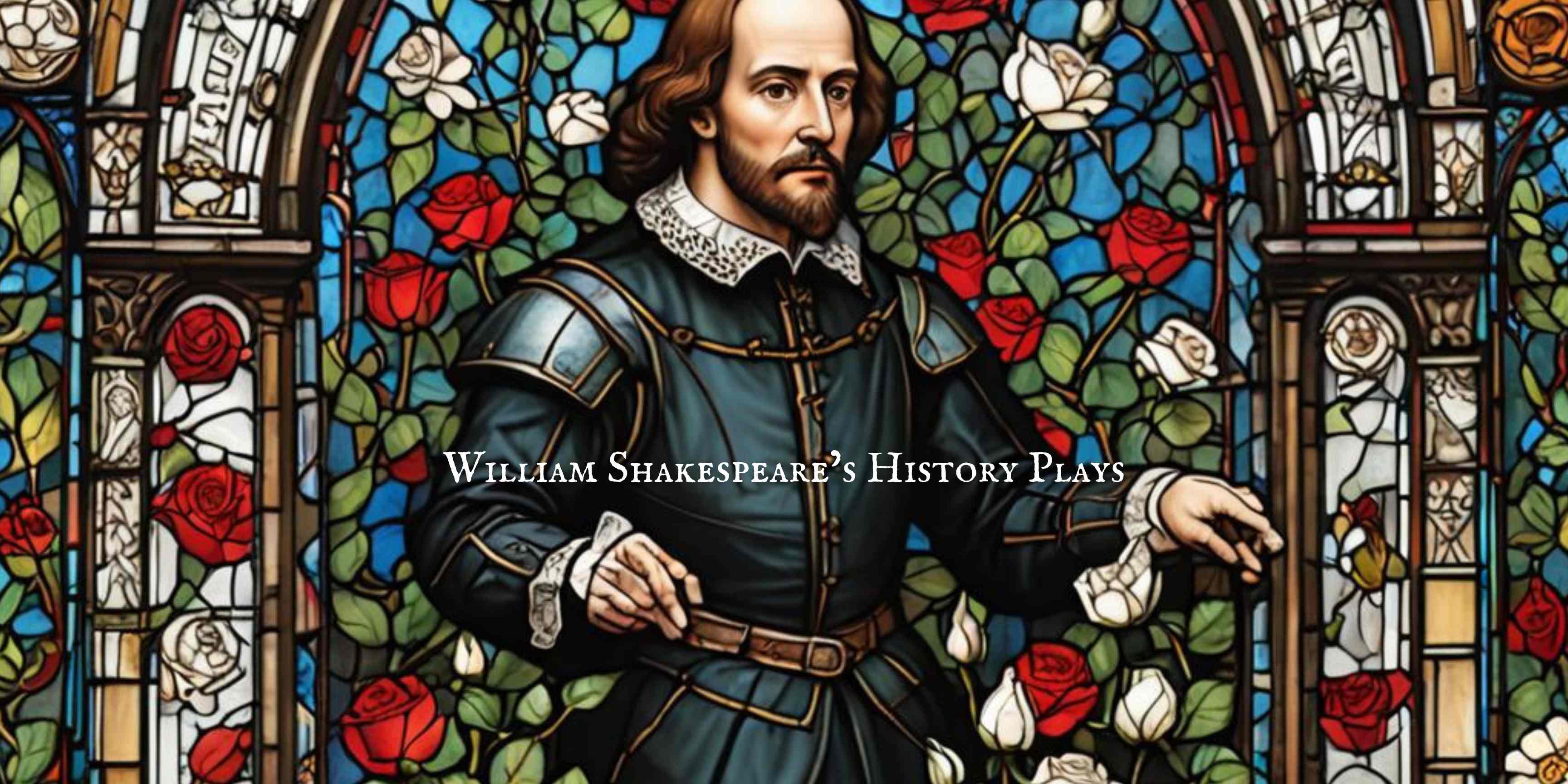
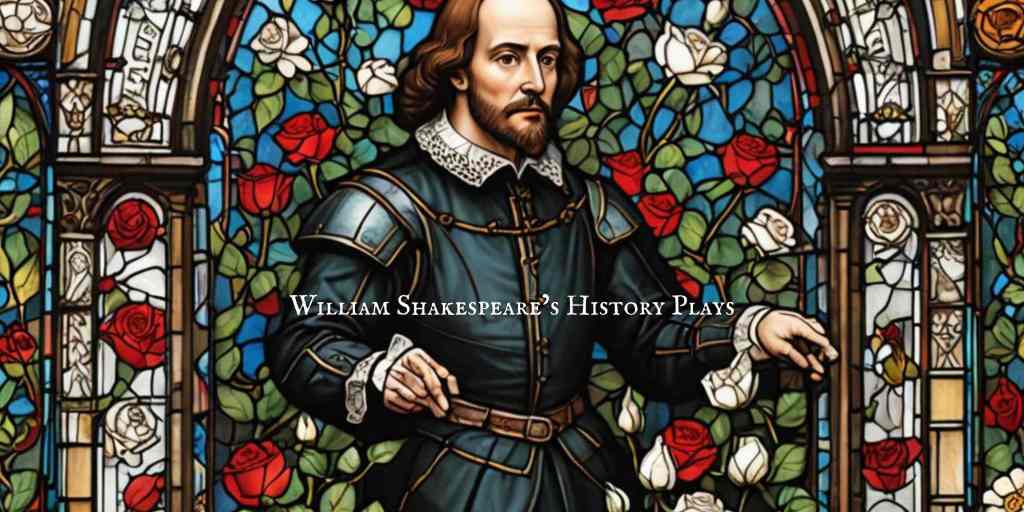
Parent Description- A fully online, fully interactive course into Shakespeare’s histories taught by a professional text coach and actor.
Students- Uncover the scandalous and gory history behind Shakespeare’s most action-packed plays! Shakespeare’s histories have inspired such works as “Empire,” “Game of Thrones,” “Hamilton” and even the “Star Wars” trilogy. This class will unlock for you why these stories of power and betrayal have been so popular for 400 years.
Format:
0. The class will have a Nearpod with slides, activities, and links to my other resources. The class will be a combination of slides, activities, and videos. Each class will have
Weekly Discussion questions via Google Forms such as: “What do you know about Shakespeare the man?” or, “Are Shakespeare plays still relevant today?”
Video Analysis- Every week I’ll discuss a different play with a short video.
I’ll provide some context, explaining what is happening in the play durin the speech, and any relevant historical context.
We’ll watch a recording and the students can write their impressions on what they like and don’t like.
Immersive activities such as:
– Shakespeare arts and crafts and recipes such as making costumes and props.
– My online Shakespeare board game.
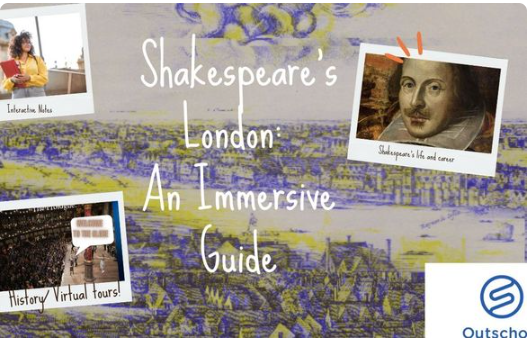
Virtual tours of the Tower Of London,
Weekly Web Quests like “find a Shakespeare quote that you use in normal speech,” “find a movie or character that’s based on Shakespeare,” or “Draw a picture of a Shakespearean character (stick figures are acceptable).
6 Week Course
Week 1 – Why Hamilton is Like A Shakespeare History Play Hamilton and Shakespearean History We’ll discuss what makes a history play a history play, why they were so popular in Shakespeare’s day, and draw parallels between Shakespeare and the Broadway Musical “Hamilton.”
What is a history play?
Song quest: Watch the Horrible histories king song
Worksheet- which Shakespearean character reminds you most of Hamilton?
What would you call the tone of this speech? Patriotic? Mournful? Excited? Bitter?
The deposition Scene (video- 3 minutes)
The danger of this scene:
Though Queen Elizabeth I is now almost universally beloved, she wasn’t always in Shakespeare’s time. By 1601, she was 68 years old and had no male heir. Her government had also failed to put down a rebellion in Ireland. Some people in her government were getting restless.
Robert Devereaux, Earl of Essex was one of those restless nobles. He’d been one of the Queen’s favorites, but after failing to crush the rebellion in Ireland, his relationship with her sourered. He then plotted to rebel against the Queen, and take the throne for himself.
To do that though, Essex would need to get people on his side, so he recruited Shakespeare! One of Essex’s servants paid Shakespeare’s companies to perform a scene from Shakespeare’s Richard II; the scene where a handsome and charismatic nobleman convinces the king to willingly give up his power.
This scene was so dangerous that when the play was published, it was taken out by Elizabeth’s censors.
Playing Richard video: Fiona Shaw Questions What does making Richard female emphasize for an audience? What point does Shaw’s performance say about women in power?
Week 3 Henry V week
Tom Hiddleston as Henry V
Basic plot- Young king fights a war and conquers France proving himself to the world.
Olivier vs. Branaugh
-Concept- what if the play was a Hockey movie?
Henry is like the coach or team captain who gives inspirational speeches
The underdogs win
The snooty bad guys lose
How this translates to staging fights/ directing the characters (website/ youtube interviews)
Activity= write a trailer or design a poster for Henry with a cool tag line.
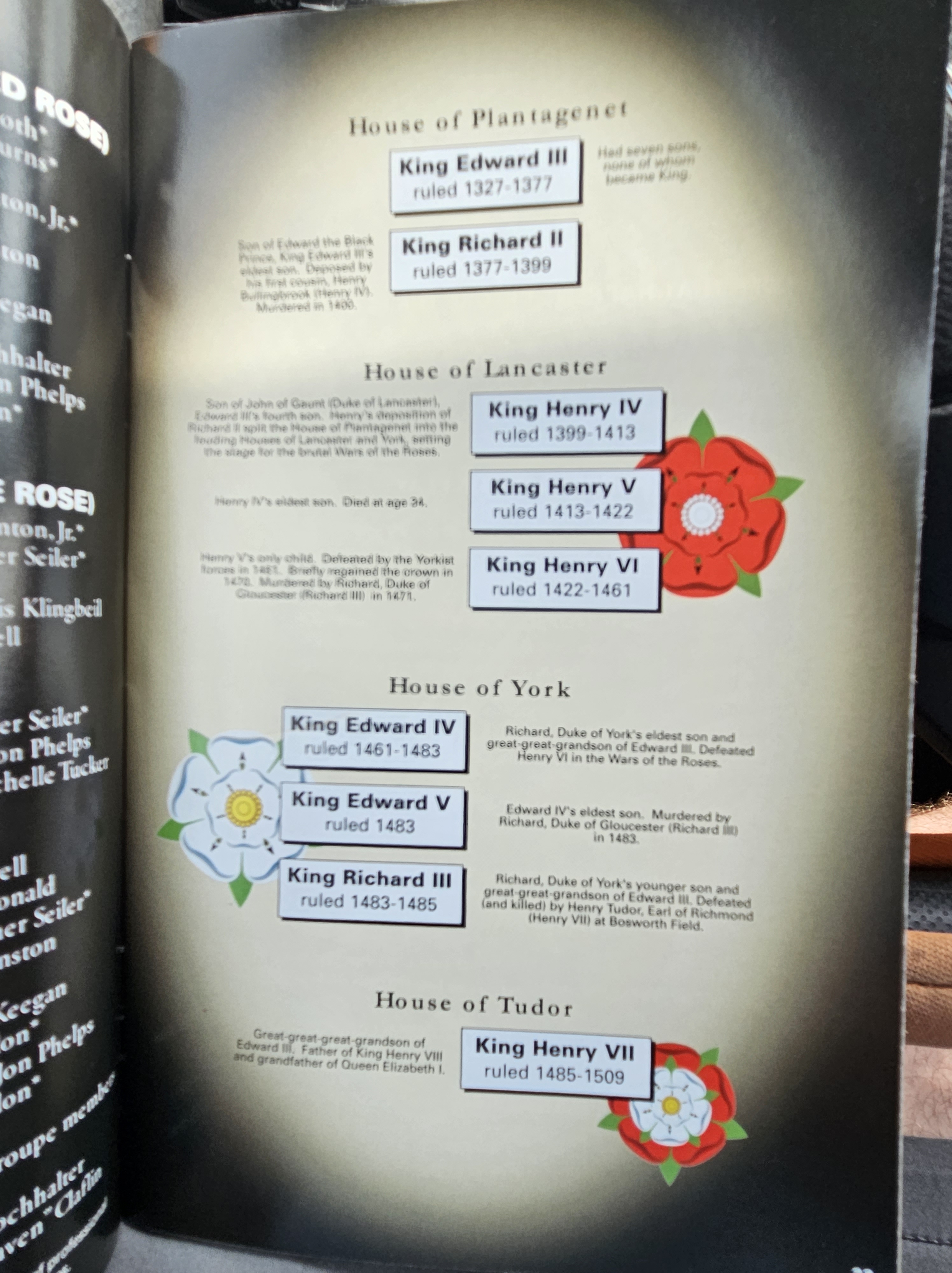
Week 4- The Wars of the Roses-
Summary of the three Henry VI plays
Wars of the Roses Horrible Histories
Web quest- research one major character from the 3H6 ASC website:
Richard of Gloucester
Henry VI
Margaret of Anjou
Richard of York
Medieval warfare
Watch one of the Weapons that Made Brittain videos and answer 5 questions.
The battles of the Wars of the roses
Costumes
Week 5- Richard III- The rise of the corrupt king
Close reading- “Now Is the Winter of Our Discontent”
Slides on Richard’s plot.
Richard and Machiavelli
Richard and Emperor Palpatine
Richard and Modern Leaders
Richard vs. the Amir of Gloucester
Propaganda activity- make a campaign slogan/ poster for Richard.
Using self-paced online activities, your child(ren) will compare the plot and characters of Star Wars to Shakespeare’s plays. We will also discuss Shakespeare writing by looking at “William Shakespeare’s Star Wars” by Ian Doescher.
Course Description
Concept: To compare and contrast the plot, characters, themes, and language of Shakespeare’s plays with Star Wars
Student Description:
Epic battles, quests for revenge, pirates, funny characters, powerful warriors swinging swords. Star Wars has something for everyone. But did you know that in many ways, Star Wars is based on the ideas and writings of William Shakespeare? In this course we’ll peer beneath the veil of Shakespeare and Star Wars to find the universal stories of love, revenge, power, and growing up, using games, artwork, and dramatic readings by professional actors!
Did you know that Star Wars is based on the ideas and writings of William Shakespeare? This class will teach you about writing and characters though games, interactive activities and dramatic readings of both Star Wars and Shakespeare!
Course organization (the class is divided into 6 parts that students can complete at their own pace over a week-long period.
What parts of the Star Wars story are like Shakespeare’s plays?
Are Shakespeare and the Star Wars movies saying anything similar about war? Families? Growing up?
Lesson Objectives
To teach about the characters and plot of Star Wars by comparing them to Star Wars
To introduce the concept of archetypes, tropes,
Set the Scene
Star Wars is about an evil empire trying to take over the galaxy. They have more ships, more soldiers, and a fearsome weapon that can blow up planets. The rebels on the other hand, though fewer in number, are faster, smarter, and have the advantage of fighting for a good cause.
In addition, the story is about growing up- Luke becomes a Jedi Knight. He takes revenge on the man who destroyed his father.
The Players (slides)
Luke
Obi Wan/ Yoda
Vader
Leia
Han
R2D2 and C3PO
The Emperor
Words Words Words
Epic
Parody
Theme
Plot
Archetype
Character
Trope
Theme
Class 2: The Journey of Han and Leia
Han and Leia vs. Beatrice and Benedick
Show videos of Han before Leia
Plot summary of Much Ado
Clips of the bickering of Benedick and Beatrice
Read blog and look at the writing.
Activity- how would you write a love letter to Han or Leia?
Play the scene from Jedi
Unit 2- The Prequels and Shakespeare’s Histories
A Crash Course in Shakespeare’s Histories
The Rise of Palpatine/ Richard III
Emperor Palpatine in Star Wars rises to power through a combination of manipulation, intimidation, and by killing his opponents.
Bio of Richard III
Slide- Richard’s rise to power
Slide- Palpatine’s rise to power
Quizlet
Unit 3- The Verse of William Shakespeare’s Star Wars by Ian Doescher
What is William Shakespeare’s Star Wars
Introduce the plays
Explain how Shakespeare’s verse works
Look at the common verse elements
Sonnets
Show the chorus of “Verily a New Hope”
It is a period of civil war. The spaceships of the rebels, striking swift From base unseen, have gain’d a vict’ry o’er The cruel Galactic Empire, now adrift. Amidst the battle, rebel spies prevail’d And stole the plans to a space station vast,Whose pow’rful beams will later be unveil’d And crush a planet: ’tis the DEATH STAR blast. Pursu’d by agents sinister and cold,Now Princess Leia to her home doth flee, Deliv’ring plans and a new hope they hold:Of bringing freedom to the galaxy .In time so long ago begins our play,In star-crossed galaxy far, far away
Stychomichia
Half lines
Enjambment
Title Crawl (make a gif via Canva)
Side By Side Comparisons
Read/ watch segments of the play
To Be Or Not To Be
All the World’s a Stage
St. Crispin’s Day Speech
Try to turn a Star Wars line into verse, and then look at the reveal.
Unit 4- Literary Devices of William Shakespeare’s Star Wars
Using the educational guide, we’ll learn about the following literary devices:
Extended Metaphors (Luke’s green lightsaber)
Anaphora (Luke’s call to action in Jedi)
Premonatory Dreams (Calpurnia)
Stichomythia Richard III vs. Han and Leia
Unit5- The Hero’s Journey of Luke Skywalker
Class 1: What is a Hero’s Journey (Slides)
Learn a little about Joseph Campbell’s monomyth. using the Percy Jackson post, Crash course video about monomyth
Chart Luke’s monomyth journey
Activity- Mad libs- write a star wars movie!
Quiz on plot elements from the monomyth (Quizzes or Quizlet)
Class 2 : Hamlet and Luke Skywalker
Plot comparison
(use infographic)
Quote from Doescher:
Hamlet The Tragedy of Hamlet, Prince of Denmark is Shakespeare’s most famous play. It’s also the play I make the most references to in William Shakespeare’s Star Wars.
To Be Or Not to Be
Use my video about the speech to explain the structure
Note how Doescher repurpuses every line in the Star Wars Trilogy:
Sometimes it expresses fear:
Sometimes concern:
Frustration: “The whips and scorns of time”
Hope: “The undiscovered galaxy” “Tis a consummation devoutly to be wished.”
Activity: write your own paraphrase of Hamlet’s speech, using the 6 beats I provided.
Greetings mystery lovers! This project started out as a labor of love to keep my own children entertained, but since they loved it so much, I thought I’d adapt it for my own students over Outschool. Get ready to take a trip to the wild and mysterious town known as Gravity Falls!
Concept: To create a fun, informative program on astronomical subjects for children ages 8-12
Student Description: Save the Mystery Shack from Bill Cypher, and learn about secret codes!
Parent Description Using self-paced online activities, and a helpful handout, your child(ren) will learn about secret codes and cyphers as they defeat Bill, the villain from the popular Disney show Gravity Falls. The class will cover the basics of codes, cyphers, and computer coding.
The goal of the class is to introduce young people to codes and ciphers, with a little introduction to computer coding as well. Students will learn by translating the coded messages, learning about computer code, and practicing it in online games.
Class Experience Outline
The class is organized into 5 parts that students can complete at their own pace over a week-long period). When you sign up for the class, I will send you a link to a website, (powered by Google Sites), that will feature embedded YouTube videos and Google slides that you can complete at your own pace. Some pages require you to search for a picture and click on it to advance (a sort of I-spy game). If you are confused, a handout will be provided that gives helpful hints and answers the questions.
Part I: Introduction to Bill and Ciphers
The class will begin with a short YouTube video embedded into a Google Slide where the evil Bill Cipher appears and demands that the learner must solve his puzzles and codes. The learner will get a background on codes via a video starring Waddles the Pig. The next few slides will introduce the concept of a cipher- a code where a number, letter, or symbol represents a letter of the alphabet. You will be given the real cipher used in the show and use it to translate Bill’s cryptic poem.
Unlock the Ciphers– You will unlock a series of messages using an atbash and a Caesar Cypher. Enter the answer on the websites. Then you will go to the actual Gravity Falls website to unlock the final one.
Find the Tokens To stop Bill, you need to trap him using 8 magical tokens. You’ll find these tokens by finding and clicking them within the pages of the Google Sites website. Each one is inspired by a prop from the show- a hat, an image on a sweater, etc. While you are there, you will play a series of mini-games to test your knowledge and introduce you to the world of computer coding. The final activity introduces you to the website Scratch, a website that teaches children the basics of computer coding. Using a handout and the Scratch website, you will create a short animation using computer code! You will unlock a series of messages using an atbash and a Caesar Cypher. Enter the answer on the websites. Then you will go to the actual Gravity Falls website to unlock the final one.
IV. Home Activity: Dipper’s Guide to Everyday Weirdness
You will be provided with a handout that teaches you how to spot a conspiracy, how to research online safely, and a hidden secret code that answers one of the show’s biggest mysteries!
Conclusion: Fight BIll! In an animation, you will trap Bill within a book using the tokens! As a reward for your bravery and intelligence, the heroes of the show will give you a few more special handouts and printables to help you continue your fight against evil. Stay curious and STAY WEIRD!
Learning Goals
Students will learn about the science of cryptology by practicing their code-breaking skills. This in turn will develop their critical thinking and problem-solving skills. The course also touches on the science of optical illusion and computer coding, which helps students understand how their brains work and how computer programmers create their favorite games. Finally, the course teaches about the concept of conspiracies and how important it is to use verified legitimate sources when looking at information, especially on the internet.
Share this class with a friend — new users will get $20 USD off!
You’ll also get $20 USD when they sign up with your link and take their first class!
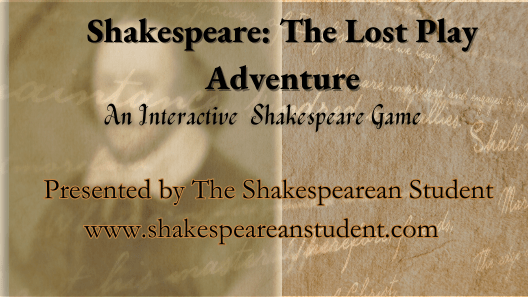
This Friday is the grand premiere of my new online class: “Shakespeare: The Lost Play,” where you discover who stole Shakespeare’s play. Below is the latest trailer.
Since I want as many people to play as possible, I’m creating a coupon: Get $10 off my class “Shakespeare’s Lost Play Mystery Game” with coupon code HTHES4OXNY10 until May 8, 2023. Get started at https://outschool.com/classes/shakespeares-lost-play-mystery-game-ny9HhlxI and enter the coupon code at checkout.
This is an interactive game that teaches the craft of Shakespeare’s writing and stagecraft in the form of an Elizabethan escape room. You must find the lost play of William Shakespeare before a mystery thief destroys it! Solve the clues and learn about Shakespeare’s writing and theater to uncover a historical mystery!
Course Description
In this fully online, fully interactive game, you play as a member of Shakespeare’s company. You’ve just discovered that someone has stolen Shakespeare’s new play “Love’s Labors Won,” and you need to find it before the show tonight! In the course of the game, you search the Globe Theater and Shakespeare’s study. Then a mysterious note reveals that someone has stolen the play! You must figure out who it is, and find the play before the thief burns it! Through the course of the game, you will learn about Shakespeare’s theater, the secrets of how he wrote some of his great plays and beautiful poetry, and the work of his contemporaries in a fun, interactive way.
The class is organized into four parts, based on four locations where you will search for the missing play:
Part I- Search the Theater
Part I- Search the theater (website/ Slides/ Jamboard) You learn the basic parts of an Elizabethan stage (Google slides) You label the parts of the theater (Google Forms) You do a virtual tour of the theater (via Globe Theater.com) Web quest- answer 3 questions about Shakespeare’s Globe: https://www.shakespearesglobe.com/ (handout) You search the tiring house (the backstage area of the Globe), and find the letter from the thief (Sites).
Part II- THe Crime
A video plays where the thief declares that he’s stolen Shakespeare’s play for money and revenge. After the video, you will learn about plays, printing, and theft in Shakespeare’s day through a series of Google Slides Activity- make a folio, quarto, and octavio with just a piece of paper (handout) Web Quest- answer 3 questions about how Shakespeare’s plays were printed and the first folio (Slides) Activity 2: make an actors’ scroll or roll the way that Elizabethans might use (video) Easter egg- find a pair of gloves in the print shop and answer questions.
You’ll gain new understanding of the types of plays Shakespeare wrote and their basic plot structure via Google Slides. You’ll then take a short quiz to confirm what you learned.
-Plot Structure You’ll learn about the basic structure of Elizabethan plays via Google Slides. A second set of slides will demonstrate the plot structure of Romeo &Juliet You’ll mix and match a series of plot elements to create your own Elizabethan play via Jamboard
Tragedy:
A hero is given some unwelcome news
He feels betrayed by those close to him
He agonizes about the ethics of killing someone close to him.
He kills someone (or banishes an honest man) and immediately falls into a downward spiral.
The hero does (this will be a mandatory choice)
Comedy:
The heroine disguises herself as a boy
A hero or heroine swears (s)he will never fall in love and immediately falls in love
The heroine pretends not to be interested in the hero, (but secretly loves him).
A loyal best friend is captured, sent to prison, or bewitched
The hero and heroine hate each other due to a series of misunderstandings.
The hero and heroine get married (this will be a mandatory choice).
History:
An ambitious young man arises to challenge the king for the throne.
The old king dies, (or is murdered)
A new king becomes king
Duels and or battles
Someone dies in battle
Someone is murdered, assassinated, or sentenced to death.
New King gets married
King and Queen reign peacefully (at least for now)
Romance ( if students pick this option, they can mix and match everything (except the main character dying)
Verse practice- You’ll learn about the verse Shakespeare wrote, through a series of slides and a jam board. Activity- You will be given a series of famous lines from plays and movies, (such as a quote from a Disney Movie, a Star Wars film, or a song). You will then determine if it is an iambic pentameter line (Google Slides). Easter egg- you find a second note from the thief (Google Sites).
Part IV- THe Tavern
You will look at a series of pictures and videos about Shakespeare’s contemporaries and try to figure out which of them stole the play. Through the handout, you will conclude who the thief is. You find a dagger in the tavern and take it. Outside the tavern, you will fight the thief in a short animation. GAME OVER.
THe FIrst Class starts April 28th, 2023. CLick here to register!
Richard the Second: “Non sans Droit?” by Paul Rycik The motto which I titled this post means “Not Without Right.” I chose it because it’s Shakespeare’s family motto, but also because in my view, Richard the Second is a play about the Divine right of kings; it asks whether kings are appointed by God, and if so, does that mean that they are free to do what they want, and whether or not they can be deposed. Today I want to examine how these questions are addressed in the play. I’ll do this by showing you passages from the text on video with a few notes by me. These recordings are by the Royal Shakespeare Company, England’s premiere acting troupe.
This picture from the National Gallery in London illustrates admirably how Richard, who was the son of the Black Prince, the greatest warrior in English history, truly believed he was appointed by God. It depicts the 10 year-old king in full golden robes, being blessed by the Baby Jesus, the Virgin Mary, John the Baptist, Edward the Confessor, and St. Edmund. As I said before, Richard was only 10 when he was crowned; he believed he was God’s representative his whole life.
Video #1– Act IV, Scene I David Tennent playing Richard the Second
This is a recording of the famous Deposition Scene in which Richard must give his crown up to Henry Bolingbroke. It is clear from the text that Richard considers this not only treason but a form of blasphemy. This is evidenced in such passages where Richard compares himself to Jesus, another king betrayed by his followers.
“So Judas did to Christ, but he in 12 found truth in all but one, I in 12,00 none,”
Richard is in no doubt that he is appointed by God, and anyone who tries to question or depose him is damned.
Other characters take differing views on the divine right- the gardeners don’t believe in divine right- to them, a kingdom is ruled by men, not divine incarnations. They are pragmatic and think Richard’s claims foolish
Video #2 Act II, scene I-Patrick Stewart speaking as John of Gaunt
John of Gaunt believed in divine right, that’s why he killed Woodstock. In this famous speech, Gaunt reveals his passion for England, how he believes it has a special place among nations, and that a king’s duty is to protect it. But, when Richard sells land, Gaunt is forced to question how can a king be divine if his actions are wrong. He even suggests that Richard is no longer worthy of his royal blood: “O, spare me not, my brother Edward’s son; that blood already, like the pelican, hast thou tapped out and drunkenly caroused.”
Picture #2 Henry Bolingbroke from the 1975 production of Richard II
Bolingbroke’s motives are secret throughout the play. We don’t know if he always intended to seize the crown, whether he was forced to by his followers, or if he was forced to because Richard put him in an impossible position- his father’s lands seized by the crown and himself an exile. Equally enigmatic is if Bolingbroke believes in divine right. If he does, Bolingbroke must feel unimaginable guilt, especially in the scene when Richard is deposed. (Act IV, i) In the scene, Richard warns Bolingbroke that God will damn him for betraying his king, “The deposing of a king and cracking the strong warrant of an oath, marked with a blot, damned in the book of heaven.”
Once Richard is dead, Bolingbroke is forever shaken, paranoid, and fearful of assassination. My thinking is that Bolingbroke did believe that what he did was truly terrible and he spends the rest of his life mourning over it. This is why in the next play, Henry IV, Bolingbroke, now the king, says one of the most famous lines Shakespeare ever wrote: “Uneasy is the head that wears the crown.”
As you can see- there are several differing viewpoints on the issue of divine right- some people believe in it, some don’t. Thus the issue is never resolved because no one is proven right. I’ve written before that on controversial issues, Shakespeare never presents one view stronger than the other; he gives voice to every side of an issue and merely shows the conflict that happens when these characters fight with each other. It is up to the audience to choose sides.
Interesting Side note: The Deposition Scene I referred to earlier has a very disreputable history- it was considered anti-government because the censors claimed it favored the deposing of kings. One of the Queen’s favorite lords, the Earl of Essex ordered the scene played on February 7th, 1601 for that purpose. He planned to use it to rally the people and start an armed rebellion against the queen. Shakespeare’s entire company was arrested and interrogated as co-conspirators. Fortunately, they got away with it, as this document shows:
Document: Examination of Augustine Phillips, February 17, 1601
Examination of Augustine Phillips, February 17th, 1601
Shakespeare’s company claimed that the only reason they put on the play was that the lords offered more cash than the usual fee for performing at court. They got the government to buy their story, but, (as scholar Michael Wood claims), maybe the Queen wasn’t fooled- she asked them to perform the same play, right before Essex’s execution. When he died, she was reported as saying: “I am Richard the Second, know ye not that.”
Outschool.com William Shakespeare’s Histories Poster
If you liked this post, you might enjoy signing up for my course on Shakespeare’s History Plays on Outschool.com. Click the link below to sign up:


















 The Shakespearean Student