I’m pleased to announce that I’ve created a fully online, interactive Shakespeare class for kids ages 6-11 to start them on a lifelong journey of Shakespeare! The course will include games, videos, webquest activities, and puppet shows!
Title: Shakespeare for Kids!
Purpose:
Video trailer
The goal of this class is to introduce Shakespeare to young children in a fun and interactive way. For example, each lesson starts with a fun and funny introduction to a Shakespearean topic by our friend Puppet Shakespeare. Each class will also feature interactive games and quizzes that break down the poetry, language, characters, and plots of Shakespeare to help kids lose their “Shakes-fear” and begin engaging with classic literature
Each class builds from learning about Shakespeare to learning about the language and poetry of his plays, to finally an in-depth analysis of one play: “A Midsummer Night’s Dream.” After watching videos, playing games, and filling out handouts about these topics, the student will go on a “webquest,” that is, a series of webpages that feature activities, outside websites, and a short- puppet show retelling of “Midsummer” for the student. The goal is that by the end of the course, the student will be able to understand the dialogue of the play, summarize the story, know the characters, and enjoy the poetry.
Format: Nearpod with video and web links.
Ages 6-10
Description: 2 week course, $10 per week.
Part I: Who Is Shakespeare?
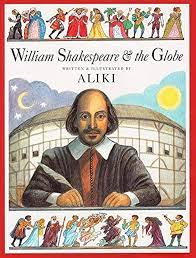
Learn about Shakespeare’s life and career with an interactive timeline, handouts, and an engaging puppet show! This section will include me reading from the excellent children’s book: William Shakespeare and the Globe by Aliki.
Part II: Words, Words, Words
WIlliam Shakespeare (Or Bill as I like to call him), wrote in a very special way. Back then playwrights were called poets, so not only did he have to make plays, he had to write them so they would sound like lines of poetry.
Part III: Shakespeak
Figure out how to translate all the “thees” and “thous” that make reading Shakespeare a challenge nowadays
Part IV The Play’s the Thing!
What kinds of plays did Shakespeare write? This handy lesson will teach you about the basic types of plays Shakespeare wrote, and give you a quick summary of each!
Part V: Disney vs. Shakespeare
Poster for Disney’s Elemental, which bears many similarities to Shakespeare’s Romeo and JulietContinue reading →
As a parent, I know it’s hard to keep kids occupied during the summer. That’s why I have classes on Shakespeare’s life, Romeo and Juliet, and my celebrated Stage Combat class! Sign up now for all the fun on Outschool.com!
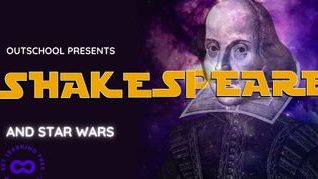
Shakespeare and Star Wars
Class Description: Using self-paced online activities, your child(ren) will compare the plot and characters of Star Wars to Shakespeare’s plays. We will also discuss Shakespeare’s writing by looking at “William Shakespeare’s Star Wars” by Ian Doescher.
Romeo and Juliet Murder Mystery
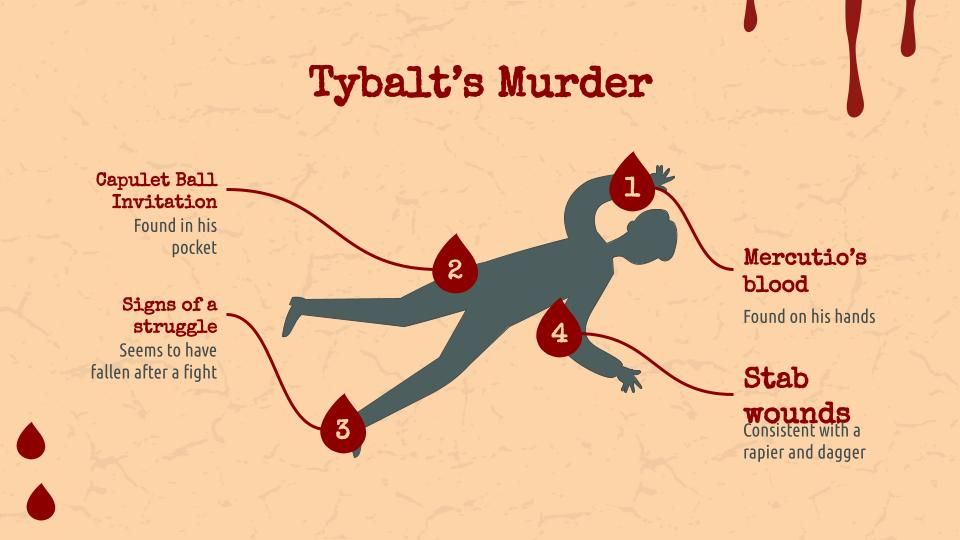
Course Description: A flexible schedule class that teaches kids the plot and characters of “Romeo and Juliet,” in the context of a detective story where you solve the mystery of the young lovers’ deaths.
Course Descriptions
How to Write Like Shakespeare: Learn the basics of iambic pentameter, sonnet form, and Shakespeare’s dramatic structure, and practice writing Shakespearean speeches.
Exciting News!
Our friend Puppet Shakespeare will finally get to host a series of classes for kids!
I’m working on a Harry-Potter inspired course that teaches science with a magical flavor. I’m also working on a Shakespeare for children course. Stay Tuned!
Using self-paced online activities, your child(ren) will compare the plot and characters of Star Wars to Shakespeare’s plays. We will also discuss Shakespeare writing by looking at “William Shakespeare’s Star Wars” by Ian Doescher.
Course Description
Concept: To compare and contrast the plot, characters, themes, and language of Shakespeare’s plays with Star Wars
Student Description:
Epic battles, quests for revenge, pirates, funny characters, powerful warriors swinging swords. Star Wars has something for everyone. But did you know that in many ways, Star Wars is based on the ideas and writings of William Shakespeare? In this course we’ll peer beneath the veil of Shakespeare and Star Wars to find the universal stories of love, revenge, power, and growing up, using games, artwork, and dramatic readings by professional actors!
Did you know that Star Wars is based on the ideas and writings of William Shakespeare? This class will teach you about writing and characters though games, interactive activities and dramatic readings of both Star Wars and Shakespeare!
Course organization (the class is divided into 6 parts that students can complete at their own pace over a week-long period.
What parts of the Star Wars story are like Shakespeare’s plays?
Are Shakespeare and the Star Wars movies saying anything similar about war? Families? Growing up?
Lesson Objectives
To teach about the characters and plot of Star Wars by comparing them to Star Wars
To introduce the concept of archetypes, tropes,
Set the Scene
Star Wars is about an evil empire trying to take over the galaxy. They have more ships, more soldiers, and a fearsome weapon that can blow up planets. The rebels on the other hand, though fewer in number, are faster, smarter, and have the advantage of fighting for a good cause.
In addition, the story is about growing up- Luke becomes a Jedi Knight. He takes revenge on the man who destroyed his father.
The Players (slides)
Luke
Obi Wan/ Yoda
Vader
Leia
Han
R2D2 and C3PO
The Emperor
Words Words Words
Epic
Parody
Theme
Plot
Archetype
Character
Trope
Theme
Class 2: The Journey of Han and Leia
Han and Leia vs. Beatrice and Benedick
Show videos of Han before Leia
Plot summary of Much Ado
Clips of the bickering of Benedick and Beatrice
Read blog and look at the writing.
Activity- how would you write a love letter to Han or Leia?
Play the scene from Jedi
Unit 2- The Prequels and Shakespeare’s Histories
A Crash Course in Shakespeare’s Histories
The Rise of Palpatine/ Richard III
Emperor Palpatine in Star Wars rises to power through a combination of manipulation, intimidation, and by killing his opponents.
Bio of Richard III
Slide- Richard’s rise to power
Slide- Palpatine’s rise to power
Quizlet
Unit 3- The Verse of William Shakespeare’s Star Wars by Ian Doescher
What is William Shakespeare’s Star Wars
Introduce the plays
Explain how Shakespeare’s verse works
Look at the common verse elements
Sonnets
Show the chorus of “Verily a New Hope”
It is a period of civil war. The spaceships of the rebels, striking swift From base unseen, have gain’d a vict’ry o’er The cruel Galactic Empire, now adrift. Amidst the battle, rebel spies prevail’d And stole the plans to a space station vast,Whose pow’rful beams will later be unveil’d And crush a planet: ’tis the DEATH STAR blast. Pursu’d by agents sinister and cold,Now Princess Leia to her home doth flee, Deliv’ring plans and a new hope they hold:Of bringing freedom to the galaxy .In time so long ago begins our play,In star-crossed galaxy far, far away
Stychomichia
Half lines
Enjambment
Title Crawl (make a gif via Canva)
Side By Side Comparisons
Read/ watch segments of the play
To Be Or Not To Be
All the World’s a Stage
St. Crispin’s Day Speech
Try to turn a Star Wars line into verse, and then look at the reveal.
Unit 4- Literary Devices of William Shakespeare’s Star Wars
Using the educational guide, we’ll learn about the following literary devices:
Extended Metaphors (Luke’s green lightsaber)
Anaphora (Luke’s call to action in Jedi)
Premonatory Dreams (Calpurnia)
Stichomythia Richard III vs. Han and Leia
Unit5- The Hero’s Journey of Luke Skywalker
Class 1: What is a Hero’s Journey (Slides)
Learn a little about Joseph Campbell’s monomyth. using the Percy Jackson post, Crash course video about monomyth
Chart Luke’s monomyth journey
Activity- Mad libs- write a star wars movie!
Quiz on plot elements from the monomyth (Quizzes or Quizlet)
Class 2 : Hamlet and Luke Skywalker
Plot comparison
(use infographic)
Quote from Doescher:
Hamlet The Tragedy of Hamlet, Prince of Denmark is Shakespeare’s most famous play. It’s also the play I make the most references to in William Shakespeare’s Star Wars.
To Be Or Not to Be
Use my video about the speech to explain the structure
Note how Doescher repurpuses every line in the Star Wars Trilogy:
Sometimes it expresses fear:
Sometimes concern:
Frustration: “The whips and scorns of time”
Hope: “The undiscovered galaxy” “Tis a consummation devoutly to be wished.”
Activity: write your own paraphrase of Hamlet’s speech, using the 6 beats I provided.
I’ve begun listing my work on Teachers Pay Teachers including my Romeo and Juliet Mock Trial Project. If you could follow and like my content, it would really help me out!
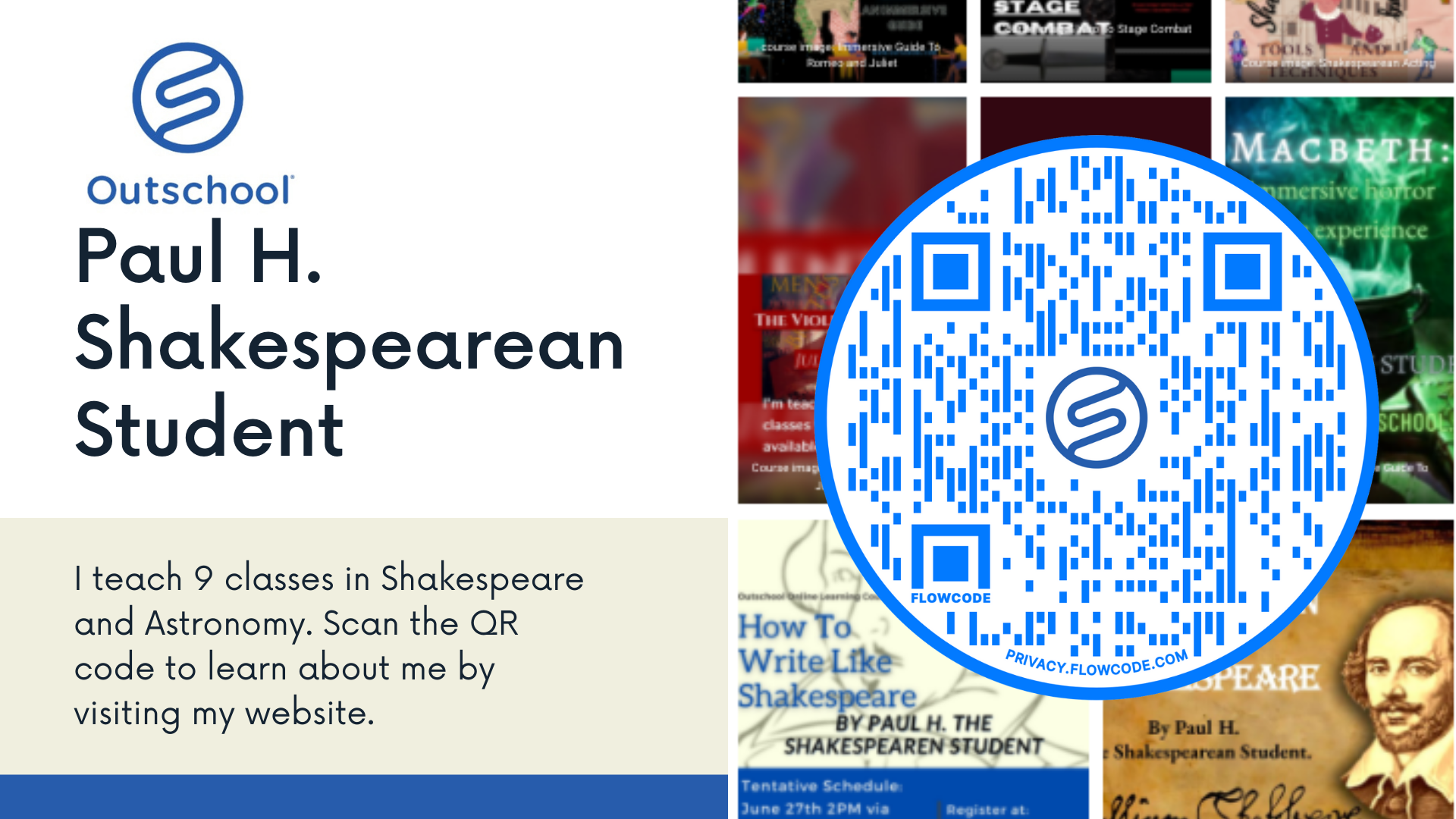
I’m beyond excited that I am able to offer three multiple week courses through Outschool for kids aged 6-12. If you scan the QR code below, you can see class descriptions and individual trailers. You can also check out the “My classes,” Page on this blog. I hope you and your family will join me this summer!
Outschool.com will be honoring the contributions of Shakespeare during the very first Shakespeare Week on March 21-27th.
course image: Immersive Guide To Romeo and JulietCourse image: Intro To Stage Combat
Course image: Shakespearean Acting Course image: The Violent Rhetoric Of Julius Caesar Course image: Basics of Shakespearean ActingCourse image: Immersive Guide To Macbeth course image: How to Write Like Shakespeare course image: Intro to Shakespeare
I’m honored to take part in this celebration, and I’m offering several aclasses which relate to Shakespeare in an engaging way. Here’s the schedule below:
If you want to sign up for one of my classes, please visit my Outschool page:
I’m very proud to announce that just in time for Valentines’ Day, I’m offering a course of classes about Shakespeare’s most popular play about love. The play will include fight choreography, dramatic readings, games, escape rooms, and an activity where the students create their own Shakespearean insults!
Course Description:
We’ll engage with the play with thoughtful discussion.
You’ll go on a virtual tour to the Globe Theater!
You’ll play detective and solve a Shakespearean murder!
Instead of just reading the play "Romeo and Juliet," this class will actively delve into the world of the play through a combination of lectures, dramatic readings, virtual field trips, online quizzes and activities, and finally, a digital escape room to test the student's knowledge of the play and its ideas. Each class is ala carte, meaning that once you take one class, you choose whether to stop at one class or continue onwards. Each class will delve into a different theme, literary device, and historical concept in the play:
Class Structure:
Class 1: Why Read Romeo and Juliet?
- The teacher will decode the Prologue of Romeo and Juliet and tell the basic story of the play
- We will explain dramatic irony through looking at the prologue,
- The teacher will explain why Shakespeare used poetry in the play, instead of just writing in common prose
- We will discuss why we still read Shakespeare and Romeo and Juliet in particular.

Class 2: Foils and Fights
- The learner will learn about the culture of dueling and sword fighting that was rampant in the 17th century.
- The teacher will explain and the learner will learn to recognize character foils in the play like Romeo and Friar Laurence
- We will cover the topic of antithesis- how opposite imagery permeates the play.
- We will discuss figurative language through insults and the students will have a contest to see who can craft the best Elizabethan insults!

Class 3: Acts 1& 2- The Language of Love and Hate
- We will recap how insults work- hyperbole and metaphor used to make someone seem the worst, the smallest, the ugliest, the dumbest, etc.
- We'll examine passages from Act II that show how these techniques apply to wooing and expressing love through metaphor, hyperbole, and allusions.
- The teacher will explain what a sonnet is and how Shakespeare uses them repeatedly in "Romeo and Juliet"
- We will discuss staging the famous Balcony Scene of Romeo and Juliet and ask if it's possible to do so in a virtual environment.

Class 3:  Act 3 fighting 💪 swordplay and plague imagery
The teacher will explain the plot structure of Elizabethan tragedies and explain that Act III is the climax of the play.
We will recap  the events that led to the deaths of Mercutio and Tybalt
The teacher will unpack Mercutio’s famous curse "A plague on both your houses," which is a foreshadowing, and the climax of the action.
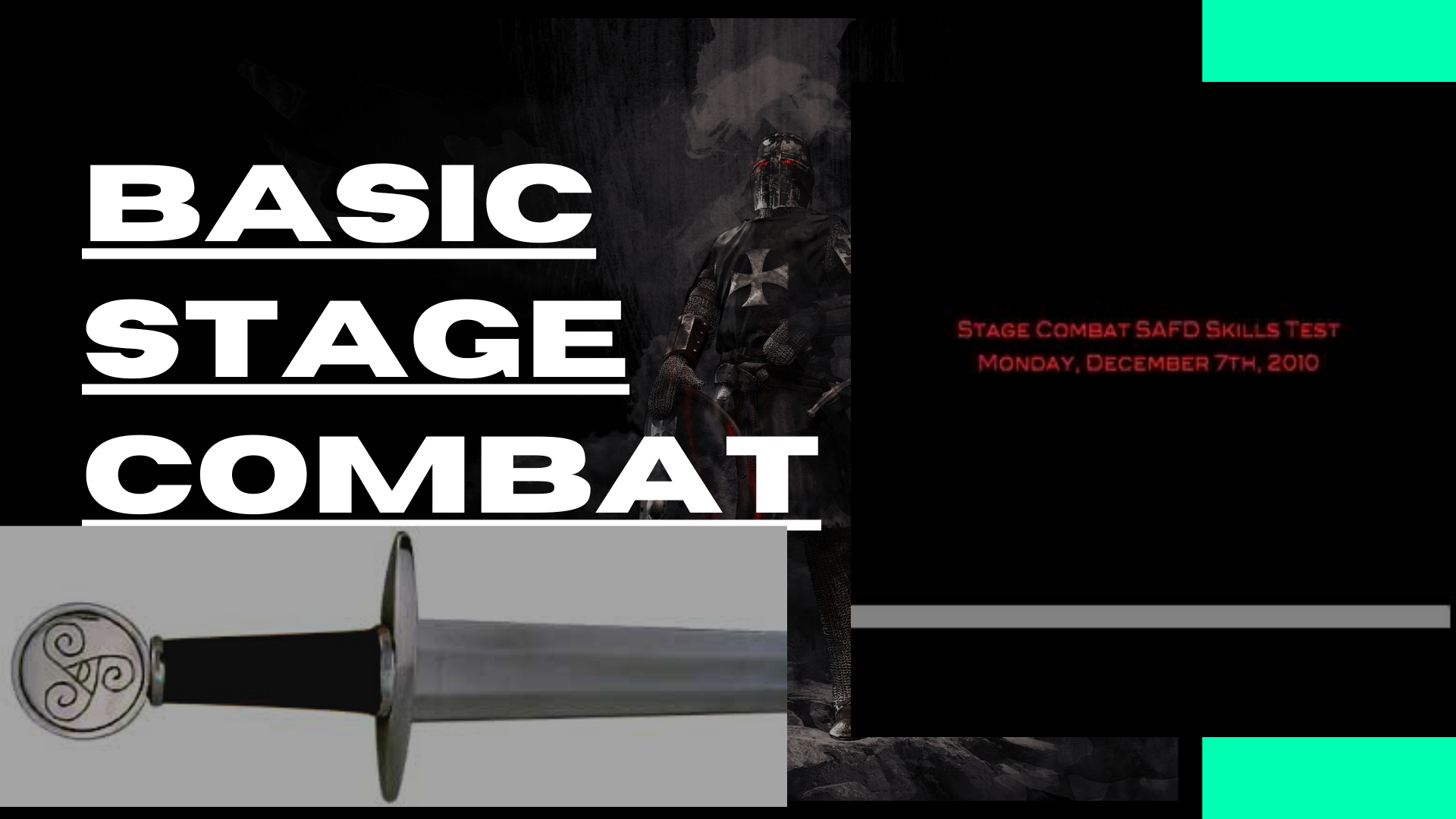
The class will end with a short, safe demonstration of stage fighting where the students may choose to enact Mercutio's fight with Tybalt and/ or Romeo's fight with Tybalt.

Class 4: Act 4 antithesis and dramatic irony
We will talk about the imagery in Act IV, scene 1, which foreshadows the end of the play. I will also do a dramatic re-enactment of Juliet's soliloquy in Act IV,
We'll go on a virtual field trip to an Elizabethan wedding.
The teacher will historical context of the black death and its relevance to the play and Shakespeare's life.

Class 5: The final curtain
We will discuss Act V of the play and how so many forces seemed to be out of Romeo and Juliet's control, pushing them apart. We will also discuss whether or not Friar Laurence should be punished for encouraging Romeo and Juliet to disobey their parents.

Class 6: Performance then and Now
The teacher will perform in character as William Shakespeare, and teach the students how to act like real Elizabethan actors. This will include a virtual tour of the Globe Theater, a virtual costume fitting, stage fighting lessons, and DIY Elizabethan crafts. The teacher will then engage the class by discussing different adaptations, sequels, and spin-offs of Romeo and Juliet, in order to illustrate how popular and long-lasting this story is. The students will watch and discuss clips from various movies, plays, and ballets based on Romeo and Juliet. The instructor will conclude by sharing his own experience acting in Romeo and Juliet three times as The Prince, Friar Laurence, and Peter.

Class 7:
Final project- CSI ROMEO AND JULIET STYLE
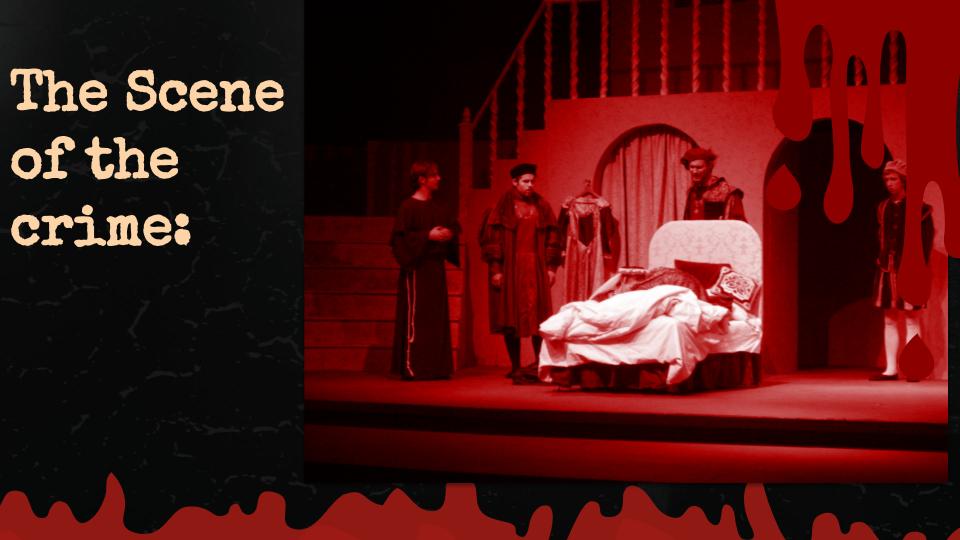
The class will play the role of a detective trying to solve the mystery of Juliet's death in Act IV, (when she actually takes the sleeping potion). (S)he doesn't know what happened but must piece together clues hidden in a digital escape room, such as handwritten notes, blog posts, receipts from "The Apothecary," etc. The clues will not only test the student's knowledge of the play, but their understanding of metaphor, verse, Elizabethan history, and more! In the end, the Detective will be the one who tells Lord and Lady Capulet the true story of what happened to Juliet. To unlock the digital escape room, the students will decode messages hidden in the clues and enter them into a Google Form.
First course runs from February 2nd to March 19th, 7PM EST. If you can’t make it to this section, I can schedule one for you.
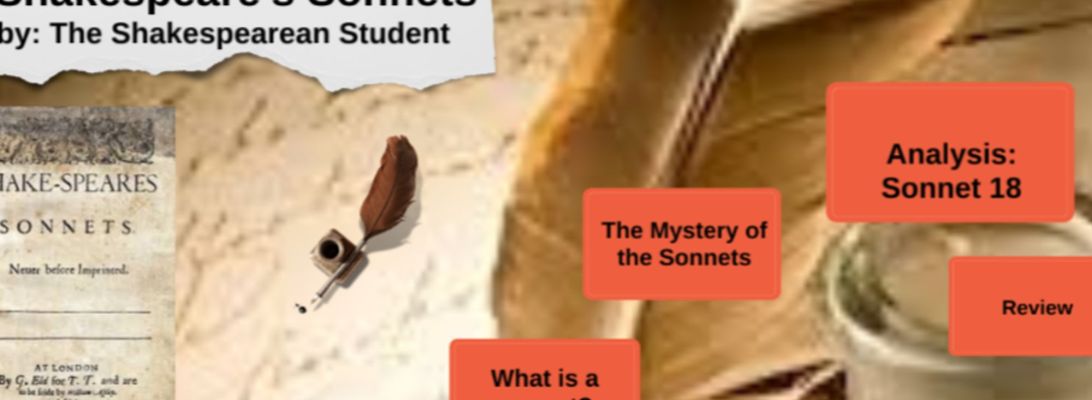
Your child will learn how to write poetry like Shakespeare himself, through a mix of presentations, a printable guideline, and some fun quizzes to test your knowledge of Shakespeare’s sonnets! Designed for ages 13-18.
Class Description:
We will cover what a sonnet is, namely a type of poetry Shakespeare wrote in iambic pentameter with a particular rhyme scheme. Using a combination of Prezi video presentation and Google Slides, I will go in-depth to explain how he organized his poetic ideas into a very compact form.
Using primarily Google slides, we will then analyze Shakespeare's sonnets for their themes, literary devices, and the way he uses the poetry to enhance and heighten emotion and ideas. I will focus mainly on Sonnet 18, "Shall I compare thee to a summer's day?" I will cover Shakespeare's use of such literary devices as:
- Metaphor
- Simile
- Personification
- Rhetorical Question
- Irony
- Paranomasia
Analyzing this sonnet will allow the class to grasp the basics of how a sonnet is constructed, and begin to prepare to write their own. While the presentation is in play, students will be given an access code to an optional Nearpod presentation, that will allow them to construct an iambic pentameter line, quiz themselves on the vocabulary I cover, and provide visual aides to better understand Shakespeare's sonnets.

In the next part of the course, We will engage in a group brainstorming session. I will provide the students with potential topics (assuming they don't have one of their own), and then we will construct a short story using madlibs around that topic that will later be condensed into a sonnet. I will demonstrate to the students how to use imagery and poetic language to enhance the ideas and feelings in the poem. After this, I will use the nearpod and Google slide presentations to guide the students how to tell their own story using such devices as metaphor, personification, allusion, and sensory details. They can jot their ideas down on the provided handout to help organize their thoughts. In addition, the optional handout will have useful brainstorming activities such as a web link to websites like Rhymezone.com, (which helps poets find rhymes to words), and imagery boards that will allow the students to think of sensory details to include in the sonnet . The class will draw attention to the handout activities, and pause briefly to allow the students to do them.


In the last part of the class, I will give the students step-by-step instructions on how to transform their brainstorming ideas into a sonnet. I will begin by showing them how to construct an iambic pentameter line. I will engage the students by clapping out the beats for this line and allow them time to do the same, so they may internalize the rhythm. This will be accomplished via a Google Slides screen.
The final page of the handout has a page to write a draft of their final sonnet, with the line numbers conveniently provided. I will go over every section of the worksheet so the students know how to utilize it effectively.

After all this practice and training, the students will be able to create a basic 14 line sonnet which will give them practice not only writing poetry but also using and recognizing literary devices. It is my hope that this course will not only help the student(s) gain an appreciation for Shakespeare's poetry but also develop their own ability to speak and write eloquently and persuasively.
From now to January 13th, I’m offering a $5 discount for any class that is $10 or more! You can take my Shakespeare classes for as little as $4! Go to my Outschool.com class and enter the coupon code: HTHESNIF6B5 at checkout!
If you’re new to Outschool, use the referral code below when you sign up. You’ll automatically get $20 USD offas a thank you to use on future classes! My referral code is: MaRDyJ13




















 The Shakespearean Student