How to Throw a Bridgerton Themed Party

Greetings Dear Gentle Readers,

With the new season just released on Netflix, I’m sure a lot of us literary nerds will rejoice and be happy to have an excuse to play dress up, eat some scrumptious food, and converse on the sweet little confection that is Bridgerton. What follows is by no means a comprehensive list of ideas, I just wanted to share some of my research that went into my own party in the hopes that it gives you ideas. Please feel free to respond to this post by commenting or by hitting me up on Twitter at @Shakestud and share your own Bridgerton Party Pics!

On A Personal Note:

Photo by rovenimages.com on Pexels.com

I seek you out at every social assembly because I know you will lift my spirits and make me see the world in ways I could not have imagined.”

Colin Bridgerton.

I need to give a special thank you to my wife in this post. She’s the one who introduced me to Bridgerton, did a lot of research into Regency etiquette and dining, and bought all the ingredients for the party. More than that, she is an extremely talented writer and educator who inspires me in ways even Penelope Featherington couldn’t enumerate. Watching Bridgerton has become a kind of nightly tradition for us and I am very grateful

Background: Bridgerton and the Gorgeous Georgian Era

Bridgerton is a period comedy on Netflix based on the popular novel series. It is set in an idealized version of the late 18th and early 19th century; a time when England was wealthy, cosmopolitan, and when one’s social standing was everything. The shows writers pay homage to great literary figures like Jane Austin, George Brimsley Sheridan’s The School For Scandal, Shakespeare (of course), and real-life scandal writers of the time; rags like Town and Country, The Spectator, and Courtesans.

My Personal Opinion on the SHow

Some people have criticized the show for not being historically accurate. Others claim that the show’s plots and characters are highly derivative from other comedies like Gossip Girl and others. I would argue that THAT’S THE POINT. Bridgerton is not trying to do anything original- it is nostalgia bait for literature nerds like me who know that shows like Gossip Girl are ripped off from classical sources. What Bridgerton does, is take these classic tropes, put them back into the period where they became popular, and then update the setting to make it more accessible to a modern audience. Much like the party ideas I’ll give you later, this show is like a sweet confection- comforting, unassuming, with an air of nostalgia and romance like a cup of tea and a crumpet.

https://www.vulture.com/article/bridgerton-characters-ranked-netflix.html

The show focuses on the hopes, dreams, and above all, loves of the Bridgeton family; a noble family in Georgian England. Viola, the matriarch of the house, seeks to find love matches for all her children and to avoid scandalous gossip. She does so through her own intelligence and through the help of her network of female friends, all while avoiding the watchful eye of Queen Charlotte (the powerful wife of King George III), and the mysterious scandal monger Lady Whistledown

Like its dazzling costumes, the show is very much fluff and feathers. Bridgerton’s use of color blind casting is extremely refreshing to me and it signals loudly and clearly that Bridgerton doesn’t want to be painstakingly historically accurate. This is an candy-coated and show that concocts an idealized version of Georgian society- one where painful racial problems are thrown out, there are few economic or political problems to sour one’s pallate, but everybody is rich and pretty and looking to fall in love with a wealthy eligible young man or lady.  So, with a concept this delicious, I knew I had to throw a party based on it!

Part One: The Invitations

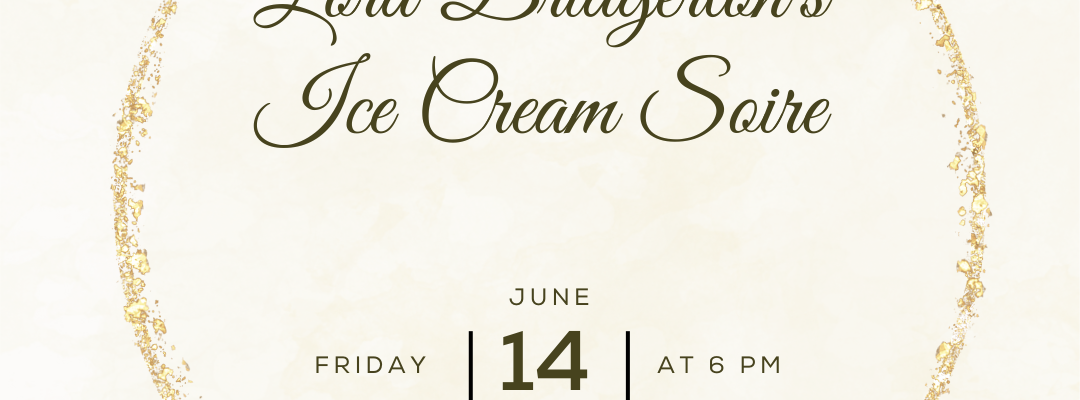
There’s a ton of fancy invitations templates  online. Below is an invitation I created for free with an app called Canva and a parchment background picture I found online.
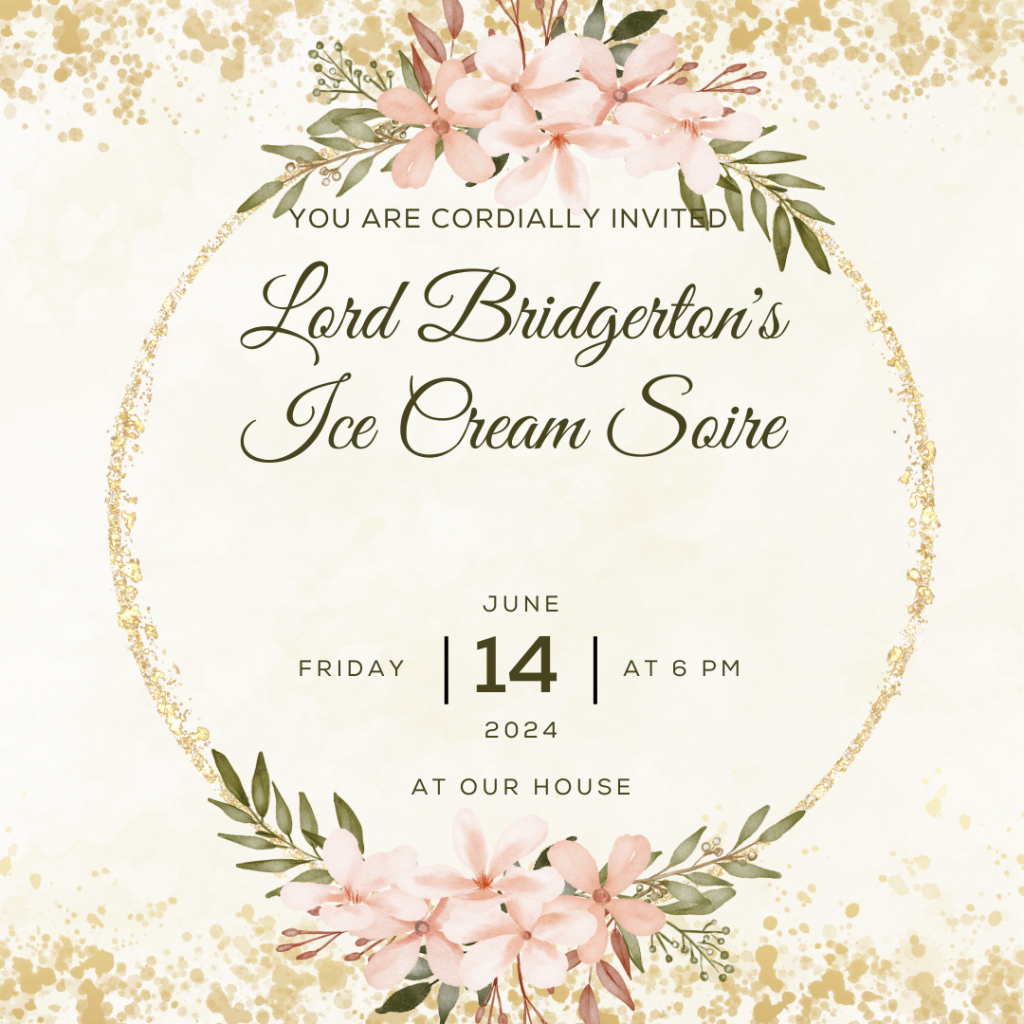
You probably also know that I am a huge fan of the website Immortal Longings because of their excellent Shakespearean art and they sell cards too. You can buy the cards or download the pictures on their website.

Shakespearean Greeting Cards from Immortal Longings.com

Part Two: Decorations

The Georgian Era was firmly in the Baroque era- a time known for opulence, excess, and as many frills as possible. Deck your home with as much gold, crystal lace as possible! Use electric candles liberally. Also, use curtains and fancy throw pillows to fancy up your dining room! Here are some more ideas from Chateau Challain:

Part Three: The Feast

As you can see, since the Georgian era was known as a time of wealth and excess, you could very easily break your wallet or your back trying to replicate an authentic Georgian dinner party, (especially if you lack an entire household staff to bring it to life). What we tried to do was distill some of my favorite foods from the Georgian era down and come up with an easy plan so that a plebian cooking-impaired soul like myself could make them at a reasonable price. I did not want my wife to have to cook for this, though she did wind up trying out a very interesting Georgian recipe:

Salmagundi

Thought I honestly doubt that the upper crust Bridgertons would ever eat this, it is an authentic Georgian recipe and it was common among middle class people, American Revolutionary War soldiers, and even pirates! It’s a savory salad that uses eggs, pickles, mixed greens and anchovies. The name is French for “hodge-podge” and it honestly can be swapped out with any number of ingredients. Here’s a recipe that’s pretty close to what my wife used:

https://ancestorsinaprons.com/tag/salmagundi/

1. dinner course- pie 🥧,  🥗 ,  cheese, grapes,  wine 🍷
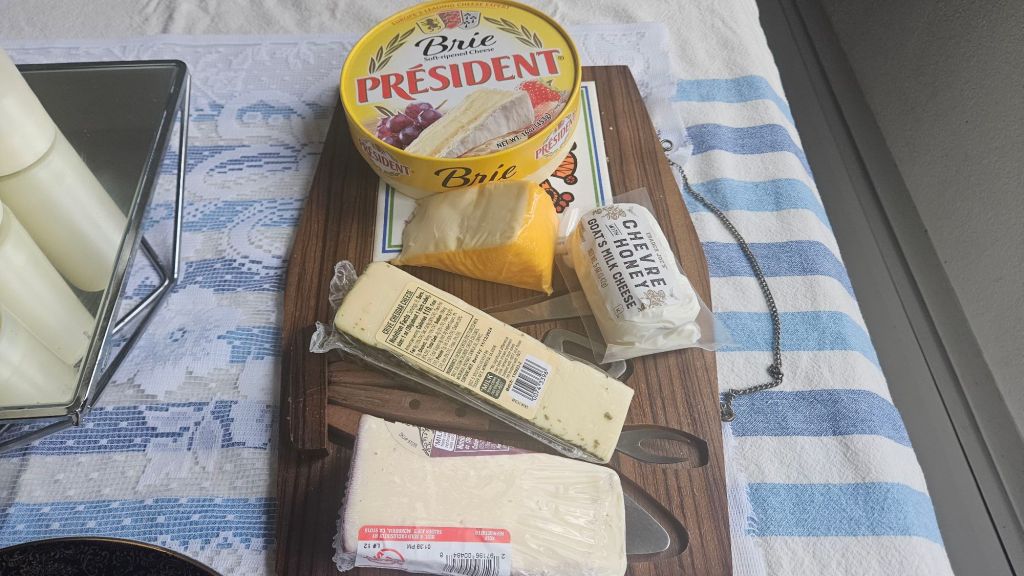
Just like decor, a party or ball amongst the nobility was a sign of wealth and status. If you wanted to impress foreign dignitaries or net a wealthy spouse, you had to show off the wealth and sophistication of your household. We served duck as the main dish since it’s the sort of game the Bridgertons would have on their land. My wife and I also served a meat pie as an homage to the one Daphne eats excitedly in Season 1. Meat pies were very popular in the British isles due to the lack of refrigeration in the Georgian era. For our party, my wife bought the Steak and Stout pie from Trader Joes, which I realize not everyone likes, but it does have a good hearty feel to it. Accompanying the pie, we served cheese, grapes, and some good red wine!


Dessert

High tea is a real ritual in England to this day, and if you don’t have a lot of time or money on your hand it can be a bit daunting. Again, we relied on Trader Joes to help fill in the gaps of my cooking skills (since again, I wanted my wife to enjoy the party, not cook). I leaned heavily on ice cream, macarons, and of course, tea since they are all foods featured on the show. In fact, there’s a whole scene at the house where the family fight over the last chocolate macaron.
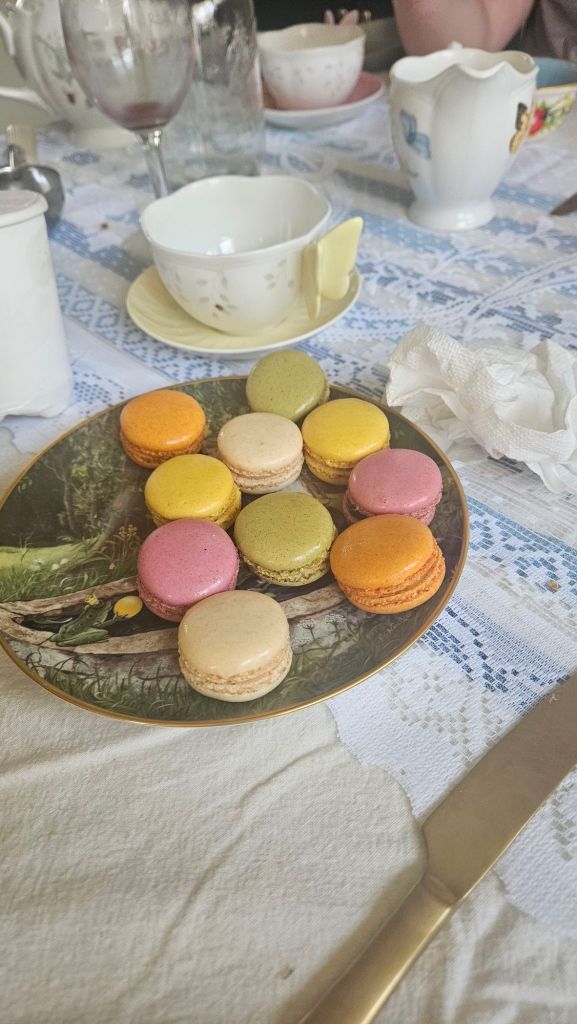
In case you don’t know, macarons are delicious French sandwich cookies made by sifting dry ingredients, combining them with egg whites, piping them onto a baking sheet, and baking them into light, flaky little half circles. From there you can add any kind of filling you like. Now, these cookies are notoriously temperamental, so I just bought some, but for the brave souls with a little more time on their hands, here’s a recipe from NYT:
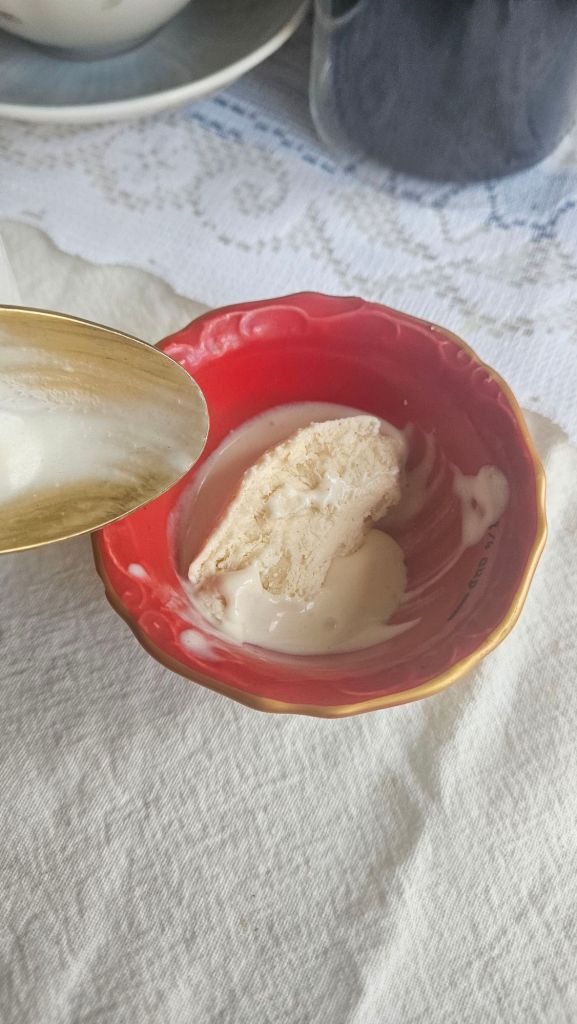
Other Dessert ideas: You could incorporate scones petit fours, or jam/ cucumber sandwiches. I find a dessert tower is really nice for this kind of “take what you like” dessert atmosphere. Also, don’t forget the ice cream!

Tea-

I’m sure I don’t need to tell you that tea has great cultural significance to the British and I labored over what kind of tea to serve during the party. I personally love Indian Chai and that would be appropriate since it’s mentioned in Season 2. I also enjoy Earl Grey (though that one might be too bitter for most people). However, I decided on Harney and Sons Paris Tea, which is my wife’s favorite, and in my humble opinion, is one of the best teas readily available. It’s a black tea that has been withered, rolled, and baked to make it more flavorful and aromatic, though easy to mass produce. I LOVE THIS TEA. Here’s a link if you want to learn more:

https://www.harney.com/pages/this-is-tea

Now, I should mention that there is a lot of officially branded Bridgerton tea, coffee, and tea snacks (of course), but this post isn’t an ad. If you’re interested in the branded stuff, here’s a few links below:


Music

Bridgerton is famous for featuring classical music covers of pop songs, which I really enjoy- it is a nice way of retelling the story of the characters by connecting them with something contemporary. Most of these covers were done by a group called the Vitamin String Quartet and there are playlists on Youtube, Spotify, and others.

During the Regency, music by Mozart and Hayden were all the rage, so if you want to intercut the covers with real classical music from the time period, you can also use them. I would recommend using waltzes or minuets if you want to get people on the dance floor:

Games

1.  Charades

2. Blind Man’s Bluff

3. Bridgerton official Games! There’s an official branded Bridgerton game where you write love notes as Lady Whistledown, while everyone else tries to guess who she is. Here’s a link to the Amazon site:https://www.amazon.com/Bridgerton-High-Society-Board-Game/dp/B0CC6SNRWV

Costumes:
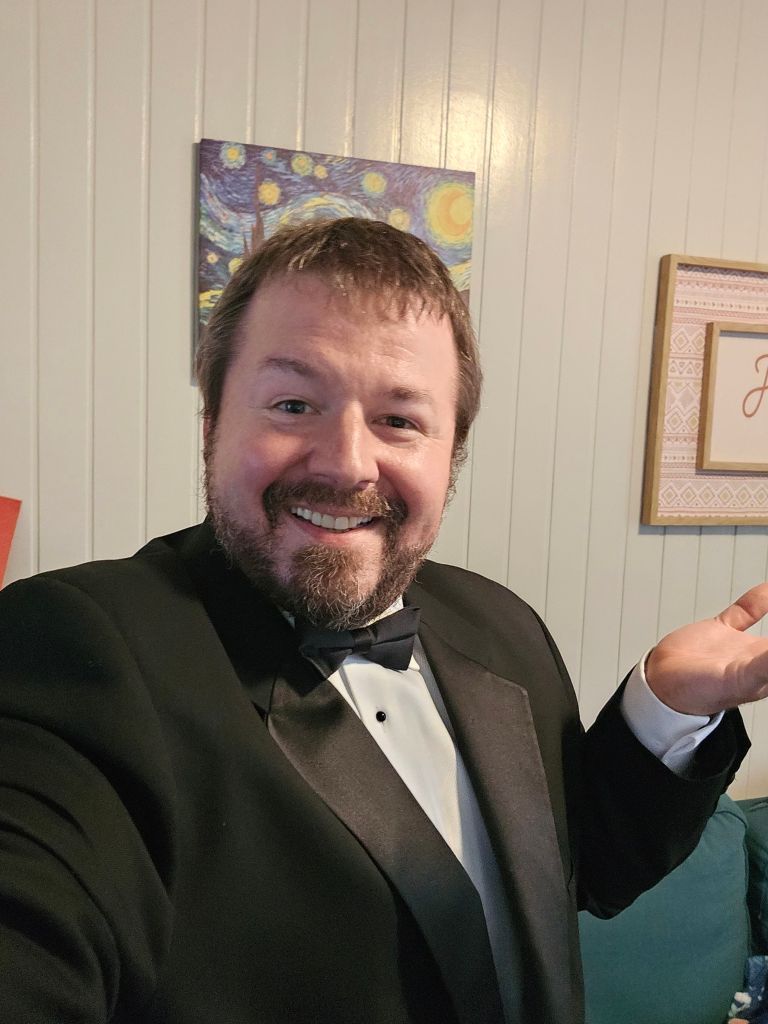
Again, for people on a budget, you might want to forgo full Georgian outfits, but this was a time of ball gowns and elaborate wigs for ladies, and men with waistcoats, knickerbockers, and breeches. For more information on the period, here’s a link to Fashion History Timeline:

https://fashionhistory.fitnyc.edu/category/18th-century/

Well, that’s my advice, happy  Midsummer everyone!

And to conclude, I want to dedicate this post to my wife who introduced me to the wonderful, sweet, and heartfelt world of Bridgerton. I hope this post helps you bring a fun, fancy-but laid back evening into your home. I hope also that it helps you become closer to and appreciate your loved ones, just as I wish to keep enjoying the show with my wonderful wife.
Close Reading: Viola’s “I Left No Ring With Her” Soliloquy

For my Shakespeare club, I’m coaching two young actors on Viola’s celebrated soliloquy in Act II, Scene ii.I thought I’d share some of that work with you. In this speech, Viola has an epiphany; the lady she was sent to woo on her master Orsino’s behalf LOVES HER!

The Text

VIOLA

I left no ring with her: what means this lady?
Fortune forbid my outside have not charm’d her!
She made good view of me; indeed, so much,
That sure methought her eyes had lost her tongue,
For she did speak in starts distractedly.
She loves me, sure; the cunning of her passion
Invites me in this churlish messenger.
None of my lord’s ring! why, he sent her none.
I am the man: if it be so, as ’tis,
Poor lady, she were better love a dream.
Disguise, I see, thou art a wickedness,
Wherein the pregnant enemy does much.
How easy is it for the proper-false
In women’s waxen hearts to set their forms!
Alas, our frailty is the cause, not we!
For such as we are made of, such we be.
How will this fadge? my master loves her dearly;
And I, poor monster, fond as much on him;
And she, mistaken, seems to dote on me.
What will become of this? As I am man,
My state is desperate for my master’s love;
As I am woman,–now alas the day!–
What thriftless sighs shall poor Olivia breathe!
O time! thou must untangle this, not I;
It is too hard a knot for me to untie!

Exit

Twelfth Night, Act II, Scene ii, lines 648-672.

The Given Circumstances

Viola has spent an unspecified amount of time disguised as a man. She has just tried (unsuccessfully) to woo Countess Olivia on behalf of her employer, Duke Orsino. Olivia seemed intrigued by her in her disguise as “Cesario,” and refused to hear any more words about Orsino, but asked Viola to come see her again. The Countess then sent her messenger Malvolio to give Viola a ring, which he claims she tried to give to Olivia as a gift. At first, Viola is confused and upset by the accusation, but slowly realizes that the ring is actually a gift for her; in fact, it’s a love token.

Traditional Interpretations

I think the comedy depends on how Viola reacts to the realization that Olivia loves her. I’ve seen some Violas that are embarrassed, some that are a little frightened (after all, hell hath no fury like a woman scorned), and others with sad sympathy. Viola is a good person, so she can’t laugh at the lovesick countess, but she can have a wry laugh at herself and how her disguise has caused all this trouble; making her unable to confess her love to him, while at the same time making Olivia think she is a handsome young man.

Michelle Terry In the Globe Theater (2021)

Michelle Terry as Viola in the 2021 production of “Twelfth Night”

Michelle Terry is very matter-of-fact in her portrayal. She doesn’t pause, she doesn’t drag out the lines. In fact, she seems more annoyed and scandalized than anything else. The comedy comes mainly from her gestures and movements as she talks to the audience as if they were one of her gal-pals- venting her frustration with this ridiculous situation.

 Michelle Terry excels as Viola, straight-faced, tormented, only occasionally raising a conspiratorial eyebrow at the audience. 

https://www.theguardian.com/stage/2021/aug/08/twelfth-night-review-shakespeares-globe-theatre

Judy Dench in the RSC TV show “Playing Shakespeare” is very sympathetic to “Poor Olivia, ” and plays the speech with a romantic sentimentality. She’s focused on Olivia, and feels awful for the false hope she’s given her.

Both these interpretations are valid, and they’re a good baseline for two sides of Viola’s personality- the sensitive genteel duke’s daughter who is sympathetic to Olivia, and the down-to-earth funny one who is willing to disguise herself as a boy to survive.

Literary Devices

Imagery

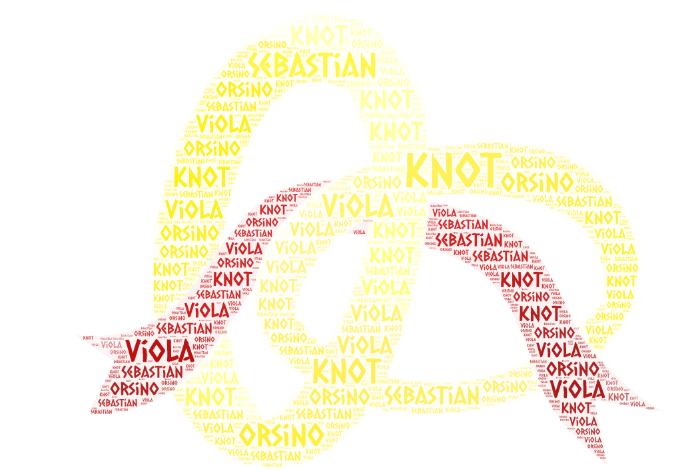
The main image here is the image of the knot- a central image of how convoluted this love triangle is.

Verse

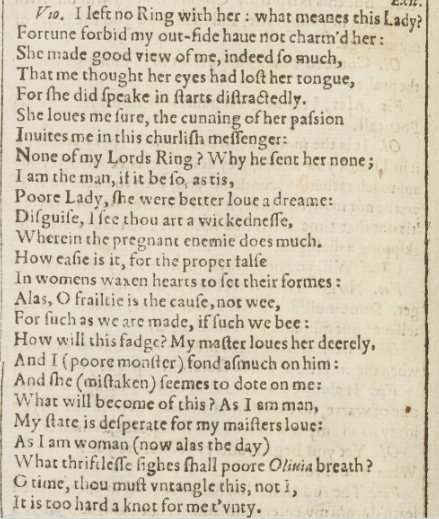
First Folio Reprint from The Boldlien Library.
I left no Ring with her: what meanes this Lady?
Fortune forbid my out‑side haue not charm'd her:
[650]
She made good view of me, indeed so much,
That me thought her eyes had lost her tongue,
For she did speake in starts distractedly.
She loues me sure, the cunning of her passion
Inuites me in this churlish messenger:
[655]
None of my Lords Ring? Why he sent her none;
I am the man, if it be so, as tis,
Poore Lady, she were better loue a dreame:
Disguise, I see thou art a wickednesse,
Wherein the pregnant enemie does much.
[660]
How easie is it, for the proper false
In womens waxen hearts to set their formes:
Alas, O frailtie is the cause, not wee,
For such as we are made, if such we bee:
How will this fadge? My master loues her deerely,
[665]
And I (poore monster) fond asmuch on him:
And she (mistaken) seemes to dote on me:
What will become of this? As I am man,
My state is desperate for my maisters loue:
As I am woman (now alas the day)
[670]
What thriftlesse sighes shall poore Oliuia breath?
O time, thou must vntangle this, not I,
It is too hard a knot for me t'vnty.

It’s interesting to note that (in the First Folio text), the verse alternates between being regular, and using a run-on technique called enjabment, where the thoughts continue after the end of the lines, starting with lines three and four. Ironically, when Viola says that Olivia was distracted and confused when she visited her, her own thoughts are disjointed and fragmentary as she reaches the inevitable conclusion that Olivia is infatuated with Viola in her disguise.

Viola’s Emotional Journey

In the book “Shakespeare’s First Texts” by Neil Freeman he describes how the Folio prints the speech in four distinct sections. Freeman hypothesizes that Shakespeare organized this speech into four phrases that chart the stages of emotions Viola goes through:

Each stage has its own easily identifiable quality, reflecting the growing steps of Viola’s journey in what for her is a huge struggle not only to comprehend, but also to deal with the enormous complications of the dreadful love triangle- the potential results of which are now becomming only too clear.

Freeman, 175.

Stage 1: Introduction

In the first three and a half sentences, Viola goes through the facts- she gave no ring to Olivia, Olivia was eying her, and half paying attention to what Viola was saying. The phrase ends with Viola’s conclusion that Olivia must be in love with her.

Stage 2: Complications

The sentences are of very irregular length- sometimes six words per line, sometimes a few as four. According to Freeman, the irregularity of the verse shows how Viola’s emotions are getting the better of her. Viola could be gasping with remorse over the pain she’s caused Olivia, or shocked at how easily she was taken in by Viola’s disguise.

Stage 3: Crisis/ Catharsis

Each line of this section mentions the people in this love triagle: “My master,” “And I,” “And She,” etc. Viola might be thinking about the possible outcomes to this situation- getting fired, getting discovered, getting married, etc.

Stage 4: Summary: “O Time, Thou Must Untangle This, Not I.”

Like Hamlet before her and Macbeth after her, Viola ends her soliloquy by saying she has no conclusion. She has no idea how to solve this problem, but can only hope that Time will provide a solution.

Audience Interaction

As I said, this is a soliloquy, which is to say, a speech where the character is solo or alone onstage. Some people think this means that the characters are talking to themselves, but I firmly disagree with this notion. One reason why Shakespeare writes soliloquies is because they allow a character to share their thoughts and feelings with the audience. They are the ancestors of every aria or solo in opera and musical theater, and every Disney Princess/ Villain song. I’ve even said before that there are some similarities between Viola and a famous Disney Princess:

Resources:

Illustrations

Special Discount For My Online Class:

Scan the QR code to see my list of classes.

This Friday is the grand premiere of my new online class: “Shakespeare: The Lost Play,” where you discover who stole Shakespeare’s play. Below is the latest trailer.

Since I want as many people to play as possible, I’m creating a coupon: Get $10 off my class “Shakespeare’s Lost Play Mystery Game” with coupon code HTHES4OXNY10 until May 8, 2023. Get started at https://outschool.com/classes/shakespeares-lost-play-mystery-game-ny9HhlxI and enter the coupon code at checkout.

Romeo and Juliet Murder Mystery Course!

I’m pleased to announce my brand-new, fully immersive, fully online murder mystery game! Similar to my “Macbeth” and “Interactive Guide To London,” course, the course is a series of slides, videos, digital activities, and websites that you explore and complete based on your knowledge of a Shakespeare play. Unlike that course, this one also includes real-life science experiments and handy guides to both the play “Romeo and Juliet” and forensic science!

Background on the game

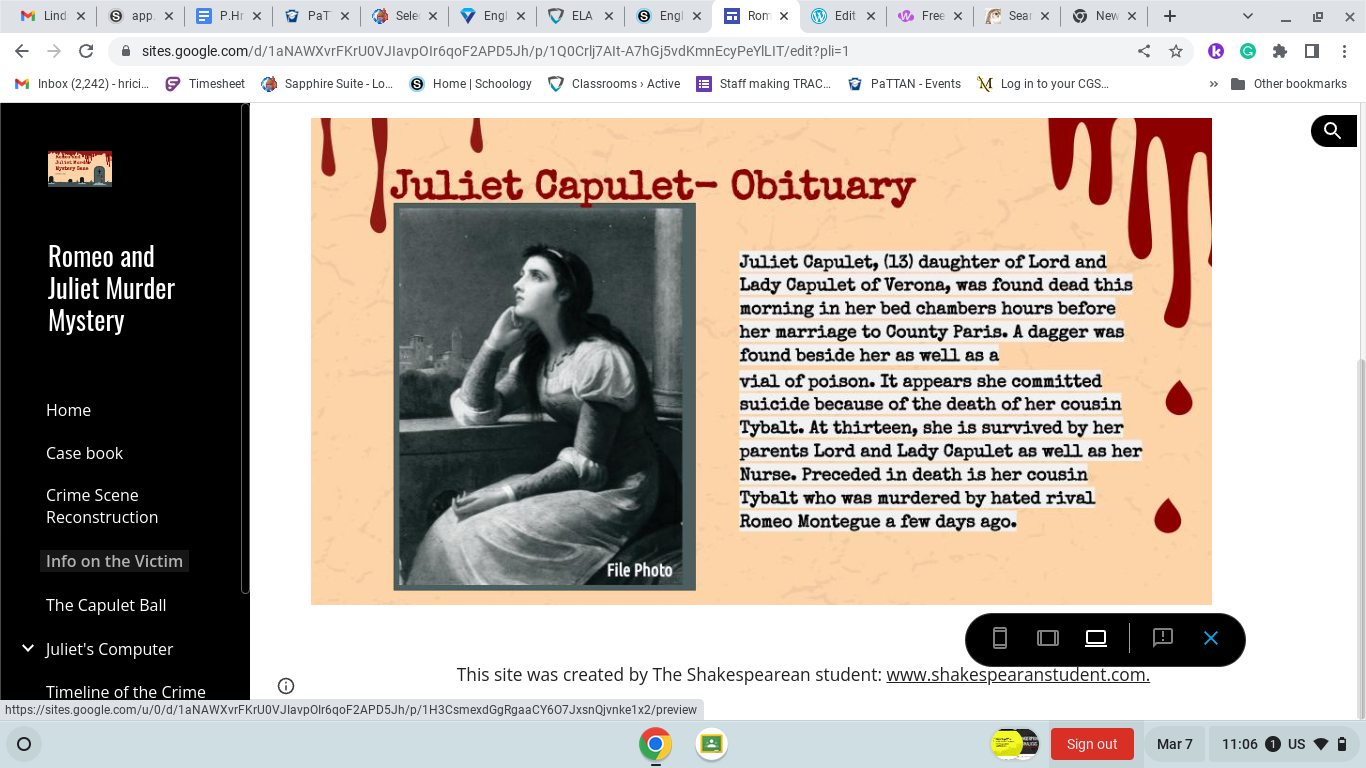
Through a series of slides, you’ll learn that you are playing the part of a detective, hired by Juliet’s parents to investigate her sudden death. You’ll read her obituary, look at a crime scene photo, and the story so far.

Parts of the course:

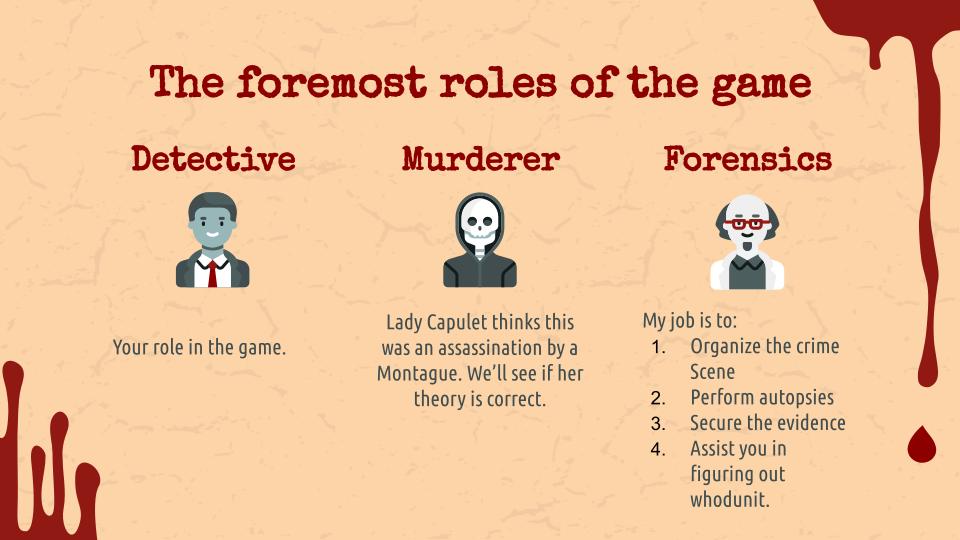
The major players of the game

The class is divided into 8 parts that students can complete at their own pace over a 4-week period. Once you are signed up for the class, you will receive a link to a Nearpod Presentation that has links to all the online activities. You will also receive a detective case file, that will serve as your notes as you record your discoveries through the mystery. Finally, I will provide you with a course cheat sheet and a list of resources in case you need help through the various activities.

Week 1: The Scene Of the Crime

The student will learn, not only about the plot of “Romeo and Juliet,” but also the way real detectives and forensic scientists follow clues and try to solve crimes, in this case, an apparent death by poisoning.

Activity 1: Poison Analysis

In a pre-recorded video, The Investigator introduces himself. He is in the middle of doing a toxicology test on the vial found near Juliet’s bed. He explains that most poisons are either highly acidic or highly alkali (aka, bases). Testing the liquid’s PH will help you determine if the substance is poisonous or not.
In a short simulation via Nearpod, you will test multiple liquids for acidity or alkalinity. You’ll even learn how to test substances in your own home for acidity and for alkaline properties!

Week 2: Crime Scene Investigation

Crime Scene Analysis, Romeo and Juliet Style

Using the Nearpod slides and a linked website, you’ll figure out what happened to Juliet’s cousin Tybalt the day before her own mysterious death.

Activity 3: Unlock Juliet’s Computer

Using Shakespeare’s text, you will decode a secret password to unlock Juliet’s website (Google Sites). Using Juliet’s (fake) Twitter account, you will read her account of the events of the play thus far. Each tweet is paraphrased from a line of Shakespearean
dialogue. Once you’ve read the fake tweets, you can play a game where you match them with the real Shakespearean dialogue.

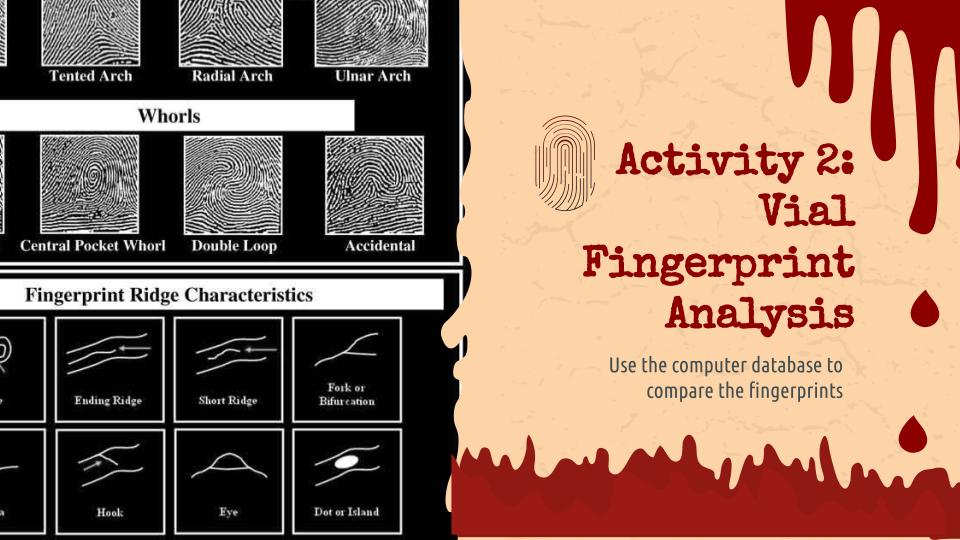
Activity 4: Fingerprint Analysis

Fingerprint Analysis experiment

You will ‘scan’ a fingerprint found on the vial found in Juliet’s bed. The website will tell you who it’s from and you will record it in your case file. You’ll also learn how to take your own fingerprints, and the characteristics real detectives look for when analyzing them.

Week 4: Construct a Timeline/ Make the Arrest:

Using your case file, you will write the sequence of events thus far in your case file and write down information about the suspects (the characters in the play), in the format of a police dossier.

The activities will enrich the student(s)’ understanding of the plot and characters of “Romeo and Juliet” using the format of a murder mystery In addition, the students will learn the methods practiced by detectives, investigators, and forensic scientists when they solve real crimes including toxicology, fingerprint analysis, CSI, and interrogation techniques.

Please sign up now at www.outschool.com!


Shakespeare and “Five Nights At Freddie’s.”

The global phenomenon “Five Nights At Freddie’s” (FNAF) has spawned 11 major games, spinoff games, 19 books, countless comics, and a big Hollywood movie premiering this week:

My video podcast on FNAF

One other thing this franchise has spawned is ENDLESS FAN THEORIES. I admit, when I first heard of this jump-scare-based game with haunted animatronics, I viewed it as a silly novelty- a clever way to create cheap horror using monsters who jump out at you in a dark room… then I saw this:

2023- The Game Theorist Youtube show tells the entire chronology of the FNAF saga.

The YouTube channel Game Theory, which has been analyzing and dissecting the games for the last 8 years finally created a complete chronology of the games’ lore. Like a lot of the best horror stories like Dracula and “Sleep No More,” the game scatters a lot of its lore throughout the game in the form of mini-games, security guard notebooks, newspaper clippings, and of course, the iconic, nervous late-night phone calls that your character (a nameless night watchman) receives from a mysterious character known only as THE PHONE GUY.

This story is truly the stuff of nightmares- serial killers, murdered children, ghosts, possessed robots, broken families, and unending quests for revenge from beyond the grave. Of course, a few of these tropes Mr. Shakespeare would be very familiar with, so I thought I’d delve into some of the themes, tropes, and ideas that link these two franchises. My goal is to get fans of the video game to understand that, since Shakespeare and Scott Cawthorne (the creator of the game) use a lot of the same horror plots and ideas, that, if you can understand FNAF you can understand Shakespeare!

Part I: The mad scientist- William Afton Vs. William Shakespeare’s Prospero

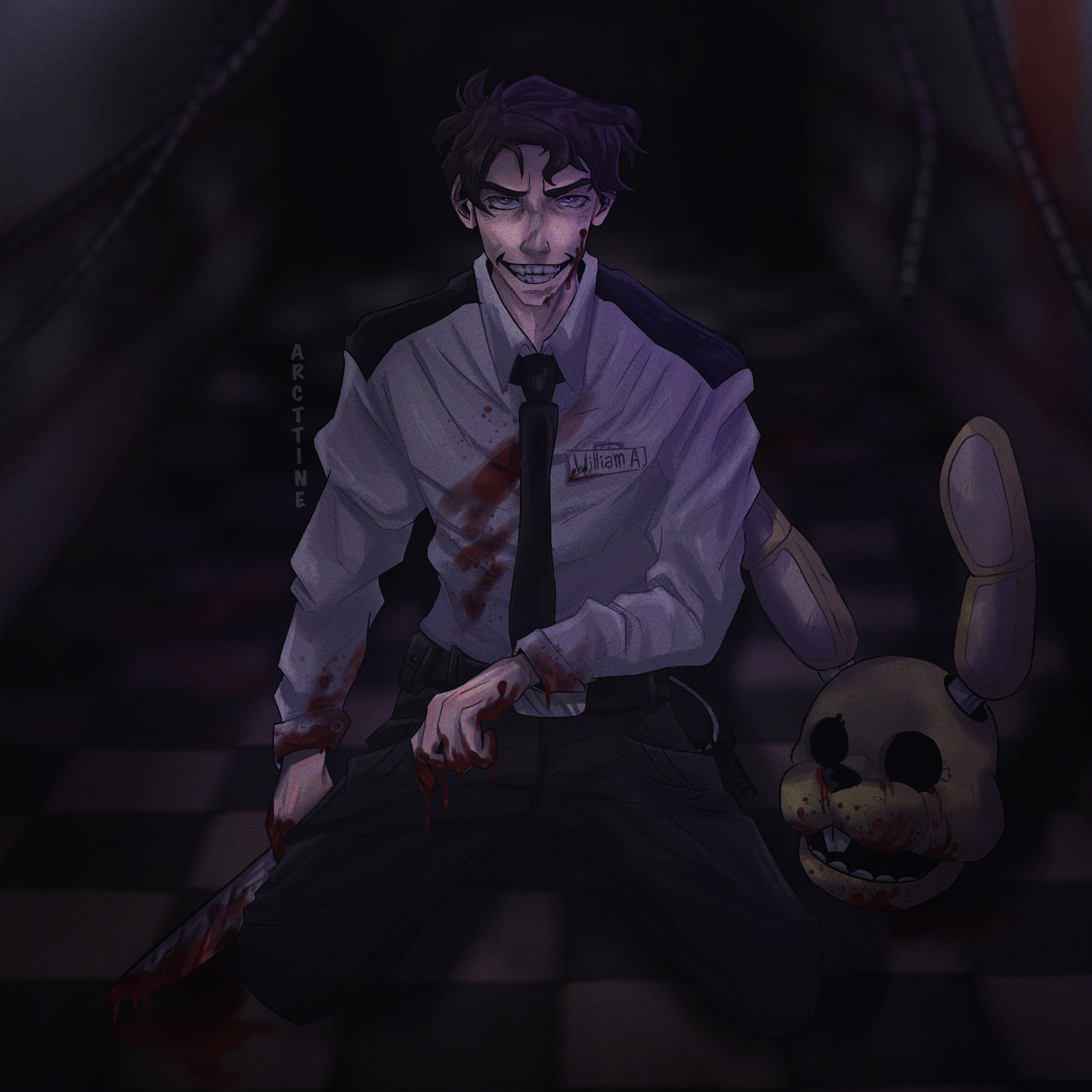
The story of Five Nights At Freddie’s revolves around its main antagonist- a genius roboticist-turned-serial killer named William Afton, who starts out as a successful businessman and children’s entertainer obsessed with bringing his creations to life. Any horror fan will tell you that this is an automatic sign of a villain because he is trying to master the skill that only God possesses- the ability to create life.
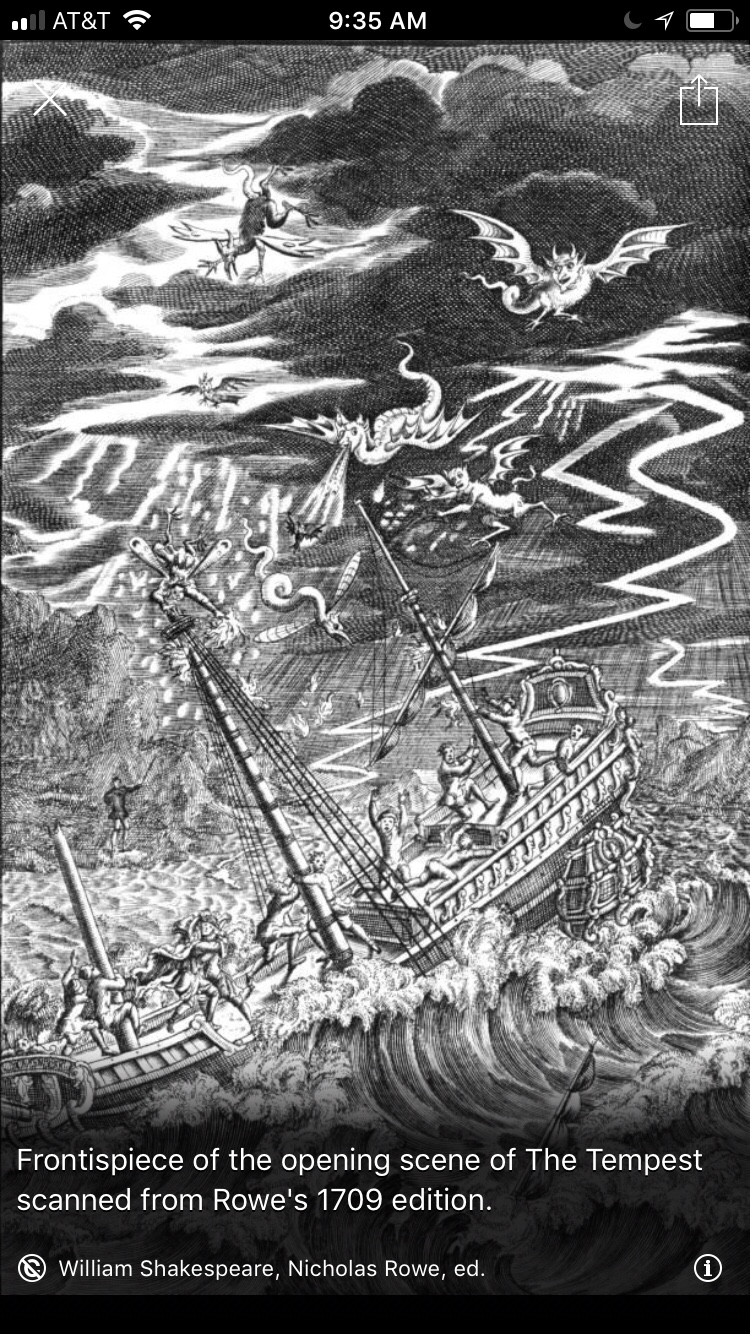
In Shakespeare’s final play, The Tempest, the hero is a brilliant magician who, after his brother exiles him to a desert island, masters many crafts considered unnatural for the 1600s:

I have bedimm'd
The noontide sun, call'd forth the mutinous winds,
And 'twixt the green sea and the azured vault
Set roaring war: to the dread rattling thunder
Have I given fire and rifted Jove's stout oak
With his own bolt; the strong-based promontory
Have I made shake and by the spurs pluck'd up
The pine and cedar: graves at my command
Have waked their sleepers, oped, and let 'em forth
By my so potent art.
The Tempest, Act V, Scene i, Lines 2063-

Like I discussed in my post on Shakespeare and Star Trek, Prospero’s magic is both benevolent and terrifying. He uses it to rescue himself and his daughter Miranda from the island, and he creates beautiful visions of gods and angelic music for Miranda and her young lover Sebastian, but he also creates nightmarish visions to torment his enemies:

Both Afton and Prospero are motivated by revenge against the men who betrayed them. In Afton’s case it’s his rival/ partner Henry Emily who bankrupted his business and later got him fired from his own company. Afton torments Henry by murdering his daughter and ruining his business by luring kids to their death inside the pizzeria, disguised as one of the animatronic characters. Afton also figures out how to torment people using sound alone, like Prospero does to his slave Caliban:

Caliban. All the infections that the sun sucks up
From bogs, fens, flats, on Prosper fall and make him
By inch-meal a disease! His spirits hear me
And yet I needs must curse.
For every trifle are they set upon me;
Sometime like apes that mow and chatter at me
And after bite me, then like hedgehogs which
Lie tumbling in my barefoot way and mount
Their pricks at my footfall; sometime am I
All wound with adders who with cloven tongues
Do hiss me into madness.
Here comes a spirit of his, and to torment me! The Tempest, Act II, Scene ii.

Prospero isn’t a killer, but like Afton, he has learned the secret to life after death, which makes him powerful and dangerous. Even more unsettling, both men are on an endless quest for revenge and torment men whom they saw as brothers. Other Shakespearean characters take their lust for revenge to the same dark place Afton did- the murder of children.

Part II: The Purple Killer

https://mriquestions.com/why-are-veins-blue.html

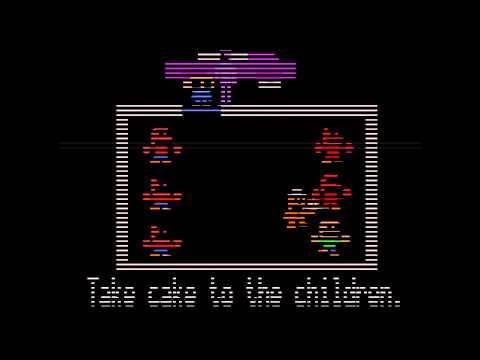
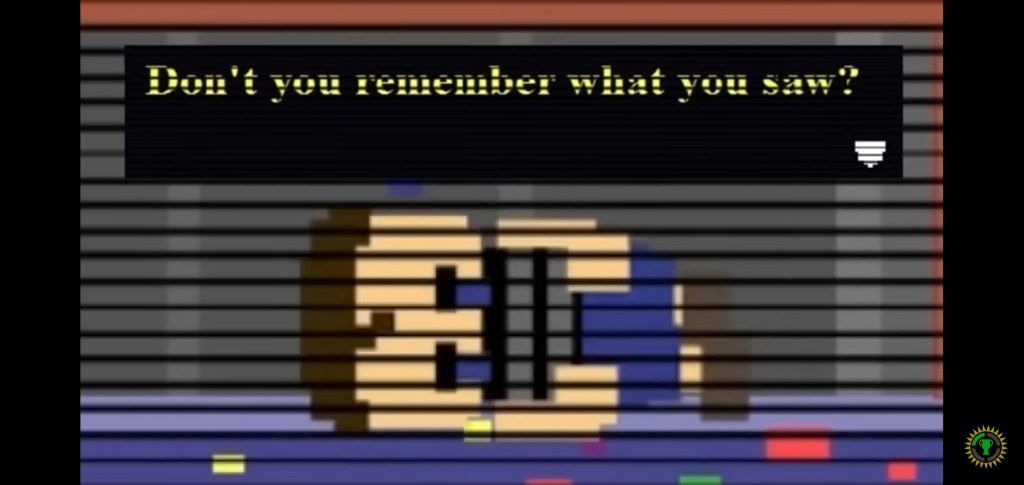
For the first four games, Afton isn’t directly part of the game- he’s merely mentioned in pieces of the lore. Frequently we see 8- bit re-enactments of his crimes in a series of mini-games, where he appears as a faceless, purple killer.

Screenshot of William’s first murder of Henry’s daughter Charlie outside of the pizzeria.

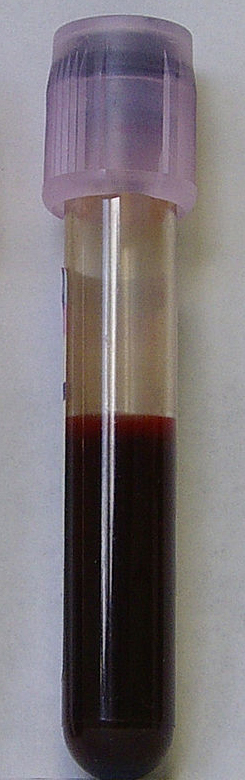
Why purple though? It’s true that purple is associated with royalty, and sometimes associated with villainy, (since it isn’t a color found much in nature). I think though, there might be a deeper, more macabre meaning to this color associated with this killer: It is a scientific fact that human blood, when it is shed and deprived of oxygen, actually turns purple:

The colors of arterial and venous blood are different. Oxygenated (arterial) blood is bright red, while dexoygenated (venous) blood is dark reddish-purple

https://mriquestions.com/why-are-veins-blue.html

Shakespeare’s Purple Poetry

Shakespeare was very aware of this medical fact. He lived in an age where traitors’ heads were placed on spikes on London Bridge, and people would pay to watch wild dogs attack bears (the FNAF of his time). Shakespeare makes many gory references to murderers watching red blood turn purple:

I make as good use of it as many
a man doth of a Death’s-head or a memento mori: I
never see thy face but I think upon hell-fire and
Dives that lived in purple;

Henry IV, Part I, Act III, Scene iii.

Woe above woe! grief more than common grief!
O that my death would stay these ruthful deeds!
O pity, pity, gentle heaven, pity!
The red rose and the white are on his face,
The fatal colours of our striving houses:
The one his purple blood right well resembles;

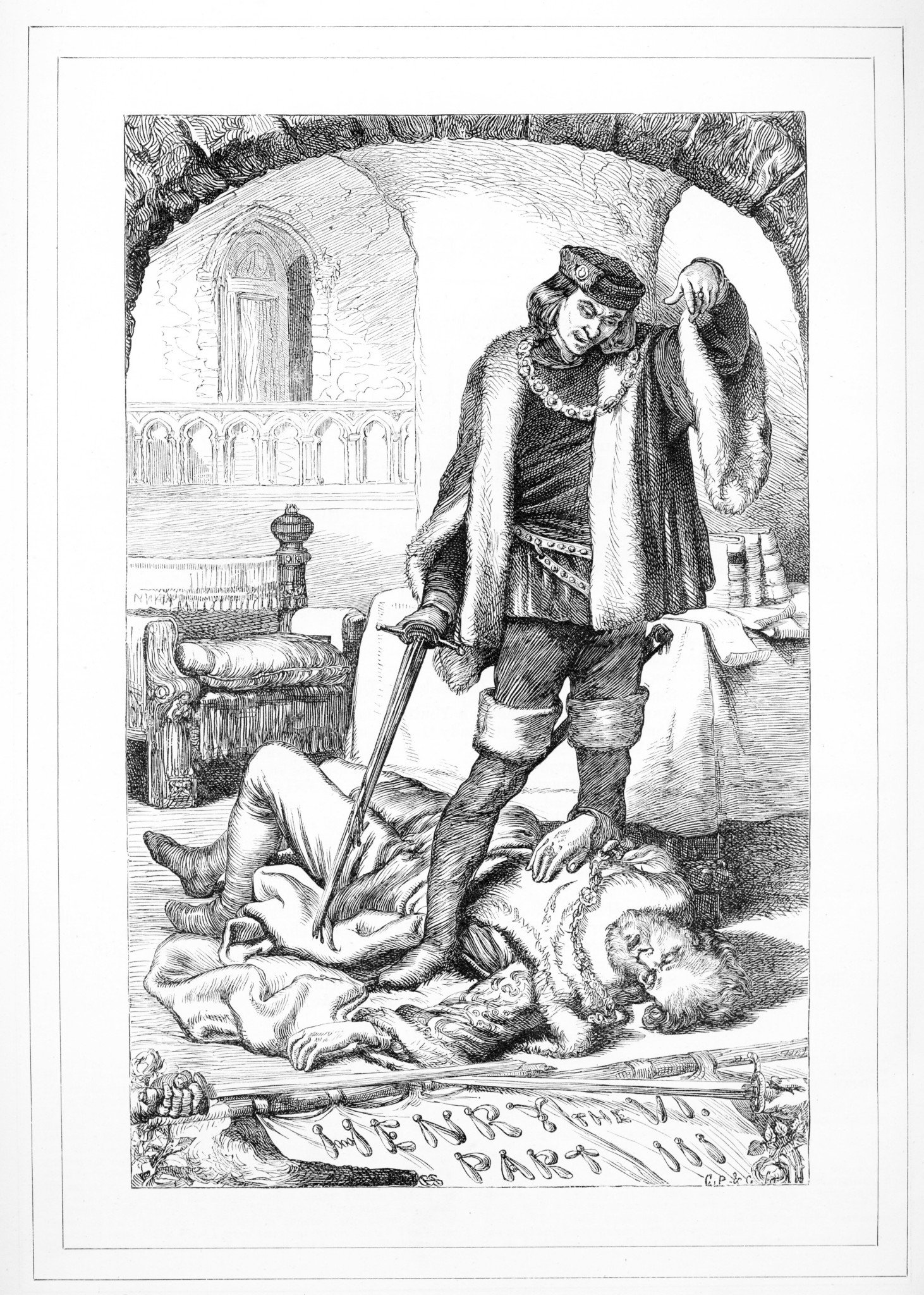
Henry VI, Part III, Act II, Scene v.

Now, whilst your purpled hands do reek and smoke,

Julius Caesar Act III, Scene i.

With purple falchion, painted to the hilt
In blood of those that had encounter’d him:

Henry VI, Part III, Act II, Scene v (Richard of Gloucester)

This last quote is spoken by Richard of Gloucester, who, in the play that bears his name, becomes King Richard III, Shakespeare’s most irredeemable villain. Just like William Afton, he kills without remorse and dispatches anyone who gets in his way on the path to the crown. In addition, like many of Shakespeare’s villains,  his turn to pure evil occurs right after he does the unthinkable- when he murders children.

Richard (Ian McKellen), orders the secret murder of his nephews in the tower in order to keep his crown.

Throughout the rest of the play, Richard kills a lot of his political and personal enemies and we go along with them because he’s the protagonist. But once he murders the princes, who have done nothing to harm him or anyone else, Richard crosses the line from anti-hero to monstrous villain. It is also at this part of the play when his victims begin to take their revenge… FROM BEYOND THE GRAVE!

Part III: The ghostly revenge story

I’ve written before that in Shakespeare, ghosts are usually murder victims either out for revenge, or trying to convince a living person to avenge their death. Likewise, in the subsequent games, Affton’s victims possess the animatronics, seeking to kill their murderer!

One of the creepiest scenes in Shakespeare comes when Richard III is visited the night before his final battle by the ghosts of all the people he’s killed:

Similarly, when Macbeth murders his friend Banquo (and attempts to murder his young son Fleance), he is visited by Banquo’s ghost, during a party, no less! Even more ironic, look at the language Macbeth uses when he sees the ghost:

Approach thou like the rugged Russian bear,
The arm’d rhinoceros, or the Hyrcan tiger;
Take any shape but that, and my firm nerves
Shall never tremble: or be alive again.

It’s truly ironic that, while in FNAF, the ghosts of Afton’s slaughtered children appear in the forms of angry animatronics, shaped like fearsome animals, Macbeth would rather see the fearsome animal, than the ghost of the man he murdered! Though Macbeth himself doesn’t fear bears, in both FNAF and Shakespeare, bears and other animals have long had a symbolism associated with wrath, anger, and taking bitter vengeance on the wicked.

Part IV: The Forrest of Beasts

1930s-style ad for the original Fredbear’s Singin’ Show, where a real dancing bear entertained travelers.

Bear Baiting

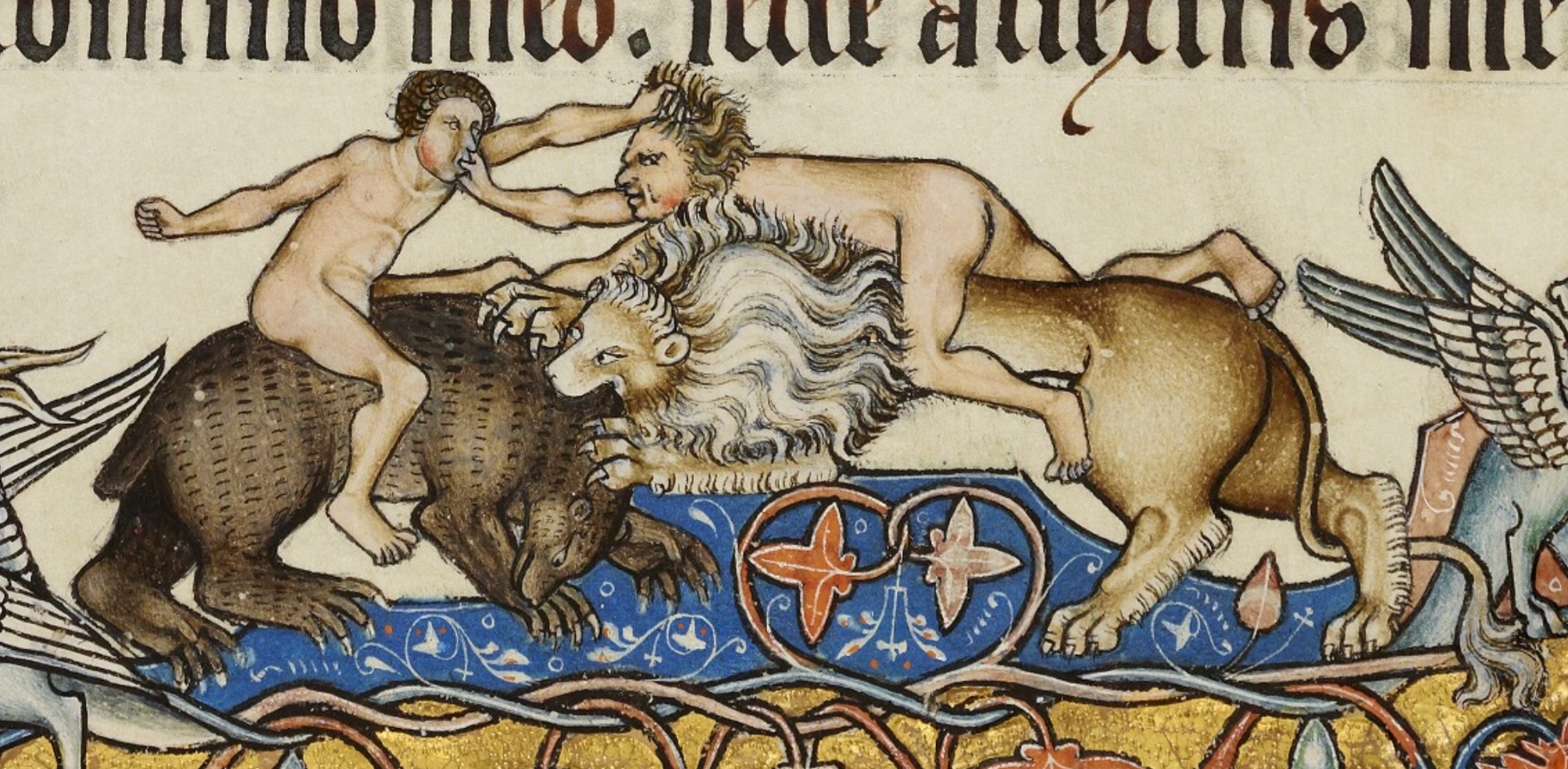
Even the animals in FNAF have some significance that Shakespeare has touched on in some of his plays, especially bears. In many renaissance and medieval sources, bears are symbols of wrath, revenge, and fierce protectors of children. Both Shakespeare and FNAF exploit this symbolism, and both the game and Shakespearean plays create horrifying beastly images in stories of revenge.

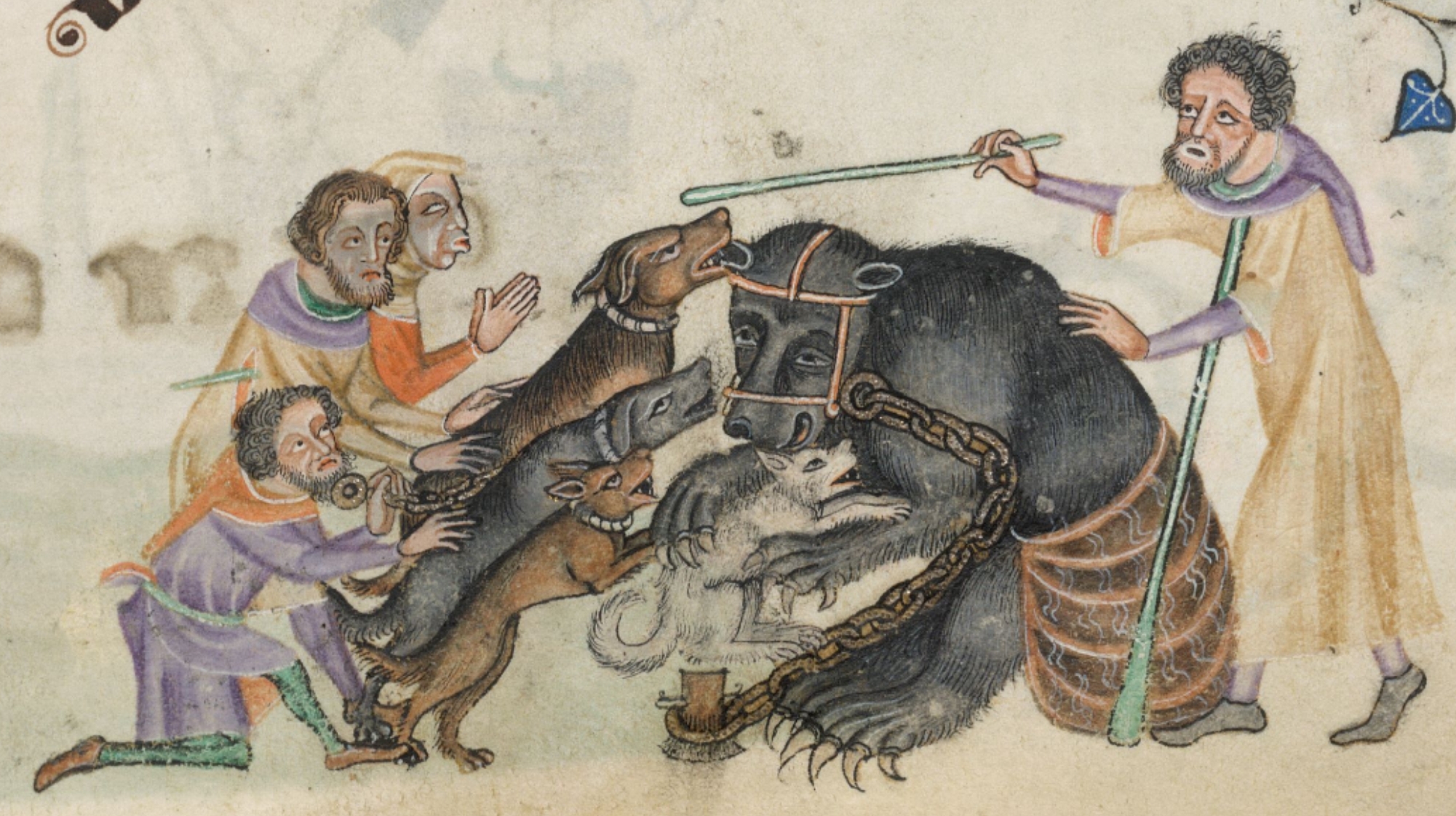
Just like the Fredbear singin’ show, Elizabethans liked to watch real bears perform onstage, sometimes as dancers, but also IN BLOODY FIGHTS TO THE DEATH. In the 1590s, there was a popular sport called “Bear baiting,” where bears would be chained, sometimes to a pole, and set on by vicious dogs. The ‘sport’ was watching to see who would prevail- the fierce and free dogs, or the powerful, bound bear.

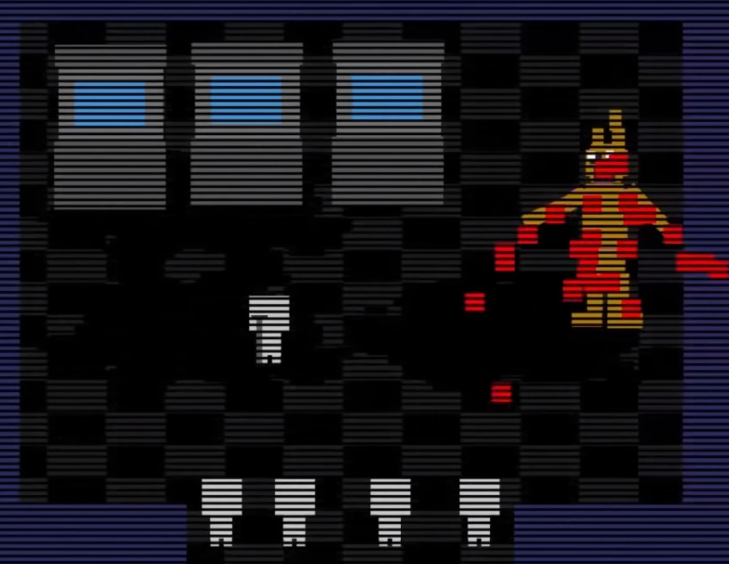
As you can see from this close-up of Wenceslaus Hollar’s famous Panorama Of London (1647), we know that Shakespeare had to pass bear beating pits on his way to the Globe all the time, (you can see ‘Beer bayting’ or bear beating, written on the playhouse on the left, and Shakespeare’s Globe Theater on the right). Not only that, Shakespeare writes about the bloody sport frequently in his plays. When Macbeth knows he’s losing the battle with Malcolm, he compares himself to a bear, tied to a stake, forced to fight until his last breath. It calls to mind the moment in the game when the ghosts shed their animatronic skins and attack William directly, while he’s trapped in the Springtrap suit.

The ghosts of Afton’s original five victims gang up on him, possibly causing his golden Bonnie suit to malfunction, and kill him… for now.

It’s worth noting that when the ghosts kill Afton, he’s wearing his Golden Bonnie suit. As Mat Pat mentioned, yes it is the disguise he wore to commit his crimes, but it is also symbolic of who Afton has become- a beastly, inhuman creature who looks friendly on the outside, but inside is cold and robotic on the inside. This also calls to mind the beast symbolism in the aforementioned ghost scene from Richard III. The real King Richard III used a boar as his royal sigil, and Shakespeare exploits that beast imagery by comparing Richard to a bloody, rooting hog, grown fat on the blood of his victims. Richard doesn’t wear a pig suit, but he does wear his cruelty and bloodlust literally as a badge of honor!

In both the games and the plays, the ghosts become a manifestation of the murderer’s guilty conscience, and beast-like imagery is used to convey how cruel and beast-like the murderer has become. Macbeth and Richard don’t dress like beasts, but they do kill like them.

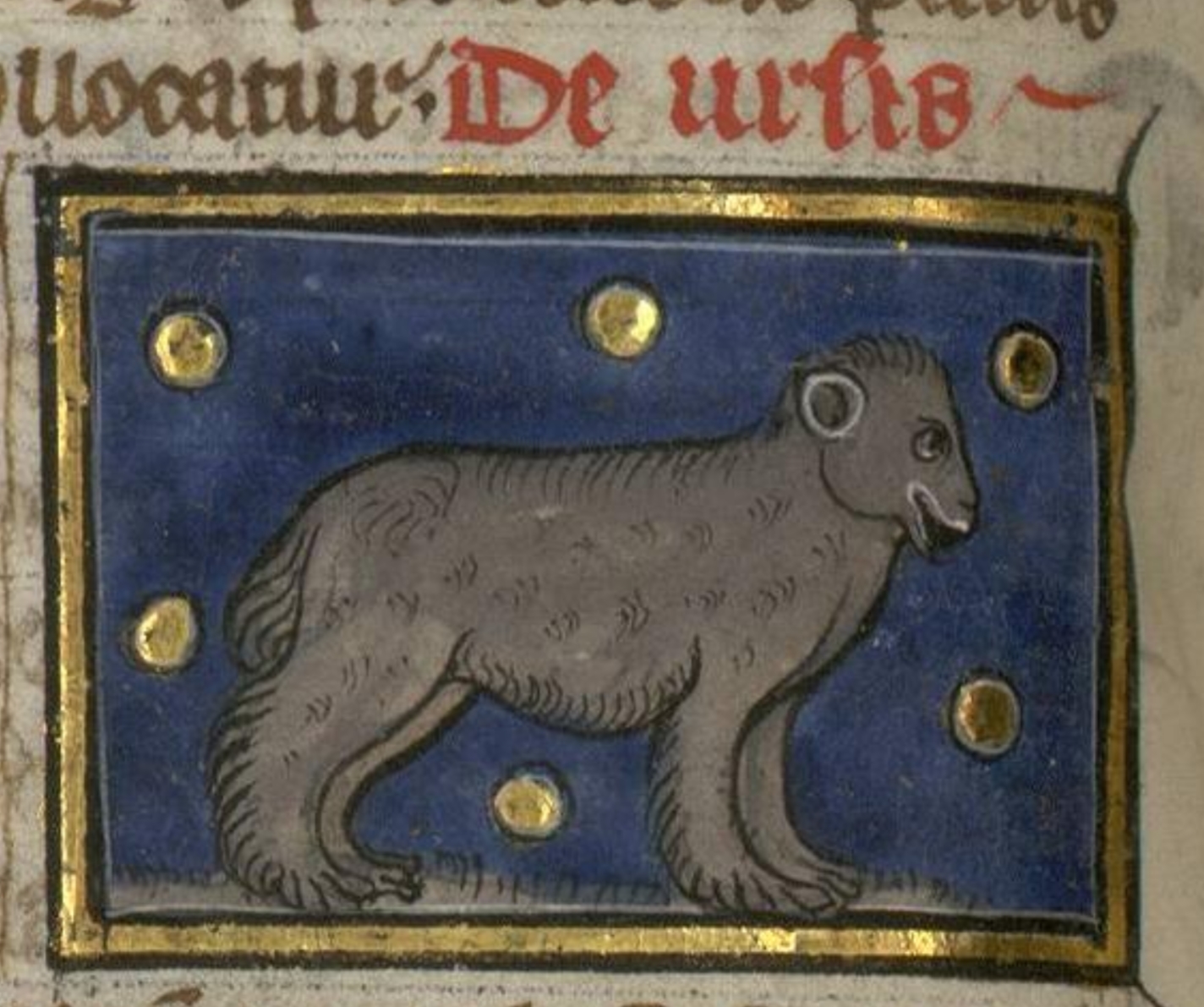
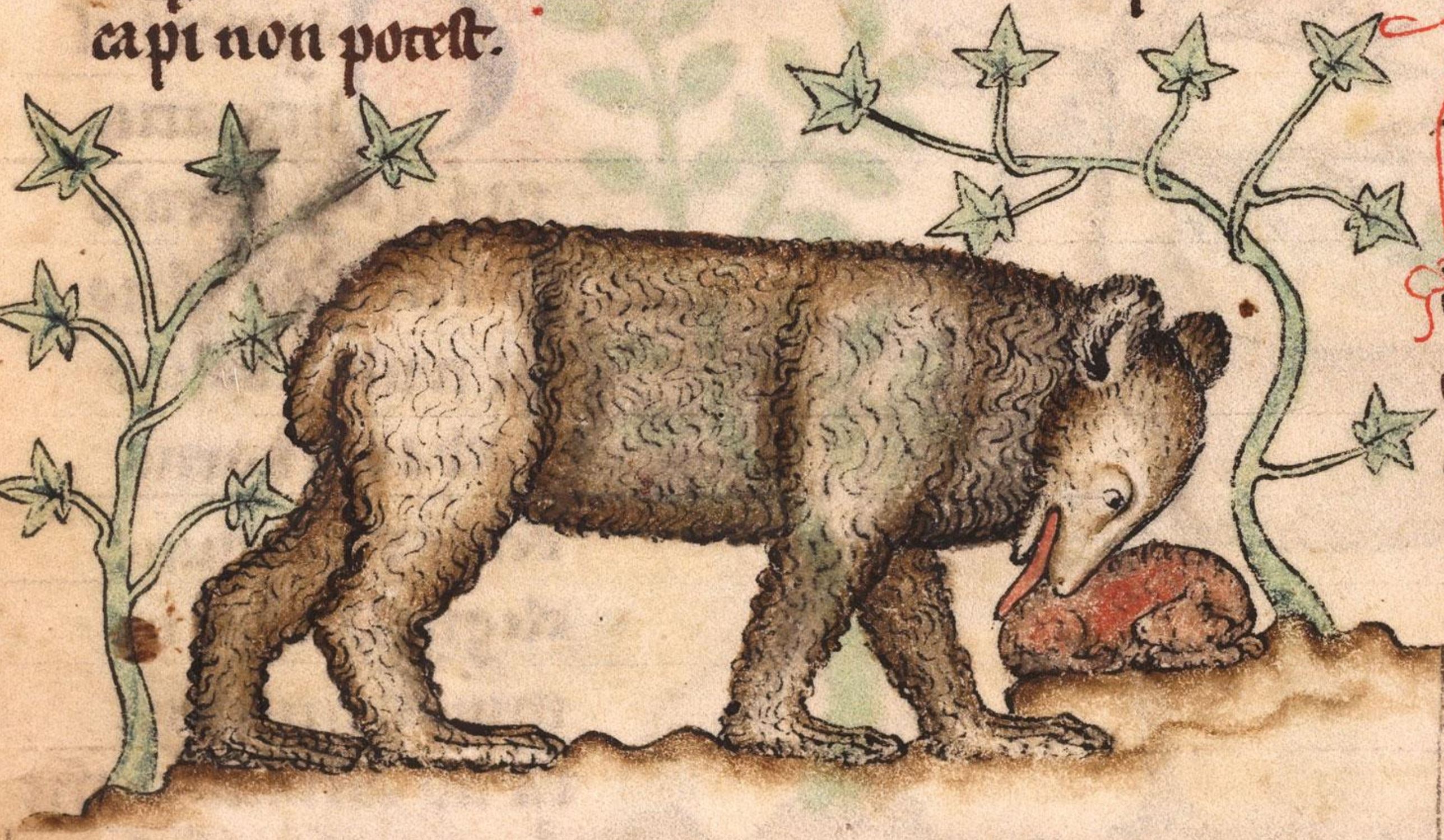
The beast imagery also extends to the concept of revenge. One big theme in Five Nights At Freddie’s is the concept that revenge, (whether justified or not), is blind and indiscriminately destructive. Even though the five ghosts that possess the animatronics are justifiably angry for being murdered, they don’t just try to kill Afton- they attack any poor soul who sticks around the pizzeria at night. Like Hamlet, who wants to avenge his father’s murder, but kills the wrong people, the five souls trapped in their metal cages have a noble goal- protect the children in the pizzeria, and destroy Afton, but they are full of beastlike rage and are unable to see friends from foes. This kind of blind rage reminds me of how real bears will fight off anyone whom they perceive as a threat. In medieval manuscripts, bears are tender to their cubs and literally form them out of little hairy lumps by licking them into shape. At the same time, they are powerful, deadly, and violent to anyone that threatens the cubs.

This kind of blind violence is something Shakespeare explores a lot in his history plays and his tragedies. Every time he talks about a society going wrong, he describes it as if it were populated with beasts, not humans. In Timon of Athens, the titular character, having left Athens to go live in the woods, laments to his frenemy, the cynical philosopher Apemantus, how his city has become like a collection of beasts:

  • TimonWhat wouldst thou do with the world,
    Apemantus, if it lay in thy power?
  • ApemantusGive it the beasts, to be rid of the men.
  • TimonWouldst thou have thyself fall in the confusion of2025
    men, and remain a beast with the beasts?
  • ApemantusAy, Timon.
  • Timon. A beastly ambition, which the gods grant thee t’
    attain to! If thou wert the lion, the fox would
    beguile thee; if thou wert the lamb, the fox would
    eat three: if thou wert the fox, the lion would
    suspect thee, when peradventure thou wert accused by
    the ass: if thou wert the wolf, thy
    greediness would afflict thee, and oft thou shouldst
    hazard thy life for thy dinner: wert
    thou a bear, thou wouldst be killed by the horse:
    What beast couldst thou be, that2045
    were not subject to a beast? and what a beast art
    thou already, that seest not thy loss in
    transformation!
  • ApemantusIf thou couldst please me with speaking to me, thou
    mightst have hit upon it here: the commonwealth of2050
    Athens is become a forest of beasts.
  • TimonHow has the ass broke the wall, that thou art out of the city? Timon Of Athens, Act IV, Scene iii.

In short, the history of horror, which Shakespeare helped shape in plays like Macbeth, Richard III, Hamlet, and others, has a lot of classic tropes and the Five Nights At Freddie’s games exploit them quite well; tropes like supernatural vengeance, the death of innocents, beast-like killers, and unquiet ghosts. What works the best about this franchise is that it tells its lore like a mystery, slowly revealing Afton’s gruesome crimes over multiple installments. I wonder if someone has ever applied this to Shakespeare…

Shameless plug: Romeo and Juliet Murder Mystery

I’m proud to announce that I’ve just been approved to present a fully online, fully immersive murder mystery-style game, where you play as a detective trying to solve the mysterious death of Juliet Capulet! This is a really cool mixture of Shakespeare and forensics science as you examine crime scenes, look for clues, interrogate suspects, and untangle the story of Romeo and Juliet, and it even takes place over the course of five nights! Classes start March 17th. Register now at www.outschool.com!

Would Shakespeare enjoy playing FNAF well, who knows, but I do like to think he would appreciate the lore, if not the jump scares……

https://www.google.com/amp/s/www.history.com/.amp/news/7-early-robots-and-automatons

Summer Shakespeare courses!

Trailer for my summer Shakespeare Courses!

I’m beyond excited that I am able to offer three multiple week courses through Outschool for kids aged 6-12. If you scan the QR code below, you can see class descriptions and individual trailers. You can also check out the “My classes,” Page on this blog. I hope you and your family will join me this summer!