Comparing Coronations, or “Who Wore It Best” (Royals Edition)?

O ceremony, show me but thy worth!
What is thy soul of adoration?
Art thou aught else but place, degree and form,
Creating awe and fear in other men?
Wherein thou art less happy being fear'd
Than they in fearing.
What drink'st thou oft, instead of homage sweet,
But poison'd flattery? O, be sick, great greatness,
And bid thy ceremony give thee cure!
Think'st thou the fiery fever will go out
With titles blown from adulation?
Will it give place to flexure and low bending?
Canst thou, when thou command'st the beggar's knee,
Command the health of it? No, thou proud dream,
That play'st so subtly with a king's repose;
I am a king that find thee, and I know
'Tis not the balm, the sceptre and the ball,
The sword, the mace, the crown imperial,
The intertissued robe of gold and pearl,
The farced title running 'fore the king,
The throne he sits on, nor the tide of pomp
That beats upon the high shore of this world,
No, not all these, thrice-gorgeous ceremony Henry V, Act IV, Scene i.

As this quote from Shakespeare's Henry V, there are many different cermonial customs and adornments that the British monarchs have used to adorn and elevate their kings and queens. Today I'm going to compare and contrast King Charles III and his mother Queen Elizabeth II, then I'll compare these coronations with the monarch who lived during most of Shakespeare's life: Queen Elizabeth I.

Part I: Queen Elizabeth II vs. Charles I

All my information for this section comes from this fascinating article from the Washington Post, which compares and contrasts King Charles’ coronation on May 6th, 2022, with his mother’s, which occurred on June 2, 1953:

https://www.washingtonpost.com/photography/interactive/2023/visual-comparison-coronations-queen-elizabeth-king-charles/

THe Balm

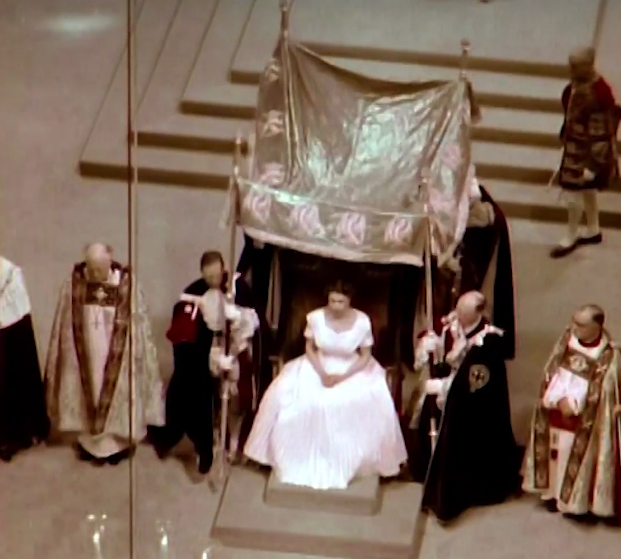
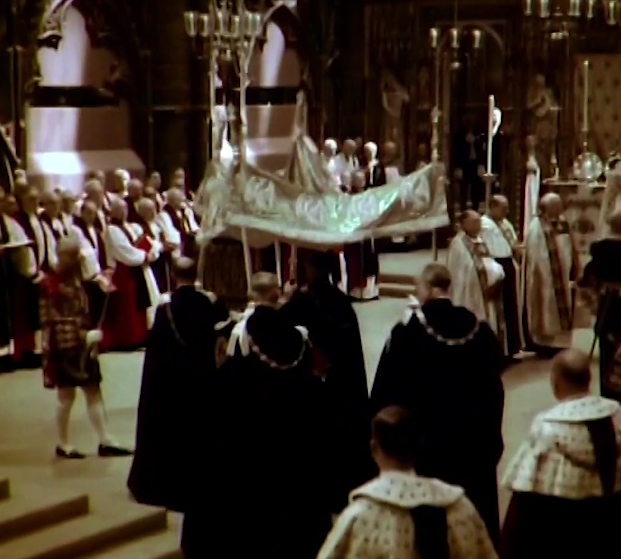
Close up of the canopy raised while the king was annointed

Both Charles and Elizabeth were anointed with holy oil- an ancient tradition signifying God’s favor. The tradition goes all the way back to the Bible, where the book of First Kings details the procedure of anointing King Solomon:

And the king said to them, “Take with you the servants of your lord and have Solomon my son ride on my own mule, and bring him down to Gihon.  

And let Zadok the priest and Nathan the prophet there anoint him king over Israel. Then blow the trumpet and say, ‘Long live King Solomon!’  You shall then come up after him, and he shall come and sit on my throne, 

1 Kings Chapter 1, Verses 33-35

King George the Third commissioned composer Georg Friedrich Handel (famous for “The Messiah”) to write an anthem for his coronation based on this Biblical passage in 1761 This song has been a tradition during English coronations for the past 300 years, and as you can see in the video below, it was played when King Charles and Queen Elizabeth were privately anointed behind the canopy you see below.

The Scepter

The scepter is called the Sovereign’s Scepter and it is on display in the Tower of London as part of the Crown Jewels. For more information, go to Royal Collection.org:

https://www.rct.uk/collection/themes/Trails/the-crown-jewels-coronation-regalia

The Ball

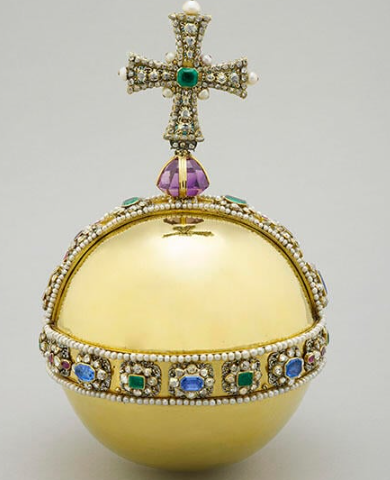
The ball in this passage refers to the globus cruciger or ‘the orb and the cross.’ This is a symbol of the king’s status as the head of the Church Of England, which began with Elizabeth I’s father, Henry VIII. The orb telegraphs Christ as the true ruler of the world, and the English monarch as his representative on Earth.

The Sword (and) the Mace

A mace used to be a concussive weapon used in battle against knights in shining armor. Since armor is hard to penetrate, medieval warriors tried to cause blunt force trauma and concussion in their enemies using maces. Since those more violent beginnings, the mace has evolved into a symbol of the King’s power and is used at the opening of Parliament. There are three swords that lords used to herald the King during the coronation- the two swords of Justice, and the Curtana or ‘Sword of Mercy,’ so called, because its blade is broken, making it a ceremonial object of peace, rather than a practical weapon.

King Charles’ own sword is called the Sword of State- it is a steel sword gilded with silver, and the handle is wooden, gilded with gold. It symbolizes the monarch’s commitment to knightly virtues, and it is used to create people as knights.

The Crown

St. Edward’s crown is adorned with diamonds, furs, and over 2,000 diamonds! This crown, along with the sword of state, dates back to the 1660s, after the monarchy was briefly abolished, though the crown still has had its share of problems over the centuries, including being stolen!

The Robe(s)
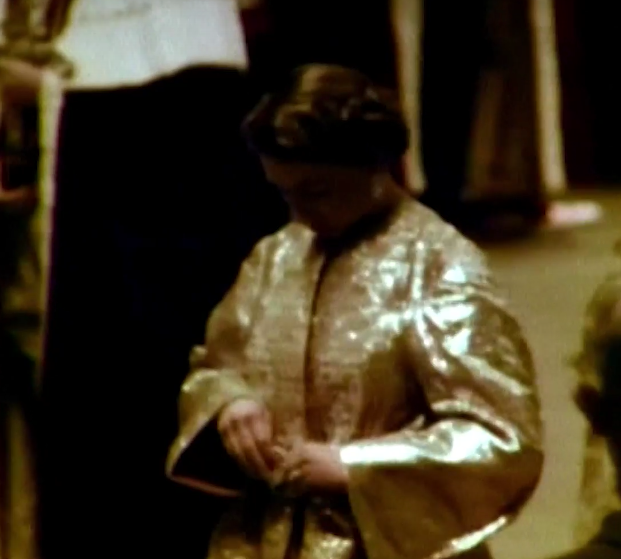
Much like how during graduation ceremonies people wear special robes to signify the transition from one state of being to another, British monarchs have worn multiple robes to show their apotheosis from a prince to the sovereign head of the country.

The Robe of Estate

The robe of Estate is the long, sumptuous robe of the sovereign; a symbol of his or her wealth. Charles wore his at the end of the ceremony after the crown was placed on his head.

Traditionally, the Robe of Estate is a very specific shade of purple called Tyrian Purple. It is again, a symbol of wealth because it was very labor-intensive and expensive to produce. This is one of the reasons why purple is a color associated with wealth and status:

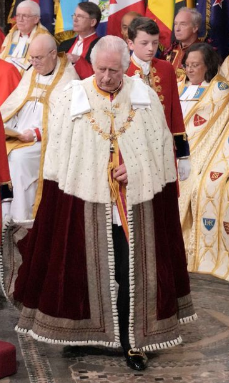
Charles in his red surcoat
Left- Royal portrait of Queen Elizabeth in her purple Robe of Estate by Sir Herbert James Gunn. Right- King Charles in his crimson Robe of Estate

Elizabeth’s purple Robe of Estate will now be worn by Queen Camilla, Charles’ wife. It is 6 1/2 meters long, weighs 15 pounds, and took 12 seamstresses 3,500 hours to complete, (source: Historic UK).

Queen Camilla in her Robe of State

THe THrone

The oldest part of the ceremony will without question be the throne- a plain-looking piece of oak that is over 700 years old! St. Edward’s Throne has been part of coronation ceremonies since King Edward I, (aka Edward Longshanks from Braveheart) in around 1200 AD. Surely there is no greater symbol of royal continuity- the monarchs in Shakespeare’s history plays actually sat on this throne. Any king or queen who touches this piece of furniture must get a sense of the ancient traditions of the monarchy.

King Charles III sits on St. Edmund’s throne, holding the scepters.

The Tide of Pomp (Royal Processions)

The royal coach parked in front of Westminster Abbey

It’s been a tradition ever since the Middle ages for the new king or queen to travel from their home palace through the county so people can see them on their way to be crowned at Westminster Abbey. Long ago, this was a multi-day journey full of public festivals and entertainment that allowed the whole country to get a rare glimpse of the new monarch. By contrast, King Charles and Queen Camila only traveled 1.3 miles from Buckingham Palace to Westminster.

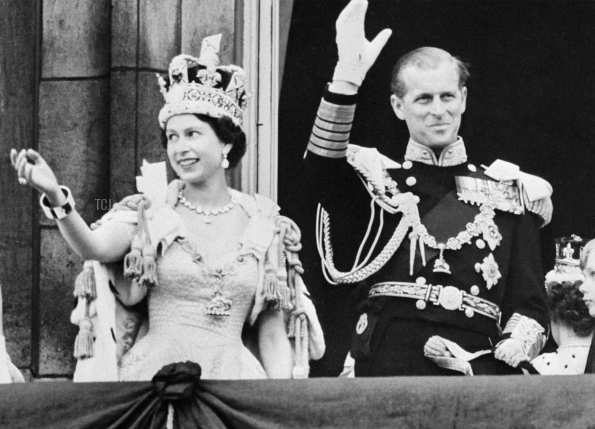
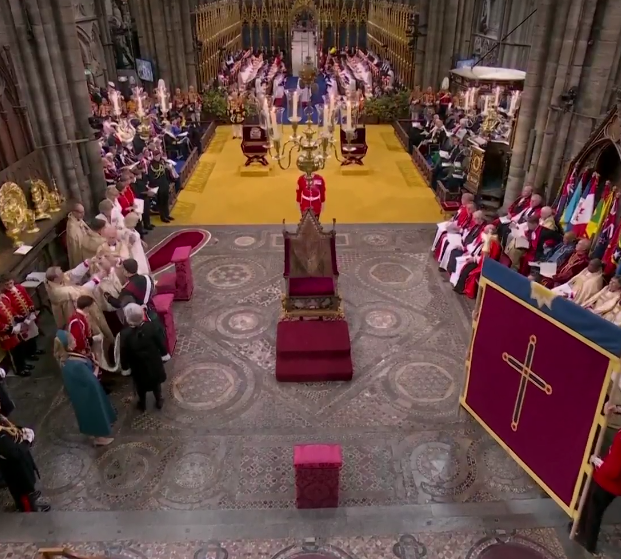
Image compare of King Charles III and his queen Camilla with his mother and father during Queen Elizabeth’s coronation in 1953.

Part II: Queen Elizabeth the First’s Coronation, January 14th, 1558.

The Procession

After the death of Mary the First, Elizabeth’s sister,

Royal portrait of the coronation of Queen Elizabeth I.

An Account of the Coronation

Like her namesake and the new king, Queen Elizabeth I was crowned at Westminster on January 15, 1558. Unlike them, however, the ceremony was performed in Latin and English by a Catholic bishop. Obviously, since Elizabeth was crowned during the Protestant Reformation, there was a lot of controversy about the liturgy. Some accounts aren’t sure what parts of the Catholic were read, but we do know Elizabeth took the oath, wore a similar golden robe to Charles and Elizabeth II, and was given the balm and scepter just like them. Here is a primary source account from an ambassador from the town of Mantua, Italy:

“The Queen was received under the canopy by the Archbishop and another Bishop, they having previously perfumed her with incense, giving her the holy water and the pax, the choristers singing; then the Earl of Rutland followed her Majesty with a plain naked sword without any point, signifying Ireland, which has never been conquered; then came the Earl of Exeter with the second sword; the third was borne by Viscount Montagu; the Earl of Arundel, having been made Lord Steward and High Constable for that day, carried the fourth (sword) of royal justice, with its gilt scabbard loaded with pearls. The orb was carried by the Duke of Norfolk, Lord Marshal, and in advance were knights clad in the ducal fashion, carrying the three crowns, they being the three Kings-at-arms; they bore the three sceptres, with their three crowns of iron, of silver, and of gold on their heads, and in their hands three naked iron swords, signifying the three titles of England, France, and Ireland..”

— Il Schifanoya, royal ambassador from Mantua

‘And whereas your request is that I should continue your good lady and be Queen, be ye ensured that I will be as good unto you as ever Queen was unto her people. No will in me can lack, neither do I trust shall there lack any power. And persuade yourselves that for the safety and quietness of you all I will not spare if need be to spend my blood. God thank you all.’ _Queen Elizabeth I
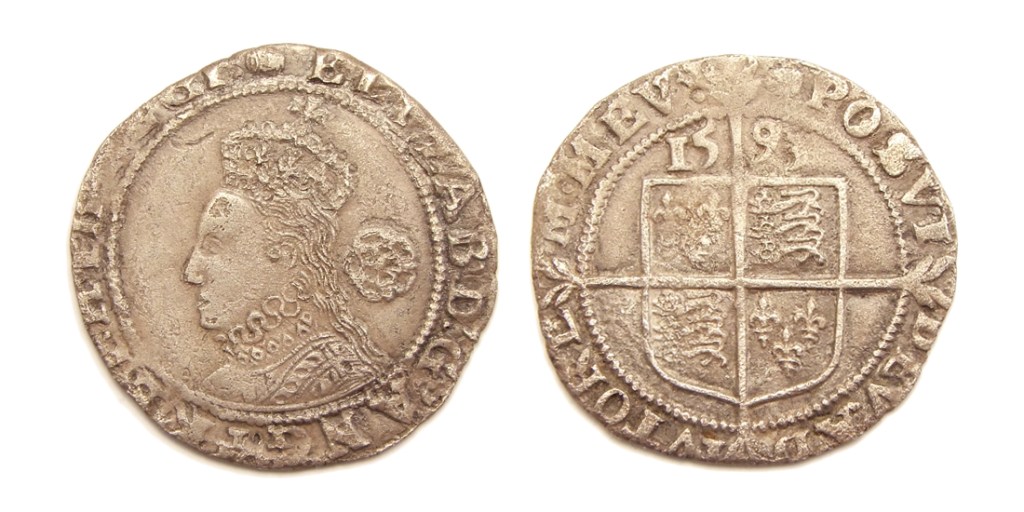
Elizabeth’s ring

References:

https://www.rct.uk/collection/404386/queen-elizabeth-ii-1926-2022-in-coronation-robes
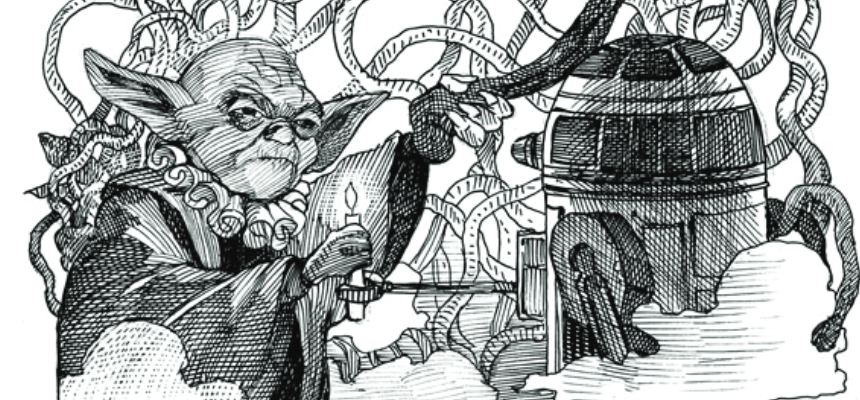
New Video: Yoda Speaks Shakespearean QUotes!

This is part of my upcoming podcast where I demonstrate how similar Yoda’s speech is to some Shakespearean dialogue. Actor and puppeteer Frank Oz, who puppeteered the character and supplied the voice explained that the idea behind the character’s iconic speech pattern was a discovery he made reading through the script:

“It’s funny you ask about [Yoda] because I was just looking at the original script of The Empire Strikes Back the other day and there was a bit of that odd syntax in it, but also it had Yoda speaking very colloquially. So I said to George [Lucas]: ‘Can I do the whole thing like this?’ And he said: ‘Sure!’ It just felt so right.”  

https://screenrant.com/star-wars-yoda-speak-speech-pattern-frank-oz-response/

There are a lot of in-universe theories as to why Yoda speaks like this. David Adger, from Queen Mary University of London has a theory that, much like many Latin languages have a different syntax than English, perhaps Yoda is speaking in the syntax of his language while speaking English:

He’s speaking English but changed the structure of it to be like his native language,” Adger points out. “We can find out something about Yoda’s native language by looking at how he speaks English, in the same way as I can find out about a French person’s native language by looking at how that French person speaks English. Yoda says things like ‘the greatest teacher failure is’… If you were to say that in a language like Hawaiian … it would be almost exactly the same … putting the predicate before the subject,” the professor used as an example.

David Adger, qtd in Comic Book.com, https://comicbook.com/starwars/news/star-wars-yoda-frank-oz-empire-strikes-back-dialogue-lines/
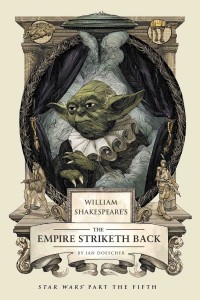
Book cover for Ian Doescher’s “The Empire Striketh Back,” a Shakespearean parody of Star Wars Episode 5.

Why Do Shakespeare and Yoda speak like this?

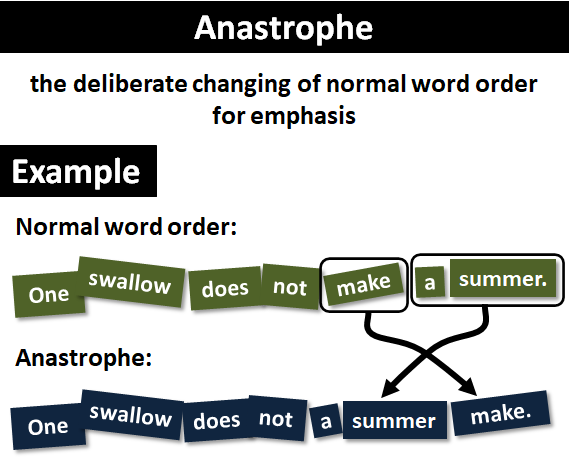
Example of Anastrophe from https://www.grammar-monster.com/glossary/anastrophe.htm.

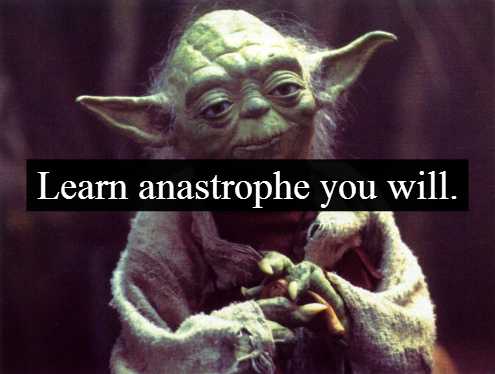
From a Shakespearean perspective, what Yoda is doing is called anastrophe, a rhetorical technique that is used for emphasis. Instead of the familiar- Subject-Verb-Object syntax of English, the order is flipped to grab the reader/ listener’s attention:

http://rhetoric.byu.edu/

According to Silvae Rhetorica (The Forest of Rhetoric), the word Anastrophe is Greek for “backward turning,” where the writer twist the word order around. As I said before, this creates a surprising effect, much like this painting by Picasso:

“People take the eye for granted. If I paint an eye in an eye socket, they take it for granted. If I take it out of the eye socket and stick it somewhere else, it comes as a shock, and they see the eye anew.”

— Pablo Picasso

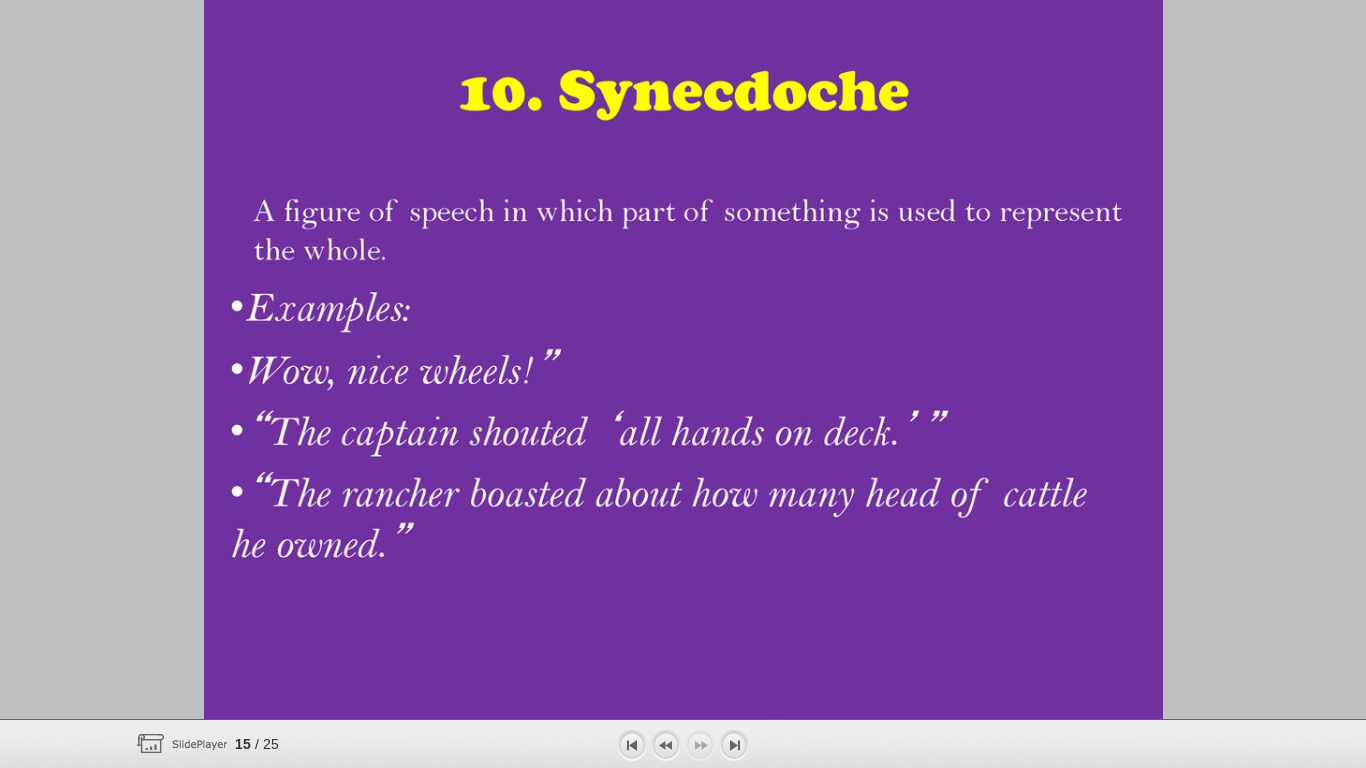
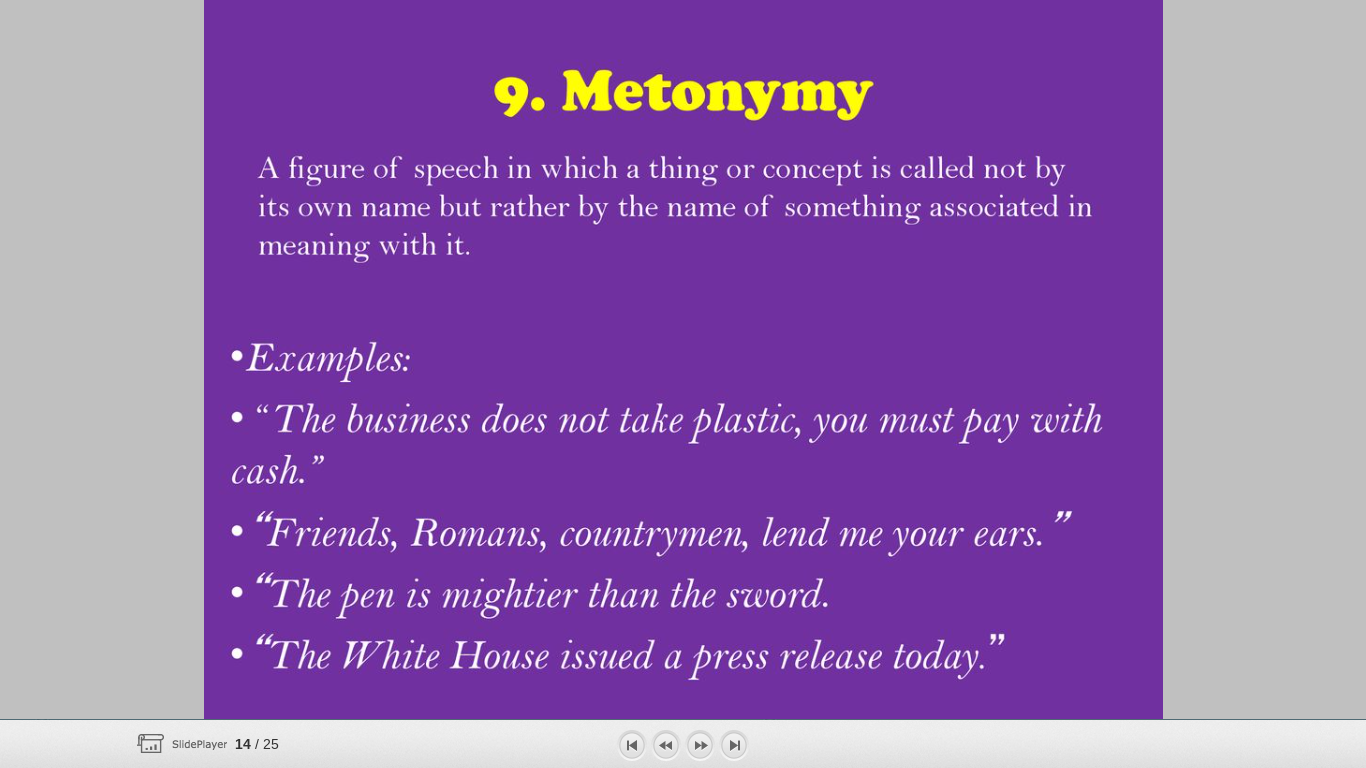
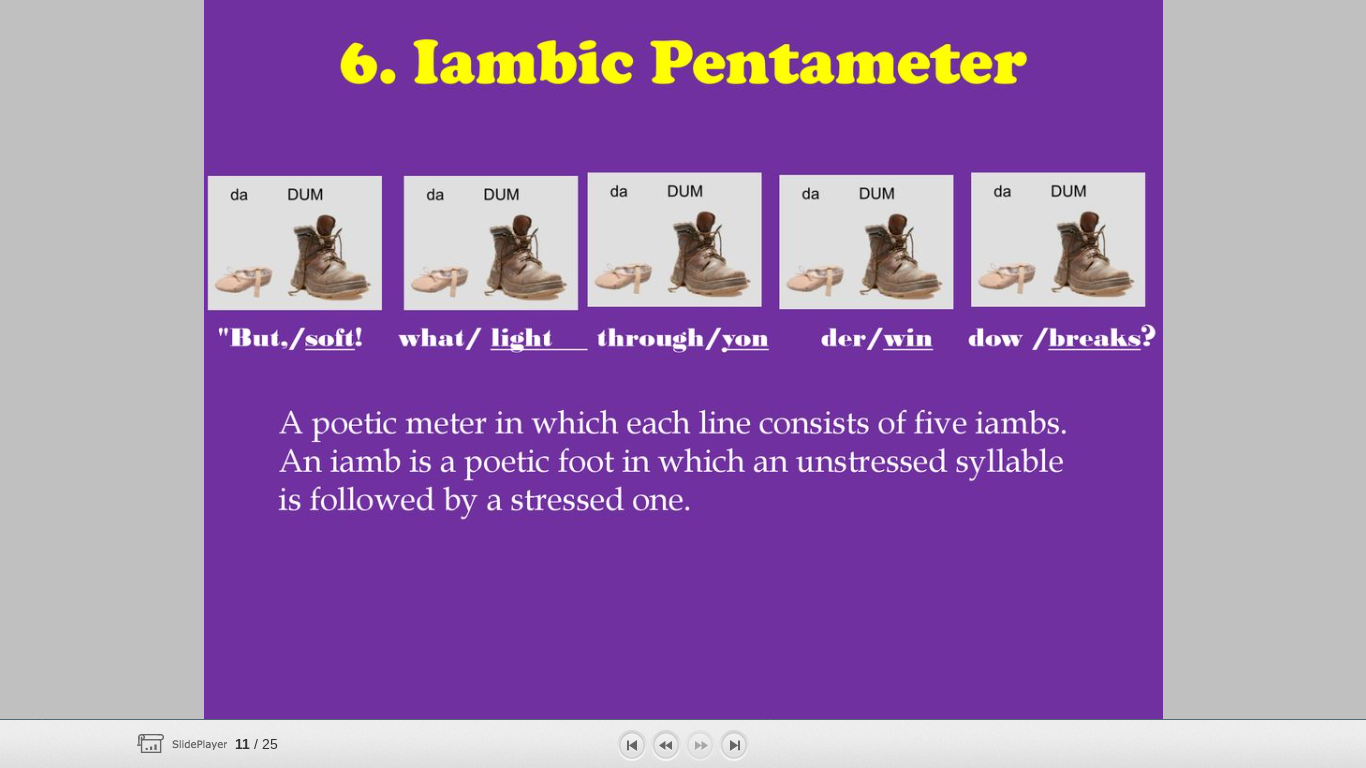
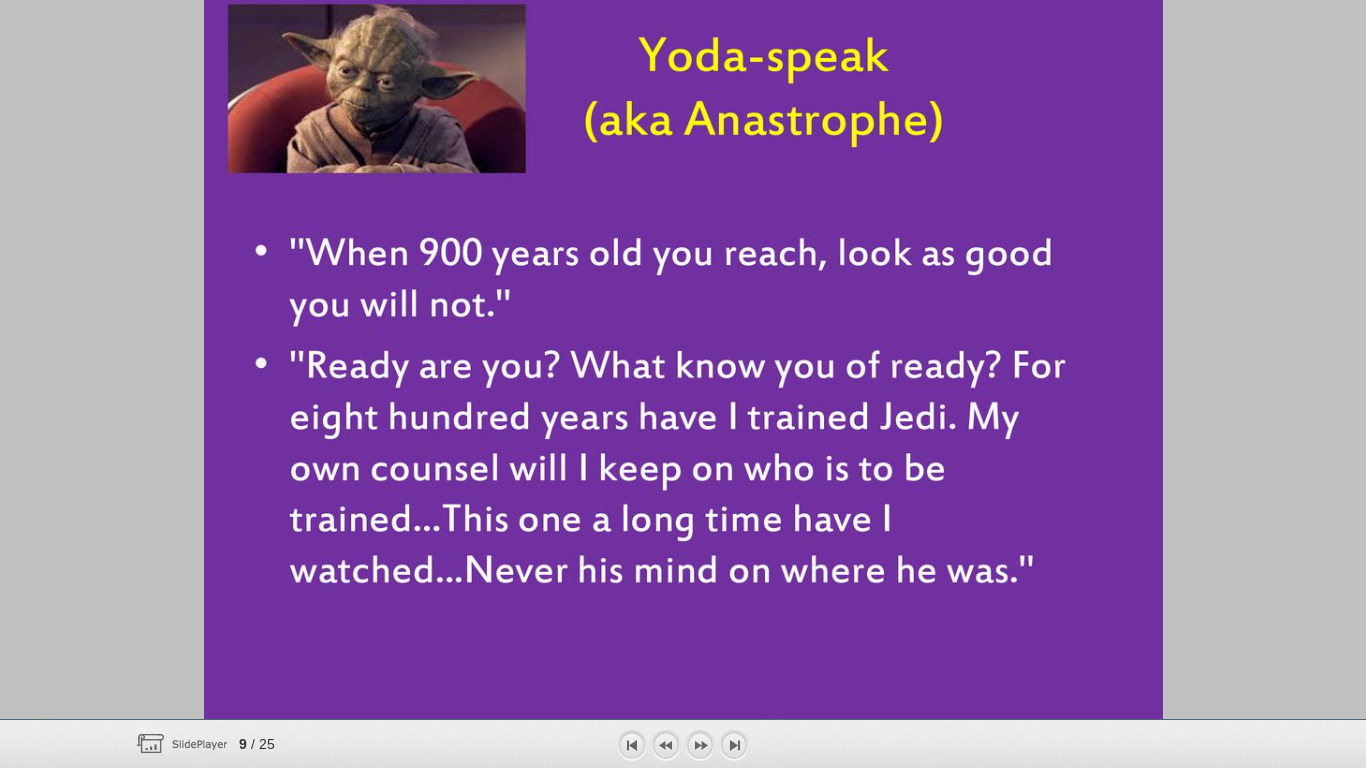
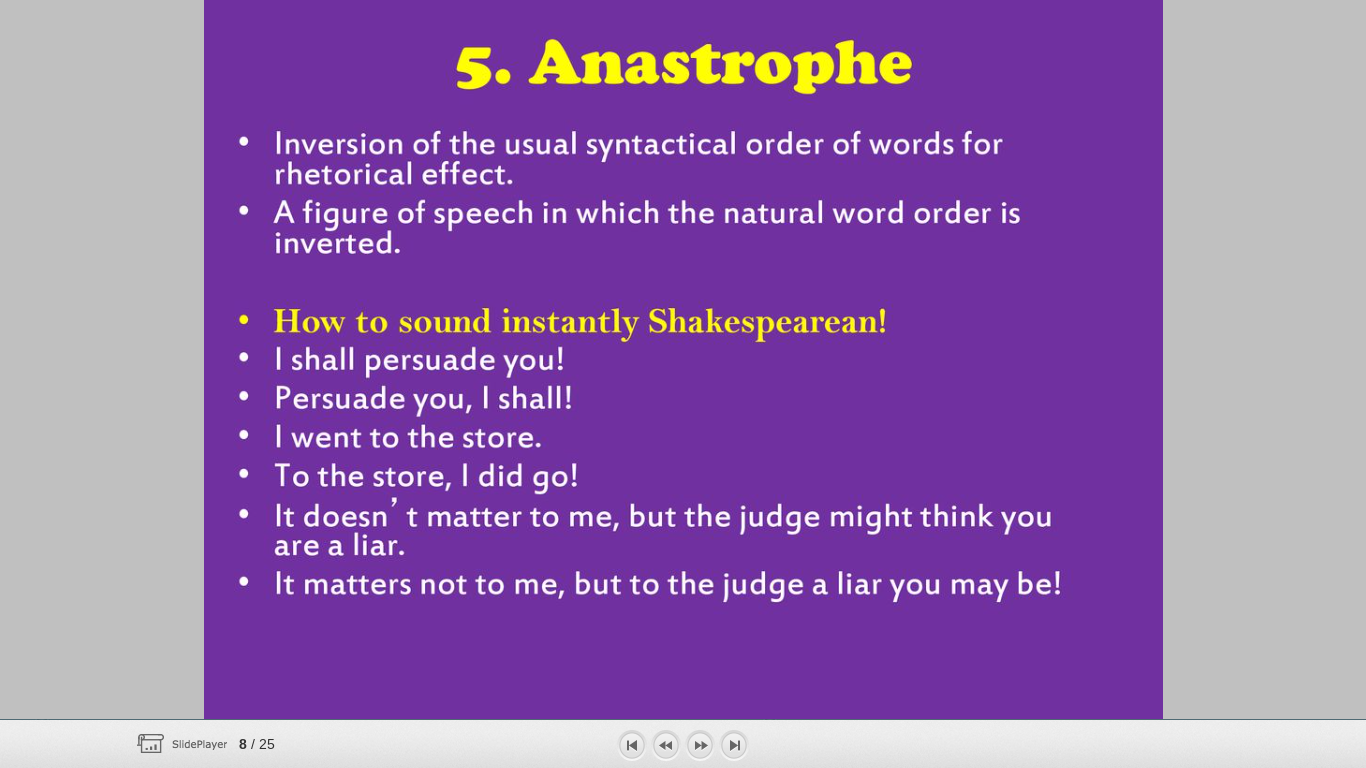
In the following slides, (which I found from Slideplayer.com), you can see examples of how Shakespeare and Yoda use anastrophe.

https://slideplayer.com/slide/13750257/

So I hope this post has helped you understand the force of Yoda’s unique style of speaking that was first used by The Bard!

anastrophe - Phocabulary word - Photo Word of the Day to improve and  enhance word memory. Beginner, intermediate, advanced words including  definition, synonyms, and antonyms.

If you liked this post, please listen to my new podcast about Ian Doescher’s Shakespearean parody of Star Wars: The Empire Strikes Back, which I’ll publish on May 4rth (hopefully)

https://open.spotify.com/show/65BtDNOfX5Ls5yPoepwHHM .

Shout Out to William Shakespeare In Media: William Shakespeare’s Star Wars

While researching for my upcoming podcast on Shakespeare’s Star Wars, I found this great article by fellow Shakespeare blogger William Shakespeare In Media. They have a great analysis of Ian Doescher’s parody “William Shakespeare’s Star Wars,” with some details I didn’t know the first time around! So please show them your support, and tell them Shakespearean Student sent you!

Also, feel free to peruse my podcast and post on “Verily: A New Hope.”

I’m very excited for the content I have coming up, BEGUN STAR WARS WEEK HAS!!!

Special Discount For My Online Class:

Scan the QR code to see my list of classes.

This Friday is the grand premiere of my new online class: “Shakespeare: The Lost Play,” where you discover who stole Shakespeare’s play. Below is the latest trailer.

Since I want as many people to play as possible, I’m creating a coupon: Get $10 off my class “Shakespeare’s Lost Play Mystery Game” with coupon code HTHES4OXNY10 until May 8, 2023. Get started at https://outschool.com/classes/shakespeares-lost-play-mystery-game-ny9HhlxI and enter the coupon code at checkout.

New Outschool Class: Shakespeare- The Lost Play

This is an interactive game that teaches the craft of Shakespeare’s writing and stagecraft in the form of an Elizabethan escape room. You must find the lost play of William Shakespeare before a mystery thief destroys it! Solve the clues and learn about Shakespeare’s writing and theater to uncover a historical mystery!

Course Description

In this fully online, fully interactive game, you play as a member of Shakespeare’s company. You’ve just discovered that someone has stolen Shakespeare’s new play “Love’s Labors Won,” and you need to find it before the show tonight! In the course of the game, you search the Globe Theater and Shakespeare’s study. Then a mysterious note reveals that someone has stolen the play! You must figure out who it is, and find the play before the thief burns it! Through the course of the game, you will learn about Shakespeare’s theater, the secrets of how he wrote some of his great plays and beautiful poetry, and the work of his contemporaries in a fun, interactive way.

The class is organized into four parts, based on four locations where you will search for the missing play:

Part I- Search the Theater

Part I- Search the theater (website/ Slides/ Jamboard)
You learn the basic parts of an Elizabethan stage (Google slides)
You label the parts of the theater (Google Forms)
You do a virtual tour of the theater (via Globe Theater.com)
Web quest- answer 3 questions about Shakespeare’s Globe: https://www.shakespearesglobe.com/ (handout)
You search the tiring house (the backstage area of the Globe), and find the letter from the thief (Sites).

Part II- THe Crime


A video plays where the thief declares that he’s stolen Shakespeare’s play for money and revenge.
After the video, you will learn about plays, printing, and theft in Shakespeare’s day through a series of Google Slides
Activity- make a folio, quarto, and octavio with just a piece of paper (handout)
Web Quest- answer 3 questions about how Shakespeare’s plays were printed and the first folio (Slides)
Activity 2: make an actors’ scroll or roll the way that Elizabethans might use (video)
Easter egg- find a pair of gloves in the print shop and answer questions.

https://www.shakespeare.org.uk/explore-shakespeare/blogs/shakespeare-100-objects-pair-gloves/

Part III: Write a New Play

You’ll gain new understanding of the types of plays Shakespeare wrote and their basic plot structure via Google Slides. You’ll then take a short quiz to confirm what you learned.

-Plot Structure
You’ll learn about the basic structure of Elizabethan plays via Google Slides.
A second set of slides will demonstrate the plot structure of Romeo &Juliet
You’ll mix and match a series of plot elements to create your own Elizabethan play via Jamboard

Tragedy:

  • A hero is given some unwelcome news
  • He feels betrayed by those close to him
  • He agonizes about the ethics of killing someone close to him.
  • He kills someone (or banishes an honest man) and immediately falls into a downward spiral.
  • The hero does (this will be a mandatory choice)

Comedy:

  • The heroine disguises herself as a boy
  • A hero or heroine swears (s)he will never fall in love and immediately falls in love
  • The heroine pretends not to be interested in the hero, (but secretly loves him).
  • A loyal best friend is captured, sent to prison, or bewitched
  • The hero and heroine hate each other due to a series of misunderstandings.
  • The hero and heroine get married (this will be a mandatory choice).

History:

  • An ambitious young man arises to challenge the king for the throne.
  • The old king dies, (or is murdered)
  • A new king becomes king
  • Duels and or battles
  • Someone dies in battle
  • Someone is murdered, assassinated, or sentenced to death.
  • New King gets married
  • King and Queen reign peacefully (at least for now)

Romance ( if students pick this option, they can mix and match everything (except the main character dying)

Verse practice-
You’ll learn about the verse Shakespeare wrote, through a series of slides and a jam board.
Activity- You will be given a series of famous lines from plays and movies, (such as a quote from a Disney Movie, a Star Wars film, or a song). You will then determine if it is an iambic pentameter line (Google Slides).
Easter egg- you find a second note from the thief (Google Sites).

Part IV- THe Tavern

You will look at a series of pictures and videos about Shakespeare’s contemporaries and try to figure out which of them stole the play. Through the handout, you will conclude who the thief is.
You find a dagger in the tavern and take it. Outside the tavern, you will fight the thief in a short animation. GAME OVER.

THe FIrst Class starts April 28th, 2023. CLick here to register!

My Top 10 Favorite Shakespeares

Shakespeare’s birthday is coming up! This is the week where I usually stop talking about individual plays, and talk about the man himself. Today I’d like to cover how he’s been portrayed in fiction. As you’ll see, with such a famous and at the same time mysterious figure like Shakespeare, there is a lot of leeway in terms of how you portray him. This list shows multiple interpretations of Shakespeare and at different stages (ages) of his life. Some are comic, some are tragic, but all are fascinating to discuss:

#10: Rhys Ivans (Anonymous, as The Earl Of Oxford).

Like I said in my podcast, I don’t believe Oxford was the real Shakespeare, and I have some issues with the character and his lack of humanity. That said, I do like the character they were going for- a tortured genius who has to create, in spite of himself, and it destroys him and his family.

#9: Hugh Laurie

I love what they do here- Shakespeare’s a temperamental artist who hates editors, but ultimately accepts that he has to put butts in seats. It’s very true-to-life and Rowan Atkinson and Hugh Laurie do a great job in this sketch!

#8: Kill Shakespeare Volume 2

Like I said in my full review, I really like the idea of an aging Shakespeare buckling under the pressures of being an icon. Bardolatry, the worship of Shakespeare as a literary god, has been a real thing in academic circles for at least the last 200 years and I think it really hampers first-time readers from even attempting to read Shakespeare. Since this comic is very much attempting to get people to do just that, it makes sense that they portray Shakespeare as a deeply flawed human who is trying his best, but not able to live up to his god-like persona.

#7 Matthew Baynton- Horrible Histories

Even though this history show for kids is also trying to make Shakespeare accessible for British schoolchildren, it actually takes the opposite approach for Shakespeare- make him cocky, self-assured, silly, and a bit of a schlamaazel, who like his own creation of Mercutio, talks too much and invariably gets himself into trouble.

#6: King Of Shadows

Cover of “King Of Shadows,” an excellent Young adult novel for anyone who loves Shakespeare.

“Nat, say hello to William Shakespeare”. They might as well have said, “Nat, say hello to GOD!”

-King Of Shadows

Again, most interpretations of Shakespeare are aware of and try to subvert the god-like status he has in our culture, which is why this YA novel attempts to humanize him, by having him interact with the hero, Nathan, a 20th-century child actor, go back in time and finds himself switching places with another Nathan Field, a real boy actor in Shakespeare’s company. Nathan then meets and befriends Shakespeare and the two form a father-son bond.

This book takes place just a few years after the death of Shakespeare’s own son, Hamnet, so this William Shakespeare has a son-shaped hole in his heart. It’s really heartwarming to see the two broken people form a family bond.

#5: Hamnet

As I said before, Shakespeare is not the main character of this novel; he pops in and out of the life of the real main character; his wife Anne, as he visits her at his parents’ home, and later when he sees her on periodic trips home from London. His characterization is entirely indirect. That said, we learn a ton about him through her perceptive eyes. We see his hatred of his abusive father, his frustration with being a glover’s son with no time to make a living in the theater. We see his ambition take hold as he travels to London, and at last, his contrite return to finally become a good husband after the death of his son. This Shakespeare is sort of a prodigal son, who searches for fame and fortune as a young man in the big city, but eventually comes to value his life at home. This solves the mystery of why Shakespeare never moved his family to London, why he retired in the early 1610s, and why his writings have nothing about his relationship with his family, his wife, or especially his son. This Shakespeare is scarred; trying to redeem himself from the sins of his past.

#3 Kenneth Branaugh- “All Is True”

This Shakespeare is at the end of the journey he took in “Hamnet.” He’s retired from theater, trying to pick up the pieces of his life in Stratford, and trying to reconcile his feelings for the fair-young-man (played by Ian McKellen), and his wife, (played by Judy Dench). It’s melancholic, but still funny in a dour way.

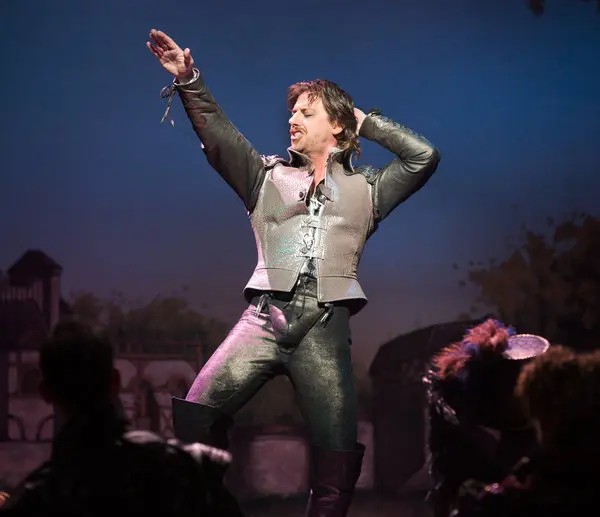
#3: Christian Borle- “Something Rotten”

Like I said in the review of the Broadway musical, Borle is the best part of this show. Like Matthew Baynton, he plays Shakespeare as a cocky young self-assured genius on the outside, but unlike Baynton, we see he has a deeper side underneath. As he sings in the incredibly catchy “Hard To Be the Bard,” Shakespeare is once again dealing with the problem of maintaining his success and is under a tremendous amount of pressure to crank out new and successful plays all the time. Even though he’s the antagonist, he’s more sympathetic than the heroes.

#2: Jacob Fiennes- “Shakespeare In Love”

I realize this movie has lost a lot of prestige over the years, thanks to the controversy over its loathsome producer, Harvey Weinstein. I realize that the film Shakespeare In Love might not have deserved best picture over films like Saving Private Ryan. That said, I still think it’s a fantastic movie and every single element from the sets to the costumes to the near-perfect casting, is top-notch, especially the casting of Jacob Fiennes as Shakespeare. This young, heartthrob Shakespeare hasn’t yet become the self-assured genius we see elsewhere on this list. He’s constantly out-classed by Christopher Marlowe, which is a very good choice because it helps us sympathize and root for this man, whom we all know will become a rich, successful genius, but hasn’t yet.

Fiennes also gives Shakespeare a very good arc- he’s a selfish dreamer like Bottom at the beginning and a sweet, sensitive man at the end. In the end, he writes for all the right reasons- supporting his family, immortalizing his love Lady Viola, and helping his friends and partners in the Chamberlain’s Men. Most of these Shakespeare are fairly static, but this movie gives him a great hero’s arc which allows us to like him and hope that his play is a success. As you can see in this alternate version of the final scene, Shakespeare makes a tearful goodbye to Viola, and sets about paying tribute to her in a play that will eventually become Twelfth Night. He also begins his lifelong partnership with Richard Burbage, who will go on to play Malvolio in that play, as well as Hamlet, Othello, and many others. It’s a satisfying conclusion to his arch, which like Viola, shows that Shakespeare is ready to take on a “brave new world” with a new sense of purpose.

#1: Dean Lennox Kelly From Dr. Who: The Shakespeare Code

Dr. Who (David Tennent) and Dr. Martha Jones ( Freema Agymann), are… disappointed when they meet Shakespeare in person in 1599.

Though this episode has an inauspicious start, Dean Lennox Kelly from this 2007 episode of Dr. Who finds a way to incorporate every aspect of every other Shakespeare on this list! He’s a cocky, self-assured showman on the outside who knows he’s a genius but is also a middle-class man of the people, playing to the groundlings. On the inside though, he is mourning the loss of his son and yearning for love, which is why he falls in love with Martha and (spoiler alert) makes her the Dark Lady of the sonnets. He also is clever enough to figure out what’s going on as three aliens try to manipulate him into using his gift of words to conjure the end of the world for them. Finally, he is still a hard-working writer and does occasionally doubt his own work:

Shakespeare: “To be or not to be”. Oh, that’s quite good.

10th Doctor: You should write that down

Shakespeare: I dunno… bit pretentious?

-The Shakespeare Code.

Again, the best thing about this Shakespeare is his arc- he drops his mask of genius and opens up to Martha and the Doctor, just like how the Doctor confides in Shakespeare how he is mourning the loss of his previous companion, Rose. In the end though, he draws strength in the memory of his son, and actually uses it to save the world!

Is this a historically accurate biopic? No. Is it a silly cartoon? Also no. The reason I ranked this episode the highest is because they managed to encompass the myth and the man of Shakespeare in a very compressed time, with tons of Shakespeare easter eggs, and historical references, and it was filmed in the real re-creation of Shakespeare’s own theater! Someday I’ll write a full review of this episode, but for now, I hope you’ve enjoyed this list, and are hungry for more Shakespeare’s Birthday Week content!

New Trailer/ Special offer on my Murder Mystery Game!

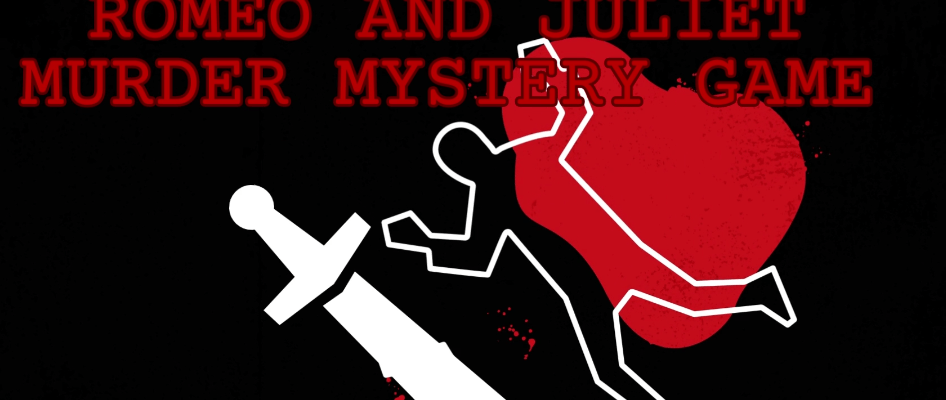
This is my new trailer for my fully online, fully immersive murder mystery game based on Shakespeare’s “Romeo and Juliet.” You play as a detective hired to solve the mystery of Juliet’s murder. You will piece together the plot and characters of Romeo and Juliet, but also use forensic science to identify clues, interrogate suspects, and examine the crime scene just like a real detective! Register now at Outschool.com SPECIAL OFFER: Get $5 off the murder mystery class with coupon code HTHESSQ76F5 until Apr 22, 2023. Get started at https://outschool.com/classes/romeo-a… and enter the coupon code at checkout.

Announcing ROMAN MONTH!

Julius Caesar Immortal Longings

In honor of “The Ides Of March” and Women’s History Month, I’ve planned a series of posts, podcasts, activities, and videos all related to “Julius Caesar” and Shakespeare’s female characters. Here’s a preview:

Posts

Play of the Month: Julius Caesar

Why “Mean Girls” is like Julius Caesar

Close Reading: Friends, Romans, Countrymen

Shakespeare’s Roman Women

The Fashion is the Fashion- Julius Caesar- Togas, helmets, etc.

Mock Trial- Julius Caesar

Shakespeare Recipes- Roman Pies

Podcasts

Crafting A Character: Brutus

The turbulent history of “Julius Caesar” in America

Special Promo Event!

Be sure to subscribe for all the fun!

Get $5 off when you sign up for my online class “The Violent Rhetoric of Julius Caesar” with coupon code HTHESIIAW75 until Mar 28th.