New Outschool Course: Macbeth

Just in time for October, I’m offering an online class for kids ages 13-18 about Shakespeare’s most spooky and cursed play:

If you follow this blog you know I’ve written a lot about this play before. Though this class will be more like a game where I teach the class using multimedia, games, and a digital escape room!

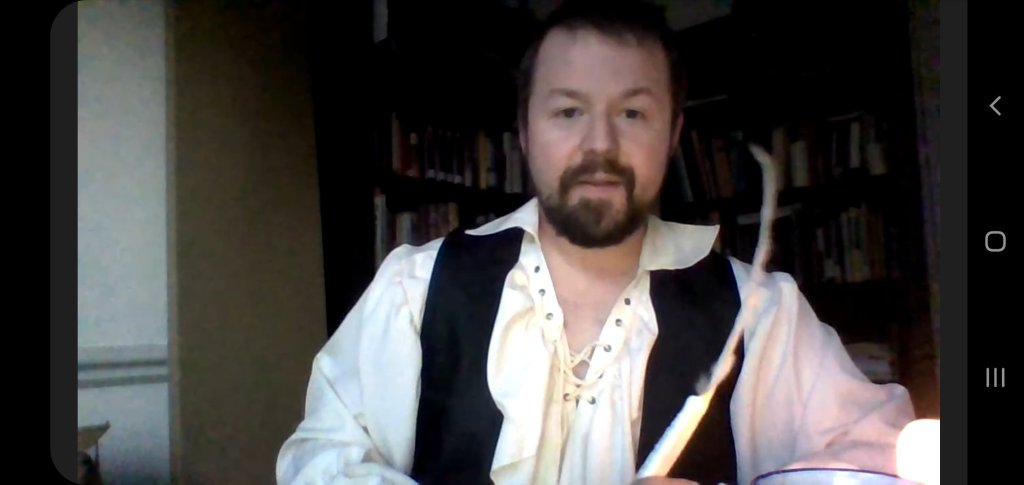
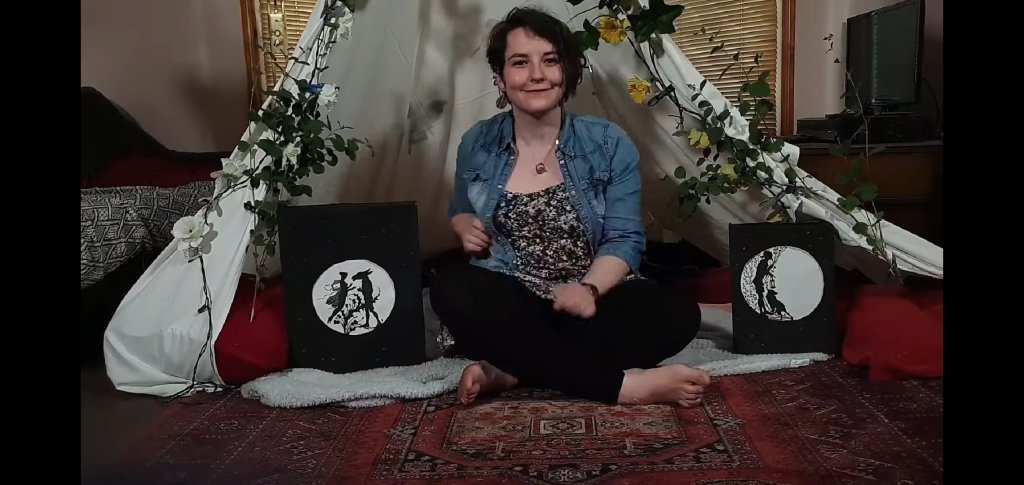
Me in my Shakespeare gatb

I’ll start by speaking to the students in character as Shakespeare, and tell them the story of Macbeth using a multimedia presentation.

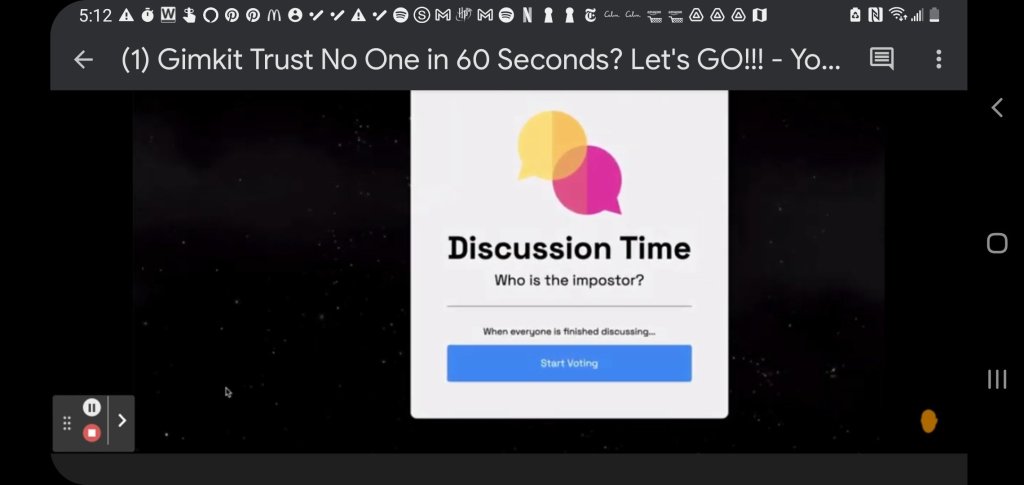
I will then test the students’ knowledge with a fun quiz that was inspired by the popular mobile game Among Us. As you know, the game is similar to a scene from the play, so I thought it would be an appropriate way to test the kids’ knowledge.

Screenshot from the Gimkit game “Trust No One.” Like Among Us, players need to figure out who the Imposter is, but they greatly increase the chances of surviving if they answer the quiz questions correctly.

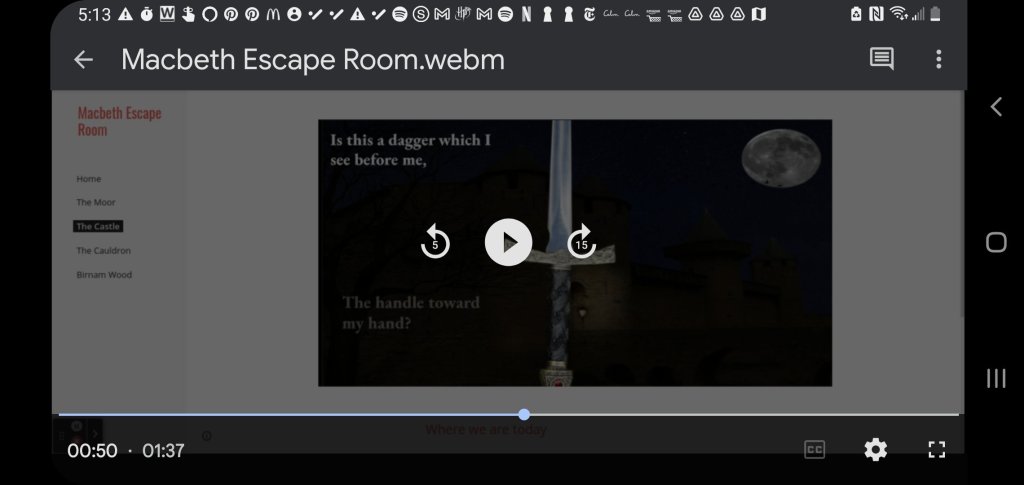
The final part of the class is a digital escape room I’ve created. I don’t want to give too much away, and you can’t play it unless you sign up for the class, but let’s just say it’s fun, spooky, educational, and challenging!

Screenshot from my Macbeth Escape Room.

If you want to sign up now, the course is available every weekend in October, and then by request after that. Register now at Outschool.com. if you take the course, please leave me a good review.

Hope to see you soon!

New Acting Course for Young Actors Starting September 12th, 2021.

Trailer for my 2021 Acting course via Outschool.com

I’ve been working on a remote learning class for Outschool.com where I take some of the audition advice I wrote in Creating A Character: Macbeth, and some of the other acting posts I’ve published over the years. This will be a weekly virtual acting course for kids ages 13-18, starting September 12th at 10AM EST.

This class will outline the tools and techniques of Shakespearean acting such as projection, articulation, and imagination. Each We’ll also go over Shakespeare’s own advice on acting in his play “Hamlet: Prince of Denmark.” The course will culminate with the students choosing their own Shakespearean monologues and scenes, which they can use going forward in auditions, school plays, and classes.

The best thing about the course is that each week builds on the previous week’s experience, but you don’t need to go to all of them. I’ll be flexible and work with the student’s schedule so everyone gets as much out of the class as possible.

If you’re interested in signing up, go to Outschool.com. If you have any questions, email me by clicking here:

Hope to see you online soon!

Summer Shakespeare Academy!

I’m working this summer with the good people at Outschool, an online learning platform for kids ages 3-18. I’m designing a series of Shakespeare classes that you can sign up for. We’ll be doing acting exercises, reading Shakespeare’s text, and making Shakespeare props Cost is $3 per child.

The course is ala carte, that is, you can sign up for as many courses as you like. Each course builds on the last one, but you don’t have to have taken the previous ones to enjoy any one particular course Let me know in the comments which class(es) you are interested in, and/or what suggestions you might have. I can’t wait to hear what you think about these summer Shakespeare courses, and I hope to see you online soon!

1. Introduction to Shakespeare- (enrollment here: https://outschool.com/classes/introduction-to-shakespeare-or-how-i-learned-to-love-the-bard-UoHH5fes?sectionUid=973060db-f857-461a-a23a-f1476203a544&showDetails=true) We’ll talk about why Shakespeare is so famous and learn about his life and career. Then we’ll do some fun quizzes that you can earn prizes based on how well you pay attention!
2. How to write ✍ like Shakespeare (Enrollment here: https://outschool.com/classes/how-to-write-like-shakespeare-0HuPq1Cg?sectionUid=4243af25-ba41-4724-82a2-61bd7c7d862e&showDetails=true) Have you ever wanted to woo your sweetheart or write the next bestselling play? Well, this course will cover the secrets of Shakespeare’s writing. We’ll cover how to write romantic poems, the structure of Shakespeare’s plays, and you’ll get to write your own Shakespearean speeches!
3. Intro to Shakespearean acting Practical tips and tricks for your next Shakespeare audition.
4. Shakespeare’s villains
We’ll look at the darkest and creepiest Shakespearean characters and see why they still fascinate us today!
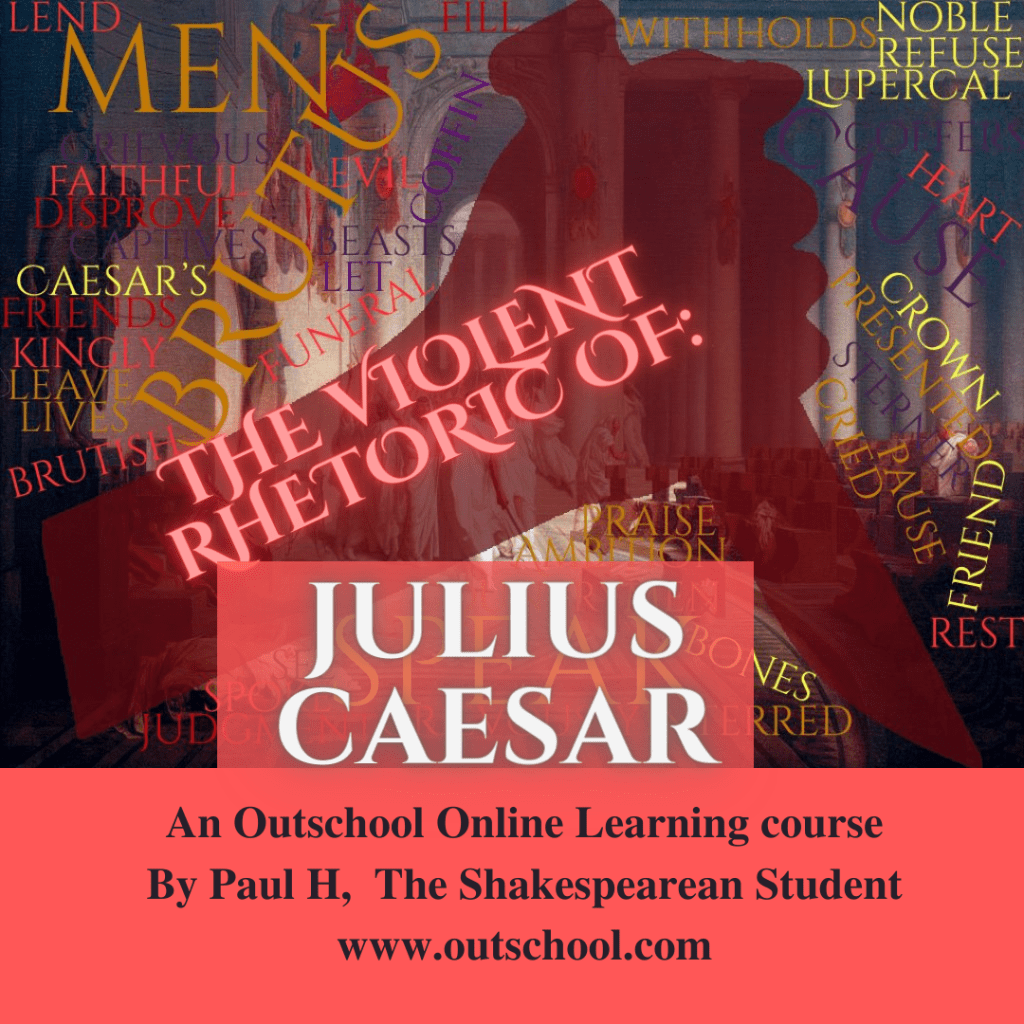
5. The Violent Rhetoric Of Shakespeare’s Julius Caesar (Registration Here: https://outschool.com/classes/the-violent-rhetoric-of-julius-caesar-fkMLbAtA?sectionUid=1f9220cd-8c28-438d-9799-8479494353a4&showDetails=true#usMaRDyJ13) In this one-time course, students will analyze the rhetoric and persuasive power in two speeches from Shakespeare’s “Julius Caesar”
6. Intro to Romeo and Juliet – Get a leg up on your next English class with this fun, frenetic look through the characters, themes, and story of Shakespeare’s most popular, and most-taught play.
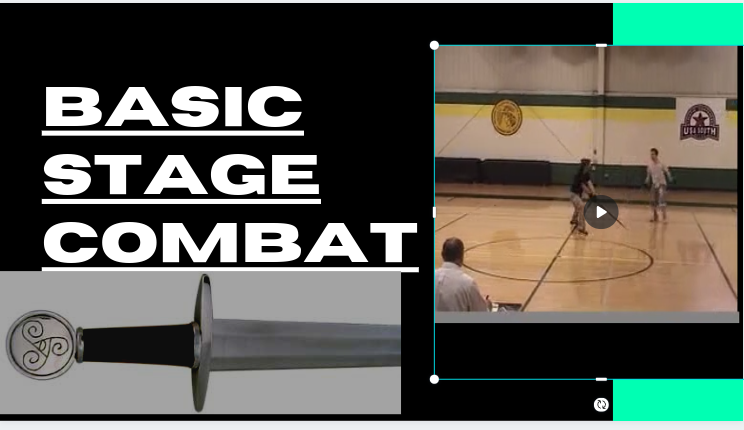
7. Basics Of Stage Combat (Registration here: https://outschool.com/classes/1120ada2-047d-4b0f-84f6-5eb4b0f7dc66/schedule#usMaRDyJ13 I’ll teach the kids about Elizabethan street fighting, and the basics of stage combat.
8. The Balcony Scene of Romeo and Juliet– It’s been called the greatest love scene of all time, but why? I’ll explain the imagery, the poetic language, and give you a chance to make your own love poetry!
9. Insults and Shakespeare You’ll craft your own Shakespeare insults and engage in a (respectful), beat down with your classmates! Along the way, we’ll talk about how insults escalate to violence in Shakespeare’s Romeo and Juliet.
10. The Iconic imagery of Romeo and Juliet We’ll look at some beautiful paintings, songs, and other works of art that build on Shakespeare’s poetic imagery.
11. Romeo and Juliet and pedagogy Shakespeare is uniquely challenging to get kids to engage with. I’ll give you some of my resources, games, and activities to help you delve into the play in your next class.

If you like these courses, let me know by leaving a comment below. If you’re interested in signing up, visit my teacher profile page: https://outschool.com/teachers/The-Shakespearean-Student. New classes will be added every week, and I’ll work around your schedule when planning the dates and times. Hopefully this will be a great chance for me to share my expertise with a young group of future Shakespearean students!

How to Throw a Fairies Themed Midsummer Night Dream Party (Quarantine Safe Edition)

Happy Midsummer everyone! Wednesday June 24rth is the Midsummer festival, which means as you go to sleep that night, I wish you all Midsummer Night Dreams! Before that though, I welcome you to party like it’s the court of King Oberon, and here are some ideas:

Background: What Are Fairies?

The story of Fairies has many authors that come from multiple folkloric traditions. The Greeks had nymphs, the Romans had cupid, and the English and Germans had…


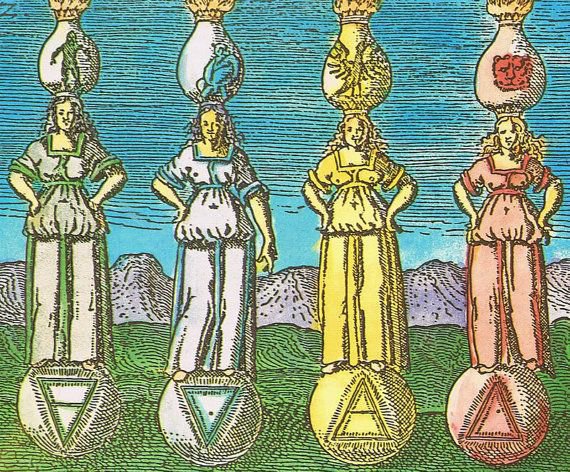
1.  According to Paracelsus, fairies are elemental spirits that help control the Earth’s four elements: Silfs (air), gnomes (Earth), Salamanders (fire), and  Undines (water).
2. In some versions, they are household creatures that interact with humans
3. Some cultures call them demoted Angels, not good enough for Heaven, but not bad enough for Hell.

So you can see there are lots of traditions that contribute to our modern concept of the fairy, and plenty of ideas to adapt into your party!

Part One: The Invitation:

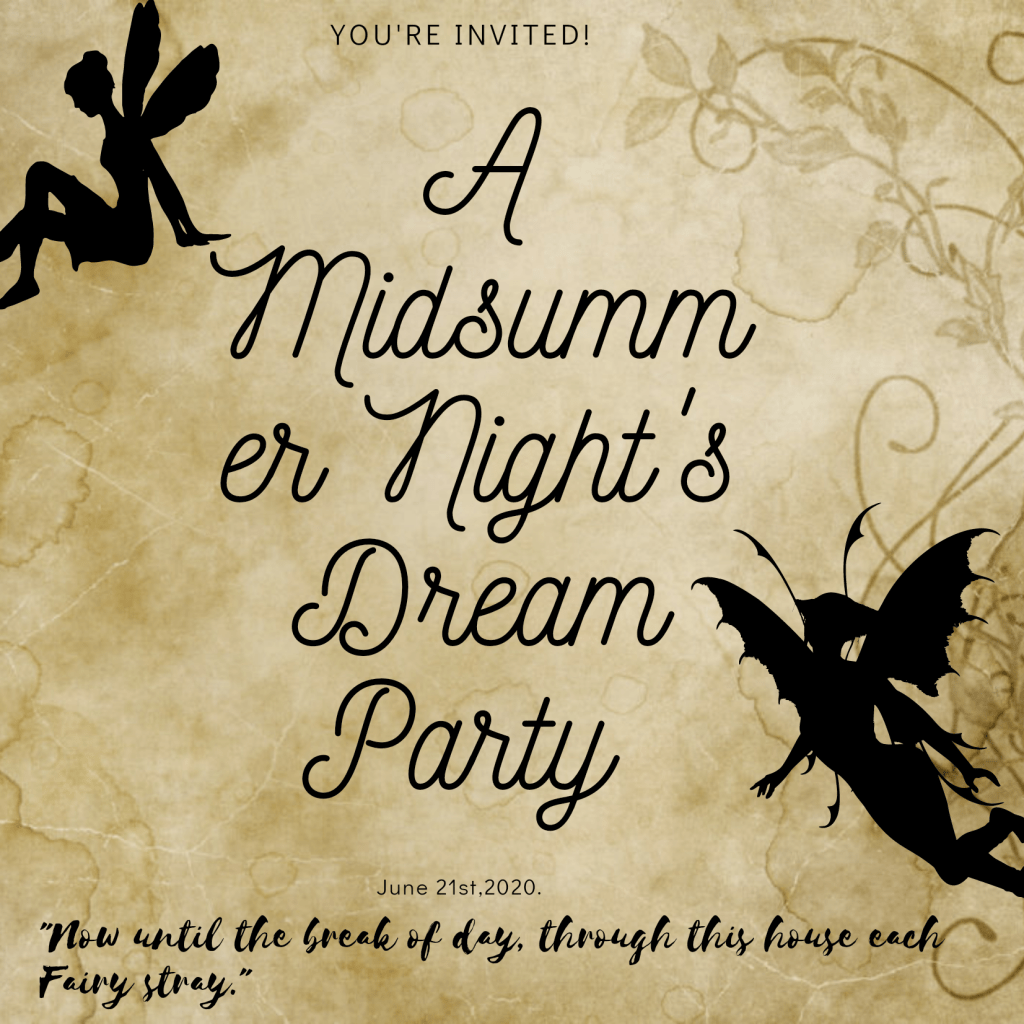
There’s a ton of free fairy clip art and fairy designs online. Below is an invitation I created for free with an app called Canva and a parchment background picture I found online.

1. Pixie invitations
2. Immortal Longings

Second card design I created on Canva.

You probably also know that I am a huge fan of the website Immortal Longings because of their excellent Shakespearean art and they sell cards too. You can buy the cards or download the pictures on their website.

Shakespearean Greeting Cards from Immortal Longings.com


Part Two: Decorations
Fairy

Fairy Dens Right now the Royal Shakespeare Company is making DIY Fairy decorations including a Fairy Den that you can share with your family and friends:

What is a Fairy Den? Fairies in folklore are closely tied to the Ancient Celts and Druids, who believed that Fairies live in hollow places underground. A fairy den is a homemade den that imitates the ancient fairy hollows.

Workshop on Fairy Dens and Fairy Lanterns: https://youtu.be/KC7CbPPIrjs

Fairy lights from IKEA

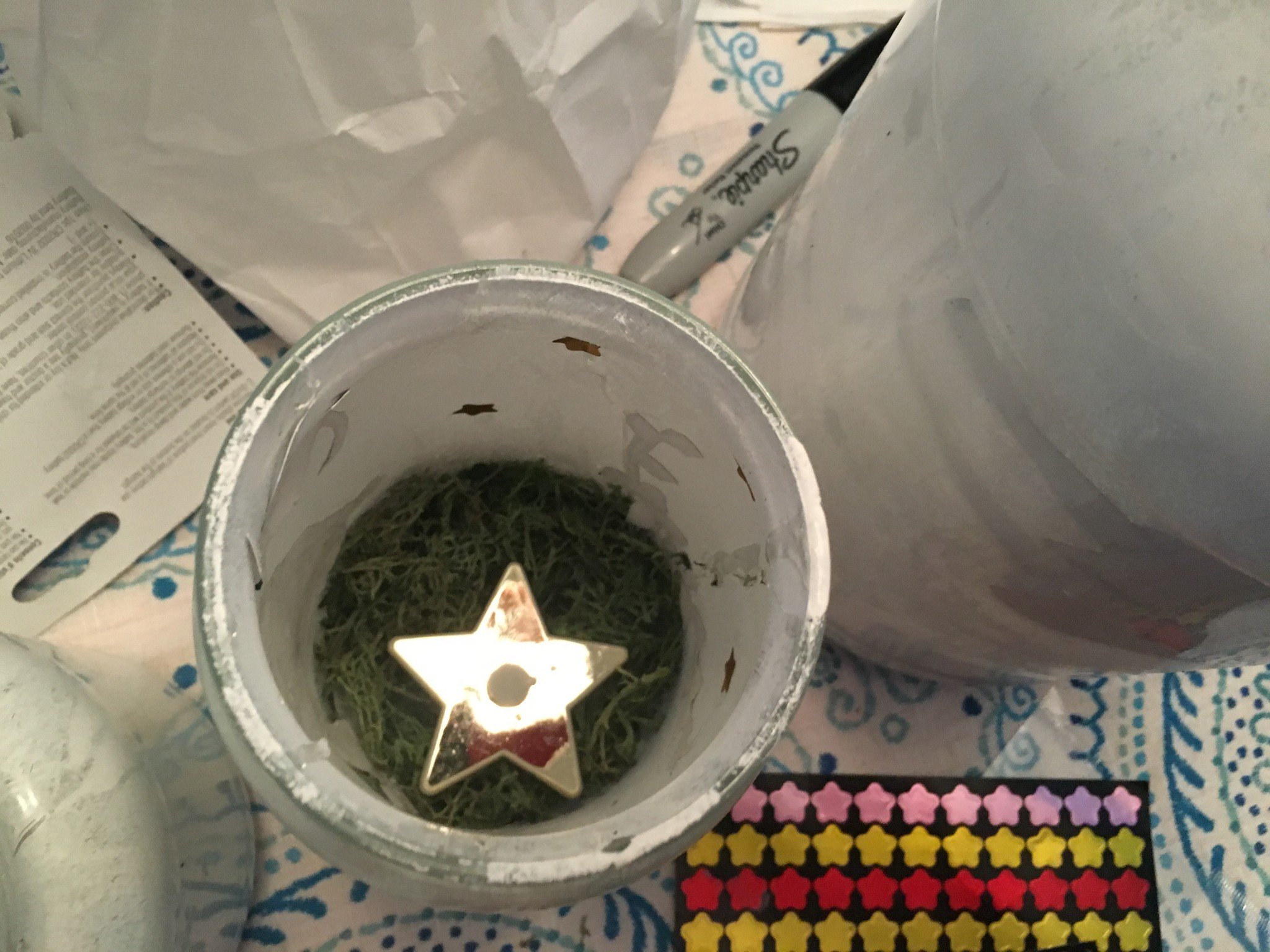
In addition to fairy dens, there are tons of fairy lights, fairy coloring books, and other fairy crafts you can find. Here is a fairy lantern my wife made using pickle jars!

First paint the jars with white paint and cut out paper fairies to paste around the inside of the jar (we used tackey glue). You can also stick star stickers on the inside of the jars.
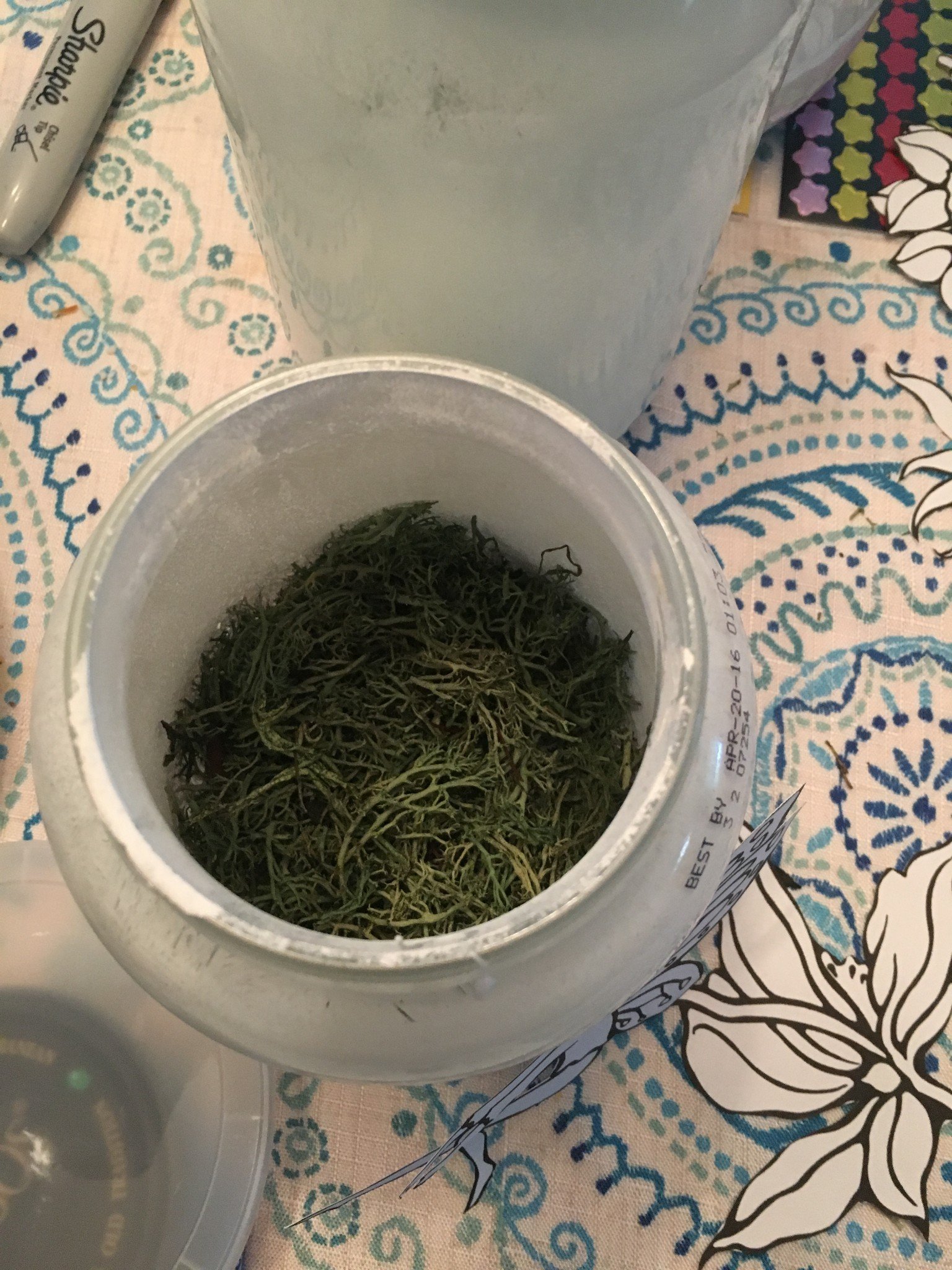
For added realism, you can glue fake moss to the bottom of the jar. We got this from our local dollar store.
Put a small battery powered LED light inside.
Turn on the LED lights and take the lanterns somewhere dark.
Detail of the fairy lights.


Part ThreeThe Feast

Since the Fairies in Midsummer are woodland spirits, almost any forest or camping themed recipes can be adapted. Here are some ideas that my wife and I made for our own fairy themed party.

Snail sandwiches

Hedgehog cheese ball.


Hedgehog cheese ball:

Fruit wands with yogurt dip


Dessert

Chocolate GardenCake from How to Cook That: https://youtu.be/JidhdxiSsnQ

Fairy bread: For those of you who don’t live in Australia or New Zealand, Fairy bread is white bread covered in

https://www.allrecipes.com/recipe/80934/fairy-bread/

Homemade Fairy bread


Music

  • Dance of the Sugarplum Fairies

Games

1.  Pin the tail on the Bottom.

2. Love potion: Similar to follow the leader or musical chairs. A group of people lie down and pretend to sleep. Then someone plays Puck by putting a real or pretend flower in one of the player’s hands. The Puck then yells “Awake,” and sets a timer or plays some music. The object of the game is for everyone to chase after the flower and get it before time runs out.

Costumes:

Make some printable donkey masks for Bottom, flower crowns for the fairies, and don’t forget your wings!

Well, that’s my advice, happy  Midsummer everyone!

Sources:
Tolkein, JRR. On Fairy Stories

Crafting a Character: Brutus

Happy Ides of March every one. I hope you have enjoyed all the posts for my Roman week. If I have time, I will try to post a few more, since I have not touched on Cymbaline or Titus Andronicus.This will not be an in depth character analysis. I won’t go into every scene and speech of Brutus’. My goal is to look at the history and the actions of Brutus in the play to show why he is such an amazing and ambigous character.

Marcus Brutus was born in 85 BC. Shakespeare’s source for the play, Plutarch’s lives of the Noble Greeks and Romans, mentions that his desire to kill Caesar might have been tied to his family: Brutus’ ancestor was Lucius Junius Brutus, the man who drove out the last king of Rome, and first consul. Below is the famous painting of Lucius foiling a plot to restore the monarchy, but to do so, he had to sentence his own sons to death:

Jaques Louis David, The Lictors Bring to Brutus the Bodies of His Sons, 1789.

https://www.khanacademy.org/humanities/monarchy-enlightenment/neo-classicism/v/david-the-lictors-returning-to-brutus-the-bodies-of-his-sons-1789

This was how seriously the Brutus family took defending the Roman Republic, they valued it even beyond their own family.

Brutus’ mother was Servilia, half sister of Caesar’s longtime critic, the senator Cato. He even married Cato’s daughter Portia! So you can see that once Caesar starts acting like a king, Brutus must have felt a tremendous amount of pressure from his Family to stay true to his Republican ideology. On the other hand, Servillia was actually Caesar’s mistress and Brutus owed his life to Caesar. After Brutus fought against Casesar, they reconciled after the Battle of Pharsalus in 48 BC:

Most of those who were taken alive Caesar incorporated in his legions, and to many men of prominence he granted immunity. One of these was Brutus, who afterwards slew him. Caesar was distressed, we are told, when Brutus was not to be found, but when he was brought into his presence safe and sound, was pleased beyond measure- Plutarch, retrieved from: http://penelope.uchicago.edu/Thayer/E/Roman/Texts/Plutarch/Lives/Caesar*.html

Despite his close ties to Caesar, Brutus chose to betray and assassinate him, so the question remains, why?

In the play and in Plutarch, Brutus is persuaded by Cassius Longinus, his brother in law and colleague in the Roman Senate. As you remember from my post on “Friends, Romans, Countrymen,” there are three basic kinds of persuasive speech, and Cassius uses all three:

1. Ethos “If you do know that I do fawn on men, and hold them hard, and after scandal them… then hold me dangerous.”

2. Logos- Cassius points out a series of embarrassing stories about Caesar that set up the following argument:

• Caesar is weak and frail

• Gods cannot be frail

• Why is Caesar treated like a god?

3. Pathos

• The people

• Fear of tyranny

• Brutus’ family honor- this is the real knife that kills any doubt Brutus had. Cassius reminds Brutus of his ancestor Lucius and how he would rather die than see a king in Rome again.

The soliloquy

Brutus. It must be by his death: and for my part,
I know no personal cause to spurn at him,

But for the general. He would be crown’d:
How that might change his nature, there’s the question.
It is the bright day that brings forth the adder;
And that craves wary walking. Crown him?—that;—
And then, I grant, we put a sting in him,
That at his will he may do danger with.
The abuse of greatness is, when it disjoins
Remorse from power: and, to speak truth of Caesar,
I have not known when his affections sway’d
More than his reason. But ’tis a common proof,
That lowliness is young ambition’s ladder,
Whereto the climber-upward turns his face;
But when he once attains the upmost round.
He then unto the ladder turns his back,
Looks in the clouds, scorning the base degrees
By which he did ascend. So Caesar may.
Then, lest he may, prevent. And, since the quarrel
Will bear no colour for the thing he is,
Fashion it thus; that what he is, augmented,
Would run to these and these extremities:
And therefore think him as a serpent’s egg
Which, hatch’d, would, as his kind, grow mischievous,
And kill him in the shell.

• This speech is a direct predecessor for “To be or not to be,” and Macbeth’s “If it were done,” soliloquy. https://youtu.be/IoDwXjKIenI

  • All three speakers are talking about murder and can’t bring themselves to say either the word murder, nor mention the name of the man who will die.

• All references to murder are in passive voice, as if Brutus wishes a lightning bolt would kill Caesar, so he doesn’t have to accept the responsibility of killing.

•Compared to Hamlet and Macbeth, Brutus’ text is flat, The speech depends on the actor to show the torment in his soul.

  • One question that the actor must answer for himself is, is Brutus really concerned for the well being of Rome, or does he want Caesar dead for another reason?

After the soliloquy, Brutus throws himself into the role of head conspirator: https://youtu.be/ibzqdoV-BcU https://youtu.be/ibzqdoV-BcU

You can see in this video that Brutus speaks eloquently about how just the cause is and how only Caesar will die. This illustrates that Brutus is well spoken but not pragmatic. As we all know, Marc Anthony eventually gets the crowd to turn on Brutus and will become part of the army that hunts him and Cassius down. The dramatic irony is what helps the argument that Brutus is the real tragic hero of this play.

The murder and its aftermath

The rest as they say, is history. On March 15th, 44 BC, Brutus and the conspirators stabbed Caesar 17 times. In the play, before Caesar dies, he utters the famous line, “Et tu, Brute? Then fall Caesar!”

The line stands out because it is the only time anyone in this Roman play speaks in Latin. Now, I have heard a compelling argument from Professor J. Rufus Fears, that this might actually be a misquote, and what Caesar really said will amaze you. As I have mentioned, Brutus’ mother was Caesar’s mistress and the two of them were very close. At the time of Caesar’s death he was 40, while Caesar was 16 years his senior. Why did Caesar forgive Brutus fighing against him? Is it not possible that what he actually said was: “Et tu, son?” That’s a question for directors and actors, but it does heighten Brutus’ emotional conflic. Much like his ancestor Lucius, Marcus Brutus is caught between his ideals and his family.

During the funeral, Brutus has a very well crafted speech where he lays out his reasons for killing Caesar. He sets himself up as the friend of Rome. This video from the Royal Shakespeare Company explores the techniques that Brutus uses to get the crowd on his side: https://youtu.be/nyPlvuv8SSk

After Antony makes his speech however, the mob burns Brutus’ house and even slaughters a man just because he shares a name with one of the conspirators. Brutus and Cassius take their armies and flee Rome, and prepare to take on Antony and Octavian. The adversity Cassius and Brutus go through pushes them together and they behave like brothers; they fight and reconcile constantly: https://youtu.be/K9EAxjVC22M

In a way, these men are two sides of the same coin: Cassius is fiery but pragmatic while Brutus is stoic and idealistic. It’s like a tragedy in and of itself that these men weren’t melded into one man with Brutus’ heart and Cassius’ mind.

Is Brutus A Traitor?

Unlike Macbeth, Shakespeare’s text leaves it ambiguous as to whether Brutus was right or wrong to kill Caesar. Even Antony, who leads an army against him, ends the play by calling Brutus “The noblest Roman of them all.” Shakespeare also gives us few clues to Brutus’ motivations other than the speech I quoted earlier. Mainly we have to go on Brutus’ actions and their consequences.

One moment that I think perfectly encapsulates the ambiguity of Brutus’ actions is the moment where he’s visited by Caesar’s ghost. In other tragedies like Macbeth and Richard III, the villain is tormented by the ghost or ghosts of people he murdered. The ghost serves as a manifestation of the murderer’s guilty conscience and torments him before his death. When Brutus sees Caesar, he does not follow this trope. He isn’t horrified, not struck by guilt, in fact, he wishes that the ghost would stay longer.

Julius Caesar by William Shakespeare

Julius Caesar book cover

MENU

In Act 4, why does Caesar’s ghost appear? I don’t understand why Caesar’s ghost shows up. I dont understand the significance of that scene.

Expert Answers info

JUANAMAC

eNotes educator

| CERTIFIED EDUCATOR

Shakespeare, as other Elizabethan writers, uses the idea of ghosts in his plays usually as a foreshadowing of events to come. In “Hamlet,” Hamlet has to deal with working out what to do with his father’s request for revenge, and also, whether the ghost is indeed his father. In “Macbeth“, Macbeth has to deal with the Ghost of Banquo showing up to dinner, literally haunting him. In “Richard III“, Richard deals with the ghosts of the men he has wronged right at the start of the play.

This haunting is significant also in “Julius Caesar“. The Ghost of Julius arrives on the eve of battle to literally haunt Brutus. Brutus had hoped that by killing Caesar he would enact change in Rome, however, the Roman Empire goes on, as does the reign of Caesar (albeit, a new Caesar).

As Brutus goes into battle, and the battle doesn’t go his way, he again turns to Julius Caesar, blaming him for the outcome of the battle,

O Julius Caesar, thou art mighty yet!
Thy spirit walks abroad, and turns our swords
In our own proper entrails. (5.3.94–96)

Shakespeare’s ghosts are visible to one person (as well as the audience, clearly) so those who react to the ghost are the ones who are supposed to learn from the arrival of the ghost, heeding the message from beyond the grave.

Enter the Ghost of CAESAR

How ill this taper burns! Ha! who comes here?
I think it is the weakness of mine eyes
That shapes this monstrous apparition.
It comes upon me. Art thou any thing?
Art thou some god, some angel, or some devil,
That makest my blood cold and my hair to stare?
Speak to me what thou art.

GHOST

Thy evil spirit, Brutus.

BRUTUS

Why comest thou?

GHOST

To tell thee thou shalt see me at Philippi.

BRUTUS

Well; then I shall see thee again?

GHOST

Ay, at Philippi.

BRUTUS

Why, I will see thee at Philippi, then.

Exit Ghost

Now I have taken heart thou vanishest.
Ill spirit, I would hold more talk with thee.

The ghost itself also resists the clearcut definition as a sign of a guilty conscience. It doesn’t accuse Brutus of murder, it doesn’t curse in fact, all the ghost says is that Brutus will see him at Philippi. Unlike Richard III or Macbeth, the ghost utters no curses or scare Brutus out of his mind.

The only conclusion that Brutus gleans is that his end is near. According to Dr. John Langdon, many Elizabethan ghosts serve as a shorthand to indicate that the play’s denouement is on its way. Brutus seems aware of this as well- he knows that if he sees a ghost, he’s likely to be one soon. Yet the reality of his impending death doesnt change Brutus; he doesn’t express remorse like Richard III or hopelessness like Macbeth, if anything his stocism and seeming world weariness makes him seem more like a hero like Hamlet during his “Not a whit, we defy augery,” speech. This passive embrace of fate is at the core Brutus and it illustrates how hard it is to truly decide if he is a villain or a hero.

Though Shakespeare wrote the character of Brutus as ambiguous, over the centuries many artists and cultures have passed judgment on Brutus. Dante in his book Inferno example places Brutus and Cassius in the lowest circle of Hell, who along with Judas Iscariot, are being forever devoured by Satan himself, imagined below in a medieval illustration as a three-headed beast. You can see the name Brut in the head on the right.

By contrast, during the French Revolution, many statesmen referred to Brutus as a hero for his noble attempt to destroy a corrupt monarchy.

One day men will be astonished by the fact that humanity in the eighteenth century was less advanced than in the time of Caesar. Then a tyrant was slain in the midst of the Senate with no formalities but thirty blows of a dagger and with no other law save the liberty of Rome Louis Antoine de Saint-Just, November 13th, 1792, (2 months before the execution of Louis XVI).
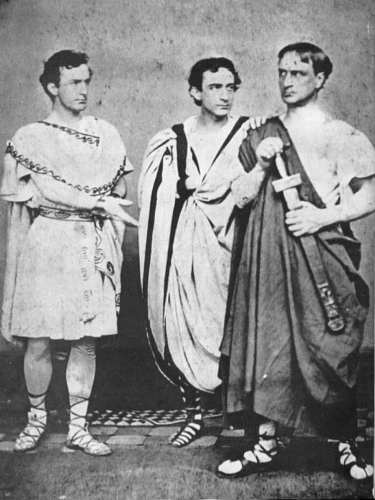
As I have written before, in the 20th and 21st centuries, America has a somewhat more complex relationship with the character of Brutus. On the one hand, America was founded on the principle of resisting tyranny; it’s even on the state flag of Virginia, which is why some early productions of the play make Brutus a hero. On the other hand, as you see above, rebels and traitors like John Wilkes Booth have also taken inspiration from Brutus. His father and brother’s middle name was Brutus and all three brothers performed in the play one year before John turned theater performance into American tragedy.

Like Brutus, Booth seemed amazed with the world’s reaction to his deed, for after he assassinated the president, he wrote this in his journal:

[W]ith every man’s hand against me, I am here in despair. And why; For doing what Brutus was honored for … And yet I for striking down a greater tyrant than they ever knew am looked upon as a common cutthroat.”

John Wilkes Booth, April 21, 1865.

The most recent controversy over Brutus’ actions is the 2017 Shakespeare in the Park production of Caesar directed by Oscar Eustis. As I wrote before, when portraying Caesar as an American president, it tends to anger the political party of his supporters, but the play shows how unplanned political violence can destabilize a country. In these productions, Brutus seems a bit of a well meaning dupe or an naive patsy acting out of fear. On the other hand in cultures that have suffered many violent uprisings, Brutus is a figure that is all to common in places like Uganda, Iran, and the Taliban controlled world: https://youtu.be/5HU8SA33j2w

Brutus is a great character because Shakespeare keeps enough of his motives in the dark to allow for new interpretations, but also showing a man with relatable desires and fears get swept up in a dangerous and unpredictable time.

What to Get A Shakespeare Nerd For Christmas

If you’re reading this as I post it, there’s a Shakespearean nerd in your life and your wits are about to turn trying to find a gift. I’ve already written about printed editions of Shakespeare and educational apps, so you can consult those if that’s what you are looking for. Now I’m covering the kinds of stuff that die-hard Shakespeare fans will kill a king and marry with his brother for, basically nerdy swag that no Shakespearean fanatics should be without!

img_0615-1


For anyone: Immortal Longings.com- This company is very special to me. If you’ve seen any of my Play Of the Month posts, you’ve seen the gorgeous artwork for Shakespeare’s plays by the artist Elizabeth Schuch. Not only do I love her work, my wife and I put her prints on the decor for our wedding day, and wrapped some of my presents in wrapping paper with her designs on it. If you go to her website, she sells Shakespearean art printed on and inspired by Shakespeare’s plays on everything from tapestries to clothes to iPhone cases. I highly recommend checking her work out, and patronizing it as much as possible: https://society6.com/immortallongings/s?q=popular+framed-prints

img_1488-1

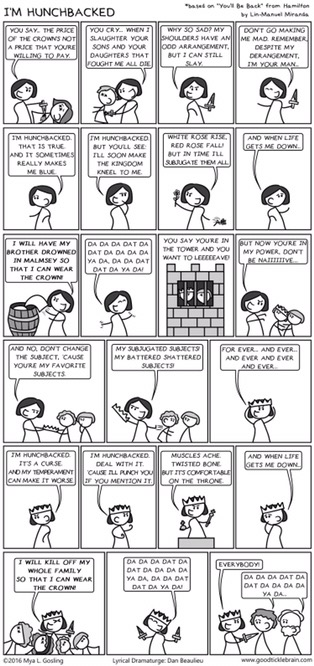
I also want to give a shout-out to the website Good Tickle Brain, a weekly Shakespearean comic that satirizes the Bard’s work with love. I feel the best way to introduce anyone, young or old to Shakespeare is through a healthy dose of satire and parody. Mya Gosling loves Shakespeare and it comes through in her simple, funny retellings of his plays. If you go to their shop (spelled Shoppe to appeal to nerds like me), you can get some of her comic books, funny T-shirts, and a few educational posters for teachers too: https://goodticklebrain.com/shoppe/

Bard Game

Adults

  1. The Bard game This is the Monopoly for Shakespeare Nerds- each player pretends to be a theater manager putting on plays in real locations where Shakespeare’s company toured during his lifetime. You make money by reciting speeches or improvising one in the Shakespearean style, or by answering Shakespearean trivia questions. A must-have for any Twelfth Night Party! Review of the game: https://boardgamegeek.com/boardgame/12372/shakespeare-bard-game https://boardgamegeek.com/boardgame/12372/shakespeare-bard-game

  2. Bards Dispense ProfanityBards against humanityMost people know the raunchy card game where you try to encapsulate a disgusting word or phrase with a description written on your card. Well, there’s a Shakespeare version too! It makes sense that someone made a card game inspired by the king of the Elizabethan put-downs, (and the inventor of one or two modern curse words!)
  3. Wine 🍷 Though I was unable to find actual wine with Shakespeare’s name on it, practically every other part of the wine drinking experience has been branded with Shakespeare- wine bags, glasses, corks and bottle stoppers, and even whole bars! If you spend a few minutes looking online, you can find tons of Shakespearean wine merch. By the way, here’s a convenient list of quotes Shakespeare wrote about alcohol: http://www.shakespeare-online.com/faq/shakespearedrinking.html
  4. T shirts 👕 https://www.redbubble.com/shop/shakespeare+t-shirts

Stocking stuffers

  1. Pen and ink There’s a lot of good versions of pen and ink with Shakespeare’s name on them. Imagine the fun you can have writing sonnets with your own Shakespearean pen and ink!

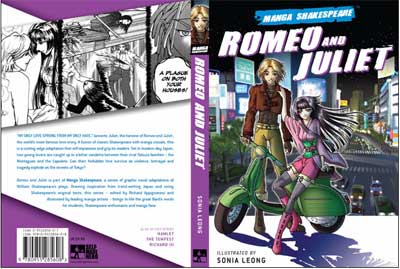
Shakespearean Comic Books. I’ve written reviews about some of these books and I’m very impressed by the artwork and the clever adaptations. Click here to read my review of the Romeo and Juliet Comic.

Kids

  1. Pop-Up Shakespeare by the writers of the Reduced Shakespeare Company. I’m a huge fan of The Reduced Shakespeare Company and they have created an amazing new popup book for kids of the entire Shakespearean cannon!
  1. Barbie and Ken as Romeo and Juliet. Ok, so this is a bit of a stretch, but hey, I’d get it for my daughter. R&J Barbie
  1. MND Board BookBoard books 📖 Yes, even toddlers can get into Shakespeare. I actually read this to my daughter a lot. It’s not the story of the play, but it does introduce some of the characters and famous lines which can help a child to become familiar with Shakespeare.
  1. King Of Shadows
  1. Cover of “King Of Shadows,” an excellent Young adult novel for anyone who loves Shakespeare.
  1. King 👑 Of shadows (Ages 8-12) This is an excellent young adult novel that teaches a lot about Shakespeare’s theater and the time period in which he lived. For a complete review, click here:

This was one of my favorite books growing up. It tells the story of Shakespeare’s life and work, with special attention to the creation of the Globe Theater in 1599. It’s gorgeously illustrated and a great read for kids!

So there are some gift ideas for the Shakespeare nerd in your life. Merry Christmas!

Here’s one more gift that you could give a Shakespeare nerd ages 13-18: A class from ME!

Go to my Outschool profile and Get $5 off the following classes:

  1. Wizard Science for Kids!
  2. What Was Christmas Like for William Shakespeare?
  3. The Violent Rhetoric of Julius Caesar
  4. Stars and Constellations for Kids
  5. Romeo and Juliet: Why Do We Still Read This Play?
  6. Macbeth: An Immersive Learning Experience
  7. Love Poetry- Shakespeare Style!An Interactive Guide to Shakespeare’s London
  8. An Immersive Guide to “Romeo and Juliet”
  9. A Child Astronomer’s Christmas!

Get started at https://outschool.com/classes/a-child-astronomers-christmas-bhmPRpND and enter the coupon code at checkout. My classes are available for as low as $4 apiece! Get started at https://outschool.com/classes/a-child-astronomers-christmas-bhmPRpND and enter the coupon HTHESNIF6B5 code at checkout.

Course image: "The Violent Rhetoric Of Julius Caesar"
Course title image for my Outschool course, 2021

The Witches Of Macbeth

Happy Halloween everybody!

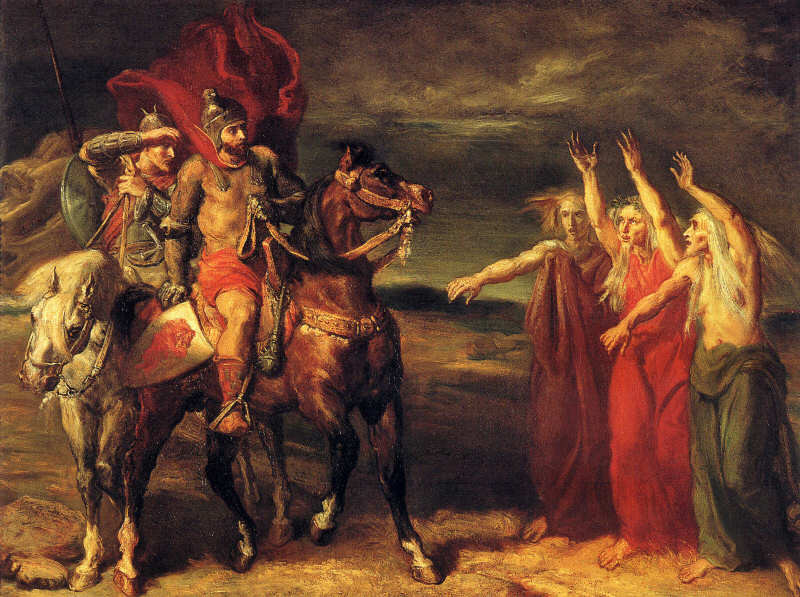
Tonight I’d like to discuss some of the spookiest, most enigmatic, and above all WEIRDEST characters in Shakespeare: the Three Weird Sisters in Macbeth.

1. Who are they?

Every production has to answer who the witches are, and many have very different answers. Are they temptress? Are they evil agents controlling Macbeth?Furies trying to destroy Macbeth?

I would argue in their basic form the witches are harbingers of change. Their very name “Wyrd Sisters” refers to an old Anglo Saxon concept of fate or destiny. Whether or not they have any effect on Macbeth mind or soul, they point the finger at him and say “things are going to change for you.” Then, he either makes the choices that determine his fate, or they change his fate for him.

“Macbeth and Banquo First Encounter the Witches,” Théodore Chassériau, 1854.

Macbeth meets the witches on a heath, which means land that is literally out of bounds– the wild, untamed wilderness, which the old Anglo Saxons believed was the lair of many cursed spirits and monsters. This could symbolize Macbeth’ sin or transgressions, slowly turning into a murderer, usurper, and a tyrant. It could also symbolize the chaos in Macbeth’s life.

What Do They Look Like?

Shakespeare’s descriptions of the witches are highly contradictory- they seem to be floating, yet on the ground, they seem to be women, but they have beards! They don’t look Earthly, but here they are on the Earth. This gives them an other worldly quality that keeps us guessing as to who they are, and helps them tempt Macbeth more easily.

BANQUO
What are these
So wither’d and so wild in their attire,
That look not like the inhabitants o’ the earth,
And yet are on’t? Live you? or are you aught
That man may question? You seem to understand me,
By each at once her chappy finger laying
Upon her skinny lips: you should be women,
And yet your beards forbid me to interpret
That you are so.

MACBETH
Speak, if you can: what are you? (Act I, Scene iii).

The Witches’ Language:
You know from my earlier posts that the norm for Shakespearean characters is to speak in iambic pentameter- 10 syllable lines of unrhymed poetry that sounds like a normal heartbeat. The witches break these norms- they generally speak in Trochaic Tetrameter- 8 syllable lines with the off beat emphasized. The witches are literally offbeat, and that’s why their speeches are unsettling. Look at the contrast between a normal iambic line like:

“In sooth I know not why I am so sad.” (Merchant Of Venice I,i).

and

Dou-ble Dou-ble, Toil and Tro-ble.

Fire burn and Caul-dren Bu-ble. (Macbeth, Act IV, Scene i).

For more info on the verse forms of the Witches, click here:

The witches also speak their prophesies in a vague, ambiguous manner They like to play with obscuring their prophesies with lines that make Macbeth think one thing, but the opposite is true. The famous example here is when they claim Macbeth will never be vanquished “until Birnam Wood comes to Dunsinane Hill.” Macbeth assumes this means he’s invincible, but it actually means that the enemy carry wood from the forrest. This is called Equivocation.

Witches and mythology

Illustration from William Blake's
Illustration from William Blake’s “Europe a Prophecy,” 1794.

1. During the reign of King James, the modern witch hunt began; the king was fascinated with witches and even wrote a book called Daemonology on how to identify and destroy them. This was the era where people believed that witchcraft, rather than a pagan religious practice, was a forbidden craft that could only come from a pact with the devil. However, Shakespeare borrows from both Satanic and early pagan ritual in the characters of his witches.

2. Shakespeare took a couple of details about witchcraft from ancient Celtic and Greek mythology. First of all, the use of a cauldron. In Celtic myth, a cauldron is a symbol of rebirth and was sometimes used to resurrect the dead, just as the witches do in IV i. Of course, the ideal time for raising the spirits was on the feast of the pagan god Samhain, at the point where the veil between the living and dead was the thinnest. The feast took place on October 31st, our modern day Halloween!

Illustration of witches and their familiar spirits, 1647.

3. Familiar spirits In Act I, the witches speak to animal spirits called familiar spirits, which call to them and tell them where to go. King James himself wrote about how the witches found and communicated with these spirits.

Hecate.
In Act IV, Hecate, Ancient Greek goddess of magic appears. She is clearly the lord of all the witches, and is very displeased that they are riddling with Macbeth. Maybe not all witches believe in giving out prophesies that can destroy the Scottish monarchy. Hecate was always enigmatic in myths- she was born one of the Titans who opposed the gods, but frequently changed sides. More then being two faced, she was often portrayed as having three faces! Shakespeare refers to her frequently as “Triple Hecate.”

“The Triple Hecate,” by William Blake, 1794.

For more information on this mysterious goddess, consult the video below, (WARNING, ADULT-ONLY CONTENT).

In conclusion, the witches are meant to be ambiguous because the play examines the source of evil- whether it is inspired by other people, or if it comes from one’s own heart. The witches can be either or both, depending on how you want to tell the story, which is why they act and speak in contradictory ways.

Thanks for reading! If you enjoyed this posting, please consider signing up for my online class, “Macbeth: An Immersive Horror Experience.” I tell you the story of Macbeth and you get to play through an escape room, where you must solve the witches’ puzzles or be added to their Cauldron!

Visions Of Lady Macbeth

One of the greatest icons of female villainy, Lady Macbeth has been portrayed onstage by our greatest actresses, and immortalized in many alluring and terrifying works of art. Here are some of my favorites:

Ellen Terry as Lady Macbeth 1889 John Singer Sargent 1856-1925 Presented by Sir Joseph Duveen 1906 http://www.tate.org.uk/art/work/N02053
Ellen Terry as Lady Macbeth 1889 John Singer Sargent 1856-1925 Presented by Sir Joseph Duveen 1906. Tate Modern Gallery: http://www.tate.org.uk/art/work/N02053. More Info Here.

For commentary: http://www.bbc.co.uk/arts/yourpaintings/paintings/ideal-portrait-of-lady-macbeth-97937
An Ideal Portrait of Lady Macbeth by John Francis Dicksee, 1870. View gallery information here: http://www.the-athenaeum.org/art/detail.php?ID=190776

FMI: http://en.wahooart.com/@@/8Y3AD3-Henry-Fuseli-(Johann-Heinrich-F%C3%BCssli)-Lady-Macbeth-with-the-Daggers
“Lady Macbeth and the Daggers” by Henry Fuseli, 1812. Tate Modern Gallery: 

http://www.tate.org.uk/art/artworks/fuseli-lady-macbeth-seizing-the-daggers-t00733 

http://collections.vam.ac.uk/item/O1068192/lady-macbeth-watercolour-cattermole-george/
Lady Macbeth observes King Duncan  by George Cattermole, 1850. Victoria and Albert Museum: 

http://collections.vam.ac.uk/item/O1068192/lady-macbeth-watercolour-cattermole-george/

http://www.louvre.fr/oeuvre-notices/lady-macbeth-somnambule
Johann Heinrich Fuseili, “Lady Macbeth Sleepwalking Scene.”(1741). Louve Museum in Paris: 

http://www.louvre.fr/oeuvre-notices/lady-macbeth-somnambule

http://aworldelsewhere-finn.blogspot.com/2012/03/dante-gabriel-rossetti-death-of-lady.html
The Death of Lady Macbeth by Dante Gabriel Rossetti (c. 1875). Gallery info here: 

http://aworldelsewhere-finn.blogspot.com/2012/03/dante-gabriel-rossetti-death-of-lady.html