My Favorite Sonnets

Since Valentines Day is next week, I thought I’d talk a little bit about Shakespeare’s love poems. Every year I try to study a sonnet or two and write one of my own for my wife and my family. So here’s some insight into the sonnets and I hope that this inspires you to read and craft your own love poems.

My mini-lecture on Shakespeare’s Sonnets.

What Is A Sonnet?

Shakespeare wrote 154 short poems called sonnets.
They are 14 lines long
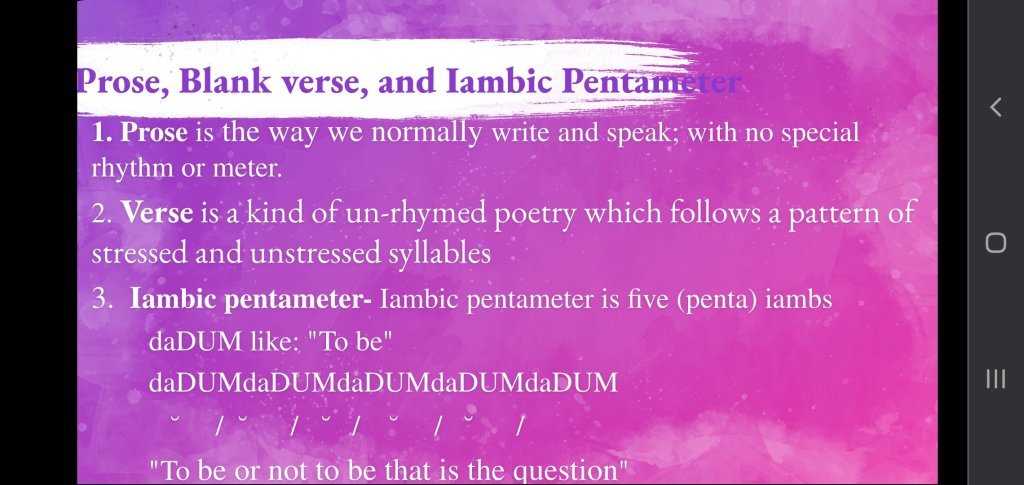
Each line has 10 syllables, generally in iambic pentameter

12 of the 14 lines are grouped into 3 groups of 4 lines called quatrains
The final two lines are called a rhyming couplet
A little History


The first collection of Shakespeare’s Sonnets was published in 1609, but NOT BY SHAKESPEARE.

We don’t know if this is the order he intended, we don’t know if he intended them to be published, and we DEFINITELY DON”T KNOW IF THEY ARE AUTOBIOGRAPHICAL.

Themes and Ideas

A lot of the sonnets use extended metaphors where the speaker describes his feelings by describing himself as another person, place, or thing. In some sonnets, he’s a painter or looking in a mirror, or an astronomer looking through a telescope or outdoors in nature and something reminds him of the beloved. Most follow a similar theme:
You’re beautiful like… [or] I’m trying to write about you but…
You wil age and die.

TIme and the sonnets


The most pervasive idea in the sonnet is a fight against Time. Time is often personified in the sonnets as being jealous, cruel, cold, unfeeling or petty. Time is also associated with the concept of Death. Like the Grim Reaper, he is the enemy of romantic love because he makes young lovers age and die.

Devouring Time, blunt thou the lion’s paws,

And make the earth devour her own sweet brood;

Sonnet 19

THe BIG BUT..

In most of the sonnets there’s a “But” around the third quatrain (lines 9-12 or thereabouts), which challenges the power of time or Death. For example, the first 8 sonnets basically say: “You will age BUT… you will become immortal if you have children.”
Couplet

The Young Man sonnets (1-126)

From fairest creatures we desire increase,

That thereby beauty’s rose might never die,

But as the riper should by time decease,

His tender heir might bear his memory:

William Shakespeare, Sonnet 1
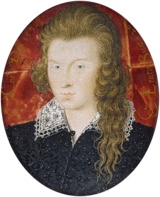
Henry Wriosley, Earl of Southampton and Shakespeare’s patron.


The first 126 sonnets (roughly) are about a young man with blonde hair. Though there is no evidence that the sonnets were autobiographical, many scholars have speculated that he might have been partially inspired by Henry Wriosley, the Earl of Southampton. Shakespeare dedicated two poems to Henry: The Rape of Lucrece and Venus and Adonis, which you can see the title page of here:
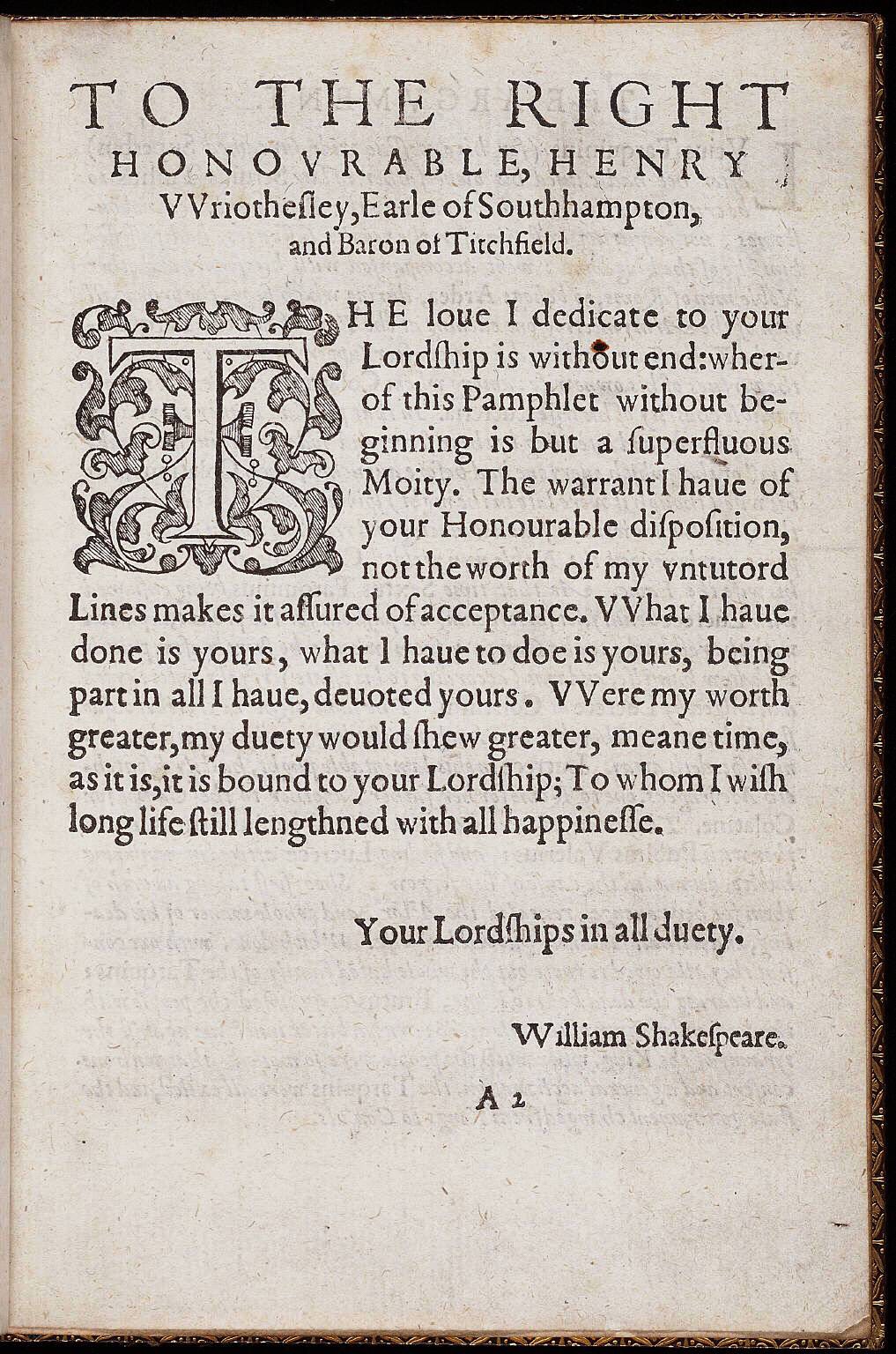
Title page to the 1593 edition of Venus and Adonis

Sonnet 12

When I do count the clock that tells the time,
And see the brave day sunk in hideous night;
When I behold the violet past prime,
And sable curls, all silvered o’er with white;
When lofty trees I see barren of leaves,
Which erst from heat did canopy the herd,
And summer’s green all girded up in sheaves,
Borne on the bier with white and bristly beard,
Then of thy beauty do I question make,
That thou among the wastes of time must go,
Since sweets and beauties do themselves forsake
And die as fast as they see others grow;
     And nothing ‘gainst Time’s scythe can make defense
     Save breed, to brave him when he takes thee hence

I love this sonnet for its use of alliteration, the use of words that sound the same: “count,” “clock” “tells,” “time,” “green,” “girdled,” etc. The use of “count,” and “clock” in particular makes you imagine the sound of a clock in your head. The sonnet makes you keenly aware of the passage of time, first from the seconds of a ticking clock, then to the changing of the seasons, then at last to the span of a lifetime. This sonnet might not inspire much in terms of feelings, but its technical construction literally works ‘like clockwork.’ If you’re interested in r Elizabethan clocks and other timekeeping instruments, click here for a fascinating blog: https://www.cassidycash.com/did-shakespeare-have-a-clock-part-1-of-5/

Sonnet 18

Shall I compare thee to a summer's day?
Thou art more lovely and more temperate:
Rough winds do shake the darling buds of May,
And summer's lease hath all too short a date:
Sometime too hot the eye of heaven shines,
And often is his gold complexion dimmed,
And every fair from fair sometime declines,
By chance, or nature's changing course untrimmed:
But thy eternal summer shall not fade,
Nor lose possession of that fair thou ow'st,
Nor shall death brag thou wander'st in his shade,
When in eternal lines to time thou grow'st,
   So long as men can breathe, or eyes can see,
   So long lives this, and this gives life to thee.


I go into detail explaining sonnet 18 in my class: “Love Poetry Shakespeare Style,” but to put it succinctly, this sonnet is famous for talking about the ways the beloved is Better than a summer’s day.

Sonnet 27- “Weary With Toil…

Weary with toil, I haste me to my bed,
The dear repose for limbs with travel tired;
But then begins a journey in my head
To work my mind, when body's work's expired:
For then my thoughts--from far where I abide--
Intend a zealous pilgrimage to thee,
And keep my drooping eyelids open wide,
Looking on darkness which the blind do see:
Save that my soul's imaginary sight
Presents thy shadow to my sightless view,
Which, like a jewel hung in ghastly night,
Makes black night beauteous, and her old face new.
   Lo! thus, by day my limbs, by night my mind,
   For thee, and for myself, no quiet find.

Not to seem crass, but this sonnet is literally panting with sexual desire. The speaker is exhausted but cannot sleep, with the image of his beloved haunting his thoughts. There are also a few religious allusions too where the speaker calls himself a “pilgrim,” much like Romeo and Juliet in their first meeting in Act I, Scene v. It almost seems like the beloved is both an angel that the speaker wants to bless him, and a succubus or vampire draining him of love and life.

XXIX “When In disgrace…”

Sonnet 29: “When in disgrace With Fortune and men’s eyes

When in disgrace with fortune and men's eyes
I all alone beweep my outcast state,
And trouble deaf heaven with my bootless cries,
And look upon myself, and curse my fate,
Wishing me like to one more rich in hope,
Featured like him, like him with friends possessed,
Desiring this man's art, and that man's scope,
With what I most enjoy contented least;
Yet in these thoughts my self almost despising,
Haply I think on thee, and then my state,
Like to the lark at break of day arising
From sullen earth, sings hymns at heaven's gate;
   For thy sweet love remembered such wealth brings
   That then I scorn to change my state with kings.
Sonnet 29

Sonnet 118- The “Marriage” Sonnet

Opening line  from Shakespeare's "Marriage Sonnet," Sonnet 29.

Let me not to the marriage of true minds admit impediments.

– Shakespeare, Sonnet 29

Let me not to the marriage of true minds
Admit impediments. Love is not love
Which alters when it alteration finds,
Or bends with the remover to remove:
O, no! it is an ever-fixed mark,
That looks on tempests and is never shaken;
It is the star to every wandering bark,
Whose worth's unknown, although his height be taken.
Love's not Time's fool, though rosy lips and cheeks
Within his bending sickle's compass come;
Love alters not with his brief hours and weeks,
But bears it out even to the edge of doom.
     If this be error and upon me proved,
     I never writ, nor no man ever loved.
This sonnet is one of the most famous poems in all of English literature all. In fact, it's quite personally important to me, because my wife recited it to me on my wedding day. It is full of powerful metaphors about how married love is stronger and more resilent than simple lust or infatuation. On my wedding day it was a powerful affirmation that my wife and I will endure age, change, Time, and eventually death, but our love will remain the same.

The Dark Lady Sonnets 127-152

Sonnets 127-152 seem to be collectively addressed to a woman with dark hair, dark skin, and musical talent, who seems to be in a love triangle with the speaker of the sonnets, and someone else. As you can see in this video, many theories have come up to try and expose who she really was, but again, he have no proof that these sonnets were in any way autobiographical.

As far as we know, the Dark Lady sonnets might simply have been a writing exercise for Shakespeare while he was writing Othello and Antony and Cleopatra. I’m not interested in the Dark Lady conspiracy, except for its usefulness for historians to highlight important Elizabethan women. I have to admit that I wouldn’t have known about Emilia Lanier, or the Countess of Pembroke if they hadn’t been roped into the Dark Lady theory. Otherwise, I’m only interested in the Dark Lady sonnets for their poetry and the interesting stories they tell.

In the old age black was not counted fair,
Or if it were, it bore not beauty's name;
But now is black beauty's successive heir,
And beauty slandered with a bastard shame:
For since each hand hath put on Nature's power,
Fairing the foul with Art's false borrowed face,
Sweet beauty hath no name, no holy bower,
But is profaned, if not lives in disgrace.
Therefore my mistress' eyes are raven black,
Her eyes so suited, and they mourners seem
At such who, not born fair, no beauty lack,
Sland'ring creation with a false esteem:
   Yet so they mourn becoming of their woe,
   That every tongue says beauty should look so.


I admit this is a retroactive reading, but Shakespeare has been guilty of equating fair skin with beauty, so it’s nice to see this sonnet, which lends itself to a refutation of that notion. Much like how “Hath not a Jew eyes…” has been appropriated as a plea for tolerance, I hope this sonnet gains popularity as a source of pride for POC.

In the old age black was not counted fair,
Or if it were, it bore not beauty’s name;
But now is black beauty’s successive heir,
And beauty slandered with a bastard shame:
For since each hand hath put on Nature’s power,
Fairing the foul with Art’s false borrowed face,
Sweet beauty hath no name, no holy bower,
But is profaned, if not lives in disgrace.
Therefore my mistress’ eyes are raven black,
Her eyes so suited, and they mourners seem
At such who, not born fair, no beauty lack,
Sland’ring creation with a false esteem:
Yet so they mourn becoming of their woe,
That every tongue says beauty should look so.

Sonnet 128
How oft when thou, my music, music play’st,
Upon that blessed wood whose motion sounds
With thy sweet fingers when thou gently sway’st
The wiry concord that mine ear confounds,
Do I envy those jacks that nimble leap,
To kiss the tender inward of thy hand,
Whilst my poor lips which should that harvest reap,
At the wood’s boldness by thee blushing stand!
To be so tickled, they would change their state
And situation with those dancing chips,
O’er whom thy fingers walk with gentle gait,
Making dead wood more bless’d than living lips.
Since saucy jacks so happy are in this,
Give them thy fingers, me thy lips to kiss.

Sonnet 130

My mistress’ eyes are nothing like the sun;
Coral is far more red, than her lips red:
If snow be white, why then her breasts are dun;
If hairs be wires, black wires grow on her head.
I have seen roses damasked, red and white,
But no such roses see I in her cheeks;
And in some perfumes is there more delight
Than in the breath that from my mistress reeks.
I love to hear her speak, yet well I know
That music hath a far more pleasing sound:
I grant I never saw a goddess go,
My mistress, when she walks, treads on the ground:
And yet by heaven, I think my love as rare,
As any she belied with false compare
.

I ended with this sonnet, because unlike the previous ones, Shakespeare beautifully shows the frankness and honesty in true love. Shakespeare doesn’t use extravagant praise or pretty metaphors, but instead just says he loves his mistress for who she is. I wish that all of you reading this will find a love that you can enjoy without false comparison, (but then again, what is life without a little poetry in it)?

Happy Valentine’s Day!
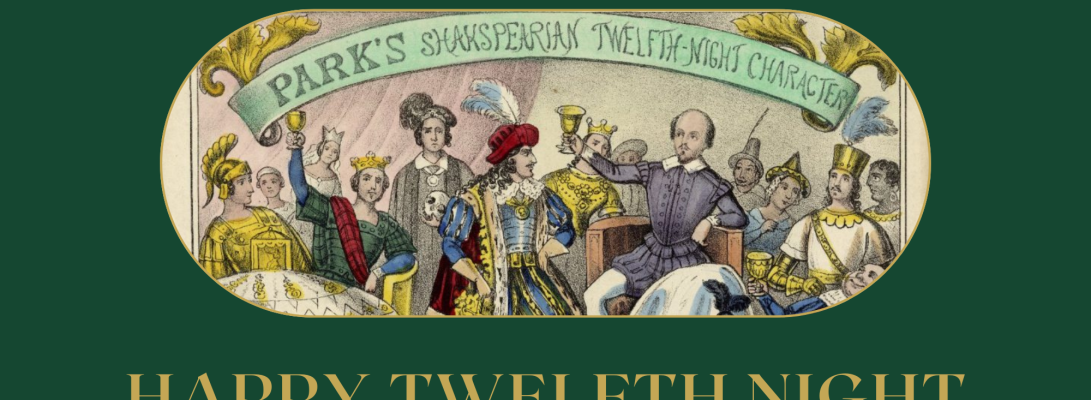
Happy Twelfth Day Of Christmas!

Happy Twelfth Night and farewell to the Christmas season!

This weekend I am offering a special discount on my class on Shakespeare’s Twelfth Night! You can take the course at a $5 discount with coupon code HTHESNIF6B5 until Jan 13, 2022. Go to   https://outschool.com/classes/what-was-christmas-like-for-william-shakespeare-BwVLyBPp?usid=MaRDyJ13&signup=true&utm_campaign=share_activity_link and enter the coupon code at checkout.

Finally, here’s a short musical interlude from the movie version of Twelfth Night: Ben Kingsley singing “O Mistress Mine,” from Twelfth Night:

Happy Twelfth Night, and enjoy your cakes and ale responsibly!

More Twelfth Night Posts:

1. Play of the Month: Twelfth Night

2. Creating a Character: Malvolio

3. The duelling scene in Twelfth Night

4. The Fashion is the Fashion: Twelfth Night

Special Discounts on my Outschool Classes!

I'm teaching two great classes today. Spaces are available!

From now to January 13th, I’m offering a $5 discount for any class that is $10 or more! You can take my Shakespeare classes for as little as $4! Go to my Outschool.com class and enter the coupon code: HTHESNIF6B5 at checkout!

https://outschool.com/teachers/c9bc565b-71e9-44c9-894a-921c472f4a37#usMaRDyJ13

If you’re new to Outschool, use the referral code below when you sign up. You’ll automatically get $20 USD off  as a thank you to use on future classes! My referral code is: MaRDyJ13

Hope to see you on my Outschool page!

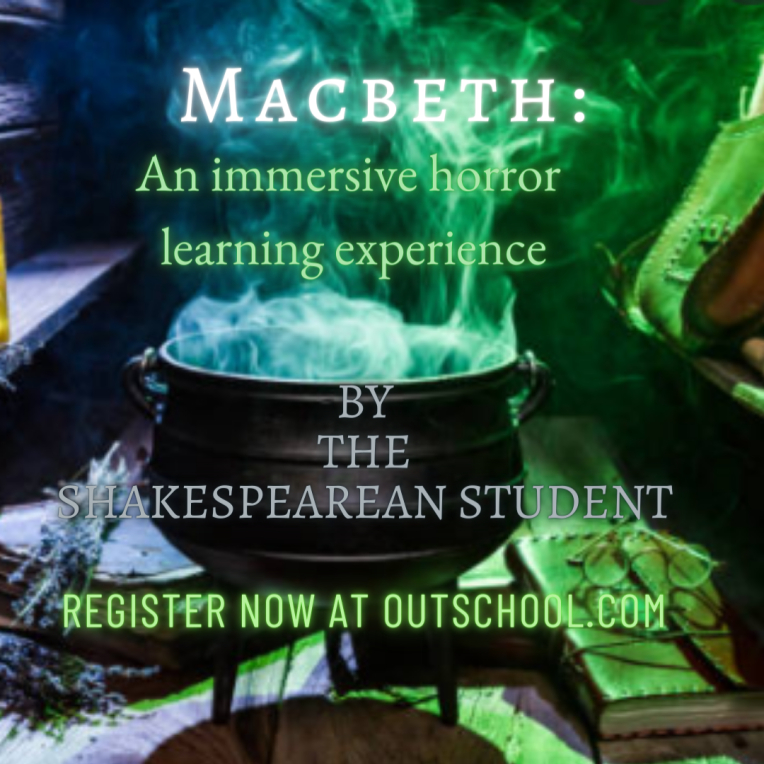
New Outschool Course: Macbeth

Just in time for October, I’m offering an online class for kids ages 13-18 about Shakespeare’s most spooky and cursed play:

If you follow this blog you know I’ve written a lot about this play before. Though this class will be more like a game where I teach the class using multimedia, games, and a digital escape room!

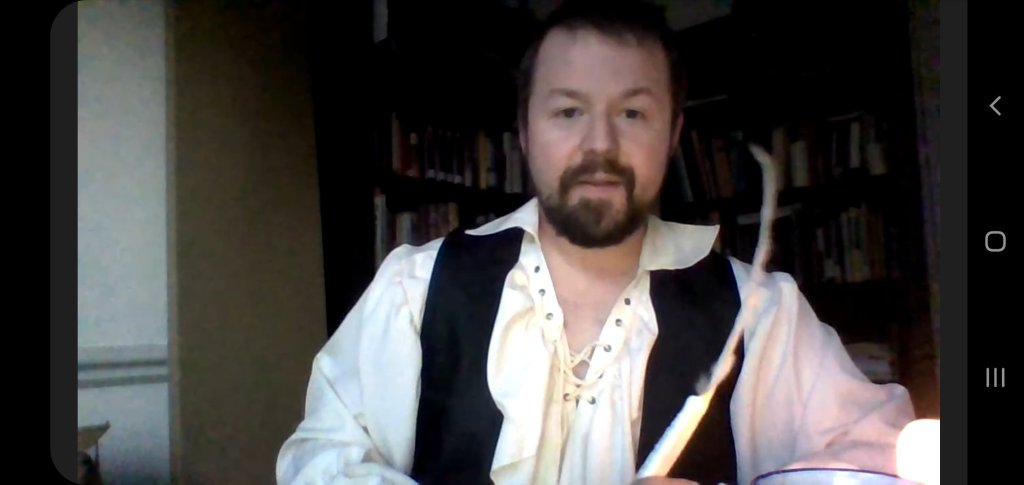
Me in my Shakespeare gatb

I’ll start by speaking to the students in character as Shakespeare, and tell them the story of Macbeth using a multimedia presentation.

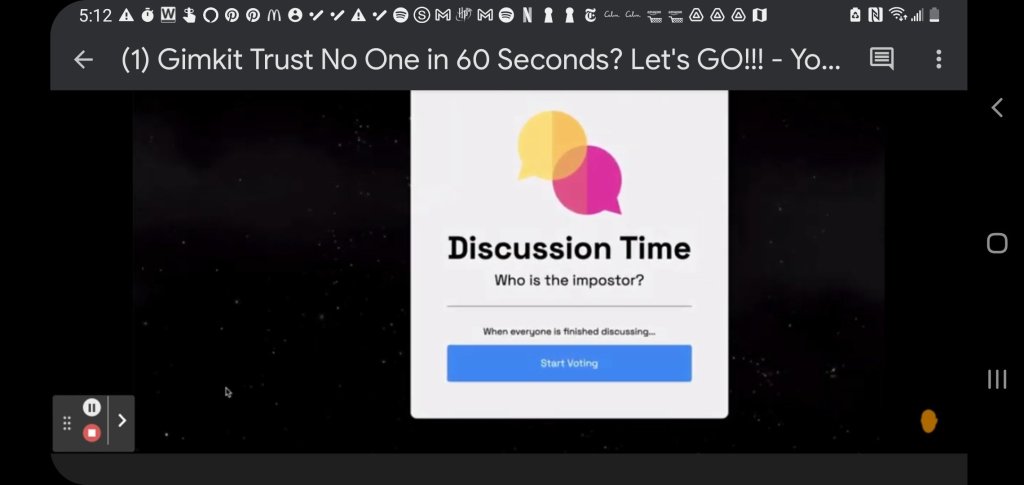
I will then test the students’ knowledge with a fun quiz that was inspired by the popular mobile game Among Us. As you know, the game is similar to a scene from the play, so I thought it would be an appropriate way to test the kids’ knowledge.

Screenshot from the Gimkit game “Trust No One.” Like Among Us, players need to figure out who the Imposter is, but they greatly increase the chances of surviving if they answer the quiz questions correctly.

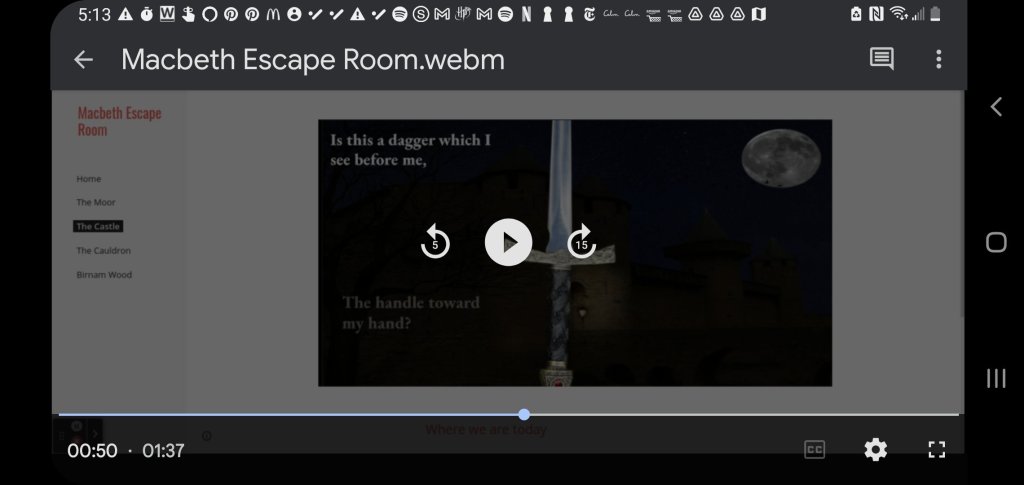
The final part of the class is a digital escape room I’ve created. I don’t want to give too much away, and you can’t play it unless you sign up for the class, but let’s just say it’s fun, spooky, educational, and challenging!

Screenshot from my Macbeth Escape Room.

If you want to sign up now, the course is available every weekend in October, and then by request after that. Register now at Outschool.com. if you take the course, please leave me a good review.

Hope to see you soon!

New Acting Course for Young Actors Starting September 12th, 2021.

Trailer for my 2021 Acting course via Outschool.com

I’ve been working on a remote learning class for Outschool.com where I take some of the audition advice I wrote in Creating A Character: Macbeth, and some of the other acting posts I’ve published over the years. This will be a weekly virtual acting course for kids ages 13-18, starting September 12th at 10AM EST.

This class will outline the tools and techniques of Shakespearean acting such as projection, articulation, and imagination. Each We’ll also go over Shakespeare’s own advice on acting in his play “Hamlet: Prince of Denmark.” The course will culminate with the students choosing their own Shakespearean monologues and scenes, which they can use going forward in auditions, school plays, and classes.

The best thing about the course is that each week builds on the previous week’s experience, but you don’t need to go to all of them. I’ll be flexible and work with the student’s schedule so everyone gets as much out of the class as possible.

If you’re interested in signing up, go to Outschool.com. If you have any questions, email me by clicking here:

Hope to see you online soon!

Summer Shakespeare Academy!

I’m working this summer with the good people at Outschool, an online learning platform for kids ages 3-18. I’m designing a series of Shakespeare classes that you can sign up for. We’ll be doing acting exercises, reading Shakespeare’s text, and making Shakespeare props Cost is $3 per child.

The course is ala carte, that is, you can sign up for as many courses as you like. Each course builds on the last one, but you don’t have to have taken the previous ones to enjoy any one particular course Let me know in the comments which class(es) you are interested in, and/or what suggestions you might have. I can’t wait to hear what you think about these summer Shakespeare courses, and I hope to see you online soon!

1. Introduction to Shakespeare- (enrollment here: https://outschool.com/classes/introduction-to-shakespeare-or-how-i-learned-to-love-the-bard-UoHH5fes?sectionUid=973060db-f857-461a-a23a-f1476203a544&showDetails=true) We’ll talk about why Shakespeare is so famous and learn about his life and career. Then we’ll do some fun quizzes that you can earn prizes based on how well you pay attention!
2. How to write ✍ like Shakespeare (Enrollment here: https://outschool.com/classes/how-to-write-like-shakespeare-0HuPq1Cg?sectionUid=4243af25-ba41-4724-82a2-61bd7c7d862e&showDetails=true) Have you ever wanted to woo your sweetheart or write the next bestselling play? Well, this course will cover the secrets of Shakespeare’s writing. We’ll cover how to write romantic poems, the structure of Shakespeare’s plays, and you’ll get to write your own Shakespearean speeches!
3. Intro to Shakespearean acting Practical tips and tricks for your next Shakespeare audition.
4. Shakespeare’s villains
We’ll look at the darkest and creepiest Shakespearean characters and see why they still fascinate us today!
5. The Violent Rhetoric Of Shakespeare’s Julius Caesar (Registration Here: https://outschool.com/classes/the-violent-rhetoric-of-julius-caesar-fkMLbAtA?sectionUid=1f9220cd-8c28-438d-9799-8479494353a4&showDetails=true#usMaRDyJ13) In this one-time course, students will analyze the rhetoric and persuasive power in two speeches from Shakespeare’s “Julius Caesar”
6. Intro to Romeo and Juliet – Get a leg up on your next English class with this fun, frenetic look through the characters, themes, and story of Shakespeare’s most popular, and most-taught play.
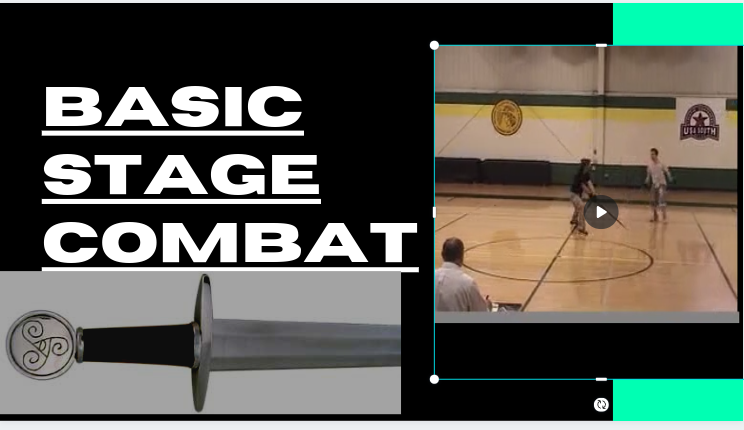
7. Basics Of Stage Combat (Registration here: https://outschool.com/classes/1120ada2-047d-4b0f-84f6-5eb4b0f7dc66/schedule#usMaRDyJ13 I’ll teach the kids about Elizabethan street fighting, and the basics of stage combat.
8. The Balcony Scene of Romeo and Juliet– It’s been called the greatest love scene of all time, but why? I’ll explain the imagery, the poetic language, and give you a chance to make your own love poetry!
9. Insults and Shakespeare You’ll craft your own Shakespeare insults and engage in a (respectful), beat down with your classmates! Along the way, we’ll talk about how insults escalate to violence in Shakespeare’s Romeo and Juliet.
10. The Iconic imagery of Romeo and Juliet We’ll look at some beautiful paintings, songs, and other works of art that build on Shakespeare’s poetic imagery.
11. Romeo and Juliet and pedagogy Shakespeare is uniquely challenging to get kids to engage with. I’ll give you some of my resources, games, and activities to help you delve into the play in your next class.

If you like these courses, let me know by leaving a comment below. If you’re interested in signing up, visit my teacher profile page: https://outschool.com/teachers/The-Shakespearean-Student. New classes will be added every week, and I’ll work around your schedule when planning the dates and times. Hopefully this will be a great chance for me to share my expertise with a young group of future Shakespearean students!

Crafting a Character: Friar Lawrence

Me as Friar Laurence. Ashland University, 2010.

I played this character back in 2010 as a college production and not to brag, but I want award both for my performance and also my role as dramaturg for that particular production, so I did a lot of research in into the character and I tried to bring my own spin on the part. So unlike my other Crafting a Character posts, I am going approach explaining the character as a series of questions instead of talking about it https://youtu.be/-ocOfP16tdw

Who Is Friar Lawrence?

Concept art for Friar Lawrence, including a photo of Pete Postelwhite in the 1996 movie

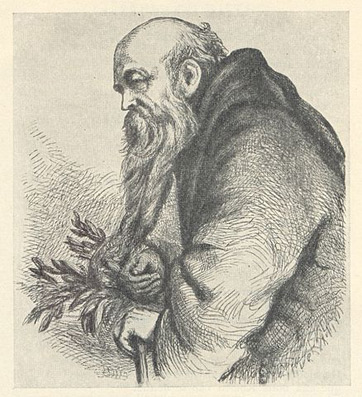
A friar is a monk who belongs to a local monestary. Francis belongs to the Franciscan orders created by Saint Francis of Assisi. It was known for its naturalist philosophy, and St Francis himself is often depicted in paintings as being friends with birds and rabbits and things like that. He was also a strict vegetarian and believed the spirit of God is in all creatures.

Francis’ work was a reaction to the other orders of Catholic monks who, the Franciscans believed, had gotten corrupt and lustful. So the Franciscans in reaction to that corruption, tried to embrace poverty, plain living, and duty to the poor.

The Franciscans were also famous for not wearing shoes; Shakespeare calls one of them “[our] barefoot brother.” Again, the Franciscans value humility before God, and because of that, they shaved off part of their heads, (known as a tonsure hairstyle); it was way of stating that they were not concerned with their appearance, (so yes, it’s supposed to look stupid).

Why does Romeo hang around him? Friar Lawrence is supposed to be Romeo’s tutor, but really he is in the play because Shakespeare needed a convenient way to get Romeo married to Juliet without his parents finding out. He is also a neutral party who can be sympathetic to both Romeo and Juliet, without being tangled in the politics of the Capulet/ Montegue fued.

Romeo persuades Friar Lawrence to help him marry Juliet in Act II, Scene iii.

Friar Lawrence also acts as a character foil to Romeo. While Romeo is rash, passionate, and impulsive, Friar Lawrence is calm, slow, and contemplative, (appropriate qualities for a monk). During my production of Romeo and Juliet, the director beautifully explained their relationship by having Romeo trip and fall when he is excited about his impending marriage. I as Friar Laurence turned around and said calmly: “Wisely and slow, they stumble that run fast.”

My Interpretation Shakespeare makes references again and again to the character being old, yet the director and I made a conscious choice not to portray him as such. I portrayed him as just a few years older than Romeo, who is supposed to be a teenager. I played him as sort of about 25-26, the same age that I was when I played the part.

We did this because even though Friar Laurence acts as the voice of age and experience, he also seems very naive. He seriously believes that he can singlehandedly stop the feud between the Montegues and Capulets with one marriage. he never consults anybody else, and he leaves Friar John in charge of sending the all important letter to Romeo that Juliet is not dead, and never checks up with him on that.

Rather than being an old priest who is aged and experienced, I portrayed him as a young idealistic priest who doesn’t know better. In some ways, his love of God  has blinded him as much as Romeo’s love for Juliet. The Friar  thinks that being a peacemaker is something that God wants him to do. He thinks that bringing together souls is part of his heavenly mandate and he doesn’t think about the practical consequences of his religious fervour.

What is his role in the play?

Friar Laurence engineers the plots to get Romeo married to Juliet and hopefully settle the feud. When we first meet him, Romeo convinces Friar Lawrence to perform a secret wedding between Romeo and Juliet (Act II, Scene iii).

“Romeo shall thank thee daughter, for us both,” Romeo and Juliet, Act II, Scene v.

In Act II, Scene vi, Friar Lawrence secretly marries Romeo and Juliet, but first warns them to “Love moderately,” because he believes that an over abundance of passion can have disastrous consequences. He even compares Romeo and Juliet’s love to gunpowder.

In Act IV, Friar Lawrence has two scenes where he stops Romeo and then Juliet from killing themselves. First he stops Romeo, filled, with grief and remorse after murdering Tybalt, and being banished.

“What, rouse thee man, thy Juliet is alive!”
“Juliet, I already know thy grief…”
“Come you to make confession to this father?” Paris (Matt Bugay) meets Juliet (Alesia Lawson) outside of Friar Lawrence’s cell, Act IV, Scene 1.

In Act IV, Scene iii, Friar Lawrence concocts his plan to give Juliet a secret potion with which to fake her death. Juliet demands that he find a way to prevent her marriage to Paris or she will kill herself.

“The heavens do lour upon you for some ill.”
In Act V, Scene ii, Friar Lawrence learns from Friar John that his message that Juliet is alive, never reached Romeo.
“A greater power than we can prevent…” Friar Lawrence delivers the bad news that Romeo is dead, Act V, Scene iii.

Is Friar Lawrence To Blame For Romeo and Juliet’s Death?

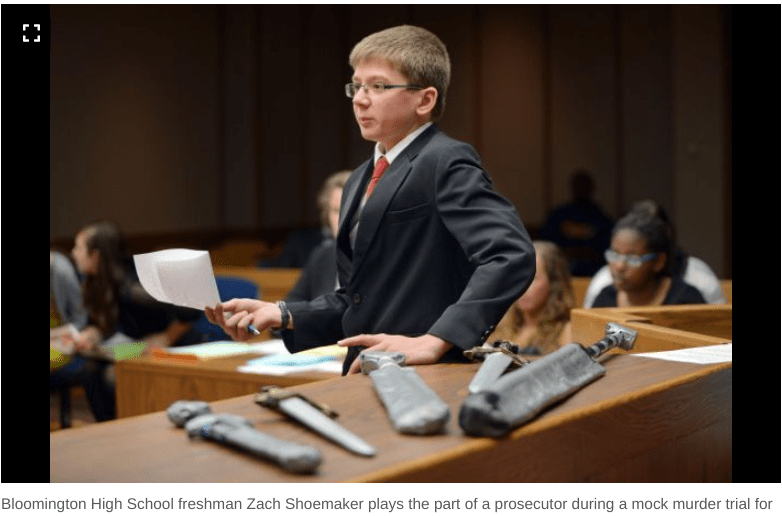
A lot of scholars, teachers, and classrooms have pondered this question. In addition, even the Supreme Court of the United States put Friar Lawrence on trial in 2016 as part of a mock trial sponsored by the Shakespeare Theater in Washington DC. https://www.c-span.org/video/?419930-1/federal-judges-discuss-romeo-juliet

I am actually working on my own mock trial activity which I will share by the end of this month, but for right now I will summarize the major arguments:

The Defendant (Friar Lawrence) tried repeatedly to prevent Juliet and Romeo from committing suicide. In Act III, when Romeo tries to stab himself, Friar Lawrence stops him and convinces him to go to Mantua:

Romeo. O, tell me, friar, tell me,
In what vile part of this anatomy1985
Doth my name lodge? tell me, that I may sack
The hateful mansion.
[Drawing his sword]

Friar Laurence. Hold thy desperate hand:
Art thou a man? thy form cries out thou art:1990
Thy tears are womanish; thy wild acts denote
The unreasonable fury of a beast:
Thou hast amazed me: by my holy order,1995
I thought thy disposition better temper'd.
Hast thou slain Tybalt? wilt thou slay thyself?
And stay thy lady too that lives in thee,
By doing damned hate upon thyself?

Likewise in Act IV, Friar Lawrence stops Juliet from killing herself and gives her the vial of sleeping potion.

“Be not so long to speak, I long to die!” Juliet (Claire Danes), begs Friar Lawrence to divise a plan to prevent her marriage to Paris in the 1996 movie.

Throughout the play, Friar Lawrence attempted to keep Romeo and Juliet alive and together, but was thwarted by what could legally be interpreted as and ‘Act of God’:

Passage from Act V, Scene ii.
As this slide shows, the reason Friar John was unable to deliver the message to Romeo is that he was in quarantine. A literal “Plague on both your houses,” has indirectly killed Romeo and Juliet

What the prosecutor might say-

Friar Lawrence performed a marriage illegally, without consulting the parents of two minors. He also harbored a fugitive (Romeo), right after he was found guilty of murder. Finally, he tried to deceive Juliet’s parents by giving her a dangerous drug. On paper, though Friar Lawrence was certainly acting out of compassion for Romeo and Juliet, his actions were highly suspicious and could be considered criminal.

An English class can learn a lot putting Friar Lawrence on trial for his role in Romeo and Juliet’s deaths, as long as they are responsible in the way they portray teenage suicide.

Who Originally Played Friar Laurence?

I don’t have any substantial evidence to prove this but I do of have a theory: some of Shakespeare’s parts require a great amount of stage business; singing, dancing, swordfighting, improvising that kind of thing. Hamlet for example has to sing, dance, sword fight, and remember copious amounts of speeches and dialogue. Will Kempe had to dance and dance and sing. Robert Armin had to improvise and dance with the audience.

My theory is Shakespeare didn’t have time to learn extravagant stage business, since he was also writing the plays and helping with the company’s business dealings. With this in mind, he probably gave himself the parts that had long speeches. That’s why I think that Shakespeare himself might have played friar Laurence.

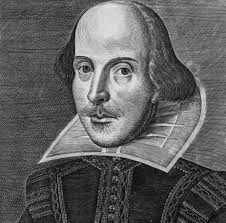
Plus Shakespeare had an edge playing the role over other actors. Since friars are supposed to shave their heads, and since we know that Shakespeare had thinning hair, he could have easily played the part himself.

So those of you who get cast as Friar Laurence and wish that you were cast is somebody young like Romeo or Tybalt, at least your consolation prize is that you might be playing the part that Shakespeare himself once played.

I hope you found this insightful and maybe helpful if you find yourself cast in Romeo and Juliet. I’ll be sure to post about the Friar Lawrence mock trial I’m currently working on. At the very least, I hope this information helps you see Friar Lawrence as more than an old guy who hangs around teenagers.

https://youtu.be/AMLRwqPm_gk snl