
Shakespeare actually lived during the settlement of Virginia, and the Pilgrims came to America just 4 years after he died. I wonder, if Shakespeare had lived, what he would have made of this American tradition?

Happy Thanksgiving!


Shakespeare actually lived during the settlement of Virginia, and the Pilgrims came to America just 4 years after he died. I wonder, if Shakespeare had lived, what he would have made of this American tradition?
Happy Thanksgiving!
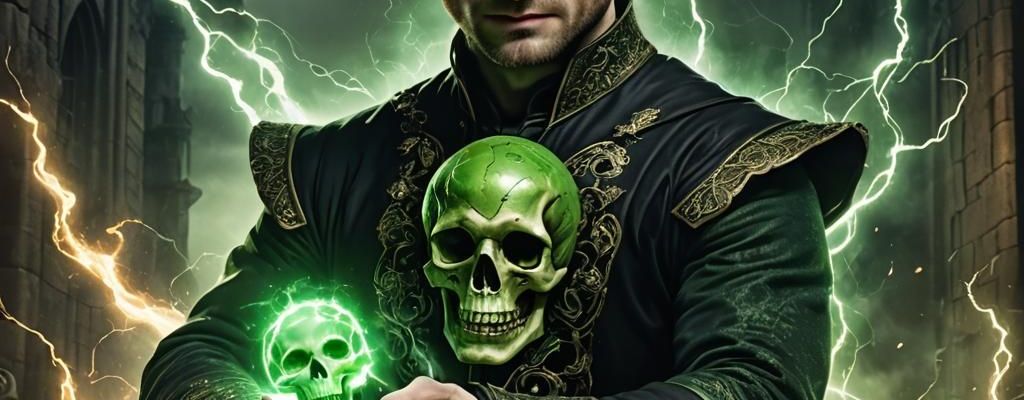

As is often the case for me, I like to get at the heart of what makes a piece of pop culture relevant and compare it to Shakespeare. I wish to stress that Shakespeare is not the source of all great art, but at the same time, he knew where to find the source of art, and most great art has some sort of Shakespearean influence.

In the case of Harry Potter, we have some surface plot similarities to Hamlet: a young man brooding over the loss of his parents, who takes revenge against the man who took them from him. Both stories also have a powerful autocrat who is associated with snakes:
The serpent that did Sting thy father’s life
now wears his crown.
In both Harry Potter and Hamlet, the hero’s friends worry that he’s losing his mind; in the second book: Harry Potter can hear the basilisk because he speaks the snake language. Nobody else can understand what he’s hearing, and they conclude Harry is hearing voices. Meanwhile, Hamlet is the only one who hears the ghost of his father:
In the fifth book, Harry Potter and the Order of the Phoenix, Harry can hear voices coming from a vale between the land of the living and the land of the dead, because he saw death at a very young age. This isolates Harry from other characters, (who have not suffered loss), and they once again think that he is losing his mind.
Hamlet and Harry have a visceral understanding of grief; they understand that when one is experiencing grief, one sees the world in a way that most other people can not comprehend. In a way, insanity is a metaphor for grief, and both characters (both of whom, by the way, spend most of their time wearing black) personify how this grief changes their worldview.
The fundamental difference between Hamlet and Harry Potter could be summarized like this; Hamlet is devoted to his father, Harry to his mother. The ghost of Hamlet’s Father sets the action of Hamlet into motion, as he demands that his son revenge his murder. By contrast, Harry Potter is constantly inspired by his mother. Although he only sees his mother for a short time, it’s what he learns about her that drives many of Harry’s actions. Even after death, the memory of Lilly’s kindness and love not only inspires Harry, but other characters like Snape, Slughorn, Dumbledore, Sirius, and Lupin. Lilly’s memory rallies all the heroes to unite and defeat Voldemort.
In addition, Harry’s choices emulate his mother’s personality more than his father’s. Harry’s primary concerns are to stop Voldemort from taking over the Wizarding World, to show kindness and respect to everyone, and to guard his friends with his life if necessary, just as his mother did for him. In other words, the matriarchal virtues of love, self-sacrifice, and familial devotion drive Harry, not a patriarchal desire for vengeance which drives Hamlet. Therefore, Harry Potter is a more modern Hamlet, driven by a desire to improve a world and a community, rather than just “The royal bed of Denmark,” which Claudius has defiled.
The Melancholy Dane is driven by anger over his father’s untimely and foul murder and the sadness of losing him. Many actors have chosen to play Hamlet as a man who wants revenge, but one for whom vengeance doesn’t come naturally. Hamlet’s conscience, his scruples, his gentleness, and sometimes his sympathy for Claudius, blocks him from quickly taking revenge. In the clip below, Ethan Hawke is literally watching an avenger in a movie (Brandon Lee in The Crow) on a movie screen. It’s as if Hamlet is looking at a reflection of what he wishes he could be- a decisive, ruthless avenger:
As mentioned before Harry Potter’s ability to command loyalty, friendship, and respect from others allows him to accomplish his goals; he succeeds by rallying everyone, his friends, family and even his enemies to unite and fight. By contrast, Hamlet is a man who cannot trust anybody and therefore must rely on his own cunning (and sometimes ruthlessness), in order to achieve his goals.
Harry’s powers to mobilize the best in people are the powers that the dark Lord did not understand. Like a tyrant, Voldemort keeps all the power to himself; he rules by being more powerful than the people around him and inspiring fear. This makes him vulnerable when his foes band together, and his friends desert him, like when Laertes implicates Claudius for killing Hamlet and finds himself alone, friendless, and ready to taste Hamlet’s revenge:
When Shakespeare sat down to write Hamlet, the Elizabethan age was very cut throat- England had gone through the Civil War, violent factions were springing up at court, and Elizabeth herself suffered multiple assassination attempts. Hamlet is very much a product of a time where everyone is worried about being watched and betrayal can happen at any moment. By contrast, Harry Potter was written at another paranoid time- right after the September 11th attacks where racism, homophobia, and xenophobia were (and to a certain extent, still are), ripping the world apart. For all her faults, JK Rowling created a new kind of Hamlet figure, one who tries to bring people together in times of fear and grief, not one who wishes he could be “bounded in a nutshell” or that his “too too solid flesh”Close Reading: “Oh That This Too Too Solid Flesh” would melt away.
Like all Renaissance playwrights, Shakespeare took inspiration from ancient Greek and Roman sources. Scholars have seen echoes of Orestes, Perseus, and of course, Oedipus in Hamlet, but one Greek myth that pops up in both Hamlet and Harry Potter is the myth of Hercules. Here’s a short list of commonalities:
1. Both heroes defeat a serpent as a baby and is raised by people who aren’t his parents. Hercules strangles snakes in his cradle, Harry defeats Voldemort, and Hamlet (who is still a child), defeats his uncle who is called a serpent by the Ghost.
2. Cursed by a malevolent creature who hates his mother. Harry gets his scar, Hercules is cursed by Hera (his father’s wife, but not his biological mother). Hamlet
3. Labors involving wild beasts- Nemean Lion (sorting hat), Hydra= basilisk. 3. Captures a stag (Conjures a patronus) 4. Boar= Troll 5. Stables= basilisk in the bathroom 6. Stymphalian birds= golden snitch 7. Girdle of Hipolita= Ravenclaw diadem 8. Cattle of Geryon= other horcruxes 9. Golden Apples= mermaid egg guarded by dragon
10 and most obvious- BOTH OF THEM FACE A THREE HEADED DOG
I bring this up because in many ways, Harry Potter, Hamlet, and Hercules are timeless myths that represent what Joseph Campbell called “The Hero’s Journey”- an eternal story of growth, struggle, death, and rebirth that transcends time, place, and cultures.
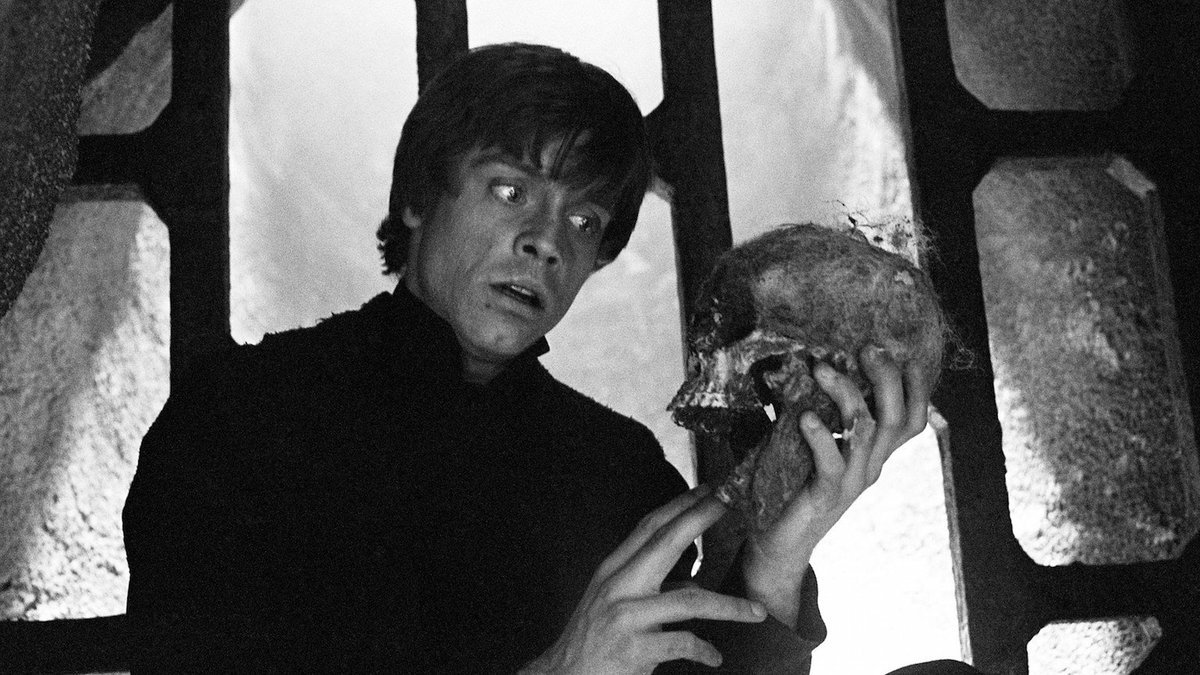
Another character that shares a lot of similarities with Hamlet and Harry Potter is Luke Skywalker from Star Wars. If you enjoyed this analysis of Shakespeare and Harry Potter, you might enjoy my course on Shakespeare and Star Wars from Outschool.com:
This two-week course is fully online and fully immersive. You can learn about Shakespeare through the lens of Star Wars, (and like this post), you will learn about characters, plots, and the ideas behind classic stories by comparing them to contemporary pop culture. Click the link below to get started:

Thanks so much for reading, and stay tuned for more insightful content!

The global phenomenon “Five Nights At Freddie’s” (FNAF) has spawned 11 major games, spinoff games, 19 books, countless comics, and a big Hollywood movie premiering this week:
One other thing this franchise has spawned is ENDLESS FAN THEORIES. I admit, when I first heard of this jump-scare-based game with haunted animatronics, I viewed it as a silly novelty- a clever way to create cheap horror using monsters who jump out at you in a dark room… then I saw this:
The YouTube channel Game Theory, which has been analyzing and dissecting the games for the last 8 years finally created a complete chronology of the games’ lore. Like a lot of the best horror stories like Dracula and “Sleep No More,” the game scatters a lot of its lore throughout the game in the form of mini-games, security guard notebooks, newspaper clippings, and of course, the iconic, nervous late-night phone calls that your character (a nameless night watchman) receives from a mysterious character known only as THE PHONE GUY.
This story is truly the stuff of nightmares- serial killers, murdered children, ghosts, possessed robots, broken families, and unending quests for revenge from beyond the grave. Of course, a few of these tropes Mr. Shakespeare would be very familiar with, so I thought I’d delve into some of the themes, tropes, and ideas that link these two franchises. My goal is to get fans of the video game to understand that, since Shakespeare and Scott Cawthorne (the creator of the game) use a lot of the same horror plots and ideas, that, if you can understand FNAF you can understand Shakespeare!
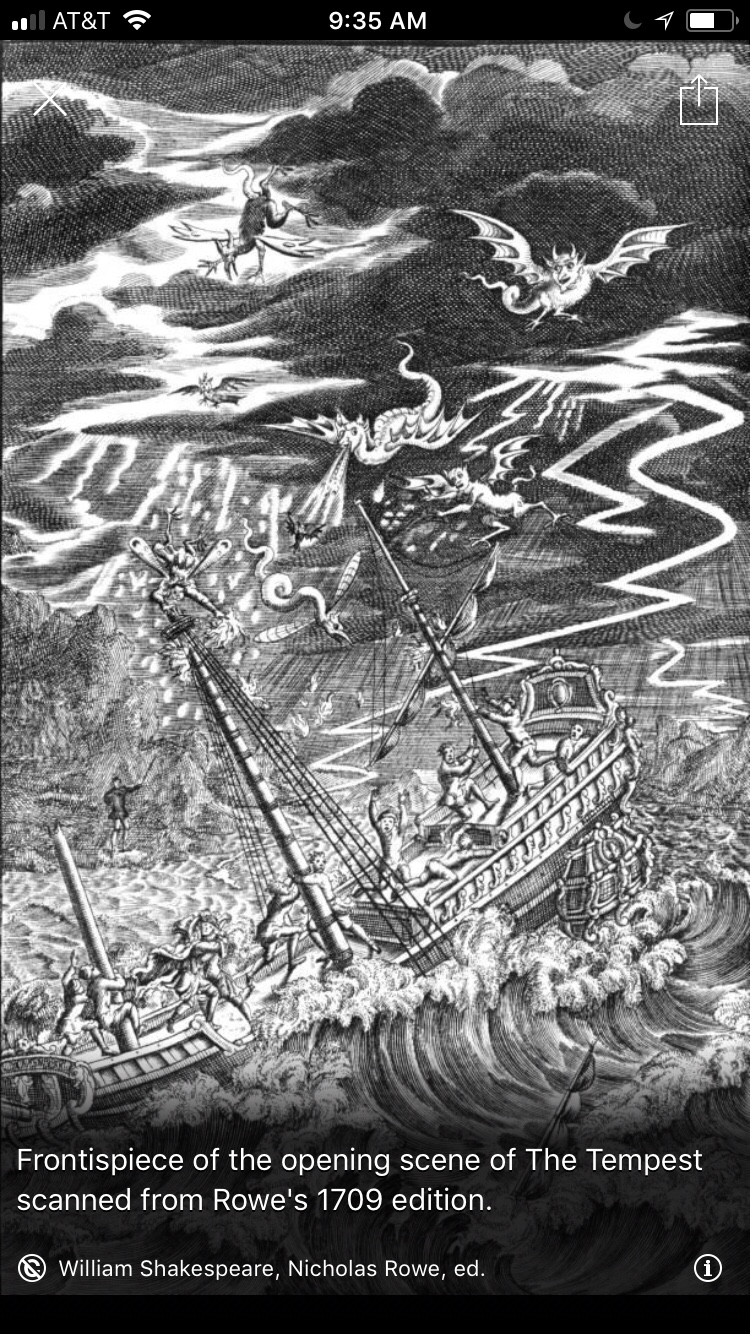
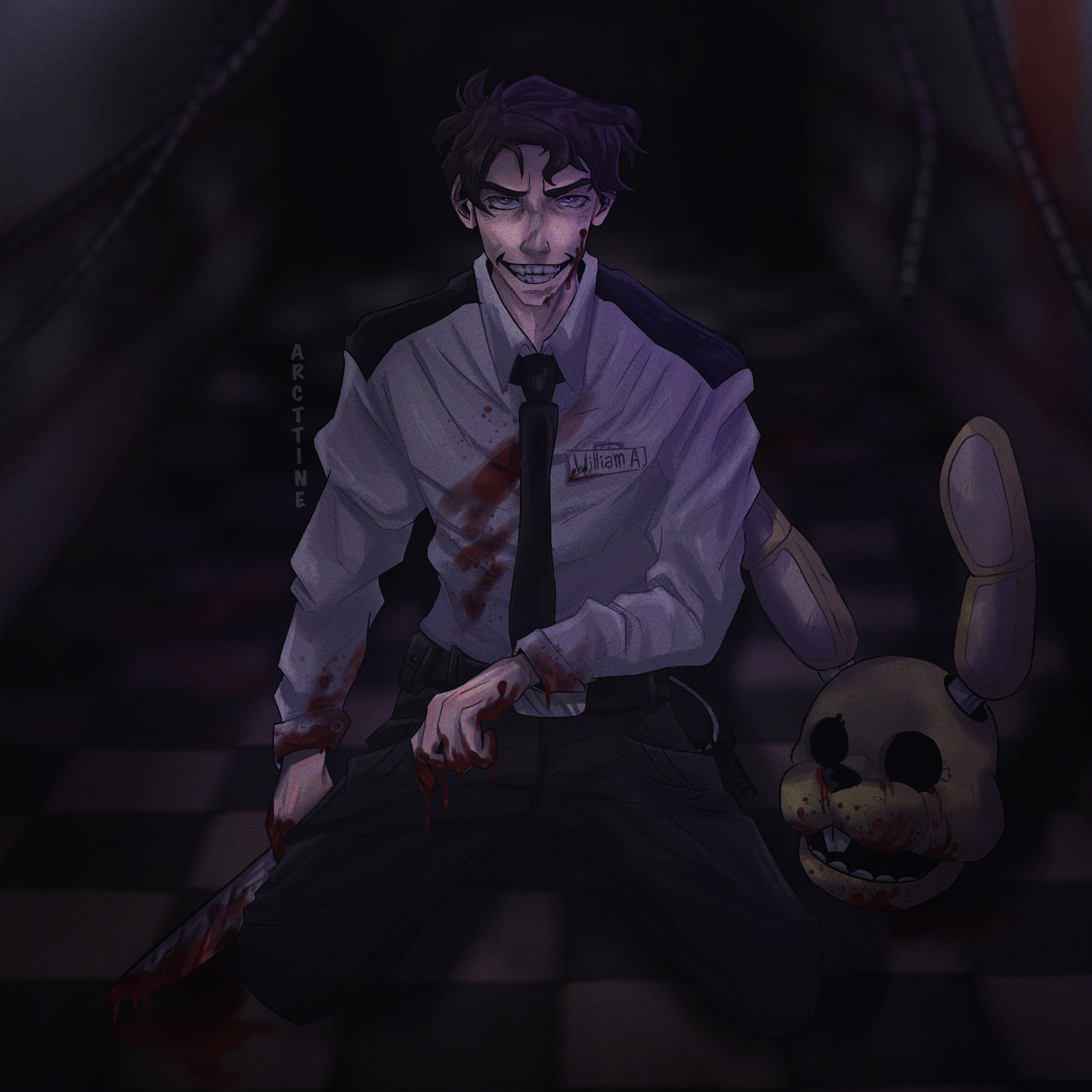
The story of Five Nights At Freddie’s revolves around its main antagonist- a genius roboticist-turned-serial killer named William Afton, who starts out as a successful businessman and children’s entertainer obsessed with bringing his creations to life. Any horror fan will tell you that this is an automatic sign of a villain because he is trying to master the skill that only God possesses- the ability to create life.
In Shakespeare’s final play, The Tempest, the hero is a brilliant magician who, after his brother exiles him to a desert island, masters many crafts considered unnatural for the 1600s:
I have bedimm'd
The noontide sun, call'd forth the mutinous winds,
And 'twixt the green sea and the azured vault
Set roaring war: to the dread rattling thunder
Have I given fire and rifted Jove's stout oak
With his own bolt; the strong-based promontory
Have I made shake and by the spurs pluck'd up
The pine and cedar: graves at my command
Have waked their sleepers, oped, and let 'em forth
By my so potent art.
The Tempest, Act V, Scene i, Lines 2063-
Like I discussed in my post on Shakespeare and Star Trek, Prospero’s magic is both benevolent and terrifying. He uses it to rescue himself and his daughter Miranda from the island, and he creates beautiful visions of gods and angelic music for Miranda and her young lover Sebastian, but he also creates nightmarish visions to torment his enemies:
Both Afton and Prospero are motivated by revenge against the men who betrayed them. In Afton’s case it’s his rival/ partner Henry Emily who bankrupted his business and later got him fired from his own company. Afton torments Henry by murdering his daughter and ruining his business by luring kids to their death inside the pizzeria, disguised as one of the animatronic characters. Afton also figures out how to torment people using sound alone, like Prospero does to his slave Caliban:
Caliban. All the infections that the sun sucks up
From bogs, fens, flats, on Prosper fall and make him
By inch-meal a disease! His spirits hear me
And yet I needs must curse.
For every trifle are they set upon me;
Sometime like apes that mow and chatter at me
And after bite me, then like hedgehogs which
Lie tumbling in my barefoot way and mount
Their pricks at my footfall; sometime am I
All wound with adders who with cloven tongues
Do hiss me into madness.
Here comes a spirit of his, and to torment me! The Tempest, Act II, Scene ii.
Prospero isn’t a killer, but like Afton, he has learned the secret to life after death, which makes him powerful and dangerous. Even more unsettling, both men are on an endless quest for revenge and torment men whom they saw as brothers. Other Shakespearean characters take their lust for revenge to the same dark place Afton did- the murder of children.

https://mriquestions.com/why-are-veins-blue.html
For the first four games, Afton isn’t directly part of the game- he’s merely mentioned in pieces of the lore. Frequently we see 8- bit re-enactments of his crimes in a series of mini-games, where he appears as a faceless, purple killer.
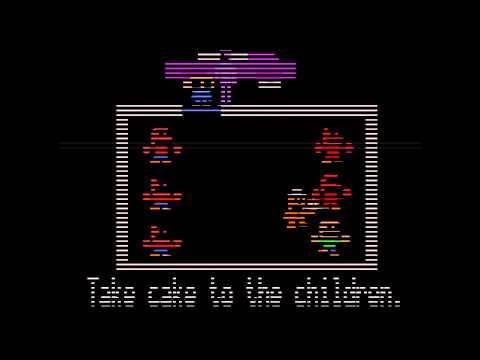
Why purple though? It’s true that purple is associated with royalty, and sometimes associated with villainy, (since it isn’t a color found much in nature). I think though, there might be a deeper, more macabre meaning to this color associated with this killer: It is a scientific fact that human blood, when it is shed and deprived of oxygen, actually turns purple:

The colors of arterial and venous blood are different. Oxygenated (arterial) blood is bright red, while dexoygenated (venous) blood is dark reddish-purple
https://mriquestions.com/why-are-veins-blue.html

Shakespeare was very aware of this medical fact. He lived in an age where traitors’ heads were placed on spikes on London Bridge, and people would pay to watch wild dogs attack bears (the FNAF of his time). Shakespeare makes many gory references to murderers watching red blood turn purple:
I make as good use of it as many
Henry IV, Part I, Act III, Scene iii.
a man doth of a Death’s-head or a memento mori: I
never see thy face but I think upon hell-fire and
Dives that lived in purple;
Woe above woe! grief more than common grief!
Henry VI, Part III, Act II, Scene v.
O that my death would stay these ruthful deeds!
O pity, pity, gentle heaven, pity!
The red rose and the white are on his face,
The fatal colours of our striving houses:
The one his purple blood right well resembles;
Now, whilst your purpled hands do reek and smoke,
Julius Caesar Act III, Scene i.
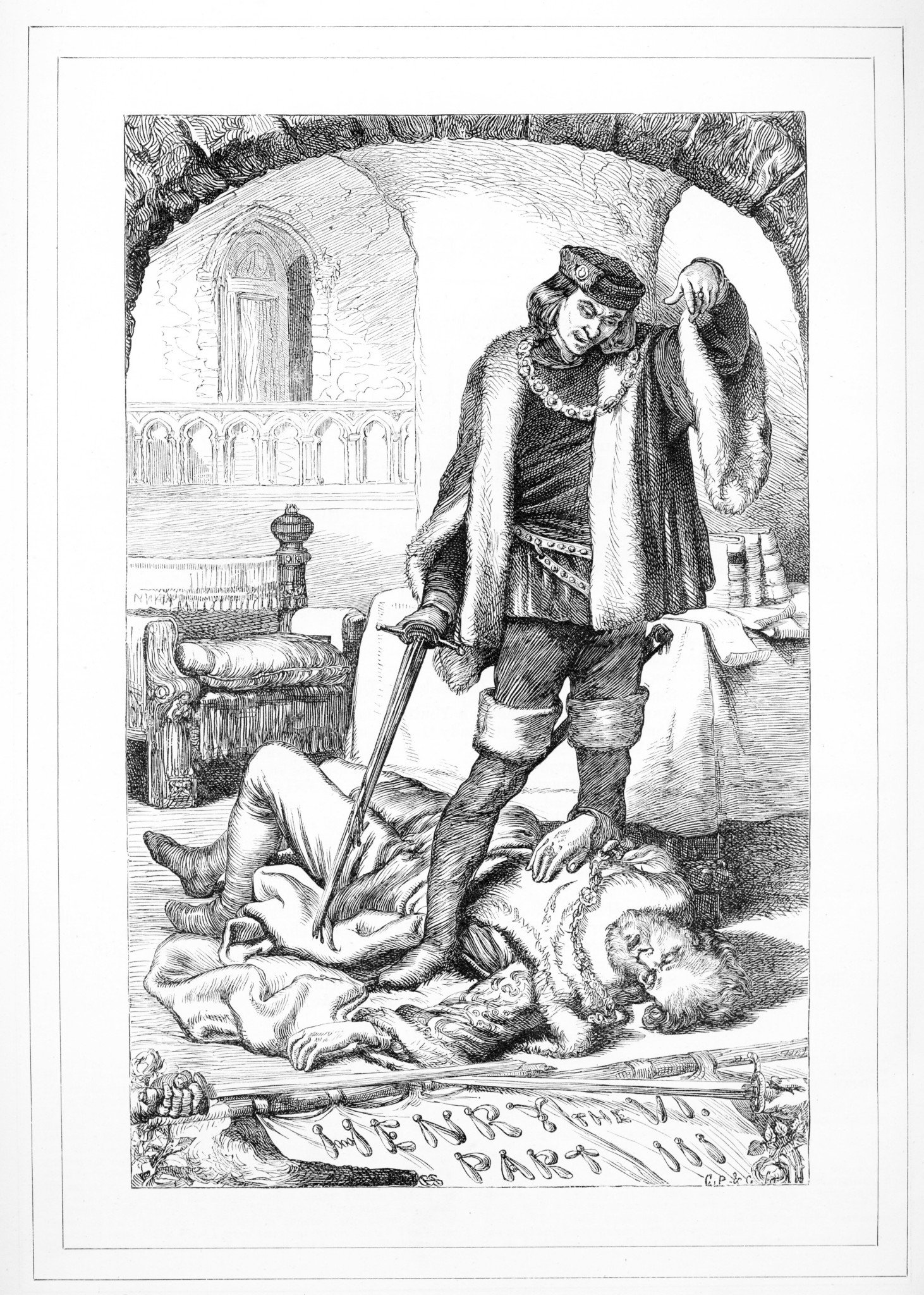
With purple falchion, painted to the hilt
Henry VI, Part III, Act II, Scene v (Richard of Gloucester)
In blood of those that had encounter’d him:
This last quote is spoken by Richard of Gloucester, who, in the play that bears his name, becomes King Richard III, Shakespeare’s most irredeemable villain. Just like William Afton, he kills without remorse and dispatches anyone who gets in his way on the path to the crown. In addition, like many of Shakespeare’s villains, his turn to pure evil occurs right after he does the unthinkable- when he murders children.
Throughout the rest of the play, Richard kills a lot of his political and personal enemies and we go along with them because he’s the protagonist. But once he murders the princes, who have done nothing to harm him or anyone else, Richard crosses the line from anti-hero to monstrous villain. It is also at this part of the play when his victims begin to take their revenge… FROM BEYOND THE GRAVE!
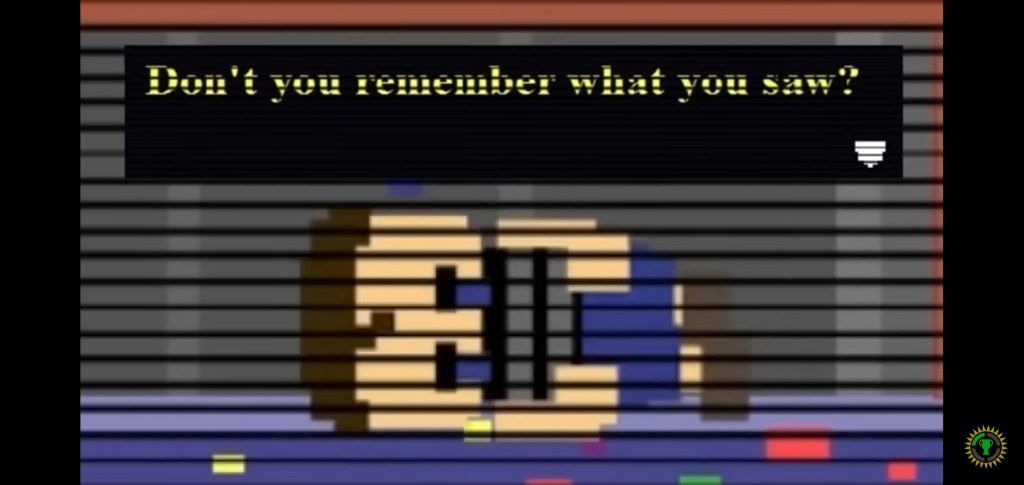
I’ve written before that in Shakespeare, ghosts are usually murder victims either out for revenge, or trying to convince a living person to avenge their death. Likewise, in the subsequent games, Affton’s victims possess the animatronics, seeking to kill their murderer!

One of the creepiest scenes in Shakespeare comes when Richard III is visited the night before his final battle by the ghosts of all the people he’s killed:
Similarly, when Macbeth murders his friend Banquo (and attempts to murder his young son Fleance), he is visited by Banquo’s ghost, during a party, no less! Even more ironic, look at the language Macbeth uses when he sees the ghost:
Approach thou like the rugged Russian bear,
The arm’d rhinoceros, or the Hyrcan tiger;
Take any shape but that, and my firm nerves
Shall never tremble: or be alive again.
It’s truly ironic that, while in FNAF, the ghosts of Afton’s slaughtered children appear in the forms of angry animatronics, shaped like fearsome animals, Macbeth would rather see the fearsome animal, than the ghost of the man he murdered! Though Macbeth himself doesn’t fear bears, in both FNAF and Shakespeare, bears and other animals have long had a symbolism associated with wrath, anger, and taking bitter vengeance on the wicked.

Even the animals in FNAF have some significance that Shakespeare has touched on in some of his plays, especially bears. In many renaissance and medieval sources, bears are symbols of wrath, revenge, and fierce protectors of children. Both Shakespeare and FNAF exploit this symbolism, and both the game and Shakespearean plays create horrifying beastly images in stories of revenge.
Just like the Fredbear singin’ show, Elizabethans liked to watch real bears perform onstage, sometimes as dancers, but also IN BLOODY FIGHTS TO THE DEATH. In the 1590s, there was a popular sport called “Bear baiting,” where bears would be chained, sometimes to a pole, and set on by vicious dogs. The ‘sport’ was watching to see who would prevail- the fierce and free dogs, or the powerful, bound bear.
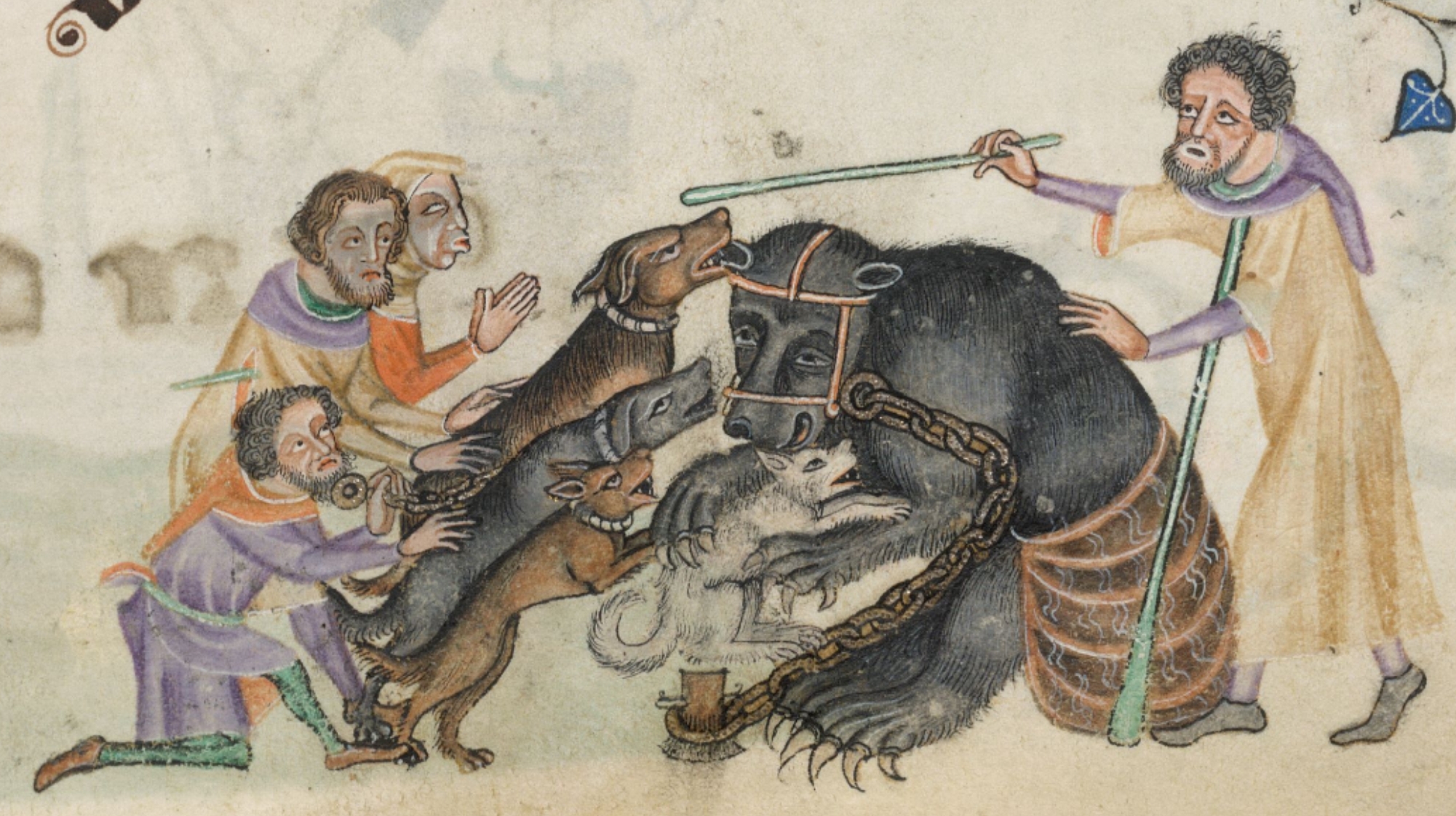

As you can see from this close-up of Wenceslaus Hollar’s famous Panorama Of London (1647), we know that Shakespeare had to pass bear beating pits on his way to the Globe all the time, (you can see ‘Beer bayting’ or bear beating, written on the playhouse on the left, and Shakespeare’s Globe Theater on the right). Not only that, Shakespeare writes about the bloody sport frequently in his plays. When Macbeth knows he’s losing the battle with Malcolm, he compares himself to a bear, tied to a stake, forced to fight until his last breath. It calls to mind the moment in the game when the ghosts shed their animatronic skins and attack William directly, while he’s trapped in the Springtrap suit.
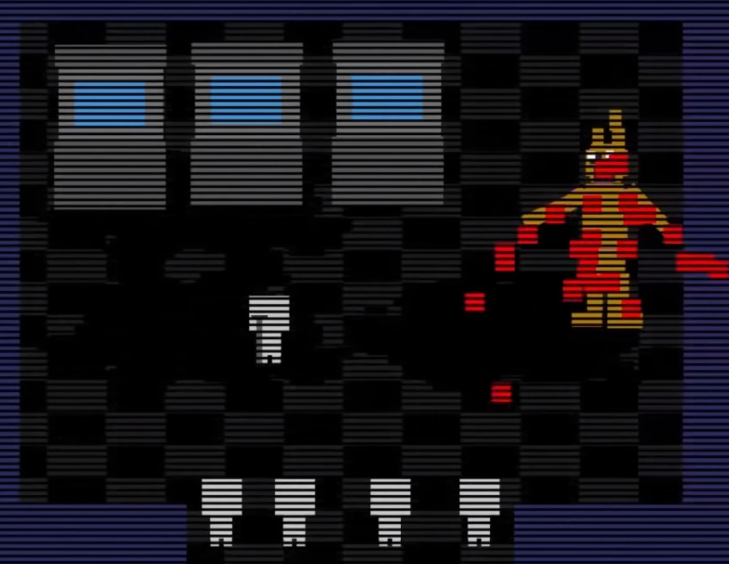
It’s worth noting that when the ghosts kill Afton, he’s wearing his Golden Bonnie suit. As Mat Pat mentioned, yes it is the disguise he wore to commit his crimes, but it is also symbolic of who Afton has become- a beastly, inhuman creature who looks friendly on the outside, but inside is cold and robotic on the inside. This also calls to mind the beast symbolism in the aforementioned ghost scene from Richard III. The real King Richard III used a boar as his royal sigil, and Shakespeare exploits that beast imagery by comparing Richard to a bloody, rooting hog, grown fat on the blood of his victims. Richard doesn’t wear a pig suit, but he does wear his cruelty and bloodlust literally as a badge of honor!
In both the games and the plays, the ghosts become a manifestation of the murderer’s guilty conscience, and beast-like imagery is used to convey how cruel and beast-like the murderer has become. Macbeth and Richard don’t dress like beasts, but they do kill like them.
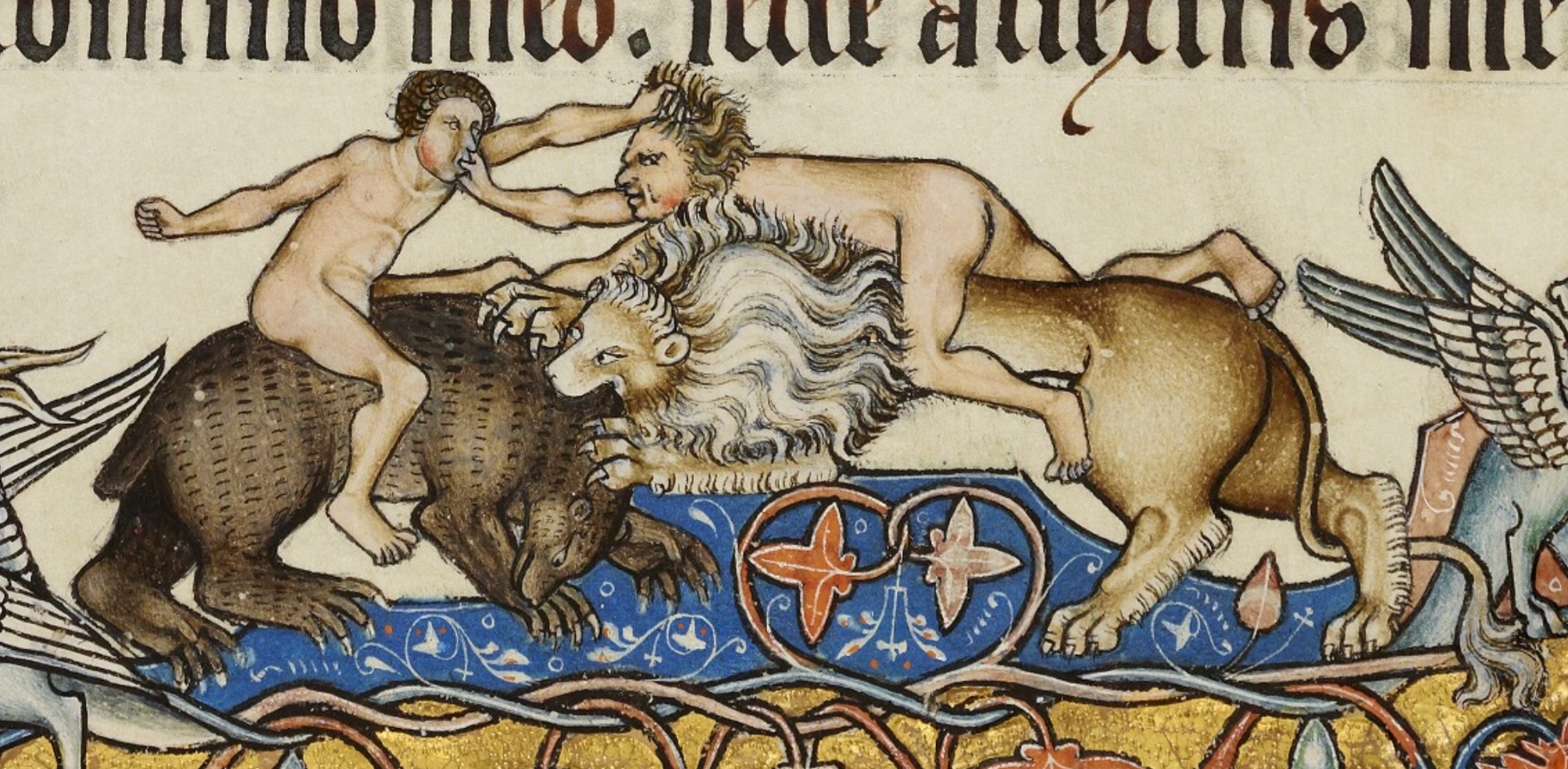
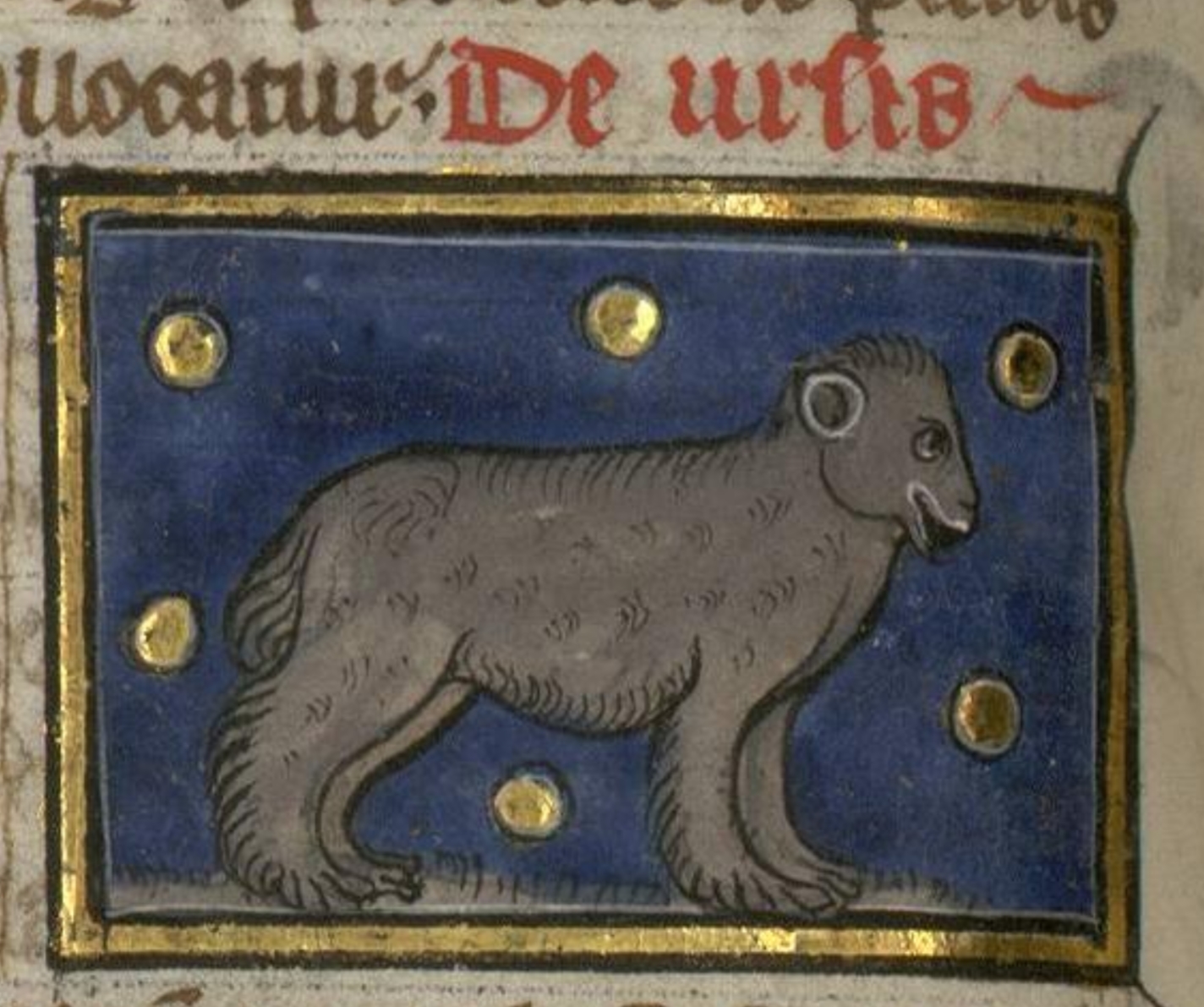
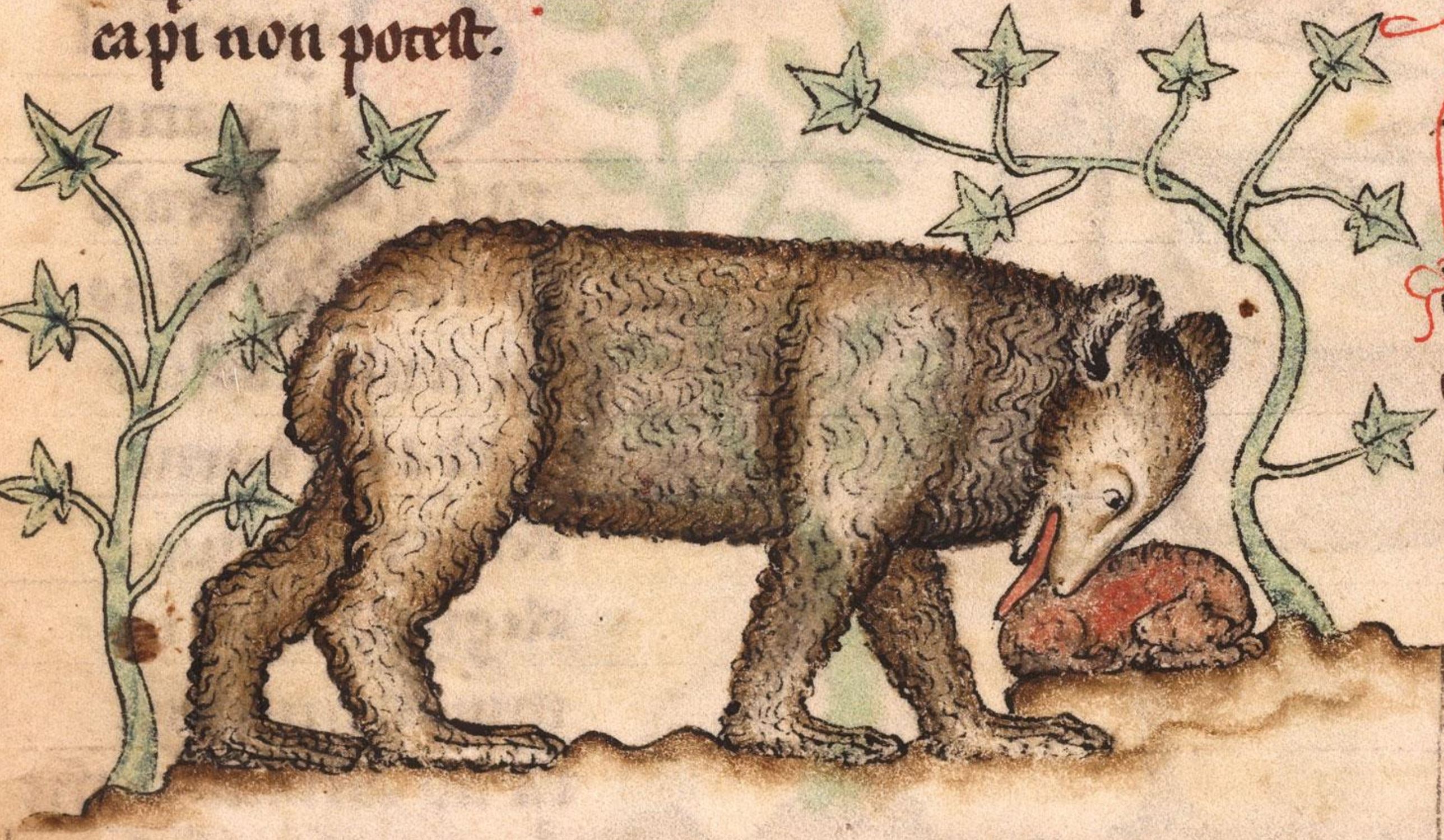

The beast imagery also extends to the concept of revenge. One big theme in Five Nights At Freddie’s is the concept that revenge, (whether justified or not), is blind and indiscriminately destructive. Even though the five ghosts that possess the animatronics are justifiably angry for being murdered, they don’t just try to kill Afton- they attack any poor soul who sticks around the pizzeria at night. Like Hamlet, who wants to avenge his father’s murder, but kills the wrong people, the five souls trapped in their metal cages have a noble goal- protect the children in the pizzeria, and destroy Afton, but they are full of beastlike rage and are unable to see friends from foes. This kind of blind rage reminds me of how real bears will fight off anyone whom they perceive as a threat. In medieval manuscripts, bears are tender to their cubs and literally form them out of little hairy lumps by licking them into shape. At the same time, they are powerful, deadly, and violent to anyone that threatens the cubs.
This kind of blind violence is something Shakespeare explores a lot in his history plays and his tragedies. Every time he talks about a society going wrong, he describes it as if it were populated with beasts, not humans. In Timon of Athens, the titular character, having left Athens to go live in the woods, laments to his frenemy, the cynical philosopher Apemantus, how his city has become like a collection of beasts:
In short, the history of horror, which Shakespeare helped shape in plays like Macbeth, Richard III, Hamlet, and others, has a lot of classic tropes and the Five Nights At Freddie’s games exploit them quite well; tropes like supernatural vengeance, the death of innocents, beast-like killers, and unquiet ghosts. What works the best about this franchise is that it tells its lore like a mystery, slowly revealing Afton’s gruesome crimes over multiple installments. I wonder if someone has ever applied this to Shakespeare…

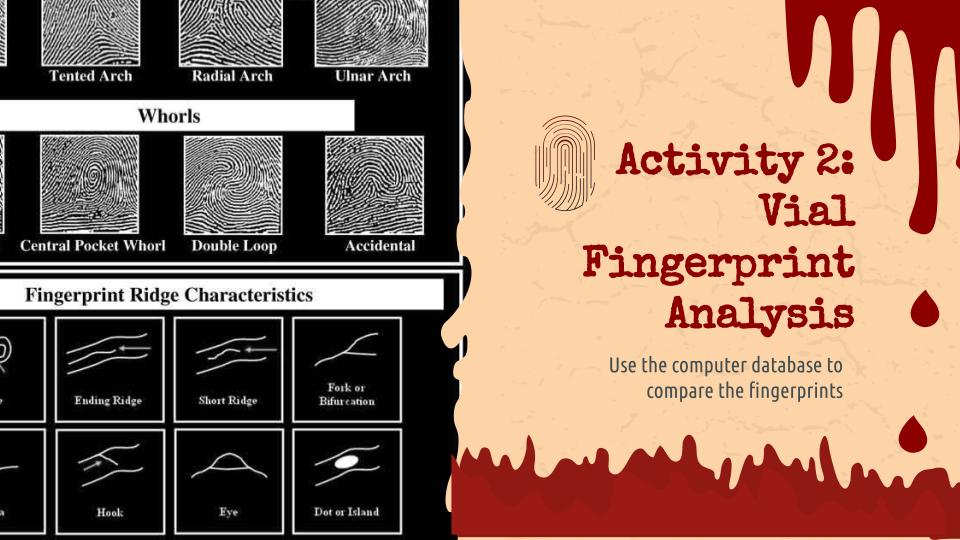
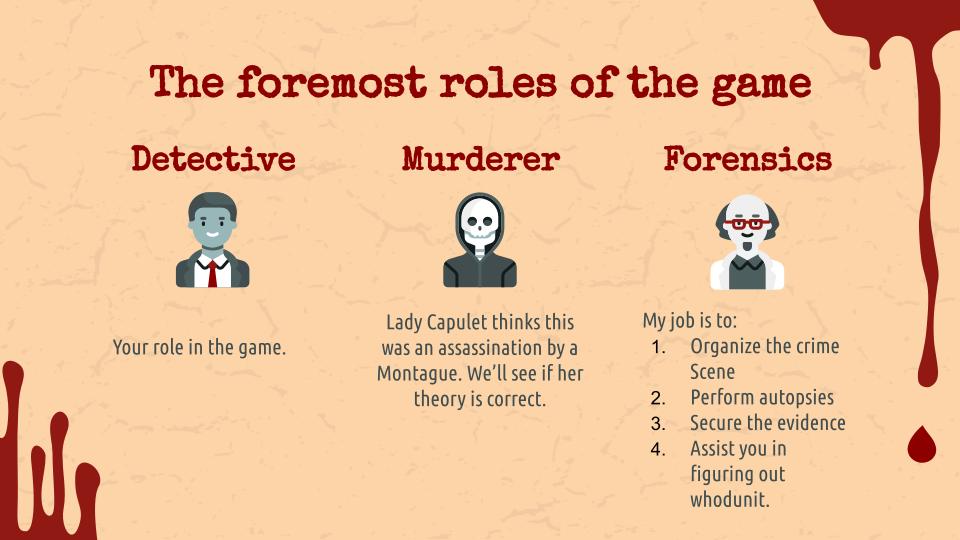
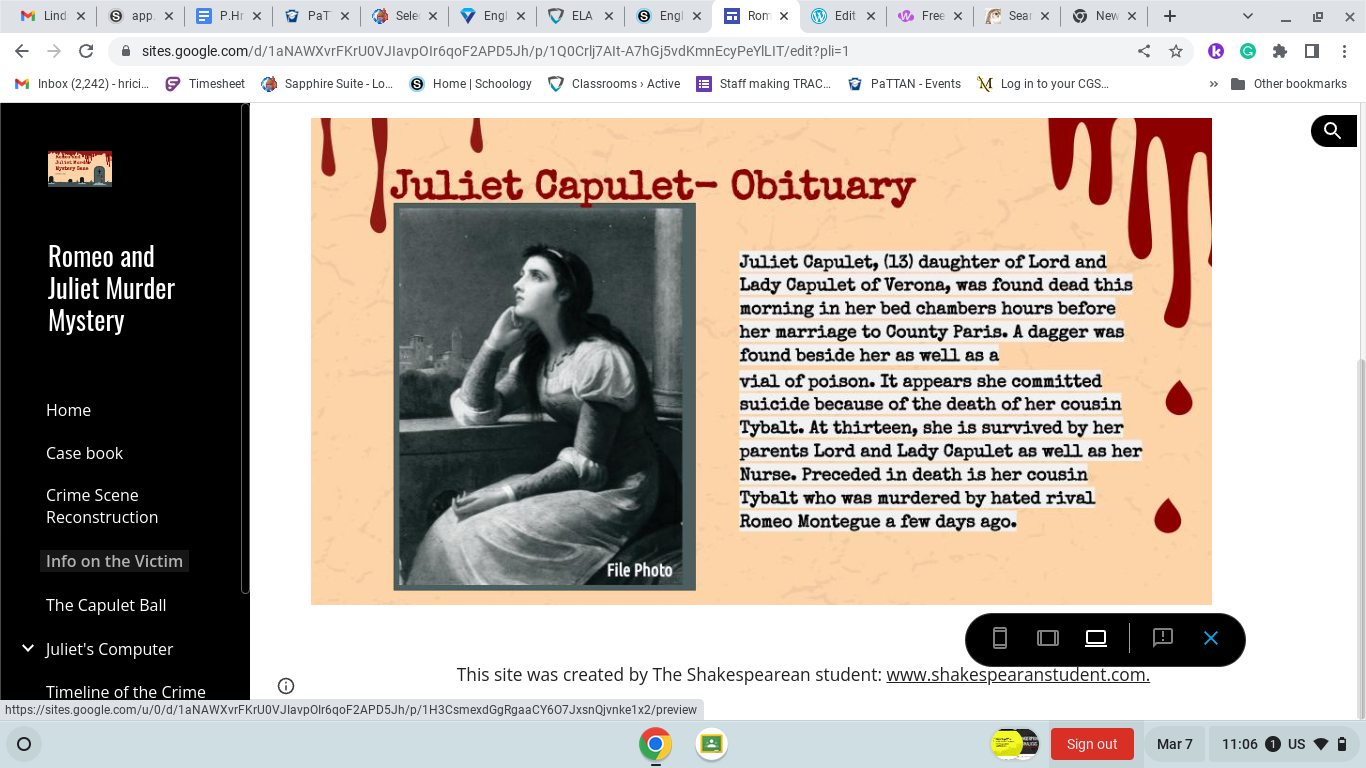


I’m proud to announce that I’ve just been approved to present a fully online, fully immersive murder mystery-style game, where you play as a detective trying to solve the mysterious death of Juliet Capulet! This is a really cool mixture of Shakespeare and forensics science as you examine crime scenes, look for clues, interrogate suspects, and untangle the story of Romeo and Juliet, and it even takes place over the course of five nights! Classes start March 17th. Register now at www.outschool.com!
Would Shakespeare enjoy playing FNAF well, who knows, but I do like to think he would appreciate the lore, if not the jump scares……

https://www.google.com/amp/s/www.history.com/.amp/news/7-early-robots-and-automatons

For the final class of my course on Shakespeare’s Tragedies, I’m coaching two young actors on a pair of tragic speeches I’ve selected, and I thought I’d share some of that work with you. The first is a speech by Lady Macbeth that comes from Act I, Scene v. In this speech, Lady Macbeth prays to dark spirits to make her cold and remorseless, so that she can convince her husband to kill the king, and take the throne.
Lady Macbeth.
The raven himself is hoarse
That croaks the fatal entrance of Duncan
Under my battlements. Come, you spirits390
That tend on mortal thoughts, unsex me here,
And fill me from the crown to the toe top-full
Of direst cruelty! make thick my blood;
Stop up the access and passage to remorse,
That no compunctious visitings of nature395
Shake my fell purpose, nor keep peace between
The effect and it! Come to my woman’s breasts,
And take my milk for gall, you murdering ministers,
Wherever in your sightless substances
You wait on nature’s mischief! Come, thick night,400
And pall thee in the dunnest smoke of hell,
That my keen knife see not the wound it makes,
Nor heaven peep through the blanket of the dark,
To cry ‘Hold, hold!’ Macbeth, Act I, Scene v, Lines 388-403.
Lady Macbeth has just received a letter from her husband. That letter informs her the witches prophesied he would be king. Soon after she’s finished reading it, another messenger, (hoarse and out of breath), tells her that King Duncan will be staying at her castle tonight! Lady Macbeth immediately sees this as the perfect opportunity to make her husband king, by plotting to murder Duncan as he sleeps under her roof.
I’ve seen at least six productions of “Macbeth” and when it comes to this scene I think the main interpretations I see are either that Lady Macbeth is gleefully evil, or highly sexual. While it is true that she is praying to dark spirits, and her language when she speaks to Macbeth is sexually charged, I feel that these are not the only options when playing this character.
I love the regal poise of Francis in this 2021 movie. She is utterly in control and has absolutely no qualms about murder. I get the sense that she’s more praying to Mercury to get her to speak daggers to her husband, instead of to Lucifer to help her use one. She even has knives coming out of her ears (look at those earings!) This Lady Macbeth doesn’t seem evil in the sense of a cartoon villain. She’s just a woman in a violent society who believes that regicide is an acceptable way to sieze power. I think in this world, might makes right.
By contrast, Judy Dench in the 1979 RSC production is also very human. Her spirits are like… well spirits. You get the sense that she’s taking a swig of liquid courage to get her to go through with these actions which SHE KNOWS ARE WRONG.

Ravens in Greek and Norse myths were birds of prophecy and associated with the goddess of magic, Hecate (who appears in the play in Act IV). Ravens often appeared to announce deaths or execution. The speech is also full of imagery that rejects traditionally ‘feminine’ virtues. Lady Macbeth seems to associate womanhood with kindness, mercy, pity, and remorse and thus attempts to shed her femininity to accomplish her cruel objective of killing Duncan.
The Rauen himselfe is hoarse,
That croakes the fatall entrance of Duncan
Vnder my Battlements. Come you Spirits,
That tend on mortall thoughts, vnsex me here,
And fill me from the Crowne to the Toe, top-full
Of direst Crueltie: make thick my blood,
Stop vp th'accesse, and passage to Remorse,
That no compunctious visitings of Nature
Shake my fell purpose, nor keepe peace betweene
Th'effect, and hit. Come to my Womans Brests,
And take my Milke for Gall, you murth'ring Ministers,
Where-euer, in your sightlesse substances,
You wait on Natures Mischiefe. Come thick Night,
And pall thee in the dunnest smoake of Hell,
That my keene Knife see not the Wound it makes,
Nor Heauen peepe through the Blanket of the darke,
To cry, hold, hold. Macbeth, Act I, Scene v, First Folio Reprint from Internet Shakespeare Editions.
It’s interesting to note that (in the First Folio text) this speech is only three sentences long. It is a constant build up of energy with only three stops. In addition, Shakespeare puts the most important words, at the end of each line. Almost every line ends with something Lady M wants to kill, such as Duncan, or wants to kill within herself (peace, remorse, nature, Woman(hood). The verse also has commands strewn about in the beginnings and ends of lines. The question is, how confident does Lady Macbeth feel while giving them?
One of the biggest questions I have with this play is why Lady Macbeth and her husband want to be king and queen anyway? After all, Shakespeare has written plenty of plays that detail how hard and stressful (uneasy) it is to be king. Plus, Macbeth is already a trusted lord and friend of the king, why would he want to damn himself to get a job he knows isn’t his to take? I think that, especially now in the 21st century, it’s very important to have a coherent motive for why the Macbeths are willing to kill for the crown.
Looking over the text, my actress sensed a deep loneliness in Lady Macbeth and a haunted feeling that makes her seem desperate to change her life. I thought about how insomnia and paranoid fears are repeated motifs in the play, as well as character traits found in both Macbeth and later Lady Macbeth. Then I thought- Macbeth is a soldier; his wife has probably had to spend years wondering if he is going to come home and imagining what kind of terrible death he might suffer on the battlefield While the king sits safely at home. Perhaps she sees killing the king as a form of revenge for all the fear and sleepless nights she’s experienced, and an attempt to protect her husband from war, by safely placing him on the throne. Maybe she sees this as the only way to make sure her beloved husband never dies in battle. Therefore, instead of watching an evil woman become more evil, you’re watching a good woman, (with good intentions), damn herself for love, which I would argue is a much more active and dynamic choice.
 The Shakespearean Student