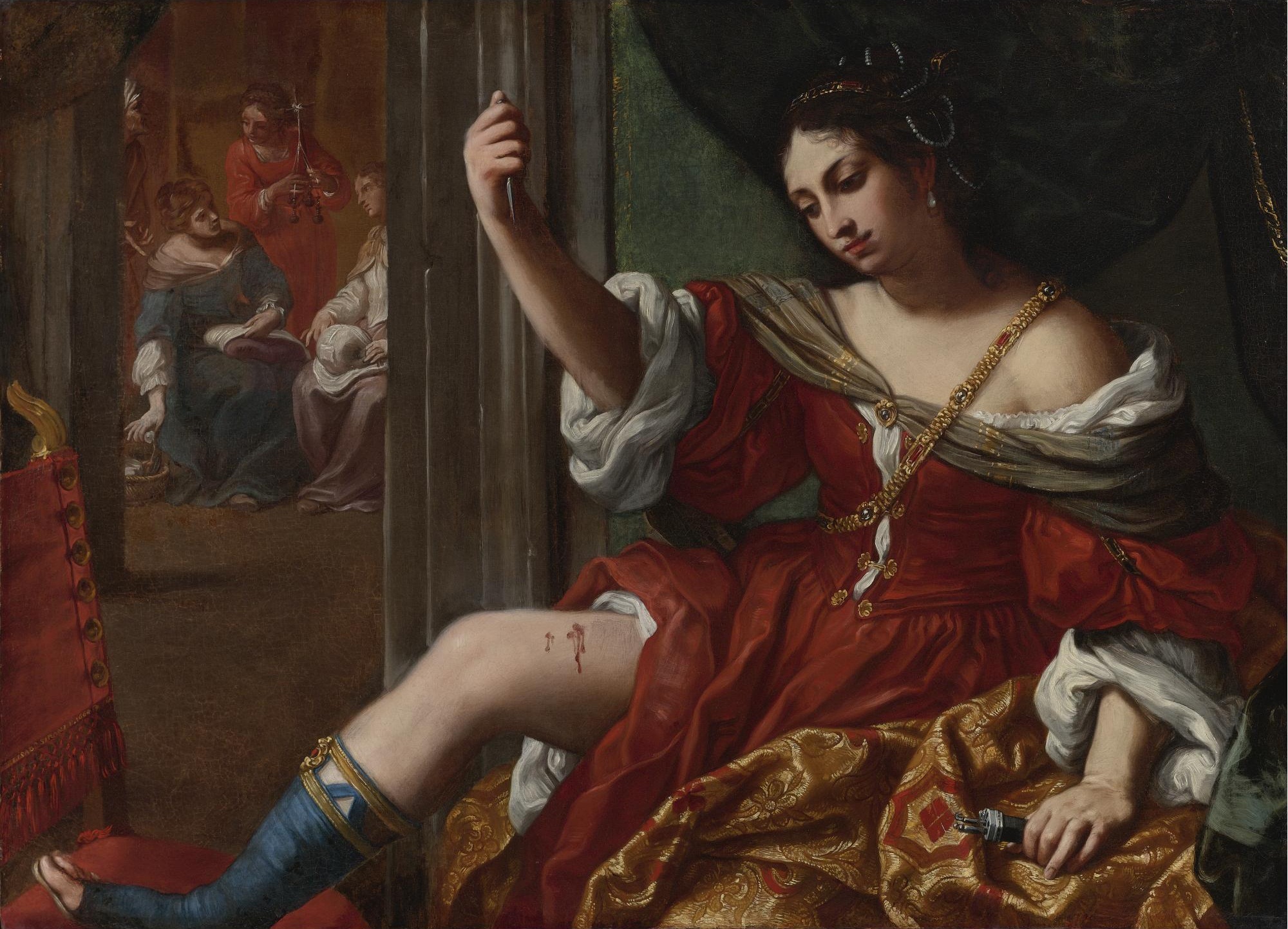
Elisabetta Sirani, Portia Wounding her Thigh, 1664, oil on canvas, 101 x 138 cm (Collezioni d’Arte e di Storia della Fondazione della Cassa di Risparmio, Bologna)The suicide of Porcia, Pierre Mignard. Museum of Fine Arts of Rennes, 1650.
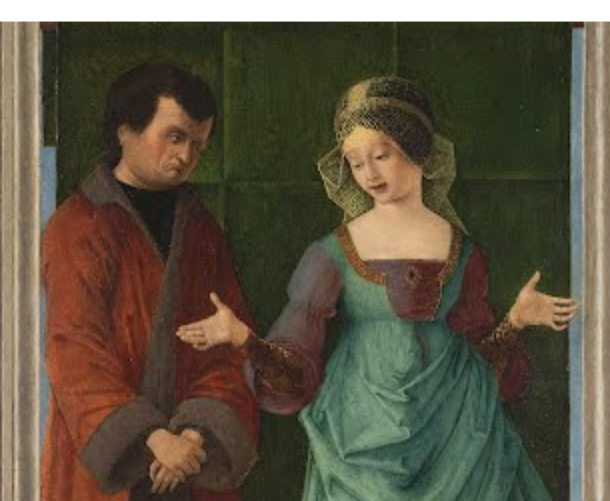
Portia (Or Porcia), was the wife of Marcus Brutus. Many ancient writers emphasize her courage, beauty, and devotion to her husband and Rome. Many painters and illustrators have chosen to depict her as a model of courage and grace.
Porcia, as has been said, was a daughter of Cato, and when Brutus, who was her cousin, took her to wife, she was not a virgin; she was, however, still very young, and had by her deceased husband17 a little son whose name was Bibulus. A small book containing memoirs of Brutus was written by him, and is still extant. 4 Porcia, being of an affectionate nature, fond of her husband, and full of sensible pride, did not try to question her husband about his secrets until she had put herself to the following test. 5 She took a little knife, such as barbers use to cut the finger nails, and after banishing all her attendants from her chamber, made a deep gash in her thigh, so that there was a copious flow of blood, and after a little while violent pains and chills and fever followed from the wound. 6 Seeing that Brutus was disturbed and greatly distressed, in the height of her anguish she spoke to him thus: 7 “Brutus, I am Cato’s daughter, and I was brought into thy house, not, like a mere concubine, to share thy bed and board merely, but to be a partner in thy joys, and a partner in thy troubles. 8 Thou, indeed, art faultless as a husband; but how can I show thee any grateful service if I am to share neither thy secret suffering nor the anxiety which craves a loyal confidant? 9 I know that woman’s nature is thought too weak to p155 endure a secret; but good rearing and excellent companionship go far towards strengthening the character, 10 and it is my happy lot to be both the daughter of Cato and the wife of Brutus. Before this I put less confidence in these advantages, but now I know that I am superior even to pain.” 11 Thus having spoken, she showed him her wound and explained her test; whereupon Brutus, amazed, and lifting his hands to heaven, prayed that he might succeed in his undertaking and thus show himself a worthy husband of Porcia. Then he sought to restore his wife. -Plutarch, Life of Brutus
She tried to conceal her distress, but a certain painting betrayed her, in spite of her noble spirit hitherto. 3 Its subject was Greek, — Andromache bidding farewell to Hector; she was taking from his arms their little son, while her eyes were fixed upon her husband. 4 When Porcia saw this, the image of her own sorrow presented by it caused her to burst into tears, and she would visit it many times a day and weep before it. 5 And when Acilius, one of the friends of Brutus, recited the verses containing Andromache’s words to Hector,
“But, Hector, thou to me art father and honoured mother
And brother; my tender husband, too, art thou,”
Brutus smiled and said: 6 “But I, certainly, have no mind to address Porcia in the words of Hector,
‘Ply loom and distaff and give orders to thy maids,’23
for though her body is not strong enough to perform such heroic tasks as men do, still, in spirit she is valiant in defence of her country, just as we are.” This story is told by Porcia’s son, Bibulus.
Portia marks a turning point in Shakespeare’s Roman female characters as we we go from more ‘traditional’ female characters, to ones who exemplify masculine virtues. Instead of women being subordinates to men’s affairs and keeping out of religion, politics, and the affairs of Roman society, Portia is a character who demands respect, and to share her husband’s dangers. Some ancient sources suggested possibly Portia might have been the one who inspired Brutus to kill Caesar, (more on that later), but in any case Portia is not a character who is subordinate to men, but who demands to be treated as a Roman citizen.
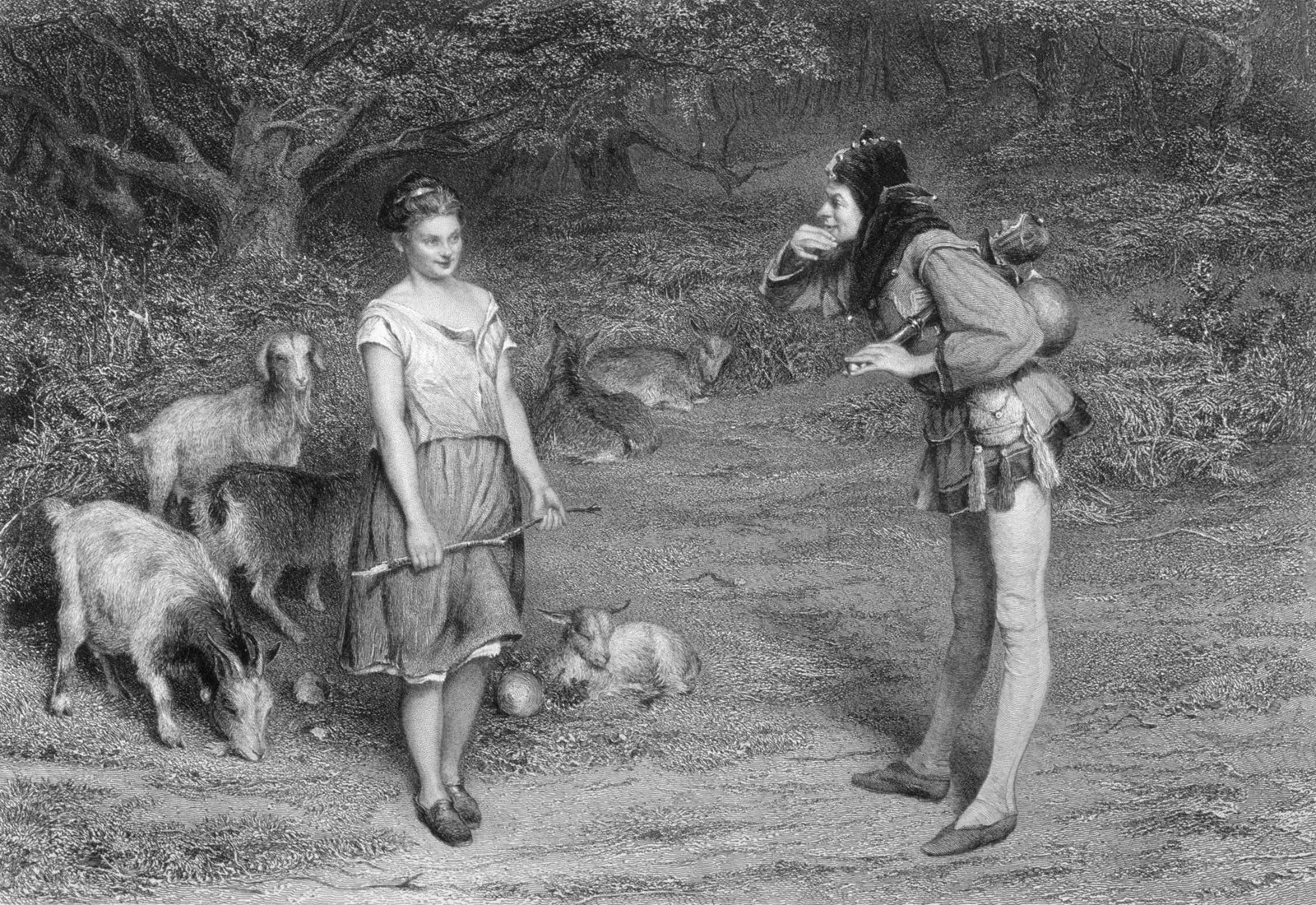
Happy April Fool’s Day! Today I’d like to look at the rich history of Shakespeare’s fools and clowns! Clowns are some of Shakespeare’s classic comic characters, but fools are complex characters that entertain, satirize, and even philosophize. They may dress the part, but they are no fools.
This clip from Mel Brooks’ comic masterpiece History of the World, Part I, has the writer/director perform as Comicus, a ‘stand-up philosopher’ from Ancient Rome- a philosopher who is basically a stand-up comic. As you’ll see, unlike clowns, most of Shakespeare’s fools basically fulfill this role- to satirize and make fun of people and institutions.
What Is A Fool?
Fools and clowns are based on medieval minstrels who, as this video from Monty Python’s Terry Jones shows, were itinerant entertainers who had to do a number of jobs including play music, dance, sing, compose poetry, juggle, and on occasion- START A WAR!
Fools Vs. Clowns
A fool is the renaissance version of a minstrel- an official royal entertainer who worked at royal courts. A clown is a comic part in a play. They often danced, sang, and did improv comedy. To illustrate the difference, here’s a short video about the life of Henry VIII’s favorite fool- Will Sommers
Foolish Founding Fathers
All of Shakespeare’s fools and clowns are based on ancient Italian sources-from the Roman comedies of Plautus and Terrence to the improvised comedy known as Commedia Del ‘ Arte
Short featurette documentary on the artform of “Commedia Del’ Arte” by The National Theater in London
Commedia is based on stock character types that Shakespeare adapted and fleshed out- Arlequinno became the constantly hungry Dromio, (among others), while Capitano became Falstaff and Pistol. Even Shylock has remnants of Brighella in his DNA. According to Dario Fo in his book: Manuale Minimodell’Attore, Shakespeare adapted stock characters from commedia to be his clowns, and sarcastic characters called sots, who commented on the action to become his fools (Fo, 107)
Will Kempe- Shakespeare’s First Great Clown
Despite his strength and skill as a dancer, Kempe specialized in playing oafish buffoons like Dogberry in Much Ado About Nothing, Falstaff in the Henry IV plays, and Peter in Romeo and Juliet. In the Second Quarto edition of Romeo and Juliet, you can see in the stage directions “Enter Will Kempe,” right before Peter speaks:
According to Will In the World by Steven Greenblatt, Kempe and Shakespeare had a falling out in the late 1590s, which many scholars have assumed might have been due to Shakespeare’s distaste for clowns wasting time with jokes that bogged down the play:
Hamlet:
 Let those that play your
clowns speak no more than is set down for them. For there
be of them will themselves laugh, to set on some
quantity of barren spectators to laugh too. Though in the
meantime, some necessary question of the play be then
to be considered. That's villainous, and shows a most pitiful
ambition in the fool that uses it. Hamlet, Act III, Scene ii.

Kempe, for his part, seemed a little big for his britches; he and his fellow clowns seemed to think that Shakespeare's scripts were just vehicles for his own jokes and songs (Reynolds, 247). He then sold his share in the Chamberlain's Men, derriding them in print as "My notable Shake-rags," and then staged a publicity stunt where he danced across England!
1600-1613: The Golden Age Of Foolery
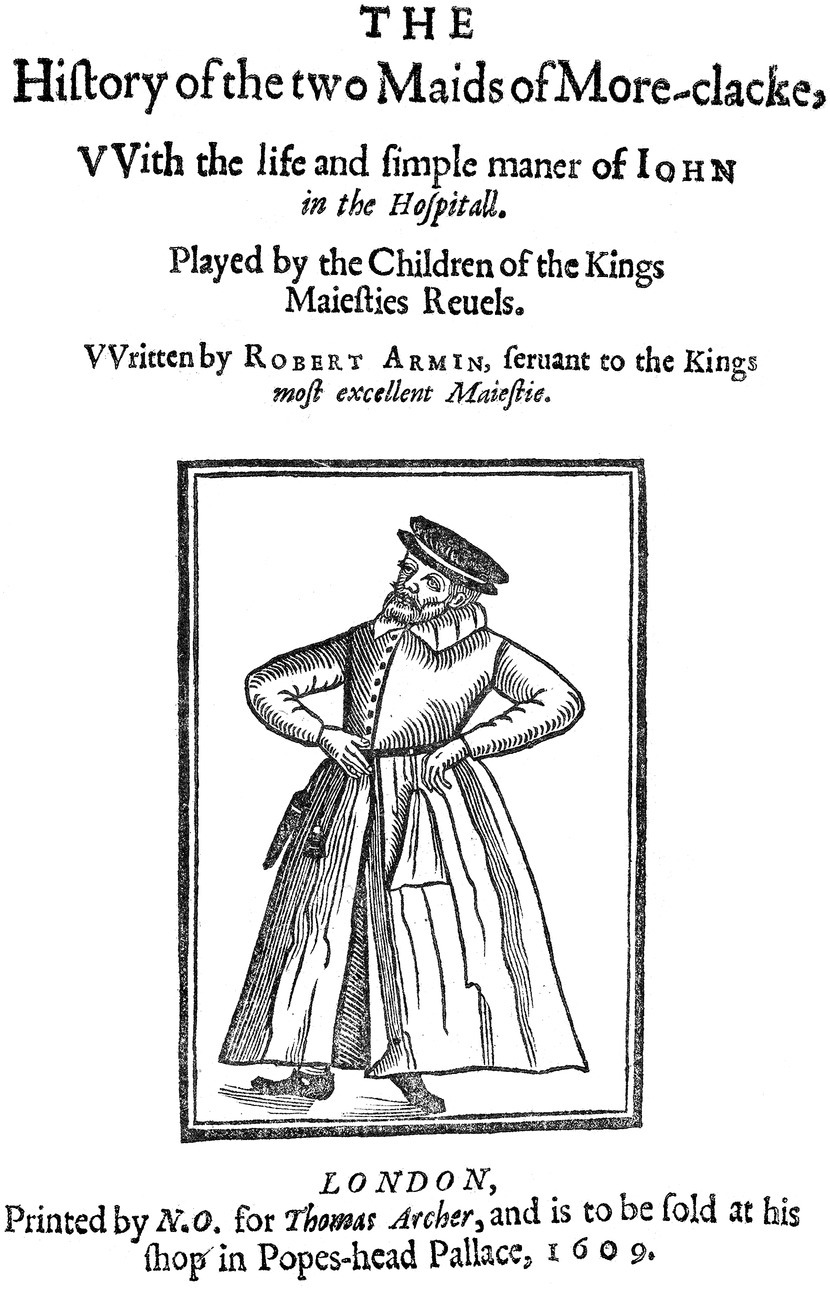
Kempe’s replacement was Robert Armin, an accomplished writer and singer, who specialized in playing satirical Fool roles. Armin appeared in several Shakespearean plays after 1599.
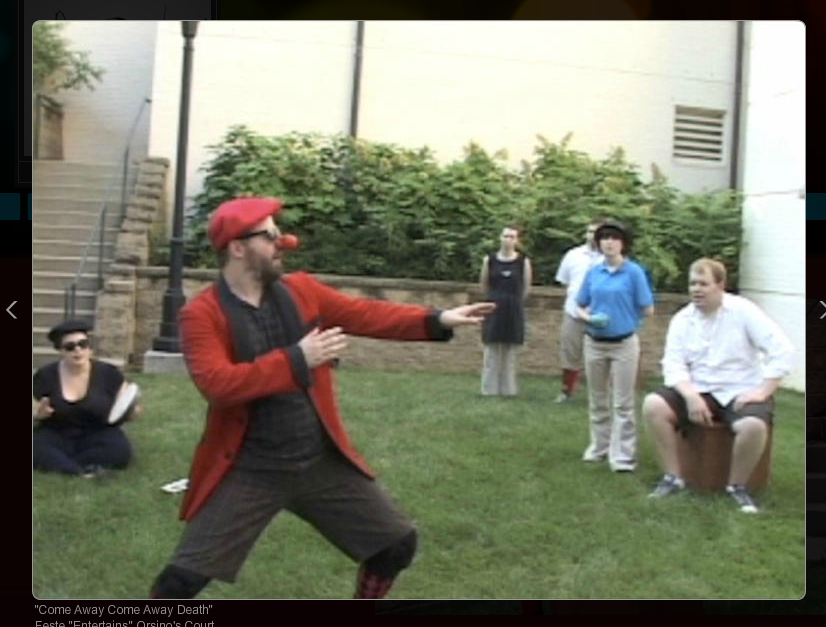
Unlike Kempe, Armin’s characters are essential to the plot of the play, and his jokes support the themes and ideas of the plays themselves. As Feste in Twelfth Night, Armin makes jokes that make fun of the overly-serious Orsino and Countess Olivia:
Feste. Good madonna, why mournest thou?
Olivia. Good fool, for my brother's death.
Feste. I think his soul is in hell, madonna.
Olivia. I know his soul is in heaven, fool.
Feste. The more fool, madonna, to mourn for your brother's
soul being in heaven. Take away the fool, gentlemen. Twelfth Night, Act I, Scene v.
Touchstone in “As You Like It”
Sometimes Armin’s characters are satirical mirrors of Elizabethan society; in As You Like It, Touchstone the Fool mocks the culture of dueling; implying that there are hundreds of loopholes that a gentleman may use to challenge a man to a duel, without actually fighting.
Touchstone. I did dislike the cut of a certain courtier’s beard; he sent me word, if I said his beard was not cut well, he was in the mind it was. This is call’d the Retort Courteous. If I sent him word again it was not well cut, he would send me word he cut it to please himself. This is call’d the Quip Modest. If again it was not well cut, he disabled my judgment. This is call’d the Reply Churlish. If again it was not well cut, he would answer I spake not true. This is call’d the Reproof Valiant. If again it was not well cut, he would say I lie. This is call’d the Countercheck Quarrelsome. And so to the Lie Circumstantial and the Lie Direct.
Jaques (lord). And how oft did you say his beard was not well cut?
Touchstone. I durst go no further than the Lie Circumstantial, nor he durst not give me the Lie Direct; and so we measur’d swords and parted.
The Fool in “King Lear”
Perhaps Armin’s greatest comic creation was The Fool in King Lear; the ultimate satirist who makes fun of the king’s foolish choices. He tries to talk sense to the increasingly mad king, until he vanishes entirely, and Lear himself starts making fool-like cracks at the audience:
Lear Thou hast seen a
farmer's dog bark at a beggar?
Earl of Gloucester. Ay, sir.
Lear. And the creature run from the cur? There thou mightst behold
the great image of authority: a dog's obeyed in office.
The usurer hangs the cozener.
Through tatter'd clothes small vices do appear;
Robes and furr'd gowns hide all. Plate sin with gold,
And the strong lance of justice hurtless breaks;
Arm it in rags, a pygmy's straw does pierce it.
None does offend, none- I say none! Get thee glass eyes
And, like a scurvy politician, seem
To see the things thou dost not. King Lear, Act IV, Scene vi.
Through realizing his own foolishness, Lear recovers his sanity, and makes peace with his daughter, which beautifully shows the importance of fools, clowns, and satirists; to question ourselves, to sharpen our critical thinking, and to endure hardships with good humor. Therefore on this April Fools Day, I say,
“Here’s to the fools, to folly, to farce. Let them push the wealthy on the ar— APRIL FOOLS!”
References
Best, Michael. “Shakespeare’s Actors: Will Kempe” Internet Shakespeare Editions, University of Victoria, 28 Sept. 2016, ise.uvic.ca/Foyer/citing. Accessed 30 Sept. 2023.
I teach a class specifically on Shakespeare’s comedies where I’ll talk a lot about the way Shakespeare writes clowns. I’ll also delve into the history of Commedia Del’Arte and how it influenced Shakespeare’s characters! For more information, visit http://www.outschool.com
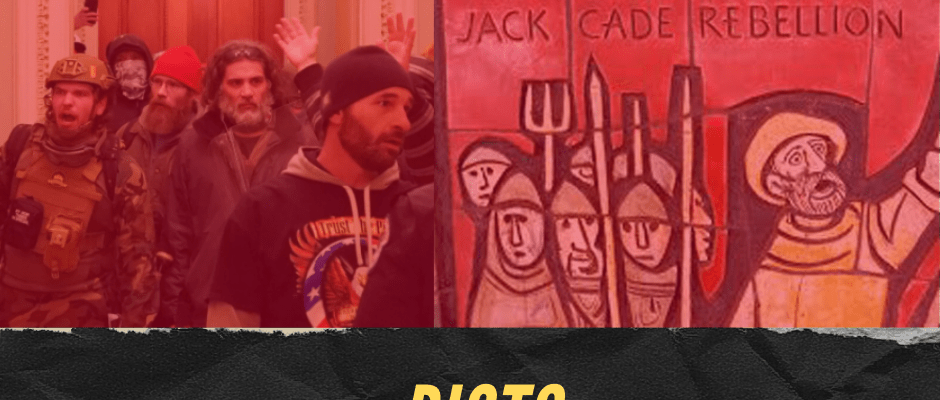
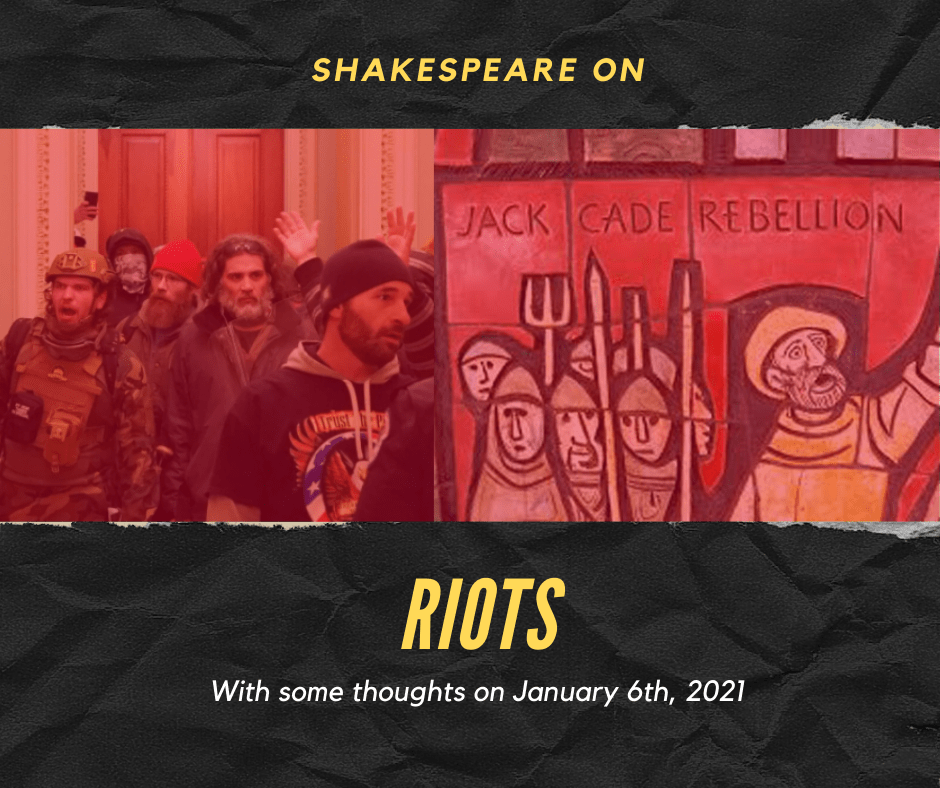
Today is the Ides o fMarch, a day that history still bewares, because of the infamous day when armed, violent conspirators went to the Senate and attempted to overthrow elected rulers. For obvious reasons, this put me in mind of the heinous actions of another group of conspirators stormed another Senate and tried to overthrow a stable republic.
January 6th, 2021 (which, coincidently, was Twelfth Night, one of my favorite Shakespeare-themed holidays), was a tragedy for multiple reasons. The protestors broke windows, destroyed furniture, defaced statues, broke into both chambers of Congress, and probably would have harmed lawmakers, in a violent protest of both the US presidential election and the Senate vote in Georgia that week.
Let me be clear, this was sedition and treason and everyone involved should be prosecuted to the full extent of the law. Anyone who says otherwise is blatantly attacking our cherished democracy, and spitting in the face of the rule of law. Unfortunately, Republicans in both chambers have been unwilling to condemn their actions for fear of alienating their base. If this is what the Republican party has come to, the party doesn’t deserve the name. A republic protects the right of the people to elect its representatives and dedicates itself to the peaceful transition of power. Left unchallenged, groups like this will bring anarchy and tyranny to our country.
How do I know this? Because it happened before. Shakespeare has long dramatized real historic events where people rise up against their governments (for better or worse). In all cases, whether protesting a famine, a war, or a cruel tyrannical usurper, the riots never accomplish anything except bringing chaos and bloodshed. Sometimes these ignorant rioters are goaded by charismatic powerful figures, but these upper-class characters are only exploiting the rioters, using their violence as a way to get power for themselves. So, let’s examine the language, tactics, and effects of rioters in three of Shakespeare’s plays: Julius Caesar, Henry VI Part III, and Sir Thomas More:
Example 1: Julius Caesar
(c) Hartlepool Museums and Heritage Service; Supplied by The Public Catalogue Foundation
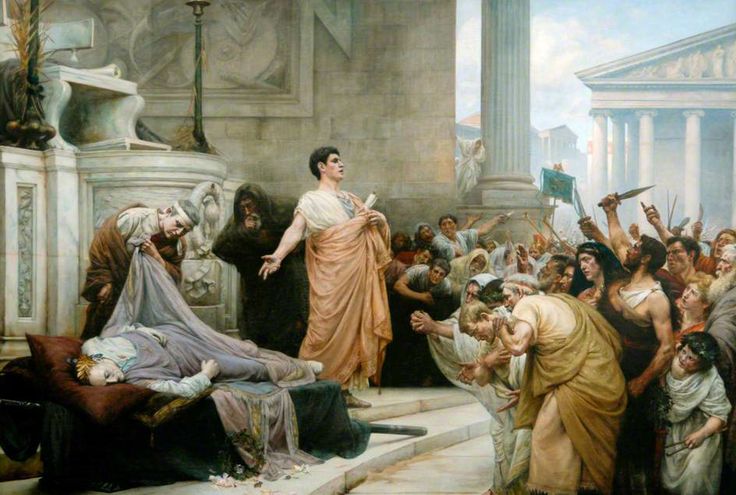
As I covered before in my “Friends, Romans, Countrymen,” post, during Antony’s famous funeral speech, he galvanizes the Roman crowd, first to mourn Caesar, then to revenge his death. How do they do this? By burning the houses of the conspirators and rioting in the street. They even kill a man just because he has the same name as one of the conspirators:
What does this violence accomplish? Nothing. Caesar is still dead. Brutus is still alive (though on the run). Antony merely wished to punish Brutus, and get the mob to hate him while he secretly cheats them out of their money. In Act Four, Antony becomes the de facto ruler of Rome because he leveraged his performance at the funeral, and uses his newfound powers to take money away from the citizens that Caesar promised to give them in his will. He manipulated them for his own purposes and duped them for political power.
Example 2: Jack Cade in Henry VI, Part ii.
Henry VI is the only king in English history to be crowned twice, deposed twice, and buried twice (Saccio 91). As the play begins, King Henry has already lost France, lost his mind, and lost the respect of his people. Around 1455, John Hardyng wrote a contrast between Henry’s father and himself. He laments that Henry the Fifth died so soon and then exhorts Henry to keep the quarrelsome lords in his government from warring among themselves.
Withstand, good lord, the outbreak of debates. And chastise well also the rioters Who in each shire are now confederates Against your peace, and all their maintainers For truly else will fall the fairest flowers Of your great crown and noble monarchy Which God defend and keep through his mercy.
(Excerpt from Harding’s Chronicle, English Historical Documents, 274).
Henry’s political ineptness was why Richard of York challenged his claim to the throne. Though Richard had little legal claim as king, he believed himself to be better than Henry.
In Shakespeare’s play Henry VI, Part ii, York tries to get the people’s support by engineering a crisis that he can easily solve. York dupes a man named Jack Cade to start a riot in London and demand that the magistrates crown Cade as the true king.
Biography of Richard, Duke of York, who challenged King Henry VI for his right to be king.
York and Cade start a conspiracy theory that Cade is the true heir to the throne and the royal family suppressed his claim and lied about his identity. Cade starts calling himself John Mortimer, a distant uncle of the king whom York himself admits is long dead:
The Royal National Theater’s production of Henry VI, Parts II, and 7. Jack Cade appears at about the 7-minute mark.
And this fell tempest shall not cease to rage
 Until the golden circuit on my head,
 Like to the glorious sun's transparent beams,
 Do calm the fury of this mad-bred flaw.
 And, for a minister of my intent,
 I have seduced a headstrong Kentishman,
 John Cade of Ashford,
 To make commotion, as full well he can,
 Under the title of John Mortimer.
Just like Cade and his rebels, the January 6th rioters were motivated by lies and conspiracies designed to crush their faith in their legitimate ruler. Even more disturbing, these rioters are pawns in the master plan of a corrupt political group. York doesn’t care that Cade isn’t the real king; he just wants to use Cade’s violence as an excuse to raise an army, one that he can eventually use against King Henry himself.
15th century woodcut from the War Of the Roses.
Similar to York’s lies and conspiracy-mongering, many Republicans have refused to accept the legitimacy of Joe Biden’s election, and some are actual proponents of Q Anon conspiracies!
A lot of Republicans deserve blame for fanning the flames of rebellion on January 6th, but arguably former President Trump deserves most of the blame. Even Rush Limbaugh admitted that Trump spread a huge amount of conspiracy theories without believing in any of them. He does this because he wants Americans to be afraid of imaginary threats that he claims he can solve. What’s easier to solve than a problem that doesn’t exist? Much like York, Trump tried to hold onto power by pressuring his supporters to pressure the Capital, feeding them lies about election fraud, and a secret democratic Satanic cult. Thus radicalized, they resolved to do what Cade’s mob did: “Kill all the lawyers.” Unfortunately, there are a lot of lawyers in the Senate.
As Dick the Butcher points out, most people don’t actually believe Cade is truly John Mortimer, they are just so angry at the king and the oppressive English government, that they are willing to follow him in a violent mob to take their vengeance upon the monarchy. This is why they try Lord Saye and execute him just for the crime of reading and writing! Similarly, the mob attacking the capital was made up of die-hard conspiracy adherents, and people just angry at the Democratic Party.
Like I said before, Cade and his mob is just a pawn in the machinations of York. Eventually the king’s enforcer, Lord Clifford convinces most of them to abandon Cade, and Cade himself dies a humiliating death- on the run from the law and starving, Cade is murdered by a farmer after trying to steal some food. After Joe Biden became the 46th President, many of the conspiracy group Q-Anon, who had many prominent members in the January 6th riot, began to disbelieve and abandon the conspiracies of the group. However, as this news story shows, some Q-Anon supporters are die-hard adherents and will never abandon their conspiracy theories, and some, like York’s supporters, are being recruited by other extreme groups. Sadly, as York shows, sometimes a riot is a rehearsal for another riot. In Shakespeare’s Henry VI, Part III, York finally amasses an army and challenges the Lancastrians in all-out war. Hopefully, the US government will hunt down and arrest these violent insurrectionists before they have the chance to do the same.
Example 3: Sir Thomas More
In the unfinished play “Sir Thomas More, a racist mob again attempts to attack London. This time they have no political pretenses; they want to lynch immigrants who they believe are taking English jobs. As I said in my “Who Would Shakespeare Vote For?” post, More’s speech is a perfect explanation of why this behavior cheapens and denigrated a country’s image, and weakens its ability to command respect from the rest of the world. Last time I posted a video of Sir Ian McKellen speaking this speech, but this time.. well just watch:
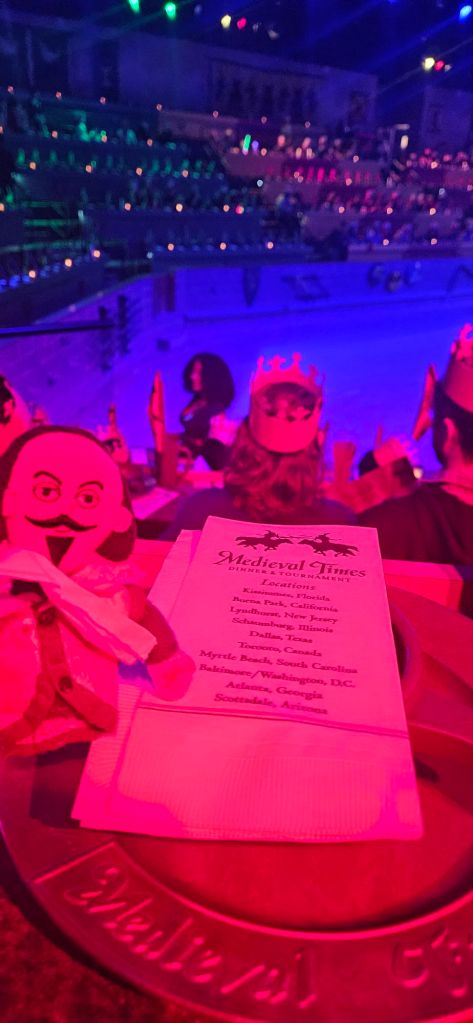
In many ways, Medieval Times is a campy, theme park-esque place. Done’t get me wrong, I love this place and puppet Shakespeare and I enjoyed it immensely, but from a historical perspective, Medieval Times has more in common with Disney Land than British history. That said, it still contains a nod to this ancient culture that praised and highly ritualized the concept of judicial combat.
The Court
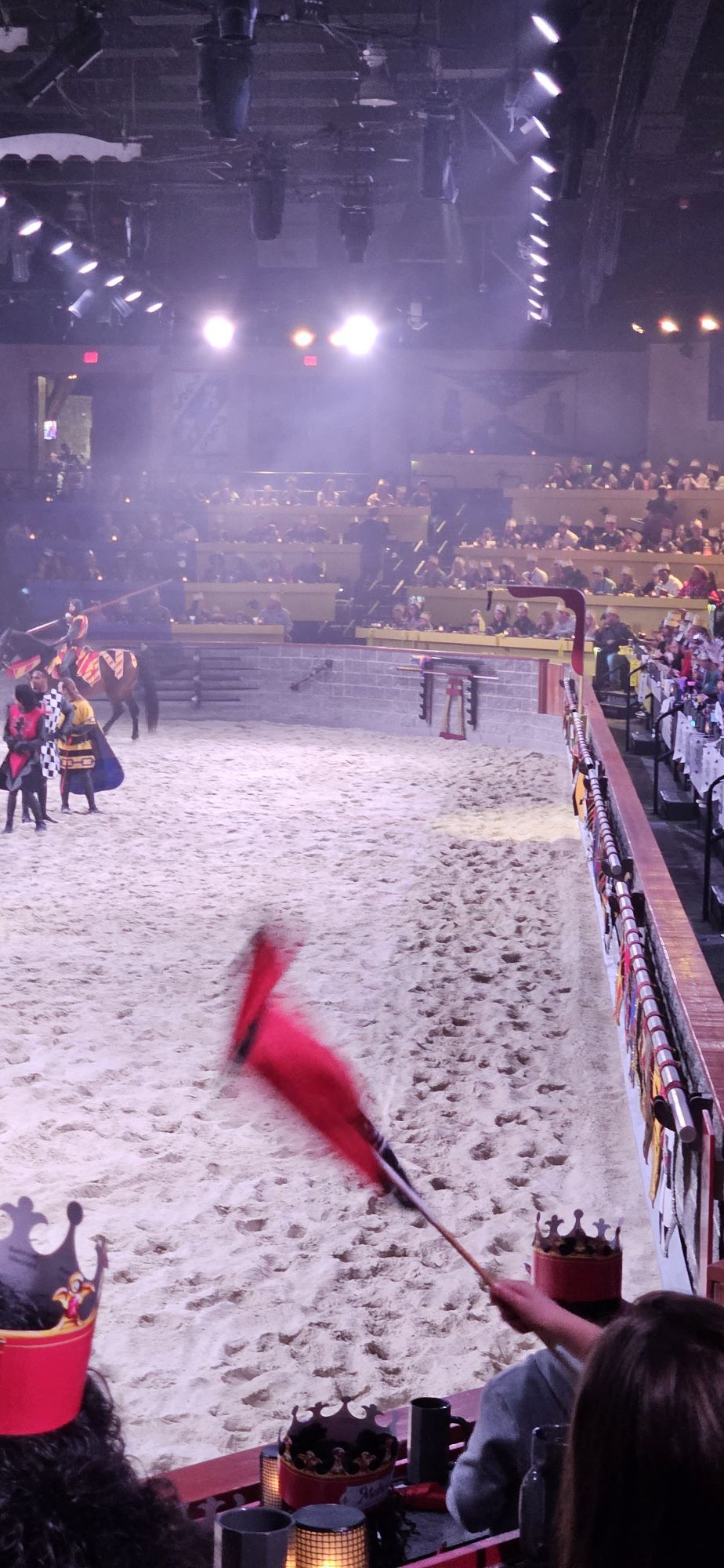
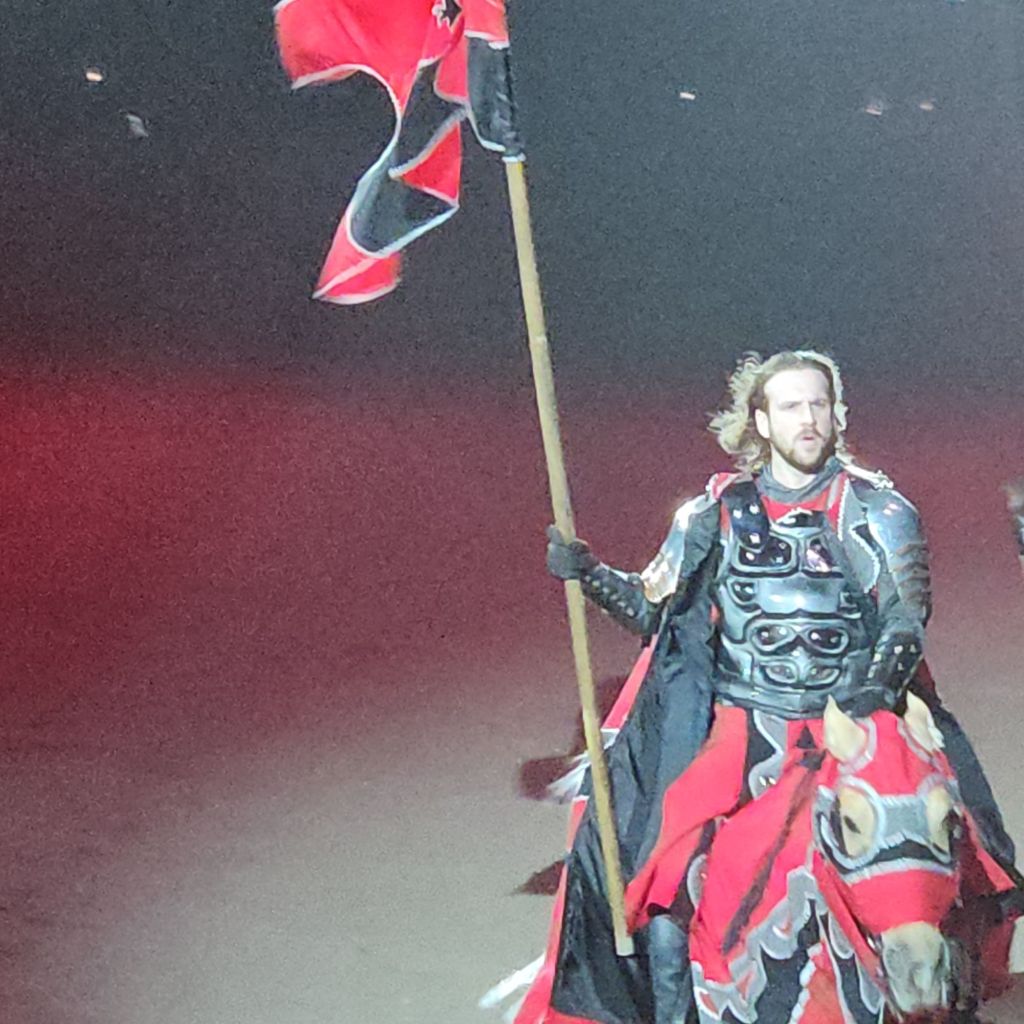
You are cast as a lord or lady, representing a fantasy kingdom (which corresponds to the color of the crown you wear). I was fortunate to get the Red crown for Valentines Day, and was seated right next to the King and Queen (more on that later). The hall was decorated with colored banners and each kingdom was introduced with trumpets and flags. The feast was a celebration of the uniting of all the surrounding kingdoms under the King and Queen. As the king and queen came out, everyone cheered and the royals toasted each kingdom and praised and thanked them all for their service to the crown. The monarchs then promised each lord and lady there a greater reward with sports, games, spectacles, and of course, the feast itself.
Feudalism
Map of the kingdoms in England during the Wars of the Roses
As I mentioned in my Game of Thrones post, a king’s main job was to unite all the lords in the land and get them swear fealty to him, binding the whole country under the crown. It was King Henry VI’s failure to keep the lords in line that resulted in the civil war known as the Wars of the Roses. Feasts like the one in Medieval Times, were essentially propaganda to keep the lords allied with the king. They demonstrated the power of the king and communicated loudly and clearly that the lands would be stronger together, as opposed to endless war. So, this kind of pageantry was political as well as entertaining, and the king and queen’s dialogue preserves the purpose of this kind of feast, which as a history nerd, I deeply appreciated.
Court Sport
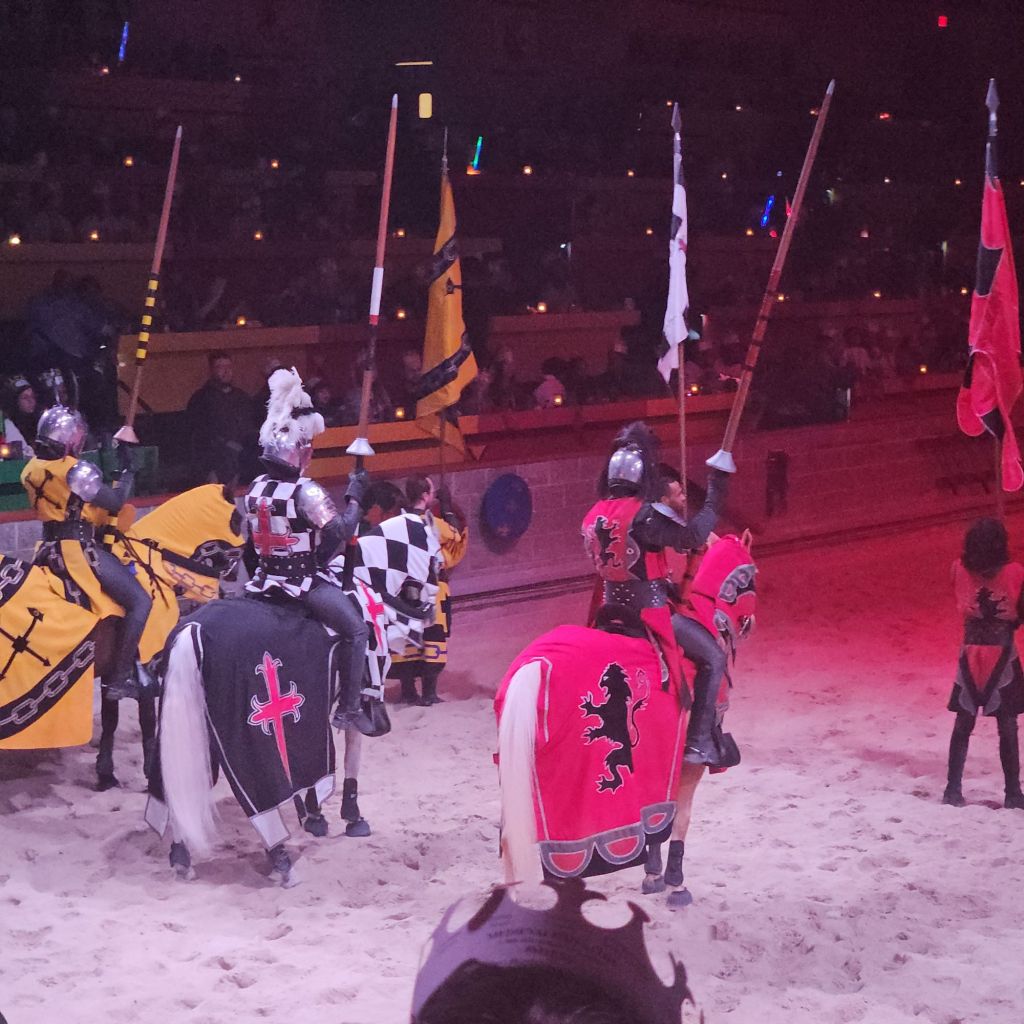
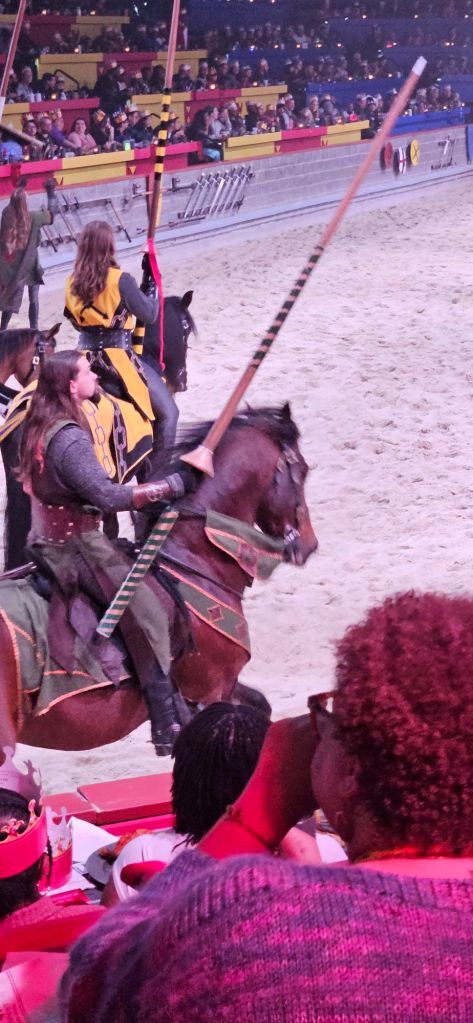
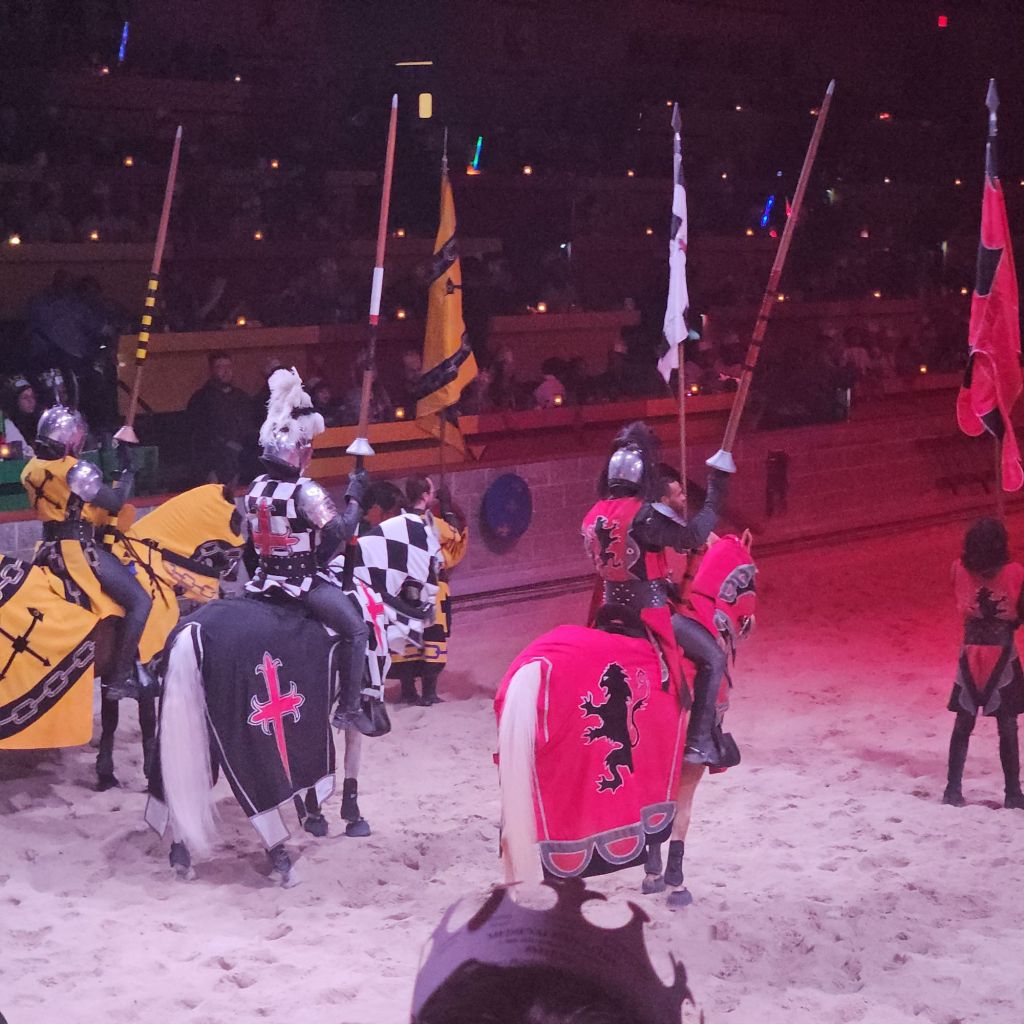
While we waited for the feast, the knights entertained the court with displays of their skills and strength. They rode towards the quintain and hit it with their lances, threw spears at a target, and even their horses got a chance to trot without riders, showing how well trained they were.
The knights practice throwing spears at the target
The Joust
Shakespeare’s Pericles, Prince Of Tyre has a very elaborate and detailed depiction of how jousts worked in the Medieval and Renaissance eras. Shakespeare knew that the joust was the ultimate display of skill, chivarly, and the ideals of courtly love. Knights were portrayed as romantic heroes who fought for a simple favor from a lady such as a rose or handkerchief and each one defined himself by his strict code of honor and virtue. All these traditions are hightlighted in the scene where Pericles fights in a tournament to gain the love of the princess Taisa:
Enter A pavilion for the [p]reception of King, Princess, Lords, &c.

[Enter SIMONIDES, THAISA, Lords, and Attendants]

Simonides. Are the knights ready to begin the triumph?
First Lord. They are, my liege;750
And stay your coming to present themselves.
Simonides. Return them, we are ready; and our daughter,
In honour of whose birth these triumphs are,
Sits here, like beauty's child, whom nature gat
For men to see, and seeing wonder at.755
[Exit a Lord]

Thaisa. It pleaseth you, my royal father, to express
My commendations great, whose merit's less.
Simonides. It's fit it should be so; for princes are
A model which heaven makes like to itself:760
As jewels lose their glory if neglected,
So princes their renowns if not respected.
'Tis now your honour, daughter, to explain
The labour of each knight in his device.
Thaisa. Which, to preserve mine honour, I'll perform.765
[Enter a Knight; he passes over, and his Squire]
presents his shield to the Princess]
Simonides. Who is the first that doth prefer himself?
Thaisa. A knight of Sparta, my renowned father;
And the device he bears upon his shield770
Is a black Ethiope reaching at the sun
The word, 'Lux tua vita mihi.'
Simonides. He loves you well that holds his life of you.
[The Second Knight passes over]
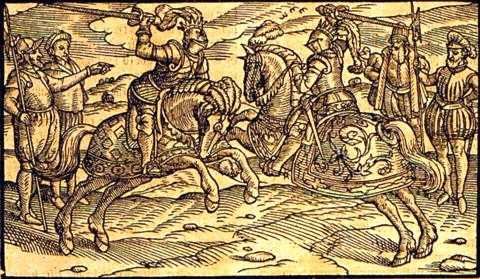
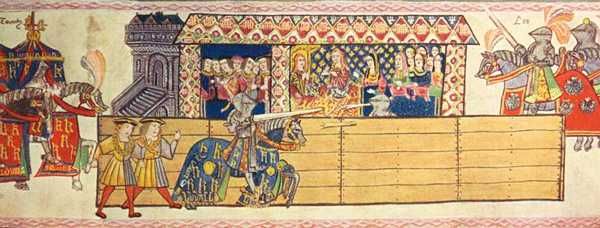
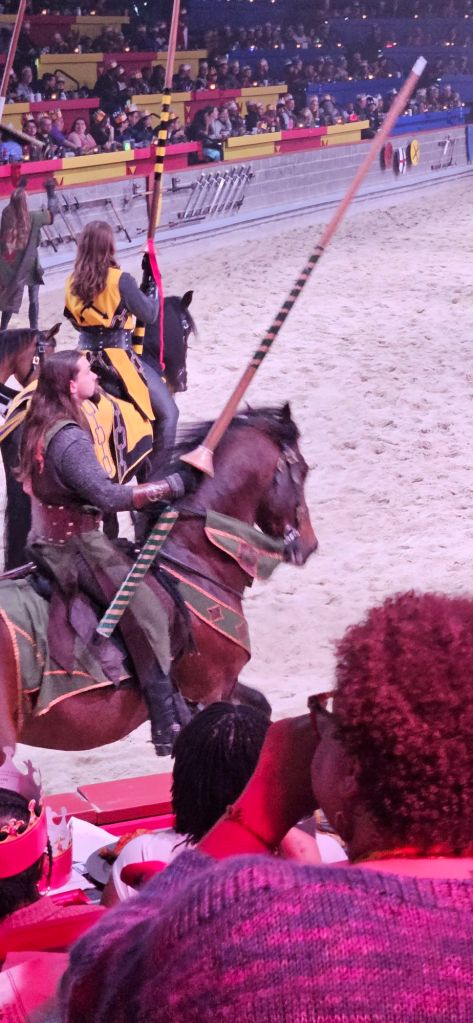
Chivalric ideals aside, the joust also had a practical purpose- it was a way for knights to train for war, an a way for them to win fame, money, and good reputations at court. As you can see in the photos above, the knights were separated by a wooden barrier called “the tilt wall.” Each knight was identified by the colorful designs on their banners, shields, and the blanket draped over the horse. Once the king or marshal threw down the warder, the knights charged headfirst at their opponents, armed with shields, lances, and full armor. Knights scored points for breaking lances and shields or by knocking other knights off their horses. Naturally, to create the most impressive display possible, all the knights at Medieval Times fell off their horses and no lances broke.
First, and most important, was the Joust Royal, or "tilting," in which mounted knights armed with lances charged at their opponents across a barrier.
This was followed by a "tourney" in which mounted knights ran at each other without a tilt barrier (as pictured here).>
Combatants armed with spears and swords also fought on foot over a barrier
Best, Michael. "Chivalry and Duels." Internet Shakespeare Editions, University of Victoria, 28 Sept. 2016, ise.uvic.ca/Foyer/citing. Accessed 30 Sept. 2016.
The Lance
The video above is from Weapons That Made Brittain, in which historian and reinactor Mike Loads, explains with vivid details, how Knights learned how to master the art of the Lance, and how the Lance became one of the most important weapons of the knight.
Duels
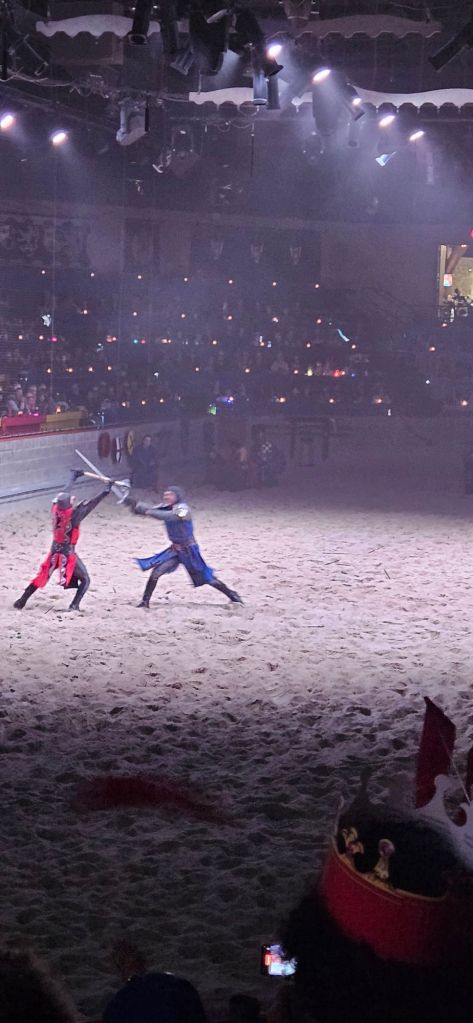
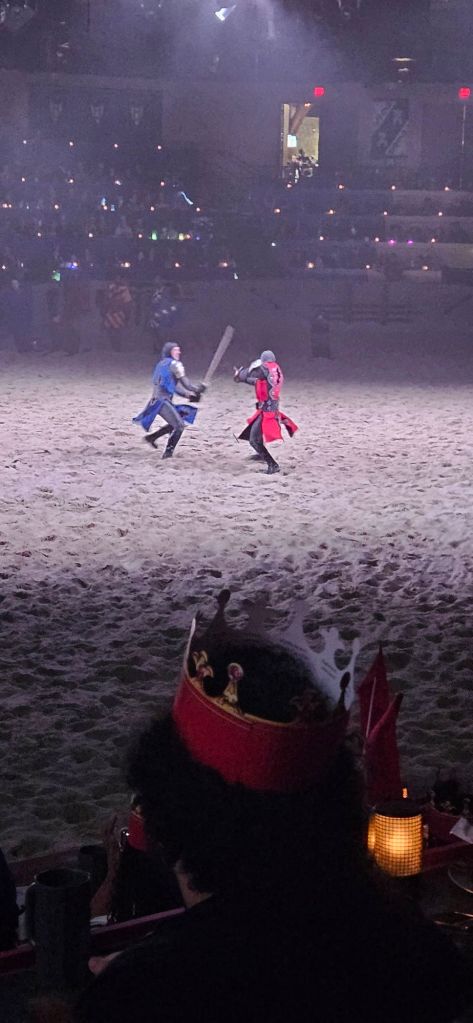
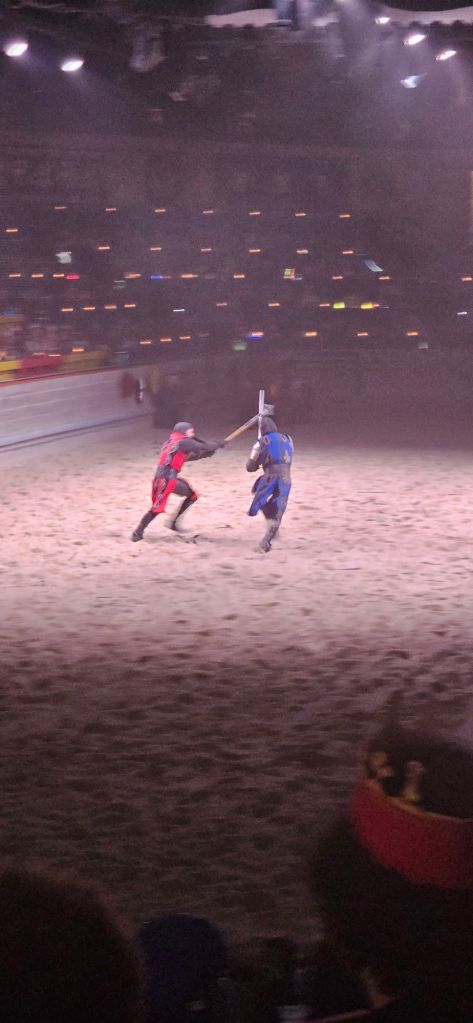
In the climax of the evening, the knights stopped fighting for sport, and started fighting for power! The Green Knight (as green with envy as his armor and horse), suddenly refused to dismount from his horse and began striking knights left and right. He then challenged the leadership of the king, threatening to rebel from the kingdom, along with his fellow knights! The king then decided to choose a champion to fight the Green Knight to the death! The Red Knight, (who as I mentioned before, represented my kingdom, and threw a rose as a favor to my family), picked up the glove of the envious Green Knight, thus signifying that he would be the champion, and fight for the fate of the kingdom!
Why the Green Knight?
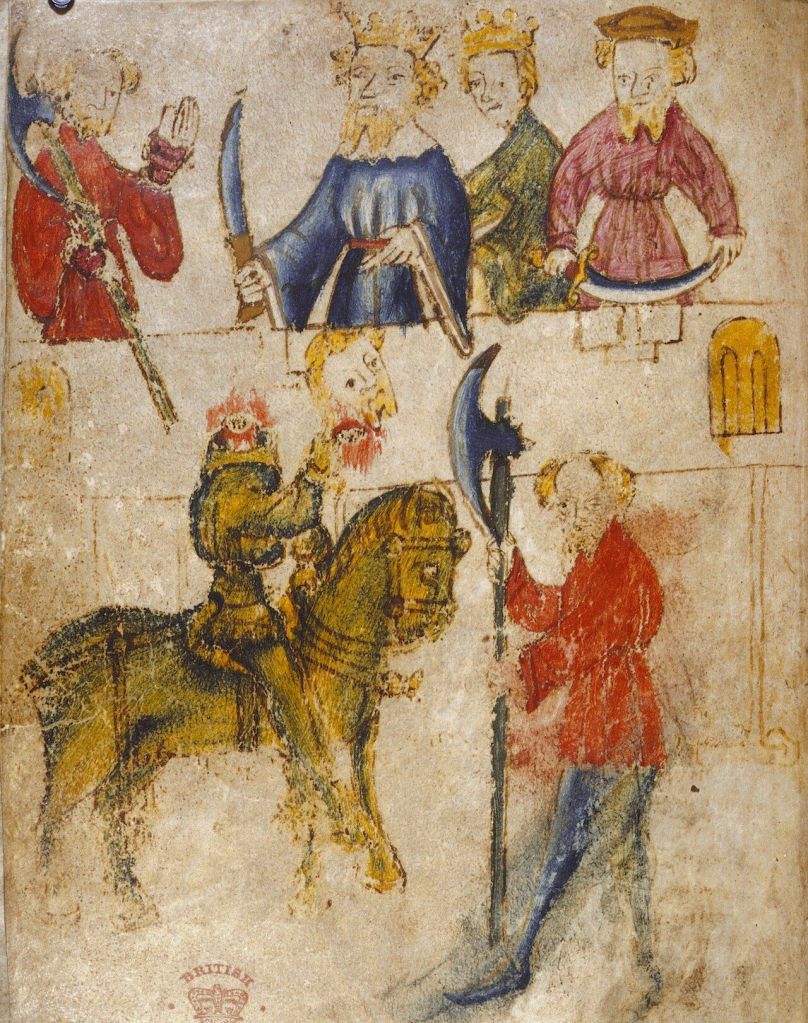
Illustration from Sir Gawain and the Green Knight, 14th century.
At the hall door comes a frightening figure, He must have been taller than anyone in the world: From the neck to the waist so huge and thick, And his loins and limbs so long and massive, That I would say he was half a giant on earth. But more than anything His color amazed them: A bold knight riding, The whole of him bright green.Sir Gawain and the Green Knight
In most (but not all) interviews and clips I’ve seen, the Green Knight is the bad guy- the one Knight whom almost everyone is supposed to root against. When I got home, I wondered why this was. After all, isn’t the black knight usually associated with villainy? My personal theory is that this is a subtle reference to the classic medieval story, Sir Gawain and the Green Knight. The eponymous Knight is supernaturally strong and able to even survive decapitation! He serves in the story, as the ultimate test for our young hero, Sir Gawain. I think the writers of Medieval Times definitely did their homework, making this Knight the antagonist.
The duel began on horses, but quickly changed to single combat on foot. They fought with axes, maces, and of course swords.
Even though dueling was a bloody and dangerous pastime, it has a long history that even kings couldn’t erase. Back in Anglo-Saxon times, private disputes, (such as the murder of one’s father) could be settled through means of a duel. In this period, England was occupied by the Danes, (which we would now call Vikings), and several Viking practices of judicial combat survive. For example, the Hólmgangan, an elaborate duel between two people who fight within the perimeter of a cloak. These kinds of fights continued throughout medieval Europe and, like Medieval Times Shakespeare knew their devastating dramatic potential.
At the end of Shakespeare’s Hamlet, the revenge cycle between Hamlet, Leartes, and Fortinbras, comes to a close using a duel. Hamlet has murdered Leartes’ father but Hamlet did not intentionally kill him. This kind of legal dispute would certainly have been settled with a duel in Saxon times. This is one reason why Leartes scorns Hamlet’s offer of forgiveness at the beginning of the scene, and instead trusts in the outcome of the fight to prove his cause. Hamlet and Leartes begin fighting officially under the terms of a friendly fencing match, but it becomes clear early on that at least in the mind of Leartes, this is actually a blood-combat. Laertes is demanding blood for the death of his father, and like the Green Knight, his fight will decide the fate of the Danish throne.
Hamlet. Come for the third, Laertes! You but dally. Pray you pass with your best violence; I am afeard you make a wanton of me.
[Laertes wounds Hamlet; then] in scuffling, they change rapiers, [and Hamlet wounds Laertes].
[Laertes falls.]
By the Renaissance, dueling was highly controlled by traditions of honor and fair play. As Laertes admits, poisoning Hamlet and fighting him to the death without his knowledge would be considered treason, and highly dishonorable. The Green Knight does every possible thing to make the audience see him as the villain with his lack of courtesy, dirty tricks, and disdain for the king and queen. He is so dishonorable that, even Americans, who have nothing but disdain for monarchy and in real life, value independence and self-sovereignty, would rather take the side of the monarch and his stooge the Red Knight over the Green Knight, just because he refuses to play fair.
With awards season in full swing, there has been a lot of controversy over two stories that Shakespeare had a great influence over- Hamnet, based on the novel of the same name, and Guillermo Del Toro’s adaptation of Frankenstein. Despite getting five golden globe nominations, Frankenstein went home with a hand emptier than the monster floating off on an iceberg. Meanwhile, Hamnet took the best actress and best picture award, and is poised for an Oscar nomination.
I’ll review Hamnet at a later date. What I want to do now is discuss the influence Shakespeare and other Renaissance writers had on the classic 1818 novel, and how well Del Toro hints at the story’s Renaissance roots.I would argue that, although rooted in the 10th century Romantic world, Frankenstein has many Shakespearean and Early Modern influences, notably Dr Faustus by Christopher Marlowe, and The Tempest by Shakespeare
In 1818, a young woman named Mary Wolstonecraft, heard from her friend, a Swiss doctor, about a prominent experiment called galvanism and was faced with the terrifying prospect that man might someday be able to resurrect the dead, (a feat that had only successfully been done by God). When Mary Shelley wrote the novel Frankenstein she redefined the Faustus story and made it about Man not taking responsibility for the consequences of his actions, and also a warning to progress for its own sake without compassion without reason without wisdom. As we shall see, Shelly was a trailblazer in turning the Faustian wizard into the mad scientist.
The Morality Tale
Faustus is one of the oldest and most quintessential German stories it is a morality tale medieval in its origins it also is loosely based on a real person a real scholar named Doctor John foustis and this story was influential on forming German cultural identity and the story itself has inspired countless authors some German and some merely influenced by German culture and it’s very interesting to trace the way that it’s being used And how the the trope of the Faustian bargain has influenced Germany America and and England other Anglo sects and countries so the story of Faustus is Medieval in origin but he became extremely popular when English playwright Christopher Marlowe Shakespeare’s contemporary and rival wrote it down in his play of Dr. Faustus
What’s interesting about this interpretation is that you could easily see it as Faustus Rejects from the beginning the notion of divine grace he believes that he cannot that he is either unwilling or unable to believe that he is beloved by God and therefore he turns to satanic poworse it’s somewhat ambiguous why he does this one possible interpretation is that Faustus might actually be a that faustis like Marlow might be a possible gay man and is convinced that he is an abomination under the Lord and therefore he might as well indulge in satanic activities.
Whatever the reason the play does a great job of showing the struggle of Faustus as he is presented several times with the chance to repent, and actively refuses it every single time.
“Tutors Not So Careful”
In Marlow’s version, Faustus studies at the University of vittenburg in Germany, whicb also boasts other notable allumni- Prince Hamlet which Shakespeare would later write in his own play Hamlet Prince of Denmark. The prince broods over whether the creature he has seen return from the dead is actually a devil, sent to destroy him.
Shelley admits that a lot of her as a source for that her sources for Shakespeare her sources for Frankenstein included Shakespeare in The Tempest. Though Doctor Frankenstein his book is not a is Swiss not German he is educated at the University of english stat in Germany where he learns organic chemistry and acquires the ambition to do with the alchemists and conjurors of faustis day failed to do namely create the elixir of life.
“Graves, at my command, Hath waked their sleepers”
One big trope in Frankenstein is the danger of man crossing over into God’s domain- that from the beginning of time there has been a knowledge that God deliberately kept from humankind. In Frankenstein, this takes the form of scientific knowledge, but in Shakespeare, it is magic. In Macbeth, the title character is tempted by witches to know his destiny and is punished severely for it. Remember that when Shakespeare wrote the play, King James presided over hundreds of witch hunts and wrote a book on how to identify witches.
In The Tempest, Shakespeare gives us a more ambiguous look at magic where the magician Prospero has the power to create storms, conjure up spirits, and like Frankenstein, raise the dead:
 I have bedimm'd
The noontide sun, call'd forth the mutinous winds,
And 'twixt the green sea and the azured vault
Set roaring war: to the dread rattling thunder2065
Have I given fire and rifted Jove's stout oak
With his own bolt; the strong-based promontory
Have I made shake and by the spurs pluck'd up
The pine and cedar: graves at my command
Have waked their sleepers, oped, and let 'em forth
By my so potent art. The Tempest, Act V, Scene i.
Even though Prospero is the protagonist and he faces no consequences for his magic, for some reason he chooses to abandon it. It’s almost as if Shakespeare was anticipating Frankenstein by having a proto mad scientist character give up his art before it is too late:
 But this rough magic
I here abjure, and, when I have required
Some heavenly music, which even now I do,
To work mine end upon their senses that
This airy charm is for, I'll break my staff,2075
Bury it certain fathoms in the earth,
And deeper than did ever plummet sound
I'll drown my book.
Prospero, Act V, Scene i.
“This thing of Darkness”
“You taught me language, and my profit in’t is I know how to curse!”
“Cursed, cursed creator! Why did I live? Why, in that instant, did I not extinguish the spark of existence which you had so wantonly bestowed? I know not; despair had not yet taken possession of me; my feelings were those of rage and revenge. I could with pleasure have destroyed the cottage and its inhabitants and have glutted myself with their shrieks and misery.
Shelly, Chapter 16
If you’ve never read the book Frankenstein, you might be surprised to learn that unlike Boris Karloff’s grunting silent monster, in the novel the Monster is actually intelligent and well-spoken. One thing I enjoyed about Guillermo Del Toro’s version is that the Monster gets time to tell his tale. As we in the audience get to know him, the notion of who is the true Monster and who is truly human becomes as murky as the subterranean lair the doctor chains his creation within. He engages in intellectual debates with his creator and demands to know why Frankenstein chose to abandon him.
My abhorrence of this fiend cannot be conceived. When I thought of him I gnashed my teeth, my eyes became inflamed, and I ardently wished to extinguish that life which I had so thoughtlessly bestowed. When I reflected on his crimes and malice, my hatred and revenge burst all bounds of moderation.



















 The Shakespearean Student