Shakespeare’s Awesome Heroines: Joan of Arc

I’m coaching a young actress who is performing a monologue from one of Shakespeare’s histories, his play Henry VI, Part I. It’s likely you know the character, even if you don’t know the play- Joan LaPucelle, aka Joan of Arc. In this post, I will compare and contrast the historical Joan from Shakespeare’s version, and further attempt to separate the real woman from her legendary status as the patron Saint of France.

Shakespeare’s Joan

Shakespeare’s younger sister was also named Joan, and it’s possible she might have inspired Shakespeare’s decision to write about Joan the Maid. Recently, a document called A Spiritual Testimony, (long attributed to Shakespeare’s father), is now believed to be proof that Shakespeare’s little sister was a devout Catholic, at a time when doing so could incur ruinous fines and the risk of arrest for sedition and heresy. Given the courage of Joan’s convictions, perhaps her elder brother infused some of her zeal when writing the character of Joan in Henry VI, part I.

The Life of Joan

One life is all we have, and we live it as we believe in living it. But to sacrifice what you are and to live without belief, that is a fate more terrible than dying. -Joan of Arc

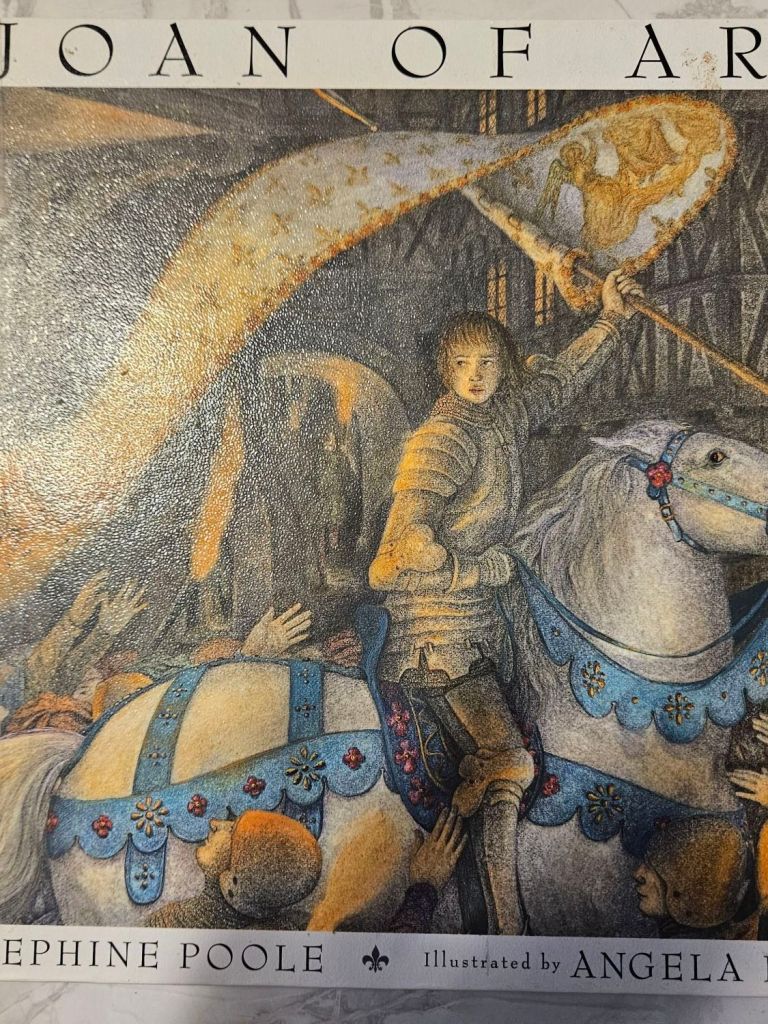
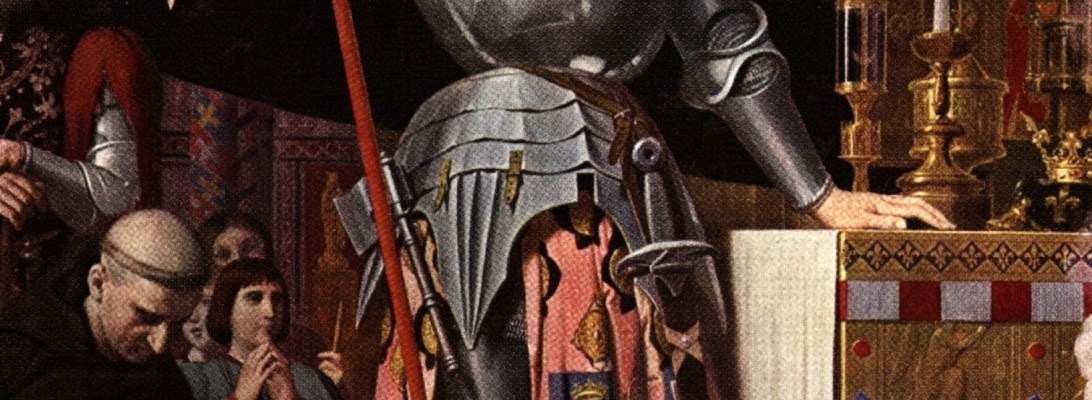
Excerpt from Joan of Arc by Josephine Poole

Joan LaPucelle, (Joan the Maid) was a controversial figure even in the 15th century. To the English, (and even some of the French), she was a witch, and a cruel warrior who took away rightful English territory. To others, she was a hero and a saint.

Joan was born January 6th, 1412 to Isabelle and Jacques D’Arc in Domr’emy France. At the time, Domremy was right on the border between the Armeniacs (who supported Charles the Dauphin) and the Burgundians, who supported King Henry V of England as rightful king of all Frence. Because of this, Joan’s home was subject to English raids and she might have been raised to support Charles as her lawful king. In any case, the accounts we have describe her as very pious, intelligent, generous, and a lover of justice.

What I hope to do in this post is provide you with details about the life of Joan of Arc. Next I will  compare and contrast the most iconic portrayals. I would argue that the success of each interpretation depends on how the writer, director, and of course, the actress playing Joan, answer these questions.

Shakespeare’s Version of Joan La Pucelle

Charles, King of France. Go, call her in.
[Exit BASTARD OF ORLEANS]255
But first, to try her skill,
Reignier, stand thou as Dauphin in my place:
Question her proudly; let thy looks be stern:
By this means shall we sound what skill she hath.
[Re-enter the BASTARD OF ORLEANS, with JOAN LA PUCELLE]

Reignier. Fair maid, is't thou wilt do these wondrous feats?
Joan la Pucelle. Reignier, is't thou that thinkest to beguile me?
Where is the Dauphin? Come, come from behind;
I know thee well, though never seen before.
Be not amazed, there's nothing hid from me:265
In private will I talk with thee apart.
Stand back, you lords, and give us leave awhile.
Reignier. She takes upon her bravely at first dash.

Joan appears in the first part of Shakespeare’s epic saga of  four plays about the Wars of the Roses. It is King Henry’s inability to defend his lands in France against Joan’s valiant attacks that  helped trigger the Civil War, where the House of York fight to take the crown away from the incompetent King Henry VI.

Joan la Pucelle. Dauphin, I am by birth a shepherd's daughter,
My wit untrain'd in any kind of art.270
Heaven and our Lady gracious hath it pleased
To shine on my contemptible estate:
Lo, whilst I waited on my tender lambs,
And to sun's parching heat display'd my cheeks,
God's mother deigned to appear to me275
And in a vision full of majesty
Will'd me to leave my base vocation
And free my country from calamity:
Her aid she promised and assured success:
In complete glory she reveal'd herself;280
And, whereas I was black and swart before,
With those clear rays which she infused on me
That beauty am I bless'd with which you see.
Ask me what question thou canst possible,
And I will answer unpremeditated:285
My courage try by combat, if thou darest,
And thou shalt find that I exceed my sex.
Resolve on this, thou shalt be fortunate,
If thou receive me for thy warlike mate. Act 1, Scene ii

In the play, Joan is a strong warrior, a clever tactician, and a gifted orator, yet her main function in the play is as the antagonist who goes toe to toe against the English warrior, Lord Talbott.

Naturally, since Shakespeare was trying to write for an English audience, Joan is portrayed as the antagonist, not the hero. The English make many snide comments that suggest Joan might not be as virtuous or as righteous as she appears. However, Shakespeare never outright calls Joan a witch or portrays her doing anything other than trying to fight for her country, by any means necessary.

Once Charles is crowned and Joan gets back Orléans for the French, the tide of battle turns against her. In Shakespeare’s version, this is because the English are united around John of Bedford, (King Henry’s uncle and Regent of France), as well as Lord Talbot, the great knight and “Terror of the French”. In Act V, scene iii, Joan calls upon spirits to fight the English:

The regent conquers, and the Frenchmen fly.
Now help, ye charming spells and periapts;
And ye choice spirits that admonish me
And give me signs of future accidents.
[Thunder]
You speedy helpers, that are substitutes
Under the lordly monarch of the north,
Appear and aid me in this enterprise.
[Enter Fiends]
This speedy and quick appearance argues proof
Of your accustom'd diligence to me.
Now, ye familiar spirits, that are cull'd
Out of the powerful regions under earth,
Help me this once, that France may get the field.
[They walk, and speak not]
O, hold me not with silence over-long!
Where I was wont to feed you with my blood,
I'll lop a member off and give it you
In earnest of further benefit,
So you do condescend to help me now.
[They hang their heads]
No hope to have redress? My body shall
Pay recompense, if you will grant my suit.
[They shake their heads]
Cannot my body nor blood-sacrifice
Entreat you to your wonted furtherance?
Then take my soul, my body, soul and all,
Before that England give the French the foil.
[They depart]
See, they forsake me! Now the time is come
That France must vail her lofty-plumed crest
And let her head fall into England's lap.
My ancient incantations are too weak,
And hell too strong for me to buckle with:
Now, France, thy glory droopeth to the dust.
[Exit]
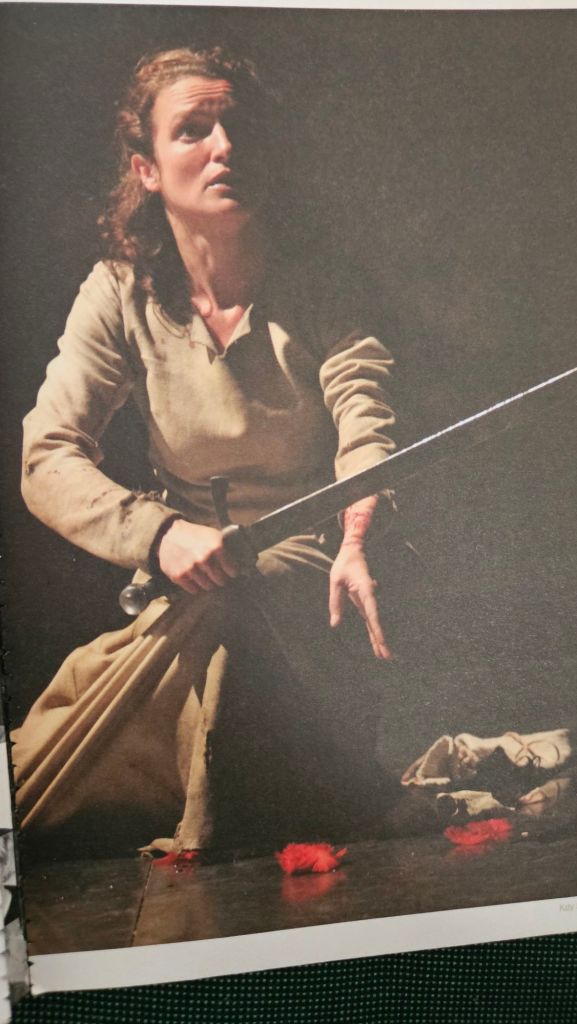
Joan LaPucelle in the 2010 RSC production of “Henry VI, Part 1

At first glance this passage seems shocking- Shakespeare appears to be accusing the patron saint of France of witchcraft. Even more bizarre, later when Joan is arrested by the English lords, she claims to be pregnant with King Charles’ child! And to confound the audience even further, Joan contradicts her own confession by denying any witchcraft or any relationship with any man:

Joan la Pucelle: First, let me tell you whom you have condemn'd:
Not me begotten of a shepherd swain,
But issued from the progeny of kings;
Virtuous and holy; chosen from above,
By inspiration of celestial grace,
To work exceeding miracles on earth.
I never had to do with wicked spirits:
But you, that are polluted with your lusts,
Stain'd with the guiltless blood of innocents,
Corrupt and tainted with a thousand vices,
Because you want the grace that others have,
You judge it straight a thing impossible
To compass wonders but by help of devils.
No, misconceived! Joan of Arc hath been
A virgin from her tender infancy,
Chaste and immaculate in very thought;
Whose maiden blood, thus rigorously effused, Will cry for vengeance at the gates of heaven.
Henry VI, Part I, Act V, Scene iv

I get the sense that Shakespeare is trying to make Joan’s character ambiguous- if you are an English patriot, you can see her as a witch, a liar, and a manipulative harlot. If you are French, you see these accusations as filthy lies, and Joan’s “confession,” as merely a desperate attempt to spare her own life, one that tragically backfires.

The Real Joan of Arc

Born: circa 1412 in Domrémy, France

Died: May 30  1431 (executed by burning)

Birth/ Childhood

Joan was the daughter of the mayor of Domr’emy during the Hundred Years War between England and France. She had no formal education nor any experience on the Battlefield. Yet, by all accounts, Joan was an extremely devout youth, devoted to God, and her lawful king.

Call to Arms
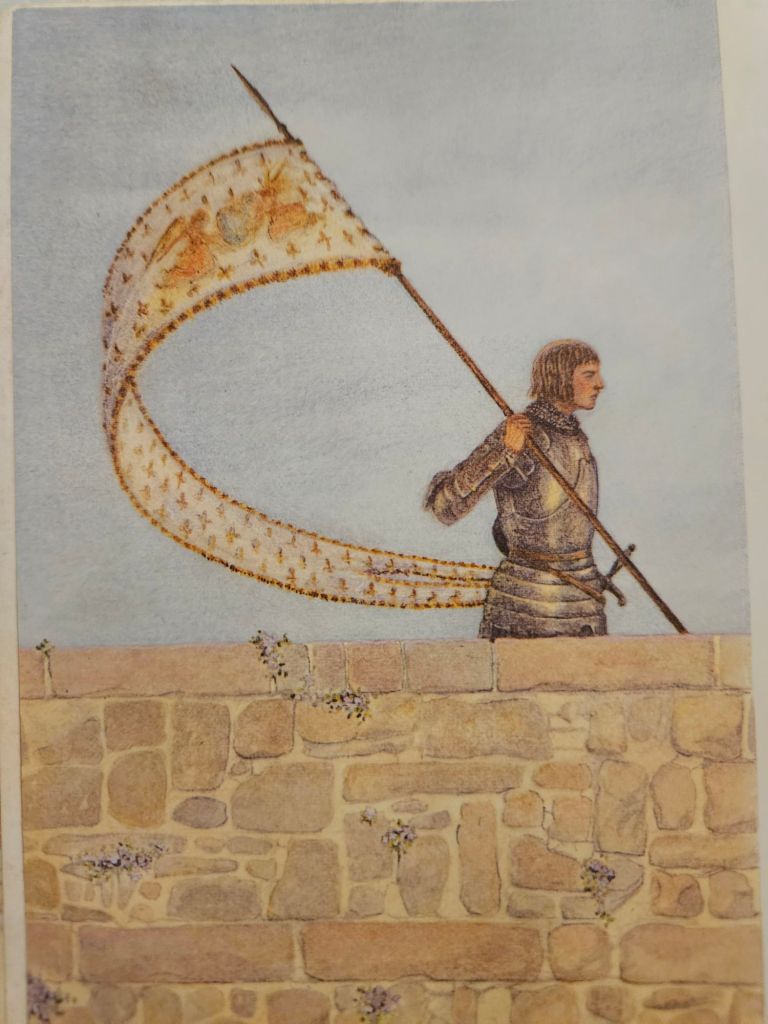
Joan claimed that God called her to drive the English garrison away from Northern France. The French Prince, the Dauphin agreed to let her take weapons and supplies to the troops who were already laying siege to the French town of Orléans. However, Joan insisted on leading the troops into battle, and quickly became a symbol of French resistance.

The Siege of Orléans

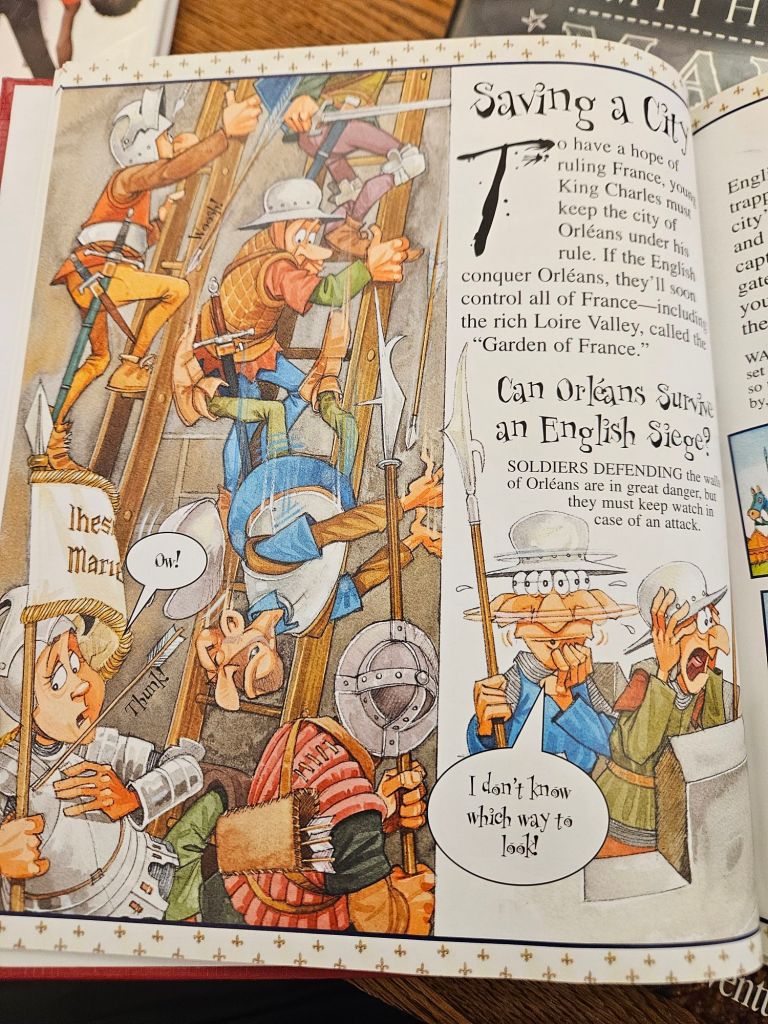
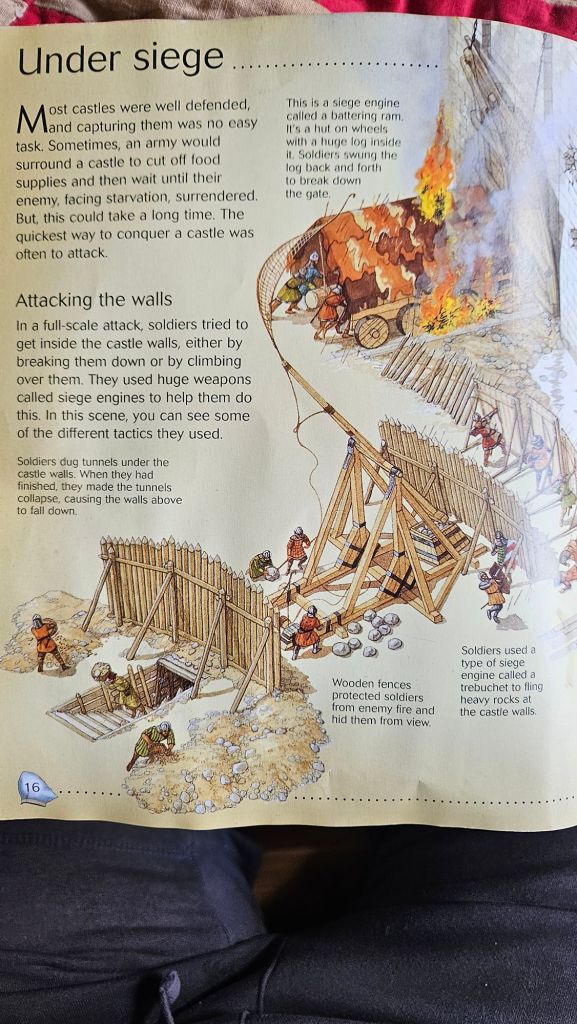
The city of Orléans was a vital town that the English had garrison. For six months, the French had attempted to starve out the English, destroy their defenses, and retake the city.

Joan la Pucelle. Advance our waving colours on the walls;
Rescued is Orleans from the English
Thus Joan la Pucelle hath perform’d her word.- Henry the Sixth, Part I

Joan’s Fall From Grace

Henry, by the grace of God, king of France and England, greeting. It is well known how for some time a woman calling herself Jeanne the Maid, putting off the habit and dress of the female sex (which is contrary to divine law, abominable to God, condemned and prohibited by every law), has dressed and armed herself in the state and habit of man, has wrought and occasioned cruel murders, and it is said, to seduce and deceive the simple people, has given them to understand that she was sent from God and that she had knowledge of His divine secrets, with many other dangerous dogmatizations most prejudicial and scandalous to our holy faith. Whilst pursuing these abuses and exercising hostilities against us and our people, she was captured in arms before Compiègne by certain of our loyal subjects and has subsequently been led prisoner towards us. And because she has been reputed, charged and defamed by many people on the subject of superstitions, false dogmas and other crimes of divine treason, we have been most urgently required by our well beloved and loyal counselor the bishop of Beauvais, the ecclesiastical and ordinary judge of the said Jeanne, who was taken and apprehended in the boundaries and limits of his diocese

  • Letter from King Henry VI to the Bishop of Beauvais (Joan’s captor), January 3rd, 1431

Joan was captured in 1430, when King Henry of England was only 10 years old. Even though now France is united with pride for Joan and her defense of her country, back then there were plenty of factions that actually supported the English, and those French factions captured, and arrested her for heresy during the siege of Compiègne.

The Trial- January 9th, 1431

It has pleased divine Providence that a woman of the name of Jeanne, commonly called The Maid, should be taken and apprehended by famous warriors within the boundaries and limits of our diocese and jurisdiction. The reputation of this woman had already gone forth into many parts: how, wholly forgetful of womanly honesty, and having thrown off the bonds of shame, careless of all the modesty of womankind, she wore with an astonishing and monstrous brazenness, immodest garments belonging to the male sex.

As this excerpt from the trial transcripts demonstrates, Joan’s trial focused much more on her alleged heresy and witchcraft, rather than her defying British rule. In reality, Joan’s arrest and martyrdom was a political sacrifice for the French- they wanted to show political support for their English overlords, without alienating Joan’s supporters. Discrediting Joan by calling her a heretic was a calculated political move, and Joan probably knew it.

Execution

Joan was executed by burning on May 30th, 1431, six months before King Henry was formally crowned King of England. After her death, Henry was unable to maintain control of France and his incomplete, combined with a congenital mental illness, is why he later lost

Iconic portrayals:

Trailer for Carl Dryer’s Passion of Joan of Arc (1928)
Mila Jovavich in Luc Besson’s “The Messanger”, 1999

Sources:

Books

  1. You Wouldn’t Want To Be Joan of Arc
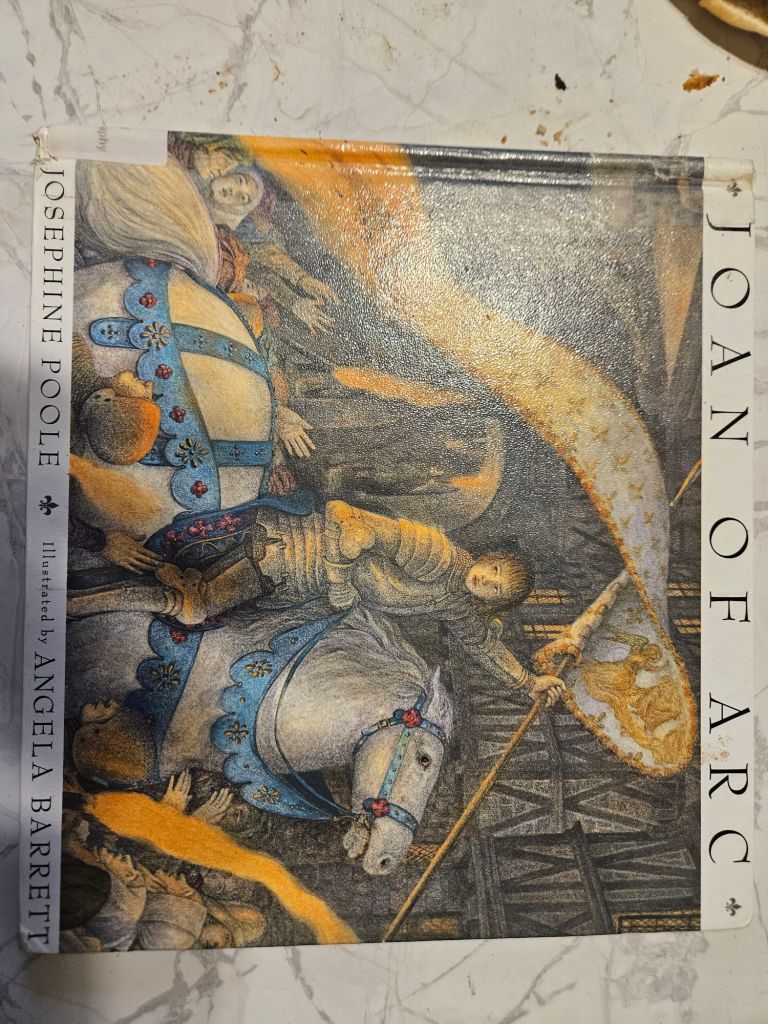
  1. Joan of Arc by Josephine Poole
Title Page of Joan of Arc by Josephine Poole, illustrated by Angela Barrett

Medieval Manuscripts: The Trial of Joan of Arc:

https://origin.web.fordham.edu/Halsall/basis/joanofarc-trial.asp

https://dailygalaxy.com/2025/09/shakespeare-a-rediscovered-manuscript-flips-the-familys-legacy-on-its-head-more-than-400-years-after-it-was-written/

Close Reading: Lady Macbeth “Come You Spirits.”

For commentary: http://www.bbc.co.uk/arts/yourpaintings/paintings/ideal-portrait-of-lady-macbeth-97937

For the final class of my course on Shakespeare’s Tragedies, I’m coaching two young actors on a pair of tragic speeches I’ve selected, and I thought I’d share some of that work with you. The first is a speech by Lady Macbeth that comes from Act I, Scene v. In this speech, Lady Macbeth prays to dark spirits to make her cold and remorseless, so that she can convince her husband to kill the king, and take the throne.

The Text

Lady Macbeth
The raven himself is hoarse
That croaks the fatal entrance of Duncan
Under my battlements. Come, you spirits390
That tend on mortal thoughts, unsex me here,
And fill me from the crown to the toe top-full
Of direst cruelty! make thick my blood;
Stop up the access and passage to remorse,
That no compunctious visitings of nature395
Shake my fell purpose, nor keep peace between
The effect and it! Come to my woman’s breasts,
And take my milk for gall, you murdering ministers,
Wherever in your sightless substances
You wait on nature’s mischief! Come, thick night,400
And pall thee in the dunnest smoke of hell,
That my keen knife see not the wound it makes,
Nor heaven peep through the blanket of the dark,
To cry ‘Hold, hold!’ Macbeth, Act I, Scene v, Lines 388-403.

The Given Circumstances

Lady Macbeth has just received a letter from her husband. That letter informs her the witches prophesied he would be king. Soon after she’s finished reading it, another messenger, (hoarse and out of breath), tells her that King Duncan will be staying at her castle tonight! Lady Macbeth immediately sees this as the perfect opportunity to make her husband king, by plotting to murder Duncan as he sleeps under her roof.

Traditional Interpretations

I’ve seen at least six productions of “Macbeth” and when it comes to this scene I think the main interpretations I see are either that Lady Macbeth is gleefully evil, or highly sexual. While it is true that she is praying to dark spirits, and her language when she speaks to Macbeth is sexually charged, I feel that these are not the only options when playing this character.

Francis McDormad

I love the regal poise of Francis in this 2021 movie. She is utterly in control and has absolutely no qualms about murder. I get the sense that she’s more praying to Mercury to get her to speak daggers to her husband, instead of to Lucifer to help her use one. She even has knives coming out of her ears (look at those earings!) This Lady Macbeth doesn’t seem evil in the sense of a cartoon villain. She’s just a woman in a violent society who believes that regicide is an acceptable way to sieze power. I think in this world, might makes right.

By contrast, Judy Dench in the 1979 RSC production is also very human. Her spirits are like… well spirits. You get the sense that she’s taking a swig of liquid courage to get her to go through with these actions which SHE KNOWS ARE WRONG.

Literary Devices

Imagery

“The Triple Hecate,” by William Blake, 1794.

Ravens in Greek and Norse myths were birds of prophecy and associated with the goddess of magic, Hecate (who appears in the play in Act IV). Ravens often appeared to announce deaths or execution. The speech is also full of imagery that rejects traditionally ‘feminine’ virtues. Lady Macbeth seems to associate womanhood with kindness, mercy, pity, and remorse and thus attempts to shed her femininity to accomplish her cruel objective of killing Duncan.

Verse

The Rauen himselfe is hoarse,
That croakes the fatall entrance of Duncan
Vnder my Battlements. Come you Spirits,
That tend on mortall thoughts, vnsex me here,
And fill me from the Crowne to the Toe, top-full
Of direst Crueltie: make thick my blood,
Stop vp th'accesse, and passage to Remorse,
That no compunctious visitings of Nature
Shake my fell purpose, nor keepe peace betweene
Th'effect, and hit. Come to my Womans Brests,
And take my Milke for Gall, you murth'ring Ministers,
Where-euer, in your sightlesse substances,
You wait on Natures Mischiefe. Come thick Night,
And pall thee in the dunnest smoake of Hell,
That my keene Knife see not the Wound it makes,
Nor Heauen peepe through the Blanket of the darke,
To cry, hold, hold. Macbeth, Act I, Scene v, First Folio Reprint from Internet Shakespeare Editions.

It’s interesting to note that (in the First Folio text) this speech is only three sentences long. It is a constant build up of energy with only three stops. In addition, Shakespeare puts the most important words, at the end of each line. Almost every line ends with something Lady M wants to kill, such as Duncan, or wants to kill within herself (peace, remorse, nature, Woman(hood). The verse also has commands strewn about in the beginnings and ends of lines. The question is, how confident does Lady Macbeth feel while giving them?

Questions to consider

One of the biggest questions I have with this play is why Lady Macbeth and her husband want to be king and queen anyway? After all, Shakespeare has written plenty of plays that detail how hard and stressful (uneasy) it is to be king. Plus, Macbeth is already a trusted lord and friend of the king, why would he want to damn himself to get a job he knows isn’t his to take? I think that, especially now in the 21st century, it’s very important to have a coherent motive for why the Macbeths are willing to kill for the crown.

Our Interpretation

Looking over the text, my actress sensed a deep loneliness in Lady Macbeth and a haunted feeling that makes her seem desperate to change her life. I thought about how insomnia and paranoid fears are repeated motifs in the play, as well as character traits found in both Macbeth and later Lady Macbeth. Then I thought- Macbeth is a soldier; his wife has probably had to spend years wondering if he is going to come home and imagining what kind of terrible death he might suffer on the battlefield While the king sits safely at home. Perhaps she sees killing the king as a form of revenge for all the fear and sleepless nights she’s experienced, and an attempt to protect her husband from war, by safely placing him on the throne. Maybe she sees this as the only way to make sure her beloved husband never dies in battle. Therefore, instead of watching an evil woman become more evil, you’re watching a good woman, (with good intentions), damn herself for love, which I would argue is a much more active and dynamic choice.

Resources:

https://myshakespeare.com/macbeth/act-1-scene-5

Mafia Tropes in “Richard III”

Last month, I took a short vacation to Las Vegas, where, as some of you know, I went to Area 15 and the Omega Mart Exhibit. I also visited the Las Vegas Mob Museum. I’ve been fascinated by the mob for years. The Mob (AKA The Outfit), has within its many threads a potent combination of corruption, seduction vice, and violence all hidden behind the veneer of honorable men who do what they feel they have to to protect their families and their communities.

Not surprisingly, while at the museum, I saw parallels between the history of organized crime and Shakespeare, specifically his most popular history play about a powerful family that takes over the crown of England in a brutal turf war, and then one of its most feared soldiers bribes, intimidates, and murders his way to the top; Richard III.

A Protection Racket: Feudalism vs. La Cosa Nostra


The structure of the mafia paralleled the feudal system. In a world where a police force didn’t offer much protection for marginalized communities, the mafia thrived by offering protection for these communities, (especially to immigrants and people of color in the 19th and early 20th century).


Much earlier than that, the feudal system of the middle ages, which started to crumble after Richard’s reign ended, was designed specifically so poor peasants could get protection from wealthy landowners after the fall of the Roman Empire. These lords offered the protection of their knights to these peasants i. Return for labor and a percentage of their income working the field. Like the mafia, these peasants paid tributes to their lords and these lords demanded loyalty. In the museum, there’s an interactive video where you can become a ‘made man,’ which means become an official member of a mafia crew. Like a king knighting a lord, this ceremony meant pledging your life to your superiors, and being at their beck and call no matter what. In addition, like medieval knights, mafiosos were not allowed to murder other made men without permission from their capo or boss.


However benevolent they might appear, In both cases the Dons and the medieval lords were extorting their underclass. Failing to pay tribute to their lords would cause the peasants to lose their lands, and any disloyalty to the mafia would be severely punished. These powerful, violent thugs used their private armies to intimidate the weak into giving them what they wanted.

Part II: The Two Families

To thoroughly explain the parallels between the Wars of the Roses and the mob, I need to make clear that Richard iii is more than just the story of one man’s rise to power, although there are also mafia stories that fit this mold such as Scarface, White Heat, and the real-life story of Al Capone.

As this hilarious “weather report” from “Horrible Histories,” makes clear, during the Wars of the Roses two powerful families, (each with a claim to the English crown) fought each other in a brutal turf war. As Shakespeare characterizes in his play Henry VI, Part III, the battles between the houses of York and Lancaster shook England like a mighty storm, and for a while it was hard to tell who would prevail:

Henry VI. This battle fares like to the morning's war,
When dying clouds contend with growing light,
What time the shepherd, blowing of his nails,1105
Can neither call it perfect day nor night.
Now sways it this way, like a mighty sea
Forced by the tide to combat with the wind;
Now sways it that way, like the selfsame sea
Forced to retire by fury of the wind:1110
Sometime the flood prevails, and then the wind;
Now one the better, then another best;
Both tugging to be victors, breast to breast,
Yet neither conqueror nor conquered:
So is the equal of this fell war.
Henry VI, Act II, Scene i

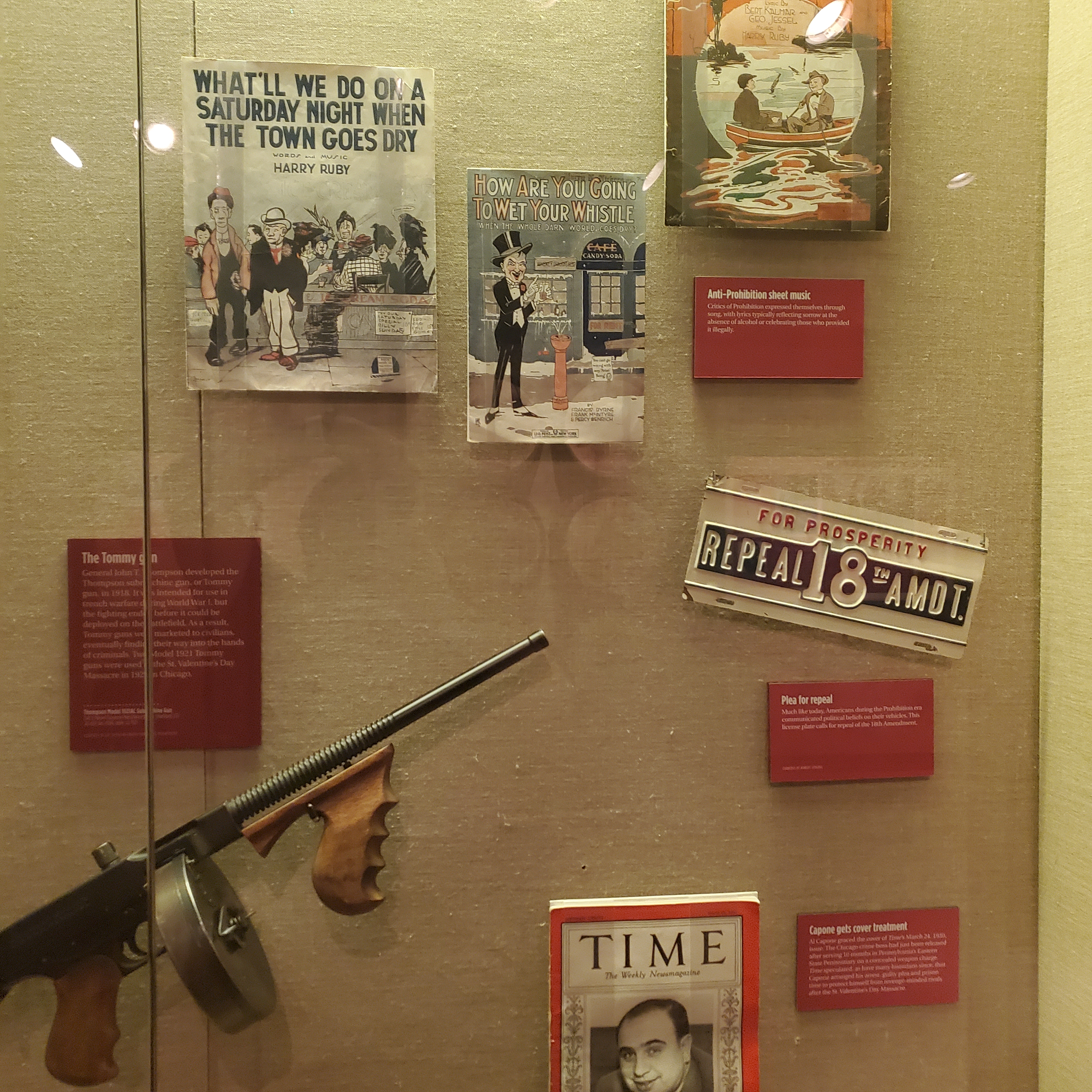
During the Wars of the Roses, it was King Henry’s incompetence and mental illness that gave the Yorkists the ability to challenge the House of Lancaster for the crown. In the 1920s, the passage of the 18th amendment, (which made alcohol illegal, and thus a profitable commodity for organized crime), that allowed the mob to rise to unheard-of power through illegally buying, distributing, and selling alcohol. As the photo and subsequent video shows, Prohibition largely led to the rise in organized crime in America, especially in Chicago. During Prohibition, the Italian Sough-side Gang fought for control of Chicago’s bootlegging trade and subsequently destroyed their competition from the Irish gangs through corruption, intimidation, and violence.

The Don rises- Richard Vs. Al Capone

Opening Scene from Ian Mckellen’s 1995 movie of Richard III.

Like the Italian and Irish gangs In Prohibition-era Chicago, the Yorkist and Lancastrian armies battled for the English throne. As Ian McKellen’s excellent movie (set in the 1930s) shows, Richard was instrumental in destroying the leading Lancastrians at the Battle of Tewkesbury, including Prince Edward and King Henry.

In Chicago, the most feared mobster soldier was Al Capone, who many scholars believe was responsible for killing off high ranking members of the Irish gang during the infamous St. Valentines Day Massacre, where the gang members were ‘arrested’ by South Side gangsters disguised as cops. As the Irish stood against the wall with their hands behind their heads, the phony cops pulled out Tommy guns from their coats and let out a hail of bullets on their unsuspecting quarry.

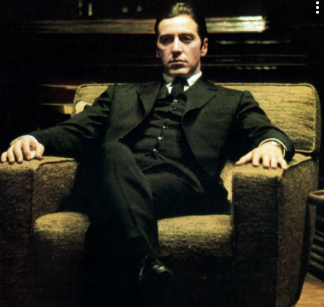
In Shakespeare’s play, the only Lancastrian to survive the war is Queen Margaret, wife to the murdered King Henry, and mother to the slaughtered Prince Edward. In this scene from Al Pacino’s “Looking For Richard,” she curses Richard for his cruel slaughters. It’s not surprising that Pacino was so drawn to Richard II that he starred in and directed this film. After all, Pacino is famous for playing mafia characters who slaughter their way to the top.

Once Capone killed the competition, he ruled a multimillion-dollar empire of bootleggers and maintained that empire through corruption, intimidation, and by constantly playing innocent, just like Richard himself.

Hypocrisy, Corruption and hidden violence

“Men in general judge more by the sense of sight than by the sense of touch, because everyone can see, but few can test by feeling. Everyone sees what you seem to be, few know what you really are; and those few do not dare take a stand against the general opinion.”

Niccolo Machiavelli

Both Richard III and mobsters are masters of double-speak, that is, seeming to say one thing and meaning something else. Look at this passage where Richard talks about killing his nephew, then denies it:

Las Vegas: The town that bedded and abetted the mob.

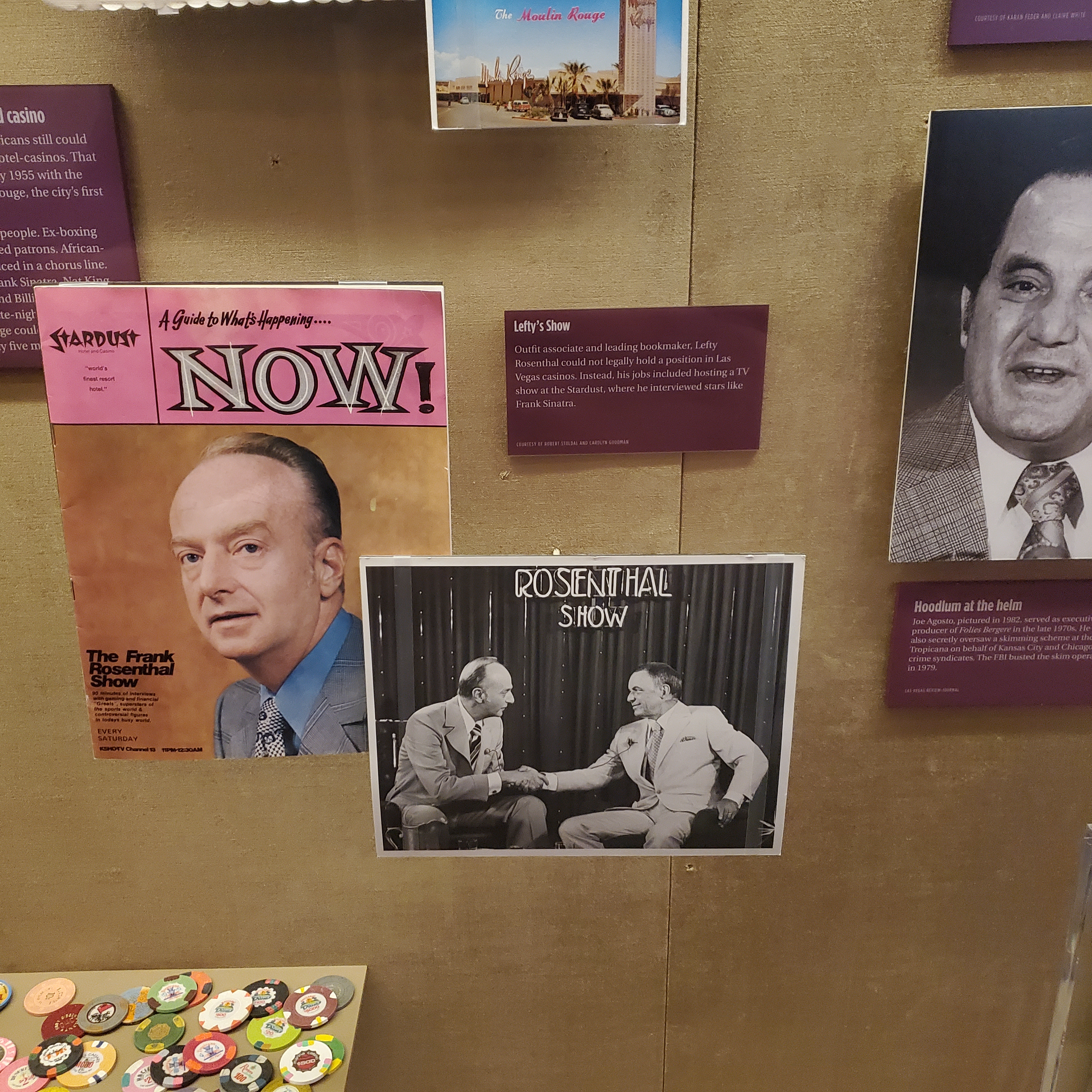
After Al Capone’s demise and the repeal of Prohibition, the mafia found another vice to capitalize on: gambling. As the video below indicates, using their connections with the Teamsters Union and midwestern bookmakers, the mob in the midwest financed, built, and run almost every casino in Las Vegas, including The StarDust and the Hassienda. Once the casinos were built, the mob extorted millions of dollars from the casinos every month!

The profits from the casinos bought the mob even more power and influence, but this skim depended on making sure the bosses controlled their underlings, and defended their casinos from cheaters and snitches, which is why they defended their casinos through intimidation and violence.

Murders in The White tower and the city of sin.

A series of quotes from Las Vegas Mobsters

“Simple, plain, Clarence. I do love thee so, that I shall shortly send thy soul to Heaven.”

—Richard III, Act I, Scene i

When Richard of Gloucester starts his quest to become king, he begins by convincing his brother King Edward to execute his other brother George. Richard bribes the murderers to kill George before the king can reverse the death sentence. Richard has thus eliminated another obstacle in his way, and gained two loyal followers who will do anything for his gold.

Richard hires two murderers to kill the duke of Clarence (Nigel Hawthorne).

The mafia dealt the same way with traitors, stool pigeons, and anyone who tried to challenge the bosses. Look at this tour of the Mafia museum, where the grandson of the gangster Meyer Lansky starts by reminiscing about the glamourous lifestyle of Las Vegas mobsters, but the tour quickly takes a dark turn as Lansky II talks about how his grandfather ordered brutal executions for anyone who crossed The Las Vegas Outfit.

The Mafia Museum, Las Vegas
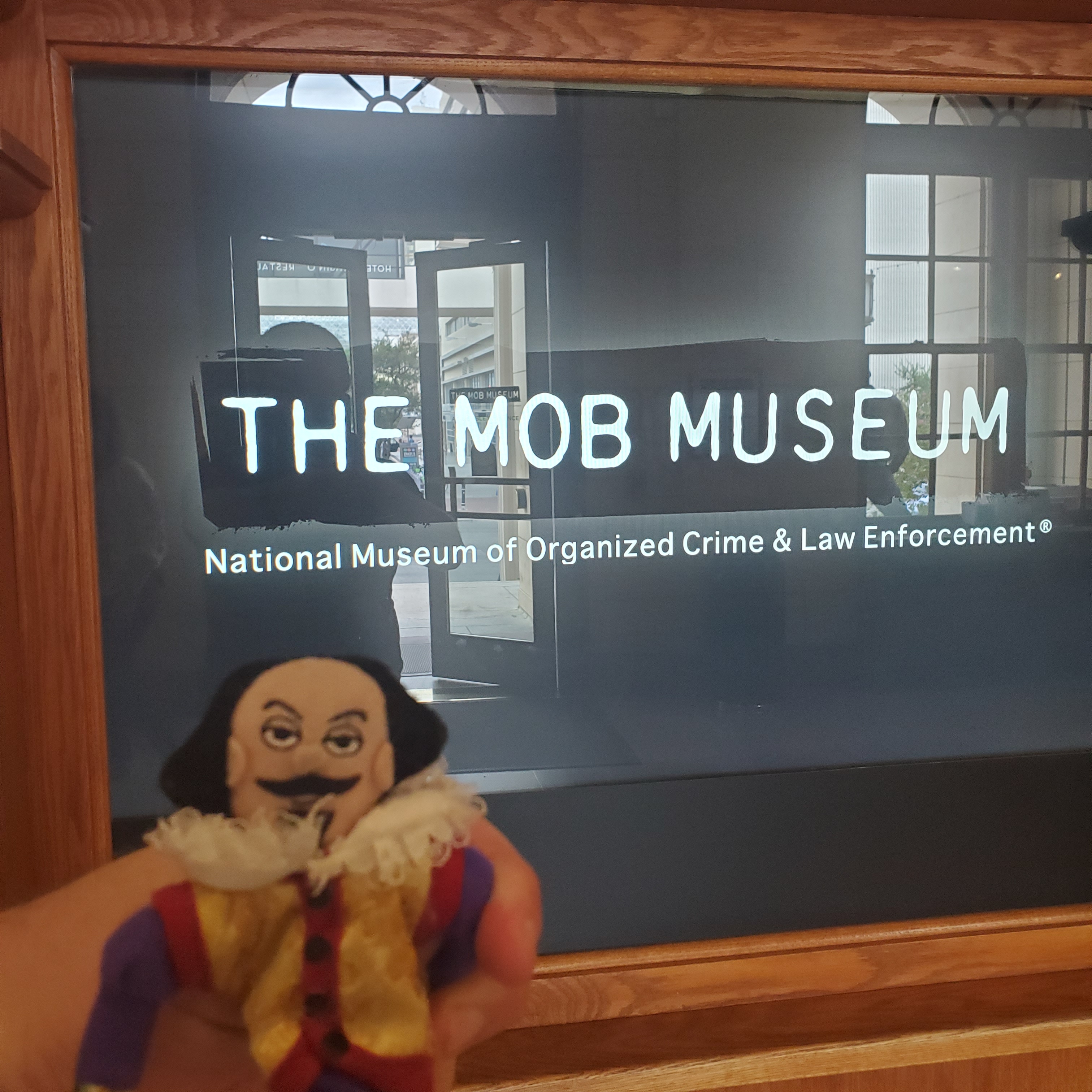
Exterior of the Mafia Museum

It was an enormously interesting trip going to the Mafia Museum, and if you can get out to Las Vegas, be sure to visit, (don’t forget the password to visit the speakeasy bar in the basement!) It was eye-opening for me how prevalent the sort of corrupt protection racket that started in the middle ages and continued into most of the 20th century helped define The Wars of the Roses and the mafia. As long as the strong prey on the weak and the law can’t protect everyone equally, these kinds of violent thugs will be lurking in the shadows, waiting for a shot at the crown.