

For international women’s day this year, I would like to offer of this fascinating discussion about the role of women and women’s roles in Shakespeare by Jermaine Greer one of the greatest feminist scholars and Shakespearean scholars of the 21st-century: www.youtube.com/watch
Politics
Posts for Black History Month
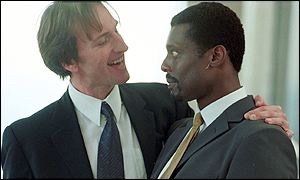
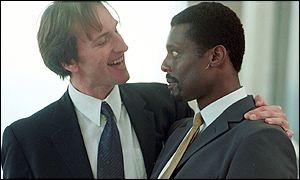

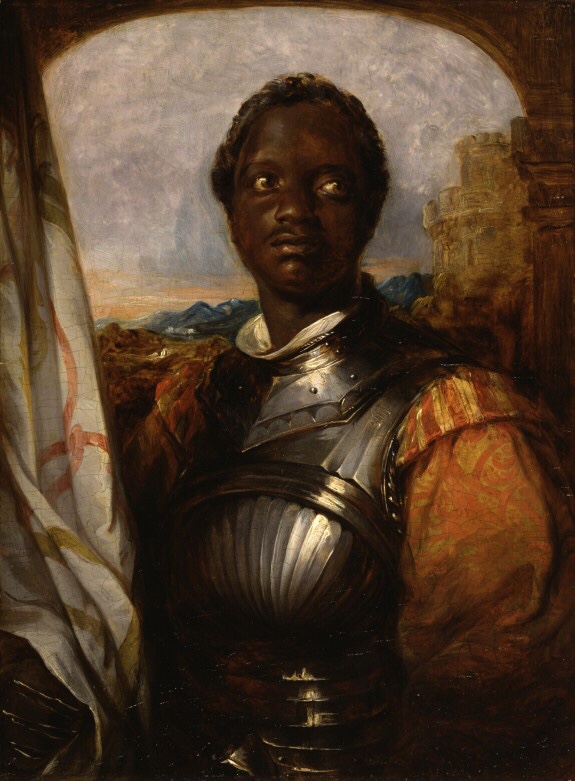
For February, I would like to give a shoutout to a wonderful article I read about famous black Shakespearean actors, and to link to a few of my old posts that detailed how Shakespeare approaches the issue of race. Enjoy:
- Shakespeare In Action (blog): “Celebrate Black History Month- Black Actors In Shakespearean Roles:” Retrieved 2/27/19 from: https://www.google.com/amp/s/shakespeareinaction.wordpress.com/2016/02/16/celebrate-black-history-month-black-actors-in-shakespearean-roles/amp/
- Play Of the Month: Othello, the Moor Of Venice
- Was Shakespeare Racist?
- Othello and Toxic Masculinity
- Close Reading: Iago- “Who Is He Who Says I Play the Villain?”
How President Trump Is Like Richard III

Part I Before the Throne

 As I have written before, Richard claims the throne by manipulating everyone in the British political machine- stoking hatred among the nobles, while trying to appear as a pious, humble man to the common people. Because of his years on reality television and experience as a businessman, even I must admit Trump has a gift at manipulating people’s perceptions and playing the part of a man of the people:
- https://m.youtube.com/watch?v=cpxCl8ylJgE
If you watch Trump in interviews, he often closes his remarks with “believe me,” Richard also understands the power of oaths and pretends to speak like a plain blunt man, claiming that the British nobles hate him because he ‘tells it like it is’:
Cannot a plain man live and think no harm? But his simple truth must be abused by silken, sly, insinuating jacks!- Richard III, Act I, Scene iii
As for Trump, even though he is a privileged billionaire with inherited wealth, he pretends to be an unpretentious, unapologetic common man, abused by the ‘mainstream media’ and his political opponents.
Richard is also a fan of the moral equivalence argument, (also known as whataboutism). He tries to offset his own murders by mentioning other people and their misdeeds during the Wars Of The Roses, making them seem as bad or worse than Richard:
Let me put in your mind if you forget what you have been ere this and what you are, withal what I have been and what I am. RIII Act I, Scene iii.
Part II: The descent

https://m.youtube.com/watch?v=mQP5FHq7hqs
What is an authoritarian? Basically an authoritarian regime concentrates power into the hands of one person, and tries to hold onto power by:
1. Projecting strength.
2. Demonizing opponents, both real and imagined.
3. Destroying institutions.

From the moment the crown is placed on his head, Richard starts to see threats to his power, and uses all his newfound resources to destroy every each and every threat. First he kills his nephews, (the legitimate heirs to the throne), then he kills his wife, so that he can remarry a princess to try and consolidate his power. And finally, when he faces his greatest threat the armies of Henry tutor Earl of Richmond, Richard goes full on dictator, calling himself a tower of strength, demonizing Richmond as a foreigner, and claiming that his soldiers will rape the English wives and daughters.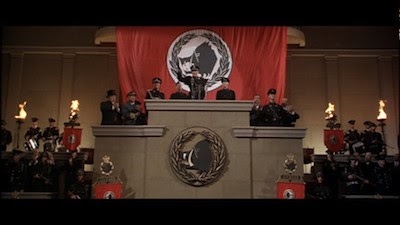
Trump is guilty of every one of these authoritarian strongman habits. He tries to convince people he is strong both physically and politically by having photo ops with doctors who claim that he is “the healthiest president ever”. He also attempted to project strength by misrepresenting the size of the crowds at his inauguration (which was a flat out lie), Furthermore, Trump demanded a military parade to emulate autocratic governments like North Korea. Then there’s his ultimate misguided show of American strength: the wall, which even Fox News has calculated will cost $25 billion dollars at least, and will do little to nothing to stop the flow of drugs and illegal immigration.
Trump also has from the beginning waged war on the Internet against any and all who oppose him. Let us not forget that Fox News is a 24 hour a day propaganda machine that exists almost entirely to condemn anyone who opposes the president and his agendas. And in terms of destroying institutions, his constant claims of “fake news“ seeks to destabilize the Free Press. America’s finding fathers guaranteed free press with the knowledge that if the government is corrupt, the only way the public can fight back is through the knowledge provided by a free and Independent press. But if the media is the enemy, we have no one to listen to except Trump himself.
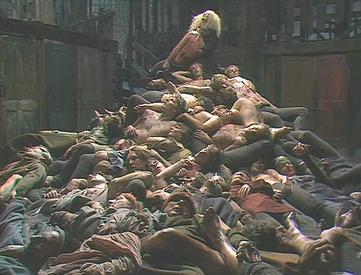
Richard is even more comically trigger happy than Trump. Look at this scene where in less than 10 minutes, he sends a murderer to kill his nephews, plots to murder his wife and marry his niece, and completely throws off the Duke of Buckingham, his only supporter on his way to the crown!
https://m.youtube.com/watch?v=gD5afYxDc6g
Richard’s authoritarian tactics actually spring from one of the best political theorists of the renaissance, unfortunately it was Machiavelli. Niccolo Machiavelli saw how the crown heads of Italy consolidated power through violence and intimidation, and he came to realize that the power behind the throne is much less to do with divine right or royal bloodline, and more with who can play the game and project power and strength. In Shakespeare’s Henry the Sixth Part III, Richard brags that in his quest to the good for the crown he will send Machiavelli to school: https://m.youtube.com/watch?v=v6ji07tsI2M
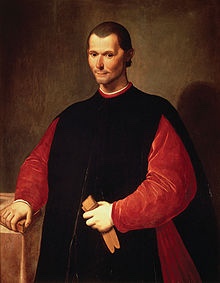
I unfortunately don’t have enough time to get into the connections between Machiavelli, Richard, and Trump. Suffice it to say that all three advocate rule by fear and have no interest in preserving democracy. Below are some quotes and articles that I have collected about Machiavelli and his connection to Shakespeare and Trump:
http://insights.som.yale.edu/insights/what-can-you-learn-machiavelli
https://www.google.com/amp/s/www.theatlantic.com/amp/article/354672/
https://www.bl.uk/shakespeare/articles/richard-iii-and-machiavelli
Part III: Who Lives, Who Dies, Who Tells Your Story
Sadly, the ultimate similarity between Shakespeare’s Richard III, the real King Richard, and Trump is that the actual human has been swallowed up by a narrative. Even though most of what Trump says is a lie, to his supporters he is the one person who ‘tells it like it is,’ not because they believe him, but because they want to believe in the narrative he constructs.
- These Ohio Voters Made Trump President. They’re Still With Him – TIME
- https://m.youtube.com/watch?v=Y6yn4cWBrSU
Not only are his lies compelling, Trump himself has become a powerful symbol to the disenfranchised that the system is broken and corrupt, so why not vote for someone like him? He brands himself as a ‘plain blunt man’ who isn’t afraid to offend or criticize people in power, even though he is much worse than they are at running the government. According to the testimony of his former lawyer Michael Cohen, Trump described his own campaign as the ” The greatest infomercial in political history.” His campaign was from the start, a scam, where the ultimate con man told people he was going to fix healthcare, fix the immigrants coming into the country, and fix everything they didn’t like about America.
Trump and Richard exploit what you and I want to believe. A New York Times article from 2016 made an interesting comparison between Trump’s odious political persona and that of one of the “heels” or bad guys in professional wrestling. These characters are unrepentantly evil, and love to stir up anger in the crowd, and everyone knows that their every word and action is fake, but they buy into the story. This kind of suspension of disbelief is of course, the central guiding principle of theater itself, and arguably Shakespeare created a villain who would make a very effective wrestling heel.
The real Richard’s devolution from a historical king into a villainous archetype is more tragic, but just as powerful. The lies that the Tudor chronicles told about him were more compelling and politically convenient than the truth, and Shakespeare’s genius just further distanced us from caring what the real man was like. In essence, Shakespeare was inventing fake news far before Trump was railing about it. Just as we as an audience are complicit in the pretend crimes of a fake king when we watch the play, we are also complicit in perpetuating a comfortable simplistic story of the 15th century War of the Roses king Richard Plantagenet.
Trump and Richard show that history can be distorted when we focus less on what is really happening and more on what we want to see. More people wanted to believe his lies than Hillary Clinton’s facts, the same way people were forced to believe the Tudor lies instead of the real truth of what happened from 1483-1485. Likewise Shakespeare’s Richard exploits people’s fear, greed, and gullibility to gain power for himself, but this is his only talent; eventually his supporters lose faith in him, his enemies mobilize, and he is taken from power.
Shakespeare On Soldiers
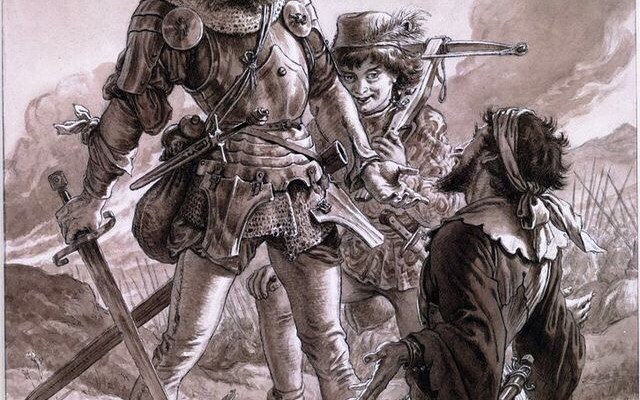
Happy Veterans Day Everyone,
War and soldiers come up a lot in Shakespearean plays. After all, he wrote six plays about the Wars Of The Roses. Though most of his work is about the decisions about war made by powerful monarchs, occasionally he gives us some insight into the lives of common soldiers.
We don’t know if he ever fought, but warfare was very much on his mind at the beginning of his career, with good reason. In 1586 The Spanish armada attacked. Was Shakespeare enlisted? We don’t know.
His early plays are generally positive toward soldiers and it’s easy to see why. The growing nationalism in England resulting from the Tudor control over religion and language —was a direct and defensive reaction to the ex-communication of the Tudor monarchs (particularly Henry VIII and Queen Elizabeth. Shakespeare probably saw himself —
. He no doubt saw his role as building the epic sagas of England to remind his countrymen of England’s past victories, especially during the Spanish Armada and the later Irish Rebellion of 1599.
Shakespeare cashed in with 9 plays on English history that mainly take place on the battlefield. His plays were met with praise by audiences and critics:
“How would it have joyed brave Talbot (the terror of the French),” he wrote, “to think that after he had lain two hundred years in his tomb, he should triumph again on the stage and have his bones new embalmed with the tears of ten thousand spectators at least (at several times).” -Thomas Nashe, c. 1590.
In the first tetralogy, common soldiers don’t have any voice. Probably they were played by apprentices, and fencing masters. They were mainly set dressing. Shakespeare mainly focuses on the pivotal importance of leadership and his portrayal f leadership; he understood the consequences of the choices kings make during the war and its effect on millions of common people: like Talbott and King Henry the Fifth.
I want to analyze a short selection from Henry the Fifth, Act IV, Scene I. In this scene, the king is disguised as a commoner the night before a battle to see what his soldiers really think about him, and the impending fight with the French. An outspoken soldier named Williams tells him that if the fighting is wrong, the king is responsible for his soldiers’ deaths, and has to answer for the atrocities that happen during the war:
methinks I could not die any where so
contented as in the king’s company; his cause being
just and his quarrel honourable.
Ay, or more than we should seek after; for we know
enough, if we know we are the kings subjects: if
his cause be wrong, our obedience to the king wipes
the crime of it out of us.
But if the cause be not good, the king himself hath a heavy reckoning to make, when all those legs and arms and heads, chopped off in battle, shall join
together at the latter day and cry all ‘We died at such a place;’ some swearing, some crying for a
surgeon, some upon their wives left poor behind them, some upon the debts they owe, some upon their children rawly left. I am afeard there are few die
well that die in a battle; for how can they charitably dispose of any thing, when blood is their argument? Now, if these men do not die well, it will be a black matter for the king that led them to it. King Henry V, Act IV Scene I.
Many productions of Henry the Fifth interpret this speech as Shakespeare’s attitude towards war, (a tempting prospect, since the soldiers’ name is William), but in the very next speech King Henry completely changes Williams’ mind! Here’s the full scene from Kenneth Branaugh’s 1989 movie version of the play, which he directed and starred as King Henry:
https://m.youtube.com/watch?v=rv7NsGCDVDs
Next, here’s a fascinating article by psychotherapist Anthony King that attempts to diagnose one of Shakespeare’s most diabolical soldiers, Macbeth: https://warontherocks.com/2015/10/macbeth-as-a-ptsd-victim/
Evidence that Macbeth has PTSD:
Every generation recreates the Shakespeare it needs.” -Anthony King
Macbeth is a veteran dealing with atrocious behavior, his own, and those he’s privy to.
Found on AdAA.org
• Re-experiencing the trauma through intrusive distressing recollections of the event, flashbacks, and nightmares.
◦ Sees daggers 🗡, ghosts, and obsessed over infants 👶
• Emotional numbness and avoidance of places, people, and activities that are reminders of the trauma.
◦ Ignores people and isolated himself in the castle 🏰
• Increased arousal such as difficulty sleeping and concentrating, feeling jumpy, and being easily irritated and angered.
◦ “Macbeth shall sleep 😴 no more”
◦ the murder- in Macbett by Sartre, the soldier actually questions whether the man whom he swore to protect is really worth defending.
How Game Of Thrones is like a Shakespearean Play
I love Game Of Thrones! If you’ve ever read the books or seen the series on HBO, like me you might be amazed by the scale and complexity of the world author George RR Martin created. He wove together a rich tapestry of medieval history, legends, and yes, Shakespeare. He used some of Shakespeare’s plots, commented and expanded on his themes, and adapted some of his iconic characters into a very rich and in a way, very modern story. Today I’m going to examine the components of Martin’s narrative that he embroidered off of Shakespeare’s plots, themes, and characters. If you like my take on this, or if you disagree, please leave a comment below! If you have any suggestions for other popular works adapted from Shakespeare, let me know and I’ll review them on the blog!
Part I: Story
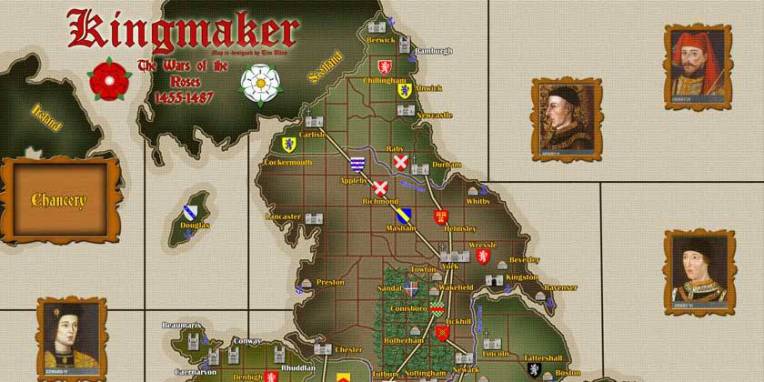
Shakespeare wrote four plays that chronicle a series of civil wars where powerful families battled each other for the crown of England. Like Game of Thrones, the conflict was mainly between the kingdoms in the North and South:
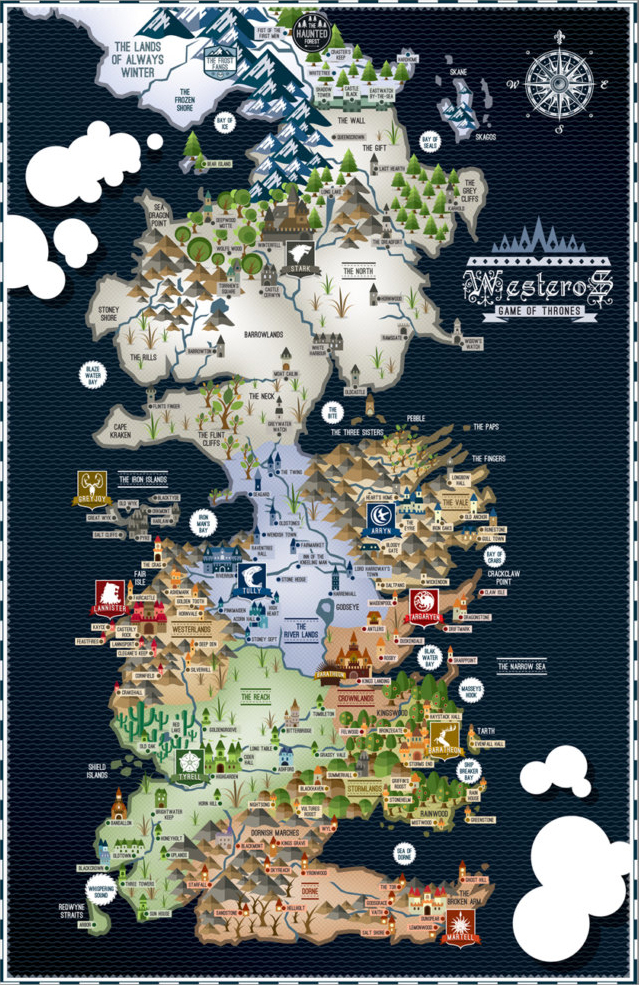
Shakespeare’s three parts of King Henry VI and Richard III chronicle the real struggle between the Yorkists in the north to take the crown from the Lancastrians in London in the South.
Part II: Themes
Power corrupts, especially those who go seeking it.
The death of chivalry and honor in favor of political backstabbing.
King Henry VI has a speech where he watches a great battle while sitting on a molehill, watching the tide turn back and forth between his soldiers and the Yorkists. As with Game Of Thrones, the more blood each side has on its hands, the harder it becomes to decide whom to truly root for. In the end, it doesn’t seem to matter- kingdoms are won and lost as arbitrarily as a game. All it takes is time, and a good player to win.
The silence of the Gods. Shakespeare’s King Lear is constantly making oaths to his gods and asking them to punish his enemies. Likewise, Lear’s friend the Duke Of Gloucester, places his faith in the gods to protect Lear and punish the usurpers Goneril and Regan. Nevertheless, the action of King Lear doesn’t show any kind of divine judgement- Lear is exiled, goes mad, is sent to prison, and finally dies. Gloucester loses his sight, his lands, and dies randomly right after he is re-united with his son Edgar. In both King Lear and Game Of Thrones, there is a persistent question as to the nature of the gods, or even the surety of their existence.

James Barry, c. 1786.
No where is this more apparent than at the end of the play King Lear, when, just as it seems that the Duke of Albany is about to reward the good people and punish the wicked, King Lear arrives howling, with the dead Cordelia in his arms. “Is this the promised end?” in horror at the gods’ apparent cruelty. https://youtu.be/7acLWsal1FU
In Game Of Thrones, the good characters pray to their old gods and new, but never seem to hear from them or sense their influence. Osha, the Wildling even suggests that the gods have no power in King’s Landing, where the special God’s Wood trees have been cut down.
Part III: Characters
Below is a list of my favorite GOT characters, with my interpretation of their Shakespearean roots.

Ned Stark- Humphrey Duke of Gloucester from Henry VI, Part II
Duke Humphrey is a Yorkist from the north of England, just as Ned is Lord of Winterfell, a powerful kingdom in the north of Westeros. King Robert makes Ned Protector Of the Realm when he dies, which makes him king in all but name, and tasked with taking care of Robert’s young son Joffrey until he comes of age.
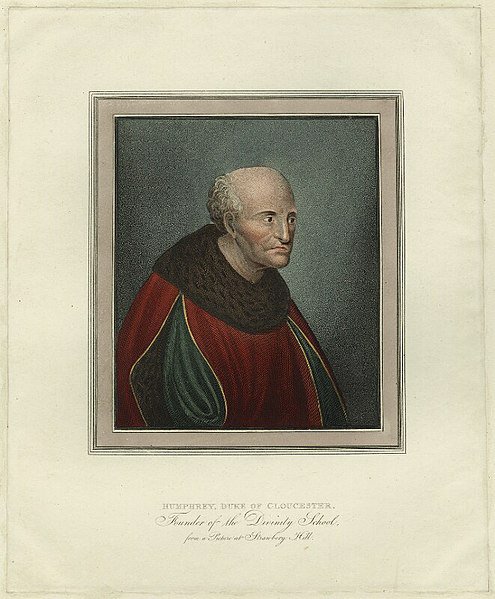
In Shakespeare’s Henry VI trilogy, King Henry the Fifth makes his brother Humphrey Lord Protector before he dies, to take care of England until his infant son Henry VI comes of age to rule. Like Ned, Humphrey is loyal, blunt, and only interested in keeping the realm at peace. In both Westminster and the Red Keep, all the lords are conniving and ambitious, and only interested in advancing themselves politically. These two lord protectors are the only ones with the good of the kingdom in mind.
Both Ned and Humphrey are betrayed and executed by those ambitious lords around them for the same reason; they stand in the way of the lords in their quest for power. In Henry VI, Part II, Henry’s ambitious queen Margaret starts a smear campaign against Humphrey’s wife, then pressures the King to force Gloucester to resign. As if that weren’t enough, Margaret also secretly conspires to murder the noble duke. Similarly, In Game of Thrones (Spoiler Alert), queen Circe puts her son on the throne and proclaims Ned a traitor. In both cases though, once the Lord Protector dies, the whole kingdom erupts in fights and arguments for the crown on all sides.
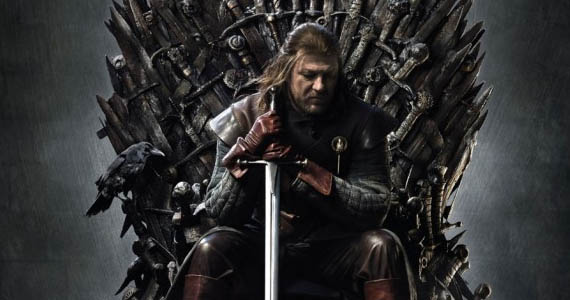
Ned Stark also resembles the heroes of Shakespeare’s Roman plays. He is cold and stoic as Brutus, and a devoted soldier like Titus Andronicus. Ned’s dire wolf is another connection with Shakespeare’s Roman plays; the wolf 🐺 is the symbol of the Roman Empire; packs of cold hunters who depend on each other for the survival of the family.

King Joffrey- Saturnine from Titus Andronicus– Joffrey is like the worst kind of tyrant- rash, proud, violent, and cruel. He lacks the maturity to make wise decisions and because of his privileged upbringing, he takes even the tiniest slight against him as an act of treason, and leaves a trail of heads in his wake. Worse still, he is easily manipulated by his mother Circe, who teaches him to act and feel superior to everyone else, and never care for the good of anyone but himself. In that way, he is very much like a Roman Emperor like Nero or Caligula, the real people whom Shakespeare adapted into the character of Emperor Saturnine in his play Titus Andronicus.
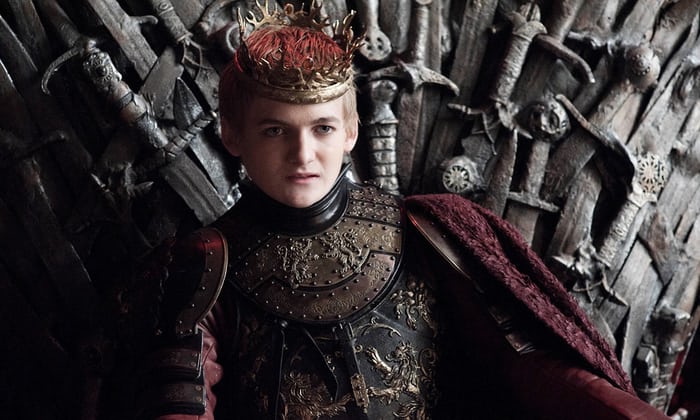
When we first meet Saturnine, he leads an angry mob into the streets of Rome, demanding to be made emperor, and threatening all out war if he doesn’t get his way. He also turns on the loyal soldier Titus, (who helped him win a war and win his crown), just because Titus wouldn’t give Saturnine his daughter in marriage. In the clip below from the 1999 movie Titus, Emperor Saturnine (Alan Cummings) is furious just because Titus wrote some mean scrolls about him, after Saturnine killed two of Titus’ sons, and banished a third.

King Robert Baratheon- Edward IV from Richard III.

◦ In the first book of the Game of Thrones series, Robert is the King of the Seven Kingdoms, having won a civil war to take it away from the Mad King Araes Targaryen. Edward in the play Richard III has just won the crown of England after a civil war against the mad King Henry VI. Both men were powerful warriors and used to be strong and handsome. People loved and feared him, but now the pressures of keeping the throne has literally consumed them.

P. 53
Next had come King Robert himself, with Lady Stark on his arm. The King was a great disappointment to Jon. His father had talked of him often: the peerless Robert Baratheon, demon of the Trident, the fiercest warrior of the realm, a giant among princes. Jon only saw a fat man, red-faced under his beard, sweating through his silks.
Jon had noticed that too. A bastard had to learn o notice things, to read the truth that people hid behind their eyes. Two seats away, the king had been drinking heavily all night. His broad face was flushed behind his black beard.
In this passage from Thomas More’s History Of Richard III, (Shakespeare’s primary source for the play), More chronicles how Edward went from a handsome young king, loved and feared by all, into a gluttonous, lecherous, sick old man, who was consumed by care.
He was a goodly personage, and very princely to behold: of heart, courageous; politic in counsel; in adversity nothing abashed; in prosperity, rather joyful than proud; in peace, just and merciful; in war, sharp and fierce; in the field, bold and hardy, and nevertheless, no further than wisdom would, adventurous. Whose wars whosoever would well consider, he shall no less commend his wisdom when he withdrew than his manhood when he vanquished. He was of visage lovely, of body mighty, strong, and clean made; however, in his latter days with over-liberal diet [1], he became somewhat corpulent and burly, and nonetheless not uncomely; he was of youth greatly given to fleshly wantonness, from which health of body in great prosperity and fortune, without a special grace, hardly refrains. This fault not greatly grieved the people, for one man’s pleasure could not stretch and extend to the displeasure of very many, and the fault was without violence, and besides that, in his latter days, it lessened and well left.
-Thomas More, History Of Richard III, c. 1513
There are also similarities in how the characters died. King Robert was killed by a wild boar, while King Edward was killed by his brother Richard, whose sign was a white boar. As a bonus, the stag that is the sigil of House Baratheon, is also the seal of King Richard II, the king who, in the Shakespearean tragedy that bears his name, started the civil war when he was murdered in the Tower Of London. Below is a picture of the famous Wilton Diptych, (Richard the Second’s private alter piece), which depicts the king and all the angels in heaven wearing a badge with a white stag on it.

I’m not actually the first person to mention this connection between Robert Baratheon and Edward IV. In the British newspaper, The Guardian, the author compares several characters from Game Of Thrones, to historical English events: https://www.telegraph.co.uk/tv/0/game-of-thrones-vs-history-which-real-characters-and-events-insp/robert-baratheon-and-edward-iv/

Little Finger -Lucio from Measure For Measure, Iachimo from Cymbeline, Bawd from Pericles, etc. Shakespeare has a host of character like this lord of Westeros, the Master of Coin. He is cowardly and cynical, but he is also very clever and understands people’s weaknesses, especially sex. Like Bawd from Pericles, Little Finger has grown rich off brothels, and like many real life governments, he turns his prostitutes into spies. This gives him not only cash, but dirt on every lord in the 7 kingdoms. He only worries about Ned Stark, (who can’t be bought), and Vares the eunuch, who can’t be seduced. Little Finger is basically an oily politician and exploits the power of lust in the men of King’s Landing.
Jon Snow– Edgar and Edmund in King Lear Philip the Bastard in King John.
◦ Snow is the illegitimate son of Ned Stark. He’s aware of what he is, so he joins thieves and rapers as a knight of the Night Watch to make a life for himself, just as Edgar becomes a mad beggar in King Lear once he is accused of attempted murder. He has few illusions and like all the base-born children in Shakespeare:
775
He was who he was, Jon Snow, bastard oath breaker motherless, friendless, and damned. For the rest of his life, however long that might be- he would be condemned to be an outsider, the silent man standing in the shadows who dares not speak his true name.”
◦ Shakespeare wrote several characters born out of wedlock such as Phillip Falconbridge in King John, and Edmund from King Lear.

Unlike Jon Snow, Edmund in King Lear uses deceitful and cruel cunning in order to advance his position in life. Snow doesn’t try to change the rules, but both of them know that no one is going to give them anything. Early in book one, Jon learns to accept the cruelty of the world, and to accept what he is:
Let me give you some council, bastard, never forget what you are, for surely the world will not. Make it your strength. Then it can never be your weakness. Armor yourself in it, and it will never be used to hurt you.
Song Of Ice And Fire, p. 57.
🦁 Tyrian Lannister –
Obviously he shares some parallels with Richard III, with his small size and the fact that he is the most hated member of a powerful family. In fact, Peter Dinklage who plays Tyrion played Richard the Third back in 2004.

In terms of his personality however, Tyrion has neither the cruelty, nor the bitterness of Richard. For this reason, I would argue that Tyrion more closely resembles Sir John Falstaff.

◦ Like Falstaff, Tyrion laughs at his physical form as a way of disarming his enemies.
◦ Both Characters are famous for talking their way out of anything.
◦ Both characters are down on their luck for most of the books
Both characters are, ahem, fond of drink. Falstaff even has a beer named after him:

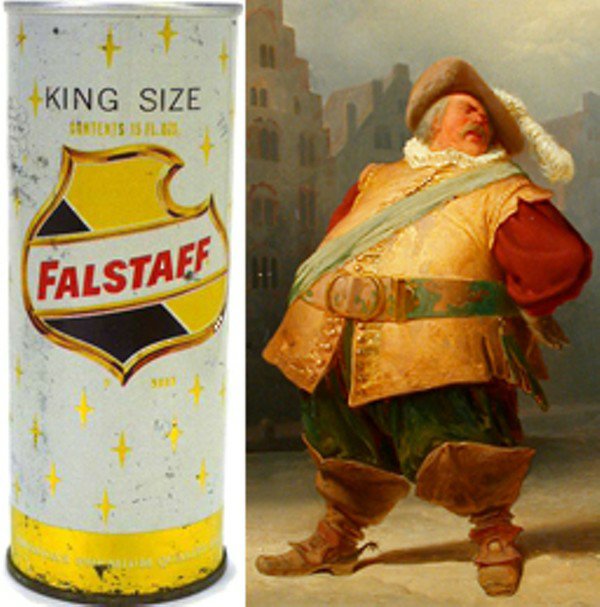
◦ Most Of all, Tyrion and Falstaff are survivors – they will do anything to stay alive, good or bad. They are also unapologetic about acting cowardly and deceitfully to avoid death. In Falstaff’s famous ‘Catechism speech,’ he mocks the concept of honor and how it frequently gets men killed.
FALSTAFF
‘Tis not due yet; I would be loath to pay him before
his day. What need I be so forward with him that
calls not on me? Well, ’tis no matter; honour pricks
me on. Yea, but how if honour prick me off when I
come on? how then? Can honour set to a leg? no: or
an arm? no: or take away the grief of a wound? no.
Honour hath no skill in surgery, then? no. What is
honour? a word. What is in that word honour? what
is that honour? air. A trim reckoning! Who hath it?
he that died o’ Wednesday. Doth he feel it? no.
Doth he hear it? no. ‘Tis insensible, then. Yea,
to the dead. But will it not live with the living?
no. Why? detraction will not suffer it. Therefore
I’ll none of it. Honour is a mere scutcheon: and so
ends my catechism.
Now observe this passage where Tyrion reacts to the death of a noble knight who was foolish enough to wear armor while crossing a river on a raft.
“Good my lord,” the messenger said. “Lord Brax was clad in plate-and-mail when his raft overturned. He was so gallant.” “He was a fool,” Tyrion thought, willing his cup and staring down into the wind depths. Crossing a river at night on a crude raft, wearing armor, with an enemy waiting on the other side–if that was gallantry, he would take cowardice every time. Song of Ice and Fire, 765.
My favorite part of the books is the way Martin writes the female characters. All the female characters are dealing with the fact that women have very little power or say in their society and they all use Shakespearean means or methods to get what they want.
🦁 Circe- Tamara and Lady Macbeth

◦ Circe
Just as her son Joffrey has the arrogance and sadistic cruelty of a Roman emperor, Circe is a mirror image of the cruel empress Tamara, Queen Of Goths in Titus Andronicus. Both women are attracted to power and motivated by revenge. Tamara wants revenge against General Titus, who executed her son in the war. After seducing and marrying the emperor, she uses her influence to execute two of Titus’ sons. She then uses her lover Aaron the Moor (with Whom she secretly has a child), to concoct a plot to rape and mutilate Titus’ daughter. And if that weren’t enough, she tries to drive him mad by appearing at his home dressed as the Roman goddess Revenge. In short, Tamara is a classic femme fatale, who raises above the social oppression of her sex by seducing powerful men, and stabbing them in the back.
Circe is also a femme fatale, though Martin gives her more time to explain her motivations than Shakespeare gives Tamara. Like the Queen Of Goths, Circe marries King Robert Baratheon, while secretly having a taboo affair, this time with her brother Jamie. The difference is that Circe kills not strictly for vengeance, but mainly to conceal the fact that her son Joffrey is actually the product of her incest in order to protect him and eventually make him king. This is why Circe kills Ned Stark, Jon Aron, and consents to the murder of all or Robert Baratheon’s true born sons.
Circe does desire revenge, but not against anyone in particular. Instead, she wants to repay the patriarchy that keeps her down simply because she is a woman. Quote about Circe when she talks about how jealous she is of Jamie. In that chapter we get a great sense of who Circe really is. Because she’s a twin, she compares herself to her brother, observing how Jamie was given on her glory and respect when he became a knight and a member of the King’s Guard, while she was sold off to king Robert at the age of twelve like a slave or a common whore. Why, Circe asks, if she looks so much like him and acts so much like him, is she treated so differently just because she’s a woman? In a perverse sort of way, her incest might be a misguided attempt to claim part of Jamie’s honor and power through sexual conquest. Both Tamara and Circe show how an oppressive patriarchy can plant truly destructive thorns in the hearts of women, and these two queens reap that bitter harvest by cutting down the men in power one by one.
like camera Circe is driven by her love for her children and her desire and her pride and desire for vengeance. She spends the first half of the place seducing the emperor to gain his favor and then when she is made empress she uses her power to systematically destroy Titus and his family. Similarly, Circe marries king Robert and then when he dies she makes her son she then kills Ned Stark guy in prisons his daughter tries to kill the second of and
Catelyn-

Hermione From The Winters Tale ❄️ 🐺
◦ Pious
◦ Kindness and mercy are her weapons as well as her will and devotion to her friends and family. Even Tyrion is impressed by her integrity.
🐺 Aria- Imogen from Cymbeline
◦ If it’s a mans world, pretend you are one! She learns to use a sword ⚔️ and uses her small size and gender to sneak away from her enemies.
🐉 Daenerys Targaryen- Cleopatra!
◦ Crafty and beautiful
◦ Uses her sexuality to gain a powerful man’s protection
◦ Her dragons 🐉 make her a goddess, elevating her beyond a woman and even a queen. In a society that opposed and ignored women, female monarchs needed to practically deify themselves in order to get the same respect as their male counterparts.
Just as the real Cleopatra claimed to be a descendant of the goddess Isis and Elizabeth I was part of the cult of the virgin queen, The Mother Of Dragons has a mythic power that commands fear and adoration.
Spoiler Alert
In the final chapter of book one, Daenerys tries to simultaneously say goodbye to her warrior husband Khal Drogo, and to get her few remaining soldiers to swear loyalty to her. She dresses him, she braids his hair, she puts him atop a pyre, and waits for a star to pass overhead to give his funeral a cosmic significance:
“This is a wedding too.”
The pyre shifted and the logs exploded as the fire touched their secret hearts. She could hear the screams of frighten horses and the voices of the Dothraki. “No,” she wanted to shout to him, “No my good knight, do not fear for me. The fire is mine. I am Daenerys Stormborn, daughter of dragons, bride of Dragons, Mother Of Dragons.”
This mirrors how, once Cleopatra loses Antony and knows that the Romans are coming to capture her, she says goodbye to Antony, and asserts herself as queen.
CLEOPATRA
Give me my robe, put on my crown; I have
Immortal longings in me: now no more
The juice of Egypt’s grape shall moist this lip:
Yare, yare, good Iras; quick. Methinks I hear
Antony call; I see him rouse himself
To praise my noble act; I hear him mock
The luck of Caesar, which the gods give men
To excuse their after wrath: husband, I come:
Now to that name my courage prove my title!
I am fire and air; my other elements
I give to baser life.
Have I the aspic in my lips? Dost fall?
If thou and nature can so gently part,
The stroke of death is as a lover’s pinch,
Which hurts, and is desired. Dost thou lie still?
If thus thou vanishest, thou tell’st the world
It is not worth leave-taking. Antony and Cleopatra, Act V, Scene ii.
Dany does the same thing. She lights the pyre to help her husband ascend to the heavens, taking his place among the stars. Then, she sits on top of the pyre along with her three dragon eggs. Miraculously, she survives the fire and the dragons hatch, thus establishing her as the true heir of House Targarean and the Mother Of Dragons.
After witnessing the queen embracing her serpentine children, the blood riders that swore oaths to defend her husband swear again to defend her, promising to help her win the Iron Throne. Her power to command loyalty can win her the throne, and unlike Robert, keep it!
There are enough comparisons between Shakespeare and GOt that one playwright even adapted Shakespeare to resemble a Game Of Thrones story. Below is a poster of
Play Of Thrones, an adaption Of The Henry VI plays that, as I’ve mentioned, are full of characters and scenes similar to Game Of Thrones:

http://philwillmott.org/play-of-thrones-shakespeare-that-inspired-game-of-thrones.html
In conclusion, these two works prove that Shakespeare has a timeless appeal that has inspired countless writers to adapt his stories and characters.

Close Reading: Friends, Romans, Countrymen
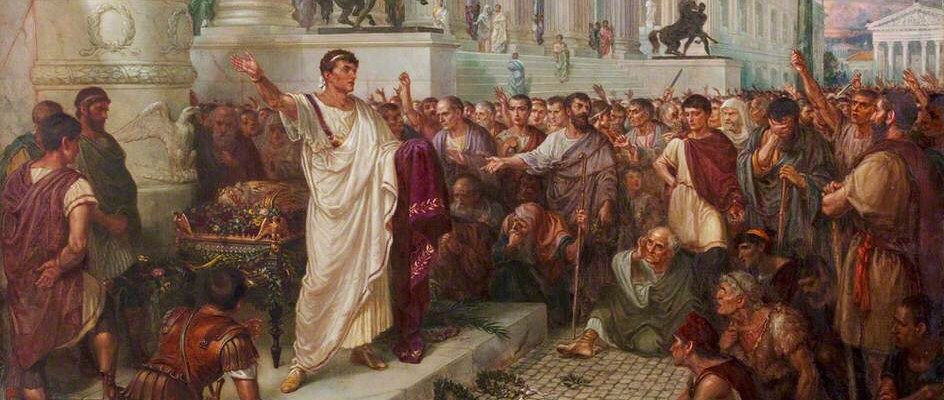

Today I’m going to do an analysis of one of the most famous speeches in all of Shakespeare: Antony’s Funeral Speech in Act III, Scene ii of Julius Caesar, commonly known as the “Friends, Romans, Countrymen” speech.
I. Given Circumstances

Antony is already in a very precarious position. His best friend Julius Caesar was murdered by the senators of Rome. Antony wants vengeance, but he can’t do so by himself. He’s also surrounded by a mob, and Brutus just got them on his side with a very convincing speech. They already hate Antony and Caesar. His goal- win them back. Here is a clip of Brutus (James Mason) speaking to the crowd from the Joseph Mankewitz movie version of Julius Caesar:
So the stakes are very high for Antony: If he succeeds, the crowd will avenge Caesar, and Antony will take control of Rome. If he fails, he will be lynched by an angry mob.
II. Textual Clues

If you notice in the text of the speech below, Antony never overtly says: “Brutus was a liar and a traitor, and Caesar must be avenged,” but that is exactly what he gets the crowd to do. So how does he get them to do so, right after Brutus got them on his side?
Antony. You gentle Romans,— 1615
Citizens. Peace, ho! let us hear him.
Antony. Friends, Romans, countrymen, lend me your ears;
I come to bury Caesar, not to praise him.
The evil that men do lives after them;
The good is oft interred with their bones; 1620
So let it be with Caesar. The noble Brutus
Hath told you Caesar was ambitious:
If it were so, it was a grievous fault,
And grievously hath Caesar answer’d it.
Here, under leave of Brutus and the rest— 1625
For Brutus is an honourable man;
So are they all, all honourable men—
Come I to speak in Caesar’s funeral.
He was my friend, faithful and just to me:
But Brutus says he was ambitious; 1630
And Brutus is an honourable man.
He hath brought many captives home to Rome
Whose ransoms did the general coffers fill:
Did this in Caesar seem ambitious?
When that the poor have cried, Caesar hath wept: 1635
Ambition should be made of sterner stuff:
Yet Brutus says he was ambitious;
And Brutus is an honourable man.
You all did see that on the Lupercal
I thrice presented him a kingly crown, 1640
Which he did thrice refuse: was this ambition?
Yet Brutus says he was ambitious;
And, sure, he is an honourable man.
I speak not to disprove what Brutus spoke,
But here I am to speak what I do know. 1645
You all did love him once, not without cause:
What cause withholds you then, to mourn for him?
O judgment! thou art fled to brutish beasts,
And men have lost their reason. Bear with me;
My heart is in the coffin there with Caesar, 1650
And I must pause till it come back to me.
First Citizen. Methinks there is much reason in his sayings. Julius Caesar Act III, Scene ii.
The two main methods Shakespeare uses to infuse Antony’s speech with powerful persuasive energy are the way he writes the verse, and his command of rhetoric.
A. Verse

The greatest gift Shakespeare ever gave his actors was to write his plays in blank verse. It not only tells you which words are important to stress, it gives you clues about the character’s emotional journey; just as a person’s heartbeat can indicate their changes in mood, a subtle change in verse often betrays the character’s pulse and state of mind. Antony uses his own emotions and his powers of persuasion to manipulate the crowd, so his verse helps show how he changes the pulse of the Roman mob.
I could write a whole post on the verse in this page, which I don’t need to do, since The Shakespeare Resource Center did it for me: http://www.bardweb.net/content/readings/caesar/lines.html What I will do is draw attention to some major changes in the verse and put my own interpretations on how Antony is using the verse to persuade the crowd:
- The first line of the speech grabs your attention. It is not a standard iambic pentameter line, which makes it rhythmically more interesting. In the movie version, Marlin Brando as Antony shouts each word to demand the crowd to just lend him their attention for a little while. He uses the verse to emphasize Antony’s frustration.
- “The Evil that men do, lives after them”- Notice that the words evil and men are in the stressed position. Antony might be making a subconscious attempt to say Brutus and the other evil men who took the life of Caesar are living, when they deserve to die.
- “If it were so..” Again, Antony might be making a subtle jab at the conspirators. Brutus said Caesar was ambitious and Antony agrees that ambition is worthy of death, but he also adds an If, to plant the seeds of doubt in the crowd’s minds. To drive it home, the word if is in the stressed position, making it impossible for the crowd to not consider the possibility that Caesar wasn’t ambitious, and thus, didn’t deserve to be murdered.
B. Rhetoric

One reason why this speech is so famous is its clever use of rhetoric, the art of persuasive speaking. Back in ancient Rome, aristocrats like Antony were groomed since birth in the art of persuasive speech. Shakespeare himself studied rhetoric at school, so he knew how to write powerful persuasive speeches. Here’s a basic breakdown of the tactics Antony and Shakespeare use in the speech:

Ethos, Pathos, and Logos
The three basic ingredients of any persuasive speech are Ethos, Pathos, and Logos. Ethos is an appeal to the audience based on the speaker’s authority. Pathos is an appeal to the emotions of the crowd, and Logos is an appeal to facts and or reason. Both Brutus and Antony employ these three rhetorical tactics, but Antony doesn’t just appeal to his audience, he manipulates them to commit mutiny and mob rule.
Logos Antony has very few facts or logical information in his speech. His major argument is that again, since Caesar wasn’t ambitious, (which is very hard to prove), his death was a crime. Antony cites as proof the time Cæsar refused a crown at the Lupercal, but since that was a public performance, it’s hardly a reliable indication of Caesar’s true feelings.
You see logos as a rhetorical technique all the time whenever you watch a commercial citing leading medical studies, or a political debate where one person uses facts to justify his or her position. If you look at Hillary Clinton during the 2016 Presidental Debate, she frequently cited statistics to back up her political positions
Ethos-
Ethos is an argument based on the speaker’s authority. Brutus’ main tactic in his speech is to establish himself as Caesar’s friend and Rome’s. He says that he didn’t kill Caesar out of malice, but because he cared more about the people of Rome.
BRUTUS: If there be any in this assembly, any dear friend of Caesar’s, to him I say, that Brutus’ love to Caesar was no less than his. If then that friend demand why Brutus rose against Caesar, this is my answer:
–Not that I loved Caesar less, but that I loved Rome more. JC, III.ii.
Antony employs the exact same tactics, establishing himself as Caesar’s friend and telling the crowd that, as Caesar’s friend, Antony believes that Caesar did not deserve his murder. His use of Ethos therefore, helps Antony refute Brutus’ main claim.
Again, the 2016 debate is another excellent way of showing ethos in action. Hillary Clinton and Brutus frequently cited their political experience and their strength of character to justify their views. There’s an excellent article that examines Hillary’s use of Ethos in her political rhetoric: https://eidolon.pub/hillary-clintons-rhetorical-persona-9af06a3c4b03
Pathos
Pathos is the most frequently used rhetorical tactic: the appeal to emotion. Donald Trump uses this constantly, as you can see in this clip from the 2016 debate:
Pathos is bit more of a dirty trick than Ethos and Logos, which is why Brutus doesn’t use it much. As scholar Andy Gurr writes:
Brutus is a stern philosopher and thinker. His faith in reason fails to secure the crowd from Antony’s disingenuous appeal to their affections, which uses sharp sarcasm and some twisted facts.
Antony’s major appeals to emotion:
- His grief over losing Caesar
- His painting of Cæsar as a generous, faithful friend
- Shaming the crowd for not mourning Caesar’s death
- Appeal to piety by showing the body funeral reverence.
- His use of Caesar’s bloody body and mantle to provoke outrage from the citizens.
- His use of Caesar’s will to make the crowd grateful to Caesar, and furious at Brutus.
Rhetorical Devices
If Ethos, Pathos, and Logos are the strategies of rhetorical arguments, rhetorical devices are the artillery. If you check out the website Silva Rhetoricae, (The Forest Of Rhetoric), you can read about the hundreds of individual rhetorical devices that politicians have used in speeches and debates since ancient history. I will summarize here the main ones Antony uses over and over again in “Friends, Romans, Countrymen.” For another more compete analysis, click here: https://eavice.wordpress.com/2011/02/05/jv-rhetorical-devices-in-antonys-funerary-speech-from-shakespeares-julius-caesar/
- Irony The way Antony keeps repeating “Brutus is an honorable man,” is a particularly sinister form of irony, which here means to imply the opposite of what you have said to mock or discredit your opponent. The irony is that the more Antony repeats this idea that Brutus is honorable, the more the crowd will question it. If Brutus were truly honorable, he would not need Antony to remind them. Of course, Brutus can still be honorable whether Anthony mentions it or not, but this repetition, coupled with Antony’s subtle rebuttals Of Brutus’ arguments, manages to shatter both Brutus’ motives, and his good name, at least in the eyes of his countrymen.
- Antimetabole is the clever use of the same word in two different ways. Antony manages to work it in twice in this speech:
- “If it were so, it was a grievous fault,
- And grievously hath Caesar answer’d it.”
- “You all did love him once, not without cause: What cause withholds you then, to mourn for him?”
- Rhetorical question This is the most famous rhetorical device which by the way in Antony’s day would have been known as Erotema. Antony asks a series of questions designed to refute the notion that Caesar was ambitious, from his mercy to his captives, to Caesar’s tenderness to the poor, and of course his refusal to take the crown during the Lupercal. Each question calls Brutus’ claims into question and seeds doubt in the crowd.
Performance Notes with link to Globe performance
Unlike most Shakespearean plays, with Julius Caesar, we have an eyewitness account of how the play was originally performed. Swiss student Thomas Platter wrote a long description of watching the play at the original Globe Theatre in 1599. This is a translation that I found on The Shakespeare Blog:
On September 21st after lunch, about two o’clock, I and my party crossed the water, and there in the house with the thatched roof witnessed an excellent performance of the tragedy of the first Emperor Julius Caesar, with a cast of some fifteen people; when the play was over they danced very marvellously and gracefully together as is their wont, two dressed as men and two as women…
Thus daily at two in the afternoon, London has sometimes three plays running in different places, competing with each other, and those which play best obtain most spectators.
The playhouses are so constructed that they play on a raised platform, so that everyone has a good view. There are different galleries and places, however, where the seating is better and more comfortable and therefore more expensive. For whoever cares to stand below only pays one English penny, but if he wishes to sit he enters by another door, and pays another penny, while if he desires to sit in the most comfortable seats which are cushioned, where he not only sees everything well, but can also be seen, then he pays yet another English penny at another door. And during the performance food and drink are carried round the audience, so that for what one cares to pay one may also have refreshment.
The actors are most expensively costumed for it is the English usage for eminent Lords or Knights at their decease to bequeath and leave almost the best of their clothes to their serving men, which it is unseemly for the latter to wear, so that they offer them for sale for a small sum of money to the actors.
Thomas Platter, 1599, reprinted from: http://theshakespeareblog.com/2012/09/thomas-platters-visit-to-shakespeares-theatre/

So the conclusions we can draw based on Platter’s account include that Antony was standing on a mostly bare stage with a thatched roof, raised slightly off the ground. We can also guess that, since the merchants were selling beer, fruits, and ale, that the audience might have been drunk or throwing things at the actors.

As Platter notes, and this page from Shakespeare’s First Folio confirms, there were only 15 actors in the original cast, so Shakespeare’s company didn’t have a huge cast to play the gigantic crowd in the Roman street. In all probability, the audience is the mob, and Antony is talking right to them when he calls them “Friends, Romans, Countrymen.” I believe that the audience was probably encouraged to shout, chant, boo, cheer, and become a part of the performance which is important to emphasize when talking about how to portray this scene onstage. A director can choose whether or not to make the audience part of the action in a production of Julius Caesar, which can allow the audience to get a visceral understanding of the persuasive power of politicians like Brutus and Antony. Alternatively, the director can choose instead to have actors play the crowd, and allow the audience to scrutinize the crowd as well as the politicians.
In conclusion, the reason this speech is famous is Shakespeare did an excellent job of encapsulating the power of persuassive speech that the real Antony must have had, as he in no small way used that power to spur the Roman crowd to mutiny and vengeance, and began to turn his country from a dying republic into a mighty empire.

If you liked this post, please consider signing up for my online class where I cover the rhetorical devices in Julius Caesar and compare them with several other famous speeches. Register now at http://www.outschool.com
For a fascinating look at how a modern cast of actors helps to create this scene, check out this documentary: Unlocking the Scene from the Royal Shakespeare Company’s production in 2012, with Patterson Joseph as Brutus, and Ray Fearon as Antony:
◦ Interview with Patterson Joseph and Ray Fearon RSC: https://youtu.be/v5UTRSzuajo
And here is a clip of the final scene as it was performed at the Royal Shakespeare Company:
References
1. Annotated Julius Caesar: https://sites.google.com/site/annotatedjuliuscaesar/act-3/3-2-57-109

2. Folger Shakespeare Library: Julius Caesar Lesson Plan: https://teachingshakespeareblog.folger.edu/2014/04/29/friends-romans-teachers-send-me-your-speeches/
3. Silva Rhetoric http://rhetoric.byu.edu/
3. Rhetoric in Marc Antony Speech
4. Shakespeare Resource Center: http://www.bardweb.net/content/readings/caesar/lines.html
Was Shakespeare Racist?

Was Shakespeare racist? When reading Othello by William Shakespeare, the only play he wrote where the hero is explicitly black, I truly feel like the Shakespearean student as opposed to the Shakespearean teacher. it’s a play that I find very difficult to get into, and very difficult to understand. Above all, the question I have is whether Othello is a positive or negative portrayal of a black man. So I am going to analyze the play, the prevailing views about race from Shakespeare’s time, and try to draw some conclusions about the play and its creator.
Disclaimer: I don’t advocate trying to speculate about how Shakespeare felt about anything. My real point in this post is to determine if the play Othello and its portrayal of people of color, has merit in today’s society, which is important to establish given the culture in which Shakespeare wrote it.
Part I: Black People And Shakespeare
By our standards, Shakespeare was probably racist. If you look at the ways black people are mentioned in documents of the period, the writers frequently describe black people with an air of otherness and superiority that shows little interest in the humanity of other races. In fact, one reason why the word “moor” is so problematic is that it basically referred to anyone not born in Europe. It could refer to people from Northern Africa, the Middle East, and even parts of Spain. Clearly, Europeans at the time weren’t interested in the particulars of their non-Caucasian neighbors’ culture and herritage.

This is not to say that Shakespeare never knew any black people. Michael Wood in his book In Search Of Shakespeare estimates that there might have been several thousand black people in London alone. City registers mentions not only black people employed in the city, but even some of the first inter-racial marriages. Therefore, the notion of Othello marrying Desdemona would not have been unheard of even in 1601.

As an important note, the black people living in Europe at the time weren’t slaves. The transatlantic slave trade didn’t really get started in and America until the 1650s, and slavery was illegal in England at the time. Wood mentions that there were black dancers, black servants, and other free black people living in and around London (Wood 25). Dr. Matthieu Chapman wrote an excellent thesis back in 2010 about the possibility that some black people might even have been actors in Shakespeare’s company. Furthermore, scholars have wondered for centuries if the Dark Lady of the sonnets was Shakespeare’snon-Caucasian mistress.
In any case, it is likely based on what we know about the growing multiculturalism of England in the 17th century, that Shakespeare knew some black people, and might have worked along side them. Though Shakespeare probably knew black people though, it is impossible to know if they influenced his play Othello.
Though black people were allowed to live and work without bondage, their lives were highly precarious, and far from easy. In 1601, Sir Robert Cecil, Queen Elizabeth’s chief counselor, presented a plan to explel all black people from England (Wood 251). The Cecil Papers at Hatfield House details that:
The queen is discontented at the great numbers of ‘n—‘ and ‘blackamoores’ which are crept into the realm since the troubles between her highness and the King Of Spain, and are fostered here to the annoyance of her own people.
Cecil mentions that a great deal of black people living in London were former slaves freed from captured Spanish ships. Spain of course was Catholic and their king Phillip II had sent a vast armada against the English which helps underscore a major reason for the hostility against these formerly Spanish moors; the fear that, even though these people were baptized English Christians, they might secretly be traitors, sympathetic to the Spanish or to the great numbers of Muslims living in Spain. The English weren’t the only ones concerned. In 1609, the Spanish king expelled the Moors from Spain entirely, probably due to the high levels of Muslims in Spain. With this in mind, you can see how topical Othello was for its time, since it touched on many contemporary issues of race and politics.
One important thing to remember about Othello is that he is not only a black man in a predominantly white country, he is in all probability a converted Muslim who helps the Venetian army fight Muslim Turks. With this in mind, you can imagine how hard it must be for the people of Venice to trust him, and how hard it makes it for Othello to feel like a true Venetian.
A very high profile example of the mixture of admiration and anxiety towards Moors comes from 1600. Ambassador Abdul Guahid from Morocco, (himself a Moor), came to visit London to discuss a military plan to take the East and West Indes away from the Spanish. He stayed at the court for several months during which time, Shakespeare’s company performed for him and the court. To commemorate the visit, a writer called Leo the African presented the ambassador with a book called A Geographical History Of Africa, and he himself posed for a portrait, shown below.

Most scholars cite Guahid as one of the likely inspirations for Othello’s character. Some even suggest that Othello’s original costume and appearance might have been taken from Guahid. Although he was honored publicly, according to the documentary Shakespeare Uncovered, in private, courtiers were whispering about Guahid, hoping that he would leave England soon. Whether Guahid was Shakespeare’s inspiration for Othello, it is worth noting the admiration and anxiety that he put into the hearts of the English courtiers he visited, including probably, Shakespeare.

So when Shakespeare wrote Othello, the black population was growing, a noble moor was getting attention at court, and he might have been living and working around black people in his company, so he might have been trying to present a black character in a positive light based on his experiences. So what does the text of Othello say about black people, and what Shakespeare might have thought about them?
The dilemma anyone reading or performing Othello faces is the fact that he is both a noble general who loves his wife, and also a jealous savage murderer. As I have mentioned, Shakespeare might have known black actors and some claim that he had a mistress of color, but that doesn’t guarantee that he was aware of the oppression and degradation of the African people. So why did he choose to make the character black in the first place?
Part II: What does the play say about race?
Shakespeare’s source for Othello was an Italian short story by Giovanni Battista Giraldi. It has some small differences in plot, but Othello’s character is identical to Shakespeare’s, though he is never referred to by name; instead he is only called “The Moor.” Still, Giraldi mentions The Moor’s bravery, skill in battle, and initial reluctance to believe the devilish ensign who deceived him. Therefore Shakespeare emphasized all the positive qualities of his original source.
Othello is not presented as a savage person; we see him as somebody who comes from somewhere else. It is impossible to pin down exactly where he comes from because his descriptions of his past are very vague and sometimes seemingly contradictory. As Germaine Greer mentioned in the TV documentary Shakespeare Uncovered, what we do know is that he definitely assimilated into Venetian culture, presumably converted to Christianity from whatever religion he had, and rose through the ranks by fighting the Ottoman Turks. This means Othello is waging war against Muslims. What I am trying to construct here is to determine based on what we know about black people from Shakespeare’s time and what we know about stereotypes of foreigners and others and the journey of Othello, is his murderous jealous behavior, as a result of nurture, (which is to say Iago‘s devilish manipulation), or by nature. In other words, did Shakespeare write a racist play that condemns interracial marriages due to the barbarous nature of Moors?
Othello is not the only jealous character in the Shakespearean cannon; Claudio in Much Ado, Postumous in Cymbeline, and Leontes in The Winter’s Tale all accuse their wives of infidelity and all of them threatened to kill those unfortunate (and innocent women). This means that Shakespeare is not implying that jealousy is inherently connected to race. Looking at the text of Othello, one interpretation I can offer is that it is less about black people and more about how white people perceive them. Just like in Shakespeare’s source, very few people in the play call Othello by his name, they call him a term that defines him by his race. In addition, though Othello never talks explicitly about his race and is very cryptic about his life, plenty of characters make assumptions about what being a moor means:
“To the gross clasps of a lascivious Moor” – Iago 1.1.126)
“An extravagant and wheeling stranger / Of here and every where” – Rodrigo 1.1.136-137). [Scene Summary]
[Brabantio speaking to Othello] “To the sooty bosom / Of such a thing as thou — to fear, not to delight” (1.2.70-71).
One reason Iago is able to manipulate the people close to Othello is because he can manipulate the prejudices that they have about black people. He knows that they will believe anything he says, as long as it falls in line with their preconceptions. In addition, since Othello isn’t a native Venetian, Iago can manipulate Othello’s inexperience with Venetian society:
IAGO
197 Look to your wife; observe her well with Cassio;
201 I know our country disposition well;
202 In Venice they do let heaven see the pranks
203 They dare not show their husbands; their best conscience
204 Is not to leave’t undone, but keep’t unknown.
OTHELLO
205 Dost thou say so?
IAGO
206 She did deceive her father, marrying you;
207 And when she seem’d to shake and fear your looks,
208 She loved them most.
OTHELLO
208 And so she did.
IAGO
208. go to: An expression of impatience.
208 Why, go to then;
209. seeming: false appearance.
209 She that, so young, could give out such a seeming,
210. seal: blind. (A term from falconry). oak: A close-grained wood.
210 To seel her father’s eyes up close as oak,
211 He thought ’twas witchcraft—but I am much to blame;
212 I humbly do beseech you of your pardon
213 For too much loving you.
OTHELLO
213. bound: indebted.
213 I am bound to thee for ever.
IAGO
214 I see this hath a little dash’d your spirits. Othello, Act III, Scene iii.
Plenty of actors, scholars, and directors have made the case that Shakespeare’s plays aren’t racist, but they do have racist elements. In Othello’s case, the racism of other people destroys an otherwise honorable man.
The Murder: As a counter argument, though Othello is not the only jealous hero in Shakespeare, he is the only black one, and he is the only one who kills his wife onstage. Therefore, even if Othello is a positive black figure at first, his behavior at the end of the play does give an impression of a man who has become a savage murderer, and it is important for the audience to question how watching a white woman being murdered in her bed by a black man makes them feel, especially when everyone else in the play has said he is a barbaric, lustful, foreign beast.
Part III Production History
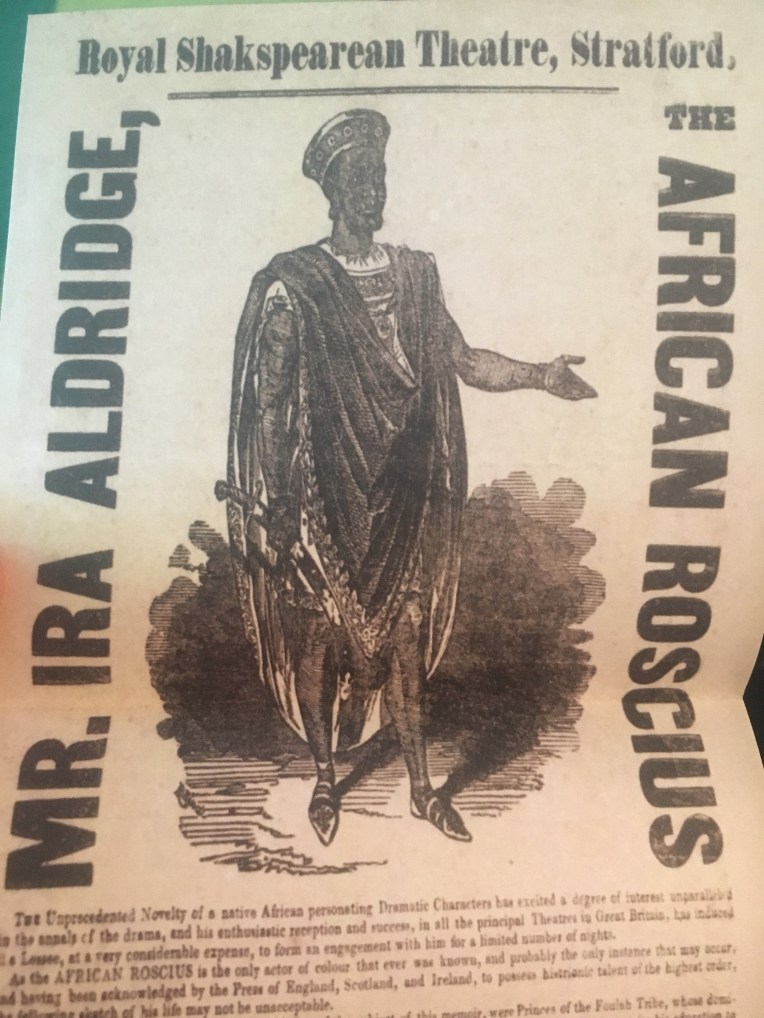
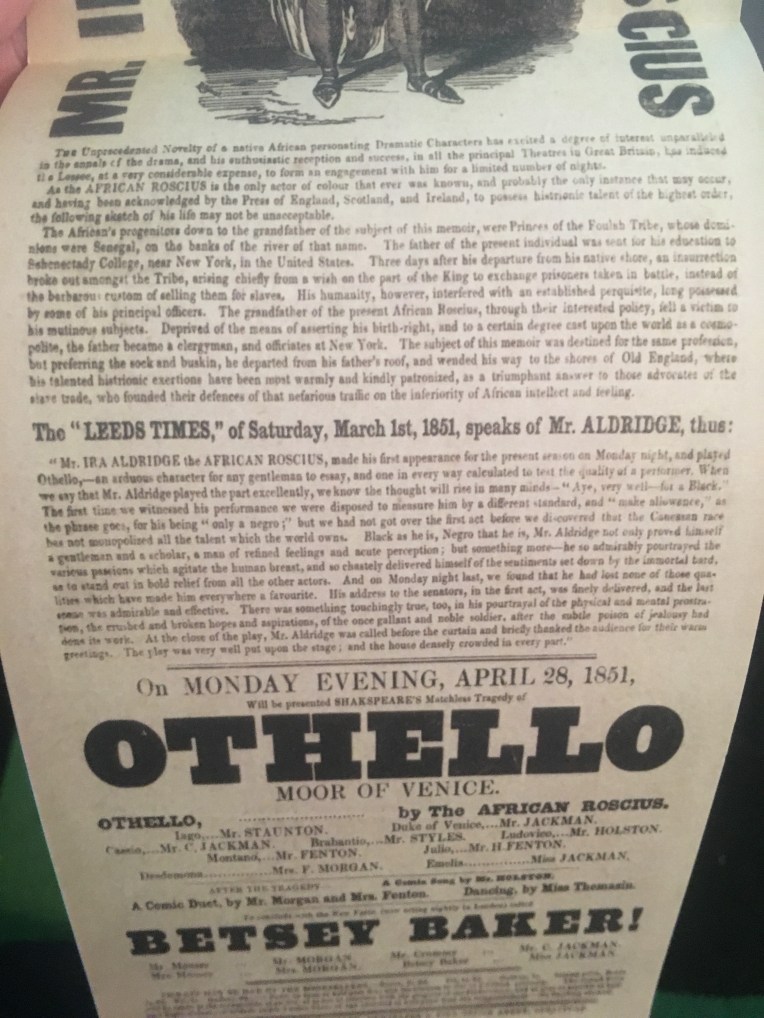
Although there’s a decent argument that Othello isn’t a racist play, it’s production history has been harrowed with racism. For 250 years the role wasn’t even played by black actors. Even on film, the first black man to play Othello was Laurence Fishburne in 1995.
Going further back, the first genuine black actor to play Othello was Ira Adrige, an African American who moved to England in the mid 1800s. Above is a copy of the playbill for his celebrated touring performance of Othello in 1851, which inspired very powerful and polarized reactions: https://youtu.be/92Z-4eJj7Wo
Audiences have had incredibly powerful reactions to seeing real black actors in the role. Some have expressed disgust and racist hatred, (especially in the scenes with Desdemona), some have expressed praise, sometimes they have ignored the race issues entirely. Reportedly Joseph Stalin loved the play and participated enjoyed Othello’s strength and stoicism (Wood 254). Ultimately the context of a production often determines more of the audience reaction than the actors’ performances.
To end where I began, I’m well aware that it’s impossible to truly tell whether Shakespeare was racist, and it’s equally futile trying to pin down what he was saying about race when he wrote the part of Othello, but it is worth considering how the part is connected to changing views of race and racial relations. Ultimately it is up to the actors and director to decide whether Othello is a good man, a racist stereotype, or anything else. That is the beauty of Shakespeare’s complicated and compelling characters, they can translate beyond time, and maybe even race.
For an excellent discussion of this complex topic, click the link below: https://youtu.be/puMpPNtYxuw
: https://youtu.be/puMpPNtYxuw
◦ Sources:
Books:


TV:Shakespeare Uncovered: Othello
Magazines:
BBC News: Britain’s first black community in Elizabethan London. http://www.bbc.com/news/magazine-18903391
Web:
http://www.blackpast.org/perspectives/black-presence-pre-20th-century-europe-hidden-history
http://www.history.ac.uk/reviews/review/619
https://allpoetry.com/The-Dark-Lady-Sonnets-(127—154)
Watch Shakespeare Uncovered: Othello

In the spirit of black history month, enjoy this excellent documentary about Shakespeare’s only black hero: www.pbs.org/wnet/shakespeare-uncovered/uncategorized/othello-david-harewood-full-episode/
Here’s a classroom guide that you can use with your students: Othello Classroom Guide
How “Hamilton” is like a Shakespearean History Play
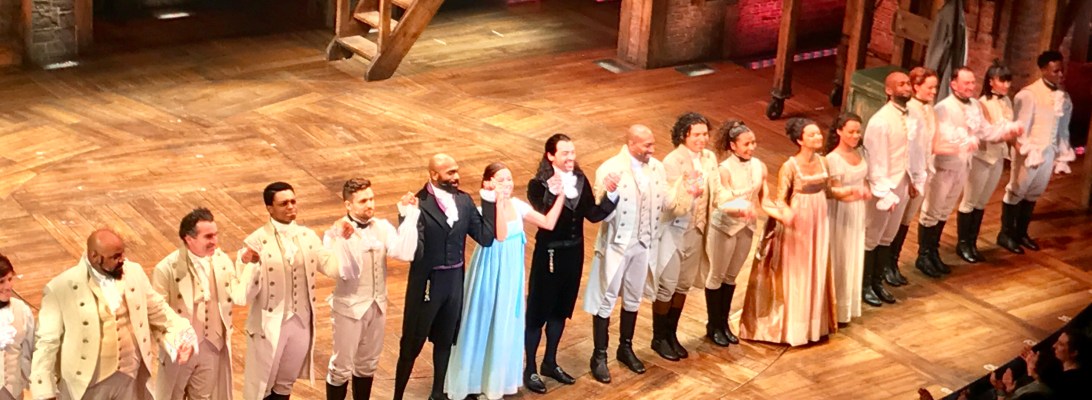

If you have two ears, you’re probably familiar with the Broadway Musical Hamilton. It swept the Tonys, has opened up touring productions across the country, and there’s already talk of a movie.
This historic American musical was the brainchild of writer Lin Manuel Miranda, who also originated the role of Alexander Hamilton.
The show is incredibly smart, creative, and delves into the seminal moments of American history.
What’s really exciting to me is that Hamilton also has a depth and complexity that mirrors some of Shakespeare’s greatest plays, specifically the history plays.
Between about 1590 and 1613, Shakespeare wrote 10 plays about the lives of English kings, from the vain Richard the Second to the heroic Henry the Fifth, to the diabolical Richard the Third. Here is a list of Shakespearean history plays, with links to online study guides, listed in chronological order by reign, not publication date.
- King John
- Richard the Second
- Henry the Fourth, Part I
- Henry the Fourth, Part II
- Henry the Fifth
- Henry the Sixth , Part I
- Henry the Sixth , Part II
- Henry the Sixth , Part III
- Richard the Third
- Henry the Eighth
Are these Shakespearean history plays historically accurate by our standards? No, not by a long shot, though Shakespeare is only partially to blame for that. While Lin Manuel-Miranda had Hamilton’s own essays, his letters from friends and loved ones, and of course, every American history book at his disposal, Shakespeare’s sources were few, and mostly propaganda. They were, (to paraphrase Napoleon and Benjamin Franklin), “A series of lies, composed by winners, to excuse their hanging of the losers.”
Shakespeare’s genius however, was to turn these two-dimensional propaganda stories into three dimensional characters with which we can all identify. Miranda did the same thing in reverse- distilling his wealth of historical information into a universal story of a man’s quest for the American Dream. Hamilton went from being an immigrant, to a soldier, to a pioneer in American law, government, and finance and the musical reflects his struggle to achieve his dreams through each stage of his life. It is also a love song from America to a man who dreamed of a future for America, one not dissimilar to the ode Shakespeare wrote to his “Star of England,” Henry the Fifth. The greatest compliment I can give Miranda is to say that he created an American musical, with the scale and breadth of Shakespeare.
Part I: War and Peace

In Shakespeare’s histories, particularly the first tetracycle of plays that include Richard the Second, the three parts of Henry VI, and Richard, III, there is a constant shift between war and peace, as scholar Robert Hunter observes. These plays cover the 200 year period of Wars of the Roses, and the end of the Hundred Years War. In all of these plays there are some very violent and very opportunistic young men who see war as an opportunity to rise above their stations. In war, they win glory in death, honor, respect, and status in life. However, in peacetime, they have “no delight to pass away the time,” as Richard III observes, and they struggle to survive in the political landscape of peace.
Hamilton is a man of this same mold: When we first meet him, he is a poor immigrant from the West Indies with no title or money to improve his status. He spends the first third of the musical wishing he could become a commander in the Revolutionary War, especially in the song: “My Shot”
Once Hamilton joins the revolution, his fortunes start to improve; he becomes George Washington’s aide-de-camp, then becomes a war hero in the Battle of Yorktown, and marries Eliza Schyler, daughter of one of the wealthiest men in America.
Hamilton in war bears similarities to Shakespearean characters like Hotspur, Richard Duke of York, and even Richard III; people who see war as a chance to either die in glory, or become honored, wealthy, and powerful.
Unfortunately for Hamilton, he fares less well once the war ends. Even though he becomes Washington’s first Secretary Of the Treasury, his success and closeness to now-President Washington makes him a walking target to his political adversaries. Even worse, his ambition and inability to compromise makes Hamilton equally vulnerable to people who see him as a loudmouth, an elitist, and a would-be demagogue who wants to control America’s finances and live like a king, similar to the way the British Prime Minister controls England’s finances.
The character Hamilton resembles most in peacetime is Cardinal Wolsey in Shakespeare’s Henry VIII.
I happen to know a lot about this character since I played him back in 2008. Wolsey controlled Henry VIII’s finances and was hated by most of Henry’s court because he was the son of a poor butcher in Essex, and became the king’s right-hand man. Throughout Shakespeare’s play, the lords of court are whispering about how Wolsey really controls the government; they even call him the ‘king cardinal’!
The real life Wolsey appears to have been hated just as much by Henry’s lords. Just look at the faces of the people of the court in this painting of the king and Wolsey by Laslett John Pott; the lords on the right are clearly jealous of Wolsey’s closeness to the king.
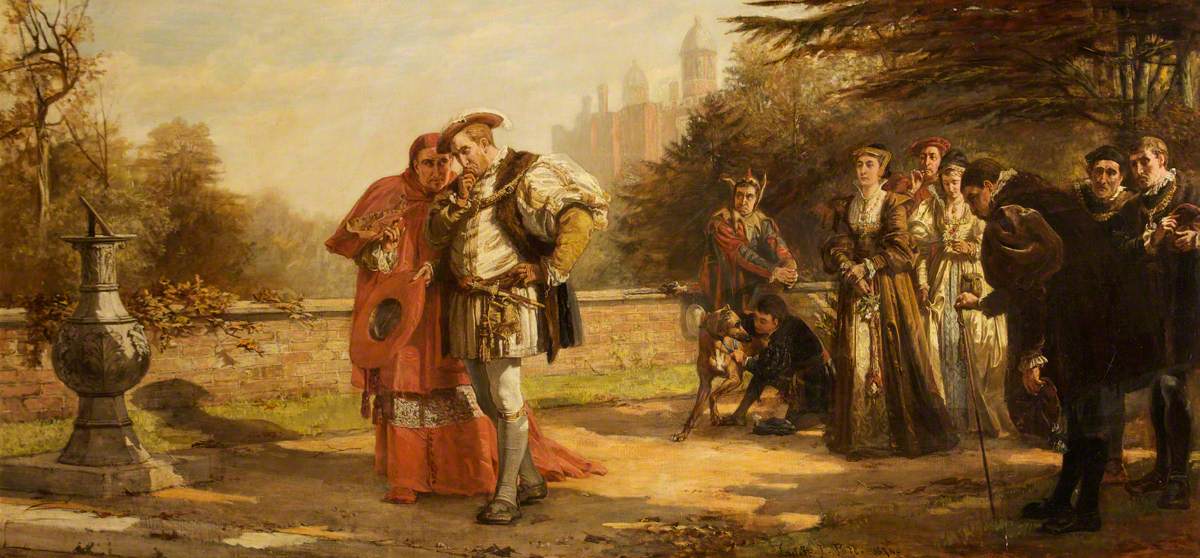
In both plays, Washington and King Henry are treated like gods- invulnerable, aloof, and completely above reproach.
Whenever anything bad happens in the play or musical, the legislature blames Wolsey and Hamilton, not the King or the President. Also, in both plays each one falls from grace and is destroyed by his enemies when the king and president no longer supports their right-hand-men.
Wolsey and Hamilton both fall because of their position as the financial advisor, which makes them a target to their enemies. Both are accused of using their country’s finances to enhance their personal wealth, which leads him to scandal and disgrace.
In Henry the Eighth , Wolsey is certainly guilty of conspiring to use his country’s wealth to line his own pockets- he pays the cardinals in Rome to influence their vote in the hopes that he will become the next Pope!
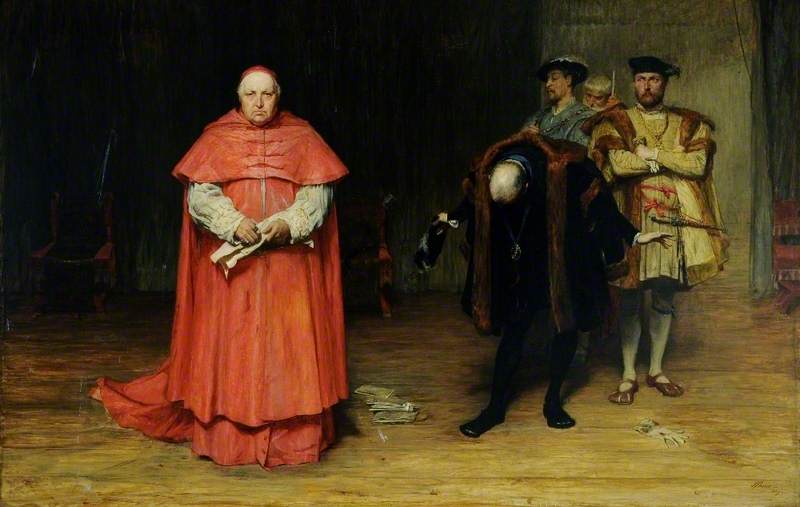
CARDINAL WOLSEY
What should this mean?
What sudden anger’s this? how have I reap’d it?
He parted frowning from me, as if ruin
Leap’d from his eyes: so looks the chafed lion
Upon the daring huntsman that has gall’d him
Then makes him nothing. I must read this paper;
I fear, the story of his anger. ‘Tis so;
This paper has undone me: ’tis the account
Of all that world of wealth I have drawn together
For mine own ends; indeed, to gain the popedom,
And fee my friends in Rome. O negligence!
Fit for a fool to fall by: what cross devil
Made me put this main secret in the packet
I sent the king? Is there no way to cure this?
No new device to beat this from his brains?
I know ’twill stir him strongly; yet I know
A way, if it take right, in spite of fortune
Will bring me off again. What’s this? ‘To the Pope!’
The letter, as I live, with all the business
I writ to’s holiness. Nay then, farewell!
I have touch’d the highest point of all my greatness;
And, from that full meridian of my glory,
I haste now to my setting: I shall fallLike a bright exhalation in the evening,
And no man see me more. Henry the Eighth Act III, Scene ii.
Again, though Wolsey is guilty, like Hamilton he also used his financial genius to bring England into a new age of prosperity after centuries of war. The Tudors were some of the richest and most powerful monarchs in British history, and Wolsey helped establish their dynasty, but thanks to his enemies, he is turned out of court in disgrace:
O Cromwell, Cromwell!
Had I but served my God with half the zeal
I served my king, he would not in mine age
Have left me naked to mine enemies. Henry VIII, Act III, Scene ii.
Hamilton is also accused of embezzling his wealth by his enemies, including James Madison, and Thomas Jefferson
Hamilton’s enemies argue that his banking system benefits New York, where Hamilton was part of the House Of Representatives, as well as the Constitutional Convention. The main difference between Wolsey and Hamilton is that he didn’t embezzle America’s money, he is actually guilty of a far worse sin- adultery. Hamilton is accused of having an affair, and embezzling funds to keep it quiet, which he denies in a spectacular fashion:
In both plays, the moment where the main character begins to fall is dramatized in a stirring, metaphor-rich soliloquy. Wolsey compares himself to the Sun, who, once he reaches the zenith of the sky, has nowhere to go but down to the west, and set into night.
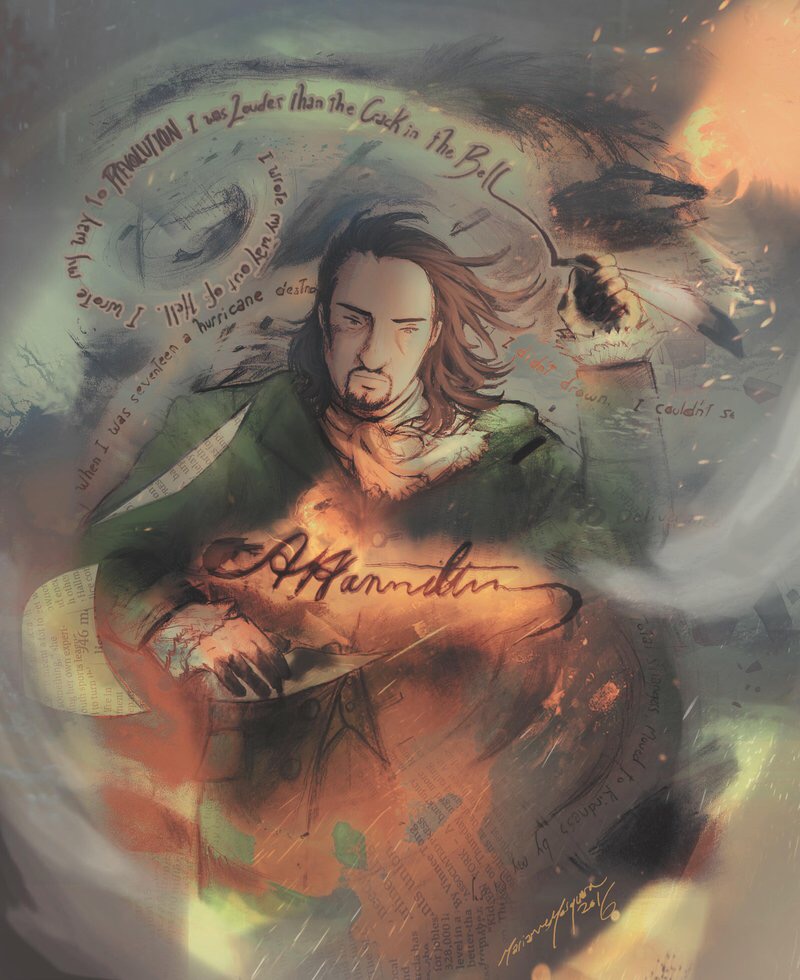
Hurricane From “Hamilton: An American Musical. Reposted from Deviant Art.com
Hamilton compares his situation to being in the eye of a hurricane, a particularly apt metaphor, since the real Alexander Hamilton’s house was destroyed by a hurricane in 1772. In addition, Lin Manuel Miranda‘s parents come from Puerto Rico an island that has, (and continues to be,) ravaged by hurricanes.
In the song, “Hurricane,” Hamilton remembers that when he lost everything as a boy in 1772, he beat the hurricane by writing a letter which was published in the newspaper, and inspired so much pity that the residents of the island raised enough money to send Alexander to America.
Later in the song, Hamilton decides to try to soothe the political hurricane that has engulfed him by writing a pamphlet, admitting the affair, but denying any embezzlement. Eventually the scandal destroys Hamilton’s career, but it doesn’t destroy his life; for that we have to look at the Shakespearean rivalry between Hamilton and Aaron Burr.
Part II- The Duel: Hamilton and Burr V Henry and Hotspur.
Aaron Burr and Hamilton keep meeting at important moments in the show, as if their fates are intertwined like gods in some kind of Greek tragedy.
Hamilton and Burr appear as polar opposites in the musical. Hamilton is fiery, opinionated, uncompromising, and highly principled. He ruffles feathers, but his supporters know where he stands. Burr is the opposite. He keeps his views to himself, and waits for the most opportune time to act on anything. Throughout the play, Hamilton and Burr hate and admire different things about each other. Hamilton admits that Burr’s cool practicality helps him to practice the law and succeed in politics, while Burr admires Hamilton’s energy and his ability to work and write as if his life depends on it, especially in the song “The Room Where It Happens.”
After Hamilton endorses Jefferson in the election of 1800, Burr loses the race, and the job of Vice President. In the musical, he blames Hamilton, and their grievance grows into a deadly conflict.
The rivalry between Hamilton and Aaron Burr mirrors many characters in Shakespeare, but the two I want to focus on here are Hotspur and Prince Hal from Henry the Fourth Part One
As this video from the Royal Shakespeare Company shows, these two combatants meet only once in the play, but they are constantly compared to each other by the other characters, who talk about them as if they were twins, (they even have the same first name)! Even the king remarks that his son could have been switched at birth with Hotspur.
Prince Henry (known as Hal in the play), is the heir to the throne. Like Burr in Hamilton, Hal is methodical, cool, keeps his feelings to himself, and is known by some as a Machiavellian politician. Hotspur, (or Henry Percy), is his opposite. Like Hamilton he is fiery, eloquent, and not afraid to die for his cause, which in Hotspur’s case is to supplant the royal family and correct what he believes is an unjust usurpation by Hal’s father, King Henry the Fourth.
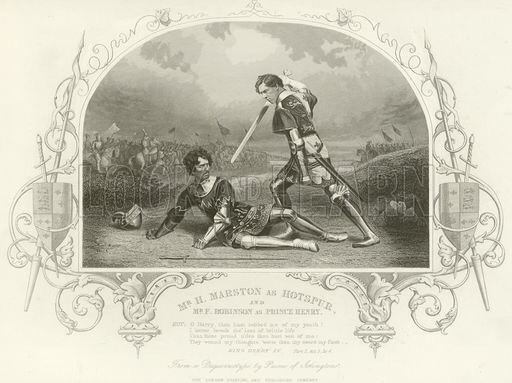
In the scene below, the two men seem hungry to not only kill one another, but to win honor and fame as the man who killed the valiant Henry. Whether it’s Henry Percy, or Prince Henry who will die, is something they can only find out by dueling to the death.
HOTSPUR
If I mistake not, thou art Harry Monmouth.
PRINCE HENRY
Thou speak’st as if I would deny my name.
HOTSPUR
My name is Harry Percy.
PRINCE HENRY
Why, then I see
A very valiant rebel of the name.
I am the Prince of Wales; and think not, Percy,
To share with me in glory any more:
Two stars keep not their motion in one sphere;
Nor can one England brook a double reign,
Of Harry Percy and the Prince of Wales.HOTSPUR
Nor shall it, Harry; for the hour is come
To end the one of us; and would to God
Thy name in arms were now as great as mine!PRINCE HENRY
I’ll make it greater ere I part from thee;
And all the budding honours on thy crest
I’ll crop, to make a garland for my head.HOTSPUR
I can no longer brook thy vanities.
They fight, HOTSPUR is wounded, and falls
HOTSPUR
O, Harry, thou hast robb’d me of my youth!
I better brook the loss of brittle life
Than those proud titles thou hast won of me;
They wound my thoughts worse than sword my flesh:
But thought’s the slave of life, and life time’s fool;
And time, that takes survey of all the world,
Must have a stop. O, I could prophesy,
But that the earthy and cold hand of death
Lies on my tongue: no, Percy, thou art dust
And food for– Dies.
Hamilton’s duel is also a matter of honor; Alexander wants to defend his statements against Burr, while Burr wants to stop Hamilton from frustrating his political career. Here is how their duel plays out in the musical Hamilton:
Just like Burr, Prince Hal feels remorse after killing his worthy adversary.
PRINCE HENRY
For worms, brave Percy: fare thee well, great heart!
Ill-weaved ambition, how much art thou shrunk!
When that this body did contain a spirit,
A kingdom for it was too small a bound;
But now two paces of the vilest earth
Is room enough: this earth that bears thee dead
Bears not alive so stout a gentleman.
If thou wert sensible of courtesy,
I should not make so dear a show of zeal:
But let my favours hide thy mangled face;
And, even in thy behalf, I’ll thank myself
For doing these fair rites of tenderness.
Adieu, and take thy praise with thee to heaven!
Thy ignominy sleep with thee in the grave. Henry IV, Part I, Act V, Scene iv.
III. The Times
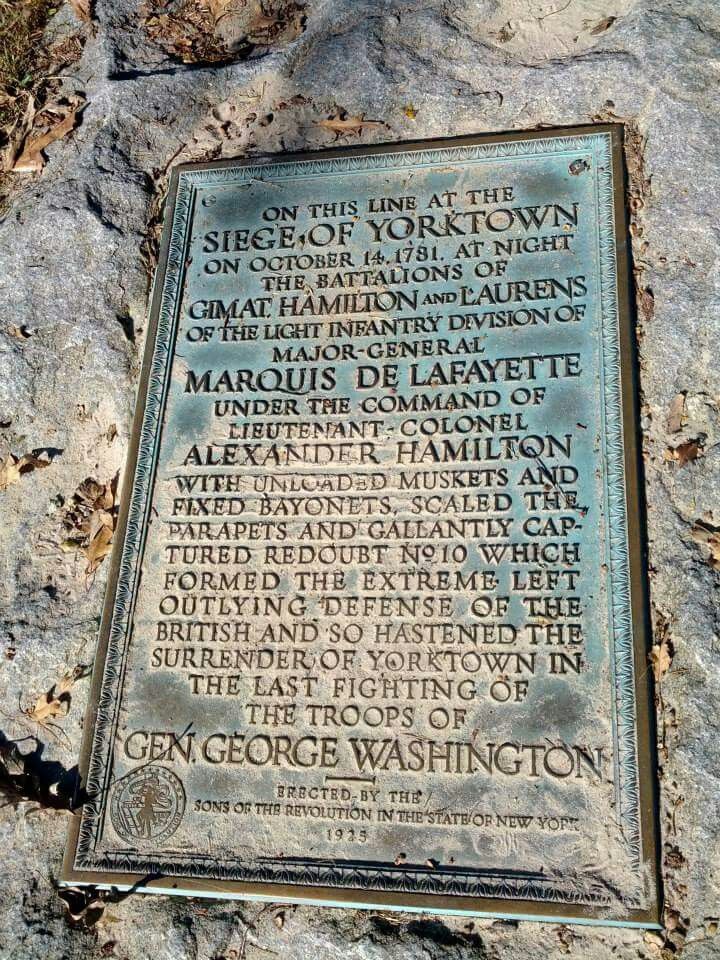
In both Hamilton and all of Shakespeare’s history plays, the characters know that they are living during important events and their actions will become part of the history of their country, and none more than Washington. In the song, “History has its eyes on you,” he warns Hamilton that, try as one might, a man’s history and destiny is to some extent, out of his control, which echoes one of King Henry the Fourth’s most bleak realizations:
Henry IV. O God! that one might read the book of fate,
And see the revolution of the times
And changes fill the cup of alteration
With divers liquors! O, if this were seen,
The happiest youth, viewing his progress through,
What perils past, what crosses to ensue,
Would shut the book and sit him down and die. Henry IV, Part II, Act III, Scene i.
Washington is keenly aware of his legacy and does his best to protect it. In Shakespeare’s Henry IV,the king also lies awake trying to figure out how to deal with the problems of his kingdom, which is why Shakespeare gives him the famous line “Uneasy lies the head that wears the crown.” Likewise, Richard II, makes a famous speech where he mentions how many kings have a gruesome legacy of dying violently:
As we see the whole story of Hamilton’s life, his fate changes constantly and his legacy shifts in every scene of the show: immigrant, war-hero, celebrated writer, Secretary of the Treasury, but then, once he published The Reynolds Pamphlet, Hamilton went from famous to infamous. After After Burr murdered him in the duel, Hamilton might have been utterly forgotten, in spite of all his great accomplishments. This is a key theme in all history and tragedies; the desire of every man to create a lasting legacy for himself, and thus transcend mortality.
The women who tell the story
Fortunately for Hamilton, the women of his story also help to preserve it. Historically, most of Hamilton’s archives were preserved by his wife Eliza Schyler, and she and her sisters help shape the story from the beginning to the end of the show. Hamilton’s sister in law Angelica sets up this theme by literally rewinding the scene of her first meeting with Alexander, and then retelling how she and Hamilton met from her own point of view.
Once her sister marries Hamilton, Eliza Schuyler asks to “be part of the narrative.” She knows she married a important man and that his life will someday become part of American history. Eliza wants to be a part of that historic narrative.
When Hamilton commits adultery and writes the Reynolds pamphlet though, Eliza is so hurt and scandalized that she rescinds her requests. In the song “Burn,” she destroys her love letters from before the affair, and all correspondence she had with Alexander when he revealed it. Lin Manuel Miranda explained that he wrote the song this way because no records during this period survived, so he invents the notion of Eliza destroying them as a dramatic device, to heighten her estrangement from her husband. Though this is a contrivance, it does re-enforce how, when part of the story is lost, it twists and destroys part of our impression of a person. Shakespeare knew this too; Henry Tudor went to great lengths to destroy the legacy of his predecessor Richard the Third, and literally repainted him as a deformed tyrant. Shakespeare couldn’t escape the narrative of Richard as a monster when he wrote his history play and sadly helped to perpetuate it to this day.
At the end of the play though, Eliza changes her mind yet again, as the final song I placed earlier shows, Eliza spends the last 50 years of her life to preserving and protecting her husband’s name, as well as Washington, all the founding fathers, and children who can grow up knowing that story at her orphanage. This song illustrates clearly that in the end, a man’s story is defined by the people who tell it, and Hamilton is fortunate to have such a creative, energetic and talented writer/ actor in Lin Manuel Miranda, and the cast of Hamilton, to preserve the story in such a Shakespearean way.
Bravo.
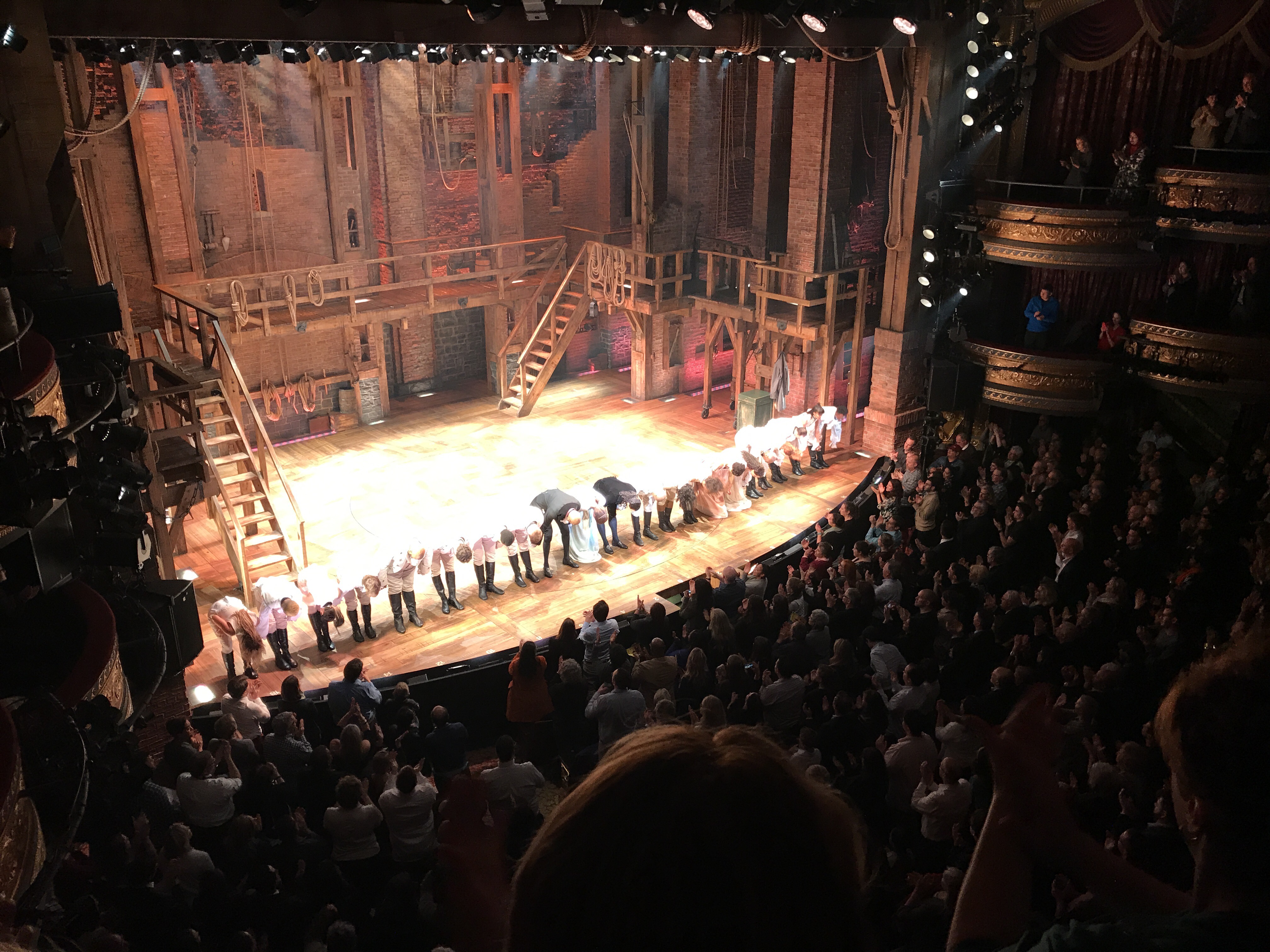
Educational links related to Hamilton:
Books

Hamilton: The Revolution by Lin-Manuel Miranda, Jeremy McCarter. A complete libretto of the show, with notes on its creative conception. 

Alexander Hamilton by
TV:
“Hamilton’s America” PBS Program. Originally Aired 2016. Official Webpage: http://www.pbs.org/wnet/gperf/episodes/hamiltons-america/ You can watch the full documentary here: http://www.tpt.org/hamiltons-america/
Web:
Biography. Com- Alexander Hamilton:https://www.google.com/amp/s/www.biography.com/.amp/people/alexander-hamilton-9326481
Founders Online: The Papers of Alexander Hamilton: Columbia University, accessed 11/12/17 from https://founders.archives.gov/about/Hamilton
House Of Representatives Biography: Alexander Hamilton- IIhttp://history.house.gov/People/Listing/H/HAMILTON,-Alexander-(H000101)/
Resources on Shakespeare’s History Plays:
Books
- Shakespeare English Kings by Peter Saccio. Published Apr. 2000. Preview available: https://books.google.com/books?id=ATHBz3aaGn4C
- Shakespeare, Our Contemporary by Jan Kott. Available online at https://books.google.com/books/about/Shakespeare_Our_Contemporary.html?id=QIrdQfCMnfQC
-

-
The Essential Shakespeare Handbook - The Essential Shakespeare Handbook by
-
Leslie Dunton-Downer and Alan Riding Published: 16 Jan 2013.
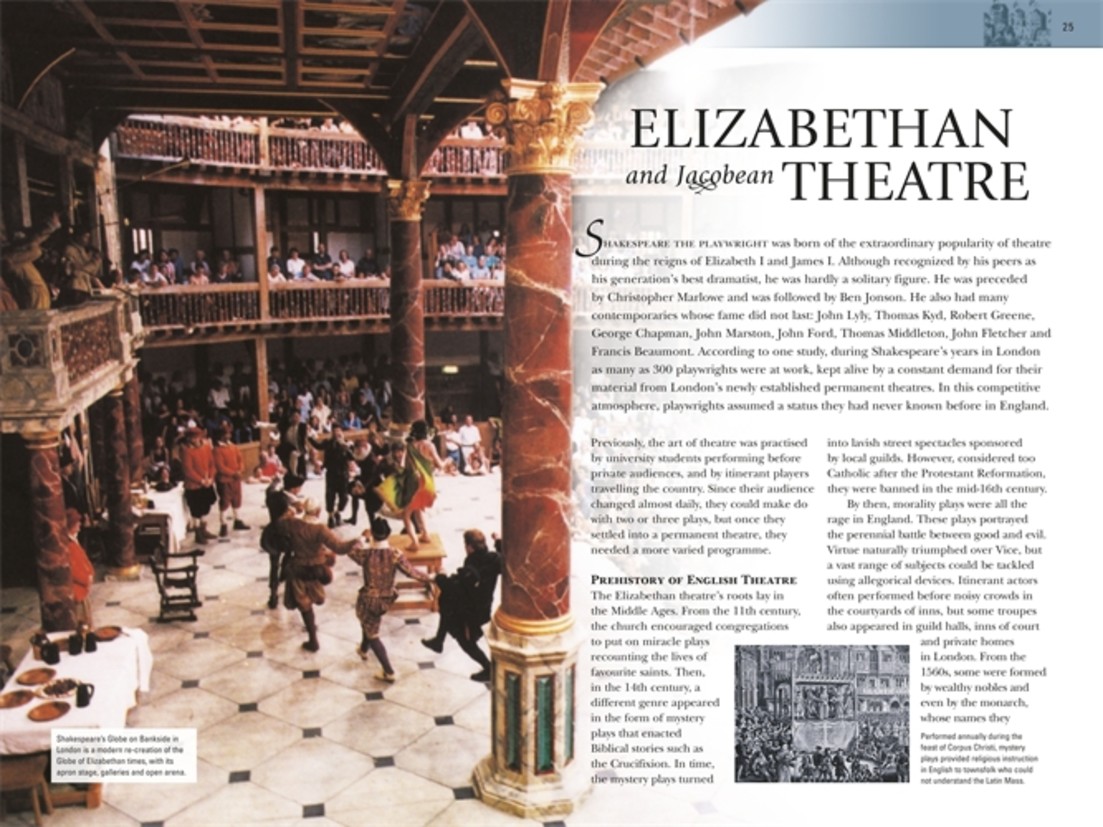
-

-
Will In the World by Robert Greenblatt - Will In the World by Prof. Steven Greenblatt, Harvard University. September 17, 2004. Preview available https://www.amazon.com/Will-World-How-Shakespeare-Became/dp/1847922961

TV:Shakespeare Uncovered: Henry the Fourth. Originally Aired February 1, 2013. Available at http://www.pbs.org/wnet/shakespeare-uncovered/episodes/
Websites
- Howard Ho: How Hamilton workshttps://youtu.be/1qXsFs2ywMo
 The Shakespearean Student