My family is quickly falling in love with the hugely popular online gaming sensation “Among Us,” which if you don’t know, is a strategy game similar to the game “Werewolf,” where a lone player, (known as The Impostor), tries to ‘kill’ a group of people without arousing suspicion. Just like the kids game in “Among Us,” whenever someone gets murdered, the others try to figure out the identity of the murderer.
The fun and drama of the game definitely comes from the paranoia that the players inevitably experience, not knowing whom to trust. Is the murderer over there? Was she the murderer? Is she lying about where she was just now? And most importantly, who is next?
Shakespeare’s Macbeth taps into the paranoia not just of people afraid of being murdered, but even the paranoia of the murderer himself!
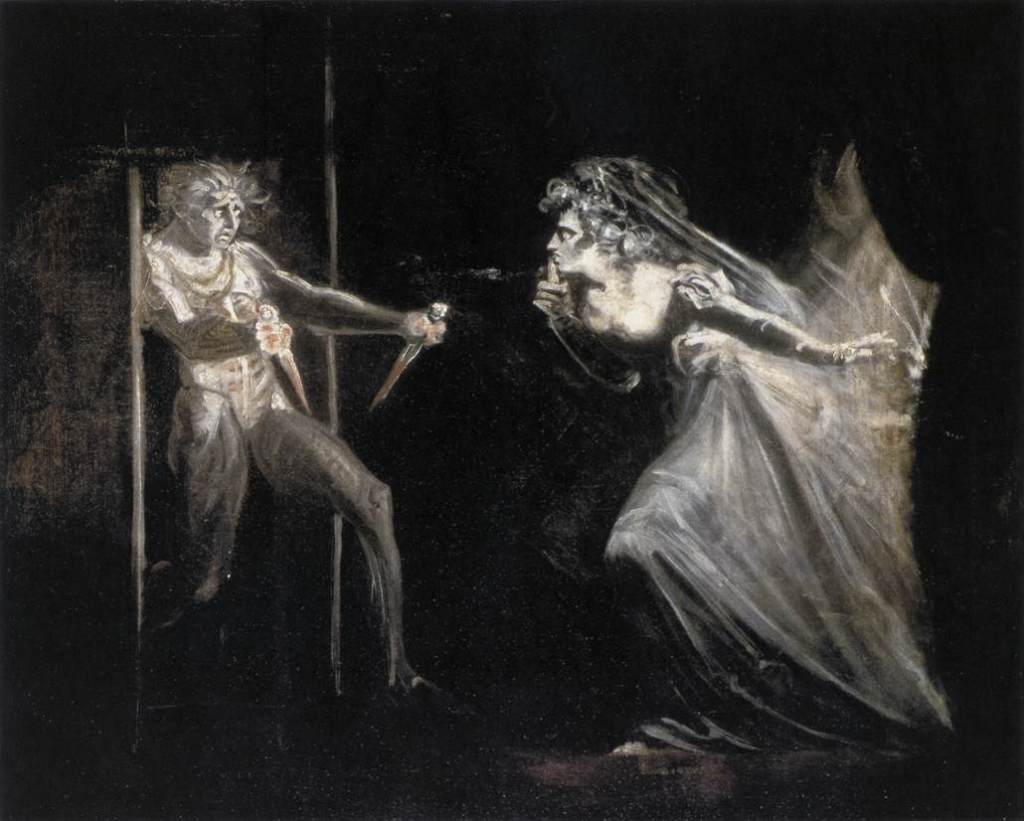
“Lady Macbeth and the Daggers” by Henry Fuseli, 1812.
After Macbeth kills the king and he and his wife cover up the blood, there is a council meeting where Ross, Macduff, Malcom, and Donaldbane try to figure out what happened. Macbeth and Lennox accuse the sleeping guards, but not everyone is sure. Watch this “interview” with the character Malcom, the crown prince, who suspects foul play: https://youtu.be/LIWjh59oBS4
While Malcom is nervous and suspicious, Lady Macbeth is the picture of composure, and grief (at least, while in public): https://youtu.be/yFJ5HYWdeMo
Macbeth’s strategy is pretty clever: blame someone else, then get them killed before anyone can question them. Very similar to the strategy I’ve seen impostors try in the game. In fact, there’s even a player who goes by the username: “King Macbeth.” He then justifies killing the guards by claiming that seeing them there threw him into a murderous rage, and he killed them to avenge Duncan’s death:
Macbeth O, yet I do repent me of my fury, That I did kill them. Macduff Wherefore did you so? Macbeth Who can be wise, amazed, temperate and furious, Loyal and neutral, in a moment? No man. The expedition of my violent love
Outran the pauser, reason. Here lay Duncan, His silver skin laced with his golden blood; And his gashed stabs looked like a breach in nature For ruin’s wasteful entrance — there, the murderers, Steeped in the colors of their trade, their daggers Unmannerly breeched with gore. Who could refrain That had a heart to love, and in that heart Courage to make’s love known?
Thanks very much for reading! If you liked this post, please consider signing up for my new “Macbeth” online class via Outschool.com. One really fun part of the class will be a quiz on “Macbeth,” inspired by Among Us!
Happy Midsummer everyone! Wednesday June 24rth is the Midsummer festival, which means as you go to sleep that night, I wish you all Midsummer Night Dreams! Before that though, I welcome you to party like it’s the court of King Oberon, and here are some ideas:
Background: What Are Fairies?
The story of Fairies has many authors that come from multiple folkloric traditions. The Greeks had nymphs, the Romans had cupid, and the English and Germans had…
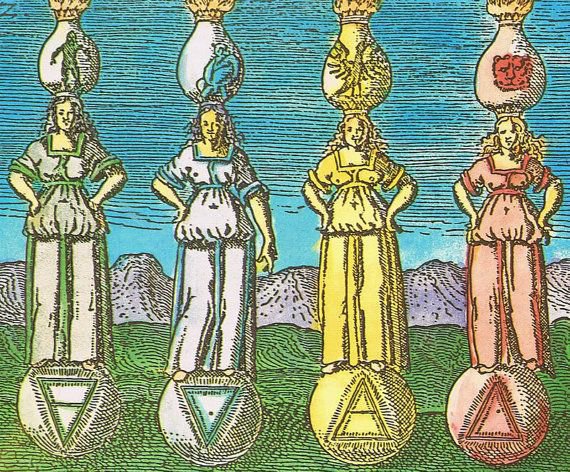
1. According to Paracelsus, fairies are elemental spirits that help control the Earth’s four elements: Silfs (air), gnomes (Earth), Salamanders (fire), and Undines (water). 2. In some versions, they are household creatures that interact with humans 3. Some cultures call them demoted Angels, not good enough for Heaven, but not bad enough for Hell.
So you can see there are lots of traditions that contribute to our modern concept of the fairy, and plenty of ideas to adapt into your party!
Part One: The Invitation:
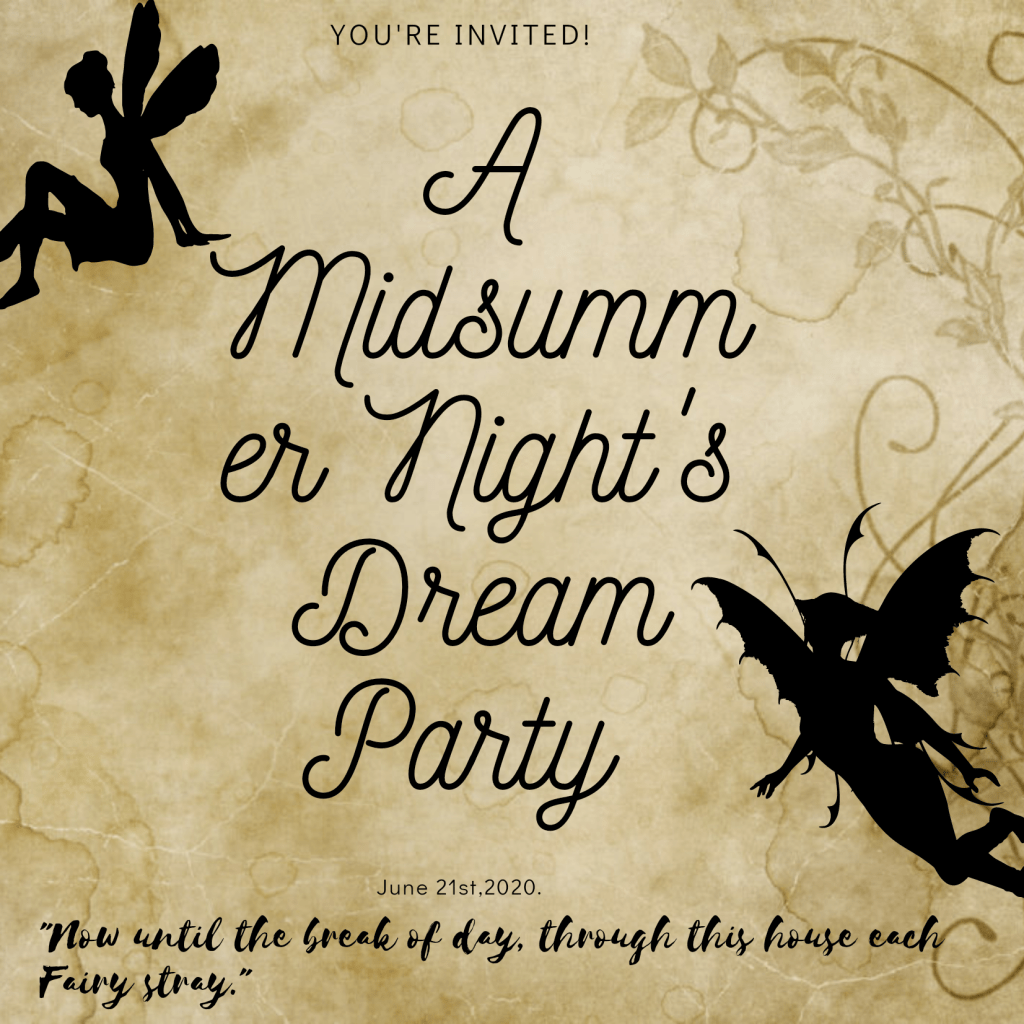
There’s a ton of free fairy clip art and fairy designs online. Below is an invitation I created for free with an app called Canva and a parchment background picture I found online.
1. Pixie invitations 2. Immortal Longings
Second card design I created on Canva.
You probably also know that I am a huge fan of the website Immortal Longings because of their excellent Shakespearean art and they sell cards too. You can buy the cards or download the pictures on their website.
Shakespearean Greeting Cards from Immortal Longings.com
Part Two: Decorations Fairy
Fairy Dens Right now the Royal Shakespeare Company is making DIY Fairy decorations including a Fairy Den that you can share with your family and friends:
What is a Fairy Den? Fairies in folklore are closely tied to the Ancient Celts and Druids, who believed that Fairies live in hollow places underground. A fairy den is a homemade den that imitates the ancient fairy hollows.
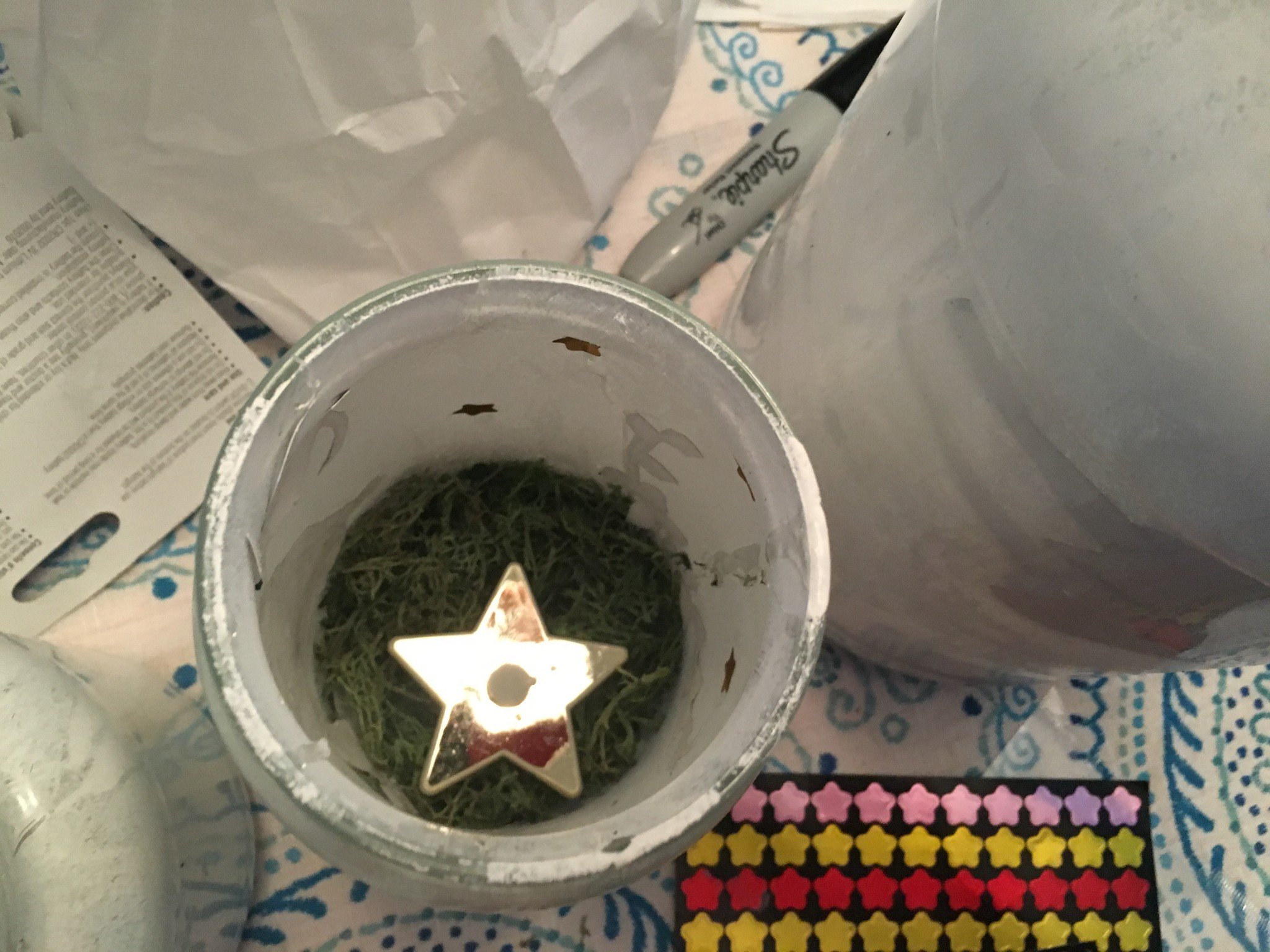
In addition to fairy dens, there are tons of fairy lights, fairy coloring books, and other fairy crafts you can find. Here is a fairy lantern my wife made using pickle jars!
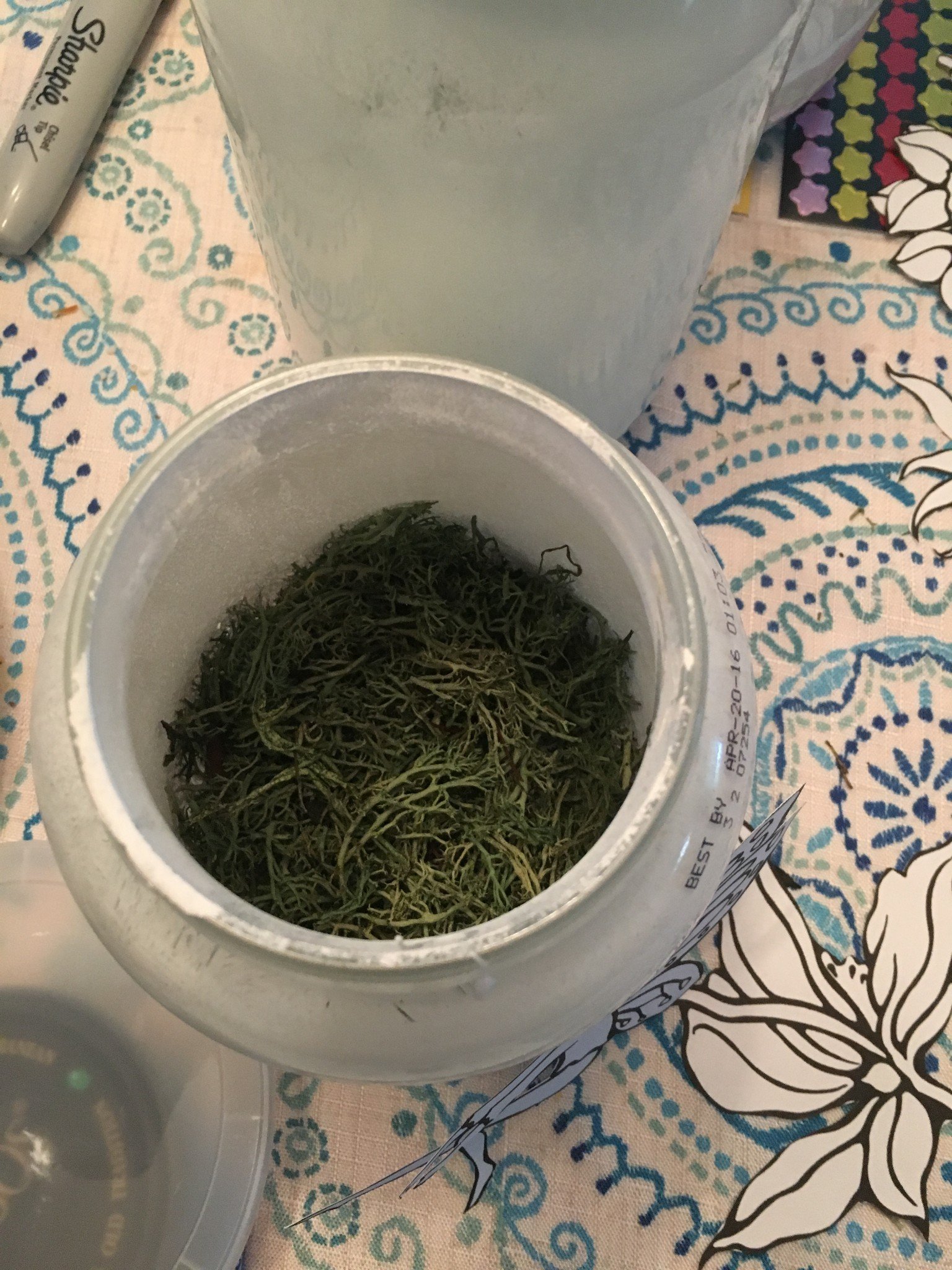
First paint the jars with white paint and cut out paper fairies to paste around the inside of the jar (we used tackey glue). You can also stick star stickers on the inside of the jars.For added realism, you can glue fake moss to the bottom of the jar. We got this from our local dollar store.Put a small battery powered LED light inside.Turn on the LED lights and take the lanterns somewhere dark.Detail of the fairy lights.
Part Three: The Feast
Since the Fairies in Midsummer are woodland spirits, almost any forest or camping themed recipes can be adapted. Here are some ideas that my wife and I made for our own fairy themed party.
2. Love potion: Similar to follow the leader or musical chairs. A group of people lie down and pretend to sleep. Then someone plays Puck by putting a real or pretend flower in one of the player’s hands. The Puck then yells “Awake,” and sets a timer or plays some music. The object of the game is for everyone to chase after the flower and get it before time runs out.
Costumes:
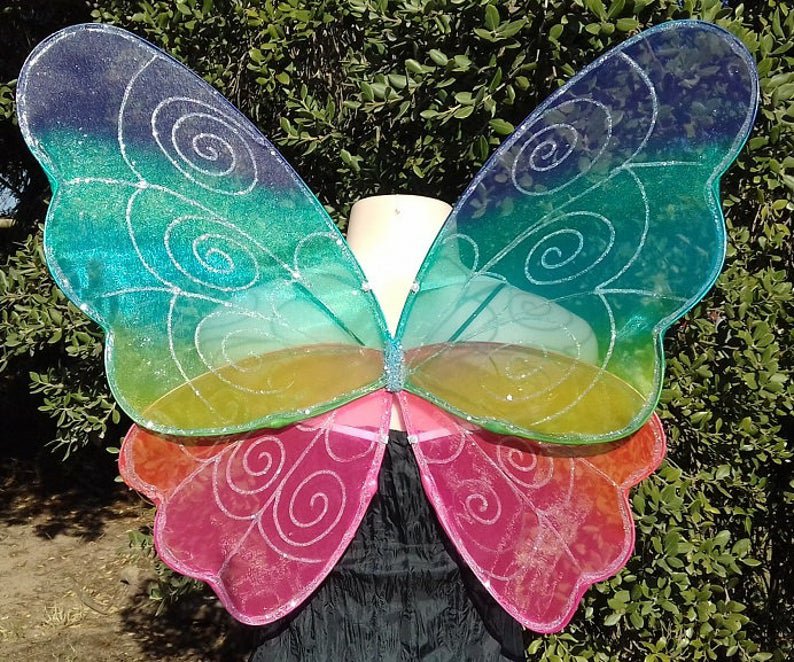
Make some printable donkey masks for Bottom, flower crowns for the fairies, and don’t forget your wings!
Let me begin by admitting that this post was harder to write than my Christmas post because pre Christian traditions are harder to pin down. In addition, to give you my standard disclaimer, I don’t believe it’s really possible to definitively know how or if Shakespeare celebrated Halloween, but since the history of Halloween is long and fascinating, and since Shakespeare’s plays influenced that history, I feel it’s worth exploring.
Part I: Origins of Halloween
Almost every culture on Earth has a middle fall celebration that calls to mind the bounty of the harvest, and the inevitable approach of winter. Most of our Halloween traditions are based on the ancient European festival of Samhuin.
What is Samhuin?
Over 2,000 years ago, the Celts inhabited much of the British Isles. They believed in many gods and spirits that controlled nature and the seasons. To thank the gods for the harvest the Celts gave them offerings like apples, and threw parties to celebrate the gods’ bounty.
When the Romans conquered the Celts, they co-opted some of their religious practices. For instance the tradition of giving apples as offerings to the Roman goddess Pomona. This tradition of course, evolved into our modern Halloween tradition of bobbing for apples. Honoring the harvest also went hand in hand with darker traditions; ones inspired by fear of death, decay, and evil spirits.
With the Sun dying and the Earth growing cold in late October, cultures like the Celts and the Romans feared that evil fairies and ghosts could cross over into our world. In particular the Celts believed that around the night of October 31st, the veil between the living and the dead was the thinnest.
Samhuinn was a liminal time between our world and the Otherworld. It’s a night when the souls of dead loved ones as well as spirits and fairies – the aos sí in Irish mythology and aes sídhe or sìth in Scottish mythology – could come through to visit. Deceased family members were honoured with seats at the evening feast, and offerings of milk and baked goods were left at the front door for the Fairies.
At some point people decided to dress up as the spirits to ward them off, and this evolved into our modern day trick or treating.
These traditions did not die once England became Christian, (after it was conquered by the Romans), they simply translated into a different form. Halloween actually translates as “All Hallows Eve,” a Catholic celebration of of dressing up as pagan spirits and giving offerings of the harvest to honor Catholic saints as well as departed love ones.
Part II: What might Shakespeare have Done on Halloween?
Although Shakespeare never directly mentions Halloween, he lived in a world that kept many of these folk traditions alive. Shakespeare was the grandson of a farmer and his father was a devout Catholic, so he probably was brought up in these ancient Halloween traditions. He probably would have attended some kind of harvest festival to celebrate the bounty of the summer, and might have put food out for his departed family members.
Samhain is still heralded by the baking of kornigou, cakes baked in the shape of antlers to commemorate the god of winter shedding his ‘cuckold’ horns as he returns to his kingdom in the otherworld. On the Isle of Man in the Irish sea, the Manx celebrate Hop-tu-Naa, which is a celebration of the original New Year’s Eve and children dress as scary beings, carry turnips and go from home to home asking for sweets or money.
Call me a softie but I really like the idea of Shakespeare baking treats like soul cakes for neighborhood kids or telling scary stories about a bonfire. The kornigou is more commonly known as the Soul Cake, and it’s still popular today. It’s even been immortalized in song:
Another tradition was dancing around ancient Celtic burial mounds. According to tradition, these mounds were home to spirits and Fairies, and could be portals to the land of the dead. In Irish folklore, poets and storytellers had the power to pass between these two realms. Maybe Shakespeare himself visited such a mound in his youth and was inspired to write about the fairy queen Titania and the hobgoblin Robin Goodfellow. Archeologists are still learning about these ancient ruins today (source: Smithson.com)
The most tantalizing ancient Halloween tradition is mumming, a kind of amateur theater practiced by the ancient Celts. Like modern Sunday school plays the plays were a religious ritual designed goal to honor the gods and the harvest.
Mumming, a type of folk play, was used to tell traditional Samhuinn stories about battles or the winter goddess Cailleach (meaning “old hag”), who began winter by washing her hair in the whirlpool of Corryvreck.
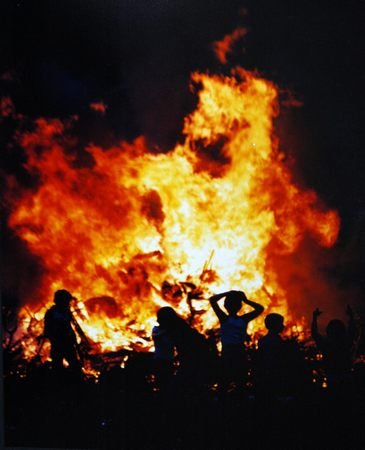
For a modern example of this of these traditions you can look at the Edinburgh fire festival which preserves the kind of mumming that the Celts might have done on Samhuin and Shakespeare might have seen. It’s highly ritualistic, immersive, and the characters have spooky similarities to some of Shakespeare’s plays.
To give you an idea of how mumming might have influenced Shakespeare, watch this trailer for the 2017 Edinburgh Fire Festival:
1. Keening- the wild women screaming as a way to lament, honor, and guide the dead. Characters like Constance in King John have many similar qualities.
2. The fight between the Summer King and the Winter Lord. Many Celtic stories dramatize the change of seasons from summer to winter as a battle. Even the duel between King Arthur and his young son Mordred could be seen in this context. In another interesting interpretation, Jennifer Lee Carroll in her book Haunt Me Still, interprets this mummers play as a pagan retelling of the story of Macbeth.
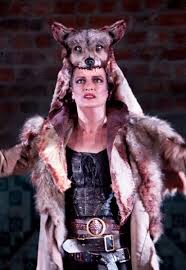
3. You can see brightly colored figures some designed to honor the changing of the seasons, and wild, animalistic people, presumably playing the roles of the Fairies, goblins, or other creatures that appear on Samhuin. It’s not much of a stretch to see these figures as the Fairies of Midsummer Night’s Dream, or the witches of Macbeth.
Part III: What did Shakespeare mention about Halloween?
Ghosts appear in five of Shakespeare’s plays. We see reference to all kinds of Fairies, goblins, and spirits and even a couple times people dressing up to ward off evil. In Titus Andronicus, the queen of the Goths disguises herself and her sons as spirits of revenge and go to Titus’ house to torment him, and then the old man Titus tricking them into coming to his house, where he takes his revenge.
One Shakespeare play that I think perfectly encapsulates the Halloween traditions of the English countryside is Merry Wives Of Windsor, specifically the scene in which Falstaff is tormented by a ghost story.
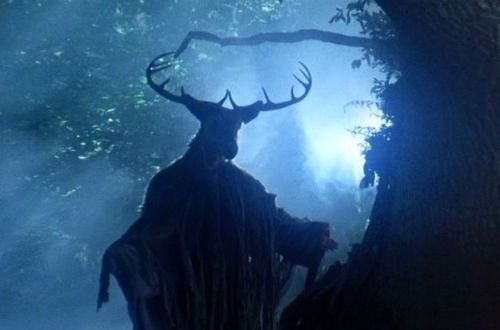
In the play, the fat, drunk knight Sir John Falstaff has been trying to seduce two married women, Mistress Page and Mistress Ford. Page devises a plan to scare and humiliate Falstaff, by dressing up her husband as the terrifying ghost of Herne the Hunter:
• 4.4 MISTRESS PAGE
• There is an old tale goes that Herne the hunter,
Sometime a keeper here in Windsor forest,
Doth all the winter-time, at still midnight,
Walk round about an oak, with great ragg’d horns;
And there he blasts the tree and takes the cattle
And makes milch-kine yield blood and shakes a chain
In a most hideous and dreadful manner:
You have heard of such a spirit, and well you know
The superstitious idle-headed eld
Received and did deliver to our age
This tale of Herne the hunter for a truth.
Herne the Hunter is a real medieval legend about a man who was hanged for poaching deer in Windsor park and now haunts the forest with horns on his head. Not only does Master Ford dress as Herne, The witty housewives dress the neighborhood children like Fairies and instruct them to pinch the fat knight and burn him with lit candles. Essentially this scene is a Shakespearean trick or treating moment with a ghost story to boot. Plus as Mistress Page mentioned, the ghost haunts Windsor towards the the oncoming of Winter, so it’s not entirely unlikely that it would be that this scene was originally played around the time of Halloween.
How did Shakespeare contribute?
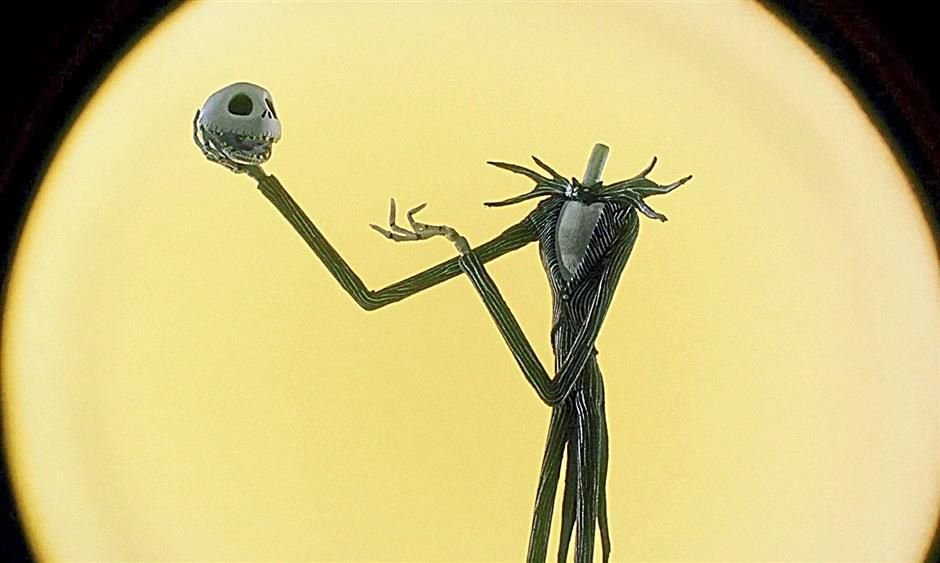
Scholars describe Shakespeare’s mind like a magpie, taking myths, legends, history, and books to come up with his own plays. As you have seen, the ancient traditions of Halloween had a powerful effect on Shakespeare’s plays. But, did he contribute to those traditions himself? I would say yes in a big way. First of all the image of Hamlet holding a skull has inspired many other Halloween images:
David Tennant in Hamlet, RSC 2008
Jack Skellington in The Nightmare Before Christmas, 1993.
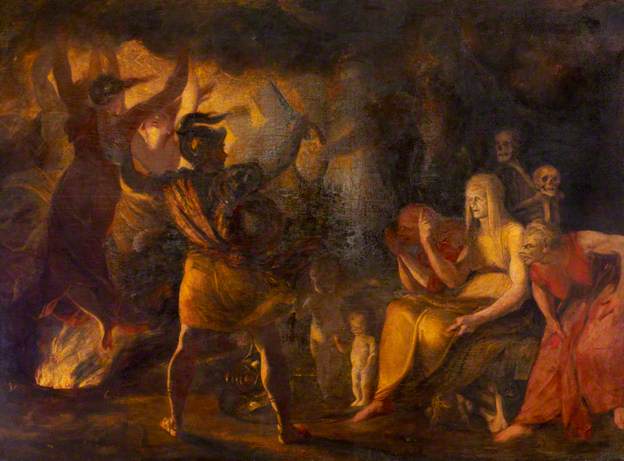
But I think Shakespeare’s greatest contribution to how we celebrate Halloween are centered within the witches of Macbeth.
Though Shakespeare by no means invented the concept of witchcraft, he did popularize the idea of the wicked witch, and helped form our modern view of what a witch is. The image he created in Macbeth
Illustration from William Blake’s “Europe a Prophecy,” 1794.
Macbeth and Ban
As you’ve seen, Shakespeare conjured the witches in Macbeth by infusing Celtic traditions like the wise woman with her chants and her cauldron, and infused her with the 17th century fear of witchcraft. Remember that Shakespeare’s patron King James was terrified of witchcraft and believed that he might be targeted by demonic forces. Shakespeare masterfully created some frightening witches that inspire Macbeth to do some terrible deeds, but adamantly deny that any harm will come to the English king, prophesying his bloodline will “Stretch out to the crack of doom.”
More than that, I would argue that the modern wicked witch would be all but silent without Shakespeare. When you think of what a witch might say, besides a series of high pitched cackling, what do you think of? Probably you think of this:
Or this:
Shakespeare’s bizarre and cryptic language helped inspire countless other interpretations of witches, and thus, a way for audiences to deal with the temptations that lurk in our hearts.
In conclusion, we don’t know how Shakespeare celebrated Halloween or even if he did to begin with; Halloween and Shakespeare’s life are both frought with mystery and legend, but one thing is dead certain; Halloween would not be the same without him. He absorbed the ancient rituals of the Celts and Romans and crafted some modern Halloween ideas and images that endure to this day.
Thanks very much for reading! If you liked this post, please consider signing up for my new “Macbeth” online class viaOutschool.com.One really fun part of the class will be an escape room where you use your knowledge of Macbeth to escape a cursed castle:
I designed this on an app called “GooseChase”, appropriate since Shakespeare invented the term!
If you click on the link, you can do a great scavenger hunt where you upload pictures or answer trivia questions for points, and of course they are all related to Shakespeare. If you have the app on your phone, search for Shakespeare Birthday Scavenger Hunt and enter the code: 2BON2B (Get it, to be or not to be)! You can also use the code NLEGVM. Let me know if you like it or if you cannot access the link.
If you’re reading this as I post it, there’s a Shakespearean nerd in your life and your wits are about to turn trying to find a gift. I’ve already written about printed editions of Shakespeare and educational apps, so you can consult those if that’s what you are looking for. Now I’m covering the kinds of stuff that die-hard Shakespeare fans will kill a king and marry with his brother for, basically nerdy swag that no Shakespearean fanatics should be without!
For anyone: Immortal Longings.com- This company is very special to me. If you’ve seen any of my Play Of the Month posts, you’ve seen the gorgeous artwork for Shakespeare’s plays by the artist Elizabeth Schuch. Not only do I love her work, my wife and I put her prints on the decor for our wedding day, and wrapped some of my presents in wrapping paper with her designs on it. If you go to her website, she sells Shakespearean art printed on and inspired by Shakespeare’s plays on everything from tapestries to clothes to iPhone cases. I highly recommend checking her work out, and patronizing it as much as possible: https://society6.com/immortallongings/s?q=popular+framed-prints
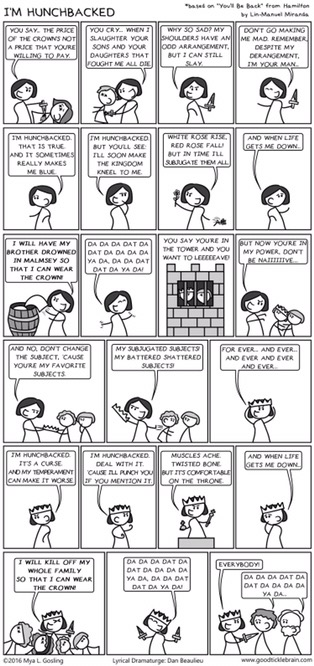
I also want to give a shout-out to the website Good Tickle Brain, a weekly Shakespearean comic that satirizes the Bard’s work with love. I feel the best way to introduce anyone, young or old to Shakespeare is through a healthy dose of satire and parody. Mya Gosling loves Shakespeare and it comes through in her simple, funny retellings of his plays. If you go to their shop (spelled Shoppe to appeal to nerds like me), you can get some of her comic books, funny T-shirts, and a few educational posters for teachers too: https://goodticklebrain.com/shoppe/
Adults
The Bard game This is the Monopoly for Shakespeare Nerds- each player pretends to be a theater manager putting on plays in real locations where Shakespeare’s company toured during his lifetime. You make money by reciting speeches or improvising one in the Shakespearean style, or by answering Shakespearean trivia questions. A must-have for any Twelfth Night Party! Review of the game: https://boardgamegeek.com/boardgame/12372/shakespeare-bard-game https://boardgamegeek.com/boardgame/12372/shakespeare-bard-game
Bards against humanityMost people know the raunchy card game where you try to encapsulate a disgusting word or phrase with a description written on your card. Well, there’s a Shakespeare version too! It makes sense that someone made a card game inspired by the king of the Elizabethan put-downs, (and the inventor of one or two modern curse words!)
Wine🍷 Though I was unable to find actual wine with Shakespeare’s name on it, practically every other part of the wine drinking experience has been branded with Shakespeare- wine bags, glasses, corks and bottle stoppers, and even whole bars! If you spend a few minutes looking online, you can find tons of Shakespearean wine merch. By the way, here’s a convenient list of quotes Shakespeare wrote about alcohol: http://www.shakespeare-online.com/faq/shakespearedrinking.html
Pen and ink There’s a lot of good versions of pen and ink with Shakespeare’s name on them. Imagine the fun you can have writing sonnets with your own Shakespearean pen and ink!
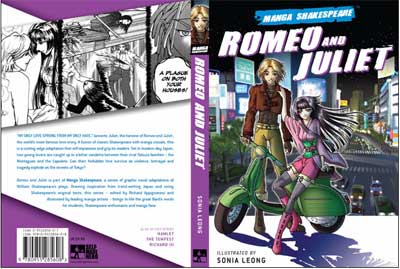
The title page of the clever comic book, “The Manga Shakespeare”
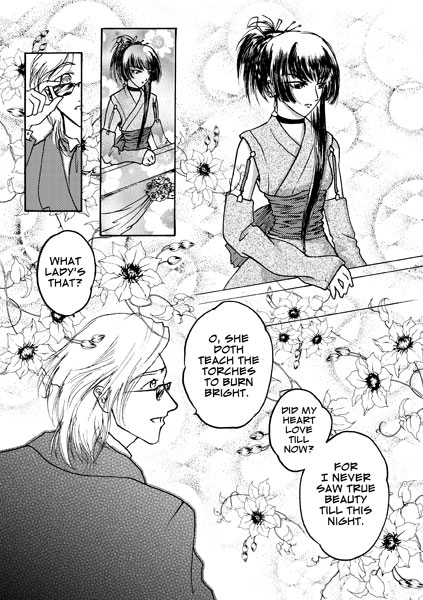
Shakespearean Comic Books. I’ve written reviews about some of these books and I’m very impressed by the artwork and the clever adaptations. Click here to read my review of the Romeo and Juliet Comic.
Kids
Pop-Up Shakespeare by the writers of the Reduced Shakespeare Company. I’m a huge fan of The Reduced Shakespeare Company and they have created an amazing new popup book for kids of the entire Shakespearean cannon!
Barbie and Ken as Romeo and Juliet. Ok, so this is a bit of a stretch, but hey, I’d get it for my daughter.
Board books 📖 Yes, even toddlers can get into Shakespeare. I actually read this to my daughter a lot. It’s not the story of the play, but it does introduce some of the characters and famous lines which can help a child to become familiar with Shakespeare.
Cover of “King Of Shadows,” an excellent Young adult novel for anyone who loves Shakespeare.
King 👑 Of shadows (Ages 8-12) This is an excellent young adult novel that teaches a lot about Shakespeare’s theater and the time period in which he lived. For a complete review, click here:
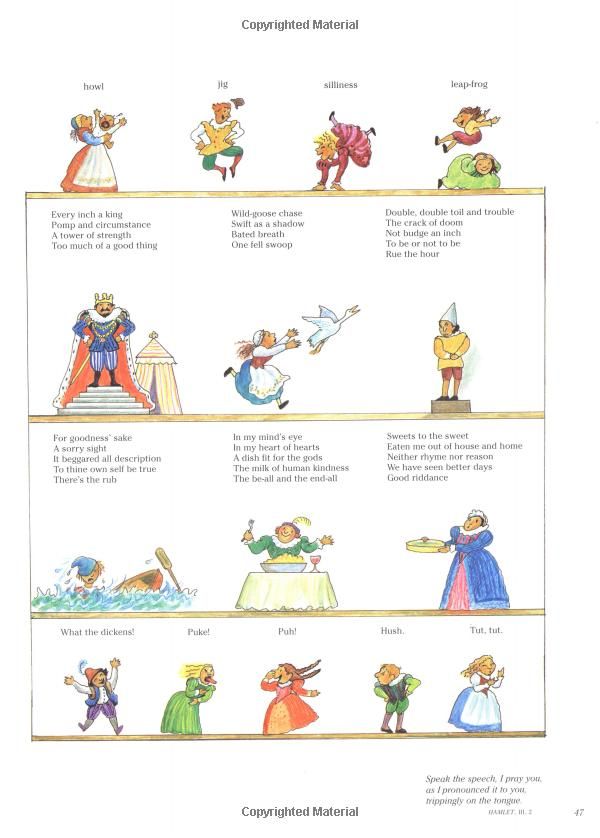
This was one of my favorite books growing up. It tells the story of Shakespeare’s life and work, with special attention to the creation of the Globe Theater in 1599. It’s gorgeously illustrated and a great read for kids!
So there are some gift ideas for the Shakespeare nerd in your life. Merry Christmas!
Here’s one more gift that you could give a Shakespeare nerd ages 13-18: A class from ME!
Go to my Outschool profile and Get $5 off the following classes:
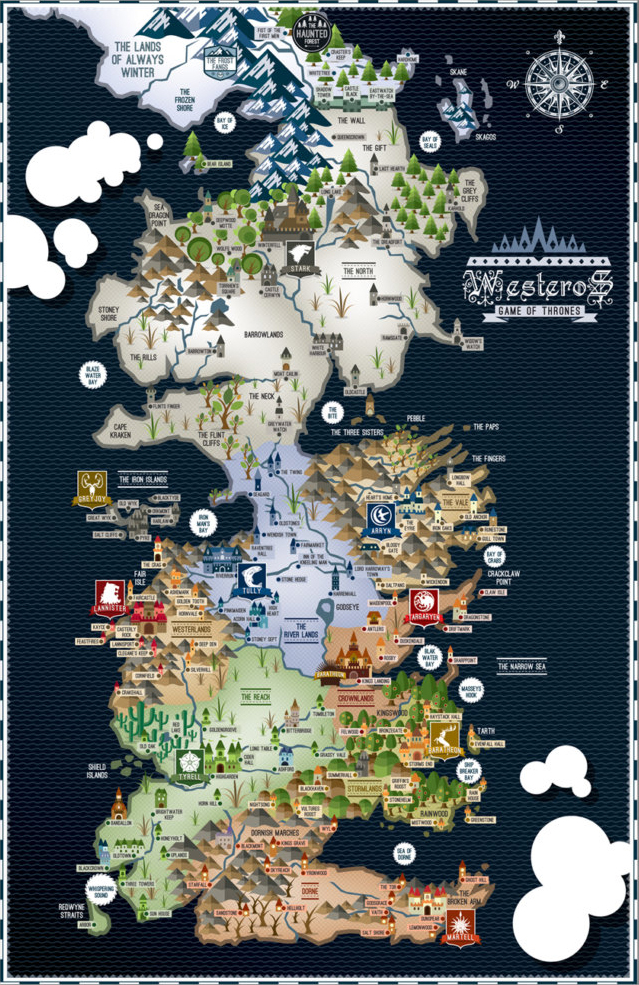
I love Game Of Thrones! If you’ve ever read the books or seen the series on HBO, like me you might be amazed by the scale and complexity of the world author George RR Martin created. He wove together a rich tapestry of medieval history, legends, and yes, Shakespeare. He used some of Shakespeare’s plots, commented and expanded on his themes, and adapted some of his iconic characters into a very rich and in a way, very modern story. Today I’m going to examine the components of Martin’s narrative that he embroidered off of Shakespeare’s plots, themes, and characters. If you like my take on this, or if you disagree, please leave a comment below! If you have any suggestions for other popular works adapted from Shakespeare, let me know and I’ll review them on the blog!
Part I: Story
Shakespeare wrote four plays that chronicle a series of civil wars where powerful families battled each other for the crown of England. Like Game of Thrones, the conflict was mainly between the kingdoms in the North and South:
Shakespeare’s three parts of King Henry VI and Richard III chronicle the real struggle between the Yorkists in the north to take the crown from the Lancastrians in London in the South.
Part II: Themes
Power corrupts, especially those who go seeking it.
The death of chivalry and honor in favor of political backstabbing.
King Henry VI has a speech where he watches a great battle while sitting on a molehill, watching the tide turn back and forth between his soldiers and the Yorkists. As with Game Of Thrones, the more blood each side has on its hands, the harder it becomes to decide whom to truly root for. In the end, it doesn’t seem to matter- kingdoms are won and lost as arbitrarily as a game. All it takes is time, and a good player to win.
The silence of the Gods. Shakespeare’s King Lear is constantly making oaths to his gods and asking them to punish his enemies. Likewise, Lear’s friend the Duke Of Gloucester, places his faith in the gods to protect Lear and punish the usurpers Goneril and Regan. Nevertheless, the action of King Lear doesn’t show any kind of divine judgement- Lear is exiled, goes mad, is sent to prison, and finally dies. Gloucester loses his sight, his lands, and dies randomly right after he is re-united with his son Edgar. In both King Lear and Game Of Thrones, there is a persistent question as to the nature of the gods, or even the surety of their existence.
King Lear mourns Cordelia’s death by
James Barry, c. 1786.
No where is this more apparent than at the end of the play King Lear, when, just as it seems that the Duke of Albany is about to reward the good people and punish the wicked, King Lear arrives howling, with the dead Cordelia in his arms. “Is this the promised end?” in horror at the gods’ apparent cruelty. https://youtu.be/7acLWsal1FU
In Game Of Thrones, the good characters pray to their old gods and new, but never seem to hear from them or sense their influence. Osha, the Wildling even suggests that the gods have no power in King’s Landing, where the special God’s Wood trees have been cut down.
Part III: Characters
Below is a list of my favorite GOT characters, with my interpretation of their Shakespearean roots.
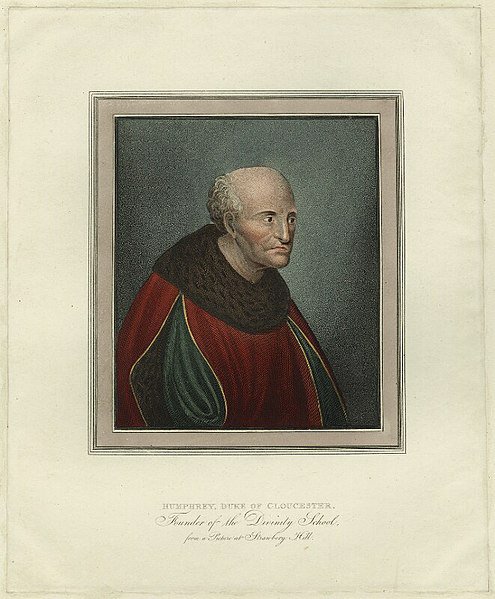
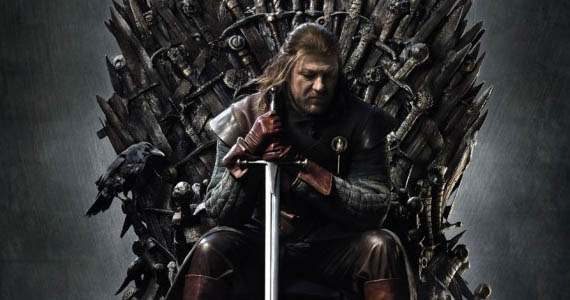
Ned Stark- Humphrey Duke of Gloucester from Henry VI, Part II
Duke Humphrey is a Yorkist from the north of England, just as Ned is Lord of Winterfell, a powerful kingdom in the north of Westeros. King Robert makes Ned Protector Of the Realm when he dies, which makes him king in all but name, and tasked with taking care of Robert’s young son Joffrey until he comes of age.
Portrait of the historical Humphrey, Duke of Gloucester from the National Portrait Gallery, artist unknown.
In Shakespeare’s Henry VI trilogy, King Henry the Fifth makes his brother Humphrey Lord Protector before he dies, to take care of England until his infant son Henry VI comes of age to rule. Like Ned, Humphrey is loyal, blunt, and only interested in keeping the realm at peace. In both Westminster and the Red Keep, all the lords are conniving and ambitious, and only interested in advancing themselves politically. These two lord protectors are the only ones with the good of the kingdom in mind.
Both Ned and Humphrey are betrayed and executed by those ambitious lords around them for the same reason; they stand in the way of the lords in their quest for power. In Henry VI, Part II, Henry’s ambitious queen Margaret starts a smear campaign against Humphrey’s wife, then pressures the King to force Gloucester to resign. As if that weren’t enough, Margaret also secretly conspires to murder the noble duke. Similarly, In Game of Thrones (Spoiler Alert), queen Circe puts her son on the throne and proclaims Ned a traitor. In both cases though, once the Lord Protector dies, the whole kingdom erupts in fights and arguments for the crown on all sides.
Ned Stark also resembles the heroes of Shakespeare’s Roman plays. He is cold and stoic as Brutus, and a devoted soldier like Titus Andronicus. Ned’s dire wolf is another connection with Shakespeare’s Roman plays; the wolf 🐺 is the symbol of the Roman Empire; packs of cold hunters who depend on each other for the survival of the family.
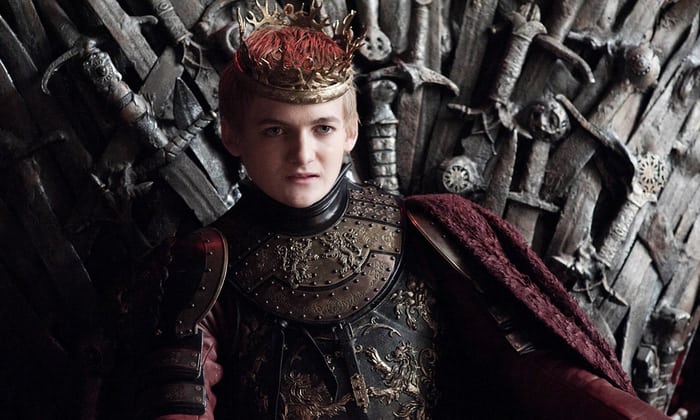
King Joffrey- Saturnine from Titus Andronicus– Joffrey is like the worst kind of tyrant- rash, proud, violent, and cruel. He lacks the maturity to make wise decisions and because of his privileged upbringing, he takes even the tiniest slight against him as an act of treason, and leaves a trail of heads in his wake. Worse still, he is easily manipulated by his mother Circe, who teaches him to act and feel superior to everyone else, and never care for the good of anyone but himself. In that way, he is very much like a Roman Emperor like Nero or Caligula, the real people whom Shakespeare adapted into the character of Emperor Saturnine in his play Titus Andronicus.
When we first meet Saturnine, he leads an angry mob into the streets of Rome, demanding to be made emperor, and threatening all out war if he doesn’t get his way. He also turns on the loyal soldier Titus, (who helped him win a war and win his crown), just because Titus wouldn’t give Saturnine his daughter in marriage. In the clip below from the 1999 movie Titus, Emperor Saturnine (Alan Cummings) is furious just because Titus wrote some mean scrolls about him, after Saturnine killed two of Titus’ sons, and banished a third.
King Robert Baratheon- Edward IV from Richard III.
◦ In the first book of the Game of Thrones series, Robert is the King of the Seven Kingdoms, having won a civil war to take it away from the Mad King Araes Targaryen. Edward in the play Richard III has just won the crown of England after a civil war against the mad King Henry VI. Both men were powerful warriors and used to be strong and handsome. People loved and feared him, but now the pressures of keeping the throne has literally consumed them.
P. 53
Next had come King Robert himself, with Lady Stark on his arm. The King was a great disappointment to Jon. His father had talked of him often: the peerless Robert Baratheon, demon of the Trident, the fiercest warrior of the realm, a giant among princes. Jon only saw a fat man, red-faced under his beard, sweating through his silks.
Jon had noticed that too. A bastard had to learn o notice things, to read the truth that people hid behind their eyes. Two seats away, the king had been drinking heavily all night. His broad face was flushed behind his black beard.
In this passage from Thomas More’s History Of Richard III, (Shakespeare’s primary source for the play), More chronicles how Edward went from a handsome young king, loved and feared by all, into a gluttonous, lecherous, sick old man, who was consumed by care.
He was a goodly personage, and very princely to behold: of heart, courageous; politic in counsel; in adversity nothing abashed; in prosperity, rather joyful than proud; in peace, just and merciful; in war, sharp and fierce; in the field, bold and hardy, and nevertheless, no further than wisdom would, adventurous. Whose wars whosoever would well consider, he shall no less commend his wisdom when he withdrew than his manhood when he vanquished. He was of visage lovely, of body mighty, strong, and clean made; however, in his latter days with over-liberal diet [1], he became somewhat corpulent and burly, and nonetheless not uncomely; he was of youth greatly given to fleshly wantonness, from which health of body in great prosperity and fortune, without a special grace, hardly refrains. This fault not greatly grieved the people, for one man’s pleasure could not stretch and extend to the displeasure of very many, and the fault was without violence, and besides that, in his latter days, it lessened and well left.
-Thomas More, History Of Richard III, c. 1513
There are also similarities in how the characters died. King Robert was killed by a wild boar, while King Edward was killed by his brother Richard, whose sign was a white boar. As a bonus, the stag that is the sigil of House Baratheon, is also the seal of King Richard II, the king who, in the Shakespearean tragedy that bears his name, started the civil war when he was murdered in the Tower Of London. Below is a picture of the famous Wilton Diptych, (Richard the Second’s private alter piece), which depicts the king and all the angels in heaven wearing a badge with a white stag on it.
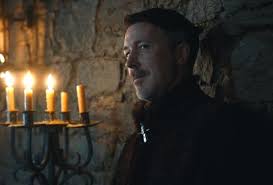
LittleFinger -Lucio from Measure For Measure, Iachimo from Cymbeline, Bawd from Pericles, etc. Shakespeare has a host of character like this lord of Westeros, the Master of Coin. He is cowardly and cynical, but he is also very clever and understands people’s weaknesses, especially sex. Like Bawd from Pericles, Little Finger has grown rich off brothels, and like many real life governments, he turns his prostitutes into spies. This gives him not only cash, but dirt on every lord in the 7 kingdoms. He only worries about Ned Stark, (who can’t be bought), and Vares the eunuch, who can’t be seduced. Little Finger is basically an oily politician and exploits the power of lust in the men of King’s Landing.
Jon Snow– Edgar and Edmund in King Lear Philip the Bastard in King John.
◦ Snow is the illegitimate son of Ned Stark. He’s aware of what he is, so he joins thieves and rapers as a knight of the Night Watch to make a life for himself, just as Edgar becomes a mad beggar in King Lear once he is accused of attempted murder. He has few illusions and like all the base-born children in Shakespeare:
775
He was who he was, Jon Snow, bastard oath breaker motherless, friendless, and damned. For the rest of his life, however long that might be- he would be condemned to be an outsider, the silent man standing in the shadows who dares not speak his true name.”
◦ Shakespeare wrote several characters born out of wedlock such as Phillip Falconbridge in King John, and Edmund from King Lear.
Unlike Jon Snow, Edmund in King Lear uses deceitful and cruel cunning in order to advance his position in life. Snow doesn’t try to change the rules, but both of them know that no one is going to give them anything. Early in book one, Jon learns to accept the cruelty of the world, and to accept what he is:
Let me give you some council, bastard, never forget what you are, for surely the world will not. Make it your strength. Then it can never be your weakness. Armor yourself in it, and it will never be used to hurt you.
Song Of Ice And Fire, p. 57.
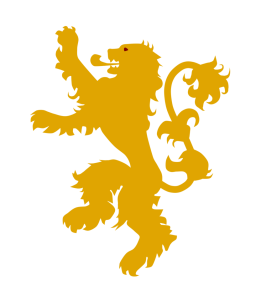
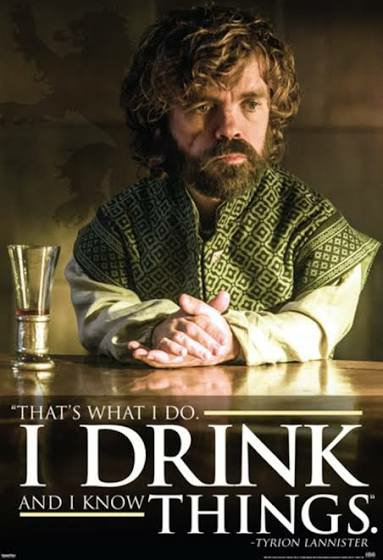
🦁 Tyrian Lannister –
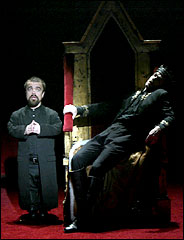
Obviously he shares some parallels with Richard III, with his small size and the fact that he is the most hated member of a powerful family. In fact, Peter Dinklage who plays Tyrion played Richard the Third back in 2004.
In terms of his personality however, Tyrion has neither the cruelty, nor the bitterness of Richard. For this reason, I would argue that Tyrion more closely resembles Sir John Falstaff.
◦ Like Falstaff, Tyrion laughs at his physical form as a way of disarming his enemies.
◦ Both Characters are famous for talking their way out of anything.
◦ Both characters are down on their luck for most of the books
Both characters are, ahem, fond of drink. Falstaff even has a beer named after him:
◦ Most Of all, Tyrion and Falstaff are survivors – they will do anything to stay alive, good or bad. They are also unapologetic about acting cowardly and deceitfully to avoid death. In Falstaff’s famous ‘Catechism speech,’ he mocks the concept of honor and how it frequently gets men killed.
FALSTAFF
‘Tis not due yet; I would be loath to pay him before
his day. What need I be so forward with him that
calls not on me? Well, ’tis no matter; honour pricks
me on. Yea, but how if honour prick me off when I
come on? how then? Can honour set to a leg? no: or
an arm? no: or take away the grief of a wound? no.
Honour hath no skill in surgery, then? no. What is
honour? a word. What is in that word honour? what
is that honour? air. A trim reckoning! Who hath it?
he that died o’ Wednesday. Doth he feel it? no.
Doth he hear it? no. ‘Tis insensible, then. Yea,
to the dead. But will it not live with the living?
no. Why? detraction will not suffer it. Therefore
I’ll none of it. Honour is a mere scutcheon: and so
ends my catechism.
Now observe this passage where Tyrion reacts to the death of a noble knight who was foolish enough to wear armor while crossing a river on a raft.
“Good my lord,” the messenger said. “Lord Brax was clad in plate-and-mail when his raft overturned. He was so gallant.” “He was a fool,” Tyrion thought, willing his cup and staring down into the wind depths. Crossing a river at night on a crude raft, wearing armor, with an enemy waiting on the other side–if that was gallantry, he would take cowardice every time. Song of Ice and Fire, 765.
My favorite part of the books is the way Martin writes the female characters. All the female characters are dealing with the fact that women have very little power or say in their society and they all use Shakespearean means or methods to get what they want.
🦁 Circe- Tamara and Lady Macbeth
◦ Circe
Just as her son Joffrey has the arrogance and sadistic cruelty of a Roman emperor, Circe is a mirror image of the cruel empress Tamara, Queen Of Goths in Titus Andronicus. Both women are attracted to power and motivated by revenge. Tamara wants revenge against General Titus, who executed her son in the war. After seducing and marrying the emperor, she uses her influence to execute two of Titus’ sons. She then uses her lover Aaron the Moor (with Whom she secretly has a child), to concoct a plot to rape and mutilate Titus’ daughter. And if that weren’t enough, she tries to drive him mad by appearing at his home dressed as the Roman goddess Revenge. In short, Tamara is a classic femme fatale, who raises above the social oppression of her sex by seducing powerful men, and stabbing them in the back.
Circe is also a femme fatale, though Martin gives her more time to explain her motivations than Shakespeare gives Tamara. Like the Queen Of Goths, Circe marries King Robert Baratheon, while secretly having a taboo affair, this time with her brother Jamie. The difference is that Circe kills not strictly for vengeance, but mainly to conceal the fact that her son Joffrey is actually the product of her incest in order to protect him and eventually make him king. This is why Circe kills Ned Stark, Jon Aron, and consents to the murder of all or Robert Baratheon’s true born sons.
Circe does desire revenge, but not against anyone in particular. Instead, she wants to repay the patriarchy that keeps her down simply because she is a woman. Quote about Circe when she talks about how jealous she is of Jamie. In that chapter we get a great sense of who Circe really is. Because she’s a twin, she compares herself to her brother, observing how Jamie was given on her glory and respect when he became a knight and a member of the King’s Guard, while she was sold off to king Robert at the age of twelve like a slave or a common whore. Why, Circe asks, if she looks so much like him and acts so much like him, is she treated so differently just because she’s a woman? In a perverse sort of way, her incest might be a misguided attempt to claim part of Jamie’s honor and power through sexual conquest. Both Tamara and Circe show how an oppressive patriarchy can plant truly destructive thorns in the hearts of women, and these two queens reap that bitter harvest by cutting down the men in power one by one.
like camera Circe is driven by her love for her children and her desire and her pride and desire for vengeance. She spends the first half of the place seducing the emperor to gain his favor and then when she is made empress she uses her power to systematically destroy Titus and his family. Similarly, Circe marries king Robert and then when he dies she makes her son she then kills Ned Stark guy in prisons his daughter tries to kill the second of and
Catelyn-
Hermione From The Winters Tale ❄️ 🐺
◦ Pious
◦ Kindness and mercy are her weapons as well as her will and devotion to her friends and family. Even Tyrion is impressed by her integrity.
🐺 Aria- Imogen from Cymbeline
◦ If it’s a mans world, pretend you are one! She learns to use a sword ⚔️ and uses her small size and gender to sneak away from her enemies.
🐉 Daenerys Targaryen- Cleopatra!
◦ Crafty and beautiful
◦ Uses her sexuality to gain a powerful man’s protection
◦ Her dragons 🐉 make her a goddess, elevating her beyond a woman and even a queen. In a society that opposed and ignored women, female monarchs needed to practically deify themselves in order to get the same respect as their male counterparts.
Just as the real Cleopatra claimed to be a descendant of the goddess Isis and Elizabeth I was part of the cult of the virgin queen, The Mother Of Dragons has a mythic power that commands fear and adoration.
Spoiler Alert
In the final chapter of book one, Daenerys tries to simultaneously say goodbye to her warrior husband Khal Drogo, and to get her few remaining soldiers to swear loyalty to her. She dresses him, she braids his hair, she puts him atop a pyre, and waits for a star to pass overhead to give his funeral a cosmic significance:
“This is a wedding too.”
The pyre shifted and the logs exploded as the fire touched their secret hearts. She could hear the screams of frighten horses and the voices of the Dothraki. “No,” she wanted to shout to him, “No my good knight, do not fear for me. The fire is mine. I am Daenerys Stormborn, daughter of dragons, bride of Dragons, Mother Of Dragons.”
This mirrors how, once Cleopatra loses Antony and knows that the Romans are coming to capture her, she says goodbye to Antony, and asserts herself as queen.
CLEOPATRA
Give me my robe, put on my crown; I have Immortal longings in me: now no more The juice of Egypt’s grape shall moist this lip: Yare, yare, good Iras; quick. Methinks I hear Antony call; I see him rouse himself To praise my noble act; I hear him mock The luck of Caesar, which the gods give men To excuse their after wrath: husband, I come: Now to that name my courage prove my title! I am fire and air; my other elements I give to baser life.
Have I the aspic in my lips? Dost fall? If thou and nature can so gently part, The stroke of death is as a lover’s pinch, Which hurts, and is desired. Dost thou lie still? If thus thou vanishest, thou tell’st the world It is not worth leave-taking. Antony and Cleopatra, Act V, Scene ii.
Dany does the same thing. She lights the pyre to help her husband ascend to the heavens, taking his place among the stars. Then, she sits on top of the pyre along with her three dragon eggs. Miraculously, she survives the fire and the dragons hatch, thus establishing her as the true heir of House Targarean and the Mother Of Dragons.
After witnessing the queen embracing her serpentine children, the blood riders that swore oaths to defend her husband swear again to defend her, promising to help her win the Iron Throne. Her power to command loyalty can win her the throne, and unlike Robert, keep it!
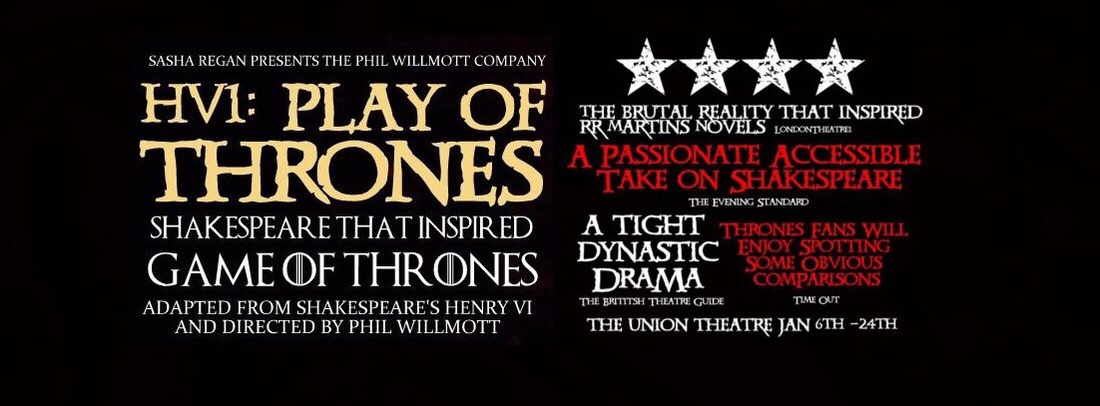
There are enough comparisons between Shakespeare and GOt that one playwright even adapted Shakespeare to resemble a Game Of Thrones story. Below is a poster of
Play Of Thrones, an adaption Of The Henry VI plays that, as I’ve mentioned, are full of characters and scenes similar to Game Of Thrones:
As I said before, my criteria for these apps was “Free, functional (educational or useful in life,) and fun.”
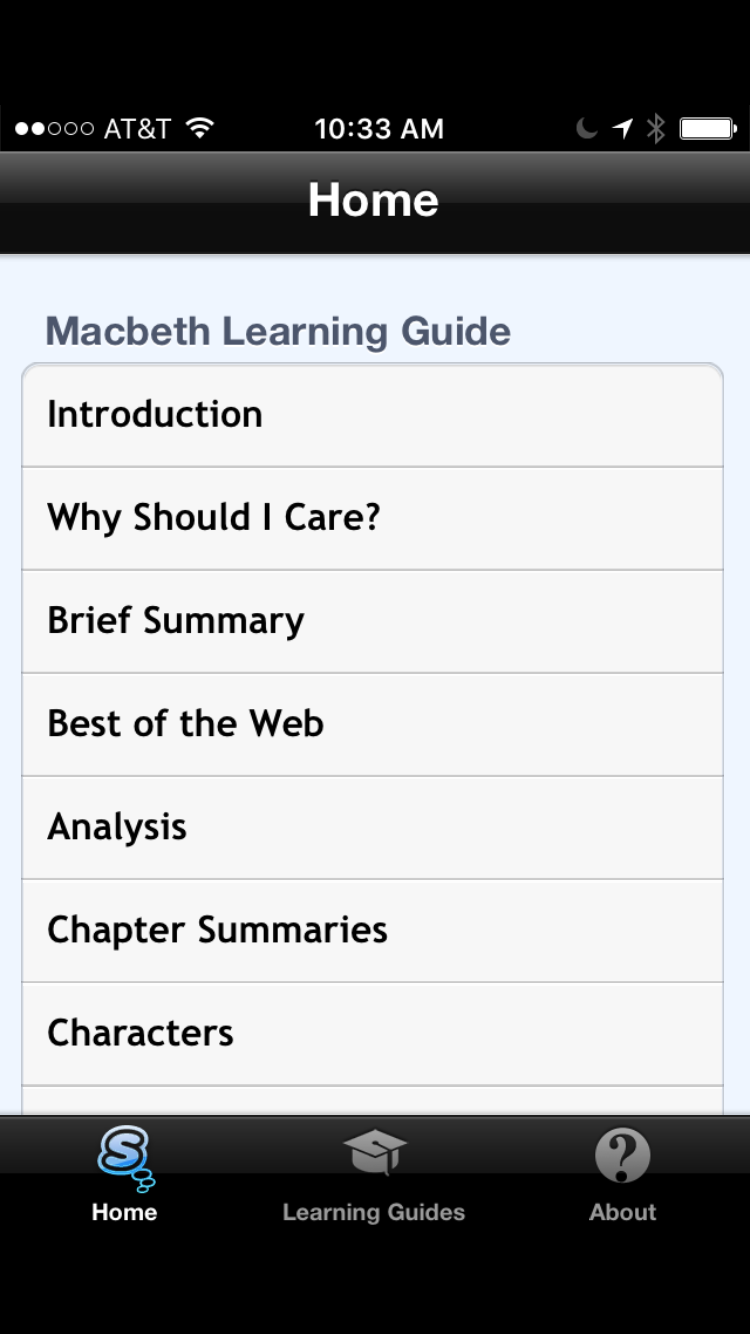
6. Shakespeare by Shmop: incredible! This is a study guide for your phone of tablet. There are separate apps Hamlet, Macbeth, and R&J. Each one features a glossary, analysis, quotes, study questions, you get the idea. You can cover a lot of the play with this app. My favorite feature is “Why Should I Care?” This is a short essay that compares the themes and ideas of the play to modern life. Excellent app, and the website is great too for students and teachers: http://www.shmoop.com
7. Shakespeare for kids–
I believe nobody is too old or too young to enjoy Shakespeare, so I tried to find a Shkespeare app for young children and came up with this. To be honest, I was disappointed in this one; it’s basically an app version of Irene Lamb’s book “Tales From Shakespeare”. It consists of short summaries of the plays intended for children. There are no study guides, no quotes, and the games have nothing to do with Shakespeare. My advice, get the book, or go to these sites:
8. Poems By Heart Made by the Penguin Publishing Co, it’s designed to help you learn a poem by quizzing yourself, one line at a time, (or one word if necessary). Friendly and enjoyable.
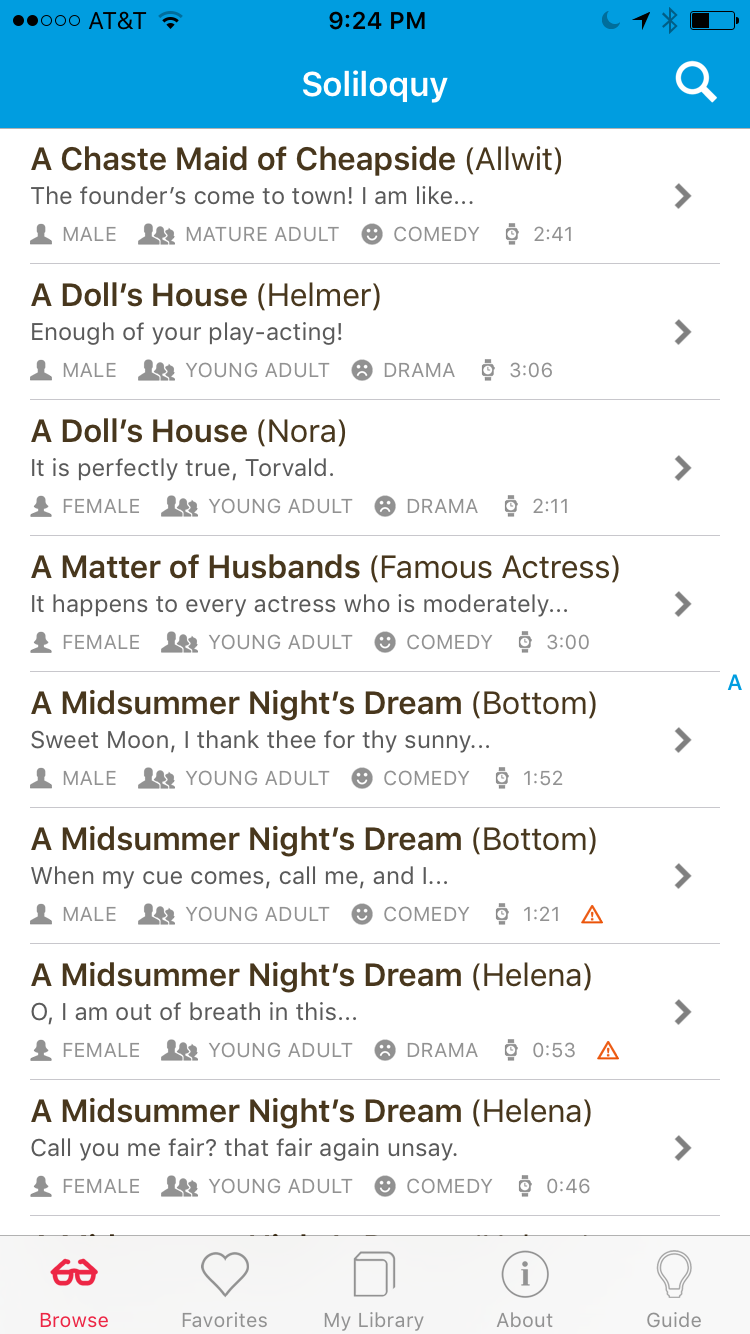
9. Soliloquy by playshakespeare.com.
As you might expect, this app is a database of Shakespearean speeches. I normally don’t advocate actors learning speeches out of context without reading the whole play, but this app is useful for the professional actor on the go, who needs to pull out a speech in a hurry. It’s sort of a digital monologue portfolio. You can find a good speech, save it, then pull it out when you need to study it. There’s also a pro feature that allows you to edit the speech if it’s running long. What I really like is the fact that each speech is conveniently classified by gender/ genre/ length, and the helpful tips for young actors picking a good speech.
Well now we come to the end of the free Shakespeare app list I’ve compiled. Now what? I would recommend downloading Shakespeare by Playshakespeare.com, then BURN THE LIST! This is the most incredible Shakespeare app I’ve ever seen! It has tons of free and pay- only features and I’ve listed a few below:
Full text of the plays
A GPS feature where you can locate any Shakespearean theater near you.
A free passport to 57 theaters that offer discounts to members.
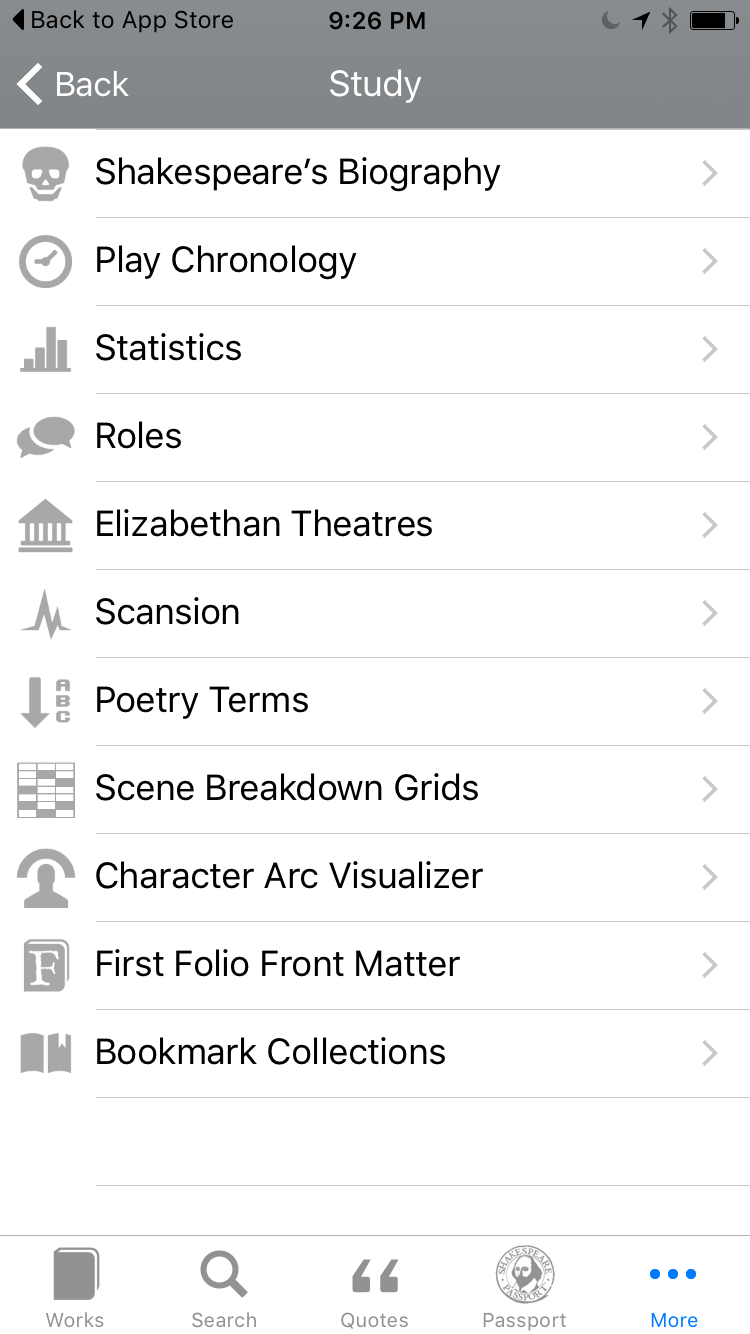
Study guides which include scene breakdown, poetry glossary, and notes on verse scansion
Shakeapeare quotes generator.
A glossary of over 40,000 Shakespearean words
Much like this blog, I recommend this app to Shakespeare lovers of any age!
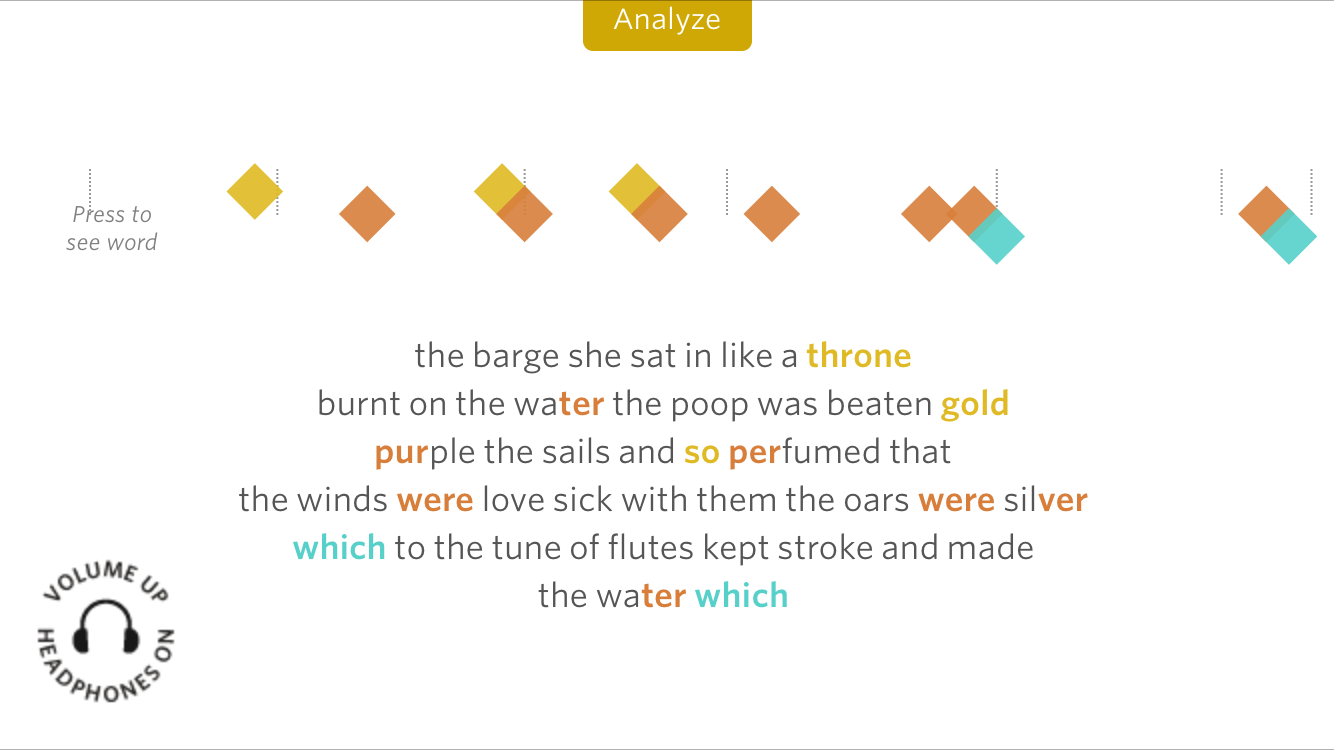
One more bonus review: this isn’t an app, but it’s a website created by Joel Eastman and Erik Hinton of the Wall Street Journal. Its purpose is to analyze the awesome lyric complexity of the Broadway musical “Hamilton.” http://graphics.wsj.com/hamilton/
The website uncovers the use of assonance, alliteration, near-rhymes, mid-line rhymes, and other strokes of Lin-Manuel Maranda’s lyrical brush. The best part is that you can feed any text you want into the website, and it will use the same algorithm to show you its lyrical elements, so I’d recommend using it as a tool to study Shakespeare. You’ll find that the Bard of Avon and Snoop Lion aren’t as different as they might seem.
So there you are, a few fun, friendly, and free tools for exploring the work and life of a timeless English playwright. As The Bard might say: “Sirs, betake you to your tools,” for such apps as these are only as good as the person who uses them.
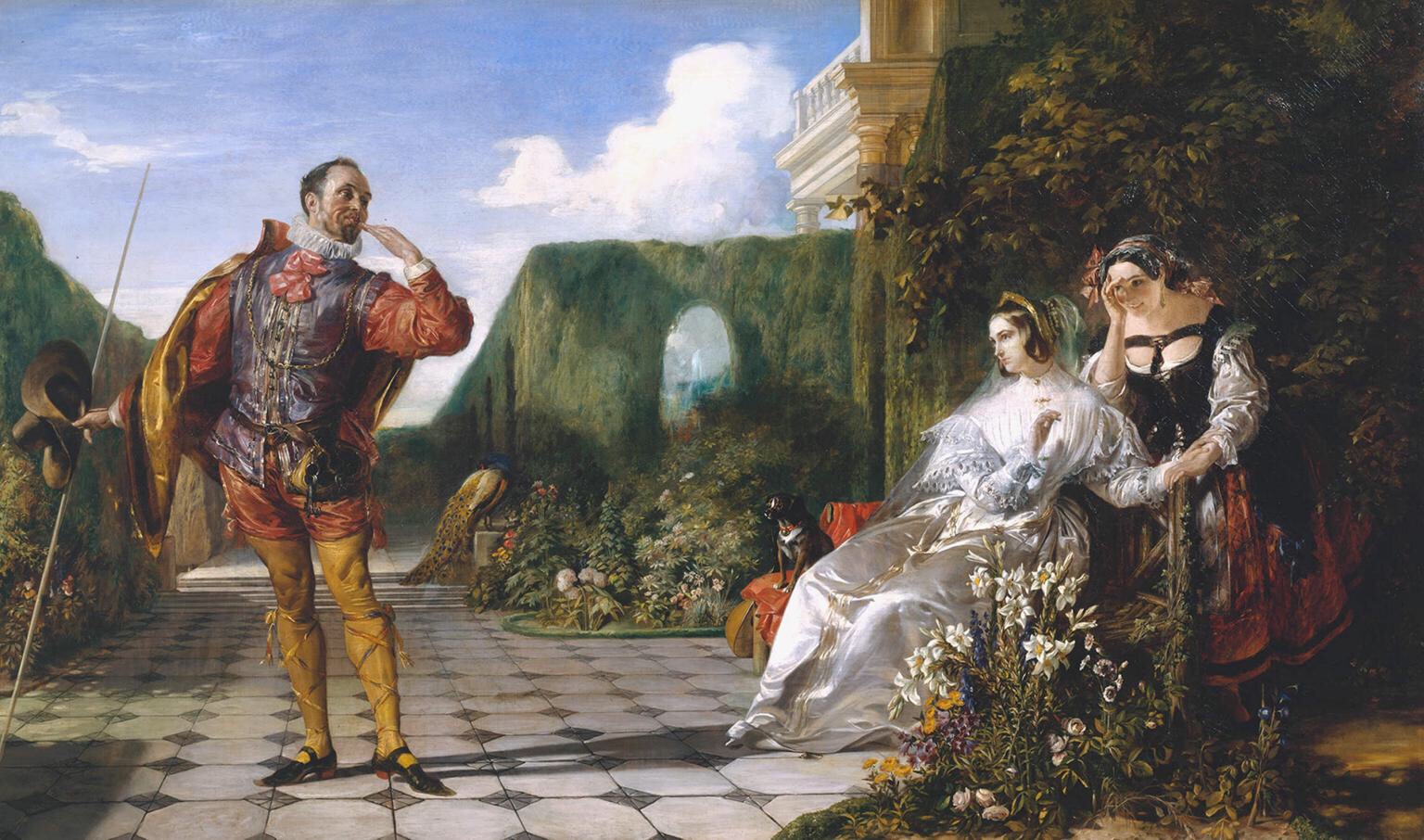
The venerated Shakespearean actor, Sir Antony Sher, once said with frustration while he was acting at the RSC that, “even the best Feste is less funny than the worst Malvolio.” I actually have a rare insight into these two roles since I’ve played them both! So allow me if you will to present you with some insights I’ve gained into these two characters that are very much polar opposites. Although they are as different as night and day, they form the central comic premise of the whole play, and have some truly hilarious moments!
Me. as Malvolio, Wooster. High School 2002
I played Malvolio when I was a senior in high school; he was my first principal Shakespearean role. My director chose to set the play in the 1940s and he re-purposed the kingdom of Illyria as the Hotel Illyria, with Malvolio as the concierge or lead butler in charge of all the hotel maids and other housekeepers. This not only made the play more accessible to a 2002 audience, it also really helped me understand Malvolio’s role: he is first and foremost a snob who is obsessed with efficiency and pleasing his mistress Olivia (in this version the owner of the hotel). I would soon also discover that, although Malvolio is certainly snobby and can be a bit of a killjoy, he also has qualities that make him appealing to everyone who has ever felt put down or bullied, and that’s what makes him a complex and endearing character today.
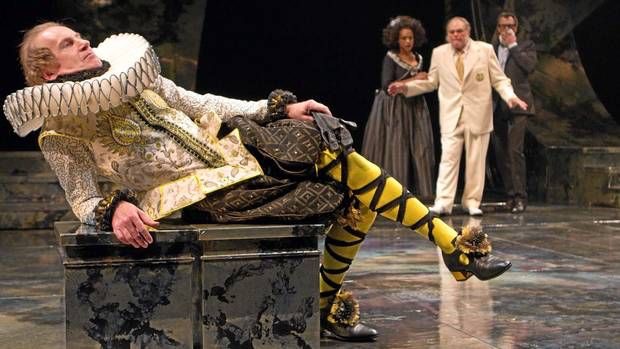
Richard Briars as Malvolio
Some notes on the character: Malvolio’s name means “unsatisfied desire”- somebody who aspires to be what he is not. I find the relationship between Feste and Malvolio interesting because the two are partially defined by how each one is unlike the other. Feste is a clown, hired by the nobles to help them have a good time. He is described as “a merry fellow who cares for nothing.” In other words, Feste never takes anything seriously, except making a living with his jokes and songs. Malvolio is the exact opposite- he is also a servant, but he is a steward, in charge of running the Countess Olivia’s household. As such, he is obsessed with efficiency, commanding respect, and pleasing his mistress through his obsequious manner.
Like the Joker and Batman, both characters live according to an opposing viewpoint; Feste is a chaotic, happy-go-lucky sort, while Malvolio has a strict code of behavior which he expects everyone to follow. Their opposing world views bring them into conflict every time they meet. Plus, in most productions Feste is wearing brightly colored clown apparel or “motley wear,” while Malvolio is dressed in black. I’m not saying Malvolio is anywhere near as cool as Batman, but Malvolio can be just as sanctimonious. His journey is how he goes from being the trusted household servant, to a raving madman, to at last the Spectre at the feast at Olivia’s wedding.
I think the appeal of the character, which balances out the aforementioned snobbery, is that Malvolio is also a nerd: he dreams of becoming a count, he tries to make friends, but he does so by working far too hard at his job and not knowing how to fit in. This is why we inevitably feel sorry for him at the end of the play when he begs to know why his tormentors have locked him in a dark room, treated him like a lunatic, and made him think his lady was in love with him only to utterly destroy his hopes. The balance between the Nerd and the Snob that makes Malvolio a universal and complex part, and that’s why some of history’s greatest actors have played it!
Prepping for the Role: Alec Guinness, Laurence Olivier, Patrick Stewart, Donald Sinden, Nigel Hawthorne, Richard Briars, Steven Fry- these are just some of the names of actors who have played this part over the years. The first actor to play the role was Shakespeare’s leading actor, Richard Burbage, who also played Richard III, Hamlet, and Macbeth. Here’s a sample from Burbage’s famous eulogy, which mentions some of his most famous parts:
A Funeral Elegy On the Death of the Famous Actor, Richard Burbage,
He’s gone, and with him what a world are dead,
Friends, every one, and what a blank instead!
Tyrant Macbeth, with unwash’d, bloody hand,
We vainly now may hope to understand.
Brutus and Marcius henceforth must be dumb,
For ne’er thy like upon the stage shall come,
Vindex is gone, and what a loss was he!
Frankford, Brachiano, and Malevole.
One big decision that every Shakespearean actor needs to make is how to approach their role in a different way. To be honest, I was kind of a thief with my Malvolio- one of the first things I did was read a book by actor Sir Donald Sinden where he talks about how he delivered Malvolio’s first line, which occurs in Act I, Scene iii:
Olivia. What think you of this fool, Malvolio? doth he not mend?
Malvolio. Yes, and shall do till the pangs of death shake him:
infirmity, that decays the wise, doth ever make the 365
better fool (Act I, Scene v).
Sinden described his first line as a snobby “nyess,” as if he were simultaneously bored and embarrassed by Feste’s jokes. The director told me to act around Feste as if I were the villain in a Charlie Chaplin movie- basically to bully Feste and make him feel very small with my lines, in order to justify the revenge Feste innevitably takes on him. Like any character in Shakespeare, this is only one way to play the role, so you don’t have to agree with me.
The Gulling Scene
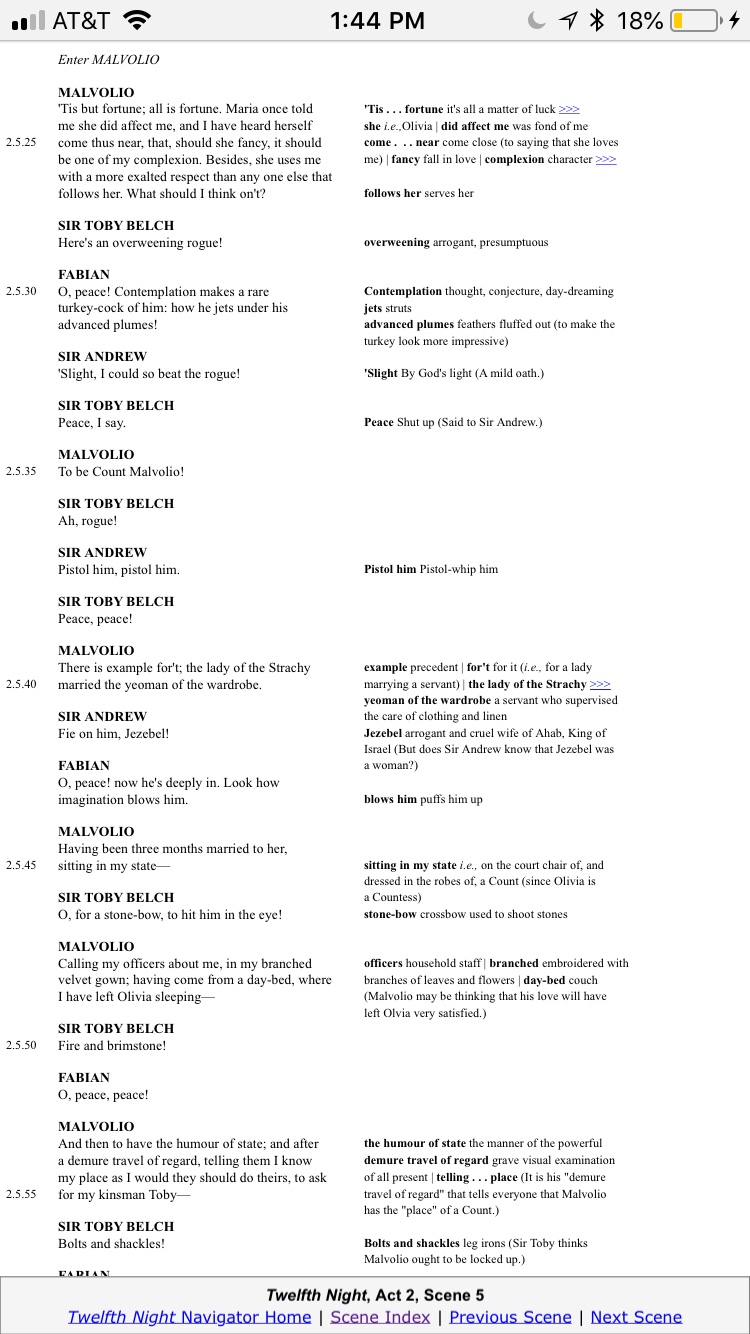
Malvolio’s most famous scene is called “The Gulling Scene,” the scene in which he’s tricked into thinking Olivia is in love with him. This is the moment where Malvolio goes from being a respectable prudish servant, into a raving madman. He enters full of dreams and plans to become “Count Malvolio” and creates an elaborate fantasy of what his life would be like if he married the Countess.
No sooner does Malvolio compete his fantasy of marrying Olivia, when lo and behold, a letter from her suddenly appears! Of course, the audience knows it’s all a trap and even worse, Sir Toby, Sir Andrew, and a boy named Fabian are watching him! It’s a moment of exquisite comedy that’s nearly impossible to get wrong.
One question I had when I did the scene was whether Malvolio really loves Olivia, or just loves her riches and her title. As a high schooler, I chose to believe that he really does have a crush on Olivia, but is too socially awkward to tell her. Having the letter is a chance to make his feelings known, which Malvolio can get very genuinely excited about! On the other hand, as you can see above, Malvolio might just be greedy to make himself even more respected and admired, and to have the power to throw out the likes of Sir Toby, Sir Andrew, and Maria. Malvolio’s revenge fantasy is also fun to watch, since we know he’ll be punished for it later.
Part of the fun involved in the scene is that it’s basically a “play within a play,” a device that Shakespeare used to great effect in Hamlet, A Midsummer Night’s Dream, Love’s Labor’s Lost, and both parts of Henry the Fourth. I think it’s the charm of seeing a character as he really is, Malvolio shows you his fantasies and creates a whole world in the middle of the orchard. Meanwhile, you feel complicit as you watch the people watching him, who could just as easily be part of your audience.Workshop on Twelfth Night and Bullying
On the other hand, the scene has also been called an example of bullying, since Sir Toby and Maria are using the letter to manipulate then humiliate Malvolio. Remember, Malvolio dresses like a fool and act like a fool in front of Olivia in Act III because he believes it will please the Coubtess. Basically Toby and Maria are Catfishing Malvolio, which can seriously hurt psychologically, as anyone who has been deceived over the internet knows. Plus, it ruins Malvolio’s reputation as you can see in this clip:
Again, as a teenager, I could certainly relate to a man making a fool of himself in a vain attempt to impress a girl. Seeing a man lose his head over a girl and then have her break his heart over a prank, is in some ways truly terrible to watch; even Olivia agrees by the end of the play that the joke has gone too far.
Malvolio. Madam, you have done me wrong,
Notorious wrong.
Malvolio. Lady, you have. Pray you, peruse that letter.
You must not now deny it is your hand:
Write from it, if you can, in hand or phrase;
Or say ’tis not your seal, nor your invention:
You can say none of this: well, grant it then
And tell me, in the modesty of honour,
Why you have given me such clear lights of favour,
Bade me come smiling and cross-garter’d to you,
To put on yellow stockings and to frown 2550
Upon Sir Toby and the lighter people;
And, acting this in an obedient hope,
Why have you suffer’d me to be imprison’d,
Kept in a dark house, visited by the priest,
And made the most notorious geck and gull
That e’er invention play’d on? tell me why!
Olivia. Alas, Malvolio, this is not my writing,
Though, I confess, much like the character
But out of question ’tis Maria’s hand.
And now I do bethink me, it was she 2560
First told me thou wast mad; then camest in smiling,
And in such forms which here were presupposed
Upon thee in the letter. Prithee, be content:
This practise hath most shrewdly pass’d upon thee;
But when we know the grounds and authors of it, 2565
Thou shalt be both the plaintiff and the judge
Of thine own cause.
That’s the tragic part of Malvolio’s journey. We’ve all known a Malvolio, and we’ve all been him from time to time. That’s what makes him such an enduring character.
Part One: The Invitation:Tradition says the 12th night does not actually start until nightfall on January 5th; it’s the celebration of the night when the wise men finally got to Bethlehem, so make sure you you’re clear on that in the invitation. If you need help on designing clever 12th night invitations, view my previous post on creating Valentine’s Day cards!Part Two: The FeastTraditionally celebrated with, (as Sir Toby puts it), “cakes and ale,” there’s a lovely recipe for a 12 night cake below.Picture/ recipe is available here: Jane Austin.com: Twelfth Night cakeA Twelfth Night cake is basically a fruitcake stuffed with spices and dried fruit, that symbolizes of the three kings that came from the orient to Bethlehem all those years ago. One game you can play with your guests is putting a bean in the center of the cake. Tradition holds that whoever finds the bean has good luck for the coming year.The alternative version favored in France and Switzerland, is made of puff pastry, egg, and rum. Here’s a recipe I found on food.com: Swiss Twelfth night cakeMusicSinging is a big part of 12th night as evidenced in this scene where sir Toby, Mariah and Sir Andrew start singing songs: Act II Scene III I have taken the liberty of putting down all the songs from 12th night and some YouTube clips of my favorite renditions.Hold Thy Peace, Thou Knave (Shakespeare Songbook)O Mistress Mine (2011)Come Away Death(2014 Shakepeare in the Park SoundtrackHey Robin, Jolly Robin ( Shakespeare Birthplace)I Am Gone Sir (Stratford Shakespeare Festival 2011)The Wind and Rain (Alabama Shakespeare Festival)Games
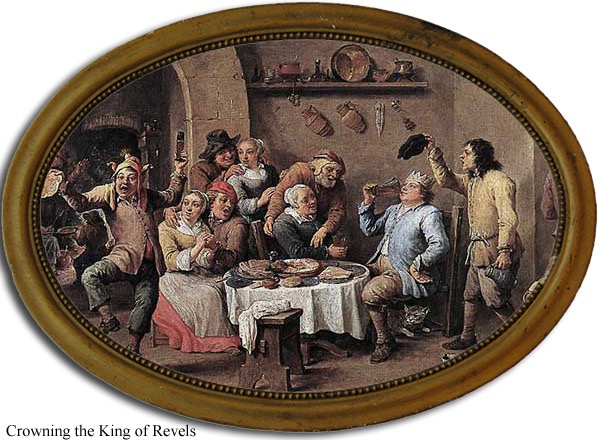
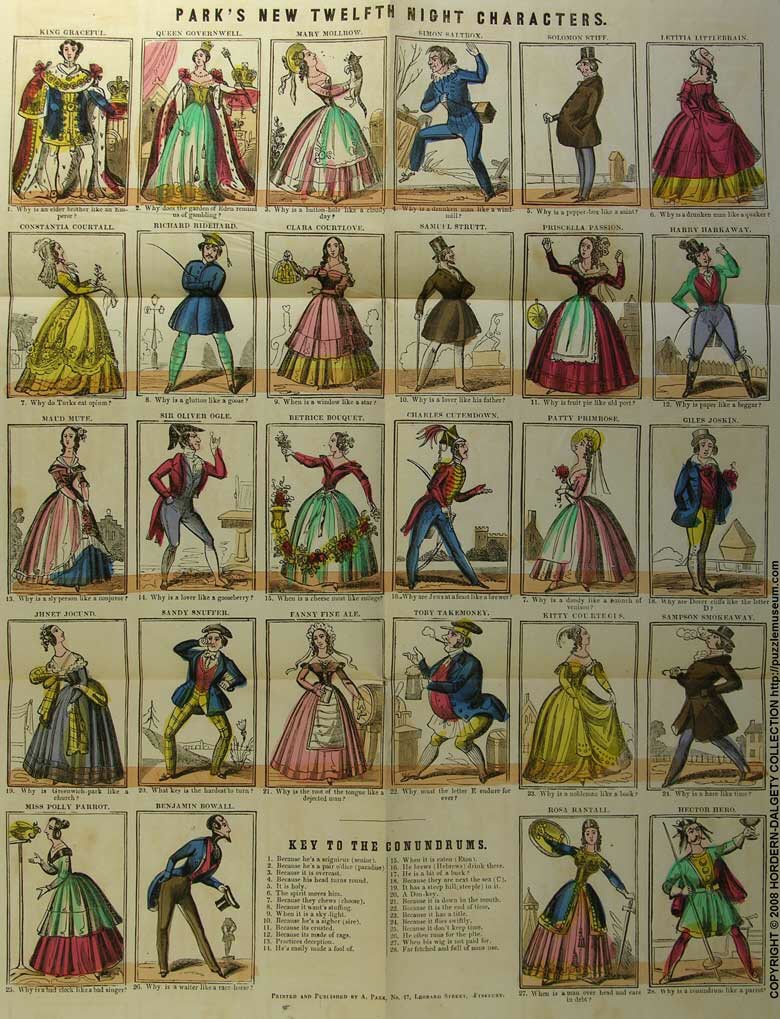
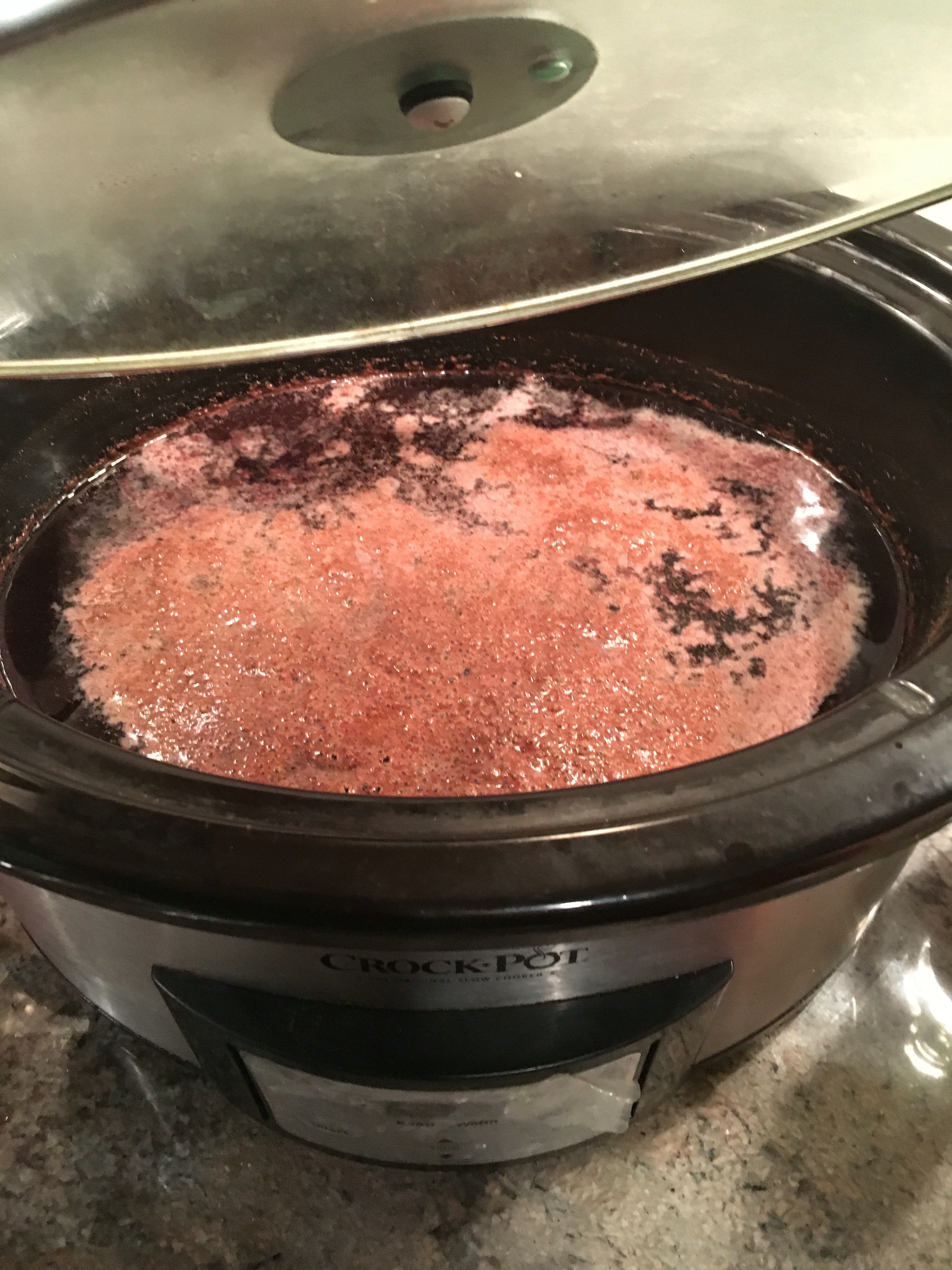
As I’ve mentioned in my previous posts one big part of the Christmas season was appointing a lord of misrule, and ancient tradition that goes back even before Christian times. In the play 12th night Feste basically serves as Lord Of Misrule; he presides over all the games and songs in the house, and he helps Sir Toby baffle Malvolio. In real life a Lord of Misrule presided over each Twelfth Night celebration, choosing which games and dances everyone would engage in.Most early Twelfth Night celebrations included a masked ball. In the 18th century, merrymakers engaged in a sort of role playing game, where they drew a character based on a popular archetype like the soldier Charles Cuttemdown or Beatrice Bouquet, and had to act like that character the rest of the night. Finally, a holiday that encourages you to LARP!Wassail.As I mentioned in my previous post wassail was the quintessential winter beverage and 12 night was not an exception. In this post you can see some photos of me actually making wassail myself in accordance with a trip up recipe I found on the food from the food network’s Alton Brown.Alton Brown Wassail recipe I didn’t have Madeira wine so I substituted port, but otherwise I used all the ingredients he mentioned in the recipe.Like I said in the previous post, Wassail is derived from an old word meaning “lamb’s wool,” and you can see why when you see the frothy mixture on top.I served this wassail to my in laws on Christmas night, and the only complaint I got was that the weather was a little too hot to enjoy it. I can personally attest that wassail warms you right down to your toes, which is great if you’ve been out caroling in 17th century England, but indoors during the hottest Christmas on record, it was a little uncomfortable- I was already wearing shorts and I was still too hot. My advice is- if you get a white Christmas, enjoy your wassail, but if it’s 60 degrees outside, stick to ale or Madeira, or some other kind of spicy spirit that you can serve
Well, that’s my advice, happy Twelfth Night everyone!Update: I’ve adapted the material from this post into an interactive, multimedia online class for kids aged 13-18! It will cover Elizabethan Christmas traditions and the plot and themed of Twelfth Night. You can register now at Outschool.com!Sources:Brownie Locks.com- History of Twelfth Night Catholic Encyclopedia: Feast of Fools Jane Austin.com: Twelfth Night Celebrations Lost Past Remembered: Twelfth night Why Christmas.com: the Twelve Days of Christmastime Project Britain: Twelfth Night http://projectbritain.com/Xmas/twelfth.htm



























 If you click on the link, you can do a great scavenger hunt where you upload pictures or answer trivia questions for points, and of course they are all related to Shakespeare. If you have the app on your phone, search for Shakespeare Birthday Scavenger Hunt and enter the code: 2BON2B (Get it, to be or not to be)! You can also use the code NLEGVM. Let me know if you like it or if you cannot access the link.



























 Sources:
 The Shakespearean Student